Amines
Amines are a set of molecules containing an amino functional group (derived from ammonia). This category includes amines at any level of substitution : primary, secondary, tertiary, and ammonium salts. Amines are fundamental in organic synthesis and are widely used in pharmaceuticals, agrochemicals, and materials science. At CymitQuimica, we provide a comprehensive selection of amines to meet your research and industrial needs. Our range ensures access to various amines for diverse chemical processes and innovative research.
Subcategories of "Amines"
- Nitrosamines(2,605 products)
- Primary Amines(30,821 products)
- Quaternary Ammonium Cations and Salts(1,099 products)
- Secondary Amines(20,817 products)
- Tertiary Amines(17,117 products)
Found 8778 products of "Amines"
Sort by
Purity (%)
0
100
|
0
|
50
|
90
|
95
|
100
4-[(4-Acetylphenyl)amino]-4-oxobutanoic acid
CAS:<p>Please enquire for more information about 4-[(4-Acetylphenyl)amino]-4-oxobutanoic acid including the price, delivery time and more detailed product information at the technical inquiry form on this page</p>Formula:C12H13NO4Purity:Min. 95%Molecular weight:235.24 g/molLycopsamine N-oxide
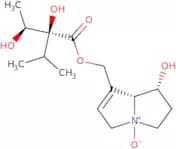
CAS:<p>Lycopsamine N-oxide is a pyrrolizidine alkaloid derivative, which is a naturally occurring compound found in certain plant species, particularly within the Boraginaceae family. This compound is typically produced as a secondary metabolite in these plants. Its mode of action involves metabolic activation in the liver, where enzymes convert it into reactive intermediates capable of binding to cellular macromolecules, ultimately leading to toxic effects.</p>Formula:C15H25NO6Purity:Min. 95%Molecular weight:315.36 g/mol[2-(1-Isobutyl-1H-benzimidazol-2-yl)ethyl]amine dihydrochloride
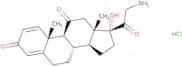
CAS:Controlled Product<p>Please enquire for more information about [2-(1-Isobutyl-1H-benzimidazol-2-yl)ethyl]amine dihydrochloride including the price, delivery time and more detailed product information at the technical inquiry form on this page</p>Formula:C13H19N3Purity:Min. 95%Molecular weight:217.31 g/mol21-Amino-17-hydroxypregna-1,4-diene-3,11,20-trioneHydrochloride
CAS:Controlled Product<p>Please enquire for more information about 21-Amino-17-hydroxypregna-1,4-diene-3,11,20-trioneHydrochloride including the price, delivery time and more detailed product information at the technical inquiry form on this page</p>Formula:C21H28ClNO4Purity:Min. 95%Molecular weight:393.9 g/mol2-Picolylamine
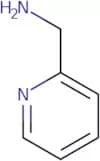
CAS:<p>2-Picolylamine is a biologically active compound that is structurally related to the amino acid lysine. It is a weak base that reacts with acids to produce picolines, which are intermediates in the reaction mechanism. 2-Picolylamine has been shown to have toxicological properties and was found to be lethal to the rat at doses of 250 mg/kg. The molecular weight of 2-picolylamine is 88.06 g/mol, and its chemical formula is C9H14N2O2. The product's anti-tuberculosis drugs prevent bacterial growth by binding to DNA-dependent RNA polymerase, thereby preventing transcription and replication. The high frequency of human activity has been shown using a patch-clamp technique on human erythrocytes. This active form is metabolized through a number of metabolic transformations, including hydrolysis by esterases or glucuronidases, oxidation by cytochrome P450 enzymes</p>Formula:C6H8N2Purity:Min. 95%Molecular weight:108.14 g/mol3,4-Diaminobenzotrifluoride
CAS:<p>3,4-Diaminobenzotrifluoride is a photophysical agent that emits light of a specific wavelength when irradiated with ultraviolet light. It has been shown to inhibit the growth of human cervical carcinoma cells in vitro and to cause apoptosis in these cells. 3,4-Diaminobenzotrifluoride also inhibits the proliferation of human liver and lung cancer cells in vitro. The mechanism by which this agent causes cell death is unknown. 3,4-Diaminobenzotrifluoride is an acid catalyst and stabilizes the chloride ion. This agent may inhibit DNA synthesis or affect proteins that are involved in signal transduction pathways for cell proliferation.</p>Formula:C7H7F3N2Purity:Min. 95%Color and Shape:PowderMolecular weight:176.14 g/mol3-Amino-2,3-dihydro-1λ6-thiophene-1,1-dione hydrochloride
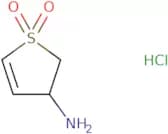
CAS:<p>Please enquire for more information about 3-Amino-2,3-dihydro-1λ6-thiophene-1,1-dione hydrochloride including the price, delivery time and more detailed product information at the technical inquiry form on this page</p>Formula:C4H7NO2S•HClPurity:Min. 95%Molecular weight:169.63 g/mol(S)-1-N-Boc-Propane-1,2-diamine hydrochloride
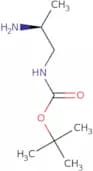
CAS:<p>Please enquire for more information about (S)-1-N-Boc-Propane-1,2-diamine hydrochloride including the price, delivery time and more detailed product information at the technical inquiry form on this page</p>Formula:C8H19ClN2O2Purity:Min. 95%Molecular weight:210.7 g/mol2-Amino-3,7,8-trimethyl-3H-imidazo[4,5-f]quinoxaline
CAS:<p>2-Amino-3,7,8-trimethyl-3H-imidazo[4,5-f]quinoxaline is a synthetic compound that is used as an analytical reagent. It has been shown to inhibit the growth of cancer cells by reacting with amines in the cell nucleus and forming the corresponding quinone. This reaction products then react with alkoxy radical to form reactive oxygen species that induce apoptosis. The use of 2-amino-3,7,8-trimethyl-3H-imidazo[4,5-f]quinoxaline as an analytical reagent has been shown to be effective in the determination of creatine and creatinine levels.</p>Formula:C12H13N5Purity:Min. 95%Molecular weight:227.27 g/molZ-α-aminoisobutyric acid
CAS:<p>Z-alpha-aminoisobutyric acid is an amide with a conformational pattern that resembles the alpha-helix. It has been shown to inhibit the formation of oligomers, which are aggregates of peptides and proteins, in the gas phase. Z-alpha-aminoisobutyric acid also stabilizes peptides and proteins in aqueous solution by preventing them from forming intramolecular hydrogen bonds. The infrared spectroscopy shows that z-alpha-aminoisobutyric acid is a conformer with a dihedral angle of about 120 degrees.</p>Formula:C12H15NO4Purity:Min. 95%Molecular weight:237.25 g/molBoc-1-amino-1-cyclobutane carboxylic acid
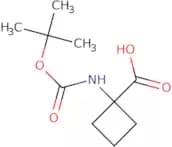
CAS:<p>Boc-1-amino-1-cyclobutane carboxylic acid is a synthetic and potent agonist of the androgen receptor. It is an analog of apalutamide, which is a selective antagonist of the androgen receptor. Boc-1-amino-1-cyclobutane carboxylic acid has been shown to have high oral bioavailability, which makes it suitable for oral administration. Boc-1-amino-1-cyclobutane carboxylic acid has been shown to have increased functional activity in cancer cells, which may be due to its ability to inhibit the growth of tumor cells by binding to their androgen receptors. Boc-1-amino-1-cyclobutane carboxylic acid has also been found to have good affinity for the androgen receptor when tested on cultured cells.</p>Formula:C10H17NO4Purity:Min. 95%Color and Shape:White/Off-White SolidMolecular weight:215.25 g/molAmmonium titanyl oxalate monohydrate
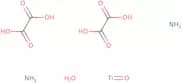
CAS:<p>Ammonium titanyl oxalate monohydrate is a compound that can be used as an antioxidant in a composition, including an electrophotographic composition. It has been shown to prevent photoreduction and nucleophilic attack on the surface of the photoconductor, as well as to reduce the magnitude of carboxylation reactions with transfer mechanism. Ammonium titanyl oxalate monohydrate may also be used for rechargeable batteries, which are devices that use electric current to generate chemical reactions. The addition of ammonium titanyl oxalate monohydrate to these batteries increases their capacity by reducing the number of cycles required before recharging. This compound also exhibits photocatalytic activity on metal surfaces in the presence of UV irradiation.</p>Formula:C4H10N2O10TiPurity:Min. 97%Molecular weight:294 g/mol3-Amino-5-bromobenzonitrile
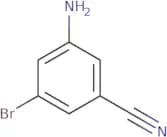
CAS:<p>Please enquire for more information about 3-Amino-5-bromobenzonitrile including the price, delivery time and more detailed product information at the technical inquiry form on this page</p>Formula:C7H5BrN2Purity:Min. 95%Molecular weight:197.03 g/mol2-Amino-1-(4-fluorophenyl)-1-propanone
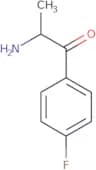
CAS:Controlled Product<p>2-Amino-1-(4-fluorophenyl)-1-propanone (Fluoroamphetamine) is a chemical that binds to the serotonin transporter, which is responsible for the reuptake of serotonin into the presynaptic neuron. Fluoroamphetamine has been shown to lower empathy and increase feelings of reward in animals. This drug has no significant effect on dopamine and noradrenaline levels but does cause an increase in metabolic acidosis. Fluoroamphetamine is most often used by analytical laboratories as a synthetic intermediate, but it can also be used as a strategy to develop specific antidotes against serotonin blockers. Fluoroamphetamine's health effects are similar to those of amphetamine with regards to cardiovascular risks and addictive potential.</p>Formula:C9H10FNOPurity:Min. 95%Molecular weight:167.18 g/mol4-Aminobicyclo[2.2.2]octan-1-ol hydrochloride
CAS:<p>Please enquire for more information about 4-Aminobicyclo[2.2.2]octan-1-ol hydrochloride including the price, delivery time and more detailed product information at the technical inquiry form on this page</p>Formula:C8H15NO•HClPurity:Min. 95%Molecular weight:177.67 g/mol7-Aminoflunitrazepam
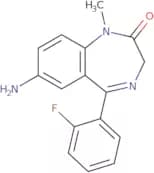
CAS:Controlled Product<p>7-Aminoflunitrazepam is an active metabolite of flunitrazepam and a benzodiazepine. It can be detected in urine samples using an on-line LC-MS/MS method. The detection time of 7-aminoflunitrazepam is between 3 to 4 hours, which is longer than that of its parent drug, flunitrazepam. The use of monoclonal antibodies specific for fluoroquinolones allows the detection of 7-aminoflunitrazepam with high sensitivity and specificity. This method can be used to detect the presence of flunitrazepam in human serum samples, as well as in femoral vein blood samples, urine samples, and blood sputum samples. Solid phase microextraction (SPME) was used as the sample preparation technique for this study. SPME also allows for the extraction and analysis of lysine residues from protein matrices such as human serum.</p>Formula:C16H14FN3OPurity:Min. 98%Color and Shape:PowderMolecular weight:283.3 g/mol1,3-Thiazol-5-ylmethylamineHydrochloride
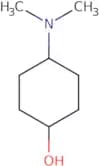
CAS:<p>Please enquire for more information about 1,3-Thiazol-5-ylmethylamineHydrochloride including the price, delivery time and more detailed product information at the technical inquiry form on this page</p>Formula:C4H7ClN2SPurity:Min. 95%Molecular weight:150.63 g/mol4-(Dimethylamino)cyclohexanol
CAS:<p>4-(Dimethylamino)cyclohexanol is a colorless liquid that has a sweet odor. It is insoluble in water but soluble in alcohol, ether, and chloroform. This compound has been used as a solvent for fats, oils, waxes, resins, and rubber. 4-(Dimethylamino)cyclohexanol is found in the environment as a result of its use in insecticides and herbicides. 4-(Dimethylamino)cyclohexanol has been shown to be carcinogenic in animal studies.</p>Formula:C8H17NOPurity:Min. 95%Molecular weight:143.23 g/mol2-Hydroxybenzylamine
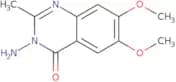
CAS:<p>2-Hydroxybenzylamine is a dietary supplement that is used to prevent atherosclerosis and cardiovascular disease. It inhibits the oxidation of fatty acids and decreases the production of reactive oxygen species. This drug has been shown to have an effect on cardiac hypertrophy and blood pressure. 2-Hydroxybenzylamine has been shown to reduce the levels of 4-hydroxybutyric acid, malondialdehyde, and reactive oxygen species in cultured cells. These effects may be due to its ability to inhibit the enzyme fatty acid synthase. 2HBA also has a protective effect against oxidative injury by reducing the release of reactive oxygen species from mitochondria in cultured cells.</p>Formula:C7H9NOPurity:Min. 95%Molecular weight:123.15 g/mol3-Amino-6,7-dimethoxy-2-methylquinazolin-4(3H)-one
CAS:Controlled Product<p>Please enquire for more information about 3-Amino-6,7-dimethoxy-2-methylquinazolin-4(3H)-one including the price, delivery time and more detailed product information at the technical inquiry form on this page</p>Formula:C11H13N3O3Purity:Min. 95%Molecular weight:235.24 g/mol5-[3-Methoxy-4-(4-methoxy-benzyloxy)-benzyl]-pyrimidine-2,4-diamine
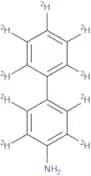
CAS:<p>5-[3-Methoxy-4-(4-methoxy-benzyloxy)-benzyl]-pyrimidine-2,4-diamine is a monoclonal antibody that blocks the signal of CTLA-4, a receptor on T cells. It has been shown to be effective in inhibiting skin cancer and primary breast cancers. This drug also has immunomodulatory effects and can be used to treat autoimmune diseases. 5-[3-Methoxy-4-(4-methoxy-benzyloxy)-benzyl]-pyrimidine-2,4-diamine binds to ctla-4 with high affinity and specificity, preventing the interaction of ctla-4 with its ligands such as CD80 (B7.1) and CD86 (B7.2). This prevents the activation of T cells by antigen presenting cells and suppresses the immune response.</p>Formula:C20H22N4O3Purity:Min. 95%Molecular weight:366.41 g/mol4-Aminobiphenyl-D9
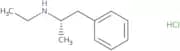
CAS:Controlled Product<p>4-Aminobiphenyl is a chemical compound that belongs to the group of aromatic amines. It is a human carcinogen and has been shown to cause cancer in animals. 4-Aminobiphenyl has been detected in the environment as an environmental pollutant and can be found in small quantities at low levels in food, air, and water. 4-Aminobiphenyl can be hydrolyzed by acid or alkaline hydrolysis to form its hydrolysate, which contains nitroarenes that are not present in the original compound. The DNA modification caused by 4-aminophenol may be due to its ability to modify DNA bases through reactive metabolites such as nitroarenes.</p>Formula:C12H2D9NPurity:Min. 95%Molecular weight:178.27 g/mol(S)-N-Ethyl amphetamine hydrochloride
CAS:Controlled Product<p>Please enquire for more information about (S)-N-Ethyl amphetamine hydrochloride including the price, delivery time and more detailed product information at the technical inquiry form on this page</p>Formula:C11H18ClNPurity:Min. 95%Molecular weight:199.72 g/mol2-Amino-5-bromobenzonitrile
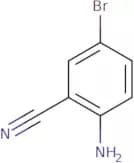
CAS:<p>2-Amino-5-bromobenzonitrile is a bioactive substance that belongs to the class of amines. It is used as an intermediate in the production of other industrial chemicals, such as polyurethanes and polyamides. 2-Amino-5-bromobenzonitrile can be found in faeces at a concentration of approximately 1 µg/g. The metabolic pathway for 2-amino-5-bromobenzonitrile has been shown to be cyp3a5 dependent.</p>Formula:C7H5BrN2Purity:Min. 95%Color and Shape:Brown PowderMolecular weight:197.03 g/molDiethylamine hydrochloride
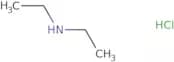
CAS:Controlled Product<p>Diethylamine hydrochloride is a chemical compound that is used as an intermediate in the manufacture of other chemicals. It can be used to treat metabolic disorders such as diabetes, hypothyroidism, and osteoporosis. Diethylamine hydrochloride has been shown to inhibit group P2 phosphodiesterases (PDEs) and prevent their degradation by the enzyme dipeptidyl peptidase-IV (DPP-IV). This inhibition leads to increased levels of cyclic AMP in cells, which contributes to its anti-inflammatory activity. The structural analysis of diethylamine hydrochloride has been performed using x-ray diffraction data and x-ray crystal structures.</p>Formula:C4H12ClNPurity:Min. 95%Molecular weight:109.6 g/mol4-Amino-2-(1,3-benzoxazol-2-yl)phenol
CAS:<p>4-Amino-2-(1,3-benzoxazol-2-yl)phenol (4APB) is a fluorescent compound that has been used to study the fungal cell wall. It has shown to cause morphological changes in the conidia of some fungi, including transfer and swelling of the contents. 4APB has also been used to study the transfer mechanism of conidia by fluorescence microscopy and epifluorescence microscopy. This chemical can be stained with tosylates, which are reagents used for staining proteins and other molecules that contain sulfur atoms.</p>Formula:C13H10N2O2Purity:Min. 95%Molecular weight:226.23 g/molDL-1-Phenylethylamine
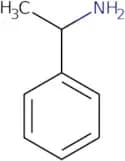
CAS:Controlled Product<p>DL-1-phenylethylamine is a chiral compound that has been studied for its biological properties. It can exist in either of two forms, or stereoisomers. DL-1-phenylethylamine is an amide and a methyl ester of phenethylamine hydrochloride. This compound has shown to have a high affinity for copper chloride and copper sulfate, and the 1R form is more soluble in water than the 2S form. The biological properties of DL-1-phenylethylamine are not fully understood but it may play a role in autoimmune diseases because it acts as an immunosuppressant and has anti-inflammatory activities.</p>Formula:C8H11NPurity:Min. 95%Molecular weight:121.18 g/mol4-Fluorophenethylamine
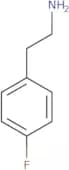
CAS:Controlled Product<p>4-Fluorophenethylamine is a fluorinated amine with the chemical formula C8H11FO. It is a 5-HT agonist and has been shown to have affinity constants for the CB2 receptor. 4-Fluorophenethylamine has been shown to be an uptake inhibitor of amines, as well as being a hydrogen bond donor.</p>Formula:C8H10FNPurity:Min. 95%Color and Shape:Clear LiquidMolecular weight:139.17 g/mol[(1-Ethyl-1H-benzimidazol-2-yl)methyl]amine dihydrochloride
CAS:Controlled Product<p>Please enquire for more information about [(1-Ethyl-1H-benzimidazol-2-yl)methyl]amine dihydrochloride including the price, delivery time and more detailed product information at the technical inquiry form on this page</p>Formula:C10H13N3Purity:Min. 95%Molecular weight:175.23 g/mol2-(4-fluorophenyl)-n-methylethanamine
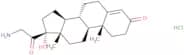
CAS:Controlled Product<p>Please enquire for more information about 2-(4-fluorophenyl)-n-methylethanamine including the price, delivery time and more detailed product information at the technical inquiry form on this page</p>Formula:C9H12FNPurity:Min. 95%Molecular weight:153.2 g/mol21-Amino-17-hydroxyprogesteroneHydrochloride
CAS:Controlled Product<p>21-Amino-17-hydroxyprogesteroneHydrochloride is a synthetic corticosteroid that is used to suppress the immune system in patients with severe allergies and those who have had an organ transplant. It binds to receptors on the surface of lymphocytes, preventing them from producing antibodies. It also inhibits the production of white blood cells by interfering with DNA synthesis and protein synthesis. 21-Amino-17-hydroxyprogesteroneHydrochloride is used to treat conditions such as sepsis, rheumatoid arthritis, lupus erythematosus, and myasthenia gravis. The medication is administered by injection into muscle or vein.</p>Formula:C21H32ClNO3Purity:Min. 95%Molecular weight:381.94 g/mol4-Aminobicyclo[2.2.2]octane-1-carboxylic acid methyl ester
CAS:<p>Please enquire for more information about 4-Aminobicyclo[2.2.2]octane-1-carboxylic acid methyl ester including the price, delivery time and more detailed product information at the technical inquiry form on this page</p>Formula:C10H17NO2Purity:Min. 95%Molecular weight:183.25 g/mol1-Amino-cyclopentane carbonitrile
CAS:<p>1-Amino-cyclopentane carbonitrile is a pharmacological agent that can be used to treat angiotensin II and other peptides. It has an amine group with a hydroxyl group, which allows it to interact with the active site of angiotensin converting enzyme (ACE). 1-Amino-cyclopentane carbonitrile's mechanism of action is based on its ability to react with the halide and phenyl groups in ACE. The hydrolysis of ACE leads to the production of angiotensin I, which is then converted into angiotensin II by angiotensin-converting enzyme 2 (ACE2). 1-Amino-cyclopentane carbonitrile also interacts with amines such as histamine and serotonin, inhibiting their synthesis.</p>Formula:C6H10N2Purity:Min. 95%Molecular weight:110.16 g/mol(S)-(-)-1-Boc-3-aminopyrrolidine
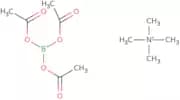
CAS:<p>(S)-(-)-1-Boc-3-aminopyrrolidine is an inhibitor that inhibits the activity of phosphoinositide 3-kinase (PI3K) by binding to the ATP binding site and inhibiting PI3K. It has been shown to inhibit the activation of PI3Kδ, which plays a key role in tumorigenesis and metastasis. The drug also has metabolic stability and selectivity for PI3Kδ over other kinases, as well as high affinity for this enzyme. The drug was found to have low toxicity in vitro, but its effects on humans are unknown.</p>Formula:C9H18N2O2Purity:Min. 95%Color and Shape:Clear LiquidMolecular weight:186.25 g/molTetramethylammonium triacetoxyborohydride
CAS:<p>Tetramethylammonium triacetoxyborohydride is a potent antagonist that binds to the active site of hydrogen-bond forming enzymes. It is used in the treatment of bowel disease, as well as other diseases such as cancer, diabetic neuropathy and inflammatory bowel disease. Tetramethylammonium triacetoxyborohydride has been shown to inhibit the growth of certain bacteria by inhibiting their ability to form hydrogen bonds. This chemical can also be used in asymmetric synthesis, which is the process of synthesizing only one enantiomer from a racemic mixture. Tetramethylammonium triacetoxyborohydride can function as an organocatalyst for this process by activating achiral substrates into chiral ones.</p>Formula:C10H22BNO6Purity:Min. 95%Color and Shape:White PowderMolecular weight:263.1 g/molN-(1H-Indol-4-ylmethyl)-N-[2-(4-methoxyphenyl)ethyl]amine hydrochloride
CAS:Controlled Product<p>Please enquire for more information about N-(1H-Indol-4-ylmethyl)-N-[2-(4-methoxyphenyl)ethyl]amine hydrochloride including the price, delivery time and more detailed product information at the technical inquiry form on this page</p>Formula:C18H20N2OPurity:Min. 95%Molecular weight:280.36 g/mol(2R)-2-Amino-3-phenylpropionyl amide
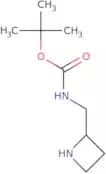
CAS:<p>(2R)-2-Amino-3-phenylpropionyl amide is a synthetic cannabinoid that has been shown to bind to the CB2 receptor. It has been found to be an effective analgesic in rat models of inflammatory and neuropathic pain. This drug is also a serine protease inhibitor, with activity against ochrobactrum, an antibiotic-resistant bacteria. (2R)-2-Amino-3-phenylpropionyl amide is also used as a substrate for d-alanine synthesis and has been sequenced. It can form hydrogen bonds with water molecules and chloride ions. (2R)-2-Amino-3-phenylpropionyl amide has been synthesized by Clostridium coli K12 cells and is expected to have similar effects on human cells.</p>Formula:C9H12N2OPurity:Min. 95%Molecular weight:164.2 g/mol2-(N-Boc-aminomethyl)azetidine
CAS:<p>Please enquire for more information about 2-(N-Boc-aminomethyl)azetidine including the price, delivery time and more detailed product information at the technical inquiry form on this page</p>Formula:C9H18N2O2Purity:Min. 95%Molecular weight:186.25 g/mol3-(Diethylamino)-1,5-dihydro-2,4,3-benzodioxaphosphepin
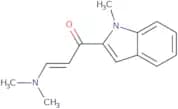
CAS:<p>3-(Diethylamino)-1,5-dihydro-2,4,3-benzodioxaphosphepin is a reagent used in the hydrogenolysis of alcohols. It is insoluble in water but soluble in organic solvents. 3-(Diethylamino)-1,5-dihydro-2,4,3-benzodioxaphosphepin has been used to prepare a number of alcohols including pyridinium and polyhydroxy alcohols. The compound has also been shown to be a messenger molecule that can induce transduction when it binds to the receptor protein.</p>Formula:C12H18NO2PPurity:Min. 95%Molecular weight:239.25 g/mol3-(Dimethylamino)-1-(1-methyl-1H-indol-2-yl)prop-2-en-1-one
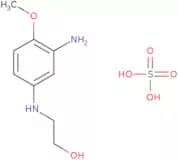
CAS:Controlled Product<p>Please enquire for more information about 3-(Dimethylamino)-1-(1-methyl-1H-indol-2-yl)prop-2-en-1-one including the price, delivery time and more detailed product information at the technical inquiry form on this page</p>Formula:C14H16N2OPurity:Min. 95%Molecular weight:228.29 g/mol2-((3-Amino-4-methoxyphenyl)amino)ethanol sulfate
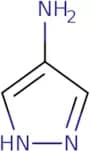
CAS:<p>2-((3-Amino-4-methoxyphenyl)amino)ethanol sulfate is a potent antibacterial agent that inhibits the growth of bacteria by binding to the 50S ribosomal subunit. It is also used in dermatology, as an aminophenol, and as an ingredient in cosmetics. 2-((3-Amino-4-methoxyphenyl)amino)ethanol sulfate has been shown to be efficacious against bacterial infections caused by methicillin resistant Staphylococcus aureus (MRSA), Pseudomonas aeruginosa, Proteus mirabilis, and Klebsiella pneumoniae. This compound also has antihistamine properties.</p>Formula:C9H16N2O6SPurity:Min. 95%Molecular weight:280.3 g/mol4-Amino-1H-pyrazole
CAS:<p>4-Amino-1H-pyrazole is a synthetic compound that inhibits the coagulation pathway by inhibiting the synthesis of prothrombin and factor VII. This compound has been shown to be effective in treating autoimmune diseases and cancer. 4-Amino-1H-pyrazole binds to a unique site on the coagulation enzyme, which is not present in other thrombin inhibitors, such as hirudin and heparin. The binding site overlaps with the kinase domain, which inhibits protein synthesis by preventing phosphorylation of key enzymes. In addition, it inhibits wild type strains of bacteria and has been shown to inhibit the growth of cancer cells.</p>Formula:C3H5N3Purity:Min. 95%Molecular weight:83.09 g/mol1-[4-(4-Methylpiperidin-1-yl)phenyl]methanamine
CAS:<p>Please enquire for more information about 1-[4-(4-Methylpiperidin-1-yl)phenyl]methanamine including the price, delivery time and more detailed product information at the technical inquiry form on this page</p>Formula:C13H20N2Purity:Min. 95%Molecular weight:204.31 g/mol1-Boc-4-aminopiperidine-4-carboxylic acid
CAS:<p>Please enquire for more information about 1-Boc-4-aminopiperidine-4-carboxylic acid including the price, delivery time and more detailed product information at the technical inquiry form on this page</p>Formula:C11H20N2O4Purity:Min. 95%Color and Shape:White To Beige SolidMolecular weight:244.29 g/molN,N'-Di-(4-methyl-phenyl)-N,N'-diphenyl-1,4-phenylendiamine
CAS:<p>Please enquire for more information about N,N'-Di-(4-methyl-phenyl)-N,N'-diphenyl-1,4-phenylendiamine including the price, delivery time and more detailed product information at the technical inquiry form on this page</p>Formula:C32H28N2Purity:Min. 95%Molecular weight:440.58 g/molN-[1-(4-Fluorophenyl)propan-2-Yl]-N-methylprop-2-Yn-1-amine
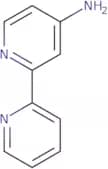
CAS:Controlled Product<p>N-[1-(4-Fluorophenyl)propan-2-Yl]-N-methylprop-2-Yn-1-amine is a synthetic molecule that has been shown to be an inhibitor of the enzyme nitroethane reductase. This drug is also capable of inhibiting the activity of other enzymes and is being investigated for its potential use in the treatment of various types of cancer. N-[1-(4-Fluorophenyl)propan-2-Yl]-N-methylprop-2-Yn-1-amine inhibits nitroethane reductase by binding reversibly to the active site and competitively inhibiting the substrate. The potency of this drug against nitroethane reductase has been shown to be increased by alkylation.br><br>The inhibition of nitroethane reductase by N-[1-(4-fluorophenyl)propan-2-Yl]-</p>Formula:C13H16FNPurity:Min. 95%Molecular weight:205.27 g/mol4-Amino-2,2'-bipyridine
CAS:<p>Please enquire for more information about 4-Amino-2,2'-bipyridine including the price, delivery time and more detailed product information at the technical inquiry form on this page</p>Formula:C10H9N3Purity:Min. 95%Color and Shape:PowderMolecular weight:171.2 g/mol3-Amino-1-diphenylmethylazetidine
CAS:<p>3-Amino-1-diphenylmethylazetidine (3ADM) is a dopaminergic antagonist that binds to the D4 receptor. This compound has been shown to have affinity for the D4 receptor and can inhibit the binding of dopamine to its receptors, thereby blocking its effects. 3ADM is a potent antagonist of the dopaminergic system and has been shown to be effective in animal models.</p>Formula:C16H18N2Purity:Min. 95%Molecular weight:238.33 g/mol1,1,2,2,3,3,3-Heptafluoro-n,n-bis(1,1,2,2,3,3,3-heptafluoropropyl)-1-propanamine
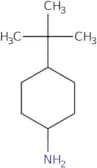
CAS:Controlled Product<p>1,1,2,2,3,3,3-Heptafluoro-n,n-bis(1,1,2,2,3,3-heptafluoropropyl)-1-propanamine (HFIP) is a fluorinated compound that is used as a solvent for hydrogen fluoride and water vapor. HFIP has been shown to be toxic to the liver cells of rats. It also causes lesions in the liver of the isolated heart. The monoclonal antibody against HFIP has been shown to reduce the transport properties of this solvent to tissues and reduce light emission from this compound. HFIP is not chemically reactive with other chemicals at room temperature and has excellent chemical stability in light exposure.</p>Formula:C9F21NPurity:Min. 90 Area-%Color and Shape:Colorless PowderMolecular weight:521.07 g/mol4-tert-Butylcyclohexanamine
CAS:<p>4-tert-Butylcyclohexanamine is an unsymmetrical compound that is a potent antagonist of the dopamine D2 receptor. It is one of the stereoisomers of 4-tert-butylcyclohexaneamine. This drug has been synthesized by reacting naphthalene with amines and primary alcohols. The compound has optical properties, which may be due to its chiral nature and the presence of two rings in its structure. 4-tert-Butylcyclohexanamine crystallizes from water as needles or plates, depending on the concentration.</p>Formula:C10H21NPurity:Min. 95%Color and Shape:Clear LiquidMolecular weight:155.28 g/mol
![4-[(4-Acetylphenyl)amino]-4-oxobutanoic acid](/_next/image/?url=https%3A%2Fstatic.cymitquimica.com%2Fproducts%2F3D%2Fthumb-webp%2FFA114593.webp&w=3840&q=75)

![[2-(1-Isobutyl-1H-benzimidazol-2-yl)ethyl]amine dihydrochloride](/_next/image/?url=https%3A%2Fstatic.cymitquimica.com%2Fproducts%2F3D%2Fthumb-webp%2FFI135795.webp&w=3840&q=75)

![2-Amino-3,7,8-trimethyl-3H-imidazo[4,5-f]quinoxaline](/_next/image/?url=https%3A%2Fstatic.cymitquimica.com%2Fproducts%2F3D%2Fthumb-webp%2FFA17506.webp&w=3840&q=75)

![4-Aminobicyclo[2.2.2]octan-1-ol hydrochloride](/_next/image/?url=https%3A%2Fstatic.cymitquimica.com%2Fproducts%2F3D%2Fthumb-webp%2FFA63102.webp&w=3840&q=75)


![5-[3-Methoxy-4-(4-methoxy-benzyloxy)-benzyl]-pyrimidine-2,4-diamine](/_next/image/?url=https%3A%2Fstatic.cymitquimica.com%2Fproducts%2F3D%2Fthumb-webp%2FFM31223.webp&w=3840&q=75)

![[(1-Ethyl-1H-benzimidazol-2-yl)methyl]amine dihydrochloride](/_next/image/?url=https%3A%2Fstatic.cymitquimica.com%2Fproducts%2F3D%2Fthumb-webp%2FFE126425.webp&w=3840&q=75)

![4-Aminobicyclo[2.2.2]octane-1-carboxylic acid methyl ester](/_next/image/?url=https%3A%2Fstatic.cymitquimica.com%2Fproducts%2F3D%2Fthumb-webp%2FFA44258.webp&w=3840&q=75)


![N-(1H-Indol-4-ylmethyl)-N-[2-(4-methoxyphenyl)ethyl]amine hydrochloride](/_next/image/?url=https%3A%2Fstatic.cymitquimica.com%2Fproducts%2F3D%2Fthumb-webp%2FFI116235.webp&w=3840&q=75)


![1-[4-(4-Methylpiperidin-1-yl)phenyl]methanamine](/_next/image/?url=https%3A%2Fstatic.cymitquimica.com%2Fproducts%2F3D%2Fthumb-webp%2FFM117851.webp&w=3840&q=75)


![N-[1-(4-Fluorophenyl)propan-2-Yl]-N-methylprop-2-Yn-1-amine](/_next/image/?url=https%3A%2Fstatic.cymitquimica.com%2Fproducts%2F3D%2Fthumb-webp%2FFF95966.webp&w=3840&q=75)