Amines
Amines are a set of molecules containing an amino functional group (derived from ammonia). This category includes amines at any level of substitution : primary, secondary, tertiary, and ammonium salts. Amines are fundamental in organic synthesis and are widely used in pharmaceuticals, agrochemicals, and materials science. At CymitQuimica, we provide a comprehensive selection of amines to meet your research and industrial needs. Our range ensures access to various amines for diverse chemical processes and innovative research.
Subcategories of "Amines"
- Nitrosamines(2,605 products)
- Primary Amines(30,805 products)
- Quaternary Ammonium Cations and Salts(1,098 products)
- Secondary Amines(20,809 products)
- Tertiary Amines(17,111 products)
Found 8777 products of "Amines"
Sort by
Purity (%)
0
100
|
0
|
50
|
90
|
95
|
100
[4-[2-(Diethylamino)ethoxy]-3-iodophenyl][2-(1-hydroxybutyl)-3-benzofuranyl]-methanone
CAS:Controlled Product<p>Please enquire for more information about [4-[2-(Diethylamino)ethoxy]-3-iodophenyl][2-(1-hydroxybutyl)-3-benzofuranyl]-methanone including the price, delivery time and more detailed product information at the technical inquiry form on this page</p>Formula:C25H30INO4Purity:Min. 95%Molecular weight:535.41 g/mol2-Amino-5-ethylphenol hydrochloride
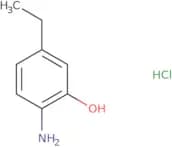
CAS:<p>Please enquire for more information about 2-Amino-5-ethylphenol hydrochloride including the price, delivery time and more detailed product information at the technical inquiry form on this page</p>Formula:C8H12ClNOPurity:Min. 95%Molecular weight:173.64 g/molTetraethylenepentamine
CAS:<p>Tetraethylenepentamine is a cell-signaling agent that binds to the MCL-1 protein and inhibits its function as a cell factor. This inhibition prevents the induction of apoptosis, which is important for the development of bowel disease. Tetraethylenepentamine can be used in wastewater treatment to remove glycol ethers from industrial effluent. It also has been shown to adsorb at acidic pH levels, making it an ideal candidate for use in solid phase microextraction (SPME) experiments. Tetraethylenepentamine interacts with fluorescence probes such as hydroxycoumarin, which makes it useful for surface methodology studies.</p>Formula:C8H23N5Purity:Min. 95%Color and Shape:Clear LiquidMolecular weight:189.3 g/mol3-Amino-5-methylisoxazole
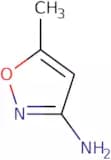
CAS:<p>3-Amino-5-methylisoxazole is a chemical compound that is used in the treatment of wastewater. It belongs to the group of p2, which includes sulfamethoxazole and sulfa drugs. 3-Amino-5-methylisoxazole is activated by multi-walled carbon or fatty acid and has a neutral pH. It has been shown to have significant cytotoxicity against cancer cells and also has antibiotic combinations with other drugs. 3-Amino-5-methylisoxazole is a drug that can be used in chemotherapy, but it may cause drug reactions.</p>Formula:C4H6N2OPurity:Min. 95%Molecular weight:98.1 g/mol3,3-Dimethyl-5-oxo-5-(1,2,3,4-tetrahydronaphthalen-2-ylamino)pentanoic acid
CAS:Controlled Product<p>Please enquire for more information about 3,3-Dimethyl-5-oxo-5-(1,2,3,4-tetrahydronaphthalen-2-ylamino)pentanoic acid including the price, delivery time and more detailed product information at the technical inquiry form on this page</p>Formula:C17H23NO3Purity:Min. 95%Molecular weight:289.37 g/mol4-Amino-5-methoxy-2-methyl-N-methylbenzenesulfonamide
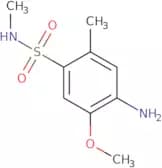
CAS:<p>4-Amino-5-methoxy-2-methyl-N-methylbenzenesulfonamide is a surfactant that is used in the chemical industry to dissolve diazotized aromatic amines. It is also used in the preparation of coupling agents, such as naphthol, and hydrochloric acid. 4-Amino-5-methoxy-2-methylbenzenesulfonamide can be prepared by the diazotization of aniline followed by coupling with hydrochloric acid and sodium phosphate. The product can then be purified by recrystallization from a salt solution containing sodium acetate.</p>Formula:C9H14N2O3SPurity:Min. 95%Molecular weight:230.29 g/mol3,4-Difluorobenzyl amine
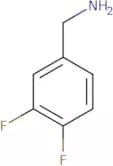
CAS:<p>3,4-Difluorobenzyl amine (3,4-DFBA) is a synthetic compound that has been shown to have anti-cancer properties. It has been used in the synthesis of perovskites as an alternative strategy for solar cell applications. 3,4-DFBA has also been used to investigate the effect of hydrophobic and deformation on the biological activity of amines. This compound inhibits aldehyde oxidase and catalase from glyoxal and hydrogen peroxide respectively, which may be due to its ability to form microcapsules with a diameter of less than 50 nm.</p>Formula:C7H7F2NPurity:Min. 95%Color and Shape:Clear LiquidMolecular weight:143.13 g/molN,N,N',N'-Tetramethyl-p-phenylenediamine
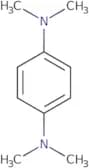
CAS:<p>N,N,N',N'-Tetramethyl-p-phenylenediamine is a chemical compound that has been found to have a high affinity for proteins and nucleic acids. It interacts with these molecules by steric interactions and can change the phase transition temperature of water. N,N,N',N'-Tetramethyl-p-phenylenediamine reacts with surfactant sodium dodecyl (SDA) to produce protonated SDA species. These protonated SDA species are able to react with nucleophiles such as p-hydroxybenzoic acid (PHBA), which leads to an exchange reaction. The redox potentials of PHBA and N,N,N',N'-tetramethyl-p-phenylenediamine vary from -0.85 V to -1.05 V at pH 7.4, depending on the number of nitrogen atoms in the molecule. The x-ray</p>Formula:C10H16N2Purity:Min. 95%Molecular weight:164.25 g/molTriisopropanolamine Borate
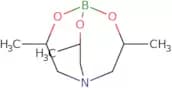
CAS:<p>Triisopropanolamine borate is an organic compound with the formula (CH3)3N(CH2)3OH. It is a colorless liquid with a sweet, amine-like odor. Triisopropanolamine borate is widely used as a cross-linking agent in coatings, and as a reactive functional group in polycarboxylic acid synthesis and cationic polymerization. It also has been used as a blood pressure lowering agent and to treat high calcium levels in the blood. The chemical structure of triisopropanolamine borate can be seen below: Triisopropanolamine Borate, Chemical Structure The chemical formula for triisopropanolamine borate is CH3N(CH2)3OH. Triisopropanolamine borate has many applications due to its reactive functional groups, including cross-linking agents for coatings and polycarboxylic acid synthesis</p>Formula:C9H18BNO3Purity:Min. 95%Molecular weight:199.06 g/mol[(4-Methyl-1H-imidazol-5-yl)methyl]amine hydrochloride
CAS:<p>Please enquire for more information about [(4-Methyl-1H-imidazol-5-yl)methyl]amine hydrochloride including the price, delivery time and more detailed product information at the technical inquiry form on this page</p>Formula:C5H9N3Purity:Min. 95%Molecular weight:111.15 g/mol1-Benzyl-3-[3-(diethylamino)propoxy]-1H-indazole
CAS:Controlled Product<p>Please enquire for more information about 1-Benzyl-3-[3-(diethylamino)propoxy]-1H-indazole including the price, delivery time and more detailed product information at the technical inquiry form on this page</p>Formula:C21H27N3OPurity:Min. 98 Area-%Color and Shape:Clear LiquidMolecular weight:337.46 g/molN,N'-Bis(2-hydroxyethyl)propane-1,3-diamine
CAS:<p>Please enquire for more information about N,N'-Bis(2-hydroxyethyl)propane-1,3-diamine including the price, delivery time and more detailed product information at the technical inquiry form on this page</p>Formula:C7H18N2O2Purity:Min. 95%Molecular weight:162.23 g/molDiethylamine hydrochloride
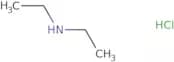
CAS:Controlled Product<p>Diethylamine hydrochloride is a chemical compound that is used as an intermediate in the manufacture of other chemicals. It can be used to treat metabolic disorders such as diabetes, hypothyroidism, and osteoporosis. Diethylamine hydrochloride has been shown to inhibit group P2 phosphodiesterases (PDEs) and prevent their degradation by the enzyme dipeptidyl peptidase-IV (DPP-IV). This inhibition leads to increased levels of cyclic AMP in cells, which contributes to its anti-inflammatory activity. The structural analysis of diethylamine hydrochloride has been performed using x-ray diffraction data and x-ray crystal structures.</p>Formula:C4H12ClNPurity:Min. 95%Molecular weight:109.6 g/mol2-Amino-5-bromobenzonitrile
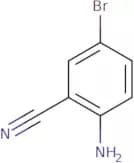
CAS:<p>2-Amino-5-bromobenzonitrile is a bioactive substance that belongs to the class of amines. It is used as an intermediate in the production of other industrial chemicals, such as polyurethanes and polyamides. 2-Amino-5-bromobenzonitrile can be found in faeces at a concentration of approximately 1 µg/g. The metabolic pathway for 2-amino-5-bromobenzonitrile has been shown to be cyp3a5 dependent.</p>Formula:C7H5BrN2Purity:Min. 95%Color and Shape:Brown PowderMolecular weight:197.03 g/molZ-(R,S)-3-amino-5-cyclohexyl-2-oxo-1,4-benzodiazepine
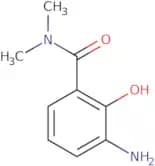
CAS:Controlled Product<p>Please enquire for more information about Z-(R,S)-3-amino-5-cyclohexyl-2-oxo-1,4-benzodiazepine including the price, delivery time and more detailed product information at the technical inquiry form on this page</p>Formula:C23H25N3O3Purity:Min. 95%Molecular weight:391.46 g/mol3-Amino-2-hydroxy-N,N-dimethylbenzamide
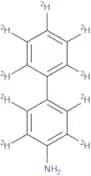
CAS:<p>Please enquire for more information about 3-Amino-2-hydroxy-N,N-dimethylbenzamide including the price, delivery time and more detailed product information at the technical inquiry form on this page</p>Formula:C9H12N2O2Purity:Min. 95%Molecular weight:180.2 g/mol4-Aminobiphenyl-D9
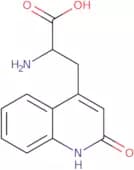
CAS:Controlled Product<p>4-Aminobiphenyl is a chemical compound that belongs to the group of aromatic amines. It is a human carcinogen and has been shown to cause cancer in animals. 4-Aminobiphenyl has been detected in the environment as an environmental pollutant and can be found in small quantities at low levels in food, air, and water. 4-Aminobiphenyl can be hydrolyzed by acid or alkaline hydrolysis to form its hydrolysate, which contains nitroarenes that are not present in the original compound. The DNA modification caused by 4-aminophenol may be due to its ability to modify DNA bases through reactive metabolites such as nitroarenes.</p>Formula:C12H2D9NPurity:Min. 95%Molecular weight:178.27 g/mol2-Amino-3-(1.2-dihydro-2-oxoquinoline-4-yl)propanoic acid
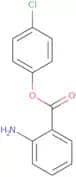
CAS:<p>Please enquire for more information about 2-Amino-3-(1.2-dihydro-2-oxoquinoline-4-yl)propanoic acid including the price, delivery time and more detailed product information at the technical inquiry form on this page</p>Formula:C12H12N2O3Purity:Min. 95%Molecular weight:232.24 g/mol4-Chlorophenyl 2-aminobenzoate
CAS:Controlled Product<p>Please enquire for more information about 4-Chlorophenyl 2-aminobenzoate including the price, delivery time and more detailed product information at the technical inquiry form on this page</p>Formula:C13H10ClNO2Purity:Min. 95%Molecular weight:247.68 g/molN-Boc-1,6-diaminohexane hydrochloride
CAS:<p>Please enquire for more information about N-Boc-1,6-diaminohexane hydrochloride including the price, delivery time and more detailed product information at the technical inquiry form on this page</p>Formula:C11H24N2O2•HClPurity:Min. 95%Molecular weight:252.78 g/mol2-Dimethylaminoisopropyl chloride hydrochloride
CAS:<p>2-Dimethylaminoisopropyl chloride hydrochloride is a fluorescent molecule that emits light at wavelengths of 370-430 nm. It has a number of uses, such as detecting the presence or absence of chloride ions in water samples, determining the composition of petroleum products, and measuring the concentration of sodium ions in electrolytes. 2-Dimethylamino-1-propanesulfonic acid chloride hydrochloride can be used to identify the transition metal (Cu) in a sample, because it absorbs light at wavelengths below 450 nm.</p>Formula:C5H12ClN·HClPurity:Min. 95%Color and Shape:White to off-white solid.Molecular weight:158.07 g/mol3-{[(3,4-Dichlorophenyl)amino]carbonyl}bicyclo[2.2.1]hept-5-ene-2-carboxylic acid
CAS:<p>Please enquire for more information about 3-{[(3,4-Dichlorophenyl)amino]carbonyl}bicyclo[2.2.1]hept-5-ene-2-carboxylic acid including the price, delivery time and more detailed product information at the technical inquiry form on this page</p>Formula:C15H13Cl2NO3Purity:Min. 95%Molecular weight:326.17 g/mol1-(5-Methyl-1,2,4-oxadiazol-3-yl)cyclohexanamine hydrochloride
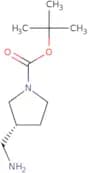
CAS:Controlled Product<p>Please enquire for more information about 1-(5-Methyl-1,2,4-oxadiazol-3-yl)cyclohexanamine hydrochloride including the price, delivery time and more detailed product information at the technical inquiry form on this page</p>Formula:C9H16N3OClPurity:Min. 95%Molecular weight:217.7 g/mol(R)-1-Boc-3-(aminomethyl)pyrrolidine
CAS:<p>Please enquire for more information about (R)-1-Boc-3-(aminomethyl)pyrrolidine including the price, delivery time and more detailed product information at the technical inquiry form on this page</p>Formula:C10H20N2O2Purity:Min. 95%Molecular weight:200.28 g/mol2-Amino-7-Benzyl-1H-Purin-6(7H)-One
CAS:<p>Please enquire for more information about 2-Amino-7-Benzyl-1H-Purin-6(7H)-One including the price, delivery time and more detailed product information at the technical inquiry form on this page</p>Formula:C12H11N5OPurity:Min. 95%Molecular weight:241.25 g/mol4-[4-(Dimethylamino)-1-(4-fluorophenyl)-1-hydroxybutyl]-3-(hydroxymethyl)benzonitrile hydrobromide
CAS:<p>4-[4-(Dimethylamino)-1-(4-fluorophenyl)-1-hydroxybutyl]-3-(hydroxymethyl)benzonitrile hydrobromide is an antagonist of the nicotinic acetylcholine receptor (nAChR) that has been shown to be prophylactic against mediated nitrogen. It was isolated from a marine sponge and shows high affinity for nAChRs, with low nanomolar binding constants. The prophylactic properties of 4-[4-(dimethylamino)-1-(4-fluorophenyl)-1-hydroxybutyl]-3-(hydroxymethyl)benzonitrile hydrobromide are mediated by its ability to antagonize the function of nAChRs and prevent the release of neurotransmitters such as acetylcholine.</p>Formula:C20H23FN2O2•HBrPurity:Min. 95%Molecular weight:423.32 g/molN-[3-Fluoro-4-[(methylamino)carbonyl]phenyl]-2-methylalanine
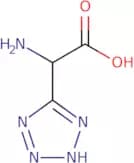
CAS:<p>Please enquire for more information about N-[3-Fluoro-4-[(methylamino)carbonyl]phenyl]-2-methylalanine including the price, delivery time and more detailed product information at the technical inquiry form on this page</p>Formula:C12H15FN2O3Purity:Min. 95%Molecular weight:254.26 g/molα-Amino-2H-tetrazole-5-acetic acid
CAS:<p>Alpha-amino-2H-tetrazole-5-acetic acid (AAT) is a neurotoxin that inhibits glutamate receptors and causes neuronal cell death. It also decreases heart function in rats by inhibiting the cardiac sodium channel. AAT has been shown to be effective for inducing neuronal death in Xenopus oocytes, as well as decreasing the expression of certain receptor protein, such as NMDA and AMPA receptor subtypes. AAT is also known to cause apoptosis, which may be due to its inhibition of receptor function.</p>Formula:C3H5N5O2Purity:Min. 95%Color and Shape:Light (Or Pale) Green To Green SolidMolecular weight:143.1 g/mol3-Chloro-N-methylpropan-1-amine HCl
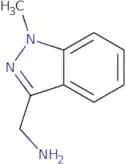
CAS:<p>Please enquire for more information about 3-Chloro-N-methylpropan-1-amine HCl including the price, delivery time and more detailed product information at the technical inquiry form on this page</p>Formula:C4H11Cl2NPurity:Min. 95%Molecular weight:144.04 g/mol(1-Methyl-1H-indazol-3-yl)methanamine
CAS:Controlled Product<p>Please enquire for more information about (1-Methyl-1H-indazol-3-yl)methanamine including the price, delivery time and more detailed product information at the technical inquiry form on this page</p>Formula:C9H11N3Purity:Min. 95%Molecular weight:161.2 g/mol(2S,3S)-5-[2-(Dimethylamino)ethyl]-3-hydroxy-2-(4-methoxyphenyl)-2,3-dihydro-1,5-benzothiazepin-4-one hydrochloride
CAS:<p>(2S,3S)-5-[2-(Dimethylamino)ethyl]-3-hydroxy-2-(4-methoxyphenyl)-2,3-dihydro-1,5-benzothiazepin-4-one hydrochloride is a racemic mixture of two enantiomers. It is a prodrug that is hydrolyzed to its active form, diltiazem. The drug has been shown to be effective in the treatment of hypertension and angina pectoris. (2S,3S)-5-[2-(Dimethylamino)ethyl]-3-hydroxy-2-(4-methoxyphenyl)-2,3-dihydro-1,5-benzothiazepin-4-one hydrochloride has been shown to inhibit the activity of the enzyme phosphodiesterase which breaks down cyclic AMP. This inhibition results in an increase in levels of</p>Formula:C20H24N2O3S·HClPurity:Min. 95%Molecular weight:408.94 g/molN-Nitrosodicyclohexylamine
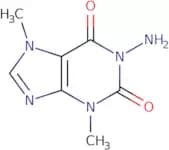
CAS:<p>N-Nitrosodicyclohexylamine (NDCA) is a chemical that is used as a corrosion inhibitor. The stability of NDCA in the environment has been studied extensively and found to be resistant to many conditions including heat, light, and pH. NDCA is absorbed by the skin or ingested and has been shown to cause genotoxic effects in human lymphocytes. The genotoxic potential of NDCA has also been demonstrated in V79 cells. NDCA reacts with amines to form an intermediate that spontaneously decomposes into nitrosamines, which are carcinogenic. This reaction mechanism was confirmed using analytical methods such as gas chromatography-mass spectrometry (GC-MS).</p>Formula:C12H22N2OPurity:Min. 95%Molecular weight:210.32 g/mol5-Amino-3,7-dimethylxanthine
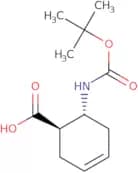
CAS:Controlled Product<p>Please enquire for more information about 5-Amino-3,7-dimethylxanthine including the price, delivery time and more detailed product information at the technical inquiry form on this page</p>Formula:C7H9N5O2Purity:Min. 95%Molecular weight:195.18 g/molBoc-trans-1,2-aminocyclohex-4-ene carboxylic acid
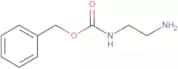
CAS:<p>Please enquire for more information about Boc-trans-1,2-aminocyclohex-4-ene carboxylic acid including the price, delivery time and more detailed product information at the technical inquiry form on this page</p>Formula:C12H19NO4Purity:Min. 95%Molecular weight:241.28 g/molN-1-Z-1,2-diaminoethane·HCl
CAS:<p>N-1-Z-1,2-diaminoethane·HCl is a stable isotope of N-1-Z-1,2-diaminoethane. It is used for the analysis of plant tissue to quantify the amount of leaves or other plant parts that are present in a sample. This compound can be used to monitor changes in the level of leaves or other plant parts over time and to measure recovery rates after harvest. N-1-Z-1,2-diaminoethane·HCl is labeled with deuterium (D) in order to be detected by liquid chromatography–mass spectrometry (LC–MS). The quantification of N-1-Z-1,2-diaminoethane·HCl can be monitored using multiple reaction monitoring (MRM). The use of this stable isotope overcomes many problems associated with traditional methods, such as environmental variability and tissue degradation.</p>Formula:C10H14N2O2·HClPurity:Min. 95%Molecular weight:230.69 g/mol5-({[2-(4-Chlorophenyl)-1,3-oxazol-4-yl]methyl}thio)-1,3,4-thiadiazol-2-amine
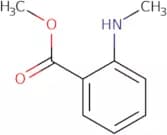
CAS:<p>Please enquire for more information about 5-({[2-(4-Chlorophenyl)-1,3-oxazol-4-yl]methyl}thio)-1,3,4-thiadiazol-2-amine including the price, delivery time and more detailed product information at the technical inquiry form on this page</p>Formula:C12H9ClN4OS2Purity:Min. 95%Color and Shape:PowderMolecular weight:324.81 g/molMethyl 2-(methylamino)benzoate
CAS:<p>Methyl 2-(methylamino)benzoate is a compound that belongs to the group of antimicrobial agents. It is used in the preparation of pharmaceuticals and other chemical substances. Methyl 2-(methylamino)benzoate has been shown to be toxic to the liver and may cause liver lesions. In addition, this compound has photochemical properties, which make it a potential environmental pollutant. Methyl 2-(methylamino)benzoate can react with uv light and form compounds such as benzene, phenols, and fatty acids. These products can lead to toxicity in humans and animals.</p>Formula:C9H11NO2Purity:Min. 95%Molecular weight:165.19 g/mol(2S)-2-Amino-2-[(5S)-3-chloro-4,5-dihydroisoxazol-5-Yl]acetic acid
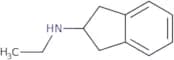
CAS:<p>(2S)-2-Amino-2-[(5S)-3-chloro-4,5-dihydroisoxazol-5-Yl]acetic acid is an inhibitor of the enzyme glutathione reductase (GR) and cytochrome P450. GR activates glutathione in cells to form a powerful antioxidant that protects against oxidative stress. (2S)-2-Amino-2-[(5S)-3-chloro-4,5-dihydroisoxazol-5-Yl]acetic acid inhibits GR and cytochrome P450 activity, leading to increased oxidative stress and neuronal death. This drug has been shown to have inhibitory properties on bowel disease by reducing the production of proinflammatory cytokines IL1β and TNFα. The compound also exhibits anti tumor response against mouse tumors by inducing apoptosis and inhibiting cell proliferation. The compound targets intracellular targets</p>Formula:C5H7ClN2O3Purity:Min. 95%Color and Shape:White PowderMolecular weight:178.57 g/molN-2,3-Dihydro-1H-inden-2-yl-N-ethylamine hydrochloride
CAS:Controlled Product<p>Please enquire for more information about N-2,3-Dihydro-1H-inden-2-yl-N-ethylamine hydrochloride including the price, delivery time and more detailed product information at the technical inquiry form on this page</p>Formula:C11H15NPurity:Min. 95%Molecular weight:161.24 g/mol[3-(1-Isopropyl-1H-benzimidazol-2-yl)propyl]amine dihydrochloride
CAS:Controlled Product<p>Please enquire for more information about [3-(1-Isopropyl-1H-benzimidazol-2-yl)propyl]amine dihydrochloride including the price, delivery time and more detailed product information at the technical inquiry form on this page</p>Formula:C13H19N3Purity:Min. 95%Molecular weight:217.31 g/mol7-Aminoactinomycin D
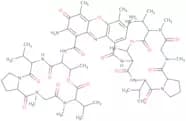
CAS:<p>7-Aminoactinomycin D is a fluorescent DNA dye that is commonly used for the detection or exclusion of non-viable cells in flow cytometric analysis, as it is generally excluded by live cells</p>Formula:C62H87N13O16Purity:Min. 95%Molecular weight:1,270.43 g/mol2-Amino-1,3,5-triazine
CAS:<p>2-Amino-1,3,5-triazine is a hydrogen bond donor that has been shown to have growth inhibiting effects. It reduces the viscosity of aqueous solutions and is used as an enantiopure for amines. 2-Amino-1,3,5-triazine can be used in reactions with metal surfaces to produce surface coatings or used as a bifunctional crosslinking agent for polymer materials. 2-Amino-1,3,5-triazine has been shown to have degenerative disease inhibitory activity and inflammatory disease inhibitory activity. It also inhibits the production of inflammatory cytokines such as tumor necrosis factor alpha (TNFα) and interleukin 6 (IL6).</p>Formula:C3H4N4Purity:Min. 95%Molecular weight:96.09 g/mol3-Amino-2-oxazolidinone-d4
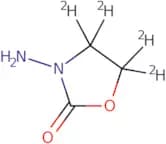
CAS:Controlled Product<p>3-Amino-2-oxazolidinone-d4 is a methanol solvent that can be used to analyze the muscle tissue. 3-Amino-2-oxazolidinone-d4 can be synthesized by reacting oxalyl chloride and 2 nitrobenzaldehyde in acetonitrile. It can also be prepared by dehydrating and analyzing the synthesis of 3 amino 2 oxazolidinones in chloroform and bromoacetic acid. 3 - Amino - 2 - oxazolidinone - d4 is deuterated, which means it has an extra neutron in its nucleus.</p>Formula:C3H2D4N2O2Purity:Min. 95%Molecular weight:106.11 g/mol(aR)-a-[[[2-(4-Nitrophenyl)ethyl]amino]methyl]benzenemethanol
CAS:<p>(aR)-a-[[[2-(4-Nitrophenyl)ethyl]amino]methyl]benzenemethanol is a chiral, carbonyl compound that has been used in the synthesis of mirabegron. It is synthesized by reacting an amide with a hydrochloric acid salt. The product yield of (aR)-a-[[[2-(4-Nitrophenyl)ethyl]amino]methyl]benzenemethanol is high and it does not react with aluminium or amide impurities. This compound can be used for the industrial synthesis of mirabegron, which is a drug for the treatment of urinary incontinence. The reduction reaction and hydrolysis reactions are both important to this process.</p>Purity:Min. 95%1-(4-Aminophenyl)-1H-pyridin-2-one
CAS:<p>1-(4-Aminophenyl)-1H-pyridin-2-one is a synthetic chemical that is used in the manufacturing of 8-hydroxyquinoline. It is an industrial chemical that is used to produce potassium carbonate by a reflux reaction with potassium and carbonate. 1-(4-Aminophenyl)-1H-pyridin-2-one is a gas at room temperature and pressure and has been shown to be stable under these conditions.</p>Formula:C11H10N2OPurity:Min. 95%Color and Shape:White PowderMolecular weight:186.21 g/molN-Fmoc-N'-trityl-D-glutamine
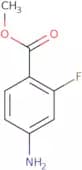
CAS:<p>N-Fmoc-N'-trityl-D-glutamine is a synthetic molecule that has been shown to have antibacterial activity. It inhibits the influenza virus by binding to the hemagglutinin protein and blocking the ability of the virus to infect cells. This compound also inhibits bacterial growth by binding to the cell wall, preventing cell division. N-Fmoc-N'-trityl-D-glutamine is stable at room temperature and can be stored for up to three years if stored in a dry environment.</p>Formula:C39H34N2O5Purity:Min. 95%Color and Shape:PowderMolecular weight:610.7 g/molMethyl 4-amino-2-fluorobenzoate
CAS:<p>Please enquire for more information about Methyl 4-amino-2-fluorobenzoate including the price, delivery time and more detailed product information at the technical inquiry form on this page</p>Formula:C8H8FNO2Purity:Min. 95%Molecular weight:169.15 g/mol2-Amino-4-picoline
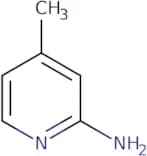
CAS:<p>2-Amino-4-picoline is a protonated nitrogenous base that has a chemical structure of 2-amino-4-picoline. It is used in the titration calorimetry of copper complexes. This compound has been shown to have antiinflammatory activity and can be used for the treatment of inflammatory diseases such as malonic acid and alkanoic acid induced inflammation. 2-Amino-4-picoline is also used in cisplatin induced nephrotoxicity, where it was shown to prevent high values in urine protein excretion and creatinine clearance by preventing oxidative stress and inhibiting the production of reactive oxygen species (ROS). This compound also reacts with hydrochloric acid to form an aminopyridine salt and hydrogen bond with a hydroxyl group.</p>Formula:C6H8N2Purity:Min. 95%Color and Shape:PowderMolecular weight:108.14 g/mol2-Hydroxybenzylamine
CAS:<p>2-Hydroxybenzylamine is a dietary supplement that is used to prevent atherosclerosis and cardiovascular disease. It inhibits the oxidation of fatty acids and decreases the production of reactive oxygen species. This drug has been shown to have an effect on cardiac hypertrophy and blood pressure. 2-Hydroxybenzylamine has been shown to reduce the levels of 4-hydroxybutyric acid, malondialdehyde, and reactive oxygen species in cultured cells. These effects may be due to its ability to inhibit the enzyme fatty acid synthase. 2HBA also has a protective effect against oxidative injury by reducing the release of reactive oxygen species from mitochondria in cultured cells.</p>Formula:C7H9NOPurity:Min. 95%Molecular weight:123.15 g/mol7-Aminoflunitrazepam
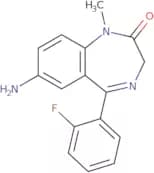
CAS:Controlled Product<p>7-Aminoflunitrazepam is an active metabolite of flunitrazepam and a benzodiazepine. It can be detected in urine samples using an on-line LC-MS/MS method. The detection time of 7-aminoflunitrazepam is between 3 to 4 hours, which is longer than that of its parent drug, flunitrazepam. The use of monoclonal antibodies specific for fluoroquinolones allows the detection of 7-aminoflunitrazepam with high sensitivity and specificity. This method can be used to detect the presence of flunitrazepam in human serum samples, as well as in femoral vein blood samples, urine samples, and blood sputum samples. Solid phase microextraction (SPME) was used as the sample preparation technique for this study. SPME also allows for the extraction and analysis of lysine residues from protein matrices such as human serum.</p>Formula:C16H14FN3OPurity:Min. 98%Color and Shape:PowderMolecular weight:283.3 g/mol
![[4-[2-(Diethylamino)ethoxy]-3-iodophenyl][2-(1-hydroxybutyl)-3-benzofuranyl]-methanone](/_next/image/?url=https%3A%2Fstatic.cymitquimica.com%2Fproducts%2F3D%2Fthumb-webp%2FFD150040.webp&w=3840&q=75)



![[(4-Methyl-1H-imidazol-5-yl)methyl]amine hydrochloride](/_next/image/?url=https%3A%2Fstatic.cymitquimica.com%2Fproducts%2F3D%2Fthumb-webp%2FFM125220.webp&w=3840&q=75)
![1-Benzyl-3-[3-(diethylamino)propoxy]-1H-indazole](/_next/image/?url=https%3A%2Fstatic.cymitquimica.com%2Fproducts%2F3D%2Fthumb-webp%2FFB162091.webp&w=3840&q=75)



![3-{[(3,4-Dichlorophenyl)amino]carbonyl}bicyclo[2.2.1]hept-5-ene-2-carboxylic acid](/_next/image/?url=https%3A%2Fstatic.cymitquimica.com%2Fproducts%2F3D%2Fthumb-webp%2FFD136060.webp&w=3840&q=75)


![4-[4-(Dimethylamino)-1-(4-fluorophenyl)-1-hydroxybutyl]-3-(hydroxymethyl)benzonitrile hydrobromide](/_next/image/?url=https%3A%2Fstatic.cymitquimica.com%2Fproducts%2F3D%2Fthumb-webp%2FFD102304.webp&w=3840&q=75)
![N-[3-Fluoro-4-[(methylamino)carbonyl]phenyl]-2-methylalanine](/_next/image/?url=https%3A%2Fstatic.cymitquimica.com%2Fproducts%2F3D%2Fthumb-webp%2FFF99416.webp&w=3840&q=75)

![(2S,3S)-5-[2-(Dimethylamino)ethyl]-3-hydroxy-2-(4-methoxyphenyl)-2,3-dihydro-1,5-benzothiazepin-4-…](/_next/image/?url=https%3A%2Fstatic.cymitquimica.com%2Fproducts%2F3D%2Fthumb-webp%2FFD45531.webp&w=3840&q=75)

![5-({[2-(4-Chlorophenyl)-1,3-oxazol-4-yl]methyl}thio)-1,3,4-thiadiazol-2-amine](/_next/image/?url=https%3A%2Fstatic.cymitquimica.com%2Fproducts%2F3D%2Fthumb-webp%2FFC122189.webp&w=3840&q=75)
![(2S)-2-Amino-2-[(5S)-3-chloro-4,5-dihydroisoxazol-5-Yl]acetic acid](/_next/image/?url=https%3A%2Fstatic.cymitquimica.com%2Fproducts%2F3D%2Fthumb-webp%2FFA17203.webp&w=3840&q=75)
![[3-(1-Isopropyl-1H-benzimidazol-2-yl)propyl]amine dihydrochloride](/_next/image/?url=https%3A%2Fstatic.cymitquimica.com%2Fproducts%2F3D%2Fthumb-webp%2FFI126427.webp&w=3840&q=75)
![(aR)-a-[[[2-(4-Nitrophenyl)ethyl]amino]methyl]benzenemethanol](/_next/image/?url=https%3A%2Fstatic.cymitquimica.com%2Fproducts%2F3D%2Fthumb-webp%2FFN75044.webp&w=3840&q=75)