Amines
Amines are a set of molecules containing an amino functional group (derived from ammonia). This category includes amines at any level of substitution : primary, secondary, tertiary, and ammonium salts. Amines are fundamental in organic synthesis and are widely used in pharmaceuticals, agrochemicals, and materials science. At CymitQuimica, we provide a comprehensive selection of amines to meet your research and industrial needs. Our range ensures access to various amines for diverse chemical processes and innovative research.
Subcategories of "Amines"
- Nitrosamines(2,605 products)
- Primary Amines(30,805 products)
- Quaternary Ammonium Cations and Salts(1,099 products)
- Secondary Amines(20,809 products)
- Tertiary Amines(17,111 products)
Found 8776 products of "Amines"
Sort by
Purity (%)
0
100
|
0
|
50
|
90
|
95
|
100
2-Dimethylaminoethanol (+)-bitartrate salt
CAS:Controlled Product<p>2-Dimethylaminoethanol (+)-bitartrate salt is a potent, reversible inhibitor of protein synthesis that binds reversibly to the 50S ribosomal subunit. It is used in regulatory toxicology and clinical pathology as a positive control for the study of chronic toxicity and long-term effects. 2-Dimethylaminoethanol (+)-bitartrate salt has shown no treatment effect on ovary weight or estrous cycle length in female Sprague-Dawley rats after chronic exposure and long-term exposure at doses up to 1,000 mg/kg/day. This drug has also shown no effect on rat fertility or reproductive performance, indicating it does not cause reproductive toxicity.</p>Formula:C4H11NO·C4H6O6Color and Shape:White Off-White PowderMolecular weight:239.22 g/mol(Deamino-Cys1,b-(3-pyridyl)-D-Ala2,Arg8)-Vasopressin trifluoroacetate salt
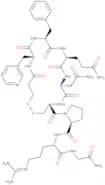
CAS:<p>DDAVP is an analogue of vasopressin, which belongs to the class of inositol phosphates. It is a potent agonist for the V1 receptor and has a higher affinity for this receptor than vasopressin. DDAVP also has antagonist properties at the V2 receptor. The biological activity of DDAVP is mediated by its ability to increase phospholipase A2 activity and cause the release of arachidonic acid from membrane phospholipids. This activation causes an increase in prostaglandin synthesis, leading to increased vascular permeability and hypotension. DDAVP may also have antidiuretic effects due to its antagonism of oxytocin receptors.</p>Formula:C45H63N15O11S2Purity:Min. 95%Molecular weight:1,054.21 g/molDABCYL-(Asn670,Leu671)-Amyloid b/A4 Protein Precursor770 (661-675)-EDANS ammonium salt
CAS:<p>Please enquire for more information about DABCYL-(Asn670,Leu671)-Amyloid b/A4 Protein Precursor770 (661-675)-EDANS ammonium salt including the price, delivery time and more detailed product information at the technical inquiry form on this page</p>Formula:C103H146N22O32SPurity:Min. 95%Molecular weight:2,236.46 g/mol4-Bromo-6-methyl-2-pyridinamine
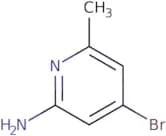
CAS:<p>4-Bromo-6-methyl-2-pyridinamine is a small molecule that binds to the bromodomain of the human protein BRD4. This binding inhibits the interaction between BRD4 and acetylated lysine residues on histones, thereby inhibiting transcriptional activation. 4-Bromo-6-methyl-2-pyridinamine has been shown to be a potent inhibitor of the activity of BRD4, which may be due to its chemical stability and ability to inhibit protein synthesis. The compound's potency in inhibition assays and its lack of biochemical toxicity make it an attractive lead compound for further study.</p>Formula:C6H7BrN2Purity:Min. 95%Molecular weight:187.04 g/mol1-(3-Aminopropyl)-2-pyrrolidinone
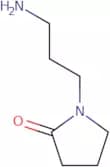
CAS:<p>1-(3-Aminopropyl)-2-pyrrolidinone is a chemical compound that has been used as a chemotherapeutic treatment for heart disease and polyamine oxidase deficiency. The compound has also been shown to have a direct effect on the synthesis of fatty acids in the body, which may lead to the development of new treatments for diabetes. 1-(3-Aminopropyl)-2-pyrrolidinone can be formulated into conjugates with other molecules, such as chloride ions or fatty acids, in order to target specific cells or tissues. This method of delivery is efficient and has been shown to be able to cross the blood-brain barrier. 1-(3-Aminopropyl)-2-pyrrolidinone is an amino acid derivative that contains an aminoguanidine functional group. Aminoguanidine inhibits polyamine oxidase activity in vitro by reacting with the carbonyl group at position C</p>Formula:C7H14N2OPurity:Min. 95%Color and Shape:Colorless Clear LiquidMolecular weight:142.2 g/molBiotinyl-5-aminopentanoyl-Antennapedia Homeobox (43-58) amide trifluoroacetate salt
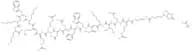
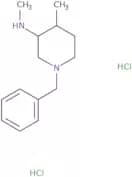
CAS:<p>Please enquire for more information about Biotinyl-5-aminopentanoyl-Antennapedia Homeobox (43-58) amide trifluoroacetate salt including the price, delivery time and more detailed product information at the technical inquiry form on this page</p>Formula:C119H192N38O22S2Purity:Min. 95%Molecular weight:2,571.17 g/molN,4-Dimethyl-1-(phenylmethyl)-3-piperidinamine hydrochloride (1:2)
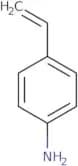
CAS:<p>Intermediate in the synthesis of tofacitinib</p>Formula:C14H24N2Cl2Purity:Min. 95%Molecular weight:291.26 g/mol4-Aminostyrene
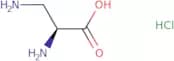
CAS:<p>4-Aminostyrene is a chemical compound that belongs to the class of ethylene diamines. It is a photoelectron acceptor and can be used as a cross-linking agent. 4-Aminostyrene reacts with nitro groups to form polycarboxylic acid amines, which are used in the preparation of model proteins. The use of 4-aminostyrene is limited by its high reactivity with oxygen and light, which leads to degradation.</p>Formula:C8H9NPurity:Min. 95%Color and Shape:Liquid.Molecular weight:119.16 g/molL(+)-2,3-Diaminopropionic acid HCl
CAS:<p>L(+)-2,3-Diaminopropionic acid HCl is a chiral modifier that is used in the separation of organic compounds. It has been shown to selectively interact with borate, sulfate, and hydroxyapatite. This interaction changes the physical properties of these substances by modifying their surface charge or adsorption capacity. L(+)-2,3-Diaminopropionic acid HCl has also been shown to be useful in diastereoselective reactions. The technique of elution can be used to isolate specific compounds from mixtures using this compound as a modifier. Hydrogen bonding groups and moieties on the functional group are important factors in the specificity of this interaction.END>></p>Formula:C3H8N2O2·HClPurity:Min. 95%Color and Shape:White PowderMolecular weight:140.57 g/molDimethylbenzyl-(3-sulfopropyl)ammonium, inner salt
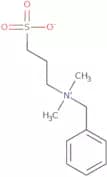
CAS:<p>Dimethylbenzyl-(3-sulfopropyl)ammonium, inner salt (DMBAPA-IS) is a nutrient solution that contains antimicrobial agents, such as fatty acids and diastolic pressure. DMBAPA-IS is used in the treatment of infectious diseases. It has been shown to be effective against solid tumours and bacterial strains. The structure of DMBAPA-IS is similar to that of dimethylbenzylammonium chloride (DMBAC), which inhibits bacterial growth by binding to the 30S ribosomal subunit, preventing protein synthesis.</p>Formula:C12H19NO3SPurity:Min. 95%Molecular weight:257.35 g/molN-Boc-1,2-phenyldiamine
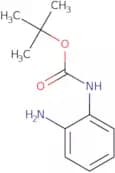
CAS:<p>N-Boc-1,2-phenyldiamine is a histone acetyltransferase (HAT) inhibitor. It is an acetylated molecule that contains two phenyl rings, one of which is substituted with an amine group. This compound was designed to inhibit the activity of HATs, which are enzymes involved in the chemical modification of histones and other proteins. N-Boc-1,2-phenyldiamine inhibits the activities of these enzymes and prevents the acetylation of lysines on histones or other proteins. It has been shown to be efficient in inducing apoptosis in human cancer cells and may also have some antitumor effects.</p>Formula:C11H16N2O2Purity:Min. 95%Color and Shape:PowderMolecular weight:208.26 g/mol(2-Bromopyridin-4-yl)methanamine
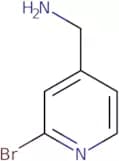
CAS:<p>Please enquire for more information about (2-Bromopyridin-4-yl)methanamine including the price, delivery time and more detailed product information at the technical inquiry form on this page</p>Purity:Min. 95%5-Fmoc-amino-10,11-dihydro-5H-dibenzo[a,d]-cycloheptenyl-2-oxyacetyl-DL-Nle-4- methyl-benzhydrylamide resin
<p>Please enquire for more information about 5-Fmoc-amino-10,11-dihydro-5H-dibenzo[a,d]-cycloheptenyl-2-oxyacetyl-DL-Nle-4- methyl-benzhydrylamide resin including the price, delivery time and more detailed product information at the technical inquiry form on this page</p>Purity:Min. 95%Tetrabutylammonium nitrite
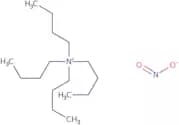
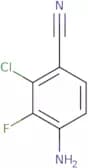
CAS:<p>Tetrabutylammonium nitrite is a tosylate salt. It reversibly binds to copper ions, forming a copper complex that is activated by the presence of nitroalkanes. The binding of tetrabutylammonium nitrite to glycosidic bonds in sugar residues, such as the hemoglobin molecule, leads to the formation of reactive oxygen species (ROS), which are responsible for cell damage. Tetrabutylammonium nitrite has been shown to reduce infarct size and improve cardiac function in animal models following ischemic reperfusion injury. Tetrabutylammonium nitrite also has antioxidant properties due to its ability to scavenge ROS and protect against oxidative stress.</p>Formula:C16H36N2O2Purity:Min. 95%Color and Shape:White PowderMolecular weight:288.47 g/mol4-Amino-2-chloro-3-fluorobenzonitrile
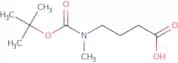
CAS:<p>Please enquire for more information about 4-Amino-2-chloro-3-fluorobenzonitrile including the price, delivery time and more detailed product information at the technical inquiry form on this page</p>Formula:C7H4ClFN2Purity:Min. 95%Molecular weight:170.57 g/molBoc-N-Methyl-γ-aMinobutyric acid
CAS:<p>Please enquire for more information about Boc-N-Methyl-gaMMa-aMinobutyric acid including the price, delivery time and more detailed product information at the technical inquiry form on this page</p>Formula:C10H19NO4Purity:Min. 95%Molecular weight:217.26 g/mol(Nle 35)-Amyloid b-Protein (1-40) ammonium salt
CAS:<p>Please enquire for more information about (Nle 35)-Amyloid b-Protein (1-40) ammonium salt including the price, delivery time and more detailed product information at the technical inquiry form on this page</p>Formula:C195H297N53O58Purity:Min. 95%Molecular weight:4,311.77 g/mol2-Amino-4-fluorobenzonitrile
CAS:<p>2-Amino-4-fluorobenzonitrile is a chemical compound that can be used as a radioprotectant. It is also an intermediate in the synthesis of other compounds, such as methoxycyanamides and hypervalent amines. 2-Amino-4-fluorobenzonitrile has shown to have anti-tumour effects by scavenging free radicals. This chemical can be used to produce formic acid or bisphosphonates.</p>Formula:C7H5FN2Purity:Min. 95%Color and Shape:PowderMolecular weight:136.13 g/mol4-(2',4'-Dimethoxyphenyl-Fmoc-aminomethyl)-phenoxymethyl-polystyrene resin (200-400 mesh)
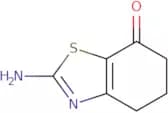
<p>Please enquire for more information about 4-(2',4'-Dimethoxyphenyl-Fmoc-aminomethyl)-phenoxymethyl-polystyrene resin (200-400 mesh) including the price, delivery time and more detailed product information at the technical inquiry form on this page</p>Purity:Min. 95%2-Amino-5,6-dihydro-4H-benzothiazol-7-one
CAS:<p>2-Amino-5,6-dihydro-4H-benzothiazol-7-one is a thiourea that is used as a reactant in the synthesis of brominated compounds. It reacts with ethanol to form 2,5,6-triaminopyrimidine and hydrogen bromide. This reaction occurs in the presence of acid such as hydrochloric acid or acetic acid. The reflux reaction is commonly conducted at elevated temperatures and pressures.</p>Purity:Min. 95%Isoprenaline sulphate dihydrate
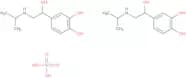
CAS:<p>4-[1-Hydroxy-2-[(1-methylethyl)amino]ethyl]-1,2-benzenediol sulfate dihydrate (benserazide) is a cholinergic agent that has been shown to increase the release of acetylcholine by acting as an agonist at nicotinic receptors. It increases the amount of acetylcholine released in the brain and can be used for the treatment of Alzheimer's disease. Benserazide has also been shown to have a depressant effect on the respiratory system, which can be beneficial for lung diseases. This drug also has anti-inflammatory properties and can inhibit growth factor synthesis.</p>Formula:C22H34N2O6·H2SO4·2H2OPurity:Min. 95%Color and Shape:PowderMolecular weight:520.59 g/mol4-Amino-3-methoxypyridine
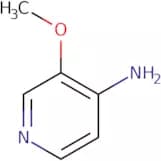
CAS:<p>4-Amino-3-methoxypyridine (4AMMP) is a naturally occurring amino acid that can be found in the nuclei of innervated tissues. It is an inhibitor of the enzyme tyrosine hydroxylase and inhibits the synthesis of catecholamines. The concentration of 4AMMP in blood was measured by radioactivity. This agent has been used for studies on the thalamic nucleus and cortex, as well as for measuring catecholamine levels in tissue homogenates.</p>Formula:C6H8N2OPurity:Min. 95%Molecular weight:124.14 g/mol(7-Diethylaminocoumarin-3-yl)carbonyl-Amyloid b-Protein (1-40) trifluoroacetate salt
CAS:<p>Please enquire for more information about (7-Diethylaminocoumarin-3-yl)carbonyl-Amyloid b-Protein (1-40) trifluoroacetate salt including the price, delivery time and more detailed product information at the technical inquiry form on this page</p>Formula:C208H308N54O61SPurity:Min. 95%Molecular weight:4,573.06 g/mol2-Methoxy-5-[[(phenylmethyl)sulfonyl]methyl]benzenamine
CAS:<p>3-Amino-4-methoxybenzyl sulphone is a high quality, versatile building block that is used in the synthesis of complex compounds. It is a reagent that can be used for reactions such as the coupling of amines and carboxylic acids. 3-Amino-4-methoxybenzyl sulphone is also useful in the synthesis of pharmaceuticals and speciality chemicals. The compound has been shown to react with other substances, such as thiols and alcohols, to form new materials with interesting properties.</p>Formula:C15H17NO3SPurity:Min. 95%Color and Shape:PowderMolecular weight:291.37 g/molAmmonium molybdate tetrahydrate - ACS
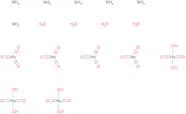
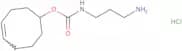
CAS:<p>Ammonium molybdate tetrahydrate (AMT) is a molybdenum compound with the chemical formula (NH4)6Mo7O24·4H2O. It is a yellow crystalline solid that is soluble in water and n-hexane. AMT has been clinically used for the treatment of Wilson's disease, an inherited disorder that causes copper to accumulate in the body. AMT binds to copper ions and prevents them from being absorbed into the bloodstream. The rate of ATP production increases when AMT is added to cells, which may be due to its effect on electron transport or because it inhibits ATPase activity.</p>Formula:(NH4)6Mo7O24•(H2O)4Purity:Min. 95%Color and Shape:White Clear LiquidMolecular weight:1,236 g/molTCO-amine hydrochloride
CAS:<p>Please enquire for more information about TCO-amine hydrochloride including the price, delivery time and more detailed product information at the technical inquiry form on this page</p>Formula:C12H22N2O2•HClPurity:Min. 95%Color and Shape:PowderMolecular weight:262.78 g/molOM99-2trifluoroacetate salt
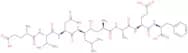
CAS:<p>Please enquire for more information about OM99-2trifluoroacetate salt including the price, delivery time and more detailed product information at the technical inquiry form on this page</p>Formula:C41H64N8O14Purity:Min. 95%Molecular weight:892.99 g/mol(2S)-2-Amino-4-methyl-1-[(2R)-2-methyloxiranyl]-1-pentanone trifluoroacetate
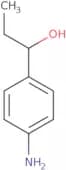
CAS:Controlled Product<p>Please enquire for more information about (2S)-2-Amino-4-methyl-1-[(2R)-2-methyloxiranyl]-1-pentanone trifluoroacetate including the price, delivery time and more detailed product information at the technical inquiry form on this page</p>Formula:C9H17NO2•C2HF3O2Purity:Min. 95%Color and Shape:PowderMolecular weight:285.26 g/mol4-Aminophenyl ethyl carbinol
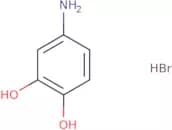
CAS:<p>Please enquire for more information about 4-Aminophenyl ethyl carbinol including the price, delivery time and more detailed product information at the technical inquiry form on this page</p>Formula:C9H13NOPurity:Min. 95%Color and Shape:PowderMolecular weight:151.21 g/mol4-Aminocatechol hydrobromide
CAS:<p>Please enquire for more information about 4-Aminocatechol hydrobromide including the price, delivery time and more detailed product information at the technical inquiry form on this page</p>Formula:C6H8NO2BrPurity:Min. 95%Color and Shape:Black PowderMolecular weight:206.04 g/mol4-Aminophenethyl alcohol
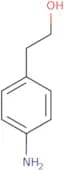
CAS:<p>4-Aminophenethyl alcohol is a monosubstituted, basic compound that is used in the laboratory as a cell culture medium supplement to promote growth of fibroblasts. This compound has been shown to stimulate human intestinal cells and human peripheral blood mononuclear cells. 4-Aminophenethyl alcohol acts as a hydroxyl group donor, which may be due to its ability to form hydrogen ions when reacted with sodium hydroxide solution. The reaction of this compound with diazonium salt produces an intermediate, which can be hydrolyzed by the addition of sodium hydroxide solution. The resultant chloride ion reacts with the aminophenethyldihydroxylamine (APDA) moiety to produce APDCl. This product has been shown to increase the population growth rate of fibroblasts in culture by causing DNA synthesis and protein synthesis. Linear regression analysis revealed that there was no statistically significant difference between the control and experimental groups for either DNA</p>Formula:C8H11NOPurity:Min. 95%Molecular weight:137.18 g/mol(2-Chloropyridin-4-yl)methanamine
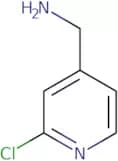
CAS:<p>2-Chloropyridin-4-yl)methanamine is a hydrogenated molecule that has been shown to inhibit the activity of certain cancer cells. It inhibits the expression of the enzyme molecules involved in the synthesis of DNA and RNA. 2-Chloropyridin-4-yl)methanamine also inhibits the hydrolysis of hydrogen chloride (HCl) to produce hydrogen (H2). This drug is used as an inhibitor for medicines that require acidic pH for absorption, such as HCl.</p>Formula:C6H7ClN2Purity:Min. 95%Molecular weight:142.59 g/molTRAP-6 ammonium acetate salt
CAS:<p>TRAP-6 is a biocompatible polymer that is used to prevent adhesion of platelets to the endothelium and activation of coagulation. TRAP-6 has been shown to be effective in preventing inflammatory bowel disease, as well as other bowel diseases, by inhibiting the release of inflammatory cytokines such as fibrinogen and erythropoietin. This drug has been shown to have clinical relevance in treating inflammatory bowel disease in animal models. TRAP-6 can also be used to inhibit the growth of bacteria by binding to bacterial cells or by inducing their death. In addition, TRAP-6 can bind with monoclonal antibodies and target specific cells for destruction.</p>Formula:C34H56N10O9Purity:Min. 95%Molecular weight:748.87 g/mol4-(Fmoc-hydrazino)-benzoylaminomethyl resin (200-400 mesh)
<p>Please enquire for more information about 4-(Fmoc-hydrazino)-benzoylaminomethyl resin (200-400 mesh) including the price, delivery time and more detailed product information at the technical inquiry form on this page</p>Purity:Min. 95%Pyrithiamine
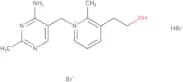
CAS:<p>Pyrithiamine is an antimicrobial agent that inhibits the growth of bacteria by disrupting the disulfide bond between two cysteine residues. It has been shown to inhibit the formation of bacterial spores, which are resistant to many antibiotics. Pyrithiamine also has antioxidant properties and can reduce oxidative stress in neurons, leading to neuronal death. This drug also has a strong effect on energy metabolism and may be used as a treatment for mitochondrial diseases.</p>Formula:C14H20Br2N4OPurity:Min. 95%Molecular weight:420.14 g/molN-[2-[(2-Bromo-4,6-dinitrophenyl)azo]-5-(diethylamino)phenyl]acetamide
CAS:<p>N-2-[(2-bromo-4,6-dinitrophenyl)azo]-5-(diethylamino)phenyl]acetamide (NBDPA) is a yellowish solid that is soluble in water. It has a molecular weight of 308.3 and chemical formula C14H21BrN2O4. NBDPA is used as an analytical reagent for the kinetic data of liver cells and in wastewater treatment. This compound has been shown to exhibit carcinogenic potential in rats, causing genetic damage to the DNA of liver cells and kidney tissue. NBDPA has also been shown to be toxic to fish embryos and larvae, with significant effects on the development of larvae at high concentrations.</p>Formula:C18H19BrN6O5Purity:90%MinMolecular weight:479.28 g/molAminoguanidine hydrochloride
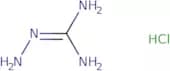
CAS:<p>Aminoguanidine hydrochloride is a basic compound that can be used as an anti-inflammatory drug. It has been shown to have a hypoglycemic effect, which may be due to its ability to increase the activity of glutathione peroxidase and glutathione reductase in experimental models. Aminoguanidine hydrochloride also inhibits the production of inflammatory cytokines such as TNF-α, IL-1β and IL-6. Experiments with transfected cells have shown that aminoguanidine hydrochloride induces neuronal death, which may be due to its ability to inhibit protein synthesis by interfering with ribosomal function.</p>Formula:CH6N4·HClPurity:Min. 95%Color and Shape:White PowderMolecular weight:110.55 g/molEthyl 2-((tert-butoxycarbonylamino)methyl)thiazole-4-carboxylate
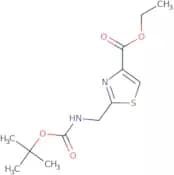
CAS:<p>Please enquire for more information about Ethyl 2-((tert-butoxycarbonylamino)methyl)thiazole-4-carboxylate including the price, delivery time and more detailed product information at the technical inquiry form on this page</p>Formula:C12H18N2O4SPurity:Min. 95%Molecular weight:286.35 g/mol2-Amino-5-chloro-3-methylbenzoic acid
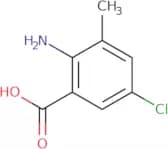
CAS:<p>2-Amino-5-chloro-3-methylbenzoic acid (ACMB) is a substructure of the insecticidal compound chlorantraniliprole. It is a solid at room temperature and has a molecular weight of 142.15 g/mol. ACMB can be extracted from n-hexane, chlorantraniliprole, or xylene using gravimetric analysis. The bioactivity of ACMB can be determined by an anthranilic assay, while its solubility data are available in the literature. ACMB has been shown to have insecticidal activity against lepidoptera larvae and cyanuric activity against mosquito larvae.</p>Formula:C8H8ClNO2Purity:Min. 95%Molecular weight:185.61 g/mol7-Diethylamino-4-methylcoumarin
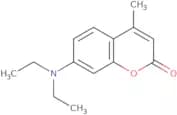
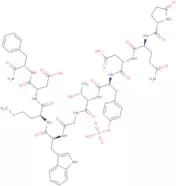
CAS:<p>7-Diethylamino-4-methylcoumarin is a fluorescence probe that can be used in applications such as the study of hydrogen bonding interactions. It is excited by laser light and emits a red-shifted fluorescent light. 7-Diethylamino-4-methylcoumarin is a hydroxyl group analogue of coumarin, which has been shown to have physiological effects on the liver cells. The absorption spectrum of 7-Diethylamino-4-methylcoumarin is sensitive to changes in pH and chemical stability. A decrease in pH increases the intensity of the emission while an increase in pH decreases the intensity of the emission. This compound can also be used to label nucleic acids during polymerase chain reactions (PCR) or for sample preparation before analysis using nuclear magnetic resonance spectroscopy (NMR).</p>Formula:C14H17NO2Purity:Min. 98 Area-%Color and Shape:PowderMolecular weight:231.29 g/molCaerulein triammonium
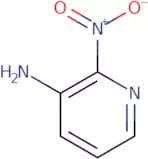
CAS:<p>Caerulein is a hormone that has been shown to have cardiotoxic effects. It is a potent agent that stimulates the release of pancreatic enzymes and causes an increase in the concentration of glucose in blood plasma. Caerulein ammonium salt is used as a pharmacological agent for the treatment of acute pancreatitis and other inflammatory diseases, such as myocardial infarct and infectious diseases. The compound has also been shown to be effective in experimental models of infectious diseases, such as acute pancreatitis.</p>Formula:C58H73N13O21S2•(H3N)3Purity:Min. 95%Color and Shape:PowderMolecular weight:1,403.5 g/mol3-Amino-2-nitropyridine
CAS:<p>3-Amino-2-nitropyridine is a heterocyclic compound that is an oxidation product of 2,4,6-trinitrotoluene. 3-Amino-2-nitropyridine is a potent inhibitor of the d4 receptor and has been shown to be active in animal models of cancer and autoimmune diseases. The mechanism of action of this drug is not well understood, but it has been found to inhibit cell proliferation in vitro by binding to nucleophilic sites on the receptor. Nitrobenzoic acid may also contribute to its activity. 3-Amino-2-nitropyridine inhibits inflammatory responses by inhibiting cell proliferation and migration.</p>Formula:C5H5N3O2Purity:Min. 95%Molecular weight:139.11 g/mol5-(H-Gly-Pro-Gly-Pro-amido)-9-[di-(3-sulfonylpropyl)amino]-benzo[a]phenoxazonium perchlorate
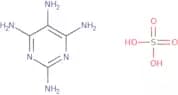
CAS:<p>Please enquire for more information about 5-(H-Gly-Pro-Gly-Pro-amido)-9-[di-(3-sulfonylpropyl)amino]-benzo[a]phenoxazonium perchlorate including the price, delivery time and more detailed product information at the technical inquiry form on this page</p>Formula:C36H42N7O11S2Purity:Min. 95%Molecular weight:812.89 g/mol2,4,5,6-Tetraaminopyrimidine sulphate
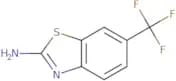
CAS:<p>2,4,5,6-Tetraaminopyrimidine sulphate is a chemical compound that is used for the treatment of leukemic mice. It has shown to have anti-inflammatory and anti-cancer properties. This drug binds to the enzyme p-hydroxybenzoic acid that is involved in the synthesis of collagen and elastin. It also suppresses the production of inflammatory cytokines such as TNF-α and IL-1β. 2,4,5,6-Tetraaminopyrimidine sulphate has been used in clinical trials for the treatment of autoimmune diseases and inflammatory diseases such as psoriasis. The drug is currently being researched for use in cancer treatments due to its ability to inhibit cell division and induce apoptosis. 2,4,5,6-Tetraaminopyrimidine sulphate has also been shown to be effective when applied topically on skin as a cosmetic agent or when administered orally as a supplement for</p>Formula:C4H10N6O4SPurity:Min. 95%Color and Shape:Slightly Yellow PowderMolecular weight:238.23 g/mol2-Amino-6-(trifluoromethyl)benzothiazole
CAS:<p>2-Amino-6-(trifluoromethyl)benzothiazole is a new, optimised insecticide with alkylthio, halogen and alkoxy groups. It is highly toxic to insects and has been shown to be active against various species of Lepidoptera, Coleoptera and Diptera. 2-Amino-6-(trifluoromethyl)benzothiazole is also a broad spectrum contact insecticide that exhibits systemic properties. This insecticide can be used on plants, crops, livestock and pets.</p>Formula:C8H5F3N2SPurity:Min. 95%Molecular weight:218.2 g/mol5-Bromo-2-dimethylaminopyridine
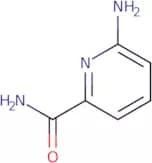
CAS:Controlled Product<p>Please enquire for more information about 5-Bromo-2-dimethylaminopyridine including the price, delivery time and more detailed product information at the technical inquiry form on this page</p>Formula:C7H9BrN2Purity:Min. 95%Molecular weight:201.01 g/mol6-Aminopicolinamide
CAS:<p>6-Aminopicolinamide is a metabolite of nicotinamide, which can be found in the urine of humans and animals. 6-Aminopicolinamide has been shown to have anti-leukemic activity against experimental leukemias in animals. The mechanism of action is not well understood but may involve inhibition of nucleotide synthesis or the inhibition of dehydrogenase activity. Clinical trials are underway to determine its efficacy as an anti-tumor agent.</p>Formula:C6H7N3OPurity:Min. 95%Molecular weight:137.14 g/mol2-chloro-3-fluoropyridin-4-amine
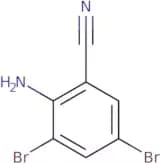
CAS:<p>Please enquire for more information about 2-chloro-3-fluoropyridin-4-amine including the price, delivery time and more detailed product information at the technical inquiry form on this page</p>Formula:C5H4ClFN2Purity:Min. 95%Molecular weight:146.55 g/mol2-Amino-3,5-dibromobenzonitrile
CAS:<p>2-Amino-3,5-dibromobenzonitrile is an electrophile that is used to synthesize various boronic acid derivatives. It also inhibits butyrylcholinesterase and 2-aminobenzonitrile, enhancing the activity of organophosphorus cholinesterase inhibitors. 2-Amino-3,5-dibromobenzonitrile has been shown to react with nucleophiles at the alpha position to form a stable intermediate. This reaction has been shown to be reversible in aqueous solution. The compound has been evaluated as a potential chemotherapeutic agent against cancer cells in vitro.</p>Formula:C7H4Br2N2Purity:Min. 95%Molecular weight:275.93 g/mol4-Amino-6-chloro-1,3-benzenedisulfonamide
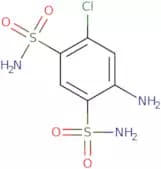
CAS:<p>4-Amino-6-chloro-1,3-benzenedisulfonamide is a natural substance that has been used in Chinese medicine preparations for the treatment of cardiac problems. It belongs to the class of organic compounds called benzenedisulfonamides. 4-Amino-6-chloro-1,3-benzenedisulfonamide is produced by the bacterial enzyme aminase from amino acid and benzoic acid. The adsorption mechanism of 4-Amino-6-chloro-1,3-benzenedisulfonamide is not fully understood, but it is believed that the benzyl groups are key players in this process. The high affinity of 4-Amino-6-chloro1,3 benzenedisulfonamide to proteins may be due to its ability to form hydrogen bonds with protein side chains, such as serine or threonine residues. 4 Amino</p>Formula:C6H8ClN3O4S2Purity:Min. 95%Color and Shape:White To Light Brown SolidMolecular weight:285.73 g/mol



![5-Fmoc-amino-10,11-dihydro-5H-dibenzo[a,d]-cycloheptenyl-2-oxyacetyl-DL-Nle-4- methyl-benzhydrylam…](/_next/image/?url=https%3A%2Fstatic.cymitquimica.com%2Fproducts%2F3D%2Fthumb-webp%2FFT111711.webp&w=3840&q=75)


![2-Methoxy-5-[[(phenylmethyl)sulfonyl]methyl]benzenamine](/_next/image/?url=https%3A%2Fstatic.cymitquimica.com%2Fproducts%2F3D%2Fthumb-webp%2FFA70820.webp&w=3840&q=75)
![(2S)-2-Amino-4-methyl-1-[(2R)-2-methyloxiranyl]-1-pentanone trifluoroacetate](/_next/image/?url=https%3A%2Fstatic.cymitquimica.com%2Fproducts%2F3D%2Fthumb-webp%2FFA100028.webp&w=3840&q=75)

![N-[2-[(2-Bromo-4,6-dinitrophenyl)azo]-5-(diethylamino)phenyl]acetamide](/_next/image/?url=https%3A%2Fstatic.cymitquimica.com%2Fproducts%2F3D%2Fthumb-webp%2FFB151321.webp&w=3840&q=75)
![5-(H-Gly-Pro-Gly-Pro-amido)-9-[di-(3-sulfonylpropyl)amino]-benzo[a]phenoxazonium perchlorate](/_next/image/?url=https%3A%2Fstatic.cymitquimica.com%2Fproducts%2F3D%2Fthumb-webp%2FFG110995.webp&w=3840&q=75)