Amines
Amines are a set of molecules containing an amino functional group (derived from ammonia). This category includes amines at any level of substitution : primary, secondary, tertiary, and ammonium salts. Amines are fundamental in organic synthesis and are widely used in pharmaceuticals, agrochemicals, and materials science. At CymitQuimica, we provide a comprehensive selection of amines to meet your research and industrial needs. Our range ensures access to various amines for diverse chemical processes and innovative research.
Subcategories of "Amines"
- Nitrosamines(2,606 products)
- Primary Amines(30,805 products)
- Quaternary Ammonium Cations and Salts(1,099 products)
- Secondary Amines(20,809 products)
- Tertiary Amines(17,111 products)
Found 8776 products of "Amines"
Sort by
Purity (%)
0
100
|
0
|
50
|
90
|
95
|
100
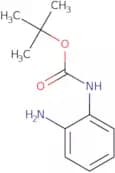
N-Boc-1,2-phenyldiamine
CAS:<p>N-Boc-1,2-phenyldiamine is a histone acetyltransferase (HAT) inhibitor. It is an acetylated molecule that contains two phenyl rings, one of which is substituted with an amine group. This compound was designed to inhibit the activity of HATs, which are enzymes involved in the chemical modification of histones and other proteins. N-Boc-1,2-phenyldiamine inhibits the activities of these enzymes and prevents the acetylation of lysines on histones or other proteins. It has been shown to be efficient in inducing apoptosis in human cancer cells and may also have some antitumor effects.</p>Formula:C11H16N2O2Purity:Min. 95%Color and Shape:PowderMolecular weight:208.26 g/mol(2-Furylmethyl)methylamine
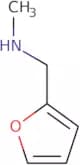
CAS:<p>(2-Furylmethyl)methylamine is a protein inhibitor that has been shown to inhibit γ-secretase, an enzyme responsible for the cleavage of amyloid precursor protein (APP) and the production of beta-amyloid. It has also been shown to be effective in treating cancer and Alzheimer's disease when administered as an intravenous injection or oral medication. The effects on animals were observed in a study involving mice with bladder cancer. (2-Furylmethyl)methylamine was found to inhibit the growth of bladder cancer cells and induce apoptosis. This compound also inhibits glycogen synthase kinase 3 (GSK3), which is involved in cell proliferation. Trichophyton mentagrophytes, a fungus that causes athlete's foot, has also been found to be sensitive to this drug. Heterocycles are not affected by this compound because they lack nitrogen atoms at their positions corresponding to those in the amide group</p>Formula:C6H9NOPurity:Min. 95%Color and Shape:Colorless Clear LiquidMolecular weight:111.14 g/mol4-Piperidylacetylaminomethyl resin (200-400 mesh)
<p>Please enquire for more information about 4-Piperidylacetylaminomethyl resin (200-400 mesh) including the price, delivery time and more detailed product information at the technical inquiry form on this page</p>Purity:Min. 95%2,4,5,6-Tetraaminopyrimidine sulphate
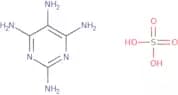
CAS:<p>2,4,5,6-Tetraaminopyrimidine sulphate is a chemical compound that is used for the treatment of leukemic mice. It has shown to have anti-inflammatory and anti-cancer properties. This drug binds to the enzyme p-hydroxybenzoic acid that is involved in the synthesis of collagen and elastin. It also suppresses the production of inflammatory cytokines such as TNF-α and IL-1β. 2,4,5,6-Tetraaminopyrimidine sulphate has been used in clinical trials for the treatment of autoimmune diseases and inflammatory diseases such as psoriasis. The drug is currently being researched for use in cancer treatments due to its ability to inhibit cell division and induce apoptosis. 2,4,5,6-Tetraaminopyrimidine sulphate has also been shown to be effective when applied topically on skin as a cosmetic agent or when administered orally as a supplement for</p>Formula:C4H10N6O4SPurity:Min. 95%Color and Shape:Slightly Yellow PowderMolecular weight:238.23 g/mol1-Boc-4-aminoindole
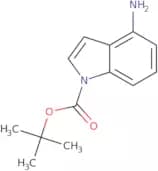
CAS:<p>Please enquire for more information about 1-Boc-4-aminoindole including the price, delivery time and more detailed product information at the technical inquiry form on this page</p>Formula:C13H16N2O2Purity:Min. 95%Molecular weight:232.28 g/molImidazo[1,2-a]pyridin-7-amine hydrobromide
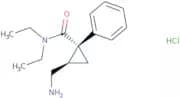
CAS:<p>Please enquire for more information about Imidazo[1,2-a]pyridin-7-amine hydrobromide including the price, delivery time and more detailed product information at the technical inquiry form on this page</p>Formula:C7H8BrN3Purity:Min. 95%Molecular weight:214.06 g/mol(E)-2-(Aminomethyl)-N,N-diethyl-1-phenylcyclopropanecarboxamideHydrochloride
CAS:Controlled Product<p>Levomilnacipran is a serotonin-norepinephrine reuptake inhibitor (SNRI) that is used for the treatment of major depressive disorder and fibromyalgia. It has been shown to have antidepressant effects in patients with major depressive disorder and fibromyalgia. Levomilnacipran inhibits the reuptake of serotonin and norepinephrine by blocking the transporter proteins in these neurotransmitter pathways, increasing their availability to interact with receptors in the brain. Levomilnacipran also has been found to inhibit aminotransferase activity, which may be responsible for its hepatotoxicity.</p>Formula:C15H23ClN2OPurity:Min. 95%Molecular weight:282.81 g/molAminoguanidine hydrochloride
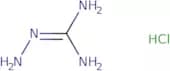
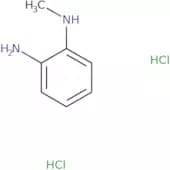
CAS:<p>Aminoguanidine hydrochloride is a basic compound that can be used as an anti-inflammatory drug. It has been shown to have a hypoglycemic effect, which may be due to its ability to increase the activity of glutathione peroxidase and glutathione reductase in experimental models. Aminoguanidine hydrochloride also inhibits the production of inflammatory cytokines such as TNF-α, IL-1β and IL-6. Experiments with transfected cells have shown that aminoguanidine hydrochloride induces neuronal death, which may be due to its ability to inhibit protein synthesis by interfering with ribosomal function.</p>Formula:CH6N4·HClPurity:Min. 95%Color and Shape:White PowderMolecular weight:110.55 g/molN-Methyl-1,2-phenylenediamine dihydrochloride
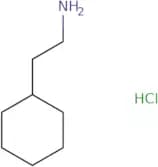
CAS:<p>N-Methyl-1,2-phenylenediamine dihydrochloride (NMP) is a synthetic compound that is used as the precursor to various pharmaceuticals, such as the antihypertensive drug clonidine. NMP can be synthesized from benzene and ammonia or phenylmagnesium bromide. It is carcinogenic in animals and humans, and has been shown to cause DNA damage and cell apoptosis. The chemical has a high potential for nitrosation reactions when exposed to nitrites. This reaction produces nitric oxide, which is cytotoxic and can lead to liver cancer in rats.<br>The synthesis of NMP generates impurities such as methanol solvent, sodium sulfide, and hydrogen chloride gas. These impurities are often found in recycled NMP due to incomplete removal during processing.</p>Formula:C7H12Cl2N2Purity:Min. 95%Color and Shape:PowderMolecular weight:195.09 g/mol2-Cyclohexylethanamine hydrochloride
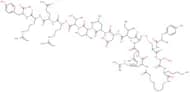
CAS:<p>Please enquire for more information about 2-Cyclohexylethanamine hydrochloride including the price, delivery time and more detailed product information at the technical inquiry form on this page</p>Formula:C8H18ClNPurity:Min. 95%Color and Shape:PowderMolecular weight:163.69 g/mol(Cys2)-Neuropeptide Y (1-4)-8-aminooctanoyl-(D-Cys27)-Neuropeptide Y (25-32) trifluoroacetate salt
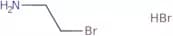
CAS:<p>Please enquire for more information about (Cys2)-Neuropeptide Y (1-4)-8-aminooctanoyl-(D-Cys27)-Neuropeptide Y (25-32) trifluoroacetate salt including the price, delivery time and more detailed product information at the technical inquiry form on this page</p>Formula:C96H158N32O23S2Purity:Min. 95%Molecular weight:2,192.62 g/mol2-Bromoethylamine hydrobromide
CAS:<p>2-Bromoethylamine HBr is a nonsteroidal anti-inflammatory drug that is used to treat inflammation and pain. It is a prodrug that is hydrolyzed in vivo to its active form, 2-bromoethylamine. The bound form of this drug has been shown to inhibit the development of cell nuclei in the nucleus of cells. This drug also inhibits the production of nitric oxide, which leads to cell death by necrosis. 2-Bromoethylamine HBr has been shown to have an inhibitory effect on the activity of glycol ethers, which are used as solvents for resins in coatings and adhesives. It also has the ability to form body tissue (e.g., papillary) and can be used as an experimental model for studying necrosis.</p>Formula:C2H6BrN•HBrPurity:Min. 95%Color and Shape:White PowderMolecular weight:204.89 g/molH-Glu-Leu-Asp-[(2R,4S,5S)-5-amino-4-hydroxy-2,7-dimethyl-octanoyl]-Val-Glu-Phe-Gly-Gly-D-Arg-D-Arg-D-Arg-D-Arg-D-Arg-D-Arg-D-Arg-D-A rg-D-Arg-OH trifluoroacetate salt
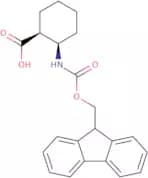
CAS:<p>Please enquire for more information about H-Glu-Leu-Asp-[(2R,4S,5S)-5-amino-4-hydroxy-2,7-dimethyl-octanoyl]-Val-Glu-Phe-Gly-Gly-D-Arg-D-Arg-D-Arg-D-Arg-D-Arg-D-Arg-D-Arg-D-A rg-D-Arg-OH trifluoroacetate salt including the price, delivery time and more detailed product information at the technical inquiry form on this page</p>Formula:C102H183N45O26Purity:Min. 95%Molecular weight:2,455.83 g/mol(1S,2R)-Fmoc-aminocyclohexane carboxylic acid
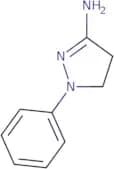
CAS:<p>Please enquire for more information about (1S,2R)-Fmoc-aminocyclohexane carboxylic acid including the price, delivery time and more detailed product information at the technical inquiry form on this page</p>Formula:C22H23NO4Purity:Min. 95%Molecular weight:365.42 g/mol1-Phenyl-4,5-dihydro-1H-pyrazol-3-amine
CAS:<p>1-Phenyl-4,5-dihydro-1H-pyrazol-3-amine is an organic compound that is used as a reagent in the synthesis of other compounds. It is a dimeric compound that can be synthesized by electrolysis. It has been shown to have kinetic and potential properties, which are determined by its anilines and pyridines. 1-Phenyl-4,5-dihydro-1H-pyrazol-3-amine can also be synthesized from ethanolamine and copper (II) salts. This technique involves the electrochemical oxidation of copper, followed by reduction with acetonitrile. The resulting 1-(aminomethyl)-4,5 dihydro pyrazole 3 amine can then be used for further reactions.</p>Formula:C9H11N3Purity:Min. 95%Molecular weight:161.2 g/mol(R)-3-[((tert-Butoxy)carbonyl)amino]-4-(2,5-difluorophenyl)butanoic acid
CAS:<p>Please enquire for more information about (R)-3-[((tert-Butoxy)carbonyl)amino]-4-(2,5-difluorophenyl)butanoic acid including the price, delivery time and more detailed product information at the technical inquiry form on this page</p>Formula:C15H19F2NO4Purity:Min. 95%Molecular weight:315.31 g/mol12-(Boc-aminooxy)-dodecanoic acid
CAS:<p>Please enquire for more information about 12-(Boc-aminooxy)-dodecanoic acid including the price, delivery time and more detailed product information at the technical inquiry form on this page</p>Formula:C17H33NO5Purity:Min. 95%Molecular weight:331.45 g/mol2-Methoxy-5-[[(phenylmethyl)sulfonyl]methyl]benzenamine
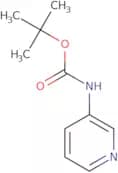
CAS:<p>3-Amino-4-methoxybenzyl sulphone is a high quality, versatile building block that is used in the synthesis of complex compounds. It is a reagent that can be used for reactions such as the coupling of amines and carboxylic acids. 3-Amino-4-methoxybenzyl sulphone is also useful in the synthesis of pharmaceuticals and speciality chemicals. The compound has been shown to react with other substances, such as thiols and alcohols, to form new materials with interesting properties.</p>Formula:C15H17NO3SPurity:Min. 95%Color and Shape:PowderMolecular weight:291.37 g/mol3-(Boc-amino)pyridine
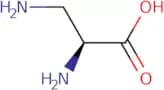
CAS:<p>3-(Boc-amino)pyridine is a glycine derivative with a trigonal, chelate ring. It can be hydrolyzed by acid to form 3-aminopyridine. 3-(Boc-amino)pyridine has been shown to react with trimethyltin chloride to form an intramolecular complex in the presence of alkyllithiums. This reaction proceeds through lithiation and methylation of the carboxyl group of 3-(Boc-amino)pyridine. The interaction between 3-(Boc-amino)pyridine and trimethyltin chloride forms an antiaromatic six membered ring that resembles a benzene molecule.</p>Formula:C10H14N2O2Purity:Min. 95%Molecular weight:194.23 g/molL-2,3-Diaminopropionicacid
CAS:<p>L-2,3-Diaminopropionic acid is a diamine with an asymmetric carbon atom. It has been used to synthesize antimicrobial peptides and has also shown hemolytic activity in vitro. L-2,3-Diaminopropionic acid is stable when exposed to water vapor, which may make it useful for the treatment of cancer tissues. This molecule has been shown to have significant cytotoxicity against human leukemia cells and is able to inhibit the growth of various bacteria by inhibiting protein synthesis in the ribosome. L-2,3-Diaminopropionic acid also inhibits the enzyme enolase and reduces the production of ATP in cells.</p>Formula:C3H8N2O2Purity:Min. 95%Molecular weight:104.11 g/mol2-Bromobenzo[d]thiazol-6-amine
CAS:<p>Please enquire for more information about 2-Bromobenzo[d]thiazol-6-amine including the price, delivery time and more detailed product information at the technical inquiry form on this page</p>Formula:C7H5BrN2SPurity:Min. 95%Molecular weight:229.1 g/mol2-Amino-4-fluorobenzonitrile
CAS:<p>2-Amino-4-fluorobenzonitrile is a chemical compound that can be used as a radioprotectant. It is also an intermediate in the synthesis of other compounds, such as methoxycyanamides and hypervalent amines. 2-Amino-4-fluorobenzonitrile has shown to have anti-tumour effects by scavenging free radicals. This chemical can be used to produce formic acid or bisphosphonates.</p>Formula:C7H5FN2Purity:Min. 95%Color and Shape:PowderMolecular weight:136.13 g/mol4-Aminobutyrophenone
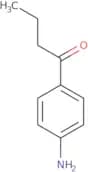
CAS:<p>4-Aminobutyrophenone is a butyrophenone, a nitro compound that is the amine derivative of 4-aminobutyric acid. This product is used as a control agent in pest control and as an intermediate for pharmaceuticals and dyes. It has been used to produce methemoglobin, which is used to treat nitrate poisoning. 4-Aminobutyrophenone undergoes acylation reactions with chloride or sulfoxide groups to form chlorohydrins and thiohydrins respectively. These products are bioisosteres of the carbonyl group, which can be hydrolyzed with acid or alkali to produce carboxylic acids or alcohols respectively. Friedel-Crafts acylation with phenol gives benzoylphenylhydroxylamine, which can be oxidized by hydrogen peroxide to give the corresponding nitro compound.</p>Formula:C10H13NOColor and Shape:PowderMolecular weight:163.22 g/mol(3R)-3-[(tert-Butoxycarbonyl)amino]-4-(2,4-difluorophenyl)butanoic acid
CAS:<p>Please enquire for more information about (3R)-3-[(tert-Butoxycarbonyl)amino]-4-(2,4-difluorophenyl)butanoic acid including the price, delivery time and more detailed product information at the technical inquiry form on this page</p>Formula:C15H19F2NO4Purity:Min. 95%Molecular weight:315.31 g/mol5-Amino-2-tert-butoxycarbonyl-1,2,3,4-tetrahydroisoquinoline
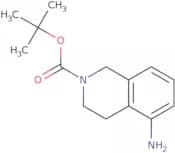
CAS:<p>Please enquire for more information about 5-Amino-2-tert-butoxycarbonyl-1,2,3,4-tetrahydroisoquinoline including the price, delivery time and more detailed product information at the technical inquiry form on this page</p>Formula:C14H20N2O2Purity:Min. 95%Molecular weight:248.32 g/molMethyl 3-amino-2-phenylpropanoate HCl
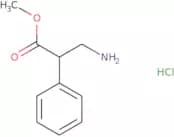
CAS:<p>Methyl 3-amino-2-phenylpropanoate HCl is a chemical intermediate that is synthesized in the biosynthesis of scopolamine and tenellin. It has been found to be an isotopically labeled analog of tropane alkaloids, which are a class of natural products that includes atropine, hyoscyamine, and scopolamine. Methyl 3-amino-2-phenylpropanoate HCl is one of many compounds that can provide structural insights into the biosynthesis and metabolism of these compounds.</p>Formula:C10H13NO2·HClPurity:Area-% Min. 95 Area-%Color and Shape:PowderMolecular weight:215.68 g/mol3-Dimethylamino-1-(3-pyridyl)-2-propen-1-one
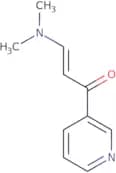
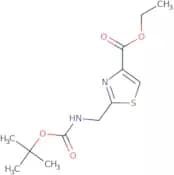
CAS:<p>3-Dimethylamino-1-(3-pyridyl)-2-propen-1-one is a synthetic anticancer compound. It is an amide derivative of 3-dimethylamino-1-(3-pyridyl)-2-propenal, which is synthesized by reacting 3,5,6,7 tetrahydrobenzo[b]thiophene with 3-(dimethylamino)acrylic acid chloride. The synthesis of 3DAP was reported in 1974 by Novartis Pharmaceuticals Corporation and it has been used as a lead compound for the development of other anticancer agents. This drug can inhibit the growth of myelogenous leukemia cells and has been shown to be effective against cancer cells that are resistant to imatinib.</p>Formula:C10H12N2OPurity:Min. 95%Color and Shape:Off-White To Yellow SolidMolecular weight:176.22 g/molEthyl 2-((tert-butoxycarbonylamino)methyl)thiazole-4-carboxylate
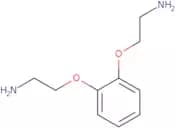
CAS:<p>Please enquire for more information about Ethyl 2-((tert-butoxycarbonylamino)methyl)thiazole-4-carboxylate including the price, delivery time and more detailed product information at the technical inquiry form on this page</p>Formula:C12H18N2O4SPurity:Min. 95%Molecular weight:286.35 g/molO-Bis(2-aminoethoxy)benzene
CAS:<p>O-Bis(2-aminoethoxy)benzene is a cyclic compound that has a predominantly thionyl character. It has an amide group, which is formed by the condensation of two carboxylic acids. O-Bis(2-aminoethoxy)benzene can act as a ligand for metal ions in the form of an anion or chloride ion, and it also interacts with neutral ligands. This compound can be used to prepare ferrocenyl derivatives through alkylation. The interaction between O-Bis(2-aminoethoxy)benzene and ferrocene was studied using voltammetry.</p>Formula:C10H16N2O2Purity:Min. 95%Molecular weight:196.25 g/mol1b-(4-Fluorophenyl)hexahydro-',7-dihydroxy-7-(1-methylethyl)-1a-phenyl-7a-[(phenylamino)carbonyl]-3H-oxireno[3,4]pyrrolo[2,1-b][1,3] oxazine-3-butanoic Acid
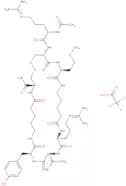
CAS:<p>Please enquire for more information about 1b-(4-Fluorophenyl)hexahydro-',7-dihydroxy-7-(1-methylethyl)-1a-phenyl-7a-[(phenylamino)carbonyl]-3H-oxireno[3,4]pyrrolo[2,1-b][1,3] oxazine-3-butanoic Acid including the price, delivery time and more detailed product information at the technical inquiry form on this page</p>Formula:C33H35FN2O7Purity:Min. 95%Molecular weight:590.64 g/molAc-Arg-Cys-Met-5-aminopentanoyl-Arg-Val-Tyr-5-aminopentanoyl-Cys-NH2 trifluoroacetate salt (Disulfide bond)
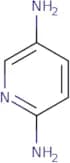
CAS:<p>Please enquire for more information about Ac-Arg-Cys-Met-5-aminopentanoyl-Arg-Val-Tyr-5-aminopentanoyl-Cys-NH2 trifluoroacetate salt (Disulfide bond) including the price, delivery time and more detailed product information at the technical inquiry form on this page</p>Formula:C49H82N16O11S3Purity:Min. 95%Molecular weight:1,167.47 g/mol2,5-Diaminopyridine
CAS:<p>2,5-Diaminopyridine is an organic compound that is expressed in the human body. It has been shown to inhibit the growth of cells in culture by binding to their DNA and preventing the production of hydrogen bonds. 2,5-Diaminopyridine has also been used clinically to treat inflammatory diseases such as rheumatoid arthritis. The hydrogen bond formation and inhibition of cell growth occurs at a low concentration of 2,5-Diaminopyridine. This drug may have potential as a therapeutic agent for cancer treatment because it inhibits the transcription factor CXCR4.</p>Formula:C5H7N3Purity:Min. 98.0 Area-%Color and Shape:Yellow To Purple To Brown SolidMolecular weight:109.13 g/mol2-Amino-5-fluorobenzonitrile
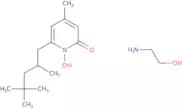
CAS:<p>2-Amino-5-fluorobenzonitrile is a molecule that belongs to the class of amines. The vibrational spectroscopies and diffraction experiments show that this molecule has a strong dipole moment, which is due to the carbamic acid group. 2-Amino-5-fluorobenzonitrile has been shown to be chiral, which means it can exist in two different forms, one with a left and one with a right orientation of the atoms. This molecule can be used as an analyte for thermodynamic measurements and can be used as a reagent in organic synthesis reactions. It also has functional groups that are useful for vibrational spectroscopies.</p>Formula:C7H5FN2Purity:Min. 95%Color and Shape:PowderMolecular weight:136.13 g/molPiroctone olamine
CAS:<p>Piroctone olamine is a detergent composition that has been used to treat skin conditions and in the laboratory as an experimental infection model. It is a fatty acid that belongs to the family of ester compounds, which are antimicrobial agents. Piroctone olamine has been shown to decrease dry weight by inhibiting lipid synthesis. It is also an environmental pollutant that can be found in water, soil, and air. There are no known adverse effects in humans or animals when piroctone olamine is used at low concentrations.</p>Formula:C14H23NO2·C2H7NOPurity:Min. 96 Area-%Color and Shape:PowderMolecular weight:298.42 g/mol5-(H-Gly-Pro-Gly-Pro-amido)-9-[di-(3-sulfonylpropyl)amino]-benzo[a]phenoxazonium perchlorate
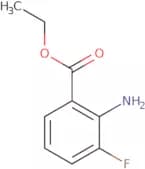
CAS:<p>Please enquire for more information about 5-(H-Gly-Pro-Gly-Pro-amido)-9-[di-(3-sulfonylpropyl)amino]-benzo[a]phenoxazonium perchlorate including the price, delivery time and more detailed product information at the technical inquiry form on this page</p>Formula:C36H42N7O11S2Purity:Min. 95%Molecular weight:812.89 g/mol2-Amino-3-fluorobenzoic acid ethyl ester
CAS:<p>Please enquire for more information about 2-Amino-3-fluorobenzoic acid ethyl ester including the price, delivery time and more detailed product information at the technical inquiry form on this page</p>Formula:C9H10FNO2Purity:Min. 95%Color and Shape:PowderMolecular weight:183.18 g/molChloramine T trihydrate
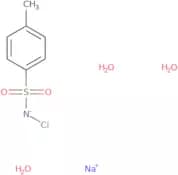
CAS:<p>Chloramine T trihydrate is a water-soluble and biodegradable chemical that is used in wastewater treatment. It reacts with chloramines to produce chloramine, which has a higher disinfectant potential than chlorine. Chloramine T trihydrate also has antimicrobial properties and can be used to control microbial growth in biological samples. In addition, it can inhibit the activity of certain enzymes, such as aziridination, which is involved in the production of nitrosamines and nitric oxide. The matrix effect for chloramine-t may be different from other antimicrobial agents because it does not have a high affinity for proteins. It was found that benzalkonium chloride had an inhibitory effect on chloramine-t activity.<br>MECHANISM OF ACTION: Chloramine T trihydrate is an oxidizing agent that reacts with organic matter to form chloramines and other oxidized products. When these reactions occur in the presence of water or organic material,</p>Formula:C7H7ClNNaO2S•(H2O)3Purity:Min. 98 Area-%Color and Shape:PowderMolecular weight:282.7 g/mol5-Amino-2-methoxy-4-methylpyridine
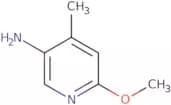
CAS:<p>5-Amino-2-methoxy-4-methylpyridine is a small molecule that inhibits bromodomains. Bromodomains are protein domains that bind to acetylated lysine residues on histones. 5-Amino-2-methoxy-4-methylpyridine binds to the bromodomain, preventing the acetylated lysine residues from binding with other proteins and inhibiting transcription. This drug has been shown to be effective in treating prostate cancer by interacting with the androgen receptor. 5-Amino-2-methoxy-4-methylpyridine also interacts with ATPase, which may lead to increased levels of ATP production, and has been shown to have antitumor effects in vitro.</p>Formula:C7H10N2OPurity:Min. 95%Molecular weight:138.17 g/mol1-[(3,3-Diphenylpropyl)methylamino]-2-methyl-2-propanol
CAS:<p>1-[(3,3-Diphenylpropyl)methylamino]-2-methyl-2-propanol is an epoxy that can be synthesized from benzene and lercanidipine. It has been used in the production of cinnamic acid and other molecules. This molecule can be prepared by reacting cinnamic acid with chloromethyl methyl ether in a ring-opening reaction. The chloride ion is utilized as a nucleophile to react with the amide nitrogen atom of the cinnamic acid molecule to form the amide bond. The large-scale production of 1-[(3,3-diphenylpropyl)methylamino]-2-methyl-2-propanol utilizes refluxing to remove water and other byproducts that are formed during the process.</p>Formula:C20H27NOPurity:Min. 95%Molecular weight:297.43 g/molEthyl 3-(pyridin-2-ylamino)propanoate
CAS:<p>Ethyl 3-(pyridin-2-ylamino)propanoate is a thrombin inhibitor that can be used for the treatment of cancer. Ethyl 3-(pyridin-2-ylamino)propanoate is a reactive, profile compound with electrons and hydrogen bonds. It has been shown to have anticancer activity in vitro and in vivo, inhibiting tumor cell growth by inhibiting DNA synthesis. This molecule also has anti-inflammatory properties, which may be due to its ability to inhibit platelet aggregation.</p>Formula:C10H14N2O2Purity:Min. 95 Area-%Color and Shape:PowderMolecular weight:194.23 g/molN-α-Boc-Nβ-1-(4,4-dimethyl-2,6-dioxocyclohex-1-ylidene)ethyl-D-2,3-diaminopropionic acid
CAS:<p>Please enquire for more information about N-alpha-Boc-Nbeta-1-(4,4-dimethyl-2,6-dioxocyclohex-1-ylidene)ethyl-D-2,3-diaminopropionic acid including the price, delivery time and more detailed product information at the technical inquiry form on this page</p>Formula:C18H28N2O6Purity:Min. 95%Molecular weight:368.42 g/molMethylamine hydrochloride
CAS:Controlled Product<p>Methylamine hydrochloride is a biologically active chemical that can be used to treat eye disorders. It is a p-nitrophenyl phosphate substrate and its optimum concentration in the reaction solution is 0.5 mg/mL. The compound reacts with methylamine, which is produced by the hydrolysis of peptide hormones in the human body, to form a bicyclic heterocycle. The bicyclic heterocycle reacts with hydrogen fluoride in the model system to produce an analytical method for determining plasma mass spectrometry. Methylamine hydrochloride has been shown to inhibit biological activity at high concentrations and stimulate it at low concentrations.</p>Formula:CH6ClNColor and Shape:White PowderMolecular weight:67.52 g/molN-(Fmoc-5-amino-3-oxa-pentyl)succinamic acid
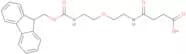
CAS:<p>N-(Fmoc-5-amino-3-oxa-pentyl)succinamic acid is a high quality chemical that is used as an intermediate in the production of pharmaceuticals and other fine chemicals. It is also a reagent for use in peptide synthesis. N-(Fmoc-5-amino-3-oxa-pentyl)succinamic acid has a CAS No. 669073-62-5 and can be used as a useful scaffold for the production of complex compounds. This compound is also useful for research purposes, due to its versatility as a building block with speciality chemical applications.</p>Formula:C23H26N2O6Purity:Min. 95%Molecular weight:426.46 g/mol9-Aminoacridine
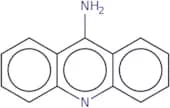
CAS:<p>9-Aminoacridine is a potential anticancer agent that intercalates into the DNA and prevents the replication process. It has been shown to inhibit the growth of bacteria resistant to tetracycline by interfering with bacterial DNA replication. 9-Aminoacridine also has anti-inflammatory properties, which may be due to its inhibition of prostaglandin synthesis.</p>Formula:C13H10N2Purity:Min. 95%Molecular weight:194.23 g/mol4-Aminoacetophenone
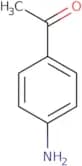
CAS:<p>4-Aminoacetophenone is an inhibitor of the enzyme acetylcholinesterase and it is used as an insecticide. It inhibits the enzyme by forming hydrogen bonding interactions with the active site. The inhibition of this enzyme leads to paralysis and death in insects. 4-Aminoacetophenone has been shown to have anti-cancer effects in vitro, which may be due to its ability to inhibit glycoside hydrolases and amine oxidases that are involved in cancer development. The compound also has a thermal expansion coefficient that is comparable to other polymers used in drug delivery systems.</p>Formula:C8H9NOColor and Shape:Slightly Yellow PowderMolecular weight:135.16 g/mol5-Pyrimidinemethanamine
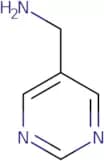
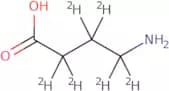
CAS:<p>5-Pyrimidinemethanamine is a synthetic chemical that belongs to the group of carbonitriles. It is used as an adsorbent and has been shown to be selective for quinoline derivatives. 5-Pyrimidinemethanamine has been shown to have high yield in reactions with trimethyl, enolate, carbonyl, high yields, and vitamin B1. The reaction product can be used at temperatures up to 150 degrees Celsius. This compound can also be prepared by reacting hydrochloric acid with alkali metal temperatures.</p>Formula:C5H7N3Purity:Min. 95%Molecular weight:109.13 g/mol4-Aminobutyric-2,2,3,3,4,4-D6
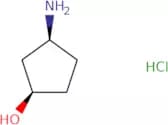
CAS:Controlled Product<p>4-Aminobutyric-2,2,3,3,4,4-D6 is a metabolic precursor to glutamate that can be used as a marker for neuronal activity. It has been found that 4-aminobutyric acid is present in the cerebrospinal fluid of mice and humans. 4-Aminobutyric acid is synthesized from l-glutamic acid by the enzyme glutamic acid decarboxylase and can be used as an indicator of neurotransmitter activity. The measurement of 4-aminobutyric acid levels can be used for biochemical studies on tissues or cells and also for the diagnosis of diseases related to neurotransmission such as epilepsy.</p>Formula:C4H3D6NO2Purity:Min. 95%Color and Shape:PowderMolecular weight:109.15 g/mol(1R,3S)-3-Aminocyclopentanol hydrochloride
CAS:<p>Intermediate in the synthesis of bictegravir</p>Formula:C5H12ClNOPurity:Min. 95%Molecular weight:137.61 g/mol(2-{Ethyl-[4-(4-nitro-phenylazo)-phenyl]-amino}-ethoxy)-acetic acid-4-nitro-phenyl ester
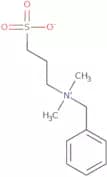
CAS:<p>Please enquire for more information about (2-{Ethyl-[4-(4-nitro-phenylazo)-phenyl]-amino}-ethoxy)-acetic acid-4-nitro-phenyl ester including the price, delivery time and more detailed product information at the technical inquiry form on this page</p>Formula:C24H23N5O7Purity:Min. 95%Molecular weight:493.47 g/molDimethylbenzyl-(3-sulfopropyl)ammonium, inner salt
CAS:<p>Dimethylbenzyl-(3-sulfopropyl)ammonium, inner salt (DMBAPA-IS) is a nutrient solution that contains antimicrobial agents, such as fatty acids and diastolic pressure. DMBAPA-IS is used in the treatment of infectious diseases. It has been shown to be effective against solid tumours and bacterial strains. The structure of DMBAPA-IS is similar to that of dimethylbenzylammonium chloride (DMBAC), which inhibits bacterial growth by binding to the 30S ribosomal subunit, preventing protein synthesis.</p>Formula:C12H19NO3SPurity:Min. 95%Molecular weight:257.35 g/mol

![Imidazo[1,2-a]pyridin-7-amine hydrobromide](/_next/image/?url=https%3A%2Fstatic.cymitquimica.com%2Fproducts%2F3D%2Fthumb-webp%2FFI111192.webp&w=3840&q=75)
![H-Glu-Leu-Asp-[(2R,4S,5S)-5-amino-4-hydroxy-2,7-dimethyl-octanoyl]-Val-Glu-Phe-Gly-Gly-D-Arg-D-Arg…](/_next/image/?url=https%3A%2Fstatic.cymitquimica.com%2Fproducts%2F3D%2Fthumb-webp%2FFG111107.webp&w=3840&q=75)
![(R)-3-[((tert-Butoxy)carbonyl)amino]-4-(2,5-difluorophenyl)butanoic acid](/_next/image/?url=https%3A%2Fstatic.cymitquimica.com%2Fproducts%2F3D%2Fthumb-webp%2FFB103971.webp&w=3840&q=75)

![2-Methoxy-5-[[(phenylmethyl)sulfonyl]methyl]benzenamine](/_next/image/?url=https%3A%2Fstatic.cymitquimica.com%2Fproducts%2F3D%2Fthumb-webp%2FFA70820.webp&w=3840&q=75)
![2-Bromobenzo[d]thiazol-6-amine](/_next/image/?url=https%3A%2Fstatic.cymitquimica.com%2Fproducts%2F3D%2Fthumb-webp%2FFB144124.webp&w=3840&q=75)

![(3R)-3-[(tert-Butoxycarbonyl)amino]-4-(2,4-difluorophenyl)butanoic acid](/_next/image/?url=https%3A%2Fstatic.cymitquimica.com%2Fproducts%2F3D%2Fthumb-webp%2FFB99243.webp&w=3840&q=75)
![1b-(4-Fluorophenyl)hexahydro-',7-dihydroxy-7-(1-methylethyl)-1a-phenyl-7a-[(phenylamino)carbonyl]-…](/_next/image/?url=https%3A%2Fstatic.cymitquimica.com%2Fproducts%2F3D%2Fthumb-webp%2FFF171220.webp&w=3840&q=75)

![5-(H-Gly-Pro-Gly-Pro-amido)-9-[di-(3-sulfonylpropyl)amino]-benzo[a]phenoxazonium perchlorate](/_next/image/?url=https%3A%2Fstatic.cymitquimica.com%2Fproducts%2F3D%2Fthumb-webp%2FFG110995.webp&w=3840&q=75)
![1-[(3,3-Diphenylpropyl)methylamino]-2-methyl-2-propanol](/_next/image/?url=https%3A%2Fstatic.cymitquimica.com%2Fproducts%2F3D%2Fthumb-webp%2FFD22513.webp&w=3840&q=75)


![(2-{Ethyl-[4-(4-nitro-phenylazo)-phenyl]-amino}-ethoxy)-acetic acid-4-nitro-phenyl ester](/_next/image/?url=https%3A%2Fstatic.cymitquimica.com%2Fproducts%2F3D%2Fthumb-webp%2FFE111186.webp&w=3840&q=75)