


Amines
Amines are a set of molecules containing an amino functional group (derived from ammonia). This category includes amines at any level of substitution : primary, secondary, tertiary, and ammonium salts. Amines are fundamental in organic synthesis and are widely used in pharmaceuticals, agrochemicals, and materials science. At CymitQuimica, we provide a comprehensive selection of amines to meet your research and industrial needs. Our range ensures access to various amines for diverse chemical processes and innovative research.
Subcategories of "Amines"
- Nitrosamines(2,606 products)
- Primary Amines(30,805 products)
- Quaternary Ammonium Cations and Salts(1,099 products)
- Secondary Amines(20,809 products)
- Tertiary Amines(17,111 products)
Found 8776 products of "Amines"
Sort by
Purity (%)
0
100
|
0
|
50
|
90
|
95
|
100
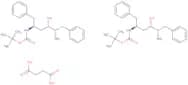
(2S,3S,5S)-5-tert-Butyloxycarbonylamino-2-amino-3-hydroxy-1,6-diphenylhexane succinate
CAS:<p>Please enquire for more information about (2S,3S,5S)-5-tert-Butyloxycarbonylamino-2-amino-3-hydroxy-1,6-diphenylhexane succinate including the price, delivery time and more detailed product information at the technical inquiry form on this page</p>Formula:(C23H32N2O3)2•C4H6O4Purity:Min. 95%Molecular weight:887.11 g/molImidazo[1,2-a]pyridin-7-amine hydrobromide
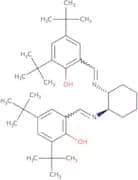
CAS:<p>Please enquire for more information about Imidazo[1,2-a]pyridin-7-amine hydrobromide including the price, delivery time and more detailed product information at the technical inquiry form on this page</p>Formula:C7H8BrN3Purity:Min. 95%Molecular weight:214.06 g/molRR,R)-(-)-N,N'-bis(3,5-di-tert-butylsalicylidene)-1,2-cyclohexanediamine
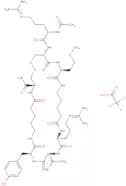
CAS:<p>RR,R)-(-)-N,N'-bis(3,5-di-tert-butylsalicylidene)-1,2-cyclohexanediamine is a coordination compound that is used as a catalyst in organic chemistry. It has been shown to catalyze the reaction of benzaldehyde with nitroethane to give phenylamine. RR,R)-(-)-N,N'-bis(3,5-di-tert-butylsalicylidene)-1,2-cyclohexanediamine also catalyzes the reaction of cyclohexanol with nitroethane to give phenylethylene. The selectivity of this catalyst depends on the site of adsorption and the ligand. This compound has been shown to be electrocatalytic by promoting the oxidation of anilines at a platinum electrode in water solution with an applied potential.</p>Formula:C36H54N2O2Purity:Min. 95%Molecular weight:546.83 g/molAc-Arg-Cys-Met-5-aminopentanoyl-Arg-Val-Tyr-5-aminopentanoyl-Cys-NH2 trifluoroacetate salt (Disulfide bond)
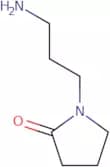
CAS:<p>Please enquire for more information about Ac-Arg-Cys-Met-5-aminopentanoyl-Arg-Val-Tyr-5-aminopentanoyl-Cys-NH2 trifluoroacetate salt (Disulfide bond) including the price, delivery time and more detailed product information at the technical inquiry form on this page</p>Formula:C49H82N16O11S3Purity:Min. 95%Molecular weight:1,167.47 g/mol1-(3-Aminopropyl)-2-pyrrolidinone
CAS:<p>1-(3-Aminopropyl)-2-pyrrolidinone is a chemical compound that has been used as a chemotherapeutic treatment for heart disease and polyamine oxidase deficiency. The compound has also been shown to have a direct effect on the synthesis of fatty acids in the body, which may lead to the development of new treatments for diabetes. 1-(3-Aminopropyl)-2-pyrrolidinone can be formulated into conjugates with other molecules, such as chloride ions or fatty acids, in order to target specific cells or tissues. This method of delivery is efficient and has been shown to be able to cross the blood-brain barrier. 1-(3-Aminopropyl)-2-pyrrolidinone is an amino acid derivative that contains an aminoguanidine functional group. Aminoguanidine inhibits polyamine oxidase activity in vitro by reacting with the carbonyl group at position C</p>Formula:C7H14N2OPurity:Min. 95%Color and Shape:Colorless Clear LiquidMolecular weight:142.2 g/molFmoc-N-(4-boc-aminobutyl)glycine
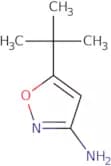
CAS:<p>Please enquire for more information about Fmoc-N-(4-boc-aminobutyl)glycine including the price, delivery time and more detailed product information at the technical inquiry form on this page</p>Formula:C26H32N2O6Purity:Min. 95%Molecular weight:468.54 g/mol3-Amino-5-tert-butylisoxazole
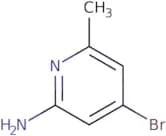
CAS:<p>3-Amino-5-tert-butylisoxazole is a postulated CB2 receptor agonist. It has been shown to inhibit the hydrolysis of L-3,4-dihydroxyphenylalanine (L-DOPA) in rat brain synaptosomes and to reduce pain in rats with diabetic neuropathy. 3-Amino-5-tert-butylisoxazole is a compound class that inhibits the binding of inhibitor compounds to the enzyme tyrosine hydroxylase. 3-(3'-Amino-5'-tert butylisoxazol)-1,2,4(1H,3H)-triazine reacts with amines and acyl halides to form inhibitors that are less reactive than the parent compound. The reaction products have been characterized using kinetic studies and NMR spectroscopy.</p>Formula:C7H12N2OPurity:Min. 95%Molecular weight:140.18 g/mol4-Bromo-6-methyl-2-pyridinamine
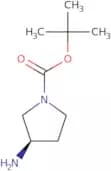
CAS:<p>4-Bromo-6-methyl-2-pyridinamine is a small molecule that binds to the bromodomain of the human protein BRD4. This binding inhibits the interaction between BRD4 and acetylated lysine residues on histones, thereby inhibiting transcriptional activation. 4-Bromo-6-methyl-2-pyridinamine has been shown to be a potent inhibitor of the activity of BRD4, which may be due to its chemical stability and ability to inhibit protein synthesis. The compound's potency in inhibition assays and its lack of biochemical toxicity make it an attractive lead compound for further study.</p>Formula:C6H7BrN2Purity:Min. 95%Molecular weight:187.04 g/mol(R)-1-Boc-3-Aminopyrrolidine
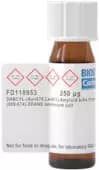
CAS:<p>(R)-1-Boc-3-Aminopyrrolidine is a small molecule that inhibits 3-kinase. It has been shown to bind to the ATP binding site of PI3Kδ and inhibit its activity. This results in the inhibition of phosphoinositide production, which leads to decreased cell proliferation and survival. (R)-1-Boc-3-Aminopyrrolidine has also been shown to have selectivity for isoform α over β, γ, and δ. The drug binds specifically to the ATP binding site on PI3Kδ, but does not disrupt other interactions such as hydrogen bonding or pi stacking interactions with residues in the vicinity of the ATP binding site. The IC50 values for (R)-1-Boc-3-Aminopyrrolidine were determined using siRNA knockdown experiments against human isoform α PI3Kδ.</p>Formula:C9H18N2O2Purity:Min. 95%Molecular weight:186.25 g/molDABCYL-(Asn670,Leu671)-Amyloid b/A4 Protein Precursor770 (669-674)-EDANS ammonium salt
CAS:<p>Please enquire for more information about DABCYL-(Asn670,Leu671)-Amyloid b/A4 Protein Precursor770 (669-674)-EDANS ammonium salt including the price, delivery time and more detailed product information at the technical inquiry form on this page</p>Formula:C54H70N12O15SPurity:Min. 95%Molecular weight:1,159.27 g/mol2-Amino-4-fluorobenzaldehyde
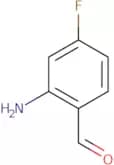
CAS:<p>2-Amino-4-fluorobenzaldehyde is a plant growth regulator that has been shown to be effective at increasing the yield of flowers and fruit crops. It is used as an intermediate in the synthesis of agrochemicals, such as 2-aminobenzaldehyde and anthranilic acid. The biosynthesis of 2-amino-4-fluorobenzaldehyde starts from methanol and intermediates such as anthranilic acid, aminoaldehydes, or alcohols. It can also be produced by oxidative coupling of 2-aminobenzaldehyde with phenylacetone in the presence of sodium hydroxide. 2-Amino-4-fluorobenzaldehyde has been shown to be more efficient than other plant growth regulators such as robinia or aminocyclopentane carboxylic acid (ACC).</p>Formula:C7H6FNOPurity:Min. 95%Color and Shape:SolidMolecular weight:139.13 g/mol2-Thien-2-ylethanamine
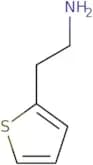
CAS:Controlled Product<p>2-Thien-2-ylethanamine is an ethylene diamine that inhibits the production of hydrochloric acid. It has been shown to have potent antitumor activity and inhibitory effects on infectious diseases, such as malaria, caused by Plasmodium falciparum. 2-Thien-2-ylethanamine has also been shown to be a mitochondrial membrane potential inhibitor. These properties may be due to its ability to inhibit the action of malonic acid and other molecules that are involved in mitochondrial function. The inhibition of polycystic ovarian syndrome (PCOS) is also thought to be related to the inhibition of mitochondrial function.</p>Formula:C6H9NSPurity:Min. 95%Molecular weight:127.21 g/mol4-Aminostyrene
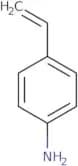
CAS:<p>4-Aminostyrene is a chemical compound that belongs to the class of ethylene diamines. It is a photoelectron acceptor and can be used as a cross-linking agent. 4-Aminostyrene reacts with nitro groups to form polycarboxylic acid amines, which are used in the preparation of model proteins. The use of 4-aminostyrene is limited by its high reactivity with oxygen and light, which leads to degradation.</p>Formula:C8H9NPurity:Min. 95%Color and Shape:Liquid.Molecular weight:119.16 g/molN-(tert-Butyloxycarbonyl)-8-amino-3,6-dioxaoctanoic acid
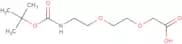
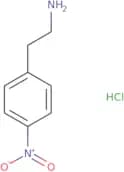
CAS:<p>N-(tert-Butyloxycarbonyl)-8-amino-3,6-dioxaoctanoic acid is a potential drug for hypercholesterolemia. It has been shown to lower LDL cholesterol and triglycerides levels in monkeys. The compound is orally bioavailable and can be taken orally. This drug also has the potential to be developed as a PCSK9 (proprotein convertase subtilisin/kexin type 9) inhibitor.</p>Formula:C11H21NO6Purity:Min. 95%Color and Shape:Clear LiquidMolecular weight:263.29 g/mol4-Nitrophenethylamine HCl
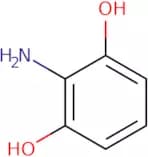
CAS:Controlled Product<p>Intermediate in the synthesis of mirabegron</p>Formula:C8H10N2O2·HClPurity:Min. 95%Color and Shape:Off-White PowderMolecular weight:202.64 g/mol2-Aminoresorcinol
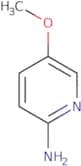
CAS:<p>2-Aminoresorcinol is a synthetic chemical compound that inhibits the reaction of amines with chlorine atoms. It is used as an intermediate in the production of resorcinol and 2-aminophenol. The reaction mechanism involves the formation of a chloramine (chlorine atom attached to an amine) which, in turn, reacts with malonic acid to produce an intermediate that undergoes intramolecular hydrogen transfer. This reaction results in the formation of a chloroform molecule. A second step involves hydroxylation by hydrochloric acid, which leads to the formation of chloral hydrate. In this way, 2-aminoresorcinol can be used for the synthesis of both resorcinol and 2-aminophenol. 2-Aminoresorcinol is also known for its inhibitory effects on certain reactions involving amines and sulfur compounds such as thiourea and carbonyl compounds such as malonic acid.</p>Formula:C6H7NO2Purity:Min. 95%Color and Shape:White To Dark Brown SolidMolecular weight:125.13 g/mol2-Amino-5-methoxypyridine
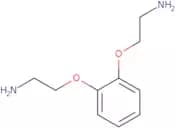
CAS:<p>2-Amino-5-methoxypyridine (2AM5MP) is a synthetic compound that is used to study the nicotinic acetylcholine receptor. It has been shown that 2AM5MP can be used as an agonist for the nicotinic acetylcholine receptor, which may be due to its ability to act as a substrate for amine oxidase. This compound has been shown to have anti-cancer properties and fluoresce when exposed to positron emission tomography (PET) scans. The anti-cancer effects of 2AM5MP are thought to be due to its ability to inhibit cancer cell proliferation and induce cancer cell apoptosis.</p>Formula:C6H8N2OPurity:Min. 95%Molecular weight:124.14 g/molO-Bis(2-aminoethoxy)benzene
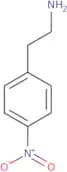
CAS:<p>O-Bis(2-aminoethoxy)benzene is a cyclic compound that has a predominantly thionyl character. It has an amide group, which is formed by the condensation of two carboxylic acids. O-Bis(2-aminoethoxy)benzene can act as a ligand for metal ions in the form of an anion or chloride ion, and it also interacts with neutral ligands. This compound can be used to prepare ferrocenyl derivatives through alkylation. The interaction between O-Bis(2-aminoethoxy)benzene and ferrocene was studied using voltammetry.</p>Formula:C10H16N2O2Purity:Min. 95%Molecular weight:196.25 g/mol4-Nitrophenethylamine
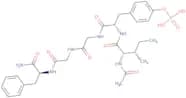
CAS:Controlled Product<p>4-Nitrophenethylamine is a synthetic chemical that is used as an antigen to raise antibodies. It is used in the detection of chemical substances that are associated with the production of histamine and acetylcholine. This chemical has been shown to inhibit the reaction between nitro and acylation, which can lead to the formation of carcinogenic nitrosamines. 4-Nitrophenethylamine also has an inhibitory effect on oxidases and amines, which are enzymes found in cells. This chemical binds to amide groups in proteins and inhibits their activity.</p>Formula:C8H10N2O2Purity:Min. 95%Color and Shape:LiquidMolecular weight:166.18 g/molAc-Ile-Tyr(PO3H2)-Gly-Glu-Phe-NH2 ammonium salt
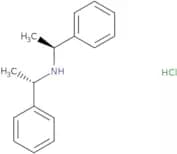
CAS:<p>Please enquire for more information about Ac-Ile-Tyr(PO3H2)-Gly-Glu-Phe-NH2 ammonium salt including the price, delivery time and more detailed product information at the technical inquiry form on this page</p>Formula:C33H45N6O12PPurity:Min. 95%Molecular weight:748.72 g/mol(S,S)-(-)-Bis(a-methylbenzyl)amine Hcl
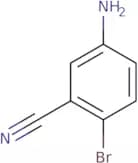
CAS:<p>Please enquire for more information about (S,S)-(-)-Bis(a-methylbenzyl)amine Hcl including the price, delivery time and more detailed product information at the technical inquiry form on this page</p>Formula:C16H19N·HClPurity:Min. 95%Molecular weight:261.79 g/mol5-Amino-2-bromobenzonitrile
CAS:<p>Please enquire for more information about 5-Amino-2-bromobenzonitrile including the price, delivery time and more detailed product information at the technical inquiry form on this page</p>Formula:C7H5BrN2Purity:95%NmrMolecular weight:197.03 g/molDABCYL-(Asn670,Leu671)-Amyloid b/A4 Protein Precursor770 (667-675)-EDANS ammonium salt
CAS:<p>Please enquire for more information about DABCYL-(Asn670,Leu671)-Amyloid b/A4 Protein Precursor770 (667-675)-EDANS ammonium salt including the price, delivery time and more detailed product information at the technical inquiry form on this page</p>Formula:C71H91N15O21SPurity:Min. 95%Molecular weight:1,522.64 g/molDABCYL-(Asn670,Leu671)-Amyloid b/A4 Protein Precursor770 (661-675)-EDANS ammonium salt
CAS:<p>Please enquire for more information about DABCYL-(Asn670,Leu671)-Amyloid b/A4 Protein Precursor770 (661-675)-EDANS ammonium salt including the price, delivery time and more detailed product information at the technical inquiry form on this page</p>Formula:C103H146N22O32SPurity:Min. 95%Molecular weight:2,236.46 g/molHydroxylamine-Wang resin (200-400 mesh)
<p>Please enquire for more information about Hydroxylamine-Wang resin (200-400 mesh) including the price, delivery time and more detailed product information at the technical inquiry form on this page</p>Purity:Min. 95%4-[4-(4-Methyloxy-phenyl)-piperazin-1-yl]-phenylamine
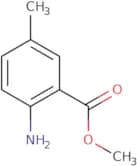
CAS:<p>4-Methyloxy-phenyl)-piperazin-1-yl]-phenylamine is an organic compound that has a reactive silicon group. It contains two phenyl groups, one of which is attached to the silicon. This compound exhibits phase equilibrium in water and can be used as a monomer for fabricating inorganic materials with orderly patterns, such as glass and metal oxides. This product also has impurities and can be grown at different rates depending on the conditions, such as temperature. The optical properties of 4-methyloxy-phenyl)-piperazin-1-yl]-phenylamine are dependent on its environment and it has been shown to have exothermic properties when reacting with iron powder.</p>Formula:C17H21N3OPurity:Min. 95%Molecular weight:283.37 g/molMethyl 2-amino-5-methylbenzoate
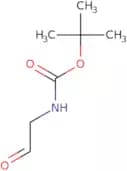
CAS:<p>Methyl 2-amino-5-methylbenzoate is a chemical substance that is a precursor for the synthesis of picolinic acid. It also has an antitumor activity against various cancer cell lines and microcapsules. In addition, methyl 2-amino-5-methylbenzoate can be used as a reagent in the preparation of amines and sample preparation. The chemical reactions of methyl 2-amino-5-methylbenzoate are catalyzed by hydrochloric acid and sulfamoyl chloride. This chemical substance reacts with carbonyl groups to form nitro compounds.</p>Formula:C9H11NO2Purity:Min. 95%Molecular weight:165.19 g/molN-Boc-2-aminoacetaldehyde
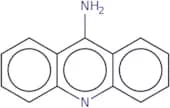
CAS:<p>N-Boc-2-aminoacetaldehyde is an aliphatic aldehyde that has been used in the synthesis of a number of bioactive molecules. It is synthesized by reacting an N-Boc amino acid with chloroform and hydrochloric acid. The reaction time is typically 2 hours at room temperature, although it can be decreased to 20 minutes if the temperature is increased to 60°C. The product can be purified using extraction or recrystallization methods. N-Boc-2-aminoacetaldehyde reacts with chloride ions to form phosphoranes, which are useful in clinical development as antimicrobial peptides. This compound also reacts with fluorine to form hydrogenated derivatives that have been shown to have neurokinin activity in animal models.</p>Formula:C7H13NO3Purity:Min. 95%Color and Shape:Colorless PowderMolecular weight:159.18 g/mol9-Aminoacridine
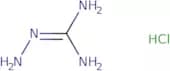
CAS:<p>9-Aminoacridine is a potential anticancer agent that intercalates into the DNA and prevents the replication process. It has been shown to inhibit the growth of bacteria resistant to tetracycline by interfering with bacterial DNA replication. 9-Aminoacridine also has anti-inflammatory properties, which may be due to its inhibition of prostaglandin synthesis.</p>Formula:C13H10N2Purity:Min. 95%Molecular weight:194.23 g/molAminoguanidine hydrochloride
CAS:<p>Aminoguanidine hydrochloride is a basic compound that can be used as an anti-inflammatory drug. It has been shown to have a hypoglycemic effect, which may be due to its ability to increase the activity of glutathione peroxidase and glutathione reductase in experimental models. Aminoguanidine hydrochloride also inhibits the production of inflammatory cytokines such as TNF-α, IL-1β and IL-6. Experiments with transfected cells have shown that aminoguanidine hydrochloride induces neuronal death, which may be due to its ability to inhibit protein synthesis by interfering with ribosomal function.</p>Formula:CH6N4·HClPurity:Min. 95%Color and Shape:White PowderMolecular weight:110.55 g/mol5-Nitro-2-aminophenol
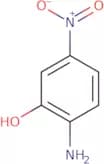
CAS:<p>5-Nitro-2-aminophenol is an aminophenol that has been shown to be a carcinogen in animal studies. It can cause allergic reactions and has been shown to have oxidative DNA damage, which can lead to cancer. 5-Nitro-2-aminophenol is used as a chemical intermediate in the preparation of other chemicals and pharmaceuticals. This chemical has been studied extensively for its analytical properties and is used as a reagent in chromatography. The coordination geometry of 5-nitro-2-aminophenol is octahedral, with nitro groups occupying one axial site each. The toxicity of this compound in animals has been studied extensively, including carcinogenic potential and mutagenicity studies, and it has been shown to inhibit the growth of cultured cells at high concentrations.</p>Formula:C6H6N2O3Purity:Min. 95%Molecular weight:154.12 g/molMca-(Asn670,Leu671)-Amyloid β/A4 Protein Precursor770 (667-674)-Dap (Dnp) ammonium acetate salt
CAS:<p>Please enquire for more information about Mca-(Asn670,Leu671)-Amyloid beta/A4 Protein Precursor770 (667-674)-Dap (Dnp) ammonium acetate salt including the price, delivery time and more detailed product information at the technical inquiry form on this page</p>Formula:C56H73N13O26Purity:Min. 95%Molecular weight:1,344.25 g/molMethylamine hydrochloride
CAS:Controlled Product<p>Methylamine hydrochloride is a biologically active chemical that can be used to treat eye disorders. It is a p-nitrophenyl phosphate substrate and its optimum concentration in the reaction solution is 0.5 mg/mL. The compound reacts with methylamine, which is produced by the hydrolysis of peptide hormones in the human body, to form a bicyclic heterocycle. The bicyclic heterocycle reacts with hydrogen fluoride in the model system to produce an analytical method for determining plasma mass spectrometry. Methylamine hydrochloride has been shown to inhibit biological activity at high concentrations and stimulate it at low concentrations.</p>Formula:CH6ClNColor and Shape:White PowderMolecular weight:67.52 g/molBenzhydrylamine resin (200-400 mesh)·HCl
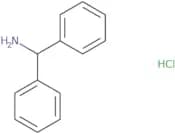
<p>Please enquire for more information about Benzhydrylamine resin (200-400 mesh)·HCl including the price, delivery time and more detailed product information at the technical inquiry form on this page</p>Purity:Min. 95%6-Aminochrysene
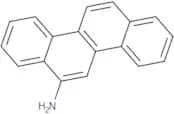
CAS:<p>Inhibitor of benzopyrene metabolism</p>Formula:C18H13NPurity:Min. 95%Color and Shape:Slightly Yellow PowderMolecular weight:243.3 g/molZ-L-α-aminobutyric acid
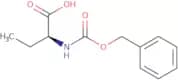
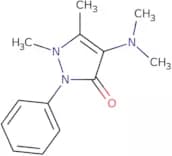
CAS:<p>Z-L-alpha-aminobutyric acid is a homogeneous, optically active, linear phosphinic analogue of alpha-aminobutyric acid. It has been used in the synthesis of phosphinic analogues of cyclosporin and undecapeptides with high yields. The coupling reaction between Z-L-alpha-aminobutyric acid and benzaldehyde was carried out in two steps to produce the desired product. A stepwise condensation between Z-L-alpha-aminobutyric acid and 3,4,5,6 tetrahydropyrimidine was also successful.</p>Formula:C12H15NO4Purity:Min. 98 Area-%Color and Shape:White PowderMolecular weight:237.25 g/mol4-Dimethylamino antipyrine
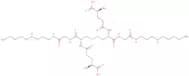
CAS:Controlled Product<p>4-Dimethylamino antipyrine is an aminopyrine derivative that has been shown to inhibit the growth of certain bacteria. It has chemiluminescence properties, which are due to its ability to release electrons from electron donor molecules. 4-Dimethylamino antipyrine has been used as a substrate for in vitro assays measuring the activity of enzymes such as growth factor-β1, pge2 levels and hepatic enzyme activities. 4-Dimethylamino antipyrine also has electrochemical impedance spectroscopy (EIS) properties, which allow it to be used in drug interactions studies. The drug can be measured using a sodium salt assay and aminophenazone as a probe molecule. In addition, amidopyrine can be used as a probe molecule for the measurement of 4-dimethylamino antipyrine because they have similar chemical structures.</p>Formula:C13H17N3OPurity:Min. 95%Color and Shape:PowderMolecular weight:231.29 g/molN1-Glutathionyl-spermidine disulfide [
CAS:<p>N1-Glutathionyl-spermidine disulfide (N1-GS) is a molecule that has been shown to have clinical use in the treatment of chronic hepatitis C infection. The N1-GS molecule is composed of a glutathione (GSH) scaffold with two sulfhydryl groups and an amino acid side chain. N1-GS has a hydrophobic nature, which allows it to penetrate the cellular membrane and enter cells. It is also able to form hydrogen bonds and act as a catalyst for reactions. Fluorescence analysis revealed that this molecule is selective for disulfides over thiols, amines, or alcohols. Disulfides are very important in biological systems since they can be found in enzymes, proteins, and cellular membranes. The insolubility of the N1-GS molecule makes it difficult to analyze its structure using traditional methods such as gas chromatography or nuclear magnetic resonance spectroscopy. However, fluorescence</p>Formula:C34H66N12O10S2Purity:Min. 95%Molecular weight:867.09 g/mol[5-(5,6-Dimethyl-1,3-benzoxazol-2-yl)-2-methylphenyl]amine
CAS:<p>[5-(5,6-Dimethyl-1,3-benzoxazol-2-yl)-2-methylphenyl]amine is a high quality chemical used in the research and development of new drugs. It is useful as a building block or intermediate for complex compounds, such as pharmaceuticals, agrochemicals, and dyes. It is also used as an intermediate to produce other chemicals with antimicrobial properties. This compound can be used in the production of many different types of products.</p>Formula:C16H16N2OPurity:Min. 95%Color and Shape:Beige PowderMolecular weight:252.31 g/mol1-Oleoyl-3-palmitoyl-rac-glycero-2-phosphoethanolamine
CAS:<p>Please enquire for more information about 1-Oleoyl-3-palmitoyl-rac-glycero-2-phosphoethanolamine including the price, delivery time and more detailed product information at the technical inquiry form on this page</p>Formula:C39H76NO8PPurity:Min. 95%Molecular weight:718 g/mol2-Amino-6-chloropyrimidin-4(3h)-one
CAS:<p>2-Amino-6-chloropyrimidin-4(3H)-one (ACPP) is a betaine that has been shown to exhibit potent activity against clinical isolates of methicillin-resistant Staphylococcus aureus (MRSA). It is a mesomeric molecule, which means that it can exist as two different tautomers. The frequency of the absorption bands in the FTIR spectra for ACPP are characteristic of the carbenes and ethanolamine tautomers. The presence of these tautomers may be due to stabilization from the nucleophilic character of the nitrogen atom in betaines. Betaines are also able to form polymersized chains by reacting with themselves or other molecules, such as ethanolamine.</p>Formula:C4H4ClN3OPurity:Min. 95%Color and Shape:PowderMolecular weight:145.55 g/mol3-Boc-amino-2,6-dioxopiperidine
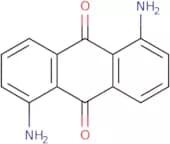
CAS:<p>Please enquire for more information about 3-Boc-amino-2,6-dioxopiperidine including the price, delivery time and more detailed product information at the technical inquiry form on this page</p>Formula:C10H16N2O4Purity:Min. 95%Molecular weight:228.25 g/mol1,5-Diaminoanthraquinone
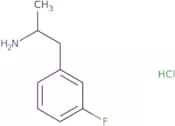
CAS:<p>1,5-Diaminoanthraquinone (1,5-DA) is an intermolecular hydrogen bonding compound that has been used as an optical sensor. The 1,5-DA molecule has the ability to form hydrogen bonds with chloride and sodium carbonate. This interaction can be exploited for surface-enhanced Raman spectroscopy of cell nuclei. The 1,5-DA molecule also interacts with supramolecular assemblies to produce surface-enhanced Raman scattering. In addition, 1,5-DA has a metal chelate property that allows it to bind to ferrocene carboxylic acid molecules. It can also form hydrogen bonds with vinyl alcohol molecules in multiwall carbon nanotubes. The molecular structure of 1,5-DA consists of rings containing five carbons each. These rings are linked together by amine groups and are attached to a central nitrogen atom on one end and a hydroxyl group on the other end.</p>Formula:C14H10N2O2Purity:Min. 95%Color and Shape:Red PowderMolecular weight:238.24 g/molrac 3-fluoro amphetamine hydochloride
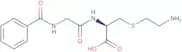
CAS:Controlled Product<p>3-Fluoroamphetamine hydrochloride (3FAH) is a histological and microscopic technique used to study the effects of analgesics on human skin. 3FAH is an analgesic that has been shown to reduce pain in a number of studies. It has also been observed to enhance the effects of laser treatments on human skin, as it reduces inflammation and increases transdermal permeation. This drug is applied topically or injected for the treatment of pain, muscle spasms, or Parkinson’s disease. 3FAH can be administered by iontophoresis or permeation techniques, which are both effective ways to deliver drugs through skin.</p>Formula:C9H13ClFNPurity:Min. 95%Molecular weight:189.66 g/molHippuryl-Cys(2-aminoethyl)-OH hydrochloride salt
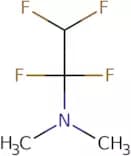
CAS:<p>Please enquire for more information about Hippuryl-Cys(2-aminoethyl)-OH hydrochloride salt including the price, delivery time and more detailed product information at the technical inquiry form on this page</p>Formula:C14H19N3O4SPurity:Min. 95%Molecular weight:325.38 g/molN,N-Dimethyl-1,1,2,2-tetrafluoroethylamine
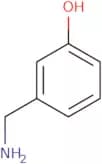
CAS:<p>Dimethyl 1,1,2,2-tetrafluoroethylamine (DMTFEA) is a fluorinated compound that contains a cyclohexane ring. It can be synthesized using pyrazoles and reaction solution. DMTFEA has functional groups such as halides, fluorine and chlorine. DMTFEA is acidic and has the structural formula of CF3CF=N-CH2CH2COOH. This chemical can also be synthesized by reacting chloroacetic acid with dimethylamine. The pharmacokinetic properties of DMTFEA are not well-known, but it does have ester compounds that are synthetic in nature.</p>Formula:C4H7F4NPurity:Min. 95%Molecular weight:145.1 g/mol3-(Aminomethyl)phenol
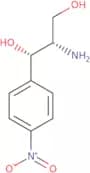
CAS:<p>3-(Aminomethyl)phenol is a potent inhibitor of growth factor receptor kinase (GRK) and protein kinase C. It has been shown to have inhibitory effects on cellular proliferation in mammalian cells and is being investigated as an adjuvant therapy for cancer treatment. 3-(Aminomethyl)phenol has also been shown to inhibit the enzyme cyclooxygenase-2, which is involved in the synthesis of prostaglandins.<br>DISCUSSION: The carbonyl group of 3-(aminomethyl)phenol makes it a potent inhibitor of GRKs and protein kinases C. Kinases are enzymes that catalyze the addition of phosphate groups onto proteins, which affects their activity. As such, 3-(aminomethyl)phenol inhibits the activity of GRKs and protein kinases C by binding to the ATP-binding site, preventing ATP from binding and phosphorylating the enzyme's target proteins</p>Formula:C7H9NOPurity:Min. 95%Molecular weight:123.15 g/molL-threo-(+)-2-Amino-1-(4-nitrophenyl)-1,3-propanediol
CAS:<p>L-threo-(+)-2-amino-1-(4-nitrophenyl)-1,3-propanediol is a functional group that is composed of a fatty acid and an amino acid. It has been shown to inhibit the growth of corynebacterium glutamicum bacteria by hydrolyzing their cell wall. This compound also inhibits the activity of bacterial enzymes that are involved in the synthesis of proteins. This functional group may be useful for the treatment of chronic lymphocytic leukemia and HIV infection.</p>Formula:C9H12N2O4Purity:Min. 95%Color and Shape:PowderMolecular weight:212.2 g/molTetraethylammonium tetrafluoroborate
CAS:<p>Tetraethylammonium tetrafluoroborate is a diamagnetic chemical species that reacts with water, forming the hydrated salt tetraethylammonium hydroxide. Tetraethylammonium tetrafluoroborate has a high resistance to oxidation and reduction reactions. It can be used as an electrolyte in electrochemistry and as a thermal expansion agent in plastics. The potentials of this substance are around +1 V, which makes it useful for electrochemical impedance spectroscopy. Tetraethylammonium tetrafluoroborate is activated by organic solvents, but not by water vapor.</p>Formula:C8H20N·BF4Color and Shape:White Off-White PowderMolecular weight:217.06 g/molDes[3-acetyl-5-(2-dimethylamino)ethyl] diltiazem
CAS:<p>Diltiazem is an anti-anginal agent that belongs to the group of calcium channel blockers. It is used to treat chest pain (angina) due to coronary artery disease and other conditions. Diltiazem is a racemic mixture of two enantiomers, (+)-diltiazem and (-)-diltiazem. The synthesis of diltiazem from (+)-diltiazem has been reported by asymmetric synthesis with a chiral catalyst. In this process, irradiation of the reaction mixture at 254 nm converts the nitro group in the molecule into an anisaldehyde group, which can be cleaved by nucleophilic substitution with phenylmethyl sulfide. This high yield, efficient method produces diltiazem hydrochloride as a white solid that crystallizes in needles or crystals.</p>Formula:C16H15NO3SPurity:Min. 95%Color and Shape:Beige PowderMolecular weight:301.36 g/mol

![Imidazo[1,2-a]pyridin-7-amine hydrobromide](/_next/image/?url=https%3A%2Fstatic.cymitquimica.com%2Fproducts%2F3D%2Fthumb-webp%2FFI111192.webp&w=3840&q=75)




![4-[4-(4-Methyloxy-phenyl)-piperazin-1-yl]-phenylamine](/_next/image/?url=https%3A%2Fstatic.cymitquimica.com%2Fproducts%2F3D%2Fthumb-webp%2FFM25923.webp&w=3840&q=75)


![[5-(5,6-Dimethyl-1,3-benzoxazol-2-yl)-2-methylphenyl]amine](/_next/image/?url=https%3A%2Fstatic.cymitquimica.com%2Fproducts%2F3D%2Fthumb-webp%2FFD134975.webp&w=3840&q=75)



![Des[3-acetyl-5-(2-dimethylamino)ethyl] diltiazem](/_next/image/?url=https%3A%2Fstatic.cymitquimica.com%2Fproducts%2F3D%2Fthumb-webp%2FFD21106.webp&w=3840&q=75)