Ethers
Ethers are organic compounds containing an ether functional group, characterized by an oxygen atom bonded to two hydrocarbon radicals. These compounds are valuable in synthesis and serve as solvents in various chemical reactions. At CymitQuimica, we offer a selection of high-quality ethers to support your research and industrial applications, ensuring reliable and effective results. Our range of ethers meets diverse laboratory requirements, from routine experiments to advanced research.
Found 40729 products of "Ethers"
Sort by
Purity (%)
0
100
|
0
|
50
|
90
|
95
|
100
N-(1H-Indol-4-ylmethyl)-N-[2-(4-methoxyphenyl)ethyl]amine hydrochloride
CAS:Controlled ProductPlease enquire for more information about N-(1H-Indol-4-ylmethyl)-N-[2-(4-methoxyphenyl)ethyl]amine hydrochloride including the price, delivery time and more detailed product information at the technical inquiry form on this pageFormula:C18H20N2OPurity:Min. 95%Molecular weight:280.36 g/mol1-(3,5-Dimethoxyphenyl)piperazine
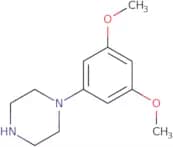
CAS:Controlled Product<p>1-(3,5-Dimethoxyphenyl)piperazine (1DMPP) is a phenylpiperazine derivative that has shown anticancer activity in vitro against human cancer cells. It is orally bioavailable and has been found to inhibit the growth of cancer cells in vivo. 1DMPP is metabolized by the liver into a number of metabolites that are excreted via the kidneys. The pharmacokinetic properties of 1DMPP have been studied in rats and mice, which revealed that it is well absorbed when administered orally and has a short terminal half-life. In vitro studies have demonstrated that 1DMPP inhibits cell growth through inhibition of protein synthesis and DNA replication.</p>Formula:C12H18N2O2Purity:Min. 95%Molecular weight:222.28 g/mol(S)-1,2,3,4,5,6,7,8-Octahydro-1-[(4-methoxyphenyl)methyl]isoquinoline (acetate salt )
CAS:<p>(S)-1,2,3,4,5,6,7,8-Octahydro-1-[(4-methoxyphenyl)methyl]isoquinoline (acetate salt ) is a diphosphine that can be used as a catalyst to produce formic acid from methanol and carbon monoxide. This product is an enantiomer of picric acid and has been shown to be an effective additive in the crystallization of picric acid. The acetate salt is also optically pure.</p>Purity:Min. 95%(9Z)-N-[(3-Methoxyphenyl)methyl]-9-octadecenamide
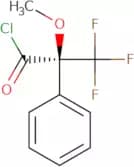
CAS:<p>Please enquire for more information about (9Z)-N-[(3-Methoxyphenyl)methyl]-9-octadecenamide including the price, delivery time and more detailed product information at the technical inquiry form on this page</p>Formula:C26H43NO2Purity:Min. 95%Molecular weight:401.63 g/molS-(+)-α-Methoxy-α-(trifluoromethyl)phenylacetic acid chloride
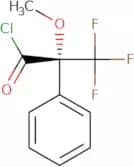
CAS:<p>S-(+)-alpha-Methoxy-alpha-(trifluoromethyl)phenylacetic acid chloride is an optical, amide, and epoxidation derivatizing agent that is used to chiralify amines. It is a liquid at room temperature with a molecular weight of 123.87 g/mol. This chemical reacts with alcohols to form esters, which can be identified by their different retention times in chromatography. It also reacts with hydroxyl groups to form ethers and esters, as well as hydroxyls on other molecules such as amino acids, peptides, and proteins. S-(+)-alpha-Methoxy-alpha-(trifluoromethyl)phenylacetic acid chloride has been used for the synthesis of bisoprolol from metoprolol and triethylphosphite.</p>Formula:C10H8ClF3O2Purity:Min. 95%Molecular weight:252.62 g/mol5-Bromo-2,3-dimethoxypyrazine
CAS:<p>Please enquire for more information about 5-Bromo-2,3-dimethoxypyrazine including the price, delivery time and more detailed product information at the technical inquiry form on this page</p>Formula:C6H7BrN2O2Purity:Min. 95%Molecular weight:219.04 g/mol2-Amino-3-(4-hydroxy-3-methoxyphenyl)propanoic acid
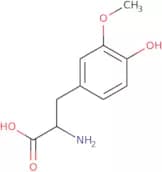
CAS:Controlled Product2-Amino-3-(4-hydroxy-3-methoxyphenyl)propanoic acid is a metabolite of levodopa in the body. It is formed by oxidation of levodopa via the enzyme catechol-O-methyltransferase (COMT). This compound is used as an analytical reagent to measure levels of levodopa and its metabolites in biological samples. 2-Amino-3-(4-hydroxy-3-methoxyphenyl)propanoic acid can also be used to diagnose Parkinson’s disease, since it is produced in excess when dopamine production decreases due to the degeneration of dopaminergic neurons. The concentration–time curve for this compound can be used to calculate the clearance rate of levodopa from the blood plasma.Formula:C10H13NO4Purity:Min. 95 Area-%Color and Shape:PowderMolecular weight:211.21 g/mol(Trifluoromethoxy)benzene
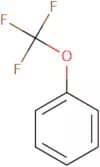
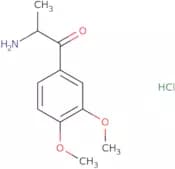
CAS:<p>(Trifluoromethoxy)benzene is a colorless liquid that has a boiling point of 97.1°C and a flashpoint of 23°C. It is an aromatic hydrocarbon with the molecular formula C6H3(OCH2CF3) and a molecular weight of 132.2 g/mol. The compound belongs to group P2, it's soluble in water, and can be prepared by reacting trifluoroacetic acid with methyl pentanoate. (Trifluoromethoxy)benzene has antimicrobial properties, but it also causes autoimmune diseases in animals. It is used as an industrial solvent and as a reagent for the preparation of other chemicals.</p>Formula:C7H5OF3Purity:Min. 95%Molecular weight:162.11 g/mol2-Amino-3',4'-dimethoxypropiophenone hydrochloride
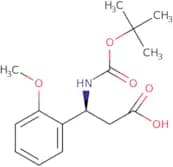
CAS:Controlled ProductPlease enquire for more information about 2-Amino-3',4'-dimethoxypropiophenone hydrochloride including the price, delivery time and more detailed product information at the technical inquiry form on this pageFormula:C11H16ClNO3Purity:Min. 95%Molecular weight:245.7 g/molBoc-(S)-3-amino-3-(2-methoxyphenyl)propionic acid
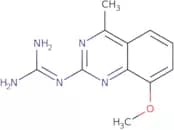
CAS:<p>Please enquire for more information about Boc-(S)-3-amino-3-(2-methoxyphenyl)propionic acid including the price, delivery time and more detailed product information at the technical inquiry form on this page</p>Formula:C15H21NO5Purity:Min. 95%Color and Shape:PowderMolecular weight:295.33 g/molN-(8-Methoxy-4-methylquinazolin-2-yl)guanidine
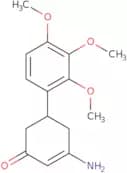
CAS:<p>Please enquire for more information about N-(8-Methoxy-4-methylquinazolin-2-yl)guanidine including the price, delivery time and more detailed product information at the technical inquiry form on this page</p>Formula:C11H13N5OPurity:Min. 95%Molecular weight:231.25 g/mol3-Amino-5-(2,3,4-trimethoxyphenyl)cyclohex-2-en-1-one
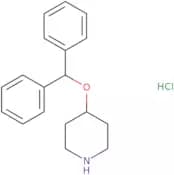
CAS:Controlled Product<p>Please enquire for more information about 3-Amino-5-(2,3,4-trimethoxyphenyl)cyclohex-2-en-1-one including the price, delivery time and more detailed product information at the technical inquiry form on this page</p>Formula:C15H19NO4Purity:Min. 95%Molecular weight:277.32 g/mol4-(Diphenylmethoxy)piperidinium chloride
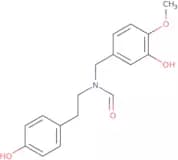
CAS:<p>Please enquire for more information about 4-(Diphenylmethoxy)piperidinium chloride including the price, delivery time and more detailed product information at the technical inquiry form on this page</p>Purity:Min. 95%N-(p-Hydroxyphenethyl)-N-(3-hydroxy-4-methoxybenzyl)formamide
CAS:Controlled Product<p>Please enquire for more information about N-(p-Hydroxyphenethyl)-N-(3-hydroxy-4-methoxybenzyl)formamide including the price, delivery time and more detailed product information at the technical inquiry form on this page</p>Formula:C17H19NO4Purity:Min. 95%Molecular weight:301.34 g/mol1-[2-(5-Methoxy-1H-indol-3-yl)ethyl]-5-oxopyrrolidine-3-carboxylic acid
CAS:Controlled Product<p>Please enquire for more information about 1-[2-(5-Methoxy-1H-indol-3-yl)ethyl]-5-oxopyrrolidine-3-carboxylic acid including the price, delivery time and more detailed product information at the technical inquiry form on this page</p>Formula:C16H18N2O4Purity:Min. 95%Molecular weight:302.33 g/mol3-[1-(2-Methoxyethyl)-1H-indol-3-yl]propanoic acid
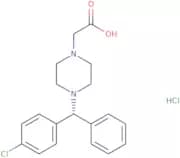
CAS:Controlled Product<p>Please enquire for more information about 3-[1-(2-Methoxyethyl)-1H-indol-3-yl]propanoic acid including the price, delivery time and more detailed product information at the technical inquiry form on this page</p>Formula:C14H17NO3Purity:Min. 95%Molecular weight:247.29 g/mol(R)-De(carboxymethoxy) cetirizine acetic acid hydrochloride
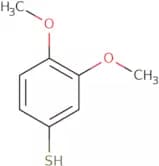
CAS:<p>Please enquire for more information about (R)-De(carboxymethoxy) cetirizine acetic acid hydrochloride including the price, delivery time and more detailed product information at the technical inquiry form on this page</p>Formula:C19H22Cl2N2O2Purity:Min. 95%Molecular weight:381.3 g/mol3,4-Dimethoxythiophenol
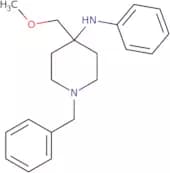
CAS:<p>3,4-Dimethoxythiophenol is a chemical compound that is used as a fluorescence probe to study biological functions in cells. It reacts with hydroxyl groups and other reactive sites on proteins, including sulfhydryl groups, thiols, and amines. 3,4-Dimethoxythiophenol has been shown to inhibit the viability of cancer cells (e.g., prostate cancer cells) by interfering with the function of dehydrogenase enzymes. 3,4-Dimethoxythiophenol also inhibits growth of microglia (cells that protect neurons) in vitro. This inhibition is due to the production of reactive oxygen species by the microglial cells. The chemical structure of this compound includes a hydroxyl group and two methoxy groups.</p>Formula:C8H10O2SPurity:Min. 95%Color and Shape:Clear LiquidMolecular weight:170.23 g/mol1-Benzyl-4-phenylamino-4-(methoxymethyl)piperidine
CAS:<p>Please enquire for more information about 1-Benzyl-4-phenylamino-4-(methoxymethyl)piperidine including the price, delivery time and more detailed product information at the technical inquiry form on this page</p>Formula:C20H26N2OPurity:Min. 95%Molecular weight:310.43 g/mol[4-[2-(Diethylamino)ethoxy]-3-iodophenyl][2-(1-hydroxybutyl)-3-benzofuranyl]-methanone
CAS:Controlled Product<p>Please enquire for more information about [4-[2-(Diethylamino)ethoxy]-3-iodophenyl][2-(1-hydroxybutyl)-3-benzofuranyl]-methanone including the price, delivery time and more detailed product information at the technical inquiry form on this page</p>Formula:C25H30INO4Purity:Min. 95%Molecular weight:535.41 g/mol(2S,3S)-5-[2-(Dimethylamino)ethyl]-3-hydroxy-2-(4-methoxyphenyl)-2,3-dihydro-1,5-benzothiazepin-4-one hydrochloride
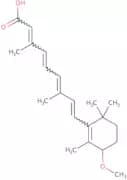
CAS:<p>(2S,3S)-5-[2-(Dimethylamino)ethyl]-3-hydroxy-2-(4-methoxyphenyl)-2,3-dihydro-1,5-benzothiazepin-4-one hydrochloride is a racemic mixture of two enantiomers. It is a prodrug that is hydrolyzed to its active form, diltiazem. The drug has been shown to be effective in the treatment of hypertension and angina pectoris. (2S,3S)-5-[2-(Dimethylamino)ethyl]-3-hydroxy-2-(4-methoxyphenyl)-2,3-dihydro-1,5-benzothiazepin-4-one hydrochloride has been shown to inhibit the activity of the enzyme phosphodiesterase which breaks down cyclic AMP. This inhibition results in an increase in levels of</p>Formula:C20H24N2O3S·HClPurity:Min. 95%Molecular weight:408.94 g/mol4-Methoxy retinoic acid
CAS:<p>Please enquire for more information about 4-Methoxy retinoic acid including the price, delivery time and more detailed product information at the technical inquiry form on this page</p>Formula:C21H30O3Purity:Min. 95%Molecular weight:330.46 g/molN-(tert-Butoxycarbonyl)glycine N'-methoxy-N'-methylamide
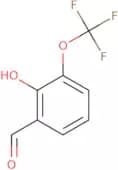
CAS:<p>Please enquire for more information about N-(tert-Butoxycarbonyl)glycine N'-methoxy-N'-methylamide including the price, delivery time and more detailed product information at the technical inquiry form on this page</p>Formula:C9H18N2O4Purity:Min. 95%Molecular weight:218.25 g/mol2-Hydroxy-3-(Trifluoromethoxy)Benzaldehyde
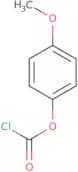
CAS:<p>2-Hydroxy-3-(trifluoromethoxy)benzaldehyde is a coordination compound that is used as a ligand. It has two-dimensional and crystal structures. The ligated molecule is usually coordinated to the metal ion, forming a dimer.</p>Formula:C8H5F3O3Purity:Min. 95%Molecular weight:206.12 g/mol4-Methoxyphenyl chloroformate
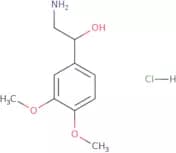
CAS:<p>4-Methoxyphenyl chloroformate is a reactive chemical that can be used to synthesize amides, esters, and anhydrides. It reacts with nucleophiles such as chloride or hydroxide to form an intermediate product. This intermediate product then reacts with the desired molecule to form the desired final product. 4-Methoxyphenyl chloroformate has shown selectivity for binding to opioid receptors, including mu and delta subtypes. This chemical may be used in the synthesis of antibiotic drugs that have similar receptor subtypes. 4-Methoxyphenyl chloroformate also has been shown to modulate G protein signaling pathways in cells, which may lead to improved pharmacokinetic properties.</p>Formula:C8H7ClO3Purity:Min. 95%Color and Shape:Clear LiquidMolecular weight:186.59 g/mol2-Hydroxy-2-(3,4-dimethoxyphenyl)ethylamine hydrochloride
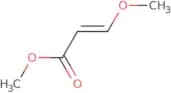
CAS:Controlled Product<p>Please enquire for more information about 2-Hydroxy-2-(3,4-dimethoxyphenyl)ethylamine hydrochloride including the price, delivery time and more detailed product information at the technical inquiry form on this page</p>Formula:C10H15NO3·HClPurity:Min. 95%Molecular weight:233.69 g/molMethyl trans -3-methoxy acrylate
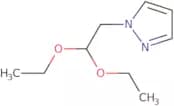
CAS:<p>Methyl trans-3-methoxy acrylate is a reactive monocarboxylic acid. It is used in the synthesis of other compounds, such as polymers and pharmaceuticals. Methyl trans-3-methoxy acrylate reacts with hydrogen chloride to form methyl 3-chloroacrylate and hydrochloric acid, and with trimethyl borate to form methyl 3-bromoacrylate. The reaction mechanism for the formation of methyl 3-bromoacrylate is similar to that for the formation of methyl 3-chloroacrylate. The reaction can be carried out in a steel or glass vessel equipped with a magnetic stirring device and equipped with an electric heating mantle or flame. The activation energies for these reactions are relatively high at 43 kcal/mol (for the metathesis reaction) and 44 kcal/mol (for the reaction with trimethyl borate). This product has been shown to react with propionate</p>Formula:C5H8O3Purity:Min. 95%Color and Shape:Clear LiquidMolecular weight:116.12 g/mol1-(2,2-Diethoxyethyl)-1H-pyrazole
CAS:<p>Please enquire for more information about 1-(2,2-Diethoxyethyl)-1H-pyrazole including the price, delivery time and more detailed product information at the technical inquiry form on this page</p>Formula:C9H16N2O2Purity:Min. 95%Molecular weight:184.24 g/mol3-Methoxybenzene-1,2-diamine
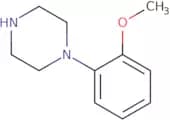
CAS:<p>3-Methoxybenzene-1,2-diamine is a chloride surfactant that is cationic at low concentrations. It is most commonly used as a cross-linking agent in polymers and also has anti-inflammation properties. 3-Methoxybenzene-1,2-diamine is an osmotic agent that binds to water molecules, which prevents the loss of water from cells and increases cell volume. This chemical also has been shown to be an antagonist of 5Ht4 receptors and can be used for the treatment of inflammatory diseases such as asthma. 3-Methoxybenzene-1,2-diamine has been shown to have low toxicity in rats when consumed in dietary concentrations.</p>Purity:Min. 95%1-(2-Methoxyphenyl)piperazine
CAS:Controlled Product<p>1-(2-Methoxyphenyl)piperazine is a drug that has been shown to have locomotor activity, antihypertensive activity, and inhibitory properties. It also acts as a matrix effect and receptor activity. 1-(2-Methoxyphenyl)piperazine has been shown to have inhibitory effects on 5-ht7 receptors, which are mainly found in the brain. This drug binds to the 5-ht2 receptor, which is a type of serotonin receptor in the brain. The binding of 1-(2-methoxyphenyl)piperazine to the 5-ht2 receptor inhibits the release of dopamine from neurons and leads to necrotic cell death. This drug can also be used as an analytical tool for measuring 5-ht1a receptors, which is a type of serotonin receptor found in the brain.</p>Formula:C11H16N2OPurity:Min. 95%Molecular weight:192.26 g/mol4-Chloro-2-methoxy-5-methylaniline
CAS:<p>4-Chloro-2-methoxy-5-methylaniline is a dye molecule that is used in the synthesis of other molecules, such as diketene. It is also used as a solvent, coupling agent, and a dye molecule. This compound can be synthetically prepared by reacting naphthylamine with pyrazolone. The reaction requires catalytic amounts of polyvalent metal salts, such as zinc chloride or iron(III) chloride. The halogenation of 4-chloro-2-methoxy-5-methylaniline to produce 2,4,5-trichlorophenol can be achieved by diazotising the molecule with sodium nitrite and potassium dichromate. 4-Chloro-2-methoxy-5 methylaniline's substituents are methyl groups on the phenyl ring (Cl) and chlorine atoms (C1). Derivatives of this</p>Formula:C8H10ClNOPurity:Min. 95%Molecular weight:171.62 g/mol(-)-N-[1-(R)-Ethoxycarbonxyl-3-phenylpropyl]-L-alanine
CAS:<p>Please enquire for more information about (-)-N-[1-(R)-Ethoxycarbonxyl-3-phenylpropyl]-L-alanine including the price, delivery time and more detailed product information at the technical inquiry form on this page</p>Formula:C15H21NO4Purity:Min. 95%Molecular weight:279.33 g/molEthyl 3-{[(1E)-(dimethylamino)methylene]amino}-5-methoxy-1-methyl-1H-indole-2-carboxylate
CAS:Controlled Product<p>Please enquire for more information about Ethyl 3-{[(1E)-(dimethylamino)methylene]amino}-5-methoxy-1-methyl-1H-indole-2-carboxylate including the price, delivery time and more detailed product information at the technical inquiry form on this page</p>Formula:C16H21N3O3Purity:Min. 95%Molecular weight:303.36 g/mol6-(Methoxycarbonyl)spiro[3.3]heptane-2-carboxylic acid
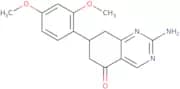
CAS:<p>Please enquire for more information about 6-(Methoxycarbonyl)spiro[3.3]heptane-2-carboxylic acid including the price, delivery time and more detailed product information at the technical inquiry form on this page</p>Formula:C10H14O4Purity:Min. 95%Molecular weight:198.22 g/mol2-Amino-7-(2,4-dimethoxyphenyl)-7,8-dihydroquinazolin-5(6H)-one
CAS:Controlled Product<p>Please enquire for more information about 2-Amino-7-(2,4-dimethoxyphenyl)-7,8-dihydroquinazolin-5(6H)-one including the price, delivery time and more detailed product information at the technical inquiry form on this page</p>Formula:C16H17N3O3Purity:Min. 95%Molecular weight:299.32 g/mol1-Chloro-2-(chloromethoxy)ethane
CAS:<p>1-Chloro-2-(chloromethoxy)ethane is an acyclic nucleoside phosphonate that is used as a HIV integrase inhibitor. It binds to the HIV RNA genome and prevents the integration of viral DNA into the host cell's genome, which blocks the replication of HIV. 1-Chloro-2-(chloromethoxy)ethane has been shown to be more potent than other acyclic nucleoside phosphonates in vitro and in vivo. This drug also inhibits herpes simplex virus type 1 (HSV1) thymidine kinase activity, which is essential for viral DNA synthesis. This drug has potential antitumor activities against certain tumor cells due to its ability to inhibit cell proliferation and induce apoptosis through inhibiting rna synthesis.</p>Formula:C3H6Cl2OPurity:Min. 95%Color and Shape:Clear LiquidMolecular weight:128.98 g/mol(2S, 3S)-3-(Ethoxycarbonyl)-oxirane-2-carboxylic acid
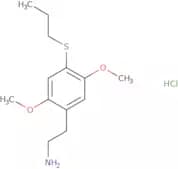
CAS:<p>Please enquire for more information about (2S, 3S)-3-(Ethoxycarbonyl)-oxirane-2-carboxylic acid including the price, delivery time and more detailed product information at the technical inquiry form on this page</p>Formula:C6H8O5Purity:Min. 95%Color and Shape:Clear LiquidMolecular weight:160.12 g/mol2,5-Dimethoxy-4-(propylsulfanyl)phenethylamine hydrochloride
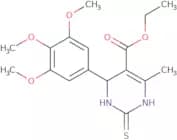
CAS:Controlled Product<p>Please enquire for more information about 2,5-Dimethoxy-4-(propylsulfanyl)phenethylamine hydrochloride including the price, delivery time and more detailed product information at the technical inquiry form on this page</p>Formula:C13H22ClNO2SPurity:Min. 95%Molecular weight:291.84 g/molEthyl 6-methyl-2-thioxo-4-(3,4,5-trimethoxyphenyl)-1,2,3,4-tetrahydropyrimidine-5-carboxylate
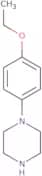
CAS:<p>Please enquire for more information about Ethyl 6-methyl-2-thioxo-4-(3,4,5-trimethoxyphenyl)-1,2,3,4-tetrahydropyrimidine-5-carboxylate including the price, delivery time and more detailed product information at the technical inquiry form on this page</p>Formula:C17H22N2O5SPurity:90%MinMolecular weight:366.43 g/mol1-(4-Ethoxyphenyl)piperazine
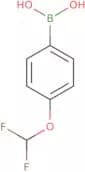
CAS:Controlled Product<p>Please enquire for more information about 1-(4-Ethoxyphenyl)piperazine including the price, delivery time and more detailed product information at the technical inquiry form on this page</p>Formula:C12H18N2OPurity:Min. 95%Molecular weight:206.28 g/mol4-(Difluoromethoxy)phenylboronic acid
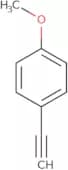
CAS:<p>Please enquire for more information about 4-(Difluoromethoxy)phenylboronic acid including the price, delivery time and more detailed product information at the technical inquiry form on this page</p>Formula:C7H7BF2O3Purity:Min. 95%Molecular weight:187.94 g/mol4-Methoxyphenylacetylene
CAS:<p>4-Methoxyphenylacetylene is a phosphane that has been extensively studied for its reactivity in cross-coupling reactions with electron-deficient olefins. 4-Methoxyphenylacetylene has been shown to react with chlorides and form an intermediate chloride, which reacts with an olefin to form an ether. X-ray crystal structures of the reaction mechanism have been determined. The transfer mechanism involves nucleophilic attack of chloride on the phosphorus atom followed by elimination of hydrogen chloride from the phosphorus. The reaction product is an ether.</p>Formula:C9H8OPurity:Min. 95%Color and Shape:White Clear LiquidMolecular weight:132.16 g/mol1-(4-Amino-6,7-dimethoxy-2-quinazolinyl)-4-[(tetrahydro-2-furanyl)carbonxyl]piperazine hydrochloride
CAS:<p>Terazosin HCL dehydrate is an inhibitor of alpha-1 adrenergic receptors. This results in vasodilation followed by a reduction in urethral resistance, venous return to the heart and peripheral vascular resistance. In particular Terazosin HCL hydrate’s ability to recover urine flow and alleviate symptoms in patients with benign prostatic hyperplasia is of benefit to the therapeutic and clinical industries.</p>Formula:C19H26ClN5O4Purity:Min. 95%Molecular weight:423.89 g/molrac-3-hexadecanamido-2-methoxypropan-1-ol phosphocholine monohydrate
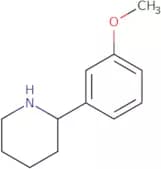
CAS:<p>Please enquire for more information about rac-3-hexadecanamido-2-methoxypropan-1-ol phosphocholine monohydrate including the price, delivery time and more detailed product information at the technical inquiry form on this page</p>Formula:C25H55N2O7PPurity:Min. 95%Molecular weight:526.69 g/mol2-(3-Methoxyphenyl)piperidine
CAS:<p>Please enquire for more information about 2-(3-Methoxyphenyl)piperidine including the price, delivery time and more detailed product information at the technical inquiry form on this page</p>Formula:C12H17NOPurity:Min. 95%Color and Shape:PowderMolecular weight:191.27 g/mol[2-(3,4-Dimethoxyphenyl)-1,3-thiazol-4-yl]acetic acid
CAS:<p>Please enquire for more information about [2-(3,4-Dimethoxyphenyl)-1,3-thiazol-4-yl]acetic acid including the price, delivery time and more detailed product information at the technical inquiry form on this page</p>Formula:C13H13NO4SPurity:Min. 95%Molecular weight:279.31 g/mol4-Hydroxy-7-methoxyquinoline
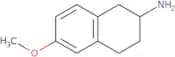
CAS:<p>4-Hydroxy-7-methoxyquinoline is an anti-malarial drug that belongs to the class of trimethyl, trifluoromethyl group. It is a cyclic compound and its synthesis starts with cyclization of the methyl derivative, which forms a ring. This product is used in clinical practice as an inhibitor of malarial protozoa and has been shown to have mechanistic effects on the cytochrome bc1 complex containing red blood cells. 4-Hydroxy-7-methoxyquinoline also inhibits the growth of bacteria by binding to the enzyme methionine synthase, which is involved in the biosynthesis of methionine from homocysteine. The product also has an inhibitory effect on DNA synthesis and protein synthesis.</p>Formula:C10H9NO2Purity:Min. 95%Molecular weight:175.18 g/mol6-Methoxy-1,2,3,4-tetrahydronaphthalen-2-ylamine
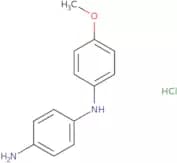
CAS:Controlled Product<p>Please enquire for more information about 6-Methoxy-1,2,3,4-tetrahydronaphthalen-2-ylamine including the price, delivery time and more detailed product information at the technical inquiry form on this page</p>Formula:C11H15NOPurity:Min. 95%Molecular weight:177.24 g/mol4-Amino-4'-methoxydiphenylamine HCl
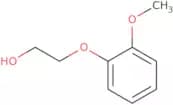
CAS:4-Amino-4'-methoxydiphenylamine HCl is a chemical compound that can be used as an analytical tool. It is prepared by the reaction of 4-aminophenol with 4-chloromethylphenol and formaldehyde in the presence of hydrochloric acid. This product has been found to have a potentiodynamic polarization curve that resembles that of a cationic surfactant. The detection methods for this product are electrochemical impedance spectroscopy, microscopy, and chemical reactions.Purity:Min. 95%Molecular weight:250.72 g/mol2-(2-Methoxyphenoxy)ethanol
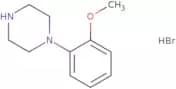
CAS:<p>2-(2-Methoxyphenoxy)ethanol (2-MPE) is a metabolite of propanediol, which is a precursor in the synthesis of polyurethanes. 2-MPE can be oxidized by monooxygenases to form syringyl and other reactive metabolites. Basic hydrolysis may also produce monomers such as phenols, alcohols, and carboxylic acids. Syringyl is one of the metabolic products of 2-MPE, which has been shown to be resistant to degradation by basidiomycete fungi.</p>Formula:C9H12O3Purity:Min. 95%Molecular weight:168.19 g/mol1-(2-Methoxylphenyl)-piperazine monohydrobromide
CAS:Controlled Product<p>Please enquire for more information about 1-(2-Methoxylphenyl)-piperazine monohydrobromide including the price, delivery time and more detailed product information at the technical inquiry form on this page</p>Purity:Min. 95%4-Methoxybenzene-1,3-diamine sulfate
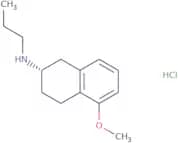
CAS:Controlled Product<p>4-Methoxybenzene-1,3-diamine sulfate (4MBD) is a chemical substance that inhibits the activity of cytochrome P450 enzymes. It has been shown to inhibit the activity of rat liver microsomal p-450 enzymes, and is used in studies on the effects of chemicals on protein synthesis. When 4MBD is administered to rats at dietary concentrations, it causes an increase in thyroid hormone levels and a decrease in renal function. The enzyme inhibition caused by 4MBD may be due to its ability to acylate amines, which are located near the active site of the enzyme. Linear regression analysis showed that there was a strong correlation between dietary concentrations and the inhibition of protein synthesis caused by 4MBD.</p>Formula:C7H12N2O5SPurity:Min. 95%Molecular weight:236.25 g/mol(S)-1,2,3,4-Tetrahydro-5-methoxy-N-propyl-2-naphthalenamine hydrochloride
CAS:Controlled Product<p>Please enquire for more information about (S)-1,2,3,4-Tetrahydro-5-methoxy-N-propyl-2-naphthalenamine hydrochloride including the price, delivery time and more detailed product information at the technical inquiry form on this page</p>Formula:C14H22ClNOPurity:Min. 95%Molecular weight:255.78 g/mol2-Methoxyethanamine
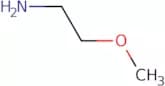
CAS:<p>2-Methoxyethanamine is a metabolite of the drug 2-methoxyethanol. It is an amine that can be found in urine samples. Its structure consists of a hydroxyl group, sodium carbonate, and an intramolecular hydrogen. 2-Methoxyethanamine inhibits the production of angiotensin II, which reduces blood pressure. This molecule has antihypertensive activity because it prevents the conversion of angiotensin I to angiotensin II in the kidneys. 2-Methoxyethanamine also has a stepwise mechanism for its synthesis from ethylene diamine and nitrogen atoms. It can be oxidized by hydrochloric acid or reduced by hydrogen bond or amines. The redox potential of this molecule is -0.06 V, which makes it a nucleophilic compound with an amide bond as its conjugate base.</p>Formula:C3H9NOPurity:Min. 95%Color and Shape:Colourless To Yellow Clear LiquidMolecular weight:75.11 g/mol5-Bromo-3-methoxybenzaldehyde
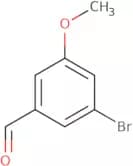
CAS:<p>5-Bromo-3-methoxybenzaldehyde is a type of growth factor that is synthesized by cancer cells. It has been shown to have anticancer activity when used in conjunction with other drugs. 5-Bromo-3-methoxybenzaldehyde has been shown to inhibit tumor growth in mice, which may be due to its ability to prevent the activation of PD-L1. This compound interacts with a tetranuclear ligand and can be activated by light.</p>Formula:C8H7BrO2Purity:Min. 95%Color and Shape:PowderMolecular weight:215.04 g/molMethyl 4-methoxybutanoate
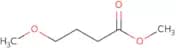
CAS:Controlled Product<p>Methyl 4-methoxybutanoate is a polymorphic amine that has been shown to react with sodium salts, such as sodium methoxide, to form a new class of compounds known as oxetanes. The reaction rate is enhanced by the presence of gamma-valerolactone and the oxetane itself. It has been shown that Methyl 4-methoxybutanoate reacts with organometallic reagents to form enantiopure compounds. The kinetic profile of this compound is not yet well understood.</p>Formula:C6H12O3Purity:Min. 95%Molecular weight:132.16 g/mol3,4-Dimethoxy-Benzamidine HCl
CAS:Please enquire for more information about 3,4-Dimethoxy-Benzamidine HCl including the price, delivery time and more detailed product information at the technical inquiry form on this pageFormula:C9H12N2O2·HClPurity:Min. 95%Molecular weight:216.66 g/mol5-[(2-Methoxyphenoxy)-methyl]-2-oxazolidinone
CAS:Controlled Product<p>5-[(2-Methoxyphenoxy)-methyl]-2-oxazolidinone is a pharmacological agent that is structurally similar to rapamycin. It has been shown to inhibit the production of creatine kinase in rat liver microsomes and has been used in studies on degenerative diseases. 5-[(2-Methoxyphenoxy)-methyl]-2-oxazolidinone inhibits the activity of polymerase chain reaction (PCR) by binding to the DNA polymerase and blocking the extension of an oligonucleotide primer. It has also been shown to be toxic to humans, as it can cause fatty acid accumulation and a clinical response. In addition, this drug is enantiopure, meaning that it is composed of only one type of molecule with a specific configuration. The analytical chemistry for this drug includes gas chromatography (GC) and high performance liquid chromatography (HPLC).</p>Formula:C11H13NO4Purity:Min. 95%Color and Shape:White PowderMolecular weight:223.23 g/mol6-Bromo-4-methoxy-1H-indazole
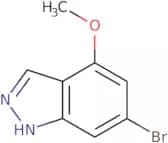
CAS:<p>Please enquire for more information about 6-Bromo-4-methoxy-1H-indazole including the price, delivery time and more detailed product information at the technical inquiry form on this page</p>Formula:C8H7BrN2OPurity:Min. 95%Molecular weight:227.06 g/mol(R)-(-)-α-Methoxy-α-(trifluoromethyl)phenylacetyl chloride
CAS:<p>(R)-(-)-alpha-Methoxy-alpha-trifluoromethyl-phenylacetyl chloride is an enantiomer that has a chiral center. It is used in the synthesis of metoprolol and bisoprolol, which are drugs that are prescribed to treat hypertension and angina pectoris. The racemate is used in the separation of amines by high performance liquid chromatography (Hplc). This compound also has a hydroxyl group and two fatty acids, which can be identified using a chromatographic method. The compound contains a chloride as well as a transfer group.</p>Formula:C10H8ClF3O2Purity:Min. 95%Color and Shape:Clear LiquidMolecular weight:252.62 g/mol8-Methoxymethyl-1-methyl-3-(2-methylpropyl) xanthine
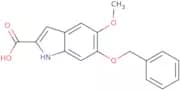
CAS:Controlled Product<p>8-Methoxymethyl-1-methyl-3-(2-methylpropyl) xanthine (8MMX) is an intracellular calcium ion chelator that inhibits enzyme activity in the cyclic nucleotide phosphodiesterase enzyme family. 8MMX has been shown to be a potent inhibitor of both cyclic nucleotide phosphodiesterases and cyclic nucleotide phosphodiesterase isoenzymes. 8MMX has been shown to inhibit bladder contractility and improve bladder function in animal models. It also reduces the incidence of papillary muscle rupture, which can lead to heart failure, and improves ventricular function by increasing the rate of relaxation of the left ventricle.<br>8MMX is a potential treatment for pulmonary hypertension, which is caused by increased concentrations of intracellular calcium ions.</p>Formula:C12H18N4O3Purity:Min. 95%Molecular weight:266.3 g/mol6-Benzyloxy-5-methoxyindole-2-carboxylic acid
CAS:<p>Please enquire for more information about 6-Benzyloxy-5-methoxyindole-2-carboxylic acid including the price, delivery time and more detailed product information at the technical inquiry form on this page</p>Formula:C17H15NO4Purity:Min. 95%Molecular weight:297.31 g/mol7-(2-Carbomethoxyethyl)-5-(2-chlorophenyl)-thieno-1,4-diazepin-2-one
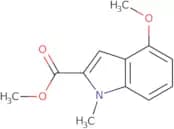
CAS:Controlled Product<p>Please enquire for more information about 7-(2-Carbomethoxyethyl)-5-(2-chlorophenyl)-thieno-1,4-diazepin-2-one including the price, delivery time and more detailed product information at the technical inquiry form on this page</p>Formula:C17H15ClN2O3SPurity:Min. 95%Molecular weight:362.83 g/molMethyl 4-methoxy-1-methyl-1H-indole-2-carboxylate
CAS:Controlled Product<p>Please enquire for more information about Methyl 4-methoxy-1-methyl-1H-indole-2-carboxylate including the price, delivery time and more detailed product information at the technical inquiry form on this page</p>Formula:C12H13NO3Purity:Min. 95%Molecular weight:219.24 g/mol[1-(2-Methoxyethyl)-1H-indol-3-yl]acetic acid
CAS:Controlled ProductPlease enquire for more information about [1-(2-Methoxyethyl)-1H-indol-3-yl]acetic acid including the price, delivery time and more detailed product information at the technical inquiry form on this pageFormula:C13H15NO3Purity:Min. 95%Molecular weight:233.26 g/mol5-(2-Aminopropyl)-2-methoxybenzenesulphonamide
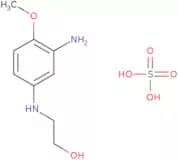
CAS:Controlled Product<p>5-(2-Aminopropyl)-2-methoxybenzenesulphonamide is a trimethyl derivative of the aminopropyl group. It is used as a reagent to introduce hydroxymethyl groups into organic compounds. 5-(2-Aminopropyl)-2-methoxybenzenesulphonamide reacts with hydrochloric acid and an organic solvent in the preparation process. In the Friedel-Crafts reaction, 5-(2-Aminopropyl)-2-methoxybenzenesulphonamide reacts with d-alanine to form an optical isomer, which can be converted to its racemic form by ammonolysis. This compound is also used as a prostatic agent and an amide in the synthesis of benzene and phenoxymethyl alcohols.</p>Formula:C10H16N2O3SPurity:Min. 95%Molecular weight:244.31 g/mol2-((3-Amino-4-methoxyphenyl)amino)ethanol sulfate
CAS:<p>2-((3-Amino-4-methoxyphenyl)amino)ethanol sulfate is a potent antibacterial agent that inhibits the growth of bacteria by binding to the 50S ribosomal subunit. It is also used in dermatology, as an aminophenol, and as an ingredient in cosmetics. 2-((3-Amino-4-methoxyphenyl)amino)ethanol sulfate has been shown to be efficacious against bacterial infections caused by methicillin resistant Staphylococcus aureus (MRSA), Pseudomonas aeruginosa, Proteus mirabilis, and Klebsiella pneumoniae. This compound also has antihistamine properties.</p>Formula:C9H16N2O6SPurity:Min. 95%Molecular weight:280.3 g/mol4-(Benzyloxy)-5-methoxy-2-nitrobenzaldehyde
CAS:<p>4-(Benzyloxy)-5-methoxy-2-nitrobenzaldehyde (BOMBA) is an amide with affinity for microtubules. It has been shown to interact with the microtubule lattice and inhibit the polymerization of tubulin. This leads to a decrease in cell viability and cytotoxicity, as well as a decrease in tumor size. In vivo studies have demonstrated that BOMBA inhibits tumor growth by inducing thrombosis and coagulation, which results in reduced blood flow to the tumor. The mechanism of action of BOMBA is thought to be due to its ability to form sulfamates, which are known for their anti-coagulant activity.</p>Formula:C15H13NO5Purity:Min. 95%Molecular weight:287.27 g/mol3-(4-Methoxyphenyl)pyrazole
CAS:<p>3-(4-Methoxyphenyl)pyrazole is a fungicide that belongs to the group of nitrophenol derivatives. It inhibits the growth of plant pathogenic fungi by inhibiting the synthesis of proteins and nucleic acids. 3-(4-Methoxyphenyl)pyrazole has an inhibitory effect on seed germination and germination, as well as on hydroxymethylation reactions in fungal mycelia. 3-(4-Methoxyphenyl)pyrazole also has bactericidal properties and can be used for controlling bacteria in water systems.</p>Formula:C10H10N2OPurity:Min. 95%Molecular weight:174.2 g/mol4-(Methoxycarbonyl)bicyclo[2.1.1]hexane-1-carboxylic acid
CAS:<p>Please enquire for more information about 4-(Methoxycarbonyl)bicyclo[2.1.1]hexane-1-carboxylic acid including the price, delivery time and more detailed product information at the technical inquiry form on this page</p>Formula:C9H12O4Purity:Min. 95%Molecular weight:184.19 g/mol1-(4-Bromo-2,5-dimethoxybenzyl)piperazine
CAS:Controlled Product<p>Please enquire for more information about 1-(4-Bromo-2,5-dimethoxybenzyl)piperazine including the price, delivery time and more detailed product information at the technical inquiry form on this page</p>Formula:C13H19BrN2O2Purity:Min. 95%Molecular weight:315.21 g/mol2,2'-Bis-(1-adamantyl)-4,4'-dimethoxybiphenyl
CAS:<p>2,2'-Bis-(1-adamantyl)-4,4'-dimethoxybiphenyl is a methyl ester of adapalene. It is used to assess the effects of adapalene on the skin and to determine its marker for topical application.</p>Formula:C34H42O2Purity:Min. 95%Molecular weight:482.7 g/molDimethyl 7,7'-dimethoxy-[4,4'-bibenzo[d][1,3]dioxole]-5,5'-dicarboxylate
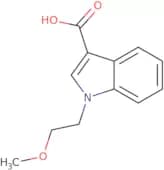
CAS:<p>Dimethyl 7,7'-dimethoxy-[4,4'-bibenzo[d][1,3]dioxole]-5,5'-dicarboxylate is a biocompatible polymer that can be used in the treatment of liver injury. It has been shown to have an inhibitory effect on hepatic enzyme activities and synchronous fluorescence. Dimethyl 7,7'-dimethoxy-[4,4'-bibenzo[d][1,3]dioxole]-5,5'-dicarboxylate can be used as a matrix for curcuma aromatica to remove wastewater contaminants. This polymer also has the ability to inhibit monoethyl ether-induced liver injury in low-dose groups and reduce hepatitis B virus replication.</p>Formula:C20H18O10Purity:Min. 95%Molecular weight:418.35 g/mol1-(2-Methoxyethyl)-1H-indole-3-carboxylic acid
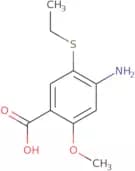
CAS:Controlled Product<p>Please enquire for more information about 1-(2-Methoxyethyl)-1H-indole-3-carboxylic acid including the price, delivery time and more detailed product information at the technical inquiry form on this page</p>Formula:C12H13NO3Purity:Min. 95%Molecular weight:219.24 g/mol2-Methoxy-4-amino-5-ethylthiobenzoic acid
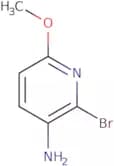
CAS:<p>Please enquire for more information about 2-Methoxy-4-amino-5-ethylthiobenzoic acid including the price, delivery time and more detailed product information at the technical inquiry form on this page</p>Formula:C10H13NO3SPurity:Min. 95%Molecular weight:227.28 g/mol2-Bromo-6-methoxypyridin-3-amine
CAS:<p>2-Bromo-6-methoxypyridin-3-amine is a perovskite that has been shown to have a high photoluminescence quantum yield and can be used in solar cells. This compound interacts with both the ligands and the acceptors, boosting the efficiency of these compounds. The 2-bromo-6 methoxypyridin-3 amine is a semiconductor with an electron affinity of 1.9 eV and a band gap of 1.6 eV. It has been shown to be efficient as a photoluminescent material in nanocrystals.</p>Formula:C6H7BrN2OPurity:Min. 95%Molecular weight:203.04 g/mol3-(Chloromethyl)-4-methoxybenzaldehyde
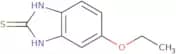
CAS:<p>3-(Chloromethyl)-4-methoxybenzaldehyde is a natural product that can be extracted from the rhizomes of the plant. It has been shown to have antibacterial activity in laboratory experiments and has been used in traditional medicine for the treatment of fungus infections. 3-(Chloromethyl)-4-methoxybenzaldehyde is an imidazolylmethyl derivative with a hexane structure. It reacts with hydrochloric acid to form a molecule called chloromethylation, which is also known as an esterification reaction. Piperazine acts as a catalyst in this reaction, increasing its scalability and making it suitable for large-scale production. The compound exhibits radical scavenging activity, which may be due to its ability to donate electrons or hydrogen atoms to free radicals.</p>Formula:C9H9CIO2Purity:Min. 95%Molecular weight:288.08 g/mol5-Ethoxy-2-mercaptobenzimidazole
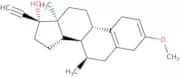
CAS:<p>5-Ethoxy-2-mercaptobenzimidazole is a corrosion inhibitor that has been shown to inhibit the growth of cancer cells by causing them to undergo apoptotic cell death. It also has a protective effect on nerve cells, as evidenced by its ability to prevent the neurotoxic effects of hydrochloric acid. 5-Ethoxy-2-mercaptobenzimidazole is synthesized from 2-(2'-hydroxyethoxy)benzaldehyde and ethyl chloroformate in the presence of sodium chloride and hydrochloric acid. It is then converted into 5-ethoxy-2-mercaptobenzimidazole with sodium hydroxide.</p>Formula:C9H10N2OSPurity:Min. 95%Color and Shape:PowderMolecular weight:194.25 g/mol2-Dehydro-3-methoxy tibolone
CAS:Controlled Product<p>Please enquire for more information about 2-Dehydro-3-methoxy tibolone including the price, delivery time and more detailed product information at the technical inquiry form on this page</p>Formula:C22H30O2Purity:Min. 95%Molecular weight:326.47 g/mol4-[2-(Cyclopropylmethoxy)ethyl]phenol
CAS:<p>4-[2-(Cyclopropylmethoxy)ethyl]phenol is a potent beta-blocker that has been used as an antiglaucoma drug. This substance has been shown to have cardiovascular effects, such as vasodilation and peripheral vasoconstriction, that are mediated by its blockade of beta-adrenergic receptors. 4-[2-(Cyclopropylmethoxy)ethyl]phenol also reduces intraocular pressure in the eye, which may be due to its inhibition of prostaglandin synthesis.</p>Formula:C12H16O2Purity:Min. 95%Molecular weight:192.25 g/mol7-[(4Methoxyphenyl)methyl]-5-methyl-2H-pyrazolo[3,4-d]pyrimidine-4,6(5H,7H)-dione
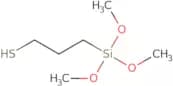
CAS:Controlled Product<p>Please enquire for more information about 7-[(4Methoxyphenyl)methyl]-5-methyl-2H-pyrazolo[3,4-d]pyrimidine-4,6(5H,7H)-dione including the price, delivery time and more detailed product information at the technical inquiry form on this page</p>Formula:C14H14N4O3Purity:Min. 95%Molecular weight:286.29 g/mol(3-Mercaptopropyl)trimethoxysilane
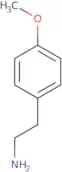
CAS:<p>3-Mercaptopropyl)trimethoxysilane is a molecule made up of three parts: a trimethoxysilane group, a trimethylsilyl group, and a mercapto group. The trimethoxysilane group is hydrophilic in nature and has an electron withdrawing effect on the molecule. The trimethylsilyl group is hydrophobic in nature and has an electron donating effect on the molecule. The mercapto group is reactive in nature and has a high redox potential. 3-Mercaptopropyl)trimethoxysilane can be used as a chemical additive to increase the stability of hydrochloric acid in water vapor by reacting with the hydroxyl groups to form stable compounds. This compound also reacts with hydrogen gas to produce methane gas, which can be used as fuel or as an alternative energy source. 3-Mercaptopropyl)trimethoxysilane also has synergistic</p>Formula:C6H16O3SSiPurity:Min. 98 Area-%Color and Shape:Colorless Clear LiquidMolecular weight:196.34 g/mol4-Methoxy phenethylamine
CAS:Controlled Product<p>4-Methoxy phenethylamine (4MPEA) is a natural compound that has been found to have biological properties. It is a precursor of dopamine and norepinephrine, which are neurotransmitters in the brain. 4MPEA is an irreversible enzyme inhibitor with a hydroxyl group. The kinetic data for this compound has been determined by nitrogen atoms. Gamma-aminobutyric acid (GABA) is involved in the regulation of neuronal excitability and plays an important role in preventing seizures. 4MPEA may have potential as a drug for treating epilepsy or other neurological disorders.</p>Formula:C9H13NOPurity:Min. 95%Molecular weight:151.21 g/mol5-(2,4-Dimethoxyphenyl)cyclohexane-1,3-dione
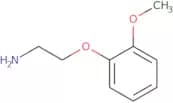
CAS:Controlled Product<p>Please enquire for more information about 5-(2,4-Dimethoxyphenyl)cyclohexane-1,3-dione including the price, delivery time and more detailed product information at the technical inquiry form on this page</p>Formula:C14H16O4Purity:Min. 95%Molecular weight:248.27 g/mol2-(2-Methoxyphenoxy)ethylamine base
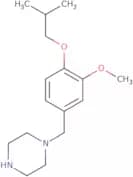
CAS:<p>2-(2-Methoxyphenoxy)ethylamine base is an inorganic base with a hydroxyl group. It is soluble in organic solvents and has been used as a coumarin derivative. 2-(2-Methoxyphenoxy)ethylamine base has shown potential use as an antifungal agent, which may be due to its ability to cause lysis in fungi cells. This compound has also shown in vitro activity against bacteria and viruses, including herpes simplex virus type 1 and HIV-1. The 2-(2-methoxyphenoxy)ethylamine base can be sulfonated or acid catalyzed to produce other derivatives that have potential use as anti-inflammatory or analgesic agents.</p>Formula:C9H13NO2Purity:Min. 95%Molecular weight:167.21 g/mol1-(4-Isobutoxy-3-methoxybenzyl)piperazine
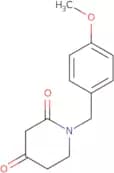
CAS:Controlled Product<p>Please enquire for more information about 1-(4-Isobutoxy-3-methoxybenzyl)piperazine including the price, delivery time and more detailed product information at the technical inquiry form on this page</p>Formula:C16H26N2O2Purity:Min. 95%Molecular weight:278.39 g/mol1-(4-Methoxybenzyl)piperidine-2,4-dione
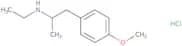
CAS:<p>Please enquire for more information about 1-(4-Methoxybenzyl)piperidine-2,4-dione including the price, delivery time and more detailed product information at the technical inquiry form on this page</p>Formula:C13H15NO3Purity:Min. 95%Molecular weight:233.26 g/molN-Ethyl-4-methoxy amphetamine hydrochloride
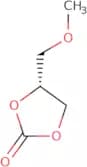
CAS:Controlled Product<p>Please enquire for more information about N-Ethyl-4-methoxy amphetamine hydrochloride including the price, delivery time and more detailed product information at the technical inquiry form on this page</p>Formula:C12H20ClNOPurity:Min. 95%Molecular weight:229.75 g/mol(R)-(+)-4-(Methoxymethyl)-1,3-dioxolan-2-one
CAS:<p>Please enquire for more information about (R)-(+)-4-(Methoxymethyl)-1,3-dioxolan-2-one including the price, delivery time and more detailed product information at the technical inquiry form on this page</p>Formula:C5H8O4Purity:Min. 95%Molecular weight:132.11 g/mol3-Aminopropyltrimethoxysilane
CAS:3-Aminopropyltrimethoxysilane is a chemical that belongs to the group of aminopropyltriethoxysilanes. It is a reactive substance and is commonly used as an additive in adhesives and sealants. 3-Aminopropyltrimethoxysilane has been shown to be an efficient coupling agent for the formation of hydroxyl groups on nanoparticles, which are then used as drug carriers. The optimum concentration of 3-aminopropyltrimethoxysilane lies between 0.01 and 0.1 M, with a pH range of 6 and 8. This chemical can react with hydrochloric acid, resulting in the production of hydrogen gas; with cervical cancer cells in culture, leading to cell death; or with skin cells, causing damage to their transport properties.Formula:C6H17NO3SiPurity:Min. 95%Color and Shape:Clear LiquidMolecular weight:179.29 g/mol4-Bromo-7-methoxy-1H-pyrrolo[2,3-c]pyridine
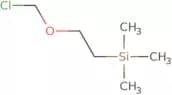
CAS:<p>Please enquire for more information about 4-Bromo-7-methoxy-1H-pyrrolo[2,3-c]pyridine including the price, delivery time and more detailed product information at the technical inquiry form on this page</p>Purity:Min. 95%2-(Chloromethoxyethyl)trimethyl silane - stabilized with ca. 0.1% Diisopropylethylamine
CAS:<p>Silyl protecting group for alcohols; reagent for introducing protected C atom</p>Formula:C6H15ClOSiPurity:Min. 95%Color and Shape:Colorless Clear LiquidMolecular weight:166.72 g/mol5-Chloro-2-hydroxy-2-methoxycarbonyl-1-indanone
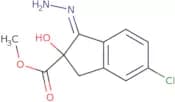
CAS:<p>Please enquire for more information about 5-Chloro-2-hydroxy-2-methoxycarbonyl-1-indanone including the price, delivery time and more detailed product information at the technical inquiry form on this page</p>Formula:C11H9ClO4Purity:Min. 95%Molecular weight:240.64 g/molN-Benzyl-4-carboethoxypiperidine
CAS:<p>N-Benzyl-4-carboethoxypiperidine (NBP) is a potential drug for the treatment of Alzheimer's disease. It is an acetylcholinesterase inhibitor that blocks the breakdown of acetylcholine, leading to increased levels of this neurotransmitter in the brain. NBP has been shown to inhibit butyrylcholinesterase, an enzyme responsible for breaking down acetylcholine. This inhibition leads to increased levels of acetylcholine in the brain and prevents the development of Alzheimer's disease. NBP has also been shown to have a low level of toxicity in mice and rats and does not inhibit other enzymes such as carboxypeptidases or aminopeptidases.</p>Formula:C15H21NO2Purity:Min. 95%Color and Shape:Clear LiquidMolecular weight:247.33 g/mol2-(Chloromethyl)-3-(2-methoxyphenyl)quinazolin-4(3H)-one
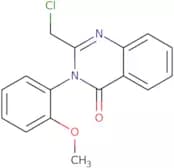
CAS:Controlled ProductPlease enquire for more information about 2-(Chloromethyl)-3-(2-methoxyphenyl)quinazolin-4(3H)-one including the price, delivery time and more detailed product information at the technical inquiry form on this pageFormula:C16H13ClN2O2Purity:Min. 95%Molecular weight:300.74 g/mol(4-Ethoxyphenyl)ethylamine
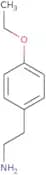
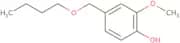
CAS:Controlled Product<p>Please enquire for more information about (4-Ethoxyphenyl)ethylamine including the price, delivery time and more detailed product information at the technical inquiry form on this page</p>Formula:C10H15NOPurity:Min. 95%Molecular weight:165.23 g/mol4-(Butoxymethyl)-2-methoxyphenol
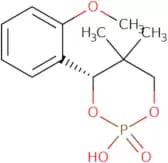
CAS:<p>4-(Butoxymethyl)-2-methoxyphenol is an antimicrobial agent that has been shown to be effective against Candida glabrata. It is a non-ionic surfactant with a C8 alkyl chain, which is derived from the reaction of butyl alcohol and phenol. 4-(Butoxymethyl)-2-methoxyphenol can be used in oral care products such as toothpaste or mouthwash. This product also has a control analysis for sodium citrate and root powder, which may be due to its fatty acid and magnesium salt content.</p>Formula:C12H18O3Purity:Min. 95%Molecular weight:210.27 g/mol(S)-(-)-2-Hydroxy-4-(2-methoxyphenyl)-5,5-dimethyl-1,3,2-dioxaphosphorinane 2-oxide
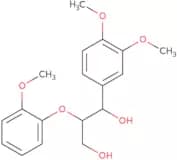
CAS:<p>(S)-(-)-2-Hydroxy-4-(2-methoxyphenyl)-5,5-dimethyl-1,3,2-dioxaphosphorinane 2-oxide is a crystallization inhibitor. It can be used in the treatment of osteoporosis and to prevent the calcification of prostate tissue. (S)-(-)-2-Hydroxy-4-(2-methoxyphenyl)-5,5-dimethyl-1,3,2-dioxaphosphorinane 2-oxide has been shown to inhibit nucleation and crystal growth by adsorbing to the surfaces of nuclei and inhibiting inhibitor molecules from diffusing into the nucleus. This compound also inhibits the crystallization process by binding to one molecule of phosphate on each phosphate site on a crystal surface. The result is that there are fewer sites available for other molecules to bind, preventing crystal growth.</p>Formula:C12H17O5PPurity:Min. 95%Color and Shape:Slightly Yellow PowderMolecular weight:272.23 g/mol1-(3,4-Dimethoxyphenyl)-2-(2-methoxyphenoxy)propane-1,3-diol
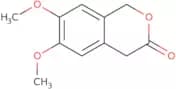
CAS:<p>1,3-Dimethoxy-2-(2-methoxyphenoxy)propane-1,3-diol (DMMP) is a natural product with antioxidant properties. It has been shown to be a potent inhibitor of the epidermal growth factor receptor (EGFR), and also inhibits the activity of the response elements for EGFR. DMMP is also a potent inhibitor of proliferation in human cancer cells and can inhibit the growth of tumour cells that are resistant to methotrexate. DMMP is a precursor to protocatechuic acid, which has been shown to have anti-herpes virus effects. DMMP has been shown to decrease the rate of second order reactions through its ability to react with carbonyl groups on proteins. This reaction leads to an increase in stability and decreases the rate of protein degradation by proteases. A mutant strain was found that can produce this compound without any external stimulus, making it ideal for use as an antibiotic against bacterial</p>Formula:C18H22O6Purity:Min. 95 Area-%Color and Shape:PowderMolecular weight:334.36 g/mol6,7-Dimethoxy-1,4-dihydro-3H-isochromen-3-one
CAS:<p>6,7-Dimethoxy-1,4-dihydro-3H-isochromen-3-one is a hydrazide with the chemical formula C8H8N2O3. It belongs to the family of natural products and has the molecular weight of 172.15. 6,7-Dimethoxy-1,4-dihydro-3H-isochromen-3-one is an isoquinolone derivative that contains two methyl groups on carbons 6 and 7. The compound is a symmetric molecule that can be found as a hydroxy or methoxy derivative. It reacts with 3,4 dimethoxyphenylacetic acid to form yohimbane in the presence of an oxidizing agent such as electrochemical oxidation or maldi tof. 6,7 Dimethoxy 1,4 dihydro 3H isochromen 3 one was obtained from endohedral metalloful</p>Formula:C11H12O4Purity:Min. 95%Molecular weight:208.21 g/mol
![N-(1H-Indol-4-ylmethyl)-N-[2-(4-methoxyphenyl)ethyl]amine hydrochloride](/_next/image/?url=https%3A%2Fstatic.cymitquimica.com%2Fproducts%2F3D%2Fthumb-webp%2FFI116235.webp&w=3840&q=75)

![(S)-1,2,3,4,5,6,7,8-Octahydro-1-[(4-methoxyphenyl)methyl]isoquinoline (acetate salt )](/_next/image/?url=https%3A%2Fstatic.cymitquimica.com%2Fproducts%2F3D%2Fthumb-webp%2FFO29465.webp&w=3840&q=75)
![(9Z)-N-[(3-Methoxyphenyl)methyl]-9-octadecenamide](/_next/image/?url=https%3A%2Fstatic.cymitquimica.com%2Fproducts%2F3D%2Fthumb-webp%2FFN165022.webp&w=3840&q=75)

![1-[2-(5-Methoxy-1H-indol-3-yl)ethyl]-5-oxopyrrolidine-3-carboxylic acid](/_next/image/?url=https%3A%2Fstatic.cymitquimica.com%2Fproducts%2F3D%2Fthumb-webp%2FFM119445.webp&w=3840&q=75)
![3-[1-(2-Methoxyethyl)-1H-indol-3-yl]propanoic acid](/_next/image/?url=https%3A%2Fstatic.cymitquimica.com%2Fproducts%2F3D%2Fthumb-webp%2FFM135770.webp&w=3840&q=75)
![[4-[2-(Diethylamino)ethoxy]-3-iodophenyl][2-(1-hydroxybutyl)-3-benzofuranyl]-methanone](/_next/image/?url=https%3A%2Fstatic.cymitquimica.com%2Fproducts%2F3D%2Fthumb-webp%2FFD150040.webp&w=3840&q=75)
![(2S,3S)-5-[2-(Dimethylamino)ethyl]-3-hydroxy-2-(4-methoxyphenyl)-2,3-dihydro-1,5-benzothiazepin-4-…](/_next/image/?url=https%3A%2Fstatic.cymitquimica.com%2Fproducts%2F3D%2Fthumb-webp%2FFD45531.webp&w=3840&q=75)



![(-)-N-[1-(R)-Ethoxycarbonxyl-3-phenylpropyl]-L-alanine](/_next/image/?url=https%3A%2Fstatic.cymitquimica.com%2Fproducts%2F3D%2Fthumb-webp%2FFE22879.webp&w=3840&q=75)
![Ethyl 3-{[(1E)-(dimethylamino)methylene]amino}-5-methoxy-1-methyl-1H-indole-2-carboxylate](/_next/image/?url=https%3A%2Fstatic.cymitquimica.com%2Fproducts%2F3D%2Fthumb-webp%2FFE123273.webp&w=3840&q=75)
![6-(Methoxycarbonyl)spiro[3.3]heptane-2-carboxylic acid](/_next/image/?url=https%3A%2Fstatic.cymitquimica.com%2Fproducts%2F3D%2Fthumb-webp%2FFM161396.webp&w=3840&q=75)


![1-(4-Amino-6,7-dimethoxy-2-quinazolinyl)-4-[(tetrahydro-2-furanyl)carbonxyl]piperazine hydrochlori…](/_next/image/?url=https%3A%2Fstatic.cymitquimica.com%2Fproducts%2F3D%2Fthumb-webp%2FFA28036.webp&w=3840&q=75)

![[2-(3,4-Dimethoxyphenyl)-1,3-thiazol-4-yl]acetic acid](/_next/image/?url=https%3A%2Fstatic.cymitquimica.com%2Fproducts%2F3D%2Fthumb-webp%2FFD124430.webp&w=3840&q=75)



![5-[(2-Methoxyphenoxy)-methyl]-2-oxazolidinone](/_next/image/?url=https%3A%2Fstatic.cymitquimica.com%2Fproducts%2F3D%2Fthumb-webp%2FFM25063.webp&w=3840&q=75)


![[1-(2-Methoxyethyl)-1H-indol-3-yl]acetic acid](/_next/image/?url=https%3A%2Fstatic.cymitquimica.com%2Fproducts%2F3D%2Fthumb-webp%2FFM135744.webp&w=3840&q=75)



![4-(Methoxycarbonyl)bicyclo[2.1.1]hexane-1-carboxylic acid](/_next/image/?url=https%3A%2Fstatic.cymitquimica.com%2Fproducts%2F3D%2Fthumb-webp%2FFM76248.webp&w=3840&q=75)


![Dimethyl 7,7'-dimethoxy-[4,4'-bibenzo[d][1,3]dioxole]-5,5'-dicarboxylate](/_next/image/?url=https%3A%2Fstatic.cymitquimica.com%2Fproducts%2F3D%2Fthumb-webp%2FFD139796.webp&w=3840&q=75)

![4-[2-(Cyclopropylmethoxy)ethyl]phenol](/_next/image/?url=https%3A%2Fstatic.cymitquimica.com%2Fproducts%2F3D%2Fthumb-webp%2FFC20740.webp&w=3840&q=75)
![7-[(4Methoxyphenyl)methyl]-5-methyl-2H-pyrazolo[3,4-d]pyrimidine-4,6(5H,7H)-dione](/_next/image/?url=https%3A%2Fstatic.cymitquimica.com%2Fproducts%2F3D%2Fthumb-webp%2FFM168534.webp&w=3840&q=75)

![4-Bromo-7-methoxy-1H-pyrrolo[2,3-c]pyridine](/_next/image/?url=https%3A%2Fstatic.cymitquimica.com%2Fproducts%2F3D%2Fthumb-webp%2FFB141995.webp&w=3840&q=75)