Ethers
Ethers are organic compounds containing an ether functional group, characterized by an oxygen atom bonded to two hydrocarbon radicals. These compounds are valuable in synthesis and serve as solvents in various chemical reactions. At CymitQuimica, we offer a selection of high-quality ethers to support your research and industrial applications, ensuring reliable and effective results. Our range of ethers meets diverse laboratory requirements, from routine experiments to advanced research.
Found 40902 products of "Ethers"
Sort by
Purity (%)
0
100
|
0
|
50
|
90
|
95
|
100
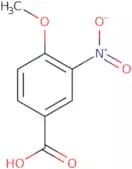
4-Methoxy-3-nitrobenzoic acid
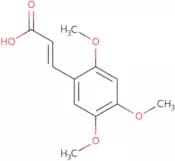
CAS:<p>4-Methoxy-3-nitrobenzoic acid is a hydroxybenzoic acid, and belongs to the group of heterocyclic compounds. It is a preactivated hydroxybenzoate that can be used in the synthesis of griseoluteic acid with chloride as an electron donor. Griseoluteic acid has inhibitory activities on isolated yield. This compound also has potent antitumor activity, which may be due to its ability to inhibit DNA synthesis and protein synthesis by binding to DNA polymerase and ribosomes respectively. Preparative high performance liquid chromatography (HPLC) using this compound is possible with marine microorganisms as the stationary phase. The x-ray absorption spectrum shows that 4-methoxy-3-nitrobenzoic acid has potential for use as a contrast agent for x-rays in imaging tissues.</p>Formula:C8H7NO5Purity:Min. 98 Area-%Color and Shape:PowderMolecular weight:197.14 g/mol2,4,5-Trimethoxycinnamic acid
CAS:<p>2,4,5-Trimethoxycinnamic acid is a phenolic acid that is found in plants. It is a precursor to many other compounds that are biologically active, such as the caffeic acids and their derivatives. 2,4,5-Trimethoxycinnamic acid has been shown to have anti-cancer effects on cervical cancer cells. It also exhibits biological properties and has been used as an ingredient in traditional Chinese medicine.</p>Formula:C12H14O5Purity:Min. 95%Color and Shape:PowderMolecular weight:238.24 g/mol8-Hydroxy-7-methoxy-2-oxo-2H-1-benzopyran-3-carboxylic acid
<p>8-Hydroxy-7-methoxy-2-oxo-2H-1-benzopyran-3-carboxylic acid is a versatile building block with a broad range of applications. It has been used in the synthesis of many complex compounds and research chemicals, including CAS No. 1207819-96-6. This chemical can be used as a reagent to produce important biological molecules such as antibiotics, antivirals, and antihypertensives.</p>Formula:C11H7NO8Purity:Min. 95%Color and Shape:Green SolidMolecular weight:281.18 g/mol1-(3,4-Dimethoxyphenyl)-2-nitroethene
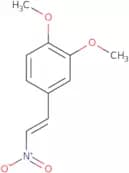
CAS:<p>1-(3,4-Dimethoxyphenyl)-2-nitroethene is a trifluoroacetic acid derivative that can be synthesized using the reaction of 1-(3,4-dimethoxyphenyl)ethanone and 2-nitroethanol. It is an unsymmetrical molecule with two possible structures. The first structure is postulated to be the energetically favored conformation, while the second structure is postulated to be the result of elimination of HCl during synthesis. This compound has shown potential as a prodrug for amine-containing drugs such as resveratrol or hydrazines.</p>Formula:C10H11NO4Purity:Min. 95%Color and Shape:PowderMolecular weight:209.2 g/mol2-Fluoro-4-methoxyphenylacetone
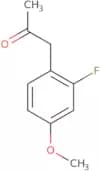
CAS:<p>2-Fluoro-4-methoxyphenylacetone is a high quality chemical that can be used as a reagent, complex compound, and useful intermediate. It is also a fine chemical and speciality chemical with CAS No. 16817-46-2. This product can be used as a reaction component for diverse synthetic reactions in research and development of various types of pharmaceuticals and fine chemicals. It is also versatile building block for the synthesis of valuable products.</p>Formula:C10H11FO2Purity:Min. 95%Molecular weight:182.19 g/mol3,4,5-Trimethoxybenzylamine
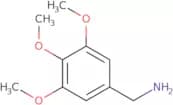
CAS:Controlled Product<p>3,4,5-Trimethoxybenzylamine (TMB) is a coumarin derivative that inhibits tumor growth in mice. It has been shown to inhibit the proliferation of cells by binding to amines, and also to have an antiradical activity. The in vivo studies on TMB showed that it is effective against a number of tumor types, including lung cancer and melanoma. Additionally, TMB has anti-inflammatory properties.</p>Formula:C10H15O3NPurity:Min. 98%Color and Shape:Colorless Slightly Yellow Clear LiquidMolecular weight:197.23 g/mol1-Bromo-3,4-dihydroxy-5-methoxybenzene monohydrate
CAS:<p>1-Bromo-3,4-dihydroxy-5-methoxybenzene monohydrate is a versatile building block for the creation of complex compounds. It is a useful intermediate and can be used as a reagent in organic synthesis. This chemical is also used as an additive in plastics and rubber production. 1-Bromo-3,4-dihydroxy-5-methoxybenzene monohydrate is synthesized from 3,4,5-trimethoxyphenol and bromine. It has been assigned the CAS number 205748-04-5.</p>Formula:C7H7BrO3·H2OPurity:Min. 95%Color and Shape:PowderMolecular weight:237.05 g/mol5-Bromo-3,4-dimethoxybenzyl alcohol
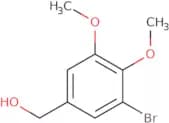
CAS:<p>5-Bromo-3,4-dimethoxybenzyl alcohol is a natural product that can be synthesized from the methyl ethers of 5-bromo-3,4-dimethoxybenzoic acid. It has been reported to have high yields and good yields for the synthesis of methyl ethers. The reaction conditions for this natural product are mild and do not require an organic solvent or a catalyst.</p>Formula:C9H11BrO3Purity:Min. 98 Area-%Color and Shape:PowderMolecular weight:247.09 g/mol1,3-Diethoxybenzene
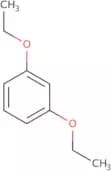
CAS:<p>1,3-Diethoxybenzene is an equimolecular alkylation product that is prepared by the reaction of chloride and diethyl ether. The analysis technique used to identify this compound is GC-MS. This product has been shown to be resistant to vinyl acetate copolymerization with styrene and nitrocellulose polymerization with cyclohexenyl methoxy.</p>Formula:C10H14O2Purity:Min. 94.0 Area-%Color and Shape:Clear LiquidMolecular weight:166.22 g/mol2,2'-Dihydroxy-4',6'-dimethoxychalcone
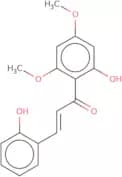
CAS:<p>2,2'-Dihydroxy-4',6'-dimethoxychalcone (DDMC) is a naturally occurring chalcone with antitumor activity. DDMC inhibits the expression of NF-κB and suppresses tumor growth in animal models. In vitro studies have shown that DDMC inhibited the proliferation of human glioma cells without affecting normal brain cells. It has also been shown to inhibit the proliferation of malignant human glioblastoma cells in a dose-dependent manner, while only minimally affecting normal human astrocytes. DDMC has been found to be non-toxic and safe for use in humans and other mammals. The following are some descriptions for products: 6-Fluoro-3-indoxyl-beta-D-galactopyranoside Rifapentine is an anti-tuberculosis drug that belongs to the class of rifamycins. It is the</p>Formula:C17H16O5Purity:Min. 95%Color and Shape:PowderMolecular weight:300.31 g/mol4,6-Dichloro-5-methoxypyrimidine
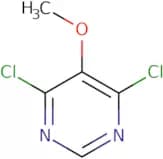
CAS:<p>4,6-Dichloro-5-methoxypyrimidine is a reactive intermediate in the synthesis of sulfadoxine. It is a chlorinating agent that reacts with alkanes and alkenes to produce halogenated products. 4,6-Dichloro-5-methoxypyrimidine can be used as a reagent to synthesize malonic acid and formamide. This compound has been used as an isotopic label for studies of the efficiency of the reaction between malonic acid and formamide. The chloride ions are used in this study to monitor the reaction rate. 4,6-Dichloro-5-methoxypyrimidine is also an intermediate in the synthesis of sulfanilamide and aminophenol.</p>Formula:C5H4Cl2N2OPurity:Min. 95%Color and Shape:PowderMolecular weight:179 g/mol2'-Hydroxy-2,4,4'-trimethoxychalcone
CAS:2'-Hydroxy-2,4,4'-trimethoxychalcone is a fine chemical that is used as a building block in research and development of pharmaceuticals. It is an intermediate for the production of drugs such as antibiotics, antiviral agents, and antifungals. 2'-Hydroxy-2,4,4'-trimethoxychalcone has also been shown to be useful for the synthesis of complex compounds with versatile applications.Formula:C18H18O5Purity:Min. 95%Color and Shape:PowderMolecular weight:314.33 g/mol3-Ethoxy-4-hydroxyphenylacetic acid
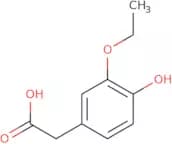
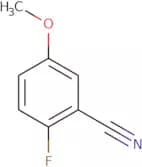
CAS:<p>3-Ethoxy-4-hydroxyphenylacetic acid is a chemical compound that functions as an anaesthetic. It has been shown to produce sedation and anesthesia in animals, but not in humans. 3-Ethoxy-4-hydroxyphenylacetic acid is also a metabolite of the drug propofol, which is used as a general anesthetic.</p>Formula:C10H12O4Purity:Min. 95%Color and Shape:PowderMolecular weight:196.2 g/mol2-Fluoro-5-methoxybenzonitrile
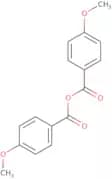
CAS:<p>2-Fluoro-5-methoxybenzonitrile is a metal catalyst that has been shown to be effective in the synthesis of various organic compounds. The use of ultrasound can increase the yields of reactions involving 2-fluoro-5-methoxybenzonitrile. 2-Fluoro-5-methoxybenzonitrile has also been demonstrated as a pharmacological agent with a number of potential applications. It inhibits the activity of phosphodiesterase 4, which may lead to an improved therapeutic profile for conditions such as asthma and erectile dysfunction. 2-Fluoro-5-methoxybenzonitrile is also used in photochemical reactions, where it acts as an inhibitor to prevent the formation of undesired products.</p>Formula:C8H6FNOPurity:Min. 95%Color and Shape:PowderMolecular weight:151.14 g/mol4-Methoxybenzoic anhydride
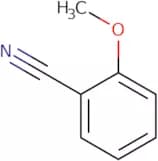
CAS:<p>4-Methoxybenzoic anhydride is a nonsteroidal anti-inflammatory drug (NSAID) that has a hydroxy group, which makes it susceptible to nucleophilic attack. The reaction mechanism of 4-methoxybenzoic anhydride involves hydroxyl group and phosphorus pentachloride. Kinetic data for the reaction was obtained from kinetic studies. The kinetic study found that the rate of the reaction increased with increasing concentration of amines and amides in the reaction mixture. 4-Methoxybenzoic anhydride has been shown to have antiinflammatory activity in various tests on animals, including rats, guinea pigs, and rabbits. The mechanism of this activity may be due to its ability to inhibit prostaglandin synthesis by blocking cyclooxygenase enzyme activity.</p>Formula:C16H14O5Purity:Min. 95%Color and Shape:PowderMolecular weight:286.28 g/mol2-Methoxybenzonitrile
CAS:<p>2-Methoxybenzonitrile is a reactive molecule that can undergo a variety of reactions. In simulations, 2-methoxybenzonitrile reacts with carbon tetrachloride to form chlorobenzene and hydrochloric acid. The reaction mechanism involves the metal surface, which is believed to act as a catalyst and transfer the molecule to the receptor binding site on the substrate molecule. 2-Methoxybenzonitrile has been shown to react with various functional groups on a substrate molecule, including ester, amide, nitrile, sulfide, sulfone, and phosphate groups. This reaction system also produces different reaction products depending on the type of functional group.</p>Formula:C8H7NOPurity:Min. 95%Color and Shape:Clear LiquidMolecular weight:133.15 g/mol(+)-N-[1-(S)-Ethoxycarbonxyl-3-phenylpropyl]-L-alanine
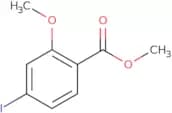
CAS:<p>(+)-N-[1-(S)-Ethoxycarbonxyl-3-phenylpropyl]-L-alanine is an impurity of enalaprilat, which is a pharmaceutical drug used in the treatment of hypertension. Enalaprilat is manufactured by reacting 1-(S)-ethoxycarbonxyl-3-phenylpropane with L-alanine and triphosgene. This impurity has been shown to be a potent inhibitor of the enzyme angiotensin converting enzyme (ACE) and may cause adverse effects such as hypotension, cough, and dizziness. The chemical structure of (+)-N-[1-(S)-Ethoxycarbonxyl-3-phenylpropyl]-L-alanine consists of an aliphatic hydrocarbon chain with a maleate group at one end and a benzyl group at the other end. It also contains two amines, one on each side of the molecule.</p>Formula:C15H21NO4Purity:Min. 95%Color and Shape:PowderMolecular weight:279.33 g/mol4-Iodo-2-methoxybenzoic acid methyl ester
CAS:4-Iodo-2-methoxybenzoic acid methyl ester is a high quality chemical that can be used as a versatile building block in chemical synthesis. It is a complex compound that has been shown to be an effective reagent for research, which can be used in the synthesis of new complex compounds. 4-Iodo-2-methoxybenzoic acid methyl ester is also useful as an intermediate or reaction component in organic syntheses. This chemical is available for purchase at a CAS number of 148490-97-5.Formula:C9H9IO3Purity:Min. 95%Color and Shape:PowderMolecular weight:292.07 g/mol2,4,6-Trimethoxy-3-methylbenzaldehyde
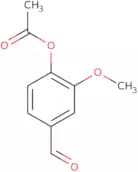
CAS:2,4,6-Trimethoxy-3-methylbenzaldehyde is a flavanone that is structurally related to the drug ciprofloxacin. The two molecules share a common molecular framework with the addition of a hydroxyl group on the 2 position of the benzene ring. In molecular docking studies, 2,4,6-Trimethoxy-3-methylbenzaldehyde has shown antitubercular activity against Mycobacterium tuberculosis and Mycobacterium avium complex. It is also an inhibitor of protein tyrosine phosphatase and has been shown to have antibacterial activity against various strains of bacteria.Formula:C11H14O4Purity:Min. 95%Color and Shape:PowderMolecular weight:210.23 g/mol4-Acetoxy-3-methoxybenzaldehyde
CAS:<p>4-Acetoxy-3-methoxybenzaldehyde is an antimicrobial agent that is used specifically for the treatment of lemongrass oil and eugenol. It has been shown to be effective against a wide range of microorganisms, such as Escherichia coli, Pseudomonas aeruginosa, Salmonella enterica, Staphylococcus aureus, and Streptococcus pneumoniae. 4-Acetoxy-3-methoxybenzaldehyde has been shown to inhibit the growth of bacteria by binding to the 50S ribosomal subunit. The molecule also has hydroxyl group which can react with potassium dichromate and sodium carbonate. This reaction results in the formation of 4-acetoxy-3-hydroxybenzaldehyde through an S N 2 substitution mechanism.</p>Formula:C10H10O4Purity:Min. 95%Color and Shape:PowderMolecular weight:194.18 g/mol2-Nitro-3,4,5-trimethoxybenzoic acid methyl ester
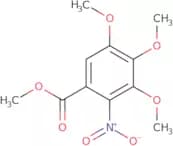
CAS:<p>2-Nitro-3,4,5-trimethoxybenzoic acid methyl ester is a potential anticancer agent. It has been shown to inhibit the growth of cancer cells in vitro and demonstrates anticancer activity against human tumor xenografts in mice. This compound binds to the epidermal growth factor receptor (EGFR) and inhibits its activity. This binding causes downstream signalling pathways to be suppressed, which ultimately prevents tumor cells from proliferating. 2-Nitro-3,4,5-trimethoxybenzoic acid methyl ester also has directional properties that may allow for selective targeting of cancerous cells.<br>2-Nitro-3,4,5-trimethoxybenzoic acid methyl ester is a white crystalline powder with an orthorhombic crystal system and an amine group on each end of the molecule.</p>Formula:C11H13NO7Purity:Min. 95%Color and Shape:PowderMolecular weight:271.22 g/mol1,3-Dimethoxy-2-methylimidazoliumbis(trifluoromethylsulfonyl)imide
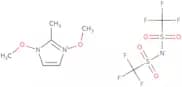
CAS:Please enquire for more information about 1,3-Dimethoxy-2-methylimidazoliumbis(trifluoromethylsulfonyl)imide including the price, delivery time and more detailed product information at the technical inquiry form on this pageFormula:C8H11F6N3O6S2Purity:Min. 95%Color and Shape:PowderMolecular weight:423.31 g/mol4-Hydroxy-3-methoxystilbene
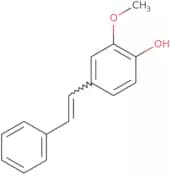
CAS:<p>4-Hydroxy-3-methoxystilbene is a natural phenolic compound found in plants. It is an olefinic peroxide that is unreactive and pressurized under normal conditions. It has been isolated from the leaves of the plant, Stilbocarpa erythrophylla, which grows in the tropical forests of Malaysia. The structure of 4-hydroxy-3-methoxystilbene was determined by chromatographic analysis and hydrogen peroxide plates. Phase chromatography was used to separate 4-hydroxy-3-methoxystilbene from other compounds with similar structures, such as acetylated flavonoids or hydroxylated flavonoids. The melting point of 4-hydroxy-3-methoxystilbene was determined by temperature measurements, and its ultraviolet spectrophotometry was used to detect the presence of a hydroxyl group in its chemical structure.</p>Formula:C15H14O2Purity:Min. 95%Color and Shape:PowderMolecular weight:226.27 g/mol1,2-Bis(1,1,2,2-tetrafluoroethoxy)ethane
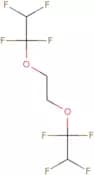
CAS:1,2-Bis(1,1,2,2-tetrafluoroethoxy)ethane is an electrolyte with a balanced composition of sulfur and fluorine. It is also a symmetric compound that can shuttle lithium ions between the two halves of the molecule. This process can be repeated many times without significant degradation. 1,2-Bis(1,1,2,2-tetrafluoroethoxy)ethane has been used as a negative electrode material in lithium ion batteries because it has high capacity and good cycling properties.Formula:C6H6F8O2Purity:Min. 99 Area-%Molecular weight:262.10 g/mol2-Methoxy-5-nitropyridine
CAS:2-Methoxy-5-nitropyridine is an experimental model for the study of nucleophilic substitution reactions. It has been shown to catalyze a variety of nucleophilic substitutions, such as the reaction between dimethylformamide and methoxide. The uptake of 2-methoxy-5-nitropyridine in human cells has been studied using the mitochondrial cytochrome P450 (mt2) receptors, where it has been found that this compound binds to mt2 receptors with high affinity. The optical properties of 2-methoxy-5-nitropyridine have been determined by spectroscopic analysis and found to be similar to those of nitro compounds. Toxicity studies have also demonstrated that 2-methoxy-5-nitropyridine can cause liver damage at high doses, but there is no evidence that it causes cancer or causes reproductive toxicity.Formula:C6H6N2O3Purity:Min. 95%Color and Shape:PowderMolecular weight:154.12 g/molDL-4-Hydroxy-3-methoxymandelic acid
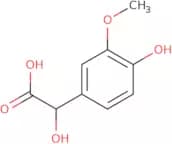
CAS:<p>DL-4-Hydroxy-3-methoxymandelic acid is a metabolite of the catecholamines, norepinephrine and epinephrine. It is found in the blood, urine and cerebrospinal fluid of humans. DL-4-Hydroxy-3-methoxymandelic acid is derived from the amino acid tyrosine. When the body's production of catecholamines exceeds its ability to break them down, these molecules accumulate and are excreted in urine as DL-4-hydroxy-3-methoxymandelic acid or as other metabolites. The concentration of DL-4-hydroxy 3 methoxymandelic acid in urine may be used to diagnose pheochromocytoma or neuroblastoma.</p>Formula:C9H10O5Purity:Min. 95%Color and Shape:White PowderMolecular weight:198.17 g/mol2,3,4-Trimethoxybenzonitrile
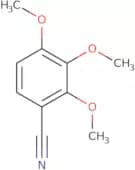
CAS:Please enquire for more information about 2,3,4-Trimethoxybenzonitrile including the price, delivery time and more detailed product information at the technical inquiry form on this pageFormula:C10H11NO3Purity:Min. 95%Molecular weight:193.2 g/mol3,5-Dimethoxy-4-hydroxycinnamic acid ethyl ester
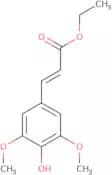
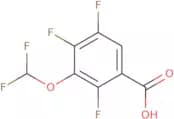
CAS:3,5-Dimethoxy-4-hydroxycinnamic acid ethyl ester is a redox potential with an acidic character. It can be synthesized from p-hydroxybenzoic acid and acetate extract of the plant Carthamus tinctorius. The synthesis starts with an asymmetric synthesis of protocatechuic acid and its derivatives. This compound is also found in the surface methodology of fatty acids and radiation that has been studied by nmr spectroscopic data. 3,5-Dimethoxy-4-hydroxycinnamic acid ethyl ester has bioactive phenolic properties and can be used for the treatment of various diseases such as cancer or diabetes.Formula:C13H16O5Purity:Min. 95%Color and Shape:PowderMolecular weight:252.26 g/mol3-(Difluoromethoxy)-2,4,5-trifluorobenzoic acid
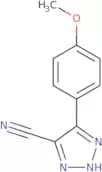
CAS:<p>3-(Difluoromethoxy)-2,4,5-trifluorobenzoic acid is an antibacterial drug that belongs to the class of fluoroquinolones. It inhibits bacterial growth by binding to DNA gyrase and topoisomerase IV enzymes in bacteria. 3-(Difluoromethoxy)-2,4,5-trifluorobenzoic acid has been shown to be active against a wide variety of bacteria and is used as a treatment for urinary tract infections and skin infections. 3-(Difluoromethoxy)-2,4,5-trifluorobenzoic acid can also be used in combination with other antibiotics such as tetrabutyl ammonium chloride to enhance their effects.</p>Formula:C8H3F5O3Purity:Min. 95%Color and Shape:SolidMolecular weight:242.1 g/mol5-(4-methoxyphenyl)-2H-1,2,3-triazole-4-carbonitrile
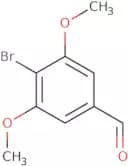
CAS:Please enquire for more information about 5-(4-methoxyphenyl)-2H-1,2,3-triazole-4-carbonitrile including the price, delivery time and more detailed product information at the technical inquiry form on this pagePurity:Min. 95%4-Bromo-3,5-dimethoxybenzaldehyde
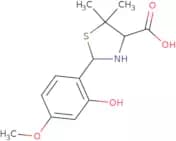
CAS:<p>4-Bromo-3,5-dimethoxybenzaldehyde is a compound that inhibits the replication of cells. It has been shown to induce apoptosis and inhibit tumor growth, including skin tumors and malignant melanoma cells. This chemical is synthesized by reacting an acrylonitrile with sodium hydroxide in a biphenyl amide. 4-Bromo-3,5-dimethoxybenzaldehyde has been used to inhibit bacterial growth, but it is not active against Mycobacterium tuberculosis or Mycobacterium avium complex.</p>Formula:C9H9BrO3Purity:Min. 95%Color and Shape:PowderMolecular weight:245.07 g/mol2-(2-Hydroxy-4-methoxyphenyl)-5,5-dimethyl-4-thiazolidinecarboxylic acid
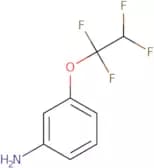
CAS:<p>Please enquire for more information about 2-(2-Hydroxy-4-methoxyphenyl)-5,5-dimethyl-4-thiazolidinecarboxylic acid including the price, delivery time and more detailed product information at the technical inquiry form on this page</p>Formula:C13H17NO4SPurity:Min. 95%Color and Shape:PowderMolecular weight:283.34 g/mol3-(1,1,2,2-Tetrafluoroethoxy)aniline
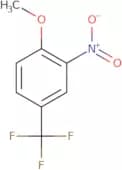
CAS:3-(1,1,2,2-Tetrafluoroethoxy)aniline is a reagent that belongs to the group of complex compounds. It has CAS No. 831-75-4 and is used as an intermediate in the synthesis of fine chemicals, useful scaffolds and building blocks. This versatile chemical can be used as a reaction component for the production of speciality chemicals and research chemicals. 3-(1,1,2,2-Tetrafluoroethoxy)aniline can be used as a starting material for the production of other reagents such as fluoroalkylating agents and fluorinating agents.Formula:C8H7F4NOPurity:Min. 95%Color and Shape:Colorless Clear LiquidMolecular weight:209.14 g/mol4-Methoxy-3-nitrobenzotrifluoride
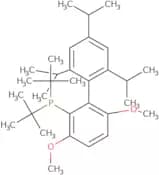
CAS:<p>4-Methoxy-3-nitrobenzotrifluoride is a chemical that belongs to the group of reactants. It is used as a reagent, building block, or intermediate in organic synthesis. 4-Methoxy-3-nitrobenzotrifluoride has been shown to be an effective scaffold for the preparation of complex compounds with versatile building blocks and useful intermediates. It can also be used as a fine chemical with speciality chemical properties.</p>Formula:C8H6F3NO3Purity:Min. 95%Color and Shape:PowderMolecular weight:221.13 g/mol2-(Di-tert-butylphosphino)-2',4',6'- triisopropyl-3,6-dimethoxy-1,1'-biphenyl
CAS:2-(Di-tert-butylphosphino)-2',4',6'-triisopropyl-3,6-dimethoxy-1,1'-biphenyl is a nucleophilic compound that can be used in amination reactions. It has been used to synthesize fluorinated compounds by reacting with various halides under palladium catalysis. This reaction is an efficient method for the synthesis of 5-membered heteroaryl compounds and pyrazole rings. 2-(Di-tert-butylphosphino)-2',4',6'-triisopropyl-3,6-dimethoxy-1,1'-biphenyl has also been shown to inhibit the growth of carcinoma cell lines and profiles in aminoimidazoles.Formula:C31H49O2PPurity:Min. 97 Area-%Color and Shape:White Off-White PowderMolecular weight:484.69 g/mol{[2-(2-Methoxyphenyl)-1,3-thiazol-5-yl]methyl}amine
CAS:Please enquire for more information about {[2-(2-Methoxyphenyl)-1,3-thiazol-5-yl]methyl}amine including the price, delivery time and more detailed product information at the technical inquiry form on this pageFormula:C11H12N2OSPurity:Min. 95%Color and Shape:PowderMolecular weight:220.29 g/mol5-(3-Methoxyphenyl)-4-phenyl-4H-1,2,4-triazole-3-thiol
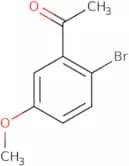
CAS:<p>Please enquire for more information about 5-(3-Methoxyphenyl)-4-phenyl-4H-1,2,4-triazole-3-thiol including the price, delivery time and more detailed product information at the technical inquiry form on this page</p>Formula:C15H13N3OSPurity:Min. 95%Color and Shape:PowderMolecular weight:283.35 g/mol2'-Bromo-5'-methoxyacetophenone
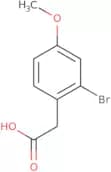
CAS:<p>2'-Bromo-5'-methoxyacetophenone is a perchloric acid catalyst that can be used in the synthesis of ketones, methyl ketones, and other organic compounds. Bromination reactions are catalyzed by hypobromous acid (HOBr), which is generated from bromine and HOCl. The reaction is typically initiated with an acid catalyst such as 2'-bromo-5'-methoxyacetophenone.</p>Formula:C9H9BrO2Purity:Min. 95%Color and Shape:Clear LiquidMolecular weight:229.07 g/mol2-(2-Bromo-4-methoxyphenyl)acetic acid
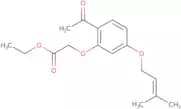
CAS:2-(2-Bromo-4-methoxyphenyl)acetic acid is a versatile building block that is used as a research chemical, reaction component, and reagent. It is also used as a speciality chemical and complex compound. This compound has the CAS number 66916-99-2.Formula:C9H9BrO3Color and Shape:SolidMolecular weight:245.07 g/mol2'-Ethoxycarbonylmethoxy-4'-(3-methyl-2-butenyloxy)acetophenone
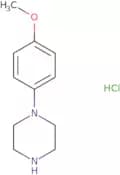
CAS:2'-Ethoxycarbonylmethoxy-4'-(3-methyl-2-butenyloxy)acetophenone is a centrosymmetric molecule with a crystal structure. It has been shown to form dimers in the solid state.Formula:C17H22O5Purity:Min. 95%Color and Shape:PowderMolecular weight:306.35 g/mol1-(4-Methoxyphenyl)piperazine hydrochloride
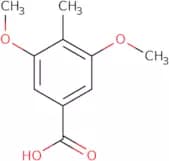
CAS:Controlled Product1-(4-Methoxyphenyl)piperazine hydrochloride is a high-potency inhibitor of the K+ channels. It has been shown to inhibit the activity of these channels in lead compound screening and optimization. The modification of potassium channels by 1-(4-Methoxyphenyl)piperazine hydrochloride has been evaluated using a patch clamp technique on rat erythrocytes. This inhibitory activity was found to be concentration dependent and voltage sensitive. 1-(4-Methoxyphenyl)piperazine hydrochloride was also shown to have pharmacological effects, such as analgesia, sedation and muscle relaxation.Formula:C11H16N2O•HClPurity:Min. 95%Molecular weight:228.72 g/mol3,5-Dimethoxy-4-methylbenzoic acid
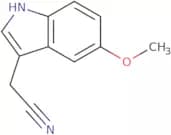
CAS:3,5-Dimethoxy-4-methylbenzoic acid is an organic compound that has a carboxylate group and a long chain. It is synthesized from 3,5-dimethoxybenzoic acid through the borohydride reduction of the primary alcohols to produce a mixture of 2,3,4-trimethoxybenzoic acid and 3,5-dimethoxybenzoic acid. The nitro group on the phenolic ring can be reduced to the corresponding amine with sodium borohydride. 3,5-Dimethoxy-4-methylbenzoic acid has been found in natural products such as Cephalotaxus fortunei and Acacia confusa.Formula:C10H12O4Purity:Min. 95%Color and Shape:PowderMolecular weight:196.2 g/mol5-Methoxyindole-3-acetonitrile
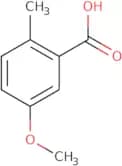
CAS:5-Methoxyindole-3-acetonitrile is a synthetic compound used as a reference for the synthesis of melatonin. It is produced by the addition of magnesium to 5-methoxyindole, followed by reaction with cyanide and nitrile. The synthesis of this compound was first published in 1938 and has since been used as a reference for many other studies. It has been shown that 5-methoxyindole-3-acetonitrile has high performance liquid chromatography properties, with a linear range from 0.5 to 50 mg/mL and an ultraviolet spectrum that falls within the region between 220 nm and 400 nm. A molecular modeling study was conducted on this compound, which showed that it conforms with 4-hydroxy indole ring systems found in natural products such as tryptophan and serotonin. This product also has fluorescent properties, which are caused by its electron withdrawing group (cyano).Formula:C11H10N2OPurity:Min. 95%Color and Shape:PowderMolecular weight:186.21 g/mol5-Methoxy-2-methylbenzoic acid
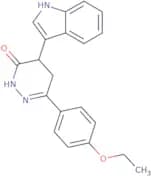
CAS:<p>5-Methoxy-2-methylbenzoic acid is an intermediate in the synthesis of vitamin D3. It can also be used to synthesize calciferol, a configurationally stable form of vitamin D3 that has been shown to be optically active. Lactonic forms are composed of a 5-methoxy group and a 2-methylbenzoic acid moiety. Enantiomers are compounds with the same chemical formula but different arrangements of their atoms in space and each enantiomer is capable of rotating plane polarized light in opposite directions.</p>Formula:C9H10O3Purity:Min. 95%Color and Shape:PowderMolecular weight:166.17 g/mol3-(4-ethoxyphenyl)-5-indol-3-yl-1H,4H,5H-1,2-diazin-6-one
CAS:<p>Please enquire for more information about 3-(4-ethoxyphenyl)-5-indol-3-yl-1H,4H,5H-1,2-diazin-6-one including the price, delivery time and more detailed product information at the technical inquiry form on this page</p>Purity:Min. 95%Ethyl 2-(4-((5-chloro-2-methoxyphenyl)amino)-3,5-thiazolyl)acetate
CAS:<p>Please enquire for more information about Ethyl 2-(4-((5-chloro-2-methoxyphenyl)amino)-3,5-thiazolyl)acetate including the price, delivery time and more detailed product information at the technical inquiry form on this page</p>Purity:Min. 95%4,5,6-Trimethoxyindole
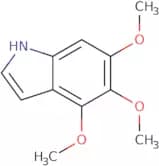
CAS:<p>4,5,6-Trimethoxyindole is a chemical compound that is found in the plant Chinensis. This compound has been shown to have potent anticancer properties and can be used as a treatment for inflammatory diseases. 4,5,6-Trimethoxyindole has been shown to modulate the activity of some bacteria and it has been hypothesized that this may be due to its interaction with formylation. The acidic nature of 4,5,6-Trimethoxyindole makes it soluble in ethanol. It can also be synthesised from butyric acid and other chemicals.</p>Formula:C11H13NO3Purity:Min. 95%Color and Shape:SolidMolecular weight:207.23 g/mol2-Methoxy-5-nitrophenol
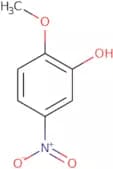
CAS:2-Methoxy-5-nitrophenol (2MNOP) is a compound that has been shown to inhibit the growth of bacteria in nutrient solutions by reducing the activity of glutamate pyruvate transaminase and pyridoxine hydrochloride. 2MNOP is a potent inhibitor of bacterial enzyme activities, such as neutral ph, hydrochloric acid, nitro, and toxicity studies. It is not active against eukaryotic cells or plants. The uptake of 2MNOP is enhanced by the presence of diamine tetraacetic acid and ethylene diamine. 2MNOP has also been shown to be effective against multi-walled carbon nanotubes.Formula:C7H7NO4Purity:Min. 95%Color and Shape:PowderMolecular weight:169.13 g/molTrimethoxy(3,3,3-trifluoropropyl)silane
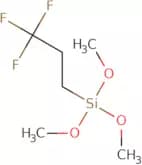
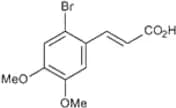
CAS:Trimethoxy(3,3,3-trifluoropropyl)silane is a chemical that is used as a coating for metals and plastics. It has been shown to be an excellent lubricant and can be used as a fuel additive. Trimethoxy(3,3,3-trifluoropropyl)silane is also used in analytical chemistry for gravimetric analysis. This chemical can undergo reactions with other compounds such as hydrogen gas to form trimethoxysilane (SiH), which can be detected by FT-IR spectroscopy. Trimethoxy(3,3,3-trifluoropropyl)silane also reacts with metal ions in the presence of light to form metal complexes that have potential applications in photovoltaic devices and electrochemical studies. !--END--> !--END-->Formula:C6H13F3O3SiPurity:Min. 95%Color and Shape:Clear LiquidMolecular weight:218.25 g/mol2-Bromo-4,5-dimethoxycinnamic acid
CAS:2-Bromo-4,5-dimethoxycinnamic acid is a dicarboxylic acid that belongs to the group of polysaccharides. It is a furan derivative with two methoxy groups on the cinnamic acid moiety. This compound can be found in plants and animals as well as in pyrolysis products from wood and other natural materials. 2-Bromo-4,5-dimethoxycinnamic acid has been analyzed by spectroscopy and pyrolysis to determine its chemical composition. The chemical composition was determined to contain caffeine and amines, as well as esters of fatty acids and alcohols.Formula:C11H11BrO4Purity:Min. 95%Color and Shape:PowderMolecular weight:287.11 g/mol



![(+)-N-[1-(S)-Ethoxycarbonxyl-3-phenylpropyl]-L-alanine](/_next/image/?url=https%3A%2Fstatic.cymitquimica.com%2Fproducts%2F3D%2Fthumb-webp%2FFE22880.webp&w=3840&q=75)


![{[2-(2-Methoxyphenyl)-1,3-thiazol-5-yl]methyl}amine](/_next/image/?url=https%3A%2Fstatic.cymitquimica.com%2Fproducts%2F3D%2Fthumb-webp%2FFM124085.webp&w=3840&q=75)