Ethers
Ethers are organic compounds containing an ether functional group, characterized by an oxygen atom bonded to two hydrocarbon radicals. These compounds are valuable in synthesis and serve as solvents in various chemical reactions. At CymitQuimica, we offer a selection of high-quality ethers to support your research and industrial applications, ensuring reliable and effective results. Our range of ethers meets diverse laboratory requirements, from routine experiments to advanced research.
Found 40902 products of "Ethers"
Sort by
Purity (%)
0
100
|
0
|
50
|
90
|
95
|
100
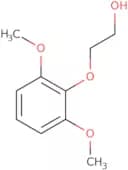
2-(2,6-Dimethoxyphenoxy)ethanol
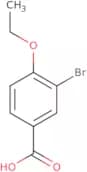
CAS:<p>2-(2,6-Dimethoxyphenoxy)ethanol is a cleavage agent that can be used for the synthesis of lignin model compounds. It is a benzylic ether that is catalyzed by laccase to produce 2,6-dimethoxybenzaldehyde. The compound can be used as a substrate for versicolor or peroxy cleavage reactions. Versicolor cleavage is performed with 1-hydroxybenzotriazole, while peroxy cleavage is performed with hydrogen peroxide. 2-(2,6-Dimethoxyphenoxy)ethanol has been shown to have radical properties and reacts with molecular oxygen and ethanone in the presence of deuterium gas to form 2,6-dimethoxyacetophenone.</p>Formula:C10H14O4Purity:Min. 95%Color and Shape:PowderMolecular weight:198.22 g/mol3-Bromo-4-ethoxybenzoic acid
CAS:3-Bromo-4-ethoxybenzoic acid is an organic compound that has been shown to have biological activity against pathogens. 3-Bromo-4-ethoxybenzoic acid inhibits the growth of bacteria by binding to the enzyme chloride channel and regulating its function. It also has a regulatory effect on chloride channels and can be used as a catalyst for many reactions in organic synthesis.Formula:C9H9BrO3Purity:Min. 95%Molecular weight:245.07 g/molN-(2-(3,4-dimethoxyphenyl)ethyl)(4-nitrophenyl)formamide
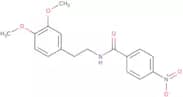
CAS:Controlled ProductPlease enquire for more information about N-(2-(3,4-dimethoxyphenyl)ethyl)(4-nitrophenyl)formamide including the price, delivery time and more detailed product information at the technical inquiry form on this pagePurity:Min. 95%3-Amino-4-carbomethoxybenzoic acid
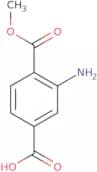
CAS:3-Amino-4-carbomethoxybenzoic acid is a compound that has not yet been labeled with a function. It has been shown to be an intermediate in the synthesis of polymers, such as polyamides and polyesters. 3-Amino-4-carbomethoxybenzoic acid is involved in biological functions related to butyric acid, which is a metabolite of the amino acids phenylalanine and tyrosine, or from the degradation of proteins. It is also used as a precursor for amines and may be an intermediate in the synthesis of glycoconjugates. The compound was found to have anticancer properties when used in combination with other drugs, such as doxorubicin and etoposide. Furthermore, it was found to have anti-inflammatory activities by inhibiting prostaglandin synthesis.Formula:C9H9NO4Purity:Min. 95%Color and Shape:PowderMolecular weight:195.17 g/mol3-(Difluoromethoxy)-2,4,5-trifluorobenzoic acid
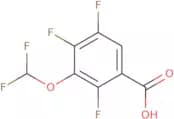
CAS:<p>3-(Difluoromethoxy)-2,4,5-trifluorobenzoic acid is an antibacterial drug that belongs to the class of fluoroquinolones. It inhibits bacterial growth by binding to DNA gyrase and topoisomerase IV enzymes in bacteria. 3-(Difluoromethoxy)-2,4,5-trifluorobenzoic acid has been shown to be active against a wide variety of bacteria and is used as a treatment for urinary tract infections and skin infections. 3-(Difluoromethoxy)-2,4,5-trifluorobenzoic acid can also be used in combination with other antibiotics such as tetrabutyl ammonium chloride to enhance their effects.</p>Formula:C8H3F5O3Purity:Min. 95%Color and Shape:SolidMolecular weight:242.1 g/mol7-Methoxy-1-tetralone
CAS:7-Methoxy-1-tetralone is a synthetic compound that inhibits the activity of hepg2 cells. It has been shown to induce apoptosis in these cells and inhibit tumor growth in vivo. This substance is a fatty acid derivative that can be synthesized by Friedel-Crafts acylation of 7-methoxycoumarin with oleic acid. 7-Methoxy-1 tetralone has been shown to have antitumor effects in vitro, as well as in vivo animal studies. The inhibition of hepg2 cells may be due to damage to the cell membrane, which leads to the release of lysosomal enzymes and cell death.Formula:C11H12O2Purity:Min. 95%Color and Shape:PowderMolecular weight:176.21 g/mol7-Methoxy-1H-indole
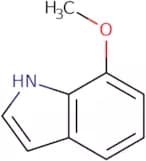
CAS:<p>7-Methoxy-1H-indole (7MI) is a synthetic compound that exhibits anti-inflammatory activity. It is an analog of the amino acid methionine found in proteins and its synthesis involves the condensation of a chlorinated alkyl acetate with an esterified hydrazide to form the corresponding amide. 7MI has been shown to inhibit both bacterial and mammalian protein synthesis, as well as to inhibit tumor cell growth. 7MI binds reversibly to the N7 atom of the adenine base in DNA, thereby inhibiting DNA replication through inhibition of DNA polymerase.</p>Formula:C9H9NOPurity:Min. 95%Color and Shape:Clear LiquidMolecular weight:147.17 g/mol2-Carbomethoxybenzaldehyde
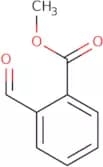
CAS:<p>2-Carbomethoxybenzaldehyde (2CMB) is a synthetic chemical compound that has been used as an efficient method for the synthesis of amines. The carbonyl group in 2CMB reacts with nucleophiles, such as amines, to form a tetrahydroisoquinoline derivative. This nucleophilic attack leads to the formation of an unstable intermediate that can be isolated and purified by trifluoroacetic acid (TFA). 2CMB is also used in the synthesis of quinoline derivatives and naphthalene derivatives. The acidic properties of 2CMB allow it to react with carboxylic acids, leading to the formation of esters.</p>Formula:C9H8O3Purity:Min. 95%Color and Shape:Colorless PowderMolecular weight:164.16 g/mol2,4,6-Trimethoxybenzamide
CAS:<p>2,4,6-Trimethoxybenzamide is a triggered compound that reacts with lithium to form an efficient regiospecific lithium 2,4,6-trimethoxybenzamide complex. This reaction occurs at low temperatures and has been shown to be more efficient than other methods for the synthesis of acridones. The reaction has not been shown to be reversible and requires the use of a strong base such as lithium.</p>Formula:C10H13NO4Purity:Min. 95%Color and Shape:PowderMolecular weight:211.21 g/mol[1-(3-Methoxyphenyl)-1-methylethyl]amine hydrochloride
CAS:<p>[1-(3-Methoxyphenyl)-1-methylethyl]amine hydrochloride is an organic compound that can be used as a reagent and a building block. It has been shown to be a useful intermediate in the synthesis of various other compounds, such as pharmaceuticals. This chemical is also used in research, as it is versatile and can react with other compounds easily. [1-(3-Methoxyphenyl)-1-methylethyl]amine hydrochloride can be purchased at our store if you are interested in purchasing this product.</p>Formula:C10H15NO·HClPurity:Min. 95%Color and Shape:PowderMolecular weight:201.69 g/mol2-[(2-Amino-5-methoxyphenyl)dithio]-4-methoxyaniline
CAS:2-[(2-Amino-5-methoxyphenyl)dithio]-4-methoxyaniline is a high quality chemical reagent that can be used as a useful intermediate in the synthesis of a variety of complex compounds. This compound has been shown to have a wide range of uses, including as a building block in the synthesis of speciality chemicals and research chemicals. 2-[(2-Amino-5-methoxyphenyl)dithio]-4-methoxyaniline is an important reaction component that can be used in many organic reactions, such as coupling, condensation, substitution, elimination, nucleophilic addition and reduction.Formula:C14H16N2O2S2Purity:Min. 95%Color and Shape:PowderMolecular weight:308.42 g/mol2'-Ethoxyacetophenone
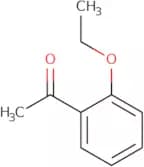
CAS:<p>2'-Ethoxyacetophenone is a Friedel-Crafts acylation agent. It reacts with nucleophilic groups, such as alcohols and amines, to form an acylated product. 2'-Ethoxyacetophenone has been shown to be a useful tool for the synthesis of chiral compounds with high yields and good enantiomeric excesses. This compound can also be used as a precursor in the synthesis of polyaromatic molecules containing a chiral center. The reaction requires low substrate concentrations and short reaction times, making it advantageous for some reactions that are sensitive to these parameters.</p>Formula:C10H12O2Purity:Min. 95%Color and Shape:PowderMolecular weight:164.2 g/mol(-)-Bis(S)-1-(Ethoxycarbonyl)ethyl fumarate
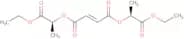
CAS:<p>(-)-Bis(S)-1-(Ethoxycarbonyl)ethyl fumarate is a chemical compound that has been used for the synthesis of other compounds. This chemical has been shown to react with a wide range of nucleophiles and electrophiles, making it an important reagent in synthetic organic chemistry. (-)-Bis(S)-1-(Ethoxycarbonyl)ethyl fumarate is also useful as a scaffold for more complex molecules and as a building block for the synthesis of more complex structures.</p>Formula:C14H20O8Purity:Min. 95 Area-%Molecular weight:316.3 g/mol2-Methoxy 17b-estradiol
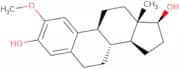
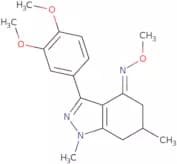
CAS:Controlled Product<p>2-Methoxy 17b-estradiol is a synthetic estrogen that binds to DNA and alters the transcriptional process. It has been shown to induce apoptosis by activating the pro-apoptotic protein Bax and inhibiting the anti-apoptotic protein Bcl-2. This drug inhibits the metabolic response of cancer cells to chemotherapy, leading to a decrease in tumor size, and can be used as an implantable device for treating cancer. 2-Methoxy 17b-estradiol also has minimal toxicity in comparison to other estrogens, with no significant cytotoxicity observed in cells of reproductive tissues or endocrine organs, nor any significant toxic effects on liver function tests or serum lipids.</p>Formula:C19H26O3Purity:Min. 95%Color and Shape:White/Off-White SolidMolecular weight:302.41 g/mol3-(3,4-dimethoxyphenyl)-1,6-dimethyl-(5,6,7-trihydro1H-indazol)-4-O-methyloxime
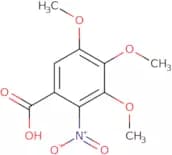
CAS:<p>Please enquire for more information about 3-(3,4-dimethoxyphenyl)-1,6-dimethyl-(5,6,7-trihydro1H-indazol)-4-O-methyloxime including the price, delivery time and more detailed product information at the technical inquiry form on this page</p>Purity:Min. 95%2-Nitro-3,4,5-trimethoxybenzoic acid
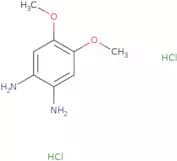
CAS:<p>2-Nitro-3,4,5-trimethoxybenzoic acid (2-NTMB) is a potent anticancer agent that has shown cytotoxic effects in human epidermoid carcinoma cells. It inhibits the growth of cancer cells by interfering with their DNA synthesis and repair. 2-NTMB binds to DNA and blocks the action of enzymes involved in DNA synthesis and repair. This binding leads to cancer cell death through irradiation or by blocking the production of new proteins vital for cell division. 2-NTMB is bioisosteric with combretastatin A4, which means it can be substituted for this drug without significant loss of potency. It also has been shown to be an effective chemotherapeutic agent against breast cancer in mice.</p>Formula:C10H11NO7Purity:Min. 95%Color and Shape:PowderMolecular weight:257.2 g/mol4,5-Dimethoxy-1,2-phenylenediamine hydrochloride
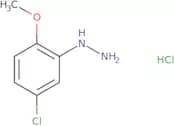
CAS:<p>Produces fluorescent benzimidazole derivatives; detects aromatic aldehydes</p>Formula:C8H14N2O2•xHClPurity:Min. 98%Color and Shape:Purple PowderMolecular weight:241.11 g/mol5-Chloro-2-methoxyphenylhydrazine hydrochloride
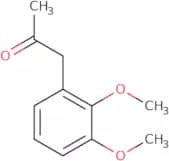
CAS:5-Chloro-2-methoxyphenylhydrazine hydrochloride is a reagent, complex compound with CAS No. 5446-16-2. It is useful as an intermediate in the manufacture of a variety of fine chemicals and research chemicals. This compound can be used as a versatile building block in the synthesis of new chemical compounds and is also a reaction component.Formula:C7H9ClN2O·ClHPurity:Min. 95%Color and Shape:PowderMolecular weight:209.07 g/mol(2,3-Dimethoxyphenyl)acetone
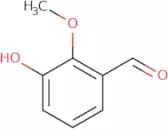
CAS:<p>2,3-Dimethoxyphenylacetone is a synthetic compound that has been used as a precursor to other compounds. The synthesis of 2,3-dimethoxyphenylacetone requires the reaction of lithium aluminum hydride with acrylonitrile and hydriodic acid. The molecule can be cyclized in two different ways to form either 2,3-dimethoxybenzaldehyde or 3-methoxybenzaldehyde. The structure of 2,3-dimethoxyphenylacetone is similar to that of hydrazoic acid which has been used as an intermediate in the synthesis of other compounds such as pyrazines.</p>Formula:C11H14O3Purity:Min. 95%Color and Shape:PowderMolecular weight:194.23 g/mol3-Hydroxy-2-methoxybenzaldehyde
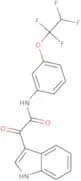
CAS:<p>3-Hydroxy-2-methoxybenzaldehyde is a synthetic compound that is used as an antiviral agent. It has been shown to inhibit the replication of Coxsackievirus A9 (CV-A9). In addition, 3-Hydroxy-2-methoxybenzaldehyde reacts with isoeugenol and isonicotinic acid under acidic conditions to form 4-allyl-2-methoxyphenol, which has antiviral activity against CV-A9. This reaction requires a catalyst, such as zinc chloride or nickel sulfate. The rate of this reaction can be increased by increasing the reaction time. 3-Hydroxy-2-methoxybenzaldehyde also inhibits the virus's ability to bind to cells and enter them, reducing its infectivity.</p>Formula:C8H8O3Color and Shape:PowderMolecular weight:152.15 g/mol2-Indol-3-yl-2-oxo-N-(3-(1,1,2,2-tetrafluoroethoxy)phenyl)ethanamide
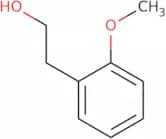
CAS:Please enquire for more information about 2-Indol-3-yl-2-oxo-N-(3-(1,1,2,2-tetrafluoroethoxy)phenyl)ethanamide including the price, delivery time and more detailed product information at the technical inquiry form on this pageFormula:C18H12F4N2O3Purity:Min. 95%Color and Shape:PowderMolecular weight:380.29 g/mol2-(2-Methoxyphenethyl) alcohol
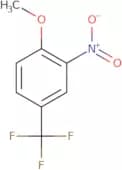
CAS:<p>2-(2-Methoxyphenethyl) alcohol (2MPE) is a ligand that binds to the phenylpropanoid glycosides, which are responsible for the biosynthesis of plant pigments. It has been shown to inhibit tyrosinase and tyrosinase activity in vitro. 2MPE is used in radiopharmaceuticals as a radioactive label. It has also been shown to inhibit melanogenesis and the synthesis of volatile compounds in corncob at high temperatures. 2MPE is found in rhodiola and together with 2-hydroxyphenylacetic acid, it inhibits bacterial growth by inhibiting protein synthesis.</p>Formula:C9H12O2Purity:Min. 98%Color and Shape:Clear LiquidMolecular weight:152.19 g/mol4-Methoxy-3-nitrobenzotrifluoride
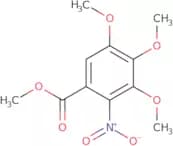
CAS:<p>4-Methoxy-3-nitrobenzotrifluoride is a chemical that belongs to the group of reactants. It is used as a reagent, building block, or intermediate in organic synthesis. 4-Methoxy-3-nitrobenzotrifluoride has been shown to be an effective scaffold for the preparation of complex compounds with versatile building blocks and useful intermediates. It can also be used as a fine chemical with speciality chemical properties.</p>Formula:C8H6F3NO3Purity:Min. 95%Color and Shape:PowderMolecular weight:221.13 g/mol2-Nitro-3,4,5-trimethoxybenzoic acid methyl ester
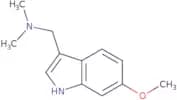
CAS:<p>2-Nitro-3,4,5-trimethoxybenzoic acid methyl ester is a potential anticancer agent. It has been shown to inhibit the growth of cancer cells in vitro and demonstrates anticancer activity against human tumor xenografts in mice. This compound binds to the epidermal growth factor receptor (EGFR) and inhibits its activity. This binding causes downstream signalling pathways to be suppressed, which ultimately prevents tumor cells from proliferating. 2-Nitro-3,4,5-trimethoxybenzoic acid methyl ester also has directional properties that may allow for selective targeting of cancerous cells.<br>2-Nitro-3,4,5-trimethoxybenzoic acid methyl ester is a white crystalline powder with an orthorhombic crystal system and an amine group on each end of the molecule.</p>Formula:C11H13NO7Purity:Min. 95%Color and Shape:PowderMolecular weight:271.22 g/mol6-Methoxygramine
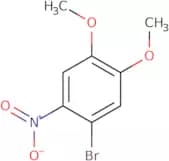
CAS:Controlled Product<p>6-Methoxygramine is a mitochondrial oxidase inhibitor, which is used in animal models of Parkinson's disease. It has been shown to be selective for the mitochondria and not to penetrate the blood-brain barrier. 6-Methoxygramine binds to an active site that is specific for oxidases, such as monoamine oxidase (MAO). This binding prevents the oxidation of dopamine, leading to its accumulation in the brain. 6-Methoxygramine also has been shown to inhibit MAO type A in rat brains.</p>Formula:C12H16N2OPurity:Min. 95%Color and Shape:PowderMolecular weight:204.27 g/mol1-Bromo-3,4-dimethoxy-6-nitrobenzene
CAS:<p>1-Bromo-3,4-dimethoxy-6-nitrobenzene is a pharmacological agent that has been used as a catalyst and cleavable complex. It can be used to synthesize melamine, anilines and other moieties. The 1,2,3-triazole ring of the molecule is modified by substitution with nitroarenes or nitrobenzene to form a protoberberine alkaloid. This chemical compound has been shown to be a competitive inhibitor of topoisomerase I with an IC50 value of 0.2μM in calf thymus DNA gyrase assays. It also has thermal stability up to 90°C for at least 24 hours when treated with phenol and chloroform for purification purposes.</p>Formula:C8H8BrNO4Purity:Min. 95%Color and Shape:PowderMolecular weight:262.06 g/mol3-(2-(2-Aminoethoxy)ethoxy)-propanoic acid
CAS:<p>3-(2-(2-Aminoethoxy)ethoxy)-propanoic acid is a PEG compound with two different functional groups (also known as heterobifunctional). Unlike homobifunctional PEG compounds (same functional group on both ends), this type of compounds are more versatile as have two different anchor points. 3-(2-(2-Aminoethoxy)ethoxy)-propanoic acid is used as a linker and spacer to add a PEG moiety, via pegylation (a bioconjugation technique) to proteins, peptides, oligonucleotides, small molecules and nanoparticles.</p>Formula:C7H15NO4Purity:Min. 95%Color and Shape:White PowderMolecular weight:177.2 g/mol3-Chloro-1,1-diethoxypropane - Stabilized with CaCO3
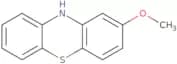
CAS:3-Chloro-1,1-diethoxypropane is a molecule that has been studied for its potential in cancer treatment. It has shown to be toxic to some human cell lines but not others. 3-Chloro-1,1-diethoxypropane has also been shown to be effective at reducing blood pressure and as an antiviral agent against HIV. The molecule is stable in the presence of calcium carbonate and can be administered orally or intravenously.Formula:C7H15ClO2Purity:Min. 90 Area-%Color and Shape:Clear LiquidMolecular weight:166.65 g/mol2-Methoxyphenothiazine
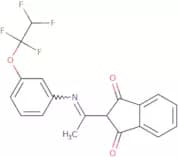
CAS:<p>2-Methoxyphenothiazine is an antihistamine drug used to treat allergy symptoms. It is available as a liquid formulation for adults and children over the age of 12 years. The pharmacokinetic properties of 2-methoxyphenothiazine have been studied in three clinical trials. In one study, the terminal half-life was found to be around 5 hours in both healthy subjects and patients with allergic rhinitis. In another study, 2-methoxyphenothiazine was administered intravenously to healthy subjects at two different doses. After administration, 2-methoxyphenothiazine plasma concentrations were measured using high performance liquid chromatography (HPLC). The bioavailability of 2-methoxyphenothiazine was found to be dose proportional following intravenous administration. 2-Methoxyphenothiazine is metabolized by hydrolysis of its ester group by esterases or glucuron</p>Formula:C13H11NOSPurity:90%Color and Shape:PowderMolecular weight:229.3 g/mol2-(2-Aza-1-methyl-2-(3-(1,1,2,2-tetrafluoroethoxy)phenyl)vinyl)indane-1,3-dione
CAS:<p>Please enquire for more information about 2-(2-Aza-1-methyl-2-(3-(1,1,2,2-tetrafluoroethoxy)phenyl)vinyl)indane-1,3-dione including the price, delivery time and more detailed product information at the technical inquiry form on this page</p>Formula:C19H13F4NO3Purity:Min. 95%Color and Shape:PowderMolecular weight:379.3 g/mol[4-(2-Aminoethoxy)phenyl](phenyl)methanone HCl
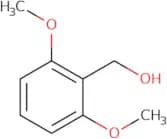
CAS:<p>[4-(2-Aminoethoxy)phenyl](phenyl)methanone HCl is a fine chemical that belongs to the group of versatile building blocks. It can be used as a reagent, speciality chemical, useful building block, high quality research chemical, or useful intermediate. The CAS registry number is 1185504-45-3.</p>Formula:C15H15NO2·HClPurity:Min. 95%Color and Shape:White PowderMolecular weight:277.75 g/mol2,6-Dimethoxybenzyl alcohol
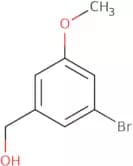
CAS:<p>2,6-Dimethoxybenzyl alcohol is a synthetic compound that is a peroxidase substrate. It is used as an alternative for papaverine in the synthesis of penicillin and cephalosporin antibiotics. 2,6-Dimethoxybenzyl alcohol reacts with Mn2+ ions to form hydronium and hydrogen peroxide. This reaction has been shown to be more efficient than the decomposition of hydrogen peroxide by catalases or superoxide dismutases. 2,6-Dimethoxybenzyl alcohol also forms a reactive congener with erythrocytes and plasma proteins that can cause vasoconstriction in the blood vessels. The dimethoxybenzyl group (DMB) is a monosubstituted phenol group that binds to the active site of enzymes such as cytochrome P450s and glutathione reductase.</p>Formula:C9H12O3Purity:Min. 95%Molecular weight:168.19 g/mol5-Bromo-3-methoxybenzyl alcohol
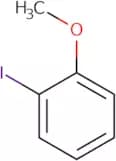
CAS:5-Bromo-3-methoxybenzyl alcohol is a synthetic hydroxyphenyl compound that can be used as a coupling agent. It is prepared by the reaction of bromoacetaldehyde with 3-hydroxybenzyl alcohol in the presence of an amine base, such as pyridine. 5-Bromo-3-methoxybenzyl alcohol can also be used to synthesize pyridines and bromides.Formula:C8H9BrO2Purity:Min. 95%Color and Shape:PowderMolecular weight:217.06 g/mol1-Iodo-2-methoxybenzene
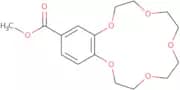
CAS:<p>1-Iodo-2-methoxybenzene is a compound that has shown to have anti-cancer properties. It is an effective inhibitor of protein tyrosine kinases, which are involved in the activation of inflammatory diseases and cancer. The hydroxyl group on the benzenoid ring activates the molecule by hydrogen bonding with the protein target, thereby inhibiting its activity. 1-Iodo-2-methoxybenzene may also be used as a contrast agent for magnetic resonance imaging (MRI) due to its light emission properties.</p>Formula:C7H7IOPurity:Min. 95%Color and Shape:Clear LiquidMolecular weight:234.03 g/mol4'-Methoxycarbonylbenzo-15-crown 5-ether
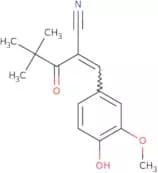
CAS:<p>4'-Methoxycarbonylbenzo-15-crown 5-ether (4MBC) is a gestational, microstructural, extracellular and thermodynamic teratogen that has been shown to have a high level of resistance to hyaluronidase. 4MBC binds to hyaluronic acid, which is a component of the synovial fluid in the joints. The binding of 4MBC to hyaluronic acid results in inhibition of cartilage growth, which leads to joint degradation. This drug also has been shown to cause fetal bovine serum proteins to precipitate. 4MBC is associated with an increased risk for body mass index (BMI) greater than 30 kg/m2 and an increased risk of radiofrequency ablation (RFA) for benign uterine masses.</p>Formula:C16H22O7Purity:Min. 95%Color and Shape:White PowderMolecular weight:326.34 g/mol2-(2,2-dimethylpropanoyl)-3-(4-hydroxy-3-methoxyphenyl)prop-2-enenitrile
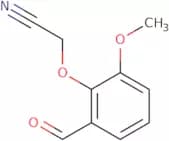
CAS:Please enquire for more information about 2-(2,2-dimethylpropanoyl)-3-(4-hydroxy-3-methoxyphenyl)prop-2-enenitrile including the price, delivery time and more detailed product information at the technical inquiry form on this pagePurity:Min. 95%2-(2-formyl-6-methoxyphenoxy)acetonitrile
CAS:<p>Please enquire for more information about 2-(2-formyl-6-methoxyphenoxy)acetonitrile including the price, delivery time and more detailed product information at the technical inquiry form on this page</p>Formula:C10H9NO3Purity:Min. 95%Color and Shape:PowderMolecular weight:191.18 g/mol3,4-Dimethoxy-2-methylcinnamic acid
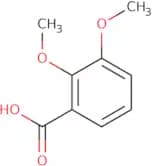
CAS:<p>3,4-Dimethoxy-2-methylcinnamic acid is a fine chemical that can be used as a building block to produce complex compounds. It is also an intermediate in the synthesis of chemicals such as cinnamyl alcohol, cinnamaldehyde, and 2-methyl-3-(4'-methoxyphenyl)propanoic acid. This compound is useful for research purposes as it has been shown to be an effective reaction component in organic reactions. 3,4-Dimethoxy-2-methylcinnamic acid is a high quality reagent with CAS No. 868562-26-9.</p>Formula:C12H14O4Purity:Min. 95%Color and Shape:PowderMolecular weight:222.24 g/mol2,3-Dimethoxybenzoic acid
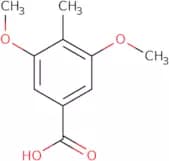
CAS:<p>2,3-Dimethoxybenzoic acid is a metal chelate that has been shown to have in vitro antifungal activity. It is also a 5-membered heteroaryl amide with inhibitory properties against proinflammatory cytokines such as TNF-α and IL-1β. 2,3-Dimethoxybenzoic acid has been found to have inhibitory effects on the metabolism of cholesterol and other lipids, which may be due to its ability to bind with serum proteins. This compound has also been shown to have antiinflammatory activity in human serum.</p>Formula:C9H10O4Purity:Min. 95%Color and Shape:White Off-White PowderMolecular weight:182.17 g/mol3,5-Dimethoxy-4-methylbenzoic acid
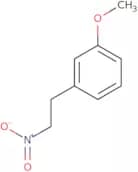
CAS:3,5-Dimethoxy-4-methylbenzoic acid is an organic compound that has a carboxylate group and a long chain. It is synthesized from 3,5-dimethoxybenzoic acid through the borohydride reduction of the primary alcohols to produce a mixture of 2,3,4-trimethoxybenzoic acid and 3,5-dimethoxybenzoic acid. The nitro group on the phenolic ring can be reduced to the corresponding amine with sodium borohydride. 3,5-Dimethoxy-4-methylbenzoic acid has been found in natural products such as Cephalotaxus fortunei and Acacia confusa.Formula:C10H12O4Purity:Min. 95%Color and Shape:PowderMolecular weight:196.2 g/mol1-(3-Methoxyphenyl)-2-nitroethane
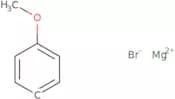
CAS:<p>1-(3-Methoxyphenyl)-2-nitroethane, also known as methyl isothiouronium chloride, is a chloride that can be used as an organocatalyst. It is able to catalyze the coupling of nitroalkanes with nitroalkenes in high yields and chemoselectivity, making it a valuable reagent for organic synthesis. 1-(3-Methoxyphenyl)-2-nitroethane can also be used for the preparation of conjugated dienes via the reaction of nitroalkenes with alkenes in the presence of base. This compound is easily recovered by distillation.</p>Formula:C9H11NO3Purity:Min. 95%Color and Shape:Clear LiquidMolecular weight:181.19 g/mol4-Methoxyphenylmagnesium bromide - 0.5M solution in THF
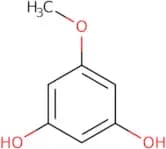
CAS:<p>4-Methoxyphenylmagnesium bromide - 0.5M solution in THF is a cytotoxic agent that binds to the estrogen receptor, which is involved in breast cancer cell proliferation and differentiation. It is an azide that has been shown to react with hydrochloric acid to form an amide. This reaction may be stereoselective and involve dehydration of the amine group. The mechanism of this reaction involves the formation of a trifluoroacetic acid derivative, which undergoes unsaturated alkyl halogenation followed by chloride ion attack on the double bond. 4-Methoxyphenylmagnesium bromide - 0.5M solution in THF has been shown to inhibit the proliferation of human MCF-7 breast cancer cells, as well as other estrogen receptor modulators such as amines and trifluoroacetic acid.</p>Formula:C7H7BrMgOPurity:Min. 95%Color and Shape:PowderMolecular weight:211.34 g/mol5-Methoxyresorcinol
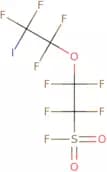
CAS:<p>5-Methoxyresorcinol is a plant product that has been shown to inhibit protein synthesis. It was found to have a second-order rate constant of 0.079 M-1s-1 at pH 7, which is much lower than the first order rate constant for urea hydrolysis (0.71 M-1s-1). 5-Methoxyresorcinol has also been shown to demethylate methyl glycosides and synthesize cell cultures. This product inhibits the replication of herpes simplex virus by inhibiting the synthesis of viral proteins in infected cells and blocking the maturation of progeny virus particles.</p>Formula:C7H8O3Purity:Min. 95%Color and Shape:Slightly Yellow PowderMolecular weight:140.14 g/molTetrafluoro-2-(tetrafluoro-2-iodoethoxy)ethanesulfonyl fluoride
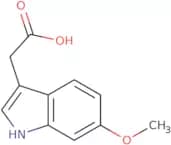
CAS:<p>Tetrafluoro-2-(tetrafluoro-2-iodoethoxy)ethanesulfonyl fluoride (TFEI) is a fluorinated solvent that has been used in the manufacture of organic thin films. TFEI is a colorless liquid with a strong, unpleasant odor. It is soluble in water and has a boiling point of about 140°C. TFEI possesses good thermal stability and can be used as an etchant for silicon or glass surfaces. TFEI is also capable of dissolving polymers such as polyimide, polyamide, polyethylene terephthalate, and polystyrene.<br>TFEI has been shown to be highly toxic to bacteria and fungi and can be used as an antimicrobial agent in household cleaners, paints, adhesives, varnishes, plastics, textiles, and other industrial products.</p>Formula:C4F9IO3SPurity:Min. 95%Color and Shape:Clear LiquidMolecular weight:426 g/mol6-Methoxyindole-3-acetic acid
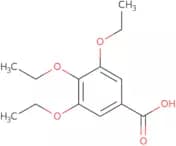
CAS:Please enquire for more information about 6-Methoxyindole-3-acetic acid including the price, delivery time and more detailed product information at the technical inquiry form on this pageFormula:C11H11NO3Purity:Min. 95%Color and Shape:PowderMolecular weight:205.21 g/mol3,4,5-Triethoxybenzoic acid
CAS:<p>3,4,5-Triethoxybenzoic acid is a synthetic compound that has been shown to have neurotoxic effects in animal studies. It has been shown to inhibit the dephosphorylation of amyloid fibrils and activation energy for polymerization. 3,4,5-Triethoxybenzoic acid also causes teratogenic effects in animals at high doses. This compound is used as a reagent for the synthesis of amyloid fibrils and has been shown to have an effect on the inhibition of phosphodiesterase activity.</p>Formula:C13H18O5Purity:Min. 95%Color and Shape:PowderMolecular weight:254.28 g/molNelotanserin
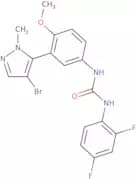
CAS:<p>1-[3-(4-Bromo-1-methyl-1H-pyrazol-5-yl)-4-methoxyphenyl]-3-(2,4-difluorophenyl)urea is the active ingredient in a drug that is used to treat chronic schizophrenia. It has been shown to have both antipsychotic and antidepressant properties. The drug works by blocking the 5HT2A receptor, which inhibits the effects of serotonin on heterocyclic amines at the postsynaptic membrane. This causes hyperpolarization of the membrane, which blocks neurotransmitter release and prevents further transmission of signals. It also blocks the H1 receptor, which decreases histamine release and reduces inflammation in the brain.</p>Formula:C18H15BrF2N4O2Purity:Min. 95%Color and Shape:PowderMolecular weight:437.24 g/mol(2-methoxyethyl)((2-nitrophenyl)sulfonyl)amine
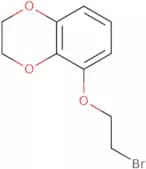
CAS:Please enquire for more information about (2-methoxyethyl)((2-nitrophenyl)sulfonyl)amine including the price, delivery time and more detailed product information at the technical inquiry form on this pagePurity:Min. 95%5-(2-Bromoethoxy)-2,3-dihydro-1,4-benzodioxine
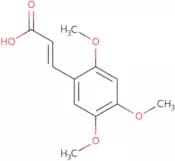
CAS:<p>5-(2-Bromoethoxy)-2,3-dihydro-1,4-benzodioxine is a drug that belongs to the group of local anesthetics. It blocks nerve conduction by inhibiting voltage-gated sodium channels and is used for the treatment of pain. 5-(2-Bromoethoxy)-2,3-dihydro-1,4-benzodioxine has been shown to have two dimensional energies that are greater than those of other drugs in this category. The interactions between molecules are isomorphous and there are strong hydrogen bonds. 5-(2-Bromoethoxy)-2,3-dihydro-1,4-benzodioxine also interacts with the interatomic distance between hydrogens and bromines on adjacent molecules.</p>Formula:C10H11BrO3Purity:Min. 95%Molecular weight:259.1 g/mol2,4,5-Trimethoxycinnamic acid
CAS:<p>2,4,5-Trimethoxycinnamic acid is a phenolic acid that is found in plants. It is a precursor to many other compounds that are biologically active, such as the caffeic acids and their derivatives. 2,4,5-Trimethoxycinnamic acid has been shown to have anti-cancer effects on cervical cancer cells. It also exhibits biological properties and has been used as an ingredient in traditional Chinese medicine.</p>Formula:C12H14O5Purity:Min. 95%Color and Shape:PowderMolecular weight:238.24 g/mol



![[1-(3-Methoxyphenyl)-1-methylethyl]amine hydrochloride](/_next/image/?url=https%3A%2Fstatic.cymitquimica.com%2Fproducts%2F3D%2Fthumb-webp%2FFM136868.webp&w=3840&q=75)
![2-[(2-Amino-5-methoxyphenyl)dithio]-4-methoxyaniline](/_next/image/?url=https%3A%2Fstatic.cymitquimica.com%2Fproducts%2F3D%2Fthumb-webp%2FFA117846.webp&w=3840&q=75)


methanone HCl](/_next/image/?url=https%3A%2Fstatic.cymitquimica.com%2Fproducts%2F3D%2Fthumb-webp%2FFA133569.webp&w=3840&q=75)