Ethers
Ethers are organic compounds containing an ether functional group, characterized by an oxygen atom bonded to two hydrocarbon radicals. These compounds are valuable in synthesis and serve as solvents in various chemical reactions. At CymitQuimica, we offer a selection of high-quality ethers to support your research and industrial applications, ensuring reliable and effective results. Our range of ethers meets diverse laboratory requirements, from routine experiments to advanced research.
Found 40729 products of "Ethers"
Sort by
Purity (%)
0
100
|
0
|
50
|
90
|
95
|
100
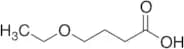
4-Ethoxybutanoic Acid
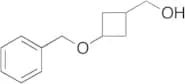
CAS:Controlled ProductFormula:C6H12O3Color and Shape:NeatMolecular weight:132.1583-(Phenylmethoxy)cyclobutanemethanol
CAS:Controlled Product<p>Applications 3-(Phenylmethoxy)cyclobutanemethanol is a compound useful in organic synthesis.<br></p>Formula:C12H16O2Color and Shape:NeatMolecular weight:192.254Methoxy4-[[(1,1-dimethylethyl)dimethylsilyl]oxy]-3-benzenemethanol
CAS:Controlled Product<p>Applications Methoxy4-[[(1,1-dimethylethyl)dimethylsilyl]oxy]-3-benzenemethanol, is prepared synthetically from vanillin (V097500) with an intermediate of methoxy-4-[[(1,1-dimethylethyl)dimethylsilyl]oxy]-3-benzaldehyde (M269710).<br>References Gowravarm, S. et al.: Adv. Synth. Catal., 343, 169 (2001)<br></p>Formula:C14H24O3SiColor and Shape:NeatMolecular weight:268.436-[4-(Trifluoromethoxy)phenyl]-3-morpholinone
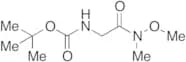
CAS:Controlled ProductFormula:C11H10F3NO3Color and Shape:NeatMolecular weight:261.2tert-Butyl (2-(Methoxy(methyl)amino)-2-oxoethyl)carbamate
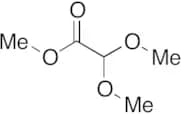
CAS:Controlled Product<p>Applications tert-Butyl (2-(methoxy(methyl)amino)-2-oxoethyl)carbamate has been used as a reactant in the preparation of potent and selective hydantoin inhibitors of aggrecanase-1 and aggrecanase-2 with potential use in osteoarthritis therapy.<br>References Durham, T.B., et. al.: J. Med. Chem., 57, 10476 (2014)<br></p>Formula:C9H18N2O4Color and Shape:NeatMolecular weight:218.25Methyl Dimethoxyacetate
CAS:Controlled Product<p>Applications Methyl Dimethoxyacetate is used as a reagent in the synthesis of benzimidazole derivatives for use as respiratory syncytial virus inhibitors.<br>References Cooymans, Ludwig Paul; D., et al. PCT Int. Appl. WO 2012080446 A1 20120621. Jun 21, 2012<br></p>Formula:C5H10O4Color and Shape:NeatMolecular weight:134.13tert-Butyl (3-(2-(2-(3-Aminopropoxy)ethoxy)ethoxy)propyl)carbamate
CAS:Controlled Product<p>Applications tert-Butyl (3-(2-(2-(3-Aminopropoxy)ethoxy)ethoxy)propyl)carbamate is used as a reactant in the synthesis of gallium-labeled PET imaging agents for CXCR4 for potential cancer diagnosis.<br>References Poty, Sophie, et al.: Bioconjugate Chem., 27(3), 752-761 (2016)<br></p>Formula:C15H32N2O5Color and Shape:NeatMolecular weight:320.421-(2,4-Dimethoxyphenyl)propan-2-amine
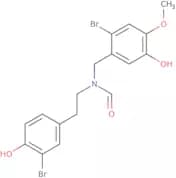
CAS:Controlled ProductFormula:C11H17NO2Color and Shape:NeatMolecular weight:195.258N-(3-Bromo-4-hydroxyphenethyl)-N-(2-bromo-5-hydroxy-4-methoxybenzyl)formamide
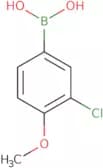
CAS:Controlled Product<p>Please enquire for more information about N-(3-Bromo-4-hydroxyphenethyl)-N-(2-bromo-5-hydroxy-4-methoxybenzyl)formamide including the price, delivery time and more detailed product information at the technical inquiry form on this page</p>Formula:C17H17Br2NO4Purity:Min. 95%Molecular weight:459.13 g/mol3-Chloro-4-methoxyphenylboronic acid
CAS:<p>Please enquire for more information about 3-Chloro-4-methoxyphenylboronic acid including the price, delivery time and more detailed product information at the technical inquiry form on this page</p>Formula:C7H8BClO3Purity:Min. 95%Molecular weight:186.4 g/mol3-(Difluoromethoxy)benzaldehyde
CAS:<p>Please enquire for more information about 3-(Difluoromethoxy)benzaldehyde including the price, delivery time and more detailed product information at the technical inquiry form on this page</p>Formula:C8H6F2O2Purity:Min. 95%Molecular weight:172.13 g/mol2-[2-[2-(2-Azidoethoxy)ethoxy]ethoxy]ethanol
CAS:<p>2-[2-[2-(2-Azidoethoxy)ethoxy]ethoxy]ethanol is a PEG polymer categorised as monofunctional (OH-PEG-X). Used as a linker, 2-[2-[2-(2-azidoethoxy)ethoxy]ethoxy]ethanol is used to attached PEG to proteins, peptides, oligonucleotides, nanoparticles and small molecules via pegylation, a bioconjugation technique.</p>Formula:C8H17N3O4Purity:Min. 95%Color and Shape:Colorless PowderMolecular weight:219.24 g/mol4-Amino-3-(trifluoromethoxy)benzoic acid
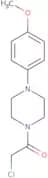
CAS:<p>Please enquire for more information about 4-Amino-3-(trifluoromethoxy)benzoic acid including the price, delivery time and more detailed product information at the technical inquiry form on this page</p>Formula:C8H6F3NO3Purity:Min. 95%Molecular weight:221.13 g/mol1-(Chloroacetyl)-4-(4-methoxyphenyl)piperazine
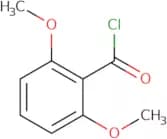
CAS:Controlled Product<p>Please enquire for more information about 1-(Chloroacetyl)-4-(4-methoxyphenyl)piperazine including the price, delivery time and more detailed product information at the technical inquiry form on this page</p>Formula:C13H17ClN2O2Purity:Min. 95%Molecular weight:268.74 g/mol2,6-Dimethoxybenzoyl Chloride
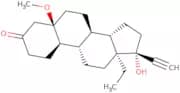
CAS:<p>2,6-Dimethoxybenzoyl chloride is a halide that is used in the synthesis of other compounds. It can be synthesized by the reaction of methoxy groups with demethylation and regiospecific chlorination. This compound has been used to synthesize other substances, such as 2-chloro-2′,6′-diethoxybenzophenone. 2,6-Dimethoxybenzoyl chloride also has enzymatic activity that can be catalyzed by chromatographic science. The chloride ion is the most common anion found in living cells and it is involved in a variety of reactions. Dimethoxybenzamido and tribromide are two types of organic compounds that contain chlorine.</p>Formula:C9H9ClO3Purity:Min. 95%Molecular weight:200.62 g/mol4,5-Dihydro-5a-methoxy D-(-)-norgestrel
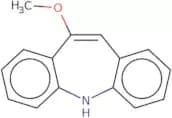
CAS:<p>Please enquire for more information about 4,5-Dihydro-5a-methoxy D-(-)-norgestrel including the price, delivery time and more detailed product information at the technical inquiry form on this page</p>Formula:C22H32O3Purity:Min. 95%Molecular weight:344.49 g/mol10-Methoxy iminostilbene
CAS:<p>10-Methoxy iminostilbene is a photophysical that has been shown to be toxic to mouse erythrocytes and to inhibit the DNA polymerase activity of calf thymus. It has also been shown to inhibit the growth of bacteria in an industrial process. 10-Methoxy iminostilbene is insoluble in water and organic solvents, which makes it difficult to purify. 10-Methoxy iminostilbene also has high levels of impurities and is sensitive to hydrochloric acid, methylbenzene, and amines. The functional groups present on this molecule are carbonyl, nitro, hydroxyls, ethers, amides, esters, ketones.</p>Formula:C15H13NOPurity:95%NmrColor and Shape:SolidMolecular weight:223.27 g/mol1-(4-Methoxyphenyl)-3-phenyl-1H-pyrazole-5-carboxylic acid
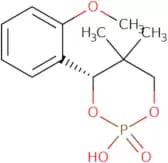
CAS:Controlled Product<p>Please enquire for more information about 1-(4-Methoxyphenyl)-3-phenyl-1H-pyrazole-5-carboxylic acid including the price, delivery time and more detailed product information at the technical inquiry form on this page</p>Formula:C17H14N2O3Purity:Min. 95%Color and Shape:PowderMolecular weight:294.3 g/mol(S)-(-)-2-Hydroxy-4-(2-methoxyphenyl)-5,5-dimethyl-1,3,2-dioxaphosphorinane 2-oxide
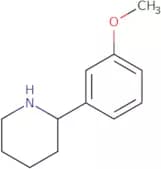
CAS:<p>(S)-(-)-2-Hydroxy-4-(2-methoxyphenyl)-5,5-dimethyl-1,3,2-dioxaphosphorinane 2-oxide is a crystallization inhibitor. It can be used in the treatment of osteoporosis and to prevent the calcification of prostate tissue. (S)-(-)-2-Hydroxy-4-(2-methoxyphenyl)-5,5-dimethyl-1,3,2-dioxaphosphorinane 2-oxide has been shown to inhibit nucleation and crystal growth by adsorbing to the surfaces of nuclei and inhibiting inhibitor molecules from diffusing into the nucleus. This compound also inhibits the crystallization process by binding to one molecule of phosphate on each phosphate site on a crystal surface. The result is that there are fewer sites available for other molecules to bind, preventing crystal growth.</p>Formula:C12H17O5PPurity:Min. 95%Color and Shape:Slightly Yellow PowderMolecular weight:272.23 g/mol2-(3-Methoxyphenyl)piperidine
CAS:<p>Please enquire for more information about 2-(3-Methoxyphenyl)piperidine including the price, delivery time and more detailed product information at the technical inquiry form on this page</p>Formula:C12H17NOPurity:Min. 95%Color and Shape:PowderMolecular weight:191.27 g/mol6-(Methoxycarbonyl)spiro[3.3]heptane-2-carboxylic acid
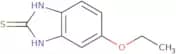
CAS:<p>Please enquire for more information about 6-(Methoxycarbonyl)spiro[3.3]heptane-2-carboxylic acid including the price, delivery time and more detailed product information at the technical inquiry form on this page</p>Formula:C10H14O4Purity:Min. 95%Molecular weight:198.22 g/mol5-Ethoxy-2-mercaptobenzimidazole
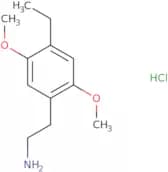
CAS:<p>5-Ethoxy-2-mercaptobenzimidazole is a corrosion inhibitor that has been shown to inhibit the growth of cancer cells by causing them to undergo apoptotic cell death. It also has a protective effect on nerve cells, as evidenced by its ability to prevent the neurotoxic effects of hydrochloric acid. 5-Ethoxy-2-mercaptobenzimidazole is synthesized from 2-(2'-hydroxyethoxy)benzaldehyde and ethyl chloroformate in the presence of sodium chloride and hydrochloric acid. It is then converted into 5-ethoxy-2-mercaptobenzimidazole with sodium hydroxide.</p>Formula:C9H10N2OSPurity:Min. 95%Color and Shape:PowderMolecular weight:194.25 g/mol4-Ethyl-2,5-dimethoxy-benzeneethanamineHydrochloride
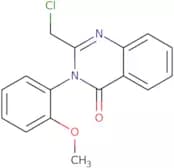
CAS:Controlled Product<p>4-Ethyl-2,5-dimethoxy-benzeneethanamineHydrochloride is a metabolic substrate of CYP2D6. It is also an inhibitor of CYP1A2 and CYP3A4. The class of 4-Ethyl-2,5-dimethoxy-benzeneethanamineHydrochloride is not yet known. 4-Ethyl-2,5-dimethoxy-benzeneethanamineHydrochloride has been shown to cause toxicity in animal studies. Toxicity may be due to its inhibition of cytochrome P450 enzymes, which are involved in metabolism and detoxification.</p>Formula:C12H20ClNO2Purity:Min. 95%Molecular weight:245.75 g/mol2-(Chloromethyl)-3-(2-methoxyphenyl)quinazolin-4(3H)-one
CAS:Controlled Product<p>Please enquire for more information about 2-(Chloromethyl)-3-(2-methoxyphenyl)quinazolin-4(3H)-one including the price, delivery time and more detailed product information at the technical inquiry form on this page</p>Formula:C16H13ClN2O2Purity:Min. 95%Molecular weight:300.74 g/molDimethyl 7,7'-dimethoxy-[4,4'-bibenzo[d][1,3]dioxole]-5,5'-dicarboxylate
CAS:<p>Dimethyl 7,7'-dimethoxy-[4,4'-bibenzo[d][1,3]dioxole]-5,5'-dicarboxylate is a biocompatible polymer that can be used in the treatment of liver injury. It has been shown to have an inhibitory effect on hepatic enzyme activities and synchronous fluorescence. Dimethyl 7,7'-dimethoxy-[4,4'-bibenzo[d][1,3]dioxole]-5,5'-dicarboxylate can be used as a matrix for curcuma aromatica to remove wastewater contaminants. This polymer also has the ability to inhibit monoethyl ether-induced liver injury in low-dose groups and reduce hepatitis B virus replication.</p>Formula:C20H18O10Purity:Min. 95%Molecular weight:418.35 g/mol1-Chloro-2-(chloromethoxy)ethane
CAS:<p>1-Chloro-2-(chloromethoxy)ethane is an acyclic nucleoside phosphonate that is used as a HIV integrase inhibitor. It binds to the HIV RNA genome and prevents the integration of viral DNA into the host cell's genome, which blocks the replication of HIV. 1-Chloro-2-(chloromethoxy)ethane has been shown to be more potent than other acyclic nucleoside phosphonates in vitro and in vivo. This drug also inhibits herpes simplex virus type 1 (HSV1) thymidine kinase activity, which is essential for viral DNA synthesis. This drug has potential antitumor activities against certain tumor cells due to its ability to inhibit cell proliferation and induce apoptosis through inhibiting rna synthesis.</p>Formula:C3H6Cl2OPurity:Min. 95%Color and Shape:Clear LiquidMolecular weight:128.98 g/mol2,3-Dihydro-1-(3-hydroxypropyl)-5-[(2R)-2-[[2-[2-(2,2,2-trifluoroethoxy)phenoxy]ethyl]amino]propyl]-1H-indole-7-carbonitrile
CAS:<p>Please enquire for more information about 2,3-Dihydro-1-(3-hydroxypropyl)-5-[(2R)-2-[[2-[2-(2,2,2-trifluoroethoxy)phenoxy]ethyl]amino]propyl]-1H-indole-7-carbonitrile including the price, delivery time and more detailed product information at the technical inquiry form on this page</p>Formula:C25H30F3N3O3Purity:Min. 95%Molecular weight:477.52 g/mol5[(R)-(2-Aminopropyl)]-2-methoxybenzenesulfonamide hydrochloride
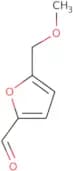
CAS:Controlled Product<p>Please enquire for more information about 5[(R)-(2-Aminopropyl)]-2-methoxybenzenesulfonamide hydrochloride including the price, delivery time and more detailed product information at the technical inquiry form on this page</p>Formula:C10H17ClN2O3SPurity:Min. 95%Molecular weight:280.77 g/mol5-(Methoxymethyl)-2-furancarboxaldehyde
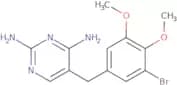
CAS:<p>5-hydroxymethylfurfural (5-hmf) is an organic compound that is produced when a carbohydrate or sugar undergoes oxidation. It is used as an additive in animal feed and as an industrial chemical. 5-hmf is a solid catalyst that can be used at high temperatures, making it suitable for use in the production of 2,6-dihydroxybenzoic acid. The reaction mechanism of 5-hmf involves the dehydration of furfural to form 5-hydroxymethylfurfural. This process occurs when a molecule of water reacts with furfural to produce two molecules of 5-hmf. The reaction may be accelerated by introducing heat, which breaks down the hydrogen bonds between the molecules of furfural and water.</p>Formula:C7H8O3Purity:Min. 95%Color and Shape:Clear LiquidMolecular weight:140.14 g/mol3-Desmethoxy-3-bromo Trimethoprim
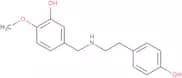
CAS:<p>Please enquire for more information about 3-Desmethoxy-3-bromo Trimethoprim including the price, delivery time and more detailed product information at the technical inquiry form on this page</p>Formula:C13H15BrN4O2Purity:Min. 95%Molecular weight:339.19 g/molN-(p-Hydroxyphenethyl)-N-(3-hydroxy-4-methoxy)benzylamine
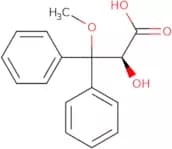
CAS:Controlled Product<p>Narciprimine is a natural product with cytotoxic activity and was first isolated from the Narcissus plant. It is a n-oxide that contains a hydroxyphenethyl group, which is substituted by an oxygen function. This compound has been shown to have biological properties and chemical diversity due to its n-oxide structure. Narciprimine has been shown to inhibit the biosynthesis of narciclasine and haemanthamine, which are alkaloids with cytotoxic activities. The protopine moiety has also been found in narciprimin, but is not present in other related compounds such as narciclasine or haemanthamine. Narciprimin belongs to the chemical class of n-oxides, which are derived from nitrosobenzene derivatives.</p>Formula:C16H19NO3Purity:Min. 95%Color and Shape:PowderMolecular weight:273.33 g/mol(S)-2-Hydroxy-3-methoxy-3,3-diphenylpropionic acid
CAS:<p>This is a crystalline form of the pyrimidine derivative (S)-2-Hydroxy-3-methoxy-3,3-diphenylpropionic acid. The compound has been shown to have antiplatelet properties and is currently being developed as an antithrombotic agent. In vitro studies have shown that ambrisentan inhibits platelet aggregation, thromboxane synthesis, and leukocyte adhesion. It also reduces the levels of serum cholesterol and triglycerides in patients with chronic heart failure. Ambrisentan has been studied in clinical trials for the treatment of pulmonary hypertension associated with chronic obstructive pulmonary disease (COPD) and idiopathic pulmonary fibrosis (IPF).</p>Formula:C16H16O4Purity:Min. 95%Molecular weight:272.3 g/mol4-[1-(2-Methoxyethyl)-1H-indol-3-yl]butanoic acid
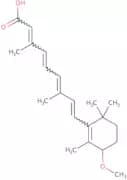
CAS:Controlled Product<p>Please enquire for more information about 4-[1-(2-Methoxyethyl)-1H-indol-3-yl]butanoic acid including the price, delivery time and more detailed product information at the technical inquiry form on this page</p>Formula:C15H19NO3Purity:Min. 95%Molecular weight:261.32 g/mol4-Methoxy retinoic acid
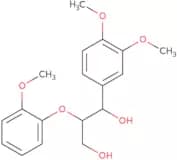
CAS:<p>Please enquire for more information about 4-Methoxy retinoic acid including the price, delivery time and more detailed product information at the technical inquiry form on this page</p>Formula:C21H30O3Purity:Min. 95%Molecular weight:330.46 g/mol1-(3,4-Dimethoxyphenyl)-2-(2-methoxyphenoxy)propane-1,3-diol
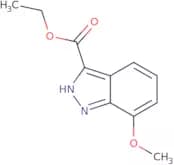
CAS:<p>1,3-Dimethoxy-2-(2-methoxyphenoxy)propane-1,3-diol (DMMP) is a natural product with antioxidant properties. It has been shown to be a potent inhibitor of the epidermal growth factor receptor (EGFR), and also inhibits the activity of the response elements for EGFR. DMMP is also a potent inhibitor of proliferation in human cancer cells and can inhibit the growth of tumour cells that are resistant to methotrexate. DMMP is a precursor to protocatechuic acid, which has been shown to have anti-herpes virus effects. DMMP has been shown to decrease the rate of second order reactions through its ability to react with carbonyl groups on proteins. This reaction leads to an increase in stability and decreases the rate of protein degradation by proteases. A mutant strain was found that can produce this compound without any external stimulus, making it ideal for use as an antibiotic against bacterial</p>Formula:C18H22O6Purity:Min. 95 Area-%Color and Shape:PowderMolecular weight:334.36 g/molEthyl 7-Methoxy-1H-Indazole-3-Carboxylate
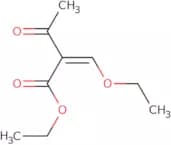
CAS:Controlled Product<p>Please enquire for more information about Ethyl 7-Methoxy-1H-Indazole-3-Carboxylate including the price, delivery time and more detailed product information at the technical inquiry form on this page</p>Formula:C11H12N2O3Purity:Min. 95%Molecular weight:220.22 g/molEthyl 2-(ethoxymethylene)-3-oxobutanoate
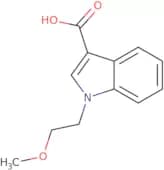
CAS:<p>Ethyl 2-(ethoxymethylene)-3-oxobutanoate is an industrial chemical that is used as a precursor to acetoacetate. It is produced by the condensation of formaldehyde and ethyl acetoacetate, which yields two molecules of ethyl 2-(ethoxymethylene)-3-oxobutanoate. This reaction can be performed in three steps, with the first step involving the addition of formaldehyde and hydrazine to acetoacetate. The second step involves heating the reaction mixture until it boils, followed by cooling and filtering. The third step requires refluxing for six hours before distilling off the liquid. Ethyl 2-(ethoxymethylene)-3-oxobutanoate can also be synthesized from orthoformic acid and ethyl acetoacetate in an experiment that produces 1 mole of product for every mole of starting material.</p>Formula:C9H14O4Purity:Min. 95%Molecular weight:186.21 g/mol1-(2-Methoxyethyl)-1H-indole-3-carboxylic acid
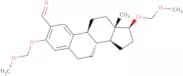
CAS:Controlled Product<p>Please enquire for more information about 1-(2-Methoxyethyl)-1H-indole-3-carboxylic acid including the price, delivery time and more detailed product information at the technical inquiry form on this page</p>Formula:C12H13NO3Purity:Min. 95%Molecular weight:219.24 g/mol2-Formyl-3,17b-O-bis(methoxymethyl)estradiol
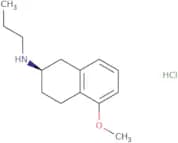
CAS:Controlled Product<p>Please enquire for more information about 2-Formyl-3,17b-O-bis(methoxymethyl)estradiol including the price, delivery time and more detailed product information at the technical inquiry form on this page</p>Formula:C23H32O5Purity:Min. 95%Molecular weight:388.5 g/mol(R)-1,2,3,4-Tetrahydro-5-methoxy-N-propyl-2-naphthalenamine hydrochloride
CAS:Controlled Product<p>Please enquire for more information about (R)-1,2,3,4-Tetrahydro-5-methoxy-N-propyl-2-naphthalenamine hydrochloride including the price, delivery time and more detailed product information at the technical inquiry form on this page</p>Formula:C14H22ClNOPurity:Min. 95%Molecular weight:255.78 g/mol2-Fluoro-5-methoxyaniline
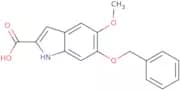
CAS:<p>2-Fluoro-5-methoxyaniline is a high quality reagent that is used as an intermediate in the synthesis of various complex compounds. The CAS number for this chemical is 62257-15-2 and it has been shown to be useful as a building block for the synthesis of fine chemicals, speciality chemicals, and research chemicals with many different uses. It is also a versatile building block that can be used in reactions involving amines, alcohols, thiols, and nitriles. 2-Fluoro-5-methoxyaniline may also be used as a reaction component in organic syntheses.</p>Formula:C7H8FNOPurity:Min. 95%Color and Shape:PowderMolecular weight:141.14 g/mol6-Benzyloxy-5-methoxyindole-2-carboxylic acid
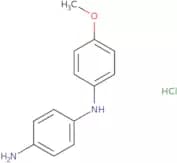
CAS:<p>Please enquire for more information about 6-Benzyloxy-5-methoxyindole-2-carboxylic acid including the price, delivery time and more detailed product information at the technical inquiry form on this page</p>Formula:C17H15NO4Purity:Min. 95%Molecular weight:297.31 g/mol4-Amino-4'-methoxydiphenylamine HCl
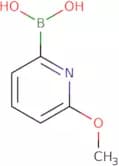
CAS:4-Amino-4'-methoxydiphenylamine HCl is a chemical compound that can be used as an analytical tool. It is prepared by the reaction of 4-aminophenol with 4-chloromethylphenol and formaldehyde in the presence of hydrochloric acid. This product has been found to have a potentiodynamic polarization curve that resembles that of a cationic surfactant. The detection methods for this product are electrochemical impedance spectroscopy, microscopy, and chemical reactions.Purity:Min. 95%Molecular weight:250.72 g/mol6-Methoxypyridine-2-boronic acid
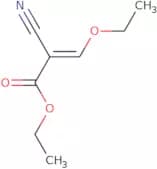
CAS:<p>6-Methoxypyridine-2-boronic acid is a boronate ligand that can be used to form coordination complexes with metals. It has been shown to interact with silver ions, which are the most effective ligands for enhancing the fluorescence of organic dyes. 6-Methoxypyridine-2-boronic acid is able to rigidify organic molecules by binding to their steric and electronic properties, making them more resistant to photodegradation. This property makes it an excellent candidate for the use in the development of fluorescent labels in analytical chemistry.</p>Formula:C6H8BNO3Purity:Min. 95%Molecular weight:152.94 g/molEthyl (ethoxymethylene) cyanoacetate
CAS:<p>Ethyl (Ethoxymethylene) cyanoacetate is a chemical compound that belongs to the family of aldehyde compounds. It is a colorless liquid at room temperature, with an odor similar to that of acetic acid. The compound has been used in the synthesis of epidermal growth factor and diazonium salts. It has also been used in the production of anti-cancer drugs such as malonic acid, which inhibits tumor growth by inhibiting protein synthesis. Ethyl (Ethoxymethylene) cyanoacetate reacts with quinoline derivatives to form carbon disulphide, which can be used as an antimicrobial agent and insecticide.</p>Formula:C8H11NO3Purity:Min. 95%Color and Shape:PowderMolecular weight:169.18 g/mol5-(2-Aminopropyl)-2-methoxybenzenesulphonamide
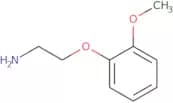
CAS:Controlled Product<p>5-(2-Aminopropyl)-2-methoxybenzenesulphonamide is a trimethyl derivative of the aminopropyl group. It is used as a reagent to introduce hydroxymethyl groups into organic compounds. 5-(2-Aminopropyl)-2-methoxybenzenesulphonamide reacts with hydrochloric acid and an organic solvent in the preparation process. In the Friedel-Crafts reaction, 5-(2-Aminopropyl)-2-methoxybenzenesulphonamide reacts with d-alanine to form an optical isomer, which can be converted to its racemic form by ammonolysis. This compound is also used as a prostatic agent and an amide in the synthesis of benzene and phenoxymethyl alcohols.</p>Formula:C10H16N2O3SPurity:Min. 95%Molecular weight:244.31 g/mol2-(2-Methoxyphenoxy)ethylamine base
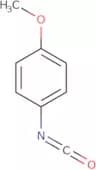
CAS:<p>2-(2-Methoxyphenoxy)ethylamine base is an inorganic base with a hydroxyl group. It is soluble in organic solvents and has been used as a coumarin derivative. 2-(2-Methoxyphenoxy)ethylamine base has shown potential use as an antifungal agent, which may be due to its ability to cause lysis in fungi cells. This compound has also shown in vitro activity against bacteria and viruses, including herpes simplex virus type 1 and HIV-1. The 2-(2-methoxyphenoxy)ethylamine base can be sulfonated or acid catalyzed to produce other derivatives that have potential use as anti-inflammatory or analgesic agents.</p>Formula:C9H13NO2Purity:Min. 95%Molecular weight:167.21 g/mol4-Methoxyphenyl isocyanate
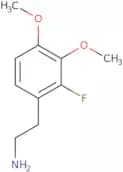
CAS:<p>4-Methoxyphenyl isocyanate (4MPIC) is a reactive organic compound that is used in the synthesis of polymers. 4MPIC reacts with amines to form amides, and can be used as a photophysical probe to study reaction mechanisms. It has been shown to react with hydroxy groups in polymers and form an insoluble polymer. 4MPIC also has antibacterial activity, although it is not active against all bacteria. This compound also reacts with chlorine atoms to form heterocycles, which are efficient for the synthesis of pharmaceuticals.</p>Formula:C8H7NO2Purity:Min. 95%Color and Shape:Clear LiquidMolecular weight:149.15 g/mol2-(2-Fluoro-3,4-dimethoxyphenyl)ethanamine
CAS:Controlled Product<p>Please enquire for more information about 2-(2-Fluoro-3,4-dimethoxyphenyl)ethanamine including the price, delivery time and more detailed product information at the technical inquiry form on this page</p>Formula:C10H14FNO2Purity:Min. 95%Molecular weight:199.22 g/mol4-(Trifluoromethoxy)phenylboronic Acid (contains varying amounts of Anhydride)
CAS:<p>4-(Trifluoromethoxy)phenylboronic acid is a boron-containing compound that has been shown to be a potent inhibitor of the histone deacetylase (HDAC) enzyme. It also has surfactant properties and can be used as a photochemical reagent. 4-(Trifluoromethoxy)phenylboronic acid is orally bioavailable and may have therapeutic potential for neurodegenerative diseases, such as Alzheimer's disease, Parkinson's disease, and Huntington's disease. It also has the ability to inhibit cancer cell growth by inhibiting HDAC activity. This drug has been found to cross-couple with organosilicon compounds in order to form new compounds with potent inhibitory activity against HDAC enzymes.</p>Formula:C7H6BF3O3Purity:Min. 95%Molecular weight:205.93 g/mol

![Methoxy4-[[(1,1-dimethylethyl)dimethylsilyl]oxy]-3-benzenemethanol](/_next/image/?url=https%3A%2Fstatic.cymitquimica.com%2Fproducts%2FTR%2Fthumb-webp%2FM269715.webp&w=3840&q=75)
![6-[4-(Trifluoromethoxy)phenyl]-3-morpholinone](/_next/image/?url=https%3A%2Fstatic.cymitquimica.com%2Fproducts%2FTR%2Fthumb-webp%2FT790950.webp&w=3840&q=75)




![2-[2-[2-(2-Azidoethoxy)ethoxy]ethoxy]ethanol](/_next/image/?url=https%3A%2Fstatic.cymitquimica.com%2Fproducts%2F3D%2Fthumb-webp%2FFA09300.webp&w=3840&q=75)


![6-(Methoxycarbonyl)spiro[3.3]heptane-2-carboxylic acid](/_next/image/?url=https%3A%2Fstatic.cymitquimica.com%2Fproducts%2F3D%2Fthumb-webp%2FFM161396.webp&w=3840&q=75)
![Dimethyl 7,7'-dimethoxy-[4,4'-bibenzo[d][1,3]dioxole]-5,5'-dicarboxylate](/_next/image/?url=https%3A%2Fstatic.cymitquimica.com%2Fproducts%2F3D%2Fthumb-webp%2FFD139796.webp&w=3840&q=75)

![2,3-Dihydro-1-(3-hydroxypropyl)-5-[(2R)-2-[[2-[2-(2,2,2-trifluoroethoxy)phenoxy]ethyl]amino]propyl…](/_next/image/?url=https%3A%2Fstatic.cymitquimica.com%2Fproducts%2F3D%2Fthumb-webp%2FFD103483.webp&w=3840&q=75)
![5[(R)-(2-Aminopropyl)]-2-methoxybenzenesulfonamide hydrochloride](/_next/image/?url=https%3A%2Fstatic.cymitquimica.com%2Fproducts%2F3D%2Fthumb-webp%2FFA17834.webp&w=3840&q=75)
![4-[1-(2-Methoxyethyl)-1H-indol-3-yl]butanoic acid](/_next/image/?url=https%3A%2Fstatic.cymitquimica.com%2Fproducts%2F3D%2Fthumb-webp%2FFM135737.webp&w=3840&q=75)