Ethers
Ethers are organic compounds containing an ether functional group, characterized by an oxygen atom bonded to two hydrocarbon radicals. These compounds are valuable in synthesis and serve as solvents in various chemical reactions. At CymitQuimica, we offer a selection of high-quality ethers to support your research and industrial applications, ensuring reliable and effective results. Our range of ethers meets diverse laboratory requirements, from routine experiments to advanced research.
Found 40729 products of "Ethers"
Sort by
Purity (%)
0
100
|
0
|
50
|
90
|
95
|
100
3-[4-(2-Methoxyethyl)phenoxy]-1,2-epoxypropane
CAS:<p>3-[4-(2-Methoxyethyl)phenoxy]-1,2-epoxypropane is a chemical compound that is used in the industrial process of chloropropane production. It reacts with metoprolol to produce 3-[4-(2-methoxyethyl)phenoxy]-1,2-epoxypropane diol and metoprolol diol. This reaction occurs at lower temperatures than chlorination reactions, and without the use of radiation. 3-[4-(2-Methoxyethyl)phenoxy]-1,2-epoxypropane also reacts with chloropropane to produce 3-[4-(2-methoxyphenyl)phenyl]propene, which can be recycled for additional use.</p>Formula:C12H16O3Purity:Min. 95%Molecular weight:208.25 g/mol4,5-Dihydro-5a-methoxy D-(-)-norgestrel
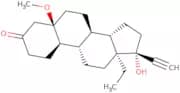
CAS:<p>Please enquire for more information about 4,5-Dihydro-5a-methoxy D-(-)-norgestrel including the price, delivery time and more detailed product information at the technical inquiry form on this page</p>Formula:C22H32O3Purity:Min. 95%Molecular weight:344.49 g/molN-Ethyl-4-methoxy amphetamine hydrochloride
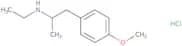
CAS:Controlled Product<p>Please enquire for more information about N-Ethyl-4-methoxy amphetamine hydrochloride including the price, delivery time and more detailed product information at the technical inquiry form on this page</p>Formula:C12H20ClNOPurity:Min. 95%Molecular weight:229.75 g/mol4-Hydroxy-7-methoxyquinoline
CAS:<p>4-Hydroxy-7-methoxyquinoline is an anti-malarial drug that belongs to the class of trimethyl, trifluoromethyl group. It is a cyclic compound and its synthesis starts with cyclization of the methyl derivative, which forms a ring. This product is used in clinical practice as an inhibitor of malarial protozoa and has been shown to have mechanistic effects on the cytochrome bc1 complex containing red blood cells. 4-Hydroxy-7-methoxyquinoline also inhibits the growth of bacteria by binding to the enzyme methionine synthase, which is involved in the biosynthesis of methionine from homocysteine. The product also has an inhibitory effect on DNA synthesis and protein synthesis.</p>Formula:C10H9NO2Purity:Min. 95%Molecular weight:175.18 g/mol6-Bromo-4-methoxy-1H-indazole
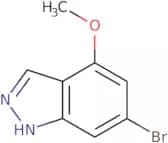
CAS:<p>Please enquire for more information about 6-Bromo-4-methoxy-1H-indazole including the price, delivery time and more detailed product information at the technical inquiry form on this page</p>Formula:C8H7BrN2OPurity:Min. 95%Molecular weight:227.06 g/mol4-Amino-4'-methoxydiphenylamine HCl
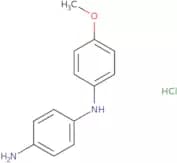
CAS:<p>4-Amino-4'-methoxydiphenylamine HCl is a chemical compound that can be used as an analytical tool. It is prepared by the reaction of 4-aminophenol with 4-chloromethylphenol and formaldehyde in the presence of hydrochloric acid. This product has been found to have a potentiodynamic polarization curve that resembles that of a cationic surfactant. The detection methods for this product are electrochemical impedance spectroscopy, microscopy, and chemical reactions.</p>Purity:Min. 95%Molecular weight:250.72 g/mol2,5-Dimethoxy-4-(propylsulfanyl)phenethylamine hydrochloride
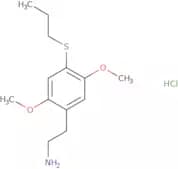
CAS:Controlled Product<p>Please enquire for more information about 2,5-Dimethoxy-4-(propylsulfanyl)phenethylamine hydrochloride including the price, delivery time and more detailed product information at the technical inquiry form on this page</p>Formula:C13H22ClNO2SPurity:Min. 95%Molecular weight:291.84 g/mol1,1-Dimethoxyethane
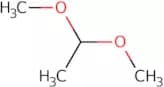
CAS:<p>1,1-Dimethoxyethane is an organic compound that belongs to the group of isatin derivatives. It has inhibitory activity against acetal formation and can be used as a solvent in chemical reactions. 1,1-Dimethoxyethane also inhibits cancer cell growth by interfering with the production of carboxylic acids. This compound may also have therapeutic effects on Alzheimer's disease and vascular diseases such as atherosclerosis and angina pectoris.</p>Formula:C4H10O2Purity:Min. 95%Color and Shape:Clear LiquidMolecular weight:90.12 g/mol4-Chloro-3-(trifluoromethoxy)aniline
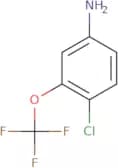
CAS:<p>Please enquire for more information about 4-Chloro-3-(trifluoromethoxy)aniline including the price, delivery time and more detailed product information at the technical inquiry form on this page</p>Formula:C7H5ClF3NOPurity:Min. 95%Color and Shape:Clear LiquidMolecular weight:211.57 g/mol3,3-Diethoxy-1,2-propanediol
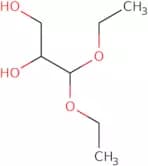
CAS:<p>3,3-Diethoxy-1,2-propanediol is a chemical compound that has been found to have an acidic character and to be an allylation agent. This ingredient also has the ability to form flavonoids and act as a ring-opening polymerization catalyst. It can be used in leaf extract as an astringent or antibacterial. 3,3-Diethoxy-1,2-propanediol is used in the production of this product. The medicinal properties of this compound are scientifically analysed and tested for efficacy. It has been shown to act as a laxative when taken in excessive amounts. 3,3-Diethoxy-1,2-propanediol is not known to have any negative side effects on the human body such as skin irritation or sensitization.</p>Formula:C7H16O4Purity:Min. 95%Molecular weight:164.2 g/mol6,7-Dimethoxy-1,4-dihydro-3H-isochromen-3-one
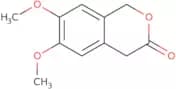
CAS:<p>6,7-Dimethoxy-1,4-dihydro-3H-isochromen-3-one is a hydrazide with the chemical formula C8H8N2O3. It belongs to the family of natural products and has the molecular weight of 172.15. 6,7-Dimethoxy-1,4-dihydro-3H-isochromen-3-one is an isoquinolone derivative that contains two methyl groups on carbons 6 and 7. The compound is a symmetric molecule that can be found as a hydroxy or methoxy derivative. It reacts with 3,4 dimethoxyphenylacetic acid to form yohimbane in the presence of an oxidizing agent such as electrochemical oxidation or maldi tof. 6,7 Dimethoxy 1,4 dihydro 3H isochromen 3 one was obtained from endohedral metalloful</p>Formula:C11H12O4Purity:Min. 95%Molecular weight:208.21 g/mol(Z)-1-Ethoxy-2-(tributylstannyl)ethene
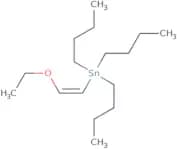
CAS:Controlled Product<p>(Z)-1-Ethoxy-2-(tributylstannyl)ethene is a synthetic intermediate that is used in palladium-catalyzed cross-coupling reactions. The product of the reaction can be an acetaldehyde or a halopyridine. The yield and selectivity of the reaction depends on the nature of the reactants, solvent, and catalyst. This compound has also been reinvestigated for its ability to form an anion with electrophilic reactants.</p>Purity:Min. 95%1-(3,4-Dimethoxyphenyl)-2-(2-methoxyphenoxy)propane-1,3-diol
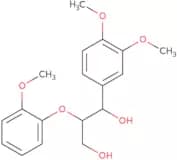
CAS:<p>1,3-Dimethoxy-2-(2-methoxyphenoxy)propane-1,3-diol (DMMP) is a natural product with antioxidant properties. It has been shown to be a potent inhibitor of the epidermal growth factor receptor (EGFR), and also inhibits the activity of the response elements for EGFR. DMMP is also a potent inhibitor of proliferation in human cancer cells and can inhibit the growth of tumour cells that are resistant to methotrexate. DMMP is a precursor to protocatechuic acid, which has been shown to have anti-herpes virus effects. DMMP has been shown to decrease the rate of second order reactions through its ability to react with carbonyl groups on proteins. This reaction leads to an increase in stability and decreases the rate of protein degradation by proteases. A mutant strain was found that can produce this compound without any external stimulus, making it ideal for use as an antibiotic against bacterial</p>Formula:C18H22O6Purity:Min. 95 Area-%Color and Shape:PowderMolecular weight:334.36 g/mol4-Methoxyphenethylamine HCl
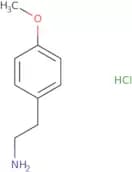
CAS:Controlled Product<p>4-Methoxyphenethylamine HCl is a chemical that inhibits the activity of the protein tyrosine phosphatase 1B (PTP1B). It has been shown to inhibit the growth of lung fibroblasts and fruit tree cells. 4-Methoxyphenethylamine HCl has also been used in animal experiments to diagnose animals with growth factor-β1 deficiency. It is also used to stain collagen for diagnosis.</p>Formula:C9H13NO·HClPurity:Min. 95%Molecular weight:187.67 g/mol[2-(4-methoxyphenyl)ethyl]methylamine
CAS:Controlled Product<p>2-(4-methoxyphenyl)ethyl]methylamine is a pharmacological agent that inhibits protein synthesis. It has been shown to have an optimum concentration of 1 μM, with maximal inhibition at 10 μM. 2-(4-methoxyphenyl)ethyl]methylamine binds to the basic amino acid residues of proteins and inhibits the activity of eosinophil cationic protein, which is responsible for histamine release. 2-(4-Methoxyphenyl)ethyl]methylamine has also been shown to reduce the activity of epidermal growth factor, which is responsible for cell proliferation and differentiation. The drug has been demonstrated to be an effective inhibitor of activated eosinophils, but not normal cells. 2-(4-Methoxyphenyl)ethyl]methylamine may be used as a treatment for chronic asthma patients who suffer from eosinophilic inflammation in their</p>Formula:C10H15NOPurity:Min. 95%Molecular weight:165.23 g/mol5-Bromo-3-methoxybenzaldehyde
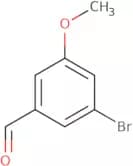
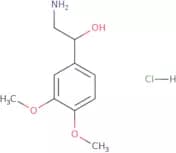
CAS:<p>5-Bromo-3-methoxybenzaldehyde is a type of growth factor that is synthesized by cancer cells. It has been shown to have anticancer activity when used in conjunction with other drugs. 5-Bromo-3-methoxybenzaldehyde has been shown to inhibit tumor growth in mice, which may be due to its ability to prevent the activation of PD-L1. This compound interacts with a tetranuclear ligand and can be activated by light.</p>Formula:C8H7BrO2Purity:Min. 95%Color and Shape:PowderMolecular weight:215.04 g/mol2-Hydroxy-2-(3,4-dimethoxyphenyl)ethylamine hydrochloride
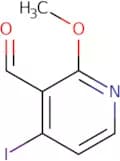
CAS:Controlled Product<p>Please enquire for more information about 2-Hydroxy-2-(3,4-dimethoxyphenyl)ethylamine hydrochloride including the price, delivery time and more detailed product information at the technical inquiry form on this page</p>Formula:C10H15NO3·HClPurity:Min. 95%Molecular weight:233.69 g/mol4-Iodo-2-methoxypyridine-3-carboxaldehyde
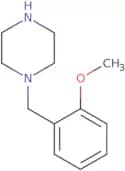
CAS:<p>4-Iodo-2-methoxypyridine-3-carboxaldehyde is a disubstituted compound that has insulin-like properties. It inhibits the activity of the insulin receptor, which may contribute to its insulin-like growth factor effects. This inhibitor also targets the protein kinase, which is responsible for the response of cells to insulin. 4-Iodo-2-methoxypyridine 3 carboxaldehyde has been shown to inhibit IGF1R and malonate ion, and it may have potential as an oral treatment for diabetes.</p>Formula:C7H6INO2Purity:Min. 95%Molecular weight:263.03 g/mol1-(2-Methoxybenzyl)piperazine
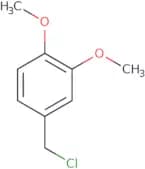
CAS:Controlled Product<p>1-(2-Methoxybenzyl)piperazine (1-MBP) is a multitarget drug that has been shown to have medicinal properties. It inhibits the cholinergic system, which is involved in memory and cognition, as well as pathways such as the inflammatory response and amyloid production. 1-MBP has been shown to inhibit acetylcholinesterase, an enzyme that breaks down acetylcholine, thus increasing the amount of acetylcholine available for signaling. 1-MBP also inhibits cholinesterase, which increases the amount of acetylcholine in the brain. This drug may have synergistic effects with other drugs for Alzheimer's disease, such as donepezil and tacrine. 1-MBP has been used in optimization studies to find new potential treatments for Alzheimer's disease by targeting different aspects of its pathogenesis.</p>Formula:C12H18N2OPurity:Min. 95%Color and Shape:PowderMolecular weight:206.28 g/mol3,4-Dimethoxybenzyl chloride
CAS:<p>3,4-Dimethoxybenzyl chloride is an acetate extract that has been shown to have anticancer properties. It is also a corrosion inhibitor with the ability to inhibit fatty acid demethylation and antimicrobial agents. It has been used in pharmaceutical preparations for treating high blood pressure, as well as in the production of eugenol, papaverine and other drugs.</p>Formula:C9H11ClO2Purity:Min. 95%Molecular weight:186.64 g/mol3-Methoxybenzyl bromide
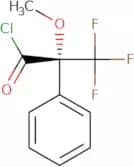
CAS:<p>3-Methoxybenzyl bromide is a synthetic molecule that belongs to the group of amides. It is used as an intermediate in organic synthesis for the introduction of ether linkages and can be used to produce other molecules with inhibitory activities. 3-Methoxybenzyl bromide has been shown to be effective against Sarpogrelate hydrochloride, which is a drug used for the treatment of hypertension. This chemical inhibits the enzyme that produces superoxide radicals and has been shown to have therapeutic effects in patients with arterial hypertension. 3-Methoxybenzyl bromide also has a nucleophilic function and can react with halides such as chlorine or bromine to form 2,5-dimethoxybenzoic acid.</p>Formula:C8H9BrOPurity:Min. 95%Color and Shape:LiquidMolecular weight:201.06 g/molS-(+)-α-Methoxy-α-(trifluoromethyl)phenylacetic acid chloride
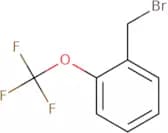
CAS:<p>S-(+)-alpha-Methoxy-alpha-(trifluoromethyl)phenylacetic acid chloride is an optical, amide, and epoxidation derivatizing agent that is used to chiralify amines. It is a liquid at room temperature with a molecular weight of 123.87 g/mol. This chemical reacts with alcohols to form esters, which can be identified by their different retention times in chromatography. It also reacts with hydroxyl groups to form ethers and esters, as well as hydroxyls on other molecules such as amino acids, peptides, and proteins. S-(+)-alpha-Methoxy-alpha-(trifluoromethyl)phenylacetic acid chloride has been used for the synthesis of bisoprolol from metoprolol and triethylphosphite.</p>Formula:C10H8ClF3O2Purity:Min. 95%Molecular weight:252.62 g/mol2-(Trifluoromethoxy)benzyl bromide
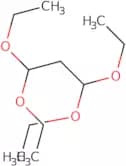
CAS:<p>2-(Trifluoromethoxy)benzyl bromide is a computational study of ionic liquids with substitutions. The viscosity of the liquid was found to be dependent on the size of the substituent and the number of substitutions. The compound was found to be selective for one isomer over another due to its different structural features. Experimental studies have shown that 2-(trifluoromethoxy)benzyl bromide has high permeability in ionic liquids, which is a desired property in ionic liquids. Advances in this field have led to new compounds and more knowledge about the properties of ionic liquids.</p>Purity:Min. 95%1,1,3,3-Tetraethoxypropane
CAS:<p>1,1,3,3-Tetraethoxypropane is a fatty acid that is produced by the metabolism of plant and animal lipids. It has been used as a food additive to bind water and improve texture in baked goods. It also has shown to have antioxidant properties. In addition, 1,1,3,3-Tetraethoxypropane has been shown to be reactive with human feces and inhibit enzyme activities in infectious diseases. This compound is also an autoimmune disease agent that inhibits physiological activities in humans. The bound form of 1,1,3,3-Tetraethoxypropane can be found in human serum and liver cells.</p>Formula:C11H24O4Purity:Min. 95%Color and Shape:Clear LiquidMolecular weight:220.31 g/mol1-(4-Bromo-2,5-dimethoxybenzyl)piperazine
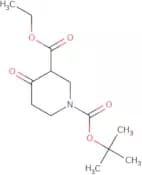
CAS:Controlled Product<p>Please enquire for more information about 1-(4-Bromo-2,5-dimethoxybenzyl)piperazine including the price, delivery time and more detailed product information at the technical inquiry form on this page</p>Formula:C13H19BrN2O2Purity:Min. 95%Molecular weight:315.21 g/molN-Boc-3-carboethoxy-4-piperidone
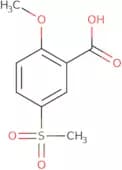
CAS:<p>Please enquire for more information about N-Boc-3-carboethoxy-4-piperidone including the price, delivery time and more detailed product information at the technical inquiry form on this page</p>Formula:C13H21NO5Purity:Min. 95%Molecular weight:271.31 g/mol2-Methoxy-5-methylsulfonylbenzoicacid
CAS:<p>2-Methoxy-5-methylsulfonylbenzoic acid is an organic compound that can be used as a pharmaceutical intermediate. It has been used to synthesize diagnostic agents and drugs such as isradipine and sarpogrelate hydrochloride. 2-Methoxy-5-methylsulfonylbenzoic acid is also used as an intermediate in the synthesis of bortezomib, a drug that inhibits the proteasome. This product contains impurities that may interfere with its use as a pharmaceutical preparation. The flow rate of this product is sensitive to changes in temperature and pressure.</p>Formula:C9H10O5SPurity:Min. 95%Molecular weight:230.24 g/mol(2S,3S)-5-[2-(Dimethylamino)ethyl]-3-hydroxy-2-(4-methoxyphenyl)-2,3-dihydro-1,5-benzothiazepin-4-one hydrochloride
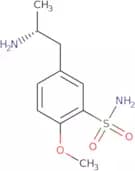
CAS:<p>(2S,3S)-5-[2-(Dimethylamino)ethyl]-3-hydroxy-2-(4-methoxyphenyl)-2,3-dihydro-1,5-benzothiazepin-4-one hydrochloride is a racemic mixture of two enantiomers. It is a prodrug that is hydrolyzed to its active form, diltiazem. The drug has been shown to be effective in the treatment of hypertension and angina pectoris. (2S,3S)-5-[2-(Dimethylamino)ethyl]-3-hydroxy-2-(4-methoxyphenyl)-2,3-dihydro-1,5-benzothiazepin-4-one hydrochloride has been shown to inhibit the activity of the enzyme phosphodiesterase which breaks down cyclic AMP. This inhibition results in an increase in levels of</p>Formula:C20H24N2O3S·HClPurity:Min. 95%Molecular weight:408.94 g/mol(R)-5-(2-Aminopropyl)-2-methoxybenzenesulfonamide
CAS:Controlled Product<p>(R)-5-(2-Aminopropyl)-2-methoxybenzenesulfonamide is an amide. It is a hydrochloric acid salt that can regulate the reaction system and introduce filtration, which can be used to separate the components of the reaction system. The kinetic and chiral properties of this compound are derived from Friedel-Crafts reactions with phosphites and Friedel-Crafts reactions with d-alanine. (R)-5-(2-Aminopropyl)-2-methoxybenzenesulfonamide can also catalyze ammonolysis and catalysis with phenoxy.</p>Formula:C10H16N2O3SPurity:Min. 95%Color and Shape:PowderMolecular weight:244.31 g/mol4-Chloro-2,5-dimethoxynitrobenzene
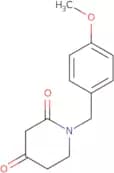
CAS:Controlled Product<p>4-Chloro-2,5-dimethoxynitrobenzene (CDMNB) is a solvent and a synthetic intermediate. It is soluble in diethylene, solvents, and sodium formate. CDMNB can be reduced with catalytic reduction or amines to 2,5-dimethoxybenzoic acid. CDMNB has been shown to react with xylene under catalytic conditions to produce 4-chloro-3,5-dimethoxybenzoic acid. This reaction can be monitored by liquid phase chromatography or cyclic voltammetry.</p>Formula:C8H8ClNO4Purity:Min. 95%Molecular weight:217.61 g/mol1-(4-Methoxybenzyl)piperidine-2,4-dione
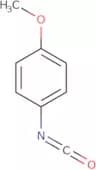
CAS:<p>Please enquire for more information about 1-(4-Methoxybenzyl)piperidine-2,4-dione including the price, delivery time and more detailed product information at the technical inquiry form on this page</p>Formula:C13H15NO3Purity:Min. 95%Molecular weight:233.26 g/mol4-Methoxyphenyl isocyanate
CAS:<p>4-Methoxyphenyl isocyanate (4MPIC) is a reactive organic compound that is used in the synthesis of polymers. 4MPIC reacts with amines to form amides, and can be used as a photophysical probe to study reaction mechanisms. It has been shown to react with hydroxy groups in polymers and form an insoluble polymer. 4MPIC also has antibacterial activity, although it is not active against all bacteria. This compound also reacts with chlorine atoms to form heterocycles, which are efficient for the synthesis of pharmaceuticals.</p>Formula:C8H7NO2Purity:Min. 95%Color and Shape:Clear LiquidMolecular weight:149.15 g/mol5-[(2-Methoxyphenoxy)-methyl]-2-oxazolidinone
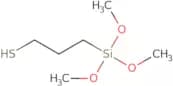
CAS:Controlled Product<p>5-[(2-Methoxyphenoxy)-methyl]-2-oxazolidinone is a pharmacological agent that is structurally similar to rapamycin. It has been shown to inhibit the production of creatine kinase in rat liver microsomes and has been used in studies on degenerative diseases. 5-[(2-Methoxyphenoxy)-methyl]-2-oxazolidinone inhibits the activity of polymerase chain reaction (PCR) by binding to the DNA polymerase and blocking the extension of an oligonucleotide primer. It has also been shown to be toxic to humans, as it can cause fatty acid accumulation and a clinical response. In addition, this drug is enantiopure, meaning that it is composed of only one type of molecule with a specific configuration. The analytical chemistry for this drug includes gas chromatography (GC) and high performance liquid chromatography (HPLC).</p>Formula:C11H13NO4Purity:Min. 95%Color and Shape:White PowderMolecular weight:223.23 g/mol(3-Mercaptopropyl)trimethoxysilane
CAS:<p>3-Mercaptopropyl)trimethoxysilane is a molecule made up of three parts: a trimethoxysilane group, a trimethylsilyl group, and a mercapto group. The trimethoxysilane group is hydrophilic in nature and has an electron withdrawing effect on the molecule. The trimethylsilyl group is hydrophobic in nature and has an electron donating effect on the molecule. The mercapto group is reactive in nature and has a high redox potential. 3-Mercaptopropyl)trimethoxysilane can be used as a chemical additive to increase the stability of hydrochloric acid in water vapor by reacting with the hydroxyl groups to form stable compounds. This compound also reacts with hydrogen gas to produce methane gas, which can be used as fuel or as an alternative energy source. 3-Mercaptopropyl)trimethoxysilane also has synergistic</p>Formula:C6H16O3SSiPurity:Min. 98 Area-%Color and Shape:Colorless Clear LiquidMolecular weight:196.34 g/mol4-Methoxybenzylamine
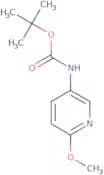
CAS:<p>4-Methoxybenzylamine is an organic amine that has a redox potential of -0.14 V (vs. SHE) and a pK a of 10.5. It is used in the synthesis of trifluoroacetic acid esters, which are used as pharmaceutical intermediates. 4-Methoxybenzylamine has been shown to be effective in alleviating pain in animal models, and its mechanism of action may be due to inhibition of the enzyme cyclooxygenase. The kinetic data for this reaction were obtained by studying the deuterium isotope effect, which is characterized by a low energy barrier and rapid reaction rate. The hydrolysis step is also important for the reaction mechanism, with protocatechuic acid being an intermediate product. Hydrochloric acid is needed for dehydration of the reactants, while an aryl halide can be used instead in some cases. In these reactions, there are many possible reaction</p>Formula:C8H11NOPurity:Min. 95%Molecular weight:137.18 g/moltert-Butyl-n-(6-methoxy-3-pyridyl)carbamate
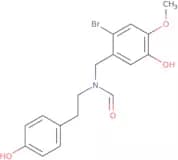
CAS:<p>Please enquire for more information about tert-Butyl-n-(6-methoxy-3-pyridyl)carbamate including the price, delivery time and more detailed product information at the technical inquiry form on this page</p>Formula:C11H16N2O3Purity:Min. 95%Molecular weight:224.26 g/molN-(p-Hydroxyphenethyl)-N-(2-bromo-5-hydroxy-4-methoxybenzyl)formamide
CAS:Controlled Product<p>N-(p-Hydroxyphenethyl)-N-(2-bromo-5-hydroxy-4-methoxybenzyl)formamide is an anticancer drug that belongs to the class of phenethyl derivatives. It is a radiosensitizer that inhibits DNA and RNA synthesis, leading to cancer cell death. The drug has been shown to have a chiral center and two enantiomers, with the (S)-enantiomer being more active than the (R)-enantiomer. N-(p-Hydroxyphenethyl)-N-(2-bromo-5-hydroxy-4-methoxybenzyl)formamide has been shown to be effective in animal models for brain tumors and breast cancer cells. It has also been shown to be effective against leukemia cells, which are resistant to other treatments. N-(p-Hydroxyphenethyl)-N-(2-bromo-5-hydroxy-4</p>Formula:C17H18BrNO4Purity:Min. 95%Molecular weight:380.23 g/mol(9Z)-N-[(3-Methoxyphenyl)methyl]-9-octadecenamide
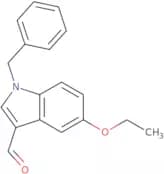
CAS:<p>Please enquire for more information about (9Z)-N-[(3-Methoxyphenyl)methyl]-9-octadecenamide including the price, delivery time and more detailed product information at the technical inquiry form on this page</p>Formula:C26H43NO2Purity:Min. 95%Molecular weight:401.63 g/mol1-Benzyl-5-ethoxy-1H-indole-3-carbaldehyde
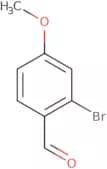
CAS:Controlled Product<p>Please enquire for more information about 1-Benzyl-5-ethoxy-1H-indole-3-carbaldehyde including the price, delivery time and more detailed product information at the technical inquiry form on this page</p>Formula:C18H17NO2Purity:Min. 95%Molecular weight:279.33 g/mol2-Bromo-4-methoxybenzaldehyde
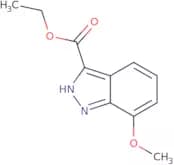
CAS:<p>2-Bromo-4-methoxybenzaldehyde is a cyclic, stereoselectively eliminable, acrylate that can be used in the asymmetric synthesis of sulfamidate and lactam. It can also be used to synthesize quinoline derivatives with aluminium chloride. This product has been shown to yield good yields when reacted with functional groups such as halides and nature. 2-Bromo-4-methoxybenzaldehyde is found in biomolecular reactions.</p>Formula:C8H7BrO2Color and Shape:PowderMolecular weight:215.04 g/molEthyl 7-Methoxy-1H-Indazole-3-Carboxylate
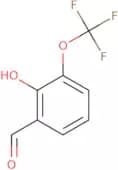
CAS:Controlled Product<p>Please enquire for more information about Ethyl 7-Methoxy-1H-Indazole-3-Carboxylate including the price, delivery time and more detailed product information at the technical inquiry form on this page</p>Formula:C11H12N2O3Purity:Min. 95%Molecular weight:220.22 g/mol2-Hydroxy-3-(Trifluoromethoxy)Benzaldehyde
CAS:<p>2-Hydroxy-3-(trifluoromethoxy)benzaldehyde is a coordination compound that is used as a ligand. It has two-dimensional and crystal structures. The ligated molecule is usually coordinated to the metal ion, forming a dimer.</p>Formula:C8H5F3O3Purity:Min. 95%Molecular weight:206.12 g/mol[4-[2-(Diethylamino)ethoxy]-3-iodophenyl][2-(1-hydroxybutyl)-3-benzofuranyl]-methanone
CAS:Controlled Product<p>Please enquire for more information about [4-[2-(Diethylamino)ethoxy]-3-iodophenyl][2-(1-hydroxybutyl)-3-benzofuranyl]-methanone including the price, delivery time and more detailed product information at the technical inquiry form on this page</p>Formula:C25H30INO4Purity:Min. 95%Molecular weight:535.41 g/molN-(tert-Butoxycarbonyl)glycine N'-methoxy-N'-methylamide
CAS:<p>Please enquire for more information about N-(tert-Butoxycarbonyl)glycine N'-methoxy-N'-methylamide including the price, delivery time and more detailed product information at the technical inquiry form on this page</p>Formula:C9H18N2O4Purity:Min. 95%Molecular weight:218.25 g/mol4-Chloro-2-methoxy-5-methylaniline
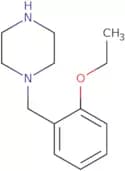
CAS:<p>4-Chloro-2-methoxy-5-methylaniline is a dye molecule that is used in the synthesis of other molecules, such as diketene. It is also used as a solvent, coupling agent, and a dye molecule. This compound can be synthetically prepared by reacting naphthylamine with pyrazolone. The reaction requires catalytic amounts of polyvalent metal salts, such as zinc chloride or iron(III) chloride. The halogenation of 4-chloro-2-methoxy-5-methylaniline to produce 2,4,5-trichlorophenol can be achieved by diazotising the molecule with sodium nitrite and potassium dichromate. 4-Chloro-2-methoxy-5 methylaniline's substituents are methyl groups on the phenyl ring (Cl) and chlorine atoms (C1). Derivatives of this</p>Formula:C8H10ClNOPurity:Min. 95%Molecular weight:171.62 g/mol1-(2-Ethoxybenzyl)piperazine
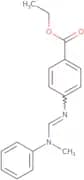
CAS:Controlled Product<p>Please enquire for more information about 1-(2-Ethoxybenzyl)piperazine including the price, delivery time and more detailed product information at the technical inquiry form on this page</p>Formula:C13H20N2OPurity:Min. 95%Molecular weight:220.31 g/molN-(Ethoxycarbonylphenyl)-N'-methyl-N'-phenylformamidine
CAS:<p>Please enquire for more information about N-(Ethoxycarbonylphenyl)-N'-methyl-N'-phenylformamidine including the price, delivery time and more detailed product information at the technical inquiry form on this page</p>Formula:C15H14N2O2Purity:Min. 95%Molecular weight:254.28 g/mol2,5-Dichloro-4-methoxybenzoic acid
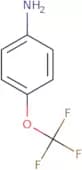
CAS:<p>2,5-Dichloro-4-methoxybenzoic acid is a synthetic herbicide that inhibits the enzyme 5-enolpyruvylshikimate-3-phosphate synthase (EPSPS). This enzyme is necessary for the synthesis of aromatic amino acids. 2,5-Dichloro-4-methoxybenzoic acid is used as a selective herbicide in plants grown in vitro to eliminate weeds. It is also used to control populations of wild plants and grasses. 2,5-Dichloro-4-methoxybenzoic acid has been shown to inhibit the growth of glyphosate resistant weed species by inhibiting EPSPS activity.</p>Purity:Min. 95%4-(Trifluoromethoxy)aniline
CAS:<p>4-(Trifluoromethoxy)aniline is a reactive intermediate used in the synthesis of pharmaceuticals, dyes, and pesticides. It is prepared by reacting hydrogen fluoride with aniline in the presence of an acid catalyst. 4-(Trifluoromethoxy)aniline can be used to synthesize epoxyeicosatrienoic acids, which are potent anti-inflammatory agents. 4-(Trifluoromethoxy)aniline has been shown to have a pharmacokinetic profile that is similar to those of other fluoroquinolones, but has not been studied for clinical development.</p>Formula:C7H6F3NOPurity:Min. 95%Color and Shape:Clear LiquidMolecular weight:177.12 g/mol3-Methoxy methamphetamine hydrochloride
CAS:Controlled Product<p>Please enquire for more information about 3-Methoxy methamphetamine hydrochloride including the price, delivery time and more detailed product information at the technical inquiry form on this page</p>Formula:C11H18ClNOPurity:Min. 95%Molecular weight:215.72 g/mol
![3-[4-(2-Methoxyethyl)phenoxy]-1,2-epoxypropane](/_next/image/?url=https%3A%2Fstatic.cymitquimica.com%2Fproducts%2F3D%2Fthumb-webp%2FFM25303.webp&w=3840&q=75)


![[2-(4-methoxyphenyl)ethyl]methylamine](/_next/image/?url=https%3A%2Fstatic.cymitquimica.com%2Fproducts%2F3D%2Fthumb-webp%2FFM51362.webp&w=3840&q=75)


![(2S,3S)-5-[2-(Dimethylamino)ethyl]-3-hydroxy-2-(4-methoxyphenyl)-2,3-dihydro-1,5-benzothiazepin-4-…](/_next/image/?url=https%3A%2Fstatic.cymitquimica.com%2Fproducts%2F3D%2Fthumb-webp%2FFD45531.webp&w=3840&q=75)

![5-[(2-Methoxyphenoxy)-methyl]-2-oxazolidinone](/_next/image/?url=https%3A%2Fstatic.cymitquimica.com%2Fproducts%2F3D%2Fthumb-webp%2FFM25063.webp&w=3840&q=75)

![(9Z)-N-[(3-Methoxyphenyl)methyl]-9-octadecenamide](/_next/image/?url=https%3A%2Fstatic.cymitquimica.com%2Fproducts%2F3D%2Fthumb-webp%2FFN165022.webp&w=3840&q=75)
![[4-[2-(Diethylamino)ethoxy]-3-iodophenyl][2-(1-hydroxybutyl)-3-benzofuranyl]-methanone](/_next/image/?url=https%3A%2Fstatic.cymitquimica.com%2Fproducts%2F3D%2Fthumb-webp%2FFD150040.webp&w=3840&q=75)