Organoboranes
Organoboranes are organic compounds characterized by the presence of boron atoms bonded to carbon. These compounds are derivatives of the BH3 molecule and play animportant role in various chemical reactions, including as intermediates in organic synthesis. At CymitQuimica, we offer a wide range of organoboranes to support your research and industrial needs. Our products are designed to deliver high performance and reliability in your synthetic processes.
Found 6101 products of "Organoboranes"
Sort by
Purity (%)
0
100
|
0
|
50
|
90
|
95
|
100
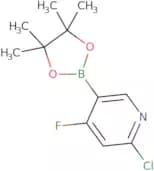
2-Chloro-4-fluoropyridine-5-boronic acid, pinacol ester
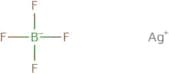
CAS:<p>Please enquire for more information about 2-Chloro-4-fluoropyridine-5-boronic acid, pinacol ester including the price, delivery time and more detailed product information at the technical inquiry form on this page</p>Formula:C11H14BClFNO2Purity:Min. 95%Molecular weight:257.5 g/molSilver tetrafluoroborate
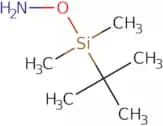
CAS:<p>Silver tetrafluoroborate (AgBF) is a chemical reagent that is used in analytical chemistry and structural analysis. It has shown to be a stable complex with organic molecules, such as fatty acids, and has been used to study the properties of these compounds. AgBF is an inorganic salt that can be synthesized by reacting silver nitrate and barium fluoride in the presence of trifluoroacetic acid. This compound has also been found to form stable complexes with organic molecules containing a hydroxyl group or nitrogen atom. The structure of AgBF has been determined through X-ray crystal structures and electron diffraction patterns. The molecule consists of two symmetric chains joined by a central disulfide bond.</p>Formula:AgBF4Purity:Min. 95%Color and Shape:PowderMolecular weight:194.67 g/molO-(Tert-Butyldimethylsilyl)hydroxylamine
CAS:<p>O-(Tert-butyldimethylsilyl)hydroxylamine is a stereospecific, oxidized, insoluble, tautomeric hydroxamic acid. It is used as a reagent in organic synthesis to form lactams by reaction with hexamethylenetetramine. The compound can be prepared by treatment of hydroxylamine with diacetate in the presence of aluminium chloride. The product is an orange liquid that crystallizes from water, but is not soluble in most organic solvents.</p>Formula:C6H17NOSiPurity:Min. 95%Molecular weight:147.29 g/mol(4-Ethoxyphenyl)boronic acid
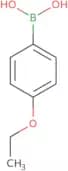
CAS:<p>4-Ethoxyphenylboronic acid is a boron-containing compound that has been shown to have potent antiviral activity. This compound is synthesized from adipose tissue and optical properties of the phenoxazine derivative are studied in order to find an efficient process for solid-phase synthesis. 4-Ethoxyphenylboronic acid has been shown to inhibit triglyceride lipase and fatty acid, which may be an important drug target. It has also been found to have potent antagonistic effects on fatty acids.</p>Formula:C8H11BO3Purity:Min. 95%Molecular weight:165.98 g/mol(2,4-Dimethylphenyl)boronic acid
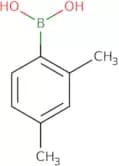
CAS:<p>(2,4-Dimethylphenyl)boronic acid is an arylboronic acid that is used in organic synthesis. The boron atom of the 2,4-dimethylphenyl group coordinates with the metal atom in the catalyst to form a stable complex. This allows for a multilayer reaction and fluorescence to occur. The activated fluorine atoms can be used to boost the reaction by adding them to the substrate and increasing the rate of oxidation. Astragalus membranaceus and rapeseed extracts have been shown to increase the rate of oxidation as well as inhibiting the formation of disaccharides. These extracts also have shown anti-inflammatory effects when tested on rats. (2,4-Dimethylphenyl)boronic acid has also been found to interact with dihydroisoquinolines, which are compounds that are structurally similar to morphine and codeine.</p>Formula:C8H11BO2Purity:Min. 95%Molecular weight:149.98 g/mol1-(difluoromethyl)-4-(4,4,5,5-tetramethyl-1,3,2-dioxaborolan
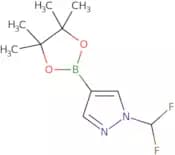
CAS:<p>Please enquire for more information about 1-(difluoromethyl)-4-(4,4,5,5-tetramethyl-1,3,2-dioxaborolan including the price, delivery time and more detailed product information at the technical inquiry form on this page</p>Formula:C10H15BF2N2O2Purity:Min. 95%Molecular weight:244.05 g/mol2-Aminopyrimidine-5-boronic acid pinacol ester
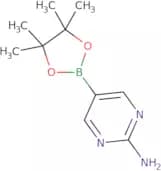
CAS:<p>2-Aminopyrimidine-5-boronic acid pinacol ester is a boronic acid derivative that has been shown to inhibit the activity of protein kinase C. This compound is also an effective linker for cross-coupling reactions and has a low reactivity with nucleophiles, which makes it safer than other boronic acids. 2-Aminopyrimidine-5-boronic acid pinacol ester has been shown to be potent against cancer cells in vitro and in vivo and synthetic cells. 2-Aminopyrimidine-5-boronic acid pinacol ester inhibits the growth of cancer cells by binding to the ATP site on protein kinase C, thereby inhibiting its function.</p>Formula:C10H16BN3O2Purity:Min. 95 Area-%Color and Shape:PowderMolecular weight:221.06 g/mol4-(Bromomethyl)benzeneboronic acid pinacol ester
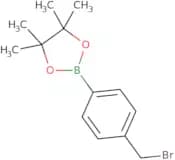
CAS:<p>4-(Bromomethyl)benzeneboronic acid pinacol ester (BBBA) is a hypochlorous acid derivative with a structural formula of C6H5BrOCH2. It is used as a fluorophore and has been shown to have anticancer activity. 4-Bromomethylbenzeneboronic acid pinacol ester reacts with hydrophobic molecules in the cell membrane, leading to disruption of the membrane and ultimately cell death. This compound can be used as an active oxygen source in biological assays, such as functional assays, because it generates reactive oxygen species and can act as a fluorescence probe for detection of biological samples.</p>Formula:C13H18BBrO2Purity:Min. 95 Area-%Color and Shape:White PowderMolecular weight:297 g/molBis(trimethylsilyl)bromomethane
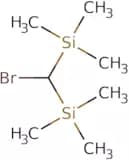
CAS:<p>Bis(trimethylsilyl)bromomethane is an alkali metal compound that is a multinuclear, crystalline solid. It has an x-ray diffraction pattern with peaks at 30, 39, and 44 degrees. The elemental analysis of the compound shows it to be composed of carbon and hydrogen. Bis(trimethylsilyl)bromomethane is a tetrahydrofuran derivative that can be alkylated or silylated with metal compounds. This compound has been shown to have coordination properties when combined with potassium. The molecular structure of bis(trimethylsilyl)bromomethane is composed of two trimethylsiloxy groups linked together by one bromine atom.</p>Formula:C7H19BrSi2Purity:Min. 95%Color and Shape:Clear LiquidMolecular weight:239.3 g/molTriisopropanolamine Borate
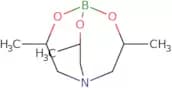
CAS:<p>Triisopropanolamine borate is an organic compound with the formula (CH3)3N(CH2)3OH. It is a colorless liquid with a sweet, amine-like odor. Triisopropanolamine borate is widely used as a cross-linking agent in coatings, and as a reactive functional group in polycarboxylic acid synthesis and cationic polymerization. It also has been used as a blood pressure lowering agent and to treat high calcium levels in the blood. The chemical structure of triisopropanolamine borate can be seen below: Triisopropanolamine Borate, Chemical Structure The chemical formula for triisopropanolamine borate is CH3N(CH2)3OH. Triisopropanolamine borate has many applications due to its reactive functional groups, including cross-linking agents for coatings and polycarboxylic acid synthesis</p>Formula:C9H18BNO3Purity:Min. 95%Molecular weight:199.06 g/mol(1-Fluorovinyl)methyldiphenylsilane
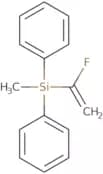
CAS:<p>1-Fluorovinylmethyldiphenylsilane is a reactive, cross-coupling reagent that is used to synthesize organofluorine compounds. It reacts with nucleophiles such as sulfoxides, peroxides, halides, and amines to form an organofluorine compound. The nucleophile can be either in the presence or absence of hydrogen peroxide as a catalyst. The product of this reaction can be a sulfoxide, peroxide, or amine. 1-Fluorovinylmethyldiphenylsilane has been shown to react with nitro groups and iodides to form organofluorine compounds. 1-Fluorovinylmethyldiphenylsilane is soluble in organic solvents such as hexane and chloroform. This reagent should not be stored in metal containers because it will react with them spontaneously.</p>Formula:C15H15FSiPurity:Min. 95%Molecular weight:242.36 g/mol1-Hexyl-o-carborane
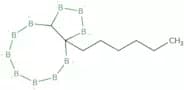
CAS:Controlled Product<p>1-Hexyl-o-carborane is a human bioassay that has shown carcinogenic activity. It has been observed to cause cancer in humans through its ability to bind to DNA and alter the cell cycle. 1-Hexyl-o-carborane is an organometallic compound that binds to ferrocene and other organometallic compounds, preventing their use as anticancer drugs. 1-Hexyl-o-carborane can be synthesized by reacting hexylmagnesium bromide with ammonium carbonyl chloride in a one pot reaction.</p>Formula:C8B10H24Purity:Min. 95%Molecular weight:228.39 g/mol2-(Chloromethoxyethyl)trimethyl silane - stabilized with ca. 0.1% Diisopropylethylamine
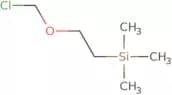
CAS:<p>Silyl protecting group for alcohols; reagent for introducing protected C atom</p>Formula:C6H15ClOSiPurity:Min. 95%Color and Shape:Colorless Clear LiquidMolecular weight:166.72 g/mol(4-Aminophenyl)boronic acid pinacol ester
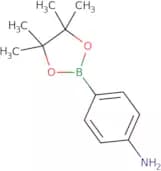
CAS:<p>(4-Aminophenyl)boronic acid pinacol ester is a semiconducting material that can be used in thin film devices. It has been shown to be a good candidate for transistor and device applications due to its high yield, low cost, and high stability. This compound can also be used to modify the structure of other compounds through substitution reactions. (4-Aminophenyl)boronic acid pinacol ester has been synthesized from inexpensive starting materials, such as triphenylamine and amines.</p>Formula:C12H18BNO2Purity:Min. 95%Color and Shape:White PowderMolecular weight:219.09 g/mol4-(Ethoxycarbonyl)phenylboronic acid
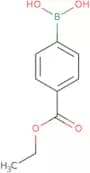
CAS:<p>4-(Ethoxycarbonyl)phenylboronic acid is a potential use for picric acid detection. It has been shown to be a chemosensor with an electrochemical impedance spectroscopy response that is sensitive to chloride ions. 4-(Ethoxycarbonyl)phenylboronic acid can be used as a linker in multigram-scale synthesis of aryl halides, and its reaction mechanism has been elucidated by crystal x-ray diffraction. The synthesis of this compound is scalable and involves the formation of an apical carboxylate from ethoxycarbonyl phenyl boronic acid and an aryl halide.</p>Formula:C9H11BO4Purity:Min. 95%Color and Shape:PowderMolecular weight:193.99 g/molDimethoxymethylphenylsilane
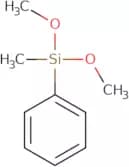
CAS:<p>Dimethoxymethylphenylsilane is a chemical compound that can be used as a substrate film. It is commonly used in gravimetric analysis, thermal expansion, and electrochemical impedance spectroscopy. Dimethoxymethylphenylsilane has been shown to form cationic polymers when heated with fatty acids. This polymerization process requires hydrochloric acid for activation. Dimethoxymethylphenylsilane has also been shown to react with zirconium oxide at high temperatures and form a reactive surface layer of titanium dioxide on the surface of the zirconium oxide. The molecule consists of an oxygen atom, two methyl groups, and two phenyl groups. The solid catalyst has a diameter of approximately 1 nm and its NMR spectra are consistent with those expected for this type of molecule.</p>Purity:Min. 95%Azidotrimethylsilane
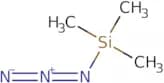
CAS:<p>Azidotrimethylsilane is a chemical compound that can be used in various reactions. It is an unsymmetrical compound with the molecular formula of CH3SiN3, and has an asymmetric carbon atom with four different substituents. Azidotrimethylsilane reacts with nucleophiles to form azides, which can be used as antiviral agents or to synthesize other compounds. It also participates in transfer reactions, such as the reaction of trifluoroacetic acid and fatty acids to form esters. The hydroxyl group on the silicon atom increases its reactivity because it can act as a nucleophile in addition to its electrophilic properties. !-- -->Azidotrimethylsilane is an unsymmetrical compound with the molecular formula CH3SiN3, and has an asymmetric carbon atom with four different substituents. Azidotrimethylsilane reacts with nucleophiles to form az</p>Formula:C3H9N3SiPurity:Min. 95%Molecular weight:115.21 g/molO-Benzyl psilocybin
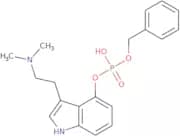
CAS:Controlled Product<p>O-Benzyl psilocybin is a hydrophobic molecule with an affinity for lipase. It has been shown to exhibit growth inhibition on malignant cells in tissue culture, and has been investigated as a potential anticancer agent. O-Benzyl psilocybin is also able to inhibit the activity of plasminogen activator inhibitor-1 (PAI-1), which is involved in cancer progression and metastasis. This compound may be used as an anticancer drug or as a prophylactic agent against cancer. It may also be useful in treating other conditions such as atherosclerosis and restenosis, where PAI-1 plays a significant role. O-Benzyl psilocybin has been found to have anti-inflammatory properties that may be due to its ability to inhibit the production of prostaglandin E2 from arachidonic acid.</p>Formula:C19H23N2O4PPurity:Min. 95%Molecular weight:374.37 g/mol4-Cyano-2-methylphenylboronic acid, pinacol ester
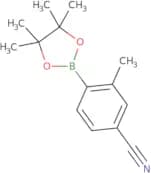
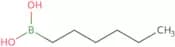
CAS:<p>Please enquire for more information about 4-Cyano-2-methylphenylboronic acid, pinacol ester including the price, delivery time and more detailed product information at the technical inquiry form on this page</p>Formula:C14H18BNO2Purity:Min. 95%Molecular weight:243.11 g/molN-Hexylboronic acid
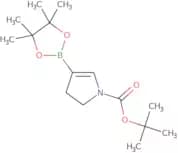
CAS:<p>N-Hexylboronic acid is an organometallic compound that has been used as a model system to study the catalytic mechanism of the Suzuki coupling reaction. It has also been shown to be a substrate film for use in the suzuki coupling reaction when combined with Raney nickel, which can be used to synthesize organic compounds. N-Hexylboronic acid has been shown to inhibit the activity of pancreatic lipase, but not cholesterol esterase or cholesterol ester hydrolase. The skeleton of this molecule is made up of six carbon atoms and one boron atom. Hydrogen chloride and aliphatic hydrocarbons are inhibitors of N-hexylboronic acid.</p>Formula:C6H15BO2Purity:Min. 95%Molecular weight:129.99 g/mol1-BOC-2,3-Dihydropyrrole-4-boronic acid, pinacol ester
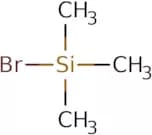
CAS:<p>Please enquire for more information about 1-BOC-2,3-Dihydropyrrole-4-boronic acid, pinacol ester including the price, delivery time and more detailed product information at the technical inquiry form on this page</p>Formula:C15H26BNO4Purity:Min. 95%Molecular weight:295.18 g/molBromotrimethylsilane
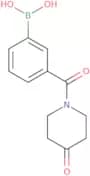
CAS:<p>Bromotrimethylsilane is an inhibitor of the enzyme hydroxyl methyl transferases. It binds to the penicillin-binding protein and inhibits the activity of this enzyme, which is involved in the synthesis of bacterial cell walls. Bromotrimethylsilane has been shown to be active against murine sarcoma virus and other viruses as well as bacterial growth. This compound has also been shown to inhibit the growth of several types of cancer cells, including leukemia cells from mice.</p>Formula:C3H9BrSiPurity:Min. 95%Color and Shape:Colorless Clear LiquidMolecular weight:153.09 g/mol3-(4-Oxopiperidine-1-carbonyl)phenylboronic acid
CAS:Controlled Product<p>Please enquire for more information about 3-(4-Oxopiperidine-1-carbonyl)phenylboronic acid including the price, delivery time and more detailed product information at the technical inquiry form on this page</p>Formula:C12H14BNO4Purity:Min. 95%Molecular weight:247.05 g/molDichloromethylsilane
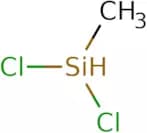
CAS:<p>Dichloromethylsilane (DCS) is a chemical compound that is used in the synthesis of silicone rubber, silicone elastomers, and silicone sealants. It can also be used as a cross-linking agent for polymers such as polyurethane, epoxy resin, and silicone. The synthesis of DCS is achieved by reacting chlorosilanes with methyl alcohol or methyl chloride in the presence of an acid catalyst. DCS exhibits high chemical stability and can be activated at room temperature. This product has been shown to be useful for fabricating medical devices that are implanted into the human body because it does not react with water or blood.</p>Formula:CH4Cl2SiPurity:Min. 95%Molecular weight:115.03 g/molm-Carborane
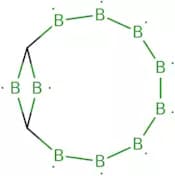
CAS:Controlled Product<p>m-Carborane is a molecule that is composed of a chlorine atom and an aromatic hydrocarbon. m-Carborane has been shown to be an estrogen receptor modulator, which may have potential as a drug for the prevention or treatment of hormone-related diseases. This compound has also been shown to act as a fluorophore and to have high melting points. It forms hydrogen bonds with other molecules and can bind to progesterone receptors, which are found in breast cancer cells. These interactions have been studied using x-ray crystal structures and microscopy studies on MCF-7 cells.</p>Formula:C2H12B10Purity:Min. 95%Color and Shape:White powder(solid)Molecular weight:144.23 g/mol4-Isopropoxyphenylboronic acid
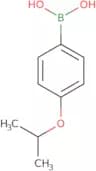
CAS:<p>4-Isopropoxyphenylboronic acid is a boronic acid that can be used as a cross-coupling partner in palladium-catalyzed cross-coupling reactions. It is synthesized by reacting 4-hydroxyphenylacetic acid with 2 equivalents of naphthoquinone diazide. The addition of the 4-isopropoxy group to the phenyl substituent increases the reactivity of this boronic acid. This compound has been used in the synthesis of rofecoxib and cyclooxygenase inhibitors, such as aspirin and ibuprofen. The presence of an electron withdrawing group on one phenyl ring enhances the reactivity of this boronic acid towards nucleophiles, such as amines or alcohols.</p>Formula:C9H13BO3Purity:Min. 95%Molecular weight:180.01 g/mol4-(Ethylsulfonyl)phenylboronicacid
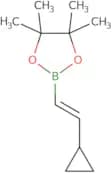
CAS:<p>Please enquire for more information about 4-(Ethylsulfonyl)phenylboronicacid including the price, delivery time and more detailed product information at the technical inquiry form on this page</p>Formula:C8H11BO4SPurity:Min. 95%Molecular weight:214.05 g/mol(trans)-2-Cyclopropylvinylboronic acid pinacol ester
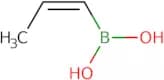
CAS:<p>Please enquire for more information about (trans)-2-Cyclopropylvinylboronic acid pinacol ester including the price, delivery time and more detailed product information at the technical inquiry form on this page</p>Formula:C11H19BO2Purity:Min. 95%Molecular weight:194.08 g/molcis-1-Propene-1-boronicacid
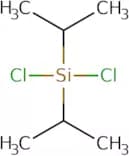
CAS:<p>cis-1-Propene-1-boronicacid is a chiral, pyranoside compound that can be synthesized from the reaction of 2,3,4,5-tetrahydropyran with boron trichloride. cis-1-Propene-1-boronicacid has been shown to be useful for the palladium catalyzed cross coupling reactions. cis-1-Propene-1-boronicacid has been shown to react with cyclopentenone and alkylate different functional groups such as amines and alcohols. cis-1 -Propene 1 boronic acid has been used in peptidomimetics as well as in nature.</p>Formula:C3H7BO2Purity:Min. 95%Molecular weight:85.9 g/molDichlorodiisopropylsilane
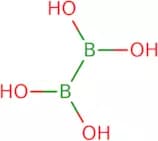
CAS:<p>Dichlorodiisopropylsilane is a cycloaddition process, which is the addition of two molecules to create a new ring. It reacts with an unsaturated organic compound, such as an alkene or alkyne, to produce a reactive functional group. Dichlorodiisopropylsilane has been used in chemistry as a cross-linking agent for proteins and as a solid catalyst. The chemical stability of dichlorodiisopropylsilane makes it useful in the synthesis of model proteins. This compound also has low bioavailability due to its high reactivity with hydrochloric acid found in the stomach.</p>Formula:C6H14Cl2SiPurity:Min. 95%Color and Shape:Clear LiquidMolecular weight:185.17 g/molTetrahydroxydiborane
CAS:<p>Tetrahydroxydiborane is an organic compound that contains a hydroxyl group. It has been shown to be an effective nucleophile in the mechanism studies of hydrolysis of halides and nitro compounds. Tetrahydroxydiborane is also used in the Suzuki coupling reaction, which is a chemical reaction between an aryl halide and sodium carbonate, as well as in cationic polymerization. This compound may also have biological applications such as the use of tetrahydroxydiborane as a fluorescence probe for optical sensor detection of autoimmune diseases.</p>Formula:H4B2O4Purity:Min. 95%Color and Shape:White PowderMolecular weight:89.65 g/molDimethylphenylsilane
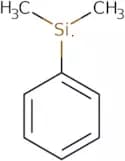
CAS:<p>Dimethylphenylsilane is a chemical compound that belongs to the group of trifluoroacetic acid derivatives. It is used as an antimicrobial agent and has been shown to be effective against Gram-positive bacteria, Gram-negative bacteria, and yeast. Dimethylphenylsilane has been shown to inhibit the proliferation of microorganisms by binding to the hydroxyl group in methacrylates and irreversible oxidation of unsaturated alkyl compounds. The reaction mechanism for this process is still unclear but it is thought that it may involve a transfer reaction or a reaction intermediate. Dimethylphenylsilane can be used as a solid catalyst in reactions involving unsaturated alkyl compounds.</p>Formula:C8H12SiPurity:Min. 95%Color and Shape:Clear LiquidMolecular weight:136.27 g/molTriethyl borate
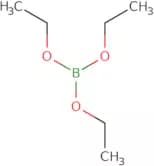
CAS:<p>Triethyl borate is an inorganic acid that is used as a catalyst. It has been shown to react with hydrochloric acid and orthoboric acid to form hydrogen boron hydride (H3BO3) and water. It also reacts with hydrogen chloride, forming hydrogen boron chloride, which can be used to prepare the active form of boric acid. This reaction is reversible and the equilibrium can be shifted by adding a base such as sodium hydroxide or ammonia. Triethyl borate is reactive, so it should only be handled in well-ventilated areas. The structural analysis of this compound reveals that it contains two hydroxyl groups that are involved in intramolecular hydrogen bonding, which helps stabilize its structure. Triethyl borate has been shown to have anti-infectious properties, inhibiting the growth of infectious bacteria such as Staphylococcus aureus and Streptococcus pneumoniae.</p>Formula:C6H15BO3Purity:Min. 95%Molecular weight:145.99 g/mol(3-Mercaptopropyl)trimethoxysilane
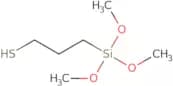
CAS:<p>3-Mercaptopropyl)trimethoxysilane is a molecule made up of three parts: a trimethoxysilane group, a trimethylsilyl group, and a mercapto group. The trimethoxysilane group is hydrophilic in nature and has an electron withdrawing effect on the molecule. The trimethylsilyl group is hydrophobic in nature and has an electron donating effect on the molecule. The mercapto group is reactive in nature and has a high redox potential. 3-Mercaptopropyl)trimethoxysilane can be used as a chemical additive to increase the stability of hydrochloric acid in water vapor by reacting with the hydroxyl groups to form stable compounds. This compound also reacts with hydrogen gas to produce methane gas, which can be used as fuel or as an alternative energy source. 3-Mercaptopropyl)trimethoxysilane also has synergistic</p>Formula:C6H16O3SSiPurity:Min. 98 Area-%Color and Shape:Colorless Clear LiquidMolecular weight:196.34 g/mol2,5-Bis(4-bromophenyl)-1,1-dimethyl-3,4-diphenylsilole
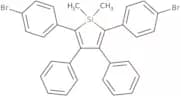
CAS:<p>Please enquire for more information about 2,5-Bis(4-bromophenyl)-1,1-dimethyl-3,4-diphenylsilole including the price, delivery time and more detailed product information at the technical inquiry form on this page</p>Formula:C30H24Br2SiPurity:Min. 95%Molecular weight:572.41 g/molε caprolactam
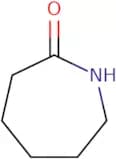
CAS:<p>Epsilon caprolactam is a poly-functional compound that can be used as a monomer for the production of polyamides. It is produced from lysine and caproic acid in the presence of copper chloride by oxidative decarboxylation. Epsilon caprolactam has been shown to have synergistic effects with other compounds, such as toxicity studies on rats and mice. This compound also has an acidic nature due to its carboxylic acid group. Plasma mass spectrometry has shown that there are high values of epsilon caprolactam in the plasma of bacterial strains and it is rapidly metabolized to l-lysine. Epsilon caprolactam is also a solid catalyst for organic reactions, which causes phase transition temperature to increase and promotes reaction mechanisms.</p>Formula:C6H11NOPurity:Min. 95%Color and Shape:White To Off-White SolidMolecular weight:113.16 g/mol1,1,3,3-Tetramethyldisiloxane
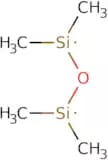
CAS:<p>1,1,3,3-Tetramethyldisiloxane is a chemical compound that belongs to the group of functional groups. It can be isolated from hydrolysis of methyltrichlorosilane with sodium hydroxide and cellulose acetate. 1,1,3,3-Tetramethyldisiloxane has two isomers with different properties: 3-methylsilsesquioxane and 3-ethylsilsesquioxane. The former has an ethyl group at the end of its molecule and the latter has an ethyl group in the middle. The two isomers are not interchangeable because they have different physical properties. The 3-methylsilsesquioxane isomer reacts with aluminium to form a metathesis reaction product containing silanol groups on one side of the aluminum molecule and hydroxy groups on the other side. This product can be used as a catalyst for subsequent reactions in organic synthesis reactions involving</p>Formula:C4H14OSi2Purity:Min. 95%Color and Shape:Clear LiquidMolecular weight:134.32 g/mol4-(Difluoromethoxy)phenylboronic acid
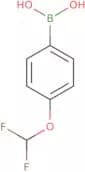
CAS:<p>Please enquire for more information about 4-(Difluoromethoxy)phenylboronic acid including the price, delivery time and more detailed product information at the technical inquiry form on this page</p>Formula:C7H7BF2O3Purity:Min. 95%Molecular weight:187.94 g/mol5-Fluoropyridine-2-boronic acid
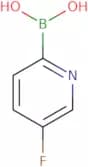
CAS:<p>Please enquire for more information about 5-Fluoropyridine-2-boronic acid including the price, delivery time and more detailed product information at the technical inquiry form on this page</p>Formula:C5H5BFNO2Purity:Min. 95%Molecular weight:140.91 g/molO-Benzyl psilocin
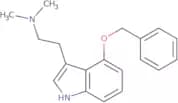
CAS:Controlled Product<p>O-Benzyl psilocin is a form of the hallucinogenic drug psilocybin. Psilocybin and other related substances are classified as indole alkaloids, which are synthesised by the enzyme tryptophan decarboxylase. O-Benzyl psilocin is synthesised in a two-step reaction that involves catalytic hydrogenation of 4-hydroxyindole to 4-hydroxyphenylacetaldehyde followed by formylation of the latter with formic acid or paraformaldehyde. It was first isolated from sheep's blood serum in 1958 and has been used as an immunogen to produce antisera against cocaine and serotonin. This substance also utilizes a number of endogenous substances for its metabolism, including dopamine, serotonin, noradrenaline, and adrenaline.</p>Formula:C19H22N2OPurity:Min. 95%Molecular weight:294.39 g/molTetrahydropyran-4-boronicacid
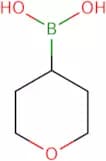
CAS:<p>Please enquire for more information about Tetrahydropyran-4-boronicacid including the price, delivery time and more detailed product information at the technical inquiry form on this page</p>Formula:C5H11BO3Purity:Min. 95%Molecular weight:129.95 g/mol2-Ethoxyphenylboronic acid
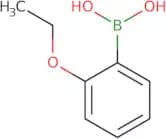
CAS:<p>Ethoxyphenylboronic acid is a triazine compound which inhibits inflammation by inhibiting the kinase that catalyzes the phosphorylation of arachidonic acid. It also inhibits lipid kinase, which is involved in the metabolism of lipids, and it has been shown to inhibit cancer cell growth through hydrogen bond interactions with DNA. Ethoxyphenylboronic acid has been shown to have anti-inflammatory properties and may be useful for the treatment of inflammatory diseases such as arthritis. The compound can also inhibit hydrogen peroxide-induced oxidative damage in cells, due to its ability to release intracellular glutathione.</p>Formula:C8H11BO3Purity:Min. 95%Molecular weight:165.98 g/mol6-(4,4,5,5-Tetramethyl-1,3,2-dioxaborolan-2-yl)-2,3-dihydrobenzo-1,4-dioxoline
CAS:<p>Please enquire for more information about 6-(4,4,5,5-Tetramethyl-1,3,2-dioxaborolan-2-yl)-2,3-dihydrobenzo-1,4-dioxoline including the price, delivery time and more detailed product information at the technical inquiry form on this page</p>Formula:C14H19BO4Purity:Min. 95%Molecular weight:262.11 g/mol(-)-B-Chlorodiisopinocampheylborane, 65% heptane solution
CAS:<p>(-)-B-Chlorodiisopinocampheylborane is a synthetic compound that belongs to the class of diketones. It has been used in asymmetric synthesis, metathesis reactions, and as a catalyst for the preparation of chiral compounds. (-)-B-Chlorodiisopinocampheylborane can be synthesized from trifluoromethylation using chlorodiphenylsilane and sodium borohydride in heptane. This agent has been shown to be effective for the production of β-unsaturated ketones by reaction with carbonyl groups. The reaction produces a racemic mixture of enantiomers, which are isomers that are not identical but have the same chemical formula and similar physical properties. (-)-B-Chlorodiisopinocampheylborane can also be used as an intermediate for the synthesis of latanoprost lactol, which is a prostaglandin</p>Formula:C20H34BClPurity:Min. 95%Color and Shape:Clear LiquidMolecular weight:320.75 g/mol5-Chloropyridine-2-boronicacid
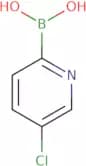
CAS:<p>Please enquire for more information about 5-Chloropyridine-2-boronicacid including the price, delivery time and more detailed product information at the technical inquiry form on this page</p>Formula:C5H5BClNO2Purity:Min. 95%Molecular weight:157.36 g/mol4-(Trifluoromethoxy)phenylboronic Acid (contains varying amounts of Anhydride)
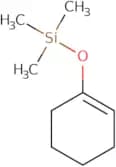
CAS:<p>4-(Trifluoromethoxy)phenylboronic acid is a boron-containing compound that has been shown to be a potent inhibitor of the histone deacetylase (HDAC) enzyme. It also has surfactant properties and can be used as a photochemical reagent. 4-(Trifluoromethoxy)phenylboronic acid is orally bioavailable and may have therapeutic potential for neurodegenerative diseases, such as Alzheimer's disease, Parkinson's disease, and Huntington's disease. It also has the ability to inhibit cancer cell growth by inhibiting HDAC activity. This drug has been found to cross-couple with organosilicon compounds in order to form new compounds with potent inhibitory activity against HDAC enzymes.</p>Formula:C7H6BF3O3Purity:Min. 95%Molecular weight:205.93 g/mol1-(Trimethylsilyloxy)cyclohexene
CAS:<p>The trimethylsilyloxy group is a very efficient method for the synthesis of antireflection coatings consisting of metal carbonyls. One such metal carbonyl is tetradentate zirconium oxide. Tetradentate zirconium oxide has been shown to be a good catalyst for the reaction between triflic acid and 1-(trimethylsilyloxy)cyclohexene. The ethyl group on the 1-carbon atom of 1-(trimethylsilyloxy)cyclohexene allows it to coordinate with the zirconium atom in tetradentate zirconium oxide, while the triflic acid acts as an acid catalyst to increase the rate of reaction.</p>Formula:C9H18OSiPurity:Min. 95%Molecular weight:170.32 g/mol4-[4-(N-Boc)piperazin-1-yl]phenylboronic acid pinacol ester
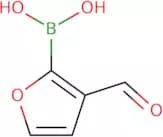
CAS:<p>Please enquire for more information about 4-[4-(N-Boc)piperazin-1-yl]phenylboronic acid pinacol ester including the price, delivery time and more detailed product information at the technical inquiry form on this page</p>Formula:C21H33BN2O4Purity:Min. 95%Color and Shape:PowderMolecular weight:388.31 g/mol3-Formylfuran-2-boronic acid
CAS:<p>3-Formylfuran-2-boronic acid is a molecule that can reversibly form an imine with primary amines. 3-Formyl group and fluorophore are the main features of this molecule. The fluorescent properties of 3-formyl group have been extensively studied by functional theory, structural studies and kinetic experiments. The study of these properties has led to the discovery of new fluorescent probes for use in biochemical studies. 3-Formyl furan also interacts with anthracene and other heterocycles by binding constants. These interactions were studied using quantum chemical calculations.</p>Formula:C5H5BO4Purity:Min. 95%Color and Shape:PowderMolecular weight:139.9 g/molFITC-epsilonAhx-Antennapedia Homeobox (43-58) amide trifluoroacetate salt
CAS:<p>Please enquire for more information about FITC-epsilonAhx-Antennapedia Homeobox (43-58) amide trifluoroacetate salt including the price, delivery time and more detailed product information at the technical inquiry form on this page</p>Formula:C131H191N37O25S2Purity:Min. 95%Molecular weight:2,748.28 g/mol




![4-[4-(N-Boc)piperazin-1-yl]phenylboronic acid pinacol ester](/_next/image/?url=https%3A%2Fstatic.cymitquimica.com%2Fproducts%2F3D%2Fthumb-webp%2FFN162753.webp&w=3840&q=75)