Organoboranes
Found 6123 products of "Organoboranes"
Octadecamethylcyclononasiloxane
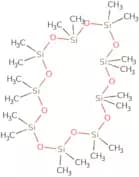
CAS:Octadecamethylcyclononasiloxane is a silicon-containing molecule, which has been shown to have antihypertensive activity. It works by inhibiting the production of angiotensin II, a key regulator of blood pressure, and thereby reducing blood pressure. Octadecamethylcyclononasiloxane also exhibits tumor-promoting activities in some animal models. This molecule is used as a surface active agent in many household products such as dishwashing detergents, shampoos, and cosmetics. It is also used as an acid catalyst in organic synthesis and in the manufacture of magnetic particles for use in biotechnology. A fatty acid ester with functional groups that can be found on its surface may contribute to octadecamethylcyclononasiloxane's cancer-promoting activities.Formula:C18H54O9Si9Purity:Min. 95%Color and Shape:Clear LiquidMolecular weight:667.39 g/molFerrocenium Tetrafluoroborate
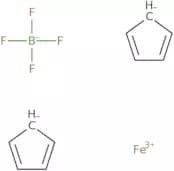
CAS:Ferrocenium tetrafluoroborate is a chiral, unreactive compound that is synthesized through the reaction of ferrocene and tetrafluoroboric acid. Ferrocenium tetrafluoroborate is a kinetic polymer that can be used as a linker in the synthesis of polymeric materials. This compound has been shown to catalyze the epoxidation of aliphatic alcohols to yield epoxides. Ferrocenium tetrafluoroborate has also been shown to catalyze the epoxidation of cyclic olefins, such as 1-octene. Ferrocenium tetrafluoroborate is an achiral catalyst and does not change during the course of the reaction.Formula:C10H2BF4FeColor and Shape:Brown PowderMolecular weight:264.77 g/mol(1-Methylethyl)boronic acid
CAS:(1-Methylethyl)boronic acid is a boronic acid that can be used as a catalyst in organic synthesis. This compound is an organometallic compound that has been shown to be a good catalyst for the polymerization of olefins, and for the preparation of copolymers with polyenes. It can also be used in asymmetric synthesis and as a site-specific ligand in transition metal catalyzed reactions. (1-Methylethyl)boronic acid has been shown to inhibit protease activity and may have therapeutic potential for metabolic disorders such as obesity.Formula:C3H9BO2Purity:Min. 95%Color and Shape:PowderMolecular weight:87.91 g/mol4-(4,6-Dimethoxy-1,3,5-triazin-2-yl)-4-morpholinium tetrafluoroborate
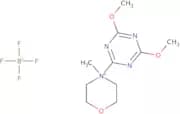
CAS:4-(4,6-Dimethoxy-1,3,5-triazin-2-yl)-4-morpholinium tetrafluoroborate is a modulating agent that is used in the treatment of infectious and metabolic disorders. The compound has been shown to increase the activity of fatty acid oxidation and decrease the production of inflammatory mediators. 4-(4,6-Dimethoxy-1,3,5-triazin-2-yl)-4-morpholinium tetrafluoroborate interacts with a variety of proteins by binding to their Nterminal domains. It can be conjugated to other molecules and then used as probes for kinetic studies or as antiinflammatory compounds.Formula:C10H17N4O3•BF4Purity:Min. 97 Area-%Color and Shape:PowderMolecular weight:328.07 g/mol(3-glycidoxypropyl)methyldimethoxysilane
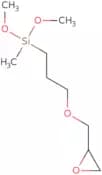
CAS:3-Glycidoxypropyl methyldimethoxysilane (3-GPMDMS) is a compound that belongs to the group of organosilicon compounds. It is an organic solvent that has been used for the activation energy of ring-opening reactions. 3-GPMDMS is also suitable for immobilizing polysaccharides, proteins, and enzymes on surfaces or in polymer matrices. 3-GPMDMS has been used to produce polymers with high molecular weight and a wide range of molecular weights by polymerization. 3-GPMDMS can be synthesized by reacting glycidoxypropyltrimethoxysilane with methanol in the presence of hydrochloric acid. The chemical structure includes methoxy groups connected to silicon atoms via methylphenyl groups. 3-GPMDMS has been shown to exhibit excellent magnetic resonance properties and be a potential candidate for use as nanomaterials. ItFormula:C9H20O4SiPurity:Min. 95%Molecular weight:220.34 g/mol2,4-Dimethoxypyrimidine-5-boronic acid, pinacol ester
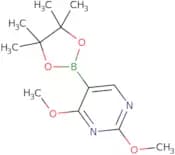
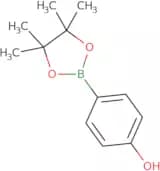
CAS:2,4-Dimethoxypyrimidine-5-boronic acid is a high quality chemical that can be used as a reagent or a complex intermediate. It is an important building block for the synthesis of many compounds and has been shown to be useful in the synthesis of 2,4-dimethoxybenzaldehyde. This compound has been used in the preparation of 2,4-dimethoxypyrimidin-5(6H)-ones and as a reaction component in organic chemistry.Formula:C12H19BN2O4Purity:Min. 97%Molecular weight:266.1 g/mol4-Hydroxyphenylboronic acid pinacol ester
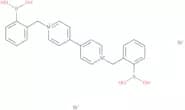
CAS:4-Hydroxyphenylboronic acid pinacol ester is a hydrophilic compound that has been used as a long-acting iron chelator. It has been shown to be active in the treatment of anemic patients with chronic kidney disease. 4-Hydroxyphenylboronic acid pinacol ester has been shown to bind to hepcidin, which is a peptide hormone that regulates iron homeostasis in the body by decreasing its absorption from the gut and increasing its excretion. It also binds to functional groups on proteins and other molecules, which allow for selective targeting of certain tissues or cells. This compound can be activated by light, making it photochromic. The addition of an active oxygen atom enables this molecule to react at a faster rate than most compounds and also creates reactive oxygen species (ROS) in humans when activated.Formula:C12H17BO3Purity:Min. 95%Color and Shape:White PowderMolecular weight:220.1 g/molN,N'-4,4'-Bis(benzyl-2-boronic acid)-bipyridinium dibromide
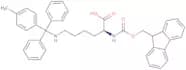
CAS:N,N'-4,4'-Bis(benzyl-2-boronic acid)-bipyridinium dibromide is a high quality reagent that can be used as an intermediate for the synthesis of complex organic compounds. It is a complex compound that contains boronic acid and bipyridinium moieties. N,N'-4,4'-Bis(benzyl-2-boronic acid)-bipyridinium dibromide is useful in the synthesis of fine chemicals and speciality chemicals. It has versatile building block properties and can be used as a reaction component in many chemical reactions.Formula:C24H24B2N2O4Br2Purity:Min. 95%Color and Shape:PowderMolecular weight:585.89 g/molN-α-Fmoc-N-ε-4-methyltrityl-L-lysine
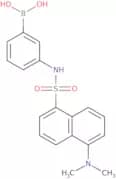
CAS:N-alpha-Fmoc-Nepsilon-methyltrityl-L-lysine is a synthetic amino acid that is used in the industrial production of peptides. It has been used for the synthesis of polypeptides, which are made up of chains of amino acids, and to analyze uptake in urine samples. The uptake was tracked by using a trifluoroacetic acid analog to radiolabel the N-alpha-Fmoc-Nepsilon-methyltrityl-L-lysine. This analog was synthesized from histidine and butyric acid, and its carboxy terminal sequence was determined by solid phase synthesis. N-alpha-Fmoc-Nepsilon methyltrityl L Lysine binds to the receptor site on cells that is responsible for binding histidine residues on proteins.Formula:C41H40N2O4Purity:Min. 95%Color and Shape:White To Off-White SolidMolecular weight:624.77 g/mol3-Dansylaminophenylboronic acid
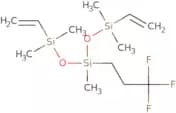
CAS:3-Dansylaminophenylboronic acid is a boronic acid that forms reversible covalent bonds with dopamine. It can be used in the diagnosis of cancer, as it binds to histone lysine and magnetic particles. The fluorescence resonance of 3-Dansylaminophenylboronic acid can also be used in the diagnosis of cancer, as it produces a strong signal. This compound has been shown to have homogeneous assays for the detection of dopamine and lipoprotein lipase in urine samples. 3-Dansylaminophenylboronic acid has also been found to be effective against cancer cells in culture, although it is not active against polysialic-expressing cells.Formula:C18H19BN2O4SPurity:Min. 95%Color and Shape:PowderMolecular weight:370.23 g/molPolysiloxanes di-Me, Me 3,3,3-trifluoropropyl vinyl group-terminated, 14,000-18,000 Cst
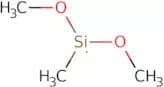
CAS:14,000-18,000 CstPurity:Min. 95%Color and Shape:Clear LiquidDimethoxy(methyl)silane - 90%
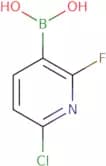
CAS:Dimethoxy(methyl)silane is a fluorescing hydrocarbon that is used as a sealant. It has been shown to react with calcium carbonate and chloride, forming stable complexes. Dimethoxy(methyl)silane reacts with hydrogen chloride to form a divalent hydrocarbon and can be used to produce polymer films.Formula:C3H10O2SiPurity:Min. 95%Color and Shape:Clear LiquidMolecular weight:106.2 g/mol6-Chloro-2-fluoropyridine-3-boronic acid
CAS:6-Chloro-2-fluoropyridine-3-boronic acid is a versatile building block for the synthesis of complex compounds, which can be used as a reagent in research or as a speciality chemical. This compound can be used as an intermediate, reaction component, or scaffold to synthesize other more complex structures. 6-Chloro-2-fluoropyridine-3-boronic acid is available in high quality and has CAS No. 1256345-66-0.Formula:C5H4BClFNO2Purity:Min. 95%Color and Shape:Light (Or Pale) Orange SolidMolecular weight:175.35 g/molTris[3-(trimethoxysilyl)propyl] isocyanurate
CAS:Tris(trimethoxysilyl)propyl isocyanurate (TTIPi) is an efficient method for the synthesis of conjugates. TTIPi can be used to prepare a variety of conjugates, such as those containing biomolecules such as proteins, peptides, nucleotides, and small molecules. The resulting conjugates can be visualized by microscopy and analyzed using the Anova statistical package. TTIPi has been shown to form covalent bonds with DNA bases and other substrates. It has also been shown to form coordination bonds with ethylene oxide or tetraethyl silane which are worthwhile for dispersive polymerization in organic solvents. The mesoporous silica support used in this process has been shown to be acidic or basic depending on the pH of the solution. This versatile technique is useful for preparing a wide range of conjugates.
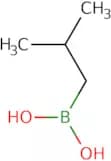
Formula:C21H45N3O12Si3Purity:Min. 95%Color and Shape:Colorless Clear LiquidMolecular weight:615.85 g/molIsobutylboronic acid
CAS:Isobutylboronic acid is a chemical compound that is used as an antimicrobial treatment for autoimmune diseases. This drug has a polyene structure and inhibits the production of proinflammatory cytokines such as IL-1, TNF-α, and IL-2. Isobutylboronic acid also inhibits the growth of cancer cells in vitro by inhibiting DNA synthesis. Isobutylboronic acid is also used to determine the mechanisms of organometallic compounds. It can be analyzed using liquid chromatography or gas chromatography techniques. The effective dose for this drug is not yet known.Formula:C4H11BO2Purity:Min. 95%Color and Shape:PowderMolecular weight:101.94 g/molL-Serine β-lactone tetrafluoroborate
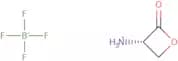
CAS:L-Serine beta-lactone tetrafluoroborate salt is a fine chemical that is used as a reagent, complex compound and building block in the synthesis of other compounds. It is also an important intermediate for the production of pharmaceuticals and agrochemicals. L-Serine beta-lactone tetrafluoroborate salt has been shown to be a versatile building block in organic synthesis. This product may react with acids to produce hydrogen fluoride gas, which can cause injury or death through inhalation or contact with skin, eyes or clothing.Formula:C3H5NO2•BF4•HPurity:Min. 95%Color and Shape:White/Off-White SolidMolecular weight:174.89 g/mol2-Methylpyridine-4-boronic acid pinacol ester
CAS:Please enquire for more information about 2-Methylpyridine-4-boronic acid pinacol ester including the price, delivery time and more detailed product information at the technical inquiry form on this page
Formula:C12H18BNO2Purity:Min. 95%Molecular weight:219.09 g/molBis[3-(triethoxysilyl)propyl]tetrasulfide
CAS:Bis[3-(triethoxysilyl)propyl]tetrasulfide is a cross-linking agent that can be used to create polymer films. It has been shown to form hydrated films in deionized water, which have been studied with atomic force microscopy. Kinetic data for the polymerization of bis[3-(triethoxysilyl)propyl]tetrasulfide has also been obtained by following the increase in viscosity of a solution containing a small amount of bis[3-(triethoxysilyl)propyl]tetrasulfide and an organic modifier. Bis[3-(triethoxysilyl)propyl]tetrasulfide is typically synthesized using solid-phase synthesis on carbon nanotubes or particles.Formula:C18H42Si2S4O6Purity:Min. 80%Color and Shape:Yellow Clear LiquidMolecular weight:538.96 g/molAdrenochrome monoaminoguanidine mesilate
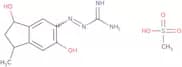
CAS:Adrenochrome monoaminoguanidine mesilate is a synthetic drug that has been used in the treatment of cellulite, obesity, and chronic fatigue syndrome. It is an orally administered drug that causes the body to release adrenaline and noradrenaline. Adrenochrome monoaminoguanidine mesilate is a crystalline substance with a melting point of 130-140°C. The drug contains no additives or excipients other than gelatinization and cellulose.Formula:C11H17N5O5SPurity:Min. 95%Color and Shape:PowderMolecular weight:331.35 g/molFmoc-O-tert-butyldimethylsilyl-L-serine
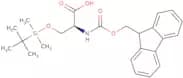
CAS:Fmoc-O-tert-butyldimethylsilyl-L-serine is a monomer that can be used in the solid-phase synthesis of conjugates. It has been shown to be an efficient method for synthesizing bioconjugates, which are used in chemical biology and biotechnology. Fmoc-O-tert-butyldimethylsilyl-L-serine is also efficient for the synthesis of proteins, small organic molecules, and carbohydrates. This monomer is often used as a building block for peptide synthesis because it can be easily removed from the peptides with trifluoroacetic acid or other acid catalysts.
Formula:C24H31NO5SiPurity:Min. 95%Color and Shape:SolidMolecular weight:441.59 g/molBis(trimethylsilyl)cytosine
CAS:Bis(trimethylsilyl)cytosine is an immunosuppressive agent that binds to the immunodeficient acceptor. It has been shown to be active against a number of viruses, including HIV-1 and HSV-1. Bis(trimethylsilyl)cytosine also inhibits the activity of purine and pyrimidine nucleotide synthesis, although it does not inhibit the activity of adenosine deaminase or ribonucleotide reductase. This compound has been shown to stimulate the immune system in mice with a deficiency in T cells by reducing the expression of genes that are responsible for cytokines such as IL-4 and IL-10.Formula:C10H21N3OSi2Purity:Min. 90%Color and Shape:PowderMolecular weight:255.46 g/molDimethylammonium tetrafluoroborate
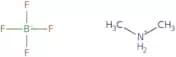
CAS:Controlled ProductDimethylammonium tetrafluoroborate is a reagent that is used in organic chemistry. It is a solid with a melting point of -56°C and can be synthesized by the reaction of ethyl amine and hexafluoro-2-butyne. This reagent has been used to synthesize quaternary ammonium salts, anions, and aliphatic hydrocarbons. Dimethylammonium tetrafluoroborate is also employed as a solvent for some devices due to its physicochemical properties, including its low boiling point and high dielectric constant.Formula:C2H8BF4NPurity:Min. 95%Molecular weight:132.9 g/molImidazo[1,2-α]pyridin-3-yl-boronic acid pinacol ester
CAS:Imidazo[1,2-a]pyridin-3-yl-boronic acid pinacol ester is a reagent that is used as an intermediate in the synthesis of complex compounds. The compound has been shown to be useful for research purposes and can be used as a building block in the synthesis of chemical compounds. Imidazo[1,2-a]pyridin-3-yl-boronic acid pinacol ester has an CAS number of 1238337-02-4 and is a versatile building block that can be used to synthesize speciality chemicals.Formula:C13H17BN2O2Purity:Min. 95%Color and Shape:PowderMolecular weight:244.1 g/molN-Ethylheptadecafluoro-N-[3-(Trimethoxysilyl)Propyl]Octanesulphonamide
CAS:Controlled ProductN-Ethylheptadecafluoro-N-[3-(Trimethoxysilyl)Propyl]Octanesulphonamide is a membrane filtration technology that is used to remove all organic and inorganic pollutants from water. It is effective for the removal of oils, pesticides, herbicides, detergents, antibiotics, and heavy metals. N-Ethylheptadecafluoro-N-[3-(Trimethoxysilyl)Propyl]Octanesulphonamide is also used to treat wastewater and surface water. This process can be used on large quantities of water with high efficiency. The use of this process can be beneficial for the health of humans, animals, and the environment.Formula:C16H20F17NO5SSiPurity:Min. 95%Molecular weight:689.46 g/molTrimethylsilylacetylene
CAS:Trimethylsilylacetylene is a chemical compound that belongs to the class of organic compounds. It is an intermediate in the production of fatty acids and has been shown to be involved in the metabolism of other compounds, such as halides. Trimethylsilylacetylene is also used to inhibit inflammatory diseases and metabolic disorders, such as diabetes mellitus and Alzheimer's disease. Trimethylsilylacetylene inhibits replication by binding to the amine group on purine bases or DNA at the replication fork. This prevents DNA synthesis, which prevents cell division, causing cells to die. Trimethylsilylacetylene also inhibits cell division by reacting with carbonyl groups on proteins during replication.Formula:C5H10SiPurity:Min. 95%Color and Shape:Colorless Clear LiquidMolecular weight:98.22 g/molB-(4-Fluoro-2-hydroxyphenyl)-boronic acid
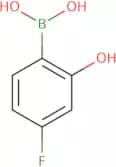
CAS:B-(4-Fluoro-2-hydroxyphenyl)-boronic acid is a fungicide that has been synthesized to inhibit the growth of fungi. This compound is an effective fungicide against a wide variety of plant pathogens. It has been shown to be highly efficient in catalyzing intramolecular cyclization reactions, which are sometimes difficult to perform with traditional methods. The regulatory nature of this compound makes it an excellent candidate for commercial applications in agroscience and industry.Formula:C6H6BFO3Purity:Min. 95%Color and Shape:PowderMolecular weight:155.92 g/mol6-(4,4,5,5-Tetramethyl-1,3,2-dioxaborolan-2-yl)imidazo[1,2-α]pyridine
CAS:6-(4,4,5,5-Tetramethyl-1,3,2-dioxaborolan-2-yl)imidazo[1,2-a]pyridine is a fine chemical that can be used as a building block in organic synthesis. It is a useful reagent and intermediate for the synthesis of other compounds. 6-(4,4,5,5-Tetramethyl-1,3,2-dioxaborolan-2-yl)imidazo[1,2-a]pyridine is soluble in acetone and ethanol. The compound has been found to be an effective reaction component in the synthesis of various complex molecules.Formula:C13H17BN2O2Purity:Min. 95%Color and Shape:SolidMolecular weight:244.1 g/mol4-Biphenylboronic acid
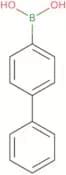
CAS:4-Biphenylboronic acid is a molecule that belongs to the group of amines. It is used in plant science to study the effects of amines on plants. The molecule has been shown to have a high UV absorption and catalysis activity. 4-Biphenylboronic acid has also been shown to bind with p-hydroxybenzoic acid, which inhibits binding with proteins, leading to a change in morphology. 4-Biphenylboronic acid can be used as a chemical inhibitor for root formation and other biological functions.Formula:C12H11BO2Purity:Min. 95%Color and Shape:White Off-White PowderMolecular weight:198.03 g/molPotassium tris(3,5-dimethyl-1-pyrazolyl)borohydride
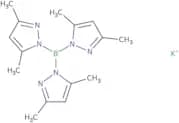
CAS:Potassium tris(3,5-dimethyl-1-pyrazolyl)borohydride is a catalytic reagent that converts various ketones to their corresponding cyclic 3,5-dimethylpyrazoles. It has been used for the synthesis of 1,4-dihydropyridines and for the conversion of aliphatic nitro compounds to their corresponding anilines. The yields are high and it has been shown to be more efficient than other methods in the literature. This reagent also has an intramolecular reaction mechanism and is able to reduce chloride ions into chloride gas.Formula:C15H22BKN6Purity:Min. 95%Color and Shape:PowderMolecular weight:336.28 g/mol3,7-Dibromo-5,5-dioctyl-5H-dibenzo[b,d]silole
CAS:3,7-Dibromo-5,5-dioctyl-5H-dibenzo[b,d]silole is a fine chemical that belongs to the group of versatile building blocks for organic synthesis. It is a complex compound that has been used in research as a reagent and speciality chemical. It also has many applications in the production of commercial chemicals such as pharmaceuticals and agrochemicals. This compound can be used as an intermediate for the production of other compounds with pharmaceutical or agricultural uses.Formula:C28H40Br2SiPurity:Min. 95%Color and Shape:Colorless PowderMolecular weight:564.51 g/molN-epsilon-Acetyl-L-lysine
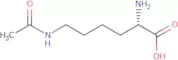
CAS:N-epsilon-acetyl-L-lysine is a diagnostic agent that is used to identify cancer cells. This compound is synthesized by the enzyme polymerase chain reaction (PCR) and is a fluorescent probe that selectively binds to lysine residues in proteins of the cell membrane, including glycoproteins and proteoglycans. The presence of this compound can be detected using spectroscopy. It has been shown that higher levels of N-epsilon-acetyl-L-lysine in urine are associated with an increased body mass index and fatty acid content.
Formula:C8H16N2O3Purity:Min. 98 Area-%Color and Shape:White PowderMolecular weight:188.22 g/molo-Carborane-9-Carboxylic acid
CAS:Controlled Producto-Carborane-9-carboxylic acid (C9CA) is a new antitumour agent that has been shown to be effective against human tumour cells and tumour cell lines. C9CA also has a high affinity for the active site of the enzyme dihydrofolate reductase, which is involved in the synthesis of DNA. The antitumour activity of C9CA is mediated by its ability to inhibit DNA synthesis and induce apoptosis. C9CA has been shown to be less toxic than methotrexate and doxorubicin, with the potential for fewer side effects.Purity:Min. 95%tert-Butylboronic acid pinacol ester
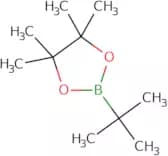
CAS:tert-Butylboronic acid pinacol ester is a fine chemical reagent that is used as a building block in the synthesis of complex compounds. It is an intermediate in reactions involving the conversion of alcohols to esters with the use of acid catalysts. Tert-butylboronic acid pinacol ester has been shown to be a useful scaffold for organic synthesis, and can be used as a high quality reaction component. It also has applications as a research chemical and speciality chemical.Formula:C10H21BO2Purity:Min. 95%Color and Shape:Clear LiquidMolecular weight:184.08 g/molgamma-Chloropropyl trimethoxysilane
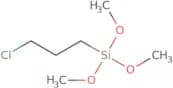
CAS:Gamma-chloropropyl trimethoxysilane (CPS) is a chemical compound with the formula Cl3Si(OCH3)2. It is an organosilicon compound that is used in surface preparation and modification to improve hydrophobicity, chemical stability, and mechanical properties. CPS forms covalent linkages with organic compounds on the surface by reaction with hydroxyl groups. It has been shown to react with fatty acids such as oleic acid, forming a metal chelate. CPS reacts with sodium carbonate (Na2CO3) to form sodium chloropropoxide (NaClOCH3). This reaction is exothermic and can be used for sample preparation. The mechanism of this reaction is thought to involve the formation of a copper complex followed by its hydrolysis.
Formula:C6H15ClO3SiPurity:Min. 95%Color and Shape:Clear LiquidMolecular weight:198.72 g/molN-[3-(4,4,5,5-TetraMethyl-[1,3,2]dioxaborolan-2-yl)-phenyl]succinamic acid
CAS:N-[3-(4,4,5,5-TetraMethyl-[1,3,2]dioxaborolan-2-yl)-phenyl]succinamic acid is an intermediate in the synthesis of a variety of compounds. It is also a useful building block in the synthesis of complex compounds. In addition to its use as a research chemical and reagent, N-[3-(4,4,5,5-TetraMethyl-[1,3,2]dioxaborolan-2-yl)-phenyl]succinamic acid can be used as a speciality chemical.Formula:C16H22BNO5Purity:Min. 95%Molecular weight:319.16 g/mol(R)-(-)-3,3′-Bis(triphenylsilyl)-1,1′-binaphthyl-2,2′-diyl hydrogenphosphate
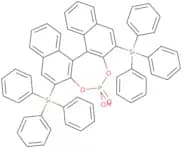
CAS:(R)-(-)-3,3′-Bis(triphenylsilyl)-1,1′-binaphthyl-2,2′-diyl hydrogenphosphate is a fine chemical that is a useful reagent and building block. It can be used as an intermediate in the synthesis of complex compounds. This chemical has a CAS number of 791616-55-2 and is classified as a speciality chemical. (R)-(-)-3,3′-Bis(triphenylsilyl)-1,1′-binaphthyl-2,2′-diyl hydrogenphosphate is also a versatile building block for the synthesis of reaction components with high quality.Formula:C56H41O4PSi2Purity:Min. 94.5 Area-%Color and Shape:PowderMolecular weight:865.07 g/mol(1R,2R,3S,5R)-Pinanediol pyrrolidine-2S-boronate hydrochloride
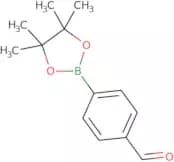
CAS:(1R,2R,3S,5R)-Pinanediol pyrrolidine-2S-boronate hydrochloride is a reagent that can be used in the synthesis of complex compounds. It is a fine chemical with CAS No. 149716-73-4. (1R,2R,3S,5R)-Pinanediol pyrrolidine-2S-boronate hydrochloride has a number of uses including as an intermediate for the preparation of speciality chemicals and as a building block for reactions in research. This compound is also useful as a versatile building block for many reactions.Formula:C14H25BClNO2Purity:Min. 95%Color and Shape:PowderMolecular weight:285.62 g/mol4-Formylphenylboronic acid pinacol cyclic ester
CAS:4-Formylphenylboronic acid pinacol cyclic ester is a boronic ester that can be used in cross-coupling reactions. It reacts with a variety of halides and metal surfaces, including palladium. 4-Formylphenylboronic acid pinacol cyclic ester has been shown to be a useful model system for the synthesis of conjugates and has been used in clinical development as a fluorophore for cancer diagnosis. The photophysical properties of 4-Formylphenylboronic acid pinacol cyclic ester have been studied extensively and the chromophore is sensitive to changes in the environment. The boronic acids are responsible for the reactivity of 4-Formylphenylboronic acid pinacol cyclic ester, which undergoes an oxidative addition reaction mechanism.Formula:C13H17BO3Color and Shape:PowderMolecular weight:232.08 g/molEthylboronic acid
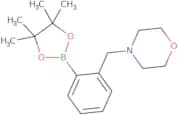
CAS:Ethylboronic acid is a β-amino acid with a serine protease inhibitory effect. It has been shown to inhibit the Toll-like receptor cascade, which is involved in the inflammatory response. Ethylboronic acid also inhibits the serine proteases that are responsible for cleaving peptides at their carboxy termini. This inhibition leads to an increase in the level of active peptides and a decrease in the level of inactive peptides, which can lead to an antimicrobial effect. Ethylboronic acid also inhibits chloride ion channels, which may lead to new treatments for asthma and cancer.Formula:C2H7BO2Purity:Min. 95%Color and Shape:PowderMolecular weight:73.89 g/mol2-(MorpholinoMethyl)phenylboronic acid pinacol ester
CAS:2-(MorpholinoMethyl)phenylboronic acid pinacol ester is a fine chemical that can be used as a building block for the synthesis of complex compounds. It is also suitable for use in research and development, as it has been shown to be a reagent and speciality chemical. This compound is an intermediate for the synthesis of other compounds, such as pharmaceuticals, agrochemicals, and cosmetics. 2-(MorpholinoMethyl)phenylboronic acid pinacol ester can be used as a versatile building block in organic synthesis reactions. It has been shown to have high quality properties and can be used to synthesize valuable scaffolds.
Formula:C17H26BNO3Purity:Min. 95%Color and Shape:PowderMolecular weight:303.20 g/molSodium tetrakis[3,5-bis(trifluoromethyl)phenyl]borate
CAS:Tetrakis(3,5-bis(trifluoromethyl)phenyl)borate is a boron compound that has the formula [(CH)B] and is an ionic compound. It is a model system for studying conformational properties of organic compounds in solution. A reaction solution containing sodium tetrakis(3,5-bis(trifluoromethyl)phenyl)borate reacts with coumarin derivatives to form stable complexes. These complexes are then detected by infrared spectroscopy, mass spectrometry, and nuclear magnetic resonance (NMR). This method has been applied to urine samples and plasma from healthy subjects as well as human serum. The stable complexes can be used to measure the concentration of free coumarin derivatives in these samples. The cationic polymerization of polystyrene was studied using tetrakis(3,5-bis(trifluoromethyl)phenyl)borate
Formula:C32H12BF24•NaPurity:(%) Min. 95%Color and Shape:PowderMolecular weight:886.2 g/mol3-Aminophenylboronic acid hemisulphate
CAS:3-Aminophenylboronic acid hemisulphate is a cross-linking agent that has been shown to induce apoptosis in mammalian cells. It also has the ability to bind to glycan, a sugar molecule on the surface of cells. The binding of 3-aminophenylboronic acid hemisulphate induces morphogenetic protein (MP) secretion, which leads to cell death. This compound is used as an adjuvant in vaccines and also as a research reagent for studying protein sequences and antigen/antibody interactions.
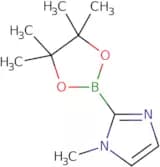
Formula:C6H8BNO2•(H2SO4)0Purity:Min. 95%Color and Shape:White PowderMolecular weight:185.98 g/mol1-Methyl-1H-imidazole-2-boronic acid pinacolester
CAS:1-Methyl-1H-imidazole-2-boronic acid pinacolester is a chemical compound that is used as a reagent in organic synthesis. It is also a useful building block for complex compounds, and can be used as a versatile building block for drug discovery research. 1-Methyl-1H-imidazole-2-boronic acid pinacolester is soluble in water, has good solubility in organic solvents such as ethanol, acetone, THF, and DMF. It has a CAS number of 553651-31-3 and the molecular weight of 252.24 g/mol.Formula:C10H17BN2O2Purity:Min. 95 Area-%Color and Shape:White PowderMolecular weight:208.07 g/moltrans-1-Propen-1-yl-boronic acid
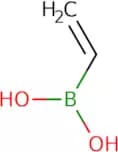
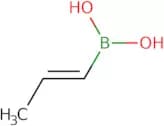
CAS:Trans-1-propenylboronic acid is a boronic acid that can be used to synthesize chiral compounds. It is a product of the Sharpless asymmetric dihydroxylation reaction and has been shown to inhibit the activity of aldehyde oxidase. Trans-1-propenylboronic acid is reusable, which makes it an economical alternative to other boronic acids. The enantiomer of trans-1-propenylboronic acid can be obtained by the Suzuki coupling reaction with a variety of different electrophiles. This product also forms hydrogen bonds with the substrate and has shown anti-inflammatory effects in mice. Trans-1-propenylboronic acid can also undergo oxidation, reduction, or cyclization reactions and can form monosubstituted alicyclic products.Formula:C3H7BO2Purity:Min. 95%Color and Shape:SolidMolecular weight:85.9 g/molDimethyl(methylthio)sulfonium Tetrafluoroborate
CAS:Dimethyl(methylthio)sulfonium Tetrafluoroborate (DMTSBF) is a synthetic, activated, nucleophilic reagent that has the ability to cleave disulfide bonds in proteins. DMTSBF is used for the synthesis of fatty acids and other organic compounds. It can also be used as an analytical reagent for determining the blood group of proteins. The chloride ion is necessary for this reaction. DMTSBF reacts with a nucleophile (e.g., hydroxyl, amine, thiol) to form a new bond and release sodium carbonate and silver trifluoromethanesulfonate.
Formula:C3H9BF4S2Purity:Min. 95%Color and Shape:PowderMolecular weight:196.04 g/mol(3R,4R)-4-Acetoxy-3-[(R)-1-(tert-butyldimethylsilyloxy)ethyl]-2-azetidinone
CAS:(3R,4R)-4-Acetoxy-3-[(R)-1-(tert-butyldimethylsilyloxy)ethyl]-2-azetidinone is a versatile building block that can be used as a reagent and speciality chemical. It is also a useful scaffold for the synthesis of complex compounds. It has been shown to be useful in the manufacture of research chemicals and other fine chemicals. This compound is characterized by its high quality and can be used as an intermediate in reactions involving nucleophilic substitution, alkylation, acylation, esterification, and amination.Formula:C13H25NO4SiPurity:Min. 98 Area-%Color and Shape:White PowderMolecular weight:287.43 g/mol2-Chloro-1-methylquinolinium tetrafluoroborate
CAS:2-Chloro-1-methylquinolinium tetrafluoroborate (2CQBF) is a synthetic compound that inhibits protein synthesis. It has been used as an analytical reagent for the determination of proteins, including those in urine samples. 2CQBF has been shown to be effective in the treatment of cancer and other diseases, such as lupus erythematosus, arthritis, and psoriasis.Formula:C10H9ClN•BF4Purity:Min. 95%Color and Shape:White PowderMolecular weight:265.44 g/moltert-Butyl diphenylchlorosilane
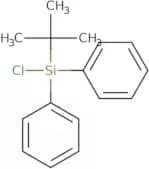
CAS:Tert-butyl diphenylchlorosilane is a chemical compound that belongs to the group of organosilicon compounds. It is used for the preparation of various organosilicon compounds, such as trifluoroacetic acid, which is used in analytical chemistry. The synthesis of tert-butyl diphenylchlorosilane starts with the reaction between hydrochloric acid and sodium citrate. This yields a phosphate bond and a hydroxyl group. In order to form the desired product, tert-butyl diphenylchlorosilane, this intermediate is reacted with trifluoroacetic acid in an asymmetric synthesis to yield the desired product. The reaction mechanism of this process involves hydrogen chloride as an electrophile attacking the carbonyl carbon atom in trifluoroacetic acid, leading to an elimination reaction. This elimination reaction results in two possible products: tert-butyl acetate or tert-butyl chlorosFormula:C16H19ClSiPurity:Min. 97 Area-%Color and Shape:Clear LiquidMolecular weight:274.87 g/mol5-Formyl-2-thiopheneboronic acid pinacol ester
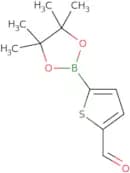
CAS:5-Formyl-2-thiopheneboronic acid pinacol ester is a boron derivative ester that serves as a Suzuki coupling building block. It is a highly versatile building block that can be used in the synthesis of various organic compounds. This compound has been widely used in the pharmaceutical industry for the development of new drugs and other bioactive molecules. Its unique structure makes it an ideal starting material for the synthesis of complex molecules with diverse biological activities. As a key intermediate in organic synthesis, 5-Formyl-2-thiopheneboronic acid pinacol ester has become an important tool for chemists working in drug discovery, materials science, and other fields. With its exceptional reactivity and versatility, this compound is an essential building block for any chemist's toolkit.
Formula:C11H15BO3SPurity:Min. 95%Color and Shape:PowderMolecular weight:238.11 g/mol2,3-Dichlorophenylboronic acid
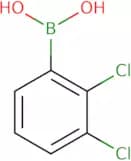
CAS:2,3-Dichlorophenylboronic acid is a boron-containing compound. It is a substrate for the enzyme phosphatase and has been shown to inhibit the activity of the SHP2 protein kinase in vitro. This inhibition can lead to programmed cell death via apoptosis and necrosis. 2,3-Dichlorophenylboronic acid has also been shown to inhibit the growth of erythromycin resistant bacteria. The two isomers are not equally active. Dichloro(phenyl)boronic acid (1) is more potent than dichlorobis(phenyl)boronic acid (2).Formula:C6H5BCl2O2Purity:Min. 97.5 Area-%Color and Shape:White PowderMolecular weight:190.82 g/mol


![Tris[3-(trimethoxysilyl)propyl] isocyanurate](/_next/image/?url=https%3A%2Fstatic.cymitquimica.com%2Fproducts%2F3D%2Fthumb-webp%2FFT168667.webp&w=3840&q=75)

![Bis[3-(triethoxysilyl)propyl]tetrasulfide](/_next/image/?url=https%3A%2Fstatic.cymitquimica.com%2Fproducts%2F3D%2Fthumb-webp%2FFB33713.webp&w=3840&q=75)

![Imidazo[1,2-α]pyridin-3-yl-boronic acid pinacol ester](/_next/image/?url=https%3A%2Fstatic.cymitquimica.com%2Fproducts%2F3D%2Fthumb-webp%2FFI51745.webp&w=3840&q=75)
![N-Ethylheptadecafluoro-N-[3-(Trimethoxysilyl)Propyl]Octanesulphonamide](/_next/image/?url=https%3A%2Fstatic.cymitquimica.com%2Fproducts%2F3D%2Fthumb-webp%2FFE98932.webp&w=3840&q=75)

![6-(4,4,5,5-Tetramethyl-1,3,2-dioxaborolan-2-yl)imidazo[1,2-α]pyridine](/_next/image/?url=https%3A%2Fstatic.cymitquimica.com%2Fproducts%2F3D%2Fthumb-webp%2FFT159967.webp&w=3840&q=75)
![3,7-Dibromo-5,5-dioctyl-5H-dibenzo[b,d]silole](/_next/image/?url=https%3A%2Fstatic.cymitquimica.com%2Fproducts%2F3D%2Fthumb-webp%2FFD141100.webp&w=3840&q=75)
![N-[3-(4,4,5,5-TetraMethyl-[1,3,2]dioxaborolan-2-yl)-phenyl]succinamic acid](/_next/image/?url=https%3A%2Fstatic.cymitquimica.com%2Fproducts%2F3D%2Fthumb-webp%2FFT39771.webp&w=3840&q=75)

![Sodium tetrakis[3,5-bis(trifluoromethyl)phenyl]borate](/_next/image/?url=https%3A%2Fstatic.cymitquimica.com%2Fproducts%2F3D%2Fthumb-webp%2FFS93415.webp&w=3840&q=75)


![(3R,4R)-4-Acetoxy-3-[(R)-1-(tert-butyldimethylsilyloxy)ethyl]-2-azetidinone](/_next/image/?url=https%3A%2Fstatic.cymitquimica.com%2Fproducts%2F3D%2Fthumb-webp%2FFA16979.webp&w=3840&q=75)