Nitro
Found 2518 products of "Nitro"
2,2'-Dithio-bis(5-nitropyridine)
CAS:2,2'-Dithio-bis(5-nitrophenyl) is a redox probe that can be used to study ATP-sensitive K+ channels. This probe has been shown to bind to the carboxy terminal of the channel and disulfide bond through its thiol group. The binding of 2,2'-dithio-bis(5-nitropyridine) to the activated liver cells causes an increase in the redox potential, which leads to an accumulation of electrons in these cells. These electrons are then transferred to pyridine nucleotides and phosphate ions, leading to an increase in ATP levels and activation of ATP-sensitive K+ channels.Formula:C10H6N4O4S2Purity:Min. 95%Molecular weight:310.31 g/mol3-Nitrophenylguanidine nitrate
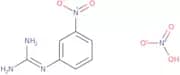
CAS:3-Nitrophenylguanidine nitrate is a drug that targets the enzyme kinases, which are involved in the regulation of cell growth and division. It has been shown to inhibit the activity of stromal tumor cells, as well as chronic myeloid leukemia cells. 3-Nitrophenylguanidine nitrate inhibits protein synthesis by inhibiting demethylation and efflux, which enables imatinib to bind to the target site. This drug also has a rapid onset of action and can be used for monitoring chronic myeloid leukemia patients without the need for positron emission tomography (PET) scanning.
Formula:C7H8N4O2•HNO3Purity:Min. 95%Color and Shape:PowderMolecular weight:243.18 g/mol2,6-Dimethoxy-3-nitrobenzamide
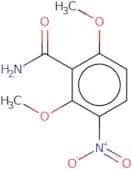
CAS:2,6-Dimethoxy-3-nitrobenzamide is a fine chemical that is used as an intermediate in the synthesis of other compounds. This material can be used to make pharmaceuticals and research chemicals, such as antibiotics and pesticides. 2,6-Dimethoxy-3-nitrobenzamide is a versatile building block that can be used for the production of many different compounds. It has a CAS number of 55776-15-3 and has been assigned the Chemical Abstracts Service (CAS) registry number of 71887-92-8.
Formula:C9H10N2O5Purity:Min. 90%Color and Shape:PowderMolecular weight:226.19 g/molMethyl 4-hydroxy-3-nitrobenzoate
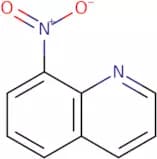
CAS:Methyl 4-hydroxy-3-nitrobenzoate (HNBP) is a nitro chemical that has been shown to have inhibitory properties. It was found to be a potent inhibitor of the virus covid-19, which is related to the pandemic H1N1 flu. Covid-19 is an influenza A virus that contains a single gene segment encoding for hemagglutinin and neuraminidase. The compound has also shown inhibitory activity against pyridine 2,4 dicarboxylate and is able to form hydrogen bonds with its target. This chemical is not active against many other compounds, such as amides and esters.Formula:C8H7NO5Purity:Min. 95%Molecular weight:197.14 g/mol8-Nitroquinoline
CAS:8-Nitroquinoline is a nitrogenous compound that has been used as an inhibitor of Leishmania, a parasite that causes leishmaniasis. 8-Nitroquinoline inhibits the growth of Leishmania by inhibiting the enzyme hepg2, which is involved in the synthesis of lipids and cholesterol. The inhibition of this enzyme leads to the accumulation of malonic acid, which inhibits the production of ATP. This inhibition may lead to cell death or inhibitory effects on other enzyme activities. 8-Nitroquinoline has been shown to be effective against Leishmania parasites in vivo.Formula:C9H6N2O2Purity:Min. 95%Color and Shape:PowderMolecular weight:174.16 g/mol4-Nitroquinoline-N-oxide
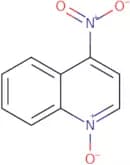
CAS:4-Nitroquinoline-N-oxide is a polymerase chain reaction (PCR) inhibitor that blocks the activity of methyltransferases, which are enzymes involved in DNA replication and repair. The mechanism of action has been shown to be due to the inhibition of the activities of these enzymes in cancer tissues. The efficacy of 4-Nitroquinoline-N-oxide has been demonstrated using an experimental model system composed of cells from Candida glabrata and other cancers, as well as a model system for carcinogenesis in vitro. This compound also shows antiinflammatory activity and can be used as a natural compound for chemotherapy. Chromatographic analysis has revealed that 4-Nitroquinoline-N-oxide is not toxic to wild type strains, but it is toxic to cancer cells with mutations in their DNA repair mechanisms.Formula:C9H6N2O3Purity:Min. 95%Color and Shape:PowderMolecular weight:190.16 g/mol2-Methyl-3-nitroanisole
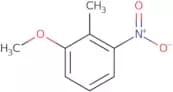
CAS:2-Methyl-3-nitroanisole is a synthetic molecule with a bicyclic, cyclized ring system. It was synthesized by the cyclization reaction of 2-methylbenzaldehyde and nitroethane. The reductive amination of 2-methyl-3-nitroanisole with hydroxylamine yields a mixture of products that can be used to study intramolecular reductive amination.Formula:C8H9NO3Purity:Min. 95%Color and Shape:PowderMolecular weight:167.16 g/mol2-(2,2-dimethyl(3-oxaindan-4-yloxy))-5-nitropyridine
CAS:Please enquire for more information about 2-(2,2-dimethyl(3-oxaindan-4-yloxy))-5-nitropyridine including the price, delivery time and more detailed product information at the technical inquiry form on this pagePurity:Min. 95%1,2-Dimethyl-5-nitro-1H-imidazole
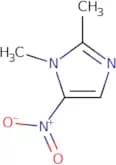
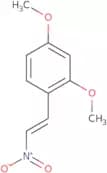
CAS:1,2-Dimethyl-5-nitro-1H-imidazole is a chemical reagent that has been used as an antimicrobial agent in the treatment of infectious diseases. It is structurally related to estradiol benzoate and can be used as a matrix in analytical methods. 1,2-Dimethyl-5-nitro-1H-imidazole has been shown to have genotoxic activity and can cause DNA strand breaks in human serum. This chemical reagent is also soluble in water and exhibits stable chemical properties when exposed to light or heat. The detection limit for 1,2-dimethyl-5 nitroimidazole was found to be 10 μM with a linear range from 10 to 500 μM.Formula:C5H7N3O2Purity:Min. 97 Area-%Color and Shape:Off-White To Yellow Brown SolidMolecular weight:141.13 g/mol2,4-Dimethoxy-β-nitrostyrene
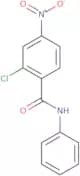
CAS:2,4-Dimethoxy-beta-nitrostyrene is a high quality, versatile building block for synthesis of complex compounds. It is an intermediate for the production of pharmaceuticals and other fine chemicals. 2,4-Dimethoxy-beta-nitrostyrene is used as a reagent in organic chemistry to produce complex compounds, such as esters and amides. This chemical has also been shown to be useful in research into the synthesis of new drugs.Formula:C10H11NO4Purity:Min. 95%Molecular weight:209.2 g/mol2-Chloro-4-nitrobenzanilide
CAS:2-Chloro-4-nitrobenzanilide is a reactive intermediate in organic synthesis. It has been used as a reagent for the synthesis of 2,3-dihydrobenzofuran and the preparation of 2,5-dichloroaniline. It is also a useful scaffold for the formation of complex compounds with various functional groups. This compound has been used as an intermediate to prepare other chemicals such as 4-chloroquinoline, 3-chloropyridine, and 3,4,5-trichloropyridine. It is also a versatile building block for the preparation of speciality chemicals such as 1H-[1,2]oxazolo[4,3-a]quinoxalin-1-one and 4-(2'-chlorophenyl)benzenamine.Formula:C13H9ClN2O3Purity:Min. 95%Color and Shape:PowderMolecular weight:276.67 g/mol2'-Hydroxy-5'-nitrohexadecanamide
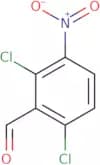
CAS:2'-Hydroxy-5'-nitrohexadecanamide is a synthetic fatty acid derivative that inhibits lysosomal hydrolase, which is an enzyme that breaks down cellular lipids. This compound can be used as a diagnostic agent for the detection of certain types of cancer. 2'-Hydroxy-5'-nitrohexadecanamide reacts with the magnesium ion in the lysosome to form an insoluble precipitate, which then settles to the bottom of the test tube, allowing for easy detection of cells with high levels of lysosomal hydrolase.Formula:C22H36N2O4Purity:Min. 95%Color and Shape:PowderMolecular weight:392.53 g/mol2,6-Dichloro-3-nitrobenzaldehyde
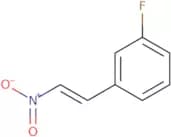
CAS:2,6-Dichloro-3-nitrobenzaldehyde (DCNB) is an electrophilic bidentate ligand that reacts with chlorine to form chloroform. It is also a good ligand for many metal ions, such as copper and nickel. DCNB can catalyze the epoxidation of alkenes to form epoxides. DCNB has been used in the industrial production of chlorinated solvents and hydrocarbons. It is a very efficient reagent for formylation, which can be used to convert alcohols and amines into formyl groups or carboxylic acids. The DCN group is also an excellent leaving group, which makes it useful as a solvent in organic syntheses. Finally, DCNB reacts with chlorine atoms to produce chloride ions that are soluble in water and organic solvents.Formula:C7H3Cl2NO3Purity:Min. 95%Molecular weight:220.01 g/mol1-(3-Fluorophenyl)-2-nitroethene
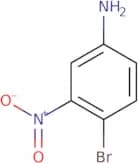
CAS:1-(3-Fluorophenyl)-2-nitroethene is a high quality reagent, complex compound, with CAS No. 705-84-0. It is used as an intermediate in the synthesis of pharmaceuticals and fine chemicals. This compound is one of the most useful scaffolds for organic synthesis due to its versatility in reactions. 1-(3-Fluorophenyl)-2-nitroethene is a versatile building block that can be used in many different reactions, such as the formation of amides, esters, and lactams.Formula:C8H6FNO2Purity:Min. 95%Color and Shape:PowderMolecular weight:167.14 g/mol4-Bromo-3-nitroaniline
CAS:4-Bromo-3-nitroaniline is a white crystalline solid. It has a molecular weight of 256.38 and it has a molar mass of 314.6 g/mol. This chemical belongs to the group of aromatic compounds, which are organic compounds that contain at least one benzene ring, and are often used in the production of dyes and perfumes. 4-Bromo-3-nitroaniline can be synthesized by nitrating an aromatic compound containing an amino group, such as 1,4-diaminobenzene (1). Nitration is the process whereby nitric acid reacts with an organic compound to produce nitrates, which can be further reacted to produce a variety of other organic molecules with different properties. The molecular structure of 4-bromo-3-nitroaniline consists of two methyl groups (-CH3) bonded to each end of the molecule's central carbon atom (-C),
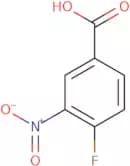
Formula:C6H5BrN2O2Purity:Min. 95%Color and Shape:PowderMolecular weight:217.02 g/mol4-Fluoro-3-nitrobenzoic acid
CAS:4-Fluoro-3-nitrobenzoic acid (4FNBA) is a molecule that has been studied for its ability to inhibit the activity of amine oxidases and haloperoxidases. 4FNBA was shown to be a substrate for the model protein, with an equilibrium constant of 2.6 x 10^6 M^(-1). The conversion of 4FNBA to the corresponding quinoxalines was also observed. Molecular docking analysis revealed that 4FNBA binds to the chloride ion and hydrogen bond interactions with nitrogen and oxygen atoms in the protein. This molecule is structurally diverse and may be useful in chemical synthesis or as a drug for treating certain medical conditions.Formula:C7H4FNO4Color and Shape:PowderMolecular weight:185.11 g/mol4-Bromo-3,5-dinitrobenzoic acid
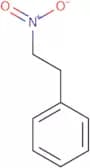
CAS:4-Bromo-3,5-dinitrobenzoic acid is a potent anticancer agent that inhibits cancer cell growth and is used to treat colon cancer, ovarian cancer, and prostate cancer. It is a prodrug that enters the cell through passive diffusion and reacts with intracellular nucleophiles to generate reactive oxygen species. This causes disruption of DNA replication and repair, leading to apoptosis. 4-Bromo-3,5-dinitrobenzoic acid has been shown to be active against a variety of human cancer cells in culture, including colorectal (colorectal adenocarcinoma), lung (lung adenocarcinoma), breast (MCF-7), and prostate (PC3) cells. The drug also has potent activity against some leukemia cells.Formula:C7H3BrN2O6Purity:90%Color and Shape:PowderMolecular weight:291.01 g/mol1-(Phenyl) 2-nitroethane
CAS:1-(Phenyl) 2-nitroethane is a nitro compound that reacts with hydroxyl groups in the body to produce reactive oxygen species. The nitro group on the 1-position of the benzoic acid moiety is converted to an amino group, which is oxidized to form a nitrite ion. Reactive oxygen species are generated from the reaction of 1-(phenyl) 2-nitroethane with hydrogen peroxide and superoxide radicals. 1-(Phenyl) 2-nitroethane has been shown to have antinociceptive properties, as well as minimal toxicity when used in rats at concentrations between 10 and 100 mg/kg. It has also been shown to be a natural product that can induce apoptosis by disrupting mitochondrial membrane potential and reducing intracellular calcium levels. Multiple molecular docking analysis studies have also shown that 1-(phenyl) 2-nitroethane binds to human cytochrome P450 enzyme CYP
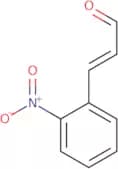
Formula:C8H9NO2Purity:Min. 95%Color and Shape:Clear LiquidMolecular weight:151.16 g/molo-Nitrocinnamaldehyde
CAS:o-Nitrocinnamaldehyde is an aldehyde that belongs to the group of β-unsaturated aldehydes. It has been shown to inhibit cancer cell growth in vitro and in vivo. o-Nitrocinnamaldehyde inhibits xanthine oxidase by preventing the oxidation of hypoxanthine to xanthine and xanthine to uric acid. This prevents the formation of superoxide radicals, which are known carcinogens. The compound also inhibits aldehyde dehydrogenase, which prevents the oxidation of nitro compounds that have been generated by nitrosation reactions. These reactions are catalyzed by nitric oxide synthases (NOS) and convert nitrate into nitrite and then into reactive nitrogen species such as peroxynitrites. o-Nitrocinnamaldehyde also inhibits uv absorption, which may be due to its ability to form supramolecular aggregates with other organic molecules or metal ions.Formula:C9H7NO3Purity:Min. 95%Molecular weight:177.16 g/molP-Nitrobenzoic acid
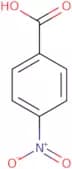
CAS:P-Nitrobenzoic acid is a nitro compound that is used as an intermediate in the synthesis of various pharmaceuticals. It is also used in wastewater treatment to remove protocatechuic acid, which is produced during the oxidation of phenols by peroxidase. P-Nitrobenzoic acid can be synthesized by reacting sodium nitrite with p-hydroxybenzoic acid. The structure of this compound was determined through a series of experiments, and it was found that it has two nitrogen atoms that are incorporated into the benzene ring. This compound reacts with aziridine in an exothermic reaction mechanism to form an unstable five membered ring. This reaction proceeds through a series of steps and eventually forms p-nitrobenzoic acid.
Formula:C7H5NO4Purity:Min. 95%Color and Shape:PowderMolecular weight:167.12 g/molMethyl 2-amino-7,7-dimethyl-4-(3-nitrophenyl)-5-oxo-4,6,7,8-tetrahydro2H-chromene-3-carboxylate
CAS:Please enquire for more information about Methyl 2-amino-7,7-dimethyl-4-(3-nitrophenyl)-5-oxo-4,6,7,8-tetrahydro2H-chromene-3-carboxylate including the price, delivery time and more detailed product information at the technical inquiry form on this pageFormula:C19H20N2O6Purity:Min. 95%Color and Shape:PowderMolecular weight:372.37 g/molDimethyl 5-nitroisophthalate
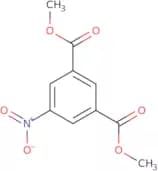
CAS:Dimethyl 5-nitroisophthalate is a chemical compound that belongs to the family of glycoconjugates. It has a molecular weight of 290.1 and an ionisation mass of 285.3. Dimethyl 5-nitroisophthalate can be used as a functional group for the synthesis of glycopeptides, which are important in the treatment of cancer and other diseases. This chemical has been shown to have calcium stearate, chloride, and magnesium oxide as its functional groups. It also has a constant value of -0.965 and a transfer value of 0.0034.Formula:C10H9NO6Purity:Min. 95%Color and Shape:PowderMolecular weight:239.18 g/mol2-Bromo-5-nitrophenetole
CAS:2-Bromo-5-nitrophenetole is a versatile building block that can be used as a reagent in the synthesis of complex compounds and research chemicals. It is a high quality chemical with a CAS number of 423165-33-7. 2-Bromo-5-nitrophenetole is an important intermediate for the synthesis of diverse and valuable compounds such as pharmaceuticals, agrochemicals, and dyes.Formula:C8H8BrNO3Purity:Min. 95%Color and Shape:PowderMolecular weight:246.06 g/mol2-Bromo-4-nitrobenzoic acid
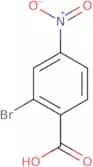
CAS:2-Bromo-4-nitrobenzoic acid is a peptidomimetic that binds to farnesyltransferase and inhibits the enzyme activity. This drug is currently in preclinical development for the treatment of cancer. Preliminary studies have shown that 2-bromo-4-nitrobenzoic acid is able to inhibit tumor growth, which may be due to its inhibition of protein prenylation. This drug also has a low cell membrane permeability, which means it can only enter cells when they are actively taking up molecules from their surroundings. The lack of labelling on this drug means that it is not possible to detect its presence in vivo with positron emission tomography (PET) scans.Formula:C7H4BrNO4Purity:Min. 95%Color and Shape:PowderMolecular weight:246.02 g/mol5,7-Dinitroindole-2-carboxylic acid
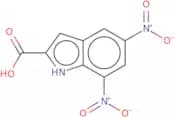
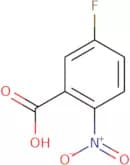
CAS:5,7-Dinitroindole-2-carboxylic acid is a versatile building block that has been used as a reagent in organic synthesis. It has also been shown to be an intermediate in the preparation of 5,7-dichloroindole and other complex compounds. This compound is a reaction component for the synthesis of many useful compounds, including research chemicals and speciality chemicals. 5,7-Dinitroindole-2-carboxylic acid is soluble in most solvents and can be purified by recrystallization or chromatography. The purity can be determined by elemental analysis or nuclear magnetic resonance spectroscopy.Formula:C9H5N3O6Purity:Min. 95%Color and Shape:PowderMolecular weight:251.15 g/mol5-Fluoro-2-nitrobenzoic acid
CAS:5-Fluoro-2-nitrobenzoic acid is a phosphotungstic acid and an anti-inflammatory agent. It has been shown to exhibit apoptotic activity in vitro, which may be due to its ability to induce the release of cytochrome c from mitochondria. 5-Fluoro-2-nitrobenzoic acid has also been shown to inhibit the production of inflammatory cytokines such as tumor necrosis factor alpha (TNFα), interleukin 1β (IL1β) and IL6 in vitro. Its pharmacokinetic properties have been studied in rats and mice, with an oral bioavailability of 100%. The drug has also been shown to cross the blood brain barrier, with a high degree of uptake into the brain tissue.
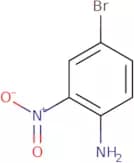
Formula:C7H4FNO4Purity:Min. 95%Color and Shape:PowderMolecular weight:185.11 g/mol4-Bromo-2-nitroaniline
CAS:4-Bromo-2-nitroaniline is an inhibitor of histone deacetylase (HDAC) that has been shown to inhibit the growth of cancer cells. The apoptotic effect of 4-bromo-2-nitroaniline was found in epithelial mesenchymal transition cells, which may be due to inhibition of DNA methyltransferases and DNA replication. This compound also has a wide range of biological activities, including anti-inflammatory, antimicrobial, and antitumor properties. 4-Bromo-2-nitroaniline is a nonmetal with a nitro group and can bind to the metal surface through its nitro group. It has been used as a molecular docking ligand for zinc ions and copper ions in the past.
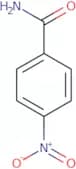
Formula:C6H5BrN2O2Purity:Min. 95%Color and Shape:White PowderMolecular weight:217.02 g/mol4-Nitrobenzamide
CAS:4-Nitrobenzamide is a chemical substance that belongs to the class of nitrobenzamides. It is used as an intermediate in the synthesis of other substances, such as pharmaceuticals, herbicides, and pesticides. 4-Nitrobenzamide was first synthesized in 1894 by hydrogenating nitrobenzoic acid with hydrogen chloride in the presence of phosphorus pentachloride. The reaction vessel for this process should be made of glass or porcelain due to the corrosive nature of hydrogen chloride gas. The kinetics for this reaction were studied using concentration-response curves on rats and mice at different concentrations. Acute toxicities observed include respiratory distress and death in rats and convulsions and death in mice.
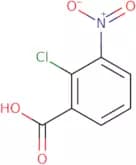
4-Nitrobenzamide is also toxic to bacteria, which can be seen by its effect on Staphylococcus aureus (strain ATCC 25923). This strain had a 50% survival rate after exposureFormula:C7H6N2O3Purity:Min 98%Color and Shape:Yellow PowderMolecular weight:166.13 g/mol2-Chloro-3-nitrobenzoic acid
CAS:2-Chloro-3-nitrobenzoic acid is a mesomorphic organic compound that has been shown to inhibit the growth of Mycobacterium tuberculosis. It inhibits bacterial growth by binding to the factor receptor, which is a protein complex that interacts with the proton gradient and regulates cell division. The synthesis of this compound is achieved through high concentrations of nitrobenzene in a solid phase synthesis. 2-Chloro-3-nitrobenzoic acid is obtained in an isolated yield, typically greater than 90%. This compound dissolves readily in organic solvents such as ethyl acetate, ether, and chloroform.Formula:C7H4ClNO4Color and Shape:PowderMolecular weight:201.56 g/mol4-Nitrohippuric acid
CAS:4-Nitrohippuric acid is a metabolite of the amino acid glycine, which is converted to 4-nitrohippuric acid by nitroreductase. It is an aromatic compound that has been shown to have high affinity for tissues such as kidney and liver. 4-Nitrohippuric acid can be used as an ion-exchange reagent for the separation of peptide hormones from plasma or urine. The kinetic constants of 4-nitrohippuric acid have been determined in rat studies. This compound has also been used to measure the rate of hydrolysis of hippurate in human urine samples. The optical properties of this compound have not yet been fully characterized for its use in spectroscopic applications.
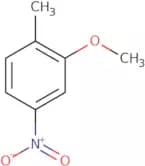
Formula:C9H8N2O5Purity:Min. 95%Color and Shape:Yellow PowderMolecular weight:224.17 g/mol2-Methyl-5-nitroanisole
CAS:2-Methyl-5-nitroanisole is a phenol that can be synthesized by the demethylation of 2,6-dichlorophenol with tribromide. It can also be synthesized from benzaldehyde and benzoic acid. 2-Methyl-5-nitroanisole has been used as a cardiotonic for its ability to increase the strength of heart contractions. It also has been shown to be an intermediate in the synthesis of boron compounds. This compound is fluorinated and yields high yields when synthesized from benzaldehyde and benzoic acid. 2-Methyl-5-nitroanisole is a nucleophile that reacts with electrophiles such as amines, thiols, sulfides, alcohols, and carboxylic acids.Formula:C8H9NO3Purity:Min. 95%Color and Shape:Beige PowderMolecular weight:167.16 g/mol5-Nitrovanillin
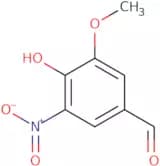
CAS:5-Nitrovanillin is a white crystalline solid with a molecular formula of C8H7NO2. It reacts with nucleophilic compounds, such as ammonia, in the presence of heat to produce a molecule containing an oxygen atom and two nitro groups. 5-Nitrovanillin has been found to undergo demethylation when heated in the presence of hydroxylamine. Reaction products include protocatechuic acid, nitromethane, and 5-nitrobenzoic acid. This compound can be identified by its characteristic nmr spectrum that includes a hydroxyl group and a hydrogen bond between the nitrogen atom and the hydroxyl group. The chemical ionization mass spectrometer can also be used to identify 5-nitrovanillin.
Formula:C8H7NO5Purity:Min. 95%Color and Shape:Yellow PowderMolecular weight:197.14 g/mol4-(2-Hydroxyethoxy)-3-nitroacetanilide
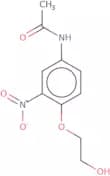
CAS:4-(2-Hydroxyethoxy)-3-nitroacetanilide is a versatile building block that can be used in the synthesis of complex compounds and research chemicals. This compound is also used as a reagent for organic synthesis, or as an intermediate for the production of other chemical substances. 4-(2-Hydroxyethoxy)-3-nitroacetanilide is high quality and has many uses in various reactions. It has been shown to be an effective scaffold for synthetic chemistry.Formula:C10H12N2O5Purity:90%Color and Shape:PowderMolecular weight:240.21 g/mol1-(Mesitylene-2-sulfonyl)-3-nitro-1,2,4-triazole
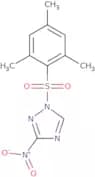
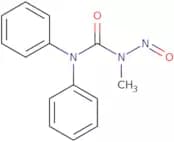
CAS:1-(Mesitylene-2-sulfonyl)-3-nitro-1,2,4-triazole is a derivative of aziridine, which is an organic compound with the formula (CH)N=C(CH)NH. It is a white solid that is soluble in water and some organic solvents. 1-(Mesitylene-2-sulfonyl)-3-nitro-1,2,4-triazole has been shown to inhibit cancer cell growth in culture by inducing apoptosis and inhibiting the production of reactive oxygen species. This derivative also inhibits the transfer reactions between nitro groups and hydroxyl groups within proteins. This prevents the formation of heterostructures that stabilize proteins in a particular conformational state, leading to their degradation. The amino function on this derivative can be used to modify proteins or other molecules through covalent bonds or other interactions.Formula:C11H12N4O4SPurity:Min. 95%Molecular weight:296.3 g/molN-Nitroso akardite II
CAS:N-Nitroso akardite II is a nitrosating agent that can be used as a versatile building block for the synthesis of complex compounds. It is also a useful scaffold and intermediate, and has been shown to be an effective reagent in organic syntheses. N-Nitroso akardite II is an excellent high quality research chemical with a CAS No. 1076199-26-2.
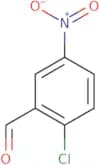
Formula:C14H13N3O2Purity:Min. 95%Color and Shape:PowderMolecular weight:255.27 g/mol2-Chloro-5-nitrobenzaldehyde
CAS:2-Chloro-5-nitrobenzaldehyde (2CNB) is an antibacterial agent that has been shown to be effective against a number of bacterial species. It is a nucleophilic compound and reacts with the sulfhydryl group in cysteine. 2CNB also reacts with the thiol group of proteins, which are involved in many cellular processes. 2CNB has industrial uses, such as for the production of cyclohexanone and cyclopentanone. The structures of 2CNB and its homologues have been studied by 13CNMR spectroscopy, which provides information about the type of bonds present in the molecule and their lengths.Formula:C7H4ClNO3Purity:Min. 95%Color and Shape:PowderMolecular weight:185.56 g/mol1-Fluoro-3-methoxy-2-nitrobenzene
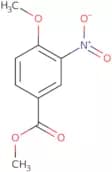
CAS:1-Fluoro-3-methoxy-2-nitrobenzene is a versatile building block that can be used as a scaffold for the synthesis of complex compounds. It is also used as a reaction component in research and development, especially in the production of pharmaceuticals, pesticides and other chemicals. 1-Fluoro-3-methoxy-2-nitrobenzene has many uses in the production of high quality reagents, such as pharmaceutical intermediates, dyes, and explosives.Formula:C7H6FNO3Purity:Min. 95%Molecular weight:171.13 g/mol4-Methoxy-3-nitrobenzoic acid methyl ester
CAS:4-Methoxy-3-nitrobenzoic acid methyl ester (4MNBM) is a potent antitumor agent that inhibits tumor cell proliferation by interfering with DNA replication. 4MNBM selectively binds to the nuclear magnetic resonance and has been shown to inhibit tumor growth in animal models. This drug also shows potent antitumor activity against solid tumor cells, which is due to its ability to induce conformational changes in the DNA of these cells. 4MNBM has been shown to be selective for tumor cells, which may be due to its lack of effect on the metabolism of normal tissue and its ability to bind to proteins in tumor cell nuclei.Formula:C9H9NO5Purity:Min. 95%Color and Shape:Clear LiquidMolecular weight:211.17 g/molMethyl 4-nitrobenzoate
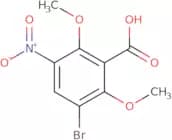
CAS:Methyl 4-nitrobenzoate is a diazonium salt that is used in the synthesis of other compounds. It is a colorless, crystalline solid that has a weakly acidic character with a pH of 2.5. The reaction between methyl 4-nitrobenzoate and hydrochloric acid produces nitrous acid, water, and methyl benzoate. This compound has significant antifungal activity against Candida albicans and Saccharomyces cerevisiae in vitro. Methyl 4-nitrobenzoate's chemical structures are nitro, methyl group, benzene ring, and oxygen atom. The kinetic data for this compound have been measured by using the kinetic technique. The activation energies for this compound are -2.8 kcal/mol for hydrolysis to benzoic acid and -3.0 kcal/mol for nitration to nitro-. Methyl 4-nitrobenzoate interacts with biological substances through aFormula:C8H7NO4Purity:Min. 98%Color and Shape:PowderMolecular weight:181.15 g/mol3-Bromo-2,6-dimethoxy-5-nitrobenzoic acid
CAS:3-Bromo-2,6-dimethoxy-5-nitrobenzoic acid is a chemical component that can be used as a reagent or building block for the synthesis of other compounds. It is also an intermediate in the synthesis of pesticides and pharmaceuticals. 3-Bromo-2,6-dimethoxy-5-nitrobenzoic acid is a versatile compound with many applications in organic chemistry. This chemical has been shown to have high purity and can be used as a reaction component or reagent in research and development laboratories.Formula:C9H8BrNO6Purity:Min. 95%Color and Shape:PowderMolecular weight:306.07 g/mol4-Chloro-3-nitrobenzoic acid
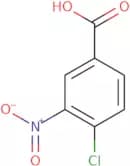
CAS:4-Chloro-3-nitrobenzoic acid is a solute that reacts with sodium hydroxide to form 4-chloro-3-nitrophenolate. It also reacts with hydrogen chloride to form 4-chloro-3-nitrobenzoyl chloride. The solubility of the compound in different solvents can be determined by experimental solubility data and structural analysis. 4-Chloro-3-nitrobenzoic acid has been shown to inhibit protein synthesis in liver cells, which may be due to its ability to bind copper ions and form a complex that inhibits the activity of copper enzymes. This compound may also react with sodium salts in the presence of heat or light, leading to the formation of an insoluble precipitate. When heated with strong acids such as hydrogen chloride, 4-chloro-3 nitrobenzoic acid reacts with benzene and forms 3,4 dinitrobenezeneFormula:C7H4ClNO4Purity:Min. 95%Color and Shape:PowderMolecular weight:201.56 g/mol3-Nitroacetophenone
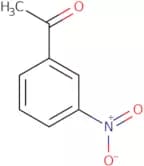
CAS:3-Nitroacetophenone is a chemical compound that has been used in the synthesis of other organic compounds. It can be synthesized by reacting hydrogen chloride with 3-nitrobenzaldehyde in the presence of a dipole and particle. The reaction rate is dependent on the concentration of reactants and the presence of hydrogen bond donor or acceptor groups. 3-Nitroacetophenone has shown antimycobacterial activity, which is due to its ability to inhibit DNA synthesis and protein synthesis. This compound also has photocatalytic activity and may be used as a radiation shield. 3-Nitroacetophenone is soluble in organic solvents such as benzene, chloroform, ether, and acetone.Formula:C8H7NO3Purity:Min. 95%Color and Shape:PowderMolecular weight:165.15 g/mol1-(4-Aminophenyl)-2-nitropropane hydrochloride
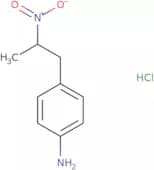
CAS:1-(4-Aminophenyl)-2-nitropropane hydrochloride is a fine chemical that is used in the synthesis of various other organic compounds. It has been used as a building block for the synthesis of more complex substances, such as pharmaceuticals and pesticides. It is also used to produce research chemicals for use in experiments and teaching. 1-(4-Aminophenyl)-2-nitropropane hydrochloride is soluble in water and exhibits high quality when purified. This compound can be found under CAS No. 1332530-33-2 and is reagent grade.
Formula:C9H13ClN2O2Purity:Min. 95%Color and Shape:PowderMolecular weight:216.66 g/molNiclosamide ethanolamine salt
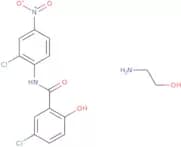
CAS:Chemically a chlorinated salicylanilide, niclosamide is clinically used as an anthelmintic agent. The action of niclosamide has been proven to proceed by inhibiting the STAT3 signaling pathway. Recently, niclosamide, has been considered as an antiproliferative agent in cancer treatment, e.g. melanoma and colorectal cancer. In 2021, niclosamide has been tested for the treatment of COVID-19 patients.Formula:C15H15Cl2N3O5Color and Shape:PowderMolecular weight:388.2 g/mol3-Nitrobenzaldehyde dimethyl acetal
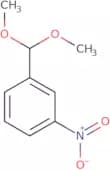
CAS:3-Nitrobenzaldehyde dimethyl acetal is a reagent that is used in organic synthesis. It is a white solid that can be dissolved in polar solvents such as ethanol, acetone and water. This compound has been shown to be useful in the preparation of pharmaceuticals and other chemicals. 3-Nitrobenzaldehyde dimethyl acetal has been shown to react with amines, alcohols, carboxylic acids and phenols to produce various compounds. It also reacts with nitric acid to form an explosive compound called nitrophenol.
Formula:C9H11NO4Purity:Min. 95%Color and Shape:Clear LiquidMolecular weight:197.19 g/mol3-Chloro-2-nitrobenzaldehyde
CAS:3-Chloro-2-nitrobenzaldehyde is an analog of 2-nitrobenzaldehyde. It can be synthesized by reacting a halogen with benzaldehyde, such as chlorine or bromine. 3-Chloro-2-nitrobenzaldehyde is unreactive and can be used in the production of other compounds, such as pharmaceuticals. 3-Chloro-2-nitrobenzaldehyde has been shown to react with sodium methoxide to produce a methoxide. The methoxide is then reacted with an alcohol to produce an ester.
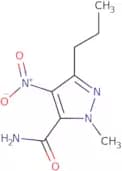
Formula:C7H4ClNO3Purity:Min. 95%Molecular weight:185.56 g/mol1-Methyl-4-nitro-3-propylpyrazole-5-carboxamide
CAS:1-Methyl-4-nitro-3-propylpyrazole-5-carboxamide is an impurity of sildenafil, which is used as a treatment for erectile dysfunction. It has been found in the environment due to its widespread use and it can be detected using chromatographic methods. 1-Methyl-4-nitro-3-propylpyrazole-5-carboxamide binds to thiol groups and may cause male infertility in animals. The detection time for this compound ranges from 2 hours to 24 hours, depending on the detection method. This impurity also has fluorescence properties that can be detected with UV light.Formula:C8H12N4O3Purity:Min. 96 Area-%Color and Shape:PowderMolecular weight:212.21 g/mol3-Nitro-4-(trifluoromethyl)phenol
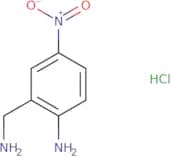
CAS:3-Nitro-4-(trifluoromethyl)phenol is an amino acid that has been found in fossils of the proterozoic era. It is believed to have played a role in evolution and the onset of life because it was resistant to damage by oxygen free radicals. 3-Nitro-4-(trifluoromethyl)phenol has been shown to be damaging to mesenchymal cells, which are cells that form cartilage and bone, leading to cell death. The chemical damages mesenchymal stem cells, which can lead to diseases such as osteoarthritis or rheumatoid arthritis. Researchers believe that this chemical may have played a role in the orogeny, or mountain formation, that occurred during the late Proterozoic Era.Formula:C7H4F3NO3Purity:Min. 95%Color and Shape:PowderMolecular weight:207.11 g/mol2-Amino-5-nitrobenzylamine hydrochloride
CAS:2-Amino-5-nitrobenzylamine hydrochloride is a fine chemical that can be used as a building block for research chemicals and speciality chemicals. It is a versatile building block for the synthesis of complex compounds and useful scaffold for the preparation of biologically active molecules. 2-Amino-5-nitrobenzylamine hydrochloride has been shown to have high quality with CAS No. 863771-09-9. This chemical can be used as a reagent, reaction component, or useful intermediate in reactions like nitration, amination, and reductive amination.Formula:C7H10ClN3O2Purity:Min. 95%Molecular weight:203.63 g/mol2',6'-Dimethoxy-β-methyl-β-nitrostyrene
CAS:2',6'-Dimethoxy-beta-methyl-beta-nitrostyrene is a chemical building block that is useful for the synthesis of complex organic molecules. It is an intermediate in the manufacture of pharmaceuticals, pesticides and dyes. 2',6'-Dimethoxy-beta-methyl-beta-nitrostyrene is an important component in the production of research chemicals and speciality chemicals. The compound has been assigned CAS number 78904-44-6.Formula:C11H13NO4Purity:Min. 95%Molecular weight:223.23 g/mol6-amino-3-methyl-4-(3-nitrophenyl)-4H-pyrano[3,2-d]pyrazole-5-carbonitrile
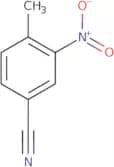
CAS:Please enquire for more information about 6-amino-3-methyl-4-(3-nitrophenyl)-4H-pyrano[3,2-d]pyrazole-5-carbonitrile including the price, delivery time and more detailed product information at the technical inquiry form on this pageFormula:C14H11N5O3Purity:Min. 95%Color and Shape:PowderMolecular weight:297.27 g/mol4-Methyl-3-nitrobenzonitrile
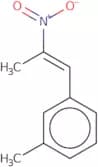
CAS:4-Methyl-3-nitrobenzonitrile is a potent antibacterial agent that belongs to the group of nitro compounds. It has been shown to be effective against gram negative bacteria at low concentrations. 4-Methyl-3-nitrobenzonitrile inhibits bacterial growth by binding to the enzyme nitroreductase, which is responsible for the conversion of nitrite ions to nitric oxide. This leads to a decrease in the production of toxic oxygen radicals, which are responsible for cell damage and death. 4-Methyl-3-nitrobenzonitrile has also been shown to have a linker length dependent antimicrobial activity against P. aeruginosa, with longer linkers being more active than shorter linkers.Formula:C8H6N2O2Purity:Min. 95%Color and Shape:PowderMolecular weight:162.15 g/mol3'-β-Dimethyl-β-nitrostyrene
CAS:3'-beta-Dimethyl-beta-nitrostyrene is a versatile building block that can be used in organic synthesis. It is a high quality, useful intermediate and reaction component for use in the pharmaceutical industry. 3'-beta-Dimethyl-beta-nitrostyrene has been employed as a building block in the synthesis of complex compounds. This compound is an excellent reagent, which makes it useful as a speciality chemical. 3'-beta-Dimethyl-beta-nitrostyrene is an important scaffold for research chemicals and can be used to synthesize new compounds.
Formula:C10H11NO2Purity:Min. 95%Molecular weight:177.2 g/mol2-Nitroterephthalic acid
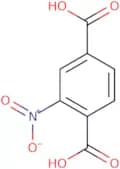
CAS:2-Nitroterephthalic acid is an inorganic acid that belongs to the nitro group. It is a white powder and has a melting point of 115°C. The crystal structure of 2-nitroterephthalic acid was determined using x-ray crystallography, and the thermal expansion coefficient was measured at different temperatures between 10° and 120°C. This compound has been used as a test sample to study the hydrogen bonding interactions between methyl ethyl groups on the molecule's surface with carboxylate groups in other molecules. Structural analysis of this compound also revealed that it contains a carboxylate group that can be converted into an ester for use in organic synthesis.
Formula:C8H5NO6Color and Shape:PowderMolecular weight:211.13 g/molFmoc-3-nitro-L-tyrosine
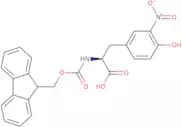
CAS:Fmoc-3-nitro-L-tyrosine is an intermediate in the synthesis of a fluorogenic substrate for the determination of tyrosine residues in peptides by reverse phase high performance liquid chromatography (RP-HPLC). The product is synthesized by solid phase methods. Fmoc-3-nitro-L-tyrosine is prepared by reacting 3,4,5,6-tetrafluoroacetophenone with L-tyrosine in piperidine. The product can be cleaved to yield the residues and hydroxyl groups. The fluorogenic nature of Fmoc-3-nitro-L-tyrosine enables it to be used as a quenching reagent for the fluorescence of other compounds. This product can also be modified to become fluorescent or enzymatically active.Formula:C24H20N2O7Purity:Min. 95%Color and Shape:PowderMolecular weight:448.42 g/mol4-Chloro-3-nitrophenylacetamide
CAS:4-Chloro-3-nitrophenylacetamide is a chemical compound that can be used as a reagent, useful scaffold for research, and a high quality research chemical. CAS No. 5540-60-3, this versatile building block is useful for the synthesis of complex compounds and fine chemicals.
Formula:C8H7ClN2O3Purity:Min. 98 Area-%Color and Shape:PowderMolecular weight:214.61 g/mol2-Acetyl-4-nitroindane-1,3-dione
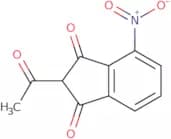
CAS:2-Acetyl-4-nitroindane-1,3-dione is a synthetic compound that is assembled in two steps from commercially available starting materials. The first step involves the assembly of the nitro group and acetyl group on the indane ring. The second step involves the oxidative cyclization of the nitro group to form the final product. The compound was monitored by UV absorption and HPLC analysis with a spermidine standard. It has been shown to selectively inhibit trypanothione reductase, an enzyme involved in trypanosome metabolism. 2-Acetyl-4-nitroindane-1,3-dione is also an analogue of disulphide, which has been shown to be effective against trypanosomes. 2-Acetyl-4-nitroindane-1,3-dione is synthesized on solid phase using strategies developed for peptides and amines. This compound has alsoFormula:C11H7NO5Purity:Min. 95%Color and Shape:PowderMolecular weight:233.18 g/mol5-Nitro-2-furaldehyde diacetate
CAS:5-Nitro-2-furaldehyde diacetate is a synthetic compound that can be used in the production of quinoline derivatives. It has been shown to have an inhibitory effect on lung cancer cells, although its mechanism of action is not yet known. 5NFDA was synthesized and tested with a reaction solution containing sodium carbonate and hydrochloric acid. The electron microscopic analysis showed that this compound reacts with the hydroxyl group on the surface of the lung cell membrane. This reaction causes a loss of integrity in the cell wall, leading to cell death.Formula:C9H9NO7Purity:Min. 97 Area-%Color and Shape:PowderMolecular weight:243.17 g/mol6-Amino-3-methyl-4-(4-nitrophenyl)-4H-pyrano[3,2-d]pyrazole-5-carbonitrile
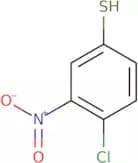
CAS:6-amino-3-methyl-4-(4-nitrophenyl)-4H-pyrano[3,2-d]pyrazole-5-carbonitrile is a compound that has been shown to have correlations with energies and regression. It also has a linear regression, polarities, photophysical properties, and dipole. The fluorescence and excited state of this compound are singlet and hydrogen bonding interactions with solvents.Formula:C14H11N5O3Purity:Min. 95%Color and Shape:PowderMolecular weight:297.27 g/mol4-Chloro-3-nitrobenzenethiol
CAS:4-Chloro-3-nitrobenzenethiol (4CNBT) is a micropet that is used as a radiotracer to measure the uptake of serotonin in the brain. This compound has been shown to bind to the serotonin transporter, which is responsible for reuptake of serotonin from the synapse. The radiolabeled 4CNBT can be used for positron emission tomography (PET) scanning and postinjection autoradiography. 4CNBT has also been used as a ligand in pharmacological studies on serotonin transporters.
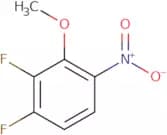
Formula:C6H4ClNO2SPurity:Min. 95%Color and Shape:White PowderMolecular weight:189.62 g/mol2,3-Difluoro-6-nitroanisole
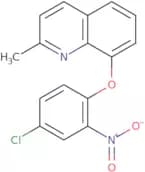
CAS:2,3-Difluoro-6-nitroanisole is a chemical that can be used as a building block for the synthesis of other compounds. It is a versatile intermediate that is useful in the synthesis of a wide variety of compounds. 2,3-Difluoro-6-nitroanisole has been used in research and as a reagent in organic chemistry. The compound has been observed to have high quality and to be stable under most conditions. CAS No. 66684-60-4 is assigned to 2,3-difluoro-6 nitroanisole in the Chemical Abstracts Service registry system.Formula:C7H5F2NO3Purity:Min. 95%Molecular weight:189.12 g/mol4-Chloro-1-(2-methyl(8-quinolyloxy))-2-nitrobenzene
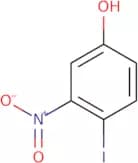
CAS:Please enquire for more information about 4-Chloro-1-(2-methyl(8-quinolyloxy))-2-nitrobenzene including the price, delivery time and more detailed product information at the technical inquiry form on this pageFormula:C16H11ClN2O3Purity:Min. 95%Color and Shape:PowderMolecular weight:314.72 g/mol4-Iodo-3-nitrophenol
CAS:4-Iodo-3-nitrophenol is a chemical compound that is used in the synthesis of decanoic acid, an ester. It also has pharmacological properties and can be used as a cataleptic or neuroleptic agent. 4-Iodo-3-nitrophenol has been shown to have stimulant effects on the central nervous system, which may be due to its ability to inhibit the metabolism of acetylcholine by blocking cholinesterase enzymes. 4-Iodo-3-nitrophenol is also used in the preparation of analogues and it has been tested for use as a treatment for Parkinson's disease.Formula:C6H4INO3Purity:90%Color and Shape:Brown Yellow PowderMolecular weight:265.01 g/mol2-Nitro-p-phenylenediamine
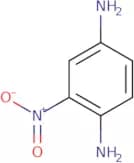
CAS:2-Nitro-p-phenylenediamine is a chemical substance that can be used as a predictive biomarker for allergic reactions. It is an amine with the chemical formula C6H5CH2N2O2. It is soluble in water, ethanol, and ether, but insoluble in acetone and diethylether. 2-Nitro-p-phenylenediamine has been shown to cause cutaneous lesions in animal studies and has been classified as a possible human carcinogen by the International Agency for Research on Cancer (IARC). This compound was not mutagenic to bacteria or yeast strains tested, but it did cause chromosome aberrations in cultured human lymphocytes. The metabolite profile of 2-nitro-p-phenylenediamine has been studied in rats treated with this compound at different doses. When administered orally to rats at a dose of 50 mg/kg body weight per day, 2 nitro p phenylenedFormula:C6H7N3O2Purity:Min. 95%Color and Shape:PowderMolecular weight:153.14 g/mol3-Acetyl-5-nitrobenzoic acid
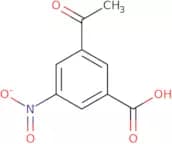
CAS:3-Acetyl-5-nitrobenzoic acid is a chemical that is used as a versatile building block, useful intermediate, and useful building block. It has been used in the synthesis of pharmaceuticals, agricultural chemicals, and other fine chemicals. 3-Acetyl-5-nitrobenzoic acid has been shown to be a versatile reaction component and reagent in organic synthesis. It can be used as a building block for the preparation of complex compounds with different functionalities. 3-Acetyl-5-nitrobenzoic acid can also be used to make high quality research chemicals as well as speciality chemicals. This compound is listed on the Chemical Abstract Services registry with CAS number 717-75-9.Formula:C9H7NO5Purity:Min. 95 Area-%Color and Shape:PowderMolecular weight:209.16 g/mol3',5'-Dinitroacetophenone
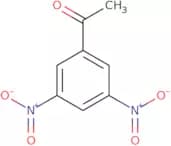
CAS:3',5'-Dinitroacetophenone is a chemical compound that is used as an intermediate in the synthesis of other organic compounds. This chemical is highly toxic and can be fatal if ingested. 3',5'-Dinitroacetophenone has a high solubility in water, but reacts quickly with air, so it should be stored in an airtight container. It has been shown to produce foramen ovale-type lesions when applied to the maxillary sinus. This chemical also has an electron deficient profile and produces frequencies at about 350 MHz and chloride ions at about 250 MHz.Formula:C8H6N2O5Purity:Min. 95%Color and Shape:PowderMolecular weight:210.14 g/mol4-Chloro-3-nitrobenzoic acid ethyl ester
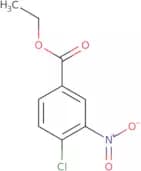
CAS:4-Chloro-3-nitrobenzoic acid ethyl ester is a six-membered, planar, hydrogen bond that has a crystal structure with a six-membered ring. It has hydrogen bonds and five-membered ring. The molecule is coplanar and oriented.Formula:C9H8ClNO4Purity:Min. 95%Color and Shape:PowderMolecular weight:229.62 g/mol1-(2,4,5-Trimethoxyphenyl)-2-nitropropene
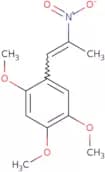
CAS:1-(2,4,5-Trimethoxyphenyl)-2-nitropropene is a fine chemical that can be used as a building block in organic synthesis. It is also an intermediate or scaffold for the preparation of other compounds. 1-(2,4,5-Trimethoxyphenyl)-2-nitropropene has been used in the synthesis of many pharmaceuticals and natural products. The compound has high purity and quality.Formula:C12H15NO5Purity:Min. 95%Color and Shape:PowderMolecular weight:253.25 g/mol(4-N-Propoxyphenyl)-2-nitropropene
CAS:4-N-Propoxyphenyl)-2-nitropropene is a high quality chemical that is a versatile building block in organic synthesis. It can be used as a reagent, reaction component, or useful intermediate. 4-N-Propoxyphenyl)-2-nitropropene is an excellent choice for research and development of new compounds because it has high purity and versatility. This chemical is also a fine chemical with CAS No. 1251483-63-2.Formula:C12H15NO3Purity:Min. 95%Color and Shape:PowderMolecular weight:221.25 g/mol4-Bromo-3,5-dinitroaniline
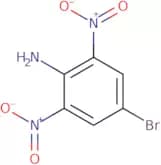
CAS:4-Bromo-3,5-dinitroaniline is a versatile chemical intermediate that has been used in the synthesis of various drugs. This compound is a fine chemical that is not available at any commercial level and can be obtained from research chemicals suppliers. It has been found to be useful as a building block in the synthesis of chemicals such as pharmaceuticals and agrochemicals. The CAS number for this compound is 62554-90-9.Formula:C6H4BrN3O4Purity:Min. 95%Molecular weight:262.02 g/mol(3S,4R)-3-[(1R)-1-Hydroxyethyl]-4-[(1R)-1-methyl-3-diazo-3- (p-nitrobenzyloxycarbonyl)-2-oxopropyl]azetidin-2 -one
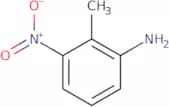
CAS:CAS No. 137391-68-5 is a fine chemical that is used as a building block in organic chemistry research and as a reagent, speciality chemical, or intermediate. This compound has been shown to be useful in the synthesis of complex compounds and can be employed as a versatile building block for the synthesis of pharmaceuticals and other chemicals. This compound has also been shown to be an excellent reaction component, making it an ideal scaffold for the construction of larger molecules.Formula:C17H18N4O7Purity:Min. 96 Area-%Color and Shape:White PowderMolecular weight:390.35 g/mol2-Methyl-3-nitroaniline
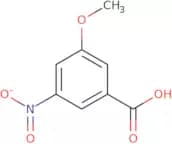
CAS:2-Methyl-3-nitroaniline is a nitro compound that is used in the synthesis of diazonium salts. It is a white solid with an unpleasant odor. 2-Methyl-3-nitroaniline can be obtained by reacting picric acid with hydroxide solution and nitrous acid, or by the reaction of ammonia with amines. This compound has been shown to possess magnetic resonance spectroscopy properties and has been used for the detection of cellulose content in wheat samples.Formula:C7H8N2O2Purity:Min. 95%Molecular weight:152.15 g/mol3-Methoxy-5-nitrobenzoic acid
CAS:3-Methoxy-5-nitrobenzoic acid is an organic compound that has mesomorphic and switchable properties. It is a chalcone derivative, with homologues such as 3-hydroxybenzoic acid. It is synthesized from the reaction of nitrous acid and 3-methoxybenzoic acid. The synthesis of this compound can be achieved by two different routes: peroxide oxidation or fluorine substitution. Both routes produce the same product, but offer different advantages. The first route involves the addition of hydrogen peroxide to 3-methoxybenzoic acid, which produces a mixture of products containing 3-methoxy-5-nitrobenzoic acid. This route is advantageous in that it can be conducted at room temperature with high yields, but the disadvantage is that this method produces a mixture of products which may contain undesired byproducts. The second route involves the use of sodium hypofluorite and potassium
Formula:C8H7NO5Purity:Min. 95%Color and Shape:PowderMolecular weight:197.14 g/mol2-Amino-N-[2-(2-chlorobenzoyl)-4-nitrophenyl]acetamide
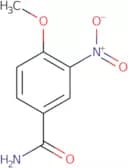
CAS:2-Amino-N-[2-(2-chlorobenzoyl)-4-nitrophenyl]acetamide is a fine chemical that is used as a building block in organic synthesis. It is a versatile intermediate for the synthesis of other compounds and can be used to make a variety of useful scaffolds. 2-Amino-N-[2-(2-chlorobenzoyl)-4-nitrophenyl]acetamide has been used in research and development of pharmaceuticals, agrochemicals, herbicides, and other compounds.Formula:C15H12ClN3O4Purity:Min. 95%Color and Shape:Slightly Yellow PowderMolecular weight:333.73 g/mol3-Nitro-4-methoxybenzamide
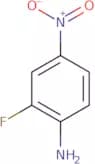
CAS:3-Nitro-4-methoxybenzamide is a versatile building block that belongs to the group of fine chemicals. It is a reagent that is used in the synthesis of complex compounds. 3-Nitro-4-methoxybenzamide has been shown to be an effective intermediate for the synthesis of pharmaceuticals, such as antibiotics and immunosuppressants. This compound also has high quality and can be used as a scaffold for other chemical syntheses.Formula:C8H8N2O4Purity:Min. 95%Color and Shape:PowderMolecular weight:196.16 g/mol2-Fluoro-4-nitroaniline
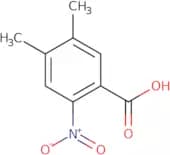
CAS:2-Fluoro-4-nitroaniline is a molecule that has been shown to have clinical studies in industrialized countries. It is a hydrophobic molecule, which means it does not dissolve in water. 2-Fluoro-4-nitroaniline binds to the 5HT receptor subtype with an energy of -1.89 eV and inhibits cancer cell proliferation by inhibiting the activation of 5HT receptors. The reaction mechanism for this drug involves the transfer of an electron from the hydrogen atom to the nitro group on the compound, which creates a radical cation (R+). This radical cation interacts with oxygen and forms a peroxyl radical, which reacts with nearby molecules and causes damage to them. The molecule is then broken down by enzymes called peroxidases.Formula:C6H5FN2O2Purity:Min. 95%Color and Shape:PowderMolecular weight:156.11 g/mol3,4-Dimethyl-6-nitrobenzoic acid
CAS:3,4-Dimethyl-6-nitrobenzoic acid is a nitrated aromatic compound that has been shown to have anticancer activity. It is used as an anticancer agent in the treatment of cancers such as leukemia, lymphoma, and lung cancer. 3,4-Dimethyl-6-nitrobenzoic acid has been shown to be effective against species diversity and diversity of tumor cells. This compound inhibits protein synthesis by binding to ribosomes and inhibiting the production of proteins vital for cell division. 3,4-Dimethyl-6-nitrobenzoic acid also binds to DNA and interferes with transcription and replication of DNA, causing cell death. This compound has been found in wetlands (e.g.,
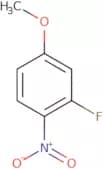
the Yangtze River) but its function in these ecosystems is not known.Formula:C9H9NO4Purity:Min. 95%Color and Shape:PowderMolecular weight:195.17 g/mol3-Fluoro-4-nitroanisole
CAS:3-Fluoro-4-nitroanisole is a regiospecific synthesised compound that binds to albumin in the human serum. It has been shown to be an endogenous metabolite of 3-fluoro-4-nitrophenol, which is a potent inhibitor of cellular and blood assays for amines. The binding affinity for albumin was about 100 times higher than for other amines such as histamine or tyramine. 3-Fluoro-4-nitroanisole also has a high affinity for anions, with a pKb value of 8.7, which makes it suitable as an anion receptor in applications such as the determination of anion concentration in water samples. This fluoroquinonoid is also used as a fluorescent probe for nucleophilic reactions and can be used to detect nucleophiles in organic solvents by adding it to the reaction mixture.Formula:C7H6FNO3Purity:Min. 95%Color and Shape:Beige PowderMolecular weight:171.13 g/mol2-Bromo-5-chloronitrobenzene
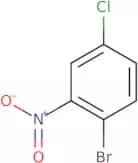
CAS:2-Bromo-5-chloronitrobenzene is a synthetic drug that has been shown to inhibit the growth of cancer cells. It is a potent antagonist at the tyrosine kinase receptor, which may be involved in the development of some cancers. The drug was first synthesized in 1887 by German chemists for use as an antipsychotic drug, but it was not until 1962 that researchers discovered its therapeutic value in treating schizophrenia. Clozapine also blocks the activity of other receptors including factor receptors and growth factors, which may account for its antitumor effects. Clozapine has also been used to treat resistant breast cancer cases with imatinib therapy.Formula:C6H3BrClNO2Purity:Min. 95%Color and Shape:PowderMolecular weight:236.45 g/mol4-Chloro-3-nitrobenzoic acid methyl ester
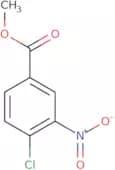
CAS:4-Chloro-3-nitrobenzoic acid methyl ester is a chemical compound that inhibits the synthesis of nucleic acids. It binds to the functional groups of DNA, preventing replication and transcription. 4-Chloro-3-nitrobenzoic acid methyl ester also inhibits protein synthesis by inhibiting ribosomal RNA which is required for translation. This agent has been shown to induce apoptotic cell death in leukemia cells, HL60 cells, and other types of cancer cells in vitro. 4-Chloro-3-nitrobenzoic acid methyl ester has a potent inhibitory activity against replicons in vitro and is a synthetic molecule with two sulfoxide functional groups.Formula:C8H6ClNO4Purity:Min. 95%Color and Shape:PowderMolecular weight:215.59 g/mol5-Nitro-pyridine-2-sulfonyl chloride
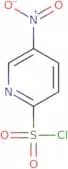
CAS:5-Nitro-pyridine-2-sulfonyl chloride is a chemical reagent that is used in the synthesis of various organic compounds. It is a versatile building block and can be used as an intermediate for the synthesis of other compounds. 5-Nitro-pyridine-2-sulfonyl chloride is also a reaction component in the synthesis of some pharmaceutical drugs, such as benzoic acid, which can be used to manufacture more complex compounds, such as antibiotics.Formula:C5H3ClN2O4SPurity:Min. 90 Area-%Color and Shape:PowderMolecular weight:222.61 g/mol2-(2,2-dimethylpropanoyl)-3-(2-nitrophenyl)prop-2-enenitrile
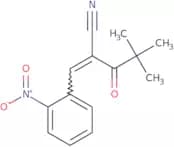
CAS:Please enquire for more information about 2-(2,2-dimethylpropanoyl)-3-(2-nitrophenyl)prop-2-enenitrile including the price, delivery time and more detailed product information at the technical inquiry form on this pagePurity:Min. 90%1-Chloro-2,6-dinitrobenzene
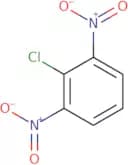
CAS:1-Chloro-2,6-dinitrobenzene is a synthetic compound that has been shown to be an effective antiviral agent in vitro. It has a high affinity for nucleophilic sites and can react with the nitro group of compounds to form dinitrobenzoic acid derivatives. 1-Chloro-2,6-dinitrobenzene is highly reactive and can undergo thermolytic decomposition, which limits its use as an antiviral agent. This chemical is not active against HIV or influenza A virus strains.Formula:C6H3ClN2O4Purity:Min. 98 Area-%Color and Shape:Clear LiquidMolecular weight:202.55 g/molEthyl 3,5-dinitrobenzoate
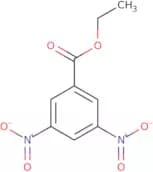
CAS:Ethyl 3,5-dinitrobenzoate is an ethyl ester of 3,5-dinitrobenzoic acid. It is used as a stabilizer for polymers and plastics. It has been shown to be effective in the analysis of molecular descriptors, with a high molecular weight and moderate polarity. This molecule has not been found to have any amine groups or nitro groups, but does contain one hydroxyl group and two methyl groups. Ethyl 3,5-dinitrobenzoate also contains one carboxylic acid group that can form an ester with a second molecule. The refractive index is 1.638 and the inorganic content is 0%. The malic acid content is 12%. Regression analysis shows that the melting point of this compound is 93 degrees Celsius.Formula:C9H8N2O6Purity:Min. 95%Color and Shape:PowderMolecular weight:240.17 g/molMethyl 4-bromo-3-nitrobenzoate
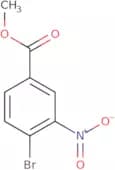
CAS:Methyl 4-bromo-3-nitrobenzoate is a methoxy-substituted methyl ester of 3-nitrobenzoic acid. It has been shown to bind to copper ions with high affinity, and can be used to regulate the uptake of copper ions in cells. Methyl 4-bromo-3-nitrobenzoate is a ligand for many metal ions, and can be used as a predictable, conformationally constrained framework for drug design. Selectivities are achieved by carboxylate substituents and nitro groups on the benzene ring. The asymmetric center allows for conformational control of the molecule, which can be exploited in drug design.Formula:C8H6BrNO4Purity:Min. 95%Color and Shape:PowderMolecular weight:260.04 g/mol2-(2,4-Dinitrophenoxy)ethanol
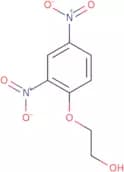
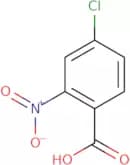
CAS:2-(2,4-Dinitrophenoxy)ethanol is a glycol ether that has been shown to be an effective nucleophile in nucleophilic substitution reactions. It is a colorless liquid with a boiling point of between 204°C and 205°C. 2-(2,4-Dinitrophenoxy)ethanol reacts with deionized water in the presence of ethylene to produce a crystalline precipitate. The product can be recrystallized from ethanol/water or purified by chromatography on silica gel. This chemical can also be used as an activated nucleophile in the synthesis of spirocyclic compounds and isomeric ketones. 2-(2,4-Dinitrophenoxy)ethanol is toxic and may cause severe skin burns if it comes into contact with unprotected skin. It is also environmentally hazardous when released into the environment because it breaks down slowly and may accumulate in soil or water systems.Formula:C8H8N2O6Purity:Min. 95%Color and Shape:PowderMolecular weight:228.16 g/mol4-Chloro-2-nitrobenzoic acid
CAS:4-Chloro-2-nitrobenzoic acid is a hydrogen bond donor with a coordination geometry of tetrahedral. It has two functional groups: an organic acid and a nitro group. This compound has been used in molecular modeling to study telomeric interactions. 4-Chloro-2-nitrobenzoic acid is also found in biological systems such as the enzyme chloramphenicol acetyltransferase and the antibiotic chloramphenicol. 4-Chloro-2-nitrobenzoic acid can be synthesized from phosphorus pentachloride and amine, which are both commercially available.Formula:C7H4CINO4Purity:Min. 95%Color and Shape:PowderMolecular weight:305.03 g/mol6-Nitroindoline
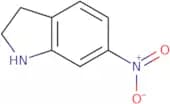
CAS:6-Nitroindoline is a nitro compound that inhibits the polymerization of nitrite. It is an acidic acceptor and has been used as an agrochemical to inhibit nitrification in soil. 6-Nitroindoline has been shown to be mutagenic, which may be due to its ability to form covalent bonds with DNA bases or alkylate DNA bases. 6-Nitroindoline can also undergo borohydride reduction, which is the conversion of a compound into a more reduced form by reaction with borohydride.Formula:C8H8N2O2Purity:Min. 95%Color and Shape:PowderMolecular weight:164.16 g/molMethyl 4-nitrocinnamate
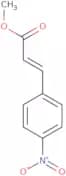
CAS:Methyl 4-nitrocinnamate is a potential drug candidate for the treatment of cancer. Methyl 4-nitrocinnamate is an analog of cinnamic acid and has been shown to inhibit tumor growth in experimental models. The structural modifications that have been made to methyl 4-nitrocinnamate allow it to be more potent than cinnamic acid. This compound has also shown activity against other types of cancer cells, including breast, colorectal, and prostate cancers. Methyl 4-nitrocinnamate binds to diphenolase enzymes and inhibits their activity, which may lead to its anticancer effects.Formula:C10H9NO4Purity:Min. 95%Color and Shape:PowderMolecular weight:207.18 g/mol5-Chloro-2-nitrobenzonitrile
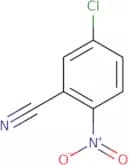
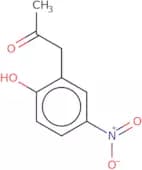
CAS:5-Chloro-2-nitrobenzonitrile is a nucleophilic compound that inhibits bacterial growth by means of an attack on the sulfhydryl group. 5-Chloro-2-nitrobenzonitrile has shown antibacterial activity against Streptococcus faecalis and Staphylococcus aureus. This drug also has anti-inflammatory properties, which may be due to its ability to inhibit prostaglandin synthesis. The molecule has been shown to bind to chloride ions and sulfinyl groups, as well as being able to form a stable complex with erythrocytes in vitro (X-ray crystal structures). 5-Chloro-2-nitrobenzonitrile is structurally similar to fluoroquinolones and cephalosporins, which have been shown to have an oral bioavailability of 100%.Formula:C7H3ClN2O2Purity:Min. 95%Molecular weight:182.56 g/mol(2-Hydroxy-5-nitrophenyl)acetone
CAS:2-Hydroxy-5-nitrophenyl)acetone is a high quality reagent that has been used as an intermediate in the synthesis of many complex compounds. It is a useful intermediate and building block in organic synthesis. 2-Hydroxy-5-nitrophenyl)acetone is also a versatile building block, which can be used to form chemical derivatives with different functional groups.Formula:C9H9NO4Color and Shape:PowderMolecular weight:195.17 g/mol1-(4-(Trifluoromethyl)phenyl)-2-nitroethene
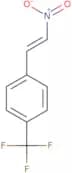
CAS:1-(4-(Trifluoromethyl)phenyl)-2-nitroethene is a high quality reagent, which is used as a useful intermediate in the production of fine chemicals. It is also a useful scaffold for the synthesis of speciality chemicals and research chemicals. 1-(4-(Trifluoromethyl)phenyl)-2-nitroethene can be used as a versatile building block for organic synthesis reactions.Formula:C9H6F3NO2Color and Shape:PowderMolecular weight:217.14 g/mol3-Hydroxy-2-nitrobenzoic acid
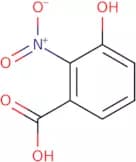
CAS:3-Hydroxy-2-nitrobenzoic acid is a metabolite of 3-hydroxyanthranilic acid, which is an intermediate in the biosynthesis of amino acids. It can be found in animals and plants. 3-Hydroxy-2-nitrobenzoic acid has two isomers: 3,5-dihydroxybenzoic acid and 3,4,5-trihydroxybenzoic acid. The former is more abundant than the latter. In animal tissues, 3-hydroxybenzoic acid can be found as a diacid or as a salt with sodium or potassium. It reacts with various compounds to form oxidation products that have been shown to have sequences that are different from those of their precursors. These oxidation products are analyzed for the presence of their carboxylate group to identify the original compound. This carboxylate group can then be used as a ligand in matrix assisted laser desorption
Formula:C7H5NO5Purity:90%Color and Shape:Yellow PowderMolecular weight:183.12 g/mol4-tert-Butyl-2,6-dinitrophenol
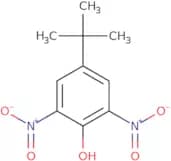
CAS:4-tert-Butyl-2,6-dinitrophenol is a yellowish solid that is soluble in organic solvents. It is used as an intermediate for the synthesis of dyes, pesticides and pharmaceuticals. 4-tert-Butyl-2,6-dinitrophenol has been shown to cause respiratory tract irritation and narcosis in animals. The toxic effects of 4-tert-Butyl-2,6-dinitrophenol are due to its high electrophilicity and nitro group (NO) which causes oxidative stress. The logistic regression analysis showed that the population growth of ciliates was negatively affected by the presence of halogens in the water.
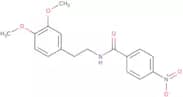
Formula:C10H12N2O5Purity:Min. 98 Area-%Color and Shape:White PowderMolecular weight:240.21 g/molN-(2-(3,4-dimethoxyphenyl)ethyl)(4-nitrophenyl)formamide
CAS:Controlled ProductPlease enquire for more information about N-(2-(3,4-dimethoxyphenyl)ethyl)(4-nitrophenyl)formamide including the price, delivery time and more detailed product information at the technical inquiry form on this pagePurity:Min. 95%2-Nitrofluorene
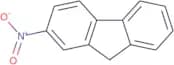
CAS:2-Nitrofluorene is a reactive compound that is not naturally found in the environment. It is an inhibitor of cytochrome P450 enzymes and can be used in probiotic bacteria as a selective agent for genotoxic compounds. 2-Nitrofluorene inhibits the production of reactive oxygen species and has been shown to induce liver lesions in rats after oral exposure. This compound also induces DNA strand breaks and has genotoxic effects on both natural and recombinant cytochrome P450 enzymes.Formula:C13H9NO2Purity:Min. 98 Area-%Color and Shape:PowderMolecular weight:211.22 g/mol2,4-Dimethyl-3,5-dinitroaniline
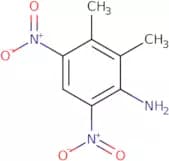
CAS:2,4-Dimethyl-3,5-dinitroaniline is a high quality chemical that is used as an intermediate in the synthesis of other compounds. It has been shown to be a useful building block for the synthesis of complex compounds. 2,4-Dimethyl-3,5-dinitroaniline is also a versatile building block and can be used in reactions involving nucleophilic substitution with electron transfer or nucleophilic addition. It has also been shown to be a useful scaffold for a variety of reactions including Friedel-Crafts alkylation and acylation. 2,4-Dimethyl-3,5-dinitroaniline is not available for sale to consumers or retailers.
Formula:C8H9N3O4Purity:Min. 95%Molecular weight:211.17 g/mol5-Acetamido-2-nitrobenzoic acid
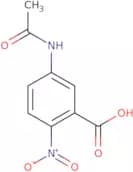
CAS:5-Acetamido-2-nitrobenzoic acid is a metabolic precursor of homarine, which is an important intermediate in the synthesis of pharmaceuticals. 5-Acetamido-2-nitrobenzoic acid is a white crystalline powder that is soluble in water and sparingly soluble in ethanol. It has a molecular weight of 176.1 g/mol and an empirical formula of C7H6NO4P. The compound exists as a zwitterion at neutral pH. The solubility can be increased by adding phosphoric acid or orthophosphoric acid to increase the pH to 3-5, although this may result in the formation of impurities such as orthophosphate or multicolour compounds. 5-Acetamido-2-nitrobenzoic acid is used for the quantitative determination of phosphate in pharmaceutical dosage formulations by regression analysis with multicolour photometry and chromatographic methods.Formula:C9H8N2O5Purity:Min. 95%Color and Shape:SolidMolecular weight:224.17 g/mol2'-Chloro-4'-nitroacetophenone
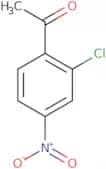
CAS:2'-Chloro-4'-nitroacetophenone is a reagent that is used in the synthesis of tulobuterol, an oxirane that binds to β2-adrenergic receptors. 2'-Chloro-4'-nitroacetophenone is also used for the synthesis of other drugs, such as benzylated alcohols and phenols. This product has been shown to be metabolized into a number of metabolites, including hydroxybenzyl alcohol and hydroxybenzyl glucuronide.Formula:C8H6ClNO3Purity:Min. 95%Color and Shape:Dark yellow solid.Molecular weight:199.59 g/mol2-Nitrobenzyl alcohol
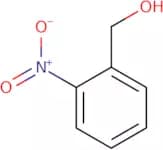
CAS:2-Nitrobenzyl alcohol is a molecule with photochemical properties. It has been used as a solid catalyst and in genotoxic studies. 2-Nitrobenzyl alcohol is also toxic to liver cells, although the mechanism behind this toxicity is not yet clear. The chemical biology of this molecule is being studied, which includes its receptor binding and interactions with human liver cells.Formula:C7H7NO3Purity:Min. 97%Color and Shape:PowderMolecular weight:153.14 g/mol














![6-amino-3-methyl-4-(3-nitrophenyl)-4H-pyrano[3,2-d]pyrazole-5-carbonitrile](/_next/image/?url=https%3A%2Fstatic.cymitquimica.com%2Fproducts%2F3D%2Fthumb-webp%2FFA169032.webp&w=3840&q=75)


![6-Amino-3-methyl-4-(4-nitrophenyl)-4H-pyrano[3,2-d]pyrazole-5-carbonitrile](/_next/image/?url=https%3A%2Fstatic.cymitquimica.com%2Fproducts%2F3D%2Fthumb-webp%2FFA169805.webp&w=3840&q=75)

![(3S,4R)-3-[(1R)-1-Hydroxyethyl]-4-[(1R)-1-methyl-3-diazo-3- (p-nitrobenzyloxycarbonyl)-2-oxopropyl…](/_next/image/?url=https%3A%2Fstatic.cymitquimica.com%2Fproducts%2F3D%2Fthumb-webp%2FFH38865.webp&w=3840&q=75)
![2-Amino-N-[2-(2-chlorobenzoyl)-4-nitrophenyl]acetamide](/_next/image/?url=https%3A%2Fstatic.cymitquimica.com%2Fproducts%2F3D%2Fthumb-webp%2FFA17795.webp&w=3840&q=75)