Nitro
Found 2518 products of "Nitro"
4-[(4-Nitrophenyl)-azo]-phenol
CAS:4-[(4-Nitrophenyl)-azo]-phenol is a molecular compound that has a nitro group, an azo group, and a phenolic hydroxyl group. It's also known as nitrophenyl diazonium salt. 4-[(4-Nitrophenyl)-azo]-phenol is used in the synthesis of other compounds such as dyes and pharmaceuticals. The magnetic resonance spectroscopy and optical microscope techniques were used to study the chemical structure of 4-[(4-Nitrophenyl)-azo]-phenol. The titration method was used to determine the purity of this compound. 4-[(4-Nitrophenyl)-azo]-phenol has been shown to have mesomorphic properties, which are exhibited by its ability to be either solid or liquid at room temperature (25°C). This property may be due to its functional groups that stabilize it in both states.
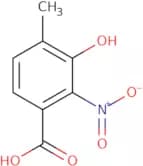
Purity:Min. 95%3-Hydroxy-4-methyl-2-nitro-benzoic acid
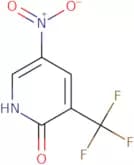
CAS:3-Hydroxy-4-methyl-2-nitrobenzoic acid is an analog of the natural substrate for the enzyme nitroreductase. It can be used in oxidative coupling reactions to generate a covalently bonded product, which is immobilized on sepharose. 3-Hydroxy-4-methyl-2-nitrobenzoic acid has a high affinity for nucleic acids and can be used in biospecific assays. The chromophore of 3-hydroxy-4-methyl-2-nitrobenzoic acid is easily oxidized, leading to its use in nitroreduction reactions in which a nitro group is reduced to an amino group.Purity:Min. 95%2-Hydroxy-5-nitro-3-(trifluoromethyl)pyridine
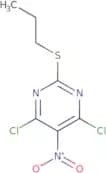
CAS:Please enquire for more information about 2-Hydroxy-5-nitro-3-(trifluoromethyl)pyridine including the price, delivery time and more detailed product information at the technical inquiry form on this pageFormula:C6H3F3N2O3Purity:Min. 99.00 Area-%Molecular weight:208.09 g/mol4,6-Dichloro-5-nitro-2-propylthiopyrimidine
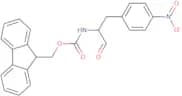
CAS:Intermediate in the synthesis of ticagrelorFormula:C7H7Cl2N3O2SPurity:Min. 95%Molecular weight:268.12 g/molFmoc-p-nitro-Phe-Wang resin (200-400 mesh)
Please enquire for more information about Fmoc-p-nitro-Phe-Wang resin (200-400 mesh) including the price, delivery time and more detailed product information at the technical inquiry form on this pagePurity:Min. 95%4-Nitrobenzaldehyde
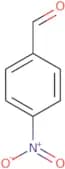
CAS:4-Nitrobenzaldehyde is a reactive compound that has been shown to have antimicrobial activity. It is used in the synthesis of antibiotics and other pharmaceuticals. 4-Nitrobenzaldehyde binds to the mitochondrial membrane potential, which leads to the disruption of aerobic respiration. This compound has also been shown to bind to human serum proteins, such as albumin. The mechanism of this binding is through hydrogen bonding interactions with the amine groups on the protein surface. The reaction of 4-nitrobenzaldehyde with sodium carbonate results in an equilibrium between nitrobenzene and 4-nitrophenol. The equilibrium constant for this reaction can be determined experimentally by measuring the solubility of these compounds at different concentrations. 4-Nitrobenzaldehyde can be used as a model system for studying electron transfer reactions in electrochemistry through its interaction with methyl ethyl ketone (MEK) and pyridine (PYR). MEKFormula:C7H5NO3Purity:Min. 92%Color and Shape:Slightly Yellow PowderMolecular weight:151.12 g/mol4-Nitrophenyl Salicylate
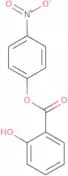
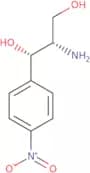
CAS:4-Nitrophenyl salicylate is an organic compound that is a derivative of phenol. This colourless solid has been shown to be a good catalyst for amine oxidation reactions. It also stabilizes organic compounds and prevents their oxidation by oxygen and other reactive species, such as free radicals, peroxides, and heavy metals. 4-Nitrophenyl salicylate reacts with amines to produce alicyclic nitrosoamines, which are more stable than the parent amine. The reaction mechanism of 4-nitrophenyl salicylate is not yet fully understood; however, it may involve nucleophilic attack on the aromatic ring followed by resonance stabilization of the resulting product.Purity:Min. 95%Color and Shape:PowderMolecular weight:259.21 g/molL-threo-(+)-2-Amino-1-(4-nitrophenyl)-1,3-propanediol
CAS:L-threo-(+)-2-amino-1-(4-nitrophenyl)-1,3-propanediol is a functional group that is composed of a fatty acid and an amino acid. It has been shown to inhibit the growth of corynebacterium glutamicum bacteria by hydrolyzing their cell wall. This compound also inhibits the activity of bacterial enzymes that are involved in the synthesis of proteins. This functional group may be useful for the treatment of chronic lymphocytic leukemia and HIV infection.Formula:C9H12N2O4Purity:Min. 95%Color and Shape:PowderMolecular weight:212.2 g/mol5'-Chloro-2'-hydroxy-3'-nitro-[1,1'-biphenyl]-3-carboxylic acid
CAS:Please enquire for more information about 5'-Chloro-2'-hydroxy-3'-nitro-[1,1'-biphenyl]-3-carboxylic acid including the price, delivery time and more detailed product information at the technical inquiry form on this page
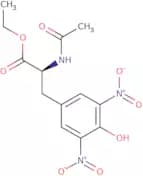
Formula:C13H8ClNO5Purity:Min. 95%Molecular weight:293.66 g/molAc-3,5-dinitro-Tyr-OEt
CAS:Please enquire for more information about Ac-3,5-dinitro-Tyr-OEt including the price, delivery time and more detailed product information at the technical inquiry form on this pageFormula:C13H15N3O8Purity:Min. 95%Molecular weight:341.27 g/mol6-(7-Nitro-benzo[2,1,3]oxadiazol-4-ylamino)-hexanoyl-Arg-Pro-Lys-Pro-Leu-Ala-Nva-Trp-Lys((7-dimethylaminocoumarin-4-yl)-acetyl)-NH2 trifluoroacetate salt
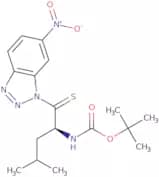
CAS:Please enquire for more information about 6-(7-Nitro-benzo[2,1,3]oxadiazol-4-ylamino)-hexanoyl-Arg-Pro-Lys-Pro-Leu-Ala-Nva-Trp-Lys((7-dimethylaminocoumarin-4-yl)-acetyl)-NH2 trifluoroacetate salt including the price, delivery time and more detailed product information at the technical inquiry form on this pageFormula:C78H111N21O16Purity:Min. 95%Molecular weight:1,598.85 g/molBoc-Thionoleu-1-(6-nitro)benzotriazolide
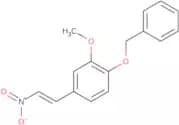
CAS:Please enquire for more information about Boc-Thionoleu-1-(6-nitro)benzotriazolide including the price, delivery time and more detailed product information at the technical inquiry form on this pageFormula:C17H23N5O4SPurity:Min. 95%Molecular weight:393.46 g/moltrans-4-Benzyloxy-3-methoxy-beta-nitrostyrene
CAS:Trans-4-Benzyloxy-3-methoxy-beta-nitrostyrene is an oxime that can be used as a catalyst for the catalytic hydrogenation of nitroalkanes. It is also a precursor to pallimamine, which is used as a pharmaceutical agent and an experimental virucide. Trans-4-Benzyloxy-3-methoxy-beta-nitrostyrene is synthesized by coupling two indole carboxylic acid analogues in the presence of sodium hydroxide and potassium carbonate. The reaction yields trans-(4'-benzyloxy)-3'-methoxystyrene, which is then converted to the title compound with ammonium chloride and hydrochloric acid. This compound undergoes acidic hydrolysis to yield the title compound.
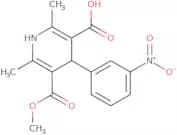
Formula:C16H15NO4Purity:Min. 95%Color and Shape:PowderMolecular weight:285.29 g/mol1,4-Dihydro-2,6-dimethyl-4-(3-nitrophenyl)-3,5-pyridinedicarboxylic acid 3-methyl ester
CAS:Lercanidipine is a calcium antagonist that binds to the calcium channels in the membranes of cells, preventing the entry of calcium ions. Lercanidipine is water soluble and can be synthesized using techniques such as elemental analysis and pharmacological techniques. It is also an ionizable drug, which means that its affinity for chloride varies with pH. Lercanidipine has been shown to have strong affinity for erythrocyte membranes and thus has a high selectivity for vascular smooth muscle cells. This drug also has a low toxicity profile and does not affect tissues other than vascular smooth muscle cells.Formula:C16H16N2O6Purity:Min. 95%Color and Shape:White PowderMolecular weight:332.31 g/molHIV Protease Substrate VII
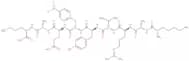
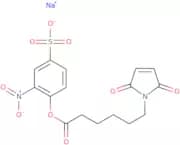
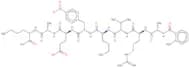
CAS:Please enquire for more information about HIV Protease Substrate VII including the price, delivery time and more detailed product information at the technical inquiry form on this pageFormula:C52H81N15O14Purity:Min. 95%Molecular weight:1,140.29 g/molEpsilon-Maleimidocaproic acid-(2-nitro-4-sulfo)-phenyl ester·sodium salt
CAS:Epsilon-Maleimidocaproic acid-(2-nitro-4-sulfo)-phenyl ester·sodium salt (EMAP) is a crosslinker that belongs to the group of heterobifunctional reagents. It has been used to conjugate monoclonal antibodies with other molecules, such as toxins. EMAP is activated by the dianion generated by protonation of the nitro groups on the phenyl ring and reacts with free amines or thiols in proteins. EMAP can be used for labeling immunotoxins for diagnostic use, maximizing detection sensitivity, and crosslinking DNA molecules for use in molecular cloning experiments.Formula:C16H15N2NaO9SPurity:Min. 95%Molecular weight:434.35 g/mol2-[(4-Chloro-2-nitrophenyl)azo]-N-(2-methoxyphenyl)-3-oxobutanamide
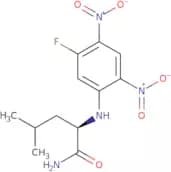
CAS:2-[(4-Chloro-2-nitrophenyl)azo]-N-(2-methoxyphenyl)-3-oxobutanamide is a chelating agent that has been used as a control agent in the manufacture of dyes, plastics, and rubber. It is also used as an additive in paints, textiles, and paper. 2-[(4-Chloro-2-nitrophenyl)azo]-N-(2-methoxyphenyl)-3-oxobutanamide is nonvolatile, nonflammable, and does not produce toxic byproducts when heated. This compound has low molecular weight with a molecular formula of C12H13NO5Cl. The structure of this compound includes two hydroxy groups (OH), one aliphatic hydrocarbon group (CH3), one carboxylic acid group (COOH), and three chlorine atoms (Cl). This product is soluble in waterFormula:C17H15ClN4O5Color and Shape:Yellow Clear LiquidMolecular weight:390.78 g/molNalpha-(5-fluoro-2,4-dinitrophenyl)-D-leucinamide
CAS:Nalpha-(5-fluoro-2,4-dinitrophenyl)-D-leucinamide is a chemical compound that inhibits the activity of proteases. It has been shown to inhibit leukemia cells and actinomycetes. This chemical binds to the active site of proteases, inhibiting the hydrolysis of peptides by blocking the access of water molecules to the reactive site. In addition, Nalpha-(5-fluoro-2,4-dinitrophenyl)-D-leucinamide can also be used as a fluorescent probe for protease activity in analytical methods. The product research on this compound has shown that it is a potent inhibitor of cyclic peptide synthetases and can be used as an anti-inflammatory agent.Formula:C12H15FN4O5Purity:Min. 95%Color and Shape:Off-White To Yellow SolidMolecular weight:314.27 g/molAnthranilyl-HIV Protease Substrate V trifluoroacetate salt
CAS:Please enquire for more information about Anthranilyl-HIV Protease Substrate V trifluoroacetate salt including the price, delivery time and more detailed product information at the technical inquiry form on this pageFormula:C50H76N14O13Purity:Min. 95%Molecular weight:1,081.23 g/mol2-Bromo-5-nitro-3-(trifluoromethyl)pyridine
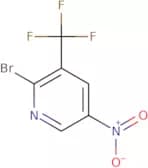
CAS:2-Bromo-5-nitro-3-(trifluoromethyl)pyridine is a white crystalline compound that is soluble in water. It has high melting point and is stable at high temperatures. This chemical has been recycled from terephthalic acid by the cyanation reaction with sodium nitrite, followed by hydrogenation of 2-bromo-5-nitro-3-(trifluoromethyl)pyridine to 5,6-dichloro-2,4,6-(1H,3H)-triazine. The target product of this recycling process is terephthalic acid. 2-Bromo-5-nitro-3-(trifluoromethyl)pyridine can be used as a catalyst for the preparation of drugs for urogenital use.Purity:Min. 95%3-Hydroxy-2-nitropyridine
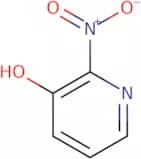
CAS:3-Hydroxy-2-nitropyridine is a chemical compound that has been shown to be an inhibitor of nicotinic acetylcholine receptor. The compound has been found to have luminescence properties and can be used as a fluorescent probe in the study of molecular recognition processes. 3-Hydroxy-2-nitropyridine is also an effective antimicrobial agent and has been shown to have clinical potential for the treatment of neurodegenerative diseases such as Parkinson's disease, Alzheimer's disease, and Huntington's disease. It binds to the nicotinic acetylcholine receptor by forming hydrogen bonds with functional groups on the receptor surface. This binding prevents the agonist from binding and activating the ion channel that leads to depolarization of nerve cells. 3-Hydroxy-2-nitropyridine also reacts with chloride ions in order to form hydrochloric acid, which then inhibits microbial growth by altering their cell membrane permeability. The reaction yield is determinedFormula:C5H4N2O3Purity:Min. 95%Molecular weight:140.1 g/mol(1-Nitroethyl)benzene
CAS:(1-Nitroethyl)benzene is a chloride that belongs to the family of muscarinic receptor antagonists. Its amide form is used in medicine as an antiviral agent, and it has been shown to be effective against HIV. (1-Nitroethyl)benzene also binds to the adenosine A3 receptor, which inhibits autoimmune diseases by preventing the proliferation of lymphocytes. The nitro group on this molecule can undergo a number of chemical reactions, including addition with alkylsulfonyl chloride or nitration with nitric acid.Formula:C8H9NO2Purity:Min. 95%Color and Shape:PowderMolecular weight:151.16 g/mol4-Fluoro-3-methylnitrobenzene
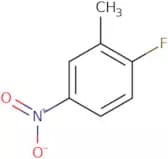
CAS:4-Fluoro-3-methylnitrobenzene is a carbazole that is used as a pesticide. It has been shown to be effective against typhimurium and other bacteria. The mechanism of action of this compound may involve nitrenium ion formation, which is an intermediate in the reaction of ammonium nitrate with calcium carbonate. 4-Fluoro-3-methylnitrobenzene has two isomers: 4-fluoro-3-methylnitrobenzoic acid and 4-fluoronitrobenzoic acid, but only the former reacts with ammonium nitrate. The reaction time for this compound to form carcinogenic nitrosamines can vary from about one day to several months. Chemical shift data for this compound reveal its radical mechanism, which explains its low efficiency. This compound also has optical properties that can cause fluorescence or phosphorescence when exposed to ultraviolet light or laser beams, respectively.Formula:C7H6FNO2Purity:Min. 95%Molecular weight:155.13 g/molMethyl 5-bromo-2-nitrobenzoate
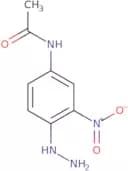
CAS:Please enquire for more information about Methyl 5-bromo-2-nitrobenzoate including the price, delivery time and more detailed product information at the technical inquiry form on this pagePurity:Min. 95%4-Hydrazino-3-nitroacetanilide
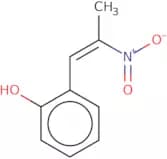
CAS:4-Hydrazino-3-nitroacetanilide is a high quality reagent that can be used as an intermediate in the preparation of complex compounds. It is also a useful building block for the synthesis of fine chemicals, providing a versatile scaffold for chemical reactions. 4-Hydrazino-3-nitroacetanilide has been shown to react with various amines to produce useful products. This product is a speciality chemical and research chemicals, which is useful in the production of other substances.Formula:C8H10N4O3Purity:Min. 95%Color and Shape:PowderMolecular weight:210.19 g/mol1-(2-Hydroxyphenyl)-2-nitropropene
CAS:Please enquire for more information about 1-(2-Hydroxyphenyl)-2-nitropropene including the price, delivery time and more detailed product information at the technical inquiry form on this pageFormula:C9H9NO3Purity:Min. 95%Color and Shape:PowderMolecular weight:179.17 g/molAnthranilyl-HIV Protease Substrate trifluoroacetate salt
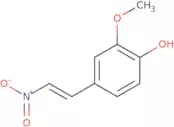
CAS:Please enquire for more information about Anthranilyl-HIV Protease Substrate trifluoroacetate salt including the price, delivery time and more detailed product information at the technical inquiry form on this pageFormula:C43H65N13O11Purity:Min. 95%Molecular weight:940.06 g/mol1-(4-Hydroxy-3-methoxyphenyl)-2-nitroethene
CAS:1-(4-Hydroxy-3-methoxyphenyl)-2-nitroethene is an experimental molecule that was not previously known to exist. The intramolecular reaction of 1,4-dihydroxynitrobenzene and glyoxylic acid yields the product. It is a phenolic compound with biological activity, which has been shown to inhibit glycosidases and alkaloids.Formula:C9H9NO4Purity:Min. 95%Color and Shape:SolidMolecular weight:195.17 g/mol1-Methyl-4-nitro-1H-pyrazole-3-carboxamide
CAS:Please enquire for more information about 1-Methyl-4-nitro-1H-pyrazole-3-carboxamide including the price, delivery time and more detailed product information at the technical inquiry form on this page
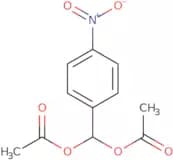
Purity:Min. 95%4-Nitrobenzaldiacetate
CAS:4-Nitrobenzaldiacetate is a crystalline solid that can be obtained by two-dimensional experimental methods. It has been shown to have high reactivity in the presence of ozone and sulfuric acid. The reaction product is the corresponding sulfate salt. The filtration technique is used to separate the desired product from the reaction mixture. This product can also be crystallized with catalytic amounts of sulfuric acid and 4-nitrobenzoic acid. The catalytic oxidation of 4-nitrobenzoic acid to form 4-nitrobenzaldaicetic acid, as well as its subsequent conversion to 4-nitrobenzaldiacetate, are both feasible reactions for this compound.Formula:C11H11NO6Purity:Min. 95%Color and Shape:PowderMolecular weight:253.21 g/mol3-Fluoro-2-nitrobenzoic acid
CAS:3-Fluoro-2-nitrobenzoic acid is an anhydrous nitrating agent that reacts with 5-fluoro-2-nitrobenzoic acid to produce 3,5-difluoronitrobenzene. This reaction mixture is introduced into a reaction vessel and heated in the presence of sulfuric acid. 3-Fluoro-2-nitrobenzoic acid is used in the production of dyes and pharmaceuticals.Formula:C7H4FNO4Purity:Min. 95%Color and Shape:PowderMolecular weight:185.11 g/mol2-Nitro-9H-carbazole
CAS:2-Nitro-9H-carbazole is a nitro aromatic compound that is used in the synthesis of other organic compounds. It has shown mutagenic and carcinogenic properties, as well as toxicity to the liver and kidney. 2-Nitro-9H-carbazole is metabolized by a number of metabolic transformations, including activation by cytochrome P450 enzymes and conjugation with glucuronic acid. The liver enzyme S9 also catalyzes the conversion of 2-nitro-9H-carbazole to its ultimate metabolite, 3-methylcholanthrene, which is cytotoxic to both cultured hepatocytes and lung cells.Formula:C12H8N2O2Purity:Min. 95%Color and Shape:PowderMolecular weight:212.2 g/mol5-Nitropseudocumene
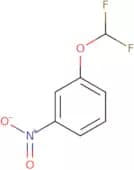
CAS:5-Nitropseudocumene (5NPC) is a molecule that belongs to the group of methylbenzenes. It is a precursor to dyes such as nitrobenzene, which are used in the production of nylon. 5NPC is also an intermediate in the synthesis of trifluoroacetic acid, which is used as an industrial solvent and chemical reagent. The acetoxylation of 5NPC with acetic acid yields methylbenzoate. This reaction requires two molecules of acetic acid for each molecule of 5NPC. Desorption from the catalyst can be achieved by treatment with methyl groups or nitrous acid. Naphthalene reacts with 5NPC to form biphenyl and nitric oxide gas, which are released into the atmosphere. The inorganic residue can be removed by filtration.Formula:C9H11NO2Purity:Min. 95%Color and Shape:PowderMolecular weight:165.19 g/mol3-(Difluoromethoxy)nitrobenzene
CAS:Please enquire for more information about 3-(Difluoromethoxy)nitrobenzene including the price, delivery time and more detailed product information at the technical inquiry form on this pageFormula:C7H5F2NO3Purity:Min. 95%Molecular weight:189.12 g/mol4-Nitro-Z-Gly-Cys(7-nitro-benzo[2,1,3]oxadiazol-4-yl)-Gly-OH
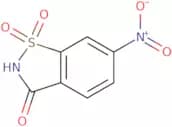
CAS:Please enquire for more information about 4-Nitro-Z-Gly-Cys(7-nitro-benzo[2,1,3]oxadiazol-4-yl)-Gly-OH including the price, delivery time and more detailed product information at the technical inquiry form on this pageFormula:C21H19N7O11SPurity:Min. 95%Molecular weight:577.48 g/mol6-Nitrosaccharin
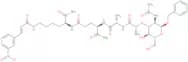
CAS:6-Nitrosaccharin is a copper salt that has been shown to have cancer-causing properties in humans. It also has depressant activity, which may be due to its ability to inhibit the function of the bitter taste receptors in the mouth. 6-Nitrosaccharin is readily absorbed and excreted unchanged in urine, with only a small amount being metabolized by hydrolysis to benzoate and nitrite. 6-Nitrosaccharin is used as an industrial catalyst and an analytical reagent, but can also be found in environmental pollution caused by chlorinated compounds.Formula:C7H4N2O5SPurity:Min. 95%Color and Shape:Yellow PowderMolecular weight:228.18 g/molAc-alpha-benzyl-muramyl-Ala-D-Glu(Lys(trans-(3-nitrocinnamoyl))-NH2)-NH2
CAS:Please enquire for more information about Ac-alpha-benzyl-muramyl-Ala-D-Glu(Lys(trans-(3-nitrocinnamoyl))-NH2)-NH2 including the price, delivery time and more detailed product information at the technical inquiry form on this pageFormula:C41H56N8O14Purity:Min. 95%Molecular weight:884.93 g/mol4-Fluoro-2-methoxy-5-nitroaniline
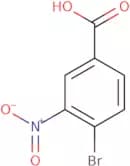
CAS:Intermediate in the synthesis of osimertinib (AZD9291)Formula:C7H7FN2O3Purity:Min. 95%Molecular weight:186.14 g/mol4-Bromo-3-nitrobenzoicacid
CAS:4-Bromo-3-nitrobenzoicacid is a fluorogenic substrate for the labeling of d-serine. It reacts with picric acid to form a fluorescent product, which can be detected by fluorescence spectroscopy. 4BnBA has been used in immobilized enzyme studies to determine the catalysis of chloride and the fluorescence response of chloride. The hydrolysis of 4BnBA by esterases produces 3-nitroaniline, which has been shown to be an intermediate for the synthesis of flavin mononucleotide (FMN). FMN is an essential cofactor for catalytic reactions involving ribonucleotides and ATP. The subunits of FMN are flavin adenine dinucleotide (FAD) and nicotinamide adenine dinucleotide (NAD). 4BnBA has also been analysed using synthetic techniques and functional theory to determine its role in biomolecular processes.
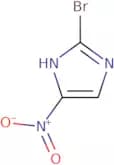
Formula:C7H4BrNO4Purity:Min. 95%Color and Shape:PowderMolecular weight:246.02 g/mol2-Bromo-4-nitroimidazole
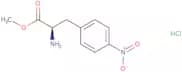
CAS:2-Bromo-4-nitroimidazole is a chemical compound with the molecular formula C6H5BrNO2. It is an amide containing a nitroimidazole functional group. 2-Bromo-4-nitroimidazole can be used to synthesize pretomanid, which is an anti-tuberculosis drug. Pretomanid inhibits the growth of Mycobacterium tuberculosis by inhibiting protein synthesis and cell division. The active form of pretomanid has been shown to be hydrolyzed by hydrochloric acid and organic acids such as acetylcholinesterase and carboxypeptidase A. Pretomanid also binds to chloride ions, which may account for its ability to inhibit bacterial growth in acidic environments such as those found in the human stomach.Formula:C3H2BrN3O2Purity:Min. 95%Molecular weight:191.97 g/mol4-Nitro-D-phenylalanine methyl ester hydrochloride
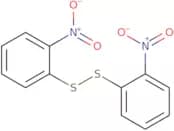
CAS:Please enquire for more information about 4-Nitro-D-phenylalanine methyl ester hydrochloride including the price, delivery time and more detailed product information at the technical inquiry form on this pageFormula:C10H14N2O4·HClPurity:Min. 95%Molecular weight:262.69 g/molBis(2-nitrophenyl) disulfide
CAS:Bis(2-nitrophenyl) disulfide is an organic solvent that has a wide range of potential uses. It is a useful reagent for the synthesis of amines, solutes, and other compounds in organic chemistry. Bis(2-nitrophenyl) disulfide can be used to form stable bonds between two different organic molecules by reacting with an electron-rich molecule such as amine or alkyne. This reaction forms a covalent bond between two molecules through the formation of a new bond between the sulfur atom and the carbon of one molecule and an electron-deficient molecule such as nitro or acetonitrile. Bis(2-nitrophenyl) disulfide reacts with chloride ions to form bis(chlorosulfonyl)disulfide, which can be used to synthesize chloroalkanes and fluorinated alkenes. Disulfides are also useful in metathesis reactions, which are reactions that involve theFormula:C12H8N2O4S2Purity:Min. 95%Molecular weight:308.34 g/mol(alphaR)-alpha-[[[2-(4-Nitrophenyl)ethyl]amino]methyl]benzenemethanol hydrochloride
CAS:Intermediate in the synthesis of mirabegron
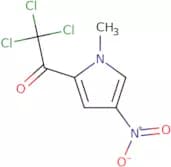
Formula:C16H18N2O3·HClPurity:Min. 95%Molecular weight:322.79 g/mol1-Methyl-4-nitro-2-(trichloroacetyl)-1H-pyrrole
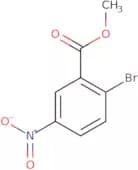
CAS:1-Methyl-4-nitro-2-(trichloroacetyl)-1H-pyrrole is an organic compound that is used in the synthesis of carboxylic acid derivatives. It is a synthetic intermediate, which can be converted to other compounds by intramolecular hydrogen bonding. The efficiency of this method has been shown through a number of experiments. In nature, 1-methyl-4-nitro-2-(trichloroacetyl)-1H-pyrrole may be found as a hydrogen bond donor.Formula:C7H5Cl3N2O3Purity:Min. 95%Molecular weight:271.48 g/molMethyl 2-bromo-5-nitrobenzoate
CAS:Methyl 2-bromo-5-nitrobenzoate is a potent inhibitor of aspartyl proteases, which are enzymes that are involved in the breakdown of fibrinogen. It has been shown to inhibit the growth of Staphylococcus aureus and other bacteria. Methyl 2-bromo-5-nitrobenzoate is also a potent inhibitor of lactamase, an enzyme that catalyzes the hydrolysis of lactams. This compound has been shown to have biological properties such as antioxidant and anticancer activity. A heterocycle with two nitro groups on the methylene bridge, it is reactive.
Formula:C8H6BrNO4Purity:Min. 95%Molecular weight:260.04 g/mol4-Fluoro-3-nitrobenzyl alcohol
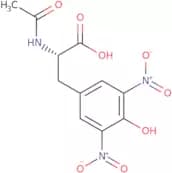
CAS:4-Fluoro-3-nitrobenzyl alcohol (4FNA) is a potent, orally bioavailable, and selective inhibitor of the tyrosine kinase AXL. 4FNA binds to the ATP binding site on AXL and blocks phosphorylation of its tyrosine kinase domain. This binding leads to a conformational change in the AXL protein that prevents it from interacting with downstream signaling molecules, inhibiting T cell activation.Formula:C7H6FNO3Purity:Min. 95%Molecular weight:171.13 g/molAc-3,5-dinitro-Tyr-OH
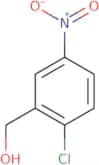
CAS:Please enquire for more information about Ac-3,5-dinitro-Tyr-OH including the price, delivery time and more detailed product information at the technical inquiry form on this pageFormula:C11H11N3O8Purity:Min. 95%Molecular weight:313.22 g/mol2-Chloro-5-nitrobenzyl alcohol
CAS:2-Chloro-5-nitrobenzyl alcohol is a vibrational spectroscopy technique that can be used to study the interactions between molecules. The technique can be used to measure the population of molecules in a system and to determine the thermodynamic properties of systems. It has been shown that 2-chloro-5-nitrobenzyl alcohol is an inhibitor for macrocyclic compounds with electron withdrawing groups, such as carbonyl groups. This molecule has been studied using statistical strategies, which have been shown to be effective in predicting the binding affinity of 2-chloro-5-nitrobenzyl alcohol and other inhibitors for macrocyclic compounds.Formula:C7H6ClNO3Purity:Min. 95%Color and Shape:PowderMolecular weight:187.58 g/mol2-Butyl-5-nitrobenzofuran
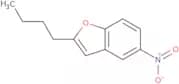
CAS:2-Butyl-5-nitrobenzofuran (2B5NBF) is a drug that belongs to the class of salicylaldehydes. It is an acylation product of 2-butanol and 5-nitrobenzofuran that has the potential for use as a pharmaceutical agent. The reaction yield for this compound is high and can be increased by using hydrochloric acid as the acid catalyst. When 2B5NBF is reacted with chloride, it produces an active substance with a structural formula of C14H11NO3Cl. This substance has been shown to have arrhythmic properties in atrial tissue in rats.Formula:C12H13NO3Purity:Min. 95%Molecular weight:219.24 g/mol4-Chloro-2-nitrobenzaldehyde
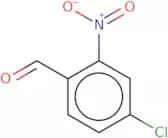
CAS:4-Chloro-2-nitrobenzaldehyde is a reactive intermediate that has been used to investigate the reaction mechanism of protonation. It is an n-oxide and has been shown to react with calcium carbonate under acidic conditions, forming a stable product. 4-Chloro-2-nitrobenzaldehyde has also been used in the synthesis of amides and nitro compounds. This compound possesses two functional groups, which are a nitro group and a chloro group on the aromatic ring.Formula:C7H4ClNO3Purity:Min. 95%Color and Shape:PowderMolecular weight:185.56 g/mol
![4-[(4-Nitrophenyl)-azo]-phenol](/_next/image/?url=https%3A%2Fstatic.cymitquimica.com%2Fproducts%2F3D%2Fthumb-webp%2FFN31052.webp&w=3840&q=75)

![5'-Chloro-2'-hydroxy-3'-nitro-[1,1'-biphenyl]-3-carboxylic acid](/_next/image/?url=https%3A%2Fstatic.cymitquimica.com%2Fproducts%2F3D%2Fthumb-webp%2FFC159731.webp&w=3840&q=75)
![6-(7-Nitro-benzo[2,1,3]oxadiazol-4-ylamino)-hexanoyl-Arg-Pro-Lys-Pro-Leu-Ala-Nva-Trp-Lys((7-dimeth…](/_next/image/?url=https%3A%2Fstatic.cymitquimica.com%2Fproducts%2F3D%2Fthumb-webp%2FFN110943.webp&w=3840&q=75)
![2-[(4-Chloro-2-nitrophenyl)azo]-N-(2-methoxyphenyl)-3-oxobutanamide](/_next/image/?url=https%3A%2Fstatic.cymitquimica.com%2Fproducts%2F3D%2Fthumb-webp%2FFC149929.webp&w=3840&q=75)





![4-Nitro-Z-Gly-Cys(7-nitro-benzo[2,1,3]oxadiazol-4-yl)-Gly-OH](/_next/image/?url=https%3A%2Fstatic.cymitquimica.com%2Fproducts%2F3D%2Fthumb-webp%2FFN110874.webp&w=3840&q=75)

![(alphaR)-alpha-[[[2-(4-Nitrophenyl)ethyl]amino]methyl]benzenemethanol hydrochloride](/_next/image/?url=https%3A%2Fstatic.cymitquimica.com%2Fproducts%2F3D%2Fthumb-webp%2FFN156825.webp&w=3840&q=75)