


Ketones
Ketones are organic compounds characterized by the presence of a carbonyl group (C=O) bonded to two carbon atoms. These compounds are highly versatile and play a crucial role in various chemical reactions, including oxidation, reduction, and condensation. Ketones are essential intermediates in the synthesis of pharmaceuticals, fragrances, and polymers. At CymitQuimica, we provide a wide range of high-quality ketones to support your research and industrial applications.
Found 18867 products of "Ketones"
Sort by
Purity (%)
0
100
|
0
|
50
|
90
|
95
|
100
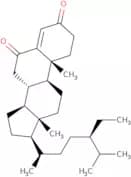
Stigmast-4-ene-3,6-dione
CAS:Controlled Product<p>Stigmast-4-ene-3,6-dione is a tannin found in the bark of many plants. It has been shown to have neuroprotective effects by binding to cannabinoid receptor CB2 and activating its downstream signaling pathway. Stigmast-4-ene-3,6-dione also has anti-inflammatory properties due to its ability to inhibit fatty acid synthesis through its inhibition of acetyl CoA carboxylase (ACC). This compound also has antioxidant properties and is able to inhibit the production of reactive oxygen species by binding with copper ions.</p>Purity:Min. 95%3β-Hydroxyergost-5-en-7-one
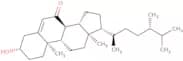
CAS:Controlled Product<p>Please enquire for more information about 3beta-Hydroxyergost-5-en-7-one including the price, delivery time and more detailed product information at the technical inquiry form on this page</p>Formula:C28H46O2Purity:Min. 95%Molecular weight:414.66 g/molFlavanone azine
CAS:<p>Flavanone azine is a synthetic compound derived from flavonoid sources, specifically engineered through the structural manipulation of flavanone molecules. Flavonoids are naturally occurring compounds found in plants known for their diverse biological activities. The synthetic derivation allows for enhanced stability and bioavailability compared to natural counterparts.</p>Formula:C30H24N2O2Purity:Min. 95%Molecular weight:444.52 g/mol4-Oxahomoadamantan-5-one
CAS:<p>4-Oxahomoadamantan-5-one is a synthetic molecule with a labile peroxide group. It has biological functions, including the ability to bind to and activate the benzodiazepine receptor. The molecule forms an ethyl ester and an acid solution. The compound's nmr spectra have been obtained in both acetonitrile and formamide solutions, in which the stereoisomers are visible. It reacts with oxygen to form a peroxide group, which is easily oxidized to create a reactive intermediate that can be used for chemical reactions such as oxidation of alcohols or alkyl halides. 4-Oxahomoadamantan-5-one can be synthesized from benzonitrile and acetone using two different methods: by reacting with sodium methoxide in methanol or by reacting with potassium formate in methanol.</p>Formula:C10H14O2Purity:Min. 95%Color and Shape:White PowderMolecular weight:166.22 g/mol(5-Bromo-4-methoxyphenyl)acetone
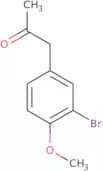
CAS:<p>5-Bromo-4-methoxyphenyl)acetone (BMA) is a versatile building block that is used in the production of fine chemicals, research chemicals, and reagents. It has been shown to be a useful scaffold for the synthesis of complex compounds. BMA is also an intermediate for the production of other chemicals. This chemical has been shown to have high quality with a wide range of uses as a reaction component or useful scaffold.</p>Formula:C10H11BrO2Purity:Min. 95%Molecular weight:243.1 g/molIndole-3-acetone
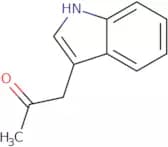
CAS:Controlled Product<p>Indole-3-acetone is a nitrogen nucleophile that has been used in the synthesis of amino acids. Indole-3-acetone has also been shown to inhibit the oxidation of primary amines and chloride by oxidases, which play a role in the physiology of plants. It also inhibits hydroxylase and pyrylium, which are enzymes involved in plant metabolism. Indole-3-acetone is found in dietary sources such as cabbage, cauliflower, celery, and spinach.</p>Formula:C11H11NOColor and Shape:PowderMolecular weight:173.21 g/mol(4-Nitrophenyl)acetone
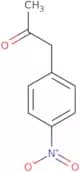
CAS:<p>4-Nitrophenylacetone is a hypoglycemic agent that is used for the treatment of diabetes mellitus. It has been shown to be effective in vivo and in vitro studies at low concentrations. The mechanism of action is not well understood, but it may have effects on insulin sensitivity and the release of insulin from pancreatic beta cells, as well as an effect on the liver. 4-Nitrophenylacetone has been shown to have organocatalytic properties that allow it to catalyze acylation reactions with acetanilides or amides. This reaction produces iminium ion intermediates that can be hydrolyzed by water to form a variety of products, including carboxylic acids, amides, and nitriles.</p>Formula:C9H9NO3Purity:Min. 95%Color and Shape:PowderMolecular weight:179.17 g/mol7,9-Ditert-butyl-1-oxaspiro[4.5]deca-6,9-diene-2,8-dione
CAS:<p>The compound 7,9-Ditert-butyl-1-oxaspiro[4.5]deca-6,9-diene-2,8-dione is a natural compound that has been shown to have inhibitory effects on methyl palmitate and hexane. It also has radical scavenging activities and anti-inflammatory properties. The biological activity of this compound is related to its chemical structure, which includes a long unsaturated chain with two tertiary alkyl groups at the end. This type of structure makes it more likely for 7,9-Ditert-butyl-1-oxaspiro[4.5]deca-6,9-diene-2,8-dione to be metabolized by enzymes in the liver and kidneys than other compounds with shorter chains.</p>Formula:C17H24O3Purity:Min. 95%Color and Shape:White PowderMolecular weight:276.37 g/mol3-(4-chlorophenyl)spiro[1,3-thiazolidine-2,3'-indoline]-4,7-dione
CAS:<p>Please enquire for more information about 3-(4-chlorophenyl)spiro[1,3-thiazolidine-2,3'-indoline]-4,7-dione including the price, delivery time and more detailed product information at the technical inquiry form on this page</p>Formula:C16H11ClN2O2SPurity:Min. 95%Color and Shape:PowderMolecular weight:330.79 g/mol1,3-Bis-(Z-Leu-Leu)-diaminoacetone
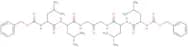
CAS:1,3-Bis-(Z-Leu-Leu)-diaminoacetone is a synthetic diketone inhibitor, which is a formulation derived through specialized organic synthesis. It functions by targeting and inhibiting aspartic proteases, a class of enzymes that play critical roles in numerous biological processes, including protein degradation and processing. This compound's mechanism involves the reversible covalent modification of the enzyme's active site, leading to an obstruction of its catalytic function.Formula:C43H64N6O9Purity:Min. 95%Color and Shape:PowderMolecular weight:809 g/mol19,19-Difluoroandrost-4-Ene-3,17-Dione
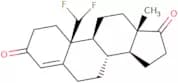
CAS:Controlled Product<p>19,19-Difluoroandrost-4-Ene-3,17-Dione is a functional group that is incorporated into the biosynthesis of sex hormones and steroids. It has been postulated to be an efficient method for synthesizing 19,19-difluoroandrost-4-ene from 19,19-difluorodienoic acid. The inhibition constant of this functional group has been determined to be 4.8 x 10 M at 37 degrees Celsius and pH 7.0 in the presence of benzoate and hydroxyl groups. 19,19-Difluoroandrost-4-Ene-3,17-Dione can also inhibit enzymes such as esterase and glutathione reductase. Its nmr spectra are consistent with a dione ring structure.</p>Formula:C19H24F2O2Purity:Min. 95%Molecular weight:322.39 g/mol6(R)-[2-(8(S)-Hydroxy]-2(S),6(R)-dimethyl-1,2,6,7,8,8a(R)-hexahydro-1(S)-naphthyl]ethyl-4(R)-hydroxy-3,4,5,6-tetrahydro-2H-pyran-2-o ne
CAS:<p>6(R)-[2-(8(S)-Hydroxy]-2(S),6(R)-dimethyl-1,2,6,7,8,8a(R)-hexahydro-1(S)-naphthyl]ethyl-4(R)-hydroxy-3,4,5,6-tetrahydro-2H-pyran-2-o ne is a useful scaffold that can be used as a building block for the synthesis of numerous chemical compounds. It is a versatile intermediate used in the synthesis of research chemicals and speciality chemicals. This compound has been shown to have high purity. The CAS number for this compound is 79952-42-4.</p>Formula:C19H28O4Purity:Min. 95%Color and Shape:White PowderMolecular weight:320.42 g/mol3-Phenylacetylamino-2,6-piperidinedione
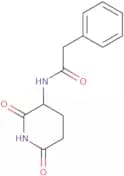
CAS:<p>3-Phenylacetylamino-2,6-piperidinedione is a trifluoroacetate analog of the amino acid phenylalanine. It has been shown to be effective against cancer cells. 3-Phenylacetylamino-2,6-piperidinedione inhibits protein synthesis in tumor cells and is used as an antiestrogen in clinical studies. The hydroxyl group on the 3rd carbon atom makes this compound more acidic than its parent compound, 2,6-piperidinedione. This analog also has a high affinity for cancer tissues and urine samples. Treatment with this drug inhibits the growth of carcinoma cell lines MCT7 and MCF7.</p>Formula:C13H14N2O3Purity:Min. 95%Color and Shape:PowderMolecular weight:246.26 g/mol1,7-Dichloroheptan-4-one
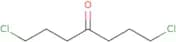
CAS:<p>1,7-Dichloroheptan-4-one is a synthetic organic compound that has been used as a pharmaceutical intermediate. It is an H2 receptor antagonist and reactive with mammalian cells. 1,7-Dichloroheptan-4-one has been shown to inhibit the production of inflammatory mediators in the lung, which may be due to its ability to reduce chloride levels. This compound has also been shown to have antipsychotic effects in animals and is currently being studied for use in treating cardiovascular disorders such as hypertension.</p>Formula:C7H12Cl2OPurity:Min. 95 Area-%Molecular weight:183.07 g/mol5-Methoxy-2,3-Dihydro-Isoindol-1-One
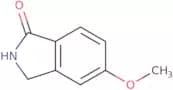
CAS:<p>5-Methoxy-2,3-Dihydro-Isoindol-1-One is a chemical compound that can be used as a building block in organic synthesis. It is an intermediate in the synthesis of various pharmaceuticals and other organic compounds. 5-Methoxy-2,3-Dihydro-Isoindol-1-One is soluble in ethanol, methanol, diethyl ether, chloroform, and benzene. This chemical has been classified as being safe for human use by the FDA.</p>Formula:C9H9NO2Purity:Min. 95%Color and Shape:PowderMolecular weight:163.17 g/mol1,2-Dihydro-1,5-dimethyl-2-phenyl-3H-pyrazol-3-one
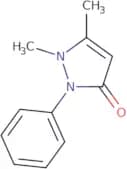
CAS:<p>1,2-Dihydro-1,5-dimethyl-2-phenyl-3H-pyrazol-3-one (1,2DHDP) is a chemical inhibitor that prevents the activity of enzymes by binding to their active site. 1,2DHDP has been shown to inhibit the enzyme pyrazole ring synthesis in rat liver microsomes. It also inhibits the production of antimicrobial agents and has been used as a sample preparation agent. 1,2DHDP also interferes with drug interactions by inhibiting cytochrome P450 enzymes in the liver. This compound can be used for wastewater treatment because it is not toxic to bacteria or plants. The mechanism of this inhibitor is unknown but may be due to its ability to bind to the dinucleotide phosphate cofactor at the active site of an enzyme.</p>Formula:C11H12N2OPurity:Min. 95%Color and Shape:White/Off-White SolidMolecular weight:188.23 g/mol3-[(4-Fluorophenyl)amino]cyclohex-2-en-1-one
CAS:<p>3-[(4-Fluorophenyl)amino]cyclohex-2-en-1-one is a drug that has been shown to have both inotropic and chronotropic effects on the heart. It also has a hypotensive activity, which may be due to its ability to reduce peripheral resistance by blocking alpha 1 receptors. 3-[(4-Fluorophenyl)amino]cyclohex-2-en-1-one is an anaesthetic agent with the potential for use in surgical procedures. The structural similarity of 3-[(4-Fluorophenyl)amino]cyclohex-2-en-1-one to acrylonitrile suggests that this drug may be toxic to the heart, as acrylonitrile is a known cardiotoxin.</p>Formula:C12H12FNOPurity:Min. 95%Color and Shape:PowderMolecular weight:205.23 g/mol(R)-3-Aminopyrrolidin-2-one
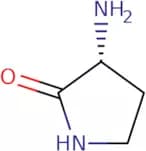
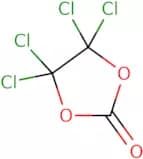
CAS:<p>(R)-3-Aminopyrrolidin-2-one is a versatile building block used as a reagent, intermediate or speciality chemical in research. CAS No. 121010-86-4 is a fine chemical that can be used to synthesize complex compounds. It is an important intermediate for the synthesis of many biologically active compounds and has been extensively studied as a drug candidate for cancer treatment. (R)-3-Aminopyrrolidin-2-one has also been shown to have antiviral effects against HIV and influenza A virus and may be useful in the treatment of viral infections.</p>Formula:C4H8N2OPurity:Min. 95%Color and Shape:PowderMolecular weight:100.12 g/mol4,4,5,5-Tetrachloro-1,3-dioxolan-2-one
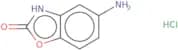
CAS:4,4,5,5-Tetrachloro-1,3-dioxolan-2-one is a chemical compound that is the product of the reaction between phosphorus pentachloride and amines. This compound has been used as a reagent for the synthesis of nanotubes in an efficient method. The interaction with malonic acid leads to formation of vinylene carbonate ester. Hydrogen chloride and chloride are used as hydrogen donors and acceptors respectively during this process. 4,4,5,5-Tetrachloro-1,3-dioxolan-2-one also reacts with oxalyl in the presence of base to form 4-(4',4'''-dimethoxytrityl)benzoic acid.Formula:C3Cl4O3Purity:(%) Min. 95%Molecular weight:225.84 g/mol5-Amino-1,3-benzoxazol-2(3H)-one hydrochloride
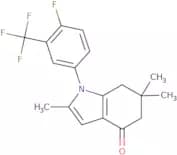
CAS:<p>5-Amino-1,3-benzoxazol-2(3H)-one hydrochloride is a fine chemical that belongs to the group of compounds known as benzoxazoles. Benzoxazoles are used as building blocks for the preparation of other compounds. 5-Amino-1,3-benzoxazol-2(3H)-one hydrochloride is soluble in water, and it can be used as a research chemical or intermediate in organic synthesis. This compound has a CAS number of 77408-77-6 and can be purchased at high quality.</p>Formula:C7H6N2O2·HClPurity:Min. 95%Color and Shape:Off-White PowderMolecular weight:186.6 g/mol1-(4-Fluoro-3-(trifluoromethyl)phenyl)-2,6,6-trimethyl-5,6,7-trihydroindol-4-one
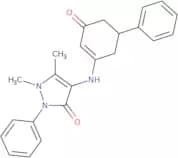
CAS:<p>Please enquire for more information about 1-(4-Fluoro-3-(trifluoromethyl)phenyl)-2,6,6-trimethyl-5,6,7-trihydroindol-4-one including the price, delivery time and more detailed product information at the technical inquiry form on this page</p>Formula:C18H17F4NOPurity:Min. 95%Color and Shape:PowderMolecular weight:339.33 g/mol2,3-dimethyl-4-((3-oxo-5-phenylcyclohex-1-enyl)amino)-1-phenyl-3-pyrazolin-5-one
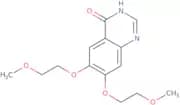
CAS:Please enquire for more information about 2,3-dimethyl-4-((3-oxo-5-phenylcyclohex-1-enyl)amino)-1-phenyl-3-pyrazolin-5-one including the price, delivery time and more detailed product information at the technical inquiry form on this pagePurity:Min. 95%6,7-Bis(2-methoxyethoxy)-3,4-dihydroquinazolin-4-one
CAS:<p>This compound is a synthetic molecule that has been shown to have growth factor activity and may be useful in cancer research. The molecule is a nucleophile and reacts with epidermal growth factor (EGF) to form the corresponding adduct. This adduct can then react with chloride to form the corresponding chloro-adduct. It also binds to cellular proteins, such as antigen and factor receptors. The piperazine ring of this molecule is responsible for its binding affinity for these receptors. <br>The compound was expressed from a plasmid under normoxic conditions, but was not expressed under hypoxic conditions.</p>Formula:C14H18N2O5Purity:Min. 95%Color and Shape:White PowderMolecular weight:294.3 g/mol1-(2-Aminoethyl)pyrrolidine-2,5-dione hydrochloride
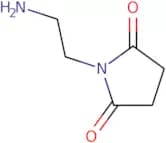
CAS:<p>1-(2-Aminoethyl)pyrrolidine-2,5-dione hydrochloride is a chemical intermediate that is used in the synthesis of biologically active compounds. It has been shown to be an excellent building block for synthesizing complex compounds, and is also a useful reagent. 1-(2-Aminoethyl)pyrrolidine-2,5-dione hydrochloride has been identified as a high quality research chemical and is commercially available in the form of bulk quantities or as a fine chemical.</p>Formula:C6H11ClN2O2Purity:Min. 95%Color and Shape:PowderMolecular weight:178.62 g/mol5,5-Dimethyl-3-(4-nitrobenzyl)imidazolidine-2,4-dione
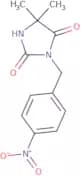
CAS:5,5-Dimethyl-3-(4-nitrobenzyl)imidazolidine-2,4-dione is a versatile chemical that can be used as a building block in the synthesis of complex compounds. It is an intermediate in the production of research chemicals and is also used as a reaction component in the synthesis of speciality chemicals. 5,5-Dimethyl-3-(4-nitrobenzyl)imidazolidine-2,4-dione has been shown to have high quality properties when synthesized using high purity reagents.Formula:C12H13N3O4Purity:Min. 95%Color and Shape:White PowderMolecular weight:263.25 g/mol(3-Hydroxy-4-methoxyphenyl)acetone
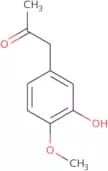
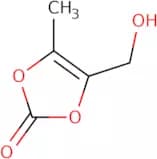
CAS:<p>(3-Hydroxy-4-methoxyphenyl)acetone is a versatile building block that can be used as a reagent or in the synthesis of complex compounds. It is a useful intermediate in the synthesis of pharmaceuticals, agrochemicals, and other specialty chemicals. This compound also has the potential to serve as a scaffold for drug discovery.</p>Formula:C10H12O3Purity:(%) Min. 85%Color and Shape:PowderMolecular weight:180.2 g/mol4-(Hydroxymethyl)-5-methyl-1,3-dioxol-2-one
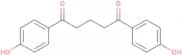
CAS:<p>4-(Hydroxymethyl)-5-methyl-1,3-dioxol-2-one is a reagent used in organic synthesis, particularly for the introduction of the non-chiral (oxodioxolenyl)methyl carbamate group to active pharmaceutical ingredients (APIs) to afford the corresponding pro-drug. The pro-drug helps to increase the bio-availability of the active drug which is generated in vivo by a base catalysed decomposition process that destroys the 1,3-dioxol-2-one ring. A high-profile example of this is the hypertension drug Alizsartan medoxomil. 4-(Hydroxymethyl)-5-methyl-1,3-dioxol-2-one can be reacted with oxalyl chloride to afford (5-methyl-2-oxo-1,3-dioxol-4-yl)methyloxyoxayl chloride which provides for an alternative approach to introduce the (oxodioxolenyl)methyl carbamate group.</p>Formula:C5H6O4Purity:Min. 95%Color and Shape:Colorless Clear LiquidMolecular weight:130.1 g/mol1,5-Bis(4-hydroxyphenyl)pentane-1,5-dione
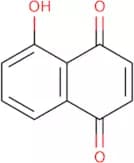
CAS:1,5-Bis(4-hydroxyphenyl)pentane-1,5-dione is a fine chemical that can be used as an intermediate in the synthesis of other compounds. It is also a useful building block for the synthesis of complex compounds. This compound can be used as a reagent for research purposes or as a reaction component in the synthesis of speciality chemicals. 1,5-Bis(4-hydroxyphenyl)pentane-1,5-dione has been shown to have high purity and quality.Formula:C17H16O4Purity:Min. 95%Molecular weight:284.31 g/mol5-Hydroxy-1,4-naphthalenedione
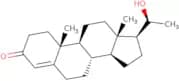
CAS:<p>Blocks RNA polymerases I, II, and III; inhibits PPlases</p>Formula:C10H6O3Purity:Min. 98 Area-%Color and Shape:PowderMolecular weight:174.15 g/mol4-Pregnen-20-alpha-ol-3-one
CAS:Controlled Product<p>Progesterone is a hormone that regulates the menstrual cycle and plays a key role in pregnancy. It is produced by the corpus luteum, the placenta, and the ovaries. Progesterone is also involved in regulating other functions such as cell growth, fat metabolism, blood clotting, and water balance. The level of progesterone in urine has been shown to be a good indicator of follicular growth during ovulation. In women with metabolic disorders or lactogenic hormone deficiencies, low levels of progesterone can lead to infertility.</p>Formula:C21H32O2Purity:Min. 95%Color and Shape:White PowderMolecular weight:316.48 g/mol1,4-Dihydroxy-2-butanone
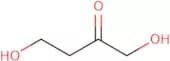
CAS:1,4-Dihydroxy-2-butanone is a synthetic organic compound, often described as an intermediate or precursor in various biochemical processes. It is primarily derived from chemical synthesis methods involving the manipulation of butanone derivatives. Its chemical stability and reactivity make it a valuable compound in laboratory settings.The mode of action of 1,4-Dihydroxy-2-butanone involves its participation as a key intermediate in the biosynthesis of riboflavin, or vitamin B2, in microorganisms. Within this pathway, it undergoes several enzymatic transformations, contributing to the formation of complex structures necessary for riboflavin synthesis.The uses and applications of 1,4-Dihydroxy-2-butanone are predominantly found in research environments, where it serves as a critical component in studies focused on understanding and synthesizing riboflavin. Additionally, its role in elucidating enzyme mechanisms and exploring metabolic pathways makes it an essential compound for scientists working in the fields of biochemistry and metabolic engineering. This compound's contribution to fundamental research provides insights into potential biotechnological applications and innovations in vitamin production.Formula:C4H8O3Purity:Min. 97 Area-%Color and Shape:White PowderMolecular weight:104.1 g/mol4-Chloro-1-(3-Fluorophenyl)-1-Butanone
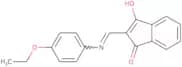
CAS:<p>4-Chloro-1-(3-fluorophenyl)-1-butanone is a reagent that is used in the synthesis of complex compounds. It has been used as an intermediate in the synthesis of a variety of useful compounds and as a building block for more complex molecules. This chemical is one of the most versatile building blocks available, and can be used for reactions involving deprotection, coupling, and polymerization. The CAS number for this compound is 3110-52-9.</p>Formula:C10H10ClFOPurity:Min. 95%Color and Shape:Clear LiquidMolecular weight:200.64 g/mol2-(((4-ethoxyphenyl)amino)methylene)indane-1,3-dione
CAS:<p>Please enquire for more information about 2-(((4-ethoxyphenyl)amino)methylene)indane-1,3-dione including the price, delivery time and more detailed product information at the technical inquiry form on this page</p>Purity:Min. 95%5-[(3,5-Dimethylphenoxy)methyl]oxazolidin-2-one
CAS:<p>Metaxalone is a centrally acting muscle relaxant that belongs to the group of nonsteroidal anti-inflammatory drugs. It is used as an adjunct to rest, physical therapy, and other measures for the relief of discomfort associated with acute, painful musculoskeletal conditions. Metaxalone is also used in the treatment of spasticity due to multiple sclerosis and cerebral palsy. This drug has been shown to be effective in treating neurologic disorders such as epilepsy, Parkinson's disease, and Alzheimer's disease. Metaxalone has also been shown to be an effective analgesic agent in postoperative dental procedures. Metaxalone can cause fetal abnormalities when administered during pregnancy; therefore it should not be given during pregnancy or if there is a possibility of becoming pregnant while taking this medication. Metaxalone interacts with many drugs including warfarin, metoclopramide, oral hypoglycemic agents such as insulin and sulfonylureas, sedatives such as benzodiazepines and</p>Formula:C12H15NO3Purity:Min. 95%Color and Shape:White PowderMolecular weight:221.25 g/mol2-(Fluoromethyl)-3-(2-Methylphenyl)Quinazolin-4-One
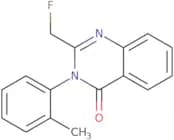
CAS:Controlled Product<p>2-(Fluoromethyl)-3-(2-Methylphenyl)Quinazolin-4-One (RUG) is a new synthetic drug that is structurally related to diazepam and lorazepam. The drug has been shown to have sedative, muscle relaxant, anti-convulsant, and analgesic properties in animal studies. RUG has been shown to inhibit the activities of enzymes such as serum cholinesterase and acetylcholinesterase in animals. It also stimulates salivation and inhibits muscle contractions, which may be due to its ability to enhance the effects of gamma aminobutyric acid (GABA). When administered orally or intraperitoneally, RUG produces a dose-dependent reduction in spontaneous activity in rats. These effects are similar to those produced by rugulovasine, a natural indole alkaloid from the plant Uncaria rhynchophylla.</p>Formula:C16H13FN2OPurity:Min. 95%Molecular weight:268.29 g/mol2,2,5-Trimethyl-1,3-dioxane-4,6-dione
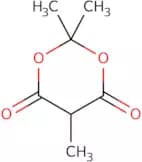
CAS:2,2,5-Trimethyl-1,3-dioxane-4,6-dione is a nucleophilic compound that is used in the synthesis of many biologically active molecules. It is activated by various methods and can be used in an introduction strategy to introduce bond cleavage sequences or dehydration reactions. This molecule has been shown to catalyze the dehydration of sulfoxides and carbapenems. 2,2,5-Trimethyl-1,3-dioxane-4,6-dione also has magnetic resonance properties that make it suitable for voltammetry experiments.Formula:C7H10O4Purity:Min. 95%Color and Shape:White PowderMolecular weight:158.15 g/mol5-a-Cholestan-3-one
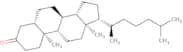
CAS:Controlled Product5-a-Cholestan-3-one is a sterol that has been shown to have antiinflammatory activity and inhibit skin tumor formation. The sterols are the primary lipids in the human body, with 5-a-cholestan-3-one being one of the most abundant, making up about 50% of total sterols. The 5-a-cholestan-3-one is found in cholesterol, which is an important component of cell membranes. It also plays a role in the synthesis of bile acids and coprostanol. This compound can be found in fecal samples as well as wastewater treatment plants, where it is used for sample preparation. There are two different forms of 5-a-cholestan 3 one; protocatechuic acid, which is an acidic form found mainly in plants, and neutral cholic acid which can be found in humans or animals.Formula:C27H46OPurity:Min. 95%Color and Shape:PowderMolecular weight:386.65 g/mol(2S)-1,2-Dihydroxy-3,4-octanedione - aqueous solution
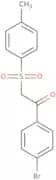
CAS:<p>(2S)-1,2-Dihydroxy-3,4-octanedione is a versatile building block that can be used for the synthesis of complex compounds. This compound is a reagent and useful building block in organic chemistry. (2S)-1,2-Dihydroxy-3,4-octanedione can be used as a high quality research chemical that is available at CAS No. 1173172-85-4. This compound also has a wide range of applications as a reaction component or scaffold in organic synthesis.</p>Formula:C8H14O4Purity:Min. 95%Color and Shape:Colourless LiquidMolecular weight:174.19 g/mol1-(4-bromophenyl)-2-((4-methylphenyl)sulfonyl)ethan-1-one
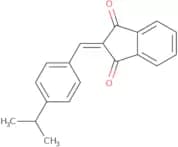
CAS:Please enquire for more information about 1-(4-bromophenyl)-2-((4-methylphenyl)sulfonyl)ethan-1-one including the price, delivery time and more detailed product information at the technical inquiry form on this pagePurity:Min. 95%2-((4-(isopropyl)phenyl)methylene)indane-1,3-dione
CAS:<p>Please enquire for more information about 2-((4-(isopropyl)phenyl)methylene)indane-1,3-dione including the price, delivery time and more detailed product information at the technical inquiry form on this page</p>Formula:C19H16O2Purity:Min. 95%Color and Shape:PowderHydrocortisone
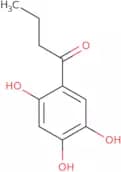
CAS:Controlled Product<p>Hydrocortisone is a hormone that belongs to the glucocorticoid class. It is used in the treatment of various diseases, such as rheumatoid arthritis, ulcerative colitis, lupus erythematosus, and others. Hydrocortisone has been shown to inhibit cell lysis by decreasing the activity of some enzymes responsible for this process. In addition, hydrocortisone can also bind to specific receptors in the brain and regulate neurotransmitter release. Hydrocortisone has been shown to be effective against infectious diseases such as sepsis and pneumonia. However, it may cause side effects such as weight gain or mood swings when taken for a long period of time.</p>Formula:C21H30O5Purity:Min. 97.0 Area-%Color and Shape:White PowderMolecular weight:362.46 g/mol1-(2,4,5-Trihydroxyphenyl)butan-1-one
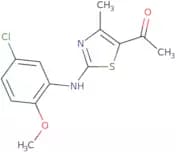
CAS:<p>1-(2,4,5-Trihydroxyphenyl)butan-1-one is a chemoattractant protein that is involved in the inflammatory response. It has been shown to be a potent stimulator of neutrophil migration in maternal blood and also has anti-inflammatory properties. 1-(2,4,5-Trihydroxyphenyl)butan-1-one may function as an adjuvant by activating immune cells and inducing cytokine production. 1-(2,4,5-Trihydroxyphenyl)butan-1-one also functions as a cofactor for dopamine and dinucleotide phosphate activity in the central nervous system. This protein has inhibitory properties against various biological activities of pharmacological agents such as histamine release and vascular permeability. Studies have shown that this compound can be toxic to mice when administered at high doses.</p>Formula:C10H12O4Purity:Min. 95%Color and Shape:Yellow PowderMolecular weight:196.2 g/mol1-(3-((5-Chloro-2-methoxyphenyl)amino)-5-methyl-2,4-thiazolyl)ethan-1-one
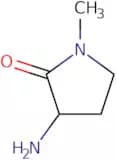
CAS:<p>Please enquire for more information about 1-(3-((5-Chloro-2-methoxyphenyl)amino)-5-methyl-2,4-thiazolyl)ethan-1-one including the price, delivery time and more detailed product information at the technical inquiry form on this page</p>Formula:C13H13ClN2O2SPurity:Min. 95%Molecular weight:296.77 g/mol3-Amino-1-methylpyrrolidin-2-one
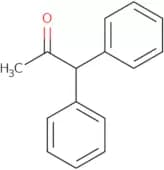
CAS:<p>3-Amino-1-methylpyrrolidin-2-one is a versatile building block that has many applications in the research field. It can be used as a reagent or a speciality chemical and as an intermediate in organic synthesis. 3-Amino-1-methylpyrrolidin-2-one is also used as a reaction component and scaffold for complex compounds. This chemical has CAS number 119329-48-5.</p>Formula:C5H10N2OPurity:Min. 98 Area-%Color and Shape:Clear LiquidMolecular weight:114.15 g/mol1,1-Diphenylacetone
CAS:<p>1,1-Diphenylacetone is a molecule that belongs to the group of aromatic hydrocarbons. It has two functional groups, a carbonyl group and a diphenyl ether. 1,1-Diphenylacetone can be synthesized by reacting benzene with acetone in the presence of sodium hydroxide. The molecule fluoresces with a short lifetime and has been used as a corrosion inhibitor for metals such as copper and aluminum. 1,1-Diphenylacetone has also been used to synthesize polymers via free radical polymerization or copolymerization reactions. X-ray structures have shown that 1,1-diphenylacetone binds to metal ions such as copper or silver ions. This binding causes light emission when the metal ion is excited by an external source such as x-rays or visible light.</p>Formula:C15H14OPurity:Min. 95%Molecular weight:210.27 g/mol8-Chloro-5,10-dihydro-11H-dibenzo[b,e][1,4]-diazepin-11-one
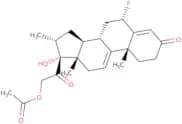
CAS:<p>8-Chloro-5,10-dihydro-11H-dibenzo[b,e][1,4]-diazepin-11-one is a polycyclic multicyclic compound that has stable properties. It is an atypical antipsychotic and antidepressant with high stability. This drug can be prepared by the process of optimization of reaction time and is an orthogonal molecule to typical antipsychotics. 8CBDD can be used in the preparation of atypical antipsychotics and antidepressants.</p>Formula:C13H9ClN2OPurity:Min. 95%Color and Shape:PowderMolecular weight:244.68 g/mol6α-Fluoro-17,21-Dihydroxy-16α-Methylpregna-4,9(11)-Diene-3,20-Dione 21-Acetate
CAS:Controlled Product<p>6alpha-Fluoro-17,21-Dihydroxy-16alpha-Methylpregna-4,9(11)-Diene-3,20-Dione 21-Acetate is a synthetic angiostatic agent that inhibits the angiogenic process by affecting the growth of new blood vessels. It has been shown to inhibit proteolytic activity and to have an inhibitory effect on tumour necrosis factor-α (TNF-α) induced activation of endothelial cells and their proliferation. 6alpha-Fluoro-17,21-Dihydroxy-16alpha-Methylpregna-4,9(11)-Diene 3,20 Dione 21 Acetate also inhibits the growth of fetal bovine aortic endothelial cells in culture. The drug was also found to significantly reduce the monolayer cell viability after uptake by endothelial cells.</p>Formula:C24H31FO5Purity:Min. 95%Molecular weight:418.5 g/mol4-Pregnen-17α,20α,21-triol-3-one
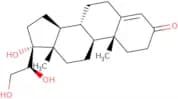
CAS:Controlled Product4-Pregnen-17alpha,20alpha,21-triol-3-one (4PT) is a versatile building block that can be used in the synthesis of complex compounds. It has been used as a reagent and speciality chemical in research chemicals and as an intermediate for pharmaceuticals and other organic syntheses. 4PT also has been shown to have high quality with a reaction component and scaffold for organic synthesis.Formula:C21H32O4Purity:Min. 95%Color and Shape:PowderMolecular weight:348.48 g/mol4-Propylpyrrolidin-2-one
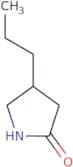
CAS:<p>4-Propylpyrrolidin-2-one is a chemical compound. It is the product of the condensation of two molecules of butyric acid and one molecule of hexanoic acid. The cyclization reaction occurs at the 4 position, forming a six-membered ring. This reaction can be catalyzed by bromine or UV light. Brivaracetam is a drug that belongs to the class of antiepileptic drugs and was developed as an analog of levetiracetam, which inhibits voltage-gated sodium channels in neurons. It has been shown to have only weak affinity for benzodiazepine binding sites and does not cause sedation or memory impairment.</p>Formula:C7H13NOPurity:Min. 95%Color and Shape:PowderMolecular weight:127.18 g/mol3-(4-ethoxyphenyl)spiro[1,3-thiazolidine-2,3'-indoline]-4,7-dione
CAS:<p>Please enquire for more information about 3-(4-ethoxyphenyl)spiro[1,3-thiazolidine-2,3'-indoline]-4,7-dione including the price, delivery time and more detailed product information at the technical inquiry form on this page</p>Purity:Min. 95%



![7,9-Ditert-butyl-1-oxaspiro[4.5]deca-6,9-diene-2,8-dione](/_next/image/?url=https%3A%2Fstatic.cymitquimica.com%2Fproducts%2F3D%2Fthumb-webp%2FFD164112.webp&w=3840&q=75)
![3-(4-chlorophenyl)spiro[1,3-thiazolidine-2,3'-indoline]-4,7-dione](/_next/image/?url=https%3A%2Fstatic.cymitquimica.com%2Fproducts%2F3D%2Fthumb-webp%2FFC169673.webp&w=3840&q=75)
![6(R)-[2-(8(S)-Hydroxy]-2(S),6(R)-dimethyl-1,2,6,7,8,8a(R)-hexahydro-1(S)-naphthyl]ethyl-4(R)-hydro…](/_next/image/?url=https%3A%2Fstatic.cymitquimica.com%2Fproducts%2F3D%2Fthumb-webp%2FFH24175.webp&w=3840&q=75)
![3-[(4-Fluorophenyl)amino]cyclohex-2-en-1-one](/_next/image/?url=https%3A%2Fstatic.cymitquimica.com%2Fproducts%2F3D%2Fthumb-webp%2FFF123027.webp&w=3840&q=75)

![5-[(3,5-Dimethylphenoxy)methyl]oxazolidin-2-one](/_next/image/?url=https%3A%2Fstatic.cymitquimica.com%2Fproducts%2F3D%2Fthumb-webp%2FFD25129.webp&w=3840&q=75)

![8-Chloro-5,10-dihydro-11H-dibenzo[b,e][1,4]-diazepin-11-one](/_next/image/?url=https%3A%2Fstatic.cymitquimica.com%2Fproducts%2F3D%2Fthumb-webp%2FFC20115.webp&w=3840&q=75)
![3-(4-ethoxyphenyl)spiro[1,3-thiazolidine-2,3'-indoline]-4,7-dione](/_next/image/?url=https%3A%2Fstatic.cymitquimica.com%2Fproducts%2F3D%2Fthumb-webp%2FFE169782.webp&w=3840&q=75)