Amides
Amides are a wide range of chemical compounds that contain at least one heterocyclic ring, which has atoms of at least two different elements in the ring structure, and at least one amide group (-CONH2). These compounds are crucial in the synthesis of pharmaceuticals, polymers, and agrochemicals. Amides exhibit unique properties and reactivity, making them valuable intermediates in organic synthesis. At CymitQuimica, we offer a comprehensive selection of high-quality amides to support your research and industrial needs.
Found 16393 products of "Amides"
Sort by
Purity (%)
0
100
|
0
|
50
|
90
|
95
|
100
(2R)-1-(Phenylmethyl)-N-[3-(spiro[isobenzofuran-1(3H),4'-piperidin]-1-yl)propyl-2-pyrrolidinecarboxamide HCl
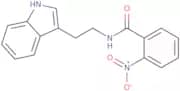
CAS:<p>(2R)-1-(Phenylmethyl)-N-[3-(spiro[isobenzofuran-1(3H),4'-piperidin]-1-yl)propyl-2-pyrrolidinecarboxamide HCl is an endogenous opioid that has been shown to have antidepressant-like effects. It can bind to γ-aminobutyric acid (GABA) receptors, catecholamine receptors, and nociceptin receptors. This drug also has anti-cancer properties and may be used for the treatment of autoimmune diseases. The interaction of this drug with other drugs is not well understood, but it has been shown to modulate the effects of opioids and increase the aversive nature of some substances.</p>Formula:C27H35N3O2Purity:Min. 95%Color and Shape:PowderMolecular weight:433.59 g/molN-(2-Indol-3-ylethyl)(2-nitrophenyl)formamide
CAS:<p>Please enquire for more information about N-(2-Indol-3-ylethyl)(2-nitrophenyl)formamide including the price, delivery time and more detailed product information at the technical inquiry form on this page</p>Formula:C17H15N3O3Purity:Min. 95%Color and Shape:PowderMolecular weight:309.32 g/mol(2-Aminophenyl)-N-((3,4-dimethoxyphenyl)methyl)formamide
CAS:<p>Please enquire for more information about (2-Aminophenyl)-N-((3,4-dimethoxyphenyl)methyl)formamide including the price, delivery time and more detailed product information at the technical inquiry form on this page</p>Formula:C16H18N2O3Purity:Min. 95%Color and Shape:PowderMolecular weight:286.33 g/mol4-Hydroxyphenylacetamide
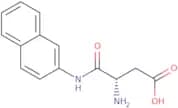
CAS:<p>4-Hydroxyphenylacetamide is a natural product that has been shown to have antibiotic properties. It inhibits the growth of bacteria by inhibiting the synthesis of p-hydroxybenzoic acid, which is an essential precursor for the biosynthesis of aromatic amino acids and other important compounds. 4-Hydroxyphenylacetamide also inhibits dopamine oxidation, which may lead to its anti-infective properties. The biological properties of 4-hydroxyphenylacetamide have been studied using electrochemical impedance spectroscopy (EIS) on bacterial strains and in vitro studies on P. aeruginosa. This compound is not metabolized by microorganisms and does not mineralize or react with oxygen at physiological pH levels. It can be used as a pharmaceutical dosage form for treatment of infectious diseases.</p>Formula:C8H9NO2Purity:Min. 95%Color and Shape:White PowderMolecular weight:151.16 g/molL-Aspartic acid β-naphthylamide
CAS:<p>L-Aspartic acid beta-naphthylamide is a dietary amino acid that is metabolized to oxaloacetate in the liver. This metabolite is then converted to aspartate and glutamate, which are both important for brain functions. L-Aspartic acid beta-naphthylamide has been shown to have regulatory effects on peptide hormones, such as inhibiting the synthesis of angiotensin II and vasopressin in rats. L-Aspartic acid beta-naphthylamide also has anti-cancer properties, which may be due to its ability to inhibit the growth of cancer cells by hydrolyzing proteins and enzymes involved in fatty acid synthesis.</p>Formula:C14H14N2O3Purity:Min. 95%Molecular weight:258.27 g/mol(3-(2,6-dichlorophenyl)-5-methylisoxazol-4-yl)-N-(2,5-dimethoxyphenyl)formamide
CAS:<p>Please enquire for more information about (3-(2,6-dichlorophenyl)-5-methylisoxazol-4-yl)-N-(2,5-dimethoxyphenyl)formamide including the price, delivery time and more detailed product information at the technical inquiry form on this page</p>Purity:Min. 95%Coconut diethanolamide
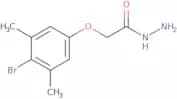
CAS:Controlled Product<p>Coconut diethanolamide is a chemical substance that is used as a test compound in carcinogenesis studies. It is a fatty acid and a fatty alcohol, and it has been shown to promote the growth of cancer cells. Coconut diethanolamide has not been found to be an allergen, but it has shown carcinogenic potential. The bioassay for long-term exposure to coconut diethanolamide showed epidermal hyperplasia in mice.</p>Color and Shape:Brown Yellow Clear Viscous LiquidN-amino-2-(4-bromo-3,5-dimethylphenoxy)ethanamide
CAS:<p>Please enquire for more information about N-amino-2-(4-bromo-3,5-dimethylphenoxy)ethanamide including the price, delivery time and more detailed product information at the technical inquiry form on this page</p>Formula:C10H13BrN2O2Purity:Min. 95%Color and Shape:PowderMolecular weight:273.13 g/mol2,4,6-Trimethoxybenzamide
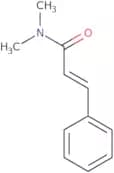
CAS:<p>2,4,6-Trimethoxybenzamide is a triggered compound that reacts with lithium to form an efficient regiospecific lithium 2,4,6-trimethoxybenzamide complex. This reaction occurs at low temperatures and has been shown to be more efficient than other methods for the synthesis of acridones. The reaction has not been shown to be reversible and requires the use of a strong base such as lithium.</p>Formula:C10H13NO4Purity:Min. 95%Color and Shape:PowderMolecular weight:211.21 g/mol(2E)-N,N-Dimethyl-3-phenylprop-2-enamide
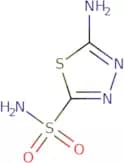
CAS:<p>2,2-diphenyl-N,N-dimethylpropeneamide (DPPA) is a disulfide compound that has photolytic, thermolytic and modelling properties. DPPA can be used to produce alkylcobalt complexes with various substituents at the α position of the phenyl ring. The lactam structure of DPPA has been shown to undergo thermolysis at temperatures of 250°C in a vacuum. Cinnamic acids have been shown to form lactams with DPPA as well as cinnamic acid derivatives. Molecular modelling studies have been conducted on 2,2-diphenyl-N,N-dimethylpropeneamide and its molecular interactions with styrene and amido groups.</p>Formula:C11H13NOPurity:Min. 95%Color and Shape:PowderMolecular weight:175.23 g/mol5-Amino-1,3,4-thiadiazole-2-sulfonamide
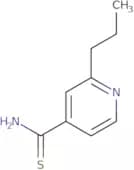
CAS:<p>5-Amino-1,3,4-thiadiazole-2-sulfonamide is a chemical compound that inhibits the growth of skin cancer cells. It has inhibitory properties against choroidal neovascularization induced by dorzolamide hydrochloride and other pharmacological agents. 5-Amino-1,3,4-thiadiazole-2-sulfonamide has also been shown to have antiangiogenic activity in vitro and in vivo assays. 5ATTS inhibits the growth of bacteria and fungi by inhibiting fatty acid synthesis. The drug also has been shown to be effective in treating diabetic neuropathy and fluorescein angiography associated with itchy eyes.</p>Formula:C2H4N4O2S2Purity:Min. 95%Color and Shape:PowderMolecular weight:180.21 g/molProthionamide
CAS:<p>Prothionamide is a drug that belongs to the group of drugs called sulfonamides. It is used to treat bowel disease by inhibiting the growth of bacteria and fungi. Prothionamide inhibits bacterial growth by binding to bacterial DNA and preventing it from synthesizing new proteins. This drug also has a matrix effect, which means that it binds to the inside of the bacterial cell wall and prevents the production of new cells, leading to cell death. Prothionamide has been shown to be effective against tuberculosis in mice, although there are few data on its use in humans. The most common side effects associated with prothionamide are nausea and vomiting.</p>Formula:C9H12N2SPurity:Min. 99 Area-%Color and Shape:Yellow PowderMolecular weight:180.27 g/mol2-Hydroxysalicylamide
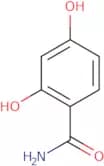
CAS:<p>2-Hydroxysalicylamide is a low-energy, small molecule that has shown to be an effective inhibitor of serine proteases. It binds to the active site of the protease, blocking catalysis and inhibiting the growth of cancer cells. 2-Hydroxysalicylamide has been shown to inhibit the transcriptional regulation of pro-inflammatory genes in a patterning assay and it inhibits tumor growth in a pain model. This drug also suppresses the expression of suppressor genes and can be used as an analgesic without causing side effects.<br>2-Hydroxysalicylamide is also a polarizer for tissues, meaning that it preferentially accumulates in tissues with high water content such as breast tissue. This property has been shown to be useful for imaging cancerous tumors.</p>Formula:C7H7NO3Purity:Min. 95%Color and Shape:PowderMolecular weight:153.14 g/mol2,6-Dihydroxybenzamide
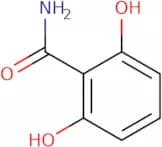
CAS:<p>2,6-Dihydroxybenzamide is a compound that belongs to the class of antibiotics. It is used in the production of supplements and has been found to be biodegradable. This antibiotic has been shown to have a viscosity of 2cP at 25°C and a pH range of 3-9. The functional groups present in this compound are carboxylic acids, amines, and flavonoid derivatives. In addition, 2,6-dihydroxybenzamide has been shown to inhibit the growth of bacteria by inhibiting amine synthesis and by reacting with chloride ions. This antibiotic also shows inhibitory effects against heterocyclic amines that are generated from cooking meat at high temperatures. 2,6-Dihydroxybenzamide is metabolized through oxidation or reduction and can be excreted unchanged in urine or as glucuronide conjugates in the bile.</p>Formula:C7H7NO3Purity:Min. 95%Color and Shape:PowderMolecular weight:153.14 g/mol2-(3,4-Dimethoxyphenyl)-N-hydroxyacetamide
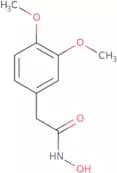
CAS:<p>2-(3,4-Dimethoxyphenyl)-N-hydroxyacetamide is a versatile building block that can be used in the production of a wide range of research chemicals. It is also useful as a reagent or speciality chemical for the preparation of pharmaceuticals, agrochemicals and other industrial chemicals. 2-(3,4-Dimethoxyphenyl)-N-hydroxyacetamide is an intermediate that can be used to synthesize complex compounds such as benzodiazepines. This compound has been shown to have high quality and can be used as a reaction component in organic synthesis.<br>2-(3,4-Dimethoxyphenyl)-N-hydroxyacetamide has CAS number 33793-80-5 and its molecular weight is 237.27 g/mol.</p>Formula:C10H13NO4Purity:Min. 95%Color and Shape:PowderMolecular weight:211.21 g/molN-[1-[2-(4-Ethyl-5-Oxotetrazol-1-Yl)Ethyl]-4-Phenylpiperidin-4-Yl]-N-(2-Fluorophenyl)Propanamide
CAS:Controlled Product<p>N-[1-[2-(4-Ethyl-5-Oxotetrazol-1-Yl)Ethyl]-4-Phenylpiperidin-4-Yl]-N-(2-Fluorophenyl)Propanamide is a drug that is used clinically for the treatment of depression. It is an analog of amitriptyline, an antidepressant and a tricyclic compound. N-[1-[2-(4-Ethyl-5-Oxotetrazol-1-Yl)Ethyl]-4-Phenylpiperidin-4-Yl]-N-(2-Fluorophenyl)Propanamide has been shown to increase the concentration of plasma drug levels by increasing transporter gene expression in muscle tissue. This drug also has clinical pharmacology and thermal expansion properties.</p>Formula:C25H31FN6O2Purity:Min. 95%Molecular weight:466.55 g/mol2-Hydroxy-N-(1-phenylpropan-2-yl)acetamide
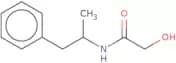
CAS:Controlled Product<p>2-Hydroxy-N-(1-phenylpropan-2-yl)acetamide is a versatile building block that can be used as a reagent or research chemical. This compound is an intermediate in the synthesis of many other organic compounds and has been shown to be useful for the production of pharmaceuticals, agrochemicals, and other industrial chemicals. The CAS number for this compound is 99985-83-8.</p>Formula:C11H15NO2Purity:Min. 95%Color and Shape:PowderMolecular weight:193.24 g/mol2-[Ethyl-[2-(3-hydroxy-2,6-dimethyl-anilino)-2-oxo-ethyl]amino]-N-(3-hydroxy-2,6-dimethyl-phenyl)acetamide
CAS:<p>2-[Ethyl-[2-(3-hydroxy-2,6-dimethyl-anilino)-2-oxo-ethyl]amino]-N-(3-hydroxy-2,6-dimethylphenyl)acetamide is a reaction component that is used in the synthesis of complex compounds. It is a versatile building block and useful intermediate for the synthesis of fine chemicals. This chemical has been shown to be an effective reagent for the preparation of high quality research chemicals. CAS No. 2200280-96-0</p>Formula:C22H29N3O4Purity:Min. 95%Color and Shape:White to off-white solid.Molecular weight:399.48 g/molL-Alaninamide
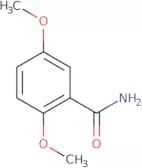
CAS:<p>L-Alaninamide is a protonated amino acid that reacts with the bacterial cell membrane and causes it to rupture. L-Alaninamide is synthesized by hydrolysis of the ester bond between butyric acid and serine protease in the presence of immobilized d-alanine. The reaction is carried out at a pH of 5.5, and the release of pressor is observed. This reaction takes place in an aqueous solution containing fatty acids as solvents. The type strain of this amino acid is E. coli.</p>Formula:C3H8N2OPurity:Min. 95%Color and Shape:PowderMolecular weight:88.11 g/mol2,5-Dimethoxybenzamide
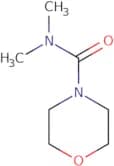
CAS:<p>2,5-Dimethoxybenzamide is a potent inhibitor of the enzyme DECATENASE. This enzyme plays an important role in the biosynthesis of the aromatic amino acids phenylalanine and tyrosine. 2,5-Dimethoxybenzamide has been shown to have anticancer activity in vitro and in vivo. Remoxipride is a synthetic drug that competitively inhibits the action of benzodiazepines on GABA receptors by binding to them with high affinity. It was developed as an antipsychotic agent but was never marketed for this indication due to its adverse effects on motor coordination. Remoxipride has also been shown to have estrogenic activity, which may be due to its ability to bind with high affinity and inhibit the enzyme aromatase, which converts testosterone into estradiol.</p>Formula:C9H11NO3Purity:Min. 95%Color and Shape:PowderMolecular weight:181.19 g/molN,N-Dimethylmorpholine-4-carboxamide
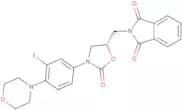
CAS:<p>Dimethylmorpholine-4-carboxamide (DMMC) is an unsymmetrical, synthetic carbamate that has antiviral properties. The antiviral properties of DMMC are due to its ability to inhibit the synthesis of viral proteins by binding to a site on the enzyme RNA polymerase and blocking the formation of a functional enzyme. This agent also has been shown to inhibit the production of nitric oxide in k562 cells. DMMC is marketed for use as an insecticide, but it has not been approved for this use. In crystallography studies, DMMC was found to have high yield and low melting point.</p>Formula:C7H14N2O2Purity:Min. 95%Color and Shape:Colorless PowderMolecular weight:158.2 g/molDeacetamide linezolid phthalimide
CAS:<p>Deacetamide linezolid phthalimide is a chemical compound that is used as an intermediate in the synthesis of a variety of pharmaceuticals. It has been shown to be useful for the production of a number of compounds, including antibiotics, anti-inflammatory agents, and anticancer drugs. The substance has been shown to be effective in the treatment of bacterial infections and was first discovered in research chemicals. This compound also has a high quality and is used as a reagent for chemical reactions.</p>Formula:C22H20FN3O5Purity:Min. 95%Color and Shape:Slightly Yellow PowderMolecular weight:425.41 g/mol2-[(2,6-Dichlorophenyl)amino]-N,N-dimethylbenzeneacetamide
CAS:<p>2-[(2,6-Dichlorophenyl)amino]-N,N-dimethylbenzeneacetamide is a reagent, complex compound and useful intermediate with a CAS number of 21789-06-0. It is a fine chemical that can be used as a building block in the synthesis of other compounds. It has been shown to be useful in the production of speciality chemicals and research chemicals. The versatility of this compound makes it an excellent scaffold for the synthesis of other compounds. This product is not intended for human or animal use.</p>Formula:C16H16Cl2N2OPurity:Min. 95%Color and Shape:PowderMolecular weight:323.22 g/molAcetazolamide
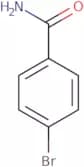
CAS:Controlled Product<p>Inhibits carbonic anhydrase; diuretic</p>Formula:C4H6N4O3S2Purity:98.00 To 102.00%Color and Shape:White PowderMolecular weight:222.25 g/mol4-Bromobenzamide
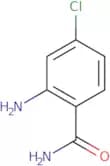
CAS:<p>4-Bromobenzamide is an amide with a hydrogen bond that inhibits the activity of proteases. It has been shown to inhibit the activity of cathepsin C and chymotrypsin in vitro, as well as the proteolytic activity of elastase. 4-Bromobenzamide also has a covalent inhibition effect on protein synthesis. This inhibitor is capable of reducing the levels of glutathione reductase, cytochrome P450, and mycobacterium in cell culture. In addition, 4-bromobenzamide has been shown to have acute toxicities in mice and rats when administered at high doses. However, it does not show any toxic effects on healthy mice or rats when administered at low doses.</p>Formula:C7H6BrNOPurity:Min. 95%Color and Shape:PowderMolecular weight:200.03 g/mol2-Amino-4-chlorobenzamide
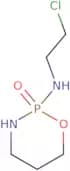
CAS:<p>2-Amino-4-chlorobenzamide is a chemical compound that has been shown to be an effective oxidant in biological systems. It is an oxidative condensation product of 4-chloro-2-nitrobenzoic acid and ammonium chloride, which is formed by the reaction of these two compounds at room temperature. The nature of the functional group on 2-amino-4-chlorobenzamide allows it to be used as a transition state analogue for the study of reactions involving amines and nitrates. This compound can also be used in experiments with isatins, due to its ability to react with ammonia hydroxide to form 2-amino-4,6 dichlorobenzamide.</p>Formula:C7H7ClN2OPurity:Min. 95%Color and Shape:PowderMolecular weight:170.6 g/molN-Dechloroethyl cyclophosphamide
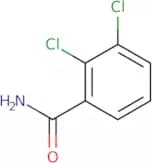
CAS:<p>N-Dechloroethyl cyclophosphamide is a metabolic inhibitor that is used in the treatment of cancer. It is classified as an alkylating agent and inhibits ribonucleotide reductase, which prevents the production of DNA, RNA, and protein. The chemical ionization technique has been used to measure the concentration of this compound in human liver and urine samples. N-Dechloroethyl cyclophosphamide can be analyzed using chromatography or mass spectrometry methods.</p>Formula:C5H12ClN2O2PPurity:Min. 95%Color and Shape:PowderMolecular weight:198.59 g/mol2,3-Dichlorobenzamide
CAS:<p>2,3-Dichlorobenzamide is a herbicide with a stable structure. It has been shown to be effective against the weed species Agropyron repens and other grasses that grow in wetland conditions. 2,3-Dichlorobenzamide inhibits the growth of these plants by causing chlorosis, which is characterized by yellowing of leaves. 2,3-Dichlorobenzamide is toxic to aquatic organisms and can cause pollution in water systems. The molecular electrostatic potential of 2,3-Dichlorobenzamide has been studied using computer models and the parameters have been used to predict its toxicity to various tissues such as nerves or liver cells.</p>Formula:C7H5Cl2NOPurity:Min. 95%Color and Shape:PowderMolecular weight:190.03 g/mol2-Amino-5-methylbenzamide
CAS:<p>2-Amino-5-methylbenzamide (2AMB) is a potent inhibitor of the enzyme dihydropyrimidine dehydrogenase and is used in cancer research for its ability to inhibit tumor cell line growth. 2AMB has been shown to inhibit the synthesis of DNA, RNA, and protein in various human cell lines. The mechanism of this inhibition is not well understood, but it may be due to its ability to inhibit the activity of synthetases involved in nucleotide biosynthesis or by inhibiting the reaction system that converts hydration into ATP.</p>Formula:C8H10N2OPurity:Min. 95%Color and Shape:PowderMolecular weight:150.18 g/molN-[S-(2-Pyridylthio)cysteaminyl]ethylenediamine-N,N,N',N'-tetraacetic acid, monoamide - Technical grade 90%
CAS:<p>Furiosus is a monomeric and homodimeric protein that belongs to the group of S-adenosylmethionine synthetases. Furiosus is an enzyme that catalyzes the formation of S-adenosylmethionine from methylamine and ATP. Furiosus interacts with polymerase, subtilis, and catalysis to form a holoenzyme complex. Furiosus has been shown to have cleavage activity against peroxide and hydrogen peroxide, which is due to its ability to generate reactive oxygen species. Furiosus has also been shown to be a molecular modeling target for the development of new antibiotics.</p>Formula:C17H24N4O7S2Purity:Min. 95%Color and Shape:Pale yellow solid.Molecular weight:460.53 g/molSulphanilamide
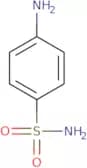
CAS:<p>Sulphanilamide is an antimicrobial agent that inhibits the growth of bacteria by binding to their enzymes and blocking protein synthesis. In addition, sulphanilamide has been shown to inhibit the production of sulfanilamide, a potent inhibitor of tetracycline. Sulphanilamide is soluble in water and alcohol but not in organic solvents. The solubility of sulphanilamide can be increased by adding sodium salts or pH adjustment. Sulphanilamide is also used for wastewater treatment as it has inhibitory properties against sulfate-reducing bacteria. X-ray crystal structures have revealed that sulphanilamide binds to the active site of bacterial beta-lactamases through hydrogen bonds with both the NH group and the COOH group on its sulfur atom, resulting in inhibition of these enzymes. Sulphanilamide also interferes with bacterial DNA replication by inhibiting dna gyrase and topoisomerase IV. Sulphanilamide also</p>Formula:C6H8N2O2SColor and Shape:PowderMolecular weight:172.21 g/molN-(n-Butyl)phosphoric triamide
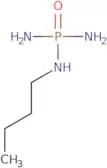
CAS:<p>N-(n-Butyl)phosphoric triamide is an analog of phosphoric acid that has a matrix effect on the uptake of water molecules by cells. N-(n-Butyl)phosphoric triamide is used as a sample preparation agent in microbiological analysis and as an antimicrobial agent to inhibit the growth of bacteria. This compound inhibits the growth rate of triticum aestivum, which may be due to its ability to inhibit nitrous oxide, a key intermediate in bacterial metabolism. N-(n-Butyl)phosphoric triamide has been shown to have an inhibitory effect on water molecule formation and growth rate in bacteria.</p>Formula:C4H14N3OPPurity:Min. 98 Area-%Color and Shape:White Off-White PowderMolecular weight:151.15 g/mol5-Amino-N,N'-bis(2,3-dihydroxypropyl)-2,4,6-triiodo-1,3-benzenedicarboxamide
CAS:<p>5-Amino-N,N'-bis(2,3-dihydroxypropyl)-2,4,6-triiodo-1,3-benzenedicarboxamide is an experimental compound that is used in the industrial preparation of pharmaceuticals and agricultural chemicals. It has a molecular weight of 191.14 g/mol. The crystallization process involves the use of ethanol to create supersaturation and then cooling to induce crystallization. This compound can be synthesized by an iodination reaction with x-ray irradiation at low temperatures.</p>Formula:C14H18I3N3O6Purity:Min. 95%Color and Shape:White PowderMolecular weight:705.02 g/mol1-Naphthaleneacetamide
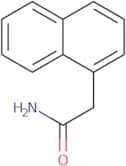
CAS:<p>1-Naphthaleneacetamide is a plant growth regulator that belongs to the class of compounds known as auxins. It inhibits the production of chlorophyll and reduces photosynthetic activity in plants, thereby causing a decrease in chlorophyll content. 1-Naphthaleneacetamide has been shown to have genotoxic effects on human cells in tissue culture. This agent also has an effect on DNA damage and repair and can be used as an analytical method for determining the presence of surfactant sodium dodecyl (SDS) in urine samples by fluorescence spectrometry.</p>Formula:C12H11NOPurity:Min. 98 Area-%Color and Shape:PowderMolecular weight:185.22 g/molN-(2-(3,4-dimethoxyphenyl)ethyl)(4-nitrophenyl)formamide
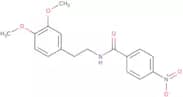
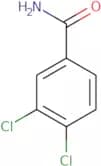
CAS:Controlled Product<p>Please enquire for more information about N-(2-(3,4-dimethoxyphenyl)ethyl)(4-nitrophenyl)formamide including the price, delivery time and more detailed product information at the technical inquiry form on this page</p>Purity:Min. 95%3,4-Dichlorobenzamide
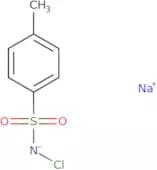
CAS:<p>3,4-Dichlorobenzamide is a synthetic opioid analgesic that binds to the μ-opioid receptor. It has a side-effect profile that is similar to other opioids, with an addiction risk and potential for abuse. 3,4-Dichlorobenzamide has been used in the synthesis of new drugs, such as phenazepam (a benzodiazepine) and etizolam (a thienodiazepine). This drug is chiral and can be synthesized in two stereoisomeric forms: 3-(+)-chloro-N-(2-chlorophenyl)benzamide and 3-(−)-chloro-N-(2-chlorophenyl)benzamide. The former form is marketed under the trade name Analgin, while the latter form is marketed under the trade name Etilex. The (+) form of this drug has a higher affinity for μ receptors than the (−) form.</p>Formula:C7H5Cl2NOPurity:Min. 95%Molecular weight:190.03 g/molN-Chloro-4-toluenesulfonamide sodium
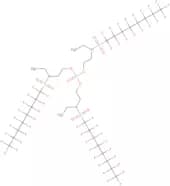
CAS:<p>N-Chloro-4-toluenesulfonamide sodium (NCTS) is a disinfectant that is used to treat wastewater and as a preservative for water. It has been shown to be effective against bacteria, fungi, and viruses. NCTS is an antimicrobial agent that reacts with the matrix in which it is applied to form chloramines-T (NHClO). The chloramines-T inhibits the activity of enzymes such as those involved in DNA synthesis and protein synthesis. This reaction also generates an electric current due to the redox potentials of the reactants. The presence of aziridines in NCTS leads to crosslinking between proteins, which enhances its effectiveness as a disinfectant.<br>NCTS has been shown to have no adverse effects on human erythrocytes or DNA when used at concentrations up to 100 µg/mL.</p>Formula:C7H8ClNO2S•NaPurity:Min. 95%Color and Shape:PowderMolecular weight:228.65 g/molTris[N-Ethyl-1,1,2,2,3,3,4,4,5,5,6,6,7,7,8,8,8-heptadecafluoro-N-(2-hydroxyethyl)-1-Octanesulfonamide] phosphate
CAS:Controlled Product<p>Tris[N-ethyl-1,1,2,2,3,3,4,4,5,5,6,6,7,7,8,8-heptadecafluoro-N-(2-hydroxyethyl)-1-octanesulfonamide] phosphate is a sulfonate that has been mixed with other chemicals. It is used as a chemical substance for the production of other substances. Tris[N-ethyl-1,1,2,2,3]3,[4],4,[5],5,[6],6-[7],7,[8],8-[heptadecafluoro-N-(2-hydroxyethyl)-1-octanesulfonamide] phosphate has not been classified by the International Agency for Research on Cancer (IARC).</p>Formula:C36H27F51N3O10PS3Purity:Min. 95%Molecular weight:1,757.7 g/mol1-(Aminomethyl)cyclopropanecarboxamide hydrochloride
CAS:<p>1-(Aminomethyl)cyclopropanecarboxamide hydrochloride is a versatile building block that can be used in the synthesis of complex compounds. It has been shown to be an excellent reagent for the synthesis of novel pharmaceuticals and speciality chemicals. This compound is also a useful intermediate for the preparation of high-quality products and can be used as a reaction component or scaffold in synthesis.</p>Formula:C5H10N2O·HClPurity:Min. 95%Color and Shape:White PowderMolecular weight:150.61 g/mol(2-Aminophenyl)-N-((((4-methoxyphenyl)amino)thioxomethyl)amino)formamide
CAS:<p>Please enquire for more information about (2-Aminophenyl)-N-((((4-methoxyphenyl)amino)thioxomethyl)amino)formamide including the price, delivery time and more detailed product information at the technical inquiry form on this page</p>Formula:C15H16N4O2SPurity:Min. 95%Color and Shape:PowderMolecular weight:316.38 g/molHexadecanamide
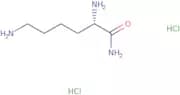
CAS:<p>Hexadecanamide is a reactive amide that has an optimum concentration of 1.5-2.0 M in water and a pH range of 3.0-8.0. Hexadecanamide is oxidized by an oxidation catalyst to form hexadecane, which can be analyzed by gas chromatography or high performance liquid chromatography. The oxidation reaction can be monitored under constant pressure conditions using electrochemical impedance spectroscopy. Hexadecanamide reacts with hydroxyl groups and fatty acids to form hexadecanoic acid, which can be analyzed using gas chromatography or high performance liquid chromatography. Hexadecanamide also reacts with viral life to form hexadecanoic acid, which can be analyzed using gas chromatography or high performance liquid chromatography.<br>Hexadecanamide has been shown to have anti-inflammatory properties, which may be due to its ability to inhibit the production of pro-inflammatory cytokines such as histamine and leukotrienes</p>Formula:C16H33NOPurity:Min. 95%Color and Shape:PowderMolecular weight:255.44 g/molL-Lysine amide dihydrochloride
CAS:<p>L-Lysine amide dihydrochloride is a crystalline compound that is used for the treatment of tumours. It has been shown to bind to the enzyme iridoid synthase, which is involved in the formation of imines and aldehydes. L-Lysine amide dihydrochloride also inhibits the production of staining compounds, such as fluorine and heterocycles. The compound may also be used cosmetically as an anti-aging agent because it can inhibit the production of collagenase and elastase, which cause degradation of collagen.</p>Formula:C6H15N3O•HCl2Purity:Min. 95%Color and Shape:Off-White PowderMolecular weight:218.12 g/molD-Valine amide hydrochloride
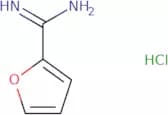
CAS:<p>Please enquire for more information about D-Valine amide hydrochloride including the price, delivery time and more detailed product information at the technical inquiry form on this page</p>Formula:C5H12N2O•HClPurity:Min. 95%Color and Shape:PowderMolecular weight:152.62 g/molFuran-2-carboximidamide hydrochloride
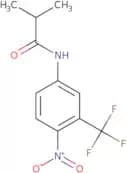
CAS:<p>Please enquire for more information about Furan-2-carboximidamide hydrochloride including the price, delivery time and more detailed product information at the technical inquiry form on this page</p>Formula:C5H6N2O•HClPurity:Min. 95%Molecular weight:146.57 g/molFlutamide
CAS:<p>Non-steroidal androgen receptor antagonist</p>Formula:C11H11F3N2O3Purity:Min. 95%Color and Shape:Off-White PowderMolecular weight:276.21 g/mol3-(Dimethylphosphono)-N-methylolpropionamide
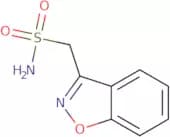
CAS:<p>Dimethylphosphonoacetamide (DMPPA) is a phosphorus-containing compound that is used as an intermediate in the synthesis of fatty acids. DMPPA can be synthesized by the reaction of ethylene diamine and phosphorus pentoxide, which is a common reagent for preparing phosphorus compounds. The reaction mechanism has been studied using electrochemical impedance spectroscopy. This study revealed that DMPPA can be converted to a water-soluble product by treatment with water vapor or by adding cotton. In addition, the kinetic data obtained from this study showed that the reaction rate was affected by temperature and the type of solvent used. The frequency shift observed during this study indicated that nitrogen atoms are involved in the reaction mechanism.</p>Formula:C6H14NO5PPurity:(%) Min. 80%Molecular weight:211.15 g/molZonisamide
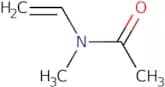
CAS:<p>Voltage-gated sodium channel blocker</p>Formula:C8H8N2O3SPurity:Min. 95%Color and Shape:White Slightly Yellow PowderMolecular weight:212.23 g/molN-Methyl-N-vinylacetamide
CAS:<p>N-Methyl-N-vinylacetamide is a colorless liquid with a boiling point of 105.6°C. It is produced by the reaction of acetamide and vinyl chloride in the presence of hydrochloric acid, glycol ether, and methyl ethyl ketone. The viscosity of this compound is low, which makes it an ideal solvent for paints and coatings. N-Methyl-N-vinylacetamide also has genetic damaging effects and can cause mutations in bacteria that are exposed to this compound in high concentrations. This product has an unusual chemical structure due to its hydrogen bonding interactions.br>br><br>br>br><br>Hydrogen bonds are weak intermolecular forces between polar molecules, such as water or alcohols, that are formed by the attraction between a partially positive hydrogen atom on one molecule and the negative end of another nearby molecule. Hydrogen bonds stabilize certain molecular structures because they provide partial shielding from electrostatic interactions with</p>Formula:C5H9NOPurity:Min. 97.5%Color and Shape:Clear LiquidMolecular weight:99.13 g/mol(E)-N-(2-Chloro-6-methylphenyl)-3-ethoxyacrylamide
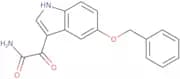
CAS:<p>(E)-N-(2-Chloro-6-methylphenyl)-3-ethoxyacrylamide is a reagent and research chemical that can be used as a building block in the synthesis of other compounds. It is also a versatile building block in organic chemistry. (E)-N-(2-Chloro-6-methylphenyl)-3-ethoxyacrylamide has been shown to be an effective intermediate for the synthesis of various complex compounds, such as pharmaceuticals and pesticides. This compound is also a useful scaffold for the synthesis of other fine chemicals.</p>Formula:C12H14ClNO2Purity:(¹H-Nmr) Min. 95 Area-%Color and Shape:PowderMolecular weight:239.7 g/mol5-Benzyloxyindole-3-glyoxylamide
CAS:<p>5-Benzyloxyindole-3-glyoxylamide is a versatile building block that can be used in the synthesis of complex compounds. It has been shown to have a high quality and is useful as a reagent for research purposes. 5-Benzyloxyindole-3-glyoxylamide can be used as a reaction component and is useful as an intermediate in organic synthesis. 5BIGA has CAS number 22424-62-0 and is also known as 3-(benzyloxy)-5-(2,2,2-trifluoroethoxy)indole glyoxamide.</p>Formula:C17H14N2O3Purity:Min. 95%Molecular weight:294.3 g/mol
![(2R)-1-(Phenylmethyl)-N-[3-(spiro[isobenzofuran-1(3H),4'-piperidin]-1-yl)propyl-2-pyrrolidinecarbo…](/_next/image/?url=https%3A%2Fstatic.cymitquimica.com%2Fproducts%2F3D%2Fthumb-webp%2FFP73252.webp&w=3840&q=75)





![N-[1-[2-(4-Ethyl-5-Oxotetrazol-1-Yl)Ethyl]-4-Phenylpiperidin-4-Yl]-N-(2-Fluorophenyl)Propanamide](/_next/image/?url=https%3A%2Fstatic.cymitquimica.com%2Fproducts%2F3D%2Fthumb-webp%2FFE102162.webp&w=3840&q=75)
![2-[Ethyl-[2-(3-hydroxy-2,6-dimethyl-anilino)-2-oxo-ethyl]amino]-N-(3-hydroxy-2,6-dimethyl-phenyl)a…](/_next/image/?url=https%3A%2Fstatic.cymitquimica.com%2Fproducts%2F3D%2Fthumb-webp%2FFE145458.webp&w=3840&q=75)

![2-[(2,6-Dichlorophenyl)amino]-N,N-dimethylbenzeneacetamide](/_next/image/?url=https%3A%2Fstatic.cymitquimica.com%2Fproducts%2F3D%2Fthumb-webp%2FFD21691.webp&w=3840&q=75)


![N-[S-(2-Pyridylthio)cysteaminyl]ethylenediamine-N,N,N',N'-tetraacetic acid, monoamide - Technical …](/_next/image/?url=https%3A%2Fstatic.cymitquimica.com%2Fproducts%2F3D%2Fthumb-webp%2FFP27342.webp&w=3840&q=75)