Amides
Amides are a wide range of chemical compounds that contain at least one heterocyclic ring, which has atoms of at least two different elements in the ring structure, and at least one amide group (-CONH2). These compounds are crucial in the synthesis of pharmaceuticals, polymers, and agrochemicals. Amides exhibit unique properties and reactivity, making them valuable intermediates in organic synthesis. At CymitQuimica, we offer a comprehensive selection of high-quality amides to support your research and industrial needs.
Found 16393 products of "Amides"
Sort by
Purity (%)
0
100
|
0
|
50
|
90
|
95
|
100
N-α-Benzoyl-L-arginine amide hydrochloride
CAS:<p>N-alpha-Benzoyl-L-arginine amide hydrochloride (BA) is a synthetic, noncompetitive inhibitor of phosphodiesterase. It has been shown to inhibit protease activity in vitro and rhizosphere enzyme activities in vivo. BA also inhibits the formation of hippuric acid from benzoic acid, which is a reaction catalyzed by the enzyme phosphatase. The kinetics of this inhibition have been studied using a number of different substrates and enzymes. BA binds to the catalytic site on the enzyme, sterically hindering binding of the substrate and preventing hydrolysis.</p>Formula:C13H19N5O2·HClPurity:Min. 95%Color and Shape:PowderMolecular weight:313.78 g/molRink amide-AM Resin
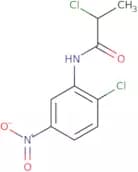
CAS:<p>Rink amide-AM resin is a cation exchange resin that is used in peptide synthesis. It has an optimal pH range of 8-9. Rink amide-AM resin can be activated with trifluoroacetic acid or piperidine and washed with a mixture of water and methanol to remove the salt byproduct. The resin can then be used for peptide synthesis, which is typically done by adding the desired amino acids in sequence to the resin. The synthesis is stopped when the linear peptide reaches a desired length, typically 12-15 amino acids long. The linear peptides are then cleaved from the resin using trifluoroacetic acid or piperidine, depending on which activation reagent was used during synthesis. After cleavage, the linear peptides are precipitated from solution using ethanol or acetone and collected by filtration.</p>Color and Shape:Off-White Powder2-Chloro-N-(2-chloro-5-nitrophenyl)propanamide
CAS:<p>Please enquire for more information about 2-Chloro-N-(2-chloro-5-nitrophenyl)propanamide including the price, delivery time and more detailed product information at the technical inquiry form on this page</p>Formula:C9H8Cl2N2O3Purity:Min. 95%Molecular weight:263.08 g/mol3,5-Dinitrobenzamide
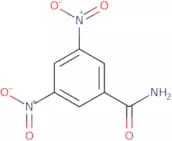
CAS:<p>3,5-Dinitrobenzamide is a sulfa drug that inhibits the growth of bacteria by inhibiting 3-dehydroquinate synthase (EC 4.2.1.23) and 3-dehydroquinate dehydratase (EC 4.2.1.46). The enzyme catalyzes the conversion of 3-dehydroquinic acid to quinic acid, which is an intermediate in the biosynthesis of benzoic acid from glucose. This inhibition occurs because 3,5-dinitrobenzamide forms a glycosidic bond with Cys34 in these enzymes, which prevents their function. This drug has been shown to have significant cytotoxicity against human pathogens and model organisms such as Salmonella typhimurium and Escherichia coli, but not against Saccharomyces cerevisiae or Candida albicans.</p>Formula:C7H5N3O5Purity:Min. 95%Color and Shape:PowderMolecular weight:211.13 g/molN-Cyclohexyl-2-benzothiazolylsulfenamide
CAS:<p>N-Cyclohexyl-2-benzothiazolylsulfenamide is a cross-linking agent that is used in the production of polymeric matrices. It is a multi-walled carbon molecule with an aromatic hydrocarbon cross-linker. N-Cyclohexyl-2-benzothiazolylsulfenamide reacts with fatty acids to form cationic surfactants, which can be used as antimicrobial agents. The reaction mechanism for this type of chemical reaction has been studied under constant pressure conditions and it was found that sulfur transfer occurs in the first step, followed by activation energies for the second and third steps. The diameter of the product depends on the degree of polymerization (DP).</p>Formula:C13H16N2S2Purity:Min. 95%Color and Shape:PowderMolecular weight:264.41 g/mol4-(Chloromethyl)-N,N-dimethylbenzamide
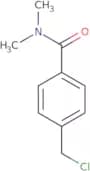
CAS:<p>4-(Chloromethyl)-N,N-dimethylbenzamide is a versatile building block that can be used in the synthesis of various complex compounds. It is a versatile intermediate and can be used in reactions as a reagent or building block. 4-(Chloromethyl)-N,N-dimethylbenzamide is also a high-quality chemical with a CAS number of 121083-51-0. The compound has many applications, including being useful as a reaction component or scaffold for research chemicals and speciality chemicals.</p>Formula:C10H12ClNOPurity:Min. 95%Color and Shape:PowderMolecular weight:197.66 g/molN-(2-Amino-1,2-dinitrilovinyl)(propylamino)formamide
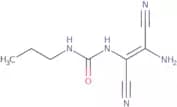
CAS:<p>Please enquire for more information about N-(2-Amino-1,2-dinitrilovinyl)(propylamino)formamide including the price, delivery time and more detailed product information at the technical inquiry form on this page</p>Formula:C8H11N5OPurity:Min. 95%Color and Shape:PowderMolecular weight:193.21 g/molDL-alanine-β-naphthylamide hydrochloride
CAS:<p>DL-Alanine-beta-naphthylamide hydrochloride is a fine chemical that is used as a building block for other compounds. It can be used in the synthesis of complex compounds and as a reagent to synthesize speciality chemicals and research chemicals. DL-Alanine-beta-naphthylamide hydrochloride is also a versatile building block that can be used as an intermediate in organic reactions or as a reaction component. This compound has CAS No. 74144-49-3 and is soluble in water.</p>Formula:C13H15ClN2OPurity:Min. 95%Color and Shape:PowderMolecular weight:250.72 g/mol4-[2-[(3-Ethyl-4-methyl-2-oxo-3-pyrrolin-1-yl)carboxamido]ethyl]benzenesulfonamide
CAS:<p>Metformin is an antidiabetic drug that is used to treat type 2 diabetes. It works by increasing insulin sensitivity and decreasing glucose production in the liver. Metformin does not cause low blood sugar in people with diabetes, but it can lower blood sugar in those without the condition. Metformin is available as metformin hydrochloride and has a molecular weight of 314.5 g/mol. Metformin is excreted primarily through the kidneys, with less than 10% of a dose being excreted unchanged in the urine. Excipients include acetonitrile, which is used as an organic solvent for liquid drug products; impurities may be present due to incomplete synthesis or purification processes; and animal studies are performed to assess safety and efficacy of drugs that may have adverse effects on humans.<br>Metformin has been shown to decrease blood sugar levels in animals through its antidiabetic potential, but there are no studies showing its effect on humans with type</p>Formula:C16H21N3O4SPurity:Min. 95%Color and Shape:White PowderMolecular weight:351.42 g/molCecropin A (1-7)-Melittin A (2-9) amide trifluoroacetate salt
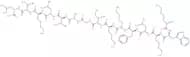
CAS:<p>Cecropin A (1-7)-Melittin A (2-9) amide trifluoroacetate salt is a cecropin-melittin hybrid peptide that has been immobilized on cellulose nanofibers for use as an antimicrobial. It has been shown to have strong antimicrobial activity against bacillus subtilis, and the immobilization process ensures that the peptide is not released from the surface of the material. The process of coating with nanopaper and then applying the peptides provides a stable surface with high antimicrobial activity. The synthetic peptides are synthesized by solid phase synthesis using Fmoc chemistry and purified by preparative HPLC.</p>Formula:C89H152N22O15Purity:Min. 95%Color and Shape:PowderMolecular weight:1,770.3 g/mol2'-Hydroxy-5'-nitrohexadecanamide
CAS:<p>2'-Hydroxy-5'-nitrohexadecanamide is a synthetic fatty acid derivative that inhibits lysosomal hydrolase, which is an enzyme that breaks down cellular lipids. This compound can be used as a diagnostic agent for the detection of certain types of cancer. 2'-Hydroxy-5'-nitrohexadecanamide reacts with the magnesium ion in the lysosome to form an insoluble precipitate, which then settles to the bottom of the test tube, allowing for easy detection of cells with high levels of lysosomal hydrolase.</p>Formula:C22H36N2O4Purity:Min. 95%Color and Shape:PowderMolecular weight:392.53 g/mol2-Chloro-N-(4-chlorophenyl)propanamide
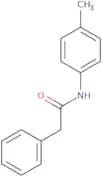
CAS:<p>2-Chloro-N-(4-chlorophenyl)propanamide is an acetanilide that is used as a research chemical in the preparation of other compounds. It also has been used to synthesize chloroacetanilides and chloroanilides. 2-Chloro-N-(4-chlorophenyl)propanamide can be prepared by reacting 4-chloroaniline with acetic anhydride and potassium chloride in a basic solution. The reaction will take place at room temperature, but will produce a greater yield when heated to 40°C for 1 hour. This compound can be used as a starting material for the synthesis of other compounds, such as chlorinated analogues of acetaminophen (paracetamol).</p>Formula:C9H9Cl2NOPurity:Min. 95%Molecular weight:218.08 g/molN-(4-Methylphenyl)-2-phenylacetamide
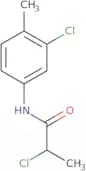
CAS:<p>2-Phenylacetamide is a solvent that can be used as a component in alkylation reactions. It is commonly used as a component of chlorinated solvents and has been shown to catalyze the reaction with benzyl chloride. 2-Phenylacetamide can be used to produce solar cells by sensitizing the surface of silicon wafers with this solvent. Researchers have also studied the alkylation reaction of phenylacetamide with methyl iodide and benzyl chloride, which can be carried out at room temperature and does not require any catalyst. This reaction was found to proceed well under gas chromatographic conditions.</p>Formula:C15H15NOPurity:Min. 95%Molecular weight:225.29 g/mol2-Chloro-N-(3-chloro-4-methylphenyl)propanamide
CAS:<p>Please enquire for more information about 2-Chloro-N-(3-chloro-4-methylphenyl)propanamide including the price, delivery time and more detailed product information at the technical inquiry form on this page</p>Formula:C10H11Cl2NOPurity:Min. 95%Molecular weight:232.11 g/molC26-Ceramide
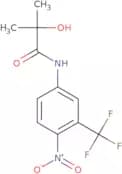
CAS:<p>Marker for Farber disease diagnosis</p>Formula:C44H87NO3Purity:Min. 95%Color and Shape:White PowderMolecular weight:678.17 g/molHydroxy flutamide
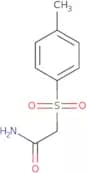
CAS:<p>Hydroxyflutamide is an anti-androgen drug that belongs to the group of nonsteroidal anti-androgens. It has been shown to bind to the androgen receptor with high affinity and inhibit the growth of cancer cells in vitro. Hydroxyflutamide also has a strong antitumor response in vivo, which is due to its ability to inhibit cellular proliferation by binding to DNA polymerase during replication. The drug may also have some activity as an antineoplastic agent because it inhibits the growth of prostate cancer cells. However, hydroxyflutamide has never been tested on humans or animals, so its effects are unknown.</p>Formula:C11H11F3N2O4Purity:Min. 98 Area-%Color and Shape:Yellow PowderMolecular weight:292.21 g/mol2-((4-Methylphenyl)sulfonyl)ethanamide
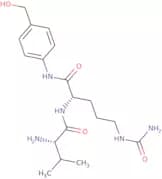
CAS:<p>2-((4-Methylphenyl)sulfonyl)ethanamide is an amide that has been shown to have antibacterial activity. It binds to the DNA of bacteria, inhibiting its replication and transcription. This drug also inhibits the growth of influenza virus in cell culture. 2-((4-Methylphenyl)sulfonyl)ethanamide is a sensor for chloride ions, which may be used as treatments for bacterial infections. This drug is also able to inhibit the replication of bacteria that are resistant to other antibiotics, such as penicillin. The unsaturated alkyl group on this molecule allows it to be activated by radiation treatment, which may be useful in the treatment of cancer cells or viral infections.</p>Formula:C9H11NO3SPurity:Min. 95%Color and Shape:PowderMolecular weight:213.25 g/molVal-Cit-PAB-OH
CAS:<p>The Val-Cit-PAB linker is an activated peptide linker that is cleaved by cathepsin B. It enables the selective intracellular release of attached drugs in ADC applications.</p>Formula:C18H29N5O4Purity:Min. 95%Color and Shape:PowderMolecular weight:379.45 g/molN-(4-(4-bromophenyl)-2,5-thiazolyl)hexanamide
CAS:<p>Please enquire for more information about N-(4-(4-bromophenyl)-2,5-thiazolyl)hexanamide including the price, delivery time and more detailed product information at the technical inquiry form on this page</p>Purity:Min. 95%2-(4,5-dichloroimidazolyl)-N-(2-indol-3-ylethyl)ethanamide
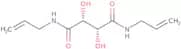
CAS:<p>Please enquire for more information about 2-(4,5-dichloroimidazolyl)-N-(2-indol-3-ylethyl)ethanamide including the price, delivery time and more detailed product information at the technical inquiry form on this page</p>Purity:Min. 95%N,N'-Diallyl-L-tartardiamide
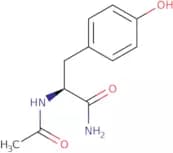
CAS:<p>N,N'-Diallyl-L-tartardiamide is a heparin-like molecule with the ability to bind calcium. It has been shown to be an effective inhibitor of antibody response in mice and can also inhibit periodate treatment of primary amino groups. N,N'-Diallyl-L-tartardiamide has a high degree of solubility in water and is soluble in organic solvents as well. It can be crosslinked to form polymeric matrices that are suitable for use in size-exclusion chromatography. N,N'-Diallyl-L-tartardiamide can also be used as a cross linking agent for agarose gels and gel matrices.</p>Formula:C10H16N2O4Purity:Min. 95%Color and Shape:White PowderMolecular weight:228.25 g/molAcetyl-L-tyrosine amide
CAS:<p>Acetyl-L-tyrosine amide is an analog of L-tyrosine that is used as an active substance in the field of uv absorption. Acetyl-L-tyrosine amide reacts with sodium hydroxide to form a soluble salt, which has been shown to have binding constants that are comparable to those of human serum. This compound also has fluorescence properties and can be used for the determination of neutral pH. The reaction products formed between acetyl-L-tyrosine amide and sodium hydroxide are hydrolyzed by acids and yield a molecule with rotameric properties. These rotameric properties can be modeled using a protein model without affecting the stability or function of the protein.</p>Formula:C11H14N2O3Purity:Min. 95%Color and Shape:PowderMolecular weight:222.24 g/molN-(4-(4,5-dichloroimidazolyl)phenyl)(2-(4-chlorophenoxy)(3-pyridyl))formamide
CAS:<p>Please enquire for more information about N-(4-(4,5-dichloroimidazolyl)phenyl)(2-(4-chlorophenoxy)(3-pyridyl))formamide including the price, delivery time and more detailed product information at the technical inquiry form on this page</p>Purity:Min. 95%N-(6-acetylbenzo[d]1,3-dioxolan-5-yl)-2-chloropropanamide
CAS:<p>Please enquire for more information about N-(6-acetylbenzo[d]1,3-dioxolan-5-yl)-2-chloropropanamide including the price, delivery time and more detailed product information at the technical inquiry form on this page</p>Purity:Min. 95%Color and Shape:PowderN-Benzyl Hexadecanamide
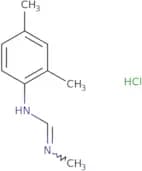
CAS:<p>N-Benzyl Hexadecanamide is a long-chain amide that is used in analytical chemistry as a sample preparation agent and to extract fatty acids from biological samples. It has been shown to have neuroprotective properties by reducing the uptake of glutamate and preventing neuronal cell death. N-Benzyl Hexadecanamide has also been found to prevent tumor growth and induce apoptosis in human cancer cells, which may be due to its ability to inhibit creatine kinase activity. This compound has also been shown to have anti-inflammatory effects, which are mediated through the inhibition of the activation of nuclear factor kappa B (NF-κB).</p>Formula:C23H39NOPurity:Min. 98 Area-%Color and Shape:PowderMolecular weight:345.56 g/molN'-(2,4-Dimethylphenyl)-N-methylformamide hydrochloride
CAS:<p>Bifenthrin is a broad-spectrum, synthetic pyrethroid insecticide that has been used to control pests in the agricultural and residential sectors. It is applied as a spray or dust on plants and animals. Bifenthrin is highly toxic to mammals, with an oral LD50 of less than 10 milligrams per kilogram of body weight in rats and mice. The acute toxicity can be attributed to its ability to inhibit protein synthesis by binding to the cholinesterases, which are found in high concentrations in mammalian tissues.</p>Formula:C10H14N2·HClPurity:Min. 95%Color and Shape:PowderMolecular weight:198.69 g/molN-(n-Butyl)thiophosphoric triamide
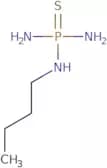
CAS:<p>N-(n-Butyl)thiophosphoric triamide is a triamide herbicide that inhibits the plant enzyme fatty acid synthase. It has been shown to inhibit the uptake of glycol ethers, such as glycol esters, into plants by acting on the glycol ester hydroxyl group. This chemical also inhibits the synthesis of fatty acids in plants and reduces lipid content in perennial ryegrass and solanum tuberosum. N-(n-Butyl)thiophosphoric triamide also inhibits nitrous oxide emissions from wastewater treatment plants.</p>Formula:C4H14N3PSPurity:Min. 95%Color and Shape:White PowderMolecular weight:167.21 g/molCoenzyme B12
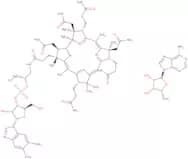
CAS:<p>Coenzyme B12, also known as vitamin B12, is a coenzyme that participates in the metabolism of amino acids and fatty acids. It is required for the conversion of homocysteine to methionine, which is an important step in the synthesis of S-adenosylmethionine (SAM), a major methyl donor. Coenzymes are required for many different reactions in cells, but they are not consumed during these reactions. Instead, they are regenerated and reused. Coenzyme B12 is synthesized by bacteria and archaea but not by animals. The cobalamin form of this coenzyme is made from cobaltous chloride or cobaltous sulfate and cyanide. This coenzyme has been shown to bind to riboswitches in bacteria and to ATP-binding cassette transporters in humans. Coenzyme B12 can exist in two different forms: adenosylcobalamin and methylcobalamin.</p>Formula:C72H100CoN18O17PPurity:Min. 97 Area-%Color and Shape:PowderMolecular weight:1,579.58 g/mol6-Aminonicotinamide
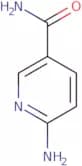
CAS:<p>6-Aminonicotinamide is an experimental drug that has shown promising results in animal studies. This compound may be useful for the treatment of cancer, due to its ability to inhibit reactive oxygen species and maintain mitochondrial membrane potential. 6-Aminonicotinamide also has a protective effect against radiation-induced cell damage, as it prevents oxidative injury to DNA and protein. In addition, 6-aminonicotinamide can stimulate the proliferation of pluripotent cells, which are cells that have the ability to differentiate into any type of cell in the body. Finally, this compound was shown to have antitumor effects by inhibiting squamous carcinoma tumor growth in experimental models.</p>Formula:C6H7N3OPurity:Min. 95%Color and Shape:PowderMolecular weight:137.14 g/mol1,1,2,2,3,3,4,4,5,5,6,6,7,7,8,8,8-Heptadecafluoro-N-methyloctane-1-sulfonamide
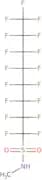
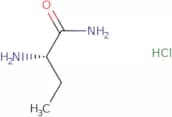
CAS:Controlled Product<p>1,1,2,2,3,3,4,4,5,5,6,6,7,7,8,8-heptadecafluoro-N-methyloctane-1-sulfonamide is a perfluorinated sulfonate that is used as a surfactant in wastewater treatment and to package food. This compound is not water soluble and requires an organic solvent to dissolve it. It has been shown that the use of 1HFAFMS can reduce the amount of phosphates in packaging materials by up to 50%. 1HFAFMS also has been found to be safe for humans and does not accumulate in the environment. It does not bioaccumulate and is rapidly excreted through urine.</p>Formula:C9H4F17NO2SPurity:Min. 95%Color and Shape:PowderMolecular weight:513.17 g/mol(S)-2-Aminobutyramide hydrochloride
CAS:<p>(S)-2-Aminobutyramide hydrochloride is a strong acid that can be used in the synthesis of other compounds. It is made by dissociating acetic acid with hydrogen chloride, or by reacting ammonia with hydrochloric acid. (S)-2-Aminobutyramide hydrochloride is also known as 2-aminobutyric acid dihydrochloride and protonated aminobutyric acid. It can be used to synthesize many other compounds, including amino acids, pharmaceuticals, and polymers. The virulent properties of this compound make it useful for industrial purposes.</p>Formula:C4H11ClN2OPurity:Min. 95%Color and Shape:White PowderMolecular weight:138.6 g/mol3-Iodobenzamide
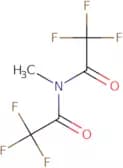
CAS:<p>3-Iodobenzamide is a metalloporphyrin that is used as a research tool. It has been shown to inhibit the tyrosine kinase activity of the BCR-ABL protein and to induce apoptosis in chronic myeloid leukemia cells. 3-Iodobenzamide binds to the dopamine D2 receptor, which leads to inhibition of adenylate cyclase and decreased levels of cAMP. The binding affinity of 3-iodobenzamide for dopamine receptors and its ability to inhibit cAMP production make it an ideal candidate for use in studies on striatal membrane preparations and homogenates.</p>Formula:C7H6INOPurity:Min. 95%Color and Shape:PowderMolecular weight:247.03 g/molN-Methylbis(trifluoroacetamide)
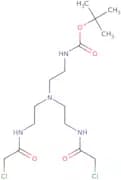
CAS:<p>N-Methylbis(trifluoroacetamide) is a molecule that is used in the preparation of an analytical method. This molecule reacts with human serum and urine to produce a reaction solution. The matrix effect can be seen in metabolic disorders, such as the case of creatine kinase which is not affected by the derivatization. N-Methylbis(trifluoroacetamide) is also used to prepare samples for solid phase microextraction with basic structures that are amines.</p>Formula:C5H3F6NO2Purity:Min. 95%Color and Shape:Clear LiquidMolecular weight:223.07 g/mol2N-Boc-2',2''-triaminotriethylamine-bis(chloroacetamide)
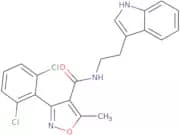
CAS:<p>2N-Boc-2',2''-triaminotriethylamine-bis(chloroacetamide) is a fine chemical and reagent for the synthesis of pharmaceuticals. It is also a useful building block for the synthesis of complex compounds. This product can be used as a reaction component in organic chemistry, or it can be used as a reagent in research or development laboratories.</p>Formula:C15H28Cl2N4O4Purity:Min. 95%Molecular weight:399.31 g/mol(3-(2,6-dichlorophenyl)-5-methylisoxazol-4-yl)-N-(2-indol-3-ylethyl)formamide
CAS:<p>Please enquire for more information about (3-(2,6-dichlorophenyl)-5-methylisoxazol-4-yl)-N-(2-indol-3-ylethyl)formamide including the price, delivery time and more detailed product information at the technical inquiry form on this page</p>Purity:Min. 95%Morpholine-4-carboxamide
CAS:<p>Morpholine-4-carboxamide is a polymerase chain inhibitor that inhibits the activity of DNA polymerases. It binds to the DNA template strand and prevents the enzyme from adding nucleotides to the primer strand, thereby inhibiting DNA synthesis. Morpholine-4-carboxamide has shown efficacy in treating hyperproliferative diseases such as cancer cells and psoriasis. This drug has been shown to inhibit caspase activation and histone protein acetylation, which may be related to its anti-cancer properties. Morpholine-4-carboxamide also binds to cannabinoid receptor 2 (CB2) and may have therapeutic effects on inflammatory diseases such as psoriasis and arthritis.</p>Formula:C5H10N2O2Purity:Min. 95%Molecular weight:130.15 g/mol2-Phthalimidoyl-N-(methylsulfonyl)propanamide
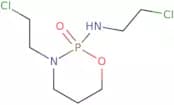
<p>2-Phthalimidoyl-N-(methylsulfonyl)propanamide is a fine chemical that is used as a building block for research chemicals. It is a versatile intermediate that can be used as a reaction component. 2-Phthalimidoyl-N-(methylsulfonyl)propanamide has been shown to have high quality and can be used as a reagent in the synthesis of complex compounds.</p>Formula:C12H12N2O5SMolecular weight:296.30 g/molIfosfamide
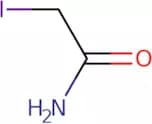
CAS:<p>Alkylating agent; anti-cancer agent</p>Formula:C7H15Cl2N2O2PPurity:Min. 98 Area-%Color and Shape:White Off-White PowderMolecular weight:261.09 g/mol2-Iodoacetamide
CAS:<p>2-Iodoacetamide is a synthetic retinoid that binds to the DNA of cells, altering transcription. It also has been found to be effective in treating bowel disease and has been shown to have dna binding activity. The compound was synthesized by attaching iodine molecules to acetamide. 2-Iodoacetamide targets the protein thiols on the surface of cells, which are responsible for oxidation and damage due to reactive oxygen species (ROS). This compound is metabolized by alcohol dehydrogenase and can be used as a biological sample or natural compound.</p>Formula:C2H4INOPurity:Min. 95%Color and Shape:SolidMolecular weight:184.96 g/mol4-Chloro-3-nitrophenylacetamide
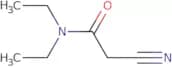
CAS:<p>4-Chloro-3-nitrophenylacetamide is a chemical compound that can be used as a reagent, useful scaffold for research, and a high quality research chemical. CAS No. 5540-60-3, this versatile building block is useful for the synthesis of complex compounds and fine chemicals.</p>Formula:C8H7ClN2O3Purity:Min. 98 Area-%Color and Shape:PowderMolecular weight:214.61 g/molN,N-Diethylcyanoacetamide
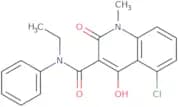
CAS:<p>N,N-Diethylcyanoacetamide is an organic compound that is used in the industrial production of polyurethane. It reacts with a nucleophile to form a new carbon-nitrogen bond. The reaction can be monitored in real time, and it has high specificity for the desired product. N,N-Diethylcyanoacetamide reacts with piperidine to produce a mixture of isomers in which the methyl group is attached to either the nitrogen or the oxygen atom. This mixture can be separated by crystallization, and it generates a pure product that can be used as a monocarboxylic acid.</p>Formula:C7H12N2OPurity:Min. 95%Color and Shape:Clear LiquidMolecular weight:140.18 g/mol5-Chloro-4-hydroxy-1-methyl-2-oxo-1,2-dihydro-quinoline-3-carboxylic acid ethyl-phenyl-amide
CAS:<p>Laquinimod is an immunomodulator drug that inhibits the activity of the immune system. It binds to toll-like receptor 7, which is a protein on the surface of certain cells that responds to infection and inflammation. Laquinimod has been shown to inhibit neurodegeneration in vitro, which may be due to its ability to bind with neuronal death receptors and block the inflammatory response. Laquinimod also inhibits bowel disease by reducing inflammation and controlling immunity in the intestinal tract. Laquinimod has been shown to have long-term efficacy when administered at physiological levels. This drug is chemically stable, even after exposure to light.</p>Formula:C19H17ClN2O3Purity:Min. 95%Color and Shape:White PowderMolecular weight:356.8 g/mol4-Methyl-3-nitrobenzamide
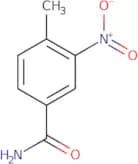
CAS:<p>4-Methyl-3-nitrobenzamide is a nitrile that can be synthesized by the reaction of potassium hydroxide and 3-nitrobenzamide. It has been shown to react with dichloroethane to form 4-methyl-3-nitrobenzoic acid. The optimum temperature for this reaction is 120°C, which leads to a high yield of 4-methyl-3-nitrobenzamide. This product is also available in an isotopic form at high purity.</p>Formula:C8H8N2O3Purity:Min. 95%Color and Shape:PowderMolecular weight:180.16 g/molEthionamide sulfoxide
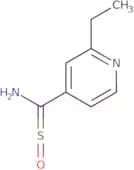
CAS:<p>Ethionamide is a drug that is used for the treatment of tuberculosis. It binds to the enzyme preparations in the bacterial cell wall by competitive inhibition, which prevents formation of an antibiotic-inhibitor complex with the enzyme cell wall synthesis that is required for cell wall biosynthesis, inhibiting protein synthesis and cell division. The sulfoxide form of ethionamide is converted to the sulfone form when it enters the body. This conversion takes place primarily in the liver with assistance from alcohol dehydrogenase, cytochrome P450, and glutathione reductase. The sulfone form has higher potency than its precursor (sulfoxide) because it has lower protein binding affinity and more rapid elimination from plasma.</p>Formula:C8H10N2OSPurity:Min. 95 Area-%Color and Shape:PowderMolecular weight:182.24 g/mol4-Amino-5-chloro-2,3-dihydro-N-[1-(3-methoxypropyl)-4-piperidinyl]-7-benzofurancarboxamide
CAS:<p>The drug 4-Amino-5-chloro-2,3-dihydro-N-[1-(3-methoxypropyl)-4-piperidinyl]-7-benzofurancarboxamide (BZP) is a histamine H2 receptor antagonist. It binds to the histamine H2 receptor in the stomach and duodenum, thereby blocking stomach acid production. BZP has been shown to be effective for treating symptoms of constipation or diarrhoea caused by inflammatory bowel disease or abdominal surgery. BZP also reduces the risk of relapse after surgery but does not affect long term efficacy. This drug is not available in the United States and has significant interactions with other drugs and symptoms including constipation, bowel disease, long term efficacy, and analytical method.</p>Formula:C18H26ClN3O3Purity:Min. 95%Color and Shape:White PowderMolecular weight:367.87 g/mol2-Chloro-N-(2-ethyl-6-methylphenyl)propanamide
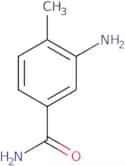
CAS:<p>Please enquire for more information about 2-Chloro-N-(2-ethyl-6-methylphenyl)propanamide including the price, delivery time and more detailed product information at the technical inquiry form on this page</p>Formula:C12H16ClNOPurity:Min. 95%Molecular weight:225.71 g/mol3-Amino-4-methylbenzamide
CAS:<p>3-Amino-4-methylbenzamide is an interchemical that can be utilized to synthesize naphthol. 3-Amino-4-methylbenzamide is an amide that has been shown to have a molecular modeling structure of a conformation. The interaction of 3-amino-4-methylbenzamide with the P38 kinase enzyme has been shown to inhibit the activity of this enzyme, which may lead to its use as a drug for the treatment of inflammation.</p>Formula:C8H10N2OPurity:Min. 95%Color and Shape:PowderMolecular weight:150.18 g/molPhthalimidoyl-N-(methyltosyl)hexanamide
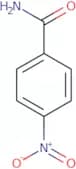
<p>Phthalimidoyl-N-(methyltosyl)hexanamide is a fine chemical that can be used as a versatile building block and reaction component. It is an intermediate in the production of a variety of products, including pharmaceuticals and pesticides. Phthalimidoyl-N-(methyltosyl)hexanamide is also used as a reagent for the preparation of other compounds. This compound has high purity and quality, making it suitable for research purposes. The CAS number for this compound is 183828-04-7.</p>Formula:C21H22N2O5SMolecular weight:414.48 g/mol4-Nitrobenzamide
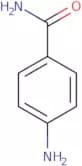
CAS:<p>4-Nitrobenzamide is a chemical substance that belongs to the class of nitrobenzamides. It is used as an intermediate in the synthesis of other substances, such as pharmaceuticals, herbicides, and pesticides. 4-Nitrobenzamide was first synthesized in 1894 by hydrogenating nitrobenzoic acid with hydrogen chloride in the presence of phosphorus pentachloride. The reaction vessel for this process should be made of glass or porcelain due to the corrosive nature of hydrogen chloride gas. The kinetics for this reaction were studied using concentration-response curves on rats and mice at different concentrations. Acute toxicities observed include respiratory distress and death in rats and convulsions and death in mice.<br>4-Nitrobenzamide is also toxic to bacteria, which can be seen by its effect on Staphylococcus aureus (strain ATCC 25923). This strain had a 50% survival rate after exposure</p>Formula:C7H6N2O3Purity:Min 98%Color and Shape:Yellow PowderMolecular weight:166.13 g/mol4-Aminobenzamide
CAS:<p>4-Aminobenzamide is a compound that is used as an anti-tuberculosis drug. It inhibits the activity of aminotransferase, which is an enzyme responsible for converting amino acids into other compounds. 4-Aminobenzamide has been shown to have antimicrobial properties against bacteria, fungi and protozoa. It also has a protective effect on human liver cells, but can cause damage to rat liver cells in vitro. 4-Aminobenzamide also shows some activity against microbial metabolism and can be hydrolyzed by hydrochloric acid to form phenylacetic acid and ammonia. This compound has been shown to inhibit the nervous system disease progression of Huntington's disease in mice.</p>Purity:Min. 95%Color and Shape:PowderMolecular weight:136.15 g/mol




![4-[2-[(3-Ethyl-4-methyl-2-oxo-3-pyrrolin-1-yl)carboxamido]ethyl]benzenesulfonamide](/_next/image/?url=https%3A%2Fstatic.cymitquimica.com%2Fproducts%2F3D%2Fthumb-webp%2FFE23124.webp&w=3840&q=75)






![N-(6-acetylbenzo[d]1,3-dioxolan-5-yl)-2-chloropropanamide](/_next/image/?url=https%3A%2Fstatic.cymitquimica.com%2Fproducts%2F3D%2Fthumb-webp%2FFA169026.webp&w=3840&q=75)




![4-Amino-5-chloro-2,3-dihydro-N-[1-(3-methoxypropyl)-4-piperidinyl]-7-benzofurancarboxamide](/_next/image/?url=https%3A%2Fstatic.cymitquimica.com%2Fproducts%2F3D%2Fthumb-webp%2FFA27248.webp&w=3840&q=75)