Amides
Amides are a wide range of chemical compounds that contain at least one heterocyclic ring, which has atoms of at least two different elements in the ring structure, and at least one amide group (-CONH2). These compounds are crucial in the synthesis of pharmaceuticals, polymers, and agrochemicals. Amides exhibit unique properties and reactivity, making them valuable intermediates in organic synthesis. At CymitQuimica, we offer a comprehensive selection of high-quality amides to support your research and industrial needs.
Found 16385 products of "Amides"
Sort by
Purity (%)
0
100
|
0
|
50
|
90
|
95
|
100
2-(Methylthio)acetamide
CAS:<p>Methylthioacetic acid is a weak organic acid that is used as an ophthalmic drug. When methylthioacetic acid is activated, intramolecular hydrogen bonds form between the methylthiosulfonate ion and the nitrate ion. This process requires spin resonance to take place, which can be explained by the functional theory of kinetics. The reaction of methylthioacetic acid with nitrate ions to form methylthiosulfonate ions has been shown to be rapid and reversible in both dry weight and wet weight experiments. The alkylation of methylthioacetic acid with ethyl bromoacetate has been shown to produce thermochemically stable imine and phosphate ions.</p>Formula:C3H7NOSPurity:Min. 95%Color and Shape:PowderMolecular weight:105.16 g/molPigment YellOw 5;2-[(2-NitrOphenyl)azO]-3-OxO-N-phenylbutanamide
CAS:<p>Please enquire for more information about Pigment YellOw 5;2-[(2-NitrOphenyl)azO]-3-OxO-N-phenylbutanamide including the price, delivery time and more detailed product information at the technical inquiry form on this page</p>Purity:Min. 95%2-Chloro-N,N-diphenylacetamide
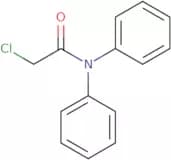
CAS:<p>2-Chloro-N,N-diphenylacetamide is a functional theory that has been shown to have antimicrobial activity against mammalian cells. It is an acetamide derivative with a formyl group and two chloro substituents. 2-Chloro-N,N-diphenylacetamide inhibits the growth of Mycobacterium tuberculosis by binding to the ribosomal protein P0, which inhibits the production of proteins vital for cell division. This drug also has antifungal properties, inhibiting the synthesis of ergosterol in filamentous fungi such as Candida albicans.<br>2-Chloro-N,N-diphenylacetamide is also known to inhibit the growth of other bacteria by binding to their ribosomes and interfering with protein synthesis. This drug may also be active against viruses due to its ability to bind chloride ions.</p>Formula:C14H12ClNOPurity:Min. 95%Molecular weight:245.7 g/molN-(2-Indol-3-ylethyl)-3-phenylprop-2-enamide
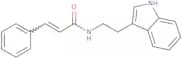
CAS:<p>N-(2-indol-3-ylethyl)-3-phenylprop-2-enamide is a serotonin analog that has been shown to inhibit the production of tryptophan decarboxylase in organisms. This compound has also been shown to be an inhibitor of the biosynthesis of p-coumaric acid, which is involved in the synthesis of lignin, phytoalexins, and other phenolic compounds. N-(2-indol-3-ylethyl)-3-phenylprop-2-enamide may be useful as a fungicide against pyricularia or as an antimicrobial against microbial infections.</p>Formula:C19H18N2OPurity:Min. 95%Color and Shape:PowderMolecular weight:290.36 g/molN-1,3-Benzodioxol-5-yl-2-chloroacetamide
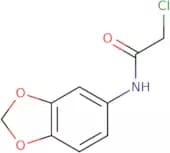
CAS:<p>Please enquire for more information about N-1,3-Benzodioxol-5-yl-2-chloroacetamide including the price, delivery time and more detailed product information at the technical inquiry form on this page</p>Formula:C9H8ClNO3Purity:Min. 95%Molecular weight:213.62 g/mol4-Amino-5-chloro-2,3-dihydro-N-[1-(3-methoxypropyl)-4-piperidinyl]-7-benzofurancarboxamide
CAS:<p>The drug 4-Amino-5-chloro-2,3-dihydro-N-[1-(3-methoxypropyl)-4-piperidinyl]-7-benzofurancarboxamide (BZP) is a histamine H2 receptor antagonist. It binds to the histamine H2 receptor in the stomach and duodenum, thereby blocking stomach acid production. BZP has been shown to be effective for treating symptoms of constipation or diarrhoea caused by inflammatory bowel disease or abdominal surgery. BZP also reduces the risk of relapse after surgery but does not affect long term efficacy. This drug is not available in the United States and has significant interactions with other drugs and symptoms including constipation, bowel disease, long term efficacy, and analytical method.</p>Formula:C18H26ClN3O3Purity:Min. 95%Color and Shape:White PowderMolecular weight:367.87 g/molPhenylmethanesulfonamide
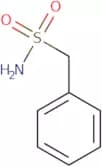
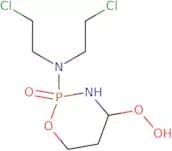
CAS:<p>Phenylmethanesulfonamide is a chemical compound that has been shown to inhibit the proliferation of cancer cells in vitro. This drug has also been shown to be effective in reducing inflammatory diseases, such as arthritis and asthma, which may be due to its ability to inhibit prostaglandin synthesis. Phenylmethanesulfonamide has shown anti-inflammatory properties, which may be due to its inhibition of prostaglandin synthesis.</p>Formula:C7H9NO2SPurity:Min. 95%Color and Shape:PowderMolecular weight:171.22 g/mol4-Hydroperoxy cyclophosphamide
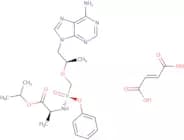
CAS:<p>4-Hydroperoxycyclophosphamide (4-HPPC) is a cytotoxic agent with anti-cancer properties. It is a prodrug that is converted to 4-hydroxycyclophosphamide, the active form of the drug, by hydrolases in cells. The cytotoxicity of 4-HPPC has been demonstrated using a model system of human erythrocytes and HL60 cells. This drug also has an effect on tumor growth and metastasis, as well as on bowel disease. Rats treated with 4-HPPC showed decreased levels of blood glucose, increased glutathione peroxidase activity, and a decrease in the number of colonic tumors after only one dose. The low-dose group had improved mitochondrial membrane potential and an increase in cell factor receptor activity. These results indicate that 4-HPPC may be a useful anti-cancer compound for treating various types of cancer including colon cancer.</p>Formula:C7H15Cl2N2O4PPurity:Min. 95%Color and Shape:PowderMolecular weight:293.08 g/molTenofovir alafenamide fumarate
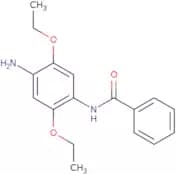
CAS:<p>Tenofovir alafenamide fumarate is a prodrug of tenofovir, an active antiretroviral agent. Tenofovir binds to the viral polymerase and blocks the synthesis of viral DNA. Tenofovir alafenamide fumarate is a prodrug that undergoes hydrolysis to form tenofovir. It has been shown to inhibit growth factor-β1, which may reduce the risk of opportunistic infections in people with HIV or AIDS. Tenofovir alafenamide fumarate has also been shown to be effective as an antiviral prophylaxis when used in combination with other drugs for active antiretroviral therapy.</p>Formula:C21H29N6O5P•C4H4O4Purity:Min. 95%Color and Shape:PowderMolecular weight:592.54 g/molN-(4-Amino-2,5-diethoxyphenyl)-benzamide
CAS:<p>4-Amino-2,5-diethoxyphenyl)benzamide is a small molecule that inhibits the enzyme activity of polymerase chain reaction (PCR), DNA topoisomerase I, and DNA gyrase. It has been shown to inhibit the growth of human leukemia cells in culture. 4-Amino-2,5-diethoxyphenyl)benzamide also inhibits rat liver microsomes and can be used for the treatment of neurodegenerative diseases.</p>Formula:C17H20N2O3Purity:Min. 95%Color and Shape:PowderMolecular weight:300.35 g/mol2-Hydroxy-N,N,N-trimethylethanaminium salt with 1,1,1-trifluoro-N-[(trifluoromethyl)sulfonyl]methanesulfonamide
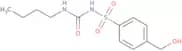
CAS:<p>2-Hydroxy-N,N,N-trimethylethanaminium salt with 1,1,1-trifluoro-N-[(trifluoromethyl)sulfonyl]methanesulfonamide is a hydroxyl group containing ionic liquid that has been used as an extractant. It is activated by a proton to form an oxyanion, which can be protonated again by the extractant to regenerate the ionic liquid. The thermodynamic properties of this ionic liquid are dependent on the concentration of solute and solvent. This ionic solute has been shown to inhibit bacterial growth and is toxic for animals.</p>Formula:C5H14NO•C2F6NO4S2Purity:Min. 95%Color and Shape:White PowderMolecular weight:384.32 g/molHydroxy tolbutamide
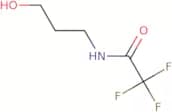
CAS:<p>Hydroxy tolbutamide is a drug with an unknown mechanism of action. It has been shown to inhibit the transcription-polymerase chain reaction and human serum in vitro. This drug may be used as a marker for renal disease, as it has been shown to increase the level of magnesium in urine and reduce the rate of protein synthesis in rat liver microsomes. Hydroxy tolbutamide also inhibits receptor activity, which may be due to its ability to inhibit the metabolic rate.</p>Formula:C12H18N2O4SPurity:Min. 95%Molecular weight:286.35 g/molN-(3-Hydroxypropyl)trifluoroacetamide
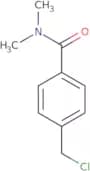
CAS:<p>N-(3-Hydroxypropyl)trifluoroacetamide is an alkaline hydrolysis product of 3-hydroxypropyl trifluoroacetate. It is a primary amino compound that can be used as an intermediate in the production of vinyl ethers and acetals. This chemical is used for the synthesis of vinyl acetals, which are important intermediates in the manufacturing of polymers.</p>Formula:C5H8F3NO2Purity:90%Color and Shape:PowderMolecular weight:171.12 g/mol4-(Chloromethyl)-N,N-dimethylbenzamide
CAS:<p>4-(Chloromethyl)-N,N-dimethylbenzamide is a versatile building block that can be used in the synthesis of various complex compounds. It is a versatile intermediate and can be used in reactions as a reagent or building block. 4-(Chloromethyl)-N,N-dimethylbenzamide is also a high-quality chemical with a CAS number of 121083-51-0. The compound has many applications, including being useful as a reaction component or scaffold for research chemicals and speciality chemicals.</p>Formula:C10H12ClNOPurity:Min. 95%Color and Shape:PowderMolecular weight:197.66 g/mol(8β)-N-[3-(Dimethylamino)propyl]-N-[(ethylamino)carbonyl] -6-(2-propen-1-yl)-ergoline-8-carboxamide
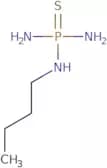
CAS:<p>Agonist of D2 dopamine receptors</p>Formula:C26H37N5O2Purity:Min. 95%Color and Shape:PowderMolecular weight:451.6 g/molN-(n-Butyl)thiophosphoric triamide
CAS:<p>N-(n-Butyl)thiophosphoric triamide is a triamide herbicide that inhibits the plant enzyme fatty acid synthase. It has been shown to inhibit the uptake of glycol ethers, such as glycol esters, into plants by acting on the glycol ester hydroxyl group. This chemical also inhibits the synthesis of fatty acids in plants and reduces lipid content in perennial ryegrass and solanum tuberosum. N-(n-Butyl)thiophosphoric triamide also inhibits nitrous oxide emissions from wastewater treatment plants.</p>Formula:C4H14N3PSPurity:Min. 95%Color and Shape:White PowderMolecular weight:167.21 g/molL-Alanine-β-naphthylamide
CAS:<p>L-alanine-β-naphthylamide is an amino acid that is synthesized by the action of β-Naphtholactamase on l-alanine. It is used as a substrate for enzyme studies and to determine the uptake of substances by cells. L-Alanine-β-naphthylamide has been shown to inhibit the activity of some enzymes, such as aminopeptidases and peptidases. The inhibition may be due to its ability to bind to lysine residues in the active site of these enzymes. This amino acid also inhibits the growth of bacteria at neutral pH and has a bacteriostatic effect at a pH range from 4.5 to 5.5.</p>Formula:C13H14N2OPurity:Min. 95%Color and Shape:PowderMolecular weight:214.26 g/mol2-Chloro-N-(2-ethyl-6-methylphenyl)propanamide
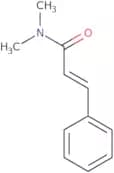
CAS:<p>Please enquire for more information about 2-Chloro-N-(2-ethyl-6-methylphenyl)propanamide including the price, delivery time and more detailed product information at the technical inquiry form on this page</p>Formula:C12H16ClNOPurity:Min. 95%Molecular weight:225.71 g/mol(2E)-N,N-Dimethyl-3-phenylprop-2-enamide
CAS:<p>2,2-diphenyl-N,N-dimethylpropeneamide (DPPA) is a disulfide compound that has photolytic, thermolytic and modelling properties. DPPA can be used to produce alkylcobalt complexes with various substituents at the α position of the phenyl ring. The lactam structure of DPPA has been shown to undergo thermolysis at temperatures of 250°C in a vacuum. Cinnamic acids have been shown to form lactams with DPPA as well as cinnamic acid derivatives. Molecular modelling studies have been conducted on 2,2-diphenyl-N,N-dimethylpropeneamide and its molecular interactions with styrene and amido groups.</p>Formula:C11H13NOPurity:Min. 95%Color and Shape:PowderMolecular weight:175.23 g/molN,O-Bis(trimethylsilyl) acetamide
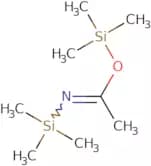
CAS:<p>N,O-Bis(trimethylsilyl) acetamide is a protein that is used as a reagent for the detection of integrin receptors. It can be used to identify human immunoglobulin and human serum proteins. This compound has been shown to be pluripotent in cells, which means that it can differentiate into any type of cell. N,O-Bis(trimethylsilyl) acetamide has been shown to have surfactant properties and can be used as an alternative in toxicity studies. This compound has been shown to be toxic to bowel disease cells when tested with a dose of 3mg/mL. The disulfide bond within this molecule may be important for its biological activity. Synchronous fluorescence spectroscopy and plasma mass spectrometry are two methods that have been used to study the structure of this molecule. Electrochemical impedance spectroscopy is another method that has been used in the structural analysis of this molecule.</p>Formula:C8H21NOSi2Purity:Min. 95 Area-%Color and Shape:Colorless Yellow Clear LiquidMolecular weight:203.43 g/molN-Isopropylacrylamide
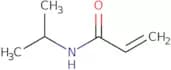
CAS:<p>N-Isopropylacrylamide is a biocompatible polymer that is used in the preparation of polymers. It is a solid phase microextraction material that is used in sample preparation and purification. N-Isopropylacrylamide has a phase transition temperature of -5°C and can be polymerized to form a polymer. This polymerization process can be done with or without catalysts, which are required for the formation of many other types of polymers. N-Isopropylacrylamide has been shown to have good affinity for human serum and wastewater treatment effluent samples, as well as for chitosan polymer surfaces. The kinetic data show that this polymer possesses high capacity for trifluoroacetic acid (TFA) reactivity, which makes it suitable for use in reaction solutions.</p>Formula:C6H11NOPurity:Min. 98.5 Area-%Color and Shape:White PowderMolecular weight:113.16 g/mol3-Aminobenzamide
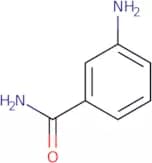
CAS:<p>3-Aminobenzamide is a drug that has been shown to be effective in the treatment of temozolomide-induced neuronal death. 3-Aminobenzamide inhibits the synthesis of ATP and blocks its binding to the atp-binding cassette transporter, which prevents the transport of this nucleotide into cells. This results in cell death due to insufficient energy metabolism and inability to repair DNA damage. 3-Aminobenzamide also increases production of reactive oxygen species, which are involved in reperfusion injury and myocardial infarcts. 3-Aminobenzamide is used as a model system for studying DNA repair and energy metabolism.</p>Formula:C7H8N2OPurity:Min. 95%Color and Shape:PowderMolecular weight:136.15 g/mol(E)-N-(3-Methylaminopropyl)-2-thiopheneacrylamide
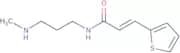
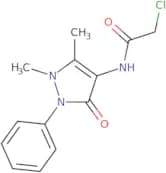
CAS:<p>(E)-N-(3-Methylaminopropyl)-2-thiopheneacrylamide is a high quality chemical that can be used as an intermediate in the synthesis of complex compounds. It is also a useful scaffold and building block for the synthesis of speciality chemicals with versatile reactions.</p>Formula:C11H16N2OSPurity:Min. 95%Color and Shape:Colorless Clear LiquidMolecular weight:224.32 g/mol2-Chloro-N-(1,5-dimethyl-3-oxo-2-phenyl-2,3-dihydro-1H-pyrazol-4-yl)acetamide
CAS:<p>2-Chloro-N-(1,5-dimethyl-3-oxo-2-phenyl-2,3-dihydro-1H-pyrazol-4-yl)acetamide (CPA) is a chemical compound that belongs to the class of phenyl pyrazoles. It has a thermal stability and is soluble in organic solvents. CPA crystallizes in the monoclinic system with the space group P21/c, with the following unit cell parameters: a = 8.943(4) Å, b = 7.878(3) Å, c = 17.834(6) Å, α = 90°, β = 112° and γ = 90°. In this crystal structure, there are two molecules of chloride per molecule of CPA. The crystal x ray diffraction pattern showed that this compound forms dimers in solution at room temperature and can be dissolved</p>Formula:C13H14ClN3O2Purity:Min. 95%Molecular weight:279.72 g/molCinnamamide
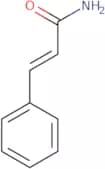
CAS:<p>Cinnamamide is a natural compound that is structurally related to the amino acid lysine and has been shown to regulate skin cell proliferation. Cinnamamide has also been found to be an effective inhibitor of the mitochondrial membrane potential in human erythrocytes. It has been shown to inhibit the production of reactive oxygen species (ROS) and reverse oxidative damage in cells, which may reduce the risk of developing autoimmune diseases. Cinnamamide is also able to prevent cell death caused by epidermal growth factor (EGF) withdrawal and induce apoptosis in HL-60 cells.</p>Formula:C9H9NOPurity:Min. 95%Color and Shape:White Off-White PowderMolecular weight:147.17 g/mol2,3-Diaminobenzamide
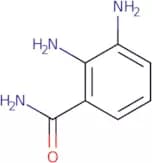
CAS:<p>2,3-Diaminobenzamide is a synthetic aromatic compound that is used as a radiation stabilizer. It is also an effective antimicrobial agent with reactive properties against bacteria and fungi. 2,3-Diaminobenzamide has been shown to have anti-cancer properties and can be used to treat inflammatory diseases such as rheumatoid arthritis or ulcerative colitis. The intramolecular hydrogen bond between the amide group and the benzene ring in 2,3-diaminobenzamide contributes to its stability and biological activity.</p>Formula:C7H9N3OPurity:Min. 95%Color and Shape:PowderMolecular weight:151.17 g/mol2-Piperazin-1-ylacetamide
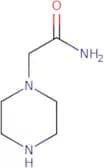
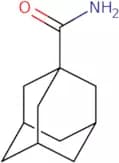
CAS:<p>2-Piperazin-1-ylacetamide hydrochloride is a drug that binds to the protein PCSK9, which transports cholesterol into cells. It blocks the transport of cholesterol and therefore lowers the level of cholesterol in blood. 2-Piperazin-1-ylacetamide hydrochloride is used for the treatment of bowel disease, atrial fibrillation (a type of irregular heartbeat), congestive heart failure, and as an anti-viral agent. This drug has been shown to reduce levels of LDL cholesterol by up to 60%. 2-Piperazin-1-ylacetamide hydrochloride has also been shown to be effective against cancers such as prostate cancer and inflammatory bowel disease.</p>Formula:C6H13N3OPurity:Min. 95%Molecular weight:143.19 g/mol1-Adamantane carboxamide
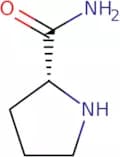
CAS:<p>1-Adamantane carboxamide is a potent inhibitor of amines and its activity has been tested with a reaction solution. The chemical structure of 1-adamantane carboxamide is shown in Figure 1. This molecule also has inhibitory effects on insulin resistance and nervous system diseases. It was found to have an inhibitory effect on the enzyme DOPA decarboxylase, which is involved in the synthesis of dopamine, norepinephrine and epinephrine. The inhibition of this enzyme leads to increased levels of dopamine in the brain, which can lead to improved cognition, mood and motor skills. 1-Adamantane carboxamide also has a hydroxyl group that mimics the polarizer in biomimetic molecules.</p>Formula:C11H17NOPurity:Min. 95%Color and Shape:PowderMolecular weight:179.26 g/molD-Proline amide
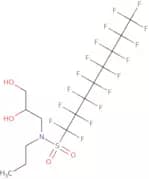
CAS:<p>Intermediate in the synthesis of vildagliptin</p>Formula:C5H10N2OPurity:Min. 95%Color and Shape:PowderMolecular weight:114.15 g/molN-Propyl-N-(2,3-dihydroxypropyl)perfluoro-n-octylsulfonamide
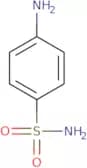
CAS:Controlled Product<p>N-Propyl-N-(2,3-dihydroxypropyl)perfluoro-n-octylsulfonamide is a fine chemical that can be used as a reagent and speciality chemical. It is a versatile building block that can react with other compounds to produce new products. The compound is a complex compound that has been shown to have high quality in the laboratory.</p>Formula:C14H14F17NO4SPurity:Min. 95%Color and Shape:PowderMolecular weight:615.3 g/molSulphanilamide
CAS:<p>Sulphanilamide is an antimicrobial agent that inhibits the growth of bacteria by binding to their enzymes and blocking protein synthesis. In addition, sulphanilamide has been shown to inhibit the production of sulfanilamide, a potent inhibitor of tetracycline. Sulphanilamide is soluble in water and alcohol but not in organic solvents. The solubility of sulphanilamide can be increased by adding sodium salts or pH adjustment. Sulphanilamide is also used for wastewater treatment as it has inhibitory properties against sulfate-reducing bacteria. X-ray crystal structures have revealed that sulphanilamide binds to the active site of bacterial beta-lactamases through hydrogen bonds with both the NH group and the COOH group on its sulfur atom, resulting in inhibition of these enzymes. Sulphanilamide also interferes with bacterial DNA replication by inhibiting dna gyrase and topoisomerase IV. Sulphanilamide also</p>Formula:C6H8N2O2SColor and Shape:PowderMolecular weight:172.21 g/mol2-Amino-N-[2-(2-chlorobenzoyl)-4-nitrophenyl]acetamide
CAS:<p>2-Amino-N-[2-(2-chlorobenzoyl)-4-nitrophenyl]acetamide is a fine chemical that is used as a building block in organic synthesis. It is a versatile intermediate for the synthesis of other compounds and can be used to make a variety of useful scaffolds. 2-Amino-N-[2-(2-chlorobenzoyl)-4-nitrophenyl]acetamide has been used in research and development of pharmaceuticals, agrochemicals, herbicides, and other compounds.</p>Formula:C15H12ClN3O4Purity:Min. 95%Color and Shape:Slightly Yellow PowderMolecular weight:333.73 g/molN-Dechloroethyl cyclophosphamide
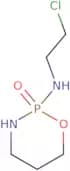
CAS:<p>N-Dechloroethyl cyclophosphamide is a metabolic inhibitor that is used in the treatment of cancer. It is classified as an alkylating agent and inhibits ribonucleotide reductase, which prevents the production of DNA, RNA, and protein. The chemical ionization technique has been used to measure the concentration of this compound in human liver and urine samples. N-Dechloroethyl cyclophosphamide can be analyzed using chromatography or mass spectrometry methods.</p>Formula:C5H12ClN2O2PPurity:Min. 95%Color and Shape:PowderMolecular weight:198.59 g/mol3,4-Dichlorobenzamide
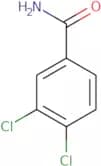
CAS:<p>3,4-Dichlorobenzamide is a synthetic opioid analgesic that binds to the μ-opioid receptor. It has a side-effect profile that is similar to other opioids, with an addiction risk and potential for abuse. 3,4-Dichlorobenzamide has been used in the synthesis of new drugs, such as phenazepam (a benzodiazepine) and etizolam (a thienodiazepine). This drug is chiral and can be synthesized in two stereoisomeric forms: 3-(+)-chloro-N-(2-chlorophenyl)benzamide and 3-(−)-chloro-N-(2-chlorophenyl)benzamide. The former form is marketed under the trade name Analgin, while the latter form is marketed under the trade name Etilex. The (+) form of this drug has a higher affinity for μ receptors than the (−) form.</p>Formula:C7H5Cl2NOPurity:Min. 95%Molecular weight:190.03 g/molFlutamide
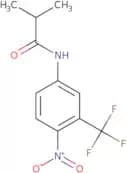
CAS:<p>Non-steroidal androgen receptor antagonist</p>Formula:C11H11F3N2O3Purity:Min. 95%Color and Shape:Off-White PowderMolecular weight:276.21 g/mol2-Methylbenzamide
CAS:<p>2-Methylbenzamide is an amide with a carbonyl group and an intramolecular hydrogen. It has been shown to have synergic effects when combined with piperonyl butoxide in the treatment of autoimmune diseases. This synergistic effect is due to the inhibition of inflammatory mediator release, which can be achieved by blocking the enzyme cyclooxygenase-2. 2-Methylbenzamide has also been shown to inhibit deuterium isotope effect in cd-1 mice, which could make it beneficial for patients who are unable to tolerate other drugs.</p>Formula:C8H9NOPurity:Min. 95%Color and Shape:White PowderMolecular weight:135.16 g/mol2-(2,4-dichlorophenoxy)-N-(6-methoxy(3-pyridyl))ethanamide
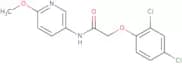
CAS:<p>Please enquire for more information about 2-(2,4-dichlorophenoxy)-N-(6-methoxy(3-pyridyl))ethanamide including the price, delivery time and more detailed product information at the technical inquiry form on this page</p>Purity:Min. 95%3-[(Aminocarbonyl)amino]-5-[4-(morpholin-4-ylmethyl)phenyl]thiophene-2-carboxamide
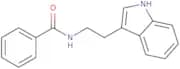
CAS:<p>3-[(Aminocarbonyl)amino]-5-[4-(morpholin-4-ylmethyl)phenyl]thiophene-2-carboxamide is a chemical inhibitor that inhibits the activity of kinases. It has been shown to be cytotoxic against cancer cells and to induce apoptosis through a number of different mechanisms. 3-[(Aminocarbonyl)amino]-5-[4-(morpholin-4-ylmethyl)phenyl]thiophene-2-carboxamide binds to DNA and induces DNA repair, which can lead to cell death. This drug also has an anti-inflammatory effect, which may be due to its ability to inhibit pro-inflammatory cytokines such as TNFα and IL1β.</p>Formula:C17H20N4O3SPurity:Min. 95%Color and Shape:PowderMolecular weight:360.43 g/molN-(2-Indol-3-ylethyl)benzamide
CAS:<p>N-(2-indol-3-ylethyl)benzamide (4-AIBA) is a functional, health functional food. It has shown anticancer activity in a human colon carcinoma cell line, and it inhibits the production of nitrous oxide from inducible nitric oxide synthase, which is important for tumor invasion. 4-AIBA also inhibits tyrosinase activity, an enzyme that is involved in melanin synthesis. This inhibition may be beneficial to skin conditions such as acne or pigmentation disorders. The compound also inhibits the degranulation of mast cells and stimulates cell proliferation in rat mesenteric lymph nodes.</p>Formula:C17H16N2OPurity:Min. 95%Color and Shape:PowderMolecular weight:264.32 g/molN-(2,6-Dimethylphenyl)-1-piperazineacetamide
CAS:<p>N-(2,6-Dimethylphenyl)-1-piperazineacetamide is a byproduct of solvents and stabilizers. It has been found to be a crystalline solid with a molecular weight of 233.3 g/mol. The crystal structure was determined and found to be composed of two molecules of acetamide that are connected through hydrogen bonds. N-(2,6-Dimethylphenyl)-1-piperazineacetamide is soluble in ethanol and ether, but insoluble in water. This compound interacts with other substances, such as recrystallizing or substituting acetamides.</p>Formula:C14H21N3OPurity:Min. 95%Molecular weight:247.34 g/mol2-Amino-N-[2-(5-methoxy-1H-indol-3-yl)ethyl]acetamide hydrochloride
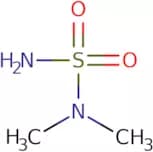
CAS:<p>2-Amino-N-[2-(5-methoxy-1H-indol-3-yl)ethyl]acetamide hydrochloride is a magnetic compound that has been shown to be an effective cancer antigen. It is a derivative of the amino acid sequence of α,β-unsaturated fatty acids and can be used as a dietary supplement. 2-Amino-N-[2-(5-methoxy-1H-indol-3-yl)ethyl]acetamide hydrochloride has been shown to bind to fatty acid receptors on the surface of antigen presenting cells (APCs). It also activates the immune system by activating APCs, which leads to the production of cytokines and chemokines. This compound has also been shown to stimulate T cells in culture, leading to activation and proliferation of tumor cells.</p>Formula:C13H17N3O2·HClPurity:Min. 95%Color and Shape:PowderMolecular weight:283.75 g/molN,N-Dimethylsulfamide
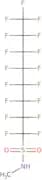
CAS:<p>N,N-Dimethylsulfamide (DMS) is a chemical compound with a molecular formula of CH3SO2NH2 that is used as an industrial solvent. It is an environmental biocide that can be used to treat wastewater and as a sample preparation agent, such as for chemical ionization in gas chromatography. DMS has been shown to have biological properties that are active against mammalian cells, but not against bacteria. This property may be due to the presence of nitrogen atoms in the molecule's structure that are capable of forming coordination complexes with metals such as copper and iron.</p>Formula:C2H8N2O2SPurity:Min. 98 Area-%Color and Shape:White Off-White PowderMolecular weight:124.16 g/mol1,1,2,2,3,3,4,4,5,5,6,6,7,7,8,8,8-Heptadecafluoro-N-methyloctane-1-sulfonamide
CAS:Controlled Product<p>1,1,2,2,3,3,4,4,5,5,6,6,7,7,8,8-heptadecafluoro-N-methyloctane-1-sulfonamide is a perfluorinated sulfonate that is used as a surfactant in wastewater treatment and to package food. This compound is not water soluble and requires an organic solvent to dissolve it. It has been shown that the use of 1HFAFMS can reduce the amount of phosphates in packaging materials by up to 50%. 1HFAFMS also has been found to be safe for humans and does not accumulate in the environment. It does not bioaccumulate and is rapidly excreted through urine.</p>Formula:C9H4F17NO2SPurity:Min. 95%Color and Shape:PowderMolecular weight:513.17 g/mol3-(Dimethylphosphono)-N-methylolpropionamide
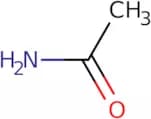
CAS:<p>Dimethylphosphonoacetamide (DMPPA) is a phosphorus-containing compound that is used as an intermediate in the synthesis of fatty acids. DMPPA can be synthesized by the reaction of ethylene diamine and phosphorus pentoxide, which is a common reagent for preparing phosphorus compounds. The reaction mechanism has been studied using electrochemical impedance spectroscopy. This study revealed that DMPPA can be converted to a water-soluble product by treatment with water vapor or by adding cotton. In addition, the kinetic data obtained from this study showed that the reaction rate was affected by temperature and the type of solvent used. The frequency shift observed during this study indicated that nitrogen atoms are involved in the reaction mechanism.</p>Formula:C6H14NO5PPurity:(%) Min. 80%Molecular weight:211.15 g/molAcetamide
CAS:<p>Acetamide is an acyclic nucleoside phosphonate with a basic structure. Acetamide is metabolized to the corresponding ester hydrochloride, which has been shown to inhibit the polymerase chain reaction. This inhibition may be due to the effector proteins that are inactivated by acetamide, or it could be due to radiation-induced changes in the amide bond of the enzyme. Acetamide and its ester hydrochloride have been shown to inhibit skin cancer cells and carcinoma cell lines.</p>Formula:C2H5NOColor and Shape:Colorless Clear LiquidMolecular weight:59.07 g/molN-α-[2,4-Dinitro-5-fluorophenyl]-L-valine amide
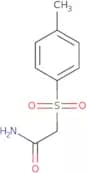
CAS:<p>N-alpha-[2,4-Dinitro-5-fluorophenyl]-L-valine amide is an acidic amino acid that is used as a reagent in organic synthesis. It has been shown to have amide and hydrogen bond properties. This compound has been shown to be involved in the biosynthesis of carboxylic acids and primary amino acids. It also absorbs UV light at 265 nm and can be used for determination of uv absorption using high performance liquid chromatography (HPLC).</p>Formula:C11H13N4O5FPurity:Min. 95%Color and Shape:Yellow PowderMolecular weight:300.24 g/mol2-((4-Methylphenyl)sulfonyl)ethanamide
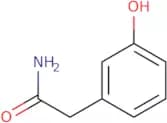
CAS:<p>2-((4-Methylphenyl)sulfonyl)ethanamide is an amide that has been shown to have antibacterial activity. It binds to the DNA of bacteria, inhibiting its replication and transcription. This drug also inhibits the growth of influenza virus in cell culture. 2-((4-Methylphenyl)sulfonyl)ethanamide is a sensor for chloride ions, which may be used as treatments for bacterial infections. This drug is also able to inhibit the replication of bacteria that are resistant to other antibiotics, such as penicillin. The unsaturated alkyl group on this molecule allows it to be activated by radiation treatment, which may be useful in the treatment of cancer cells or viral infections.</p>Formula:C9H11NO3SPurity:Min. 95%Color and Shape:PowderMolecular weight:213.25 g/mol2-(3-Hydroxyphenyl)acetamide
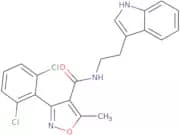
CAS:<p>2-(3-Hydroxyphenyl)acetamide (2HPA) is a sulfonamidochrysoidine compound with analgesic, antipyretic and anti-inflammatory effects. It is used in the treatment of gout, rheumatoid arthritis, osteoarthritis and other inflammatory diseases. 2HPA has been shown to be effective in the treatment of pain following dental surgery. 2HPA is also used as a marker for dietary intake of sulfate and may be a useful indicator for determining the effect of changes in diet on urinary excretion rates. The elimination half-life of 2HPA is approximately 3 hours in humans. This drug can be detected in urine samples from humans within 24 hours after ingestion at concentrations that are proportional to dose.</p>Formula:C8H9NO2Purity:Min. 95%Color and Shape:PowderMolecular weight:151.16 g/mol(3-(2,6-dichlorophenyl)-5-methylisoxazol-4-yl)-N-(2-indol-3-ylethyl)formamide
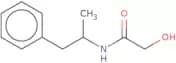
CAS:<p>Please enquire for more information about (3-(2,6-dichlorophenyl)-5-methylisoxazol-4-yl)-N-(2-indol-3-ylethyl)formamide including the price, delivery time and more detailed product information at the technical inquiry form on this page</p>Purity:Min. 95%2-Hydroxy-N-(1-phenylpropan-2-yl)acetamide
CAS:Controlled Product<p>2-Hydroxy-N-(1-phenylpropan-2-yl)acetamide is a versatile building block that can be used as a reagent or research chemical. This compound is an intermediate in the synthesis of many other organic compounds and has been shown to be useful for the production of pharmaceuticals, agrochemicals, and other industrial chemicals. The CAS number for this compound is 99985-83-8.</p>Formula:C11H15NO2Purity:Min. 95%Color and Shape:PowderMolecular weight:193.24 g/mol


![Pigment YellOw 5;2-[(2-NitrOphenyl)azO]-3-OxO-N-phenylbutanamide](/_next/image/?url=https%3A%2Fstatic.cymitquimica.com%2Fproducts%2F3D%2Fthumb-webp%2FFP40385.webp&w=3840&q=75)
![4-Amino-5-chloro-2,3-dihydro-N-[1-(3-methoxypropyl)-4-piperidinyl]-7-benzofurancarboxamide](/_next/image/?url=https%3A%2Fstatic.cymitquimica.com%2Fproducts%2F3D%2Fthumb-webp%2FFA27248.webp&w=3840&q=75)
![2-Hydroxy-N,N,N-trimethylethanaminium salt with 1,1,1-trifluoro-N-[(trifluoromethyl)sulfonyl]metha…](/_next/image/?url=https%3A%2Fstatic.cymitquimica.com%2Fproducts%2F3D%2Fthumb-webp%2FFH103048.webp&w=3840&q=75)
![(8β)-N-[3-(Dimethylamino)propyl]-N-[(ethylamino)carbonyl] -6-(2-propen-1-yl)-ergoline-8-carboxamide](/_next/image/?url=https%3A%2Fstatic.cymitquimica.com%2Fproducts%2F3D%2Fthumb-webp%2FFD19622.webp&w=3840&q=75)


![2-Amino-N-[2-(2-chlorobenzoyl)-4-nitrophenyl]acetamide](/_next/image/?url=https%3A%2Fstatic.cymitquimica.com%2Fproducts%2F3D%2Fthumb-webp%2FFA17795.webp&w=3840&q=75)

![3-[(Aminocarbonyl)amino]-5-[4-(morpholin-4-ylmethyl)phenyl]thiophene-2-carboxamide](/_next/image/?url=https%3A%2Fstatic.cymitquimica.com%2Fproducts%2F3D%2Fthumb-webp%2FFA18119.webp&w=3840&q=75)

![2-Amino-N-[2-(5-methoxy-1H-indol-3-yl)ethyl]acetamide hydrochloride](/_next/image/?url=https%3A%2Fstatic.cymitquimica.com%2Fproducts%2F3D%2Fthumb-webp%2FFA116384.webp&w=3840&q=75)

![N-α-[2,4-Dinitro-5-fluorophenyl]-L-valine amide](/_next/image/?url=https%3A%2Fstatic.cymitquimica.com%2Fproducts%2F3D%2Fthumb-webp%2FFD48428.webp&w=3840&q=75)