Carboxylic Acids
Carboxylic acids are organic molecules characterized by having a carboxyl-type functional group (-COOH). These acids are fundamental in various chemical reactions, including esterification, amidation, and decarboxylation. Carboxylic acids are widely used in the production of pharmaceuticals, polymers, and agrochemicals. In this section, you can find a large number of carboxylic acids ready to be used. At CymitQuimica, we provide a broad range of high-quality carboxylic acids to support your research and industrial applications.
Found 12453 products of "Carboxylic Acids"
Sort by
Purity (%)
0
100
|
0
|
50
|
90
|
95
|
100
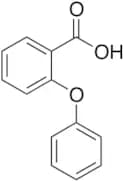
2-Phenoxybenzoic Acid
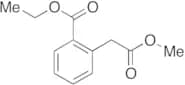
CAS:Controlled Product<p>Applications 2-PHENOXYBENZOIC ACID (cas# 2243-42-7) is a useful research chemical.<br></p>Formula:C13H10O3Color and Shape:NeatMolecular weight:214.222-(Ethoxycarbonyl) Methyl Ester Benzeneacetic Acid
CAS:Controlled ProductFormula:C12H14O4Color and Shape:NeatMolecular weight:222.2374-Nitrobenzyl Acetoacetate
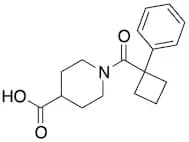
CAS:Controlled Product<p>Applications 4-Nitrobenzyl Acetoacetate acts as a reagent in the preparation of panipenem via esterification of nitrobenzyl alcohol followed by substitution, cyclizations and hydrogenation. Panipenem I is a new carbapenem antibiotic for the treatment of inflammation.<br>References Fang, H., et al.: hongguo Yaowu Huaxue Zazhi, 21, 216 (2011)<br></p>Formula:C11H11NO5Color and Shape:NeatMolecular weight:237.211-(1-Phenylcyclobutanecarbonyl)piperidine-4-carboxylic Acid
CAS:Controlled Product<p>Applications 1-(1-phenylcyclobutanecarbonyl)piperidine-4-carboxylic acid (cas# 1099048-69-7) is a useful research chemical.<br></p>Formula:C17H21NO3Color and Shape:NeatMolecular weight:287.353(3S,7S,22S)-26-Amino-5,13,20-trioxo-4,6,12,21-tetraazahexacosane-1,3,7,22-tetracarboxylic Acid
CAS:Controlled ProductFormula:C26H45N5O11Color and Shape:NeatMolecular weight:603.6624-Isopropylphenylacetic Acid
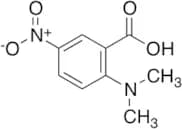
CAS:Controlled Product<p>Applications 4-Isopropylphenylacetic acid (cas# 4476-28-2) is a useful research chemical.<br></p>Formula:C11H14O2Color and Shape:NeatMolecular weight:178.222-(Dimethylamino)-5-nitrobenzoic Acid
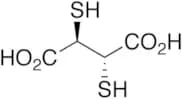
CAS:Controlled ProductFormula:C9H10N2O4Color and Shape:NeatMolecular weight:210.187meso-2,3-Dimercaptosuccinic Acid
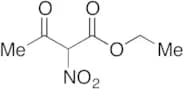
CAS:<p>Applications meso-2,3-Dimercaptosuccinic Acid is used as a chelating agent and masking agent for cadmium in EDTA titration of zinc.<br>References Cavanillas, S., et al.: Anal. Chim. Acta., 746, 47 (2012); Liu, Y.X.,et al.: Adv. Materials. Res., 455, 1221 (2012); Banner, B., et al.: Clin. Toxicol., 50, 266 (2012);<br></p>Formula:C4H6O4S2Color and Shape:White Crystalline PowderMolecular weight:182.22Ethyl Nitroacetoacetate
CAS:Controlled ProductFormula:C6H9NO5Color and Shape:NeatMolecular weight:175.139Thieno[3,2-b]thiophene-2-carboxylic Acid
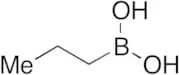
CAS:Controlled ProductFormula:C7H4O2S2Color and Shape:NeatMolecular weight:184.236N-Propylboronic Acid
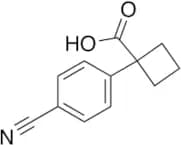
CAS:Controlled Product<p>Applications N-Propylboronic Acid is a chemical reagent used in the synthesis of pharmaceutical agents such as inhibitors of mTOR for use in anti-tumor treatments. Also used to synthesize endothelial lipase inhibitors<br>References Takeuchi, C. et al.: J. Med. Chem., 56, 2218 (2013); O'Connell, D. et al.: Bioorg. Med. Chem. Lett., 22, 1397 (2012);<br></p>Formula:C3H9BO2Color and Shape:NeatMolecular weight:87.911-(4-Cyanophenyl)cyclobutanecarboxylic Acid
CAS:Controlled ProductFormula:C12H11NO2Color and Shape:NeatMolecular weight:201.2213-[[[3-(Aminomethyl)-5-methyl-1-oxohexyl]amino]methyl]-5-methyl-hexanoic Acid
CAS:Controlled Product<p>Applications 3-[[[3-(Aminomethyl)-5-methyl-1-oxohexyl]amino]methyl]-5-methyl-hexanoic Acid is an intermediate in synthesizing 4,9-Diisobutyl-1,6-diazecane-2,7-dione (D456300), an impurity of rac-Pregabalin (P704800) which is a GABA analogue used as an anticonvulsant.<br>References Taylor, C.P., at al.: Epilepsy Res., 14, 11 (1993), Field, M.J., et al.: Pain, 80, 391 (1999)<br></p>Formula:C16H32N2O3Color and Shape:NeatMolecular weight:300.44Methyl (1R,4S)-4-[[(1,1-Dimethylethoxy)carbonyl]amino]-2-cyclopentene-1-carboxylic Acid Ester
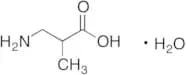
CAS:Controlled Product<p>Applications Methyl (1R,4S)-4-[[(1,1-Dimethylethoxy)carbonyl]amino]-2-cyclopentene-1-carboxylic Acid Ester is used in the discovery of a potent, selective and orally bioavailable dual CCR2 and CCR5 antagonist.<br>References Zheng, C., et al.: Bioorg. Med. Chem. Lett., 21, 1442-1446 (2011)<br></p>Formula:C12H19NO4Color and Shape:NeatMolecular weight:241.284DL-3-Aminoisobutyric Acid Hydrate
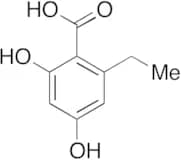
CAS:Controlled Product<p>Applications DL-3-aminoisobutyric acid hydrate is a useful research chemical for organic synthesis and other chemical processes.<br>References Saito, N., et al.: Bunseki Kagaku, 63, 909 (2014)<br></p>Formula:C4H9NO2·H2OColor and Shape:NeatMolecular weight:103.12 + (18.02)2-Ethyl-4,6-dihydroxybenzoic acid
CAS:Controlled ProductFormula:C9H10O4Color and Shape:NeatMolecular weight:182.173tert-Butyl (3-(2-(2-(3-Aminopropoxy)ethoxy)ethoxy)propyl)carbamate
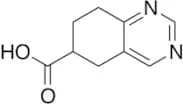
CAS:Controlled Product<p>Applications tert-Butyl (3-(2-(2-(3-Aminopropoxy)ethoxy)ethoxy)propyl)carbamate is used as a reactant in the synthesis of gallium-labeled PET imaging agents for CXCR4 for potential cancer diagnosis.<br>References Poty, Sophie, et al.: Bioconjugate Chem., 27(3), 752-761 (2016)<br></p>Formula:C15H32N2O5Color and Shape:NeatMolecular weight:320.425,6,7,8-tetrahydroquinazoline-6-carboxylic acid
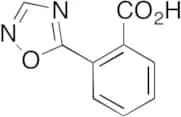
CAS:Controlled Product<p>Applications 5,6,7,8-tetrahydroquinazoline-6-carboxylic acid (cas# 1369096-46-7) is a useful research chemical.<br></p>Formula:C9H10N2O2Color and Shape:NeatMolecular weight:178.192-(1,2,4-Oxadiazol-5-yl)benzoic Acid
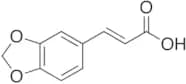
CAS:Controlled ProductFormula:C9H6N2O3Color and Shape:NeatMolecular weight:190.155(2E)-3-(1,3-Benzodioxol-5-yl)-2-propenoic Acid
CAS:Controlled Product<p>Applications Substituted cinnamic and dihydrocinnamic acids show anti-inflammatory and analgesic activity, with cinnamic acids being more biologically active.<br>References Runwal, L. et al.: Eastern Pharmacist 38, 141 (1995)<br></p>Formula:C10H8O4Color and Shape:Off-WhiteMolecular weight:192.17Monoperoxyphthalic Acid
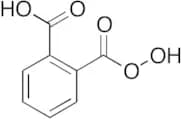
CAS:Controlled ProductFormula:C8H6O5Color and Shape:NeatMolecular weight:182.13{[(4-fluorophenyl)methyl]carbamoyl}formic Acid
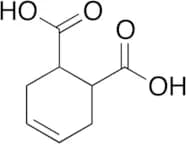
CAS:Controlled ProductFormula:C9H8FNO3Color and Shape:NeatMolecular weight:197.163(R,R)-rel-Cyclohex-4-ene-1,2-dicarboxylic Acid
CAS:Controlled ProductFormula:C8H10O4Color and Shape:NeatMolecular weight:170.163(2S,5R)-5-[(tert-Butoxycarbonyl)amino]tetrahydro-2H-pyran-2-carboxylic Acid
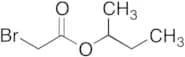
CAS:Controlled ProductFormula:C11H19NO5Color and Shape:NeatMolecular weight:245.272sec-Butyl 2-Bromoacetate
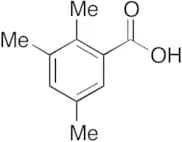
CAS:Controlled ProductFormula:C6H11BrO2Color and Shape:NeatMolecular weight:195.054γ-Isodurylic Acid
CAS:Controlled Product<p>Applications γ-Isodurylic Acid is an intermediate in the synthesis of Ketoprofen (K200800) related compounds.<br>References Colomina, M., et al.: J. Chem. Thermodynamics., 19, 1139 (1987);<br></p>Formula:C10H12O2Color and Shape:NeatMolecular weight:164.23-Amino-3-(3-(p-tolyloxy)phenyl)propanoic Acid
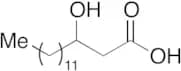
CAS:Controlled Product<p>Applications 3-Amino-3-(3-(p-tolyloxy)phenyl)propanoic Acid is a useful chemical reagent.<br></p>Formula:C16H17NO3Color and Shape:NeatMolecular weight:271.311rac-3-Hydroxypentadecanoic Acid
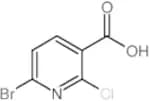
CAS:Controlled ProductFormula:C15H30O3Color and Shape:NeatMolecular weight:258.3976-Bromo-2-chloronicotinic Acid
CAS:Controlled Product<p>Applications 6-Bromo-2-chloronicotinic acid<br></p>Formula:C6H3BrClNO2Color and Shape:NeatMolecular weight:236.451Methyl Methoxyacetate
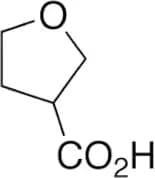
CAS:Controlled Product<p>Applications Methyl Methoxyacetate is a reagent used in the synthesis of diphenylamine-terepthalaldehyde resins which maybe be used as a catalyst for tetrahydropyranylation.<br>References Tanemura, K. et al.: Org. Prep. Proc. Int., 48, 72 (2016); By: Robiette, R. et al.: J. Am. Chem. Soc., 138, 737 (2016);<br></p>Formula:C4H8O3Color and Shape:NeatMolecular weight:104.1Tetrahydro-3-furoic Acid
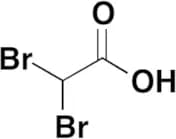
CAS:Controlled Product<p>Applications Used in the synthesis of anti-tumor compounds comprising of hydroxyisovalerylshikonin analogs. Furthermore, the compound is a reagent in the synthesis of class II c-Met inhibitors, in the treatment of c-Met dependant tumors.<br>References Rao, Z. et al.: Eur. J. Med. Chem., 46, 3934 (2011); Liu, L. et al.: J. Med. Chem., 55, 1868 (2012);<br></p>Formula:C5H8O3Color and Shape:NeatMolecular weight:116.12Dibromoacetic Acid
CAS:<p>Applications Dibromoacetic Acid is a halogenated disinfection byproduct. Dibromoacetic Acid was found to induce apoptotic changes and hydroxyl radical formation in human peripheral blood mononuclear cells (PBMCs). Dibromoacetic Acid also found to exhibit carcinogenic activity in which mice and rats were exposed to drinking water containing different concentrations of Dibromoacetic Acid that resulted in increased incidences of mononuclear cell leukemia, malignant mesothelioma, hepatocellular neoplasms, and hepatoblastoma.<br> Not a dangerous good if item is equal to or less than 1g/ml and there is less than 100g/ml in the package<br>References Michalowicz, J., et al.: Toxicol. In Vitro 29, 1416 (2015); Natl Toxicol Program Tech Rep Ser. 537, 1 (2007)<br></p>Formula:C2H2Br2O2Color and Shape:BeigeMolecular weight:217.842-[(Ethoxycarbonyl)oxy]-acetic Acid
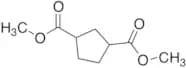
CAS:Controlled ProductFormula:C5H8O5Color and Shape:NeatMolecular weight:148.114Dimethyl cyclopentane-1,3-dicarboxylate
CAS:Controlled Product<p>Applications Dimethyl cyclopentane-1,3-dicarboxylate (cas# 2435-36-1) is a useful research chemical.<br></p>Formula:C9H14O4Color and Shape:NeatMolecular weight:186.21Methyl 3-Aminocyclohexane-1-carboxylate Hydrochloride
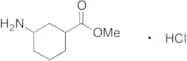
CAS:Controlled ProductFormula:C8H15NO2·HClColor and Shape:NeatMolecular weight:193.67β-(Methylamino)benzenepropanoic Acid
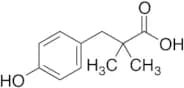
CAS:Controlled ProductFormula:C10H13NO2Color and Shape:NeatMolecular weight:179.2163-(4-Hydroxyphenyl)-2,2-dimethylpropanoic Acid
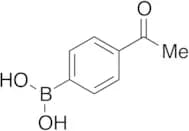
CAS:Controlled ProductFormula:C11H14O3Color and Shape:NeatMolecular weight:194.2274-Acetylphenylboronic Acid
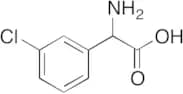
CAS:Controlled Product<p>Applications 4-Acetylphenylboronic acid4-Acetylphenylboronic Acid is used in several metal catalyzed cross-coupling reaction studies.<br>References Saito, S., et al.: J. Org. Chem., 2, 8024 (1997); Sakai, M., et al.: Organomet., 16, 4229 (1997); Molander, G., et al.: J. Org. Chem., 68, 4302 (2003);<br></p>Formula:C8H9BO3Color and Shape:NeatMolecular weight:163.97Amino(3-chlorophenyl)acetic Acid
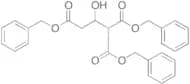
CAS:Controlled Product<p>Applications Amino(3-chlorophenyl)acetic Acid functions as intermediate useful in the preparation of synthetic penicillins, also used in the structure-activity relationship examination of several drugs containing the benzyl moiety, their roles in biochemical and pharmacological processes.<br>References Hansch, C., et al.: J. Med. Chem., 13, 957 (1970); Holdrege, C. T., et al.: Can. (1975), CA 966853 A2 19750429;<br></p>Formula:C8H8ClNO2Color and Shape:NeatMolecular weight:185.61Tribenzyl 2-Hydroxypropane-1,1,3-tricarboxylate
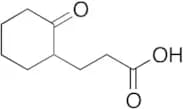
Controlled ProductFormula:C27H26O7Color and Shape:NeatMolecular weight:462.4913-(2-Oxo-cyclohexyl)-propionic Acid
CAS:Controlled Product<p>Applications 3-(2-Oxo-cyclohexyl)-propionic Acid is an intermediate in the synthesis of Hexahydrocoumarin (H293905), a derivative of Coumarin (C755380) that is used as a fragrance ingredient.<br>References Letizia, C. S., et al.: Food and Chemical Toxicology, 38, S115 (2000);<br></p>Formula:C9H14O3Color and Shape:NeatMolecular weight:170.212-Acetylthioethanesulfonic Acid Potassium Salt
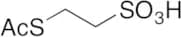
CAS:Controlled Product<p>Impurity Mesna EP Impurity C<br>Applications 2-Acetylthioethanesulfonic Acid (Mesna EP Impurity C) is an impurity in the synthesis of Mesna (M225750), used to protect the bladder wall from the harmful effects of some cancer-fighting drugs.<br>References Tekeres, M., et al.: Clin. Ther., 4, 56 (1981), Brock, N., et al.: Eur. J. Cancer Clin Oncol., 18, 1377 (1982), James, C.A., et al.: Br. J. Clin. Pharmacol., 23, 561 (1987);<br></p>Formula:C4H7KO4S2Color and Shape:NeatMolecular weight:222.311-Cyano-2,3-dihydro-1H-indene-1-carboxylic Acid
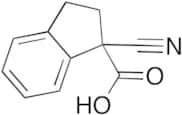
CAS:Controlled ProductFormula:C11H9NO2Color and Shape:NeatMolecular weight:187.19(1-Aminoethyl)phosphonic Acid
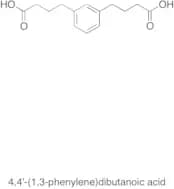
CAS:Controlled ProductFormula:C2H8NO3PColor and Shape:NeatMolecular weight:125.0644,4'-(1,3-Phenylene)dibutanoic Acid
CAS:Controlled Product<p>Applications 4,4'-(1,3-Phenylene)dibutanoic Acid is a useful research chemical for organic synthesis and other chemical processes.<br>References Di R., et al.: Science, 356, 426 (2017), Schimelpfenig, C. W., et al.: J. Org. Chem., 40, 1493 (1975)<br></p>Formula:C14H18O4Color and Shape:NeatMolecular weight:250.29Difluoro(trimethylsilyl)methylphosphonic Acid
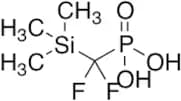
CAS:Controlled ProductFormula:C4H11F2O3PSiColor and Shape:NeatMolecular weight:204.1842,2-Diethylhexanoic Acid
CAS:Controlled Product<p>Applications 2,2-Diethylhexanoic Acid is a pollutant that is found in anaerobic environment of river sediments,<br>References Chau, H., et al.: Appl. Biochem. Biotechnol., 70, 853 (1998); McInerney, M., et al.: Appl. Env. Microbiol., 41, 1029 (1981)<br></p>Formula:C10H20O2Purity:>90%Color and Shape:NeatMolecular weight:172.26tert-Butyl 2-((4S,6R)-6-(chloromethyl)-2,2-dimethyl-1,3-dioxan-4-yl)acetate
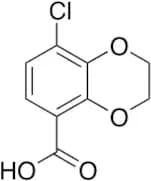
CAS:Controlled ProductFormula:C13H23ClO4Color and Shape:NeatMolecular weight:278.778-chloro-2,3-dihydro-1,4-benzodioxine-5-carboxylic Acid
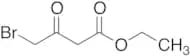
CAS:Controlled Product<p>Applications 8-chloro-2,3-dihydro-1,4-benzodioxine-5-carboxylic Acid (cas# 66411-24-3) is a useful research chemical.<br></p>Formula:C9H7O4ClColor and Shape:NeatMolecular weight:214.6Ethyl 4-Bromoacetoacetate
CAS:Controlled Product<p>Applications Ethyl 4-bromoacetoacetate<br></p>Formula:C6H9BrO3Color and Shape:NeatMolecular weight:209.044-Phenyl-2-thiazolepropanoic Acid
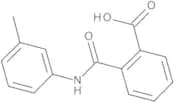
CAS:Controlled ProductFormula:C12H11NO2SColor and Shape:NeatMolecular weight:214.305N-M-Tolylphthalamic Acid
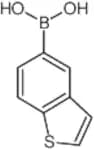
CAS:Controlled Product<p>Applications N-M-Tolylphthalamic Acid is used to prevent premature drop an anti shock treatment for pants. On ingestion is hydrolyzed to produce m-toluidine<br>References Pawar, G., et al.: Synth. Comm., 32, 1929-1936 (2002)<br></p>Formula:C15H13NO3Color and Shape:NeatMolecular weight:255.27Benzothiophene-5-boronic acid
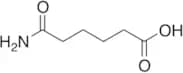
CAS:Controlled Product<p>Applications Benzothiophene-5-boronic acid<br></p>Formula:C8H7BO2SColor and Shape:NeatMolecular weight:178.025-carbamoylpentanoic acid
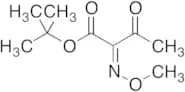
CAS:Controlled Product<p>Applications 5-carbamoylpentanoic acid (cas# 334-25-8) is a useful research chemical.<br></p>Formula:C6H11NO3Color and Shape:NeatMolecular weight:145.162-(Methoxyimino)-3-oxo-butanoic Acid 1,1-Dimethylethyl Ester
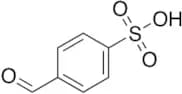
CAS:Controlled Product<p>Applications 2-(Methoxyimino)-3-oxo-butanoic Acid 1,1-Dimethylethyl Ester is an intermediate used in the synthesis of Cefotaxime Bromoacetyl Analogue (C242940), which is an impurity of Cefotaxime (C242950), a broad spectrum third generation cephalosporin antibiotic.<br>References Wise, R., et al.: Antimicrob. Agents Chemother., 14, 807 (1978), Muhtadi, F.J., et al.: Anal. Profiles Drug Subs., 11, 139 (1982),<br></p>Formula:C9H15NO4Color and Shape:NeatMolecular weight:201.224-Formylbenzenesulfonic Acid
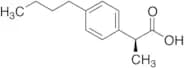
CAS:Controlled Product<p>Applications 4-Formylbenzenesulfonic Acid is used in preparation method for 3-Phenyl-L-serine derivatives.<br>References Xu, W., et al.:PCT Int. Appl., (2020):<br></p>Formula:C7H6O4SColor and Shape:NeatMolecular weight:186.185(S)-2-(4-Butylphenyl)-propionic Acid
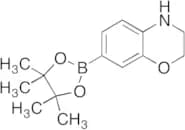
CAS:Controlled ProductFormula:C13H18O2Color and Shape:NeatMolecular weight:206.2813,4-Dihydro-2H-1,4-benzoxazine-7-boronic Acid Pinacol Ester
CAS:Controlled Product<p>Applications 3,4-Dihydro-2H-1,4-benzoxazine-7-boronic acid pinacol ester is a useful intermediate for the synthesis of naphthamides which functions as VEGFR-2 kinase inhibitors for cancer treatment.<br>References Lv, Y., et al.: ACS Med. Chem. Lett., 5, 592 (2014)<br></p>Formula:C14H20BNO3Color and Shape:NeatMolecular weight:261.12cis-δ4-Tetrahydrophthalic Acid Sodium Salt
CAS:Controlled Product<p>Stability Hygroscopic<br>Applications Tetrahydrophthalic acid is a useful building block in organic synthesis.<br></p>Formula:C8H10O4•xNaColor and Shape:NeatMolecular weight:170.16 + x(22.98)5-Bromopentyl Acetate
CAS:Controlled Product<p>Applications 5-Bromopentyl Acetate is used to model the toxicity of haloesters on marine bacterium such as Vibrio fischeri.<br>References Cornin, M.T.D, et. al.: SAR QSAR Environ. Res., 11, 301 (2000)<br></p>Formula:C7H13BrO2Color and Shape:NeatMolecular weight:209.084-(3-Aminocarbonylphenyl)benzoic Acid
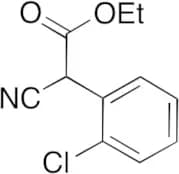
CAS:Controlled ProductFormula:C14H11NO3Color and Shape:NeatMolecular weight:241.242Ethyl (2-chlorophenyl)cyanoacetate
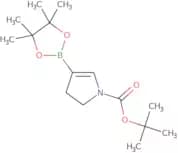
CAS:Controlled ProductFormula:C11H10ClNO2Color and Shape:NeatMolecular weight:223.6561-BOC-2,3-Dihydropyrrole-4-boronic acid, pinacol ester
CAS:<p>Please enquire for more information about 1-BOC-2,3-Dihydropyrrole-4-boronic acid, pinacol ester including the price, delivery time and more detailed product information at the technical inquiry form on this page</p>Formula:C15H26BNO4Purity:Min. 95%Molecular weight:295.18 g/molL-Cysteinesulfinic acid, monohydrate
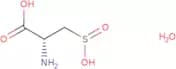
CAS:<p>Please enquire for more information about L-Cysteinesulfinic acid, monohydrate including the price, delivery time and more detailed product information at the technical inquiry form on this page</p>Formula:C3H7NO4S·H2OPurity:Min. 95%Molecular weight:171.17 g/mol4-(4-Bromophenoxy)butanoic acid
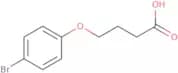
CAS:Controlled Product<p>Please enquire for more information about 4-(4-Bromophenoxy)butanoic acid including the price, delivery time and more detailed product information at the technical inquiry form on this page</p>Formula:C10H11BrO3Purity:Min. 95%Molecular weight:259.1 g/mol2-(5-Chloro-1H-indol-2-yl)acetic acid
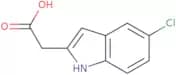
CAS:<p>Please enquire for more information about 2-(5-Chloro-1H-indol-2-yl)acetic acid including the price, delivery time and more detailed product information at the technical inquiry form on this page</p>Formula:C10H8CINO2Purity:Min. 95%Molecular weight:313.09 g/mol2-(3,4-Dimethylphenoxy)propanoic acid
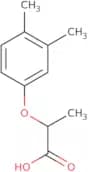
CAS:<p>Please enquire for more information about 2-(3,4-Dimethylphenoxy)propanoic acid including the price, delivery time and more detailed product information at the technical inquiry form on this page</p>Formula:C11H14O3Purity:Min. 95%Molecular weight:194.23 g/mol5-Cyanopyridine-2-carboxylic acid
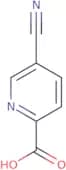
CAS:<p>5-Cyanopyridine-2-carboxylic acid is a small molecule that has been found to have significant biological activity in a number of different areas, including neurotherapeutics. It is the result of a scalable synthesis and is soluble in water. The molecule has two chiral centers and can exist as four different stereoisomers (enantiomers). In vitro studies show that 5-cyanopyridine-2-carboxylic acid inhibits fatty acid uptake by blocking the proton pump, which transports lipids into cells. This compound also binds to the cytosolic protein pyrazine 2-carboxylic acid receptor 1 (PYZR1), which may provide an explanation for its effects on fatty acid uptake.</p>Formula:C7H4N2O2Purity:Min. 95%Molecular weight:148.12 g/molButyl acetate
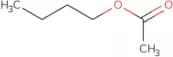
CAS:<p>Butyl acetate is a reactive solvent that has been used in wastewater treatment. It has also been proposed as an analytical method for the determination of the concentration of butyl ester in mixtures. In this technique, a constant pressure is maintained until the butyl ester is released from the sample matrix and enters into a gas phase. The gas phase is then drawn into a solid-phase microextraction (SPME) fiber and analyzed by gas chromatography/mass spectrometry. Butyl acetate has limited solubility in water, which limits its practical use as a solvent. However, it can be mixed with other solvents such as ethanoate or n-butyl acetate to produce solutions that are more easily soluble in water. The structural analysis of butyl acetate was carried out using infrared spectroscopy and nuclear magnetic resonance (NMR).</p>Formula:C6H12O2Purity:Min. 95%Color and Shape:Clear LiquidMolecular weight:116.16 g/molJ147
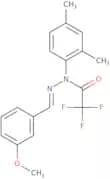
CAS:<p>2,2,2-Trifluoroacetic acid 1-(2,4-dimethylphenyl)-2-[(3-methoxyphenyl)methylene]hydrazide is a neuroprotective drug that belongs to the class of hydrazides. It has been shown to have neurotrophic activity in vitro and in vivo and can be used for the treatment of conditions such as diabetic neuropathy or cancer tissues. 2,2,2-Trifluoroacetic acid 1-(2,4-dimethylphenyl)-2-[(3-methoxyphenyl)methylene]hydrazide also has anti-inflammatory properties and can be used for the treatment of autoimmune diseases. The drug's mechanism of action is not fully understood but is thought to involve monoamine neurotransmitters.</p>Formula:C18H17F3N2O2Purity:Min. 95%Molecular weight:350.34 g/mol3-(Methylsulfonyl)propanoic acid
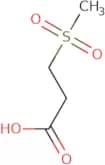
CAS:<p>3-(Methylsulfonyl)propanoic acid is a polynucleotide that is used in sequencing reactions. It has been shown to bind to the protein Smegmatis and increase the rate of the polymer composition. 3-(Methylsulfonyl)propanoic acid has also been shown to have a structural similarity with porins, which are proteins that form pores in cell membranes for ion transport. 3-methylsulfanylpropanoic acid binds to porins by coordinating geometry, allowing it to be transported into cells. The 6-Fluoro-3-indoxyl-beta-D-galactopyranoside is an antituberculosis drug that belongs to the class of rifamycins. Rifapentine inhibits bacterial growth by binding to DNA-dependent RNA polymerase, thereby preventing transcription and replication. The high frequency of human activity has been shown using a patch-clamp technique on human ery</p>Formula:C4H8O4SPurity:Min. 95%Molecular weight:152.17 g/mol4-Mercaptobutyric acid
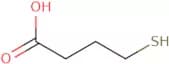
CAS:<p>4-Mercaptobutyric acid is a 3-mercaptopropionic acid, which is an intermediate in the biosynthesis of fatty acids. It is a chemical ligation agent that can be used for the synthesis of polymers and pharmaceuticals. 4-Mercaptobutyric acid can also be used to produce butyrolactone, which has been shown to have anticonvulsant properties. The chemical's photochemical properties make it useful for the production of dyes and fluorescent compounds. 4-Mercaptobutyric acid has been shown to inhibit fatty acid synthesis in Sprague-Dawley rats. The compound also possesses anti-inflammatory properties, which may be due to its ability to inhibit the release of prostaglandin E2 (PGE2) from cells.</p>Formula:C4H8O2SPurity:90%MinColor and Shape:Colorless PowderMolecular weight:120.17 g/mol3-Amino-5-methoxybenzoic acid
CAS:<p>3-Amino-5-methoxybenzoic acid is a macrocyclist, which means that it can switch between two different forms. When the temperature is below 27 degrees Celsius, it exists as a mesomorphic phase and when the temperature increases above 27 degrees Celsius, it exists as an isotropic phase. 3-Amino-5-methoxybenzoic acid also has homologues that are also mesomorphic or isotropic depending on their temperatures. The chemoenzymatic parameters of the two phases are different and so are their lamellar morphologies. The fluorine atom in 3-amino-5-methoxybenzoic acid makes it act like a Lewis acid, decreasing its melting point and increasing its vapor pressure. There are two isomers of 3-amino-5-methoxybenzoic acid: dodecyl and octadecyl 3--amino--5--methoxyben</p>Formula:C8H9NO3Purity:Min. 95%Color and Shape:White To Yellow To Light Brown SolidMolecular weight:167.16 g/mol(Asp371)-Tyrosinase (369-377) (human) acetate salt
CAS:<p>Tyrosinase protein:<br>Peptide Tyrosinase (Asp371) – HLA-A*0201 (YMDGTMSQV) is a human tyrosinase-derived (369-377) peptide by posttranslational conversion of the sequence YMNGTMSQV. Tyrosinase is an oxidase membrane-bound protein. Tyrosinase play a key role in the melanin synthesis pathway. Tyrosinase is presented on the surface of HLA-A*02:01 melanomas and also expressed in melanocytes. Tyrosinase has been still suggested to be a tumor antigen and might be implicated in improvement of immunotherapeutic strategies such as for efficient anticancer vaccine development.<br>Applications of Peptide Tyrosinase (Asp371) – HLA-A*0201 (YMDGTMSQV):<br>Peptide Tyrosinase (Asp371) – HLA-A*0201 (YMDGTMSQV) is used to stimulate specific cytotoxic T lymphocytes (CTL) in PBMCs and then to analyze CTL response especially the cytokine production by ELISPOT assay. Peptide Tyrosinase (Asp371) – HLA-A*0201 (YMDGTMSQV) is also involved in experimental therapies of metastatic melanoma by allogeneic hematopoietic stem cell transplantation. In fact, cytotoxic T cells were generated from peripherical blood mononuclear cells (PBMCs) of HLA-A*02:01 healthy donors after being stimulated by injection of Asp371 antigen (2). This strategy raises issues which concern the graft versus tumor (GvT) effect and graft versus host disease (GvHD).</p>Formula:C42H66N10O16S2Purity:Min. 95%Molecular weight:1,031.16 g/molAcetyl-ACTH (3-24) (human, bovine, rat) trifluoroacetate salt
CAS:<p>Please enquire for more information about Acetyl-ACTH (3-24) (human, bovine, rat) trifluoroacetate salt including the price, delivery time and more detailed product information at the technical inquiry form on this page</p>Formula:C126H198N38O28SPurity:Min. 95%Molecular weight:2,725.23 g/mol4-(2-Chlorophenyl)-9-methyl-6H-thieno[3,2-f][1,2,4]triazolo[4,3-a][1,4]diazepine-2-propanoic acid methyl ester
CAS:Controlled Product<p>Please enquire for more information about 4-(2-Chlorophenyl)-9-methyl-6H-thieno[3,2-f][1,2,4]triazolo[4,3-a][1,4]diazepine-2-propanoic acid methyl ester including the price, delivery time and more detailed product information at the technical inquiry form on this page</p>Formula:C19H17ClN4O2SPurity:Min. 95%Molecular weight:400.88 g/molMagnesium acetate tetrahydrate
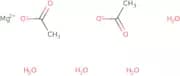
CAS:<p>Magnesium acetate tetrahydrate is a white crystalline solid that is soluble in water and is used as a nutritional supplement. It is produced by the reaction of magnesium carbonate with an aqueous solution of acetic acid. The particle size varies depending on the synthesis method used. Magnesium acetate tetrahydrate has been shown to be effective for treating diabetes mellitus, as it helps regulate blood sugar levels by promoting insulin release from pancreatic cells and increasing glucose uptake into these cells. This compound also has been found to be effective in reducing hiv infection rates, which may be due to its ability to increase the activity of CD4+ T-cells.</p>Formula:Mg(C2H3O2)2•(H2O)4Purity:Min. 95%Color and Shape:White/Off-White SolidMolecular weight:214.45 g/mol4-Aminobenzenesulfonic acid
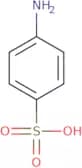
CAS:<p>4-Aminobenzenesulfonic acid is a sulfonic acid that is used in wastewater treatment. It has been shown to be an excellent water permeability agent and can be used as an additive to the process of making sulfonated polymers for use in water filtration. 4-Aminobenzenesulfonic acid has been shown to have enzyme inhibitory effects on metal hydroxide-dependent enzymes, such as sulphanilic and sulfanilic acid. This compound also has been investigated as a potential therapeutic agent for the treatment of cancer, with some success. It has been shown to stimulate the production of picolinic acid, which is an intermediate in the kynurenine pathway leading to production of nicotinamide adenine dinucleotide (NAD+). In humans, 4-aminobenzenesulfonic acid can bind toll-like receptors (TLRs) and activate TLR4 signaling pathways.</p>Formula:C6H7NO3SPurity:Min. 95%Molecular weight:173.19 g/mol1-(3-Chloro-2-methylphenyl)-5-oxopyrrolidine-3-carboxylic acid
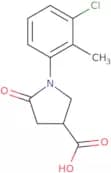
CAS:<p>Please enquire for more information about 1-(3-Chloro-2-methylphenyl)-5-oxopyrrolidine-3-carboxylic acid including the price, delivery time and more detailed product information at the technical inquiry form on this page</p>Formula:C12H12ClNO3Purity:Min. 95%Molecular weight:253.68 g/molChlorogenic acid hemihydrate
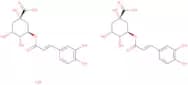
CAS:<p>Chlorogenic acid hemihydrate is a natural phenolic compound that belongs to the family of flavonol glycosides. The molecule has two caffeoylquinic acids and one chlorogenic acid functional groups, which are responsible for its antioxidant properties. Chlorogenic acid hemihydrate is soluble in water and can be used as a solid dispersion. This compound has been shown to have significant interactions with other drugs, including polymeric matrix, protocatechuic acid, and α-amyrin acetate. It also has been shown to have cell culture and in vivo model evidence of efficacy against cancer cells.</p>Purity:Min. 95%Methyl 6-methyl-2-oxo-4-phenyl-1,2,3,4-tetrahydropyrimidine-5-carboxylate
CAS:<p>Please enquire for more information about Methyl 6-methyl-2-oxo-4-phenyl-1,2,3,4-tetrahydropyrimidine-5-carboxylate including the price, delivery time and more detailed product information at the technical inquiry form on this page</p>Formula:C13H14N2O3Purity:Min. 95%Molecular weight:246.26 g/molFmoc-1-amino-4,7,10-trioxa-13-tridecanamine succinimic acid
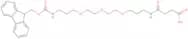
CAS:<p>Fmoc-1-amino-4,7,10-trioxa-13-tridecanamine succinimic acid is a synthetic amide that is used as an intermediate in the synthesis of peptides. It has a conformational structure and can be labeled with dyes to study the structures of proteins or peptides. Fmoc-1-amino-4,7,10-trioxa-13-tridecanamine succinimic acid has been used as an immunogen in the preparation of monoclonal antibodies. It also can be conjugated to drugs or other compounds for use as bioconjugates. This compound has been shown to have enzymatic activity and can be used as a substrate for enzyme linked immunosorbent assays (ELISA). Trifluoroacetic acid is commonly used in the synthesis of this compound.</p>Formula:C29H38N2O8Purity:Min. 98 Area-%Molecular weight:542.62 g/mol3,3-Difluoro-1-methylcyclobutanecarboxylic acid
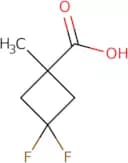
CAS:<p>Please enquire for more information about 3,3-Difluoro-1-methylcyclobutanecarboxylic acid including the price, delivery time and more detailed product information at the technical inquiry form on this page</p>Formula:C6H8F2O2Purity:Min. 95%Molecular weight:150.12 g/mol(5R)-6-Cyano-5-hydroxy-3-oxo-hexanoic acid tert-butyl ester
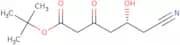
CAS:<p>Please enquire for more information about (5R)-6-Cyano-5-hydroxy-3-oxo-hexanoic acid tert-butyl ester including the price, delivery time and more detailed product information at the technical inquiry form on this page</p>Formula:C11H17NO4Purity:Min. 95%Molecular weight:227.26 g/molDeoxycholic acid-D4
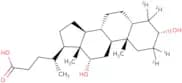
CAS:Controlled Product<p>Deoxycholic acid-D4 is a bile acid that is produced by the liver. It has been shown to be an indicator of insulin resistance in women with breast cancer. Deoxycholic acid-D4 has also been found to have significant interactions with other drugs, such as phenytoin, carbamazepine, and penicillin. The concentration of deoxycholic acid-D4 in the serum may be reduced by taking these drugs. This drug has a detection time of 3 hours and can be detected by liquid chromatography. Deoxycholic acid-D4 is metabolized through the human metabolism pathway, which includes dietary and logistic regression models.</p>Formula:C24H36D4O4Purity:Min. 95%Molecular weight:396.6 g/molEthylene glycol monomethyl ether acetate
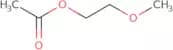
CAS:<p>Ethylene glycol monomethyl ether acetate (EMEA) is a solvent that is used for the extraction of organic compounds in the laboratory. It can be used to extract fatty acids from animal tissue or to isolate DNA from blood samples. EMEA is also used as a solvent in analytical methods such as gas chromatography and high-performance liquid chromatography. This compound is mainly used as an inorganic acid, but it can also be used as a nitrogen source for some chemical reactions. EMEA reacts with light exposure, which makes it a potent inducer of chemical reactions. The hydrolysis reaction of EMEA by hydrochloric acid yields glycol ethers and diethyl succinate.</p>Formula:C5H10O3Purity:Min. 95%Molecular weight:118.13 g/mol1-Trifluoromethylcyclopropane-1-carboxylic acid
CAS:<p>1-Trifluoromethylcyclopropane-1-carboxylic acid is a ketone that is used in research in organic chemistry for the preparation of imidazole. It can be prepared by the transformation of ethyl 2-(trifluoromethyl)acrylate, and is also obtained from 1,4-dichloroacetone. 1-Trifluoromethylcyclopropane carboxylic acid has been shown to have some medicinal properties. It has been used in research on cancer cells and as an anti-inflammatory agent. The compound has a steric effect on the body and can be used as a weight loss drug, with one kilogram of 1-Trifluoromethylcyclopropane carboxylic acid being equivalent to 3 kilograms of weight loss.</p>Formula:C5H5F3O2Purity:Min. 95%Color and Shape:PowderMolecular weight:154.09 g/molBoc-1-amino-1-cyclobutane carboxylic acid
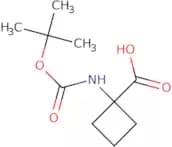
CAS:<p>Boc-1-amino-1-cyclobutane carboxylic acid is a synthetic and potent agonist of the androgen receptor. It is an analog of apalutamide, which is a selective antagonist of the androgen receptor. Boc-1-amino-1-cyclobutane carboxylic acid has been shown to have high oral bioavailability, which makes it suitable for oral administration. Boc-1-amino-1-cyclobutane carboxylic acid has been shown to have increased functional activity in cancer cells, which may be due to its ability to inhibit the growth of tumor cells by binding to their androgen receptors. Boc-1-amino-1-cyclobutane carboxylic acid has also been found to have good affinity for the androgen receptor when tested on cultured cells.</p>Formula:C10H17NO4Purity:Min. 95%Color and Shape:White/Off-White SolidMolecular weight:215.25 g/molMethyl thiazolidine-2-carboxylate hydrochloride
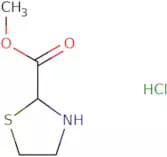
CAS:<p>Please enquire for more information about Methyl thiazolidine-2-carboxylate hydrochloride including the price, delivery time and more detailed product information at the technical inquiry form on this page</p>Formula:C5H9NO2S•HClPurity:Min. 95%Color and Shape:PowderMolecular weight:183.66 g/molAtrial natriuretic factor (1-28) (human) acetate
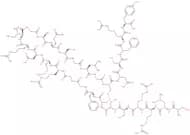
CAS:<p>Please enquire for more information about Atrial natriuretic factor (1-28) (human) acetate including the price, delivery time and more detailed product information at the technical inquiry form on this page</p>Formula:C127H203N45O39S3•C2H4O2Purity:Min. 95%Color and Shape:PowderMolecular weight:3,140.5 g/mol2-(Benzimidazolylthio) acetic acid
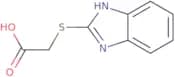
CAS:<p>2-(Benzimidazolylthio) acetic acid is a ligand that can be used as an antihelminthic. It can also be used to produce luminescent substances, inorganic salts and heterocycles. 2-(Benzimidazolylthio) acetic acid reacts with nucleophiles by nucleophilic attack, cleaving the bond and releasing the atom or group. 2-(Benzimidazolylthio) acetic acid has been used to synthesize condensation products with irradiation. This chemical has been shown to have antimicrobial properties against bacteria and fungi.</p>Formula:C9H8N2O2SPurity:Min. 95%Color and Shape:PowderMolecular weight:208.24 g/mol3-Cyclopropylpropanoic acid
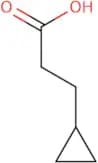
CAS:<p>3-Cyclopropylpropanoic acid is a synthetic derivative of oxalyl chloride. It has been shown to inhibit the growth of viruses, notably influenza A virus and human immunodeficiency virus (HIV), in cell culture. 3-Cyclopropylpropanoic acid also inhibits the g1 phase of the cell cycle. In addition, it has been shown to inhibit skin cancer and cardiovascular diseases in humans.</p>Formula:C6H10O2Purity:95%NmrMolecular weight:114.14 g/mol5-Norbornene-2-carboxylic acid
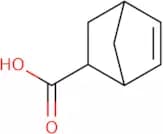
CAS:<p>5-Norbornene-2-carboxylic acid is a reactive, carbonyl compound that has been used in metathesis reactions. In these reactions, the 5-norbornene-2-carboxylic acid reacts with sodium carbonate to form a mixture of hydroxy methyl and fluorine groups. The 5-norbornene-2-carboxylic acid can be prepared by reacting phenol with anhydrous hydrogen fluoride in the presence of sodium carbonate. This reaction produces a mixture of 5-norbornene-2 carboxylic acids, but also includes isomeric mixtures that are not useful as starting materials for synthesis. The 5-norbornene -2 carboxylic acid can also be synthesized from aliphatic hydrocarbons such as propylene or ethylene. It is important to note that the 5 - norborenene 2 carboxylic acid does not have any aromatic rings and is therefore</p>Formula:C8H10O2Purity:Min. 95%Color and Shape:Clear LiquidMolecular weight:138.16 g/mol3-Epikatonic acid
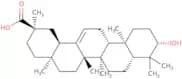
CAS:Controlled Product<p>3-Epikatonic acid is a triterpenoid saponin that can be found in Tripterygium wilfordii. It has immunosuppressive activities and has been used in the treatment of cancer. 3-Epikatonic acid inhibits the production of proinflammatory cytokines such as tumor necrosis factor-α, IL-6, and IL-8. It also inhibits the proliferation of human breast cancer cells by inducing apoptosis. 3-Epikatonic acid is also a fertility agent because it can stimulate ovulation in rats.</p>Formula:C30H48O3Purity:Min. 95%Molecular weight:456.7 g/mol1-tert-Butyl 2-methyl 2-methylpyrrolidine-1,2-dicarboxylate
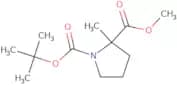
CAS:<p>Please enquire for more information about 1-tert-Butyl 2-methyl 2-methylpyrrolidine-1,2-dicarboxylate including the price, delivery time and more detailed product information at the technical inquiry form on this page</p>Formula:C12H21NO4Purity:Min. 95%Color and Shape:SolidMolecular weight:243.3 g/mol5-Oxo-1-(pyridin-3-ylmethyl)pyrrolidine-3-carboxylic acid
CAS:<p>Please enquire for more information about 5-Oxo-1-(pyridin-3-ylmethyl)pyrrolidine-3-carboxylic acid including the price, delivery time and more detailed product information at the technical inquiry form on this page</p>Formula:C11H12N2O3Purity:Min. 95%Molecular weight:220.22 g/molEthanesulfonic acid - 70% aqueous solution
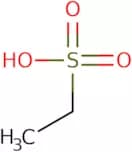
CAS:<p>Ethanesulfonic acid is a highly reactive and readily available chemical that has been investigated for the treatment of cancer. It has shown to be effective as an adjuvant in the treatment of bowel disease and radiation therapy. Ethanesulfonic acid is also used as an antimicrobial agent and disinfectant. This chemical can be used to produce polymers with glycol ethers, coumarin derivatives, and dextran sulfate for use in biological samples such as blood or urine. Ethanesulfonic acid is a potent inhibitor of the polymerase chain reaction (PCR). The inhibition of PCR may be due to its ability to inhibit enzyme activities involved in DNA synthesis, including dinucleotide phosphate enzymes and glycol-ether-sensitive enzymes.</p>Formula:C2H6O3SPurity:Min. 95%Color and Shape:Colourless To Pale Yellow Clear LiquidMolecular weight:110.13 g/molSodium acetate trihydrate
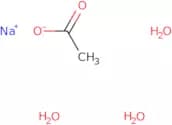
CAS:<p>Sodium acetate trihydrate is a salt that is used in the production of sodium salts and surface methodology, as well as in analytical methods. It is also used to prepare anhydrous sodium. Sodium acetate trihydrate can be used as a cell lysis agent for water vapor.</p>Formula:CH3COONa·3H2OPurity:Min. 95%Color and Shape:White/Off-White SolidMolecular weight:136.08 g/mol


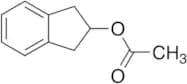


![Thieno[3,2-b]thiophene-2-carboxylic Acid](/_next/image/?url=https%3A%2Fstatic.cymitquimica.com%2Fproducts%2FTR%2Fthumb-webp%2FT345200.webp&w=3840&q=75)
![3-[[[3-(Aminomethyl)-5-methyl-1-oxohexyl]amino]methyl]-5-methyl-hexanoic Acid](/_next/image/?url=https%3A%2Fstatic.cymitquimica.com%2Fproducts%2FTR%2Fthumb-webp%2FA631018.webp&w=3840&q=75)
![Methyl (1R,4S)-4-[[(1,1-Dimethylethoxy)carbonyl]amino]-2-cyclopentene-1-carboxylic Acid Ester](/_next/image/?url=https%3A%2Fstatic.cymitquimica.com%2Fproducts%2FTR%2Fthumb-webp%2FM220430.webp&w=3840&q=75)

![{[(4-fluorophenyl)methyl]carbamoyl}formic Acid](/_next/image/?url=https%3A%2Fstatic.cymitquimica.com%2Fproducts%2FTR%2Fthumb-webp%2FF590090.webp&w=3840&q=75)

![(2S,5R)-5-[(tert-Butoxycarbonyl)amino]tetrahydro-2H-pyran-2-carboxylic Acid](/_next/image/?url=https%3A%2Fstatic.cymitquimica.com%2Fproducts%2FTR%2Fthumb-webp%2FB690890.webp&w=3840&q=75)


![2-[(Ethoxycarbonyl)oxy]-acetic Acid](/_next/image/?url=https%3A%2Fstatic.cymitquimica.com%2Fproducts%2FTR%2Fthumb-webp%2FE895095.webp&w=3840&q=75)









![4-(2-Chlorophenyl)-9-methyl-6H-thieno[3,2-f][1,2,4]triazolo[4,3-a][1,4]diazepine-2-propanoic acid …](/_next/image/?url=https%3A%2Fstatic.cymitquimica.com%2Fproducts%2F3D%2Fthumb-webp%2FFC20337.webp&w=3840&q=75)