Carboxylic Acids
Carboxylic acids are organic molecules characterized by having a carboxyl-type functional group (-COOH). These acids are fundamental in various chemical reactions, including esterification, amidation, and decarboxylation. Carboxylic acids are widely used in the production of pharmaceuticals, polymers, and agrochemicals. In this section, you can find a large number of carboxylic acids ready to be used. At CymitQuimica, we provide a broad range of high-quality carboxylic acids to support your research and industrial applications.
Found 12454 products of "Carboxylic Acids"
Sort by
Purity (%)
0
100
|
0
|
50
|
90
|
95
|
100
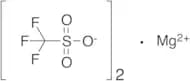
Trifluoromethanesulfonic Acid Magnesium Salt
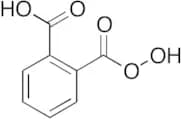
CAS:Controlled Product<p>Applications Trifluoromethanesulfonic Acid Magnesium Salt is a strong acid that is used as a catalyst for esterification.<br> Not a dangerous good if item is equal to or less than 1g/ml and there is less than 100g/ml in the package<br>References Howells, R. D., et al.: Chemical Rev., 77, 69 (1977);<br></p>Formula:(CF3SO3)2MgColor and Shape:NeatMolecular weight:322.44Monoperoxyphthalic Acid
CAS:Controlled ProductFormula:C8H6O5Color and Shape:NeatMolecular weight:182.13[(E)-2,4,6-trimethylnon-4-enyl]succinic Acid
Controlled ProductFormula:C16H28O4Color and Shape:NeatMolecular weight:284.391Formic Acid, 85%
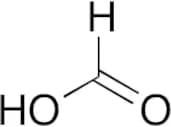
CAS:Controlled Product<p>Applications Formic Acid is used as a potential energy source in the preparation of fuel cells. Also used in chemical synthesis of various anti-inflammatory and anti-microbial agents.<br> Not a dangerous good if item is equal to or less than 1g/ml and there is less than 100g/ml in the package<br>References Yu, X. et al.: J. Power Source., 182, 124 (2008); Bekhit, A. et al.: Bioorg. Med. Chem., 12, 1935 (2004);<br></p>Formula:CH2O2Purity:85%Color and Shape:NeatMolecular weight:46.03Chromane-2-carboxylic Acid
CAS:Controlled Product<p>Applications Chromane-2-carboxylic Acid is used in the synthesis of 4-quinazolinones as Rho kinase inhibitors for application towards glaucoma, hypertension and spinal cord injuries. It is also used in the preparation of chromanyl-benzamidazoles as anti-bacterial compounds.<br>References Fang, X. et al.: Bioorg. Med. Chem. Lett., 21, 1844 (2011); Raut, C. et al.: J. Hetero. Chem., 47, 582 (2010);<br></p>Formula:C10H10O3Color and Shape:NeatMolecular weight:178.188-Hydroxytetradecanoic Acid
CAS:Controlled ProductFormula:C14H28O3Color and Shape:NeatMolecular weight:244.373-Phenylisonicotinic Acid
CAS:Controlled Product<p>Applications 3-PHENYLISONICOTINIC ACID (cas# 104096-15-3) is a useful research chemical.<br></p>Formula:C12H9NO2Color and Shape:NeatMolecular weight:199.24-[[2-(2-Amino-4,5-dihydro-4-oxo-5-thiazolyl)acetyl]amino]benzoic Acid
CAS:Controlled ProductFormula:C12H11N3O4SColor and Shape:NeatMolecular weight:293.3Methyl-3-ethoxyisothiazole-5-carboxylate
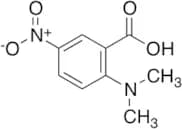
CAS:Controlled Product<p>Applications Synthesis and receptor binding of 5-(amino[3H]2methyl)-3-isothiazolol ([3H]thiomuscimol), a specific GABAA agonist photoaffinity label.<br>References Frolund, B., et al.: J. Labelled Compounds Radiopharm., 36, 877 (1995),<br></p>Formula:C7H9NO3SColor and Shape:NeatMolecular weight:187.222-(Dimethylamino)-5-nitrobenzoic Acid
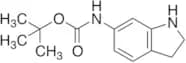
CAS:Controlled ProductFormula:C9H10N2O4Color and Shape:NeatMolecular weight:210.187(2,3-Dihydro-1H-indol-6-yl)-carbamic Acid Tert-butyl Ester
CAS:Controlled ProductFormula:C13H18N2O2Color and Shape:NeatMolecular weight:234.294Formamidine Acetate
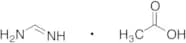
CAS:<p>Applications Formamidine Acetate is a versatile reactant used in the tetrazine-based cycloadditions applied to pretargeted live cell imaging with norbornene modified monoclonal antibody.<br>References Devaraj, N., et al.: Bioconjugate Chem., 19, 2297 (2008);<br></p>Formula:CH4N2•C2H4O2Color and Shape:NeatMolecular weight:44.0660053-Amino-3-(3-(p-tolyloxy)phenyl)propanoic Acid
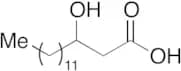
CAS:Controlled Product<p>Applications 3-Amino-3-(3-(p-tolyloxy)phenyl)propanoic Acid is a useful chemical reagent.<br></p>Formula:C16H17NO3Color and Shape:NeatMolecular weight:271.311rac-3-Hydroxypentadecanoic Acid
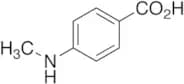
CAS:Controlled ProductFormula:C15H30O3Color and Shape:NeatMolecular weight:258.3974-(Methylamino)benzoic Acid
CAS:Controlled Product<p>Applications 4-(Methylamino)benzoic Acid (cas# 10541-83-0) is a compound useful in organic synthesis.<br></p>Formula:C8H9NO2Color and Shape:NeatMolecular weight:151.162,3-Dihydrobenzofuran-4-carboxylic Acid
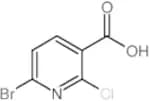
CAS:Controlled ProductFormula:C9H8O3Color and Shape:NeatMolecular weight:164.1586-Bromo-2-chloronicotinic Acid
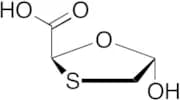
CAS:Controlled Product<p>Applications 6-Bromo-2-chloronicotinic acid<br></p>Formula:C6H3BrClNO2Color and Shape:NeatMolecular weight:236.451rac-trans-5-Hydroxy-1,3-oxathiolane-2-carboxylic Acid
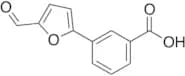
CAS:Controlled Product<p>Stability Epimerize in solution<br>Applications 5-Hydroxy-1,3-oxathiolane-2-carboxylic Acid is used in the synthesis of potent antiviral agent (-)-2’-Deoxy-3’-thiacytidine and its enantiomer.<br>References Jin, H.L., et al.: J. Org. Chem., 60, 2621 (1995);<br></p>Formula:C4H6O4SColor and Shape:NeatMolecular weight:150.153-(5-formyl-2-furyl)benzoic Acid
CAS:Controlled ProductFormula:C12H8O4Color and Shape:NeatMolecular weight:216.192-[(Ethoxycarbonyl)oxy]-acetic Acid
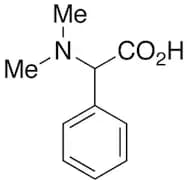
CAS:Controlled ProductFormula:C5H8O5Color and Shape:NeatMolecular weight:148.114α-(Dimethylamino)phenylacetic Acid
CAS:Controlled ProductFormula:C10H13NO2Color and Shape:NeatMolecular weight:179.2163-(Dimethylcarbamoyl)benzoic Acid
CAS:Controlled ProductFormula:C10H11NO3Color and Shape:NeatMolecular weight:193.199(3S,7S,22S)-26-Amino-5,13,20-trioxo-4,6,12,21-tetraazahexacosane-1,3,7,22-tetracarboxylic Acid
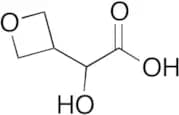
CAS:Controlled ProductFormula:C26H45N5O11Color and Shape:NeatMolecular weight:603.662α-Hydroxy-3-oxetaneacetic Acid
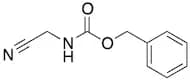
CAS:Controlled ProductFormula:C5H8O4Color and Shape:NeatMolecular weight:132.11Benzyl Cyanomethylcarbamate
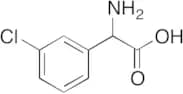
CAS:Controlled Product<p>Applications BENZYL CYANOMETHYLCARBAMATE (cas# 3589-41-1) is a useful research chemical.<br></p>Formula:C10H10N2O2Color and Shape:NeatMolecular weight:190.19Amino(3-chlorophenyl)acetic Acid
CAS:Controlled Product<p>Applications Amino(3-chlorophenyl)acetic Acid functions as intermediate useful in the preparation of synthetic penicillins, also used in the structure-activity relationship examination of several drugs containing the benzyl moiety, their roles in biochemical and pharmacological processes.<br>References Hansch, C., et al.: J. Med. Chem., 13, 957 (1970); Holdrege, C. T., et al.: Can. (1975), CA 966853 A2 19750429;<br></p>Formula:C8H8ClNO2Color and Shape:NeatMolecular weight:185.61Pentachlorobenzoic Acid
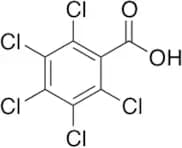
CAS:Controlled ProductFormula:C7HCl5O2Color and Shape:NeatMolecular weight:294.3474-Propylphenylacetic Acid
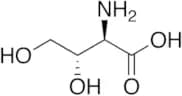
CAS:Controlled Product<p>Applications 4-PROPYLPHENYLACETIC ACID (cas# 26114-12-5) is a useful research chemical.<br></p>Formula:C11H14O2Color and Shape:NeatMolecular weight:178.2282-Amino-2-deoxy-D-erythronic Acid
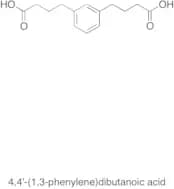
CAS:Controlled ProductFormula:C4H9NO4Color and Shape:NeatMolecular weight:135.1194,4'-(1,3-Phenylene)dibutanoic Acid
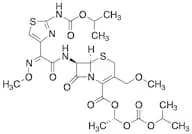
CAS:Controlled Product<p>Applications 4,4'-(1,3-Phenylene)dibutanoic Acid is a useful research chemical for organic synthesis and other chemical processes.<br>References Di R., et al.: Science, 356, 426 (2017), Schimelpfenig, C. W., et al.: J. Org. Chem., 40, 1493 (1975)<br></p>Formula:C14H18O4Color and Shape:NeatMolecular weight:250.29(1R)-Cefpodoxime Proxetil Isopropylcarbamate
Controlled ProductFormula:C25H33N5O11S2Color and Shape:NeatMolecular weight:643.6862-Cyclohexylvinylboronic Acid
CAS:Controlled Product<p>Applications 2-Cyclohexylvinylboronic Acid is used in the synthesis of vinylbenziodoxolones, a novel type of hypervalent iodine(III) reagents.<br>References Stridfeldt, E., et al.: Chem. Eur. J., 22, 16066-16070 (2016)<br></p>Formula:C8H15BO2Color and Shape:NeatMolecular weight:154.01Benzo[b]thiophene-5-acetic Acid
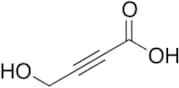
CAS:Controlled ProductFormula:C10H8O2SColor and Shape:NeatMolecular weight:192.2344-Hydroxybut-2-ynoic Acid
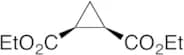
CAS:Controlled Product<p>Applications 4-Hydroxybut-2-ynoic Acid (cas# 7218-52-2) is a useful reagent for the green preparation of polyseleno-substituted enamines.<br>References Wang, Y. C., et al.: Green Chem., 20, 604 (2018)<br></p>Formula:C4H4O3Color and Shape:NeatMolecular weight:100.07Diethyl cis-1,2-Cyclopropanedicarboxylate
CAS:Controlled ProductFormula:C9H14O4Color and Shape:NeatMolecular weight:186.2052,2-Dimethyl-3-(4-mercaptophenyl)propionic Acid
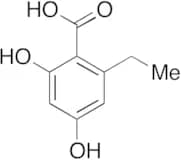
CAS:Controlled Product<p>Applications 2,2-Dimethyl-3-(4-mercaptophenyl)propionic Acid (cas# 887354-80-5) is a compound useful in organic synthesis.<br></p>Formula:C11H14O2SColor and Shape:NeatMolecular weight:210.292-Ethyl-4,6-dihydroxybenzoic acid
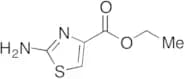
CAS:Controlled ProductFormula:C9H10O4Color and Shape:NeatMolecular weight:182.173Ethyl 2-Amino-1,3-thiazole-4-carboxylate
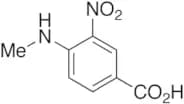
CAS:Controlled ProductFormula:C6H8N2O2SColor and Shape:NeatMolecular weight:172.24-(Methylamino)-3-nitrobenzoic Acid
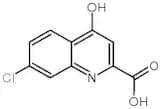
CAS:Controlled Product<p>Applications 4-(Methylamino)-3-nitrobenzoic Acid (cas# 41263-74-5) is a compound useful in organic synthesis.<br></p>Formula:C8H8N2O4Color and Shape:NeatMolecular weight:196.167-Chlorokynurenic acid
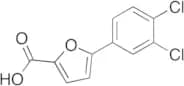
CAS:Controlled Product<p>Applications 7-Chlorokynurenic acid is an NMDA receptor antagonist and inhibitor of EAAT.<br></p>Formula:C10H6ClNO3Color and Shape:NeatMolecular weight:223.615-(3,4-Dichlorophenyl)-2-furoic Acid
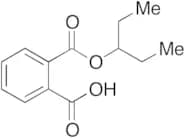
CAS:Controlled Product<p>Applications 5-(3,4-Dichlorophenyl)-2-furoic acid is a reactant in the preparation of dantrolene (D185000) which has a potential to treat vascular dysfunction.<br>References Ellis, K.O., et al.: J. Pharm. Sci., 69, 327 (1980); Harrison, G.G., et al.: Brit. J. Anaesth., 60, 279 (1988); Murasawa, S., et al.: Bioorg. Med. Chem., 20, 6384 (2012);<br></p>Formula:C11H6Cl2O3Color and Shape:NeatMolecular weight:255.97Phthalic Acid 1-Ethylpropyl Ester
CAS:Controlled ProductFormula:C13H16O4Color and Shape:NeatMolecular weight:236.2643-[5-(2-thienyl)-2-furyl]propanoic Acid
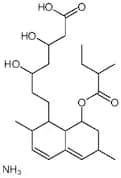
CAS:Controlled Product<p>Applications 3-[5-(2-thienyl)-2-furyl]propanoic Acid (cas# 24090-38-8) is a useful research chemical.<br></p>Formula:C11H10O3SColor and Shape:NeatMolecular weight:222.26Mevinolinic Acid, Monoammonium Salt
CAS:Controlled Product<p>Applications Mevinolinic Acid, Monoammonium Salt can be used as reactant/reagent in process for the preparation of the Simvastatin precursor, 2,2-dimethylbutanoic acid (1S,3R,7S,8S,8aR)-8-[(3R,5R)-7-(cyclopropylamino)-3,5-dihydroxy-7-oxoheptyl]-1,2,3,7,8,8a-hexahydro-3,7-dimethyl-1-naphthalenyl ester, via an amidation reaction.<br>References Khanna, J., et al.: Indian, IN 184809 A1 20000930 (2000)<br></p>Formula:C24H37O6·H4NColor and Shape:NeatMolecular weight:439.585cis-δ4-Tetrahydrophthalic Acid Sodium Salt
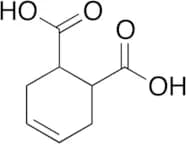
CAS:Controlled Product<p>Stability Hygroscopic<br>Applications Tetrahydrophthalic acid is a useful building block in organic synthesis.<br></p>Formula:C8H10O4•xNaColor and Shape:NeatMolecular weight:170.16 + x(22.98)Periodic Acid
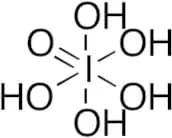
CAS:Controlled Product<p>Applications Periodic Acid is used as a reagent in periodate cleavage reactions which is particularly useful in modifying saccharide rings for determining structure of carbohydrates. Periodic Acid is also used as an oxidising agent.<br> Not a dangerous good if item is equal to or less than 1g/ml and there is less than 100g/ml in the package<br>References Jackson, E., et al.: J. Am. Chem. Soc., 59, 994 (1937); Weidman, S., et al.: J. Am. Chem. Soc., 88, 5820 (1966);<br></p>Formula:H5IO6Color and Shape:NeatMolecular weight:227.94Methyl 3-Aminocyclohexane-1-carboxylate Hydrochloride
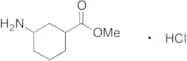
CAS:Controlled ProductFormula:C8H15NO2·HClColor and Shape:NeatMolecular weight:193.673-Hydroxybutanoic Acid + 3-(3-Hydroxybutyryloxy)butyric Acid (CAS:7565-79-9) (50:50 Mixture)
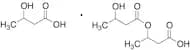
CAS:Controlled Product<p>Applications 3-hydroxybutanoic acid (cas# 300-85-6) is a useful research chemical.<br></p>Formula:C4H8O3Color and Shape:MixtureMolecular weight:104.10 + 190.19Ethyl (Z)-[2-amino-4-thiazolyl](methoxyimino)acetate
CAS:Controlled Product<p>Stability Hygroscopic<br>Applications Ethyl (Z)-[2-amino-4-thiazolyl](methoxyimino)acetate is used in the preparation of ceftriaxone-d3 (C245002), which is a labelled antibacterial.<br>References Reiner, R., et al.: J. Antibiot., 33, 783 (1980)<br></p>Formula:C8H11N3O3SColor and Shape:NeatMolecular weight:229.263-Hydroxy-5-nitrobenzoic acid
CAS:Controlled Product<p>Stability Hygroscopic<br>Applications 3-Hydroxy-5-nitrobenzoic acid<br></p>Formula:C7H5NO5Color and Shape:NeatMolecular weight:183.122,6-Dimethylphenylboronic Acid
CAS:Controlled Product<p>Applications 2,6-Dimethylphenylboronic acid<br></p>Formula:C8H11BO2Color and Shape:NeatMolecular weight:149.98Thieno[3,2-b]thiophene-2-carboxylic Acid
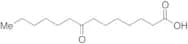
CAS:Controlled ProductFormula:C7H4O2S2Color and Shape:NeatMolecular weight:184.2368-Oxotetradecanoic Acid
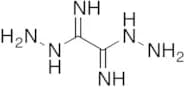
CAS:Controlled ProductFormula:C14H26O3Color and Shape:NeatMolecular weight:242.35Ethanediimidic Acid 1,2-Dihydrazide
CAS:Controlled ProductFormula:C2H8N6Color and Shape:NeatMolecular weight:116.125Methyl 6,9,12,15-Octadecatetraynoic Acid Ester
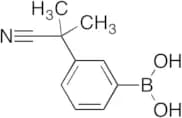
CAS:Controlled ProductFormula:C19H22O2Color and Shape:NeatMolecular weight:282.3773-(2-Cyanopropan-2-yl)phenylboronic acid
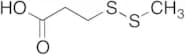
CAS:Controlled ProductFormula:C10H12BNO2Color and Shape:NeatMolecular weight:189.0193-(Methyldithio)propanoic Acid
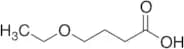
CAS:Controlled ProductFormula:C4H8O2S2Color and Shape:NeatMolecular weight:152.2354-Ethoxybutanoic Acid
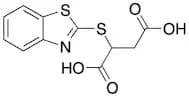
CAS:Controlled ProductFormula:C6H12O3Color and Shape:NeatMolecular weight:132.1582-(1,3-Benzothiazol-2-ylthio)succinic Acid
CAS:Controlled Product<p>Applications 2-(1,3-BENZOTHIAZOL-2-YLTHIO)SUCCINIC ACID (cas# 95154-01-1) is a useful research chemical.<br></p>Formula:C11H9NO4S2Color and Shape:NeatMolecular weight:283.32Isopropenylboronic Acid Pinacol Ester
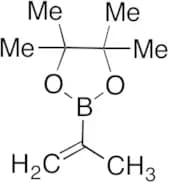
CAS:Controlled Product<p>Applications Isopropenylboronic Acid Pinacol Ester, can be used as an intermediate in the synthesis of variety of cyclic and acyclic organic compounds. It is also shown that the α-Substituted Allyl/Croty of this compound can be used for highly Diastereo- and Enantioselective allylboration of aldehydes.<br>References Salaun, J. et al.: Topics in Curr. Chem. 1, 144 (1988); Chen, J. et al.: J. Amer. Chem. Soci., 135, 5316 (2013);<br></p>Formula:C9H17BO2Color and Shape:NeatMolecular weight:168.04(S)-2-(((1S,2S)-1-Hydroxy-1-phenylpropan-2-yl)(methyl)amino)propanoic Acid
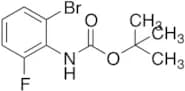
Controlled ProductFormula:C13H19NO3Color and Shape:NeatMolecular weight:212.203tert-Butyl N-(2-Bromo-6-fluorophenyl)carbamate
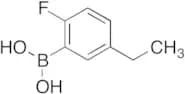
CAS:Controlled ProductFormula:C11H13BrFNO2Color and Shape:NeatMolecular weight:290.1295-Ethyl-2-fluorophenylboronic acid
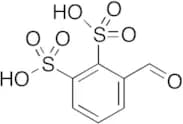
CAS:Controlled Product<p>Applications 5-Ethyl-2-fluorophenylboronic acid<br></p>Formula:C8H10BFO2Color and Shape:NeatMolecular weight:167.973-Formylbenzene-1,2-disulfonoic Acid
CAS:Controlled Product<p>Applications 3-Formylbenzene-1,2-disulfonoic Acid is derived from 5,6-Difluoro Anthranilic Acid (D445550), which is used in the preparation of 2-[[2-(phenylamino)-1H-pyrrolo[2,3-d]pyrimidin-4-yl]amino]benzamide derivatives as inhibitors of IGF-1R and IR receptor tyrosine kinase as anticancer agents.<br>References Rubinstein, E., et al.: Chemotherapy, 47, 3 (2001), Grohs, P., et al.: Antimicrob. Agents Chemother., 47, 3542 (2003),<br></p>Formula:C7H6O7S2Color and Shape:NeatMolecular weight:266.248tert-butyl N-(5-aminohexyl)carbamate
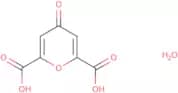
CAS:Controlled ProductFormula:C11H24N2O2Color and Shape:NeatMolecular weight:216.321Chelidonic acid monohydrate
CAS:<p>Chelidonic acid monohydrate is an organometallic compound that can be synthesized by reacting 4-hydroxybenzoic acid with an organometallic reagent. Chelidonic acid monohydrate has antihypertensive activity and is used in the treatment of viral infections. Chelidonic acid monohydrate has a hydroxy group on the skeleton, which is a molecule that contains two or more amino groups. It also has a carboxylic group and alkynyl group, which are both organic functional groups that contain at least one carbon atom bonded to a hydroxyl group. Chelidonic acid monohydrate is a metal complex with calixarenes as ligands, which are heterocycles that have six members in their ring system. Chelidonic acid monohydrate is also cisplatin-resistant and can be used for the treatment of cancers such as breast cancer and leukemia.</p>Purity:Min. 95%Heptadecafluorooctanesulfonic acid potassium
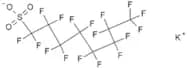
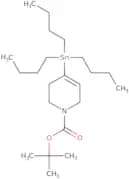
CAS:<p>Please enquire for more information about Heptadecafluorooctanesulfonic acid potassium including the price, delivery time and more detailed product information at the technical inquiry form on this page</p>Formula:C8HF17O3S•KPurity:Min. 95%Color and Shape:PowderMolecular weight:539.23 g/mol3,6-Dihydro-4-(tributylstannyl)-1(2H)-pyridinecarboxylic acid t-butyl ester
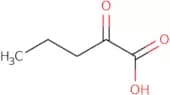
CAS:Controlled ProductPlease enquire for more information about 3,6-Dihydro-4-(tributylstannyl)-1(2H)-pyridinecarboxylic acid t-butyl ester including the price, delivery time and more detailed product information at the technical inquiry form on this pageFormula:C22H43NO2SnPurity:Min. 95%Color and Shape:PowderMolecular weight:472.29 g/mol2-Oxovaleric acid
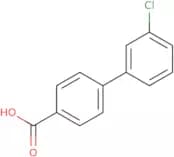
CAS:<p>2-Oxovaleric acid is a monocarboxylic acid that is produced by the oxidation of 2-oxopentanoic acid. It was first discovered as an inhibitory compound for glutamate dehydrogenase, which catalyzes the conversion of glutamate to alpha-ketoglutarate. This inhibition leads to a buildup of glutamate in the cell, which can cause metabolic disorders. The importance of 2-oxovaleric acid was demonstrated using a chromatographic method on type strain cells. The electron microscopic images showed that 2-oxovaleric acid inhibited the growth of bacteria by binding to extracellular Ca2+, carbon source, and animals.</p>Formula:C5H8O3Purity:Min. 95%Molecular weight:116.12 g/mol3'-Chloro-biphenyl-4-carboxylic acid
CAS:<p>Please enquire for more information about 3'-Chloro-biphenyl-4-carboxylic acid including the price, delivery time and more detailed product information at the technical inquiry form on this page</p>Purity:Min. 95%4-(Methoxycarbonyl)bicyclo[2.1.1]hexane-1-carboxylic acid
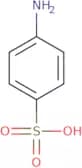
CAS:<p>Please enquire for more information about 4-(Methoxycarbonyl)bicyclo[2.1.1]hexane-1-carboxylic acid including the price, delivery time and more detailed product information at the technical inquiry form on this page</p>Formula:C9H12O4Purity:Min. 95%Molecular weight:184.19 g/mol4-Aminobenzenesulfonic acid
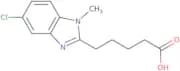
CAS:<p>4-Aminobenzenesulfonic acid is a sulfonic acid that is used in wastewater treatment. It has been shown to be an excellent water permeability agent and can be used as an additive to the process of making sulfonated polymers for use in water filtration. 4-Aminobenzenesulfonic acid has been shown to have enzyme inhibitory effects on metal hydroxide-dependent enzymes, such as sulphanilic and sulfanilic acid. This compound also has been investigated as a potential therapeutic agent for the treatment of cancer, with some success. It has been shown to stimulate the production of picolinic acid, which is an intermediate in the kynurenine pathway leading to production of nicotinamide adenine dinucleotide (NAD+). In humans, 4-aminobenzenesulfonic acid can bind toll-like receptors (TLRs) and activate TLR4 signaling pathways.</p>Formula:C6H7NO3SPurity:Min. 95%Molecular weight:173.19 g/mol5-(5-Chloro-1-methyl-1H-benzimidazol-2-yl)pentanoic acid
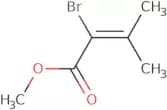
CAS:Controlled Product<p>Please enquire for more information about 5-(5-Chloro-1-methyl-1H-benzimidazol-2-yl)pentanoic acid including the price, delivery time and more detailed product information at the technical inquiry form on this page</p>Formula:C13H15ClN2O2Purity:Min. 95%Molecular weight:266.72 g/mol2-Bromo-3-methylbutenoic acid methyl ester
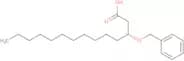
CAS:<p>Please enquire for more information about 2-Bromo-3-methylbutenoic acid methyl ester including the price, delivery time and more detailed product information at the technical inquiry form on this page</p>Formula:C6H9BrO2Purity:Min. 95%Molecular weight:193.04 g/molR-(3)-Benzyloxy myristic acid
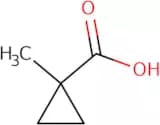
CAS:<p>R-(3)-Benzyloxy myristic acid is an adjuvant that is used in vaccines. It is a synthetic molecule with the ability to activate antigen-specific CD4 and CD8 T-cells. R-(3)-Benzyloxy myristic acid has been shown to be an efficient method of enhancing antigen-specific antibody production by stimulating dendritic cells. This agent is also pH sensitive and can be used as a vaccine adjuvant at acidic pH values, which are found in the stomach. R-(3)-Benzyloxy myristic acid has been shown to stimulate T-cell proliferation and increase the expression of co-stimulatory molecules on these cells, increasing the efficiency of immunization.</p>Formula:C21H34O3Purity:Min. 95%Molecular weight:334.49 g/mol1-Methylcyclopropane-1-carboxylic acid
CAS:1-Methylcyclopropane-1-carboxylic acid is a reactive, stereoisomeric amide with an alkaline metal. It can be prepared by the reaction of methoxide and nitrobenzene in the presence of a base such as potassium hydroxide. 1-Methylcyclopropane-1-carboxylic acid has been shown to have potent antitumor activity against solid tumors in vivo. This compound was also shown to inhibit the growth of human prostate cancer cells in vitro. Additionally, 1-methylcyclopropane-1-carboxylic acid has been shown to inhibit the generation of reactive oxygen species (ROS) from xylene and other aromatic hydrocarbons, which may be due to its ability to nitrosylate these compounds and prevent them from reacting with oxygen.Formula:C5H8O2Purity:Min. 95%Molecular weight:100.12 g/moltert-Butyl 3-(cyclopropylamino)azetidine-1-carboxylate
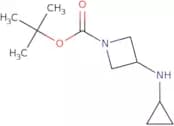
CAS:<p>Please enquire for more information about tert-Butyl 3-(cyclopropylamino)azetidine-1-carboxylate including the price, delivery time and more detailed product information at the technical inquiry form on this page</p>Formula:C11H20N2O2Purity:Min. 95%Molecular weight:212.29 g/mol3-Cyclopropylpropanoic acid
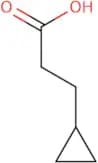
CAS:3-Cyclopropylpropanoic acid is a synthetic derivative of oxalyl chloride. It has been shown to inhibit the growth of viruses, notably influenza A virus and human immunodeficiency virus (HIV), in cell culture. 3-Cyclopropylpropanoic acid also inhibits the g1 phase of the cell cycle. In addition, it has been shown to inhibit skin cancer and cardiovascular diseases in humans.Formula:C6H10O2Purity:95%NmrMolecular weight:114.14 g/mol3-Bromo-4-oxo-piperidine-1-carboxylic acid ethyl ester
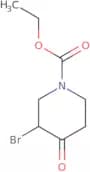
CAS:3-Bromo-4-oxo-piperidine-1-carboxylic acid ethyl ester is a monoclinic crystal of the salt of 3-bromo-4-oxo-piperidine and 1,2-ethanediol. It is used as an intermediate in the synthesis of cisapride, a medication that regulates gastrointestinal motility. 3BOCEP has been shown to hydrolyze in the stomach with a rate constant of 2 x 10 M s. The bromination product is cisapride, which has been shown to regulate gastrointestinal motility by stimulating GI smooth muscle contractions.Formula:C8H12BrNO3Purity:Min. 95%Molecular weight:250.09 g/molL-Azetidine-2-carboxylic acid
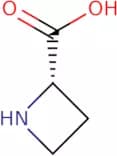
CAS:L-Azetidine-2-carboxylic acid is a natural product that has been shown to have anticancer effects. It has been shown to induce apoptosis in cancer cells by binding to response elements on the DNA, which causes DNA damage and cell death. L-Azetidine-2-carboxylic acid also inhibits protein synthesis by interfering with the uptake of amino acids, which are essential for protein production. This compound is not toxic to healthy cells because it cannot cross the lipid bilayer of the cell membrane. L-Azetidine-2-carboxylic acid also induces autophagy in cancer cells, causing them to destroy their own cellular components. There is evidence that this compound may be effective for other diseases such as diabetes and neurodegenerative disorders due to its ability to regulate intracellular calcium levels and its cytosolic function as a substrate molecule.Formula:C4H7NO2Purity:Min. 95%Color and Shape:White To Light (Or Pale) Yellow SolidMolecular weight:101.1 g/mol(R)-De(carboxymethoxy) cetirizine acetic acid hydrochloride
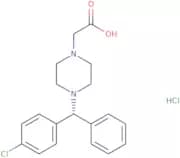
CAS:Please enquire for more information about (R)-De(carboxymethoxy) cetirizine acetic acid hydrochloride including the price, delivery time and more detailed product information at the technical inquiry form on this pageFormula:C19H22Cl2N2O2Purity:Min. 95%Molecular weight:381.3 g/mol2-(1-Methyl-5-(4-methylbenzoyl)-1H-pyrrol-2-yl)acetic acid
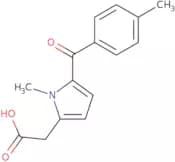
CAS:<p>2-(1-Methyl-5-(4-methylbenzoyl)-1H-pyrrol-2-yl)acetic acid is a nonsteroidal antiinflammatory drug that belongs to the group of drugs called arylpropionic acids. The drug is used to relieve inflammation and pain. 2-(1-Methyl-5-(4-methylbenzoyl)-1H-pyrrol-2-yl)acetic acid has been shown in vitro assays to be toxic to epidermal cells and inhibit the production of inflammatory mediators such as prostaglandins and leukotrienes. The drug also inhibits the production of proinflammatory cytokines such as IL6, IL8, and TNFα by activated human monocytes in vitro. It has been shown to have antiinflammatory activity in experimental models for arthritis, colitis, and asthma.</p>Formula:C15H15NO3Purity:Min. 95%Molecular weight:257.28 g/mol(4-Ethoxyphenyl)boronic acid
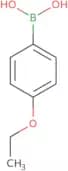
CAS:4-Ethoxyphenylboronic acid is a boron-containing compound that has been shown to have potent antiviral activity. This compound is synthesized from adipose tissue and optical properties of the phenoxazine derivative are studied in order to find an efficient process for solid-phase synthesis. 4-Ethoxyphenylboronic acid has been shown to inhibit triglyceride lipase and fatty acid, which may be an important drug target. It has also been found to have potent antagonistic effects on fatty acids.Formula:C8H11BO3Purity:Min. 95%Molecular weight:165.98 g/mol1-Phenyl-1H-pyrrole-2-carboxylic acid
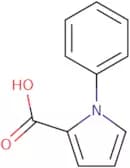
CAS:<p>1-Phenyl-1H-pyrrole-2-carboxylic acid is a heterocyclic compound with a carbonyl group. It is the simplest furan derivative. 1PPC has been shown to react with phosphite and trimethyl phosphite to form an intramolecular cycloaddition product, which is a biomolecular reaction. 1PPC competes with furan for the formation of pyrroles. This study also showed that pyrrole rings can be opened by 1PPC and other carbonyl groups in the presence of base, forming new compounds.</p>Formula:C11H9NO2Purity:Min. 95%Color and Shape:PowderMolecular weight:187.19 g/molEthanesulfonic acid - 70% aqueous solution
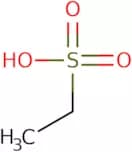
CAS:<p>Ethanesulfonic acid is a highly reactive and readily available chemical that has been investigated for the treatment of cancer. It has shown to be effective as an adjuvant in the treatment of bowel disease and radiation therapy. Ethanesulfonic acid is also used as an antimicrobial agent and disinfectant. This chemical can be used to produce polymers with glycol ethers, coumarin derivatives, and dextran sulfate for use in biological samples such as blood or urine. Ethanesulfonic acid is a potent inhibitor of the polymerase chain reaction (PCR). The inhibition of PCR may be due to its ability to inhibit enzyme activities involved in DNA synthesis, including dinucleotide phosphate enzymes and glycol-ether-sensitive enzymes.</p>Formula:C2H6O3SPurity:Min. 95%Color and Shape:Colourless To Pale Yellow Clear LiquidMolecular weight:110.13 g/mol(1R,2R)-Boc-aminocyclopentane carboxylic acid
CAS:<p>(1R,2R)-Boc-aminocyclopentane carboxylic acid (BCPC) is a high quality, reagent, and useful intermediate. It is a versatile building block that can be used as a speciality chemical or research chemical. BCPC has been shown to react with amines to form ureas, with nitriles to form oxazolidines, and with epoxides to form aziridinones.</p>Formula:C11H19NO4Purity:Min. 95%Color and Shape:White PowderMolecular weight:229.27 g/mol5-Norbornene-2-carboxylic acid
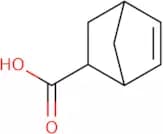
CAS:<p>5-Norbornene-2-carboxylic acid is a reactive, carbonyl compound that has been used in metathesis reactions. In these reactions, the 5-norbornene-2-carboxylic acid reacts with sodium carbonate to form a mixture of hydroxy methyl and fluorine groups. The 5-norbornene-2-carboxylic acid can be prepared by reacting phenol with anhydrous hydrogen fluoride in the presence of sodium carbonate. This reaction produces a mixture of 5-norbornene-2 carboxylic acids, but also includes isomeric mixtures that are not useful as starting materials for synthesis. The 5-norbornene -2 carboxylic acid can also be synthesized from aliphatic hydrocarbons such as propylene or ethylene. It is important to note that the 5 - norborenene 2 carboxylic acid does not have any aromatic rings and is therefore</p>Formula:C8H10O2Purity:Min. 95%Color and Shape:Clear LiquidMolecular weight:138.16 g/molFmoc-1-amino-4,7,10-trioxa-13-tridecanamine succinimic acid
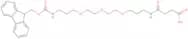
CAS:<p>Fmoc-1-amino-4,7,10-trioxa-13-tridecanamine succinimic acid is a synthetic amide that is used as an intermediate in the synthesis of peptides. It has a conformational structure and can be labeled with dyes to study the structures of proteins or peptides. Fmoc-1-amino-4,7,10-trioxa-13-tridecanamine succinimic acid has been used as an immunogen in the preparation of monoclonal antibodies. It also can be conjugated to drugs or other compounds for use as bioconjugates. This compound has been shown to have enzymatic activity and can be used as a substrate for enzyme linked immunosorbent assays (ELISA). Trifluoroacetic acid is commonly used in the synthesis of this compound.</p>Formula:C29H38N2O8Purity:Min. 98 Area-%Molecular weight:542.62 g/mol7-(Difluoromethyl)-5-methyl[1,2,4]triazolo[1,5-a]pyrimidine-2-carboxylic acid
CAS:<p>Please enquire for more information about 7-(Difluoromethyl)-5-methyl[1,2,4]triazolo[1,5-a]pyrimidine-2-carboxylic acid including the price, delivery time and more detailed product information at the technical inquiry form on this page</p>Formula:C8H6F2N4O2Purity:Min. 95%Molecular weight:228.16 g/mol(S)-tert-Butyl 3-(methylamino)pyrrolidine-1-carboxylate
CAS:<p>(S)-tert-Butyl 3-(methylamino)pyrrolidine-1-carboxylate is a research chemical that can be used as a versatile building block for the synthesis of complex compounds. It is also a reaction component in the synthesis of speciality chemicals and useful scaffolds. It has been shown to have high quality, reagent grade and purity.</p>Formula:C10H20N2O2Purity:Min. 95%Color and Shape:PowderMolecular weight:200.28 g/molPyrimidine-5-carboxylic acid
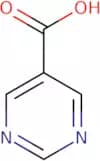
CAS:<p>Pyrimidine-5-carboxylic acid is a synthetic, nucleophilic pyrimidine compound that is used in the laboratory for the synthesis of other compounds. It has been shown to inhibit the growth of Leishmania and Staphylococcus bacteria. Pyrimidine-5-carboxylic acid binds to the malonic acid moiety of phosphoenolpyruvate carboxykinase and inhibits its activity, leading to a reduction in cellular respiration. This drug also has clinical development potential as an analgesic with modulating properties.</p>Formula:C5H4N2O2Purity:Min. 95%Molecular weight:124.1 g/mol3-Mercaptopropionic acid
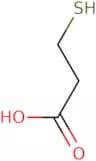
CAS:<p>3-Mercaptopropionic acid is a byproduct of the metabolic process where glutamate, a major excitatory neurotransmitter in the brain, is broken down into 3-mercaptopropionic acid and pyruvic acid. It is known to have synergic effects with other compounds such as fluorescence probes. 3-Mercaptopropionic acid also reacts with glycol ethers to form stable 3-mercaptopropionate esters. This reaction is catalyzed by enzymes such as alcohol dehydrogenase and acetyltransferases. The enzyme activity can be measured using an electrochemical detector. 3-Mercaptopropionic acid can be found in human serum, wastewater treatment plants, and chlorophyll A. It has been shown to inhibit the production of glutathione reductase in human erythrocytes when exposed to light. This inhibition may be due to its ability to induce oxidative stress or damage cell membranes through its protonation properties.</p>Formula:C3H6O2SPurity:Min. 98 Area-%Color and Shape:Clear LiquidMolecular weight:106.14 g/molBoc-(2R,5S)-5-phenylpyrrolidine-2-carboxylic acid
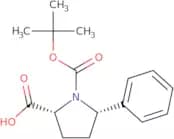
CAS:<p>Please enquire for more information about Boc-(2R,5S)-5-phenylpyrrolidine-2-carboxylic acid including the price, delivery time and more detailed product information at the technical inquiry form on this page</p>Formula:C16H21NO4Purity:Min. 95%Molecular weight:291.34 g/mol4-Bromocrotonic acid - min 98%
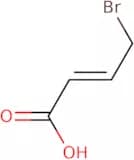
CAS:<p>4-Bromocrotonic acid is a 3-mercaptopropionic acid (3-MPA) derivative. It inhibits the enzyme carnitine acyltransferase, which is involved in the uptake of fatty acids into mitochondria and their subsequent β-oxidation. This leads to an accumulation of fatty acids in the cytosol, which can inhibit insulin-stimulated glucose uptake and protein synthesis. 4-Bromocrotonic acid also inhibits glut1, an amp-activated protein kinase enzyme that plays a key role in cellular metabolism, leading to irreversible inhibition. 4-Bromocrotonic acid is used for analytical purposes as it is a good substrate for mitochondrial enzymes.</p>Formula:C4H5BrO2Purity:Min. 98 Area-%Color and Shape:White PowderMolecular weight:164.99 g/mol(2-Hydroxyphenyl)boronic acid
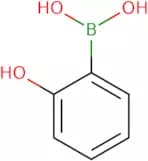
CAS:<p>(2-Hydroxyphenyl)boronic acid is an organic compound that contains a boronate ester group and a hydroxyl group. It is used in the synthesis of lysine-containing peptides, proteins, and other compounds. (2-Hydroxyphenyl)boronic acid is synthesized by cross-coupling reactions using palladium-catalyzed coupling reactions. The most common type of reaction is the Suzuki coupling reaction, which involves the addition of an aryl halide to an aryl or vinyl boronate ester. This reaction is carried out at elevated temperature in organic solvents such as tetrahydrofuran or dioxane. The yield for this reaction can be improved by using catalytic amounts of palladium acetate, which speeds up the rate at which the reaction occurs. The use of catalysts also decreases the need for high temperatures, making it possible to perform this process at</p>Formula:C6H7BO3Purity:Min. 95%Molecular weight:137.93 g/mol3-(4-Chlorophenyl)-1-phenyl-1H-pyrazole-5-carboxylic acid
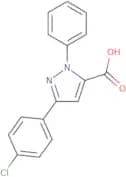
CAS:Controlled Product<p>Please enquire for more information about 3-(4-Chlorophenyl)-1-phenyl-1H-pyrazole-5-carboxylic acid including the price, delivery time and more detailed product information at the technical inquiry form on this page</p>Formula:C16H11ClN2O2Purity:Min. 95%Molecular weight:298.72 g/molD,L-Threo-b-hydroxy aspartic acid
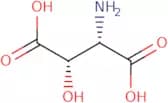
CAS:<p>D,L-Threo-b-hydroxy aspartic acid is a stereoselective synthetic amino acid that has been used to study the uptake and hydrolysis of D,L-threo-b-hydroxy aspartic acid by rat brain synaptosomes. It has also been used in the synthesis of an L-alanine analogue with the same stereochemistry at the chiral center. The stereoselective synthesis of this compound is achieved by epimerization reaction using d-alanine as a starting material. Threo bhda has been shown to inhibit glutamate release from neurons and stimulate GABA release in synaptosomes, which may be due to its ability to bind to ion channels. Threo bhda has also been found to inhibit the binding of radioactive thymidine to calf thymus DNA with a high degree of stereoselectivity.</p>Formula:C4H7NO5Purity:Min. 95%Molecular weight:149.1 g/molBoc-L-aspartic acid 4-tert-butyl ester
CAS:<p>Boc-L-aspartic acid 4-tert-butyl ester is a synthetic aminoacylase that is used in the synthesis of ergosterol. It is an efficient and economical reagent for the preparation of esters of aspartic acid, which are used in fungal antifungal agents. Boc-L-aspartic acid 4-tert-butyl ester has been shown to have various physiological functions, including the ability to inhibit ergosterol synthesis by inhibiting the enzyme polymeric ergosterol synthase in fungi. This compound can also be used to synthesize n-substituted aspartates.</p>Formula:C13H23NO6Purity:Min. 95 Area-%Color and Shape:PowderMolecular weight:289.32 g/molL-Menthyl 2,2-dihydroxyacetate
CAS:<p>L-Menthyl 2,2-dihydroxyacetate is a synthetic compound that belongs to the group of salicylic acid derivatives. It is an intermediate in the synthesis of other compounds and can be recycled. L-Menthyl 2,2-dihydroxyacetate reacts with primary amines to form iminoacetic esters and glyoxylates by acidic hydrolysis. The reaction time depends on the type of amine and the acidity of the solution. This compound has been used as a reagent to synthesize maleic anhydride from maleic acid. L-Menthyl 2,2-dihydroxyacetate is also used in methodologies for oxidizing aromatic compounds to produce benzoic acids or phenols.</p>Formula:C12H22O4Purity:Min. 95%Color and Shape:PowderMolecular weight:230.3 g/mol

![[(E)-2,4,6-trimethylnon-4-enyl]succinic Acid](/_next/image/?url=https%3A%2Fstatic.cymitquimica.com%2Fproducts%2FTR%2Fthumb-webp%2FT796480.webp&w=3840&q=75)



![4-[[2-(2-Amino-4,5-dihydro-4-oxo-5-thiazolyl)acetyl]amino]benzoic Acid](/_next/image/?url=https%3A%2Fstatic.cymitquimica.com%2Fproducts%2FTR%2Fthumb-webp%2FA629393.webp&w=3840&q=75)


![2-[(Ethoxycarbonyl)oxy]-acetic Acid](/_next/image/?url=https%3A%2Fstatic.cymitquimica.com%2Fproducts%2FTR%2Fthumb-webp%2FE895095.webp&w=3840&q=75)





![Benzo[b]thiophene-5-acetic Acid](/_next/image/?url=https%3A%2Fstatic.cymitquimica.com%2Fproducts%2FTR%2Fthumb-webp%2FB276740.webp&w=3840&q=75)

![3-[5-(2-thienyl)-2-furyl]propanoic Acid](/_next/image/?url=https%3A%2Fstatic.cymitquimica.com%2Fproducts%2FTR%2Fthumb-webp%2FB588825.webp&w=3840&q=75)
acetate](/_next/image/?url=https%3A%2Fstatic.cymitquimica.com%2Fproducts%2FTR%2Fthumb-webp%2FE678475.webp&w=3840&q=75)


![Thieno[3,2-b]thiophene-2-carboxylic Acid](/_next/image/?url=https%3A%2Fstatic.cymitquimica.com%2Fproducts%2FTR%2Fthumb-webp%2FT345200.webp&w=3840&q=75)




![4-(Methoxycarbonyl)bicyclo[2.1.1]hexane-1-carboxylic acid](/_next/image/?url=https%3A%2Fstatic.cymitquimica.com%2Fproducts%2F3D%2Fthumb-webp%2FFM76248.webp&w=3840&q=75)

![7-(Difluoromethyl)-5-methyl[1,2,4]triazolo[1,5-a]pyrimidine-2-carboxylic acid](/_next/image/?url=https%3A%2Fstatic.cymitquimica.com%2Fproducts%2F3D%2Fthumb-webp%2FFD119953.webp&w=3840&q=75)