


Carboxylic Acids
Carboxylic acids are organic molecules characterized by having a carboxyl-type functional group (-COOH). These acids are fundamental in various chemical reactions, including esterification, amidation, and decarboxylation. Carboxylic acids are widely used in the production of pharmaceuticals, polymers, and agrochemicals. In this section, you can find a large number of carboxylic acids ready to be used. At CymitQuimica, we provide a broad range of high-quality carboxylic acids to support your research and industrial applications.
Found 12453 products of "Carboxylic Acids"
Sort by
Purity (%)
0
100
|
0
|
50
|
90
|
95
|
100
12-Aminododecanoic acid
CAS:<p>12-Aminododecanoic acid is a fatty acid that is used in the manufacture of magnetic particles. It is synthesized by cationic polymerization of 4-tert-butylbenzoic acid and dodecanedioic acid. The process involves the use of water vapor to remove hydrochloric acid from the solution and form a salt, which then reacts with dodecanedioic acid to produce 12-aminododecanoic acid. This compound has been shown to have transport properties for nitrogen atoms and can be used in exfoliated materials such as nanometals. 12-Aminododecanoic acid has also been shown to exhibit redox activity due to its ability to react with hydrogen peroxide.</p>Formula:C12H25NO2Purity:Min. 95%Color and Shape:White PowderMolecular weight:215.33 g/mol(D-His1)-Exenatide trifluoroacetate salt
CAS:<p>Please enquire for more information about (D-His1)-Exenatide trifluoroacetate salt including the price, delivery time and more detailed product information at the technical inquiry form on this page</p>Formula:C184H282N50O60SPurity:Min. 95%Molecular weight:4,186.57 g/molHyodeoxycholic acid sodium salt
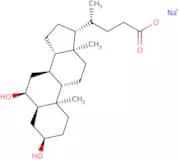
CAS:Controlled Product<p>Hyodeoxycholic acid sodium salt is a nonsteroidal anti-inflammatory drug that belongs to the class of hyodeoxycholic acids. It is an inhibitor of the enzyme activities that are involved in the synthesis of prostaglandins from arachidonic acid. Hyodeoxycholic acid sodium salt has been shown to inhibit the activity of enzymes such as cyclooxygenase, lipoxygenase, and 5-lipoxigenase. This inhibition leads to decreased production of inflammatory prostaglandins, which are responsible for inflammation and pain. Hyodeoxycholic acid sodium salt also has neurotrophic effects that may be due to its ability to stimulate NGF synthesis by neurons in vitro.</p>Formula:C24H39NaO4Purity:Min. 95%Molecular weight:414.55 g/molHydroxybisnorcholenic acid
CAS:Controlled Product<p>Hydroxybisnorcholenic acid is a sterol that is present in high concentrations in the skin and other tissues. It has been shown to have biological properties, such as meiosis, and to be involved in the regulation of ion transport. Hydroxybisnorcholenic acid is also one of the major components of the saponified product of cholesterol. The molecule is a target tissue for control levels of biochemical analysis and modulation by hormones. Hydroxybisnorcholenic acid can be converted into aminosterol, which then undergoes additional conversion to cholesterol.</p>Formula:C22H34O3Purity:Min. 95%Color and Shape:PowderMolecular weight:346.50 g/mol8-Ethyl-1,3,4,9-tetrahydro-1-(1-methylethyl)pyrano[3,4-b]indole-1-acetic acid
CAS:<p>Please enquire for more information about 8-Ethyl-1,3,4,9-tetrahydro-1-(1-methylethyl)pyrano[3,4-b]indole-1-acetic acid including the price, delivery time and more detailed product information at the technical inquiry form on this page</p>Formula:C18H23NO3Purity:Min. 95%Color and Shape:SolidMolecular weight:301.38 g/mol3-Aminopicolinic acid
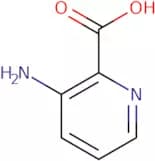
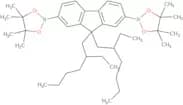
CAS:<p>3-Aminopicolinic acid is a carboxylate that can be found in the cytosol, mitochondria, and nucleus of cells. It is an efficient method for the synthesis of picolinic acid from 3-aminopyridine-2-carboxylic acid. The synthesis of picolinic acid has been shown to have structural analogs to molecules involved in nucleotide metabolism such as single-stranded DNA, mitochondrial DNA, and mitochondrial RNA. 3-Aminopicolinic acid has been shown to increase renal blood flow by stabilizing complexes with chloride and phosphoenolpyruvate. This compound also enhances the renal excretion of picolinic acid. 3-Desacetylcefotaxime potassium Tilmicosin Gatifloxacin 3-Aminopicolinic acid</p>Formula:C6H6N2O2Purity:Min. 95 Area-%Color and Shape:Yellow PowderMolecular weight:138.12 g/mol9,9-Bis(2-ethylhexyl)fluorene-2,7-bis(boronic acidpinacolester)
CAS:<p>Please enquire for more information about 9,9-Bis(2-ethylhexyl)fluorene-2,7-bis(boronic acidpinacolester) including the price, delivery time and more detailed product information at the technical inquiry form on this page</p>Formula:C41H64B2O4Purity:Min. 95%Molecular weight:642.57 g/mol1-[2-(5-Methyl-1H-indol-3-yl)ethyl]-5-oxopyrrolidine-3-carboxylic acid
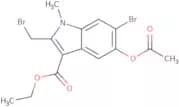
CAS:Controlled Product<p>Please enquire for more information about 1-[2-(5-Methyl-1H-indol-3-yl)ethyl]-5-oxopyrrolidine-3-carboxylic acid including the price, delivery time and more detailed product information at the technical inquiry form on this page</p>Formula:C16H18N2O3Purity:Min. 95%Molecular weight:286.33 g/molEthyl5-acetoxy-6-bromo-2-(bromomethyl)-1-methyl-1H-indole-3-carboxylate
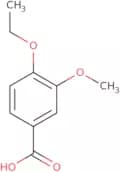
CAS:Controlled Product<p>Ethyl 5-acetoxy-6-bromo-2-(bromomethyl)-1-methyl-1H-indole-3-carboxylate is a chemical compound that has been shown to have anti viral activity in vitro. The structure of the compound suggests that it may inhibit the production of inflammatory cytokines. This drug inhibits the activity of enzymes such as hydroxylases and lipases, which are important for the inflammatory process. Ethyl 5-acetoxy-6-bromo-2-(bromomethyl)-1-methyl-1H-indole-3 carboxylate may be an effective treatment for bowel disease and other inflammatory conditions.</p>Formula:C15H15Br2NO4Purity:Min. 95%Molecular weight:433.09 g/mol4-Ethoxy-3-methoxybenzoic acid
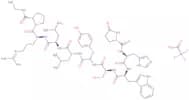
CAS:<p>4-Ethoxy-3-methoxybenzoic acid is a white crystalline solid that belongs to the class of isomers. This compound has been used in biological studies to study the functional theory of bond cleavage, hydroxyl group, and cleavage products. 4-Ethoxy-3-methoxybenzoic acid has also been shown to be a substrate for radical chain reactions, which are initiated by electron transfer from an organic molecule and may produce hydroperoxides or peroxides. The fatty acids found in this chemical react with trichloroacetic acid to form esters and conjugates. These esters are more water soluble than the original fatty acids, making them useful as solvents for organic reactions. 4-Ethoxy-3-methoxybenzoic acid is a precursor for coriolus pigment, which provides coloration for coniferous trees such as pine and spruce.</p>Formula:C10H12O4Purity:Min. 95%Molecular weight:196.2 g/mol(Des-Gly10,D-Leu6,D-Leu7,Pro-NHEt 9)-LHRH trifluoroacetate salt
CAS:<p>Please enquire for more information about (Des-Gly10,D-Leu6,D-Leu7,Pro-NHEt 9)-LHRH trifluoroacetate salt including the price, delivery time and more detailed product information at the technical inquiry form on this page</p>Formula:C59H84N16O12Purity:Min. 95%Molecular weight:1,209.4 g/molAc-Lys(Ac)-D-Ala-D-lactic acid
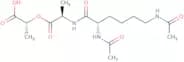
CAS:<p>Please enquire for more information about Ac-Lys(Ac)-D-Ala-D-lactic acid including the price, delivery time and more detailed product information at the technical inquiry form on this page</p>Formula:C16H27N3O7Purity:Min. 95%Molecular weight:373.4 g/mol4-Pyridazinecarboxylic acid
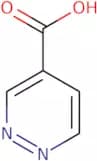
CAS:<p>4-Pyridazinecarboxylic acid is a salt that contains sodium. It is a white crystalline solid that is soluble in water, ethanol, and acetone. It has been shown to be effective against Leishmania species and Cryptococcus neoformans. 4-Pyridazinecarboxylic acid inhibits the growth of these fungi by binding to their cell membrane and inhibiting protein synthesis. 4-Pyridazinecarboxylic acid forms coordination complexes with metal ions that are involved in electron transfer reactions during the oxidative phosphorylation process. This leads to a decrease in ATP production and an increase in reactive oxygen species (ROS), which disrupts the function of macrophages and other phagocytic cells, leading to immunosuppression.</p>Formula:C5H4N2O2Purity:Min. 95%Molecular weight:124.1 g/molChloroacetic Acid-13C2
CAS:<p>Please enquire for more information about Chloroacetic Acid-13C2 including the price, delivery time and more detailed product information at the technical inquiry form on this page</p>Purity:Min. 95%L-Cysteinesulfinic acid, monohydrate
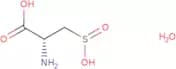
CAS:<p>Please enquire for more information about L-Cysteinesulfinic acid, monohydrate including the price, delivery time and more detailed product information at the technical inquiry form on this page</p>Formula:C3H7NO4S·H2OPurity:Min. 95%Molecular weight:171.17 g/molEthyl (ethoxymethylene) cyanoacetate
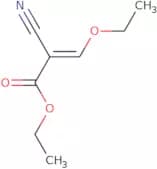
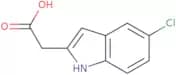
CAS:<p>Ethyl (Ethoxymethylene) cyanoacetate is a chemical compound that belongs to the family of aldehyde compounds. It is a colorless liquid at room temperature, with an odor similar to that of acetic acid. The compound has been used in the synthesis of epidermal growth factor and diazonium salts. It has also been used in the production of anti-cancer drugs such as malonic acid, which inhibits tumor growth by inhibiting protein synthesis. Ethyl (Ethoxymethylene) cyanoacetate reacts with quinoline derivatives to form carbon disulphide, which can be used as an antimicrobial agent and insecticide.</p>Formula:C8H11NO3Purity:Min. 95%Color and Shape:PowderMolecular weight:169.18 g/mol2-(5-Chloro-1H-indol-2-yl)acetic acid
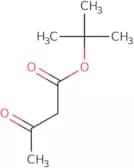
CAS:<p>Please enquire for more information about 2-(5-Chloro-1H-indol-2-yl)acetic acid including the price, delivery time and more detailed product information at the technical inquiry form on this page</p>Formula:C10H8CINO2Purity:Min. 95%Molecular weight:313.09 g/moltert-Butyl acetoacetate
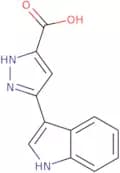
CAS:<p>tert-Butyl acetoacetate is an organic molecule that contains nitrogen atoms. The structure of tert-butyl acetoacetate can be described as a planar molecule with two hydrogen atoms and two carbon atoms. One of the hydrogen atoms is bonded to the carbon atom in the middle, and the other hydrogen atom is bonded to one of the carbons on the outside. The compound has a coordination geometry with a sodium ion in its center, and it can also exist as an anion or as a cation. Tert-butyl acetoacetate was synthesized by reacting sodium carbonate with tert-butyl alcohol. This reaction is exothermic and produces tert-butyl acetoacetate along with water and sodium hydroxide. In addition, tert-butyl acetoacetate is toxicologically studied, which has shown that it does not have any carcinogenic effects or adverse effects on reproduction in rats at doses up to 2000 mg/kg/day</p>Formula:C8H14O3Purity:Min. 95%Molecular weight:158.19 g/mol5-(1H-Indol-3-yl)-1H-pyrazole-3-carboxylic acid
CAS:<p>Please enquire for more information about 5-(1H-Indol-3-yl)-1H-pyrazole-3-carboxylic acid including the price, delivery time and more detailed product information at the technical inquiry form on this page</p>Formula:C12H9N3O2Purity:Min. 95%Molecular weight:227.22 g/mol[1-(2-Methoxyethyl)-1H-indol-3-yl]acetic acid
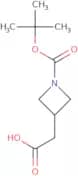
CAS:Controlled Product<p>Please enquire for more information about [1-(2-Methoxyethyl)-1H-indol-3-yl]acetic acid including the price, delivery time and more detailed product information at the technical inquiry form on this page</p>Formula:C13H15NO3Purity:Min. 95%Molecular weight:233.26 g/mol2-(1-(tert-Butoxycarbonyl)azetidin-3-yl)acetic acid
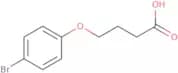
CAS:<p>Please enquire for more information about 2-(1-(tert-Butoxycarbonyl)azetidin-3-yl)acetic acid including the price, delivery time and more detailed product information at the technical inquiry form on this page</p>Formula:C10H17NO4Purity:Min. 95%Molecular weight:215.25 g/mol4-(4-Bromophenoxy)butanoic acid
CAS:Controlled Product<p>Please enquire for more information about 4-(4-Bromophenoxy)butanoic acid including the price, delivery time and more detailed product information at the technical inquiry form on this page</p>Formula:C10H11BrO3Purity:Min. 95%Molecular weight:259.1 g/molBoc-Gln-Arg-Arg-AMC acetate salt
CAS:<p>Please enquire for more information about Boc-Gln-Arg-Arg-AMC acetate salt including the price, delivery time and more detailed product information at the technical inquiry form on this page</p>Formula:C32H49N11O8Purity:Min. 95%Molecular weight:715.8 g/molMART-1 (26-35) (human) trifluoroacetate salt
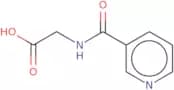
CAS:<p>Native Melan-A (26-35) decapeptide derives from the melanocyte lineage-specific protein Melan-A/MART-1, which is expressed in almost 75-100% of primary and metastatic melanomas.<br>The region 26-35 of Melan-A protein acts as an antigenic peptide that is recognized by CD8+ tumor-reactive cytolytic T lymphocytes (CTLs) for designing antigen-specific cancer vaccines1. It has been shown that CD8+ Melan-A-specific CTLs isolated from melanoma patients efficiently lyse the Melan-A-expressing HLA-A*0201+ melanoma cell line. However, CTLs preferentially recognize the Melan-A (26-35) peptide as compared with the Melan-A (27-35) peptide. Moreover, the Melan-A (26-35) A27L analog (ELAGIGILTV) has a higher binding affinity to HLA-A*0201 than the native Melan-A (26-35) peptide (EAAGIGILTV), and consequently displays more potent antigenicity and immunogenicity.<br>It has been reported that the concentration of Melan-A (26-35) A27L analog required to obtain 50% of maximal antigenic activity (EC50) is 0.01nM, whereas that of the native Melan-A (26-35) peptide is 0.25nM1. Therefore, the relative activity of Melan-A (26-35) A27L analog is 25 fold higher than that of the native Melan-A (26-35) peptide.<br>Furthermore, functional competition assay has shown that the concentration of Melan-A (26-35) A27L analog required to achieve 50% inhibition (IC50) of tumor lysis is 2nM, which is 10 fold lower than that of the native Melan-A (26-35) peptide. Regarding peptide stability in human serum, the half-lifes (t1/2) of the native Melan-A (26-35) peptide and the A27L analog are quite similar (45 and 40min, respectively) as measured by HPLC-ESI-MS, but much higher than that of the Melan-A (27-35) nonapeptide (5min).</p>Formula:C42H74N10O14Purity:Min. 95%Molecular weight:943.1 g/molNicotinuric acid
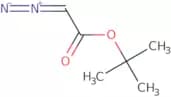
CAS:<p>Nicotinuric acid is an endogenous metabolite of nicotinic acid, which is a cofactor for the enzyme that catalyzes the conversion of phosphoenolpyruvate to pyruvate. Nicotinuric acid has been shown to be a potential biomarker for human pharmacokinetics. It has been shown to be involved in energy metabolism and may play a role in the pathogenesis of atherosclerotic cardiovascular disease. Nicotinuric acid is also a product of the enzymatic degradation of pyrrolidinecarboxylic acid, which is found in papillary muscle cells and penicillin-binding protein. The formation of nicotinuric acid can be inhibited by nicotinic acid, pyrazinoic acid, or by inhibitors of lc-ms/ms method.</p>Formula:C8H8N2O3Purity:Min. 95%Molecular weight:180.16 g/moltert-Butyl diazoacetate
CAS:<p>Tert-Butyl diazoacetate is an ethyl diazoacetate that undergoes a copper-catalyzed alkylation with 4-acetamidobenzene sulfonyl azide. The reaction rate is dependent on the concentration of chloride, which is the only byproduct. This compound has been used in asymmetric synthesis of 4-formylbenzenesulfonyl azide and has shown to be a useful tool for organic chemists due to its size-exclusion chromatography properties. Tert-Butyl diazoacetate also reacts with styrene to produce unsaturated ketones such as salicylaldehyde, which can be further modified. Tert-Butyl diazoacetate is also an important bioactive molecule because it can be isolated from natural sources like horseradish or soybean sprouts.</p>Formula:C6H10N2O2Purity:Min. 95%Molecular weight:142.16 g/moltert-Butyl 2,7-diazaspiro[3.5]nonane-7-carboxylate
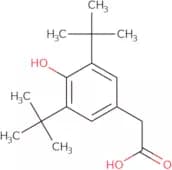
CAS:<p>Please enquire for more information about tert-Butyl 2,7-diazaspiro[3.5]nonane-7-carboxylate including the price, delivery time and more detailed product information at the technical inquiry form on this page</p>Formula:C12H22N2O2Purity:Min. 95%Molecular weight:226.32 g/mol3,5-di-tert-Butyl-4-hydroxyphenylacetic acid
CAS:<p>3,5-Di-tert-butyl-4-hydroxyphenylacetic acid (BHT) is an antiaging agent that has been used in food packaging and cosmetics. BHT is a functionalized triethoxysilane with phenyl groups attached to the silicon atoms. BHT is an antioxidant that protects against lipid peroxidation and prevents the formation of free radicals by reacting with peroxy radicals. It has been shown to have a protective effect on skin cells when applied topically. BHT also has protective effects against environmental stressors such as UV radiation, ozone, and cigarette smoke.</p>Formula:C16H23O3Purity:Min. 95%Molecular weight:263.36 g/molγ-Aminobutyric acid
CAS:<p>Gamma-aminobutyric acid (GABA) is a neurotransmitter that inhibits the transmission of nerve impulses in the brain. GABA binds to specific receptors and blocks voltage-dependent calcium channels, which are ion channels that allow the passage of calcium ions into cells. GABA also has a number of other functions, including biochemical properties, its role in brain function and drug interactions. The GABA receptor is found on neurons and is subject to modulation by drugs that interact with GABA receptors. In addition, GABA can react with water vapor to produce hydrogen bonding interactions. This reaction is used in electrochemical impedance spectroscopy as an analytical tool for determining the concentration of free water in a sample.</p>Formula:C4H9NO2Purity:Min. 98.0%Color and Shape:White PowderMolecular weight:103.12 g/mol4-Aminomethylphenylacetic acid
CAS:<p>4-Aminomethylphenylacetic acid is a nonsteroidal anti-inflammatory drug that is used to treat inflammation and pain. It belongs to the class of peptidomimetics, which are compounds that mimic the structure of a natural biological molecule. 4-Aminomethylphenylacetic acid has an analog with a lactam ring at position 3, which is not present in other NSAIDs. This structural difference may contribute to its high stability and low reactivity. 4-Aminomethylphenylacetic acid has been shown to exhibit antiviral activity against viruses such as HIV or Hepatitis C virus by inhibiting viral replication.</p>Formula:C9H11NO2·HClPurity:Min. 95%Molecular weight:201.65 g/molPeptide YY (canine, mouse, porcine, rat)
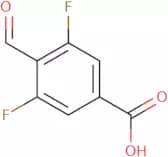
CAS:<p>Peptide YY (PYY) is a peptide hormone that inhibits gastric emptying and increases intestinal transit time. This peptide can be given as an intubation, perfusion, or intravenous infusion to increase the absorption of nutrients. It also has the potential to reduce body weight in obese people. PYY is a potent activator of protein synthesis and it has been shown to stimulate lipolysis in adipocytes. PYY is found in the ileum and colon, where it may have its effects on appetite suppression and regulation of gastrointestinal motility.</p>Formula:C190H288N54O57Purity:Min. 95%Color and Shape:PowderMolecular weight:4,240.65 g/mol3,5-difluoro-4-formylbenzoic Acid
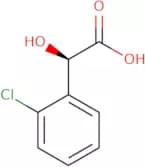
CAS:<p>3,5-Difluoro-4-formylbenzoic acid is a sulfamic acid derivative that is used as a catalyst in the synthesis of aldehydes. The catalytic activity of 3,5-difluoro-4-formylbenzoic acid is due to its ability to be oxidized by air and light to give an active form. It also has other uses in the synthesis of dihydropyrans and regioselectivity studies.</p>Formula:C8H4F2O3Purity:Min. 95%Molecular weight:186.11 g/mol(R)-2-Chloromandelic acid
CAS:<p>(R)-2-Chloromandelic acid is an organic compound with the formula CHClCOH. It is a mandelonitrile, which is a benzene ring fused to a nitrile. It has an optimal reaction at acidic pH and in organic solvents and is enantiopure. The cell lysis of Escherichia coli can be achieved by this compound, as seen through the use of acid dehydrogenase. (R)-2-Chloromandelic acid has been shown to inhibit platelet aggregation, making it an antiplatelet agent. This product can be synthesized using methods such as the enantioselective synthesis of clopidogrel or the asymmetric synthesis of D-mandelic acid methyl ester. The isolated yield for (R)-2-Chloromandelic acid is about 45%.</p>Formula:C8H7ClO3Purity:Min. 95%Color and Shape:SolidMolecular weight:186.59 g/molZ-α-aminoisobutyric acid
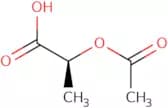
CAS:<p>Z-alpha-aminoisobutyric acid is an amide with a conformational pattern that resembles the alpha-helix. It has been shown to inhibit the formation of oligomers, which are aggregates of peptides and proteins, in the gas phase. Z-alpha-aminoisobutyric acid also stabilizes peptides and proteins in aqueous solution by preventing them from forming intramolecular hydrogen bonds. The infrared spectroscopy shows that z-alpha-aminoisobutyric acid is a conformer with a dihedral angle of about 120 degrees.</p>Formula:C12H15NO4Purity:Min. 95%Molecular weight:237.25 g/mol(S)-2-Acetoxy-propionic acid
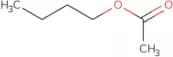
CAS:<p>(S)-2-Acetoxy-propionic acid is a hexyl, enantiopure, and biologically active chemical. It is a pheromone that is secreted by the streptomycetaceae bacterium as part of its mating process. It has been shown to have an inhibitory effect on stingless bees, which are native to Central America and South America. (S)-2-Acetoxy-propionic acid has been found in the mandibular glands of these bees and is believed to play a role in their behavior. This chemical can be synthesized from propionic acid and acetaldehyde or from lactic acid and acetaldehyde. It is also possible to produce it from 2-bromopropanoic acid through the tripropionate pathway. The chemical was first isolated in 1957 by Takaichi Yamashita, who named it for its ability to inhibit bee stings when applied externally. (S)-2-Acetoxy</p>Formula:C5H8O4Purity:Min. 95%Color and Shape:Colorless Clear LiquidMolecular weight:132.11 g/molButyl acetate
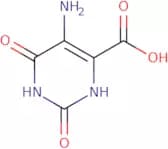
CAS:<p>Butyl acetate is a reactive solvent that has been used in wastewater treatment. It has also been proposed as an analytical method for the determination of the concentration of butyl ester in mixtures. In this technique, a constant pressure is maintained until the butyl ester is released from the sample matrix and enters into a gas phase. The gas phase is then drawn into a solid-phase microextraction (SPME) fiber and analyzed by gas chromatography/mass spectrometry. Butyl acetate has limited solubility in water, which limits its practical use as a solvent. However, it can be mixed with other solvents such as ethanoate or n-butyl acetate to produce solutions that are more easily soluble in water. The structural analysis of butyl acetate was carried out using infrared spectroscopy and nuclear magnetic resonance (NMR).</p>Formula:C6H12O2Purity:Min. 95%Color and Shape:Clear LiquidMolecular weight:116.16 g/mol5-Aminoorotic acid
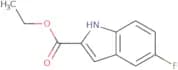
CAS:<p>5-Aminoorotic acid is an antimicrobial agent that has been shown to have anticancer activity. It has a nitrogen atom and two oxygen atoms in the molecule. The chemical structure of 5-aminoorotic acid can be determined using NMR spectroscopy and its biological properties are dependent on hydrogen bonding interactions with other molecules. 5-Aminoorotic acid is a chelate ring, which means it can bind to metal ions such as lanthanum (La3+). 5-Aminoorotic acid has been shown to inhibit the glycol oxidation reaction and may also be able to inhibit other enzymatic reactions. This drug is stable for use in model systems and may also be used for cancer treatment.</p>Formula:C5H5N3O4Purity:Min. 95%Molecular weight:171.11 g/molEthyl 5-fluoroindole-2-carboxylate
CAS:<p>Ethyl 5-fluoroindole-2-carboxylate is a cytotoxic compound that belongs to the class of organic compounds called aryl rings. It has been shown to inhibit tumor growth in vitro and in vivo through the inhibition of protein synthesis. The molecular docking studies have shown that this compound binds to the enzyme SMMC-7721 cell, which is involved in DNA transcription and replication. It also inhibits activity of other enzymes, such as kinases and phosphatases, which are involved in cellular processes such as proliferation and differentiation. Ethyl 5-fluoroindole-2-carboxylate may be used for the treatment of blood cancer or monosugar diseases, such as diabetes mellitus or hyperlipidemia.</p>Formula:C11H10FNO2Purity:Min. 95%Molecular weight:207.2 g/mol4-amino[1,1'-biphenyl]-3-carboxylic acid
CAS:<p>Please enquire for more information about 4-amino[1,1'-biphenyl]-3-carboxylic acid including the price, delivery time and more detailed product information at the technical inquiry form on this page</p>Formula:C13H11O2NPurity:Min. 95%Molecular weight:213.23 g/molBenzene-1,3-disulfonic acid disodium
CAS:<p>This is a polynuclear compound that has an electrochemical method for detection. It is catalytic, with a low detection limit. The shape of the crystals are spherical, which is due to the size of the crystals. There are no interferences in these measurements, as well as photomicrographs and dopamine sensor. This compound will have synergistic effects with chloride and glucose sensors. The following are some properties of benzene-1,3-disulfonic acid disodium salt: -It has a molecular weight of 227.2 -It has a melting point of about 237 degrees Celsius -It is soluble in water -It has a boiling point at about 515 degrees Celsius -Benzene-1,3-disulfonic acid disodium salt is not hazardous to humans if it is ingested orally; however, it can be harmful if inhaled or if it comes into contact with skin</p>Formula:C6H4Na2O6S2Purity:Min. 95%Color and Shape:PowderMolecular weight:282.2 g/mol1-[2-(5-Chloro-1H-indol-3-yl)ethyl]-5-oxopyrrolidine-3-carboxylic acid
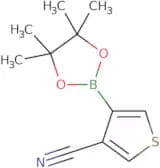
CAS:Controlled Product<p>Please enquire for more information about 1-[2-(5-Chloro-1H-indol-3-yl)ethyl]-5-oxopyrrolidine-3-carboxylic acid including the price, delivery time and more detailed product information at the technical inquiry form on this page</p>Formula:C15H15ClN2O3Purity:Min. 95%Molecular weight:306.74 g/mol3-Cyanothiophene-4-boronic acid pinacol ester
CAS:<p>Please enquire for more information about 3-Cyanothiophene-4-boronic acid pinacol ester including the price, delivery time and more detailed product information at the technical inquiry form on this page</p>Formula:C11H14BNO2SPurity:Min. 95%Molecular weight:235.11 g/mol(R)-3-Amino-butyric acid methyl ester
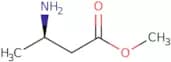
CAS:<p>Please enquire for more information about (R)-3-Amino-butyric acid methyl ester including the price, delivery time and more detailed product information at the technical inquiry form on this page</p>Formula:C5H11NO2Purity:Min. 95%Molecular weight:117.15 g/molL-Pyroglutamic acid pentachlorophenyl ester
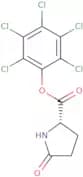
CAS:Controlled Product<p>Please enquire for more information about L-Pyroglutamic acid pentachlorophenyl ester including the price, delivery time and more detailed product information at the technical inquiry form on this page</p>Formula:C11H6Cl5NO3Purity:Min. 95%Molecular weight:377.43 g/mol2-(2-Propyl-1H-benzimidazol-1-yl)butanoic acid hydrochloride
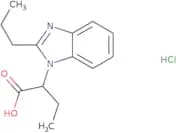
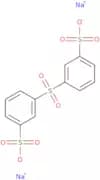
CAS:Controlled Product<p>Please enquire for more information about 2-(2-Propyl-1H-benzimidazol-1-yl)butanoic acid hydrochloride including the price, delivery time and more detailed product information at the technical inquiry form on this page</p>Formula:C14H18N2O2Purity:Min. 95%Molecular weight:246.31 g/molDiphenylsulfone-3,3'-disulfonic Acid Disodium Salt
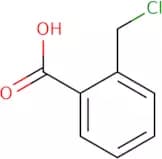
CAS:<p>Please enquire for more information about Diphenylsulfone-3,3'-disulfonic Acid Disodium Salt including the price, delivery time and more detailed product information at the technical inquiry form on this page</p>Purity:Min. 95%2-(Chloromethyl)benzoic acid
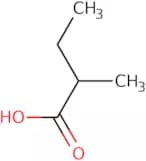
CAS:<p>2-(Chloromethyl)benzoic acid (CMBA) is a reactive chemical that can be used as an oxidant or a carbanion. CMBA is activated by sulfinyl, alicyclic, and sulfoxides, which are organic compounds with one or more sulfur atoms. These reactions may be either alkylation or condensation reactions. The activated CMBA can then react with chlorine to form chlorinated products. This reaction can be catalyzed by low energy sources, such as light or heat.</p>Formula:C8H7ClO2Purity:Min. 95%Color and Shape:PowderMolecular weight:170.59 g/mol2-Methyl butyric acid
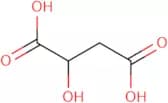
CAS:<p>2-Methyl butyric acid is a fatty acid that is produced by the fungus Monascus purpureus. 2-Methyl butyric acid has been shown to inhibit the activity of a number of enzymes in gland cells, including proteases, lipases, and amylases. This effect may be due to its ability to inhibit lipid peroxidation. Further research into the metabolic profiles of 2-methyl butyric acid has shown that it inhibits the activity of enzymes involved in fatty acid synthesis and metabolism, such as tiglic acid synthase and ketoacyl CoA reductase. It also shows some potential as a solid catalyst for kinetic studies.</p>Formula:C5H10O2Purity:Min. 95%Color and Shape:Clear LiquidMolecular weight:102.13 g/molDL-Malic acid - food grade
CAS:<p>DL-Malic acid is an organic acid that plays a role in the citric acid cycle. It is also used as an antimicrobial agent, and has been shown to be effective against fungi and bacteria. DL-Malic acid binds to the active site of complex enzymes involved in energy metabolism and has been shown to inhibit transcriptional regulation of numerous genes. DL-Malic acid has also shown to have a positive effect on metabolic disorders such as diabetes mellitus and hypoglycemia. DL-Malic acid may be synthesized with sodium salts or sodium citrate, depending on the desired end product. This compound can also be produced by laser ablation of malonic acid or by enzymatic oxidation of tartaric acid, which is a natural source of this chemical.</p>Formula:C4H6O5Purity:Min. 95%Molecular weight:134.09 g/molEthyl 3-{[(1E)-(dimethylamino)methylene]amino}-5-methoxy-1-methyl-1H-indole-2-carboxylate
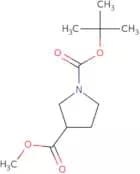
CAS:Controlled Product<p>Please enquire for more information about Ethyl 3-{[(1E)-(dimethylamino)methylene]amino}-5-methoxy-1-methyl-1H-indole-2-carboxylate including the price, delivery time and more detailed product information at the technical inquiry form on this page</p>Formula:C16H21N3O3Purity:Min. 95%Molecular weight:303.36 g/mol1-tert-Butyl 3-methyl pyrrolidine-1,3-dicarboxylate
CAS:<p>Please enquire for more information about 1-tert-Butyl 3-methyl pyrrolidine-1,3-dicarboxylate including the price, delivery time and more detailed product information at the technical inquiry form on this page</p>Formula:C11H19NO4Purity:Min. 95%Molecular weight:229.27 g/mol2-[4-(2-Methylpropenyl)phenyl]propionic acid
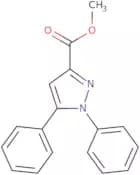
CAS:<p>2-[4-(2-Methylpropenyl)phenyl]propionic acid is an analgesic and antipyretic agent. It has been shown to have antiinflammatory properties, which are mediated through inhibition of prostaglandin synthesis. This agent binds to the enzyme cyclooxygenase and inhibits the biosynthesis of prostaglandins that are responsible for inflammation. 2-[4-(2-Methylpropenyl)phenyl]propionic acid also has optical antipyretic activity, which may be due to its ability to inhibit the release of prostaglandins from arachidonic acid in the hypothalamus. The optical antipyretic activity is most likely due to the enantiomers that this drug contains. 2-[4-(2-Methylpropenyl)phenyl]propionic acid has a pharmacologic profile that includes analgesic and antipyretic activities.END>></p>Formula:C13H16O2Purity:Min. 95%Color and Shape:PowderMolecular weight:204.26 g/molMethyl 1,5-diphenyl-1H-pyrazole-3-carboxylate
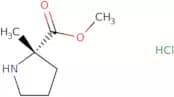
CAS:Controlled Product<p>Please enquire for more information about Methyl 1,5-diphenyl-1H-pyrazole-3-carboxylate including the price, delivery time and more detailed product information at the technical inquiry form on this page</p>Formula:C17H14N2O2Purity:Min. 95%Molecular weight:278.31 g/molMethyl (2S)-2-methylpyrrolidine-2-carboxylate hydrochloride
CAS:<p>Please enquire for more information about Methyl (2S)-2-methylpyrrolidine-2-carboxylate hydrochloride including the price, delivery time and more detailed product information at the technical inquiry form on this page</p>Formula:C7H13NO2•HClPurity:Min. 95%Molecular weight:179.64 g/molL-Menthyl 2,2-dihydroxyacetate
CAS:<p>L-Menthyl 2,2-dihydroxyacetate is a synthetic compound that belongs to the group of salicylic acid derivatives. It is an intermediate in the synthesis of other compounds and can be recycled. L-Menthyl 2,2-dihydroxyacetate reacts with primary amines to form iminoacetic esters and glyoxylates by acidic hydrolysis. The reaction time depends on the type of amine and the acidity of the solution. This compound has been used as a reagent to synthesize maleic anhydride from maleic acid. L-Menthyl 2,2-dihydroxyacetate is also used in methodologies for oxidizing aromatic compounds to produce benzoic acids or phenols.</p>Formula:C12H22O4Purity:Min. 95%Color and Shape:PowderMolecular weight:230.3 g/mol4-(Trifluoromethoxy)phenylboronic Acid (contains varying amounts of Anhydride)
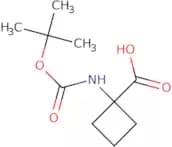
CAS:<p>4-(Trifluoromethoxy)phenylboronic acid is a boron-containing compound that has been shown to be a potent inhibitor of the histone deacetylase (HDAC) enzyme. It also has surfactant properties and can be used as a photochemical reagent. 4-(Trifluoromethoxy)phenylboronic acid is orally bioavailable and may have therapeutic potential for neurodegenerative diseases, such as Alzheimer's disease, Parkinson's disease, and Huntington's disease. It also has the ability to inhibit cancer cell growth by inhibiting HDAC activity. This drug has been found to cross-couple with organosilicon compounds in order to form new compounds with potent inhibitory activity against HDAC enzymes.</p>Formula:C7H6BF3O3Purity:Min. 95%Molecular weight:205.93 g/molBoc-1-amino-1-cyclobutane carboxylic acid
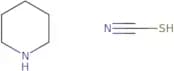
CAS:<p>Boc-1-amino-1-cyclobutane carboxylic acid is a synthetic and potent agonist of the androgen receptor. It is an analog of apalutamide, which is a selective antagonist of the androgen receptor. Boc-1-amino-1-cyclobutane carboxylic acid has been shown to have high oral bioavailability, which makes it suitable for oral administration. Boc-1-amino-1-cyclobutane carboxylic acid has been shown to have increased functional activity in cancer cells, which may be due to its ability to inhibit the growth of tumor cells by binding to their androgen receptors. Boc-1-amino-1-cyclobutane carboxylic acid has also been found to have good affinity for the androgen receptor when tested on cultured cells.</p>Formula:C10H17NO4Purity:Min. 95%Color and Shape:White/Off-White SolidMolecular weight:215.25 g/molThiocyanic acidpiperidine
CAS:Controlled Product<p>Thiocyanic acidpiperidine is a substrate for film hydroxide solution. It reacts with hydrochloric acid to form hydrogen chloride and thiocyanate ion. Thiocyanic acidpiperidine is a reactive compound that can be used as a radiation-sensitive reagent in the synthesis of β-unsaturated ketones. The reaction is carried out in an immiscible solvent such as dichloromethane or chloroform and sodium hydroxide solution. This efficient method has been shown to be useful for the preparation of β-unsaturated ketones.</p>Formula:C6H12N2SPurity:Min. 95%Molecular weight:144.24 g/moltert-Butyl 4-{[(methylsulfonyl)oxy]methyl}piperidine-1-carboxylate
CAS:<p>Please enquire for more information about tert-Butyl 4-{[(methylsulfonyl)oxy]methyl}piperidine-1-carboxylate including the price, delivery time and more detailed product information at the technical inquiry form on this page</p>Formula:C12H23NO5SPurity:Min. 95%Molecular weight:293.38 g/mol14-Azido-3,6,9,12-tetraoxatetradecanoic acid solution - 0.5M solution in tert-butyl methyl ether
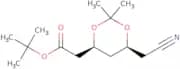
CAS:<p>Please enquire for more information about 14-Azido-3,6,9,12-tetraoxatetradecanoic acid solution - 0.5M solution in tert-butyl methyl ether including the price, delivery time and more detailed product information at the technical inquiry form on this page</p>Formula:C10H19N3O6Purity:Min. 95%Color and Shape:Colorless PowderMolecular weight:277.27 g/mol(4S,6S)-6-(Cyanomethyl)-2,2-dimethyl-1,3-dioxane-4-acetic acid tert-butyl ester
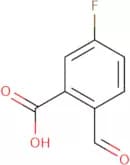
CAS:<p>Please enquire for more information about (4S,6S)-6-(Cyanomethyl)-2,2-dimethyl-1,3-dioxane-4-acetic acid tert-butyl ester including the price, delivery time and more detailed product information at the technical inquiry form on this page</p>Formula:C14H23NO4Purity:Min. 95%Molecular weight:269.34 g/mol5-Fluoro-2-formylbenzoic acid
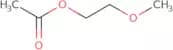
CAS:<p>Please enquire for more information about 5-Fluoro-2-formylbenzoic acid including the price, delivery time and more detailed product information at the technical inquiry form on this page</p>Formula:C8H5FO3Purity:Min. 95%Molecular weight:168.12 g/molEthylene glycol monomethyl ether acetate
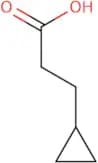
CAS:<p>Ethylene glycol monomethyl ether acetate (EMEA) is a solvent that is used for the extraction of organic compounds in the laboratory. It can be used to extract fatty acids from animal tissue or to isolate DNA from blood samples. EMEA is also used as a solvent in analytical methods such as gas chromatography and high-performance liquid chromatography. This compound is mainly used as an inorganic acid, but it can also be used as a nitrogen source for some chemical reactions. EMEA reacts with light exposure, which makes it a potent inducer of chemical reactions. The hydrolysis reaction of EMEA by hydrochloric acid yields glycol ethers and diethyl succinate.</p>Formula:C5H10O3Purity:Min. 95%Molecular weight:118.13 g/mol3-Cyclopropylpropanoic acid
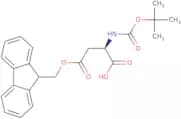
CAS:<p>3-Cyclopropylpropanoic acid is a synthetic derivative of oxalyl chloride. It has been shown to inhibit the growth of viruses, notably influenza A virus and human immunodeficiency virus (HIV), in cell culture. 3-Cyclopropylpropanoic acid also inhibits the g1 phase of the cell cycle. In addition, it has been shown to inhibit skin cancer and cardiovascular diseases in humans.</p>Formula:C6H10O2Purity:95%NmrMolecular weight:114.14 g/molBoc-D-aspartic acid β-9-fluorenylmethyl ester
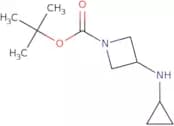
CAS:<p>Please enquire for more information about Boc-D-aspartic acid beta-9-fluorenylmethyl ester including the price, delivery time and more detailed product information at the technical inquiry form on this page</p>Formula:C23H25NO6Purity:Min. 95%Molecular weight:411.45 g/moltert-Butyl 3-(cyclopropylamino)azetidine-1-carboxylate
CAS:<p>Please enquire for more information about tert-Butyl 3-(cyclopropylamino)azetidine-1-carboxylate including the price, delivery time and more detailed product information at the technical inquiry form on this page</p>Formula:C11H20N2O2Purity:Min. 95%Molecular weight:212.29 g/mol1-[2-(5-Methoxy-1H-indol-3-yl)ethyl]-5-oxopyrrolidine-3-carboxylic acid
CAS:Controlled Product<p>Please enquire for more information about 1-[2-(5-Methoxy-1H-indol-3-yl)ethyl]-5-oxopyrrolidine-3-carboxylic acid including the price, delivery time and more detailed product information at the technical inquiry form on this page</p>Formula:C16H18N2O4Purity:Min. 95%Molecular weight:302.33 g/mol(3-Acetyl-1H-indol-1-yl)acetic acid
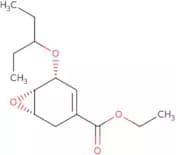
CAS:Controlled Product<p>Please enquire for more information about (3-Acetyl-1H-indol-1-yl)acetic acid including the price, delivery time and more detailed product information at the technical inquiry form on this page</p>Formula:C12H11NO3Purity:Min. 95%Molecular weight:217.22 g/molEthyl (3R,4S,5S)-4,5-epoxy-3-(1-ethylpropoxy)cyclohex-1-ene-1-carboxylate
CAS:<p>Please enquire for more information about Ethyl (3R,4S,5S)-4,5-epoxy-3-(1-ethylpropoxy)cyclohex-1-ene-1-carboxylate including the price, delivery time and more detailed product information at the technical inquiry form on this page</p>Formula:C14H22O4Purity:Min. 95%Molecular weight:254.32 g/molBromoacetic acid-13C2
CAS:<p>Please enquire for more information about Bromoacetic acid-13C2 including the price, delivery time and more detailed product information at the technical inquiry form on this page</p>Formula:C2H3BrO2Purity:Min. 95%Color and Shape:PowderMolecular weight:140.95 g/mol5β-Cholanic acid
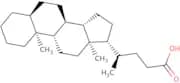
CAS:Controlled Product<p>5beta-Cholanic acid is a fatty acid that is the product of cholesterol metabolism. It has been shown to inhibit tumor growth by binding to ATP-binding cassette transporter and blocking the transport of tumor cells. 5beta-Cholanic acid also inhibits HIV infection by interfering with the virus's ability to bind and enter host cells. 5beta-Cholanic acid may also be used as a treatment for autoimmune diseases such as multiple sclerosis, rheumatoid arthritis, ulcerative colitis and Crohn's disease. This compound has been shown to inhibit mitochondrial membrane potential and induce apoptosis in prostate cancer cells in vitro. The mechanism of action for this compound is not well understood but it may be due to its ability to decrease ATP levels in mitochondria or interfere with the production of bile acids from cholesterol by inhibiting hydroxylation reactions.</p>Formula:C24H40O2Purity:Min. 95%Color and Shape:PowderMolecular weight:360.57 g/molEthyl mercaptoacetate
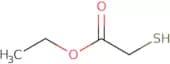
CAS:<p>Ethyl mercaptoacetate (EM) is a metabolite of ethyl diazoacetate (EDA) that reacts with nucleophilic groups such as hydroxyl, amino, and thiol groups. It binds to the receptor binding sites of an enzyme that is involved in inflammatory diseases. EM has been shown to have inhibitory effects on the activity of this enzyme and may be used for the treatment of inflammatory diseases. EM also inhibits the production of epoxides by acting as an alkylating agent on protein cysteine residues. This reaction leads to changes in the nmr spectra which can be used for identification purposes.</p>Formula:C4H8O2SPurity:Min. 95%Molecular weight:120.17 g/mol2-Oxovaleric acid
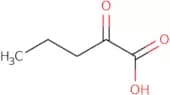
CAS:<p>2-Oxovaleric acid is a monocarboxylic acid that is produced by the oxidation of 2-oxopentanoic acid. It was first discovered as an inhibitory compound for glutamate dehydrogenase, which catalyzes the conversion of glutamate to alpha-ketoglutarate. This inhibition leads to a buildup of glutamate in the cell, which can cause metabolic disorders. The importance of 2-oxovaleric acid was demonstrated using a chromatographic method on type strain cells. The electron microscopic images showed that 2-oxovaleric acid inhibited the growth of bacteria by binding to extracellular Ca2+, carbon source, and animals.</p>Formula:C5H8O3Purity:Min. 95%Molecular weight:116.12 g/mol6-Benzyloxy-5-methoxyindole-2-carboxylic acid
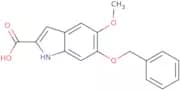
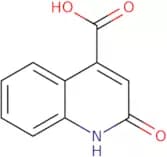
CAS:<p>Please enquire for more information about 6-Benzyloxy-5-methoxyindole-2-carboxylic acid including the price, delivery time and more detailed product information at the technical inquiry form on this page</p>Formula:C17H15NO4Purity:Min. 95%Molecular weight:297.31 g/mol2-Hydroxyquinoline-4-carboxylic acid
CAS:<p>2-Hydroxyquinoline-4-carboxylic acid is a carboxylate that is structurally classified as a multidrug. It has been shown to inhibit bacterial efflux pumps and target enzymes, such as cancer cells and multidrug resistant bacteria. 2-Hydroxyquinoline-4-carboxylic acid also has potent antibacterial activity against Streptococcus faecalis, an opportunistic pathogen that causes infections in the urinary tract and on skin wounds. The fluorescence properties of this compound can be used for fluorescent labeling of biomolecules or for sensing applications.</p>Formula:C10H7NO3Purity:Min. 95%Color and Shape:PowderMolecular weight:189.17 g/molThioacetic acid
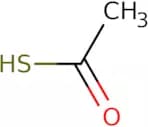
CAS:<p>Thioacetic acid is a monoethyl ether of thioacetic acid. It is used in the synthesis of fatty acids and other organic compounds. Thioacetic acid can be used in the treatment of infectious diseases, such as malaria and cholera, by inhibiting the growth of pathogenic microorganisms. The reactive nature of thioacetic acid makes it ideal for wastewater treatment, where it reacts with ammonia to form ammonium sulfate, which can be easily removed from water.</p>Formula:C2H4OSPurity:Min. 95%Color and Shape:Colorless Clear LiquidMolecular weight:76.12 g/molEthyl 1-methyl-5-sulfamoylpyrazole-4-carboxylate
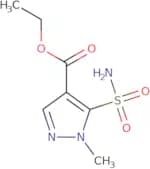
CAS:<p>Ethyl 1-methyl-5-sulfamoylpyrazole-4-carboxylate (EMS) is a fluorescent dye that is used as a reagent for identification of bacterial strains and in sequencing techniques. EMS reacts with dioxane, triazine, and alkylating agents to form yellow compounds. It can be synthesized from 5-aminopyrazole and ethyl chloroformate in basic ph buffers.</p>Purity:Min. 95%4-Mercaptocinnamic acid
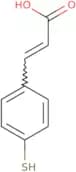
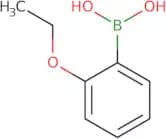
CAS:<p>4-Mercaptocinnamic acid is a liquid crystal that belongs to the class of aromatic compounds. It is chiral and has a high melting point. 4-Mercaptocinnamic acid has been used in electronic devices, such as liquid crystal displays and ferroelectric liquid crystals, for its high boiling point and low viscosity. It can also be used as an additive for other chemicals or as a solvent for coatings. The acid group (COOH) in this compound makes it reactive with elements such as chlorine, fluorine, and bromine. It reacts with dicyclohexylcarbodiimide to form cinnamic acid derivatives and toluene to form trifluoromethylbenzenes. This chemical also has alkylthio groups (CH3S) and alkoxy groups (CH2O).</p>Formula:C9H8O2SPurity:Min. 95%Molecular weight:180.22 g/mol2-Ethoxyphenylboronic acid
CAS:<p>Ethoxyphenylboronic acid is a triazine compound which inhibits inflammation by inhibiting the kinase that catalyzes the phosphorylation of arachidonic acid. It also inhibits lipid kinase, which is involved in the metabolism of lipids, and it has been shown to inhibit cancer cell growth through hydrogen bond interactions with DNA. Ethoxyphenylboronic acid has been shown to have anti-inflammatory properties and may be useful for the treatment of inflammatory diseases such as arthritis. The compound can also inhibit hydrogen peroxide-induced oxidative damage in cells, due to its ability to release intracellular glutathione.</p>Formula:C8H11BO3Purity:Min. 95%Molecular weight:165.98 g/mol4-Amino-3-(trifluoromethoxy)benzoic acid
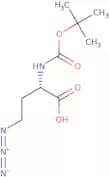
CAS:<p>Please enquire for more information about 4-Amino-3-(trifluoromethoxy)benzoic acid including the price, delivery time and more detailed product information at the technical inquiry form on this page</p>Formula:C8H6F3NO3Purity:Min. 95%Molecular weight:221.13 g/molN-α-Boc-Nγ-Azido-L-2,4-diaminobutyric acid cyclohexylamine salt
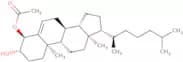
CAS:<p>Please enquire for more information about N-alpha-Boc-Ngamma-Azido-L-2,4-diaminobutyric acid cyclohexylamine salt including the price, delivery time and more detailed product information at the technical inquiry form on this page</p>Formula:C9H16N4O4·C6H13NPurity:Min. 95%Molecular weight:343.42 g/mol4β-Hydroxy cholesterol 4-acetate
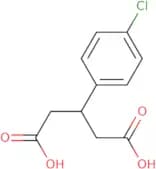
CAS:Controlled Product<p>4b-Hydoxy cholesterol 4-acetate is a pleiotropic drug with a wide range of pharmacological activities. It is an inhibitor of the sirtuin family of proteins and may have anti-cancer effects. It has also been shown to be effective in the treatment of depression and myelodysplastic syndrome. The mechanism of action for this agent is not well understood, but it may be due to its ability to inhibit DNA methyltransferases, which would lead to a change in DNA methylation patterns. 4b-Hydroxy cholesterol 4-acetate has also been shown to decrease lipid levels in the blood and increase the activity of liver enzymes that metabolize fatty acids. This drug can also modify lamellar bodies and short-chain fatty acids by inhibiting the enzyme ATP citrate lyase, which catalyzes citrate cleavage into acetyl CoA and oxaloacetate.</p>Formula:C29H48O3Purity:Min. 95%Molecular weight:444.69 g/mol3-(4-Chlorophenyl)glutaric acid
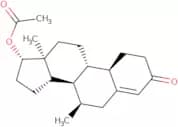
CAS:<p>3-(4-Chlorophenyl)glutaric acid is a subunit of lanthanide complexes. It has been synthesized from cinchona alkaloids and single-crystal x-ray diffraction data obtained in the absence of ligands. 3-(4-Chlorophenyl)glutaric acid is a desymmetrization reagent and has been shown to be an effective ligand for lanthanide complexes. This compound has the potential to form impurities during the synthesis process, which can lead to morphological changes, luminescence, or high-performance liquid chromatography interference.</p>Formula:C11H11ClO4Purity:Min. 95%Molecular weight:242.66 g/molTrestolone acetate
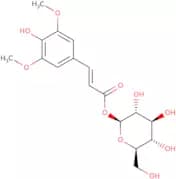
CAS:Controlled Product<p>Trestolone acetate is a synthetic anti-cancer compound that has been shown to inhibit the growth of cancer cells in animal models. It is an estrogen receptor modulator that binds to the estrogen receptor and inhibits its activation by estradiol. Trestolone acetate has also been shown to inhibit the production of inflammatory cytokines, such as tumor necrosis factor-α (TNF-α) and interleukin-1β (IL-1β), which may be due to its ability to act as a growth factor for immune cells. Trestolone acetate can be used for the treatment of degenerative diseases or bowel disease, such as Crohn's disease. This drug also has a beneficial effect in inflammatory diseases, such as IBD, and autoimmune diseases, such as rheumatoid arthritis. The effective dose is 10 mg/kg body weight per day given orally.</p>Formula:C21H30O3Purity:Min. 95%Molecular weight:330.46 g/molSinapic acid acyl-β-D-glucoside
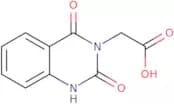
CAS:<p>a functionalised glucoside</p>Formula:C17H22O10Purity:Min. 95%Molecular weight:386.35 g/mol(2,4-Dioxo-1,4-dihydroquinazolin-3(2H)-yl)acetic acid
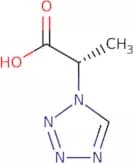
CAS:<p>Please enquire for more information about (2,4-Dioxo-1,4-dihydroquinazolin-3(2H)-yl)acetic acid including the price, delivery time and more detailed product information at the technical inquiry form on this page</p>Formula:C10H8N2O4Purity:Min. 95%Molecular weight:220.18 g/mol(2S)-2-(1H-Tetrazol-1-yl)propanoic acid
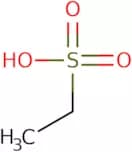
CAS:<p>Please enquire for more information about (2S)-2-(1H-Tetrazol-1-yl)propanoic acid including the price, delivery time and more detailed product information at the technical inquiry form on this page</p>Formula:C4H6N4O2Purity:Min. 95%Molecular weight:142.12 g/molEthanesulfonic acid - 70% aqueous solution
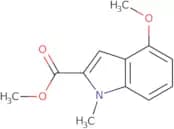
CAS:<p>Ethanesulfonic acid is a highly reactive and readily available chemical that has been investigated for the treatment of cancer. It has shown to be effective as an adjuvant in the treatment of bowel disease and radiation therapy. Ethanesulfonic acid is also used as an antimicrobial agent and disinfectant. This chemical can be used to produce polymers with glycol ethers, coumarin derivatives, and dextran sulfate for use in biological samples such as blood or urine. Ethanesulfonic acid is a potent inhibitor of the polymerase chain reaction (PCR). The inhibition of PCR may be due to its ability to inhibit enzyme activities involved in DNA synthesis, including dinucleotide phosphate enzymes and glycol-ether-sensitive enzymes.</p>Formula:C2H6O3SPurity:Min. 95%Color and Shape:Colourless To Pale Yellow Clear LiquidMolecular weight:110.13 g/molMethyl 4-methoxy-1-methyl-1H-indole-2-carboxylate
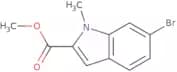
CAS:Controlled Product<p>Please enquire for more information about Methyl 4-methoxy-1-methyl-1H-indole-2-carboxylate including the price, delivery time and more detailed product information at the technical inquiry form on this page</p>Formula:C12H13NO3Purity:Min. 95%Molecular weight:219.24 g/molMethyl 6-Bromo-1-Methyl-1H-Indole-2-Carboxylate
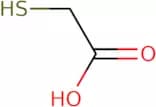
CAS:Controlled Product<p>Please enquire for more information about Methyl 6-Bromo-1-Methyl-1H-Indole-2-Carboxylate including the price, delivery time and more detailed product information at the technical inquiry form on this page</p>Formula:C11H10BrNO2Purity:Min. 95%Molecular weight:268.11 g/molThioglycolic acid
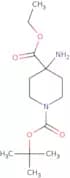
CAS:<p>Thioglycolic acid is a strong antimicrobial agent that has been shown to be effective against bacteria and fungi. It is used in the preparation of biological samples for titration calorimetry studies. Thioglycolic acid reacts with proteins by forming covalent linkages, which can be identified using laser ablation techniques. The redox potential of thioglycolic acid makes it an ideal candidate for chemiluminescent reactions.</p>Formula:C2H4O2SPurity:95%MinColor and Shape:Colorless Clear LiquidMolecular weight:92.12 g/mol1,4-Piperidinedicarboxylic acid, 4-aMino-, 1-(1,1-diMethylethyl) 4-ethyl ester
CAS:<p>Please enquire for more information about 1,4-Piperidinedicarboxylic acid, 4-aMino-, 1-(1,1-diMethylethyl) 4-ethyl ester including the price, delivery time and more detailed product information at the technical inquiry form on this page</p>Formula:C13H25N2O4Purity:Min. 95%Molecular weight:273.35 g/mol2,1,3-Benzoxadiazole-5-carboxylic acid
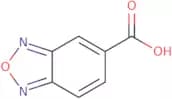
CAS:<p>2,1,3-Benzoxadiazole-5-carboxylic acid is a functional theory that is an agonist of the opioid receptors. It is also a quaternary ammonium salt that has been shown to cause respiratory depression and death in mice. This drug is used as an anion in pentobarbital sodium, which has been linked to overdoses. 2,1,3-Benzoxadiazole-5-carboxylic acid can be activated by membrane proteins and other agents to increase its energy efficiency. It can also enhance the effect of molecules such as coulombic forces and depression.</p>Formula:C7H4N2O3Purity:Min. 95%Molecular weight:164.12 g/molCopper(II) acetate monohydrate
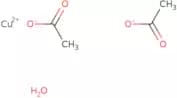
CAS:<p>Copper acetate is a chemical compound that is composed of copper and acetic acid. Copper acetate monohydrate, the form used in this product, is an ionic salt that has the chemical formula Cu(CHCO)2. The copper atom has a coordination geometry of 4.5 and is surrounded by six oxygen atoms and two hydrogen atoms. The reaction mechanism for this compound involves methyl ethyl malonic acid as shown below: The first step in the reaction mechanism is the formation of a carbanion intermediate with the loss of a proton from one of the methyl groups on malonic acid. This carbanion attacks the copper atom to form an intermediate with two positive charges on it, which then breaks down into two molecules of malonic acid and one molecule of water. The other methyl group then reacts with another molecule of malonic acid to form methyl ethyl dicarboxylate and release another proton. This proton can be accepted by water or react with</p>Formula:C4H6CuO4·H2OPurity:Min. 95%Color and Shape:Blue Clear LiquidMolecular weight:199.65 g/mol4-(Butylamino)benzoic acid
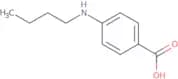
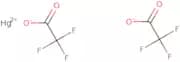
CAS:<p>4-(Butylamino)benzoic acid is a non-steroidal anti-inflammatory drug (NSAID) that has been used to treat pain. It is a prodrug, which is metabolized in the liver to 4-(butylamino)-phenylacetic acid, its active form. The 4-(butylamino)benzoic acid molecule has a hydrophobic effect and binds to chloride ions. This binding inhibits the production of prostaglandins, which are mediators of pain. 4-(Butylamino)benzoic acid also reduces the activity of plasma cells that produce antibodies and increases the activity of lymphocytes and platelets, leading to an increase in immunoglobulin levels.</p>Formula:C11H15NO2Purity:Min. 95%Color and Shape:PowderMolecular weight:193.24 g/molMercuric trifluoroacetate
CAS:Controlled Product<p>Mercuric trifluoroacetate is an organic compound that contains mercury and a carboxylic acid. It is an acid that is formed when mercury reacts with hydrochloric acid. Mercuric trifluoroacetate has been shown to be effective in the synthesis of a number of organic compounds, including the nonsteroidal anti-inflammatory drug (NSAID) 3-hydroxyanthranilic acid. This compound also inhibits the production of prostaglandin E2 in human leukocytes, which may be related to its inhibitory properties on congestive heart failure. Mercuric trifluoroacetate can also cause autoimmune diseases in mice by suppressing the production of interleukin-4 and interleukin-10, which are cytokines involved in immune responses.</p>Formula:C4F6HgO4Purity:Min. 95%Molecular weight:426.62 g/mol4,6-Diaminobenzene-1,3-dicarboxylic acid
CAS:<p>4,6-Diaminobenzene-1,3-dicarboxylic acid is an inorganic copper compound that is used as a copper salt. It has been shown to be effective as a chelating agent for the treatment of copper toxicity. 4,6-Diaminobenzene-1,3-dicarboxylic acid binds to metal ions and forms a complex with them. This complex can then be excreted from the body through urine or bile.</p>Formula:C8H8N2O4Purity:Min. 95%Molecular weight:196.16 g/mol2,3-Diketogulonic acid potassium
CAS:<p>Please enquire for more information about 2,3-Diketogulonic acid potassium including the price, delivery time and more detailed product information at the technical inquiry form on this page</p>Formula:C6H7KO7Purity:Min. 95%Color and Shape:SolidMolecular weight:230.21 g/mol2-[4-(tert-Butyldimethylsilyloxymethyl)-2-nitrophenoxy]acetic Acid
CAS:<p>Please enquire for more information about 2-[4-(tert-Butyldimethylsilyloxymethyl)-2-nitrophenoxy]acetic Acid including the price, delivery time and more detailed product information at the technical inquiry form on this page</p>Formula:C15H23NO6SiPurity:Min. 95%Molecular weight:341.43 g/mol3-Thienylmalonic acid
CAS:<p>3-Thienylmalonic acid is a template molecule that is used in kinetic studies of receptor binding reactions. It is a white solid with a molecular weight of 170.07 g/mol and an empirical formula of CHOS. 3-Thienylmalonic acid has been shown to be effective for corrosion inhibition, as it reacts with chloride ions to form a complex that does not allow the metal surface to corrode. This process can be done in a pH range from 1 to 14 and the reaction solution is colorless, odorless, and stable at room temperature. 3-Thienylmalonic acid also has photocatalytic activity, which allows it to degrade organic molecules such as malonic acid or human serum proteins. The compound can also be used as an electrochemical impedance spectroscopy (EIS) probe for wastewater treatment or chloride solutions.</p>Purity:Min. 95%


![8-Ethyl-1,3,4,9-tetrahydro-1-(1-methylethyl)pyrano[3,4-b]indole-1-acetic acid](/_next/image/?url=https%3A%2Fstatic.cymitquimica.com%2Fproducts%2F3D%2Fthumb-webp%2FFE160504.webp&w=3840&q=75)
![1-[2-(5-Methyl-1H-indol-3-yl)ethyl]-5-oxopyrrolidine-3-carboxylic acid](/_next/image/?url=https%3A%2Fstatic.cymitquimica.com%2Fproducts%2F3D%2Fthumb-webp%2FFM119447.webp&w=3840&q=75)

![[1-(2-Methoxyethyl)-1H-indol-3-yl]acetic acid](/_next/image/?url=https%3A%2Fstatic.cymitquimica.com%2Fproducts%2F3D%2Fthumb-webp%2FFM135744.webp&w=3840&q=75)

![tert-Butyl 2,7-diazaspiro[3.5]nonane-7-carboxylate](/_next/image/?url=https%3A%2Fstatic.cymitquimica.com%2Fproducts%2F3D%2Fthumb-webp%2FFT138842.webp&w=3840&q=75)



![4-amino[1,1'-biphenyl]-3-carboxylic acid](/_next/image/?url=https%3A%2Fstatic.cymitquimica.com%2Fproducts%2F3D%2Fthumb-webp%2FFA58870.webp&w=3840&q=75)

![1-[2-(5-Chloro-1H-indol-3-yl)ethyl]-5-oxopyrrolidine-3-carboxylic acid](/_next/image/?url=https%3A%2Fstatic.cymitquimica.com%2Fproducts%2F3D%2Fthumb-webp%2FFC119446.webp&w=3840&q=75)
![Ethyl 3-{[(1E)-(dimethylamino)methylene]amino}-5-methoxy-1-methyl-1H-indole-2-carboxylate](/_next/image/?url=https%3A%2Fstatic.cymitquimica.com%2Fproducts%2F3D%2Fthumb-webp%2FFE123273.webp&w=3840&q=75)
![2-[4-(2-Methylpropenyl)phenyl]propionic acid](/_next/image/?url=https%3A%2Fstatic.cymitquimica.com%2Fproducts%2F3D%2Fthumb-webp%2FFM25939.webp&w=3840&q=75)


![tert-Butyl 4-{[(methylsulfonyl)oxy]methyl}piperidine-1-carboxylate](/_next/image/?url=https%3A%2Fstatic.cymitquimica.com%2Fproducts%2F3D%2Fthumb-webp%2FFB122853.webp&w=3840&q=75)

![1-[2-(5-Methoxy-1H-indol-3-yl)ethyl]-5-oxopyrrolidine-3-carboxylic acid](/_next/image/?url=https%3A%2Fstatic.cymitquimica.com%2Fproducts%2F3D%2Fthumb-webp%2FFM119445.webp&w=3840&q=75)




![2-[4-(tert-Butyldimethylsilyloxymethyl)-2-nitrophenoxy]acetic Acid](/_next/image/?url=https%3A%2Fstatic.cymitquimica.com%2Fproducts%2F3D%2Fthumb-webp%2FFB60313.webp&w=3840&q=75)
