Carboxylic Acids
Found 12457 products of "Carboxylic Acids"
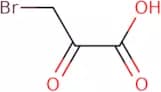
3-Bromopyruvic acid
CAS:3-Bromopyruvic acid is a small molecule that inhibits an enzyme called dextran sulfate reductase. This enzyme is involved in the formation of sulfate in the body and is important for glycolysis, which is the process by which cells break down glucose to produce energy. 3-Bromopyruvic acid inhibits both cancer cells and normal cells, but has a greater effect on cancer cells. This compound also causes caspase-independent cell death, which means that it does not activate pro-apoptotic proteins. It may work by targeting enzymes involved in energy metabolism or by inhibiting DNA polymerase activity.
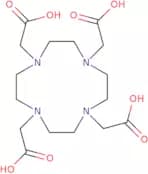
Formula:C3H3BrO3Purity:Min. 95%Color and Shape:PowderMolecular weight:166.96 g/mol1,4,7,10-Tetraazacyclododecane-1,4,7,10-tetraacetic acid
CAS:1,4,7,10-Tetraazacyclododecane-1,4,7,10-tetraacetic acid (DOTA) is a metal chelator or radioligand that is used for the diagnosis of cancer. DOTA, as other analogous compounds such as NOTA, TETA and DTPA, has a high affinity for gadolinium and binds to integrin receptors on the surface of cancer cells. It can then be detected by nuclear magnetic resonance spectroscopy or computed tomography. This agent is also used in conjunction with other drugs to treat certain cancers. The most common use of DOTA is as a component of chemotherapy drugs such as docetaxel and cisplatin. DOTA has been shown to be biocompatible with human serum and metabolic response studies have been conducted in animals without any serious side effects. DOTA has shown to be an effective anti-cancer drug for solid tumors in animals and humans with minimal toxicity due to its coordination geometry.
Formula:C16H28N4O8Purity:Min. 95%Color and Shape:White PowderMolecular weight:404.42 g/molRef: 3D-FT58676
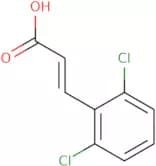
Discontinued product2,6-Dichlorocinnamic acid
CAS:2,6-Dichlorocinnamic acid is an organic compound that is used as a reagent in the synthesis of other chemicals. 2,6-Dichlorocinnamic acid has been used as a component in the synthesis of various kinds of fine chemicals and useful building blocks. This chemical is also used as a speciality chemical and research chemical. 2,6-Dichlorocinnamic acid can be used as a versatile building block for the preparation of various compounds. It can be synthesized by heating cinnamic acid with chlorine gas and then reacting it with sodium hydroxide.
Formula:C9H6Cl2O2Purity:Min. 95%Color and Shape:PowderMolecular weight:217.05 g/molRef: 3D-FD63543
Discontinued productSex Pheromone Inhibitor iPD1 trifluoroacetate salt
CAS:Sex pheromone inhibitor IPD1 is an antibody that inhibits the production of sex pheromones by Streptococcus faecalis. It is used to diagnose and treat allergic diseases, such as atopic dermatitis or bronchial asthma. This antibody binds to a protein called polypide, which is involved in the synthesis of sex pheromones, and inhibits its activity. It has been shown to inhibit the production of sex pheromones by Streptococcus faecalis when analyzed using an SDS-polyacrylamide gel electrophoresis method. Sex pheromone inhibitor IPD1 also binds to antibodies against streptococcus, acari, and other bacteria.
Formula:C39H72N8O11Purity:Min. 95%Color and Shape:PowderMolecular weight:829.04 g/molRef: 3D-FS110470
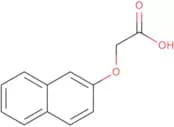
Discontinued product2-Naphthoxyacetic acid
CAS:2-Naphthoxyacetic acid is a chemical compound that has been shown to be a matrix effect agent in the kidney bean extract. It is also used as a nutrient solution in synchronous fluorescence and hydroxyl group. 2-Naphthoxyacetic acid can be used as an analytical method for sodium citrate, dispersive solid-phase extraction, nitrogen atoms, and acid complex. The optical sensor can be used for low light surface methodology. Fluoroacetic acid is a chemical compound that has been shown to have analytical properties similar to 2-Naphthoxyacetic acid.
Formula:C12H10O3Purity:Min 98%Color and Shape:PowderMolecular weight:202.21 g/molRef: 3D-FN34496
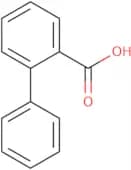
Discontinued product2-Biphenylcarboxylic acid
CAS:2-Biphenylcarboxylic acid (2BCA) is a metabolite of biphenyl. The hydroxyl group on 2BCA binds to the receptor, producing an antihypertensive effect. It has been shown to be effective in the treatment of metabolic disorders and diseases such as diabetes mellitus, hypertension, and heart disease. 2BCA is also effective in the treatment of tumors because it inhibits tumor cell growth by binding to fatty acids. This drug forms hydrogen bonds with other molecules due to its hydroxyl group and can be synthesized through a Suzuki coupling reaction.
2BCA has been found to have an inhibitory effect on prostaglandin synthesis through the p2 receptor activity.Formula:C13H10O2Purity:Min. 95%Color and Shape:PowderMolecular weight:198.22 g/mol4-Methoxyphenoxyacetic acid
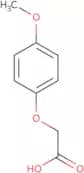
CAS:4-Methoxyphenoxyacetic acid is a chemical compound with molecular formula C10H12O4. It is an alpha-hydroxy acid and is also known as 4-methoxybenzoic acid. 4-Methoxyphenoxyacetic acid has been shown to have reactive properties and can be used as a reagent in organic synthesis. A molecular modeling study of 4-methoxyphenoxyacetic acid has revealed that it could form hydrogen bonding interactions with the hydroxyl group of coumarin derivatives, which may lead to irreversible oxidation reactions. The human serum contains high affinity binding sites for this chemical compound, which is detected by the mefexamide test.
Formula:C9H10O4Purity:Min. 95%Color and Shape:PowderMolecular weight:182.17 g/molRef: 3D-FM71291
Discontinued productD-Pantothenic acid - Technical grade
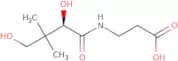
CAS:D-Pantothenic acid is a vitamin that is involved in the metabolism of carbohydrates and fats. It is a cofactor for the synthesis of acetyl-coenzyme A, which is important for energy metabolism. D-Pantothenic acid also participates in the synthesis of hemoglobin and red blood cells, as well as being important for proper nerve function and cell growth. D-Pantothenic acid can be synthesized by humans from pantetheine, which is found in the diet and can be made by bacteria in the intestines. Pantetheine can also be converted to coenzyme A through an intermediate called pantethine. The human body needs both pantethine and pantetheine to produce adequate levels of D-pantothenic acid.
Formula:C9H17NO5Purity:Min. 95%Color and Shape:PowderMolecular weight:219.24 g/molRef: 3D-FP145946
Discontinued product4-(4-Acetamidophenyl)-4-oxobutanoic acid
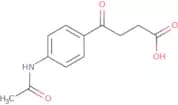
CAS:4-(4-Acetamidophenyl)-4-oxobutanoic acid is a versatile building block that can be used as a reaction component, reagent, or useful scaffold. It is also a high quality chemical with CAS number 5473-15-4. This chemical has been shown to have many applications in research and development, such as the synthesis of pharmaceuticals, agrochemicals, and textiles. 4-(4-Acetamidophenyl)-4-oxobutanoic acid is an important intermediate for the synthesis of complex compounds. It is also a fine chemical that can be used for research purposes.Formula:C12H13NO4Purity:Min. 95 Area-%Color and Shape:PowderMolecular weight:235.24 g/molp-Coumaric acid 4-O-sulfate disodium
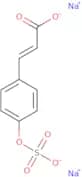
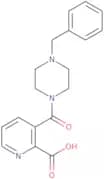
CAS:p-Coumaric acid 4-O-sulfate disodium salt is a high quality, reagent, complex compound. It is an intermediate in the synthesis of pyridoxal 5′-phosphate and may be used as a building block for the synthesis of other compounds. It is also a speciality chemical that may be used as a reaction component in organic synthesis.Formula:C9H8O6S•Na2Purity:95%MinColor and Shape:PowderMolecular weight:290.2 g/mol3-((4-Benzylpiperazinyl)carbonyl)pyridine-2-carboxylic acid
CAS:Controlled ProductPlease enquire for more information about 3-((4-Benzylpiperazinyl)carbonyl)pyridine-2-carboxylic acid including the price, delivery time and more detailed product information at the technical inquiry form on this pageFormula:C18H19N3O3Purity:Min. 95%Color and Shape:PowderMolecular weight:325.36 g/molRef: 3D-FB169466
Discontinued product4-[2'-(7''-Deazaguanine)ethyl]benzoic acid N-hydroxysuccinimide ester
CAS:4-[2'-(7''-Deazaguanine)ethyl]benzoic acid N-hydroxysuccinimide ester is a useful intermediate in the synthesis of 7''-deazaguanine, which is a key building block in the synthesis of DNA. 4-[2'-(7''-Deazaguanine)ethyl]benzoic acid N-hydroxysuccinimide ester is a versatile building block that can be used in the synthesis of complex compounds. It has been shown to react with amines, sulfonyl chlorides, and epoxides to form amides, sulfonamides, and epoxy amines respectively. The CAS number for this compound is 204257-65-8.Formula:C19H17N5O5Purity:Min. 95%Molecular weight:395.37 g/molRef: 3D-FD20837
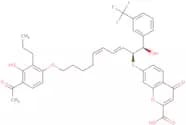
Discontinued productIralukast
CAS:Iralukast is a leukotriene receptor antagonist that blocks the bronchoconstrictor response. It is used in the treatment of bronchial asthma, chronic obstructive pulmonary disease, and bowel diseases such as ulcerative colitis. Iralukast is not absorbed into the bloodstream and therefore does not inhibit the production of the inflammatory mediators that are responsible for these diseases. Iralukast binds to receptors on cells lining the airways, preventing activation of cells by leukotrienes, which are released by mast cells in response to an allergen or irritant. This binding prevents the release of inflammatory mediators from mast cells and reduces bronchial reactivity. Iralukast also has been shown to inhibit the enzyme activity of phospholipase A2 (PLA2), which has been implicated in inflammatory bowel disease.
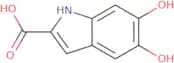
Formula:C38H37F3O8SPurity:Min. 95%Molecular weight:710.216125,6-Dihydroxy-1H-indole-2-carboxylic acid
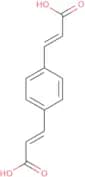
CAS:5,6-Dihydroxy-1H-indole-2-carboxylic acid (5,6 DHICA) is a photosensitizing agent with a long detection time. It has been used in the treatment of cervical cancer and skin cancer. 5,6 DHICA is an inhibitor of tyrosinase, which is responsible for the synthesis of melanin. 5,6 DHICA prevents the conversion of dopachrome to eumelanin by binding to the active site of tyrosinase and inhibiting its activity. This makes it an important drug for the treatment of hyperpigmentation disorders such as vitiligo and melasma.Formula:C9H7NO4Purity:Min. 95%Color and Shape:PowderMolecular weight:193.16 g/mol1,4-Phenylenediacrylic acid
CAS:1,4-Phenylenediacrylic acid is a yellow crystalline solid that has been shown to be carcinogenic in rodents. It is structurally similar to benzene and may have the same carcinogenic properties. 1,4-Phenylenediacrylic acid has been found to cause genetic damage in mammalian cells, which may lead to cancer. There are databases for carcinogenicity, mutagenicity, and toxicology of 1,4-Phenylenediacrylic acid. 1,4-Phenylenediacrylic acid also belongs to the subset of organic chemicals that are classified as carcinogens by IARC or NTP.
Formula:C12H10O4Purity:Min. 95%Color and Shape:Slightly Yellow PowderMolecular weight:218.21 g/molRef: 3D-FP69942
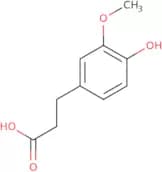
Discontinued productDihydroferulic acid
CAS:Dihydroferulic acid is a natural compound that is found in both plants and animals. It is an intermediate in the metabolism of ferulic acid, which is found in plants. Dihydroferulic acid has been shown to have a redox potential similar to p-hydroxybenzoic acid, which may be due to dihydroferulic acid's ability to reduce hydrogen peroxide. Dihydroferulic acid has also been shown to increase production of neurotrophic factors and stimulate polymerase chain reaction activity. Dihydroferulic acid has been shown to have biological properties that are related to its antioxidant activity, such as its ability to inhibit lipid peroxidation and scavenge hydroxyl radicals.
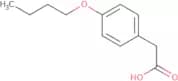
Formula:C10H12O4Purity:Min. 95%Color and Shape:Slightly Yellow PowderMolecular weight:196.2 g/mol4-(N-Butoxy)phenyl acetic acid
CAS:4-(N-Butoxy)phenyl acetic acid is a hydroxamic acid that has been shown to be mutagenic in Salmonella typhimurium. 4-(N-Butoxy)phenyl acetic acid is a ligand that binds to the metal atom of the enzyme hydroxylamine, preventing it from binding to other compounds. This results in an increase in the production of hydroxylamine, which leads to DNA damage and cell death. 4-(N-Butoxy)phenyl acetic acid also has catalytic properties and can interact with chloride ions, due to its electronegativity.
Formula:C12H16O3Purity:Min. 98 Area-%Color and Shape:Off-White PowderMolecular weight:208.25 g/molRef: 3D-FB10237
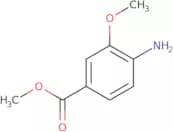
Discontinued product4-Amino-3-methoxybenzoic acid methyl ester
CAS:4-Amino-3-methoxybenzoic acid methyl ester is a reactive molecule that has been used as a radiotracer for positron emission tomography (PET). It is also used in the synthesis of oligodeoxynucleotides and hybridization probes. 4-Amino-3-methoxybenzoic acid methyl ester is not soluble in water, but it can be dissolved in organic solvents such as acetone or methanol. This compound has shown to have anticancer activity and may be useful for treating cancers of the brain, breast, colon, lung, prostate, and stomach.Formula:C9H11NO3Purity:Min. 95%Color and Shape:PowderMolecular weight:181.19 g/molRef: 3D-FA70673
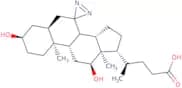
Discontinued product7,7-Azo-3-α,12-α-dihydroxycholanic acid
CAS:Please enquire for more information about 7,7-Azo-3-α,12-α-dihydroxycholanic acid including the price, delivery time and more detailed product information at the technical inquiry form on this page
Formula:C24H38N2O4Purity:Min. 95%Color and Shape:PowderMolecular weight:418.57 g/molRef: 3D-FA18116
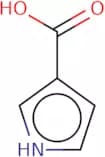
Discontinued product1-H-Pyrrole-3-carboxylic acid
CAS:The immobilized 1-H-pyrrole-3-carboxylic acid (1HP) is an amine that has been immobilized on a solid support. It is able to capture the growth factors and enzymes that are involved in immunoglobulin production and release. This immobilized 1HP has been used for the detection of albumin in urine samples, as well as for the determination of dopamine concentrations in blood plasma. The chemical composition of this immobilized 1HP has been determined by means of electrochemical impedance spectroscopy (EIS). The EIS results showed that it contains a few amines, which are responsible for its covalent linkages with the solid support.
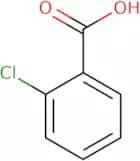
Formula:C5H5NO2Purity:Min. 95%Color and Shape:Off-White PowderMolecular weight:111.1 g/mol2-Chlorobenzoic acid
CAS:Please enquire for more information about 2-Chlorobenzoic acid including the price, delivery time and more detailed product information at the technical inquiry form on this page
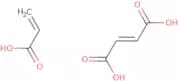
Formula:C7H5ClO2Purity:Min. 95%Color and Shape:White PowderMolecular weight:156.57 g/molPoly(acrylic acid-co-maleic acid), average Mw 3,000, 50% aqueous solution
CAS:Please enquire for more information about Poly(acrylic acid-co-maleic acid), average Mw 3,000, 50% aqueous solution including the price, delivery time and more detailed product information at the technical inquiry form on this page
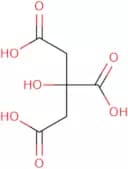
Formula:(C4H4O4)x•(C3H4O2)yColor and Shape:Yellow Clear LiquidCitric acid anhydrous
CAS:Citric acid is an organic compound that is a weak organic acid. It is a colorless, odorless solid with a sour taste. Citric acid participates in many biochemical reactions, including the citric acid cycle and fatty acid metabolism. Citric acid can be found in many citrus fruits, such as lemons, limes, and grapefruits. Citric acid also has antioxidant properties and functions as an anti-inflammatory agent. Citric acid is used for the production of citrates and citrate salts, which are added to food preservatives or acidic foods such as lemonade or vinegar. Citric acid can be used to measure water vapor concentration by using fluorescence probes that react with hydrated electrons in water molecules. It also has electrochemical impedance spectroscopy (EIS) applications in biomedical research and biotechnology as an enzyme inhibitor or activator.
Formula:C6H8O7Purity:Min. 95%Color and Shape:Colorless PowderMolecular weight:192.12 g/molRef: 3D-FC02313
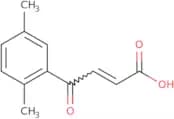
Discontinued product3-(2,5-Dimethylbenzoyl)-acrylic acid
CAS:3-(2,5-Dimethylbenzoyl)-acrylic acid is a reactive component and reagent that is used in the synthesis of molecular building blocks. It can also be used as a versatile building block for complex compounds, such as pharmaceutical intermediates. 3-(2,5-Dimethylbenzoyl)-acrylic acid has a CAS number of 15254-22-5. This chemical is considered to be high quality and is useful in research laboratories and speciality chemical suppliers.
Formula:C12H12O3Purity:Min. 95%Molecular weight:204.22 g/mol4-Acetoxymethylbenzoic acid
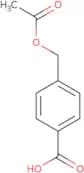
CAS:4-Acetoxymethylbenzoic acid is a chemical compound with the formula CH3CO2C6H4O2. It is a white solid that reacts with butyric acid to form 4-acetoxybutanoic acid. The reaction may be carried out in a sealed tube at room temperature, and the product precipitates as the reaction proceeds. This chemical can also be used in the synthesis of polystyrene through the nitration process. Nitrate, butanoic acid, terephthalic acid, and solvents are some of the reactants required for this process.
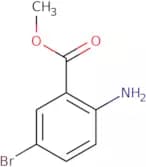
The following is an example of one possible product description:Formula:C10H10O4Purity:Min. 95%Color and Shape:White/Off-White SolidMolecular weight:194.18 g/mol2-Amino-5-bromobenzoic acid methyl ester
CAS:2-Amino-5-bromobenzoic acid methyl ester is a small molecule with antiviral potency. It has a dipole moment and can form hydrogen bonds. 2-Amino-5-bromobenzoic acid methyl ester inhibits the PDE5 enzyme, which is an enzyme that breaks down cGMP. This inhibition of PDE5 leads to the increase in cGMP, which causes blood vessels to relax and widen. As a result, 2-amino-5-bromobenzoic acid methyl ester has been shown to decrease high blood pressure and improve heart function.Formula:C8H8BrNO2Purity:Min. 95%Color and Shape:PowderMolecular weight:230.06 g/molRef: 3D-FA70737
Discontinued product[4-(1-Methyl-1-phenylethyl)phenoxy]acetic acid
CAS:4-(1-Methyl-1-phenylethyl)phenoxyacetic acid is a versatile building block that is used in the synthesis of a variety of fine chemicals and drugs. 4-(1-Methyl-1-phenylethyl)phenoxyacetic acid is an intermediate in the synthesis of a number of complex compounds, including research chemicals, reagents, and speciality chemicals. This compound can also be used as a reaction component for the synthesis of other chemical compounds or as a scaffold for larger molecules.
Formula:C17H18O3Purity:Min. 95%Color and Shape:PowderMolecular weight:270.32 g/molRef: 3D-FM112689
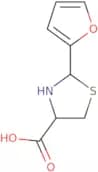
Discontinued product2-(2-Furyl)-1,3-thiazolidine-4-carboxylic acid
CAS:2-(2-Furyl)-1,3-thiazolidine-4-carboxylic acid is a water-soluble plant metabolite that belongs to the group of research chemicals. It is commonly used in the development of medicines and medicaments due to its unique properties. This compound contains a morpholino and benzoate moiety, which contribute to its pharmacological effects. The presence of oxadiazole and proton groups enhances its bioavailability and stability.
Formula:C8H9NO3SPurity:Min. 95%Color and Shape:PowderMolecular weight:199.23 g/molRef: 3D-FF168931
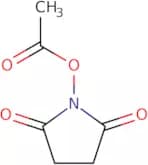
Discontinued productAcetic acid N-hydroxysuccinimide ester
CAS:Acetic acid N-hydroxysuccinimide ester is a reactive compound that reacts with lysine residues in proteins. It is used as an analytical reagent and chemical intermediate. Acetic acid N-hydroxysuccinimide ester reacts with carbonyl groups to form Schiff bases, which are then reacted with amino groups on the protein molecule to form acyl-amino adducts. This reaction can be followed by analysis using high performance liquid chromatography (HPLC) or mass spectroscopy.
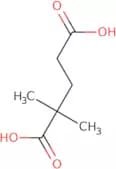
Formula:C6H7NO4Purity:Min. 97.5 Area-%Color and Shape:White PowderMolecular weight:157.12 g/mol2,2-Dimethylglutaric acid
CAS:2,2-Dimethylglutaric acid is a reactive, aliphatic hydrocarbon with a carbonyl group. It is an intermediate in the metabolism of fatty acids and may be formed by the hydrogenation of 2,2-dimethylsuccinic acid. This compound has been used as a film-forming polymer in detergent compositions and may also be used in biological samples to detect light emission. 2,2-Dimethylglutaric acid reacts with ethylene diamine to form malonic acid and x-ray crystal structures have been obtained for this compound. Pyrimidine compounds are formed when 2,2-dimethylglutaric acid reacts with ammonia or amines.
Formula:C7H12O4Color and Shape:White Off-White PowderMolecular weight:160.17 g/molRef: 3D-FD41702
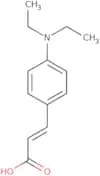
Discontinued product4-(N,N-Diethylamino)cinnamic acid
CAS:4-(N,N-Diethylamino)cinnamic acid is a dye-sensitized solar cell sensitizer that has been synthesized from thiophene and acrylic acid. This compound is efficient in dye-sensitized solar cells and can be used to produce solar cells with an efficiency of over 10%.
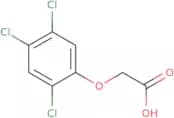
Formula:C13H17NO2Purity:Min. 95%Color and Shape:PowderMolecular weight:219.28 g/mol2,4,5-Trichlorophenoxyacetic acid
CAS:Controlled Product2,4,5-Trichlorophenoxyacetic acid (2,4,5-T) is a herbicide that inhibits the growth of plants by inhibiting photosynthesis. It can be found in the environment as a contaminant of manufactured items such as vinyl chloride and polyurethane. 2,4,5-T is also used to produce dioxin and polychlorinated biphenyls (PCBs). The mechanism of toxicity involves inhibition of the activity of an enzyme called acetolactate synthase (ALS), which is responsible for synthesizing an important amino acid called L-alanine. ALS inhibitors are toxic to animals because they inhibit the formation of L-alanine and disrupt cellular energy production. In CD-1 mice, 2,4,5-T has been shown to have an inhibitory dose at 1 mg/kg body weight with long-term toxicity at doses up to 5 mg/kg body weight. 2,4,5
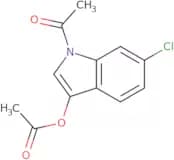
Formula:Cl3C6H2OCH2CO2HPurity:Min. 95%Color and Shape:PowderMolecular weight:255.48 g/mol6-Chloro-3-indolyl 1,3-diacetate
CAS:6-Chloro-3-indolyl 1,3-diacetate is an aglycone that is used as a chromogenic substrate for the detection of bacteria. It reacts with specific enzymes in the bacterial cell wall to produce a red or pink color. 6-Chloro-3-indolyl 1,3-diacetate is used as a diagnostic tool to identify bacteria and has been shown to be excreted in urine.
Formula:C12H10ClNO3Purity:Min. 95%Color and Shape:Yellow To Light Brown SolidMolecular weight:251.67 g/mol2-Cyanocinnamic acid
CAS:2-Cyanocinnamic acid is a fatty acid that has been shown to inhibit the synthesis of proteins. It binds to cytochrome c oxidase, inhibiting mitochondrial respiration and electron transport, leading to decreased ATP production. 2-Cyanocinnamic acid is not easily transported out of mitochondria, which leads to its accumulation in the mitochondrial matrix. This accumulation causes synergistic inhibition with glutamate, leading to a decrease in ATP production and an increase in intracellular levels of reactive oxygen species (ROS). The use of 2-cyanoacrylic acid as a mitochondrial transport inhibitor has been proposed for the treatment of obesity and diabetes.
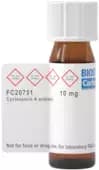
2-Cyanocinnamic acid also inhibits fatty acid uptake by binding to the protein translocase at the outer membrane of cells. This binding prevents monomers from entering the cell, where they are broken down by beta oxidation and converted into acetyl-CoA, which can be used for energy production or stored as triglycerFormula:C10H7NO2Purity:Min. 95%Molecular weight:173.17 g/molCyclosporin A acetate
CAS:Cyclosporin A is a cyclic non-hydrolyzable glycol ester that inhibits the production of cytokines and inflammatory mediators by binding to specific intracellular receptors. Cyclosporin A acetate is an inactive prodrug that is converted to active cyclosporine in the liver. Cyclosporin A acetate has been shown to be effective in treating autoimmune diseases such as rheumatoid arthritis and psoriasis, as well as atopic dermatitis. Cyclosporin A acetate is used orally and usually taken with food or milk to reduce gastrointestinal irritation. The oral dosage form of this drug contains saccharose as a diluent and surfactant, which reduces the risk of gastrointestinal irritation.
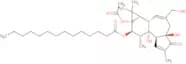
Formula:C64H113N11O13Purity:(%) Min. 95%Color and Shape:PowderMolecular weight:1,244.65 g/molPhorbol-12-myristate-13-acetate
CAS:Phorbol-12-myristate-13-acetate is a phorbol ester that inhibits the activity of protein kinase C. It binds to the response element on DNA and blocks RNA synthesis, leading to cell death. Phorbol 12-myristate 13-acetate has been shown to inhibit the proliferation of human squamous cells in culture, which may be caused by its ability to inhibit the cell cycle. This drug also has been shown to inhibit the production of cytokines such as interleukin-1β and tumor necrosis factor α (TNFα) in human polymorphonuclear leukocytes (PMNLs).
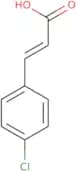
Formula:C36H56O8Purity:Min. 98 Area-%Color and Shape:White PowderMolecular weight:616.83 g/mol4-Chlorocinnamic acid
CAS:4-Chlorocinnamic acid is a malonic acid derivative and one of the cinnamic acid derivatives that has been shown to inhibit many chemical reactions. It inhibits the production of tyrosinase, which is an enzyme that catalyzes the conversion of tyrosinase to 4-hydroxycinnamic acid. 4-Chlorocinnamic acid also inhibits the growth of Candida glabrata in vitro. The effect on candida is due to its ability to inhibit the production of hydroxyl group and aromatic hydrocarbon, both of which are required for candida's survival. 4-Chlorocinnamic acid binds with aryl halide and neutral ph, preventing it from reacting with other substances.
Formula:C9H7ClO2Purity:Min. 95%Color and Shape:PowderMolecular weight:182.6 g/mol3-Chloro-4-nitrobenzoic acid
CAS:3-Chloro-4-nitrobenzoic acid (3CNB) is an amine that has been shown to be a 5-HT1A receptor agonist. It has been used in animal models of anxiety, depression and schizophrenia. 3CNB is able to activate the 5-HT1A receptor, which is involved in the regulation of anxiety, mood and other behaviors. The activation energies for the binding of 3CNB to the 5-HT1A receptor are calculated to be 8.3 kcal/mol and 9.2 kcal/mol at pH 7.0 and 10 respectively. A clinical study found that this agent was effective in treating trichomonas vaginalis infections as well as reducing symptoms of irritable bowel syndrome. In vivo studies have revealed that 3CNB is capable of inducing a sustained increase in extracellular serotonin levels in rat brain tissue with a half life of 2 hours. Kinetic studies have also shown that nitro groups enhance
Formula:C7H4ClNO4Purity:Min. 98 Area-%Color and Shape:PowderMolecular weight:201.56 g/molRef: 3D-FC71155
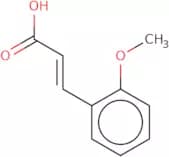
Discontinued product2-Methoxycinnamic acid
CAS:2-Methoxycinnamic acid is a fine chemical that is used as a building block for research chemicals, pharmaceuticals, and other products. It is a versatile building block that can be used in the synthesis of complex compounds with diverse structures. 2-Methoxycinnamic acid is also an intermediate for the production of cinnamates, which are useful in the production of synthetic dyes.
Formula:C10H10O3Purity:Min. 95%Color and Shape:White PowderMolecular weight:178.18 g/molRef: 3D-FM71289
Discontinued productIralukast Na
CAS:Iralukast Na is a leukotriene receptor antagonist that prevents bronchoconstrictor response. It binds to the cystic fibrosis transmembrane conductance regulator (CFTR) and blocks the binding of leukotrienes, which are potent bronchoconstrictors. Iralukast Na also blocks the activity of inflammatory cells and reduces bowel inflammation. Iralukast Na has been shown to be effective in treating asthma, inflammatory bowel disease, and other autoimmune diseases.
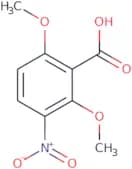
Formula:C38H36F3NaO8SPurity:Min. 95%Molecular weight:732.198072,6-Dimethoxy-3-nitrobenzoic acid
CAS:2,6-Dimethoxy-3-nitrobenzoic acid is an aromatic compound that has been shown to have a molecular weight of 136.2 g/mol. It is extracted from the leaves of "Nepeta cataria" and can be found in many other plants as well. This compound has been shown to inhibit bacterial growth in vitro by inhibiting protein synthesis. The mode of action for this compound is not yet known, but it may be due to its ability to form hydrogen bonds with the ribosomes and inhibit nucleotide binding sites on the ribosome surface.
Formula:C9H9NO6Purity:Min. 98 Area-%Color and Shape:PowderMolecular weight:227.17 g/mol2,4-Dioxo-4-phenylbutanoic acid
CAS:2,4-Dioxo-4-phenylbutanoic acid is an inhibitor of the influenza virus that binds to its surface proteins and inhibits the replication of the virus. 2,4-Dioxo-4-phenylbutanoic acid is a stable complex that has been shown to be active against HIV. This compound has been shown to inhibit viral life by binding to the subunits of influenza A and B viruses. 2,4-Dioxo-4-phenylbutanoic acid has been synthesized as an active analogue of zanamivir and it is believed that this compound binds to the same site on the influenza A virus as zanamivir. The molecule is also tautomerizable, which means it can exist in two forms: ketone (the more stable form) or enol (less stable).
Formula:C10H8O4Purity:Min. 95%Color and Shape:PowderMolecular weight:192.17 g/molRef: 3D-FD133357
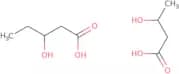
Discontinued productPoly(3-hydroxybutyric acid-co-3-hydroxyvaleric acid)
CAS:Poly(3-hydroxybutyric acid-co-3-hydroxyvaleric acid) is a biodegradable polymer that has been shown to have high water vapor permeability and low values for water uptake and swelling. The polymer is also biocompatible, with no cytotoxicity or hemolysis. Poly(3-hydroxybutyric acid-co-3-hydroxyvaleric acid) was synthesized by ring opening polymerization of 3-hydroxybutyric acid and 3-hydroxyvaleric acid. The polymer has shown synergistic effects when used in combination with other polymers, such as polyvinyl alcohol. Poly(3-hydroxybutyric acid-co-3-hydroxyvaleric acid) can be used in tissue culture as a scaffold for the growth of animal cells.
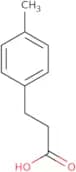
Color and Shape:Powder3-(4-Methylphenyl)propionic acid
CAS:3-(4-Methylphenyl)propionic acid is a subunit of ATPase, an enzyme that catalyzes the hydrolysis of ATP. 3-(4-Methylphenyl)propionic acid has been shown to inhibit atpase activity in thermodynamic and mechanistic studies. It also binds to DNA gyrase and oxone, a chemical that inhibits DNA replication. 3-(4-Methylphenyl)propionic acid has been shown to be broad-spectrum antibacterial against both gram-positive and gram-negative bacteria. The drug has also been found to have antiinflammatory properties, which may be due to its ability to inhibit prostaglandin synthesis.
Formula:C10H12O2Purity:Min. 95%Color and Shape:PowderMolecular weight:164.2 g/molTienilic acid
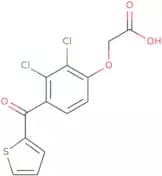
CAS:Tienilic acid is a drug that belongs to the group of diastolic pressure-lowering drugs. It lowers blood pressure by inhibiting the renin-angiotensin system, which is a hormone system that regulates blood pressure. Tienilic acid inhibits the activity of renin and angiotensin converting enzyme (ACE), which are enzymes involved in the production of angiotensin II, a peptide that causes vasoconstriction and stimulates the release of aldosterone from the adrenal gland. Tienilic acid has been shown to be safe for use in humans and animals at doses up to 300 mg/kg/day, although it can cause adverse effects such as drug reactions or drug metabolites. Tienilic acid has also been shown to inhibit protease activity in human liver cells, suggesting that it may have an inhibitory effect on other proteases as well.
Formula:C13H8Cl2O4SPurity:Min. 95%Color and Shape:PowderMolecular weight:331.17 g/molRef: 3D-FT28272
Discontinued product1-Adamantyl(amino)acetic acid hydrochloride
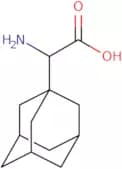
CAS:1-Adamantyl(amino)acetic acid hydrochloride is an organic compound that is used as a versatile building block and intermediate in the synthesis of complex compounds. It reacts with nitric acid to form 1-Adamantyl nitrate, which is a useful reagent for organic synthesis. This compound has CAS number 16091-96-6 and can be found on the list of speciality chemicals. It is a fine chemical with high quality and is useful for research purposes.
Formula:C12H19NO2·HClPurity:Min. 95%Color and Shape:PowderMolecular weight:245.75 g/molRef: 3D-FA118142
Discontinued product(2,5-Dimethyl-1H-indol-3-yl)acetic acid
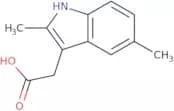
CAS:(2,5-Dimethyl-1H-indol-3-yl)acetic acid is a fine chemical that is used as a building block in research chemicals and as a reagent in the synthesis of more complex compounds. It has been used as a versatile building block for the synthesis of numerous biologically active compounds and has also been shown to have antiviral activity. This compound is also useful as an intermediate or scaffold in the synthesis of pharmaceuticals. (2,5-Dimethyl-1H-indol-3-yl)acetic acid has CAS number 5435-40-5 and can be found on PubChem CID 6078.
Formula:C12H13NO2Purity:Min. 95%Color and Shape:Red PowderMolecular weight:203.24 g/molRef: 3D-FD118293
Discontinued product3,5-Dimethoxy-4-methylbenzoic acid methyl ester
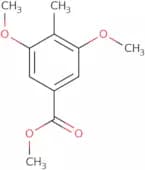
CAS:3,5-Dimethoxy-4-methylbenzoic acid methyl ester (DMMBME) is a synthetic compound that is used as an immunogen to generate antibodies against fungal proteins. DMMBME is specifically used to identify the presence of bryoria and australian fungi in plants. The chemical structure of DMMBME can be oxidized by depsidones, which leads to the production of reactive oxygen species that are believed to be responsible for the oxidative coupling of target proteins. This reaction can be catalyzed by a number of enzymes such as nidulin, which is found in plant roots.
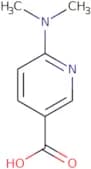
Formula:C11H14O4Purity:Min. 95%Color and Shape:PowderMolecular weight:210.23 g/mol6-(Dimethylamino)nicotinic acid
CAS:6-(Dimethylamino)nicotinic acid is a fine chemical and research chemical that is useful as a building block for complex compounds. It is also used as a reagent in the synthesis of other chemicals, or as an intermediate or scaffold molecule in organic chemistry. This chemical has been shown to be useful in the synthesis of many drugs, including penicillin and erythromycin. 6-(Dimethylamino)nicotinic acid has CAS number 82846-28-4.
Formula:C8H10N2O2Purity:Min. 95%Color and Shape:White PowderMolecular weight:166.18 g/molRef: 3D-FD122894
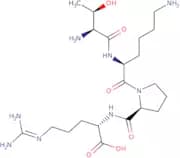
Discontinued productTuftsin acetate salt
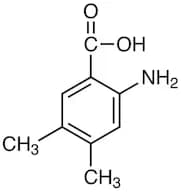
CAS:Please enquire for more information about Tuftsin acetate salt including the price, delivery time and more detailed product information at the technical inquiry form on this pageFormula:C21H40N8O6•C2H4O2Purity:Min. 95%Color and Shape:PowderMolecular weight:560.64 g/mol2-Amino-4,5-dimethylbenzoic Acid
CAS:Formula:C9H11NO2Purity:>97.0%(T)(HPLC)Color and Shape:White to Yellow powder to crystalMolecular weight:165.192-[2-[4-[Bis(4-fluorophenyl)methyl]piperazin-1-yl]ethoxy]acetic acid HCl
CAS:2-[2-[4-[Bis(4-fluorophenyl)methyl]piperazin-1-yl]ethoxy]acetic acid HCl (BAY-85788) is a drug which acts as a histamine receptor antagonist. It has been shown to be effective in the treatment of idiopathic urticaria. BAY-85788 has also been found to have less potential for drug interactions than other histamine receptor antagonists, and does not cause an increase in blood pressure, unlike other compounds with this activity. This compound is metabolized by cytochrome P450 enzymes and does not contain nitrogen atoms or heterocyclic rings. Experimental studies have shown that orally administered BAY-85788 is absorbed from the GI tract and eliminated unchanged in urine. Studies have also shown that BAY-85788 is active against inflammatory diseases such as atopic dermatitis, asthma, and chronic obstructive pulmonary disease (COPDFormula:C21H24F2N2O3·xHClPurity:Min. 95%Color and Shape:PowderMolecular weight:390.42 g/molRef: 3D-FB98570
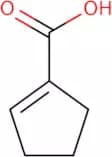
Discontinued product1-Cyclopentene-1-carboxylic acid
CAS:1-Cyclopentene-1-carboxylic acid is a natural product with antimicrobial and anti-inflammatory properties. It has been shown to inhibit the production of proinflammatory cytokines, such as tumor necrosis factor (TNF), and prostaglandins, which are important in the pathogenesis of inflammatory diseases. 1-Cyclopentene-1-carboxylic acid also inhibits the activity of Cox-2 and has been shown to have cancer regulatory activities. This compound binds to β-amino acid receptors and can be used as an oxidation catalyst for trifluoroacetic acid.
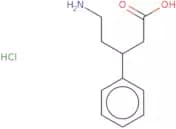
Formula:C6H8O2Purity:Min. 95%Color and Shape:White/Off-White SolidMolecular weight:112.13 g/mol4-(Aminomethyl)-3-phenylbutyric acid hydrochloride
CAS:4-(Aminomethyl)-3-phenylbutyric acid hydrochloride is a reagent that can be used as a building block in synthesizing new chemical compounds. It is also an intermediate for the synthesis of 4-(aminomethyl)benzoic acid, which is useful for producing pharmaceuticals, pesticides, and other agrochemicals. 4-(Aminomethyl)-3-phenylbutyric acid hydrochloride has a CAS number of 860252-34-2 and can be used in reactions with a variety of reagents to produce fine chemicals, research chemicals, and speciality chemicals.
Formula:C11H16ClNO2Purity:Min. 95%Molecular weight:229.7 g/mol3,5-Dinitrosalicylic acid sodium
CAS:3,5-Dinitrosalicylic acid sodium is an inorganic compound that is used as a biochemical reagent. It can be used to measure the phosphatase activity of muscle and liver samples, as well as to determine the level of autophagy in cells. 3,5-Dinitrosalicylic acid sodium has been shown to inhibit the activity of a number of enzymes, including acid phosphatase and thiourea. When combined with chloroplast or mitochondria, it can be used to determine the rate of electron transport chain. 3,5-Dinitrosalicylic acid sodium binds to sulfhydryl groups on proteins and prevents them from being used for other purposes. This process optimization leads to engulfment followed by lysosomal degradation.
Formula:C7H3N2NaO7Purity:Min. 95%Color and Shape:PowderMolecular weight:250.1 g/molPeriodic acid
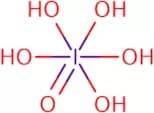
CAS:Periodic acid is a natural product that has been used as an antimicrobial agent for more than 100 years. It has been shown to have pro-apoptotic properties in a number of cell systems, including monocyte-like cells, hepatocyte-like cells, and epidermal growth factor receptor-transfected cells. Periodic acid is also effective against inflammatory bowel disease in infants. This drug also has anti-inflammatory effects and may be useful for the treatment of autoimmune diseases. Periodic acid inhibits the metabolic rate in cell cultures by blocking oxidative phosphorylation at complex I and II, leading to increased levels of reactive oxygen species (ROS). This ROS production induces apoptosis through a caspase cascade.
Formula:H5IO6Purity:Min. 95%Color and Shape:White Clear LiquidMolecular weight:227.94 g/molRef: 3D-FP16075
Discontinued productEthyl 4-biphenylacetate
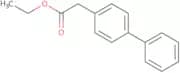
CAS:Ethyl 4-biphenylacetate is a fatty acid that inhibits the oxidation of lipids by inhibiting the synthesis of lipids. It also has an inhibitory effect on lipid metabolism and is used in the treatment of metabolic disorders. Ethyl 4-biphenylacetate has been shown to be effective against hepatitis and zearalenone, which are both metabolic diseases. It also reduces blood pressure in mice and rats, which may be due to its ability to inhibit the synthesis of lipids in blood vessels.
Formula:C16H16O2Purity:Min. 98 Area-%Color and Shape:PowderMolecular weight:240.3 g/molRef: 3D-FE71236
Discontinued product2-Amino-4-thiazolecarboxylic acid
CAS:2-Amino-4-thiazolecarboxylic acid is a potent antiviral agent that inhibits influenza virus replication. It has been shown to be effective in vivo against the growth of tumor cells and to inhibit the activity of viral proteases. It also inhibits the activity of human plasma cholinesterase, which may be due to its structural similarity to acetylcholine. 2-Amino-4-thiazolecarboxylic acid is soluble in water and hydrochloric acid, but insoluble in ether or chloroform. This compound has been used as an analytical standard for measuring plasma levels of chloride ions by ion chromatography.
Formula:C4H4N2O2SPurity:Min. 95%Color and Shape:PowderMolecular weight:144.15 g/molRef: 3D-FA43719
Discontinued productEthyl indole-7-carboxylate
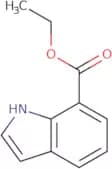
CAS:Ethyl indole-7-carboxylate is a fine chemical that is used as a versatile building block for the synthesis of complex compounds. It can act as a research chemical, reagent, or specialty chemical. This compound has been used to prepare various useful intermediates and reaction components, such as 4-chloro-3-nitrobenzaldehyde and 3-(2,6-dimethoxyphenyl)acrylonitrile. The CAS number for ethyl indole-7-carboxylate is 205873-58-1.
Purity:Min. 95%Ref: 3D-FE43779
Discontinued product7-Amino-3-chloro cephalosporanic acid
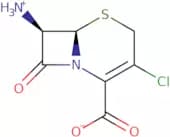
CAS:7-Amino-3-chloro cephalosporanic acid is a molecule that can be used to synthesize the drug cefaclor. It is a synthetic compound that has been shown to have anticancer activity and antibacterial activity. This molecule is an ester hydrochloride and has a bulk density of 1.2 g/cm³. 7-Amino-3-chloro cephalosporanic acid is activated by hydrochloric acid in the presence of an organic solvent, such as ethyl acetate, at room temperature. The molecule is also bioactive and its expression can be induced by adding an activator, such as sodium butyrate or benzyl alcohol, to the medium.br>br>
7-Amino-3-chloro cephalosporanic acid exhibits antibacterial activity against Gram positive bacteria, such as Bacillus subtilis and Staphylococcus epidermidFormula:C7H7ClN2O3SPurity:Min. 95%Color and Shape:PowderMolecular weight:234.66 g/molRef: 3D-FA34171
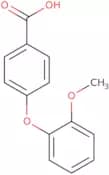
Discontinued product4-(2-Methoxyphenoxy)benzoic acid
CAS:4-(2-Methoxyphenoxy)benzoic acid is a white crystalline solid with a melting point of 50°C. It is soluble in water, ethanol, ether, and chloroform. 4-(2-Methoxyphenoxy)benzoic acid has been used as a starting material for the synthesis of pharmaceuticals such as carbamazepine (Tegretol). The compound has two methoxy groups on the phenyl ring that are susceptible to nucleophilic attack by strong bases. This reaction occurs at room temperature and can be reversed by heating the solution to 150°C. The compound also undergoes polycondensation reactions when heated in the presence of an oxidizing agent.
Formula:C14H12O4Purity:Min. 95%Color and Shape:White PowderMolecular weight:244.24 g/molRef: 3D-FM52928
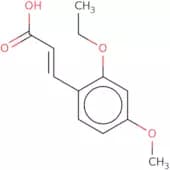
Discontinued product2-Ethoxy-4-methoxycinnamic acid
CAS:2-Ethoxy-4-methoxycinnamic acid is a synthetic chemical with the CAS number 1372859-34-1. It is a versatile building block that can be used for the synthesis of many complex compounds. 2-Ethoxy-4-methoxycinnamic acid is one of a number of scaffolds that are useful for creating fine chemicals and research chemicals. This compound is also an intermediate in many reactions and can be used as a reagent to produce other substances.
Formula:C12H14O4Purity:Min. 95%Molecular weight:222.24 g/mol4-n-Octyloxybenzoic Acid
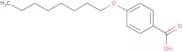
CAS:4-n-Octyloxybenzoic Acid is a chemical compound that is soluble in organic solvents. It has a phase transition temperature of 156 °C and a melting point of 141 °C. 4-n-Octyloxybenzoic Acid is used as an intermediate in the synthesis of other compounds. It can be used as a fluorescence probe to detect intermolecular hydrogen bonding or as an intermediate in the Suzuki coupling reaction, which is used to polymerize styrene. 4-n-Octyloxybenzoic Acid can also be used as a liquid crystal composition for optical microscopy. It has been found to have ternary mixtures with butyric acid and phenol and dipole properties that are sensitive to changes in pH and ion concentration.
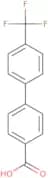
4-n-Octyloxybenzoic Acid has been shown to be able to activate the suzuki coupling reaction by donating its lone pair electrons to the carbonyl carbon atomFormula:C15H22O3Purity:Min. 95%Color and Shape:PowderMolecular weight:250.33 g/mol4'-Trifluoromethyl-biphenyl-4-carboxylic acid
CAS:4'-Trifluoromethyl-biphenyl-4-carboxylic acid is a versatile building block that is used in the synthesis of complex compounds. It is also a useful reagent, intermediate, and scaffold for organic reactions. The chemical's CAS number is 195457-71-7. This product has a high quality and can be used as a research chemical or speciality chemical.
Formula:C14H9F3O2Purity:Min. 95%Color and Shape:PowderMolecular weight:266.22 g/molRef: 3D-FT33145
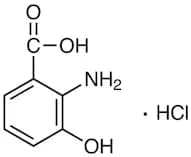
Discontinued product2-Amino-3-hydroxybenzoic Acid Hydrochloride
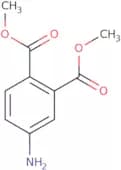
CAS:Formula:C7H7NO3·HClPurity:>98.0%(T)(HPLC)Color and Shape:White to Light yellow to Purple powder to crystalMolecular weight:189.604-Aminophthalic acid dimethyl ester
CAS:4-Aminophthalic acid dimethyl ester is a product of the reaction between p-hydroxybenzoic acid and phosphorus pentachloride. It is used in analytical methods to determine the amount of 4-aminophthalic acid in an unknown sample. This product reacts with polyclonal antibodies against 4-aminophthalic acid, which are attached to a solid support, forming an antigen-antibody complex. The amount of 4-aminophthalic acid present can be determined by measuring the extent of the colour change that occurs when hydrochloric acid is added to the mixture.
Formula:C10H11NO4Purity:Min. 95%Color and Shape:SolidMolecular weight:209.2 g/molRef: 3D-FA66157
Discontinued product(1R,4R)-tert-Butyl 2,5-diazabicyclo[2.2.1]heptane-2-carboxylate hydrochloride
CAS:Tert-Butyl 2,5-diazabicyclo[2.2.1]heptane-2-carboxylate hydrochloride (TBDAHC) is a fine chemical that is an intermediate for the synthesis of other compounds. TBDAHC is a versatile building block that can be used in research chemicals, reaction components, and specialty chemicals. It is also a useful scaffold for making complex compounds and useful building blocks. The compound has high quality and can be used as a reagent in organic chemistry.
Formula:C10H18N2O2·HClPurity:Min. 95%Color and Shape:White PowderMolecular weight:234.72 g/molRef: 3D-FB15223
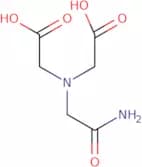
Discontinued productADA
CAS:ADA, also known as N-(2-Acetamido)iminodiacetic acid, is an acetamido buffer that coordinates to metal ions. It has an optimal pH range of 6.0-7.2 and a pKa of 6.59.
Formula:C6H10N2O5Color and Shape:White PowderMolecular weight:190.15 g/molRef: 3D-FA15758
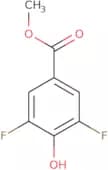
Discontinued product3,5-Difluoro-4-hydroxybenzoic acid methyl ester
CAS:3,5-Difluoro-4-hydroxybenzoic acid methyl ester (DFHBME) is a chemical compound that belongs to the class of useful building blocks. It is used in research as a reagent and in the synthesis of various complex compounds. DFHBME reacts with nucleophiles such as amines or alcohols to produce useful intermediates or scaffolds for organic synthesis. This compound is also useful as a speciality chemical due to its high quality and versatility.
Formula:C8H6F2O3Purity:Min. 95%Color and Shape:PowderMolecular weight:188.13 g/molRef: 3D-FD66549
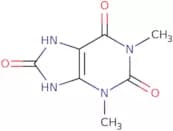
Discontinued product1,3-Dimethyluric acid
CAS:Controlled Product1,3-Dimethyluric acid is a metabolite of caffeine. It is formed by the oxidative deamination of 1,3-dimethylxanthine in the liver. The concentrations of 1,3-dimethyluric acid are elevated in patients with chronic renal failure and those who are taking theophylline. The concentration–time curve for 1,3-dimethyluric acid was found to be linear and predictable after intravenous administration of caffeine at a dose of 10 mg/kg body weight in rats. This suggests that it is possible to estimate the rate of elimination from plasma after intravenous dosing with caffeine based on measurements of plasma concentrations and time. The metabolism of caffeine involves two pathways: oxidative deamination (1,3-dimethyluric acid) and demethylation (paraxanthine). It has been shown that the metabolites 1,3-dimethyluric acid and paraxanthine are formed by different metabolic pathways. The
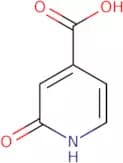
Formula:C7H8N4O3Purity:Min. 98 Area-%Color and Shape:White PowderMolecular weight:196.16 g/mol2-Hydroxyisonicotinic acid
CAS:2-Hydroxyisonicotinic acid is a synthetic analog of isonicotinic acid that is used as a nonheme iron chelator. It has been shown to inhibit the growth of cavity-causing bacteria in vitro by binding to iron enzymes, such as methane monooxygenase and n-oxide reductase. 2-Hydroxyisonicotinic acid inhibits bacterial growth by binding to the enzyme complexes containing iron, thereby inhibiting the synthesis of fatty acids and pyridine compounds. X-ray crystal structures have also shown that this compound binds to the nonheme iron at two sites, which may explain its ability to inhibit bacterial growth.
Formula:C6H5NO3Purity:Min. 95%Color and Shape:PowderMolecular weight:139.11 g/molRef: 3D-FH50815
Discontinued product6-Fluoroindole-3-acetic acid
CAS:6-Fluoroindole-3-acetic acid is a molecule that has been synthesized by the reaction of 6-fluoroindole with acetic anhydride. When mixed with acetonitrile, the fluorescence of 6-fluoroindole-3-acetic acid can be seen in the solution. The fluorescence intensity is proportional to the concentration of this molecule. 6-Fluoroindole-3-acetic acid is used as a template molecule for fluorescence labeling experiments. It interacts with hormones and can be used to identify their conformations and interactions. This compound has been shown to have anticancer properties in mice, and it may also be effective against cancer cells in humans. It has also been shown to inhibit the growth of pisum sativum (pea).
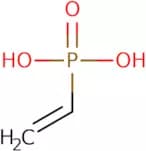
Formula:C10H8FNO2Purity:Min. 95%Color and Shape:PowderMolecular weight:193.17 g/molVinylphosphonic acid
CAS:Vinylphosphonic acid is a white, crystalline solid that is soluble in water. It has a molecular weight of 114.08 and a melting point of 40-41°C. Vinylphosphonic acid can be used for the production of polyvinylidene fluoride (PVDF) films, as well as in acylation reactions to produce carboxylic acids. This compound has been shown to have a dispersive solid-phase extraction ability and binds to calcium ions. It also has electrochemical impedance spectroscopy properties, which are related to its acidic nature. Furthermore, vinylphosphonic acid has been found to form hydrogen bonds with human serum proteins and other polar molecules.
Formula:C2H5O3PPurity:Min. 95%Color and Shape:Clear LiquidMolecular weight:108.03 g/molRef: 3D-FV59614
Discontinued product2-Aminothiophene-3-methyl carboxylate
CAS:2-Aminothiophene-3-methyl carboxylate is a hydrogen bond that is derived from the amino acid methionine. It has been shown to have potent antitumor activity and can be used for the treatment of cancer. 2-Aminothiophene-3-methyl carboxylate has a molecular weight of 244.6 g/mol, an isolated yield of 0.68%, and a melting point of 245 °C.
Formula:C4H2SCOOCH3NH2Purity:Min. 95%Color and Shape:Yellow PowderMolecular weight:157.19 g/molRef: 3D-FA16014
Discontinued productZinc diethyldithiocarbamate
CAS:Zinc diethyldithiocarbamate is an inorganic compound that has been shown to have potent anti-inflammatory and antipyretic properties. It has been used as a chemical inhibitor of phospholipase A2, which is an enzyme involved in the inflammatory process. Zinc diethyldithiocarbamate also has been shown to be a potent inducer of metallothionein and other proteins that are involved in detoxification processes. This drug has been used as an injection solution for the treatment of infectious diseases such as tuberculosis, leprosy, brucellosis, and malaria. Zinc diethyldithiocarbamate is also used as a pharmacological agent for the treatment of myocardial infarction.
Formula:C10H20N2S4ZnPurity:Min. 95%Color and Shape:PowderMolecular weight:361.92 g/molRef: 3D-FZ58712
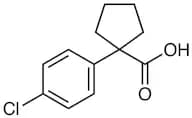
Discontinued product1-(4-Chlorophenyl)-1-cyclopentanecarboxylic Acid
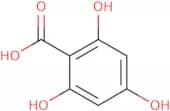
CAS:Formula:C12H13ClO2Purity:>98.0%(GC)(T)Color and Shape:White to Almost white powder to crystalMolecular weight:224.682,4,6-Trihydroxybenzoic acid
CAS:2,4,6-Trihydroxybenzoic acid is the sodium salt of 2,4,6-trihydroxybenzoic acid. It is a white to off-white crystalline powder with a molecular weight of 198.2 and a melting point of 197°C. The chemical formula for this compound is C7H5O5Na. This product has been shown to exhibit antimicrobial activity against Gram-positive and Gram-negative bacteria, including methicillin resistant Staphylococcus aureus (MRSA). In addition, 2,4,6-trihydroxybenzoic acid has been shown to inhibit the production of proteins that are necessary for bacterial growth.
Formula:C7H6O5Purity:Min. 95%Color and Shape:PowderMolecular weight:170.12 g/molRef: 3D-FT71833
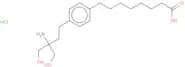
Discontinued productFTY720 octanoic acid hydrochloride
CAS:Please enquire for more information about FTY720 octanoic acid hydrochloride including the price, delivery time and more detailed product information at the technical inquiry form on this page
Formula:C19H31NO4•HClPurity:Min. 95%Molecular weight:373.92 g/molRef: 3D-FF23613
Discontinued product4-(Trifluoromethylthio)benzoic acid
CAS:4-(Trifluoromethylthio)benzoic acid is a versatile building block, useful intermediate, and reagent for research and development. 4-(Trifluoromethylthio)benzoic acid has been shown to be a high quality chemical with high purity. The CAS number for 4-(Trifluoromethylthio)benzoic acid is 330-17-6.
Formula:C8H5F3O2SPurity:Min. 98 Area-%Color and Shape:PowderMolecular weight:222.19 g/molRef: 3D-FT38830
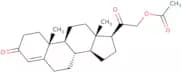
Discontinued productDeoxy corticosterone acetate
CAS:Controlled ProductDeoxy corticosterone acetate is a synthetic analogue of the natural compound corticosterone. It has been shown to cause liver lesions, cardiac effects, and hypertension in laboratory animals. Deoxy corticosterone acetate binds to dinucleotide phosphate and prevents its conversion into cytosolic calcium. This interaction inhibits the phosphorylation of myocardial proteins and reduces the production of ATP in heart muscle cells. The binding of deoxycorticosterone acetate to DNA is also an important factor in its toxicity.
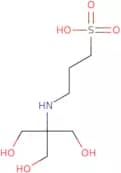
Formula:C23H32O4Purity:Min. 97 Area-%Color and Shape:White Off-White PowderMolecular weight:372.5 g/molTAPS
CAS:TAPS, also known as 3-[(Tris(hydroxymethyl)methyl)amino]-1-propanesulfonic acid, is a buffering agent that can be used in capillary electrophoresis with DNA and can form metal complexes. It has an optimal pH range of 7.7-9.1 and a pKa of 8.4.
Formula:C7H17NO6SPurity:Min. 95%Color and Shape:SolidMolecular weight:243.28 g/molRef: 3D-FT39128
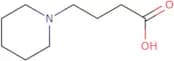
Discontinued product4-Piperidinobutyric acid
CAS:The aim of this study is to assess the effect of 4-Piperidinobutyric acid (4-PABA) on the efficiency of rats in a dietary model. The experimental design included two treatments with different levels of 4-PABA, and a control group with no supplementation. The experiment was conducted by feeding rats a diet with low protein content (6% casein), and measuring their weight gain, feed intake, and food conversion ratio (FCR). The results indicated that 4-PABA had no statistically significant effects on weight gain or feed intake. However, FCR was significantly higher for the high 4-PABA treatment group. These findings support the hypothesis that dietary protein is an important determinant in rat energy metabolism.
Formula:C9H17NO2Purity:Min. 95%Molecular weight:171.24 g/molRef: 3D-FP57479
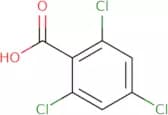
Discontinued product2,4,6-Trichlorobenzoic acid
CAS:2,4,6-Trichlorobenzoic acid is a trifluoroacetic acid that has been used as a solvent in vitro assays and as a carbon source for kinetic studies. It has also been shown to be an effective inhibitor of bacterial growth when tested with dextrans. 2,4,6-Trichlorobenzoic acid is toxic to cells in culture and can inhibit fatty acid synthesis by inhibiting the activity of fatty acid synthase.
2,4,6-Trichlorobenzoic acid has also been found to have anti-inflammatory properties and may be useful for the treatment of asthma.Formula:C7H3Cl3O2Purity:Min. 95%Color and Shape:PowderMolecular weight:225.46 g/molRef: 3D-FT45080
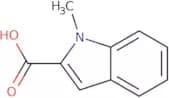
Discontinued product1-Methylindole-2-Carboxylic Acid
CAS:1-Methylindole-2-Carboxylic Acid is a chemical that belongs to the group of phenylacetic acid compounds. It has been shown to inhibit lymphocyte activation and t-cell proliferation in vitro, which may be due to its ability to interfere with the production of interleukin. 1-Methylindole-2-Carboxylic Acid also has an antitumor effect on animals and can reduce the tumor burden by inhibiting DNA synthesis, protein synthesis, and mineralization. The molecular modeling studies have shown that 1-Methylindole-2-Carboxylic Acid binds in the active site of protein kinase C as a competitive inhibitor and prevents ATP from binding to the enzyme.
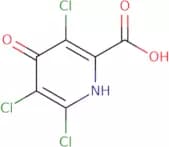
Formula:C10H9NO2Purity:Min. 95%Color and Shape:PowderMolecular weight:175.18 g/mol3,5,6-Trichloro-4-hydroxy-2-picolinic acid
CAS:3,5,6-Trichloro-4-hydroxy-2-picolinic acid is a high quality reagent that is used as a building block for the synthesis of complex compounds with potential pharmaceutical applications. It can be used as an intermediate in the production of fine chemicals and speciality chemicals. This compound is also useful for research purposes and as a versatile building block for reactions.
Formula:C6H2Cl3NO3Purity:Min. 95%Color and Shape:White to off-white solid.Molecular weight:242.44 g/mol4-Acetylbutyric acid
CAS:4-Acetylbutyric acid is a monocarboxylic acid that is synthesized from levulinate. It has been shown to be an intermediate in the biosynthesis of amides and 2,6-dihydroxybenzoic acid. The reaction is catalyzed by an enzyme called acetyl coenzyme A synthetase and requires activation energies of −7.5 kJ/mol for the conversion of levulinate to 4-acetylbutyric acid. This organic compound has a kinetic constant of 1.1 × 10 M−1s−1 at 25°C and pH 7, with a pK value of 3.9 at 25°C; it also has amines and carboxylic functional groups, as well as a carbon source requirement.
Formula:C6H10O3Purity:Min. 95 Area-%Color and Shape:PowderMolecular weight:130.14 g/molClavulanic acid ammonium
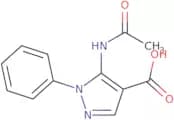
CAS:Clavulanic acid is a beta-lactamase inhibitor that is used to treat infections caused by bacteria that are resistant to penicillin. It is a combination of clavulanate and ammonium. Clavulanic acid blocks the action of beta-lactamases, which are enzymes produced by bacteria that can destroy penicillin before it can act on the bacterial cell wall. Clavulanic acid has been shown to be active against penicillin-resistant strains of Staphylococcus aureus, Enterobacter cloacae, and Klebsiella pneumoniae. Clavulanic acid also inhibits the growth of Mycobacterium avium complex and Mycobacterium tuberculosis.Formula:C8H9NO5•NH3Purity:Min. 95%Molecular weight:216.19 g/mol5-(Acetylamino)-1-phenyl-1H-pyrazole-4-carboxylic acid
CAS:5-(Acetylamino)-1-phenyl-1H-pyrazole-4-carboxylic acid is a useful building block for the synthesis of complex organic compounds. It is a versatile intermediate that can be used in the synthesis of pharmaceuticals, agrochemicals, and other fine chemicals. 5-(Acetylamino)-1-phenyl-1H-pyrazole-4-carboxylic acid can be used to produce high quality research chemicals and speciality chemicals. The CAS number for this compound is 51649-69-5.
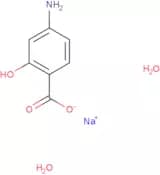
Formula:C12H11N3O3Purity:Min. 95%Color and Shape:White to pale yellow solid.Molecular weight:245.23 g/mol4-Aminosalicylic acid sodium salt dihydrate
CAS:4-Aminosalicylic acid sodium salt dihydrate is a molecule that has been shown to be useful for the diagnosis of viral, autoimmune, and cancerous diseases. It is a diagnostic agent that can be used in both the diagnosis and treatment of bowel disease. 4-Aminosalicylic acid sodium salt dihydrate can also be used to treat cavity formation in teeth. It binds to fatty acids in the target tissue, which leads to cell death by apoptosis. This drug has been shown to be effective against inflammatory bowel disease (IBD) as well as other types of bowel disease. This drug has been shown to have no adverse effects on healthy cells or tissues, but it may cause kidney toxicity when taken orally or injected intravenously.
Formula:C7H6NNaO3·2H2OPurity:Min. 95%Color and Shape:White PowderMolecular weight:211.15 g/molRef: 3D-FA32507
Discontinued productγ-Polyglutamic acid sodium, MW 200,000-500,000
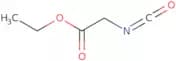
CAS:Polymer of glutamic acidFormula:(C5H9NO4)nPurity:Min. 90 Area-%Color and Shape:White PowderEthyl isocyanatoacetate
CAS:Ethyl isocyanatoacetate (EICA) is a fatty acid that has been shown to have antimicrobial activity. It forms coordination complexes with malonic acid and fatty acids, which inhibit the synthesis of proteins by binding to the ribosomes. The antimicrobial properties of EICA are due to its ability to disrupt protein synthesis in gram-negative organisms. EICA also inhibits locomotor activity and levels of human liver enzymes. It has ether linkages as well as sulfonic acid groups, which make it more soluble in water than other fatty acids.
EICA is metabolized by hepatic lipase into methylmalonic acid and ethylmalonic acid, which can lead to metabolic disorders such as alkaptonuria.Formula:C5H7NO3Purity:Min. 95%Color and Shape:LiquidMolecular weight:129.12 g/molRef: 3D-FE01975
Discontinued productCocinic acid
CAS:Controlled ProductCocinic acid is a fatty acid that is found in coconut oil. It has been used as a conditioning agent and as an emulsifier for the production of hydrogenated coconut oil. Cocinic acid is also used as a sulfated or unsulfated fatty alcohol, which can be found in the profiles of many natural oils. The fatty acids in cocinic acid are combined with an alcohol to produce esters, which are used as an ingredient in many cosmetic products.
Purity:Min. 95%Color and Shape:White PowderRef: 3D-FC31733
Discontinued productPhenylhydrazine-4-sulfonic acid
CAS:Phenylhydrazine-4-sulfonic acid is a solid catalyst that is used in the formation of ternary complexes. It can be used to study mitochondrial membrane potential and reactive oxygen species production by diazonium salt. Phenylhydrazine-4-sulfonic acid has also been used as a model system for acylation reactions, with p-hydroxybenzoic acid as the acylating agent. This chemical is acidic and reacts with hydrochloric acid to produce phenylhydrazine and 4-chlorophenol. Phenylhydrazine-4-sulfonic acid is chemically stable in acidic solution.
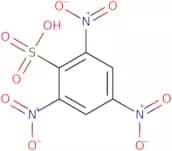
Formula:C6H8N2O3SPurity:Min. 95%Color and Shape:White PowderMolecular weight:188.21 g/mol2,4,6-Trinitrobenzenesulfonic acid, 1% DMF solution
CAS:2,4,6-Trinitrobenzenesulfonic acid, also known as TNBS, TNSBA orâ¯picrylsulfonicâ¯acid, is a strongly oxidising organic acid that has long been used as a reagent to determine the presence of free primary amine groups. TNBS reacts rapidly with primary amines to form highly colouredâ¯N-trinitrophenylâ¯products which can thenâ¯beâ¯analysed by colorimetry.â¯Competing hydrolysis of the TNBS reagentâ¯mayâ¯influence the assay result. The amine can be regenerated by treatment with hydrazine. This analytical technique can also be applied to thiols and hydrazides.
As is common with nitrated aromatic compounds, there is a risk of explosion and TNBS is typically commercially available as a solution. We also supply the 5% aqueous solution.Formula:C6H3N3O9SPurity:Min. 95%Color and Shape:Clear LiquidMolecular weight:293.17 g/molRef: 3D-FT158294
Discontinued product1-(2-Chlorophenyl)-5-phenyl-1-H-pyrazole-3-carboxylic acid
CAS:Controlled Product1-(2-Chlorophenyl)-5-phenyl-1H-pyrazole-3-carboxylic acid is a high quality, reagent, complex compound that has been shown to be useful as an intermediate in the synthesis of a number of different compounds. It has been shown to be useful as a speciality chemical and research chemicals with versatile building blocks that can be used for the synthesis of other compounds. The CAS number for 1-(2-chlorophenyl)-5-phenyl-1H-pyrazole-3-carboxylic acid is 116572-69-1.
Formula:C16H11ClN2O2Purity:Min. 95%Molecular weight:298.72 g/molHeptadecanoic acid
CAS:Heptadecanoic acid is a fatty acid that is a major component of the human sebum. It has been shown to be an oxidation catalyst for polyunsaturated fatty acids and can be used in the production of caproic acid and alkanoic acid from their corresponding glycol esters. It has also been shown to have enzyme activities, such as oxidizing phospholipids and hydrolyzing triglycerides. Heptadecanoic acid is a normal constituent of human serum, but its concentration varies among individuals. It can be used as a control analysis to determine if another fatty acid is present in the sample, or it can be used as a biological sample to study energy metabolism or epidermal growth factor.
Formula:C17H34O2Purity:Min. 95%Color and Shape:PowderMolecular weight:270.45 g/molRef: 3D-FH63213
Discontinued productUndecenoic acid
CAS:Undecenoic acid is an antimicrobial agent that is used in the treatment of infectious diseases. This compound has been shown to have significant cytotoxicity against C. glabrata, a yeast that causes vaginal yeast infections, and also inhibits the growth of other human pathogens such as Listeria monocytogenes and Salmonella typhimurium. Undecenoic acid has a broad spectrum of activity against bacteria and fungi and is effective when used at low concentrations. It is not active against viruses or protozoa. The reaction mechanism for undecenoic acid is unknown but it may be due to its ability to react with water vapor in the air to form undecenal, which then reacts with malonic acid to form malonaldehyde. Undecenoic acid binds to proteins through hydrogen bonding and hydrophobic interactions, forming complexes that inhibit bacterial growth by interfering with DNA replication, protein synthesis, and enzyme activity.
Formula:C11H20O2Purity:Min. 95%Color and Shape:PowderMolecular weight:184.28 g/molRef: 3D-FU12136
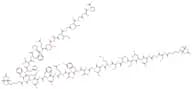
Discontinued productBiotinyl-(Cys1,Lys(biotinyl)18)-Calcitonin (human) trifluoroacetate salt
CAS:Please enquire for more information about Biotinyl-(Cys1,Lys(biotinyl)18)-Calcitonin (human) trifluoroacetate salt including the price, delivery time and more detailed product information at the technical inquiry form on this pageFormula:C171H254N44O49S5Purity:Min. 95%Molecular weight:3,870.44 g/mol2-Chloro-5-(4-chloro-5-difluoromethoxy-1-methylpyrazol-3-yl)-4-fluorophenoxyacetic acid monohydrate
CAS:2-Chloro-5-(4-chloro-5-difluoromethoxy-1-methylpyrazol-3-yl)-4-fluorophenoxyacetic acid monohydrate (2,4,5P) is a phenoxy herbicide that has been shown to be an effective broadleaf and grass weed control agent. 2,4,5P is a granule formulation that can be applied by helicopter or ground equipment. It has synergistic effects with glyphosate when applied together to soybean plants and can be used in combination with other herbicides for more effective weed control.
Formula:C13H9Cl2F3N2O·H2OPurity:Min. 95%Color and Shape:White PowderMolecular weight:355.14 g/molRef: 3D-FC156954
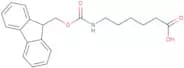
Discontinued productFmoc-6-aminohexanoic acid
CAS:Fmoc-6-aminohexanoic acid is an amino acid that can be used as a building block for peptides and proteins. It has a hydroxide group that can be reacted with other molecules in order to form a covalent bond. The compound reacts with sodium hydroxide solution to produce a particle that is soluble in water and organic solvents. Fmoc-6-aminohexanoic acid also inhibits the protease activity of subtilisin BPN' and leucine aminopeptidase, which are enzymes that break down proteins into smaller polypeptides. This material is functionalized with carboxyl groups on both ends, making it reactive and able to react with other molecules.
Formula:C21H23NO4Purity:Min. 98 Area-%Color and Shape:White Off-White PowderMolecular weight:353.41 g/molRef: 3D-FF47372
Discontinued product


![4-[2'-(7''-Deazaguanine)ethyl]benzoic acid N-hydroxysuccinimide ester](/_next/image/?url=https%3A%2Fstatic.cymitquimica.com%2Fproducts%2F3D%2Fthumb-webp%2FFD20837.webp&w=3840&q=75)
![[4-(1-Methyl-1-phenylethyl)phenoxy]acetic acid](/_next/image/?url=https%3A%2Fstatic.cymitquimica.com%2Fproducts%2F3D%2Fthumb-webp%2FFM112689.webp&w=3840&q=75)





![2-[2-[4-[Bis(4-fluorophenyl)methyl]piperazin-1-yl]ethoxy]acetic acid HCl](/_next/image/?url=https%3A%2Fstatic.cymitquimica.com%2Fproducts%2F3D%2Fthumb-webp%2FFB98570.webp&w=3840&q=75)


![(1R,4R)-tert-Butyl 2,5-diazabicyclo[2.2.1]heptane-2-carboxylate hydrochloride](/_next/image/?url=https%3A%2Fstatic.cymitquimica.com%2Fproducts%2F3D%2Fthumb-webp%2FFB15223.webp&w=3840&q=75)