Carboxylic Acids
Carboxylic acids are organic molecules characterized by having a carboxyl-type functional group (-COOH). These acids are fundamental in various chemical reactions, including esterification, amidation, and decarboxylation. Carboxylic acids are widely used in the production of pharmaceuticals, polymers, and agrochemicals. In this section, you can find a large number of carboxylic acids ready to be used. At CymitQuimica, we provide a broad range of high-quality carboxylic acids to support your research and industrial applications.
Found 12453 products of "Carboxylic Acids"
Sort by
Purity (%)
0
100
|
0
|
50
|
90
|
95
|
100
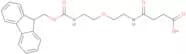
N-(Fmoc-5-amino-3-oxa-pentyl)succinamic acid
CAS:<p>N-(Fmoc-5-amino-3-oxa-pentyl)succinamic acid is a high quality chemical that is used as an intermediate in the production of pharmaceuticals and other fine chemicals. It is also a reagent for use in peptide synthesis. N-(Fmoc-5-amino-3-oxa-pentyl)succinamic acid has a CAS No. 669073-62-5 and can be used as a useful scaffold for the production of complex compounds. This compound is also useful for research purposes, due to its versatility as a building block with speciality chemical applications.</p>Formula:C23H26N2O6Purity:Min. 95%Molecular weight:426.46 g/mol(N-Me-Phe7)-Neurokinin B trifluoroacetate salt
CAS:<p>Please enquire for more information about (N-Me-Phe7)-Neurokinin B trifluoroacetate salt including the price, delivery time and more detailed product information at the technical inquiry form on this page</p>Formula:C60H81N13O14S2Purity:Min. 95%Molecular weight:1,272.5 g/molNeuropeptide W-23 (rat) trifluoroacetate salt
CAS:<p>Please enquire for more information about Neuropeptide W-23 (rat) trifluoroacetate salt including the price, delivery time and more detailed product information at the technical inquiry form on this page</p>Formula:C119H183N35O29SPurity:Min. 95%Molecular weight:2,600.01 g/mol6-FAM-(Glu13·17·20)-Osteocalcin (1-46) (mouse) trifluoroacetate salt
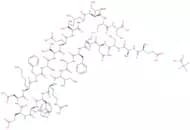
CAS:<p>Please enquire for more information about 6-FAM-(Glu13·17·20)-Osteocalcin (1-46) (mouse) trifluoroacetate salt including the price, delivery time and more detailed product information at the technical inquiry form on this page</p>Formula:C247H361N57O80S2Purity:Min. 95%Molecular weight:5,472.98 g/molRVG-9R trifluoroacetate salt
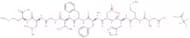
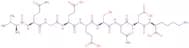
CAS:<p>Please enquire for more information about RVG-9R trifluoroacetate salt including the price, delivery time and more detailed product information at the technical inquiry form on this page</p>Formula:C201H334N82O55S2Purity:Min. 95%Molecular weight:4,843.45 g/molH-Asn-Gln-Glu-Gln-Glu(EDANS)-Arg-OH trifluoroacetate salt
<p>Please enquire for more information about H-Asn-Gln-Glu-Gln-Glu(EDANS)-Arg-OH trifluoroacetate salt including the price, delivery time and more detailed product information at the technical inquiry form on this page</p>Formula:C42H62N14O16SPurity:Min. 95%Molecular weight:1,051.09 g/molAmyloid b-Protein (6-20) trifluoroacetate salt
CAS:<p>Please enquire for more information about Amyloid b-Protein (6-20) trifluoroacetate salt including the price, delivery time and more detailed product information at the technical inquiry form on this page</p>Formula:C86H119N23O23Purity:Min. 95%Molecular weight:1,843.01 g/molH-Leu-Ser-Lys-Leu-OH trifluoroacetate salt
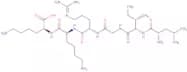
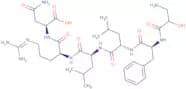
CAS:<p>Please enquire for more information about H-Leu-Ser-Lys-Leu-OH trifluoroacetate salt including the price, delivery time and more detailed product information at the technical inquiry form on this page</p>Formula:C21H41N5O6Purity:Min. 95%Molecular weight:459.58 g/molH-Phe-Arg-Arg-OH acetate salt
CAS:<p>The H-Phe-Arg-Arg-OH acetate salt is a reversible (acetylcholinesterase inhibitor). It reversibly binds to the enzyme, acetylcholinesterase and blocks the breakdown of acetylcholine, which is an important neurotransmitter. The H-Phe-Arg-Arg-OH acetate salt has been shown to be effective against rat hearts that have been damaged by lysosomal enzymes. This drug can also act as an endogenous buffer in the blood plasma, preventing changes in pH due to acidosis or alkalosis. The H-Phe-Arg-Arg-OH acetate salt is a subcomponent of citrate and myocardial proteins, which are essential for biosynthetic processes in the body. It has been shown to be maximally additive with other drugs that affect cardiac function, such as beta blockers and digitalis glycosides. Proteolysis is maximally inhibited by this drug when it</p>Formula:C21H35N9O4Purity:Min. 95%Molecular weight:477.56 g/molZ-L-α-aminobutyric acid
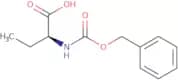
CAS:<p>Z-L-alpha-aminobutyric acid is a homogeneous, optically active, linear phosphinic analogue of alpha-aminobutyric acid. It has been used in the synthesis of phosphinic analogues of cyclosporin and undecapeptides with high yields. The coupling reaction between Z-L-alpha-aminobutyric acid and benzaldehyde was carried out in two steps to produce the desired product. A stepwise condensation between Z-L-alpha-aminobutyric acid and 3,4,5,6 tetrahydropyrimidine was also successful.</p>Formula:C12H15NO4Purity:Min. 98 Area-%Color and Shape:White PowderMolecular weight:237.25 g/mol(Ala13)-Apelin-13 (human, bovine, mouse, rat) acetate salt
CAS:<p>Apelin-13 is a peptide hormone that is secreted from the stomach and small intestine. It may have analgesic effects through its interaction with μ-opioid receptors, which are also activated by morphine. Apelin-13 has been shown to increase locomotor activity in rats, suggesting it can potentiate the antinociceptive effect of morphine.</p>Formula:C63H107N23O16S·xC2H4O2Purity:Min. 95%Molecular weight:1,474.74 g/mol4,6-Dichloro-2-methylnicotinic acid
CAS:<p>Please enquire for more information about 4,6-Dichloro-2-methylnicotinic acid including the price, delivery time and more detailed product information at the technical inquiry form on this page</p>Purity:Min. 95%H-Gly-Arg-Gly-Asp-D-Ser-Pro-OH trifluoroacetate salt
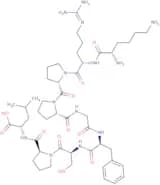
CAS:<p>H-Gly-Arg-Gly-Asp-D-Ser-Pro-OH trifluoroacetate salt (HGGDS) is a collagen gel that is used in the treatment of autoimmune diseases, such as arthritis and lupus. HGGDS inhibits the production of fibrinogen, which is a protein involved in blood clotting, by binding to its receptor on human fibroblasts. It also inhibits the production of basic proteins needed for the generation of collagen and activation of integrin receptors, which are involved in cell adhesion and migration. HGGDS also blocks transcription polymerase chain reactions (PCRs), which are necessary for the synthesis of DNA. This can lead to a decrease in cell proliferation and an increase in apoptosis.</p>Formula:C22H37N9O10Purity:Min. 95%Molecular weight:587.58 g/molLHRH (4-10) acetate salt
CAS:<p>Please enquire for more information about LHRH (4-10) acetate salt including the price, delivery time and more detailed product information at the technical inquiry form on this page</p>Formula:C33H53N11O9Purity:Min. 95%Molecular weight:747.84 g/molPHM-27 (human) trifluoroacetate salt
CAS:<p>PHM-27 is a human protein that contains a c-terminal histidine and n-terminal lysine. It contains an amino acid composition of histidine, valine, alanine, aspartic acid, glycine, serine, threonine, arginine, and methionine. PHM-27 is present in the cardiovascular system, nervous system, gastrointestinal system, and respiratory system. It has been shown to be involved in the synthesis of peptides important for blood clotting.</p>Formula:C135H214N34O40SPurity:Min. 95%Molecular weight:2,985.41 g/mol(D-Trp8)-γ2-MSH trifluoroacetate salt
CAS:<p>Please enquire for more information about (D-Trp8)-gamma2-MSH trifluoroacetate salt including the price, delivery time and more detailed product information at the technical inquiry form on this page</p>Formula:C74H99N21O16SPurity:Min. 95%Molecular weight:1,570.78 g/mol(Des-Gly10,D-Tyr5,D-Ser(tBu)6,Pro-NHEt 9)-LHRH acetate salt
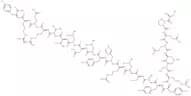
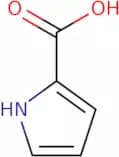
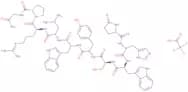
CAS:Controlled Product<p>Please enquire for more information about (Des-Gly10,D-Tyr5,D-Ser(tBu)6,Pro-NHEt 9)-LHRH acetate salt including the price, delivery time and more detailed product information at the technical inquiry form on this page</p>Formula:C60H86N16O13Purity:Min. 95%Molecular weight:1,239.42 g/molPyrrole-2-carboxylic acid
CAS:<p>Pyrrole-2-carboxylic acid is a polycyclic aromatic compound that can be found in coal tar. It has been shown to have anti-inflammatory, antiallergic, and antifungal properties. Pyrrole-2-carboxylic acid is produced by the human body as an intermediate in the metabolism of tryptophan. This compound can also be synthesized and used to treat chronic bronchitis, which is caused by excessive mucus production and inflammation of the airways. The reaction mechanism for pyrrole-2-carboxylic acid is similar to that of other drugs that are used in respiratory therapy, such as aminophylline or acetylcysteine.</p>Formula:C5H5NO2Purity:Min. 95%Molecular weight:111.1 g/mol(H-Cys-4MbNA)2 acetate salt (Disulfide bond)
CAS:<p>Please enquire for more information about (H-Cys-4MbNA)2 acetate salt (Disulfide bond) including the price, delivery time and more detailed product information at the technical inquiry form on this page</p>Formula:C28H30N4O4S2Purity:Min. 95%Molecular weight:550.69 g/molBoc-15-amino-4,7,10,13-tetraoxapentadecanoic acid
CAS:<p>Boc-15-amino-4,7,10,13-tetraoxapentadecanoic acid is a PEG compound with two different functional groups (also known as heterobifunctional). Unlike homobifunctional PEG compounds (same functional group on both ends), this type of compounds are more versatile as have two different anchor points. Boc-15-amino-4,7,10,13-tetraoxapentadecanoic acid is used as a linker and spacer to add a PEG moiety, via pegylation (a bioconjugation technique) to proteins, peptides, oligonucleotides, small molecules and nanoparticles.</p>Formula:C16H31NO8Purity:Min. 95%Molecular weight:365.42 g/mol3-Benzoyl acrylic acid
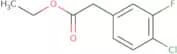
CAS:<p>3-Benzoyl acrylic acid is an organic compound that is the product of a chemical reaction between benzaldehyde and acetic anhydride. It contains a carboxylic acid group, an hydroxyl group, a nitro group, and a particle. 3-Benzoyl acrylic acid has been shown to inhibit the growth factor epidermal growth factor (EGF). This inhibition occurs by binding to the receptor for EGF on the cell membrane and blocking its activation. 3-Benzoyl acrylic acid also inhibits fatty acid synthesis and mitochondrial membrane potential, which may be due to its ability to form ester hydrochloride.</p>Formula:C10H8O3Purity:Min. 95%Color and Shape:PowderMolecular weight:176.17 g/mol(4-Chloro-3-fluorophenyl)acetic acid ethyl ester
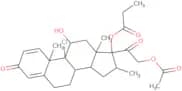
CAS:<p>Please enquire for more information about (4-Chloro-3-fluorophenyl)acetic acid ethyl ester including the price, delivery time and more detailed product information at the technical inquiry form on this page</p>Formula:C10H10ClFO2Purity:Min. 95%Molecular weight:216.64 g/molBeclomethasone 21-acetate 17-propionate
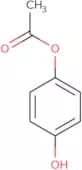
CAS:Controlled Product<p>Please enquire for more information about Beclomethasone 21-acetate 17-propionate including the price, delivery time and more detailed product information at the technical inquiry form on this page</p>Formula:C27H35ClO7Purity:Min. 95%Molecular weight:507.02 g/mol4-Hydroxyphenyl acetate
CAS:<p>4-Hydroxyphenyl acetate is a naturally occurring fatty acid that is found in many plants. It has been isolated from the seeds of Telfairia occidentalis and has been shown to inhibit the growth of bacteria at a pH of 7.5, with an optimal pH of 8.0. 4-Hydroxyphenyl acetate is an activated form of this compound, which means it contains two hydroxyl groups and does not have to be synthesized by enzymes. 4-Hydroxyphenyl acetate inhibits bacterial enzyme activities such as DNA gyrase and RNA polymerase, which are necessary for transcription and replication. The structure analysis of 4-hydroxy phenylacetate was determined using trifluoroacetic acid (TFA) on a wild-type strain of Escherichia coli K12.</p>Formula:C8H8O3Purity:Min. 98 Area-%Color and Shape:PowderMolecular weight:152.15 g/mol(DL-Isoser 1)-TRAP-6 trifluoroacetate salt
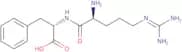
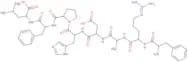
CAS:<p>Please enquire for more information about (DL-Isoser 1)-TRAP-6 trifluoroacetate salt including the price, delivery time and more detailed product information at the technical inquiry form on this page</p>Formula:C34H56N10O9Purity:Min. 95%Molecular weight:748.87 g/molH-Arg-Phe-OH acetate salt
CAS:<p>H-Arg-Phe-OH Acetate Salt is a peptide that has the amino acids H, Arg, Phe and OH. It is a stable complex with amines and is effective in reducing blood pressure. The binding constants are high, which means that it can be used as an antihypertensive agent. A study on the haemodynamic effects of H-Arg-Phe-OH Acetate Salt showed that it could inhibit the release of noradrenaline levels in the body. The reaction mechanism for H-Arg-Phe-OH Acetate Salt is functional groups plus fatty acids; kidney bean is one of its sources.</p>Formula:C15H23N5O3Purity:Min. 95%Molecular weight:321.38 g/molpTH-Related Protein (1-37) (human, mouse, rat) trifluoroacetate salt
CAS:<p>Please enquire for more information about pTH-Related Protein (1-37) (human, mouse, rat) trifluoroacetate salt including the price, delivery time and more detailed product information at the technical inquiry form on this page</p>Formula:C197H317N63O53Purity:Min. 95%Molecular weight:4,416.02 g/molMAGE-1 Antigen (161-169) (human) acetate salt
CAS:<p>MAGE-1 is a costimulatory molecule that is expressed on the surface of antigen presenting cells. It has been shown to be a very potent target for monoclonal antibodies. MAGE-1 can be used as an antigen in diagnostic tests, such as ELISA and Western blotting. It can also be used to generate monoclonal antibodies for use as therapeutic agents in cancer therapy and for the treatment of viral infections such as influenza virus. The MAGE-1 antigen has been shown to have high affinity binding with the paratope of Papilloma virus, which may help explain its clinical relevance in these diseases.</p>Formula:C41H57N11O17Purity:Min. 95%Molecular weight:975.96 g/molCortistatin-17 (human) trifluoroacetate salt
CAS:<p>Please enquire for more information about Cortistatin-17 (human) trifluoroacetate salt including the price, delivery time and more detailed product information at the technical inquiry form on this page</p>Formula:C96H139N27O24S3Purity:Min. 95%Molecular weight:2,151.5 g/molEthyl-2-ethoxy-1-[[(2'-cyanobiphenyl-4-yl) methyl] benzimidazole-7-carboxylate
CAS:<p>Candesartan is a selective angiotensin II receptor antagonist that inhibits the binding of angiotensin II to its receptors, which in turn decreases the activity of angiotensin-converting enzyme. Candesartan cilexetil is an ester prodrug that has been shown to be effective in the treatment of high blood pressure. In the crystalline form, candesartan cilexetil is a white powder with a melting point of 130–135 °C and a solubility in water of >1 g/L. The molecular weight of candesartan cilexetil is 393.8 g/mol and it has a molecular formula C17H21NO2S. The chemical structure consists of two benzimidazole rings coupled together through an ethyl-2-ethoxy linker and attached to a carboxylate group on one end and an amide group on the other</p>Formula:C26H23N3O3Purity:Min. 95%Molecular weight:425.48 g/molEndothelin-1 (human, bovine, dog, mouse, porcine, rat) acetate
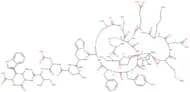
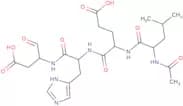
CAS:<p>Endothelin-1 (ET-1) is a peptide that is produced by the endothelium. ET-1 is involved in numerous biological processes, including vasoconstriction, inflammation, and cell proliferation. Endothelin-1 (human ET-1) acetate salt H-Cys-Ser-Cys-Ser-Ser-Leu-Met-Asp-Lys-(Glu)-Cys-(Val)-Tyr-(Phe)-Cys-(His)-Leu -Asp(-Ile)-Ile(-Trp)) acetate salt is a recombinant protein that has been shown to significantly upregulate the production of endothelin in primary pulmonary hypertension. It also plays an important role in bowel disease, where it may be involved in the development of chronic inflammatory bowel disease.</p>Formula:C109H159N25O32S5•(C2H4O2)xPurity:Min. 95%Molecular weight:2,491.91 g/molAc-Leu-Glu-His-Asp-aldehyde (pseudo acid) trifluoroacetate salt
CAS:<p>Ac-Leu-Glu-His-Asp-aldehyde (pseudo acid) trifluoroacetate salt is a chemical compound that belongs to the group of apoptosis proteins. It has been shown to have anti-inflammatory and neuroprotective effects in primary cells, as well as to induce apoptosis in HL60 cells. Ac-Leu-Glu-His-Asp-aldehyde (pseudo acid) trifluoroacetate salt is also able to inhibit the activation of the caspase pathway by preventing the release of cytochrome c from mitochondria and decreasing the mitochondrial membrane potential. The protein may be used as an agent for skin cancer treatment.</p>Formula:C23H34N6O9Purity:Min. 95%Molecular weight:538.55 g/mol(Gln22)-Amyloid b-Protein (1-40) trifluoroacetate salt
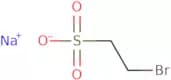
CAS:Controlled Product<p>Please enquire for more information about (Gln22)-Amyloid b-Protein (1-40) trifluoroacetate salt including the price, delivery time and more detailed product information at the technical inquiry form on this page</p>Formula:C194H296N54O57SPurity:Min. 95%Molecular weight:4,328.82 g/mol2-Bromoethanesulfonic acid sodium
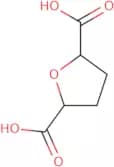
CAS:<p>2-Bromoethanesulfonic acid sodium (2BESA) is a chemical inhibitor that is used to control methanogenic activity. It has been shown to be effective in the treatment of wastewater, although it is not very soluble in water. 2BESA inhibits methanogenesis by binding to the enzyme methane monooxygenase, which blocks electron transfer from methane to oxygen. This prevents the formation of hydrogen and carbon dioxide, which are products of fermentation. 2BESA also has electrochemical properties that make it a good candidate for use as an electrode material in fuel cells. In vitro assays have demonstrated that 2BESA inhibits bacterial growth by inhibiting DNA synthesis and protein synthesis.</p>Formula:C2H4BrNaO3SPurity:Min. 95%Molecular weight:211.01 g/mol2,5-Anhydro-3,4-dideoxy-erythro-hexaric acid - 98%
CAS:<p>The synthesis of 2,5-anhydro-3,4-dideoxy-erythro-hexaric acid (2,5AHDHE) is described in detail. The reaction starts with the condensation of 3,4-dideoxy-erythro-hexose with aldehyde and furfural to give the hemiacetal. The ring opening of this hemiacetal leads to the formation of 2,5AHDHE and furfural. The protonation of 2,5AHDHE leads to proton release and bond cleavage. Furfural is reduced to 5-hydroxymethylfurfural (HMF). HMF is then oxidized to hydroxyl group by H2O2. The hydroxyl group reacts with a second molecule of 2,5AHDHE to form a new molecule of 2,5AHDHE and H2O2. This process can be repeated until</p>Formula:C6H8O5Purity:Min. 98 Area-%Color and Shape:White PowderMolecular weight:160.12 g/molNociceptin (1-13) amide trifluoroacetate salt
CAS:<p>Please enquire for more information about Nociceptin (1-13) amide trifluoroacetate salt including the price, delivery time and more detailed product information at the technical inquiry form on this page</p>Formula:C61H100N22O15Purity:Min. 95%Molecular weight:1,381.59 g/molAmylin (8-37) (human) trifluoroacetate salt
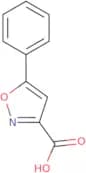
CAS:<p>Please enquire for more information about Amylin (8-37) (human) trifluoroacetate salt including the price, delivery time and more detailed product information at the technical inquiry form on this page</p>Formula:C138H216N42O45Purity:Min. 95%Molecular weight:3,183.45 g/mol5-Phenylisoxazole-3-carboxylic acid
CAS:<p>5-Phenylisoxazole-3-carboxylic acid is a phenoxy compound that has been shown to inhibit the growth of tuberculosis bacteria. This drug binds to the postsynaptic potential in the cell membrane and inhibits the effector proteins from interacting with the receptor, preventing neurotransmitter release. The molecular modeling study showed that 5-Phenylisoxazole-3-carboxylic acid interacts with ethyl esters and rifampin, which inhibits xanthine oxidase. Xanthine oxidase inhibitors are used as a treatment for gout and hyperuricemia. 5-Phenylisoxazole-3-carboxylic acid also has fluorimetric properties, which can be used to measure its concentration in biological samples such as urine or plasma. Nitro groups in this drug make it susceptible to oxidation by nitric oxide, which can be monitored using nmr spectra.</p>Formula:C10H7NO3Purity:Min. 95%Molecular weight:189.17 g/molBiotinyl-Neuromedin S (human) trifluoroacetate salt
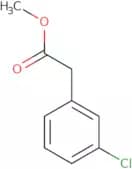
CAS:<p>Please enquire for more information about Biotinyl-Neuromedin S (human) trifluoroacetate salt including the price, delivery time and more detailed product information at the technical inquiry form on this page</p>Formula:C183H279N55O46SPurity:Min. 95%Molecular weight:4,017.58 g/molMethyl 3-chlorophenylacetate
CAS:<p>Methyl 3-chlorophenylacetate is a chemical intermediate that has been used in the synthesis of pharmaceuticals and organic compounds. It has also been used as a reagent for research, especially in the study of organic chemistry. Methyl 3-chlorophenylacetate is a versatile building block and can be used as a reaction component to synthesize other chemicals. This compound is also an excellent scaffold for medicinal chemistry.</p>Formula:C9H9ClO2Purity:Min. 95%Color and Shape:Clear LiquidMolecular weight:184.62 g/molIL-1β (163-171) (human) trifluoroacetate salt
CAS:<p>Interleukin-1 beta (IL-1β) is a cytokine that is produced by activated macrophages and T cells. It is an important regulator of immune function, inducing fever, activating the inflammatory response, and increasing vascular permeability. IL-1β is a 163-amino acid polypeptide with a molecular weight of 18.7 kDa. The trifluoroacetate salt of IL-1β has been shown to be active in vitro against human leukemic cells and to have an interferon-gamma activity in vitro.</p>Formula:C39H64N12O19Purity:Min. 95%Molecular weight:1,004.99 g/molPAR-4 (1-6) amide (mouse) trifluoroacetate salt
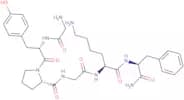
CAS:<p>PAR-4 (1-6) amide (mouse) trifluoroacetate salt H-Gly-Tyr-Pro-Gly-Lys-Phe-NH2 trifluoroacetate salt is a guanine nucleotide binding protein that belongs to the PAR family of proteins. It is expressed in wild type mice and binds to the cytosolic calcium, which regulates polymerase chain reaction. PAR-4 (1-6) amide (mouse) trifluoroacetate salt H-Gly-Tyr-Pro-Gly-Lys-Phe NH2 trifluoroacetate salt can be used as a potential drug target for epidermal growth factor. It has been shown to activate transcription polymerase chain and transcriptase polymerase chain during transcriptional regulation of messenger RNA.</p>Formula:C33H46N8O7Purity:Min. 95%Molecular weight:666.77 g/moltrans-4-[(2,5-Dihydro-2,5-dioxo-1H-pyrrol-1-yl)methyl]cyclohexanecarboxylic acid
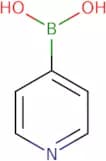
CAS:<p>4-Maleimidomethylcyclohexanecaroboxylic acid (4MAMC) is a bifunctional molecule that is conjugated to a polymer, which has the ability to bind with cellular antigens and target tissue. It is used in clinical chemistry because it can be detected at low concentrations. 4MAMC has been shown to reduce cirrhosis caused by chronic liver injury. 4MAMC also increases the uptake of coagulation factors and decreases the expression of prothrombin, which leads to an increase in clotting time. The localization of 4MAMC is determined by the type of polymer conjugate it is bound with; for example, when it binds with human serum albumin, it localizes on the surface of cells.</p>Formula:C12H15NO4Purity:Min. 95%Color and Shape:White PowderMolecular weight:237.25 g/mol4-Pyridinylboronic acid
CAS:<p>4-Pyridinylboronic acid is a boron compound that contains two nitrogen atoms. It is an important reagent in organic synthesis and crystallography. 4-Pyridinylboronic acid has been shown to have biological properties, such as hydrogen bonding interactions. It is also used in the suzuki coupling reaction and the photochemical properties of the reaction solution are dependent on its coordination geometry. 4-pyridinylboronic acid has a high pH value, so it must be prepared in anhydrous sodium carbonate before use. The hydrogen bond between 4-pyridinylboronic acid and an azide is shown below: Nnowiki>/nowiki>Hnowiki>/nowiki>nowiki>/nowiki>Nnowiki>/nowiki>nowiki>/nowiki>H</p>Formula:C5H6BNO2Color and Shape:PowderMolecular weight:122.92 g/mol12-(Boc-aminooxy)-dodecanoic acid
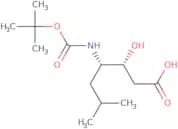
CAS:<p>Please enquire for more information about 12-(Boc-aminooxy)-dodecanoic acid including the price, delivery time and more detailed product information at the technical inquiry form on this page</p>Formula:C17H33NO5Purity:Min. 95%Molecular weight:331.45 g/molBoc-epi-statine (3R,4S)-4-(Boc-amino)-3-hydroxy-6-methyl-heptanoic acid
CAS:<p>Please enquire for more information about Boc-epi-statine (3R,4S)-4-(Boc-amino)-3-hydroxy-6-methyl-heptanoic acid including the price, delivery time and more detailed product information at the technical inquiry form on this page</p>Formula:C13H25NO5Purity:Min. 95%Molecular weight:275.34 g/molH-Ala-Gly-Tyr-NH2 acetate salt
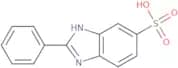
CAS:<p>Please enquire for more information about H-Ala-Gly-Tyr-NH2 acetate salt including the price, delivery time and more detailed product information at the technical inquiry form on this page</p>Formula:C14H20N4O4Purity:Min. 95%Molecular weight:308.33 g/mol2-Phenyl-5-benzimidazolesulfonic acid
CAS:<p>2-Phenyl-5-benzimidazolesulfonic acid is a chemical compound that has been shown to have stability in vitro. It was used as a skin cancer treatment in the past, but is now mainly used as an analytical reagent. It has been shown to be effective against coumarin derivatives and enzyme activities. 2-Phenyl-5-benzimidazolesulfonic acid can be used as a chelating agent for metals and also binds to zirconium oxide, which is one of the materials used in radiation shielding. The compound can also be used for wastewater treatment and polymerase chain reaction (PCR) analysis. This compound can be synthesized using sodium salts, solid phase microextraction (SPME), and sodium citrate in order to form the benzene ring. The synthesis can then be completed by adding two phenyl groups onto the benzene ring with various reactions such as transfer reactions or radiation. Finally,</p>Formula:C13H10N2O3SPurity:Min. 95%Molecular weight:274.3 g/mol(Lys18)-Pseudin-2 trifluoroacetate salt
CAS:<p>Please enquire for more information about (Lys18)-Pseudin-2 trifluoroacetate salt including the price, delivery time and more detailed product information at the technical inquiry form on this page</p>Formula:C122H203N37O32Purity:Min. 95%Molecular weight:2,700.15 g/molGRP (14-27) (human, porcine, canine) trifluoroacetate salt
CAS:<p>GRP (14-27) is a synthetic peptide that has an inhibitory effect on the growth of pancreatic cancer cells. It also inhibits the development of primary tumors in hamsters and inhibits tumor metastasis. GRP (14-27) binds to the cell surface receptor on T cells, which is responsible for mediating immune responses against tumors. GRP (14-27) has been shown to suppress tumor growth through immunoreactivity and has been found to be effective against a variety of cancers when used as an adjuvant therapy.</p>Formula:C75H110N24O16S2Purity:Min. 95%Molecular weight:1,667.96 g/molAlarin (human) trifluoroacetate salt
CAS:<p>Alarin is a human protein that was originally developed as an antiserum to seal wounds. It is used in the manufacture of pharmaceuticals, such as vaccines and serums. Alarin has also been used in immunoassays for the detection of antibodies in blood, serum, and other body fluids. Alarin is a protein that can be biotinylated and used as a substrate for peroxidase-conjugated streptavidin. This allows it to be utilized in enzyme-linked immunosorbent assay (ELISA) tests.</p>Formula:C127H205N43O35Purity:Min. 95%Molecular weight:2,894.26 g/molBNP-45 (mouse) trifluoroacetate salt
CAS:<p>Please enquire for more information about BNP-45 (mouse) trifluoroacetate salt including the price, delivery time and more detailed product information at the technical inquiry form on this page</p>Formula:C209H354N70O63S2Purity:Min. 95%Molecular weight:4,919.61 g/molDimercaptosuccinic acid
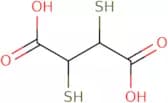
CAS:<p>Dimercaptosuccinic acid is a chemical that belongs to the class of dithiols. It has been used for the treatment of squamous cell carcinoma and urinary tract infections. Dimercaptosuccinic acid has shown long-term toxicity in rats and mice, with increased urinary bladder damage and decreased renal function. Dimercaptosuccinic acid is a fluorescent probe that can be used to diagnose oxidative injury in rats. It also binds to disulfide bonds in proteins, which can be quantified using plasma mass spectrometry.</p>Formula:C4H6O4S2Color and Shape:White PowderMolecular weight:182.22 g/molH-Ala-Ala-Ala-OMe acetate salt
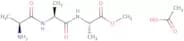
CAS:Controlled Product<p>Please enquire for more information about H-Ala-Ala-Ala-OMe acetate salt including the price, delivery time and more detailed product information at the technical inquiry form on this page</p>Formula:C10H19N3O4Purity:Min. 95%Molecular weight:245.28 g/molPreptin (rat) trifluoroacetate salt
CAS:<p>Please enquire for more information about Preptin (rat) trifluoroacetate salt including the price, delivery time and more detailed product information at the technical inquiry form on this page</p>Formula:C181H268N48O51Purity:Min. 95%Molecular weight:3,932.36 g/molH-Pro-Phe-Lys-OH acetate salt
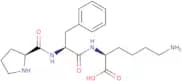
CAS:<p>Please enquire for more information about H-Pro-Phe-Lys-OH acetate salt including the price, delivery time and more detailed product information at the technical inquiry form on this page</p>Formula:C20H30N4O4Purity:Min. 95%Molecular weight:390.48 g/mol4-(4-Phenylbutoxy)benzoic acid
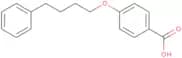
CAS:<p>4-(4-Phenylbutoxy)benzoic acid is an organic compound that is produced by the reaction of 4-hydroxybenzoic acid with a Grignard reagent. The 4-hydroxybenzoic acid reacts with magnesium to form magnesium chloride and p-hydroxybenzoic acid, which then reacts with a Grignard reagent to form the desired product. This compound has been used in wastewater treatment and as an intermediate in the synthesis of dyes, perfumes, and pharmaceuticals. 4-(4-Phenylbutoxy)benzoic acid has also been used as a starting material for synthesizing other compounds such as chlorobenzene and p-hydroxybenzoic acid.</p>Formula:C17H18O3Purity:Min. 95%Molecular weight:270.32 g/molLIP2 (human) trifluoroacetate salt
<p>Please enquire for more information about LIP2 (human) trifluoroacetate salt including the price, delivery time and more detailed product information at the technical inquiry form on this page</p>Formula:C184H288N58O58Purity:Min. 95%Molecular weight:4,240.61 g/mol(Phe2, Nle 4)-ACTH (1-24) (human, bovine, rat) trifluoroacetate salt
CAS:<p>Please enquire for more information about (Phe2, Nle 4)-ACTH (1-24) (human, bovine, rat) trifluoroacetate salt including the price, delivery time and more detailed product information at the technical inquiry form on this page</p>Formula:C137H212N40O30Purity:Min. 95%Molecular weight:2,899.4 g/mol3-Acetylphenylboronic acid, pinacol ester
CAS:<p>Please enquire for more information about 3-Acetylphenylboronic acid, pinacol ester including the price, delivery time and more detailed product information at the technical inquiry form on this page</p>Formula:C14H19BO3Purity:Min. 95%Molecular weight:246.11 g/molH-Arg-Ile-OH acetate salt
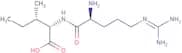
CAS:<p>H-Arg-Ile-OH acetate salt is a regulatory protein that is found in plant cells. It has been shown to be involved in the regulation of cancer, as well as having some anti-inflammatory activities. H-Arg-Ile-OH acetate salt also has been shown to inhibit the production of fatty acids and coagulation factors by inhibiting serine proteases and thromboplastin activity, respectively. H-Arg-Ile-OH acetate salt may have an important role in regulating blood clotting by preventing fibrinogen from converting to fibrin, which leads to clot formation.</p>Formula:C12H25N5O3Purity:Min. 95%Molecular weight:287.36 g/mol(D-His2,D-Trp6)-LHRH trifluoroacetate salt
CAS:<p>Please enquire for more information about (D-His2,D-Trp6)-LHRH trifluoroacetate salt including the price, delivery time and more detailed product information at the technical inquiry form on this page</p>Formula:C64H82N18O13Purity:Min. 95%Molecular weight:1,311.45 g/molMca-Pro-Leu-Ala-Cys(Mob)-Trp-Ala-Arg-Dap (Dnp)-NH2 trifluoroacetate salt
CAS:<p>Please enquire for more information about Mca-Pro-Leu-Ala-Cys(Mob)-Trp-Ala-Arg-Dap (Dnp)-NH2 trifluoroacetate salt including the price, delivery time and more detailed product information at the technical inquiry form on this page</p>Formula:C66H82N16O17SPurity:Min. 95%Molecular weight:1,403.52 g/molMet-Enkephalin acetate salt
CAS:<p>Please enquire for more information about Met-Enkephalin acetate salt including the price, delivery time and more detailed product information at the technical inquiry form on this page</p>Formula:C27H35N5O7S·xC2H4O2Purity:Min. 95%Molecular weight:573.66 g/molOxyntomodulin (human, mouse, rat) trifluoroacetate salt
CAS:<p>Please enquire for more information about Oxyntomodulin (human, mouse, rat) trifluoroacetate salt including the price, delivery time and more detailed product information at the technical inquiry form on this page</p>Formula:C192H295N61O60SPurity:Min. 95%Molecular weight:4,449.84 g/molEndothelin-2 (human, canine) acetate
CAS:<p>Acetate salt</p>Formula:C115H160N26O32S4Purity:Min. 95%Molecular weight:2,546.92 g/molAmyloid Bri Protein (1-23) trifluoroacetate salt
CAS:<p>Please enquire for more information about Amyloid Bri Protein (1-23) trifluoroacetate salt including the price, delivery time and more detailed product information at the technical inquiry form on this page</p>Formula:C116H175N31O35S2Purity:Min. 95%Molecular weight:2,627.95 g/molOvokinin trifluoroacetate salt
CAS:<p>Please enquire for more information about Ovokinin trifluoroacetate salt including the price, delivery time and more detailed product information at the technical inquiry form on this page</p>Formula:C48H67N13O11Purity:Min. 95%Molecular weight:1,002.13 g/molLys-(Des-Arg9,Leu8)-Bradykinin trifluoroacetate salt
CAS:<p>Bradykinin is a peptide that is released in response to injury and inflammation. It has two receptors, B1 and B2. Bradykinin binds to the B2 receptor which leads to vasodilation, increased vascular permeability, and bronchoconstriction. Lys-(Des-Arg9,Leu8)-Bradykinin trifluoroacetate salt H-Lys-Arg-Pro-Pro-Gly-Phe-Ser-Pro-Leu (LBP) is a synthetic analogue of bradykinin that competes with bradykinin for binding sites on the bradykinin b2 receptor. LBP also inhibits lipoxygenase activity in vitro and in animals. This drug can be used as an antagonist against bradykinin b2 receptor or as an antiplatelet agent.</p>Formula:C47H75N13O11Purity:Min. 95%Molecular weight:998.18 g/molDABCYL-γ-Abu-Ser-Gln-Asn-Tyr-Pro-Ile-Val-Gln-EDANS trifluoroacetate salt
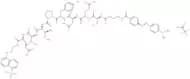
CAS:<p>Please enquire for more information about DABCYL-gamma-Abu-Ser-Gln-Asn-Tyr-Pro-Ile-Val-Gln-EDANS trifluoroacetate salt including the price, delivery time and more detailed product information at the technical inquiry form on this page</p>Formula:C73H97N17O18SPurity:Min. 95%Molecular weight:1,532.72 g/molEthyl 2-(chlorosulfonyl)acetate
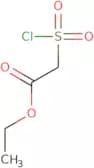
CAS:<p>Ethyl 2-(chlorosulfonyl)acetate is a drug candidate that inhibits the enzyme cholesterol acyltransferase (ACAT), which is responsible for the formation of cholesterol esters. It has been shown to be effective in animal models for the treatment of metabolic disorders, such as hypercholesterolemia and hypertriglyceridemia. In addition, it has been shown to inhibit the activity of serine proteases, which are involved in coagulation, amido hydrolase, and nucleophilic attack reactions. Ethyl 2-(chlorosulfonyl)acetate has also been shown to activate gene product in cellular studies with mouse fibroblasts.</p>Purity:Min. 95%Color and Shape:PowderMolecular weight:186.61 g/molZ-Val-Lys-Met-AMC acetate salt
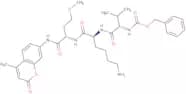
CAS:<p>Bortezomib is a proteasome inhibitor that binds to the catalytic site of the proteasome and inhibits its activity. Bortezomib is used as an anticancer agent to treat multiple myeloma, T-cell lymphomas, and other cancers. It has been shown to inhibit the growth of cancer cells and slow tumor progression in animal models. The drug has also been shown to decrease insulin resistance in mice with high blood sugar levels by inhibiting histone deacetylase (HDAC). This inhibition leads to increased expression of genes that are involved in glucose metabolism and decreased expression of genes that regulate fat production.<br>The drug also binds tightly to the insulin receptor, which may lead to improved glucose uptake into cells.</p>Formula:C34H45N5O7SPurity:Min. 95%Molecular weight:667.82 g/moltert-Butyl 1-oxa-4,9-diazaspiro[5.5]undecane-9-carboxylate
CAS:<p>Please enquire for more information about tert-Butyl 1-oxa-4,9-diazaspiro[5.5]undecane-9-carboxylate including the price, delivery time and more detailed product information at the technical inquiry form on this page</p>Formula:C13H24N2O3Purity:Min. 95%Molecular weight:256.34 g/molAmyloid β/A4 Protein Precursor770 (586-595) (human, mouse, rat) trifluoroacetate salt
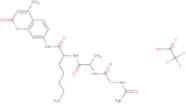
CAS:<p>Please enquire for more information about Amyloid beta/A4 Protein Precursor770 (586-595) (human, mouse, rat) trifluoroacetate salt including the price, delivery time and more detailed product information at the technical inquiry form on this page</p>Formula:C47H73N11O16SPurity:Min. 95%Molecular weight:1,080.21 g/molAc-Gly-Ala-Lys-AMC trifluoroacetate salt
<p>Please enquire for more information about Ac-Gly-Ala-Lys-AMC trifluoroacetate salt including the price, delivery time and more detailed product information at the technical inquiry form on this page</p>Formula:C23H31N5O6Purity:Min. 95%Molecular weight:473.52 g/molDnp-(Leu421)-Collagen Type VIII a1 Chain (419-426) amide (human, mouse) trifluoroacetate salt
<p>Please enquire for more information about Dnp-(Leu421)-Collagen Type VIII a1 Chain (419-426) amide (human, mouse) trifluoroacetate salt including the price, delivery time and more detailed product information at the technical inquiry form on this page</p>Formula:C40H64N14O12SPurity:Min. 95%Molecular weight:965.09 g/molγ3-MSH trifluoroacetate salt
CAS:<p>Please enquire for more information about Gamma3-MSH trifluoroacetate salt including the price, delivery time and more detailed product information at the technical inquiry form on this page</p>Formula:C126H188N44O37SPurity:Min. 95%Molecular weight:2,943.18 g/mol4-Hydroxyphenylboronic acid
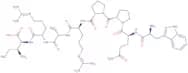
CAS:<p>4-Hydroxyphenylboronic acid is a potential anticancer agent that has been studied in vitro and in vivo. It has been shown to inhibit the activity of p-glycoprotein, which is a protein that pumps drugs out of cells, and it is also an inhibitor of lipid kinase. 4-Hydroxyphenylboronic acid binds to the ATP binding site of the enzyme and forms covalent bonds with Lys residues on the enzyme, inhibiting its function. The compound can be detected at low concentrations using fluorescence or chemiluminescence techniques. This compound may have therapeutic benefits for antimicrobial agents as well as for cancer treatment.</p>Formula:C6H7BO3Purity:Min. 95%Color and Shape:White PowderMolecular weight:137.93 g/molFibronectin Adhesion-Promoting Peptide trifluoroacetate salt
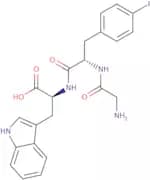
CAS:<p>Fibronectin Adhesion-Promoting Peptide trifluoroacetate salt H-Trp-Gln-Pro-Pro-Arg-Ala-Arg-Ile-OH trifluoroacetate salt (FAP) is a synthetic peptide that promotes fibronectin adhesion. It binds to the amino acid sequence in the C terminal end of fibronectin, which is known to be responsible for binding to actin filaments and growth factors. FAP has been shown to promote wound healing by stimulating the proliferation of corneal epithelial cells in vitro. The mechanism of action of FAP may be due to its ability to bind to chloride ions, which are involved in the regulation of cell proliferation and migration.</p>Formula:C47H74N16O10Purity:Min. 95%Molecular weight:1,023.19 g/molH-Gly-p-iodo-Phe-Trp-OH trifluoroacetate salt
CAS:<p>Please enquire for more information about H-Gly-p-iodo-Phe-Trp-OH trifluoroacetate salt including the price, delivery time and more detailed product information at the technical inquiry form on this page</p>Formula:C22H23IN4O4Purity:Min. 95%Molecular weight:534.35 g/molAmyloid β-Protein (35-25) trifluoroacetate salt
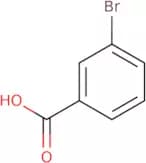
CAS:<p>Please enquire for more information about Amyloid beta-Protein (35-25) trifluoroacetate salt including the price, delivery time and more detailed product information at the technical inquiry form on this page</p>Formula:C45H81N13O14SPurity:Min. 95%Color and Shape:PowderMolecular weight:1,060.27 g/mol3-Bromobenzoic acid
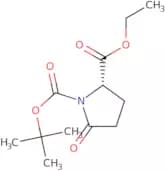
CAS:<p>3-Bromobenzoic acid is a molecule that is classified as a Group P2. It has an electronegativity of 1.3 and an acidity of 0.8, which are both in the middle range of values for this group. 3-Bromobenzoic acid is soluble in water and is soluble in ethanol, acetone, and ether. The chemical structure of 3-bromobenzoic acid can be determined by its monoclonal antibody binding sites, electrochemical impedance spectroscopy data, and Langmuir adsorption isotherm data. 3-Bromobenzoic acid reacts with hydrochloric acid to form benzoate and HCl gas. Chronic exposure to 3-bromobenzoic acid has been shown to cause glutamate dehydrogenase inhibition, leading to an accumulation of p-hydroxybenzoic acid in the body. This compound also reacts with thiourea or</p>Formula:C7H5BrO2Purity:Min. 95%Color and Shape:PowderMolecular weight:201.02 g/molN-Boc-L-pyroglutamic acid ethyl ester
CAS:<p>N-Boc-L-pyroglutamic acid ethyl ester is a chiral building block that can be used for the preparation of amides. It is a good activating agent and is used to synthesize amide bonds from carboxylic acids. N-Boc-L-pyroglutamic acid ethyl ester can be used to synthesize sulfoxides and piperidines, which are ligands. It is also an amido, stereoselective and DPP-4 inhibitor. This chemical simplifies catalysis reactions by replacing the use of toxic solvents.</p>Formula:C12H19NO5Purity:Min. 95%Molecular weight:257.28 g/molAmyloid β-Protein (1-24) trifluoroacetate salt
CAS:<p>Please enquire for more information about Amyloid beta-Protein (1-24) trifluoroacetate salt including the price, delivery time and more detailed product information at the technical inquiry form on this page</p>Formula:C130H183N35O40Purity:Min. 95%Molecular weight:2,876.06 g/molCell-permeable Caspase-1 Inhibitor I trifluoroacetate salt
CAS:<p>Please enquire for more information about Cell-permeable Caspase-1 Inhibitor I trifluoroacetate salt including the price, delivery time and more detailed product information at the technical inquiry form on this page</p>Formula:C97H160N20O24Purity:Min. 95%Molecular weight:1,990.43 g/molGLP-1 (7-37) (human, bovine, guinea pig, mouse, rat) trifluoroacetate salt
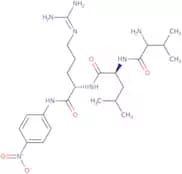
CAS:Controlled Product<p>Please enquire for more information about GLP-1 (7-37) (human, bovine, guinea pig, mouse, rat) trifluoroacetate salt including the price, delivery time and more detailed product information at the technical inquiry form on this page</p>Formula:C151H228N40O47Purity:Min. 95%Molecular weight:3,355.67 g/molH-DL-Val-Leu-Arg-pNA acetate salt
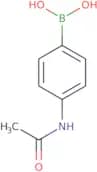
CAS:<p>H-DL-Val-Leu-Arg-pNA acetate salt is a natriuretic that is used to treat chronic kidney failure. It has an inhibitory effect on serine protease and epidermal growth factor, which are enzymes involved in the production of atrial natriuretic peptide (ANP). The drug also reduces blood pressure by inhibiting the activity of angiotensin II, which is a potent vasoconstrictor. H-DL-Val-Leu-Arg-pNA acetate salt has been shown to increase urea nitrogen levels by inhibiting the activity of alkaline phosphatase, which breaks down ammonia in the liver.</p>Formula:C23H38N8O5Purity:Min. 95%Molecular weight:506.6 g/mol4-Acetamidophenyl boronic acid
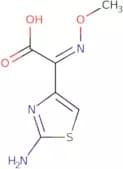
CAS:<p>4-Acetamidophenyl boronic acid is a cross-coupling reagent that has been used in the synthesis of a variety of organic molecules. The reaction is stereoselective and proceeds with high yield. 4-Acetamidophenyl boronic acid has also been used to synthesize amides and azobenzenes, which can be substituted with chloride or uv irradiation to give chloroazobenzene or benzotriazole respectively. 4-Acetamidophenyl boronic acid has shown potent inhibition against the enzyme cyclooxygenase 2 (COX2) and acidic hydrolysis.</p>Purity:Min. 95%2-Amino-a-(methoxyimino)-4-thiazoleacetic acid
CAS:<p>2-Amino-a-(methoxyimino)-4-thiazoleacetic acid is a reaction product of cefotaxime and n-dimethyl formamide. It has been shown to be an effective agent for the treatment of wastewater with a high organic content. 2-Amino-a-(methoxyimino)-4-thiazoleacetic acid also reacts with chloride ions to form cleavage products that are soluble in water, making it an ideal choice for wastewater treatment. This compound is not toxic and can be used as a drug to treat patients with infections caused by bacteria resistant to other antibiotics. 2-Amino-a-(methoxyimino)-4-thiazoleacetic acid binds to mismatched base pairs in DNA, inhibiting DNA synthesis and causing cell death by apoptosis.</p>Formula:C6H7N3O3SPurity:Min. 95%Molecular weight:201.2 g/mol(Des-Gly10,D-Leu6,[13C6]Leu7,Pro-NHEt 9)-LHRH trifluoroacetate salt
<p>Please enquire for more information about (Des-Gly10,D-Leu6,[13C6]Leu7,Pro-NHEt 9)-LHRH trifluoroacetate salt including the price, delivery time and more detailed product information at the technical inquiry form on this page</p>Purity:Min. 95%TAT 2-4 trifluoroacetate salt
CAS:<p>Trifluoroacetate salt</p>Formula:C132H240N66O29Purity:Min. 95%Molecular weight:3,215.75 g/molEthyl 2-(2-chloroethoxy)acetate
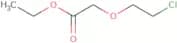
CAS:<p>Please enquire for more information about Ethyl 2-(2-chloroethoxy)acetate including the price, delivery time and more detailed product information at the technical inquiry form on this page</p>Formula:C6H11ClO3Purity:Min. 95%Molecular weight:166.6 g/molMethyl benzofuran-6-carboxylate
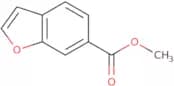
CAS:<p>Methyl benzofuran-6-carboxylate is a synthetic retinoid that is a conformationally constrained analogue of retinoic acid, which is one of the most powerful biological molecules. Methyl benzofuran-6-carboxylate has been shown to be an effective anti-inflammatory agent and may be useful in the treatment of inflammatory skin diseases. It also inhibits the production of proinflammatory cytokines and chemokines, such as TNF-α, IL-1β, IL-8, CCL2, CXCL1, and CXCL2. Methyl benzofuran-6-carboxylate binds to specific receptors on cell surfaces to inhibit the production of inflammatory mediators. The drug also has been shown to have antiangiogenic activity. This property may be due to its ability to inhibit the production of vascular endothelial growth factor (VEGF) and other angiogenic factors.</p>Formula:C10H8O3Purity:Min. 95%Molecular weight:176.17 g/molPyromeconic acid
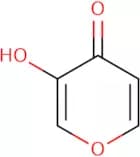
CAS:<p>Pyromeconic acid is a trifluoroacetic acid derivative that has been shown to have anti-inflammatory properties. Pyromeconic acid has a redox potential of -0.07 V at pH 7 and can act as a reducing agent in biological systems. It has been shown to inhibit the methylation of pueraria lobata and the transferase activity of methionine synthase, which plays a role in the synthesis of proteins. Pyromeconic acid also inhibits the production of sesquiterpene lactones in carthamus tinctorius, which are responsible for its anti-inflammatory effects. It is an acidic chemical that contains a hydroxyl group and coordinates with metals such as copper, zinc, and nickel.</p>Formula:C5H4O3Purity:Min. 95%Color and Shape:Off-White To Light (Or Pale) Yellow SolidMolecular weight:112.08 g/molFibronectin Fragment (1954-1959) trifluoroacetate salt
CAS:<p>Please enquire for more information about Fibronectin Fragment (1954-1959) trifluoroacetate salt including the price, delivery time and more detailed product information at the technical inquiry form on this page</p>Formula:C32H63N11O7Purity:Min. 95%Molecular weight:713.91 g/molCyclopropane-1,1-dicarboxylic acid, methylester
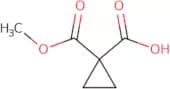
CAS:<p>Please enquire for more information about Cyclopropane-1,1-dicarboxylic acid, methylester including the price, delivery time and more detailed product information at the technical inquiry form on this page</p>Formula:C6H8O4Purity:Min. 95%Color and Shape:PowderMolecular weight:144.13 g/molMCH (salmon) trifluoroacetate salt
CAS:<p>Trifluoroacetate salt</p>Formula:C89H139N27O24S4Purity:Min. 95%Molecular weight:2,099.49 g/molOrotic acid hydrate
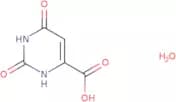
CAS:<p>Orotic acid hydrate is a synthetic compound that is designed to be a growth regulator. Orotic acid hydrate is synthesized by reacting the orotate with pyridoxine hydrochloride, followed by crystallizing the product. Hydrogen bonds form between the water molecules and fatty acids in the crystals of OA hydrate. These hydrogen bonds stabilize the crystal structure and allow for its use as a growth regulator. The stability of this molecule can also be attributed to its ability to form hydrogen bonds with other molecules such as α-tocopherol, calcium carbonate, and synthetic cannabinoids. Orotic acid hydrate has been shown to have an effect on cancer cells because it reacts with daunorubicin in solution and inhibits DNA synthesis, inhibiting cell growth.</p>Formula:C5H4N2O4·H2OPurity:Min. 95 Area-%Color and Shape:PowderMolecular weight:174.11 g/molPeptide YY (13-36) (canine, mouse, porcine, rat) trifluoroacetate salt
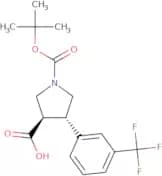
CAS:<p>Please enquire for more information about Peptide YY (13-36) (canine, mouse, porcine, rat) trifluoroacetate salt including the price, delivery time and more detailed product information at the technical inquiry form on this page</p>Formula:C135H209N41O38Purity:Min. 95%Molecular weight:3,014.36 g/molBoc-(±)-trans-4-(3-trifluoromethylphenyl)pyrrolidine-3-carboxylic acid
CAS:<p>Please enquire for more information about Boc-(±)-trans-4-(3-trifluoromethylphenyl)pyrrolidine-3-carboxylic acid including the price, delivery time and more detailed product information at the technical inquiry form on this page</p>Formula:C17H20F3NO4Purity:Min. 95%Molecular weight:359.34 g/mol











![Ethyl-2-ethoxy-1-[[(2'-cyanobiphenyl-4-yl) methyl] benzimidazole-7-carboxylate](/_next/image/?url=https%3A%2Fstatic.cymitquimica.com%2Fproducts%2F3D%2Fthumb-webp%2FFE31863.webp&w=3840&q=75)
![trans-4-[(2,5-Dihydro-2,5-dioxo-1H-pyrrol-1-yl)methyl]cyclohexanecarboxylic acid](/_next/image/?url=https%3A%2Fstatic.cymitquimica.com%2Fproducts%2F3D%2Fthumb-webp%2FFM54570.webp&w=3840&q=75)








![tert-Butyl 1-oxa-4,9-diazaspiro[5.5]undecane-9-carboxylate](/_next/image/?url=https%3A%2Fstatic.cymitquimica.com%2Fproducts%2F3D%2Fthumb-webp%2FFB134944.webp&w=3840&q=75)




![(Des-Gly10,D-Leu6,[13C6]Leu7,Pro-NHEt 9)-LHRH trifluoroacetate salt](/_next/image/?url=https%3A%2Fstatic.cymitquimica.com%2Fproducts%2F3D%2Fthumb-webp%2FFD109775.webp&w=3840&q=75)