Carboxylic Acids
Carboxylic acids are organic molecules characterized by having a carboxyl-type functional group (-COOH). These acids are fundamental in various chemical reactions, including esterification, amidation, and decarboxylation. Carboxylic acids are widely used in the production of pharmaceuticals, polymers, and agrochemicals. In this section, you can find a large number of carboxylic acids ready to be used. At CymitQuimica, we provide a broad range of high-quality carboxylic acids to support your research and industrial applications.
Found 12453 products of "Carboxylic Acids"
Sort by
Purity (%)
0
100
|
0
|
50
|
90
|
95
|
100
Sodium 2-hydroxybutanoate
CAS:<p>Sodium 2-hydroxybutanoate, a by-product of alpha-ketobutyrate, is formed via LDH or alphaHBDH-catalyzed reactions.</p>Formula:C4H7NaO3Purity:98.92% - 99.96%Color and Shape:SolidMolecular weight:126.09Glycylglycine
CAS:<p>Glycylglycine (Diglycine) is a dipeptide used in biochemical research. It is the simplest and is used as a starting template for more complex peptides.</p>Formula:C4H8N2O3Purity:≥95%Color and Shape:SolidMolecular weight:132.12(R)-pyrrolidine-2-carboxylic acid
CAS:<p>D-Proline, (R)-pyrrolidine-2-carboxylic acid, is L-Proline's isomer, found in human plasma/saliva, possibly from bacteria or racemase activity.</p>Formula:C5H9NO2Purity:99.88%Color and Shape:Flat Needles From Alcohol + Ether; Prisms From Water SolidMolecular weight:115.13N-Acetyl-L-phenylalanine
CAS:<p>N-Acetyl-L-phenylalanine is essential for medical use, found in phenylketonuria patients' urine, and made by phenylalanine N-acetyltransferase.</p>Formula:C11H13NO3Purity:99.74%Color and Shape:SolidMolecular weight:207.23β-N-methylamino-L-alanine hydrochloride
CAS:<p>β-N-methylamino-L-alanine hydrochloride (L-BMAA hydrochloride) is a neurotoxin produced by cyanobacteria, could cause ALS and other neurodegenerative diseases.</p>Formula:C4H11ClN2O2Purity:95.00% - 99.67%Color and Shape:SolidMolecular weight:154.61-Aminocyclopropane-1-carboxylic acid
CAS:<p>1-Aminocyclopropane-1-carboxylic acid (ACC) is an intermediate in the synthesis of ethylene and protects against neuron cell death in vivo models of ischemia.</p>Formula:C4H7NO2Purity:97.91% - 99.76%Color and Shape:CrystallineMolecular weight:101.12,3-Diaminopropanoic acid hydrochloride
CAS:<p>2,3-Diaminopropanoic acid hydrochloride (3-Amino-DL-alanine monohydrochloride) is used as a substrate for studying the action of aminopeptidase enzyme.</p>Formula:C3H9ClN2O2Purity:99.63% - 99.84%Color and Shape:White To Slightly Beige Fine Crystalline PowderMolecular weight:140.57trans-Vaccenic acid
CAS:<p>Trans-Vaccenic acid, a trans-fat in dairy, may inhibit tumor growth by affecting CD8+ T cell growth via GPCR-CREB.</p>Formula:C18H34O2Purity:99.9%Color and Shape:SolidMolecular weight:282.462,2-Dihydroxyacetic acid
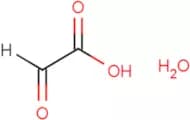
CAS:<p>2,2-Dihydroxyacetic acid (Formylformic acid) is an organic compound that is both an aldehyde and a carboxylic acid, is associated with primary hyperoxaluria.</p>Formula:C2H4O4Purity:99.25%Color and Shape:White To Light Yellow Crystalline PowderMolecular weight:92.05D-Isoleucine
CAS:<p>D-Isoleucine ((2R,3R)-2-Amino-3-methylpentanoic acid) is a selective activator of Asc-1 antiporter, which enhances long-term potentiation at the hippocampal CA1</p>Formula:C6H13NO2Purity:99.16%Color and Shape:White To Light Yellow PowderMolecular weight:131.17For-Met-OH
CAS:<p>For-Met-OH (N-Formyl-L-methionine) is a type of endogenous metabolite, effective in the initiation of protein synthesis.</p>Formula:C6H11NO3SPurity:99.298% - 99.72%Color and Shape:SolidMolecular weight:177.22N-Methylsarcosine
CAS:<p>N-Methylsarcosine improves athletic performance, boosts immunity, treats autism/epilepsy, tracks COPD, and aids in ionic liquid development.</p>Formula:C4H9NO2Purity:98.17%Color and Shape:SolidMolecular weight:103.12D-Galacturonic acid hydrate
CAS:<p>D-Galacturonic acid hydrate is used in the synthesis of N-(D-galacturonoyl) amino acids and dipeptides.</p>Formula:C6H12O8Purity:97% - 99.97%Color and Shape:White To Light Beige Fine PowderMolecular weight:212.154-Guanidinobenzoic Acid Methanesulfonate
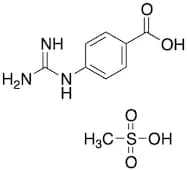
CAS:Controlled Product<p>Applications 4-GUANIDINOBENZOIC ACID METHANESULFONATE (cas# 148720-07-4) is a useful research chemical.<br></p>Formula:C8H9N3O2·CH4O3SColor and Shape:NeatMolecular weight:275.28Maleic Acid Monomethyl Ester (~90%)
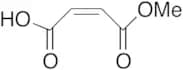
CAS:Controlled Product<p>Applications Maleic Acid Monomethyl Ester, is relative to Maleic Anhydride (M124400), which is a heterocyclic compound used in the manufacture of unsaturated polyester resins. Maleic Anhydride has a wide range of other applications; it can also be used in synthetic tensides, insecticides, herbicides and fungicides.<br>References Hanafi, W.Z.A. et al.: Plast. Rub. Comp. Proc. Appl., 19, 175 (1993); Noma, K. et al.: Shik. Kyok., 36, 225 (1963); Augustin, M. et al.: Wissen. Zeitsch., 25, 5 (1976); Jiang, Q. et al.: Nongyao, 49, 257 (2010);<br></p>Formula:C5H6O4Purity:~90%Color and Shape:NeatMolecular weight:130.1Ethyl 2-Chloracetoacetate
CAS:<p>Applications Ethyl 2-Chloracetoacetate is used in the preparation of oxazoles and thiazoles as agonists for peroxisome proliferator-activated receptor δ. It is also used to synthesize dimethylimidazothiadiazolecarbohydrazides with anticancer activities.<br> Not a dangerous good if item is equal to or less than 1g/ml and there is less than 100g/ml in the package<br>References Sznaidman, M., et al.: Bioorg. Med. chem. Lett., 13, 1517 (2003); Terzioglu, N., et al.: Eur. J. Med. Chem., 38, 781 (2003)<br></p>Formula:C6H9ClO3Color and Shape:NeatMolecular weight:164.593-Carboxamidobenzoic acid
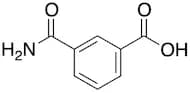
CAS:Controlled Product<p>Stability Hygroscopic<br>Applications 3-Carboxamidobenzoic acid<br></p>Formula:C8H7NO3Color and Shape:NeatMolecular weight:165.15Methyl Cyclopropane Carboxylate
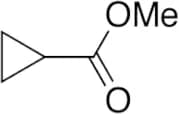
CAS:Controlled Product<p>Applications Methyl cyclopropane carboxylate is used as a reagent in the synthesis of N’-thiazole and N-pyrazole based inhibitors of MAP kinase p38α.<br>References Getlik, M. et al.: Eur. J. Med. Chem., 48, 1 (2012);<br></p>Formula:C5H8O2Color and Shape:NeatMolecular weight:100.1162-(Carboxymethyldisulfanyl)acetic Acid
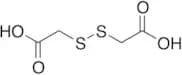
CAS:Controlled Product<p>Applications 2-(carboxymethyldisulfanyl)acetic acid (cas# 505-73-7) is a useful research chemical.<br></p>Formula:C4H6O4S2Color and Shape:NeatMolecular weight:182.21Methane Disulfonic Acid
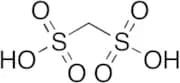
CAS:Controlled Product<p>Stability Hygroscopic<br>Applications Methane disulfonic acid is used in esterification.<br></p>Formula:CH4O6S2Color and Shape:White To Off-WhiteMolecular weight:176.172-Butoxyacetic Acid
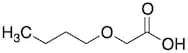
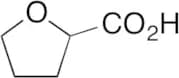
CAS:<p>Applications 2-butoxyacetic acid (cas# 2516-93-0) is a useful research chemical.<br></p>Formula:C6H12O3Color and Shape:NeatMolecular weight:132.162-Tetrahydrofuroic Acid
CAS:Controlled Product<p>Applications 2-Tetrahydrofuroic acid is used as a reagent to synthesize Alfuzosin (HCl: A532000), an unselective alpha-1 blocker that is used to treat lower urinary tract symptoms and benign prostatic hyperplasia.<br> Not a dangerous good if item is equal to or less than 1g/ml and there is less than 100g/ml in the package<br>References Grasso, M., et al.: Arch. Esp. Urol., 48, 97 (1994); Roehrborn, C., et al.: BJU Int., 92, 257 (2003)<br></p>Formula:C5H8O3Color and Shape:NeatMolecular weight:116.12Permethrinic Acid (cis/trans mixture)
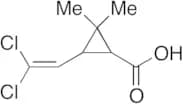
CAS:<p>Applications 3-(2,2-Dichloroethenyl)-2,2-dimethylcyclopropanecarboxylic Acid is a reagent used in the preparation of hapten and immunogen for the production of polyclonal antibodies, specific to Cypermethrin (C989000).<br>References Lee, N. et al.: J. Agri. Food Chem., 46, 520 (1998); Hongsibsong, S. et al.: Int. J. Agri. Biol., 14, 246 (2012);<br></p>Formula:C8H10Cl2O2Color and Shape:White To Light YellowMolecular weight:209.075-(3-hydroxyphenyl)pentanoic Acid
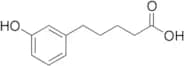
CAS:<p>Applications 5-(3-hydroxyphenyl)pentanoic acid (cas# 31129-95-0) is a useful research chemical.<br></p>Formula:C11H14O3Color and Shape:NeatMolecular weight:194.23Trifluoroacetic Acid-d
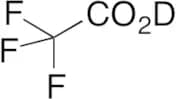
CAS:Controlled Product<p>Applications Isotope labelled Trifluoroacetic Acid used as a solvent in a variety of organic synthesis and chemical processes. Used in the synthesis of anticancer agents as well as phospholipase D inhibitors.<br> E0<br>References Scott, S. et al.: Nat. Chem. Biol., 5, 108 (2009); Minko, T. et al.: Cancer. Chemother. Pharmacol., 50, 143 (2002);<br></p>Formula:C2DF3O2Color and Shape:ColourlessMolecular weight:115.0295Isonicotinic Acid
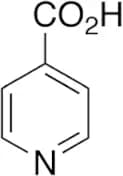
CAS:<p>Applications Used in the biological study of differentiation induced by nicotinic acid, nicotinamide and isonicotinic acid in human leukemia cell lines.<br>References Zeilinger, S., et al.: J. Biol. Chem., 271, 25624 (1996), Panagiotou, G., et al.: J. Biotechnol., 118, 304 (2005),<br></p>Formula:C6H5NO2Color and Shape:Light BrownMolecular weight:123.11Glutaconic Acid
CAS:Controlled Product<p>Applications Glutaconic Acid is used in the synthesis of dialkyltin derivatives of dicarboxylic acids which display antitumor properties. Also used in the synthesis of novel tetracyclic compounds as peripheral benzodiazepine receptor ligands with potential use for CNS illness treatments.<br>References Gielen, M. et al.: Hetero. Chem., 3, 449 (1992); Okubo, T. et al.: Bioorg. Med. Chem. Lett., 12, 3569 (2004);<br></p>Formula:C5H6O4Color and Shape:NeatMolecular weight:130.1Thioglycolic Acid 2-Ethylhexyl Ester
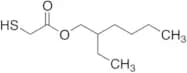
CAS:Formula:C10H20O2SColor and Shape:NeatMolecular weight:204.33Bis(2,4,4-trimethylpentyl)phosphinic Acid
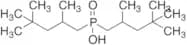
CAS:Controlled Product<p>Applications Bis(2,4,4-trimethylpentyl)phosphinic acid (cas# 83411-71-6) is a useful research chemical.<br> Not a dangerous good if item is equal to or less than 1g/ml and there is less than 100g/ml in the package<br></p>Formula:C16H35O2PColor and Shape:NeatMolecular weight:290.424,4'-(Ethyne-1,2-Diyl)Dibenzoic Acid
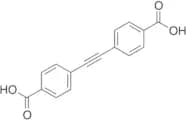
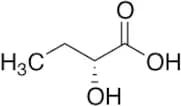
CAS:Controlled Product<p>Applications 4,4'-(ETHYNE-1,2-DIYL)DIBENZOIC ACID (cas# 16819-43-5) is a useful research chemical.<br></p>Formula:C16H10O4Color and Shape:NeatMolecular weight:266.25(R)-2-Hydroxybutanoic Acid
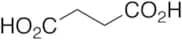
CAS:Controlled Product<p>Applications (R)-2-Hydroxybutanoic acid (cas# 20016-85-7) is a useful research chemical.<br></p>Formula:C4H8O3Color and Shape:NeatMolecular weight:104.105Succinic Acid
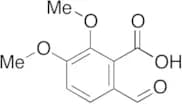
CAS:<p>Applications Succinic Acid was identified in essential oil from Saxifraga stolonifera and has antibacterial activity.<br>References Zhang, Z.: Xibei Nongye Xuebao, 25, 1536 (2016)<br></p>Formula:C4H6O4Color and Shape:NeatMolecular weight:118.09Opianic Acid
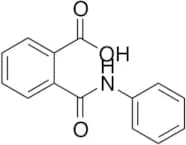
CAS:<p>Applications Opianic Acid is a reagent used in the synthesis of novel 5-arylidene (thio)barbituric acid displaying urease activity.<br>References Vosooghi, M. et al.: J. Iran. Chem. Soc., 12, 1487 (2015);<br></p>Formula:C10H10O5Color and Shape:White SolidMolecular weight:210.18Phthalanilic Acid (~90%)
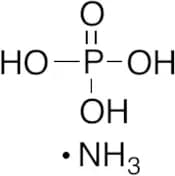
CAS:Controlled Product<p>Applications Phthalanilic acid is a compound that is useful in the production of fertilizers.<br>References Liang, S., et al.: Faming Zhuanli Shenqing.,4 (2019)<br></p>Formula:C14H11NO3Purity:~90%Color and Shape:White To Off-WhiteMolecular weight:241.24Phosphoric Acid Ammonium Salt (1:1)
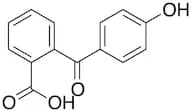
CAS:<p>Applications Phosphoric acid, ammonium salt (1:1) is a useful reagent for organic synthesis.<br></p>Formula:H3N·H3O4PColor and Shape:NeatMolecular weight:115.0262-(4-Hydroxybenzoyl)benzoic acid
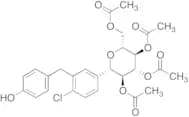
CAS:<p>Applications 2-(4-Hydroxybenzoyl)benzoic acid<br></p>Formula:C14H10O4Color and Shape:Off-WhiteMolecular weight:242.227O-Desethyl Dapagliflozin tetraacetate)
CAS:<p>Applications Empagliflozin Tetraacetate is an Empagliflozin (E521510) impurity and is a reagent used to design and synthesize nitric oxide releasing derivatives of dapagliflozin which has potential antidiabetic and antithrombotic agents.<br>References Zheng, L., et al.: Bioorg. Med. Chem., 26, 3947 (2018)<br></p>Formula:C27H29ClO10Color and Shape:White To Off-WhiteMolecular weight:548.97Fendizoic Acid
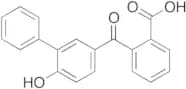
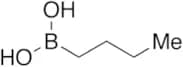
CAS:Controlled Product<p>Applications Fendizoic Acid is a reagent in the synthesis of fluorinated polyphthalazinone ethers containing perfluorophenylene moieties.<br>References Lu, Z., et al.: J. Polym. Sci. A1, 42, 925 (2004)<br></p>Formula:C20H14O4Color and Shape:NeatMolecular weight:318.32Butylboronic Acid
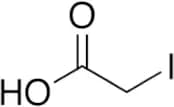
CAS:Controlled Product<p>Applications Butylboronic Acid is a boronic acid derivative that can be used as a transport carriers in membrane-based sugar separations. Butylboronic Acid is used as an analytical reagent in the determination of serum glucose.<br>References Smith, B.D. et al.: ACS Symp. Ser., 642, 194 (1996); Prendergast, J.L. et al.: Anal. Bional. Chem., 397, 1779 (2010);<br></p>Formula:C4H11BO2Color and Shape:NeatMolecular weight:101.94Iodoacetic Acid
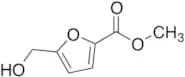
CAS:Controlled Product<p>Applications Used as a general reagent in acylation reactions. A byproduct formed in treated waters, and found in marine life.<br> E0<br>References Zuckermann, R.N. et al.; J. Am. Chem. Soc., 115, 10646 (1992); Bull, R., et al.: Toxicol. Appl. Pharmacol., 182, 55 (2002), Mitch, W., et al.: Water Sci. Technol., 2, 191 (2002),<br></p>Formula:C2H3IO2Color and Shape:AmberMolecular weight:185.95methyl 5-(hydroxymethyl)furan-2-carboxylate
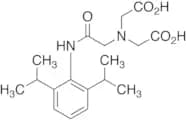
CAS:Controlled Product<p>Applications methyl 5-(hydroxymethyl)furan-2-carboxylate (cas# 36802-01-4) is a useful research chemical.<br></p>Formula:C7H8O4Color and Shape:NeatMolecular weight:156.14N-(2,6-Diisopropylphenylcarbamoylmethyl)iminodiacetic Acid
CAS:Controlled Product<p>Applications N-(2,6-Diisopropylphenylcarbamoylmethyl)iminodiacetic Acid (cas# 65717-97-7) is a compound useful in organic synthesis.<br></p>Formula:C18H26N2O5Color and Shape:NeatMolecular weight:350.41Ethyl Cyanoacetate
CAS:Controlled Product<p>Applications Reagent used in labelled pyrimidine and purine synthesis.<br> Not a dangerous good if item is equal to or less than 1g/ml and there is less than 100g/ml in the package<br>References Das, S., et al.: J. Med. Chem., 52, 5937 (2009), Kim, K., et al.: Bioorg. Med. Chem. Lett., 19, 5225 (2009),<br></p>Formula:C5H7NO2Color and Shape:NeatMolecular weight:113.11(S)-2-Amino-4-[(3-aminopropyl)amino]-butanoic Acid
CAS:Controlled Product<p>Applications (S)-2-Amino-4-[(3-aminopropyl)amino]-butanoic Acid is used in the reaction of carboxynorspermidine decarboxylase of Vibrio alginolyticus.<br>References Nakao, H., et al.: J. Gen. Microbiol. 136, 1699-704 (1990)<br></p>Formula:C7H17N3O2Purity:>90%Color and Shape:NeatMolecular weight:175.2291,11-Undecanedicarboxylic Acid
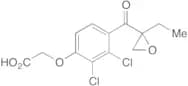
CAS:<p>Applications 1,11-Undecanedicarboxylic Acid is used in the synthesis of two Bis(tetrahydroisoquinoline) which were highly cytotoxic for cancer-cell cultures and less toxic to healthy cells and exhibited noticeable antimicrobial activity against Gram-positive and Gram-negative bacteria and fungal strain Candida albicans.<br>References Terent’eva, E. O., et al.: Chem. Nat. Compd., 53, 328-332 (2017)<br></p>Formula:C13H24O4Color and Shape:NeatMolecular weight:244.33Ethacrynic Acid Epoxide
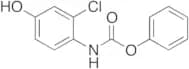
CAS:Controlled Product<p>Applications Ethacrynic Acid Epoxide is an intermediate in the synthesis of Ethacrynic Acid (E676000), a diuretic used to treat high blood pressure and swelling caused by congestive heart failure, liver failure and kidney failure.<br>References Beyer, et al.: J. Pharmacol. Exp. Ther., 147, 1 (1965), Kim., et al.: Am. J. Cardiol., 27, 407 (1971), Williamson, H.E., et al.: J. Clin. Pharmacol., 17, 663 (1977),<br></p>Formula:C13H12Cl2O5Color and Shape:NeatMolecular weight:319.14Phenyl N-(2-Chloro-4-hydroxyphenyl)carbamate
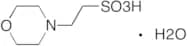
CAS:Controlled Product<p>Applications Phenyl N-(2-Chloro-4-hydroxyphenyl)carbamate is a reagent used in the prepartion of quinoline-carboxamide compounds including Lenvatinib (L329400), an orally active inhibitor of multiple receptor tyrosine kinases including VEGF, FGF and SCF receptors.<br>References Wang, N. et al.: Faming Zhuanli Shenqing (2017), CN 106632033 A 20170510.<br></p>Formula:C13H10ClNO3Color and Shape:NeatMolecular weight:263.684-Morpholineethanesulfonic Acid Hydrate
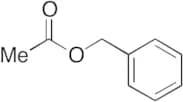
CAS:<p>Applications 4-Morpholineethanesulfonic Acid is used in the synthesis of nanotechnology and nanoparticles, as potential therapy towards Alzheimer’s.<br>References Liu, G. et al.: Methods. Mol. Biol., 610, 123 (2010); Neugart, F. et al.: Nano. Lett., 7, 3588 (2007)<br></p>Formula:C6H13NO4S·H2OColor and Shape:White PowderMolecular weight:213.252Benzyl Acetate
CAS:Controlled Product<p>Applications Benzyl Acetate, is found naturally in many flowers, It has pleasant sweet aroma reminiscent of jasmine, and thus is used widely in perfumery industry, and also as a flavouring agent. It is also used as a solvent.<br>References Schiestl, F. P., et al.: J. Chem. Ecology, 29 (2004); Qian-qian, M., et al.: Jingxi Huagong, 30, 442 (2013);<br></p>Formula:C9H10O2Color and Shape:NeatMolecular weight:150.17D-Lactic Acid
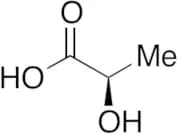
CAS:<p>Applications D-Lactic Acid occurs in small quantities in the blood and muscle fluid of man and animals. The lactic acid concentration increases in muscle and blood after vigorous activity.<br>References He, W. et al.: Comp. Biochem. Phys. Part A: Mol. Int. Phys., 166, 308 (2013)<br></p>Formula:C3H6O3Purity:90%Color and Shape:Colourless To Light YellowMolecular weight:90.08Citraconic Acid
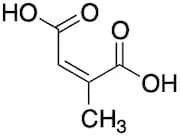
CAS:Controlled Product<p>Applications Citraconic Acid (cas# 498-23-7) is a useful research chemical.<br></p>Formula:C5H6O4Color and Shape:NeatMolecular weight:130.093-(4-Hydroxyphenyl)propionic Acid
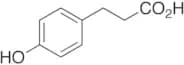
CAS:<p>Applications Antioxidant.<br>References Arnous, A., et al.: J. Agr. Food Chem., 49, 5736 (2001), Guendez, R., et al.: Food Chem., 89, 1 (2005), Proestos, C., et al.: Food Control,16, 319 (2005)<br></p>Formula:C9H10O3Color and Shape:NeatMolecular weight:166.172-[(Phenylsulfanyl)methyl]benzenecarboxylic Acid
CAS:<p>Applications 2-[(phenylsulfanyl)methyl]benzenecarboxylic acid (cas# 1699-03-2) is a useful research chemical.<br></p>Formula:C14H12O2SColor and Shape:NeatMolecular weight:244.314-Aminohippuric Acid
CAS:Controlled Product<p>Applications 4-Aminohippuric Acid is used in the measurement of renal plasma flow as a diagnostic tool which may be applied towards kidney disorders.<br>References Phillips, R. et al.: Am. J. Physiol., 152, 523 (1948);<br></p>Formula:C9H10N2O3Color and Shape:Off White SolidMolecular weight:194.19Syringic Acid
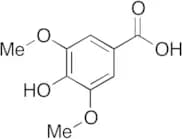
CAS:Controlled Product<p>Applications Syringic Acid is used in biological studies for electron transfer from plant phenolates to carotenoid radical cations with antioxidant interaction entering the Marcus theory inverted region.<br>References Cheng, H., et al.: J. Agric. Food Chem., 62, 942 (2014)<br></p>Formula:C9H10O5Color and Shape:Off-WhiteMolecular weight:198.17Citric Acid Monohydrate
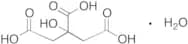
CAS:Controlled Product<p>Applications Citric Acid Monohydrate is a useful buffer component for antigen and epitope unmasking.<br></p>Formula:C6H8O7·H2OColor and Shape:White To Off-WhiteMolecular weight:210.14Thioglycolic acid
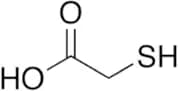
CAS:Controlled Product<p>Stability Air Sensitive<br>Applications Thioglycolic Acid is an organic compound containing both a thiol and a carboxylic acid. Thioglycolic Acid is a precursor to ammonium thioglycolate, a chemical used for permanents. Thioglycolic Acid is used in organic synthesis as a nucleophile in thioglycolysis reactions and is used as a S transfer agent for sulfonyl chloride synthesis.<br> Not a dangerous good if item is equal to or less than 1g/ml and there is less than 100g/ml in the package<br>References Kim, T.R. et al.: Bull. Kor. Chem. Soc., 3, 162 (1982); Badr, M.Z.A. et al.: Bull. Chem. Soc. Jap., 56, 326 (1983); Langler, R.F. et al.: Can. J. Chem., 57, 3193 (1979);<br></p>Formula:C2H4O2SColor and Shape:Colourless LiquidMolecular weight:92.122-Ethylbutyric Acid
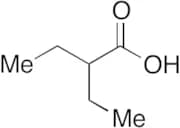
CAS:Controlled Product<p>Applications 2-Ethylbutyric Acid is used in biological studies as a possible descriptor for toxicity prediction through electrophilicity.<br> Not a dangerous good if item is equal to or less than 1g/ml and there is less than 100g/ml in the package<br>References Roy, D.R., et al.: Bioorg. Med. Chem., 13, 3405 (2005); Parthasarathi, R., et al.: J. Phys. Chem. A., 107, 10346 (2003)<br></p>Formula:C6H12O2Color and Shape:ColourlessMolecular weight:116.16Cyanuric Acid
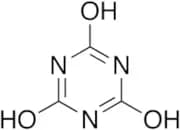
CAS:Controlled Product<p>Applications Diagnostic determination of Melamine and related compounds in kidney tissue.<br>References Mast, R., et al.: Food Chem. Toxicol., 21, 807 (1983), Yokley, R., et al.: J. Agric. Food Chem., 48, 3352 (2000), Ehling, S., et al.: Food Addit. Contam., 24, 1319 (2007), Vail, T., et al.: J. Anal. Toxicol., 31, 304 (2007),<br></p>Formula:C3H3N3O3Color and Shape:WhiteMolecular weight:129.07β-Chlorolactic Acid
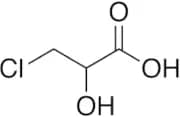
CAS:<p>Applications β-Chlorolactic Acid (cas# 1713-85-5) is a compound useful in organic synthesis.<br></p>Formula:C3H5ClO3Color and Shape:NeatMolecular weight:124.5231,3-Adamantanedicarboxylic acid
CAS:Controlled Product<p>Applications 1,3-Adamantanedicarboxylic acid, is a monomer that can be used in polymer science, self assembly and lithography.<br></p>Formula:C12H16O4Color and Shape:NeatMolecular weight:224.25Boric Acid
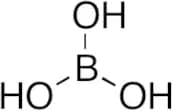
CAS:<p>Applications Boric Acid is a common chemical component in insecticides, specifically for flea erradication. Also has the properties of an effective flame retardant.<br>References Hinkle, N. et al.: J. Med. Entomol., 32, 424 (1995); Dogan, M. et al.: Polym. Degrad. Stab., 99, 12 (2014);<br></p>Formula:BH3O3Color and Shape:WhiteMolecular weight:61.83dl-tartaric acid
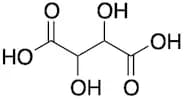
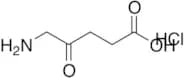
CAS:Controlled Product<p>Applications (cas# 526-83-0) is a useful research chemical.<br></p>Formula:C4H6O6Color and Shape:NeatMolecular weight:150.0875-Aminolevulinic Acid Hydrochloride
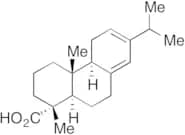
CAS:<p>Applications 5-Aminolevulinic Acid Hydrochloride (cas# CAS:5451-09-2) is a useful research chemical.<br></p>Formula:C5H9NO3·ClHColor and Shape:NeatMolecular weight:167.59Levopimaric Acid
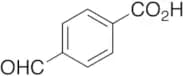
CAS:Controlled Product<p>Stability Air Sensitive<br>Applications Levopimaric Acid is a major component of pine oleoresin. It is an abietane-type of diterpene resin acid and has antibacterial, cardiovascular, and antioxidant properties.<br>References Kersten, P. J., et al.: J. Chem. Ecol., 32(12), 2679-85 (2006)<br></p>Formula:C20H30O2Color and Shape:White To Off-WhiteMolecular weight:302.454-Formylbenzoic Acid
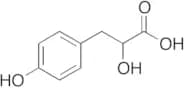
CAS:Controlled Product<p>Applications A metabolite of aldehydes.<br>References Shiobara, Y., et al.: Xenobiotica, 9, 157 (1979),<br></p>Formula:C8H6O3Color and Shape:NeatMolecular weight:150.13DL-p-Hydroxyphenyllactic Acid
CAS:Controlled Product<p>Applications DL-p-Hydroxyphenyllactic Acid is used as a reagent in the synthesis of 2-O-(4-coumaroyl)-3-(4-hydroxyphenyl)lactic acid, an important intermediate of rosmarinic acid biosynthesis.<br>References Matsuno, M., et al.: Chem. Pharm. Bull., 49, 1644 (2001)<br></p>Formula:C9H10O4Color and Shape:Off-WhiteMolecular weight:182.17Trimethyl Orthoacetate
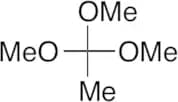
CAS:Controlled Product<p>Applications Trimethyl Orthoacetate is used as a reagent in the synthesis of Pseudomonic Acid D Sodium (P839520); an antibiotic isolated from Pseudomonas fluorescens.<br> Not a dangerous good if item is equal to or less than 1g/ml and there is less than 100g/ml in the package<br>References Banks, R.M., et al.: J. Antibiot., 41, 609 (1988); Sridhar, Y., et al.: Org. Biomol. Chem., 12, 2950 (2014)<br></p>Formula:C5H12O3Color and Shape:NeatMolecular weight:120.15Monohydrazide Adipic Acid
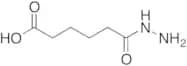
CAS:Controlled Product<p>Applications Monohydrazide Adipic Acid is a synthetic reagent and a plant growth retarding agent.<br>References Ye, W-L., et al.: J. Pharm. Sci, 104, 2293-2303 (2015);<br></p>Formula:C6H12N2O3Color and Shape:Off-WhiteMolecular weight:160.174-Acetamidobenzenesulfonic Acid
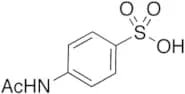
CAS:Controlled Product<p>Impurity Sulfadimethoxine EP Impurity C<br>Stability Hygroscopic<br>Applications 4-Acetamidobenzenesulfonic Acid (Sulfadimethoxine EP Impurity C) is a metabolite of Sulfanilic acid.<br>References Saab, N., et al.: Eur. J. Med. Chem., 34, 745 (1999), Kim, H., et al.: J. Pharm. Biomed. Anal., 27, 51 (2002), Santelli-Rouvier, C., et al.: Eur. J. Med. Chem., 39, 735 (2004),<br></p>Formula:C8H9NO4SColor and Shape:NeatMolecular weight:215.23(±)-2-Hydroxydodecanoic Acid
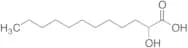
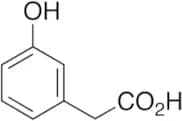
CAS:Controlled Product<p>Applications (8Z,11Z,14Z)-8,11,14-Heptadecatrienoic Acid, is a naturally occurring hydroxylated fatty acid that is found in Acinetobacter species. It acts as a partial agonist of free fatty acid receptor 1 (FFAR1/GPR40) and GPR84 receptors in vitro. It also inhibits bovine hepatic ligase (Ki = 4.4 μM) and mouse kidney mitochondrial medium-chain acyl-CoA synthetase by 48% at a concentration of 40 μM.<br>References Moss, C.W., et al.: J. Clin. Microbiol. 26(3), 484-492 (1988).; Kaspersen, M.H., et al.: Med. Chem. Commun. 8(6), 1360-1365 (2017).<br></p>Formula:C12H24O3Color and Shape:NeatMolecular weight:216.323-Hydroxyphenylacetic Acid
CAS:<p>Applications 3-Hydroxyphenylacetic Acid (cas# 621-37-4) is a compound useful in organic synthesis.<br></p>Formula:C8H8O3Color and Shape:NeatMolecular weight:152.153-(methylamino)-3-oxopropanoic acid
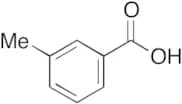
CAS:Controlled Product<p>Applications 3-(methylamino)-3-oxopropanoic acid (cas# 42105-98-6) is a useful research chemical.<br></p>Formula:C4H7NO3Color and Shape:NeatMolecular weight:117.1m-Toluic Acid
CAS:<p>Applications m-Toluic acid is used as a reagent in the preparation of hybrid molecules containing oxadiazole and thiadiazole bearing Schiff base moiety as it has antitumor activities.<br>References Zhang, K., et al.; Bioorg. Med. Chem. Lett., 24, 5154 (2014);<br></p>Formula:C8H8O2Color and Shape:NeatMolecular weight:136.154-Hydroxyphenylarsonic Acid
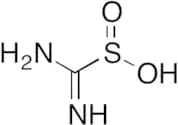
CAS:Controlled Product<p>Applications 4-Hydroxyphenylarsonic Acid could be useful for synthesizing flower-like CoFe2O4 particles that are an attractive sorbent for removing aromatic organoarsenicals from wastewater.<br>References Liu, J., et al.: J. Colloid Interface Sci., 568, 63 (2020)<br></p>Formula:C6H7O4AsColor and Shape:NeatMolecular weight:218.03Formamidinesulfinic Acid
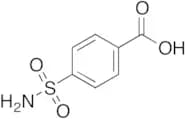
CAS:Controlled Product<p>Applications Formamidine Sulfuric Acid is a reagent used in reduction and synthesis reactions.<br> Not a dangerous good if item is equal to or less than 1g/ml and there is less than 100g/ml in the package<br>References Ma, Q. et al.: Carbon, 54, 36 (2013);<br></p>Formula:CH4N2O2SColor and Shape:White To Off-WhiteMolecular weight:108.124-Sulfamoylbenzoic Acid
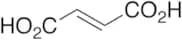
CAS:Controlled Product<p>Applications 4-Sulfamoylbenzoic Acid is used as a reagent in the synthesis of carbonic anhydrase inhibitors anticonvulsant agents.<br>References Singh, S. et al.: J. Enz. Inhib. Med. Chem., 31, 417 (2016);<br></p>Formula:C7H7NO4SColor and Shape:NeatMolecular weight:201.2Fumaric Acid
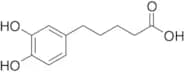
CAS:Controlled Product<p>Applications Fumaric Acid is a compound that occurs in many plants. It is essential to vegetable and tissue respiration and also used as an antioxidant. Fumaric Acid is also a metabolite of Dimethyl Fumarate (D464965), a compound used as a treatment for the relapsing forms of multiple sclerosis and psoriasis.<br>References Jelitto, T., et al.: Planta, 188, 238 (1992); Schimrigk, S., et al.: Eur. J. Neurol., 13, 604 (2006); Son, H., et al.: J. Agric. Food Chem., 56, 8007 (2008);<br></p>Formula:C4H4O4Color and Shape:NeatMolecular weight:116.075-(3,4-dihydroxyphenyl)pentanoic Acid
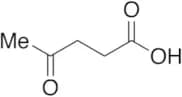
CAS:Controlled Product<p>Applications 5-(3,4-dihydroxyphenyl)pentanoic Acid (cas# 31129-94-9) is a useful research chemical.<br></p>Formula:C11H14O4Color and Shape:NeatMolecular weight:210.23Levulinic Acid
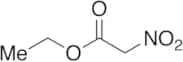
CAS:Controlled Product<p>Applications Levulinic Acid is derived from the degredation of cellulose and is a potential precursor to biofuels. Levulinic acid is also a photosensitizer for photodynamic therapy.<br>References Serrano-Ruiz, J.C., et al.: Catalysis., 195, 162 (2012); Liedtke, A.J. et al.: Tetrahedron., 68, 10049 (2012);<br></p>Formula:C5H8O3Color and Shape:Light Yellow MeltedMolecular weight:116.12Ethyl Nitroacetate
CAS:Controlled Product<p>Applications Ethyl Nitroacetate is an ester of nitrocarboxylic acid used as an intermediate in the preparation of unsubstituted amino acids.<br>References Sidorin, G.I.: Gig. Aspe. Okhr. Zdor. Nasel., 144 (1977);<br></p>Formula:C4H7NO4Color and Shape:NeatMolecular weight:133.1Pimelic Acid
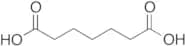
CAS:Controlled Product<p>Applications Pimelic Acid is a metabolite found in four biofluids from dairy cows that may be used as biomarkers of milk.<br>References Sun, H., et. al.: J. Proteome Res., 14, 1287 (2015)<br></p>Formula:C7H12O4Color and Shape:NeatMolecular weight:160.17Nicametate
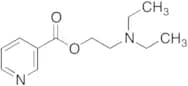
CAS:Controlled Product<p>Applications Nicotinic Acid 2-Diethylamino-Ethyl Ester (cas# 3099-52-3) is a useful research chemical.<br></p>Formula:C12H18N2O2Color and Shape:NeatMolecular weight:222.28Methyl-3-hydroxyisothiazole-5-carboxylate
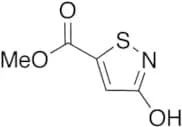
CAS:Controlled Product<p>Applications Methyl-3-hydroxyisothiazole-5-carboxylate (cas# 100241-89-2) is a compound useful in organic synthesis.<br></p>Formula:C5H5NO3SColor and Shape:Off White To YellowMolecular weight:159.162-(Formylamino)benzoic Acid (>90%)
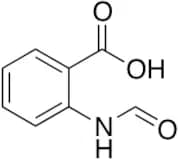
CAS:Controlled Product<p>Applications 2-(formylamino)benzoic acid (cas# 3342-77-6) is a useful research chemical.<br></p>Formula:C8H7NO3Purity:>90%Color and Shape:NeatMolecular weight:165.151-Cyclohexenylcarboxylic acid
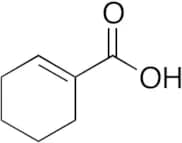
CAS:Controlled Product<p>Applications 1-Cyclohexenylcarboxylic Acid is a reagent used in the synthesis and optimization of small-molecule HIV-1 entry inhibitors. Also used in the stereoselective synthesis of diazabicyclic β-lactams for antimicrobial activity.<br> Not a dangerous good if item is equal to or less than 1g/ml and there is less than 100g/ml in the package<br>References Tuyishime, M. et al.: Bioorg. Med. Chem. Lett., 24, 5439 (2014); Zhang, S. et al.: J. Org. Chem., 81, 956 (2016);<br></p>Formula:C7H10O2Color and Shape:NeatMolecular weight:126.15Ethyl Hydrazinoacetate Hydrochloride
CAS:Controlled Product<p>Applications Ethyl hydrazinoacetate, HCl<br></p>Formula:C4H10N2O2•HClColor and Shape:NeatMolecular weight:118.13 + 36.46Isostearic Acid
CAS:Controlled Product<p>Applications Isostearic Acid may be a useful reagent in the regioselective preparation of alkenes via photoredox/cobaloxime dual-catalytic decarboxylative elimination of carboxylic acids,<br>References Cartwright, K. C., et al.: Chem. Eur. J., 26, 12454 (2020)<br></p>Formula:C18H36O2Color and Shape:NeatMolecular weight:284.473-Carboxyphenylboronic Acid
CAS:Controlled Product<p>Applications 3-Carboxyphenylboronic Acid is used in phenylboronic acid-decorated gelatin nanoparticles for enhanced tumor targeting and penetration.<br>References Wang, X., et al.: Nanotechnology, 27, 385101 (2016); Wang, X., et al.: Eur. J. Pharm. Biopharm., 113, 168 (2017)<br></p>Formula:C7H7BO4Color and Shape:Off WhiteMolecular weight:165.944-Amino-3-hydroxybenzoic Acid
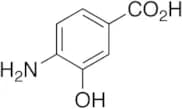
CAS:Controlled Product<p>Applications 4-Amino-3-hydroxybenzoic Acid is disubsituted benzoic acid used in the preparation of various pharmaceutical compounds such as sphingosine kinase inhibitors.<br>References Kono, K. et al.: J. Antibiot., 53, 759 (2000);<br></p>Formula:C7H7NO3Color and Shape:NeatMolecular weight:153.143-(9H-Carbazol-9-yl)propanoic Acid
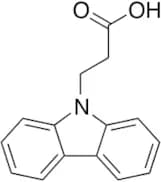
CAS:Controlled Product<p>Applications 3-(9H-carbazol-9-yl)propanoic acid (cas# 6622-54-4) is a useful research chemical.<br></p>Formula:C15H13NO2Color and Shape:NeatMolecular weight:239.269Nonadecanedioic Acid
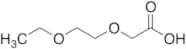
CAS:Controlled Product<p>Applications Nonadecanedioic Acid (cas# 6250-70-0) is a useful research chemical.<br></p>Formula:C19H36O4Color and Shape:NeatMolecular weight:328.492-(2-ethoxyethoxy)acetic acid
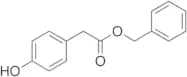
CAS:<p>Applications 2-(2-ethoxyethoxy)acetic acid (cas# 7743-94-4) is a useful research chemical.<br> Not a dangerous good if item is equal to or less than 1g/ml and there is less than 100g/ml in the package<br></p>Formula:C6H12O4Color and Shape:NeatMolecular weight:148.15Benzyl (4-Hydroxyphenyl)acetate
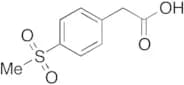
CAS:Controlled Product<p>Applications Intermediate in the preparation of Camostat metabolites.<br>References Bodor, N., et al.: Pharm. Res., 3, 120 (1984), Han, L., et al.: Biochem., 46, 1432 (2007),<br></p>Formula:C15H14O3Color and Shape:NeatMolecular weight:242.274-(Methylsulfonyl)phenylacetic Acid
CAS:Controlled Product<p>Applications 4-(Methylsulfonyl)phenylacetic Acid is an intermediate used to prepare heterocyclic diaryl compounds as selective COX-2 inhibitors. It is also used to synthesize hydroxyfuranones as antioxidants and antiinflammatory agents.<br>References Eren, G., et al.: Bioorg. Med. Chem., 18, 6467 (2010); Weber, V., et al.: Bioorg. Med. Chem., 13, 4552 (2005)<br></p>Formula:C9H10O4SColor and Shape:NeatMolecular weight:214.242-(2-Butoxyethoxy)acetic Acid
CAS:<p>Applications 2-(2-butoxyethoxy)acetic acid (cas# 82941-26-2) is a useful research chemical.<br></p>Formula:C8H16O4Color and Shape:NeatMolecular weight:176.21(2E)-3-Phenyl-2-propenoic Acid
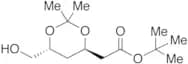
CAS:<p>Applications (2E)-3-Phenyl-2-propenoic Acid is used in the synthesis of amides and esters through coupling reactions involving carboxylic acids and amines. Also used in the N-methylation of amides and O-methylation of carboxylic acids.<br>References Kunishima, M. et al.: Tetrahedron, 55, 13159 (1999); Xia, Q. et al.: Org. Lett., 15, 3326 (2013);<br></p>Formula:C9H8O2Color and Shape:NeatMolecular weight:148.16(4R,6R)-6-Hydroxymethyl-2,2-dimethyl-1,3-dioxane-4-acetic Acid 1,1-Dimethylethyl Ester
CAS:Controlled ProductFormula:C13H24O5Color and Shape:NeatMolecular weight:260.327








![(S)-2-Amino-4-[(3-aminopropyl)amino]-butanoic Acid](/_next/image/?url=https%3A%2Fstatic.cymitquimica.com%2Fproducts%2FTR%2Fthumb-webp%2FA609335.webp&w=3840&q=75)

![2-[(Phenylsulfanyl)methyl]benzenecarboxylic Acid](/_next/image/?url=https%3A%2Fstatic.cymitquimica.com%2Fproducts%2FTR%2Fthumb-webp%2FB481480.webp&w=3840&q=75)