Carboxylic Acids
Carboxylic acids are organic molecules characterized by having a carboxyl-type functional group (-COOH). These acids are fundamental in various chemical reactions, including esterification, amidation, and decarboxylation. Carboxylic acids are widely used in the production of pharmaceuticals, polymers, and agrochemicals. In this section, you can find a large number of carboxylic acids ready to be used. At CymitQuimica, we provide a broad range of high-quality carboxylic acids to support your research and industrial applications.
Found 12453 products of "Carboxylic Acids"
Sort by
Purity (%)
0
100
|
0
|
50
|
90
|
95
|
100
4,4'-Disulfanediylbis(2-aminobutanoic acid)
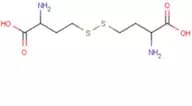
CAS:<p>4,4'-Disulfanediylbis(2-aminobutanoic acid) (DL-Homocystine) is one of the endogenous metabolites, is the double-bonded form of homocysteine.</p>Formula:C8H16N2O4S2Purity:99.96%Color and Shape:SolidMolecular weight:268.35D-(+)-Phenyllactic acid
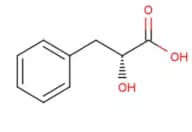
CAS:<p>D-(+)-Phenyllactic acid (D-3-Phenyllactic acid) is an anti-bacterial agent, excreted by Geotrichum candidum, inhibits Gram-positive and Gram-negative bacteria.</p>Formula:C9H10O3Purity:98.99%Color and Shape:SolidMolecular weight:166.17Phenylacetylglutamine
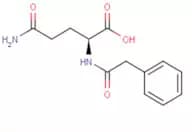
CAS:<p>Phenylacetylglutamine (NSC 203800)is a normal constituent of human urine, but other mammals such as the dog, cat, rat, and horse do not excrete this compound.</p>Formula:C13H16N2O4Purity:96.64% - 99.37%Color and Shape:SolidMolecular weight:264.28For-Met-OH
CAS:<p>For-Met-OH (N-Formyl-L-methionine) is a type of endogenous metabolite, effective in the initiation of protein synthesis.</p>Formula:C6H11NO3SPurity:99.298% - 99.72%Color and Shape:SolidMolecular weight:177.22(R)-5-Oxopyrrolidine-2-carboxylic acid
CAS:<p>(R)-5-Oxopyrrolidine-2-carboxylic acid (D-Pyroglutamic acid) is a cyclic derivative of glutamic acid, physiologically present in mammalian tissues.</p>Formula:C5H7NO3Purity:99.88%Color and Shape:SolidMolecular weight:129.113,4-(Methylenedioxy)cinnamic acid
CAS:<p>3,4-(Methylenedioxy)cinnamic acid (3-(Benzo[d][1,3]dioxol-5-yl)acrylic acid) is a plant-derived compound first extracted from roots of Asparagus officinalis and</p>Formula:C10H8O4Purity:98.95%Color and Shape:SolidMolecular weight:192.17Sodium 2-hydroxybutanoate
CAS:<p>Sodium 2-hydroxybutanoate, a by-product of alpha-ketobutyrate, is formed via LDH or alphaHBDH-catalyzed reactions.</p>Formula:C4H7NaO3Purity:98.92% - 99.96%Color and Shape:SolidMolecular weight:126.093-Amino-2-methylpropanoic acid
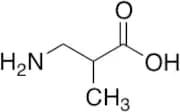
CAS:<p>3-Amino-2-methylpropanoic acid forms by enzyme EC 3.5.1.6 in pyrimidine breakdown; its deficiency causes neurological issues.</p>Formula:C4H9NO2Purity:99.43%Color and Shape:SolidMolecular weight:103.12DL-Homocysteine
CAS:<p>DL-Homocysteine (2-Amino-4-mercaptobutyric acid) is a potential marker for tumor cell growth.</p>Formula:C4H9NO2SPurity:99.57% - ≥98%Color and Shape:SolidMolecular weight:135.18Methylmalonic acid
CAS:<p>Methylmalonic acid (Isosuccinic acid) is a dicarboxylic acid that can be derived from methylmalonyl-coenzyme A.</p>Formula:C4H6O4Purity:98%Color and Shape:SolidMolecular weight:118.092-Hydroxy-4-methoxybenzoic acid
CAS:<p>2-Hydroxy-4-methoxybenzoic acid (2-Hydroxy-p-anisic Acid) is a predicted metabolite generated by BioTransformer1.</p>Formula:C8H8O4Purity:99.86%Color and Shape:White Crystalline PowderMolecular weight:168.152,6-Diaminoheptanedioic acid
CAS:<p>Diaminopimelic acid or DAPA is a lysine-like amino acid derivative that is a key component of the bacterial cell wall.</p>Formula:C7H14N2O4Purity:99.79% - 99.95%Color and Shape:SolidMolecular weight:190.24-Methyl-2-oxopentanoic acid
CAS:<p>4-Methyl-2-oxopentanoic acid, an abnormal metabolite and neurotoxin, results from improper branched-chain amino acid metabolism.</p>Formula:C6H10O3Purity:99.09%Color and Shape:LiquidMolecular weight:130.14Isopropyl Acetate
CAS:<p>Applications Isopropyl Acetate is a widely used chemical solvent in organic and industrial syntheses. Also used in the dissolution of gallstones.Environmental contaminants; Food contaminants<br> Not a dangerous good if item is equal to or less than 1g/ml and there is less than 100g/ml in the package<br>References Zakko, S. et al.: Gastroenterol., 113, 232 (1997); Loeser, E. et al.: J. Chromatogr. A., 1216, 3409 (2009);<br></p>Formula:C5H10O2Color and Shape:NeatMolecular weight:102.132-Amino-2-phenylbutyric Acid
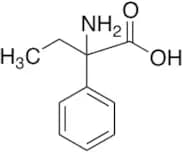
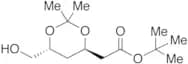
CAS:Controlled Product<p>Applications 2-Amino-2-phenylbutyric acid 96% (cas# 5438-07-3) is a useful research chemical.<br></p>Formula:C10H13NO2Color and Shape:NeatMolecular weight:179.22(4R,6R)-6-Hydroxymethyl-2,2-dimethyl-1,3-dioxane-4-acetic Acid 1,1-Dimethylethyl Ester
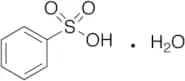
CAS:Controlled ProductFormula:C13H24O5Color and Shape:NeatMolecular weight:260.327Benzenesulfonic Acid Monohydrate
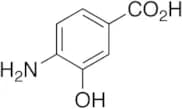
CAS:<p>Applications Benzensulfonic Acid Monohydrate is used in the synthesis of HER2/EFGR dual inhibitors in the treatment of cancers and displaying potency towards anti-tumor activity.<br>References Kawakita, Y. et al.: Bioorg. Med. Chem. Lett., 20, 6171 (2012);<br></p>Formula:C6H8O4SColor and Shape:NeatMolecular weight:176.194-Amino-3-hydroxybenzoic Acid
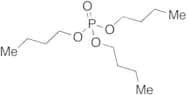
CAS:Controlled Product<p>Applications 4-Amino-3-hydroxybenzoic Acid is disubsituted benzoic acid used in the preparation of various pharmaceutical compounds such as sphingosine kinase inhibitors.<br>References Kono, K. et al.: J. Antibiot., 53, 759 (2000);<br></p>Formula:C7H7NO3Color and Shape:NeatMolecular weight:153.14Phosphoric Acid Tributyl Ester
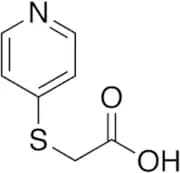
CAS:Controlled Product<p>Stability Moisture Sensitive<br>Applications Phosphoric Acid Tributyl Ester is used as a solvent in the solvent-detergent method for production of immunoglobulin for inactivation of viruses with lipid envelope on the model of duck hepatitis B virus. It is also used as a ligand in the extraction of lanthanide ions from solid and liquid materials by supercritical CO2.This compound is a contaminant of emerging concern (CECs).<br>References Zubkova, N., et al.: Bull. Exp. Biol. Med., 155, 821 (2013); Lin, Y., et al.: Anal. Chem., 66, 1971(1994)<br></p>Formula:C12H27O4PColor and Shape:ColourlessMolecular weight:266.314-Pyridylthioacetic Acid
CAS:Controlled Product<p>Applications 4-Pyridylthioacetic Acid (cas# 10351-19-6) is a compound useful in organic synthesis.<br></p>Formula:C7H7NO2SColor and Shape:White To Off-WhiteMolecular weight:169.22-[(2-Hydroxyethyl)octadecylamino]ethyl ester octadecanoic acid
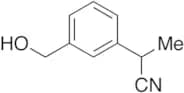
CAS:Controlled Product<p>Applications 2-[(2-Hydroxyethyl)octadecylamino]ethyl ester octadecanoic acid is used as a modifier to Polymer films of LDPE and ethylene-vinyl acetate copolymers (EVA) to enhance antifog properties.<br>References Irusta, L., et al.: J. Appl. Polym. Sci., 111, 2299-2307 (2009);<br></p>Formula:C40H81NO3Color and Shape:NeatMolecular weight:624.0763-(1-Cyanoethyl)benzoic Acid
CAS:Controlled Product<p>Applications 3-(1-Cyanoethyl)benzoic Acid is an intermediate for the synthetic preparation of various pharmaceutical compounds. 3-(1-Cyanoethyl)benzoic Acid was used in studies examining the enantioselectivity of nitrile hydratases.<br>References Rzeznicka, K., et al.: App. Microbiol. Biotechnol., 85, 1417 (2010); Van Pelt. S., et al.: Org. Biomole. Chem., 9, 3011 (2011);<br></p>Formula:C10H9NO2Color and Shape:BeigeMolecular weight:175.183-Hydroxysuberic Acid
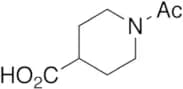
CAS:Controlled Product<p>Applications 3-Hydroxysuberic Acid is a derivative of sebacic acid (S211410) a urinary metabolite that has been identified as an anti-fatigue biomarker.<br>References Ma, C. et. al.: J. Pharmaceut. Biomed. Anal. 105, 84 (2015)<br></p>Formula:C8H14O5Color and Shape:NeatMolecular weight:190.191-Acetylisonipecotic Acid
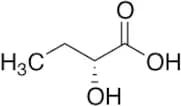
CAS:Controlled Product<p>Applications Metabolite fingerprinting in transgenic Nicotiana tabacum altered by the Escherichia coli glutamate dehydrogenase gene. A synthetic intermediate in the preparation of CNS depressants.<br>References Mungur, R., et al.: J. Biomed. Biotechnol., 2, 198 (2005), Young, J., et al.: Bioorg. Med. Chem. Lett., 17, 5310 (2007),<br></p>Formula:C8H13NO3Color and Shape:NeatMolecular weight:171.19(R)-2-Hydroxybutanoic Acid
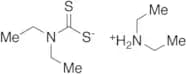
CAS:Controlled Product<p>Applications (R)-2-Hydroxybutanoic acid (cas# 20016-85-7) is a useful research chemical.<br></p>Formula:C4H8O3Color and Shape:NeatMolecular weight:104.105Diethylammonium N,N-Diethyldithiocarbamate
CAS:Controlled Product<p>Applications Dithiocarbamate complexes serve as hosts for the specific binding of various metal cations.<br>References Bourson, J., et al.: J. Phys. Chem., 97, 4552 (1993), Lai, S., et al.: Inorg. Chem., 38, 4262 (1999),<br></p>Formula:C9H22N2S2Color and Shape:NeatMolecular weight:222.413-Oxohexanedioic Acid
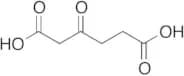
CAS:<p>Applications 3-Oxohexanedioic Acid is a degradation product of catechol in the presence of hydrogen peroxide; Also, it is derived from 3-Oxohexanedioic Acid Diethyl Ester (O856830), which is an intermediate used to prepare CMPF (C595000) which is a drug-binding inhibitor which is also a constituent of urine. CMPF can inhibit specific T4 binding in serum by increasing the free concentration of direct competitors.<br>References Gogoi, A., et al.: Chem. Eng. J., 311, 153-162 (2017); Mabuchi, H., Nakahashi, H.: Nephron, 44, 277 (1986); Lim, C.F., et. al.: Metabolism Clin. Exp., 42, 1468 (1993)<br></p>Formula:C6H8O5Color and Shape:Off White SolidMolecular weight:160.125α-Aleuritic Acid
CAS:Controlled Product<p>Stability Hygroscopic<br>Applications α-Aleuritic acid is a major ingredient of shellac and is also a starting reagent in the manufacture of perfumes.<br>References Jakubowska, M., et al.: Polimery ., 15, 295 (1970); Shamsuzzaman, L.A., et al.: Pakistan. J. Biol. Agri. Sci., 11, 68 (1968);<br></p>Formula:C16H32O5Color and Shape:NeatMolecular weight:304.42(2E)-2,4-Pentadienoic Acid
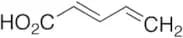
CAS:Controlled Product<p>Applications (2E)-2,4-Pentadienoic Acid (cas# 21651-12-7) is a compound useful in organic synthesis.<br> Not a dangerous good if item is equal to or less than 1g/ml and there is less than 100g/ml in the package<br></p>Formula:C5H6O2Color and Shape:NeatMolecular weight:98.1N-(4-Amino-5-oxoheptyl)guanidine Trifluoroacetate Salt
CAS:Controlled Product<p>Stability Hygroscopic<br>Applications N-(4-Amino-5-oxoheptyl)guanidine is a biosynthetic intermediate in the study of saxitoxin gene cluster in cyanobacteria.<br>References Kellmann, R., et al.: Appl. Environ. Microbiol., 74, 4044 (2008)<br></p>Formula:C8H18N4Ox(C2HF3O2)Color and Shape:NeatMolecular weight:186.25 + x(114.02)Methyl 5-chloro-2-hydroxy-1-oxo-2,3-dihydro-1H-indene-2-carboxylate
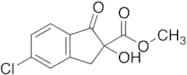
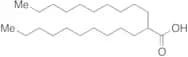
CAS:Controlled Product<p>Applications Methyl 5-chloro-2-hydroxy-1-oxo-2,3-dihydro-1H-indene-2-carboxylate (cas# 144172-24-7) is a useful research chemical. It is an intermediate in the synthesis of IN-KG 433 (I627995). IN-KG 433 is an impurity of Indoxacarb (I654000), an oxadiazine pesticide that acts against lepidopteran larvae and is the active ingredient in a number of household insecticides including cockroach baits.<br>References Wang, H., et al.: Water. Sci. Technol., 61, 2733 (2010); Shono, T., et al.: Pesticide. Biochem. Physiol., 75, 1 (2003);<br></p>Formula:C11H9O4ClColor and Shape:NeatMolecular weight:240.632-Decyldodecanoic Acid
CAS:Controlled ProductFormula:C22H44O2Color and Shape:NeatMolecular weight:340.5841,3-Adamantanedicarboxylic acid
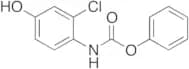
CAS:Controlled Product<p>Applications 1,3-Adamantanedicarboxylic acid, is a monomer that can be used in polymer science, self assembly and lithography.<br></p>Formula:C12H16O4Color and Shape:NeatMolecular weight:224.25Phenyl N-(2-Chloro-4-hydroxyphenyl)carbamate
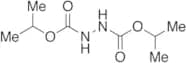
CAS:Controlled Product<p>Applications Phenyl N-(2-Chloro-4-hydroxyphenyl)carbamate is a reagent used in the prepartion of quinoline-carboxamide compounds including Lenvatinib (L329400), an orally active inhibitor of multiple receptor tyrosine kinases including VEGF, FGF and SCF receptors.<br>References Wang, N. et al.: Faming Zhuanli Shenqing (2017), CN 106632033 A 20170510.<br></p>Formula:C13H10ClNO3Color and Shape:NeatMolecular weight:263.68Bicarbamic Acid Diisopropyl Ester
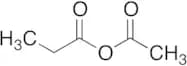
CAS:Controlled Product<p>Impurity Orlistat USP Related Compound B<br>Applications Orlistat USP Related Compound B<br></p>Formula:C8H16N2O4Color and Shape:NeatMolecular weight:204.22Acetyl Propionate
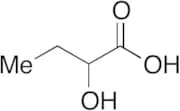
CAS:Controlled Product<p>Applications Acetic propionic anhydride<br></p>Formula:C5H8O3Color and Shape:NeatMolecular weight:116.11522-Hydroxybutanoic Acid
CAS:Controlled Product<p>Applications 2-Hydroxybutanoic Acid is an analyte used in the diagnoses of colorectal cancer as well as Type II diabetes. It is also used in the purification of the major Vibrio autoinducer and the study of its role in virulence factor production for cholera.<br>References Qiu, Y. et al.: J. Proteome Res., 8, 4844 (2009); Salek, R.. et al.: Phys. Genom., 29, 99, (2007); Higgins, D. et al.: Nature, 450, 883 (2007);<br></p>Formula:C4H8O3Color and Shape:NeatMolecular weight:104.1Maleic Acid
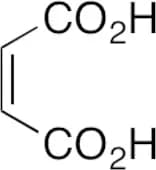
CAS:Controlled Product<p>Applications Maleic Acid is used in the synthesis of pyridoindolones as potent inhibitors of Aurora kinases. Also is a reagent in the preparation of TiO2/carbon nanotube composites.<br>References Le, L. et al.: ChemMedChem., 8, 289 (2013); Yao, Y. et al.: Env. Sci. Tech., 42, 4952 (2008)l<br></p>Formula:C4H4O4Color and Shape:WhiteMolecular weight:116.07Octyl 3-Octyloxiraneoctanoic Acid
CAS:Controlled Product<p>Applications Octyl 3-Octyloxiraneoctanoic Acid (cas# 106-84-3) is a compound useful in organic synthesis.<br></p>Formula:C26H50O3Color and Shape:NeatMolecular weight:410.67(S)-2-Amino-4-[(3-aminopropyl)amino]-butanoic Acid
CAS:Controlled Product<p>Applications (S)-2-Amino-4-[(3-aminopropyl)amino]-butanoic Acid is used in the reaction of carboxynorspermidine decarboxylase of Vibrio alginolyticus.<br>References Nakao, H., et al.: J. Gen. Microbiol. 136, 1699-704 (1990)<br></p>Formula:C7H17N3O2Purity:>90%Color and Shape:NeatMolecular weight:175.2294-Aminohippuric Acid
CAS:Controlled Product<p>Applications 4-Aminohippuric Acid is used in the measurement of renal plasma flow as a diagnostic tool which may be applied towards kidney disorders.<br>References Phillips, R. et al.: Am. J. Physiol., 152, 523 (1948);<br></p>Formula:C9H10N2O3Color and Shape:Off White SolidMolecular weight:194.19rac 2-Aminothiazoline-4-carboxylic Acid
CAS:Controlled Product<p>Stability Hygroscopic<br>Applications Used in the manufacturing of L-tryptophan by enzymic reaction.<br>References Franke, L., et al.: J. Med. Chem., 48, 6997 (2005), Fox, T., et al.: Curr. Top Med. Chem., 6, 1579 (2006),<br></p>Formula:C4H6N2O2SColor and Shape:NeatMolecular weight:146.174-Sulfamoylbenzoic Acid
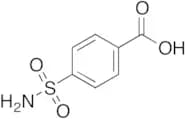
CAS:Controlled Product<p>Applications 4-Sulfamoylbenzoic Acid is used as a reagent in the synthesis of carbonic anhydrase inhibitors anticonvulsant agents.<br>References Singh, S. et al.: J. Enz. Inhib. Med. Chem., 31, 417 (2016);<br></p>Formula:C7H7NO4SColor and Shape:NeatMolecular weight:201.21-Dodecanol Acetate
CAS:Controlled Product<p>Applications 1-Dodecanol Acetate can be used as a foaming agent in the purification process of quartz sand. Furthermore, it is a main component of the essential oil from the flowers of Etlingera elatior (Jack) R. M. Smith, which is found to be active against Staphylococcus aureus, Bacillus cereus, Candida albicans and Cryptococcus neoformans.<br>References Wang, W., et al.: Faming Zhuanli Shenqing, CN 103663469 A 20140326 (2014); Susanti, D., et al.: Journal of Essential Oil-Bearing Plants, 16, 294 (2013)<br></p>Formula:C14H28O2Color and Shape:NeatMolecular weight:228.372-(Formylamino)benzoic Acid (>90%)
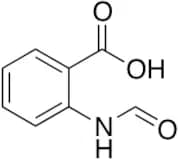
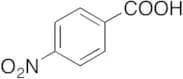
CAS:Controlled Product<p>Applications 2-(formylamino)benzoic acid (cas# 3342-77-6) is a useful research chemical.<br></p>Formula:C8H7NO3Purity:>90%Color and Shape:NeatMolecular weight:165.154-Nitrobenzoic Acid
CAS:Controlled Product<p>Stability Hygroscopic<br>Applications 4-Nitrobenzoic Acid is used in the synthesis of anti-Trypanosoma cruzi agents in the treatment of chagas disease.<br>References Palace-Berl, F. et al.: Bioorg, Med. Chem. Lett., 21, 5395 (2013); Zhou, L. et al.: J. Med. Chem., 56, 796 (2013);<br></p>Formula:C7H5NO4Color and Shape:NeatMolecular weight:167.124-(2-Amino-ethyl)benzoic Acid
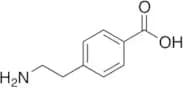
CAS:Controlled Product<p>Applications 4-(2-Amino-ethyl)-benzoic Acid is a useful reagent for the preparation of amino acid derivatives with anticancer activity.<br>References Kim, S., et al.: PCT Int. Appl. (2020), WO 2020204548 A1<br></p>Formula:C9H11NO2Color and Shape:White To Off-WhiteMolecular weight:165.18Formic Acid-D (<5% H2O)
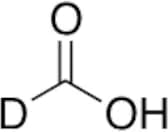
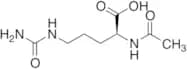
CAS:Controlled Product<p>Applications Formic Acid-d is labelled Formic Acid (F692900). Formic Acid (F692900) is used as a potential energy source in the preparation of fuel cells. Also used in chemical synthesis of various anti-inflammatory and anti-microbial agents.<br>References Yu, X. et al.: J. Power Source., 182, 124 (2008); Bekhit, A. et al.: Bioorg. Med. Chem., 12, 1935 (2004);<br></p>Formula:CDHO2Color and Shape:NeatMolecular weight:47.03(S)-2-Acetamido-5-ureidopentanoic Acid
CAS:Controlled Product<p>Applications (S)-2-Acetamido-5-ureidopentanoic Acid (cas# 33965-42-3) is a useful research chemical.<br></p>Formula:C8H15N3O4Color and Shape:NeatMolecular weight:217.222-Pentyl Acetate (>90% purity)
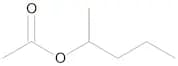
CAS:Controlled Product<p>Stability Volatile<br>Applications 2-Pentyl Acetate has a weak banana odor. 2-Pentyl Acetate is an irritant.Environmental contaminants; food contaminants.<br> Not a dangerous good if item is equal to or less than 1g/ml and there is less than 100g/ml in the package<br>References Dong, T., et al.: J. Hortic. Sci. Biotechnol. 89, 441 (2014); Xu, Z., et al.: Food Bioprocess Tech 9, 407 (2016)<br></p>Formula:C7H14O2Purity:>90%Color and Shape:NeatMolecular weight:130.18Hexacosanoic Acid ((1S,2S,3R)-2,3-Dihydroxy-1-hydroxymethyl-heptadecyl)-amide
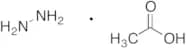
CAS:Controlled Product<p>Applications Hexacosanoic acid ((1S,2S,3R)-2,3-dihydroxy-1-hydroxymethyl-heptadecyl)-amide is a ceramide found in the moro blood orange (Citrus sinensis). It is a useful building block used in the preparation of 5-thio-α-GalCers as immunostimulators for IFN-γ production stimulation in mouse NKT cells.<br>References Bi, J.; et al.: ACS Med. Chem. Lett., 6, 476 (2015); Valsecchi, M.; et al.: J. Agric. Food Chem., 60, 10103 (2012).<br></p>Formula:C44H89NO4Color and Shape:NeatMolecular weight:696.182Hydrazine Acetate
CAS:Controlled Product<p>Applications Hydrazine derivative.<br> Not a dangerous good if item is equal to or less than 1g/ml and there is less than 100g/ml in the package<br></p>Formula:C2H8N2O2Color and Shape:NeatMolecular weight:92.1tert-Butyl [(1R,2S,5S)-2-Amino-5-[(dimethylamino)carbonyl]cyclohexyl]carbamate Oxalate
CAS:Controlled Product<p>Applications tert-Butyl [(1R,2S,5S)-2-Amino-5-[(dimethylamino)carbonyl]cyclohexyl]carbamate Oxalate is a starting material and useful building block of various pharmaceuticals.<br></p>Formula:C14H27N3O3•C2H2O4Color and Shape:NeatMolecular weight:375.41DL-3-Aminoisobutyric Acid
CAS:Controlled Product<p>Applications DL-3-Aminoisobutyric acid (cas# 144-90-1) is a useful research chemical.<br></p>Formula:C4H9NO2Color and Shape:NeatMolecular weight:103.12Ethyl 2-Mercaptoacetate
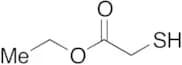
CAS:Controlled Product<p>Applications Ethyl 2-Mercaptoacetate is an off-odor compound in white wine and an eye irritant.<br> Not a dangerous good if item is equal to or less than 1g/ml and there is less than 100g/ml in the package<br>References Nikolantonaki, M., Darriet, P.: J. Agr. Food Chem., 59, 10191 (2011); Bagley, D.M., et. al.: Toxicol. in vitro, 13, 505 (1999)<br></p>Formula:C4H8O2SColor and Shape:NeatMolecular weight:120.17n-Nonanoic Acid
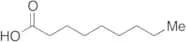
CAS:Controlled Product<p>Applications n-Nonanoic Acid is commonly used in conjunction with glyphosate, a non-selective herbicide, for a quick burn-down effect in the control of weeds in turfgrass. It is also used in the preparation of plasticizers and lacquers.<br>References Pline, W., et al.: Weed Technol., 14, 667 (2000); Frade, J., et al.: Anal. Bioanal. Chem., 395, 2167 (2009);<br></p>Formula:C9H18O2Color and Shape:ColourlessMolecular weight:158.242,4-Dioxo-4-phenylbutanoic acid
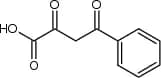
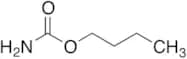
CAS:Controlled Product<p>Applications 2,4-Dioxo-4-phenylbutanoic acid<br></p>Formula:C10H8O4Color and Shape:NeatMolecular weight:192.17Butyl Carbamate
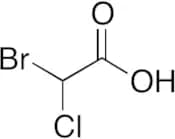
CAS:Controlled Product<p>Applications butyl carbamate (cas# 592-35-8) is a useful research chemical.<br></p>Formula:C5H11NO2Color and Shape:NeatMolecular weight:117.15Bromochloroacetic Acid
CAS:<p>Applications Bromochloroacetic acid is a halogenated disinfection byproduct commonly found in drinking water, fruit juice, and cheese. Bromochloroacetic acid has been shown to cause mesothelioma, fibroadenomas, and adenomas in rats<br> Not a dangerous good if item is equal to or less than 1g/ml and there is less than 100g/ml in the package<br>References Hang, C., et al.: Sci Total Environ. 543, 425 (2016); Cardador, M. J. and Gallego, M.: Food Chem. 173, 685 (2015); Natl Toxicol Program Tech Rep Ser. 549, 1 (2009)<br></p>Formula:C2H2BrClO2Color and Shape:NeatMolecular weight:173.391-(Mercaptomethyl)cyclopropaneacetic Acid
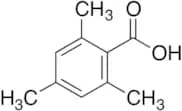
CAS:Controlled Product<p>Applications An intermediate of Montelukast.<br> Not a dangerous good if item is equal to or less than 1g/ml and there is less than 100g/ml in the package<br></p>Formula:C6H10O2SColor and Shape:NeatMolecular weight:146.21Mesitoic acid
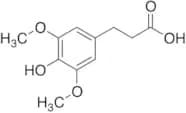
CAS:Controlled Product<p>Applications Mesitoic acid can be used for its antioxidant.<br>References Thomas, P.S., et.al.: Medicines, 4, 1-7, (2017);<br></p>Formula:C10H12O2Color and Shape:Off-WhiteMolecular weight:164.23-(4-Hydroxy-3,5-dimethoxyphenyl)propanoic Acid
CAS:Controlled Product<p>Applications 3-(4-Hydroxy-3,5-dimethoxyphenyl)propanoic Acid (cas# 14897-78-0) is a useful research chemical.<br></p>Formula:C11H14O5Color and Shape:NeatMolecular weight:226.23Vinyl Acetate(Stabilized with 8-12 ppm Hydroquinone)
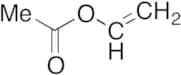
CAS:Controlled Product<p>Applications Vinyl Acetate used in the preparation of bis(heterocycles) with pyrazoline, used in the preparation of anti-inflammatory and analgesic activities. Also used in the synthesis of antimalarial compounds.<br> Not a dangerous good if item is equal to or less than 1g/ml and there is less than 100g/ml in the package<br>References Sreenivasa, S. et al.: Open. J. Med. Chem., 3, 50 (2013); Verbrugghen, T. et al.: J. Med. Chem., 56, 376 (2013);<br></p>Formula:C4H6O2Color and Shape:ColourlessMolecular weight:86.094-Acetamidobenzenesulfonic Acid
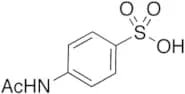
CAS:Controlled Product<p>Impurity Sulfadimethoxine EP Impurity C<br>Stability Hygroscopic<br>Applications 4-Acetamidobenzenesulfonic Acid (Sulfadimethoxine EP Impurity C) is a metabolite of Sulfanilic acid.<br>References Saab, N., et al.: Eur. J. Med. Chem., 34, 745 (1999), Kim, H., et al.: J. Pharm. Biomed. Anal., 27, 51 (2002), Santelli-Rouvier, C., et al.: Eur. J. Med. Chem., 39, 735 (2004),<br></p>Formula:C8H9NO4SColor and Shape:NeatMolecular weight:215.231,11-Undecanedicarboxylic Acid
CAS:<p>Applications 1,11-Undecanedicarboxylic Acid is used in the synthesis of two Bis(tetrahydroisoquinoline) which were highly cytotoxic for cancer-cell cultures and less toxic to healthy cells and exhibited noticeable antimicrobial activity against Gram-positive and Gram-negative bacteria and fungal strain Candida albicans.<br>References Terent’eva, E. O., et al.: Chem. Nat. Compd., 53, 328-332 (2017)<br></p>Formula:C13H24O4Color and Shape:NeatMolecular weight:244.33Acetylpyruvic Acid
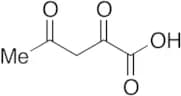
CAS:<p>Applications Acetylpyruvic acid is a derivative of pyruvic acid (P998900) which is an intermediate in sugar metabolism and in enzymatic carbohydrate degradation (alcoholic fermentation) where it is converted to acetaldehyde and CO2 by carboxylase. In muscle, Pyruvic acid (derived from glycogen) is reduced to lactic acid during exertion, which is reoxidized and partially retransformed to glycogen during rest. The liver can convert Pyruvic acid to alanine by amination. A diagnostic agent for Parkinson disease.<br>References Wenzel, A., et al.: J. Neurosci., 21, 53 (2001), Martinez., et al.: Development, 6, 851 (2002), Nakayama, K., et al.: J. Biochem., 146, 757 (2009), Tanaka, T., et al.: J. Pharmacol. Sci., 109, 24 (2009),<br></p>Formula:C5H6O4Color and Shape:NeatMolecular weight:130.12,4-Dihydroxybenzoic Acid
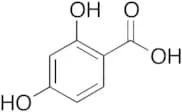
CAS:<p>Applications 2,4-Dihydroxybenzoic acid is a useful synthetic intermediate. An organic building block for plastics and rubber products.<br>References Gautam, R., et al.: Cryst. Growth Des., 18, 1501 (2018); Shvedene, N. V., et al.: J. Anal. Chem., 72, 95 (2017);<br></p>Formula:C7H6O4Color and Shape:White To Off WhiteMolecular weight:154.12Phosphoric Acid
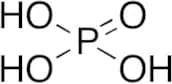
CAS:<p>Applications Phosphoric Acid is used in various chemical processes as a phosphorylating compound. It is involved in the hydrolysis via phosphorylation of nanocrystals to obtain high-aspect-ratio cellulose nanocrystals. Also used in the synthesis of lithium-ion cells.<br> Not a dangerous good if item is equal to or less than 1g/ml and there is less than 100g/ml in the package<br>References Camarero E. et al.: Biomacromol., 14, 1223 (2013); Meligrana, G. et al.: J. Power. Sources., 160, 516 (2006);<br></p>Formula:H3O4PColor and Shape:NeatMolecular weight:98.004-(Methoxymethyl)benzoic acid
CAS:Controlled Product<p>Applications 4-(Methoxymethyl)benzoic acid<br></p>Formula:C9H10O3Color and Shape:NeatMolecular weight:166.174Iodic Acid
CAS:<p>Applications Iodic Acid is used in the synthesis of silybin derivatives showing antiradical and antioxidant activities. Also used in the iodination of compounds.<br> Not a dangerous good if item is equal to or less than 1g/ml and there is less than 100g/ml in the package<br>References Gazak, R. et al.: Bioorg. Med. Chem., 12, 5677 (2004); Zangade, S. et al.: Eur. j. Chem., 3, 314 (2012);<br></p>Formula:HIO3Color and Shape:NeatMolecular weight:175.912-Naphthoxyacetic acid
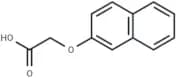
CAS:<p>2-Naphthoxyacetic acid is an endogenous metabolite that is an inhibitor of firefly luciferase (Potency=40 μm).</p>Formula:C12H10O3Purity:99.74%Color and Shape:SolidMolecular weight:202.211,4-Dibutyl Benzene-1,4-dicarboxylate
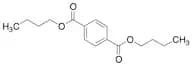
CAS:<p>Applications 1,4-dibutyl benzene-1,4-dicarboxylate (cas# 1962-75-0) is a useful research chemical.<br></p>Formula:C16H22O4Color and Shape:NeatMolecular weight:278.344-(2,2,3-Trimethylcyclopentyl)butanoic Acid
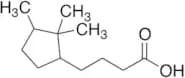
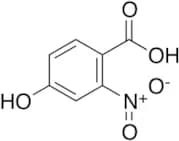
CAS:Controlled Product<p>Applications 4-(2,2,3-Trimethylcyclopentyl)butanoic Acid is used in preparation of Alicyclic compounds as off-note masking agent in consumables.Is used in preparation of 4-(2,2,3-Trimethylcyclopentyl)butanoic Acid as an off-note masking agent in consumables.<br>References Slack, Jay P., et al.: U.S., (2013); Slack, Jay P., et al.: PCT Int. Appl., (2008);<br></p>Formula:C12H22O2Color and Shape:NeatMolecular weight:198.34-Hydroxy-2-nitrobenzoic Acid
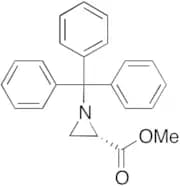
CAS:Controlled Product<p>Applications 4-hydroxy-2-nitrobenzoic acid (cas# 74230-08-3) is a useful research chemical.<br></p>Formula:C7H5NO5Color and Shape:Dark Red To Dark BrownMolecular weight:183.118Methyl (S)-N-Tritylaziridine-2-carboxylate
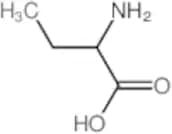
CAS:Controlled Product<p>Applications Methyl (S)-N-Tritylaziridine-2-carboxylate (cas# 75154-68-6) is a compound useful in organic synthesis.<br></p>Formula:C23H21NO2Color and Shape:NeatMolecular weight:343.42DL-2-aminobutyric acid
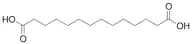
CAS:Controlled Product<p>Applications DL-2-aminobutyric acid<br></p>Formula:C4H9NO2Color and Shape:NeatMolecular weight:103.12Tetradecanedioic Acid
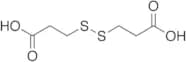
CAS:<p>Applications Tetradecanedioic acid (cas# 821-38-5) is a useful research chemical.<br></p>Formula:C14H26O4Color and Shape:NeatMolecular weight:258.35Dithiobis-propanoic Acid
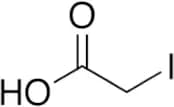
CAS:Controlled ProductFormula:C6H10O4S2Color and Shape:White To Off-WhiteMolecular weight:210.07Iodoacetic Acid
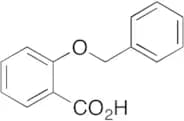
CAS:Controlled Product<p>Applications Used as a general reagent in acylation reactions. A byproduct formed in treated waters, and found in marine life.<br> E0<br>References Zuckermann, R.N. et al.; J. Am. Chem. Soc., 115, 10646 (1992); Bull, R., et al.: Toxicol. Appl. Pharmacol., 182, 55 (2002), Mitch, W., et al.: Water Sci. Technol., 2, 191 (2002),<br></p>Formula:C2H3IO2Color and Shape:AmberMolecular weight:185.952-Benzyloxybenzoic Acid
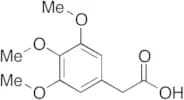
CAS:Controlled ProductFormula:C14H12O3Color and Shape:NeatMolecular weight:228.243,4,5-Trimethoxyphenylacetic Acid
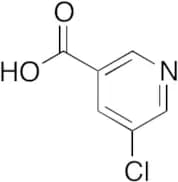
CAS:Controlled Product<p>Applications 3,4,5-Trimethoxyphenylacetic Acid is a reagent in the preparation of 3-phenylcoumarins as antidepressant agents.<br>References Sashidhara, K.V., et al.: Bioorg. Med. Chem. Lett., 24, 4876 (2014);<br></p>Formula:C11H14O5Color and Shape:NeatMolecular weight:226.235-Chloronicotinic Acid
CAS:Controlled Product<p>Applications 5-Chloronicotinic Acid is used as reagent/reactant luminescence and hydrothermal preparation of cobalt/cadmium/lead chloronicotinate phenanthroline MOF.<br>References Gao, Z.Q., et al.: J. Solid State Chem., 241, 121-130 (2016)<br></p>Formula:C6H4ClNO2Color and Shape:NeatMolecular weight:157.554Ethyl Acetate
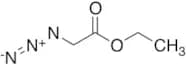
CAS:<p>Applications Ethyl Acetate is generally used as a solvent in organic reactions.Environmental contaminants; Food contaminants<br> Not a dangerous good if item is equal to or less than 1g/ml and there is less than 100g/ml in the package<br>References Reyes L et al. J Org Chem. 2013 Mar 15;78(6):2327-35.<br></p>Formula:C4H8O2Color and Shape:ColourlessMolecular weight:88.11Ethyl 2-Azidoacetate
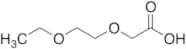
CAS:Controlled Product<p>Applications ethyl 2-azidoacetate (cas# 637-81-0) is a useful research chemical.<br></p>Formula:C4H7N3O2Color and Shape:NeatMolecular weight:129.122-(2-ethoxyethoxy)acetic acid
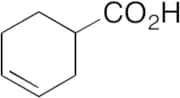
CAS:<p>Applications 2-(2-ethoxyethoxy)acetic acid (cas# 7743-94-4) is a useful research chemical.<br> Not a dangerous good if item is equal to or less than 1g/ml and there is less than 100g/ml in the package<br></p>Formula:C6H12O4Color and Shape:NeatMolecular weight:148.153-Cyclohexenylcarboxylic Acid
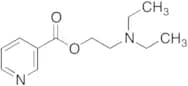
CAS:Controlled Product<p>Applications 3-Cyclohexenylcarboxylic Acid has been found to be an oxidizable, nongrowth substrate and induces the metabolism of cyclohexanecarboxylic acid and benzoic acid in a strain of Pseudomonas putida. 3-Cyclohexenylcarboxylic Acid has been used as food for cultures of Streptomyces sp. KCTC 11604BP fkbO deletion mutant to make 32-dehydroxy-FK506, a FK506 analogue containing a non-natural starter unit.<br> Not a dangerous good if item is equal to or less than 1g/ml and there is less than 100g/ml in the package<br>References Blakley, E.R., Papish, B.: Can. J. Microbiol., 28, 1324 (1982); Ban, Y.H., et. al.: Mol. bioSystems, 9, 944 (2013)<br></p>Formula:C7H10O2Color and Shape:NeatMolecular weight:126.15Nicametate
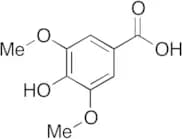
CAS:Controlled Product<p>Applications Nicotinic Acid 2-Diethylamino-Ethyl Ester (cas# 3099-52-3) is a useful research chemical.<br></p>Formula:C12H18N2O2Color and Shape:NeatMolecular weight:222.28Syringic Acid
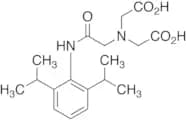
CAS:Controlled Product<p>Applications Syringic Acid is used in biological studies for electron transfer from plant phenolates to carotenoid radical cations with antioxidant interaction entering the Marcus theory inverted region.<br>References Cheng, H., et al.: J. Agric. Food Chem., 62, 942 (2014)<br></p>Formula:C9H10O5Color and Shape:Off-WhiteMolecular weight:198.17N-(2,6-Diisopropylphenylcarbamoylmethyl)iminodiacetic Acid
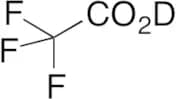
CAS:Controlled Product<p>Applications N-(2,6-Diisopropylphenylcarbamoylmethyl)iminodiacetic Acid (cas# 65717-97-7) is a compound useful in organic synthesis.<br></p>Formula:C18H26N2O5Color and Shape:NeatMolecular weight:350.41Trifluoroacetic Acid-d
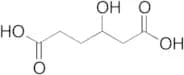
CAS:Controlled Product<p>Applications Isotope labelled Trifluoroacetic Acid used as a solvent in a variety of organic synthesis and chemical processes. Used in the synthesis of anticancer agents as well as phospholipase D inhibitors.<br> E0<br>References Scott, S. et al.: Nat. Chem. Biol., 5, 108 (2009); Minko, T. et al.: Cancer. Chemother. Pharmacol., 50, 143 (2002);<br></p>Formula:C2DF3O2Color and Shape:ColourlessMolecular weight:115.02953-Hydroxyhexanedioic Acid
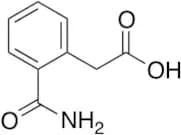
CAS:Controlled Product<p>Applications 3-Hydroxyhexanedioic Acid gets excreted in increased amounts in the human urine under conditions of medium-chain triglyceride (MCT) feeding, abnormal fatty acid oxidation (FAO) and fasting.<br>References Duran, M., et al.: Eur. J. Pediatr., 150, 190 (1991); Svendsen, J. S., et al.: J. Chromatogr. B., 337, 9 (1985); Tserng, K. Y., et al.: Metabolism, 40, 676 (1991); Tserng, K. Y., et al.: Metabolism, 445, 162 (1996)<br></p>Formula:C6H10O5Color and Shape:White SolidMolecular weight:162.142-(2-Carbamoylphenyl)acetic Acid
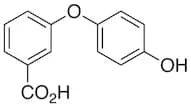
CAS:Controlled Product<p>Applications 2-(2-carbamoylphenyl)acetic acid (cas# 23362-56-3) is a useful research chemical.<br></p>Formula:C9H9NO3Color and Shape:BeigeMolecular weight:179.1733-(4'-Hydroxy)phenoxybenzoic Acid
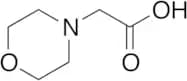
CAS:<p>Applications A metabolite of pyrethroid insecticides such as: Deltamethrin, Permethrin, Cypermethrin, Fenvalerate, Decamethrin.<br> Not a dangerous good if item is equal to or less than 1g/ml and there is less than 100g/ml in the package<br>References Woollen, B., et al.: Xenobiotica, 22, 983 (1992), Saito, K., et al.: Toxicol. Sci., 57, 54 (2000), Fang, H., et al.: Chem. Res. Toxicol., 14, 280 (2001), Andersen, H., et al.: Toxicol. Appl. Pharmacol., 179, 1 (2002),<br></p>Formula:C13H10O4Color and Shape:NeatMolecular weight:230.22Morpholin-4-yl Acetic Acid
CAS:Controlled Product<p>Applications Morpholin-4-yl Acetic Acid was used in preparation of pyrrolidine-fused fullerene multicarboxylates by photoreaction.<br>References Gan, L., et al.: J. Org. Chem., 63, 4240 (1998).<br></p>Formula:C6H11NO3Color and Shape:NeatMolecular weight:145.162-Oxohexanoic Acid
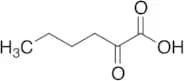
CAS:Controlled Product<p>Applications 2-Oxohexanoic Acid (cas# 2492-75-3) has been useful in a biological study that investigated the impact of glutathione on wines oxidative stability.<br>References Nikolantonaki, M., et al.: Front. Chem. (Lausanne, Switzerland), 6, 182 (2018)<br></p>Formula:C6H10O3Color and Shape:NeatMolecular weight:130.14Ethyl Nitroacetate
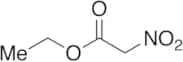
CAS:Controlled Product<p>Applications Ethyl Nitroacetate is an ester of nitrocarboxylic acid used as an intermediate in the preparation of unsubstituted amino acids.<br>References Sidorin, G.I.: Gig. Aspe. Okhr. Zdor. Nasel., 144 (1977);<br></p>Formula:C4H7NO4Color and Shape:NeatMolecular weight:133.14-Hydroxy-isophthalic Acid Dimethyl Ester
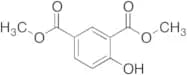
CAS:Controlled Product<p>Impurity Methyl Salicylate USP Related Compound A<br>Applications 4-Hydroxy-isophthalic Acid Dimethyl Ester (cas# 5985-24-0) is a compound useful in organic synthesis.<br></p>Formula:C10H10O5Color and Shape:White To Off-WhiteMolecular weight:210.18Ethyl 4-Phenylacetoacetate
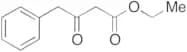
CAS:Controlled Product<p>Applications Ethyl 4-Phenylacetoacetate is a useful synthetic intermediate. It is used to prepare pyrazolone derivatives as antiprion compounds. It is also used to prepare pyrrolinylaminopyrimidine analogs as inhibitors of AP-1 and NF-κB mediated gene expression.<br>References Kimata, A., et al.: J. Med. Chem., 50, 5053 (2007); Palanki, M., et al.: Bioorg. Med. Chme. Lett., 12, 2573 (2002)<br></p>Formula:C12H14O3Color and Shape:NeatMolecular weight:206.23776









![(S)-2-Amino-4-[(3-aminopropyl)amino]-butanoic Acid](/_next/image/?url=https%3A%2Fstatic.cymitquimica.com%2Fproducts%2FTR%2Fthumb-webp%2FA609335.webp&w=3840&q=75)




![tert-Butyl [(1R,2S,5S)-2-Amino-5-[(dimethylamino)carbonyl]cyclohexyl]carbamate Oxalate](/_next/image/?url=https%3A%2Fstatic.cymitquimica.com%2Fproducts%2FTR%2Fthumb-webp%2FB809515.webp&w=3840&q=75)