Carboxylic Acids
Carboxylic acids are organic molecules characterized by having a carboxyl-type functional group (-COOH). These acids are fundamental in various chemical reactions, including esterification, amidation, and decarboxylation. Carboxylic acids are widely used in the production of pharmaceuticals, polymers, and agrochemicals. In this section, you can find a large number of carboxylic acids ready to be used. At CymitQuimica, we provide a broad range of high-quality carboxylic acids to support your research and industrial applications.
Found 12453 products of "Carboxylic Acids"
Sort by
Purity (%)
0
100
|
0
|
50
|
90
|
95
|
100
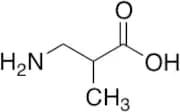
DL-3-Aminoisobutyric Acid
CAS:Controlled Product<p>Applications DL-3-Aminoisobutyric acid (cas# 144-90-1) is a useful research chemical.<br></p>Formula:C4H9NO2Color and Shape:NeatMolecular weight:103.124-Aminohippuric Acid
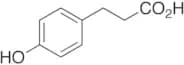
CAS:Controlled Product<p>Applications 4-Aminohippuric Acid is used in the measurement of renal plasma flow as a diagnostic tool which may be applied towards kidney disorders.<br>References Phillips, R. et al.: Am. J. Physiol., 152, 523 (1948);<br></p>Formula:C9H10N2O3Color and Shape:Off White SolidMolecular weight:194.193-(4-Hydroxyphenyl)propionic Acid
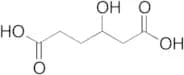
CAS:<p>Applications Antioxidant.<br>References Arnous, A., et al.: J. Agr. Food Chem., 49, 5736 (2001), Guendez, R., et al.: Food Chem., 89, 1 (2005), Proestos, C., et al.: Food Control,16, 319 (2005)<br></p>Formula:C9H10O3Color and Shape:NeatMolecular weight:166.173-Hydroxyhexanedioic Acid
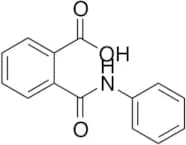
CAS:Controlled Product<p>Applications 3-Hydroxyhexanedioic Acid gets excreted in increased amounts in the human urine under conditions of medium-chain triglyceride (MCT) feeding, abnormal fatty acid oxidation (FAO) and fasting.<br>References Duran, M., et al.: Eur. J. Pediatr., 150, 190 (1991); Svendsen, J. S., et al.: J. Chromatogr. B., 337, 9 (1985); Tserng, K. Y., et al.: Metabolism, 40, 676 (1991); Tserng, K. Y., et al.: Metabolism, 445, 162 (1996)<br></p>Formula:C6H10O5Color and Shape:White SolidMolecular weight:162.14Phthalanilic Acid (~90%)
CAS:Controlled Product<p>Applications Phthalanilic acid is a compound that is useful in the production of fertilizers.<br>References Liang, S., et al.: Faming Zhuanli Shenqing.,4 (2019)<br></p>Formula:C14H11NO3Purity:~90%Color and Shape:White To Off-WhiteMolecular weight:241.24Hexanedioic Acid Mono(4-hydroxybutyl) Ester
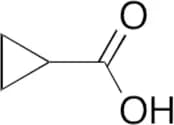
CAS:Controlled Product<p>Applications Hexanedioic Acid Mono(4-hydroxybutyl) Ester is an intermediate in the synthesis of aliphatic polyesters.<br>References McCabe, R. W., et al.: Tetrahedron., 60, 765 (2004);<br></p>Formula:C10H18O5Color and Shape:NeatMolecular weight:218.247Cyclopropanecarboxylic Acid
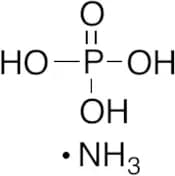
CAS:<p>Applications Cyclopropanecarboxylic Acid is used as a reagent in the synthesis of substituted 4-(thiophen-2-ylmethyl)-2H-phthalazin-1-ones as potent PARP-1 inhibitors. Also used as a reagent in the synthesis of 2-alkyloxazoles as potent and selective PI4KIIIβ inhibitors demonstrating inhibition of HCV replication.<br> Not a dangerous good if item is equal to or less than 1g/ml and there is less than 100g/ml in the package<br>References Wang, L., et al.: Bioorg. Med. Chem. Lett., 24, 3739 (2014); Keaney, E.P., et al.: Bioorg. Med. Chem. Lett., 24, 3714 (2014)<br></p>Formula:C4H6O2Color and Shape:NeatMolecular weight:86.09Phosphoric Acid Ammonium Salt (1:1)
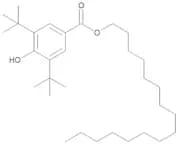
CAS:<p>Applications Phosphoric acid, ammonium salt (1:1) is a useful reagent for organic synthesis.<br></p>Formula:H3N·H3O4PColor and Shape:NeatMolecular weight:115.0263,5-Di-tert-butyl-4-hydroxybenzoic acid hexadecyl ester
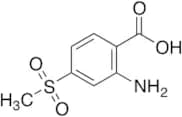
CAS:Controlled Product<p>Applications 3,5-Di-tert-butyl-4-hydroxybenzoic acid hexadecyl ester<br></p>Formula:C31H54O3Color and Shape:White PowderMolecular weight:474.762-Amino-4-(methylsulfonyl)benzoic Acid
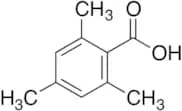
CAS:<p>Applications 2-Amino-4-(methylsulfonyl)benzoic Acid is a reagent used in the synthesis of anthranilic diamides containing fluorinated groups as potential ryanodine receptors activators.<br> Not a dangerous good if item is equal to or less than 1g/ml and there is less than 100g/ml in the package<br>References Wu, C. et al.: Chem. Lett., 28, 1248 (2017);<br></p>Formula:C8H9NO4SColor and Shape:NeatMolecular weight:215.23Mesitoic acid
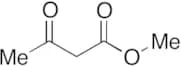
CAS:Controlled Product<p>Applications Mesitoic acid can be used for its antioxidant.<br>References Thomas, P.S., et.al.: Medicines, 4, 1-7, (2017);<br></p>Formula:C10H12O2Color and Shape:Off-WhiteMolecular weight:164.2Methyl Acetoacetate
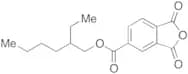
CAS:Controlled Product<p>Applications 3-Oxobutanoic Acid Methyl Ester is a chemical reagent used in the synthesis of pharmaceuticals. It participates in the Biginelli reaction, forming molecules including dihydropyrimidinones.<br>References Ranu, B. et al.: J. Org. Chem. 65, 6270 (2000); Lu, J. et al.: Tetrahedron Lett., 41, 9075 (2000); Lu, J. et al.: Synlett., 1, 63 (2000);<br></p>Formula:C5H8O3Color and Shape:NeatMolecular weight:116.121,3-Dihydro-1,3-dioxo-5-Isobenzofurancarboxylic Acid 2-Ethylhexyl Ester
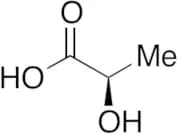
CAS:Controlled Product<p>Applications 1,3-Dihydro-1,3-dioxo-5-isobenzofurancarboxylic Acid is an analog of Trioctyl Trimellitate (T804400) which is a plasticizer that was evaluated for endocrine disrupting activities through estrogen receptor alpha binding assay.<br></p>Formula:C17H20O5Color and Shape:NeatMolecular weight:304.34D-Lactic Acid
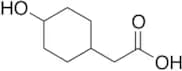
CAS:<p>Applications D-Lactic Acid occurs in small quantities in the blood and muscle fluid of man and animals. The lactic acid concentration increases in muscle and blood after vigorous activity.<br>References He, W. et al.: Comp. Biochem. Phys. Part A: Mol. Int. Phys., 166, 308 (2013)<br></p>Formula:C3H6O3Purity:90%Color and Shape:Colourless To Light YellowMolecular weight:90.082-(4-Hydroxycyclohexyl)acetic Acid
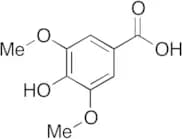
CAS:Controlled Product<p>Applications 2-(4-Hydroxycyclohexyl)acetic acid (cas# 99799-09-4) is a useful research chemical.<br></p>Formula:C8H14O3Color and Shape:Off-WhiteMolecular weight:158.2Syringic Acid
CAS:Controlled Product<p>Applications Syringic Acid is used in biological studies for electron transfer from plant phenolates to carotenoid radical cations with antioxidant interaction entering the Marcus theory inverted region.<br>References Cheng, H., et al.: J. Agric. Food Chem., 62, 942 (2014)<br></p>Formula:C9H10O5Color and Shape:Off-WhiteMolecular weight:198.1718-(tert-Butoxy)-18-oxooctadecanoic Acid
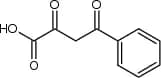
CAS:Controlled Product<p>Applications 18-(tert-Butoxy)-18-oxooctadecanoic Acid is used to engineer long-acting, potent exendin-4 based GLP-1 analog for microstructure-based transdermal delivery for glycemic control.<br>References Yang, P., et al.: Proc. Natl. Acad. Sci. USA, 113, 4140 (2016);<br></p>Formula:C22H42O4Color and Shape:NeatMolecular weight:370.572,4-Dioxo-4-phenylbutanoic acid
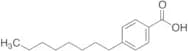
CAS:Controlled Product<p>Applications 2,4-Dioxo-4-phenylbutanoic acid<br></p>Formula:C10H8O4Color and Shape:NeatMolecular weight:192.174-Octylbenzoic Acid
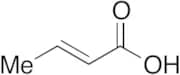
CAS:Controlled Product<p>Applications 4-octylbenzoic acid (cas# 3575-31-3) is a useful research chemical.<br></p>Formula:C15H22O2Color and Shape:NeatMolecular weight:234.34Crotonic Acid
CAS:<p>Applications Crotonic Acid is found in water extracts from carrot seeds (Daucus carota L.) and is shown to have strong herbicidal properties.<br> Not a dangerous good if item is equal to or less than 1g/ml and there is less than 100g/ml in the package<br>References Jasicka-Misiak, I., et al.: Phytochemistry, 66, 1485 (2005)<br></p>Formula:C4H6O2Color and Shape:WhiteMolecular weight:86.091-Dodecanol Acetate
CAS:Controlled Product<p>Applications 1-Dodecanol Acetate can be used as a foaming agent in the purification process of quartz sand. Furthermore, it is a main component of the essential oil from the flowers of Etlingera elatior (Jack) R. M. Smith, which is found to be active against Staphylococcus aureus, Bacillus cereus, Candida albicans and Cryptococcus neoformans.<br>References Wang, W., et al.: Faming Zhuanli Shenqing, CN 103663469 A 20140326 (2014); Susanti, D., et al.: Journal of Essential Oil-Bearing Plants, 16, 294 (2013)<br></p>Formula:C14H28O2Color and Shape:NeatMolecular weight:228.37Boric Acid, Pinacol Ester
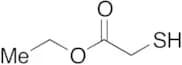
CAS:Controlled Product<p>Applications Boric Acid, Pinacol Ester was a useful reagent in the study of hydrogen peroxide inducible DNA croslsinking agents as anticancer prodrugs.<br>References Kuang, Y., et al.: J. Am. Chem. Soc., 133, 19278 (2011);<br></p>Formula:C6H13BO3Color and Shape:NeatMolecular weight:143.977Ethyl 2-Mercaptoacetate
CAS:Controlled Product<p>Applications Ethyl 2-Mercaptoacetate is an off-odor compound in white wine and an eye irritant.<br> Not a dangerous good if item is equal to or less than 1g/ml and there is less than 100g/ml in the package<br>References Nikolantonaki, M., Darriet, P.: J. Agr. Food Chem., 59, 10191 (2011); Bagley, D.M., et. al.: Toxicol. in vitro, 13, 505 (1999)<br></p>Formula:C4H8O2SColor and Shape:NeatMolecular weight:120.17(2E,6E)-3,7,11-Trimethyldodeca-2,6,10-trien-1-yl Acetate
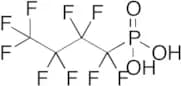
CAS:Controlled Product<p>Applications (2E,6E)-3,7,11-Trimethyldodeca-2,6,10-trien-1-yl Acetate is an intermediate in the synthesis of JHSB3 (J211030). JHSB3 is an acyclic sesquiterpenoid that regulates many aspects of insect physiology. Juvenile Hormone regulate development, reproduction, diapause, and polyphenisms.<br>References Kotaki, T., et al.: Org. Let., 11, 5234 (2009); Riddiford, L.: Adv. Insect Physiol., 24, 213 (1994); Wyatt, G., Davey, K.: Adv. Insect Physiol., 26, 1 (1996); Nijhout, H.: Insect Hormones (Princeton Univ. Press, Princeton) (1994)<br></p>Formula:C17H28O2Color and Shape:NeatMolecular weight:264.4Perfluorobutylphosphonic Acid
CAS:Controlled Product<p>Stability Hygroscopic<br>Applications Perfluorobutylphosphonic Acid, is a surfactant or antifoaming agent.<br></p>Formula:C4H2F9O3PColor and Shape:BrownMolecular weight:300.02(S)-2-Amino-4-[(3-aminopropyl)amino]-butanoic Acid
CAS:Controlled Product<p>Applications (S)-2-Amino-4-[(3-aminopropyl)amino]-butanoic Acid is used in the reaction of carboxynorspermidine decarboxylase of Vibrio alginolyticus.<br>References Nakao, H., et al.: J. Gen. Microbiol. 136, 1699-704 (1990)<br></p>Formula:C7H17N3O2Purity:>90%Color and Shape:NeatMolecular weight:175.229Maleic Acid Monomethyl Ester (~90%)
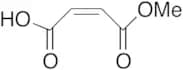
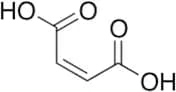
CAS:Controlled Product<p>Applications Maleic Acid Monomethyl Ester, is relative to Maleic Anhydride (M124400), which is a heterocyclic compound used in the manufacture of unsaturated polyester resins. Maleic Anhydride has a wide range of other applications; it can also be used in synthetic tensides, insecticides, herbicides and fungicides.<br>References Hanafi, W.Z.A. et al.: Plast. Rub. Comp. Proc. Appl., 19, 175 (1993); Noma, K. et al.: Shik. Kyok., 36, 225 (1963); Augustin, M. et al.: Wissen. Zeitsch., 25, 5 (1976); Jiang, Q. et al.: Nongyao, 49, 257 (2010);<br></p>Formula:C5H6O4Purity:~90%Color and Shape:NeatMolecular weight:130.1Iodic Acid
CAS:<p>Applications Iodic Acid is used in the synthesis of silybin derivatives showing antiradical and antioxidant activities. Also used in the iodination of compounds.<br> Not a dangerous good if item is equal to or less than 1g/ml and there is less than 100g/ml in the package<br>References Gazak, R. et al.: Bioorg. Med. Chem., 12, 5677 (2004); Zangade, S. et al.: Eur. j. Chem., 3, 314 (2012);<br></p>Formula:HIO3Color and Shape:NeatMolecular weight:175.91Phenylboronic Acid (95%)
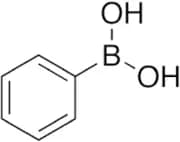
CAS:Controlled Product<p>Applications Phenylboronic Acid is a compound used in organic synthesis of various pharmaceutical goods.<br>References Ainley, A.D., et al.: J. Chem. Soc., 2171 (1930);<br></p>Formula:C6H7BO2Purity:95%Color and Shape:NeatMolecular weight:121.933,5-Di-tert-butyl-4-hydroxybenzoic Acid
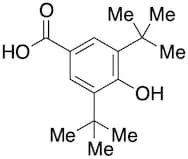
CAS:Controlled Product<p>Applications 3,5-Di-tert-butyl-4-hydroxybenzoic acid<br></p>Formula:C15H22O3Color and Shape:NeatMolecular weight:250.33Octyl 3-Octyloxiraneoctanoic Acid
CAS:Controlled Product<p>Applications Octyl 3-Octyloxiraneoctanoic Acid (cas# 106-84-3) is a compound useful in organic synthesis.<br></p>Formula:C26H50O3Color and Shape:NeatMolecular weight:410.672-(2-ethoxyethoxy)acetic acid
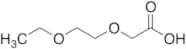
CAS:<p>Applications 2-(2-ethoxyethoxy)acetic acid (cas# 7743-94-4) is a useful research chemical.<br> Not a dangerous good if item is equal to or less than 1g/ml and there is less than 100g/ml in the package<br></p>Formula:C6H12O4Color and Shape:NeatMolecular weight:148.15Ethyl 2-Cyclopropyl-2-hydroxyacetate
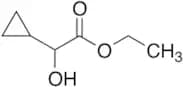
CAS:<p>Applications ethyl 2-cyclopropyl-2-hydroxyacetate (cas# 1185387-66-9) is a useful research chemical.<br></p>Formula:C7H12O3Color and Shape:NeatMolecular weight:144.168Methyl Acetate
CAS:Controlled Product<p>Stability Volatile<br>Applications Methyl Acetate is used as an organic chemical solvent for a multitude of organic processes. Also used in the production of biodiesel.<br> Not a dangerous good if item is equal to or less than 1g/ml and there is less than 100g/ml in the package<br>References Xu, Y. et al.: J. mol. Cat., 32, 241 (2005); Ogino, H. et al.: J. Biosci. Bioeng., 89, 451 (2000);<br></p>Formula:C3H6O2Color and Shape:NeatMolecular weight:74.08Methyl 5-chloro-2-hydroxy-1-oxo-2,3-dihydro-1H-indene-2-carboxylate
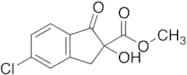
CAS:Controlled Product<p>Applications Methyl 5-chloro-2-hydroxy-1-oxo-2,3-dihydro-1H-indene-2-carboxylate (cas# 144172-24-7) is a useful research chemical. It is an intermediate in the synthesis of IN-KG 433 (I627995). IN-KG 433 is an impurity of Indoxacarb (I654000), an oxadiazine pesticide that acts against lepidopteran larvae and is the active ingredient in a number of household insecticides including cockroach baits.<br>References Wang, H., et al.: Water. Sci. Technol., 61, 2733 (2010); Shono, T., et al.: Pesticide. Biochem. Physiol., 75, 1 (2003);<br></p>Formula:C11H9O4ClColor and Shape:NeatMolecular weight:240.63(-)-α-Kainic Acid Monohydrate
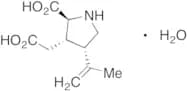
CAS:Controlled Product<p>Applications (-)-α-Kainic Acid Monohydrate is the monohydrated form of (-)-α-Kainic Acid (K135010); a naturally occurring neuroexcitatory chemical that is a selective agonist for a subtype of ionotropic glutamate receptor. Administration of (-)-α-Kainic Acid has been shown to increase production of reactive oxygen species, mitochondrial dysfunction, and apoptosis in neurons in many regions of the brain, particularly in the hippocampal subregions and in the hilus of dentate gyrus.<br>References Wacker, D.A., et al.: Synlett, 503 (1997); Dunleavy, M., et al.: J. Molec. Neurosci., 49, 202 (2013); Zhang, J., et al.: Neuron., 76, 1133 (2012); Yamada, J., et al.: Neurosci., 226, 119 (2012); Wang,Q., et al.: Mol. Neurobiol., 31, 3 (2005)<br></p>Formula:C10H15NO4·H2OColor and Shape:NeatMolecular weight:231.2464-n-Butoxybenzoic Acid
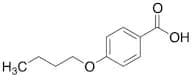
CAS:Controlled Product<p>Applications 4-n-Butoxybenzoic acid<br></p>Formula:C11H14O3Color and Shape:NeatMolecular weight:194.23N,N'-bis(2,6-Diisopropylphenyl)-1,6,7,12-tetraphenoxy-3,4,9,10-perylenetetracarboxylic Diimide
CAS:Controlled Product<p>Applications N,N'-Bis(2,6-diisopropylphenyl)-1,6,7,12-tetraphenoxy-3,4,9,10-perylenetetracarboxylic Diimide has applications in the photosensors and optical detectors.<br>References Wang, Shaojun, et al.: ACS Photonics, 5(6), 2478-2485 (2018);Wang, Hanlin, et al.: Adv. Mat., 29(32), n/a. (2017)<br></p>Formula:C72H58N2O8Color and Shape:NeatMolecular weight:1079.239Polymaleic Acid (Aqueous Solution)
CAS:Controlled Product<p>Applications Polymaleic acid (cas# 26099-09-2) is a useful research chemical.<br></p>Formula:(C4H4O4)nColor and Shape:ColourlessMolecular weight:146.141Succinic Acid
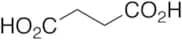
CAS:<p>Applications Succinic Acid was identified in essential oil from Saxifraga stolonifera and has antibacterial activity.<br>References Zhang, Z.: Xibei Nongye Xuebao, 25, 1536 (2016)<br></p>Formula:C4H6O4Color and Shape:NeatMolecular weight:118.09Propiolic Acid
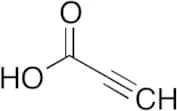
CAS:Controlled Product<p>Applications Propiolic Acid is a compound used in the synthesis of haloalkyl propiolates, halopropenoates, and transition metal complexes.<br> Not a dangerous good if item is equal to or less than 1g/ml and there is less than 100g/ml in the package<br>References J. Organomet. Chem., 456, 271 (1993); Tetrahedron, 49, 4229 (1993); Tetrahedron, 48, 3413 (1992); J. Org. Chem., 57, 709 (1992)<br></p>Formula:C3H2O2Color and Shape:YellowMolecular weight:70.052-Hydroxyhexanoic Acid
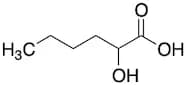
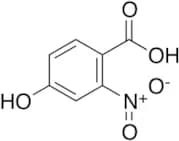
CAS:Controlled Product<p>Applications 2-hydroxyhexanoic acid (cas# 6064-63-7) is a useful research chemical.<br></p>Formula:C6H12O3Color and Shape:NeatMolecular weight:132.154-Hydroxy-2-nitrobenzoic Acid
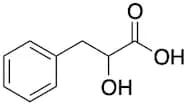
CAS:Controlled Product<p>Applications 4-hydroxy-2-nitrobenzoic acid (cas# 74230-08-3) is a useful research chemical.<br></p>Formula:C7H5NO5Color and Shape:Dark Red To Dark BrownMolecular weight:183.118DL-3-phenyllactic acid
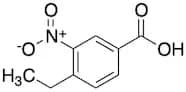
CAS:Controlled Product<p>Applications DL-3-phenyllactic acid had been identified as a urinary food intake biomarker for milk, cheese and soy-based drinks.<br>References Munger, L.H.; et al.: J. Proteome Res., 16, 3321 (2017)<br></p>Formula:C9H10O3Color and Shape:NeatMolecular weight:166.174-Ethyl-3-nitrobenzoic Acid
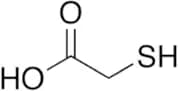
CAS:Controlled Product<p>Applications 4-ETHYL-3-NITROBENZOIC ACID (cas# 103440-95-5) is a useful research chemical.<br></p>Formula:C9H9NO4Color and Shape:White To Off-WhiteMolecular weight:195.172Thioglycolic acid
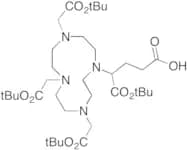
CAS:Controlled Product<p>Stability Air Sensitive<br>Applications Thioglycolic Acid is an organic compound containing both a thiol and a carboxylic acid. Thioglycolic Acid is a precursor to ammonium thioglycolate, a chemical used for permanents. Thioglycolic Acid is used in organic synthesis as a nucleophile in thioglycolysis reactions and is used as a S transfer agent for sulfonyl chloride synthesis.<br> Not a dangerous good if item is equal to or less than 1g/ml and there is less than 100g/ml in the package<br>References Kim, T.R. et al.: Bull. Kor. Chem. Soc., 3, 162 (1982); Badr, M.Z.A. et al.: Bull. Chem. Soc. Jap., 56, 326 (1983); Langler, R.F. et al.: Can. J. Chem., 57, 3193 (1979);<br></p>Formula:C2H4O2SColor and Shape:Colourless LiquidMolecular weight:92.125-(tert-Butoxy)-5-oxo-4-(4,7,10-tris(2-(tert-butoxy)-2-oxoethyl)-1,4,7,10-tetraazacyclododecan-1-yl)pentanoic Acid (>85%)
CAS:Controlled Product<p>Applications 5-(tert-butoxy)-5-oxo-4-(4,7,10-tris(2-(tert-butoxy)-2-oxoethyl)-1,4,7,10-tetraazacyclododecan-1-yl)pentanoic Acid has been used in synthesis of; GdDOTAGA(C18)2: an efficient amphiphilic Gd(III) chelate for the preparation of self-assembled high relaxivity MRI nanoprobes; bifunctional prochelators for coupling to bioactive peptides for radiometal labeling; DOTAGA-anhydride, building block for prepn. of DOTA-like chelating agents.<br>References Filippi M., et al., ChemComm., 51, 17455-17458 (2015); Eisenwiener K. P., et al., Bioorg. Med. Chem. Lett., 10, 2133-2135 (2000); Bernhard C., et al., Chem. Eur. J., 18, 7834-7841 (2012)<br></p>Formula:C35H64N4O10Purity:>85%Color and Shape:Off-WhiteMolecular weight:700.9042-Amino-3-methoxybenzoic acid hydrochloride
CAS:<p>2-Amino-3-methoxybenzoic acid hydrochloride is a synthetic monosubstituted hydroxy analog of the natural alkaloids, which are substituted with an amino group. It is produced by the demethylation of 2-amino-3-hydroxypyridine and reacts with caprolactam to form 2,6-dihydroxybenzaldehyde. It has been used in the synthesis of methoxyanthranilic acid, which is a synthetic analogue of anthranilic acid. Hydrochloric acid can be added to 2-amino-3-methoxybenzoic acid hydrochloride to produce 2,6-dihydroxybenzoyl chloride. This compound also undergoes condensation reactions with methoxyanthranilic acid to form 2,6-dimethoxybenzaldehyde.</p>Formula:C8H9NO3•HClPurity:Min. 95%Color and Shape:PowderMolecular weight:203.62 g/mol4-tert-Butylcalix[4]arene-tetraacetic acid tetraethyl ester
CAS:<p>4-tert-Butylcalix[4]arene-tetraacetic acid tetraethyl ester is a chemical compound that has been shown to be stable in both water and organic solvents. It can be used as a pharmaceutical dosage form for administration of drugs with poor bioavailability, such as fatty acids. This compound has been shown to be effective in the treatment of cancer, especially breast cancer, and has been tested in clinical trials for the treatment of potassium ion deficiency. 4-tert-Butylcalix[4]arene-tetraacetic acid tetraethyl ester also has antiviral properties and is being studied for its use against HIV.</p>Formula:C60H80O12Purity:Min. 95%Color and Shape:PowderMolecular weight:993.27 g/mol(3-Aminomethyl)benzoic acid hydrochloride
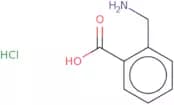
CAS:<p>(3-Aminomethyl)benzoic acid hydrochloride is a high-quality, versatile compound that can be used as a reagent or scaffold for the synthesis of complex compounds. It is a fine chemical that can be used as an intermediate in organic chemistry and has been shown to be useful in the synthesis of speciality chemicals. The CAS number for this chemical is 876-03-9. This chemical is also a versatile building block for reactions, and has been shown to be an excellent reaction component for research purposes.</p>Formula:C8H9NO2•HClPurity:Min. 95%Color and Shape:PowderMolecular weight:187.62 g/mol3,5-Dibenzyloxybenzoic acid
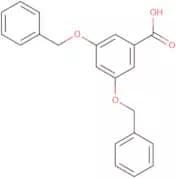
CAS:<p>3,5-Dibenzyloxybenzoic Acid is a photophysical and optical material that has many functional groups including the benzene ring. This compound is a potassium salt that can be synthesized by reacting dipolar compounds with nucleophiles. It is also found in organic solvents such as chloroform, acetone, and acetic acid. 3,5-Dibenzyloxybenzoic Acid can be used in photodynamic therapy to treat cancer cells by targeting the tumor's porphyrin. This compound has been shown to be potent antagonists of chloride channels and could potentially be used for treating pain caused by nerve injury.</p>Formula:C21H18O4Purity:Min. 95%Molecular weight:334.37 g/mol4-Bromobenzoic acid
CAS:<p>4-Bromobenzoic acid is a hydroxylated aromatic compound that is used in organic synthesis. It can be prepared by the reaction of hydrochloric acid with benzoic acid. 4-Bromobenzoic acid inhibits the enzyme diphenolase, which catalyzes the conversion of p-hydroxybenzoic acid to tiglic acid. This inhibition prevents the production of tyrosine, an amino acid that is essential for protein synthesis and cell division. 4-Bromobenzoic acid also inhibits the activity of an enzyme called etoac extract, which catalyzes a reaction between tyrosine and ethanolamine to form dopamine and acetaldehyde. The inhibition of this enzyme prevents the production of dopamine, another amino acid that is important for protein synthesis and cell division.</p>Formula:C7H5BrO2Purity:Min. 95%Color and Shape:PowderMolecular weight:201.02 g/mol(Des-Gly10,D-Tyr5,D-Trp6,Pro-NHEt 9)-LHRH trifluoroacetate salt
CAS:<p>Please enquire for more information about (Des-Gly10,D-Tyr5,D-Trp6,Pro-NHEt 9)-LHRH trifluoroacetate salt including the price, delivery time and more detailed product information at the technical inquiry form on this page</p>Formula:C64H83N17O12Purity:Min. 95%Color and Shape:PowderMolecular weight:1,282.45 g/molPyridinium acetate
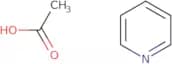
CAS:Controlled Product<p>Pyridinium acetate is a chemical compound with the molecular formula of C6H5N3O2. It is a white solid with a melting point of 61 °C. This compound belongs to the class of organic compounds called heterocycles, which contain atoms other than carbon in their ring structures. Pyridinium acetate has been shown to have an inhibitory effect on collagen synthesis and can be used for the treatment of high blood pressure. The synthesis of pyridinium acetate is done by a synthetase enzyme that requires ATP, citric acid, and sodium citrate as substrates. This pathway creates pyridinium acetate from two molecules of aspartic acid and one molecule of acetic acid. The final product contains a carbonyl group, which gives it its acidic properties. Pyridinium acetate also has an acidic pH optimum at 3-4 and is resistant to mutants such as E. coli K-12 that</p>Formula:C5H5N·C2H4O2Purity:Min. 95%Color and Shape:PowderMolecular weight:139.15 g/mol4-Cyanophenylacetic acid
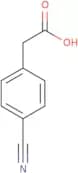
CAS:<p>4-Cyanophenylacetic acid is a thiolated organic compound that can act as a framework for the attachment of other functional groups. The synthesis of this compound has been developed in various ways, such as through the use of photoluminescence or coordination chemistry.</p>Formula:C9H7NO2Purity:Min. 95%Color and Shape:PowderMolecular weight:161.16 g/mol(S)-2-((((9H-Fluoren-9-yl)methoxy)carbonyl)amino)-3-(1H-pyrrolo[2,3-b]pyridin-3-yl)propanoic acid
CAS:<p>Please enquire for more information about (S)-2-((((9H-Fluoren-9-yl)methoxy)carbonyl)amino)-3-(1H-pyrrolo[2,3-b]pyridin-3-yl)propanoic acid including the price, delivery time and more detailed product information at the technical inquiry form on this page</p>Formula:C25H21N3O4Purity:Min. 95%Molecular weight:427.45 g/molSalicylhydroxamic acid
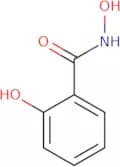
CAS:<p>Salicylhydroxamic acid is a hydroxamic acid that inhibits the activity of p-hydroxybenzoic acid (PHBA) reductase, an enzyme involved in the conversion of PHBA to benzoic acid. The compound has been shown to inhibit mitochondrial membrane potential and mitochondrial functions, leading to cell death. Salicylhydroxamic acid has also been shown to be active against wild-type strains of Candida glabrata, but not against resistant mutants. This drug may have therapeutic potential for bone cancer and metabolic disorders such as obesity.</p>Formula:C7H7NO3Purity:Min. 95%Color and Shape:White PowderMolecular weight:153.14 g/mol2,6-Naphthalenedicarboxylic acid
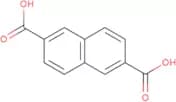
CAS:<p>2,6-Naphthalenedicarboxylic acid is a synthetic organic compound that belongs to the group of fatty acids. It is produced by oxidation of 2,6-naphthoquinone with sodium carbonate and glycol ester in the presence of an oxidation catalyst. The reaction mechanism appears to involve hydrogen bonding interactions between the hydroxyl groups on the glycol ester and the carboxyl groups on 2,6-naphthoquinone. 2,6-Naphthalenedicarboxylic acid has been shown to bind to intracellular targets such as transfer reactions and fatty acid synthesis. The analytical method for this compound is based on its formation of an adduct with p-hydroxybenzoic acid in hydrochloric acid solution.</p>Formula:C12H8O4Purity:Min. 95%Color and Shape:PowderMolecular weight:216.19 g/molPolymaleic acid, 48% aqueous solution
CAS:<p>Polymaleic acid is a homopolymer of maleic acid. It is a very efficient calcium carbonate antiscalant showing excellent performance in high temperature as well as high alkaline cooling water systems. The product is stable in presence of chlorine or other oxidizing biocides. Due to this and high temperature tolerance the material has found use in desalination plants.</p>Formula:(C4H4O4)nPurity:Min. 95%Color and Shape:Clear Liquid4-(Heptyloxy)benzoic acid
CAS:<p>4-(Heptyloxy)benzoic Acid is a white crystalline solid that has a melting point of about 140-145°C. It is soluble in water, methanol, acetone and ethanol. The solubility in water can be increased by adding sodium hydroxide or potassium hydroxide to the solution. 4-(Heptyloxy)benzoic acid has been used for optical properties studies, as well as for ternary mixtures. 4-(Heptyloxy)benzoic acid has also been used to study hydrogen bonding interactions between molecules and the mesomorphic character of polymers. This chemical has also been studied using molecular descriptors and thermal expansion measurements.<br>4-(Heptyloxy)benzoic acid is primarily used as an intermediate in polymer chemistry research.</p>Formula:C14H20O3Purity:Min. 95%Color and Shape:PowderMolecular weight:236.31 g/molUrsodeoxycholic acid methyl ester
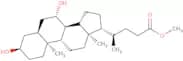
CAS:Controlled Product<p>Ursodeoxycholic acid methyl ester is a bile acid that is produced from ursodeoxycholic acid. It is used as a drug to dissolve gallstones and reduce the risk of recurrent gallstones in patients who have had a cholecystectomy. Ursodeoxycholic acid methyl ester also reduces cholesterol levels by preventing its reabsorption in the small intestine and enhancing its excretion in the bile. This agent has been shown to modulate cell proliferation and differentiation, especially in cerebral tissue and muscle cells. Ursodeoxycholic acid methyl ester can be synthesized from ursodeoxycholic acid by saponification with base followed by methylation with methanol. The synthesis of this agent involves an elimination reaction between c1-c3 alcohols, which leads to impurities such as formaldehyde, acetone, glycerol, acetic acid, and butyric acid.</p>Formula:C25H42O4Purity:Min. 95%Color and Shape:White PowderMolecular weight:406.6 g/mol2-Formylphenoxyacetic acid
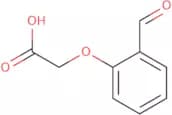
CAS:<p>2-Formylphenoxyacetic acid (FPAA) is a molecule that belongs to the group of p2 molecules. It has been detected in urine samples and can be used as a marker for urinary tract infections. FPAA is an electrochemical detector for copper complexes and has been shown to have antimicrobial activity against Staphylococcus, amines, and carboxylates. The mechanism of its antimicrobial activity may involve hydrogen bonding interactions with the negatively charged groups on the cell wall of bacteria. Chemical structures and structural analysis have shown that FPAA contains two aldehyde groups linked by an ether bond.</p>Formula:C9H8O4Purity:Min. 95%Color and Shape:PowderMolecular weight:180.16 g/mol3,5-Dinitrosalicylic acid
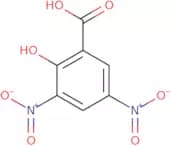
CAS:<p>3,5-Dinitrosalicylic acid is a strong organic acid that is used as a reagent for the detection of starch. It reacts with the amylose and amylopectin in starch to form a blue or violet color. This reaction can be measured using titration calorimetry or complex enzyme solutions. The 3,5-dinitrosalicylic acid is also used in analytical methods to determine the purity of nitro compounds by measuring their proton content. 3,5-Dinitrosalicylic acid can also be used to detect carboxylic acids by forming an intermolecular hydrogen bond with them.</p>Formula:C7H4N2O7Purity:Min. 98 Area-%Color and Shape:White Yellow PowderMolecular weight:228.12 g/molFlufenamic acid butyl ester
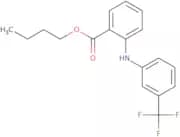
CAS:<p>Flufenamic acid is a nonsteroidal anti-inflammatory drug that relieves pain and inflammation. Flufenamic acid butyl ester is an analog of flufenamic acid. It has been shown to be effective in controlling bowel disease, especially inflammatory bowel disease. Flufenamic acid butyl ester has also been shown to control symptoms of neurodermatitis and autoimmune diseases when used as a nutrient solution. Flufenamic acid butyl ester has not been found to have any statistically significant effect on infectious diseases.</p>Formula:C18H18F3NO2Purity:Min. 95%Color and Shape:Colorless PowderMolecular weight:337.34 g/mol3-Fluoro-6-nitrobenzoic acid ethyl ester
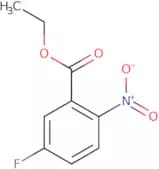
CAS:<p>3-Fluoro-6-nitrobenzoic acid ethyl ester is a high quality chemical that is used as an intermediate in the synthesis of complex compounds. It is also a useful scaffold for the synthesis of other compounds and can be used as a building block in the production of speciality chemicals. 3-Fluoro-6-nitrobenzoic acid ethyl ester has many reactions that it participates in, such as being a reaction component for the synthesis of pharmaceuticals and agrochemicals. This compound is versatile enough to be used in research or for commercial purposes.</p>Formula:C9H8FNO4Purity:Min. 95%Color and Shape:PowderMolecular weight:213.16 g/molZinc acetate
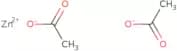
CAS:<p>Zinc acetate is a chemical compound that contains zinc, oxygen, and carbon. It is used in the treatment of infectious diseases, such as bowel disease. Zinc acetate also functions as an antiseptic and astringent. The reaction mechanism for this compound is ionotropic gelation. This process involves the formation of hydrogen bonds between molecules that are then converted to a solid state. Zinc acetate will react with phosphorus pentoxide to form zinc phosphate, which can be used as a structural analysis for x-ray diffraction data. In addition, it has been shown to have high values when nitrogen atoms are present and zinc acetate is also soluble in water vapor and reacts with copper chloride to form zirconium oxide.</p>Formula:C4H6O4ZnPurity:Min. 95%Color and Shape:PowderMolecular weight:183.47 g/mol4-Amino-2-chlorobenzoic acid - 98%
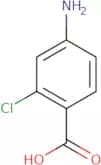
CAS:<p>4-Amino-2-chlorobenzoic acid (4ACBA) is a pharmaceutical chemical that is used in the preparation of pharmaceutical preparations. 4ACBA has been shown to be absorbed through the maternal blood and have an inhibitory effect on rat sciatic nerve. The uptake of 4ACBA was found to be dose dependent, with a maximum concentration reached after 30 minutes. The pharmacokinetic properties of 4ACBA have been shown to be nonlinear, with plasma concentrations decreasing as dosage increases.</p>Formula:C7H6ClNO2Purity:Min. 95%Color and Shape:PowderMolecular weight:171.58 g/mol3,4-Difluoro-5-(trifluoromethyl)benzoic acid
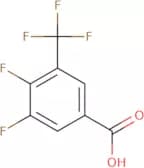
CAS:<p>3,4-Difluoro-5-(trifluoromethyl)benzoic acid is a fine chemical that is used as a versatile building block for the synthesis of complex compounds. It is an intermediate product in the production of pharmaceuticals, such as 3,4-Difluoro-5-(trifluoromethyl)benzonitrile and 3,4-Difluoro-5-(trifluoromethyl)benzamide. This compound has been shown to be useful in the preparation of research chemicals and speciality chemicals.</p>Formula:C8H3F5O2Purity:Min. 95%Color and Shape:White PowderMolecular weight:226.1 g/molDihydroferulic acid
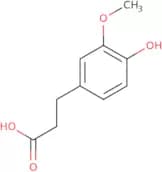
CAS:<p>Dihydroferulic acid is a natural compound that is found in both plants and animals. It is an intermediate in the metabolism of ferulic acid, which is found in plants. Dihydroferulic acid has been shown to have a redox potential similar to p-hydroxybenzoic acid, which may be due to dihydroferulic acid's ability to reduce hydrogen peroxide. Dihydroferulic acid has also been shown to increase production of neurotrophic factors and stimulate polymerase chain reaction activity. Dihydroferulic acid has been shown to have biological properties that are related to its antioxidant activity, such as its ability to inhibit lipid peroxidation and scavenge hydroxyl radicals.</p>Formula:C10H12O4Purity:Min. 95%Color and Shape:Slightly Yellow PowderMolecular weight:196.2 g/mol(3,4,5-Trimethoxyphenyl)boronic acid
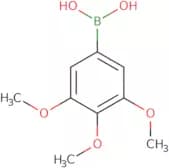
CAS:<p>(3,4,5-Trimethoxyphenyl)boronic acid is an active analogue of 3,4,5-trimethoxybenzoic acid. It has potent anti-inflammatory properties and inhibits cancer cell proliferation. (3,4,5-Trimethoxyphenyl)boronic acid has been shown to inhibit the growth of cancer cells in vitro by binding to the gyrase enzyme. This drug also has biological properties that may be useful for treating human liver diseases such as hepatic steatosis or nonalcoholic fatty liver disease (NAFLD).</p>Formula:C9H13BO5Purity:Min. 95 Area-%Color and Shape:PowderMolecular weight:212.01 g/mol4-Bromo-2-nitrocinnamic acid
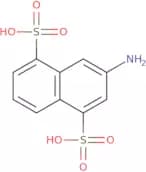
CAS:<p>4-Bromo-2-nitrocinnamic acid is a naturally occurring amino acid that is a component of wheat, carrots, and cereals. It is an enzyme inhibitor and has been found to be stable under heat treatment. 4-Bromo-2-nitrocinnamic acid has been shown to inhibit the activity of 3 lysine hydrolase enzymes (LysE1, LysE2, LysE3) in vitro. This inhibition decreases lysine levels and may have health implications for infants fed with 4-bromo-2-nitrocinnamic acid treated wheat flour. The efficiency of 4-bromo-2 nitrocinnamic acid as an enzymatic inhibitor for these enzymes was determined by measuring the release of free lysine from various substrates at different concentrations of the inhibitor. These parameters were then used to calculate the theoretical inhibition percentage for each substrate at a given concentration.</p>Formula:C9H6BrNO4Purity:Min. 95%Molecular weight:272.05 g/mol2-Amino-4,8-naphthalenedisulfonic acid
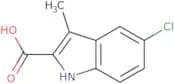
CAS:<p>2-Amino-4,8-naphthalenedisulfonic acid is a structural analog of the natural amino acid phenylalanine. It is an inhibitor of the enzyme tyrosinase, which participates in the oxidation of dopamine to DOPA and subsequent conversion to melanin. 2-Amino-4,8-naphthalenedisulfonic acid has been shown to inhibit the growth of probiotic bacteria and can be used as a food additive. The compound also inhibits the oxidation catalyst that is required for some analytical chemistry tests. 2-Amino-4,8-naphthalenedisulfonic acid has been shown to have toxicological properties in animal studies and this toxicity is exacerbated by its ability to bind with pyridine nucleotides found in cells. The toxicological effects are thought to be related to the inhibition of protein synthesis that leads to cell death.</p>Formula:C10H9NO6S2Purity:Min. 95%Color and Shape:PowderMolecular weight:303.31 g/mol5-Chloro-3-methyl-1H-indole-2-carboxylic acid
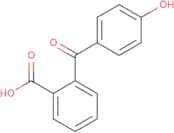
CAS:<p>5-Chloro-3-methyl-1H-indole-2-carboxylic acid (5CMC) is a versatile building block and research chemical. It has been shown to be an effective intermediate for the synthesis of many complex compounds with interesting pharmacological properties. 5CMC is also used as a speciality chemical in the production of pharmaceuticals, agrochemicals, and other chemicals. The compound is a fine chemical that can be used in various research and industrial applications.</p>Formula:C10H8ClNO2Purity:Min. 95 Area-%Color and Shape:PowderMolecular weight:209.63 g/mol2-(4-Hydroxybenzoyl)benzoic acid
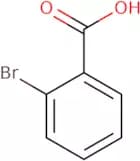
CAS:<p>2-(4-Hydroxybenzoyl)benzoic acid (HBBA) is an activated ester that can be used as a precursor for the synthesis of pharmaceuticals. It has been used in the clinical development of drugs such as anti-inflammatory agents, antibiotics, and anticancer compounds. HBBA can be synthesized by acylation of 4-hydroxybenzoic acid with an appropriate carboxylic acid via a dehydration reaction. This reaction requires high temperatures and acidic catalysts. The product is then purified to remove any residual acid catalyst and other impurities. 2-(4-Hydoxybenzoyl)benzoic acid has been shown to react with nucleophiles such as amines and alcohols, providing fluorescent compounds when reacted with diazonium salts or phthalazinone respectively.</p>Formula:C14H10O4Purity:Min. 95%Color and Shape:White PowderMolecular weight:242.23 g/mol2-Bromobenzoic acid
CAS:<p>2-Bromobenzoic acid is a sodium salt that has been reported to be used in the treatment of autoimmune diseases and bowel disease. It is a prodrug that is hydrolyzed in vivo to 2-bromophenol, its active form. 2-Bromobenzoic acid has been shown to inhibit the production of inflammatory mediators, such as prostaglandins, leukotrienes, and cytokines by inhibiting cyclooxygenase 1 and 2 enzymes. This drug also inhibits the activation of nuclear factor kappa B (NF-κB) in vitro. 2-Bromobenzoic acid may have an anti-inflammatory effect through its ability to inhibit NF-κB activation by preventing the release of tumor necrosis factor alpha (TNFα).</p>Formula:C7H5BrO2Purity:Min. 95%Color and Shape:PowderMolecular weight:201.02 g/mol4-Amino-3,5-dinitrobenzoic acid
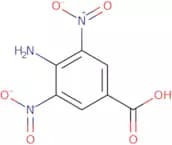
CAS:<p>4-Amino-3,5-dinitrobenzoic acid (4ADBA) is a reactive chemical compound with acidic properties. It reacts with nucleophiles to form diazo compounds, which are used in analytical methods for the detection of amines and phenols. 4ADBA can be used to measure the concentration of aspirin in pharmaceutical formulations. The reaction is linear over a wide range of concentrations and has an optimal reaction time of 10 minutes at pH 2.0–2.5. The half-life values for 4ADBA are approximately 3 hours at pH 3 and 7 hours at pH 5.</p>Formula:C7H5N3O6Purity:Min. 95%Color and Shape:SolidMolecular weight:227.13 g/mol2-Chloro-3-nitrobenzoic acid ethyl ester
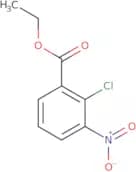
CAS:<p>2-Chloro-3-nitrobenzoic acid ethyl ester is a reactive chemical intermediate that can be used as a building block in organic synthesis. It is a versatile reagent that can be used in many reactions, such as condensation, cyclization, amination, and oxidation. The compound has been shown to be useful in the synthesis of polymers, pharmaceuticals, and natural products. 2-Chloro-3-nitrobenzoic acid ethyl ester is an environmentally friendly compound with a low toxicity profile. It has been classified as a high quality fine chemical with CAS number 3979-45-1.</p>Formula:C9H8ClNO4Purity:Min. 95%Color and Shape:PowderMolecular weight:229.62 g/mol(3-Aminophenyl)boronic acid hydrochloride
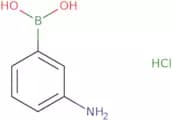
CAS:<p>3-Aminophenylboronic acid hydrochloride is a chemical compound that is used for analytical chemistry, bioconjugate chemistry, and clinical diagnostics. The compound binds to model proteins with high affinity and specificity. 3-Aminophenylboronic acid hydrochloride has been shown to have low binding constants with polyols, which make it ideal for use in cell culture. 3-Aminophenylboronic acid hydrochloride has a pK of 2.7 at pH 7.4, making it acidic at this pH. The compound also has a pK of 9.3 at pH 4.5, making it neutral at this pH. 3-Aminophenylboronic acid hydrochloride is an electrochemically active molecule and can be used as an electrode material in electrochemical impedance spectroscopy experiments.</p>Formula:C6H9BClNO2Purity:Min. 95%Color and Shape:PowderMolecular weight:173.4 g/molVeratric acid
CAS:<p>Veratric acid is a natural compound that is found in plants such as Vitis vinifera and Vaccinium myrtillus. It has been shown to have antimicrobial activity against Gram-positive bacteria, including Staphylococcus aureus and Streptococcus pneumoniae. Veratric acid binds to toll-like receptor 4 (TLR4), which activates the transcription factor nuclear factor kappa B (NF-κB) and increases expression of bacterial genes. It also inhibits pro-inflammatory cytokines by preventing the acetylation of histones at position H3, which are involved in transcriptional regulation. Veratric acid has synergistic effects when combined with p-hydroxybenzoic acid or ester hydrochloride. These compounds inhibit cell wall synthesis by inhibiting the enzyme peptidoglycan synthetase, leading to cell death. Veratric acid has also been shown to increase glomerular filtration rate and improve coordination</p>Formula:C9H10O4Purity:Min. 95%Color and Shape:White/Off-White SolidMolecular weight:182.17 g/mol(S)-2-Amino-3-(3,4-dihydroxyphenyl)-2-methylpropionic acid sesquihydrate
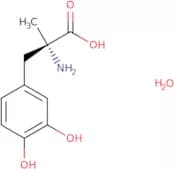
CAS:<p>(S)-2-Amino-3-(3,4-dihydroxyphenyl)-2-methylpropionic acid sesquihydrate is a synthetic drug that is used for the treatment of metabolic disorders such as diabetes mellitus. It has been shown in animal studies to increase locomotor activity and decrease bowel disease. It also has an effect on α7 nicotinic acetylcholine receptors and 2 adrenergic receptors.</p>Formula:C10H13NO4•(H2O)1Purity:Min 98%Color and Shape:PowderMolecular weight:238.24 g/molb-N-Methyl-guanadinopropionic acid
<p>b-N-Methyl-guanadinopropionic acid is a versatile, high quality, and useful building block that is used as a reagent and speciality chemical. It is also an intermediate in the synthesis of research chemicals, which are synthesized using b-N-Methyl-guanadinopropionic acid as a reactant. This compound can be used as a building block in the synthesis of complex compounds with high molecular weight. The CAS number for b-N-Methyl-guanadinopropionic acid is</p>Purity:Min. 95%Anthraquinone-2,6-disulfonic acid disodium
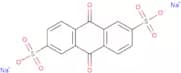
CAS:<p>Anthraquinone-2,6-disulfonic acid disodium salt is a reactive, redox potential chemical that has been shown to be stable to intermolecular hydrogen bonding and crystalline in structure. It has the ability to react with carbon sources and can be used as a catalyst in coordination chemistry. Anthraquinone-2,6-disulfonic acid disodium salt has been shown to have fluorescence properties under UV light and FTIR spectroscopy.</p>Formula:C14H6Na2O8S2Purity:Min. 95%Color and Shape:Beige PowderMolecular weight:412.3 g/mol1,4-Phenylenebisboronic acid
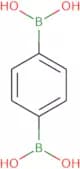
CAS:<p>1,4-Phenylenebisboronic acid is a chemical compound with the following structural formula:<br>It is a white crystalline solid, soluble in water and ethanol. 1,4-Phenylenebisboronic acid has been used for analytical chemistry and photochemical studies. It has also been studied as a model system for ternary complex formation, x-ray diffraction data analysis, and ester linkages. Structural analysis of 1,4-phenylenebisboronic acid reveals hydrogen bonding interactions between the nitrogen atoms and the boron atoms.</p>Formula:C6H8B2O4Purity:Min. 95 Area-%Color and Shape:PowderMolecular weight:165.75 g/mol2,2'-Azoxydibenzoic acid
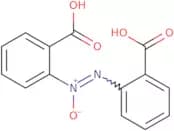
CAS:<p>2,2'-azoxydibenzoic acid is a high quality chemical that is used as a reagent, complex compound, and research chemical. It has CAS No. 573-79-5 and has the molecular formula of C8H4N2O4. This compound is useful as an intermediate, fine chemical, or speciality chemical in synthesis. 2,2'-Azoxydibenzoic acid can be used as a building block for scaffolds or as a versatile building block in reaction components.</p>Formula:C14H10N2O5Purity:Min. 95%Molecular weight:286.24 g/mol2-Fluoro-4-nitrobenzoic acid
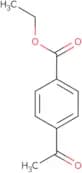
CAS:<p>2-Fluoro-4-nitrobenzoic acid (2F4NBA) is an antibiotic that inhibits the growth of bacteria by blocking their amination reactions. 2F4NBA has been shown to be effective against multidrug-resistant pathogens, such as methicillin resistant Staphylococcus aureus and vancomycin resistant Enterococci. The drug has also been shown to inhibit the growth of cancer cells in vivo studies and can be used for the treatment of primary tumors. It is a benzoate analogue with a benzimidazole derivative structure, which is fluorescent and analytical chemistry compatible. 2F4NBA has good pharmacokinetic properties, with a half life time between 4 and 8 hours.</p>Formula:C7H4FNO4Purity:Min. 95%Color and Shape:PowderMolecular weight:185.11 g/mol4-Acetylbenzoic acid ethyl ester
CAS:<p>4-Acetylbenzoic acid ethyl ester is a receptor binding agent that inhibits the activity of phosphatidylinositol 3-kinase (PI3K), which is a protein involved in cell growth, differentiation and survival. It has been shown to inhibit tumor growth and induce apoptosis in cancer cells. 4-Acetylbenzoic acid ethyl ester also induces cell death in inflammatory diseases by inhibiting the activation of protein kinase C γ (PKC γ) by retinoic acid. This agent has been shown to be active against recombinant human Pparγ and can be used as an additive for cell-based assays.</p>Formula:C11H12O3Purity:Min. 95%Color and Shape:PowderMolecular weight:192.21 g/molGanoderic acid F
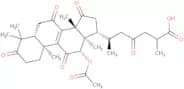
CAS:Controlled Product<p>Ganoderic acid F is a natural product that inhibits the growth of cancer cells. It has been shown to be anti-angiogenic, meaning it prevents the formation of new blood vessels, and displays significant cytotoxicity against cancer cells. Ganoderic acid F is also an inhibitor of fatty acid synthase, which may be related to its cardioprotective effects in vivo. Studies have shown that this compound binds to the receptor for protocatechuic acid and inhibits the activity of enzymes such as lipoxygenase and cyclooxygenase. The structure of ganoderic acid F includes a six-membered ring with two carboxylic acids (protocatechuic and caffeic) and two hydroxyl groups (one at C3).</p>Formula:C32H42O9Purity:Min. 95%Color and Shape:White PowderMolecular weight:570.67 g/mol5-Bromo-2,3-dimethoxybenzoic acid
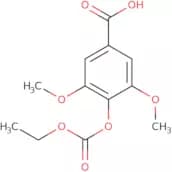
CAS:<p>2,3-Dimethoxybenzoic acid is a metabolite of 2,3-dimethoxybenzaldehyde, which is produced by the condensation of acetaldehyde and benzoic acid. It has been used as an intermediate in organic synthesis. The enzyme dopamine D3 receptor ligand binding assays have been used to study the ability of 5-bromo-2,3-dimethoxybenzoic acid to inhibit dopamine uptake in rat striatal membranes. The compound has also been shown to be a specific ligand for the dopamine D3 receptor and bind with a high affinity.</p>Formula:C9H9BrO4Purity:Min. 95%Color and Shape:PowderMolecular weight:261.07 g/molCarbethoxysyringic acid
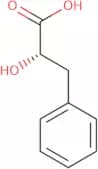
CAS:<p>Carbethoxysyringic acid is a reagent, complex compound, useful intermediate and fine chemical. It is also a useful scaffold for the synthesis of other organic compounds. Carbethoxysyringic acid is used in the production of speciality chemicals, research chemicals and versatile building blocks. Carbethoxysyringic acid has been shown to be an excellent reaction component in many reactions such as hydrogenation, nitro reduction, oxidation and hydrolysis.</p>Formula:C12H14O7Purity:Min. 95%Color and Shape:PowderMolecular weight:270.24 g/molL-b-Phenyllactic acid
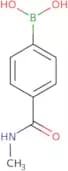
CAS:<p>L-b-Phenyllactic acid is a monocarboxylic acid that is found in urine. It has an inhibitory effect on the binding of certain inhibitors, such as fatty acids and malic acid, to their receptors. L-b-Phenyllactic acid also inhibits the binding of some drugs, such as L-DOPA, to their receptors. This inhibition may be due to hydrogen bonding or receptor binding interactions with specific amino acids in the receptor protein. L-b-Phenyllactic acid has been shown to have cytotoxic effects on leukemia cells and is used for animal experiments.</p>Formula:C9H10O3Purity:Min. 95%Color and Shape:PowderMolecular weight:166.17 g/mol(4-(Methylcarbamoyl)phenyl)boronic acid
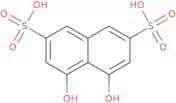
CAS:<p>Please enquire for more information about (4-(Methylcarbamoyl)phenyl)boronic acid including the price, delivery time and more detailed product information at the technical inquiry form on this page</p>Formula:C8H10BNO3Purity:Min. 95%Color and Shape:PowderMolecular weight:178.98 g/mol1,8-Dihydroxynaphthylene-3,6-disulfonic acid
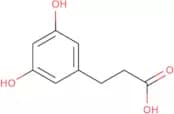
CAS:<p>1,8-Dihydroxynaphthylene-3,6-disulfonic acid is a sulfonic acid that has been shown to be an effective biocide for wastewater treatment. It has the ability to form stable complexes with organic matter and is not readily degraded by chemical reactions. 1,8-Dihydroxynaphthylene-3,6-disulfonic acid has been shown to have a strong affinity for certain metals and can be used to remove them from wastewater. This compound is also able to form stable complexes with metal ions in solution, which leads to the removal of these metals from the water column. The optimum concentration of 1,8-dihydroxynaphthylene-3,6-disulfonic acid varies depending on the specific metal being targeted and ranges from 0.01% to 0.1%.</p>Formula:C10H8O8S2Purity:Min. 95%Color and Shape:White PowderMolecular weight:320.3 g/mol3-(3,5-Dihydroxyphenyl)-1-propanoic acid
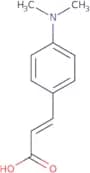
CAS:<p>3-(3,5-Dihydroxyphenyl)-1-propanoic acid is a metabolite of 3,5-dihydroxybenzoic acid (DHBA) that has been found to be elevated in the urine of women with breast cancer. This metabolite may serve as a potential biomarker for early detection of breast cancer and other types of cancer. It also has anti-inflammatory and glucose regulation effects in humans. The concentration of 3-(3,5-dihydroxyphenyl)-1-propanoic acid was found to be significantly higher in urine samples from women diagnosed with breast cancer than in urine samples from healthy controls, which suggests that this metabolite could be used as a marker for early detection of breast cancer.</p>Formula:C9H10O4Purity:Min. 95%Color and Shape:PowderMolecular weight:182.17 g/mol4-Dimethylaminocinnamic acid
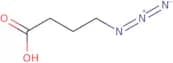
CAS:<p>4-Dimethylaminocinnamic acid (DMA) is a natural organic compound found in plants and animals. This compound has been studied for its potential use as a drug, but it is not currently used in medicine. 4-Dimethylaminocinnamic acid can inhibit the activity of certain enzymes by binding to them, including the enzyme polymerase chain that synthesizes DNA. It also can bind to other proteins, such as carbonyl groups and cinnamic acid derivatives, which are found in human liver cells. 4-Dimethylaminocinnamic acid can form hydrogen bonds with other molecules due to its hydroxyl group and carboxylic acid group. It also has a high viscosity due to its long hydrocarbon chain.</p>Formula:C11H13NO2Purity:Min. 95%Color and Shape:PowderMolecular weight:191.23 g/mol4-Azidobutyric acid
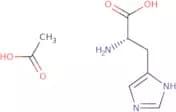
CAS:<p>4-Azidobutyric acid (4-AA) is a cyclic peptide with an amide bond that forms the backbone of the molecule. The 4-AA skeleton has been used in the synthesis of a number of organic compounds, including azides and tethering molecules. The synthesis of 4-AA is carried out on solid phase as it is insoluble in water. It has also been used for the production of supramolecular assemblies and quantum dots with novel properties. This compound can be found in nature as part of streptavidin or calcium assay reagents.</p>Formula:C4H7N3O2Purity:Min. 95 Area-%Color and Shape:Clear LiquidMolecular weight:129.12 g/molL-Histidine acetate
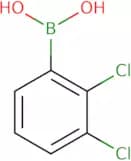
CAS:Controlled Product<p>L-Histidine acetate is a white, crystalline powder that has a constant melting point and can be soluble in water. It has a monoclinic crystal system with a crystal form of α-l-histidine dihydrogen acetate. L-Histidine acetate is an amino acid that is necessary for the biosynthesis of proteins and the metabolism of histamine. L-Histidine acetate has been studied using x-ray diffraction and optical properties to determine its functional groups. The activation energy for this compound is found to be at 4.1 kcal/mol, which is lower than most other compounds in nature. The frequencies of light waves are measured at 3,040 cm-1 and the evaporation rate at 15°C is 0.039 cm3/s.</p>Formula:C6H9N3O2•C2H4O2Purity:Min. 95%Molecular weight:215.21 g/mol2,3-Dichlorophenylboronic acid
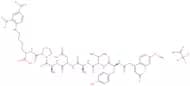
CAS:<p>2,3-Dichlorophenylboronic acid is a boron-containing compound. It is a substrate for the enzyme phosphatase and has been shown to inhibit the activity of the SHP2 protein kinase in vitro. This inhibition can lead to programmed cell death via apoptosis and necrosis. 2,3-Dichlorophenylboronic acid has also been shown to inhibit the growth of erythromycin resistant bacteria. The two isomers are not equally active. Dichloro(phenyl)boronic acid (1) is more potent than dichlorobis(phenyl)boronic acid (2).</p>Formula:C6H5BCl2O2Purity:Min. 97.5 Area-%Color and Shape:White PowderMolecular weight:190.82 g/molMca-Tyr-Val-Ala-Asp-Ala-Pro-Lys(Dnp)-OH trifluoroacetate
CAS:<p>Please enquire for more information about Mca-Tyr-Val-Ala-Asp-Ala-Pro-Lys(Dnp)-OH trifluoroacetate including the price, delivery time and more detailed product information at the technical inquiry form on this page</p>Formula:C53H64N10O19•(C2HF3O2)xPurity:95%NmrColor and Shape:PowderMolecular weight:1,145.13 g/mol2,5-Dichlorobenzoic acid potassium
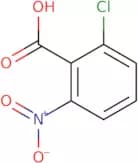
CAS:<p>2,5-Dichlorobenzoic acid potassium salt is a fine chemical that is used as an intermediate for the synthesis of pharmaceuticals and speciality chemicals. It is a versatile building block with a variety of uses in research and manufacturing, including being used as a reaction component or as a reagent. This product has CAS No. 184637-62-5 and has been assigned the Chemical Abstract Service (CAS) number 184637-62-5.</p>Formula:C7H4Cl2O2•KPurity:Min. 95%Color and Shape:PowderMolecular weight:230.11 g/mol6-Chloro-2-nitrobenzoic acid
CAS:<p>6-Chloro-2-nitrobenzoic acid is an organic compound with the formula C6H3ClNO2. It is a white crystalline powder that reacts readily with water to form a dilute solution. The reaction yield of 6-chloro-2-nitrobenzoic acid can be increased by heating the solution to dehydrate it, and this can be done at room temperature or higher. The reaction time can also be shortened by adding more chloride ions to the solution. This organic compound has two isomers, one of which is stable and the other which is unstable. The unstable isomer can be removed by recrystallizing the product from a solvent such as dicloxacillin or potassium chloride.</p>Formula:C7H4ClNO4Purity:Min. 95%Molecular weight:201.56 g/mol







![(S)-2-Amino-4-[(3-aminopropyl)amino]-butanoic Acid](/_next/image/?url=https%3A%2Fstatic.cymitquimica.com%2Fproducts%2FTR%2Fthumb-webp%2FA609335.webp&w=3840&q=75)






![4-tert-Butylcalix[4]arene-tetraacetic acid tetraethyl ester](/_next/image/?url=https%3A%2Fstatic.cymitquimica.com%2Fproducts%2F3D%2Fthumb-webp%2FFT05936.webp&w=3840&q=75)


![(S)-2-((((9H-Fluoren-9-yl)methoxy)carbonyl)amino)-3-(1H-pyrrolo[2,3-b]pyridin-3-yl)propanoic acid](/_next/image/?url=https%3A%2Fstatic.cymitquimica.com%2Fproducts%2F3D%2Fthumb-webp%2FFF154979.webp&w=3840&q=75)