Carboxylic Acids
Carboxylic acids are organic molecules characterized by having a carboxyl-type functional group (-COOH). These acids are fundamental in various chemical reactions, including esterification, amidation, and decarboxylation. Carboxylic acids are widely used in the production of pharmaceuticals, polymers, and agrochemicals. In this section, you can find a large number of carboxylic acids ready to be used. At CymitQuimica, we provide a broad range of high-quality carboxylic acids to support your research and industrial applications.
Found 12453 products of "Carboxylic Acids"
Sort by
Purity (%)
0
100
|
0
|
50
|
90
|
95
|
100
Isobutylsuccinic Acid
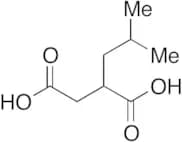
CAS:Controlled Product<p>Applications Isobutylsuccinic Acid was used to synthesize succinimide derivatives as inhibitors of human leukocyte elastase, cathepsin G and proteinase 3.<br>References Groutas, W., et al.: Bioorg. Med. Chem., 3, 375 (1995);<br></p>Formula:C8H14O4Color and Shape:NeatMolecular weight:174.19Tiglic Acid
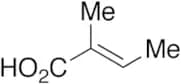
CAS:<p>Applications Tiglic acid is the stable isomer of angelic acid. Tiglic acid was found as glyceride in croton oil, as butyl ester in the oil of the Roman camomile, and as geranyl tiglate in oil of geranium. Tiglic acid is formed during the charcoaling of maple wood.<br> Not a dangerous good if item is equal to or less than 1g/ml and there is less than 100g/ml in the package<br>References Bueding, et al.: J. Biol. Chem., 202, 505 (1953),<br></p>Formula:C5H8O2Color and Shape:NeatMolecular weight:100.123-Isopropoxybenzoic Acid
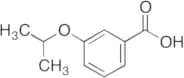
CAS:Controlled Product<p>Applications 3-Isopropoxybenzoic acid is a useful reagent for organic synthesis and other chemical processes.<br>References Chiong, H. A., et al.: J. Am. Chem. Soc., 129, 9879 (2007); Kingston, D. G. I., et al.: J. Med. Chem., 41, 3715 (1998)<br></p>Formula:C10H12O3Color and Shape:White To Off-WhiteMolecular weight:180.2Trimesinic Acid
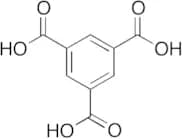
CAS:<p>Applications Trimesinic Acid is used for multifunctional therapeutics. It shows inhibitory activity against Torpedo Californica acetylcholinesterase and prevented amyloid-β peptide aggregate formation.<br>References Peckels, C., et al.: Curr. Enz. Inhib., 9, 67 (2013)<br></p>Formula:C9H6O6Color and Shape:NeatMolecular weight:210.144-n-Butoxybenzoic Acid
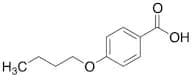
CAS:Controlled Product<p>Applications 4-n-Butoxybenzoic acid<br></p>Formula:C11H14O3Color and Shape:NeatMolecular weight:194.23(R)-2-Hydroxybutanoic Acid
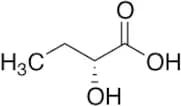
CAS:Controlled Product<p>Applications (R)-2-Hydroxybutanoic acid (cas# 20016-85-7) is a useful research chemical.<br></p>Formula:C4H8O3Color and Shape:NeatMolecular weight:104.1054-Ethoxycarbonyl-3-ethoxyphenylacetic Acid
CAS:Controlled Product<p>Applications Repaglinide intermediate.<br>References Wolfenbuttel, B., et al.: Eur. J. Clin. Pharmacol., 45, 113 (1993), Grell, W., et al.: J. Med. Chem., 41, 5219 (1998), Anon., et al.: Drugs Future, 24, 815 (1999),<br></p>Formula:C13H16O5Color and Shape:NeatMolecular weight:252.261,11-Undecanedicarboxylic Acid
CAS:<p>Applications 1,11-Undecanedicarboxylic Acid is used in the synthesis of two Bis(tetrahydroisoquinoline) which were highly cytotoxic for cancer-cell cultures and less toxic to healthy cells and exhibited noticeable antimicrobial activity against Gram-positive and Gram-negative bacteria and fungal strain Candida albicans.<br>References Terent’eva, E. O., et al.: Chem. Nat. Compd., 53, 328-332 (2017)<br></p>Formula:C13H24O4Color and Shape:NeatMolecular weight:244.336-(Aminocarbonyl)-3-cyclohexene-1-carboxylic Acid
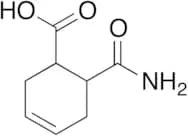
CAS:Controlled Product<p>Applications 6-(Aminocarbonyl)-3-cyclohexene-1-carboxylic Acid is a useful building block for organic synthesis.<br></p>Formula:C8H11NO3Color and Shape:NeatMolecular weight:169.178Opianic Acid
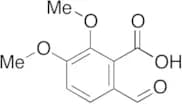
CAS:<p>Applications Opianic Acid is a reagent used in the synthesis of novel 5-arylidene (thio)barbituric acid displaying urease activity.<br>References Vosooghi, M. et al.: J. Iran. Chem. Soc., 12, 1487 (2015);<br></p>Formula:C10H10O5Color and Shape:White SolidMolecular weight:210.18Ethacrynic Acid Epoxide
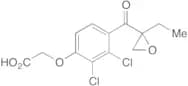
CAS:Controlled Product<p>Applications Ethacrynic Acid Epoxide is an intermediate in the synthesis of Ethacrynic Acid (E676000), a diuretic used to treat high blood pressure and swelling caused by congestive heart failure, liver failure and kidney failure.<br>References Beyer, et al.: J. Pharmacol. Exp. Ther., 147, 1 (1965), Kim., et al.: Am. J. Cardiol., 27, 407 (1971), Williamson, H.E., et al.: J. Clin. Pharmacol., 17, 663 (1977),<br></p>Formula:C13H12Cl2O5Color and Shape:NeatMolecular weight:319.14(1-acetyl-2,3-dihydro-1H-indol-5-yl)boronic Acid
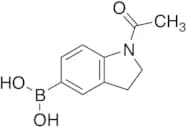
CAS:Controlled Product<p>Applications (1-acetyl-2,3-dihydro-1H-indol-5-yl)boronic acid (cas# 905971-97-3) is a useful research chemical.<br></p>Formula:C10H12BNO3Color and Shape:BeigeMolecular weight:205.022-Aminobenzene-1,4-disulfonic Acid (>90%)
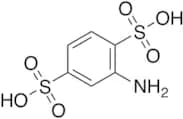
CAS:Controlled Product<p>Applications 2-aminobenzene-1,4-disulfonic acid (cas# 98-44-2) is a useful research chemical.<br></p>Formula:C6H7NO6S2Purity:>90%Color and Shape:White To Off-WhiteMolecular weight:253.241,1-Cyclohexanediacetic Acid Monoamide
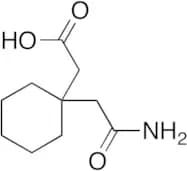
CAS:Controlled Product<p>Applications 1,1-Cyclohexanediacetic acid monoamide is an impurity of Gabapentin (G117250), an amino acid structurally related to γ-Aminobutyric Acid (GABA), designed to cross the blood brain barrier. Gabapentin is used as an anticonvulsant.<br>References Vollmer, K.-O. et al.: Arzneimittel-Forshc., 36, 830 (1986), Saletu, B., et al.: Int. J. Clin. Pharmacol. Ther. Toxicol., 24, 362 (1986)<br></p>Formula:C10H17NO3Color and Shape:White To Off-WhiteMolecular weight:199.247rac 2-Aminothiazoline-4-carboxylic Acid
CAS:Controlled Product<p>Stability Hygroscopic<br>Applications Used in the manufacturing of L-tryptophan by enzymic reaction.<br>References Franke, L., et al.: J. Med. Chem., 48, 6997 (2005), Fox, T., et al.: Curr. Top Med. Chem., 6, 1579 (2006),<br></p>Formula:C4H6N2O2SColor and Shape:NeatMolecular weight:146.17Magnesium Monoperoxyphthalic Acid Hexahydrate
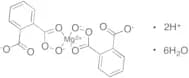
CAS:Controlled Product<p>Applications Magnesium Monoperoxyphthalic Acid Hexahydrate is used as an oxidant in various synthetic reactions. For example: it is a mild and efficient oxidant for the synthesis of selenones which are useful synthetic intermediates in the synthesis of different heterocyclic compounds.<br>References Temperini, A., et al.: Beilstein J. Org. Chem., 10, 1267 (2014); Salvador, J.A.R., et al.: Beilstein J. Org. Chem., 8, 164 (2012); Carvalho, J.F.S., et al.: Tetrahedron, 65, 2773 (2009)<br></p>Formula:C16H22MgO16Color and Shape:NeatMolecular weight:494.64Maleic Acid
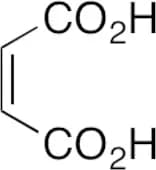
CAS:Controlled Product<p>Applications Maleic Acid is used in the synthesis of pyridoindolones as potent inhibitors of Aurora kinases. Also is a reagent in the preparation of TiO2/carbon nanotube composites.<br>References Le, L. et al.: ChemMedChem., 8, 289 (2013); Yao, Y. et al.: Env. Sci. Tech., 42, 4952 (2008)l<br></p>Formula:C4H4O4Color and Shape:WhiteMolecular weight:116.07N-(2,6-Diisopropylphenylcarbamoylmethyl)iminodiacetic Acid
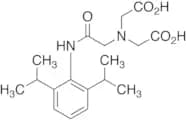
CAS:Controlled Product<p>Applications N-(2,6-Diisopropylphenylcarbamoylmethyl)iminodiacetic Acid (cas# 65717-97-7) is a compound useful in organic synthesis.<br></p>Formula:C18H26N2O5Color and Shape:NeatMolecular weight:350.413-(4'-Hydroxy)phenoxybenzoic Acid
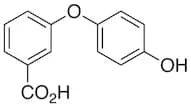
CAS:<p>Applications A metabolite of pyrethroid insecticides such as: Deltamethrin, Permethrin, Cypermethrin, Fenvalerate, Decamethrin.<br> Not a dangerous good if item is equal to or less than 1g/ml and there is less than 100g/ml in the package<br>References Woollen, B., et al.: Xenobiotica, 22, 983 (1992), Saito, K., et al.: Toxicol. Sci., 57, 54 (2000), Fang, H., et al.: Chem. Res. Toxicol., 14, 280 (2001), Andersen, H., et al.: Toxicol. Appl. Pharmacol., 179, 1 (2002),<br></p>Formula:C13H10O4Color and Shape:NeatMolecular weight:230.22Iodoacetic Acid
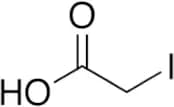
CAS:Controlled Product<p>Applications Used as a general reagent in acylation reactions. A byproduct formed in treated waters, and found in marine life.<br> E0<br>References Zuckermann, R.N. et al.; J. Am. Chem. Soc., 115, 10646 (1992); Bull, R., et al.: Toxicol. Appl. Pharmacol., 182, 55 (2002), Mitch, W., et al.: Water Sci. Technol., 2, 191 (2002),<br></p>Formula:C2H3IO2Color and Shape:AmberMolecular weight:185.95Phenylboronic Acid (95%)
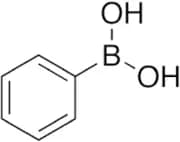
CAS:Controlled Product<p>Applications Phenylboronic Acid is a compound used in organic synthesis of various pharmaceutical goods.<br>References Ainley, A.D., et al.: J. Chem. Soc., 2171 (1930);<br></p>Formula:C6H7BO2Purity:95%Color and Shape:NeatMolecular weight:121.932-Ethylbutyric Acid
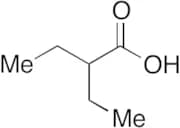
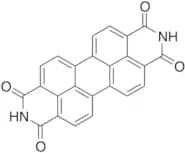
CAS:Controlled Product<p>Applications 2-Ethylbutyric Acid is used in biological studies as a possible descriptor for toxicity prediction through electrophilicity.<br> Not a dangerous good if item is equal to or less than 1g/ml and there is less than 100g/ml in the package<br>References Roy, D.R., et al.: Bioorg. Med. Chem., 13, 3405 (2005); Parthasarathi, R., et al.: J. Phys. Chem. A., 107, 10346 (2003)<br></p>Formula:C6H12O2Color and Shape:ColourlessMolecular weight:116.163,4,9,10-Perylenetetracarboxylic Diimide (~85%)
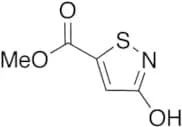
CAS:Controlled Product<p>Applications 3,4,9,10-Perylenetetracarboxylic diimide (cas# 81-33-4) is a useful research chemical.<br></p>Formula:C24H10N2O4Purity:~85%Color and Shape:NeatMolecular weight:390.35Methyl-3-hydroxyisothiazole-5-carboxylate
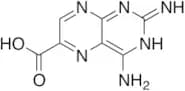
CAS:Controlled Product<p>Applications Methyl-3-hydroxyisothiazole-5-carboxylate (cas# 100241-89-2) is a compound useful in organic synthesis.<br></p>Formula:C5H5NO3SColor and Shape:Off White To YellowMolecular weight:159.162,4-Diaminopteridine-6-carboxylicAcid
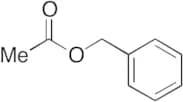
CAS:Controlled Product<p>Applications 2,4-DIAMINOPTERIDINE-6-CARBOXYLIC ACID (cas# 716-74-5) is a useful research chemical.<br></p>Formula:C7H6N6O2Color and Shape:Off-WhiteMolecular weight:206.162Benzyl Acetate
CAS:Controlled Product<p>Applications Benzyl Acetate, is found naturally in many flowers, It has pleasant sweet aroma reminiscent of jasmine, and thus is used widely in perfumery industry, and also as a flavouring agent. It is also used as a solvent.<br>References Schiestl, F. P., et al.: J. Chem. Ecology, 29 (2004); Qian-qian, M., et al.: Jingxi Huagong, 30, 442 (2013);<br></p>Formula:C9H10O2Color and Shape:NeatMolecular weight:150.17Phosphoric Acid Tris(2-methylpropyl) Ester
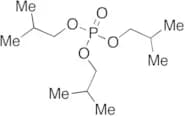
CAS:Controlled Product<p>Applications Phosphoric Acid Tris(2-methylpropyl) Ester is found in the groundwater downgradient of a landfill (Grindsted, Denmark). It is also a flame retardant and plasticizer.<br>References Holm, J., et al.: Environ. Sci. Technol., 29, 1415 (1995); Rodil, R., et al.: J. Chrmoat. A, 1216, 2958 (2009); Carcia-Lopez, M., et al.: J. Chromat., A, 1166, 9 (2007)<br></p>Formula:C12H27O4PColor and Shape:ColourlessMolecular weight:266.312-Benzyloxybenzoic Acid
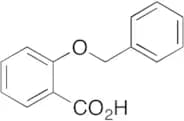
CAS:Controlled ProductFormula:C14H12O3Color and Shape:NeatMolecular weight:228.24Diethylammonium N,N-Diethyldithiocarbamate
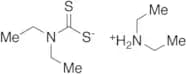
CAS:Controlled Product<p>Applications Dithiocarbamate complexes serve as hosts for the specific binding of various metal cations.<br>References Bourson, J., et al.: J. Phys. Chem., 97, 4552 (1993), Lai, S., et al.: Inorg. Chem., 38, 4262 (1999),<br></p>Formula:C9H22N2S2Color and Shape:NeatMolecular weight:222.414-Sulfamoylbenzoic Acid
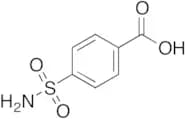
CAS:Controlled Product<p>Applications 4-Sulfamoylbenzoic Acid is used as a reagent in the synthesis of carbonic anhydrase inhibitors anticonvulsant agents.<br>References Singh, S. et al.: J. Enz. Inhib. Med. Chem., 31, 417 (2016);<br></p>Formula:C7H7NO4SColor and Shape:NeatMolecular weight:201.2Benzenesulfonic Acid Monohydrate
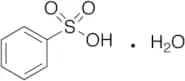
CAS:<p>Applications Benzensulfonic Acid Monohydrate is used in the synthesis of HER2/EFGR dual inhibitors in the treatment of cancers and displaying potency towards anti-tumor activity.<br>References Kawakita, Y. et al.: Bioorg. Med. Chem. Lett., 20, 6171 (2012);<br></p>Formula:C6H8O4SColor and Shape:NeatMolecular weight:176.19Morpholin-4-yl Acetic Acid
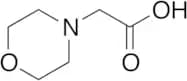
CAS:Controlled Product<p>Applications Morpholin-4-yl Acetic Acid was used in preparation of pyrrolidine-fused fullerene multicarboxylates by photoreaction.<br>References Gan, L., et al.: J. Org. Chem., 63, 4240 (1998).<br></p>Formula:C6H11NO3Color and Shape:NeatMolecular weight:145.16Thioglycolic Acid 2-Ethylhexyl Ester
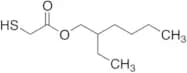
CAS:Formula:C10H20O2SColor and Shape:NeatMolecular weight:204.33Pimelic Acid
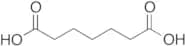
CAS:Controlled Product<p>Applications Pimelic Acid is a metabolite found in four biofluids from dairy cows that may be used as biomarkers of milk.<br>References Sun, H., et. al.: J. Proteome Res., 14, 1287 (2015)<br></p>Formula:C7H12O4Color and Shape:NeatMolecular weight:160.1711-Mercaptoundecanoic Acid
CAS:Controlled Product<p>Applications 11-MERCAPTOUNDECANOIC ACID (cas# 71310-21-9) is a useful research chemical.<br> Not a dangerous good if item is equal to or less than 1g/ml and there is less than 100g/ml in the package<br></p>Formula:C11H22O2SColor and Shape:NeatMolecular weight:218.366-[(6-Aminohexyl)amino]-6-oxo-hexanoic Acid
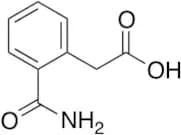
CAS:<p>Applications 6-[(6-Aminohexyl)amino]-6-oxo-hexanoic acid is a nylon oligomer with flame retardant properties.<br>References Zahn, Helmut et al.: Chemische Berichte, 92, 1381 (1959)<br></p>Formula:C12H24N2O3Color and Shape:NeatMolecular weight:244.332-(2-Carbamoylphenyl)acetic Acid
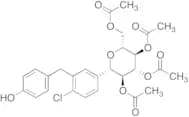
CAS:Controlled Product<p>Applications 2-(2-carbamoylphenyl)acetic acid (cas# 23362-56-3) is a useful research chemical.<br></p>Formula:C9H9NO3Color and Shape:BeigeMolecular weight:179.173O-Desethyl Dapagliflozin tetraacetate)
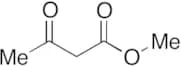
CAS:<p>Applications Empagliflozin Tetraacetate is an Empagliflozin (E521510) impurity and is a reagent used to design and synthesize nitric oxide releasing derivatives of dapagliflozin which has potential antidiabetic and antithrombotic agents.<br>References Zheng, L., et al.: Bioorg. Med. Chem., 26, 3947 (2018)<br></p>Formula:C27H29ClO10Color and Shape:White To Off-WhiteMolecular weight:548.97Methyl Acetoacetate
CAS:Controlled Product<p>Applications 3-Oxobutanoic Acid Methyl Ester is a chemical reagent used in the synthesis of pharmaceuticals. It participates in the Biginelli reaction, forming molecules including dihydropyrimidinones.<br>References Ranu, B. et al.: J. Org. Chem. 65, 6270 (2000); Lu, J. et al.: Tetrahedron Lett., 41, 9075 (2000); Lu, J. et al.: Synlett., 1, 63 (2000);<br></p>Formula:C5H8O3Color and Shape:NeatMolecular weight:116.12tert-Butyl [(1R,2S,5S)-2-Amino-5-[(dimethylamino)carbonyl]cyclohexyl]carbamate Oxalate
CAS:Controlled Product<p>Applications tert-Butyl [(1R,2S,5S)-2-Amino-5-[(dimethylamino)carbonyl]cyclohexyl]carbamate Oxalate is a starting material and useful building block of various pharmaceuticals.<br></p>Formula:C14H27N3O3•C2H2O4Color and Shape:NeatMolecular weight:375.41Heptadecanedioic Acid
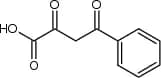
CAS:Controlled Product<p>Applications Heptadecanedioic Acid (cas# 2424-90-0) is a useful research chemical.<br></p>Formula:C17H32O4Color and Shape:NeatMolecular weight:300.432,4-Dioxo-4-phenylbutanoic acid
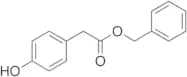
CAS:Controlled Product<p>Applications 2,4-Dioxo-4-phenylbutanoic acid<br></p>Formula:C10H8O4Color and Shape:NeatMolecular weight:192.17Benzyl (4-Hydroxyphenyl)acetate
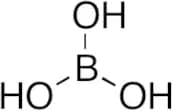
CAS:Controlled Product<p>Applications Intermediate in the preparation of Camostat metabolites.<br>References Bodor, N., et al.: Pharm. Res., 3, 120 (1984), Han, L., et al.: Biochem., 46, 1432 (2007),<br></p>Formula:C15H14O3Color and Shape:NeatMolecular weight:242.27Boric Acid
CAS:<p>Applications Boric Acid is a common chemical component in insecticides, specifically for flea erradication. Also has the properties of an effective flame retardant.<br>References Hinkle, N. et al.: J. Med. Entomol., 32, 424 (1995); Dogan, M. et al.: Polym. Degrad. Stab., 99, 12 (2014);<br></p>Formula:BH3O3Color and Shape:WhiteMolecular weight:61.83α-Aleuritic Acid
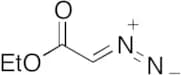
CAS:Controlled Product<p>Stability Hygroscopic<br>Applications α-Aleuritic acid is a major ingredient of shellac and is also a starting reagent in the manufacture of perfumes.<br>References Jakubowska, M., et al.: Polimery ., 15, 295 (1970); Shamsuzzaman, L.A., et al.: Pakistan. J. Biol. Agri. Sci., 11, 68 (1968);<br></p>Formula:C16H32O5Color and Shape:NeatMolecular weight:304.42Ethyl Diazoacetate (>90%)
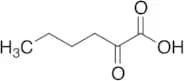
CAS:<p>Applications Ethyl Diazoacetate is used in the synthesis of Arteludovicinolide A as well as pyrimidoazepine analogs as seritonin 5-HT2A/C receptor ligands for treatment of obesity. This compound contains solvent for added stability.<br> E0<br>References Yang, H. et al.: Eur. J. Med. Chem., 63, 558 (2013); Kreuzer, A. et al.: Org. Lett., 15, 3420 (2013);<br></p>Formula:C4H6N2O2Purity:>90%Color and Shape:NeatMolecular weight:114.12-Oxohexanoic Acid
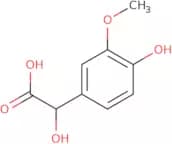
CAS:Controlled Product<p>Applications 2-Oxohexanoic Acid (cas# 2492-75-3) has been useful in a biological study that investigated the impact of glutathione on wines oxidative stability.<br>References Nikolantonaki, M., et al.: Front. Chem. (Lausanne, Switzerland), 6, 182 (2018)<br></p>Formula:C6H10O3Color and Shape:NeatMolecular weight:130.14DL-4-Hydroxy-3-methoxymandelic acid
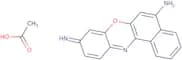
CAS:<p>DL-4-Hydroxy-3-methoxymandelic acid is a metabolite of the catecholamines, norepinephrine and epinephrine. It is found in the blood, urine and cerebrospinal fluid of humans. DL-4-Hydroxy-3-methoxymandelic acid is derived from the amino acid tyrosine. When the body's production of catecholamines exceeds its ability to break them down, these molecules accumulate and are excreted in urine as DL-4-hydroxy-3-methoxymandelic acid or as other metabolites. The concentration of DL-4-hydroxy 3 methoxymandelic acid in urine may be used to diagnose pheochromocytoma or neuroblastoma.</p>Formula:C9H10O5Purity:Min. 95%Color and Shape:White PowderMolecular weight:198.17 g/molCresyl Violet acetate
CAS:Controlled Product<p>Cresyl violet acetate is a dye that is used in histology to stain tissue sections. It binds to basic proteins, such as those found in the cytoplasm and nucleus, and has a strong affinity for nucleic acids. Cresyl violet acetate can be used to identify inflammatory lesions and other biological samples. The dye has been shown to induce neuronal death by reducing the redox potentials of neurons through the activation of Toll-like receptors (TLRs). Basic proteins are also involved in oral hypoglycaemic activity.</p>Formula:C18H15N3O3Purity:Limit? 65.%Color and Shape:PowderMolecular weight:321.33 g/mol3-{[(4-Methylphenyl)sulfonyl]amino}benzoic acid
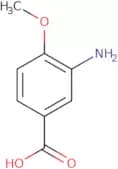
CAS:<p>Please enquire for more information about 3-{[(4-Methylphenyl)sulfonyl]amino}benzoic acid including the price, delivery time and more detailed product information at the technical inquiry form on this page</p>Formula:C14H13NO4SPurity:Min. 95%Color and Shape:PowderMolecular weight:291.32 g/mol3-Amino-4-anisic acid
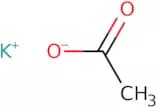
CAS:<p>3-Amino-4-anisic acid is a conjugate of an aromatic carboxylic acid and an amino group. The vapor pressure of 3-amino-4-anisic acid is higher than that of the free 3-amino-4-anisic acid. Immunocompetent cells are the most sensitive to this compound, with metastasis and tumor growth being inhibited. This compound is also used in the treatment of cancer, although it has not been proven to be effective for all cancers. Sorafenib and other compounds that have similar structures may be used as substitutes for 3-amino-4-anisic acid in some cases. There are two isomers of 3-amino-4-anisic acid: cis and trans form. The cis form has better binding properties than the trans form, which can lead to decreased efficacy when a mixture of both forms is used. Hyaluronic acid and link</p>Formula:C8H9NO3Purity:Min. 95%Color and Shape:PowderMolecular weight:167.16 g/molPotassium acetate
CAS:<p>Potassium acetate is a chemical compound that contains the element potassium. It is a white, water-soluble solid that can be found in many household items such as fertilizers and soaps. Potassium acetate is used as an electrolyte in biological samples because it has a high redox potential and can be easily detected by various analytical methods. The concentration of potassium acetate in biological samples can be determined by measuring the absorbance at 550 nm. This test is useful for determining the level of potassium in blood plasma or serum, which are often used as indicators of kidney function or heart disease. <br>Potassium acetate has been shown to have anti-inflammatory effects and may be beneficial for people with alopecia areata or autoimmune diseases such as rheumatoid arthritis, psoriasis, or lupus. Potassium acetate may also have some benefits for people with fatty acid metabolism disorders or who need calcium pantothenate treatment due to vitamin B deficiency.</p>Formula:C2H3KO2Color and Shape:PowderMolecular weight:98.14 g/molMethyl phenylacetate
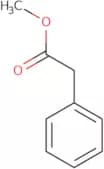
CAS:Controlled Product<p>Methyl phenylacetate is a coumarin derivative that is synthesized by an asymmetric synthesis using a solid catalyst. It has been shown to have antiproliferation activity in cell culture studies and to inhibit the growth of certain cancer cells. The reactions are catalyzed by hydrophobic effect, which helps to bind the methyl phenylacetate with trifluoroacetic acid and form the bound form. This then reacts with hydroxy methyl or dihydroconiferyl alcohol, forming methyl phenacyl acetate as the product.</p>Formula:C9H10O2Purity:Min. 95%Molecular weight:150.17 g/mol4-(Dimethylamino)phenylaceticacid
CAS:<p>4-(Dimethylamino)phenylacetic acid (DMAPA) is a chemical inhibitor that binds to fatty acids. It has been shown to have antitumor effects on prostate cancer cells in vitro and in vivo, as well as anti-inflammatory properties. DMAPA also inhibits the synthesis of prostaglandins, which may be due to its binding to amines or the uv irradiation of the molecule. DMAPA has been shown to be effective in preventing the aggregation of serotonin receptors, which may play a role in its potential use for treating depression.</p>Formula:C10H13NO2Purity:Min. 95%Color and Shape:PowderMolecular weight:179.22 g/molHippuric acid
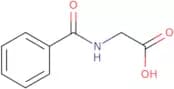
CAS:<p>Hippuric acid is a metabolite of benzoate that is excreted in urine. It can be detected as a marker for bowel disease and cancer, as well as being an indicator of the metabolic effects due to electrochemical impedance spectroscopy. Hippuric acid is also a substrate for the enzyme hippurate hydroxylase, which converts it to benzoate. The biological samples used in this study were from patients with carcinoid syndrome, who have high levels of hippuric acid in their urine due to increased production by tumor cells.</p>Formula:C9H9NO3Purity:Min. 95%Color and Shape:PowderMolecular weight:179.17 g/mol3-Phenoxyphenylacetic acid
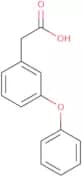
CAS:<p>3-Phenoxyphenylacetic acid is a diphenyl ether compound. It is used as a preservative and has antimycobacterial activity. 3-Phenoxyphenylacetic acid has been shown to be active against tuberculosis, with an MIC of 0.5 ug/mL. In addition, it can inhibit the growth of methicillin-resistant Staphylococcus aureus (MRSA) and erythromycin-resistant Mycobacterium tuberculosis. The mechanism of action is not fully understood, but may involve the inhibition of electron transport or oxidative phosphorylation in bacterial cells. 3-Phenoxyphenylacetic acid also inhibits the formation of reactive oxygen species from NADPH oxidase in human neutrophils, which may contribute to its antimicrobial activity.</p>Formula:C14H12O3Purity:Min. 95%Color and Shape:PowderMolecular weight:228.24 g/mol3,5-Difluoro-4-methoxybenzoic acid
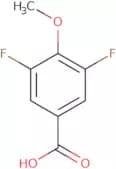
CAS:<p>3,5-Difluoro-4-methoxybenzoic acid is a chemical compound that is used as both a starting material and an intermediate in organic synthesis. It can be obtained from the reaction of 2,4-difluoro-3-methoxybenzoyl chloride with 3,5-dimethoxyaniline. 3,5-Difluoro-4-methoxybenzoic acid has been shown to be useful as a building block in the synthesis of other compounds with potent antibiotic activity such as fluoroquinolones. This compound is also used to synthesize aminomethylcyclohexane and methylaminomethylcyclohexane, which are useful in the manufacture of pesticides.</p>Formula:C8H6F2O3Purity:Min. 95%Color and Shape:PowderMolecular weight:188.13 g/mol4-Amino-3-pyridinecarboxylic acid
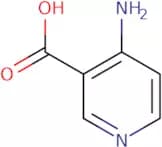
CAS:<p>4-Amino-3-pyridinecarboxylic acid (4APC) is a histidine amino acid. It is an intermediate in the synthesis of 6-aminonicotinic acid, which is an intermediate in the synthesis of nicotinamide, an important vitamin. 4APC has been used as a chemical probe to elucidate the transfer mechanism of amines to histidine. The active methylene group on 4APC can be easily detected by high-throughput analysis using liquid chromatography with fluorescence detection. The 3-aminoisonicotinic acid product can be detected by nmr spectra and electron microscope imaging. A synthetic route for 4APC involves ammonolysis followed by fluorescence resonance energy transfer.</p>Formula:C6H6N2O2Purity:Min. 95%Color and Shape:Brown PowderMolecular weight:138.12 g/molQuillaic acid
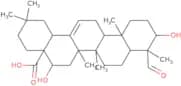
CAS:Controlled Product<p>Quillaic acid is a natural product that has been found to show significant cytotoxicity. It has been shown to have anti-inflammatory and anti-microbial properties, as well as the ability to inhibit pro-apoptotic proteins. Quillaic acid is a saponin with a chemical structure that includes nitrogen atoms and hydroxyl groups. It also contains cisplatin-induced nephrotoxicity and can be used for the treatment of infectious diseases. Quillaic acid has significant structural similarities to cisplatin, which is an anticancer agent that inhibits DNA synthesis by binding to DNA gyrase and topoisomerase IV in bacterial cells.</p>Formula:C30H46O5Purity:Min. 95%Color and Shape:PowderMolecular weight:486.68 g/mol3,4-(Methylenedioxy)-6-nitrocinnamic acid
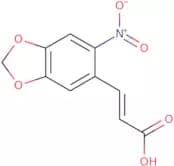
CAS:<p>3,4-(Methylenedioxy)-6-nitrocinnamic acid is a cytotoxic molecule that inhibits the growth of cells by interfering with the synthesis of proteins. It binds to DNA and prevents the transcription process from occurring. This molecule has been shown to inhibit endoplasmic reticulum and Golgi apparatus functions in plant cells. 3,4-(Methylenedioxy)-6-nitrocinnamic acid has also been used as a polymerization agent for polyacrylamide gels. A number of modifications have been made to this molecule in order to increase its effectiveness, such as methyl esterification and mutagenesis. This compound has also been shown to enhance Taxol's anti-cancer effects on cell cultures.</p>Formula:C10H7NO6Purity:Min. 90%Color and Shape:White PowderMolecular weight:237.17 g/molSubstance P acetate salt
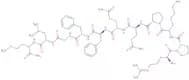
CAS:<p>The Substance P acetate salt is a white or off-white crystalline powder. It is soluble in ethanol and methanol, sparingly soluble in water, and insoluble in ether. The Substance P acetate salt has been widely used as a research chemical and building block for the synthesis of complex compounds. The CAS number for the substance is 137348-11-9.</p>Formula:C63H98N18O13S·C2H4O2Purity:Min. 95 Area-%Color and Shape:PowderMolecular weight:1,407.68 g/molp-Coumaric acid 4-O-sulfate disodium
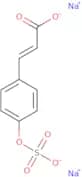
CAS:<p>p-Coumaric acid 4-O-sulfate disodium salt is a high quality, reagent, complex compound. It is an intermediate in the synthesis of pyridoxal 5′-phosphate and may be used as a building block for the synthesis of other compounds. It is also a speciality chemical that may be used as a reaction component in organic synthesis.</p>Formula:C9H8O6S•Na2Purity:95%MinColor and Shape:PowderMolecular weight:290.2 g/molFormamidine acetate
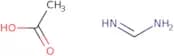
CAS:Controlled Product<p>Formamidine acetate is an anti-tuberculosis drug that belongs to the class of aminoglycosides. It has been shown to have a potent cytotoxic effect on malignant brain cells in vitro. Formamidine acetate inhibits bacterial growth by binding to DNA-dependent RNA polymerase, thereby preventing transcription and replication. The high frequency of human activity has been shown using a patch-clamp technique on human erythrocytes. This active form is metabolized through a number of metabolic transformations, including hydrolysis by esterases or glucuronidases, oxidation by cytochrome P450 enzymes, reduction by glutathione reductase, or conjugation with glucuronic acid. Formamidine acetate also specifically binds to markers expressed at high levels in Mycobacterium tuberculosis strains (e.g., ESX-1 secretion system protein) and inhibits cell growth in culture.</p>Formula:C2H4O2•CH4N2Purity:Min. 95%Color and Shape:Off-White Clear LiquidMolecular weight:104.11 g/mol2,2'-Azoxydibenzoic acid
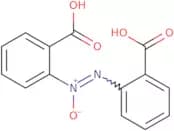
CAS:<p>2,2'-azoxydibenzoic acid is a high quality chemical that is used as a reagent, complex compound, and research chemical. It has CAS No. 573-79-5 and has the molecular formula of C8H4N2O4. This compound is useful as an intermediate, fine chemical, or speciality chemical in synthesis. 2,2'-Azoxydibenzoic acid can be used as a building block for scaffolds or as a versatile building block in reaction components.</p>Formula:C14H10N2O5Purity:Min. 95%Molecular weight:286.24 g/mol6-(3-(Adamantan-1-yl)-4-methoxyphenyl)-2-naphthoic acid
CAS:Controlled Product<p>Agonist of retinoic acid receptors (RAR-? and RAR-?); pro-apoptotic</p>Formula:C28H28O3Purity:Min. 95%Color and Shape:PowderMolecular weight:412.52 g/mol5-Bromovaleric acid methyl ester
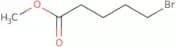
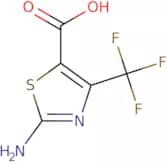
CAS:<p>5-Bromovaleric acid methyl ester is a molecule that can be used as a model system for population growth. It has been shown to activate the CB2 receptor in mice and stimulate the production of polyclonal antibodies. 5-Bromovaleric acid methyl ester may be a potential drug target for treating inflammatory conditions such as psoriasis, Crohn's disease, and ulcerative colitis. The compound has also been shown to inhibit cyclooxygenase enzymes in human platelets. 5-Bromovaleric acid methyl ester can also be used as an analytical tool for determining the concentration of conjugates in urine samples by gas chromatography.</p>Formula:C6H11BrO2Purity:Min. 95%Color and Shape:Clear LiquidMolecular weight:195.05 g/mol2-Amino-4-(trifluoromethyl)thiazole-5-carboxylic acid
CAS:<p>Please enquire for more information about 2-Amino-4-(trifluoromethyl)thiazole-5-carboxylic acid including the price, delivery time and more detailed product information at the technical inquiry form on this page</p>Formula:C5H3F3N2O2SPurity:Min. 95%Molecular weight:212.15 g/molDodeca 2E,4E,8Z,10E,Z-tetraenoic acid isobutylamide - ca. 10 mg/ml acetonitrile solution
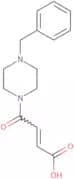
CAS:<p>Dodeca 2E,4E,8Z,10E,Z-tetraenoic acid isobutylamide (DETBA) is a versatile building block that is used in the synthesis of natural products and pharmaceuticals. DETBA can be used as a reaction component in organic synthesis to form complex compounds such as polyesters, polyamides, polyurethanes, and polyimides. It also has high quality and can be used in research or speciality chemical applications.</p>Formula:C16H25NOPurity:Min. 96 Area-%Color and Shape:Clear LiquidMolecular weight:247.38 g/mol4-Oxo-4-(4-benzylpiperazinyl)but-2-enoic acid
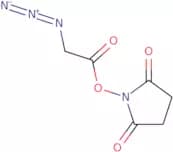
CAS:Controlled Product<p>Please enquire for more information about 4-Oxo-4-(4-benzylpiperazinyl)but-2-enoic acid including the price, delivery time and more detailed product information at the technical inquiry form on this page</p>Formula:C15H18N2O3Purity:Min. 95%Color and Shape:PowderMolecular weight:274.32 g/mol(2,5-Dioxopyrrolidin-1-yl) 2-azidoacetate
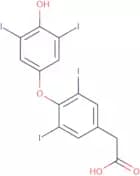
CAS:<p>(2,5-Dioxopyrrolidin-1-yl) 2-azidoacetate is an azide derivative of the amino acid lysine. It is a binder that can form architectures with fatty acids. The binding properties of (2,5-Dioxopyrrolidin-1-yl) 2-azidoacetate depend on the concentration of salt present and the temperature. For example, at low concentrations of salt and at cryogenic temperatures, it binds to DNA and inhibits transcription. Under these conditions, (2,5-Dioxopyrrolidin-1-yl) 2-azidoacetate can be used as a linker for conjugates such as antibodies or fluorescent probes. In contrast, at higher concentrations of salt or at room temperature, (2,5-Dioxopyrrolidin-1-yl) 2-azidoacetate can bind to proteins in place of fatty acids and</p>Formula:C6H6N4O4Purity:Min. 95 Area-%Color and Shape:PowderMolecular weight:198.14 g/mol3,5,3',5'-Tetraiodothyroacetic acid
CAS:<p>3,5,3',5'-Tetraiodothyroacetic acid (T4) is a thyroid hormone that can be found in the blood and has been shown to have angiogenic properties. T4 has been shown to bind to integrin receptors on endothelial cells and stimulate the proliferation of these cells. This hormone also has pro-apoptotic activity, inducing programmed cell death in cancer cells. T4 is used as a model system for studying the molecular pathogenesis of thyroid cancer. T4 is also able to inhibit DNA polymerase activity, which may be responsible for its ability to inhibit tumor growth.</p>Formula:C14H8I4O4Purity:Min. 95%Color and Shape:White PowderMolecular weight:747.83 g/mol2-Bromo-5-fluorocinnamic acid
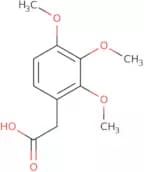
CAS:<p>2-Bromo-5-fluorocinnamic acid is a high quality, reagent, complex compound of the chemical family of phenols. It has CAS No. 939410-87-4 and is a useful intermediate in the synthesis of fine chemicals. The compound has been used as a speciality chemical for research purposes and has been found to be a versatile building block for the synthesis of new compounds. 2-Bromo-5-fluorocinnamic acid can be used as a reaction component in organic synthesis reactions, such as esterification, nucleophilic substitution, and condensation reactions.</p>Formula:C9H6BrFO2Purity:Min. 95%Color and Shape:PowderMolecular weight:245.05 g/mol(2,3,4-Trimethoxyphenyl)acetic acid
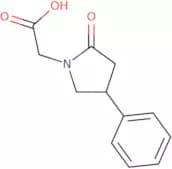
CAS:<p>(2,3,4-Trimethoxyphenyl)acetic acid is a potent compound that binds to the 5-ht7 receptor. It has been shown to inhibit the binding of 5-HT to the 5-HT1A and 5-HT7 receptors. This drug has also been shown to have affinity for the receptor and may be used in the treatment of depression, anxiety, and other mood disorders.</p>Formula:C11H14O5Purity:Min. 95%Color and Shape:White Off-White PowderMolecular weight:226.23 g/mol(2-Oxo-4-phenylpyrrolidin-1-yl)acetic acid
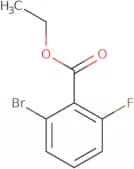
CAS:<p>Phenotropil is a nootropic drug that belongs to the group of aromatic amines. It is a high-activity, active compound with optical activity and an analyzed structure. Phenotropil has been shown to be safe and effective in the treatment of overweight patients with mild cognitive impairment (MCI). Phenotropil has also been used as an adjuvant therapy for brain trauma and cerebrovascular diseases. The most common side effects are nausea, vomiting, diarrhea, dizziness, headache, agitation, drowsiness, insomnia, depression, and hallucinations. Phenotropol can exist as two optical isomers: R-(+)-phenylpiracetam and S-(-)-phenylpiracetam. These optical isomers have different pharmacological properties.</p>Formula:C12H13NO3Purity:Min. 95%Color and Shape:PowderMolecular weight:219.24 g/mol2-Bromo-6-fluorobenzoic acid ethyl ester
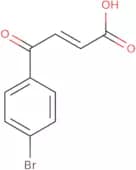
CAS:<p>2-Bromo-6-fluorobenzoic acid ethyl ester is a chemical that reacts with other chemicals to form new substances. It is a useful scaffold for complex compounds and can be used as a building block for fine chemicals, pharmaceuticals, agrochemicals, and other organic compounds. 2-Bromo-6-fluorobenzoic acid ethyl ester is also a versatile building block or intermediate in the synthesis of many different substances.</p>Formula:C9H8BrFO2Purity:Min. 90%Color and Shape:PowderMolecular weight:247.06 g/mol3-(4-Bromobenzoyl)-acrylic acid
CAS:<p>3-(4-Bromobenzoyl)-acrylic acid is a chiral secondary amine that was synthesised in the laboratory. It is an inhibitor of xanthine oxidase, which is an enzyme involved in purine metabolism. The compound inhibits the enzyme by binding to it and preventing it from breaking down xanthine into uric acid. This has been shown to inhibit xanthine oxidase activity in vitro, but not in vivo. 3-(4-Bromobenzoyl)-acrylic acid has been shown to be more potent than some other inhibitors, such as thiourea and erythromycin. However, it has only been studied at low concentrations so far and its effects on human cells are unknown.</p>Formula:C10H7BrO3Purity:Min. 95%Color and Shape:PowderMolecular weight:255.06 g/mol2,5-Dimethylbenzoic acid methyl ester
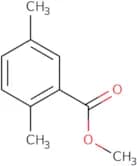
CAS:<p>2,5-Dimethylbenzoic acid methyl ester is an organic compound that belongs to the class of diketones. It is a crystalline solid with a melting point of about 120 °C. The compound is used for the synthesis of other chemicals and as a precursor to pharmaceuticals. 2,5-Dimethylbenzoic acid methyl ester can be produced by photocycloaddition, which involves uv irradiation and heat. This reaction produces two isomers: trans-2,5-dimethylbenzoic acid methyl ester and cis-2,5-dimethylbenzoic acid methyl ester. Trans-2,5-dimethylbenzoic acid methyl ester has been shown to undergo conformational change when heated to 120 °C, while cis-2,5-dimethylbenzoic acid methyl ester does not show this effect.</p>Formula:C10H12O2Purity:Min. 95 Area-%Color and Shape:PowderMolecular weight:164.2 g/mol4-Acetoxymethylbenzoic acid
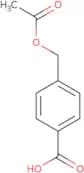
CAS:<p>4-Acetoxymethylbenzoic acid is a chemical compound with the formula CH3CO2C6H4O2. It is a white solid that reacts with butyric acid to form 4-acetoxybutanoic acid. The reaction may be carried out in a sealed tube at room temperature, and the product precipitates as the reaction proceeds. This chemical can also be used in the synthesis of polystyrene through the nitration process. Nitrate, butanoic acid, terephthalic acid, and solvents are some of the reactants required for this process.<br>The following is an example of one possible product description:</p>Formula:C10H10O4Purity:Min. 95%Color and Shape:White/Off-White SolidMolecular weight:194.18 g/molAndrostenediol 3-acetate
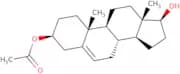
CAS:Controlled Product<p>Androstenediol 3-acetate is an oxime that is used as a coupling agent in organic synthesis. It uncouples oxidative phosphorylation by forming a covalent bond to the enzyme cytochrome-c oxidase, which is involved in the electron transport chain of mitochondria. This inhibits ATP production and forces the cell to rely on anaerobic glycolysis for energy. The efficiency of this reaction was determined through nuclear magnetic resonance spectroscopy and found to be about 60%. Androstenediol 3-acetate has been shown to increase myocardial contractility and cause cardiac hypertrophy in rats.</p>Formula:C21H32O3Purity:Min. 95%Color and Shape:PowderMolecular weight:332.48 g/mol7-Keto abiraterone acetate
<p>7-Keto abiraterone acetate is a chemical compound that is used as a reagent in organic chemistry. It reacts with various electrophiles to form useful scaffolds for the synthesis of complex compounds. 7-Keto abiraterone acetate is a versatile building block, which can be used as a starting material or intermediate in the synthesis of many speciality chemicals. It has been reported to react with other reagents such as diazomethane and ethyl chloroformate to form good quality products. The CAS number for 7-keto abiraterone acetate is 383482-35-5.</p>Formula:C26H31NO3Purity:Min. 97 Area-%Color and Shape:PowderMolecular weight:405.53 g/mol5-(2-Chlorophenyl)thiophene-2-carboxylic acid
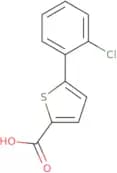
CAS:<p>5-(2-Chlorophenyl)thiophene-2-carboxylic acid is a reagent, complex compound, and useful intermediate that belongs to the class of fine chemicals. CAS No. 500604-91-1 is a speciality chemical that is used as a versatile building block in research chemicals and as a reaction component for the synthesis of new drugs. It is also an excellent building block for synthesizing 1,4-benzothiazepines and other heterocyclic compounds.</p>Formula:C11H7ClO2SPurity:Min. 95%Color and Shape:PowderMolecular weight:238.69 g/mol7,7-Dimethyl-2,5-dioxo-1,2,5,6,7,8-hexahydroquinoline-3-carboxylic acid
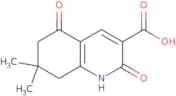
CAS:<p>Please enquire for more information about 7,7-Dimethyl-2,5-dioxo-1,2,5,6,7,8-hexahydroquinoline-3-carboxylic acid including the price, delivery time and more detailed product information at the technical inquiry form on this page</p>Formula:C12H13NO4Purity:Min. 95%Color and Shape:PowderMolecular weight:235.24 g/molLithospermic acid
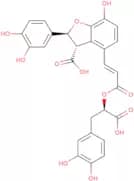
CAS:<p>Lithospermic acid is a natural product that belongs to the family of benzoquinones. It has been shown to inhibit the growth of cells by binding to their DNA polymerase and preventing it from synthesizing DNA. Lithospermic acid also binds to the surface of cells and inhibits cell cycle progression. This product is used in coronary heart disease treatment due to its ability to inhibit oxidative injury and improve lipid metabolism. Lithospermic acid inhibits cyclin D2, which is an important protein for tumor formation. The drug has also been shown to have anti-inflammatory effects in rat models of colitis and arthritis</p>Formula:C27H22O12Purity:Min. 95%Color and Shape:Slightly Brown PowderMolecular weight:538.46 g/mol2,4-Dichlorophenylacetic acid
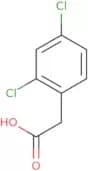
CAS:<p>2,4-Dichlorophenylacetic acid is a metabolite of 2,4-dichlorophenoxyacetic acid. It has been used as an analytical marker for the latter compound in urine samples. The metabolic rate of 2,4-DPA is related to the concentration of pyridoxine hydrochloride in plant tissue. This chemical reacts with light to form 2,4-dichlorobenzoic acid and undergoes photochemical reactions.</p>Formula:C8H6Cl2O2Purity:Min. 95%Color and Shape:PowderMolecular weight:205.04 g/mol6-Fluoro-2-(2'-fluorobiphenyl-4-yl)-3-methylquinoline-4-carboxylic acid
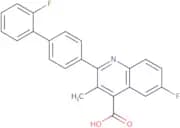
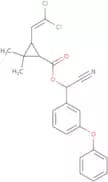
CAS:<p>Brequinar sodium is a drug that belongs to the class of quinoline carboxylic acid derivatives. It has been shown to be effective in the treatment of infectious diseases and bowel disease. Brequinar sodium inhibits bacterial growth by binding to DNA-dependent RNA polymerase, thereby preventing transcription and replication. The high frequency of human activity has been shown using a patch-clamp technique on human erythrocytes. This active form is metabolized through a number of metabolic transformations, including hydrolysis by esterases or glucuronidases, oxidation by cytochrome P450 enzymes, reduction by glutathione reductase, or conjugation with glucuronic acid. Brequinar also specifically binds to markers expressed at high levels in Mycobacterium tuberculosis strains (e.g., ESX-1 secretion system protein) and inhibits cell growth in culture.</p>Formula:C23H15F2NO2Purity:Min. 97 Area-%Color and Shape:White/Off-White SolidMolecular weight:375.37 g/molCyano-3-phenoxybenzyl 3-(2,2-dichloroethenyl)-2,2-dimethylcyclopropanecarboxylate
CAS:<p>Cypermethrin is an insecticide that belongs to the family of chemical pesticides. It is used in agriculture and in public health to control malaria-transmitting mosquitoes, head lice, and scabies mites. Cypermethrin disrupts the insect nervous system by inhibiting the function of synapses between nerves, resulting in paralysis and death. The compound also affects signal pathways that regulate locomotor activity and enzyme activities. Cypermethrin has been shown to have a high resistance to degradation by glycol ethers such as ethylene glycol monomethyl ether acetate (EGMEA). It has an optimum concentration of 0.01 ppm for mosquito control and 0.1 ppm for lice control. The analytical method involves liquid chromatography with sodium citrate as an ion-pairing agent and a linear calibration curve using a standard curve generated from known concentrations of cypermethrin.</p>Formula:C22H19Cl2NO3Purity:Min. 95%Color and Shape:Colorless Clear LiquidMolecular weight:416.3 g/molEthyl 2-chloro-2-(hydroxyimino)acetate
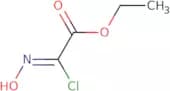
CAS:<p>Ethyl 2-chloro-2-(hydroxyimino)acetate is an organic compound that contains a chloride group, two oxadiazole rings, and an ethyl group. It has been shown to bind to receptors on the surface of cells and act as a competitive antagonist. It has also been shown to inhibit influenza virus growth by binding to the receptor binding site on the virus surface. Ethyl 2-chloro-2-(hydroxyimino)acetate can be made synthetically or in nature by the reaction of formaldehyde with ammonia, which produces glutamic acid and hydrogen chloride gas. This molecule is able to react with sodium carbonate in water to produce ethyl chloroformate. The molecule has been shown to have cancerous effects when injected into rats.</p>Formula:C4H6ClNO3Purity:Min. 95%Color and Shape:PowderMolecular weight:151.55 g/molDL-erythro Ritalinic acid
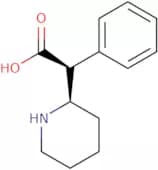
CAS:Controlled Product<p>DL-erythro Ritalinic acid is a fine chemical that is used as a versatile building block in the synthesis of complex compounds. It is also a useful intermediate in research chemicals and speciality chemicals production. DL-erythro Ritalinic acid can be used as a reaction component to form complex compounds. This chemical has high purity and quality, making it an excellent reagent for use in laboratory reactions.</p>Formula:C13H17NO2Purity:Min. 90%Color and Shape:PowderMolecular weight:219.28 g/mol5-Methoxyindole-2-carboxylic acid
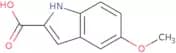
CAS:<p>5-Methoxyindole-2-carboxylic acid is a molecule that belongs to the class of diazonium salts. It is a potent inhibitor of mitochondrial membrane potential and has been shown to have anti-diabetic effects in animal models. 5-Methoxyindole-2-carboxylic acid also inhibits sperm motility, which may be due to its ability to inhibit uv absorption. This compound has been shown to be an effective agent in the treatment of brain infarctions when administered chronically orally. The mechanism of action is not known, but it may involve inhibition of potassium ion uptake or hydrogen bond formation with fatty acids.</p>Formula:C10H9NO3Color and Shape:PowderMolecular weight:191.18 g/mol6-Chloro-7-methylchromone-2-carboxylic acid
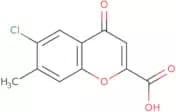
CAS:<p>6-Chloro-7-methylchromone-2-carboxylic acid is a fine chemical that has been used as a versatile building block for the synthesis of complex compounds. It has been shown to be an effective reaction component in the synthesis of 1,4-benzoquinones and N'-acylhydrazones. 6-Chloro-7-methylchromone-2-carboxylic acid is also a useful intermediate in the preparation of other chemicals, such as pharmaceuticals and pesticides. This compound can be used as an additive to improve the quality of high purity reagents.</p>Formula:C11H7ClO4Purity:Min. 95%Molecular weight:238.62 g/molIron(II) acetate
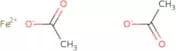
CAS:<p>Iron(II) acetate is a salt formed by the reaction of ethylene diamine and iron(II). It has been proposed as an alternative to iron oxide for use in magnetic separation. Iron(II) acetate is a catalyst for the production of antimicrobial agents, which are used to control the growth of bacteria. Iron(II) acetate has also been shown to accelerate the production of angiogenic factors in response to nutrient solution and can be used as a solid catalyst for hydrogenation reactions. Iron(II) acetate is also used in detergent compositions because it binds with particulates and other small particles, such as soil and dust. This makes it possible for these materials to be removed from fabrics through washing. The particles are magnetically attracted to the iron, which are then removed during the rinse cycle.</p>Formula:C4H6O4FePurity:Min. 95%Molecular weight:173.93 g/molα-Methylhydrocinnamic acid
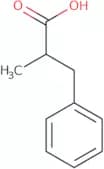
CAS:<p>Alpha-methylhydrocinnamic acid (AMHA) is a synthetic enantiomer of 2-phenylbutyric acid, which has been shown to inhibit the growth of k562 cells. It is also a substrate for fatty acid synthase and may play an important role in fatty acid metabolism. AMHA has been shown to inhibit the production of reactive oxygen species by phagocytic cells exposed to ionizing radiation, which may be due to its ability to scavenge hydroxyl radicals. The effect of AMHA on hematopoietic cells, including neutrophils and bone marrow cells, has not yet been determined.</p>Formula:C10H12O2Purity:Min. 95%Color and Shape:White Clear LiquidMolecular weight:164.2 g/mol4-Methoxy-3-nitrobenzoic acid
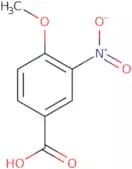
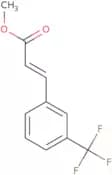
CAS:<p>4-Methoxy-3-nitrobenzoic acid is a hydroxybenzoic acid, and belongs to the group of heterocyclic compounds. It is a preactivated hydroxybenzoate that can be used in the synthesis of griseoluteic acid with chloride as an electron donor. Griseoluteic acid has inhibitory activities on isolated yield. This compound also has potent antitumor activity, which may be due to its ability to inhibit DNA synthesis and protein synthesis by binding to DNA polymerase and ribosomes respectively. Preparative high performance liquid chromatography (HPLC) using this compound is possible with marine microorganisms as the stationary phase. The x-ray absorption spectrum shows that 4-methoxy-3-nitrobenzoic acid has potential for use as a contrast agent for x-rays in imaging tissues.</p>Formula:C8H7NO5Purity:Min. 98 Area-%Color and Shape:PowderMolecular weight:197.14 g/mol3-(Trifluoromethyl)cinnamic acid methyl ester
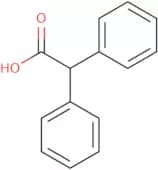
CAS:<p>3-(Trifluoromethyl)cinnamic acid methyl ester is a high quality chemical that can be used as a reagent, intermediate, or building block. It is also a speciality chemical that can be used in research. 3-(Trifluoromethyl)cinnamic acid methyl ester has been shown to be useful for the synthesis of various complex compounds. This compound is also versatile, and can serve as a reaction component for different reactions.</p>Formula:C11H9F3O2Purity:Min. 95%Color and Shape:PowderMolecular weight:230.18 g/molDiphenylacetic acid
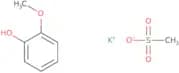
CAS:<p>Diphenylacetic acid is a chiral compound that has been shown to inhibit the synthesis of prostaglandin E2 (PGE2) and other inflammatory mediators, which play a role in autoimmune diseases. The synthesis of these mediators is dependent on the enzyme cyclooxygenase-1 (COX-1). Diphenylacetic acid inhibits COX-1 by forming an acyl ester with arachidonic acid, which blocks the formation of PGE2. This drug also inhibits COX-2 and leukotriene A4 hydrolase, which are enzymes involved in inflammation. Diphenylacetic acid has been shown to be effective in inhibiting the detrusor muscle contractions that cause urinary incontinence.</p>Formula:C14H12O2Purity:Min. 95%Color and Shape:PowderMolecular weight:212.24 g/molGualicol sulfonic acid potassium salt
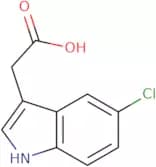
CAS:<p>Gualicol sulfonic acid potassium salt is a potassium salt that has expectorant properties. It can be used for the treatment of respiratory conditions such as bronchitis and asthma. Gualicol sulfonic acid potassium salt is used to treat coughs and other symptoms of respiratory infections, such as bronchitis and asthma. The drug is administered by mouth in tablet form.</p>Formula:C7H7KO5SPurity:Min. 95%Color and Shape:PowderMolecular weight:242.29 g/mol5-Chloroindole-3-acetic acid
CAS:<p>5-Chloroindole-3-acetic acid (5CI3A) is a compound that belongs to the indole class of compounds. It is structurally similar to the amino acid tryptophan, which makes it a good template molecule for the synthesis of other indoles. 5CI3A is mainly found in plants and bacteria, where it acts as an auxin. In plants, 5CI3A stimulates cell elongation and leaf growth by interacting with plant hormones such as auxins and gibberellins. This compound also binds to serum albumin, which may be responsible for its low toxicity in humans. 5CI3A has been shown to inhibit the activity of human serum albumin by forming hydrogen bonds with it. This inhibition reduces the binding affinity of 5CI3A for other proteins in serum, making it less likely to interact with them than if there were no binding competition.</p>Formula:C10H8ClNO2Color and Shape:PowderMolecular weight:209.63 g/molDihydrocortisone 21-acetate
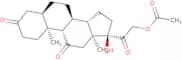
CAS:Controlled Product<p>Dihydrocortisone 21-acetate is a synthetic steroid hormone that has radical mechanism of action. It is used to treat inflammatory and autoimmune diseases, such as rheumatoid arthritis, lupus erythematosus, dermatitis herpetiformis, myasthenia gravis, and Behçet's disease. This drug can be synthesized from the reaction of prednisolone with acetyl chloride. Dihydrocortisone 21-acetate is an ester of hydrocortisone or cortisone. It may also be obtained from plant sources by hydrolysis of chlorocarbonates. Dihydrocortisone 21-acetate is freely soluble in dimethylformamide (DMF) and tetrazolium salts are used as the indicator for its presence.</p>Formula:C23H32O6Purity:Min. 95%Color and Shape:PowderMolecular weight:404.5 g/mol3H-Imidazo[4,5-c]pyridine-7-carboxylic acid
CAS:<p>3H-Imidazo[4,5-c]pyridine-7-carboxylic acid is a useful chemical that can be used as a reaction component for the synthesis of other compounds. It is an intermediate in the synthesis of many other chemicals. 3H-Imidazo[4,5-c]pyridine-7-carboxylic acid is a high quality chemical with a CAS number of 1234616-39-7.</p>Formula:C7H5N3O2Purity:Min. 95 Area-%Color and Shape:PowderMolecular weight:163.13 g/mol2,5-Dichloroterephthalic acid
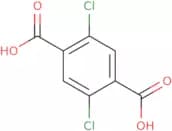
CAS:<p>2,5-Dichloroterephthalic acid is a luminescent chemical that has been shown to be able to act as a probe for transcription-polymerase chain reactions. It can be used as a luminescent probe to detect hydrogen bond interactions by measuring the amount of light emitted by the compound. 2,5-Dichloroterephthalic acid has an ether linkages and is stable in many solvents, including organic solvents and water. The reaction time for this compound is fast and it emits a green light when it reacts with oxygen.</p>Formula:C8H4Cl2O4Purity:Min. 95%Color and Shape:PowderMolecular weight:235.02 g/mol





![6-[(6-Aminohexyl)amino]-6-oxo-hexanoic Acid](/_next/image/?url=https%3A%2Fstatic.cymitquimica.com%2Fproducts%2FTR%2Fthumb-webp%2FA610100.webp&w=3840&q=75)
![tert-Butyl [(1R,2S,5S)-2-Amino-5-[(dimethylamino)carbonyl]cyclohexyl]carbamate Oxalate](/_next/image/?url=https%3A%2Fstatic.cymitquimica.com%2Fproducts%2FTR%2Fthumb-webp%2FB809515.webp&w=3840&q=75)



![3-{[(4-Methylphenyl)sulfonyl]amino}benzoic acid](/_next/image/?url=https%3A%2Fstatic.cymitquimica.com%2Fproducts%2F3D%2Fthumb-webp%2FFM136721.webp&w=3840&q=75)





![3H-Imidazo[4,5-c]pyridine-7-carboxylic acid](/_next/image/?url=https%3A%2Fstatic.cymitquimica.com%2Fproducts%2F3D%2Fthumb-webp%2FFI167598.webp&w=3840&q=75)