


Carboxylic Acids
Carboxylic acids are organic molecules characterized by having a carboxyl-type functional group (-COOH). These acids are fundamental in various chemical reactions, including esterification, amidation, and decarboxylation. Carboxylic acids are widely used in the production of pharmaceuticals, polymers, and agrochemicals. In this section, you can find a large number of carboxylic acids ready to be used. At CymitQuimica, we provide a broad range of high-quality carboxylic acids to support your research and industrial applications.
Found 12453 products of "Carboxylic Acids"
Sort by
Purity (%)
0
100
|
0
|
50
|
90
|
95
|
100
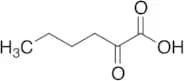
2-Oxohexanoic Acid
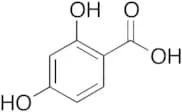
CAS:Controlled Product<p>Applications 2-Oxohexanoic Acid (cas# 2492-75-3) has been useful in a biological study that investigated the impact of glutathione on wines oxidative stability.<br>References Nikolantonaki, M., et al.: Front. Chem. (Lausanne, Switzerland), 6, 182 (2018)<br></p>Formula:C6H10O3Color and Shape:NeatMolecular weight:130.142,4-Dihydroxybenzoic Acid
CAS:<p>Applications 2,4-Dihydroxybenzoic acid is a useful synthetic intermediate. An organic building block for plastics and rubber products.<br>References Gautam, R., et al.: Cryst. Growth Des., 18, 1501 (2018); Shvedene, N. V., et al.: J. Anal. Chem., 72, 95 (2017);<br></p>Formula:C7H6O4Color and Shape:White To Off WhiteMolecular weight:154.121-Dodecanol Acetate
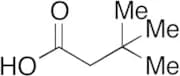
CAS:Controlled Product<p>Applications 1-Dodecanol Acetate can be used as a foaming agent in the purification process of quartz sand. Furthermore, it is a main component of the essential oil from the flowers of Etlingera elatior (Jack) R. M. Smith, which is found to be active against Staphylococcus aureus, Bacillus cereus, Candida albicans and Cryptococcus neoformans.<br>References Wang, W., et al.: Faming Zhuanli Shenqing, CN 103663469 A 20140326 (2014); Susanti, D., et al.: Journal of Essential Oil-Bearing Plants, 16, 294 (2013)<br></p>Formula:C14H28O2Color and Shape:NeatMolecular weight:228.373,3-Dimethylbutyric Acid
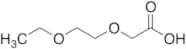
CAS:Controlled Product<p>Applications 3,3-Dimethylbutyric Acid is used in the synthesis of imidazo[4,5-c]pyridine derivatives as anitmicrobial agents.<br> Not a dangerous good if item is equal to or less than 1g/ml and there is less than 100g/ml in the package<br>References Jose. G., et. al.: Eur. J. Med. Chem., 77, 288 (2014)<br></p>Formula:C6H12O2Color and Shape:Clear Colourless To Light YellowMolecular weight:116.162-(2-ethoxyethoxy)acetic acid
CAS:<p>Applications 2-(2-ethoxyethoxy)acetic acid (cas# 7743-94-4) is a useful research chemical.<br> Not a dangerous good if item is equal to or less than 1g/ml and there is less than 100g/ml in the package<br></p>Formula:C6H12O4Color and Shape:NeatMolecular weight:148.15Cyclopropanecarboxylic Acid
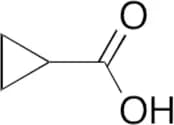
CAS:<p>Applications Cyclopropanecarboxylic Acid is used as a reagent in the synthesis of substituted 4-(thiophen-2-ylmethyl)-2H-phthalazin-1-ones as potent PARP-1 inhibitors. Also used as a reagent in the synthesis of 2-alkyloxazoles as potent and selective PI4KIIIβ inhibitors demonstrating inhibition of HCV replication.<br> Not a dangerous good if item is equal to or less than 1g/ml and there is less than 100g/ml in the package<br>References Wang, L., et al.: Bioorg. Med. Chem. Lett., 24, 3739 (2014); Keaney, E.P., et al.: Bioorg. Med. Chem. Lett., 24, 3714 (2014)<br></p>Formula:C4H6O2Color and Shape:NeatMolecular weight:86.09Ethyl 2-Chloracetoacetate
CAS:<p>Applications Ethyl 2-Chloracetoacetate is used in the preparation of oxazoles and thiazoles as agonists for peroxisome proliferator-activated receptor δ. It is also used to synthesize dimethylimidazothiadiazolecarbohydrazides with anticancer activities.<br> Not a dangerous good if item is equal to or less than 1g/ml and there is less than 100g/ml in the package<br>References Sznaidman, M., et al.: Bioorg. Med. chem. Lett., 13, 1517 (2003); Terzioglu, N., et al.: Eur. J. Med. Chem., 38, 781 (2003)<br></p>Formula:C6H9ClO3Color and Shape:NeatMolecular weight:164.592-[(Phenylsulfanyl)methyl]benzenecarboxylic Acid
CAS:<p>Applications 2-[(phenylsulfanyl)methyl]benzenecarboxylic acid (cas# 1699-03-2) is a useful research chemical.<br></p>Formula:C14H12O2SColor and Shape:NeatMolecular weight:244.31rac 2-Aminothiazoline-4-carboxylic Acid
CAS:Controlled Product<p>Stability Hygroscopic<br>Applications Used in the manufacturing of L-tryptophan by enzymic reaction.<br>References Franke, L., et al.: J. Med. Chem., 48, 6997 (2005), Fox, T., et al.: Curr. Top Med. Chem., 6, 1579 (2006),<br></p>Formula:C4H6N2O2SColor and Shape:NeatMolecular weight:146.173-Amino-4-(carboxymethyl)benzoic Acid
CAS:Controlled Product<p>Applications 3-Amino-4-(carboxymethyl)benzoic acid<br></p>Formula:C9H9NO4Color and Shape:NeatMolecular weight:195.1724,4'-(Ethyne-1,2-Diyl)Dibenzoic Acid
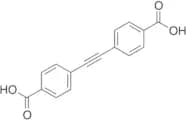
CAS:Controlled Product<p>Applications 4,4'-(ETHYNE-1,2-DIYL)DIBENZOIC ACID (cas# 16819-43-5) is a useful research chemical.<br></p>Formula:C16H10O4Color and Shape:NeatMolecular weight:266.25Fendizoic Acid
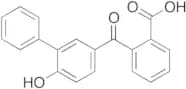
CAS:Controlled Product<p>Applications Fendizoic Acid is a reagent in the synthesis of fluorinated polyphthalazinone ethers containing perfluorophenylene moieties.<br>References Lu, Z., et al.: J. Polym. Sci. A1, 42, 925 (2004)<br></p>Formula:C20H14O4Color and Shape:NeatMolecular weight:318.32(E)-Cyano(methoxyimino)-acetic Acid
CAS:Controlled Product<p>Applications (E)-Cyano(methoxyimino)-acetic Acid is a degradation product of Cymoxanil (C988995), which is a fungicide applied as a seed treatment or as a foliar application to the plants to control late blight.<br>References Morrica, P., et al.: J. Agric. Food Chem. 52, 99 (2004); Dhingani, J. C., et al.: J. Pure. App. Microbiol., 6, 1683 (2012); Bakirici, G.T., et al.: Food. Chem., 135, 1901 (2012)<br></p>Formula:C4H4N2O3Color and Shape:NeatMolecular weight:128.09Polymaleic Acid (Aqueous Solution)
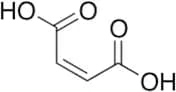
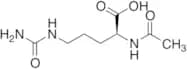
CAS:Controlled Product<p>Applications Polymaleic acid (cas# 26099-09-2) is a useful research chemical.<br></p>Formula:(C4H4O4)nColor and Shape:ColourlessMolecular weight:146.141(S)-2-Acetamido-5-ureidopentanoic Acid
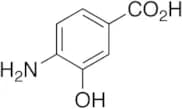
CAS:Controlled Product<p>Applications (S)-2-Acetamido-5-ureidopentanoic Acid (cas# 33965-42-3) is a useful research chemical.<br></p>Formula:C8H15N3O4Color and Shape:NeatMolecular weight:217.224-Amino-3-hydroxybenzoic Acid
CAS:Controlled Product<p>Applications 4-Amino-3-hydroxybenzoic Acid is disubsituted benzoic acid used in the preparation of various pharmaceutical compounds such as sphingosine kinase inhibitors.<br>References Kono, K. et al.: J. Antibiot., 53, 759 (2000);<br></p>Formula:C7H7NO3Color and Shape:NeatMolecular weight:153.14Phosphoric Acid Tributyl Ester
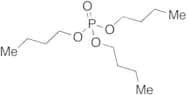
CAS:Controlled Product<p>Stability Moisture Sensitive<br>Applications Phosphoric Acid Tributyl Ester is used as a solvent in the solvent-detergent method for production of immunoglobulin for inactivation of viruses with lipid envelope on the model of duck hepatitis B virus. It is also used as a ligand in the extraction of lanthanide ions from solid and liquid materials by supercritical CO2.This compound is a contaminant of emerging concern (CECs).<br>References Zubkova, N., et al.: Bull. Exp. Biol. Med., 155, 821 (2013); Lin, Y., et al.: Anal. Chem., 66, 1971(1994)<br></p>Formula:C12H27O4PColor and Shape:ColourlessMolecular weight:266.31Carbamic Acid Propyl Ester
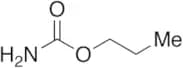
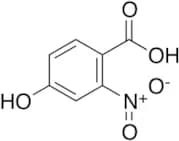
CAS:Controlled Product<p>Applications A metabolite of alkyl carbamate (ethyl or propyl).<br>References Muller, J.P., et al.: J. Chim. Phys. Physicochim. Biol., 71, 893 (1974),<br></p>Formula:C4H9NO2Color and Shape:NeatMolecular weight:103.124-Hydroxy-2-nitrobenzoic Acid
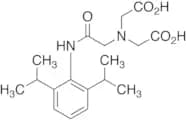
CAS:Controlled Product<p>Applications 4-hydroxy-2-nitrobenzoic acid (cas# 74230-08-3) is a useful research chemical.<br></p>Formula:C7H5NO5Color and Shape:Dark Red To Dark BrownMolecular weight:183.118N-(2,6-Diisopropylphenylcarbamoylmethyl)iminodiacetic Acid
CAS:Controlled Product<p>Applications N-(2,6-Diisopropylphenylcarbamoylmethyl)iminodiacetic Acid (cas# 65717-97-7) is a compound useful in organic synthesis.<br></p>Formula:C18H26N2O5Color and Shape:NeatMolecular weight:350.41Pentafluorobenzoic Acid
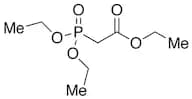
CAS:Controlled Product<p>Applications Pentafluorobenzoic acid (cas# 602-94-8) is a useful research chemical.<br></p>Formula:C7HF5O2Color and Shape:NeatMolecular weight:212.07Triethyl Phosphonoacetate
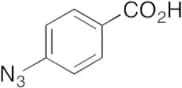
CAS:Controlled Product<p>Applications Reagent used for Horner-Emmons modification.<br> Not a dangerous good if item is equal to or less than 1g/ml and there is less than 100g/ml in the package<br>References Hediger, M., et al.: Bioorg. Med. Chem., 12, 4995 (2004), Kim, J., et al.: Nat., 452, 239 (2008),<br></p>Formula:C8H17O5PColor and Shape:ColourlessMolecular weight:224.194-Azidobenzoic Acid
CAS:Controlled Product<p>Applications A benzoic acid derivative used in photolysis reactions and biomaterial studies.<br> Not a dangerous good if item is equal to or less than 1g/ml and there is less than 100g/ml in the package<br>References Wetzels, G.M. et al.: Biomaterials., 20, 1879 (1999); Mao, C. et al.: Adv. Coll. Int. Sci., 110, 5 (2004);<br></p>Formula:C7H5N3O2Color and Shape:NeatMolecular weight:163.13Hydrazine Acetate
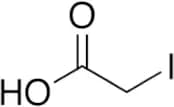
CAS:Controlled Product<p>Applications Hydrazine acetate (cas# 7335-65-1) is a useful research chemical.<br></p>Formula:C2H8N2O2Color and Shape:NeatMolecular weight:92.1Iodoacetic Acid
CAS:Controlled Product<p>Applications Used as a general reagent in acylation reactions. A byproduct formed in treated waters, and found in marine life.<br> E0<br>References Zuckermann, R.N. et al.; J. Am. Chem. Soc., 115, 10646 (1992); Bull, R., et al.: Toxicol. Appl. Pharmacol., 182, 55 (2002), Mitch, W., et al.: Water Sci. Technol., 2, 191 (2002),<br></p>Formula:C2H3IO2Color and Shape:AmberMolecular weight:185.95Trimellic Acid
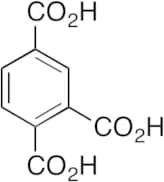
CAS:Controlled Product<p>Applications Trimellic Acid is a reagent used in the preparation of coordination polymers containing various luminescent properties.<br>References Zhang, Z. et al.: Crys. Grow. Des., 13, 4338 (2013); Qin, L. et al.: Trans. Met. Chem., 38, 627 (2013);<br></p>Formula:C9H6O6Color and Shape:NeatMolecular weight:210.14Ethyl 2-Mercaptoacetate
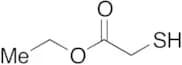
CAS:Controlled Product<p>Applications Ethyl 2-Mercaptoacetate is an off-odor compound in white wine and an eye irritant.<br> Not a dangerous good if item is equal to or less than 1g/ml and there is less than 100g/ml in the package<br>References Nikolantonaki, M., Darriet, P.: J. Agr. Food Chem., 59, 10191 (2011); Bagley, D.M., et. al.: Toxicol. in vitro, 13, 505 (1999)<br></p>Formula:C4H8O2SColor and Shape:NeatMolecular weight:120.174-(Methylsulfonyl)phenylacetic Acid
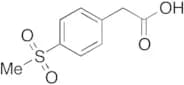
CAS:Controlled Product<p>Applications 4-(Methylsulfonyl)phenylacetic Acid is an intermediate used to prepare heterocyclic diaryl compounds as selective COX-2 inhibitors. It is also used to synthesize hydroxyfuranones as antioxidants and antiinflammatory agents.<br>References Eren, G., et al.: Bioorg. Med. Chem., 18, 6467 (2010); Weber, V., et al.: Bioorg. Med. Chem., 13, 4552 (2005)<br></p>Formula:C9H10O4SColor and Shape:NeatMolecular weight:214.24Sebacic Acid
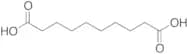
CAS:<p>Applications Sebacic Acid is a urinary metabolite that has been identified as an anti-fatigue biomarker.<br>References Ma, C. et. al.: J. Pharmaceut. Biomed. Anal. 105, 84 (2015)<br></p>Formula:C10H18O4Color and Shape:WhiteMolecular weight:202.254-(2,2,3-Trimethylcyclopentyl)butanoic Acid
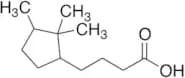
CAS:Controlled Product<p>Applications 4-(2,2,3-Trimethylcyclopentyl)butanoic Acid is used in preparation of Alicyclic compounds as off-note masking agent in consumables.Is used in preparation of 4-(2,2,3-Trimethylcyclopentyl)butanoic Acid as an off-note masking agent in consumables.<br>References Slack, Jay P., et al.: U.S., (2013); Slack, Jay P., et al.: PCT Int. Appl., (2008);<br></p>Formula:C12H22O2Color and Shape:NeatMolecular weight:198.34-Ethyl-3-nitrobenzoic Acid
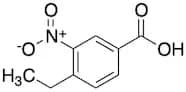
CAS:Controlled Product<p>Applications 4-ETHYL-3-NITROBENZOIC ACID (cas# 103440-95-5) is a useful research chemical.<br></p>Formula:C9H9NO4Color and Shape:White To Off-WhiteMolecular weight:195.172Thioglycolic acid
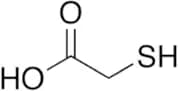
CAS:Controlled Product<p>Stability Air Sensitive<br>Applications Thioglycolic Acid is an organic compound containing both a thiol and a carboxylic acid. Thioglycolic Acid is a precursor to ammonium thioglycolate, a chemical used for permanents. Thioglycolic Acid is used in organic synthesis as a nucleophile in thioglycolysis reactions and is used as a S transfer agent for sulfonyl chloride synthesis.<br> Not a dangerous good if item is equal to or less than 1g/ml and there is less than 100g/ml in the package<br>References Kim, T.R. et al.: Bull. Kor. Chem. Soc., 3, 162 (1982); Badr, M.Z.A. et al.: Bull. Chem. Soc. Jap., 56, 326 (1983); Langler, R.F. et al.: Can. J. Chem., 57, 3193 (1979);<br></p>Formula:C2H4O2SColor and Shape:Colourless LiquidMolecular weight:92.12Cis-Pinic Acid
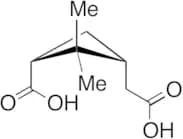
CAS:Controlled Product<p>Applications Cis-Pinic Acid is used to develop an exposure system for the toxicological evaluation of particles derived from coal-fired power plants. It is formed from α-pinene (P466605) oxidation.<br>References Ruiz, P., et al.: Inhal. Toxicol., 19, 607 (2007); Kristensen, K., et al.: Atmos. Chem. Phy., 13, 3763 (2013)<br></p>Formula:C9H14O4Color and Shape:NeatMolecular weight:186.21trans-2-Octenoic Acid
CAS:Controlled Product<p>Stability Light Sensitive<br>Applications TRANS-2-OCTENOIC ACID (cas# 1871-67-6) is a useful research chemical.<br> Not a dangerous good if item is equal to or less than 1g/ml and there is less than 100g/ml in the package<br></p>Formula:C8H14O2Color and Shape:NeatMolecular weight:142.2Tauroursodeoxycholic Acid
CAS:<p>Stability Hygroscopic<br>Applications TAUROURSODEOXYCHOLIC ACID (cas# 14605-22-2) is a useful research chemical.<br></p>Formula:C26H45NO6SColor and Shape:Off-WhiteMolecular weight:499.703,4,5-Trimethoxyphenylacetic Acid
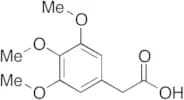
CAS:Controlled Product<p>Applications 3,4,5-Trimethoxyphenylacetic Acid is a reagent in the preparation of 3-phenylcoumarins as antidepressant agents.<br>References Sashidhara, K.V., et al.: Bioorg. Med. Chem. Lett., 24, 4876 (2014);<br></p>Formula:C11H14O5Color and Shape:NeatMolecular weight:226.23(±)-2-Hydroxydodecanoic Acid
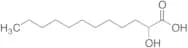
CAS:Controlled Product<p>Applications (8Z,11Z,14Z)-8,11,14-Heptadecatrienoic Acid, is a naturally occurring hydroxylated fatty acid that is found in Acinetobacter species. It acts as a partial agonist of free fatty acid receptor 1 (FFAR1/GPR40) and GPR84 receptors in vitro. It also inhibits bovine hepatic ligase (Ki = 4.4 μM) and mouse kidney mitochondrial medium-chain acyl-CoA synthetase by 48% at a concentration of 40 μM.<br>References Moss, C.W., et al.: J. Clin. Microbiol. 26(3), 484-492 (1988).; Kaspersen, M.H., et al.: Med. Chem. Commun. 8(6), 1360-1365 (2017).<br></p>Formula:C12H24O3Color and Shape:NeatMolecular weight:216.32Heptadecanedioic Acid
CAS:Controlled Product<p>Applications Heptadecanedioic Acid (cas# 2424-90-0) is a useful research chemical.<br></p>Formula:C17H32O4Color and Shape:NeatMolecular weight:300.434,4'-Dithiobisbenzoic Acid, Technical Grade
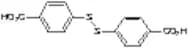
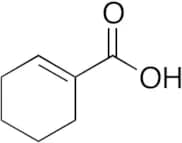
CAS:Controlled Product<p>Applications 4,4'-Dithiobisbenzoic Acid, Technical Grade (cas# 1155-51-7) is a compound useful in organic synthesis.<br></p>Formula:C14H10O4S2Color and Shape:Light YellowMolecular weight:306.361-Cyclohexenylcarboxylic acid
CAS:Controlled Product<p>Applications 1-Cyclohexenylcarboxylic Acid is a reagent used in the synthesis and optimization of small-molecule HIV-1 entry inhibitors. Also used in the stereoselective synthesis of diazabicyclic β-lactams for antimicrobial activity.<br> Not a dangerous good if item is equal to or less than 1g/ml and there is less than 100g/ml in the package<br>References Tuyishime, M. et al.: Bioorg. Med. Chem. Lett., 24, 5439 (2014); Zhang, S. et al.: J. Org. Chem., 81, 956 (2016);<br></p>Formula:C7H10O2Color and Shape:NeatMolecular weight:126.15Bicarbamic Acid Diisopropyl Ester
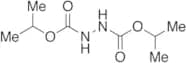
CAS:Controlled Product<p>Impurity Orlistat USP Related Compound B<br>Applications Orlistat USP Related Compound B<br></p>Formula:C8H16N2O4Color and Shape:NeatMolecular weight:204.22Ethyl Acetate
CAS:<p>Applications Ethyl Acetate is generally used as a solvent in organic reactions.Environmental contaminants; Food contaminants<br> Not a dangerous good if item is equal to or less than 1g/ml and there is less than 100g/ml in the package<br>References Reyes L et al. J Org Chem. 2013 Mar 15;78(6):2327-35.<br></p>Formula:C4H8O2Color and Shape:ColourlessMolecular weight:88.115-Chloronicotinic Acid
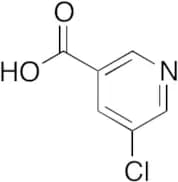
CAS:Controlled Product<p>Applications 5-Chloronicotinic Acid is used as reagent/reactant luminescence and hydrothermal preparation of cobalt/cadmium/lead chloronicotinate phenanthroline MOF.<br>References Gao, Z.Q., et al.: J. Solid State Chem., 241, 121-130 (2016)<br></p>Formula:C6H4ClNO2Color and Shape:NeatMolecular weight:157.554Di-β,β'-Chloroethylphosphoric Acid
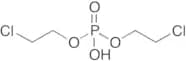
CAS:<p>Applications Di-β,β'-Chloroethylphosphoric Acid, is a dialkyl hydrogen phosphates, that can undergo the electrophilic trifluor- omethylation to produce trifluoromethyl phosphates in order to increase the lipophilicity of functional groups.<br>References Santschi, N., et al.: J. Fluorine Chem., 135, 83 (2012);<br></p>Formula:C4H9Cl2O4PColor and Shape:NeatMolecular weight:222.99Nicotinic Acid Riboside
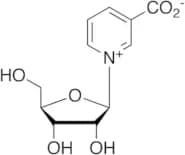
CAS:Controlled Product<p>Applications An effective agent for increasing nicotinamide adenine dinucleotide (NAD) concentrations in mammalian cells.<br>References Yang, T. et al.: J. Med. Chem., 50, 6458 (2007);<br></p>Formula:C11H13NO6Color and Shape:NeatMolecular weight:255.22Cyanoacetic Acid
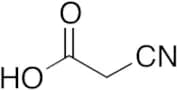
CAS:Controlled Product<p>Applications Cyanoacetic acid is a dangerous compound that is commonly used as a synthetic intermediate. Cyanoacetic acid has also been found to have teratogenic effects on rat embryos.<br> Not a dangerous good if item is equal to or less than 1g/ml and there is less than 100g/ml in the package<br>References Simpson, M., et al.: Food Chem. Toxicol., 24, 634 (1986)<br></p>Formula:C3H3NO2Color and Shape:NeatMolecular weight:85.06Nicametate
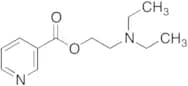
CAS:Controlled Product<p>Applications Nicotinic Acid 2-Diethylamino-Ethyl Ester (cas# 3099-52-3) is a useful research chemical.<br></p>Formula:C12H18N2O2Color and Shape:NeatMolecular weight:222.28Vanillic acid methyl ester
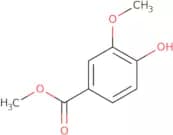
CAS:<p>Vanillic acid methyl ester is a chemical compound that can be used as an antioxidant and antimicrobial agent. It is synthesized by the reaction of vanillin with methanol in the presence of hydrochloric acid. Vanillic acid methyl ester has been shown to have antioxidative properties and inhibit the activities of various enzymes, such as eugenol oxidase, lipid peroxidase, and cyclooxygenase-1. This product also has shown anti-inflammatory effects in animal models of bowel disease and coronary heart diseases. Vanillic acid methyl ester converts to benzoic acid when it is metabolized by cytochrome P450 2E1, which can then be conjugated with glutathione or glucuronic acid.</p>Formula:C9H10O4Purity:Min. 95%Color and Shape:White Off-White PowderMolecular weight:182.17 g/molAmmoniumdithiocarbamate
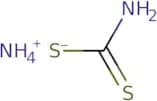
CAS:<p>Ammoniumdithiocarbamate is a group p2 compound that reacts with hydrochloric acid to form a dithiocarbamic acid. This reaction is reversible and an equilibrium between the two compounds exists. Ammoniumdithiocarbamate can be used to synthesize nucleophilic substitutions, which are used in many industrial applications. The reactivity of ammoniumdithiocarbamate is increased by the presence of amp-activated protein, which increases hydrogen bonding interactions with the dithiocarbamic acid. Ammoniumdithiocarbamate has been shown in animal studies to inhibit inflammatory diseases and lung damage caused by carbon disulphide.</p>Formula:CH6N2S2Purity:Min. 95%Color and Shape:PowderMolecular weight:110.2 g/molTaurochenodeoxycholic acid
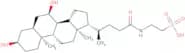
CAS:<p>Taurochenodeoxycholic acid is a bile acid derivative, which is a conjugated form of chenodeoxycholic acid. It is sourced from the bile of mammals, specifically as a conjugate of taurine and chenodeoxycholic acid. This compound participates in the emulsification of dietary fats, which is crucial for lipid digestion and absorption. Additionally, it contributes to the regulation of cholesterol homeostasis by modulating bile acid pool sizes and is involved in signaling pathways that affect lipid metabolism.</p>Formula:C26H45NO6SPurity:Min. 95%Color and Shape:PowderMolecular weight:499.7 g/mol2-Furoic acid hydrazide
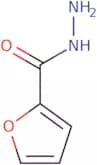
CAS:<p>2-Furoic acid hydrazide is an antifungal agent that inhibits the synthesis of cell membrane lipids by inhibiting the enzyme enoyl-ACP reductase. This compound has been shown to be effective against Candida albicans in vitro and in vivo. 2-Furoic acid hydrazide may also have amoebicidal activity, although this has not yet been confirmed. The mechanism of action of 2-furoic acid hydrazide is currently unknown, but it may be due to its ability to inhibit adenosine receptor antagonists and its interaction with hydrogen bonding interactions.</p>Formula:C5H6N2O2Purity:Min. 95%Color and Shape:PowderMolecular weight:126.11 g/molTungstosilicic acid hydrate
CAS:<p>Tungstosilicic acid hydrate is an alkanoic acid that has a chemical formula of ZrO(OH)(SO)2. It is insoluble in water and reacts with hydrogen fluoride to form tungsten hexafluoride. Tungstosilicic acid hydrate is used as a catalyst in wastewater treatment, and also has biological properties that can be used for the synthesis of esters. The chemical stability of tungstosilicic acid hydrate is high, and it has been shown to be an excellent catalyst for the hydrogenation of alkenes. Tungstosilicic acid hydrate does not react with protonated amines or amides, which makes it a good candidate for catalyzing reactions involving these functional groups.</p>Formula:H4O40SiW12·xH2OPurity:(%) Min. 80%Color and Shape:PowderMolecular weight:2,878.17 g/mol4-Chlorophenylacetic acid
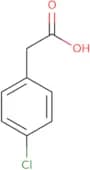
CAS:<p>4-Chlorophenylacetic acid is a fatty acid that reacts with hydroxyl groups to form reaction intermediates. It has been used in antiestrogen therapy as it is able to inhibit the activity of estrogen. It has also been used in polymeric matrices to control the release of silver ions for the treatment of cancer. 4-Chlorophenylacetic acid is synthesized by acylation of phenylacetic acid with chloroacetyl chloride in the presence of hydrochloric acid and sephadex g-100. 4-Chlorophenylacetic acid has been shown to inhibit tumor growth in animal models, which may be due to its ability to induce apoptosis.</p>Formula:C8H7ClO2Purity:Min. 97.5 Area-%Color and Shape:White PowderMolecular weight:170.59 g/molH-Pro-Phe-Arg-AMC acetate salt
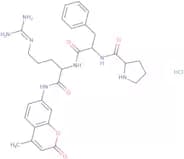
CAS:<p>Fluorogenic substrate targeting pancreatic and urinary Kallikrein</p>Formula:C30H37N7O5·C2HF3O2Purity:Min. 95%Color and Shape:White Off-White PowderMolecular weight:575.66 g/mol4-Maleimidobutyric acid
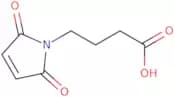
CAS:<p>4-Maleimidobutyric acid is a molecule that is used for the immobilization of peptides and proteins. It has been shown to bind to lysine residues on the surface of epidermal growth factor, which may be due to its ability to form covalent bonds with amino groups. This binding prevents the protein from interacting with cells in culture. 4-Maleimidobutyric acid also inhibits bacterial growth, including activity against Staphylococcus aureus, Bacillus anthracis, Mycobacterium tuberculosis, and Pseudomonas aeruginosa. 4-Maleimidobutyric acid has been shown to inhibit cancer cell proliferation in a Ca2+-dependent manner. It may also be effective as an antimicrobial agent due to its ability to disrupt proton gradients and acidic environments found in bacteria.</p>Formula:C8H9NO4Purity:Min. 98 Area-%Color and Shape:PowderMolecular weight:183.16 g/molN-Acetyl-L-glutamic acid
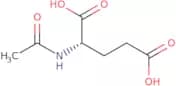
CAS:<p>N-Acetylglutamic acid is a biologically active compound that is found in the cells. It is a product of the urea cycle and has been shown to inhibit the activity of enzymes such as ester hydrochloride synthetase, which catalyzes the conversion of arginine and citrulline to ornithine and carbamoyl phosphate. N-Acetylglutamic acid also plays an important role in cellular physiology, such as transcriptional regulation and protein synthesis. Deficiency can lead to glutamate accumulation and neurological disorders such as epilepsy. The biochemical properties of N-acetylglutamic acid are still not well known, but it has been shown to react with ammonia to form glutamine.</p>Formula:C7H11NO5Purity:Min 98%Color and Shape:White PowderMolecular weight:189.17 g/mol5,10-Methylene-5,6,7,8-tetrahydrofolic acid - mixture of diastereomers
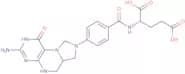
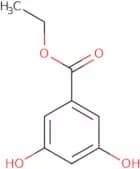
CAS:<p>5,10-Methylene-5,6,7,8-tetrahydrofolic acid is a molecule that is found in cells. It is an essential cofactor for many biological processes. The folate form of 5,10-methylene-5,6,7,8-tetrahydrofolic acid (5MTHF) can be synthesized by the enzyme methylenetetrahydrofolate reductase. This enzyme uses N5,N10-methenyltetrahydrofolate as a substrate and converts it to 5MTHF. The enzyme activity of methylenetetrahydrofolate reductase can be inhibited by methotrexate. In this case 5MTHF will not be produced and the body's supply of folate will decrease. The structural analysis of 5MTHF has been performed using titration calorimetry and x-ray crystallography.</p>Formula:C20H23N7O6Purity:80%MinColor and Shape:PowderMolecular weight:457.44 g/mol3,5-Dihydroxybenzoic acid ethyl ester
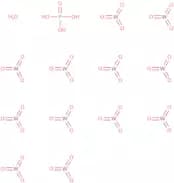
CAS:<p>3,5-Dihydroxybenzoic acid ethyl ester (3,5-DHBA) is a compound that inhibits the growth of cancer cells by binding to the active site of serine protease. It has been shown to inhibit the activity of two enzymes that are involved in phosphatase and hydroxylation reactions. 3,5-DHBA is also a photophysical reagent for palladium complexes which have been used for the treatment of cancers. This compound also binds to oxadiazole, a substance found in plants that may have anticancer properties. The synthesis of 3,5-DHBA has been studied extensively and it has been shown to be synthesized from hydroxybenzoic acid and carbinols.</p>Formula:C9H10O4Purity:90%Color and Shape:PowderMolecular weight:182.17 g/molPhosphotungstic acid hydrate
CAS:<p>Phosphotungstic acid hydrate is a white, crystalline solid that belongs to the group of phosphotungstates. It is soluble in methanol and water and has a low vapor pressure. Phosphotungstic acid hydrate is stable at room temperature and below, but decomposes above 100°C. The reaction mechanism for phosphotungstic acid hydrate is the formation of an acid complex with a proton from water, which can be written as<br>PW6O14(OH)2 + H2O <br>PW6O14(OH)3H+ + OH-<br>This reaction solution is acidic, with a pH of 2 or less. Hydroxyl groups on the phosphotungstate react with hydrogen fluoride to form tungsten hexafluoride gas. Hydrogen bonding interactions between the hydroxyl groups in phosphotungstic acid hydrate are responsible for its structural analysis. Oxidation catalysts such as magnesium salt</p>Formula:H3P(W3O10)4•H2OPurity:Min. 95%Color and Shape:PowderMolecular weight:2,880.05 g/mol[(8S,10S,11S,13S,14S,16S)-9-Fluoro-11-Hydroxy-10,13,16-Trimethyl-17-Methylsulfanylcarbonyl-3-Oxo-6,7,8,11,12,14,15,16-Octahydrocyclo penta[a]Phenanthren-17-Yl] Acetate
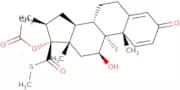
CAS:Controlled Product<p>(8S,10S,11S,13S,14S,16S)-9-Fluoro-11-Hydroxy-10,13,16-Trimethyl-17-Methylsulfanylcarbonyl-3-Oxo-6,7,8,11,12,14,15,16-Octahydrocyclo penta[a]Phenanthren-17-Yl) Acetate is a fatty acid ester that is used as a pharmaceutical preparation. It has been shown to be an effective treatment for the muscle wasting disease myotonic dystrophy and has been approved by the FDA. (8S,10S,11S,13S,14S,, 16 S)-9 - Fluoro - 11 - Hydroxy - 10 , 13 , 16 - Trimethyl - 17 - Methylsulfanylcarbonyl - 3 - Oxo - 6 , 7 , 8 , 11</p>Formula:C24H31FO5SPurity:Min. 95%Molecular weight:450.56 g/molBoc-2-aminobenzoic acid
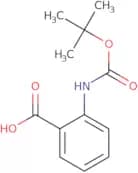
CAS:<p>Boc-2-aminobenzoic acid is a synthetic amino acid that can be used for the synthesis of recombinant proteins. It contains lysine residues, which are often used in protein engineering. This product is hydrolyzed to form a chloride gas and a hydrochloride salt by the enzyme chloridase. The hydrolysis proceeds through an amine intermediate and proceeds with a rate that is first order in chloride gas and second order in Boc-2-aminobenzoic acid. The kinetic constants for this reaction have been determined using fluorescence resonance energy transfer (FRET) spectroscopy on the solid phase.</p>Formula:C12H15NO4Purity:Min. 95%Color and Shape:PowderMolecular weight:237.25 g/mol5-Formylfuran-2-carboxylic acid
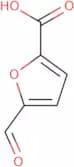
CAS:<p>5-Formylfuran-2-carboxylic acid is an organic compound that has been synthesized by the reaction of 5-hydroxymethylfurfural with trifluoroacetic acid. It is a white solid that is insoluble in water and reacts with base to form a salt. 5-Formyl furan-2-carboxylic acid can be used as a monomer for the synthesis of polymers, which are used in various industries. The polymerization process begins with the formation of a covalent bond between two molecules of 5-formyl furan-2-carboxylic acid and proceeds through a series of steps to form long chains of repeating units. This reaction mechanism is shown below:</p>Formula:C6H4O4Purity:Min. 98 Area-%Color and Shape:PowderMolecular weight:140.09 g/mol3-Acetylthio-2-methylpropanoic acid
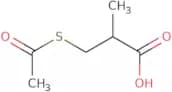
CAS:<p>3-Acetylthio-2-methylpropanoic acid is a byproduct of the reaction between sodium sulfide and acetyl chloride. When 3-acetylthio-2-methylpropanoic acid is reacted with an enzyme, it inhibits the enzyme’s ability to catalyze a reaction. 3-Acetylthio-2-methylpropanoic acid is an enantiomer of 2,3,4,5,6-pentaacetylthiopropionic acid. 3-Acetylthio-2-methylpropanoic acid has been shown to inhibit the activity of the enzyme choline kinase from rat liver. The inhibition of this enzyme prevents the formation of phosphatidylcholine (PC) in fat cells. This product can also be used as a derivatizing agent for gas chromatography in order to identify compounds with similar structures.</p>Formula:C6H10O3SPurity:Min. 95%Color and Shape:PowderMolecular weight:162.21 g/molS-Methyl-L-thiocitrulline acetate salt
CAS:Controlled Product<p>S-Methyl-L-thiocitrulline acetate salt (SMTSA) is an inhibitor of the enzyme cyclase that inhibits the production of 5-hydroxytryptamine (5-HT) in the gastrointestinal tract. SMTSA has been shown to reduce 5-HT concentrations in mesenteric vessels and inhibit the physiological effects of 5-HT in rats. This drug also inhibits dopamine release from synaptosomes, which may be due to its ability to act as a competitive inhibitor of ester hydrochloride, dinucleotide phosphate, and cyclase. In addition, this drug has been shown to have a cytotoxic effect on cardiac myocytes by causing calcium influx into the cytosol and inhibiting ryanodine receptor channels.</p>Formula:C7H15N3O2SPurity:Min. 95%Color and Shape:PowderMolecular weight:205.28 g/mol2-(2,4-Dichlorobenzenesulphonyl)propionic acid hydrazide
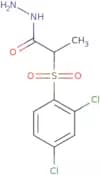
CAS:<p>Please enquire for more information about 2-(2,4-Dichlorobenzenesulphonyl)propionic acid hydrazide including the price, delivery time and more detailed product information at the technical inquiry form on this page</p>Purity:Min. 95%4-Acetoxyphenoxyacetic acid
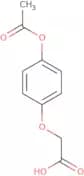
CAS:<p>4-Acetoxyphenoxyacetic acid is a high-quality, versatile building block that is used as an intermediate in the synthesis of various pharmaceuticals and agricultural chemicals. It has been shown to be a useful scaffold for drug design. 4-Acetoxyphenoxyacetic acid is also used as a reagent for organic synthesis. This compound can be used to synthesize complex compounds and speciality chemicals. 4-Acetoxyphenoxyacetic acid can be used as a reaction component for reactions including cycloadditions, acylations, esterifications, and hydrolysis reactions.</p>Formula:C10H10O5Purity:Min. 95%Color and Shape:PowderMolecular weight:210.18 g/mol2-Carboxyethyl phenyl phosphinic acid
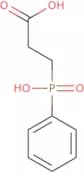
CAS:<p>2-Carboxyethyl phenyl phosphinic acid is a glycol ester that is used as a retardant and chlorine scavenger in the production of polyvinyl chloride. It reacts with metal ions to form insoluble metal salts, which prevents the formation of bubbles in the polymer film. 2-Carboxyethyl phenyl phosphinic acid has been shown to be soluble in aqueous media at pH values less than 7. When it is dissolved in water, it interacts with other substances to form complexes, such as solubility data, experimental solubility data, and solubility data. The average particle diameter of this compound is approximately 1 nm.</p>Formula:C9H11O4PPurity:Min. 95%Color and Shape:White PowderMolecular weight:214.16 g/mol2-(3-Methoxyphenoxy)-2-methylpropanoic acid
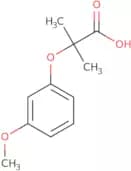
CAS:<p>2-(3-Methoxyphenoxy)-2-methylpropanoic acid is a reagent, useful intermediate and speciality chemical. It is a versatile building block for the synthesis of complex compounds. This product has CAS No. 140239-94-7, which is a fine chemical with high quality. It is an essential reaction component for the preparation of many other valuable chemicals in the laboratory.</p>Formula:C11H14O4Purity:Min. 95%Color and Shape:PowderMolecular weight:210.23 g/mol3-(2-Carboxyphenyl)propionic acid
CAS:<p>3-(2-Carboxyphenyl)propionic acid is a chemical compound that belongs to the group of phytoalexins. It is a synthetic compound that is used as a raw material for the synthesis of various pharmaceuticals and other organic compounds. 3-(2-Carboxyphenyl)propionic acid has shown luminescence properties, which may be due to its oxidation products. The isoquinoline alkaloids present in this compound are responsible for its anti-inflammatory effects. 3-(2-Carboxyphenyl)propionic acid can also be found in conjugates with chloride or other organic acids, such as diazide, which inhibit bacterial growth and increase the solubility of this substance.</p>Formula:C10H10O4Purity:Min. 95%Color and Shape:White/Off-White SolidMolecular weight:194.18 g/mol1,2,3-Benzenetricarboxylic acid hydrate
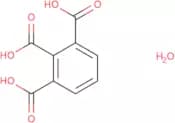
CAS:<p>1,2,3-Benzenetricarboxylic acid hydrate (BTAH) is a molecule that has been studied as a potential photosensitizer for photodynamic therapy. This compound is an organic semiconductor with a wide absorption spectrum and a large quantum yield in the visible region. It also has high charge carrier mobility, which makes it suitable for use in electronic devices. BTAH is an additive that can be used to inhibit the formation of cancer cells and reduce inflammation. BTAH has been shown to have anti-inflammatory properties by inhibiting prostaglandin synthesis. The molecular structure of BTAH consists of three benzene rings joined together by two carboxyl groups. The central ring in this molecule is also known as 1,2,3-benzenetricarboxylic acid or 3,4-dihydroxybenzoic acid.</p>Formula:C9H6O6·xH2OPurity:Min. 98 Area-%Color and Shape:PowderMolecular weight:210.14 g/mol2-Amino-3-hydroxybenzoic acid ethyl ester
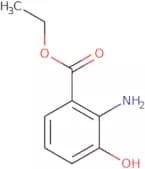
CAS:<p>2-Amino-3-hydroxybenzoic acid ethyl ester is soluble in organic solvents and is a catalyst for the hydrolysis of phenoxazinones. It has been shown to be the most active among the amino acid esters at pH 7. The optimum temperature for this enzyme is 37 degrees Celsius. The substrate specificity of this enzyme, which was purified by fractionation, is 3-hydroxyanthranilic acid and 3-hydroxyanthranilic acid with metals such as copper or zinc ions. This enzyme also catalyses the hydrolysis of proteins and peptides containing hydrophobic amino acids.</p>Formula:C9H11NO3Purity:Min. 95%Color and Shape:PowderMolecular weight:181.19 g/molFludrocortisone acetate
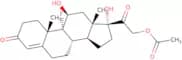
CAS:Controlled Product<p>Fludrocortisone acetate is a corticosteroid hormone used in the treatment of a number of diseases, including infectious diseases. Fludrocortisone acetate can be administered orally or by injection. It is also used to treat bowel disease and as an aid to diagnose subarachnoid hemorrhage. The matrix effect of fludrocortisone acetate has been studied using human serum and polymerase chain reactions (PCR). Fludrocortisone acetate is stable at temperatures below its phase transition temperature, but it undergoes degradation at higher temperatures. This drug is not active against bacteria, fungi, viruses, or parasites.</p>Formula:C23H31FO6Purity:Min. 95%Color and Shape:PowderMolecular weight:422.49 g/mol(2,4-Dichlorophenoxy)acetic acid methyl ester
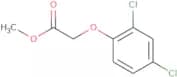
CAS:<p>2,4-Dichlorophenoxyacetic acid methyl ester is a herbicide that inhibits the growth of plants by inhibiting photosynthesis. It is an organic compound with a molecular weight of 168.2 g/mol. This product has been shown to biodegrade in soil and water, as well as be non-persistent in the environment. 2,4-Dichlorophenoxyacetic acid methyl ester is also a pesticide that kills plants by blocking the synthesis of chlorophyll and other plant pigments. This product can be used on trees and shrubs for control of broadleaf weeds and grasses.</p>Formula:C9H8Cl2O3Purity:Min. 95%Color and Shape:PowderMolecular weight:235.06 g/mol1,4'-Bipiperidine-1-carboxylic chloride hydrochloride
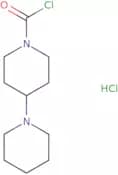
CAS:<p>1,4'-Bipiperidine-1-carboxylic chloride hydrochloride is a phosphorus pentachloride derivative that is used as a binding agent in the synthesis of cyclic trialkylsilyl compounds. It has been shown to inhibit topoisomerase II and III and may be useful in cancer therapy. 1,4'-Bipiperidine-1-carboxylic chloride hydrochloride binds to the active site of topoisomerase II and inhibits DNA replication, leading to cell death. This compound can also be used as a solvent for acetonitrile and chloroform.</p>Formula:C11H19ClN2O·HClPurity:Min. 95%Color and Shape:PowderMolecular weight:267.19 g/mol1,3,6,8-Pyrenetetrasulfonic acid tetrasodium salt - powder
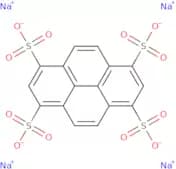
CAS:<p>1,3,6,8-Pyrenetetrasulfonic acid tetrasodium salt is a fluorescent dye that belongs to the group of hydroxide salts. It has been shown to have an absorption maximum at 524 nm and emission maximum at 585 nm. The molecule has a constant pressure of 0.1 mmHg when dissolved in water. 1,3,6,8-Pyrenetetrasulfonic acid tetrasodium salt is soluble in water and hydrochloric acid and has been used as a microcapsule encapsulation agent for copper complexes. This substance also absorbs light due to its dipole moment and can be used as a control experiment for other substances with different optical properties.</p>Formula:C16H6Na4O12S4Purity:Min. 97 Area-%Color and Shape:PowderMolecular weight:610.43 g/molSulfo-SMCC sodium
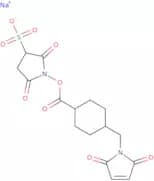
CAS:<p>Crosslinker reacting rapidly with primary amines. It is used as a protein crosslinker where it reacts with cysteine to yield specific conjugates. The cyclohexane bridge confers added stability to the maleimide group making it ideal for maleimide activation of proteins. It is soluble in water and many other aqueous buffers although it is less stable then in DMSO or DMF.</p>Formula:C16H17N2O9SNaPurity:Min. 95 Area-%Color and Shape:White Off-White PowderMolecular weight:436.37 g/molLY2112688 trifluoroacetate
CAS:<p>Please enquire for more information about LY2112688 trifluoroacetate including the price, delivery time and more detailed product information at the technical inquiry form on this page</p>Formula:C51H70N18O11S2•(C2HF3O2)xPurity:Min. 95%Color and Shape:PowderMolecular weight:1,175.35 g/mol3-(2,5-Dimethylbenzoyl)-acrylic acid
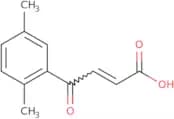
CAS:<p>3-(2,5-Dimethylbenzoyl)-acrylic acid is a reactive component and reagent that is used in the synthesis of molecular building blocks. It can also be used as a versatile building block for complex compounds, such as pharmaceutical intermediates. 3-(2,5-Dimethylbenzoyl)-acrylic acid has a CAS number of 15254-22-5. This chemical is considered to be high quality and is useful in research laboratories and speciality chemical suppliers.</p>Formula:C12H12O3Purity:Min. 95%Molecular weight:204.22 g/molFmoc-(S)-3-amino-3-(2-nitrophenyl)propionic acid
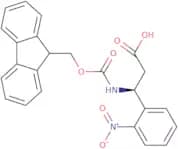
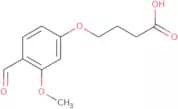
CAS:<p>Please enquire for more information about Fmoc-(S)-3-amino-3-(2-nitrophenyl)propionic acid including the price, delivery time and more detailed product information at the technical inquiry form on this page</p>Formula:C24H20N2O6Purity:Min. 95%Color and Shape:White PowderMolecular weight:432.43 g/mol4-(4-Formyl-3-methoxyphenoxy)butanoic acid
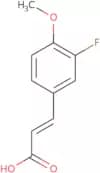
CAS:Controlled Product<p>4-(4'-Formyl-3'-methoxyphenoxy)butanoic acid is a carboxylate that can be used as a preloaded reagent for the synthesis of peptides, proteins, and other organic molecules. 4-(4'-Formyl-3'-methoxyphenoxy)butanoic acid has been shown to be an efficient linker for solid-phase peptide synthesis. 4-(4'-Formyl-3'-methoxyphenoxy)butanoic acid is labile to hydrolysis and so should be stored in an organic solvent such as dimethylsulfoxide. The carboxylate group is readily available in the form of its sodium salt, which can be synthesized by reacting sodium acetate with formaldehyde.</p>Formula:C12H14O5Purity:Min. 95%Color and Shape:PowderMolecular weight:238.24 g/mol3-Fluoro-4-methoxycinnamic acid
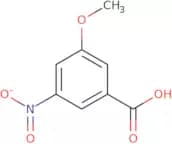
CAS:<p>3-Fluoro-4-methoxycinnamic acid is a template for the synthesis of azido compounds. Azide is a versatile functional group that can be used in many chemical reactions. 3-Fluoro-4-methoxycinnamic acid can be used to synthesize various azido products by reacting with hydrogen gas and an appropriate nucleophile, such as acrylic acid or ammonia. This reaction is called the "hydrogenating" reaction because it involves the addition of hydrogen. The target product can be synthesized by adding an appropriate electrophile, such as sodium azide, to the starting material in a solvent such as methylene chloride.</p>Formula:C10H9FO3Purity:Min. 95%Color and Shape:PowderMolecular weight:196.18 g/mol3-Methoxy-5-nitrobenzoic acid
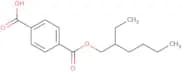
CAS:<p>3-Methoxy-5-nitrobenzoic acid is an organic compound that has mesomorphic and switchable properties. It is a chalcone derivative, with homologues such as 3-hydroxybenzoic acid. It is synthesized from the reaction of nitrous acid and 3-methoxybenzoic acid. The synthesis of this compound can be achieved by two different routes: peroxide oxidation or fluorine substitution. Both routes produce the same product, but offer different advantages. The first route involves the addition of hydrogen peroxide to 3-methoxybenzoic acid, which produces a mixture of products containing 3-methoxy-5-nitrobenzoic acid. This route is advantageous in that it can be conducted at room temperature with high yields, but the disadvantage is that this method produces a mixture of products which may contain undesired byproducts. The second route involves the use of sodium hypofluorite and potassium</p>Formula:C8H7NO5Purity:Min. 95%Color and Shape:PowderMolecular weight:197.14 g/molMono(2-ethylhexyl) terephthalate
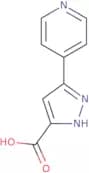
CAS:<p>Please enquire for more information about Mono(2-ethylhexyl) terephthalate including the price, delivery time and more detailed product information at the technical inquiry form on this page</p>Formula:C16H22O4Purity:Min. 95%Color and Shape:PowderMolecular weight:278.34 g/mol5-Pyridin-4-yl-1H-pyrazole-3-carboxylic acid
CAS:<p>5-Pyridin-4-yl-1H-pyrazole-3-carboxylic acid is a white crystalline solid. It is soluble in water, methanol and ethanol. The molecular weight of 5-Pyridin-4-yl-1H-pyrazole-3 carboxylic acid is 177.17 g/mol. This compound has been found to have an elemental composition of C, H, N and O with a calculated density of 1.62 g/cm3 in the form of a single crystal x ray diffraction pattern. 5-Pyridin 4 yl 1H pyrazole 3 carboxylic acid has synergistic effects with other drugs used for chemotherapy such as cisplatin and doxorubicin against cancer cells.</p>Formula:C9H7N3O2Purity:Min. 95%Color and Shape:PowderMolecular weight:189.17 g/mol2-Iodo-6-methylbenzoic acid
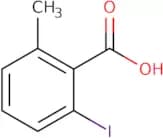
CAS:<p>2-Iodo-6-methylbenzoic acid is a chemical used as an additive in the manufacture of plastics, paints and rubber. It is also a ligand for some transition metals. 2-Iodo-6-methylbenzoic acid has been found to be an active natural product that can be synthesized from phthalimides or other amines. 2-Iodo-6-methylbenzoic acid reacts with donepezil to form a multistep reaction intermediate called A, which is then oxidized by a transition metal to form the final product, aricept. The operational mechanism of this reaction is not yet fully understood, but it may involve an alkene intermediate.</p>Formula:C8H7IO2Purity:Min. 95%Color and Shape:PowderMolecular weight:262.04 g/mol3,5-Diiodo-4-hydroxyphenylpropionic acid
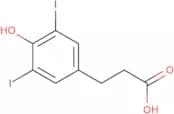
CAS:<p>3,5-Diiodo-4-hydroxyphenylpropionic acid (DIPPA) is a nucleophilic compound that inhibits the catechol-O-methyltransferase enzyme and is used to treat cardiac disease. It has been shown to improve ventricular function in congestive heart failure patients. DIPPA binds to the hydroxyl group of the enzyme's active site and competitively inhibits the binding of catechol or o-methoxybenzaldehyde. This prevents the methylation of catecholamines, which are important for cardiac function. The mechanism of action for DIPPA is similar to that of other drugs that have been found to be effective in treating congestive heart failure such as propranolol or amiodarone.</p>Formula:C9H8I2O3Molecular weight:417.97 g/mol4-(1-Hydroxy-1-methylethyl)-2-propyl-1H-imidazole-5-carboxylic acid ethyl ester
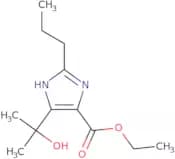
CAS:<p>4-(1-Hydroxy-1-methylethyl)-2-propyl-1H-imidazole-5-carboxylic acid ethyl ester is a synthetic drug with pharmacological properties that are similar to those of the natural product medoxomil. It has been shown to be a potent blocker of the GABA receptor and is used for the treatment of epilepsy. 4-(1-Hydroxy-1-methylethyl)-2-propyl-1H-imidazole-5-carboxylic acid ethyl ester has been shown to be an inhibitor of rat liver microsomes and also has a high affinity for the enzyme cilexetil, which is responsible for the conversion of cilexetil into its active form.</p>Formula:C12H20N2O3Purity:Min. 95%Color and Shape:PowderMolecular weight:240.3 g/molL-Malic acid disodium salt monohydrate
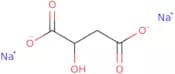
CAS:<p>L-Malic acid disodium salt monohydrate is a versatile building block that can be used in the production of research chemicals, reagents and speciality chemicals. It is also a useful building block for the synthesis of complex compounds with high quality. L-Malic acid disodium salt monohydrate has been used as a reagent in organic syntheses, as well as in the production of pharmaceuticals. In addition, it is an intermediate for the synthesis of polymers and other materials. The CAS number for L-Malic acid disodium salt monohydrate is 207511-06-6.</p>Formula:C4H4O5Na2·H2OPurity:Min. 95%Color and Shape:PowderMolecular weight:196.07 g/moltrans-3-Octenoic acid
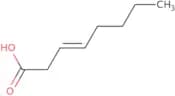
CAS:<p>Trans-3-octenoic acid is a conjugate of estradiol and caproic acid. It can be prepared by reacting estradiol with sodium octanoate in the presence of chlorine. Trans-3-octenoic acid has been shown to have anticancer activity when administered to rats. Trans-3-octenoic acid also has behavioral responses that are pheromonal in nature, leading to an increase in human urine production when it is present. The oxidation products of trans-3-octenoic acid are detected by high performance liquid chromatography (HPLC).</p>Formula:C8H14O2Purity:90%Color and Shape:Clear LiquidMolecular weight:142.2 g/molS,S'-Bis(a,a'-dimethyl-a''-acetic acid)trithiocarbonate
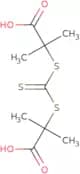
CAS:<p>Bis(trithiocarbonate)s are a group of compounds that are used as reagents, intermediates and building blocks in organic synthesis. They are also used for the preparation of certain pharmaceuticals. Bis(trithiocarbonate)s can be used as a versatile building block for chemical synthesis. It is also an intermediate in the synthesis of various pharmaceuticals, including but not limited to piroxicam and penicillin.</p>Formula:C9H14O4S3Purity:Min. 95 Area-%Color and Shape:Yellow PowderMolecular weight:282.4 g/molDimethyl 4,4'-biphenyldicarboxylate
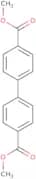
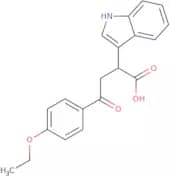
CAS:<p>Dimethyl 4,4'-biphenyldicarboxylate is a chemical that has been used to study chronic viral hepatitis. It is known to have an effect on the nuclear DNA and signal pathways, which are involved in the regulation of energy metabolism. Dimethyl 4,4'-biphenyldicarboxylate has been shown to have hepatoprotective properties by protecting against hepatic steatosis and hepatocarcinogenesis in mice.</p>Formula:C16H14O4Purity:Min. 95%Color and Shape:PowderMolecular weight:270.28 g/mol4-(4-Ethoxyphenyl)-2-indol-3-yl-4-oxobutanoic acid
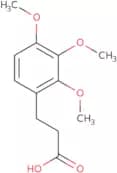
CAS:<p>Please enquire for more information about 4-(4-Ethoxyphenyl)-2-indol-3-yl-4-oxobutanoic acid including the price, delivery time and more detailed product information at the technical inquiry form on this page</p>Purity:Min. 90%3-(2,3,4-trimethoxyphenyl)propanoic acid
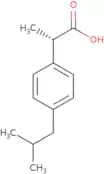
CAS:<p>3-(2,3,4-Trimethoxyphenyl)propanoic acid is a high quality chemical that is used as a reagent and as a useful intermediate in the production of fine chemicals. CAS No. 33130-04-0 is a versatile building block with many applications in the research and development of compounds for use as pharmaceuticals, agrochemicals, or other chemicals. 3-(2,3,4-Trimethoxyphenyl)propanoic acid can be used to synthesize new chemical substances with different properties than those of the starting material. This compound has been shown to have many uses in organic synthesis due to its versatility and reactivity.</p>Formula:C12H16O5Purity:Min. 98 Area-%Color and Shape:PowderMolecular weight:240.25 g/mol(S)-(+)-4-Isobutyl-a-methylphenylacetic acid
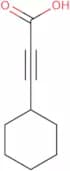
CAS:<p>Ibuprofen is a non-steroidal anti-inflammatory drug (NSAID) that inhibits the production of prostaglandins and has been shown to be effective in the treatment of pain, fever, and inflammation. Ibuprofen binds to and blocks cyclooxygenase enzymes COX-1 and COX-2, which are responsible for the production of prostaglandins. It also inhibits leukocyte migration, which may reduce symptoms associated with infectious diseases. The molecular docking analysis has shown that ibuprofen interacts with crystalline cellulose through hydrogen bonding interactions. Ibuprofen can be used in conjunction with sodium citrate as an anticoagulant during blood sampling procedures to prevent clotting. This medication can cause side effects such as nausea, stomach upset, heartburn, dizziness, headache, or increased risk of bleeding.></p>Formula:C13H18O2Purity:Min. 95%Color and Shape:White PowderMolecular weight:206.28 g/mol3-Cyclohexylpropiolic acid
CAS:<p>3-Cyclohexylpropiolic acid is a chemical intermediate that is used in the production of other chemicals. It is a versatile building block with a wide range of reactions and applications. 3-Cyclohexylpropiolic acid has been used as a reagent and as a speciality chemical for research purposes. This compound has also been shown to be useful in the synthesis of complex compounds, such as pharmaceuticals, natural products, pesticides, and dyes. 3-Cyclohexylpropiolic acid can be used as a reaction component or intermediate for the synthesis of many different compounds.</p>Formula:C9H12O2Purity:Min. 95 Area-%Molecular weight:152.19 g/molPhorbol-12-myristate-13-acetate
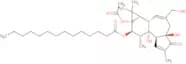
CAS:<p>Phorbol-12-myristate-13-acetate is a phorbol ester that inhibits the activity of protein kinase C. It binds to the response element on DNA and blocks RNA synthesis, leading to cell death. Phorbol 12-myristate 13-acetate has been shown to inhibit the proliferation of human squamous cells in culture, which may be caused by its ability to inhibit the cell cycle. This drug also has been shown to inhibit the production of cytokines such as interleukin-1β and tumor necrosis factor α (TNFα) in human polymorphonuclear leukocytes (PMNLs).</p>Formula:C36H56O8Purity:Min. 98 Area-%Color and Shape:White PowderMolecular weight:616.83 g/mol2-((2,4-Dichlorophenyl)amino)-1,3-thiazole-4-carboxylic acid
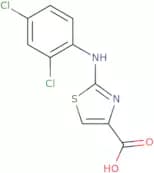
CAS:<p>Please enquire for more information about 2-((2,4-Dichlorophenyl)amino)-1,3-thiazole-4-carboxylic acid including the price, delivery time and more detailed product information at the technical inquiry form on this page</p>Purity:Min. 95%2-Methyl-4-oxo-4-phenylbutyric acid
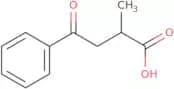
CAS:<p>2-Methyl-4-oxo-4-phenylbutyric acid (or 2MO4PBA) is a potent, stereoselective, and endogenous agonist of the nuclear receptors ERβ and ERα. It has been shown to have therapeutic potential in the treatment of estrogen deficiency and metabolic disorders. This compound binds to the DNA response element at positions DR1, DR2, DR3, DR4, and DR5 of the human estrogen receptor. The binding affinity at these sites is around 10 times lower than that of estradiol. 2MO4PBA is metabolized by esterases in vivo to 2-methyl-3-oxobutyric acid (2MO3BA). The metabolic conversion from 2MO4PBA to 2MO3BA is stereoselective with respect to configuration at C2. 2MO3BA binds to ERβ but not ERα. Functional assays demonstrate that this compound is a potent agonist</p>Formula:C11H12O3Purity:Min. 98 Area-%Color and Shape:PowderMolecular weight:192.21 g/mol6-Hydroxy-2,5,7,8-tetramethylchroman-2-carboxylic acid
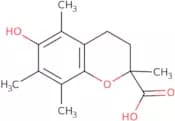
CAS:<p>6-Hydroxy-2,5,7,8-tetramethylchroman-2-carboxylic acid, also called Trolox, is a water-soluble analogue of vitamin E and an antioxidant used in biological or biochemical applications to reduce oxidative stress or damage. It is commonly used as a standard or positive control in antioxidant assays.</p>Formula:C14H18O4Purity:Min. 98 Area-%Color and Shape:PowderMolecular weight:250.29 g/mol5-[(3aR,6S,6aS)-2,5,5-trioxo-1,3,3a,4,6,6a-hexahydrothieno[3,4-d]imidazol-6-yl]pentanoic acid
CAS:<p>The compound 5-[(3aR,6S,6aS)-2,5,5-trioxo-1,3,3a,4,6,6a-hexahydrothieno[3,4-d]imidazol-6-yl]pentanoic acid (TIPA) is a diagnostic marker for the diagnosis of urinary tract infections. The compound is present in urine and can be detected with an antibody response. TIPA is excreted by human kidneys in a circadian pattern and has a maximum concentration at pH 7.0. This compound is taken up by bacteria in the urinary tract and its presence can be used to diagnose UTI. TIPA also binds to biotin and polyclonal antibodies that are used for immunohistochemical assays.</p>Formula:C10H16N2O5SPurity:Min. 95%Color and Shape:White To Off-White SolidMolecular weight:276.31 g/mol



![2-[(Phenylsulfanyl)methyl]benzenecarboxylic Acid](/_next/image/?url=https%3A%2Fstatic.cymitquimica.com%2Fproducts%2FTR%2Fthumb-webp%2FB481480.webp&w=3840&q=75)













![5-[(3aR,6S,6aS)-2,5,5-trioxo-1,3,3a,4,6,6a-hexahydrothieno[3,4-d]imidazol-6-yl]pentanoic acid](/_next/image/?url=https%3A%2Fstatic.cymitquimica.com%2Fproducts%2F3D%2Fthumb-webp%2FFB64039.webp&w=3840&q=75)