Carboxylic Acids
Carboxylic acids are organic molecules characterized by having a carboxyl-type functional group (-COOH). These acids are fundamental in various chemical reactions, including esterification, amidation, and decarboxylation. Carboxylic acids are widely used in the production of pharmaceuticals, polymers, and agrochemicals. In this section, you can find a large number of carboxylic acids ready to be used. At CymitQuimica, we provide a broad range of high-quality carboxylic acids to support your research and industrial applications.
Found 12453 products of "Carboxylic Acids"
Sort by
Purity (%)
0
100
|
0
|
50
|
90
|
95
|
100
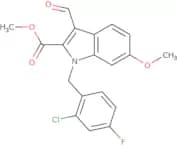
Methyl 1-(2-chloro-4-fluorobenzyl)-3-formyl-6-methoxy-1H-indole-2-carboxylate
CAS:Controlled Product<p>Please enquire for more information about Methyl 1-(2-chloro-4-fluorobenzyl)-3-formyl-6-methoxy-1H-indole-2-carboxylate including the price, delivery time and more detailed product information at the technical inquiry form on this page</p>Formula:C19H15ClFNO4Purity:Min. 95%Molecular weight:375.78 g/mol7-Hydroxy-2-naphthalene sulfonic acid sodium
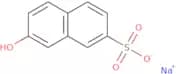
CAS:<p>7-Hydroxy-2-naphthalene sulfonic acid sodium (7HNS) is a fluorescent probe that can be used for the detection of cross-links in collagen and elastin. The sensitivity of this compound is very high, with a detection limit of 1 pmol/ml. 7HNS binds to the lysine residues in collagen and elastin, forming covalent bonds that are detectable by fluorescence. It has been used in the analysis of tissues such as cartilage, bone, skin, and blood vessels.</p>Formula:C10H7NaO4SPurity:Min. 93 Area-%Color and Shape:PowderMolecular weight:246.22 g/mol2,6-Dihydroxy-4-methylbenzoic acid potassium
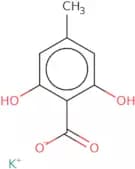
CAS:<p>2,6-Dihydroxy-4-methylbenzoic acid potassium salt (2,6-DMBAK) is a high quality reagent that is used as an intermediate in the synthesis of complex compounds. CAS No. 856177-01-0. It is a white crystalline solid with an mp of about 190 degrees Celsius and a bp of about 315 degrees Celsius. 2,6-DMBAK has been shown to be useful in the synthesis of speciality chemicals and research chemicals. This product can be used as a versatile building block for the preparation of various kinds of chemical compounds, and it also has many applications in organic synthesis because it reacts well with many different types of compounds.</p>Formula:C8H8O4•KPurity:Min. 95%Color and Shape:PowderMolecular weight:207.25 g/molMethyl indole-3-acetate
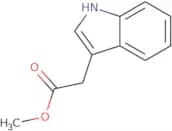
CAS:<p>Methyl indole-3-acetate is a phytochemical that inhibits the growth of cells. It has been shown to induce apoptosis in cancer cells, and also to inhibit carcinogenesis. Methyl indole-3-acetate is found at higher concentrations in the target tissue, such as the prostate gland, than in other tissues. This compound has been shown to inhibit lipid peroxidation in vitro and may be useful for the prevention of oxidative damage as well as for its antitumor activity. The effects of methyl indole-3-acetate on cell growth are related to its ability to bind with amines and uroquinase enzymes. Methyl indole-3-acetate has been shown to have anti-cancer properties in various model systems, including microbial metabolism studies.</p>Formula:C11H11NO2Purity:Min. 99 Area-%Color and Shape:PowderMolecular weight:189.21 g/mol3-Fluoro-2-hydroxybenzoic acid methyl ester
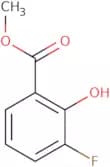
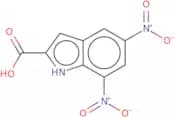
CAS:<p>3-Fluoro-2-hydroxybenzoic acid methyl ester (3-FHBA) is a high quality chemical compound that is used as an intermediate to produce other compounds. It has been shown to be a useful scaffold for the synthesis of complex compounds with various functional groups. 3-FHBA is also a reagent in the production of fine chemicals, research chemicals, and speciality chemicals. This compound has many uses, including being a versatile building block for reactions in organic synthesis and being a reaction component in the production of many types of products.</p>Formula:C8H7FO3Purity:Min. 95%Color and Shape:White PowderMolecular weight:170.14 g/mol5,7-Dinitroindole-2-carboxylic acid
CAS:<p>5,7-Dinitroindole-2-carboxylic acid is a versatile building block that has been used as a reagent in organic synthesis. It has also been shown to be an intermediate in the preparation of 5,7-dichloroindole and other complex compounds. This compound is a reaction component for the synthesis of many useful compounds, including research chemicals and speciality chemicals. 5,7-Dinitroindole-2-carboxylic acid is soluble in most solvents and can be purified by recrystallization or chromatography. The purity can be determined by elemental analysis or nuclear magnetic resonance spectroscopy.</p>Formula:C9H5N3O6Purity:Min. 95%Color and Shape:PowderMolecular weight:251.15 g/molHydroxy-[4-(4-hydroxy-5-bromo-3-iodophenoxy)-3,5-diiodophenyl]acetic acid
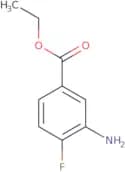
<p>Hydroxy-[4-(4-hydroxy-5-bromo-3-iodophenoxy)-3,5-diiodophenyl]acetic acid is a fine chemical that is useful as a scaffold, versatile building block and an intermediate. Hydroxy-[4-(4-hydroxy-5-bromo-3-iodophenoxy)-3,5-diiodophenyl]acetic acid is typically used in research and development of new compounds. It has been shown to react with various compounds in different ways depending on the desired outcome. Hydroxy-[4-(4-hydroxy-5-bromo-3-iodophenoxy)-3,5-diiodophenyl]acetic acid also has CAS number 10891–02–8 and can be found in catalog numbers 3229209 and 3140016. This compound is of high quality and reagent grade.</p>Formula:C14H8BrI3O5Purity:Min. 95%Molecular weight:716.83 g/mol3-Amino-4-fluorobenzoic acid ethyl ester
CAS:<p>3-Amino-4-fluorobenzoic acid ethyl ester is a linker that is used to attach a drug molecule to the tautomycin, an analgesic. It has been shown to have nontoxic properties in animals and does not react with intestinal contents. The 3-Amino-4-fluorobenzoic acid ethyl ester also reacts with azide, phosphatase, and hydrocarbons. It is stable in the presence of aromatic hydrocarbons and can be used as a photolabeling agent for introducing a fluorescent group into a molecule.</p>Formula:C9H10FNO2Purity:Min. 95%Color and Shape:PowderMolecular weight:183.18 g/mol4-Nitrohippuric acid
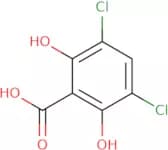
CAS:<p>4-Nitrohippuric acid is a metabolite of the amino acid glycine, which is converted to 4-nitrohippuric acid by nitroreductase. It is an aromatic compound that has been shown to have high affinity for tissues such as kidney and liver. 4-Nitrohippuric acid can be used as an ion-exchange reagent for the separation of peptide hormones from plasma or urine. The kinetic constants of 4-nitrohippuric acid have been determined in rat studies. This compound has also been used to measure the rate of hydrolysis of hippurate in human urine samples. The optical properties of this compound have not yet been fully characterized for its use in spectroscopic applications.</p>Formula:C9H8N2O5Purity:Min. 95%Color and Shape:Yellow PowderMolecular weight:224.17 g/mol3,5-Dichloro-2,6-dihydroxybenzoic acid
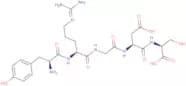
CAS:<p>3,5-Dichloro-2,6-dihydroxybenzoic acid is a synthetic compound that has been shown to have anti-leishmanial activity. It prevents the release of iron from the parasite by binding to iron ions and preventing the formation of iron complexes. 3,5-Dichloro-2,6-dihydroxybenzoic acid also inhibits disulfide bond formation in proteins. This inhibition leads to a decrease in protein synthesis. The effect of 3,5-dichloro-2,6-dihydroxybenzoic acid on Leishmania species was confirmed using metabolomics analysis on human blood samples collected from women in Tanzania.</p>Formula:C7H4Cl2O4Purity:Min. 95%Color and Shape:PowderMolecular weight:223.01 g/molH-Tyr-Arg-Gly-Asp-Ser-OH trifluoroacetate
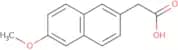
CAS:<p>H-Tyr-Arg-Gly-Asp-Ser-OH trifluoroacetate salt is a peptide that belongs to the class of amides. It is an inhibitor of the growth factor, TGFβ1, and it has been shown to have a high affinity for human serum albumin. H-Tyr-Arg-Gly-Asp-Ser-OH trifluoroacetate salt has been shown to inhibit the growth of cells in culture; this may be due to its ability to bind to proteins, such as collagen and cell culture media. H-Tyr-Arg-Gly-Asp-Ser-OH trifluoroacetate salt has also been shown to have biological properties that are similar to those of human immunoglobulin.</p>Formula:C24H36N8O10•C2HF3O2Purity:Min. 95%Color and Shape:White/Off-White SolidMolecular weight:710.61 g/mol6-Methoxy-2-naphthaleneacetic acid
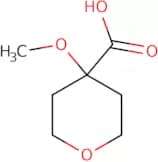
CAS:<p>6-Methoxy-2-naphthaleneacetic acid (6-MNA) is a nonsteroidal anti-inflammatory drug that is used to treat patients with chronic pain. 6-MNA has been shown to be an effective treatment for osteoarthritis, rheumatoid arthritis and other inflammatory conditions. It inhibits the production of prostaglandins and leukotrienes by inhibiting the enzyme cyclooxygenase, which is responsible for the conversion of arachidonic acid to these mediators. 6-MNA can also inhibit the activity of α1-acid glycoprotein and increase the activity of human serum albumin, which may contribute to its antiinflammatory effect. 6-MNA has several side effects including nausea, vomiting, diarrhea and abdominal pain. These adverse reactions are caused by inhibition of protein synthesis in the stomach lining, which leads to decreased production of mucus and bicarbonate ions.</p>Formula:C13H12O3Purity:Min. 95%Color and Shape:PowderMolecular weight:216.23 g/mol4-Methoxy-tetrahydro-2h-pyran-4-carboxylic acid
CAS:<p>4-Methoxy-tetrahydro-2h-pyran-4-carboxylic acid is a fine chemical that belongs to the group of research chemicals. It is a versatile building block and useful intermediate in organic synthesis. 4-Methoxy-tetrahydro-2h-pyran-4-carboxylic acid has been used as a reagent for the preparation of the compound 5,5'-dithiobis(4,4'-dimethylvaleronitrile) (CAS No. 1010836-49). This compound has been shown to be an effective antiviral agent against HIV.</p>Formula:C7H12O4Purity:Min. 95 Area-%Color and Shape:PowderMolecular weight:160.17 g/mol2-Methylpyridine-4-boronic acid pinacol ester
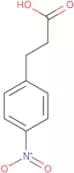
CAS:<p>Please enquire for more information about 2-Methylpyridine-4-boronic acid pinacol ester including the price, delivery time and more detailed product information at the technical inquiry form on this page</p>Formula:C12H18BNO2Purity:Min. 95%Molecular weight:219.09 g/mol3-(4-Nitrophenyl)propanoic acid - technical
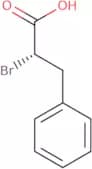
CAS:<p>3-(4-Nitrophenyl)propanoic acid is an inhibitor of aminopeptidases. Amino acid catabolism, in particular the cleavage of peptides by proteolytic enzymes, is a central process in cellular metabolism. Amino acid catabolism is regulated by a number of different enzymes, including aminopeptidases. 3-(4-Nitrophenyl)propanoic acid inhibits the activity of these enzymes and thereby prevents the degradation of amino acids. This product has been shown to inhibit aminopeptidase A with an IC50 value of about 0.5 mM and aminopeptidase B with an IC50 value of about 1 mM. 3-(4-Nitrophenyl)propanoic acid also has anti-inflammatory properties that may be due to its inhibition of prostaglandin synthesis.</p>Formula:C9H9NO4Purity:Min. 90 Area-%Color and Shape:PowderMolecular weight:195.17 g/mol(L)-2-Bromo-3-phenylpropionic acid
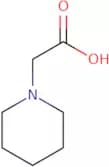
CAS:<p>L-2-Bromo-3-phenylpropionic acid is a synthetic amino acid that is structurally similar to L-phenylalanine. It can be prepared by the reaction of triphosgene with l-(+)-phenylglycine, followed by hydrolysis of the resulting 2-(bromophenyl)acetic acid. L-2-Bromo-3-phenylpropionic acid has been used in peptidomimetics, which are synthesized using strategies derived from the structures and properties of proteins. One of these strategies is based on the conformational change of an amide bond. This synthetic amino acid has been shown to have affinity for certain chiral conformations and may be used as a chiral ligand in asymmetric synthesis.</p>Formula:C9H9BrO2Purity:Min. 95%Color and Shape:Slightly Yellow PowderMolecular weight:229.07 g/molPiperidin-1-yl-acetic acid
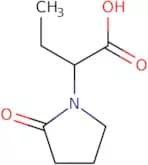
CAS:<p>Piperidin-1-yl-acetic acid is a nitrogen-containing organic compound, which is an alkanoic acid. It has a molecular weight of 104.09 and empirical formula C6H11NO2. Piperidin-1-yl-acetic acid is not soluble in cold water, but it dissolves in boiling water to form a white solid. This compound can be used as an enzyme inhibitor or as a pharmacological agent.<br>Piperidin-1-yl-acetic acid has been shown to inhibit the transcriptional regulation of enzymes that are involved in the production of porphyrins and other heme protein cofactors such as cytochrome c. The compound also inhibits the synthesis of these enzymes by binding to their active sites and inhibiting their function.</p>Formula:C7H13NO2Purity:Min. 95 Area-%Color and Shape:PowderMolecular weight:143.18 g/mol2-(2-Oxo-1-pyrrolidinyl)butyric acid
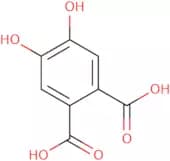
CAS:<p>2-Oxo-1-pyrrolidineacetic acid ethylester is a chiral compound that has been used as a calibration standard for the determination of hexane in pharmaceutical formulations. It has also been used as an impurity in ion-exchange chromatography and as an acidic reagent in the preparation of pharmaceutical formulations. 2-Oxo-1-pyrrolidineacetic acid ethylester is a racemic mixture, containing equal amounts of two enantiomers, which can be separated by column chromatography on silica gel. The separation of these enantiomers was achieved using a butanoic acid mobile phase with a flow rate of 1 mL/min. The elution order was found to be (R)-2-oxo-1-pyrrolidineacetic acid ethylester > (S)-2-oxo-1-pyrrolidineacetic acid ethylester.</p>Formula:C8H13NO3Purity:Min. 95%Color and Shape:PowderMolecular weight:171.19 g/mol4,5-Dihydroxybenzene-1,2-dicarboxylic acid
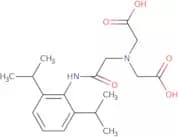
CAS:<p>Protocatechuic acid is an aromatic hydrocarbon that is the main metabolite of 4,5-dihydroxybenzene-1,2-dicarboxylic acid. It is a carbon source for bacteria and has been shown to increase the synthesis of protocatechuate 3,4-dioxygenase (PCO) in rat liver cells when incubated. Protocatechuic acid is also a precursor for the production of 2-hydroxybenzoic acid and 4-hydroxybenzoic acid, which are found in many foods. The genus that produces protocatechuic acid belongs to the class of extradiols. This means that it contains four contiguous double bonds on one side of the molecule. Stenotrophomonas maltophilia is a species with high levels of protocatechuic acid and can be used as an indicator for this compound.</p>Formula:C8H6O6Purity:Min. 95%Color and Shape:PowderMolecular weight:198.13 g/molN-(2,6-Diisopropylphenylcarbamoylmethyl)iminodiacetic acid
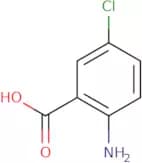
CAS:<p>N-(2,6-Diisopropylphenylcarbamoylmethyl)iminodiacetic acid is a monosodium salt that has been shown to be an inhibitor of the energy metabolism in cells. It is a structural analog of adenosine and inhibits the enzyme adenosine deaminase, which converts adenosine into inosine. Inhibiting this enzyme leads to increased levels of adenosine in the cell and causes depletion of ATP, resulting in cell death. N-(2,6-Diisopropylphenylcarbamoylmethyl)iminodiacetic acid has been shown to have therapeutic potential for autoimmune diseases such as primary sclerosing cholangitis (PSC). This compound also blocks T-cell activation and proliferation by inhibiting protein kinase C and cyclic AMP response element binding protein, leading to decreased inflammation.</p>Formula:C18H26N2O5Purity:Min. 95%Color and Shape:PowderMolecular weight:350.41 g/mol2-Amino-5-chlorobenzoic acid
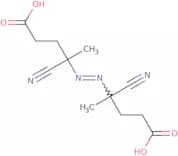
CAS:<p>2-Amino-5-chlorobenzoic acid is a drug that inhibits the enzyme dopamine beta-hydroxylase. It has been used to treat Parkinson's disease, as well as schizophrenia and depression. This drug binds to the enzyme by forming a coordination complex with the 5th position of the substrate, which prevents it from binding to other substrates. 2-Amino-5-chlorobenzoic acid also inhibits prostaglandin E2 synthesis by inhibiting cyclooxygenase activity in rats. The inhibitory properties of this drug are enhanced when it is dissolved in hydroxide solution or in solutions containing sodium hydroxide. The synthesis of 2-amino-5-chlorobenzoic acid involves reacting 3,4-dihydroxybenzeneacetic acid with hydrochloric acid and sodium hydroxide solution. This reaction produces a carboxylate anion that reacts with hydrogen chloride gas to form</p>Purity:Min. 95%Color and Shape:PowderMolecular weight:171.58 g/mol4,4'-Azobis(4-cyanovaleric acid)
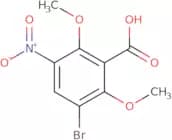
CAS:<p>Azobis(4-cyanovaleric acid) is a chemical compound that has reactive functional groups. It is a particle that is soluble in acetate extract and hydrochloric acid. The synthesis of Azobis(4-cyanovaleric acid) involves the reaction of 4-cyanoacrylic acid with 2,2'-azobis(2-methylpropionitrile). It is used as an intermediate in the preparation of polymers. Azobis(4-cyanovaleric acid) is used for the treatment of infectious diseases such as tuberculosis and malaria. The production of chain reactions with other molecules makes this chemical reactive and unstable. Azobis(4-cyanovaleric acid) also reacts with nucleophilic groups, such as hydroxyl groups, to form a covalent bond. This process can be reversed by adding a strong base or oxidant.</p>Formula:C12H16N4O4Purity:Min. 95 Area-%Color and Shape:PowderMolecular weight:280.28 g/mol3-Bromo-2,6-dimethoxy-5-nitrobenzoic acid
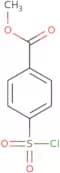
CAS:<p>3-Bromo-2,6-dimethoxy-5-nitrobenzoic acid is a chemical component that can be used as a reagent or building block for the synthesis of other compounds. It is also an intermediate in the synthesis of pesticides and pharmaceuticals. 3-Bromo-2,6-dimethoxy-5-nitrobenzoic acid is a versatile compound with many applications in organic chemistry. This chemical has been shown to have high purity and can be used as a reaction component or reagent in research and development laboratories.</p>Formula:C9H8BrNO6Purity:Min. 95%Color and Shape:PowderMolecular weight:306.07 g/mol4-Chlorosulfonylbenzoic acid methyl ester
CAS:<p>4-Chlorosulfonylbenzoic acid methyl ester is a reagent that is used in glycan biosynthesis. It is a deuterated analogue of uridine and can be used to screen for 4-epimerase enzymes. The 4-chlorosulfonylbenzoic acid methyl ester can be synthesized by the deuteration of uridine, which is then reacted with methanol and chlorosulfonic acid. This reagent can be used to study glycan biosynthesis by labeling the sugar moiety of glycans with carbon-13 atoms. The use of this reagent has been problematic because it cannot be reversibly converted back to uridine, so it cannot serve as a substrate for further synthetic reactions.</p>Formula:C8H7ClO4SPurity:Min. 95 Area-%Color and Shape:PowderMolecular weight:234.66 g/molAscorbic acid
CAS:<p>Ascorbic acid is an essential vitamin, also known as Vitamin C, which is a naturally occurring organic compound abundant in various fruits and vegetables, including citrus fruits, berries, and peppers. Its mode of action primarily relies on its ability to donate electrons, thereby neutralizing free radicals and reducing oxidative stress at the cellular level. Furthermore, ascorbic acid acts as a cofactor for several vital enzymatic reactions, including collagen synthesis, iron absorption, and the biosynthesis of neurotransmitters.</p>Formula:C32H42N2O7Purity:Min. 95%Molecular weight:566.69 g/mol4-Chloro-2-methoxybenzoic acid
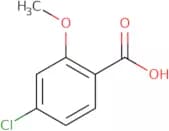
CAS:<p>4-Chloro-2-methoxybenzoic acid is a chloroacetic acid that is used as an antibacterial agent. It has been shown to have a broad spectrum of activity against bacteria, including gram-positive and gram-negative bacteria. 4-Chloro-2-methoxybenzoic acid is active against both stationary and mobile phases of growth. It has also been shown to be effective in inhibiting the growth of fungi, such as Aspergillus niger, Aspergillus fumigatus, Penicillium notatum, and Fusarium oxysporum. This compound can be synthesized from carboxylic acids by reacting them with sodium nitrite in the presence of dry nitrogen gas to form chloroacetic acid. The chemical formula for this compound is CHClOOC(CH)COOH.</p>Formula:C8H7ClO3Purity:Min. 95%Color and Shape:PowderMolecular weight:186.59 g/mol(R)-(-)-3-Hydroxybutyric acid ethyl ester
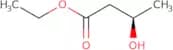
CAS:<p>(R)-(-)-3-Hydroxybutyric acid ethyl ester is an enantiomer of 3-hydroxybutyric acid. It is synthesized from diethyl succinate in a one-pot, stereoselective, high-yield process by using asymmetric synthesis and hydrogenation. The reaction vessel used for this synthesis is a reaction solution that has been optimized to be resistant to high pressure and temperature. This product can be used as a renewable feedstock in the production of polyesters and other polymers.</p>Formula:C6H12O3Purity:Min. 95%Color and Shape:Colorless Clear LiquidMolecular weight:132.16 g/mol(R)-3-Aminobutanoic acid
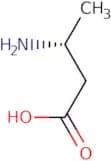
CAS:<p>(R)-3-Aminobutanoic acid is a β-amino acid that is involved in the biosynthesis of other amino acids. It has been shown to have inhibitory effects on lymphoblast cells and to be an intermediate in the synthesis of dioncophylline, a calcium-mobilizing agent. (R)-3-Aminobutanoic acid is also an intermediate in the formation of crotonic acid, which is involved in the synthesis of butyric acid. This compound has been shown to have catalytic activity with a variety of organic reactions because it can act as both a base and a nucleophile. The reaction system may be reversed phase high performance liquid chromatography, gas chromatography, or thin layer chromatography.</p>Formula:C4H9NO2Purity:Min. 95%Color and Shape:PowderMolecular weight:103.12 g/mol4-Chlorophenoxyacetic acid
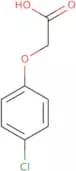
CAS:<p>4-Chlorophenoxyacetic acid is a chemical compound that is used in wastewater treatment. It can be used as a potassium dichromate substitute and exhibits synergic effects with sodium carbonate. 4-Chlorophenoxyacetic acid has been shown to have antimicrobial activity against group P2 bacteria, such as Pseudomonas aeruginosa, Staphylococcus aureus, and Enterococcus faecalis. 4-Chlorophenoxyacetic acid also inhibits the growth of human serum and monoclonal antibodies by inhibiting protein synthesis through intramolecular hydrogen linkage.</p>Formula:C8H7ClO3Color and Shape:PowderMolecular weight:186.59 g/molDihydrofolic acid
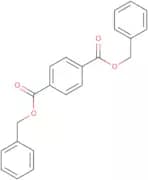
CAS:<p>Dihydrofolic acid is an organic compound that is a derivative of folic acid. It is the reduced form of folic acid and can be used to treat certain autoimmune diseases, such as bowel disease. Dihydrofolic acid has been shown to have antimicrobial effects against infectious diseases, including tuberculosis. This compound can also be used to treat metal-chelate resistant bacteria, such as methicillin-resistant Staphylococcus aureus (MRSA). Dihydrofolic acid has been shown to have neuroprotective properties in animals models and may be a potential drug target for the treatment of Alzheimer's disease.</p>Formula:C19H21N7O6Purity:(%) Min. 90%Color and Shape:PowderMolecular weight:443.41 g/molTerephthalic acid dibenzyl ester
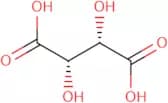
CAS:<p>Terephthalic acid dibenzyl ester is a reactive dye that changes color when it reacts with metals. It is used in the preparation of polyvinyl chloride (PVC) and other polymers. Terephthalic acid dibenzyl ester has a low energy, which means that it does not emit much heat or light when heated or exposed to light. This property makes it useful for recording devices such as thermometers and recorders. The hydroxyl group on the aromatic hydrocarbon allows this compound to react with unsaturated alkyls, which are compounds containing carbon-to-carbon double bonds. Terephthalic acid dibenzyl ester has been shown to increase insulin sensitivity in rats by increasing glucose uptake into skeletal muscle cells.</p>Formula:C22H18O4Purity:Min. 95%Color and Shape:PowderMolecular weight:346.38 g/molD-(-)-Tartaric acid
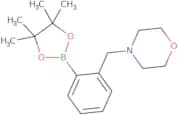
CAS:<p>Used in the preparation of enantiospecific homochiral cis-4-formyl b-lactams</p>Formula:C4H6O6Purity:Min 98.5%Color and Shape:White PowderMolecular weight:150.09 g/mol2-(MorpholinoMethyl)phenylboronic acid pinacol ester
CAS:<p>2-(MorpholinoMethyl)phenylboronic acid pinacol ester is a fine chemical that can be used as a building block for the synthesis of complex compounds. It is also suitable for use in research and development, as it has been shown to be a reagent and speciality chemical. This compound is an intermediate for the synthesis of other compounds, such as pharmaceuticals, agrochemicals, and cosmetics. 2-(MorpholinoMethyl)phenylboronic acid pinacol ester can be used as a versatile building block in organic synthesis reactions. It has been shown to have high quality properties and can be used to synthesize valuable scaffolds.</p>Formula:C17H26BNO3Purity:Min. 95%Color and Shape:PowderMolecular weight:303.20 g/mol5-[(3aR,6S,6aS)-2,5,5-trioxo-1,3,3a,4,6,6a-hexahydrothieno[3,4-d]imidazol-6-yl]pentanoic acid
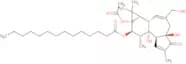
CAS:<p>The compound 5-[(3aR,6S,6aS)-2,5,5-trioxo-1,3,3a,4,6,6a-hexahydrothieno[3,4-d]imidazol-6-yl]pentanoic acid (TIPA) is a diagnostic marker for the diagnosis of urinary tract infections. The compound is present in urine and can be detected with an antibody response. TIPA is excreted by human kidneys in a circadian pattern and has a maximum concentration at pH 7.0. This compound is taken up by bacteria in the urinary tract and its presence can be used to diagnose UTI. TIPA also binds to biotin and polyclonal antibodies that are used for immunohistochemical assays.</p>Formula:C10H16N2O5SPurity:Min. 95%Color and Shape:White To Off-White SolidMolecular weight:276.31 g/molPhorbol-12-myristate-13-acetate
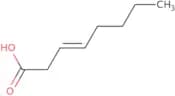
CAS:<p>Phorbol-12-myristate-13-acetate is a phorbol ester that inhibits the activity of protein kinase C. It binds to the response element on DNA and blocks RNA synthesis, leading to cell death. Phorbol 12-myristate 13-acetate has been shown to inhibit the proliferation of human squamous cells in culture, which may be caused by its ability to inhibit the cell cycle. This drug also has been shown to inhibit the production of cytokines such as interleukin-1β and tumor necrosis factor α (TNFα) in human polymorphonuclear leukocytes (PMNLs).</p>Formula:C36H56O8Purity:Min. 98 Area-%Color and Shape:White PowderMolecular weight:616.83 g/moltrans-3-Octenoic acid
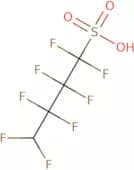
CAS:<p>Trans-3-octenoic acid is a conjugate of estradiol and caproic acid. It can be prepared by reacting estradiol with sodium octanoate in the presence of chlorine. Trans-3-octenoic acid has been shown to have anticancer activity when administered to rats. Trans-3-octenoic acid also has behavioral responses that are pheromonal in nature, leading to an increase in human urine production when it is present. The oxidation products of trans-3-octenoic acid are detected by high performance liquid chromatography (HPLC).</p>Formula:C8H14O2Purity:90%Color and Shape:Clear LiquidMolecular weight:142.2 g/mol1,1,2,2,3,3,4,4-Octafluorobutane-1-sulphonic acid
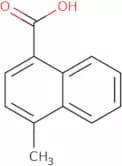
CAS:<p>1,1,2,2,3,3,4,4-Octafluorobutane-1-sulphonic acid is a fine chemical that is used as a reactive intermediate in the synthesis of more complex compounds. It has been shown to be useful in the synthesis of 1H-benzo[d]imidazole derivatives and 2-(trifluoromethyl)thiophenes. This compound has also been used as a reaction component for the preparation of other chemicals such as tetrafluoroethylene oxide. 1,1,2,2,3,3,4,4-Octafluorobutane-1-sulphonic acid is a versatile building block that can be used to create high quality reagents and research chemicals.</p>Formula:C4H2F8O3SPurity:Min. 95%Color and Shape:Clear LiquidMolecular weight:282.11 g/mol4-Methyl-1-naphthoic acid
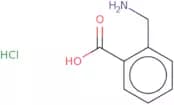
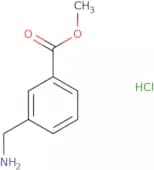
CAS:<p>4-Methyl-1-naphthoic acid (4MN) is a chemical that belongs to the group of diene compounds. It is a precursor in the biosynthesis of naphthoquinones and can be used for the preparation of aziridines and amides. 4MN has shown inhibitory properties against tumor cells and has been used as an experimental anticancer drug. The antineoplastic activity of 4MN may be due to its ability to interfere with DNA replication and cell division.</p>Formula:C12H10O2Purity:Min. 95%Color and Shape:White PowderMolecular weight:186.21 g/mol(3-Aminomethyl)benzoic acid methyl ester HCl
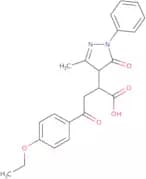
CAS:<p>3-Aminomethylbenzoic acid methyl ester HCl is a fine chemical that is used as a reagent for the synthesis of other compounds. It is also a versatile building block, which can be used to make many different compounds. 3-Aminomethylbenzoic acid methyl ester HCl has been demonstrated to be a useful intermediate in the synthesis of various pharmaceuticals, such as metoclopramide and clozapine. 3-Aminomethylbenzoic acid methyl ester HCl is also a useful scaffold for research chemicals, such as 4-amino-N-(2-hydroxyethyl)benzenesulfonamide or N-[3-(aminomethyl)phenyl]acetamide.</p>Formula:C9H11NO2·HClPurity:Min. 95%Color and Shape:PowderMolecular weight:201.65 g/mol4-(4-Ethoxyphenyl)-2-(3-methyl-5-oxo-1-phenyl(2-pyrazolin-4-yl))-4-oxobutanoic acid
CAS:<p>Please enquire for more information about 4-(4-Ethoxyphenyl)-2-(3-methyl-5-oxo-1-phenyl(2-pyrazolin-4-yl))-4-oxobutanoic acid including the price, delivery time and more detailed product information at the technical inquiry form on this page</p>Purity:Min. 95%1,3-Dimethylvioluric acid
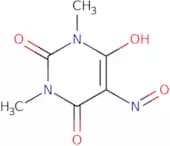
CAS:<p>1,3-Dimethylvioluric acid is a molecule that has been shown to reduce the size of experimental animal models of ventricular myocardium. It also increases the levels of atp and urea nitrogen in the heart, suggesting an increase in cardiac function. This molecule may be used to help prevent or treat cardiovascular diseases such as heart failure. 1,3-Dimethylvioluric acid has also been shown to have pluripotent cell properties and can be used to generate cells that are capable of differentiating into other types of cells. The effective dose for 1,3-dimethylvioluric acid is not known.</p>Formula:C6H7N3O4Purity:Min. 95%Color and Shape:White PowderMolecular weight:185.14 g/mol1,4'-Bipiperidine-1-carboxylic chloride hydrochloride
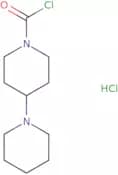
CAS:<p>1,4'-Bipiperidine-1-carboxylic chloride hydrochloride is a phosphorus pentachloride derivative that is used as a binding agent in the synthesis of cyclic trialkylsilyl compounds. It has been shown to inhibit topoisomerase II and III and may be useful in cancer therapy. 1,4'-Bipiperidine-1-carboxylic chloride hydrochloride binds to the active site of topoisomerase II and inhibits DNA replication, leading to cell death. This compound can also be used as a solvent for acetonitrile and chloroform.</p>Formula:C11H19ClN2O·HClPurity:Min. 95%Color and Shape:PowderMolecular weight:267.19 g/mol(2,4-Dichlorophenoxy)acetic acid methyl ester
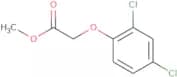
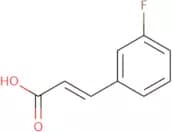
CAS:<p>2,4-Dichlorophenoxyacetic acid methyl ester is a herbicide that inhibits the growth of plants by inhibiting photosynthesis. It is an organic compound with a molecular weight of 168.2 g/mol. This product has been shown to biodegrade in soil and water, as well as be non-persistent in the environment. 2,4-Dichlorophenoxyacetic acid methyl ester is also a pesticide that kills plants by blocking the synthesis of chlorophyll and other plant pigments. This product can be used on trees and shrubs for control of broadleaf weeds and grasses.</p>Formula:C9H8Cl2O3Purity:Min. 95%Color and Shape:PowderMolecular weight:235.06 g/mol3-Fluorocinnamic acid
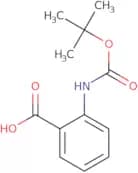
CAS:<p>3-Fluorocinnamic acid is an organic compound that belongs to the class of amides. It reacts with metal ions such as copper, silver, or gold. 3-Fluorocinnamic acid has a constant boiling point and can be used in the preparation of cinnamic acid derivatives. 3-Fluorocinnamic acid also has redox potential and is used as a substrate in enzyme preparations. 3-Fluorocinnamic acid can be synthesized by hydrolysis of malonic acid and metal salts with hydrochloric acid, which then reacts with triticum aestivum. The product is purified by recrystallization from water. This compound inhibits the reaction that converts lactose into glucose and galactose, leading to the production of lactic acid from milk.</p>Formula:C9H7FO2Purity:Min. 98 Area-%Color and Shape:PowderMolecular weight:166.15 g/molBoc-2-aminobenzoic acid
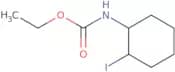
CAS:<p>Boc-2-aminobenzoic acid is a synthetic amino acid that can be used for the synthesis of recombinant proteins. It contains lysine residues, which are often used in protein engineering. This product is hydrolyzed to form a chloride gas and a hydrochloride salt by the enzyme chloridase. The hydrolysis proceeds through an amine intermediate and proceeds with a rate that is first order in chloride gas and second order in Boc-2-aminobenzoic acid. The kinetic constants for this reaction have been determined using fluorescence resonance energy transfer (FRET) spectroscopy on the solid phase.</p>Formula:C12H15NO4Purity:Min. 95%Color and Shape:PowderMolecular weight:237.25 g/mol(2-Iodocyclohexyl)carbamic acid ethyl ester
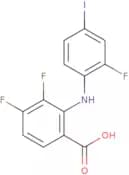
CAS:<p>(2-Iodocyclohexyl)carbamic acid ethyl ester is a fine chemical that can be used as a building block, reagent, or speciality chemical in research. It is soluble in organic solvents and can be used as a reaction component, useful intermediate, or useful scaffold. This compound has been shown to react with various groups including amines, alcohols, phenols and thiols.</p>Formula:C9H16INO2Purity:Min. 95%Color and Shape:PowderMolecular weight:297.13 g/mol2-(2-Fluoro-4-iodoanilino)-3,4-difluorobenzoic acid
CAS:<p>2-(2-Fluoro-4-iodoanilino)-3,4-difluorobenzoic acid is a potent and selective allosteric antagonist of the adenosine A2A receptor. It has been shown to reduce blood pressure in rats and mice. 2-(2-Fluoro-4-iodoanilino)-3,4-difluorobenzoic acid has also been shown to increase levels of endogenous adenosine by modulating the activity of adenosine deaminase. This drug has been tested in humans with hypertension and was found to be safe and well tolerated at doses between 25mg and 300mg per day.</p>Formula:C13H7F3INO2Purity:Min. 98%Color and Shape:White PowderMolecular weight:393.1 g/molNesfatin-1 (rat) trifluoroacetate salt
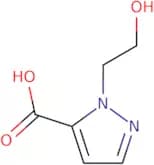
CAS:<p>Please enquire for more information about Nesfatin-1 (rat) trifluoroacetate salt including the price, delivery time and more detailed product information at the technical inquiry form on this page</p>Formula:C424H684N116O136Purity:Min. 95%Molecular weight:9,582.67 g/mol1-(2-Hydroxyethyl)-1H-pyrazole-5-carboxylic acid
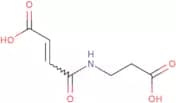
CAS:<p>1-(2-Hydroxyethyl)-1H-pyrazole-5-carboxylic acid is a fine chemical that can be used as a building block for research chemicals, a reagent for speciality chemicals, and a versatile scaffold for the synthesis of complex compounds. It is also used as an intermediate or synthetic building block in reactions with other molecules. 1-(2-Hydroxyethyl)-1H-pyrazole-5 carboxylic acid has been shown to have high quality and reacts well with many other molecules.</p>Formula:C6H8N2O3Purity:Min. 95%Color and Shape:SolidMolecular weight:156.14 g/molcis-5-Aza-4-oxo-oct-2-en-dioic acid
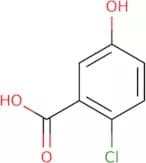
CAS:<p>cis-5-Aza-4-oxo-oct-2-en-dioic acid is a chemical that belongs to the group of reagents and is used as a reaction component. cis-5-Aza-4-oxo-oct-2-en-dioic acid has been shown to react with aniline in a one pot reaction to produce 4,6 diaminohexanoic acid. cis -5 Aza -4 oxo oct 2 en dioic acid also reacts with methyl acetoacetate in a one pot reaction to produce 3,4,5 triamino pentanoic acid. cis -5 Aza -4 oxo oct 2 en dioic acid is versatile and can be used as a building block or an intermediate for complex compounds. It has been shown to be useful in the synthesis of fine chemicals, such as benzofuran derivatives.</p>Formula:C7H9NO5Purity:Min. 95 Area-%Color and Shape:PowderMolecular weight:187.15 g/mol2-Chloro-5-hydroxybenzoic acid
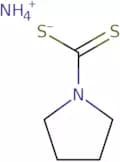
CAS:<p>2-Chloro-5-hydroxybenzoic acid is a compound that contains a hydroxyl group. It is an organic acid and a monomer that can be used in the preparation of coumarin derivatives. 2-Chloro-5-hydroxybenzoic acid can be prepared by oxidation of 2,3,4,5,6 tetrahydrobenzoquinone with hydrogen peroxide followed by hydrolysis. The oxidation step is carried out using potassium permanganate as oxidant and activated manganese dioxide as catalyst. This method yields the desired product in high yield.</p>Formula:C7H5ClO3Purity:Min. 95%Color and Shape:PowderMolecular weight:172.57 g/mol1-Pyrrolidinecarbodithioic acid,ammonium
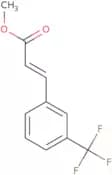
CAS:<p>1-Pyrrolidinecarbodithioic acid, ammonium salt is an inhibitor of the NMDA receptor. It blocks the activation of this receptor by glutamate, a neurotransmitter that plays an important role in pain transmission and memory formation. 1-Pyrrolidinecarbodithioic acid, ammonium salt has been shown to inhibit the growth of human pathogenic fungi in cell culture. The polymerase chain reaction (PCR) technique was used to detect the presence of this drug in solutions and phase microextraction was used for chromatographic analysis. The control method for these experiments was pyrrolidine dithiocarbamate, which is a structural analog of 1-pyrrolidinecarbodithioic acid, ammonium salt. Pyrrolidine dithiocarbamate inhibits NF-κB pathway and is used to treat injury. This drug also has anti-inflammatory properties due to its inhibition of nuclear factor kappa B (NF-</p>Formula:C5H9NS2•NH3Purity:Min. 95%Color and Shape:PowderMolecular weight:164.29 g/mol3-(Trifluoromethyl)cinnamic acid methyl ester
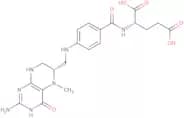
CAS:<p>3-(Trifluoromethyl)cinnamic acid methyl ester is a high quality chemical that can be used as a reagent, intermediate, or building block. It is also a speciality chemical that can be used in research. 3-(Trifluoromethyl)cinnamic acid methyl ester has been shown to be useful for the synthesis of various complex compounds. This compound is also versatile, and can serve as a reaction component for different reactions.</p>Formula:C11H9F3O2Purity:Min. 95%Color and Shape:PowderMolecular weight:230.18 g/molLevomefolic acid
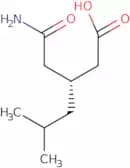
CAS:<p>Levomefolic acid is a derivative of folic acid and belongs to the group of dinucleotide phosphates. It has been shown to have a protective effect against blood clots, and is used in the treatment of pernicious anaemia, megaloblastic anaemia, and leukopenia. Levomefolic acid also inhibits energy metabolism in bacteria. Its mode of action is not fully understood but it has been demonstrated that it inhibits enzyme activities such as methylenetetrahydrofolate reductase (MTHFR) and 5-methyltetrahydrofolate cyclohydrolase. The production of DNA nucleotides has also been shown to be inhibited by the drug. Levomefolic acid has also been shown to have an effect on redox potentials in cancer cell lines. In addition, it has been found that levomefolic acid can be transferred from maternal blood to human serum.</p>Formula:C20H25N7O6Purity:Min. 95 Area-%Color and Shape:White PowderMolecular weight:459.46 g/mol(R)-3-(2-Amino-2-oxoethyl)-5-methylhexanoic acid
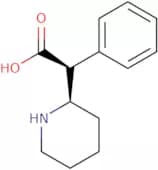
CAS:<p>(R)-3-(2-Amino-2-oxoethyl)-5-methylhexanoic acid (cis) is an intermediate in the synthesis of a chiral drug. It is prepared by a ring-opening reaction with an alkyl substituent, followed by asymmetric synthesis to provide optically pure cis stereoisomers. This compound has been shown to be active as a desymmetrizer of esters and as an intermediate in the synthesis of biologically active compounds.</p>Formula:C9H17NO3Purity:Min. 95%Color and Shape:White Off-White PowderMolecular weight:187.24 g/molDL-erythro Ritalinic acid
CAS:Controlled Product<p>DL-erythro Ritalinic acid is a fine chemical that is used as a versatile building block in the synthesis of complex compounds. It is also a useful intermediate in research chemicals and speciality chemicals production. DL-erythro Ritalinic acid can be used as a reaction component to form complex compounds. This chemical has high purity and quality, making it an excellent reagent for use in laboratory reactions.</p>Formula:C13H17NO2Purity:Min. 90%Color and Shape:PowderMolecular weight:219.28 g/molβ-Naphthoic acid ethyl ester
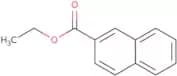
CAS:<p>β-Naphthoic acid ethyl ester (BNAE) is a synthetic compound that has been used as an intermediate in the synthesis of organic compounds. It is also used to prepare hydroxamic acids, which are active methylene compounds. BNAE reacts with nucleophiles and is susceptible to nucleophilic attack. The reaction mechanism for this type of compound involves a cavity with a constant volume, which increases the reactivity of the molecule. This type of reaction can be explained using the functional theory and the use of organic solvents. BNAE is stable when exposed to carbon tetrachloride and hydroxamic acids, but not when exposed to diethyl succinate or chemical agents such as sodium nitrite.</p>Formula:C13H12O2Purity:Min. 95%Color and Shape:PowderMolecular weight:200.23 g/mol5-Methoxyindole-2-carboxylic acid
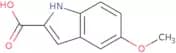
CAS:<p>5-Methoxyindole-2-carboxylic acid is a molecule that belongs to the class of diazonium salts. It is a potent inhibitor of mitochondrial membrane potential and has been shown to have anti-diabetic effects in animal models. 5-Methoxyindole-2-carboxylic acid also inhibits sperm motility, which may be due to its ability to inhibit uv absorption. This compound has been shown to be an effective agent in the treatment of brain infarctions when administered chronically orally. The mechanism of action is not known, but it may involve inhibition of potassium ion uptake or hydrogen bond formation with fatty acids.</p>Formula:C10H9NO3Color and Shape:PowderMolecular weight:191.18 g/mol3-(4-Fluorobenzoyl)-6-Methoxy-2-Methyl-1H-Indole-1-Acetic Acid
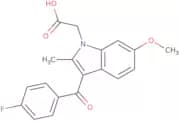
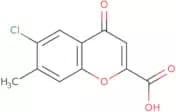
CAS:Controlled Product<p>3-(4-Fluorobenzoyl)-6-Methoxy-2-Methyl-1H-Indole-1-Acetic Acid is a prodrug that is metabolized to 6-fluoro-3,4 dioxo tamoxifen in the liver. It has been shown to have anticholinergic, cytosolic calcium and c1-4 alkyl properties. 3-(4-Fluorobenzoyl)-6-Methoxy-2-Methylindole Acetic Acid also has a basic group, cyclopentane ring, and pyridine ring.</p>Formula:C19H16FNO4Purity:Min. 95%Molecular weight:341.33 g/mol6-Chloro-7-methylchromone-2-carboxylic acid
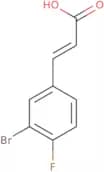
CAS:<p>6-Chloro-7-methylchromone-2-carboxylic acid is a fine chemical that has been used as a versatile building block for the synthesis of complex compounds. It has been shown to be an effective reaction component in the synthesis of 1,4-benzoquinones and N'-acylhydrazones. 6-Chloro-7-methylchromone-2-carboxylic acid is also a useful intermediate in the preparation of other chemicals, such as pharmaceuticals and pesticides. This compound can be used as an additive to improve the quality of high purity reagents.</p>Formula:C11H7ClO4Purity:Min. 95%Molecular weight:238.62 g/mol3-Bromo-4-fluorocinnamic acid
CAS:<p>3-Bromo-4-fluorocinnamic acid is a useful intermediate that reacts with amines to form 3-bromo-4-fluoroaniline, which is used as a building block in the synthesis of pharmaceuticals, agrochemicals, and other organic compounds.</p>Formula:C9H6BrFO2Purity:Min. 95%Color and Shape:PowderMolecular weight:245.05 g/molFmoc-21-amino-4,7,10,13,16,19-hexaoxaheneicosanoic acid
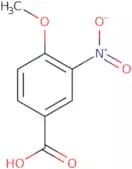
CAS:<p>Fmoc-21-amino-4,7,10,13,16,19-hexaoxaheneicosanoic acid is a PEG compound with two different functional groups (also known as heterobifunctional). Unlike homobifunctional PEG compounds (same functional group on both ends), this type of compounds are more versatile as have two different anchor points. Fmoc-21-amino-4,7,10,13,16,19-hexaoxaheneicosanoic acid is used as a linker and spacer to add a PEG moiety, via pegylation (a bioconjugation technique) to proteins, peptides, oligonucleotides, small molecules and nanoparticles.</p>Formula:C30H41NO10Purity:Min. 95%Color and Shape:PowderMolecular weight:575.65 g/mol4-Methoxy-3-nitrobenzoic acid
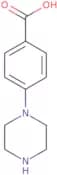
CAS:<p>4-Methoxy-3-nitrobenzoic acid is a hydroxybenzoic acid, and belongs to the group of heterocyclic compounds. It is a preactivated hydroxybenzoate that can be used in the synthesis of griseoluteic acid with chloride as an electron donor. Griseoluteic acid has inhibitory activities on isolated yield. This compound also has potent antitumor activity, which may be due to its ability to inhibit DNA synthesis and protein synthesis by binding to DNA polymerase and ribosomes respectively. Preparative high performance liquid chromatography (HPLC) using this compound is possible with marine microorganisms as the stationary phase. The x-ray absorption spectrum shows that 4-methoxy-3-nitrobenzoic acid has potential for use as a contrast agent for x-rays in imaging tissues.</p>Formula:C8H7NO5Purity:Min. 98 Area-%Color and Shape:PowderMolecular weight:197.14 g/mol4-(Piperazin-1-yl)benzoic acid hydrochloride
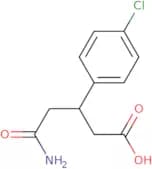
CAS:<p>4-(Piperazin-1-yl)benzoic acid hydrochloride is a chemical intermediate that is used in the synthesis of pharmaceuticals. It has been shown to be a useful scaffold, and can be used as a reaction component and building block in the synthesis of complex compounds. 4-(Piperazin-1-yl)benzoic acid hydrochloride is also versatile, as it has been shown to be an intermediate for the synthesis of fine chemicals.</p>Formula:C11H14N2O2•HClPurity:Min. 95%Color and Shape:PowderMolecular weight:242.7 g/mol3-(4-Chlorophenyl)glutaramic acid
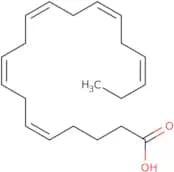
CAS:<p>3-(4-Chlorophenyl)glutaramic acid (3-PGA) is a nucleophilic compound that has been used for the treatment of trigeminal neuralgia. 3-PGA reacts with monomers, such as butanol and alkene, to form condensation products, which are then degraded by imine or additives. This process can be reversed by adding magnesium to the reaction mixture. 3-PGA is also used in polymerization reactions to produce copolymers from monomers like vinyl chloride and ethylene. The polymerization inhibitor 3-PGA prevents the formation of high molecular weight polymers that cannot be degraded by enzymes.</p>Formula:C11H12ClNO3Purity:Min. 95%Color and Shape:PowderMolecular weight:241.67 g/molEicosapentaenoic acid
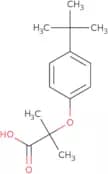
CAS:<p>Inhibitor of 5-lipoxygenase; reduces thromboxane A2 production</p>Formula:C20H30O2Purity:Min. 96 Area-%Color and Shape:Colorless Clear LiquidMolecular weight:302.45 g/mol2-(4-tert-Butylphenoxy)-2-methylpropanoic acid
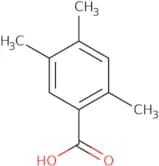
CAS:<p>2-(4-tert-Butylphenoxy)-2-methylpropanoic acid is a versatile building block and reagent for the synthesis of complex compounds. It has been used in research as a possible treatment for inflammatory diseases, including asthma and rheumatoid arthritis. This product is also a useful scaffold for the development of new drugs. 2-(4-tert-Butylphenoxy)-2-methylpropanoic acid has been shown to have antiviral properties against human immunodeficiency virus (HIV) and hepatitis C virus (HCV).</p>Formula:C14H20O3Purity:Min. 95%Color and Shape:PowderMolecular weight:236.31 g/mol2,4,5-Trimethylbenzoic acid
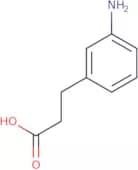
CAS:<p>2,4,5-Trimethylbenzoic acid is a white crystalline solid that is soluble in water. It is used as an analytical reagent and oxidation catalyst. 2,4,5-Trimethylbenzoic acid can be found in polymer films and inorganic acids. The oxidation products of 2,4,5-Trimethylbenzoic acid are known to have antioxidant properties. The compound can be found as an oxidant or an activator in organic synthesis reactions. 2,4,5-Trimethylbenzoic acid has been used as a starting material for the synthesis of acyl halides and carboxylates. It also has been used to synthesize fatty acids from unsaturated hydrocarbons.</p>Formula:C10H12O2Purity:Min. 95%Color and Shape:PowderMolecular weight:164.2 g/molβ-(3-Aminophenyl)propionic acid
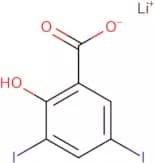
CAS:<p>Beta-(3-aminophenyl)propionic acid (BAPA) is a β-amino acid that inhibits the formation of nitric oxide and other reactive oxygen species by binding to a receptor on the surface of cells. BAPA also has inhibitory properties against certain enzymes, such as aminopyrine N-demethylase and carbonic anhydrase. It is used in analytical methods for amines, malonic acid, and hydrochloride salts. Carbon sources that are metabolized by fungi can be converted into BAPA through the process of asymmetric synthesis. This compound is also used as a precursor for gamma-aminobutyric acid (GABA), which is a neurotransmitter in the central nervous system.</p>Formula:C9H11NO2Purity:Min. 95%Color and Shape:PowderMolecular weight:165.19 g/molLithium 3,5-diiodosalicylic acid
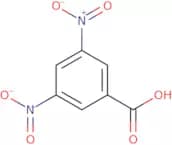
CAS:<p>Lithium 3,5-diiodosalicylic acid (Li3,5I2SA) is a cross-linking agent that has been shown to inhibit phosphatase activity and receptor binding in vitro. It also inhibits sugar transport, which is important for the functioning of human cells. Li3,5I2SA has been used to study the action of drugs on cancer cells and spermatozoa. This compound has also been tested as an inhibitor of membrane lipid peroxidation. Li3,5I2SA attaches to red blood cell membranes by binding to sites with high concentrations of monoclonal antibodies. The sequences of this compound have not yet been fully elucidated.</p>Formula:C7H4I2O3•LiPurity:Min. 98 Area-%Color and Shape:PowderMolecular weight:396.85 g/mol3,5-Dinitrobenzoic acid
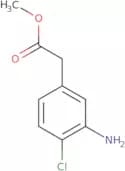
CAS:<p>3,5-Dinitrobenzoic acid is a chemical substance that is used to treat bowel disease. It has been shown to have a good effect on the treatment of diseases caused by bacteria, such as Clostridium difficile and Escherichia coli. 3,5-Dinitrobenzoic acid is an organic compound that belongs to the group of p2 compounds. The mechanism for its antibacterial activity is currently unknown. It has been found to be soluble in water at a concentration of 0.1 M and can be detected in wastewater samples. 3,5-Dinitrobenzoic acid has been shown to react with 2,4-dichlorobenzoic acid to form 2-nitrobenzyl alcohol and 4-chlorophenylhydrazine. This reaction also produces hydrogen gas that can cause explosions when mixed with air or other combustible materials. The structure consists of two benzene rings attached to nitro groups</p>Formula:C7H4N2O6Purity:Min. 98 Area-%Color and Shape:PowderMolecular weight:212.12 g/mol3-Amino-4-chlorophenylacetic acid methyl ester
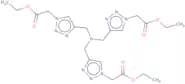
CAS:<p>3-Amino-4-chlorophenylacetic acid methyl ester is a fine chemical that is useful as a building block in the synthesis of complex compounds. It has been used as a reagent and speciality chemical, which can be used for research purposes. CAS No. 59833-69-1</p>Formula:C9H10ClNO2Purity:Min. 95%Molecular weight:199.63 g/mol1,1',1''-Tris(1H-1,2,3-triazol-4-yl-1-acetic acid ethyl ester) trimethylamine
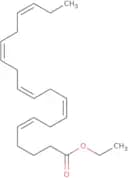
CAS:<p>1,1',1''-Tris(1H-1,2,3-triazol-4-yl-1-acetic acid ethyl ester) trimethylamine is an organic solvent that has been used in the synthesis of azide–alkyne cycloaddition products. The solvent has shown to be soluble in water and is stable at high temperatures. It can also be used as a reagent or ligand for cycloaddition reactions with alkynes.</p>Formula:C21H30N10O6Purity:Min. 95%Color and Shape:White PowderMolecular weight:518.53 g/molEicosapentaenoic acid ethyl ester
CAS:<p>Eicosapentaenoic acid ethyl ester (EPA-E) is a natural compound that belongs to the group of polyunsaturated fatty acids. EPA-E has been shown to be an antioxidant, which prevents oxidative damage and reduces inflammation. It has been found to lower LDL cholesterol and triglycerides in clinical trials. EPA-E also decreases body mass index, hepatic steatosis, and symptoms of metabolic syndrome. The mechanism of action for these effects is not fully understood but may be due to increased activity of the enzyme spal2. EPA-E has been shown to have favorable biochemical properties in animal models of atherosclerosis.</p>Formula:C22H34O2Purity:Min. 96 Area-%Color and Shape:Clear LiquidMolecular weight:330.5 g/mol3, 3'- Dihydroxy- [1, 1'- biphenyl] - 4, 4'- dicarboxylic acid
CAS:<p>3, 3'-Dihydroxy- [1, 1'-biphenyl] - 4, 4'-dicarboxylic acid (3,3'DHBA) is a versatile building block that can be used in the synthesis of various organic compounds. It is a necessary reagent for the production of high quality research chemicals and speciality chemicals. 3, 3'-Dihydroxy- [1, 1'-biphenyl] - 4, 4'-dicarboxylic acid has been reported to be useful as an intermediate in the synthesis of complex compounds with diverse applications. This compound has also been used as a reaction component for organic reactions. CAS No.: 861533-46-2.</p>Formula:C14H10O6Purity:Min. 95%Color and Shape:solid.Molecular weight:274.23 g/molH-Ser-His-OH acetate
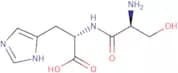
CAS:<p>H-Ser-His-OH acetate salt is an amide that has been shown to have a neutral pH and to be soluble in organic solvents such as chloroform. It has a biological function of being a serine protease inhibitor. H-Ser-His-OH acetate salt binds to the amino acid histidine and inhibits the activity of serine proteases. This product has been used in fluorescence techniques, immunofluorescence analyses, and molecular biology.</p>Formula:C9H14N4O4·xC2H4O2Purity:Min. 95%Color and Shape:PowderMolecular weight:242.24 g/molPiperacillin
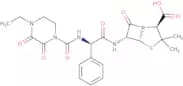
CAS:<p>Piperacillin is a β-lactam antibiotic that inhibits the synthesis of bacterial cell walls by binding to penicillin-binding proteins. It is used for the treatment of serious infections caused by gram-negative organisms such as Aerogenes, Enterobacter, and Klebsiella. Piperacillin has a high MIC90 value against Staphylococcus and other gram-positive bacteria, but it is not active against β-lactamase producing strains of bacteria such as E. coli or Klebsiella pneumoniae. The MIC90 values are determined through an analytical method on different strains of bacteria and validated with a sample preparation before use in clinical trials.</p>Formula:C23H27N5O7SPurity:Min. 95 Area-%Color and Shape:White PowderMolecular weight:517.56 g/mol4-Cyanocinnamic acid
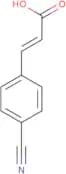
CAS:<p>4-Cyanocinnamic acid is a fatty acid that has been shown to be a substrate for the bacterial enzyme cinnamate 4-hydroxylase. The molecular weight of this compound is 136.16 g/mol, and it has a constant boiling point of 206°C. It can be synthesized from phenylacetic acid and p-coumaric acid using a transesterification reaction. This compound is reactive with carbonyl groups, which makes it useful in the detection of gram-positive bacteria by fluorescent probes or fluorescent dyes. 4-Cyanocinnamic acid is unreactive with esters of carboxylic acids, such as methyl esters, making it useful for the determination of fatty acids in isolates.</p>Formula:C10H7NO2Purity:Min. 95%Color and Shape:PowderMolecular weight:173.17 g/molDibenzoyl-L-tartaric acid monohydrate
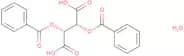
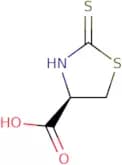
CAS:<p>Dibenzoyl-L-tartaric acid monohydrate is a chiral molecule that can be found in nature. It is soluble in organic solvents, but insoluble in water. Dibenzoyl-L-tartaric acid monohydrate has an affinity for carboxylate ligands and absorbs at 360 nm. The optical rotation of this compound is +20° to -50°, depending on the concentration and pH of the solution. This molecule is a potential pollutant because it can be degraded by oxidation or photolysis, yielding environmentally hazardous compounds. Its conformation may be changed by light or heat and, as a result, its properties may also change.</p>Formula:C18H14O8·H2OPurity:Min. 95%Color and Shape:PowderMolecular weight:376.31 g/mol(4R)-(-)-2-Thioxo-4-thiazolidinecarboxylic acid
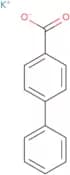
CAS:<p>(4R)-(-)-2-Thioxo-4-thiazolidinecarboxylic acid is a metabolite of the drug diazepam. It has been shown to inhibit DNA polymerase and human prostate cancer cells in vitro, but not in vivo. In addition, it has been found to be an analytical method for detecting diazepam metabolites in urine. The drug is used as a biomarker for monitoring the pharmacokinetics of diazepam and its active form N-desmethyldiazepam. (4R)-(-)-2-Thioxo-4-thiazolidinecarboxylic acid can also be used as a potential biomarker for assessing response to chemotherapy treatment.</p>Formula:C4H5NO2S2Purity:Min. 95%Color and Shape:PowderMolecular weight:163.22 g/molPotassium 4-biphenylcarboxylate
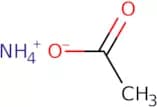
CAS:<p>Potassium 4-biphenylcarboxylate is a fine chemical that is a useful intermediate for research chemicals. It is a versatile building block and can be used as a reaction component in the synthesis of complex compounds. Potassium 4-biphenylcarboxylate has been shown to react with polystyrene to form poly(4-phenoxybutadiene), which is known for its high quality and good solubility. Potassium 4-biphenylcarboxylate has also been shown to have antioxidant properties, which may be due to its ability to scavenge reactive oxygen species (ROS).</p>Formula:C13H9O2•KPurity:Min. 95%Color and Shape:PowderMolecular weight:236.31 g/molAmmonium acetate
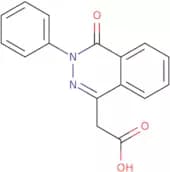
CAS:<p>Ammonium acetate is a salt that is used in the laboratory to synthesize ubiquitin ligases. It has been shown to have receptor activity and can be used to study the interaction between ammonium ions and sodium citrate. Ammonium acetate is a chemical reagent that is used to synthesize ubiquitin ligases, which are proteins that are involved in the degradation of other proteins. Ammonium acetate can also be used as an experimental model for myocardial infarct. The reaction between ammonium and water vapor yields ammonia gas, which can be analyzed with electrochemical impedance spectroscopy (EIS). A solution of ammonium acetate and palladium on zirconium oxide is suitable for coupling reactions, such as amination reactions. This compound has been used as an analytical method for the structural analysis of organic compounds.</p>Formula:C2H7NO2Color and Shape:White Clear LiquidMolecular weight:77.08 g/mol3-Phenyl-4-phthalazinone-1-acetic acid
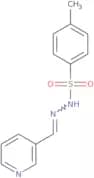
CAS:<p>3-Phenyl-4-phthalazinone-1-acetic acid (3PPAA) is an organic compound that can be used to synthesize gold nanoparticles. Gold nanoparticles are ferroelectric and have a dipole moment. 3PPAA can be modeled using simulations with the panthera program, which is able to predict the effect of various parameters on the morphology of the particles. The shape of the gold nanoparticles can be controlled by changing the concentration of 3PPAA in water and by adding or removing a stabilizing agent such as sodium bicarbonate. 3PPAA has been shown to have a strong interaction with mitochondrial DNA, which could lead to death of cells by interfering with mitochondrial function.</p>Formula:C16H12N2O3Purity:Min. 95%Color and Shape:SolidMolecular weight:280.28 g/molBenzenesulfonic acid, 4-methyl-2-(3-pyridinylmethylene)hydrazide
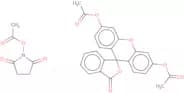
CAS:<p>Please enquire for more information about Benzenesulfonic acid, 4-methyl-2-(3-pyridinylmethylene)hydrazide including the price, delivery time and more detailed product information at the technical inquiry form on this page</p>Purity:Min. 95%5(6)-Carboxyfluorescein diacetate N-succinimidyl ester
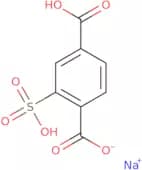
CAS:<p>5(6)-Carboxyfluorescein diacetate N-succinimidyl ester is a high quality chemical that is used as an intermediate in the synthesis of fluorescein, a complex compound. It is also useful as a reagent and building block in the synthesis of other compounds. 5(6)-Carboxyfluorescein diacetate N-succinimidyl ester is soluble in water and can be used to make fine chemicals, such as speciality chemicals and research chemicals. The chemical is also versatile and can be used as a reaction component for synthesizing other compounds.</p>Formula:C29H19NO11Purity:Min. 95%Color and Shape:White PowderMolecular weight:557.46 g/mol2-Sulphoterephthalic monosodium
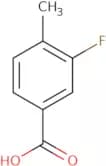
CAS:<p>2-Sulphoterephthalic monosodium (2-SPM) is a zirconium oxide that is synthesized by reacting 5-hydroxymethylfurfural with hydrochloric acid in the presence of 2-aminoterephthalic acid. It has been shown to be an efficient catalyst for the synthesis of 5-hmf from glucose in aqueous media. This product also exhibits strong protonation properties and can be used as a hydrogen bonding donor. The fluorescence properties of 2-SPM have also been studied, which may lead to its potential use as a supramolecular fluorescent probe.</p>Formula:C8H5NaO7SPurity:Min. 95%Color and Shape:White PowderMolecular weight:268.18 g/mol3-Fluoro-4-methylbenzoic acid
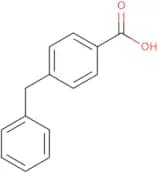
CAS:<p>3-Fluoro-4-methylbenzoic acid is an organic compound that is used as a ligand in coordination chemistry. This compound is an alkynyl ligand with a selenium atom at the 3 position, and it can be used to make metal complexes with cycloalkyl and heterocycloalkyl rings. 3-Fluoro-4-methylbenzoic acid has been shown to be a potent inhibitor of matrix metalloproteinase activity.</p>Formula:C8H7FO2Purity:Min. 95%Color and Shape:PowderMolecular weight:154.14 g/molDiphenylmethane-4-carboxylic acid
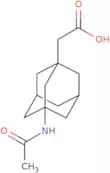
CAS:<p>Diphenylmethane-4-carboxylic acid is a synthetic compound that has been used as a contraceptive. It works by forming a hydrophobic complex with fatty acids in the cell membrane, which prevents the uptake of glyoxal and thiosemicarbazide. Diphenylmethane-4-carboxylic acid has also been shown to be effective in treating cancerous tumors in rats. The formation rate of diphenylmethane-4-carboxylic acid can be increased when it is reacted with citric acid or phosphoric acid in the presence of phosphorus pentoxide. The reaction is catalyzed by sodium hydroxide solution or hydroxide solution.</p>Formula:C14H12O2Purity:Min. 98 Area-%Color and Shape:PowderMolecular weight:212.24 g/mol3-Acetylamino-1-adamantane acetic acid
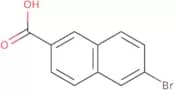
CAS:<p>3-Acetylamino-1-adamantane acetic acid is an epoxide that is soluble in water. It can be readily prepared from 3-aminoadamantan-1-ol by acylation with acetyl chloride. The yields of the reaction are high, and the product is soluble in water. This compound has a number of analogs that are also soluble in water and isosteric with it. The solubility of these analogs can be enhanced by substituting the amine group with a hydrophilic group such as methyl or carboxylic acid esters. 3-Acetylamino-1-adamantane acetic acid is a polycyclic molecule that contains two epoxide groups and therefore can act as an inhibitor for polycyclic hydrocarbon hydroxylases. It also inhibits the enzyme epoxide hydrolase, which catalyzes the conversion of epoxides to alcohols and oxiranes. In</p>Formula:C14H21NO3Purity:Min. 95%Molecular weight:251.32 g/mol6-Bromo-2-naphtholic acid
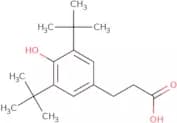
CAS:<p>6-Bromo-2-naphtholic acid is a methanol solvent. It has been shown to have biological properties and can be used in optical imaging. 6-Bromo-2-naphtholic acid is also used to synthesize 1-adamantanol, which is an organic compound that has been shown to have antimicrobial properties. A solution of 6-bromo-2-naphthol in hydrochloric acid was found to react with 4-methoxyphenyl boronic acid to produce a mixture of products that include the desired 1,4,5,8,9,10,11,12 hexahydrobenzo[a]phenanthrene. The vibrational frequencies for this product were determined using IR spectroscopy and the binding constants were calculated using DFT computational methods. The molecular structure of this product was determined using molecular modeling and quantum chemistry. Naphthalene is the parent</p>Formula:C11H7O2BrPurity:Min. 95%Color and Shape:PowderMolecular weight:251.08 g/mol3,5-di-tert-Butyl-4-hydroxyphenylpropionic acid
CAS:<p>3,5-Di-tert-butyl-4-hydroxyphenylpropionic acid (BHT) is a phenolic compound that is used as an antioxidant in food and cosmetic products. It has been shown to inhibit the growth of Streptococcus faecalis and Pseudomonas aeruginosa in cell culture. BHT has also been shown to have antioxidative properties in vitro. BHT has been found to react with other molecules (e.g., oxygen, carbon dioxide, or nitric oxide) to produce stable chemical species that are not harmful to cells. These reactions lead to the formation of chemical structures that are less reactive than BHT itself. This property may be due to its ability to scavenge free radicals, thereby preventing lipid peroxidation and oxidative damage.</p>Formula:C17H26O3Purity:Min. 95%Color and Shape:PowderMolecular weight:278.39 g/mol(3-Aminomethyl)benzoic acid hydrochloride
CAS:<p>(3-Aminomethyl)benzoic acid hydrochloride is a high-quality, versatile compound that can be used as a reagent or scaffold for the synthesis of complex compounds. It is a fine chemical that can be used as an intermediate in organic chemistry and has been shown to be useful in the synthesis of speciality chemicals. The CAS number for this chemical is 876-03-9. This chemical is also a versatile building block for reactions, and has been shown to be an excellent reaction component for research purposes.</p>Formula:C8H9NO2•HClPurity:Min. 95%Color and Shape:PowderMolecular weight:187.62 g/molEthyl 4-aminophenylacetate
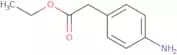
CAS:<p>Ethyl 4-aminophenylacetate is a synthetic compound that has been shown to have anticancer activity in vitro. It has been shown to inhibit the activation of mouse splenocytes by carbonyl group-containing compounds, which are induced by lipopolysaccharide (LPS). Ethyl 4-aminophenylacetate also inhibits the binding of primary amines to opioid receptors in vitro. This compound has not been tested in vivo for its anticancer activity.</p>Formula:C10H13NO2Purity:Min. 95%Color and Shape:PowderMolecular weight:179.22 g/molIralukast Na
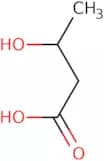
CAS:<p>Iralukast Na is a leukotriene receptor antagonist that prevents bronchoconstrictor response. It binds to the cystic fibrosis transmembrane conductance regulator (CFTR) and blocks the binding of leukotrienes, which are potent bronchoconstrictors. Iralukast Na also blocks the activity of inflammatory cells and reduces bowel inflammation. Iralukast Na has been shown to be effective in treating asthma, inflammatory bowel disease, and other autoimmune diseases.</p>Formula:C38H36F3NaO8SPurity:Min. 95%Molecular weight:732.198073-Hydroxybutyric acid
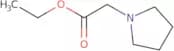
CAS:<p>3-Hydroxybutyric acid is a fatty acid that is the product of the oxidation of butyric acid. It has been shown to have biological functions such as inhibition of glucose uptake and activation of transport properties in recombinant cells. 3-Hydroxybutyric acid also has a role in regulation of intracellular pH, which can be measured by monitoring changes in the levels of hydrochloric acid or sodium salts in urine samples. The biological function of 3-hydroxybutyric acid may be related to its ability to inhibit the growth of bacteria, such as Pseudomonas aeruginosa. This compound has been successfully used as a model protein for cytosolic proteins.</p>Formula:C4H8O3Purity:(%) Min. 80%Color and Shape:Clear LiquidMolecular weight:104.1 g/molEthyl pyrrolidinoacetate
CAS:<p>Ethyl pyrrolidinoacetate is a chemical intermediate that can be used as a building block for other chemicals. It has been shown to react with aliphatic amines to form imine derivatives, which are useful in the synthesis of polymers and other chemicals. Ethyl pyrrolidinoacetate is also a versatile scaffold for organic chemistry, being able to undergo reactions with both nucleophilic and electrophilic reagents. This compound is also used in research for pharmaceuticals and other compounds.</p>Formula:C8H15NO2Color and Shape:Clear LiquidMolecular weight:157.21 g/molPolymaleic acid, 48% aqueous solution
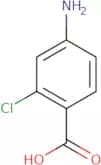
CAS:<p>Polymaleic acid is a homopolymer of maleic acid. It is a very efficient calcium carbonate antiscalant showing excellent performance in high temperature as well as high alkaline cooling water systems. The product is stable in presence of chlorine or other oxidizing biocides. Due to this and high temperature tolerance the material has found use in desalination plants.</p>Formula:(C4H4O4)nPurity:Min. 95%Color and Shape:Clear Liquid4-Amino-2-chlorobenzoic acid - 98%
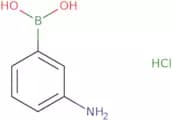
CAS:<p>4-Amino-2-chlorobenzoic acid (4ACBA) is a pharmaceutical chemical that is used in the preparation of pharmaceutical preparations. 4ACBA has been shown to be absorbed through the maternal blood and have an inhibitory effect on rat sciatic nerve. The uptake of 4ACBA was found to be dose dependent, with a maximum concentration reached after 30 minutes. The pharmacokinetic properties of 4ACBA have been shown to be nonlinear, with plasma concentrations decreasing as dosage increases.</p>Formula:C7H6ClNO2Purity:Min. 95%Color and Shape:PowderMolecular weight:171.58 g/mol(3-Aminophenyl)boronic acid hydrochloride
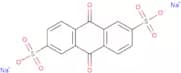
CAS:<p>3-Aminophenylboronic acid hydrochloride is a chemical compound that is used for analytical chemistry, bioconjugate chemistry, and clinical diagnostics. The compound binds to model proteins with high affinity and specificity. 3-Aminophenylboronic acid hydrochloride has been shown to have low binding constants with polyols, which make it ideal for use in cell culture. 3-Aminophenylboronic acid hydrochloride has a pK of 2.7 at pH 7.4, making it acidic at this pH. The compound also has a pK of 9.3 at pH 4.5, making it neutral at this pH. 3-Aminophenylboronic acid hydrochloride is an electrochemically active molecule and can be used as an electrode material in electrochemical impedance spectroscopy experiments.</p>Formula:C6H9BClNO2Purity:Min. 95%Color and Shape:PowderMolecular weight:173.4 g/molAnthraquinone-2,6-disulfonic acid disodium
CAS:<p>Anthraquinone-2,6-disulfonic acid disodium salt is a reactive, redox potential chemical that has been shown to be stable to intermolecular hydrogen bonding and crystalline in structure. It has the ability to react with carbon sources and can be used as a catalyst in coordination chemistry. Anthraquinone-2,6-disulfonic acid disodium salt has been shown to have fluorescence properties under UV light and FTIR spectroscopy.</p>Formula:C14H6Na2O8S2Purity:Min. 95%Color and Shape:Beige PowderMolecular weight:412.3 g/mol

![Hydroxy-[4-(4-hydroxy-5-bromo-3-iodophenoxy)-3,5-diiodophenyl]acetic acid](/_next/image/?url=https%3A%2Fstatic.cymitquimica.com%2Fproducts%2F3D%2Fthumb-webp%2FFH66633.webp&w=3840&q=75)




![5-[(3aR,6S,6aS)-2,5,5-trioxo-1,3,3a,4,6,6a-hexahydrothieno[3,4-d]imidazol-6-yl]pentanoic acid](/_next/image/?url=https%3A%2Fstatic.cymitquimica.com%2Fproducts%2F3D%2Fthumb-webp%2FFB64039.webp&w=3840&q=75)

![3, 3'- Dihydroxy- [1, 1'- biphenyl] - 4, 4'- dicarboxylic acid](/_next/image/?url=https%3A%2Fstatic.cymitquimica.com%2Fproducts%2F3D%2Fthumb-webp%2FFD164941.webp&w=3840&q=75)