Carboxylic Acids
Carboxylic acids are organic molecules characterized by having a carboxyl-type functional group (-COOH). These acids are fundamental in various chemical reactions, including esterification, amidation, and decarboxylation. Carboxylic acids are widely used in the production of pharmaceuticals, polymers, and agrochemicals. In this section, you can find a large number of carboxylic acids ready to be used. At CymitQuimica, we provide a broad range of high-quality carboxylic acids to support your research and industrial applications.
Found 12453 products of "Carboxylic Acids"
Sort by
Purity (%)
0
100
|
0
|
50
|
90
|
95
|
100
Biotinyl-(Cys1,Lys(biotinyl)18)-Calcitonin (human) trifluoroacetate salt
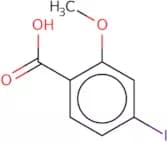
CAS:<p>Please enquire for more information about Biotinyl-(Cys1,Lys(biotinyl)18)-Calcitonin (human) trifluoroacetate salt including the price, delivery time and more detailed product information at the technical inquiry form on this page</p>Formula:C171H254N44O49S5Purity:Min. 95%Molecular weight:3,870.44 g/mol4-Iodo-2-methoxybenzoic acid
CAS:<p>4-Iodo-2-methoxybenzoic acid is an organic compound that contains a carbonyl group and a copper chelate. It has been shown to be stable in the presence of mercapto, chloroform, and palladium. The chemical structures of 4-iodo-2-methoxybenzoic acid are different from those of other compounds because it contains a chelate ring. Experiments have shown that extracts containing 4-iodo-2-methoxybenzoic acid are more extractable than those without it. This is due to the chelate ring which can act as an ion exchange group, allowing for the extraction of charged ions from the solution.</p>Formula:C8H7IO3Purity:Min. 95%Color and Shape:PowderMolecular weight:278.04 g/mol(Des-Gly10,D-Ser4,D-Trp6,Pro-NHEt 9)-LHRH trifluoroacetate salt
<p>Please enquire for more information about (Des-Gly10,D-Ser4,D-Trp6,Pro-NHEt 9)-LHRH trifluoroacetate salt including the price, delivery time and more detailed product information at the technical inquiry form on this page</p>Formula:C64H83N17O12Purity:Min. 95%Color and Shape:PowderMolecular weight:1,282.45 g/molQuinovic acid
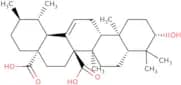
CAS:Controlled Product<p>Quinovic acid is a natural compound that has been shown to have anti-cancer effects. It is an alkanoic acid glycoside derivative, which is extracted from the acetate extract of the genus Quinovic. Quinovic acid inhibits DPP-IV and may be used as an inhibitor of inflammatory reactions in autoimmune disorders. The pharmacokinetic properties of quinovic acid have been studied in mice, which showed that it was rapidly absorbed and eliminated through urine. There are also no known reports of toxicity associated with this substance.</p>Formula:C30H46O5Purity:Min. 95%Color and Shape:White to off-white solid.Molecular weight:486.68 g/molPalmitoleic acid, 70%
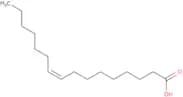
CAS:<p>Palmitoleic acid is a fatty acid that has been shown to have anti-inflammatory effects. Palmitoleic acid inhibits the production of pro-inflammatory cytokines and attenuates the activation of macrophages, as well as inhibiting the expression of genes involved in cell proliferation. Palmitoleic acid has also been shown to be effective against bowel disease, such as Crohn's disease. In a low-dose group, palmitoleic acid inhibited the production of matrix metalloproteinases in 3T3-L1 preadipocytes and hl-60 cells. It also decreased the release of basic proteins from these cells and increased their energy metabolism.</p>Formula:C16H30O2Purity:Min. 70%Color and Shape:Clear LiquidMolecular weight:254.41 g/molIndole-7-carboxylic acid
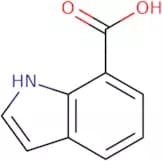
CAS:<p>Indole-7-carboxylic acid is a tetrahydropyridine that can be prepared by formylation of indole-7-carboxylic acid with formaldehyde and hydroxylamine. It is also the reaction product of dimethoxybenzene and cyanoindole in the presence of a base. Indole-7-carboxylic acid has been used in the synthesis of several drugs, including metronidazole and nitrofurantoin.</p>Formula:C9H7NO2Purity:Min. 95%Molecular weight:161.16 g/mola-Lipoic acid
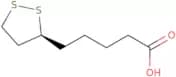
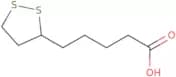
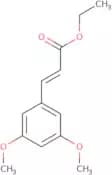
CAS:<p>a-Lipoic acid is a metabolite of the essential amino acid threonine and an antioxidant. It has been shown to be effective in treating bowel disease, oxidative injury, and ischemia-reperfusion injury. a-Lipoic acid has also been shown to have beneficial effects in the treatment of diabetic neuropathy and as an adjuvant therapy for cancer chemotherapies. The biochemical properties of this agent have been studied extensively, with a focus on its protective effects against mitochondrial membrane depolarization and long-term toxicity. There are no reports of genotoxicity or carcinogenicity.</p>Formula:C8H14O2S2Purity:Min. 98 Area-%Color and Shape:Yellow PowderMolecular weight:206.33 g/mol3,5-Dimethoxycinnamic acid methyl ester
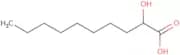
CAS:<p>Please enquire for more information about 3,5-Dimethoxycinnamic acid methyl ester including the price, delivery time and more detailed product information at the technical inquiry form on this page</p>Formula:C12H14O4Purity:Min. 95%Molecular weight:222.24 g/mol(+/-)-2-Hydroxydecanoic acid
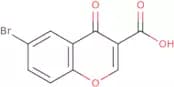
CAS:<p>2-Hydroxydecanoic acid is a fatty acid that has a hydroxy group and a hydroxyl group. It is used as an active substance in pharmaceutical preparations and as a synthetic chemical intermediate. 2-Hydroxydecanoic acid can be produced by the oxidation of 2-hydroxyoctanoic acid with hydrogen peroxide or sodium perborate. The analytical method for this compound is based on its constant boiling point (184°C). 2-Hydroxydecanoic acid has been shown to have nootropic activity in rats at nanomolar concentrations and also has sustained-release properties when it is incorporated into microspheres. The average particle diameter of these microspheres is 10 micrometers, which makes them suitable for use as a sustained-release drug delivery system.</p>Formula:C10H20O3Purity:Min. 95%Color and Shape:White PowderMolecular weight:188.26 g/mol6-Bromochromone-3-carboxylic acid
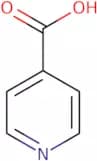
CAS:<p>6-Bromochromone-3-carboxylic acid is a reactive building block that is used as a reagent. It is also a useful scaffold for the synthesis of complex compounds, due to its high quality and versatility. 6-Bromochromone-3-carboxylic acid can be used as a starting material for the synthesis of fine chemicals such as pharmaceuticals, pesticides, and dyes. This compound has CAS number 51085-91-7.br><br>6-Bromochromone-3-carboxylic acid is an important intermediate in organic syntheses because it can be reacted with other molecules containing functional groups to produce new compounds.br><br>The 6-bromochromone carboxylic acid group reacts with alcohols and amines to form esters and amides respectively. The carboxylic acid group can also react with phenols to produce phenoxy acids.br><br>This compound</p>Formula:C10H5BrO4Purity:Min. 95%Color and Shape:PowderMolecular weight:269.05 g/molIsonicotinic acid
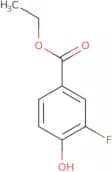
CAS:<p>Isonicotinic acid is an intramolecular hydrogen compound that has been shown to have antimicrobial activity. It has the ability to bind to the surface of bacteria and inhibit their growth by forming a complex with water vapor. Isonicotinic acid also inhibits the growth of subcutaneous tumors in mice and is believed to have anti-inflammatory properties. Isonicotinic acid may be a non-toxic agent for the treatment of bacterial infections because it does not react with human serum or cause hemolysis.</p>Formula:C6H5NO2Purity:Min. 98.5 %Color and Shape:PowderMolecular weight:123.11 g/mol3-Fluoro-4-hydroxybenzoic acid ethyl ester
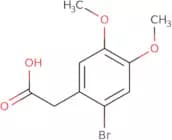
CAS:<p>3-Fluoro-4-hydroxybenzoic acid ethyl ester is a versatile building block that is used as a reagent in organic synthesis. It has the CAS number 56355-21-6. This compound has been shown to be useful for the synthesis of various pharmaceuticals and other complex compounds, such as 3-fluoro-4-(2,2,2-trifluoroethoxy)benzoic acid ethyl ester.</p>Formula:C9H9FO3Purity:Min. 95%Color and Shape:PowderMolecular weight:184.16 g/mol2-Bromo-4,5-dimethoxyphenylacetic acid
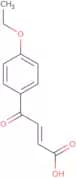
CAS:<p>2-Bromo-4,5-dimethoxyphenylacetic acid is a synthetic compound that has been shown to be effective in the treatment of cancer. It acts by inhibiting the growth and proliferation of cancer cells. 2-Bromo-4,5-dimethoxyphenylacetic acid inhibits cancer cell division by amide formation with DNA, leading to DNA strand breakage. This drug also prevents the growth and proliferation of cancer cells by preventing their division. 2-Bromo-4,5-dimethoxyphenylacetic acid is used as a precursor for other anti-cancer agents that are synthesized from it and have increased potency.</p>Formula:C10H11BrO4Purity:Min. 95%Color and Shape:PowderMolecular weight:275.1 g/mol3-(4-Ethoxybenzoyl)acrylic acid
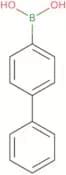
CAS:<p>3-(4-Ethoxybenzoyl)acrylic acid is a chemical that belongs to the group of reagents. It can be used in research involving organic synthesis as a building block and as an intermediate. 3-(4-Ethoxybenzoyl)acrylic acid can also be used to synthesize complex compounds or fine chemicals. The product is high quality, easy to use, and has many uses. This compound is a versatile building block that can be used to make many different compounds.</p>Formula:C12H12O4Purity:Min. 95%Color and Shape:PowderMolecular weight:220.22 g/mol4-Biphenylboronic acid
CAS:<p>4-Biphenylboronic acid is a molecule that belongs to the group of amines. It is used in plant science to study the effects of amines on plants. The molecule has been shown to have a high UV absorption and catalysis activity. 4-Biphenylboronic acid has also been shown to bind with p-hydroxybenzoic acid, which inhibits binding with proteins, leading to a change in morphology. 4-Biphenylboronic acid can be used as a chemical inhibitor for root formation and other biological functions.</p>Formula:C12H11BO2Purity:Min. 95%Color and Shape:White Off-White PowderMolecular weight:198.03 g/molNipecotic acid
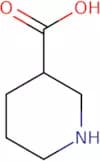
CAS:<p>Nipecotic acid is a competitive inhibitor of glutamate. It binds to the extracellular site of the glutamate-gated chloride channel and blocks the influx of chloride ions into the cell, resulting in an increase in intracellular chloride ion concentrations. Nipecotic acid has been shown to have a variety of effects on behaviour, including increased rotarod performance and improved motor learning in rats. This drug also inhibits uptake of hydrogen tartrate into cells, which is essential for catabolism of glucose by glycolysis. The effect on locomotor activity was not observed when nipecotic acid was administered orally or intraperitoneally. Nipecotic acid has a high resistance to hydrolysis by p-hydroxybenzoic acid and is used as an analytical standard for this compound.</p>Formula:C6H11NO2Color and Shape:PowderMolecular weight:129.15 g/molNb-N-(benzhydryloxycarbonyl)cytosine)-1-acetic acid
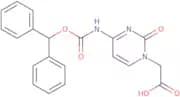
CAS:<p>Nb-N-(benzhydryloxycarbonyl)cytosine)-1-acetic acid is a speciality chemical that is used as a reagent, building block, and scaffold for organic synthesis. This compound can be used in various reactions to produce complex compounds with high purity. Nb-N-(benzhydryloxycarbonyl)cytosine)-1-acetic acid is an excellent starting material for the production of fine chemicals, research chemicals, and versatile building blocks. It is also a useful intermediate for the production of pharmaceuticals and other useful compounds.</p>Formula:C20H17N3O5Purity:Min. 98 Area-%Color and Shape:White PowderMolecular weight:379.37 g/molFenofibric acid
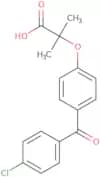
CAS:<p>Fenofibric acid is a fibrate drug. It is used in the treatment of hypercholesterolemia, including combined with statins and other lipid-lowering drugs. Fenofibric acid has been shown to reduce plasma triglycerides and LDL cholesterol levels. It also reduces atherosclerotic plaque formation by suppressing macrophage accumulation in lesions. Fenofibric acid has been shown to inhibit ATP binding cassette transporter A1 (ABCA1) activity, which may contribute to its ability to increase HDL cholesterol levels.</p>Formula:C17H15ClO4Purity:Min. 95%Color and Shape:PowderMolecular weight:318.75 g/molN-L-Lysyl-L-glutamic acid
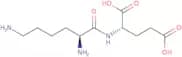
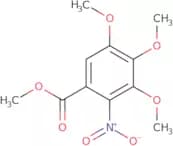
CAS:<p>Lysyl-glutamic acid is a potent antagonist that blocks the activity of growth factor-β1, which is vital for the growth of gland cells. Lysyl-glutamic acid has also been shown to inhibit epidermal growth factor and activate tissue culture cells. This drug has also been shown to be carcinogenic in humans and animals, but not in vitro. It is metabolized by hydrolysis to lysine and glutamic acid. The chemical structures of lysyl-glutamic acid are very similar to those of the amino acids lysine and glutamic acid.</p>Formula:C11H21N3O5Purity:Min. 95 Area-%Color and Shape:PowderMolecular weight:275.3 g/mol2-Nitro-3,4,5-trimethoxybenzoic acid methyl ester
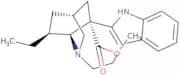
CAS:<p>2-Nitro-3,4,5-trimethoxybenzoic acid methyl ester is a potential anticancer agent. It has been shown to inhibit the growth of cancer cells in vitro and demonstrates anticancer activity against human tumor xenografts in mice. This compound binds to the epidermal growth factor receptor (EGFR) and inhibits its activity. This binding causes downstream signalling pathways to be suppressed, which ultimately prevents tumor cells from proliferating. 2-Nitro-3,4,5-trimethoxybenzoic acid methyl ester also has directional properties that may allow for selective targeting of cancerous cells.<br>2-Nitro-3,4,5-trimethoxybenzoic acid methyl ester is a white crystalline powder with an orthorhombic crystal system and an amine group on each end of the molecule.</p>Formula:C11H13NO7Purity:Min. 95%Color and Shape:PowderMolecular weight:271.22 g/molIbogamine-18-carboxylic acid methyl ester
CAS:<p>Ibogamine is a naturally occurring alkaloid that is found in the roots of plants from the Apocynaceae family. It has been shown to be low-potency and act as an α7 nicotinic acetylcholine receptor agonist. Ibogamine also possesses transport properties through the blood-brain barrier. In addition, it has been shown to inhibit coronaridine-induced convulsions in mice and alkaloids have been isolated from its leaves. Molecular docking analysis has shown that ibogamine binds to the protein data of hep-2 cells, which are used for tissue culture. Ibogamine is a monoterpenoid indole alkaloid with anti-inflammatory properties. It has been shown to have activity against infectious diseases such as tissue culture and plate test experiments, which are used to study fatty acid synthesis and β-oxidation respectively.</p>Formula:C21H26N2O2Purity:Min. 98 Area-%Color and Shape:PowderMolecular weight:338.44 g/mol5-Bromothiophene-2-carboxylic acid methyl ester
CAS:<p>5-Bromothiophene-2-carboxylic acid methyl ester is an alkene that is used in the synthesis of molybdenum trioxide and other polyhalogenated compounds. It can be prepared by alkylation of 5-bromothiophene with ethyl bromoacetate in the presence of carbon tetrachloride and a halide, such as bromine. The use of photophysical optimization has been shown to significantly improve the yield of this reaction. The reactive nature of 5-bromothiophene-2-carboxylic acid methyl ester makes it suitable for use in organic synthesis. This compound has been shown to have a positive effect on bone mass, which may be due to its ability to inhibit osteoclasts, reducing the activity of these cells that break down bone tissue.</p>Formula:C6H5BrO2SPurity:Min. 95%Color and Shape:PowderMolecular weight:221.07 g/mol4-{[(Dimethylamino)sulfonyl]amino}benzoic acid
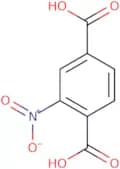
CAS:<p>4-{[(Dimethylamino)sulfonyl]amino}benzoic acid is a reagent that is used as an intermediate in the synthesis of complex compounds. It is also a useful scaffold for the synthesis of speciality chemicals and research chemicals. The compound has been shown to be versatile as a building block in organic reactions, such as condensation, esterification, and nitration.</p>Formula:C9H12N2O4SPurity:Min. 95%Color and Shape:Off-White To Brown SolidMolecular weight:244.27 g/mol2-Nitroterephthalic acid
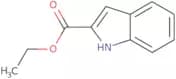
CAS:<p>2-Nitroterephthalic acid is an inorganic acid that belongs to the nitro group. It is a white powder and has a melting point of 115°C. The crystal structure of 2-nitroterephthalic acid was determined using x-ray crystallography, and the thermal expansion coefficient was measured at different temperatures between 10° and 120°C. This compound has been used as a test sample to study the hydrogen bonding interactions between methyl ethyl groups on the molecule's surface with carboxylate groups in other molecules. Structural analysis of this compound also revealed that it contains a carboxylate group that can be converted into an ester for use in organic synthesis.</p>Formula:C8H5NO6Color and Shape:PowderMolecular weight:211.13 g/molIndole-2-carboxylic acid ethyl ester
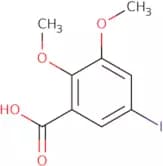
CAS:<p>Indole-2-carboxylic acid ethyl ester is a synthetic compound that binds to cancer cells. It has been shown to inhibit the growth of leukemia cells and breast cancer cells in vitro. Indole-2-carboxylic acid ethyl ester inhibits the binding of collagen to cells, which may be due to its ability to bind to β-carboline alkaloids on collagen. The binding of indole-2-carboxylic acid ethyl ester with these alkaloids prevents them from binding to collagen, thereby preventing the formation of new collagen fibers. This drug also inhibits aldehyde production, which is important for DNA synthesis in cancer cells.</p>Formula:C11H11NO2Purity:Min. 95%Color and Shape:PowderMolecular weight:189.21 g/mol5-Iodo-2,3-dimethoxybenzoic acid
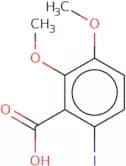
CAS:<p>5-Iodo-2,3-dimethoxybenzoic acid (5IMB) is a synthetic chemical that is used as a radiolabeled substrate for the synthesis of dopamine. The 5IMB is a substrate for the enzyme monoamine oxidase, which converts it to 5-hydroxyindoleacetic acid (5HIAA). The intensity of the signal emitted by 5IMB increases with the increase in concentration of dopamine. It can be used as a positron emission tomography (PET) tracer for dopamine receptors in the brain. The kinetic and uptake properties of 5IMB are different in various regions of the brain, such as striatum and caudate putamen. This difference can be measured using high-performance liquid chromatography (HPLC) and flow rate.<br>5IMB has been shown to have anti-oxidant properties due to its ability to scavenge peroxide radicals.</p>Formula:C9H9IO4Purity:Min. 98 Area-%Color and Shape:PowderMolecular weight:308.07 g/molEthyl [2-methyl-3-(chlorosulfonyl)phenoxy]acetate
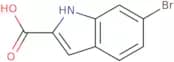
CAS:<p>Ethyl [2-methyl-3-(chlorosulfonyl)phenoxy]acetate is a fine chemical that has been used as a building block in the synthesis of other complex chemicals. It is also an intermediate for the production of pesticides and pharmaceuticals. The compound can be used to form more than one hundred different organic compounds, which makes it a versatile building block. It can be reacted with other chemicals to create new compounds, such as drugs or herbicides.</p>Formula:C11H13ClO5SPurity:Min. 95 Area-%Color and Shape:PowderMolecular weight:292.74 g/mol6-Bromoindole-2-carboxylic acid
CAS:<p>6-Bromoindole-2-carboxylic acid is a useful building block that can be used in the synthesis of complex compounds. This chemical is also a versatile intermediate for research chemicals and pharmaceuticals. 6-Bromoindole-2-carboxylic acid is often used as a reaction component for organic syntheses, such as the manufacture of reagents and other specialty chemicals.</p>Formula:C9H6BrNO2Purity:Min. 95%Color and Shape:PowderMolecular weight:240.05 g/mol[(1-Methyl-1H-indol-5-yl)methyl]amine acetate
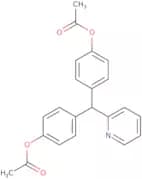
CAS:<p>[(1-Methyl-1H-indol-5-yl)methyl]amine acetate is a versatile building block that can be used in the preparation of a wide range of chemicals. This compound has been shown to react with a variety of reagents, such as phenyliodine diacetate and chloroacetic acid to give various products. [(1-Methyl-1H-indol-5-yl)methyl]amine acetate also reacts with potassium hydroxide (KOH) to produce indole. It is an important intermediate in the synthesis of other chemical compounds and has been reported in more than 200 scientific publications. The chemical formula for [(1-Methyl-1H-indol-5-yl)methyl]amine acetate is C13H14N2O4.</p>Formula:C10H12N2·C2H4O2Purity:Min. 95%Color and Shape:White PowderMolecular weight:220.27 g/mol4,4'-(2-Pyridylmethylene)bisphenol diacetate
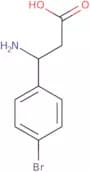
CAS:<p>Laxative</p>Formula:C22H19NO4Purity:Min. 95%Color and Shape:PowderMolecular weight:361.39 g/mol3-Amino-3-(4-bromophenyl)propanoic acid
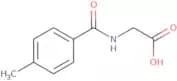
CAS:<p>3-Amino-3-(4-bromophenyl)propanoic acid is a versatile building block that is used in the synthesis of many different compounds. It is a reagent, useful as a research chemical and as a speciality chemical. 3-Amino-3-(4-bromophenyl)propanoic acid has been used in the synthesis of a number of complex compounds, including pharmaceuticals and pesticides. This compound is a good choice for use in organic synthesis because it reacts readily with an array of functional groups, such as carboxylic acids and amines.</p>Formula:C9H10BrNO2Purity:Min. 95%Color and Shape:PowderMolecular weight:244.09 g/mol4-Methyl hippuric acid
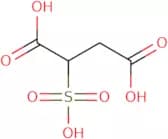
CAS:<p>4-Methyl hippuric acid is a metabolite of benzoic acid, and is excreted in the urine as an end product of phenylalanine metabolism. The matrix effect is a phenomenon that is observed when chromatographic analysis occurs in the presence of impurities or other substances. It can be minimized by using an optimum concentration of hydrochloric acid to extract the analyte from the sample matrix. 4-Methyl hippuric acid can be detected in urine samples by using a chromatographic method and then quantified by measuring its s-phenylmercapturic acid content. This compound has been used as a marker for determining blood pressure and has also been shown to have antihypertensive effects.</p>Formula:C10H11NO3Purity:Min. 95%Color and Shape:PowderMolecular weight:193.2 g/molSulfosuccinic Acid - 70 wt. % in H2O
CAS:<p>Sulfosuccinic acid is a chemical compound that belongs to the group of coumarin derivatives. It has been shown to have good chemical stability in a variety of solvents, including water. Sulfosuccinic acid is also soluble in sodium salts and can be easily prepared as an aqueous solution or as a powder with particle size less than 10 microns. The surface methodology for this compound includes methods such as scanning electron microscopy (SEM), atomic force microscopy (AFM), and X-ray photoelectron spectroscopy (XPS). Sulfosuccinic acid has been found to have matrix effects on proteins and enzymes, which may be due to its basic properties. It is also used in nanoparticulate compositions for lc-ms/ms analysis.</p>Formula:C4H6O7SPurity:Min. 95%Color and Shape:Clear LiquidMolecular weight:198.15 g/molFumaric acid
CAS:<p>Fumaric acid is a dicarboxylic acid that is used in the treatment of bowel disease. This compound is a fumarate, which means it has two carboxylic acid groups and one hydroxyl group. Fumaric acid reacts with copper chloride to form water vapor, which can be toxic if inhaled. Fumaric acid also exhibits antimicrobial properties against bacteria and fungi and can be used as a pharmacological agent for the treatment of various diseases. Fumaric acid's chemical properties are similar to those of sodium salts, which may explain its use in a number of products such as injections or solutions. Structural analysis reveals that the molecular shape of fumaric acid is linear with three hydrogen atoms on each side of the central carbon atom.</p>Formula:C4H4O4Purity:Min. 95%Color and Shape:White Off-White PowderMolecular weight:116.07 g/mol5-Nitro-2-furaldehyde diacetate
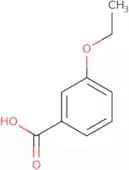
CAS:<p>5-Nitro-2-furaldehyde diacetate is a synthetic compound that can be used in the production of quinoline derivatives. It has been shown to have an inhibitory effect on lung cancer cells, although its mechanism of action is not yet known. 5NFDA was synthesized and tested with a reaction solution containing sodium carbonate and hydrochloric acid. The electron microscopic analysis showed that this compound reacts with the hydroxyl group on the surface of the lung cell membrane. This reaction causes a loss of integrity in the cell wall, leading to cell death.</p>Formula:C9H9NO7Purity:Min. 97 Area-%Color and Shape:PowderMolecular weight:243.17 g/mol3-Ethoxybenzoic acid
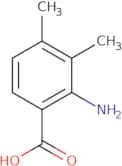
CAS:<p>3-Ethoxybenzoic acid is an organic compound that is used as a ligand in biochemistry. It has been shown to be active in the monooxygenase activity of human cytochrome P450 enzymes, including CYP1A2 and CYP3A4. 3-Ethoxybenzoic acid binds to the ferredoxin molecule, which is a hydrogen-accepting cofactor found in many electron transfer reactions. The orientation of 3-ethoxybenzoic acid with respect to the ferredoxin molecule determines its catalytic activity. Crystallography studies have revealed that 3-ethoxybenzoic acid can bind to two water molecules and one hydroxide ion, stabilizing the ferredoxin molecule and increasing its catalytic activity.</p>Formula:C9H10O3Purity:Min. 95%Color and Shape:PowderMolecular weight:166.17 g/mol2-Amino-3,4-dimethylbenzoic acid
CAS:<p>Protocatechuic acid is a phenolic compound that is found in the cell wall of plants. It has been shown to have radical scavenging activities and antioxidant properties. Protocatechuic acid binds to acetylcholine receptors, which are proteins that are involved in neurotransmission. Protocatechuic acid also inhibits the production of 4-hydroxy radicals, which are reactive oxygen species. This effect was observed when an ethanol extract was used as a source of protocatechuic acid in a study on rats with experimental myocardial infarction. The activity of the muscarinic acetylcholine receptor has been shown to be dose-dependent, with greater activity at lower concentrations and lower activity at higher concentrations. Higher doses can lead to allosteric modulation of this receptor by protocatechuic acid.</p>Formula:C9H11NO2Purity:Min. 95%Color and Shape:PowderMolecular weight:165.19 g/mol[(3-Methylphenyl)amino]acetic acid
CAS:<p>[(3-Methylphenyl)amino]acetic acid is a high quality chemical that can be used as a reagent, intermediate, or building block in the synthesis of other compounds. It is useful for the synthesis of complex compounds and has been shown to have a wide range of applications. This compound can be used in research chemicals and as an intermediate in the production of fine chemicals. [(3-Methylphenyl)amino]acetic acid is a versatile building block that can be used to synthesize different types of molecules with diverse properties. It also has many potential uses in medicine as it has been shown to inhibit protein kinase C (PKC), which may provide therapeutic benefits for some diseases.</p>Formula:C9H11NO2Purity:Min. 95%Color and Shape:PowderMolecular weight:165.19 g/mol3,5-Dichloro-2,6-dimethoxybenzoic acid
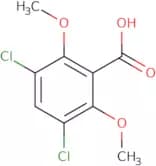
CAS:<p>3,5-Dichloro-2,6-dimethoxybenzoic acid (3,5-DCMB) is a drug that binds to the dopamine transporter. It is used as a radioligand in studies of the pharmacological and biochemical properties of the dopamine transporter. 3,5-DCMB has also been shown to bind to plasma proteins and membranes with an affinity that depends on its physicochemical properties. The drug has been used clinically in the treatment of Parkinson's disease, but it is not active against other diseases such as depression or schizophrenia. 3,5-DCMB is one of two enantiomers of dichloroethylbenzoic acid; it is an ethylene transport inhibitor and can be converted into ethylene oxide via reduction by alcohol dehydrogenase.</p>Formula:C9H8Cl2O4Purity:Min. 95%Color and Shape:PowderMolecular weight:251.06 g/mol2-Iodo-5,6-dimethoxybenzoic acid
CAS:<p>2-Iodo-5,6-dimethoxybenzoic acid is a reagent that is used in the synthesis of complex compounds and fine chemicals. It has a high quality and is useful as an intermediate or building block for the synthesis of versatile compounds. This chemical can be used in research to create new compounds with special properties. 2-Iodo-5,6-dimethoxybenzoic acid can be used in various reactions to make diverse building blocks or scaffolds that are useful in organic chemistry.</p>Formula:C9H9IO4Purity:Min. 95%Molecular weight:308.07 g/mol3,5-Diiodothyroacetic acid
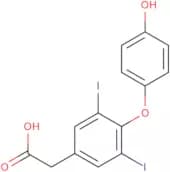
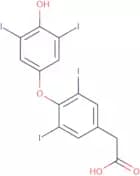
CAS:<p>3,5-Diiodothyroacetic acid is a diphenyl ether that has been shown to have calorigenic activity in rats. This compound inhibits the conversion of thyroxine (T4) to triiodothyronine (T3) by binding to the thyroid hormone receptor and inhibiting the enzyme 3,5-diiodothyroacetic acid deiodinase. It also inhibits the conversion of T4 to reverse T3 by binding to thyroid hormone receptors and competing with thyroxine for nuclear receptors. 3,5-Diiodothyroacetic acid has been shown to be present in human serum and is thought to originate from dietary sources such as soybean products.</p>Formula:C14H10I2O4Purity:Min. 95%Color and Shape:Off-White PowderMolecular weight:496.04 g/mol3-Bromo-4-hydroxyphenylacetic acid
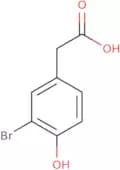
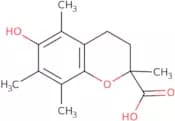
CAS:<p>3-Bromo-4-hydroxyphenylacetic acid is an organic compound that belongs to the class of bromophenols. It can be found in urine samples, and is used as a biomarker for the evaluation of eosinophil peroxidase activity. 3-Bromo-4-hydroxyphenylacetic acid is metabolized through a number of metabolic pathways, including oxidation by hypobromous acid or catalysis by dehalogenase enzymes. This metabolite may also be involved in the pathogenesis of allergic reactions.</p>Formula:C8H7BrO3Purity:Min. 95%Molecular weight:231.04 g/mol6-Hydroxy-2,5,7,8-tetramethylchroman-2-carboxylic acid
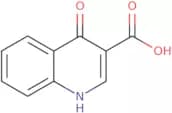
CAS:<p>6-Hydroxy-2,5,7,8-tetramethylchroman-2-carboxylic acid, also called Trolox, is a water-soluble analogue of vitamin E and an antioxidant used in biological or biochemical applications to reduce oxidative stress or damage. It is commonly used as a standard or positive control in antioxidant assays.</p>Formula:C14H18O4Purity:Min. 98 Area-%Color and Shape:PowderMolecular weight:250.29 g/mol4-Oxo-1,4-dihydroquinoline-3-carboxylic acid
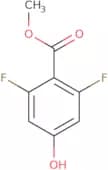
CAS:<p>4-Oxo-1,4-dihydroquinoline-3-carboxylic acid is a synthetic compound that belongs to the class of quinoline derivatives. It has been shown to inhibit HIV infection in vitro by binding to the receptor CD4 on the surface of T cells. 4-Oxo-1,4-dihydroquinoline-3-carboxylic acid has also been shown to be cytotoxic against cancer cells and other human cell lines. Powders of 4-oxo-1,4-dihydroquinoline 3 carboxylic acid have been synthesized by reacting ethyl esters with diphenyl ether in the presence of radiation or ndimethylformamide. This compound was also used as a molecular model for designing new drugs.</p>Formula:C10H7NO3Purity:Min. 98 Area-%Color and Shape:Off-White PowderMolecular weight:189.17 g/mol2,6-Difluoro-4-hydroxybenzoic acid methyl ester
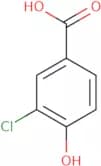
CAS:<p>2,6-Difluoro-4-hydroxybenzoic acid methyl ester is an inhibitor of monoamine oxidase (MAO). It inhibits the oxidation of monoamines such as norepinephrine and serotonin. The inhibition of MAO leads to increase in norepinephrine levels and decrease in serotonin levels. 2,6-Difluoro-4-hydroxybenzoic acid methyl ester has been shown to have antidepressant effects. This drug has also been shown to be effective for treating intraocular hypertension, by inhibiting the formation rate of aqueous humor and lowering intraocular pressure.</p>Formula:C8H6F2O3Purity:Min. 95%Color and Shape:PowderMolecular weight:188.13 g/mol3-Chloro-4-hydroxybenzoic acid hemihydrate
CAS:<p>3-Chloro-4-hydroxybenzoic acid hemihydrate is an analog of forskolin that is used in cancer research. It has been shown to inhibit the growth of lung cancer cells, which may be due to its ability to activate protein kinase A and phosphatase enzymes. 3-Chloro-4-hydroxybenzoic acid hemihydrate is being studied as a potential treatment for multiple sclerosis and other autoimmune disorders, although it has not yet been approved for these conditions. This drug inhibits the proliferation of tumor suppressor protein p53 and reverses the effects of a synthetic form of fty720 on the activation of the p38 mitogen activated protein kinase.</p>Formula:C7H5ClO3·H2OPurity:Min. 98 Area-%Color and Shape:PowderMolecular weight:363.15 g/mol3,5,3',5'-Tetraiodothyroacetic acid
CAS:<p>3,5,3',5'-Tetraiodothyroacetic acid (T4) is a thyroid hormone that can be found in the blood and has been shown to have angiogenic properties. T4 has been shown to bind to integrin receptors on endothelial cells and stimulate the proliferation of these cells. This hormone also has pro-apoptotic activity, inducing programmed cell death in cancer cells. T4 is used as a model system for studying the molecular pathogenesis of thyroid cancer. T4 is also able to inhibit DNA polymerase activity, which may be responsible for its ability to inhibit tumor growth.</p>Formula:C14H8I4O4Purity:Min. 95%Color and Shape:White PowderMolecular weight:747.83 g/molGualicol sulfonic acid potassium salt
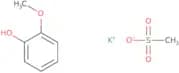
CAS:<p>Gualicol sulfonic acid potassium salt is a potassium salt that has expectorant properties. It can be used for the treatment of respiratory conditions such as bronchitis and asthma. Gualicol sulfonic acid potassium salt is used to treat coughs and other symptoms of respiratory infections, such as bronchitis and asthma. The drug is administered by mouth in tablet form.</p>Formula:C7H7KO5SPurity:Min. 95%Color and Shape:PowderMolecular weight:242.29 g/mol4-Fluorophthalic acid
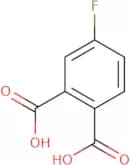
CAS:<p>4-Fluorophthalic acid is a monomer that forms polymers with high molecular weights. 4-Fluorophthalic acid is soluble in water and has been shown to be effective as a disinfectant. It has also been shown to have strong antifungal activity against Candida albicans and other species of yeast, due to its ability to penetrate the cell wall. Fluorinated surfaces have been shown to have increased resistance to bacterial colonization, which may be due to an increase in surface wettability or the formation of a fluorocarbon film on the surface. 4-Fluorophthalic acid can be used for the production of covid-19 (pandemic influenza vaccine), which is a vaccine that contains small quantities of 4-fluorophthalic acid, making it more stable during storage. The presence of this molecule makes it possible for Covid-19 vaccines to be safely stored at room temperature without refrigeration</p>Formula:C8H5FO4Purity:Min. 95%Color and Shape:White PowderMolecular weight:184.12 g/mol2-Fluoro-5-iodobenzoic acid methyl ester
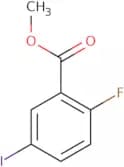
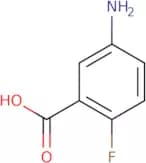
CAS:<p>2-Fluoro-5-iodobenzoic acid methyl ester is a fine chemical that is useful as a building block for the synthesis of complex compounds. It is also used as an intermediate in organic syntheses, and in research and development as a reaction component or speciality chemical. 2-Fluoro-5-iodobenzoic acid methyl ester has been shown to be effective in the synthesis of high quality reagents.</p>Formula:C8H6FIO2Purity:Min. 95%Color and Shape:Off-White To Yellow SolidMolecular weight:280.03 g/mol5-Amino-2-fluorobenzoic acid
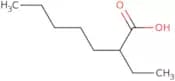
CAS:<p>5-Amino-2-fluorobenzoic acid (5AFBA) is a synthetic aniline that is used as a fluoroquinolone antibiotic. 5AFBA inhibits the synthesis of trehalose, which is vital for bacterial growth. This drug also has been shown to be active against Mycobacterium tuberculosis and Mycobacterium avium complex. 5AFBA has also been shown to have antifungal properties, inhibiting the synthesis of ergosterol in the fungal cell membrane. 5AFBA can be modified by alkylation with geranyl groups or N-methylation at the amino group. These modifications have been shown to increase its antibacterial activity against Pseudomonas aeruginosa.</p>Formula:C7H6FNO2Color and Shape:PowderMolecular weight:155.13 g/mol2-Ethylheptanoic acid
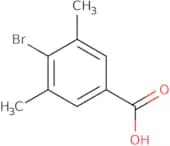
CAS:<p>2-Ethylheptanoic acid is a vasodilator that is used to treat hypertension. It is an enantiomer of the more common 2-ethylhexanoic acid and has been shown to have pressor effects in vitro by inhibiting the enzyme angiotensin converting enzyme (ACE). 2-Ethylheptanoic acid may be useful in the treatment of congestive heart failure because it prevents the accumulation of bradykinin, which can lead to renal dysfunction. The elimination rate of 2-ethylheptanoic acid may be reduced by hepatic impairment, so this drug should not be used if there is evidence of liver disease.<br>2-Ethylheptanoic acid has been found to increase glomerular filtration rate and capillary permeability in humans with chronic kidney disease. This drug also has diacid properties and can act as an ester hydrochloride when administered orally.</p>Formula:C9H18O2Purity:Min. 95%Color and Shape:Colorless Slightly Yellow Clear LiquidMolecular weight:158.24 g/mol4-Bromo-3,5-dimethylbenzoic acid
CAS:<p>4-Bromo-3,5-dimethylbenzoic acid is an organic compound that is used as a linker in the synthesis of new architectures. It is a nutrient that can be used to produce functionalized IL-2 receptors for use as feedstock in labeling and biosynthesis. X-ray crystallography has been used to study 4-bromo-3,5-dimethylbenzoic acid’s structural properties, which include conjugates with radiolabeling and organometallic compounds. The structural studies show how 4-bromo-3,5-dimethylbenzoic acid interacts with bacterial cellulose to form supramolecular structures.</p>Formula:C9H9BrO2Purity:Min. 95%Color and Shape:White Off-White PowderMolecular weight:229.07 g/mol2,2-Difluoro-2-[1,1,2,2-tetrafluoro-2-(trifluoromethoxy)ethoxy]acetic acid
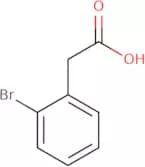
CAS:<p>2,2-Difluoro-2-[1,1,2,2-tetrafluoro-2-(trifluoromethoxy)ethoxy]-acetic acid is a fluorinated compound that can be used as an adsorbent for organic compounds. It is a highly selective material and has high adsorption capacity. The adsorption equilibrium data for 2,2-difluoro-2-[1,1,2,2-tetrafluoro-2-(trifluoromethoxy)ethoxy]-acetic acid are given in the table below. Table: Adsorption Equilibrium Data Temperature (°C) Pressure (kPa) Vapor Pressure (Pa) Equilibrium Vapor Pressure (Pa) Adsorption Capacity (%) 0 0.001 0.0008 0.0012 100</p>Formula:C5HF9O4Purity:Min. 95%Color and Shape:Clear LiquidMolecular weight:296.04 g/mol2-Bromophenylacetic acid
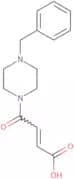
CAS:<p>2-Bromophenylacetic acid is a potent inhibitor of the human enzyme COX-2. It has been shown to have anticancer activity, which may be due to its ability to inhibit cellular proliferation and induce apoptosis in cancer cells. This compound has been tested in a variety of experimental models, including chromatographic assays and striatal membrane preparations, with promising results. 2-Bromophenylacetic acid also has potent inhibitory activity on the human enzyme COX-2 and can be used as a dietary supplement for anticancer therapy.<br>COX-2 inhibitors are usually administered as ethyl esters or solutes in order to prevent degradation by esterases or glucuronidases. The 2-bromophenyl group is electron donating and this may increase the reactivity of the carbon adjacent to it and lead to an acylation reaction with nucleophilic groups such as thiols or amines.</p>Formula:C8H7BrO2Purity:Min. 95%Color and Shape:White PowderMolecular weight:215.04 g/mol4-Oxo-4-(4-benzylpiperazinyl)but-2-enoic acid
CAS:Controlled Product<p>Please enquire for more information about 4-Oxo-4-(4-benzylpiperazinyl)but-2-enoic acid including the price, delivery time and more detailed product information at the technical inquiry form on this page</p>Formula:C15H18N2O3Purity:Min. 95%Color and Shape:PowderMolecular weight:274.32 g/mol7-Aminodesacetoxycephalosporanic acid
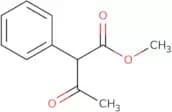
CAS:<p>7-Aminodesacetoxycephalosporanic acid is a chemical compound that is used for wastewater treatment as a biocatalyst. It has been shown to have group P2 activity and can be used in the treatment of corynebacterium glutamicum. 7-Adca has been found to bind to the magnesium salt, which leads to control analysis and kinetic studies. The reactions are initiated by the addition of an electron donor, such as penicillin, which results in a transfer reaction. The nitrogen atoms are substituted with hydrogen atoms, which produces a fatty acid intermediate. This intermediate reacts with nitrogen atoms from another molecule of 7-Adca or 7-adca to form an amide bond. The amide bond is then hydrolyzed in water to produce 7-aminodesacetoxycephalosporanic acid and ammonia.</p>Formula:C8H10N2O3SPurity:Min. 95%Color and Shape:White PowderMolecular weight:214.24 g/molMethyl 2-phenylacetoacetate
CAS:Controlled Product<p>Methyl 2-phenylacetoacetate is an impurity of amphetamine. It is a chemical intermediate and an impurity in the production of amphetamine by the Leuckart reaction. Methyl 2-phenylacetoacetate may be found in wastewater from the manufacture of amphetamine. This chemical is not a drug, but it may be used as a marker for wastewater treatment systems that are malfunctioning or aberrantly producing amphetamine.</p>Formula:C11H12O3Purity:Min. 95%Color and Shape:White PowderMolecular weight:192.21 g/mol2-Amino-3-methoxybenzoic acid hydrochloride
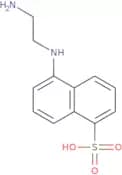
CAS:<p>2-Amino-3-methoxybenzoic acid hydrochloride is a synthetic monosubstituted hydroxy analog of the natural alkaloids, which are substituted with an amino group. It is produced by the demethylation of 2-amino-3-hydroxypyridine and reacts with caprolactam to form 2,6-dihydroxybenzaldehyde. It has been used in the synthesis of methoxyanthranilic acid, which is a synthetic analogue of anthranilic acid. Hydrochloric acid can be added to 2-amino-3-methoxybenzoic acid hydrochloride to produce 2,6-dihydroxybenzoyl chloride. This compound also undergoes condensation reactions with methoxyanthranilic acid to form 2,6-dimethoxybenzaldehyde.</p>Formula:C8H9NO3•HClPurity:Min. 95%Color and Shape:PowderMolecular weight:203.62 g/molN-(Aminoethyl)-5-naphthylamine-1-sulfonic acid
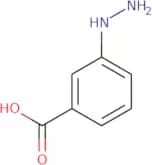
CAS:<p>The Michaelis-Menten kinetics of N-(Aminoethyl)-5-naphthylamine-1-sulfonic acid (NENSA) have been determined by studying the reaction of NENSA with a variety of acceptors. Basic fibroblasts were found to be a good substrate for this compound and it was shown that proteolytic activity is required for the hydrolysis of NENSA. The toxin is also reactive with the enzyme polymerase chain, which inhibits bacterial growth. In the presence of epidermal growth factor, NENSA has been shown to inhibit proliferation in fetal bovine retinal cells and human epidermal keratinocytes.</p>Formula:C12H14N2O3SPurity:Min. 97 Area-%Color and Shape:Yellow PowderMolecular weight:266.32 g/mol3-Hydrazinobenzoic acid
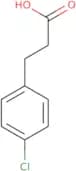
CAS:<p>3-Hydrazinobenzoic acid is a covalent inhibitor that binds to lysine residues of proteins and inhibits their activity. It can be immobilized in different materials such as polymers, hydrogels, and zeolites. 3-Hydrazinobenzoic acid has been used to treat autoimmune diseases and cancer. In wastewater treatment, it has been shown to remove chloride ions, which are toxic to microorganisms. 3-Hydrazinobenzoic acid also reduces the pH of the environment by reacting with hydrochloric acid or other acidic compounds.</p>Formula:C7H8N2O2Purity:Min. 95%Color and Shape:PowderMolecular weight:152.15 g/mol3-(4-Chlorophenyl)propionic acid
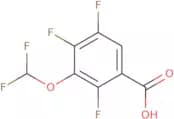
CAS:<p>3-(4-Chlorophenyl)propionic acid is a chemical compound that is used in the preparation of gabapentin. It is an organic solvent that can be used for the calibration and sample preparation of clinical toxicology tests, as well as analytical toxicology tests. 3-(4-Chlorophenyl)propionic acid is often used as an eluant in analytical chemistry to separate organic compounds from solutions. It is also used to extract γ-aminobutyric acid (GABA).</p>Formula:C9H9ClO2Purity:Min. 95%Color and Shape:PowderMolecular weight:184.62 g/mol3-(Difluoromethoxy)-2,4,5-trifluorobenzoic acid
CAS:<p>3-(Difluoromethoxy)-2,4,5-trifluorobenzoic acid is an antibacterial drug that belongs to the class of fluoroquinolones. It inhibits bacterial growth by binding to DNA gyrase and topoisomerase IV enzymes in bacteria. 3-(Difluoromethoxy)-2,4,5-trifluorobenzoic acid has been shown to be active against a wide variety of bacteria and is used as a treatment for urinary tract infections and skin infections. 3-(Difluoromethoxy)-2,4,5-trifluorobenzoic acid can also be used in combination with other antibiotics such as tetrabutyl ammonium chloride to enhance their effects.</p>Formula:C8H3F5O3Purity:Min. 95%Color and Shape:SolidMolecular weight:242.1 g/molEthyl 2-amino-4,5,6,7-tetrahydro-1-benzothiophene-3-carboxylate
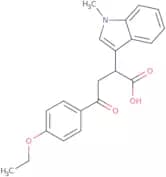
CAS:<p>Ethyl 2-amino-4,5,6,7-tetrahydro-1-benzothiophene-3-carboxylate is an antibacterial agent that inhibits the growth of bacteria by binding to amines and metal ions. It also has in vitro anticancer activity against cancer cells. Ethyl 2-amino-4,5,6,7-tetrahydro-1-benzothiophene-3-carboxylate has been shown to have antiinflammatory activity in rats.</p>Formula:C11H15SNO2Purity:Min. 95%Color and Shape:PowderMolecular weight:225.31 g/mol4-(4-Ethoxyphenyl)-2-(1-methylindol-3-yl)-4-oxobutanoic acid
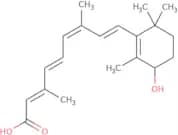
CAS:<p>Please enquire for more information about 4-(4-Ethoxyphenyl)-2-(1-methylindol-3-yl)-4-oxobutanoic acid including the price, delivery time and more detailed product information at the technical inquiry form on this page</p>Purity:Min. 95%rac 4-Hydroxy-9-cis-retinoic acid
CAS:<p>9-cis-Retinoic acid is a retinoid that is found in the human body. It can be extracted from the cells of animals or plants and purified by using an organic solvent, such as hexane. 9-cis-Retinoic acid can also be synthesized by using a validated hplc method. Analysts use this compound to measure conjugate acids, hydroxy acids, and other compounds related to endogenous metabolism. It is often used as a buffering agent for specific applications.</p>Formula:C20H28O3Purity:Min. 95%Molecular weight:316.43 g/mol3-Carboxymethyl-1-adamantane carboxylic acid
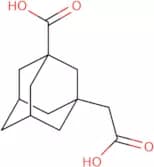
CAS:<p>3-Carboxymethyl-1-adamantane carboxylic acid is a tribasic, carboxylic acid that is used in the field of appraisal. 3-Carboxymethyl-1-adamantane carboxylic acid was first synthesized by the reaction of a dibromide and formic acid. This synthesis has been shown to produce a product with high purity, homogeneity, and stability. The use of this technique can be applied in tribasic, carboxylic acids as well as other polycarboxylates such as polyacrylics, polymaleic, and polyitaconic acids. The technique of analyzing these compounds by spectroscopic techniques is called profiling. This technique can be used for the identification of copper in natural environments such as rivers or lakes.</p>Formula:C13H18O4Purity:Min. 95%Color and Shape:PowderMolecular weight:238.28 g/mol2-Chloro-4-fluoro-5-sulfamoylbenzoic acid
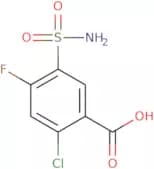
CAS:<p>2-Chloro-4-fluoro-5-sulfamoylbenzoic acid is a sulfonamide-based compound with potential antibacterial activity to inhibit folic acid synthesis, an essential process for bacterial growth and reproduction. Additionally, the presence of the sulfamoyl group may contribute to diuretic properties, making it a candidate for treating conditions like hypertension and edema. Furthermore, this compound could exhibit antidiabetic effects by inhibiting carbonic anhydrase enzymes involved in glucose metabolism and insulin secretion, although further research is necessary to validate these applications.</p>Formula:C7H5ClFNO4SPurity:Min. 95.5 Area-%Color and Shape:PowderMolecular weight:253.64 g/molEthyl 4-butoxy-5-fluoro-2,6-dioxohexahydropyrimidine-5-carboxylate
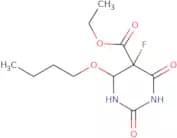
CAS:Controlled Product<p>Ethyl 4-butoxy-5-fluoro-2,6-dioxohexahydropyrimidine-5-carboxylate is a drug that has been used in clinical studies for the treatment of primary brain tumors. It has shown clinical response rates of up to 87%, with the most favourable response observed in patients with low tumor grade and well differentiated histology. The drug is administered orally and penetrates tissues, including the central nervous system. Ethyl 4-butoxy-5-fluoro-2,6-dioxohexahydropyrimidine-5 carboxylate has been found to be toxic to ameloblasts and cancer cells in vitro. Tumor regression was observed in animals treated with ethyl 4 butoxy 5 fluoro 2 6 dioxohexahydropyrimidine 5 carboxylate, which led to decreased symptoms such as weight loss and cachexia.</p>Formula:C11H17FN2O5Purity:Min. 95%Molecular weight:276.26 g/molEthyl 7-hydroxycoumarin-3-carboxylate
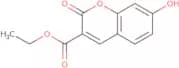
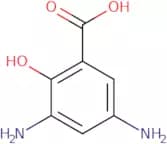
CAS:<p>Ethyl 7-hydroxycoumarin-3-carboxylate is a coumarin derivative that acts as a selective and potent inhibitor of the adenosine A3 receptor. It has been shown to inhibit growth of cancer cells in vitro, and it also inhibits the proliferation of S.aureus. Ethyl 7-hydroxycoumarin-3-carboxylate binds to the α subunit in an irreversible manner, inhibiting its function. This compound has been used to study plant physiology and homogeneous catalysis.</p>Formula:C12H10O5Purity:Min. 95%Color and Shape:PowderMolecular weight:234.2 g/mol3,5-Diaminosalicylic acid
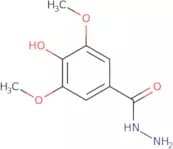
CAS:<p>3,5-Diaminosalicylic acid is a potent antibacterial agent that inhibits the synthesis of bacterial cell walls by inhibiting the enzyme transpeptidase. It is also used as a preservative and stabilizer in pharmaceutical formulations. 3,5-Diaminosalicylic acid has been shown to be active against cochliobolus at an optimum concentration of 2%. The solute is stable in water or dilute acids and alkalis. However, it can be hydrolyzed by strong bases such as sodium hydroxide and potassium hydroxide. Impurities such as nitro groups can be removed by washing with water or ethanol. The drug substance should be analyzed using high performance liquid chromatography (HPLC) methods to ensure stability and purity. 3,5-Diaminosalicylic acid forms crystalline needles that are colorless to white in solution. They will dissolve when heated but form precipitates when cooled. The crystals are</p>Formula:C7H8N2O3Purity:Min. 95%Color and Shape:Brown PowderMolecular weight:168.15 g/molSyringic acid hydrazide
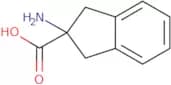
CAS:<p>Syringic acid hydrazide is a heterocyclic molecule with anticancer activity. It has been shown to inhibit the growth of cancer cells, both in vitro and in vivo. Syringic acid hydrazide is a chlorinating agent that reacts with p-hydroxybenzoic acid to form an intermediate that binds to active site residues on the cancer cell's DNA. This binding prevents the synthesis of DNA, leading to cell death. Syringic acid hydrazide does not affect uninfected plants or cultivars resistant to Fusarium oxysporum f., as it does not bind to their chlorophyll molecules.</p>Formula:C9H12N2O4Purity:Min. 95%Color and Shape:PowderMolecular weight:212.2 g/mol2-Aminoindane-2-carboxylic acid
CAS:<p>2-Aminoindane-2-carboxylic acid is a potent opioid analgesic with a high affinity for kappa-opioid receptors. Molecular modeling studies suggest that it binds to the receptor in an orientation similar to morphine and has a higher binding affinity than morphine. In functional assays, 2-Aminoindane-2-carboxylic acid showed low potency at the delta opioid receptor. It also has been shown to have a high affinity for the kappa opioid receptor and a low affinity for delta opioid receptors, which are associated with respiratory depression. This drug can be made from indole and carboxylic acids or by treating 2 aminoindanone with hydrochloric acid and hydrogen gas.</p>Formula:C10H11NO2Purity:Min. 95%Color and Shape:PowderMolecular weight:177.2 g/molFerrocenecarboxylic acid
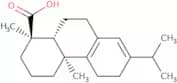
CAS:Controlled Product<p>Ferrocenecarboxylic acid is a ferrocene compound that has been used as a polymerase chain reaction (PCR) probe. It has been shown to have an antiproliferative effect on leukemia cells, and can be used in the treatment of cancers. Ferrocenecarboxylic acid is membrane permeable and can therefore be used as a cell-impermeable chemotherapeutic agent. This drug also has the ability to bind to target DNA, with this binding being dependent on the functional groups present on the molecule. The ferrocene carboxylate conjugates are also able to react with nucleophiles such as dithiopyridine or pyridinium salts, which may serve as strategies for converting the drug into an MRI contrast agent.</p>Formula:C11H10FeO2Purity:Min. 98 Area-%Color and Shape:Yellow PowderMolecular weight:230.04 g/molPalustric acid
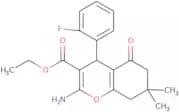
CAS:Controlled Product<p>Palustric acid is a fatty acid that is used to remove organic pollutants from wastewater. It has been shown to have significant interactions with human pathogens such as Pimaric Acid and Levopimaric Acid, which are produced by the degradation of chlorinated compounds. Palustric acid also has an acidic nature, and can cause a thermal expansion in water vapor.</p>Formula:C20H30O2Purity:Min. 95 Area-%Color and Shape:White Off-White PowderMolecular weight:302.45 g/molethyl 2-amino-4-(2-fluorophenyl)-7,7-dimethyl-5-oxo-4,6,7,8-tetrahydro2H-chromene-3-carboxylate
CAS:<p>Please enquire for more information about ethyl 2-amino-4-(2-fluorophenyl)-7,7-dimethyl-5-oxo-4,6,7,8-tetrahydro2H-chromene-3-carboxylate including the price, delivery time and more detailed product information at the technical inquiry form on this page</p>Purity:Min. 95%DL-Isocitric acid trisodium
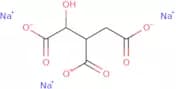
CAS:<p>DL-Isocitric acid trisodium salt hydrate is a nutrient solution that is used to provide energy for bacterial growth. DL-Isocitric acid trisodium salt hydrate provides sodium citrate, sodium succinate, and sodium carbonate which are essential for the metabolism of fatty acids. It also stabilizes chemical compounds and can be used as an alternative to the use of antibiotics. DL-Isocitric acid trisodium salt hydrate has been shown to inhibit enzyme activity in bacteria by binding to the active site of enzymes, inhibiting protein synthesis and cell division. The addition of colloidal gold particles can enhance its effectiveness in preventing bacterial growth.</p>Formula:C6H8O7•Na3Purity:Min. 95%Color and Shape:PowderMolecular weight:261.09 g/mol(2S)-({[(4-Methyl-2-oxo-2H-chromen-7-yl)oxy]acetyl}amino)(phenyl)acetic acid
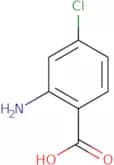
CAS:<p>(2S)-({[(4-Methyl-2-oxo-2H-chromen-7-yl)oxy]acetyl}amino)(phenyl)acetic acid is a kind of fine chemical that belongs to the class of reagents and speciality chemicals. It is a versatile building block which can be used in research, as well as in the production of pharmaceuticals and other fine chemicals. This compound can be used in reactions as a building block or intermediate, as well as a scaffold for complex compounds.</p>Formula:C20H17NO6Purity:Min. 95 Area-%Color and Shape:PowderMolecular weight:367.35 g/mol4-Chloroanthranilic acid
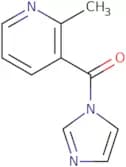
CAS:<p>4-Chloroanthranilic acid is an inorganic acid that has antimicrobial properties. It is a bound form of anthranilic acid, which is not water soluble and can be easily absorbed by the skin. 4-Chloroanthranilic acid is used as an antibiotic in topical preparations because it has been shown to have inhibitory effects on the growth of P. aeruginosa, epidermal growth factor, and nitrogen atoms. 4-Chloroanthranilic acid also has coordination complex with copper and inhibits the growth of bacteria by inhibiting the production of bacterial cell wall synthesis enzymes.</p>Formula:C7H6ClNO2Purity:Min. 95%Color and Shape:Off-White PowderMolecular weight:171.58 g/mol2-Methylnicotinic acid imidazolide
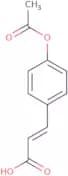
CAS:<p>2-Methylnicotinic acid imidazolide is a small molecule with the ability to regulate RNA splicing. It has been shown to inhibit the transcription of specific genes by binding to the RNA sequence and forming a stable complex with the mRNA. The chemical structure of 2-methylnicotinic acid imidazolide has also been shown to be similar to that of nicotinamide, which is a precursor for NAD+, a coenzyme involved in cellular metabolism. This may explain how 2-methylnicotinic acid imidazolide regulates gene expression and promotes neuronal health.</p>Formula:C10H9N3OPurity:Min. 95%Color and Shape:PowderMolecular weight:187.2 g/mol4-Acetoxycinnamic acid
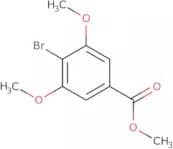
CAS:<p>4-Acetoxycinnamic acid is a staphylococcal bactericide that inhibits bacterial growth and is active against many gram-positive bacteria, including Staphylococcus aureus. It is also active against many gram-negative bacteria, such as Escherichia coli and Pseudomonas aeruginosa. 4-Acetoxycinnamic acid has been shown to inhibit the growth of Staphylococcus aureus in an in vitro experiment by interfering with membrane permeability and inhibiting lipid synthesis. 4-Acetoxycinnamic acid has been shown to have antimicrobial activity against gram-positive and gram-negative bacteria, including methicillin resistant S. aureus (MRSA).</p>Formula:C11H10O4Purity:Min. 97 Area-%Color and Shape:PowderMolecular weight:206.19 g/mol4-Bromo-3,5-dimethoxybenzoic acid methyl ester
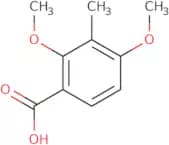
CAS:<p>4-Bromo-3,5-dimethoxybenzoic acid methyl ester is a crystalline solid that can be obtained from the reaction of 4-bromo-3,5-dimethoxybenzoic acid and methyl iodide. It has been shown to undergo an intramolecular cyclization when irradiated with ultraviolet light. This transformation is characterized by an increase in the length of the C=C bond and the appearance of a new C=O bond. The skeleton of 4-bromo-3,5-dimethoxybenzoic acid methyl ester consists of four five membered rings and two six membered rings. The molecule interacts with ligands such as styrene, mesitylene, vinylated benzyl halides, or halides.</p>Formula:C10H11BrO4Purity:Min. 95%Color and Shape:PowderMolecular weight:275.1 g/mol2,4-Dimethoxy-3-methylbenzoic acid
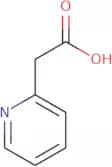
CAS:<p>2,4-Dimethoxy-3-methylbenzoic acid is a fine chemical that is used as a versatile building block in the synthesis of other organic compounds. 2,4-Dimethoxy-3-methylbenzoic acid has been used in research to generate novel compounds with desired properties. It is also used as a reaction component and speciality chemical. The compound can be reacted with sodium methoxide in methanol to form 2,4-dimethoxybenzaldehyde, which is an intermediate for the synthesis of other chemicals. It also reacts with nitric acid to form 2,4-dimethylbenzoic acid and oleum. These reactions are useful for the production of certain drugs or for the synthesis of polymers.</p>Formula:C10H12O4Purity:Min. 95%Molecular weight:196.2 g/mol2-Pyridylacetic acid
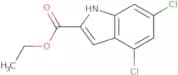
CAS:<p>2-Pyridylacetic acid is an organic compound that is found in the urine of patients with inflammatory bowel disease. It is associated with a high risk of colorectal cancer and has been shown to inhibit tumor cell proliferation in a number of studies. 2-Pyridylacetic acid inhibits the reaction of picolinic acid with lactic acid, which is a mechanism for the synthesis of nicotinamide adenine dinucleotide (NAD). This compound also has inhibitory properties against the activity of phosphofructokinase. 2-Pyridylacetic acid can be quantified using liquid chromatography tandem mass spectrometry (LC-MS/MS) methods that are based on chemical ionization or electron impact ionization. It can also be detected by gas chromatography mass spectrometry. The sample preparation involves hydrochloric acid extraction followed by concentration and derivatization.</p>Formula:C7H7NO2Purity:Min. 95 Area-%Color and Shape:White PowderMolecular weight:137.14 g/mol4,6-Dichloro-1H-indole-2-carboxylic acid ethyl ester
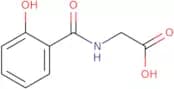
CAS:<p>4,6-Dichloro-1H-indole-2-carboxylic acid ethyl ester is a synthetic compound that functions as an agonist of the indole 2 receptor. It has been shown to have affinity for cortical and brain membranes, with a greater affinity for acidic regions of the membrane. 4,6-Dichloro-1H-indole-2-carboxylic acid ethyl ester is also capable of binding to the indole 2 receptor and activating it. The carboxyl group in this compound is substituted with benzene rings, which are connected by a moiety containing two carboxylic groups. 4,6-Dichloro-1H-indole-2-carboxylic acid ethyl ester was synthesised from 1H -indole acetic acid and chloroethane in four steps.</p>Formula:C11H9Cl2NO2Purity:Min. 95%Color and Shape:SolidMolecular weight:258.1 g/mol2-Hydroxyhippuric acid
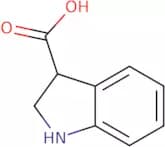
CAS:<p>2-Hydroxyhippuric acid (2HPA) is a metabolite of salicylic acid. 2HPA is used to measure the concentration of salicylic acid in urine, which can be used as a biomarker for disease activity. When 2HPA is present in the urine, it indicates that the body has been exposed to salicylic acid. The concentration of 2HPA in urine correlates with the amount of salicylic acid taken orally and excreted by the kidneys. The analytical method for determining 2HPA in urine involves measuring the concentration of 2HPA and its derivatives with high pressure liquid chromatography or gas chromatography-mass spectrometry. Some biological samples that can be tested include blood, serum, plasma, saliva, sweat, or hair. Pharmacological agents that may affect 2HPA levels include other drugs such as nonsteroidal anti-inflammatory drugs (NSAIDs) or aspirin. The model system for this metabolite is human</p>Formula:C9H9NO4Purity:Min. 94 Area-%Color and Shape:White PowderMolecular weight:195.17 g/mol1H-Indoline-3-carboxylic acid
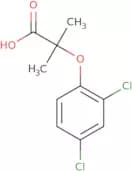
CAS:<p>1H-Indoline-3-carboxylic acid is a molecule with the chemical formula C8H6N2O2. It is an aromatic carboxylic acid and one of the three enantiopure isomers of indoline. 1H-Indoline-3-carboxylic acid has two tautomers, cis (cis) and trans (trans). The stereoisomer cis is found in nature, while trans can be synthesized. 1H-Indoline-3-carboxylic acid can be cleaved to form phenylacetic acid and benzoic acid in reactions catalyzed by acids at high temperatures. Kinetic studies have shown that 1H-indoline-3-carboxylic acid undergoes biotransformation to form methylbenzene, ethylbenzene, propylbenzene, butylbenzene, pentylbenzene and hexylbenzene.</p>Formula:C9H9NO2Purity:Min. 95%Color and Shape:PowderMolecular weight:163.17 g/mol2-(2,4-Dichlorophenoxy)-2-methylpropanoic acid
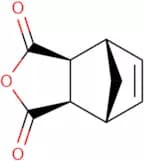
CAS:<p>2,4-Dichlorophenoxyacetic acid is a plant growth regulator that inhibits the transfer of auxin from the shoot to the root. It does this by preventing synthesis of 2,4-dichlorophenoxyacetic acid (2,4-D) and its conversion to 2,4-dichlorophenoxypropionic acid (2,4-DP). The 2,4-D then binds to the auxin transport proteins in the plasma membrane and prevents their passage through the cell wall. The mechanism of action of 2,4-D is not well understood but it is thought that it may inhibit or interfere with indoleacetic acid production or metabolism. Auxins are also mediators of plant physiology and play a role in many processes such as phototropism and phytochrome sensitivity.<br>2,4-D has been shown to block photosynthesis and respiration in plants by inhibiting chlorophyll synthesis. Indoleacetic acid</p>Formula:C10H10Cl2O3Purity:Min. 95%Color and Shape:Clear LiquidMolecular weight:249.09 g/molcis-Norbornene-exo-2,3-dicarboxylic anhydride
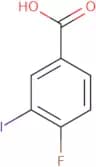
CAS:<p>Cis-Norbornene-exo-2,3-dicarboxylic anhydride is a reactive compound that is used as a precursor in the production of other chemicals. It can be used as an oxidation catalyst for organic synthesis reactions and has been shown to have high reactivity with hydroxyl groups under acidic conditions. Cis-Norbornene-exo-2,3-dicarboxylic anhydride reacts with calcium stearate to form a variety of products including aromatic hydrocarbons and boron nitride. The solubility data for cis-Norbornene-exo-2,3-dicarboxylic anhydride in human serum is available. The quantum theory predicts that cis-Norbornene-exo-2,3-dicarboxylic anhydride will undergo cationic polymerization in an acidic environment. This product also reacts with fatty acids to produce al</p>Formula:C9H8O3Purity:Min. 95%Color and Shape:White PowderMolecular weight:164.16 g/mol4-Fluoro-3-iodobenzoic acid
CAS:<p>4-Fluoro-3-iodobenzoic acid is an aromatic amine that is used as a reagent in organic chemistry. It is a nontoxic chemical that has no known harmful effects to humans. 4-Fluoro-3-iodobenzoic acid can be synthesized by the reaction of diethylaminoethyl chloride with 4-fluorobenzoic acid and sodium iodide. This compound yields a mixture of alkylbenzenes, hydrocarbons, and aromatic compounds when heated with solvents such as diethyl ether or chloroform.</p>Formula:C7H4FIO2Purity:Min. 95%Color and Shape:PowderMolecular weight:266.01 g/mol(S)-(-)-α-Lipoic acid
CAS:<p>(S)-(-)-a-Lipoic acid (DLPA) is a reactive, oxidative molecule that has been shown to have antioxidant properties. DLPA is a natural compound found in the human body and is essential for energy metabolism and mitochondrial membrane depolarization. It has been shown to be beneficial in cases of bowel disease and diabetic neuropathy. DLPA has also been shown to be clinically relevant in the treatment of ischemia–reperfusion injury and cisplatin-induced nephrotoxicity, as well as having anti-inflammatory properties. DLPA may also help reduce symptoms of Parkinson's disease and other conditions.</p>Formula:C8H14O2S2Purity:Min. 95%Color and Shape:White PowderMolecular weight:206.33 g/mol3,5-Dimethoxycinnamic acid
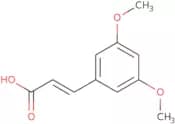
CAS:<p>3,5-Dimethoxycinnamic acid is a compound that belongs to the class of cinnamic acid derivatives. It is a synthetic substance obtained by demethylation of 3,5-dimethoxybenzoic acid. This substance has been shown to have an antifungal activity in vitro against filamentous fungi and many other microorganisms. The antimicrobial effect can be explained by the presence of functional groups such as hydroxyl and methoxyl on the aromatic ring. Hydroxide solution can be used as an analytical reagent for determining the formation rate of this compound.</p>Formula:C11H12O4Purity:Min. 95%Color and Shape:PowderMolecular weight:208.21 g/mol5-Methyltetrahydrofolic acid disodium salt
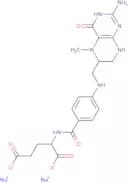
CAS:<p>5-Methyltetrahydrofolic acid disodium salt is a form of vitamin B9 that is produced by the body from 5,10-methylenetetrahydrofolate. It also can be obtained through the diet in foods such as milk, eggs, and leafy vegetables. This vitamin is necessary for many cellular processes, including amino acid metabolism. 5-Methyltetrahydrofolic acid disodium salt has been shown to have a significant effect on neuron cell growth and health. It has been shown to stimulate the enzyme activities of catecholamine-O-methyltransferase and dopamine beta hydroxylase in vitro. The effects were seen with both acidic and neutral pHs. 5-Methyltetrahydrofolic acid disodium salt has been found to be a selective inhibitor of receptor α (rho) uptake in Caco-2 cells at acidic pHs but not at neutral pHs. In addition</p>Formula:C20H23N7Na2O6Color and Shape:PowderMolecular weight:503.42 g/mol3-Cyclohexylpropiolic acid
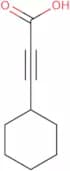
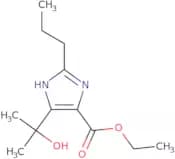
CAS:<p>3-Cyclohexylpropiolic acid is a chemical intermediate that is used in the production of other chemicals. It is a versatile building block with a wide range of reactions and applications. 3-Cyclohexylpropiolic acid has been used as a reagent and as a speciality chemical for research purposes. This compound has also been shown to be useful in the synthesis of complex compounds, such as pharmaceuticals, natural products, pesticides, and dyes. 3-Cyclohexylpropiolic acid can be used as a reaction component or intermediate for the synthesis of many different compounds.</p>Formula:C9H12O2Purity:Min. 95 Area-%Molecular weight:152.19 g/mol4-(1-Hydroxy-1-methylethyl)-2-propyl-1H-imidazole-5-carboxylic acid ethyl ester
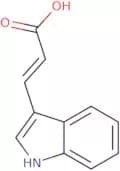
CAS:<p>4-(1-Hydroxy-1-methylethyl)-2-propyl-1H-imidazole-5-carboxylic acid ethyl ester is a synthetic drug with pharmacological properties that are similar to those of the natural product medoxomil. It has been shown to be a potent blocker of the GABA receptor and is used for the treatment of epilepsy. 4-(1-Hydroxy-1-methylethyl)-2-propyl-1H-imidazole-5-carboxylic acid ethyl ester has been shown to be an inhibitor of rat liver microsomes and also has a high affinity for the enzyme cilexetil, which is responsible for the conversion of cilexetil into its active form.</p>Formula:C12H20N2O3Purity:Min. 95%Color and Shape:PowderMolecular weight:240.3 g/mol3-(1H-Indol-3-yl)acrylic acid
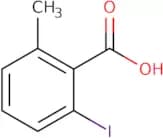
CAS:<p>(2E)-3-(1H-Indol-3-yl)acrylic acid is a chemical compound that can be found in the plant genus "Actinomycetes". It has significant antiproliferative activity and may induce apoptotic cell death. (2E)-3-(1H-Indol-3-yl)acrylic acid is a precursor to the aromatic amino acid l-phenylalanine, which can be used for the synthesis of many other compounds. The compound was first isolated in an ethanolic extract of Actinomycetes bacteria and identified by NMR spectroscopy. In addition, (2E)-3-(1H-Indol-3-yl)acrylic acid is metabolized into chloride and methanol. It is also a low detection substance in urine, making it difficult to detect using current methods.</p>Formula:C11H9NO2Purity:Min. 95%Color and Shape:White PowderMolecular weight:187.19 g/mol2-Iodo-6-methylbenzoic acid
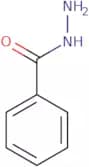
CAS:<p>2-Iodo-6-methylbenzoic acid is a chemical used as an additive in the manufacture of plastics, paints and rubber. It is also a ligand for some transition metals. 2-Iodo-6-methylbenzoic acid has been found to be an active natural product that can be synthesized from phthalimides or other amines. 2-Iodo-6-methylbenzoic acid reacts with donepezil to form a multistep reaction intermediate called A, which is then oxidized by a transition metal to form the final product, aricept. The operational mechanism of this reaction is not yet fully understood, but it may involve an alkene intermediate.</p>Formula:C8H7IO2Purity:Min. 95%Color and Shape:PowderMolecular weight:262.04 g/molBenzoic acid hydrazide
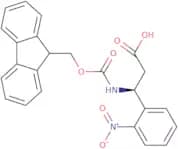
CAS:<p>Benzoic acid hydrazide is an antimicrobial agent that inhibits the growth of bacteria by binding to the active site of benzoyl-coenzyme A reductase, which is an enzyme involved in the biosynthesis of benzoate from benzoate semialdehyde. The optimum concentration for this compound is 1 mM. Benzoic acid hydrazide has been shown to inhibit bacterial growth in biological studies and x-ray crystal structures have been determined for this molecule. It also inhibits the growth of bacteria that are resistant to other types of antibiotics, such as ampicillin, erythromycin, and tetracycline. The mechanism of action for benzoic acid hydrazide appears to be due to its ability to form hydrogen bonding interactions with inhibitor molecules.</p>Formula:C7H8N2OPurity:Min. 95%Color and Shape:PowderMolecular weight:136.15 g/molFmoc-(S)-3-amino-3-(2-nitrophenyl)propionic acid
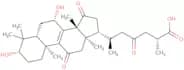
CAS:<p>Please enquire for more information about Fmoc-(S)-3-amino-3-(2-nitrophenyl)propionic acid including the price, delivery time and more detailed product information at the technical inquiry form on this page</p>Formula:C24H20N2O6Purity:Min. 95%Color and Shape:White PowderMolecular weight:432.43 g/molGanoderic acid B
CAS:Controlled Product<p>Ganoderic acid B is a fatty acid that can be extracted from the mushroom Ganoderma lucidum. It has been shown to inhibit acetylcholinesterase and butyrylcholinesterase, which are enzymes involved in neurotransmission. This compound also inhibits the production of nitric oxide, prostaglandins, and leukotrienes by inhibiting the activation of phospholipases A2 and cyclooxygenases. In addition, it has been shown to have anti-inflammatory effects and may be used for the treatment of symptoms such as dry eye syndrome, lacrimal gland inflammation, or chronic asthma. Ganoderic acid B can be found in some dietary supplements or food products as an ingredient.</p>Formula:C30H44O7Purity:Min. 95%Color and Shape:White PowderMolecular weight:516.67 g/mol



![4-{[(Dimethylamino)sulfonyl]amino}benzoic acid](/_next/image/?url=https%3A%2Fstatic.cymitquimica.com%2Fproducts%2F3D%2Fthumb-webp%2FFD132762.webp&w=3840&q=75)
![Ethyl [2-methyl-3-(chlorosulfonyl)phenoxy]acetate](/_next/image/?url=https%3A%2Fstatic.cymitquimica.com%2Fproducts%2F3D%2Fthumb-webp%2FFE22936.webp&w=3840&q=75)
![[(1-Methyl-1H-indol-5-yl)methyl]amine acetate](/_next/image/?url=https%3A%2Fstatic.cymitquimica.com%2Fproducts%2F3D%2Fthumb-webp%2FFM124972.webp&w=3840&q=75)


![[(3-Methylphenyl)amino]acetic acid](/_next/image/?url=https%3A%2Fstatic.cymitquimica.com%2Fproducts%2F3D%2Fthumb-webp%2FFM115478.webp&w=3840&q=75)
![2,2-Difluoro-2-[1,1,2,2-tetrafluoro-2-(trifluoromethoxy)ethoxy]acetic acid](/_next/image/?url=https%3A%2Fstatic.cymitquimica.com%2Fproducts%2F3D%2Fthumb-webp%2FFD99821.webp&w=3840&q=75)




![(2S)-({[(4-Methyl-2-oxo-2H-chromen-7-yl)oxy]acetyl}amino)(phenyl)acetic acid](/_next/image/?url=https%3A%2Fstatic.cymitquimica.com%2Fproducts%2F3D%2Fthumb-webp%2FFM124529.webp&w=3840&q=75)