Carboxylic Acids
Carboxylic acids are organic molecules characterized by having a carboxyl-type functional group (-COOH). These acids are fundamental in various chemical reactions, including esterification, amidation, and decarboxylation. Carboxylic acids are widely used in the production of pharmaceuticals, polymers, and agrochemicals. In this section, you can find a large number of carboxylic acids ready to be used. At CymitQuimica, we provide a broad range of high-quality carboxylic acids to support your research and industrial applications.
Found 12453 products of "Carboxylic Acids"
Sort by
Purity (%)
0
100
|
0
|
50
|
90
|
95
|
100
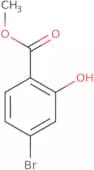
4-Bromo-2-hydroxybenzoic acid methyl ester
CAS:<p>4-Bromo-2-hydroxybenzoic acid methyl ester is a versatile building block that can be used as a research chemical, reagent, or speciality chemical. It is a high quality, versatile compound that can be used in the synthesis of complex compounds. CAS No. 22717-56-2 is an intermediate for the synthesis of other compounds and has been shown to be a useful scaffold for organic chemistry.</p>Formula:C8H7BrO3Purity:Min. 95%Color and Shape:PowderMolecular weight:231.04 g/molMethyl (2Z)-[5-(3-chlorophenyl)-1,3-dihydro-2H-1,4-benzodiazepin-2-ylidene]acetate
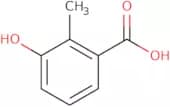
CAS:Controlled Product<p>Please enquire for more information about Methyl (2Z)-[5-(3-chlorophenyl)-1,3-dihydro-2H-1,4-benzodiazepin-2-ylidene]acetate including the price, delivery time and more detailed product information at the technical inquiry form on this page</p>Formula:C18H15ClN2O2Purity:Min. 95%Molecular weight:326.78 g/mol3-Hydroxy-2-methylbenzoic acid
CAS:<p>3-Hydroxy-2-methylbenzoic acid is a chemical compound that can be found in urine. It has been shown to have antiviral activity against herpes simplex virus type 1 (HSV-1) and cytomegalovirus (CMV). This compound was synthesized by molecular modeling study, which showed that 3-hydroxy-2-methylbenzoic acid has the potential to inhibit viral replication by attacking the viral DNA. The structure of this molecule was also studied in detail using nuclear magnetic resonance and X-ray crystallography techniques. 3-Hydroxy-2-methylbenzoic acid is a weak base, which can react with an acidic solution to form a salt, such as chloride or sulfonate. This salt can then be used as an active ingredient in drugs to treat infections caused by viruses such as HSV and CMV.</p>Formula:C8H8O3Purity:Min. 95%Color and Shape:White PowderMolecular weight:152.15 g/mol2,2'-Azino-bis(3-ethylbenzothiazoline-6-sulfonic acid) diammonium salt
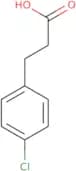
CAS:<p>ABTS can be used as a peroxidase substrate that gives a metastable cation when in the presence of H2O2. 2,2'-Azino-bis (3-ethylbenzothiazoline-6-sulfonic acid) or ABTS is commonly used in the enzyme-linked immunosorbent assay (ELISA). ABTS is chosen because the enzyme facilitates the reaction to give a green end-product with an absorbance maximum of 420nm and can therefore be detected with a spectrophotometer.</p>Formula:C18H24N6O6S4Purity:Min. 98.0 Area-%Color and Shape:PowderMolecular weight:548.68 g/mol3-(4-Chlorophenyl)propionic acid
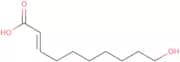
CAS:<p>3-(4-Chlorophenyl)propionic acid is a chemical compound that is used in the preparation of gabapentin. It is an organic solvent that can be used for the calibration and sample preparation of clinical toxicology tests, as well as analytical toxicology tests. 3-(4-Chlorophenyl)propionic acid is often used as an eluant in analytical chemistry to separate organic compounds from solutions. It is also used to extract γ-aminobutyric acid (GABA).</p>Formula:C9H9ClO2Purity:Min. 95%Color and Shape:PowderMolecular weight:184.62 g/moltrans-10-Hydroxy-2-decenoic acid
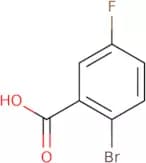
CAS:<p>Trans-10-hydroxy-2-decenoic acid is a naturally occurring fatty acid that is found in the human body. It has been shown to have a number of biological activities, including the ability to inhibit the production of gamma-aminobutyric acid (GABA). The trans-10-hydroxy-2-decenoic acid is also thought to be involved in autoimmunity and neurotrophic factors. Trans-10-hydroxy-2-decenoic acid has been used as a precursor for the synthesis of other compounds and as an analytical method. Trans-10-hydroxy 2 decenoic acid can be synthesized by reacting malonic acid with hydroxyl group and ammonia.</p>Formula:C10H18O3Purity:Min. 95%Color and Shape:White PowderMolecular weight:186.25 g/mol2-Bromo-5-fluorobenzoic acid
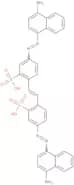
CAS:<p>2-Bromo-5-fluorobenzoic acid is a polymerase inhibitor that inhibits the activity of the HIV-1 reverse transcriptase by competitive inhibition. It prevents the synthesis of viral DNA by binding to the RNA template and preventing chain elongation. This drug has been shown to be an effective treatment for some types of cancer, such as lung cancer, because it is not easily metabolized and can therefore reach high concentrations in tissues where it is needed. 2-Bromo-5-fluorobenzoic acid is synthesized from 5-(2′-bromophenoxy)benzothiazole and 2,3,4,5,6-pentafluorobenzoyl chloride in three steps. The synthesis involves bromination of benzothiazole with NBS followed by reaction with 4-fluoroaniline to give the intermediate which is then reacted with pentafluorobenzoyl chloride. This compound</p>Formula:C7H4BrFO2Purity:Min. 95%Color and Shape:PowderMolecular weight:219.01 g/mol4,4'-Bis(4-amino-1-naphthylazo)-2,2'-stilbenedisulfonic acid - 70%
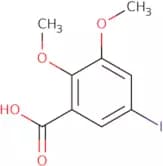
CAS:<p>4,4'-Bis(4-amino-1-naphthylazo)-2,2'-stilbenedisulfonic acid - 70% (DABS) is a chemical compound that has been used in biochemical research. It is an azo dye and was originally synthesized by reacting 1-naphthol with 4-aminodiphenylamine. The color of DABS varies according to the pH. It can be obtained as either a red or blue compound at pH > 7 and as a yellow compound at pH 7. DABS interacts with human recombinant proteins, such as collagen and endoplasmic reticulum, and is capable of binding to the surface of cells. This dye also shows biological properties that are similar to those of phenothiazines when it is used in biochemical experiments involving recombinant human proteins.</p>Formula:C34H26N6O6S2Purity:Min. 95%Color and Shape:Purple PowderMolecular weight:678.74 g/mol5-Iodo-2,3-dimethoxybenzoic acid
CAS:<p>5-Iodo-2,3-dimethoxybenzoic acid (5IMB) is a synthetic chemical that is used as a radiolabeled substrate for the synthesis of dopamine. The 5IMB is a substrate for the enzyme monoamine oxidase, which converts it to 5-hydroxyindoleacetic acid (5HIAA). The intensity of the signal emitted by 5IMB increases with the increase in concentration of dopamine. It can be used as a positron emission tomography (PET) tracer for dopamine receptors in the brain. The kinetic and uptake properties of 5IMB are different in various regions of the brain, such as striatum and caudate putamen. This difference can be measured using high-performance liquid chromatography (HPLC) and flow rate.<br>5IMB has been shown to have anti-oxidant properties due to its ability to scavenge peroxide radicals.</p>Formula:C9H9IO4Purity:Min. 98 Area-%Color and Shape:PowderMolecular weight:308.07 g/mol16-Dehydropregnenolone acetate
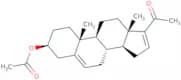
CAS:Controlled Product<p>16-Dehydropregnenolone acetate is a synthetic compound that can be used in wastewater treatment. It reacts with phosphorus pentoxide to form an insoluble solid product. 16-Dehydropregnenolone acetate has been shown to inhibit the growth of human prostate cancer cells and breast cancer cells in vitro and in vivo. 16-Dehydropregnenolone acetate is also a specific agonist for the progesterone receptor, which may be due to its ability to bind to the stereospecific (S) binding site on this receptor. The optimum concentration for 16-dehydropregnanediol is 10 mM and it requires the presence of phosphotungstic acid for maximum activity. This substance has biological properties that are similar to those of natural progesterones, but it does not have any estrogenic properties.</p>Formula:C23H32O3Purity:Min. 95%Color and Shape:PowderMolecular weight:356.5 g/molEthyl N,N-diphenylcarbamate
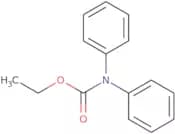
CAS:<p>Ethyl N,N-diphenylcarbamate is a monomer that belongs to the aromatic hydrocarbon family. It has a ph optimum of 7.0 and is soluble in organic solvents such as chloroform or acetone. The chemical's kinetic constants have been determined by thermally induced displacement of sodium nitrate from an insoluble polymer and by infrared spectroscopy at a frequency of 10 cm-1. Ethyl N,N-diphenylcarbamate can be used for the production of polymers with functionalities such as geranyl in the presence of an enzyme.</p>Formula:C15H15NO2Purity:Min. 95%Color and Shape:White Off-White PowderMolecular weight:241.29 g/mol2,3-Dichlorocinnamic acid
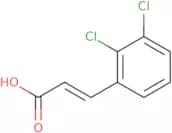
CAS:<p>2,3-Dichlorocinnamic acid is an organic compound that can be synthesized in a multistep process involving the reaction of pyridine with sulfuryl chloride. This reaction forms 2,3-dichloropropiophenone and 2,3-dichloroacetophenone. The latter compound is converted to the desired product by reacting it with thionyl chloride. The final step involves hydrolysis of the ester group to form 2,3-dichlorocinnamic acid.<br>2,3-Dichlorocinnamic acid can also be synthesized from phenylpropiolic acid and chlorosulfuric acid or from methyl propiolate and chlorosulfuric acid. <br>2,3-Dichlorocinnamic acid is a white crystalline solid that melts at 155°C and boils at 287°C. It is soluble in water and has a low yield due to</p>Formula:C9H6Cl2O2Purity:Min. 95%Molecular weight:217.05 g/molDiethyl 2,6-pyridinedicarboxylate
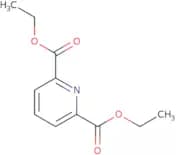
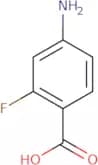
CAS:<p>Diethyl 2,6-pyridinedicarboxylate is a methyl ketone with an unsymmetrical structure. It is used in the synthesis of fatty acids and optical properties. Diethyl 2,6-pyridinedicarboxylate reacts with trifluoroacetic acid and chlorine to form an active methylene. The presence of this active methylene allows for the synthesis of new molecules that are not possible with other reagents. Magnetic resonance spectroscopy has been used to identify the binding constants for diethyl 2,6-pyridinedicarboxylate and fatty acids. This molecule can be studied using MALDI-TOF mass spectrometry, which generates a molecular weight spectrum from 1,000 to 100,000 Da. Diethyl 2,6-pyridinedicarboxylate has been shown to react with water molecules to form hydrogen peroxide.</p>Formula:C11H13NO4Purity:Min. 95%Molecular weight:223.23 g/mol4-Amino-2-fluorobenzoic acid
CAS:<p>4-Amino-2-fluorobenzoic acid is a potent inhibitor of formylating enzymes, such as carbonyl reductase and amino acid formyltransferase. It has been shown to be an effective inhibitor of cancer cells in vivo and inhibits the growth of prostate cancer cells. This compound has also been shown to inhibit nitro reduction reactions, which are involved in the carcinogenic process. 4-Amino-2-fluorobenzoic acid reacts with chloride ions to produce a functional group that can react with carbon nanotubes, making it a candidate for use in cancer therapy.</p>Formula:C7H6FNO2Purity:Min. 95%Color and Shape:SolidMolecular weight:155.13 g/molEthyl [2-methyl-3-(chlorosulfonyl)phenoxy]acetate
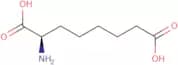
CAS:<p>Ethyl [2-methyl-3-(chlorosulfonyl)phenoxy]acetate is a fine chemical that has been used as a building block in the synthesis of other complex chemicals. It is also an intermediate for the production of pesticides and pharmaceuticals. The compound can be used to form more than one hundred different organic compounds, which makes it a versatile building block. It can be reacted with other chemicals to create new compounds, such as drugs or herbicides.</p>Formula:C11H13ClO5SPurity:Min. 95 Area-%Color and Shape:PowderMolecular weight:292.74 g/molD-α-Aminosuberic acid
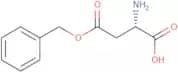
CAS:<p>D-alpha-Aminosuberic acid is a tetrapeptide with transcriptional regulatory properties. It has been shown to have minimal toxicity and lacks enzymatic inactivation, making it an attractive candidate as a drug for the treatment of cancer. D-alpha-Aminosuberic acid has been found to activate rat striatal cells in vitro and may have immunomodulatory effects that could be beneficial in infectious diseases. Clinical studies are needed before this drug can be used for these purposes.</p>Formula:C8H15NO4Purity:Min. 95%Molecular weight:189.21 g/molL-Aspartic acid b-benzyl ester
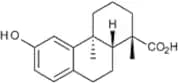
CAS:<p>L-Aspartic acid b-benzyl ester (L-ABE) is a cytostatic drug that is biodegradable and can be used in a variety of animal species. It has been shown to inhibit the growth of cancer cells in vitro and in vivo, as well as micelles. L-ABE inhibits the action of dehydroascorbic acid reductase, an enzyme that reduces dehydroascorbic acid to ascorbic acid. This inhibition leads to an increase in the concentration of dehydroascorbic acid, which may cause cell death by damaging DNA. L-ABE also has been shown to inhibit P-glycoprotein (Pgp), leading to increased accumulation of anticancer drugs such as doxorubicin, which can lead to cell death.</p>Formula:C11H13NO4Purity:Min. 95%Color and Shape:White PowderMolecular weight:223.23 g/molPodocarpic acid
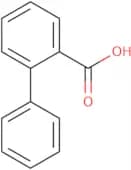
CAS:<p>Abietane diterpenoid; Transient Receptor Potential (TRP) channel agonist</p>Formula:C17H22O3Purity:Min. 95%Color and Shape:Off-White PowderMolecular weight:274.35 g/mol2-Biphenylcarboxylic acid
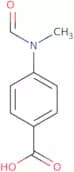
CAS:<p>2-Biphenylcarboxylic acid (2BCA) is a metabolite of biphenyl. The hydroxyl group on 2BCA binds to the receptor, producing an antihypertensive effect. It has been shown to be effective in the treatment of metabolic disorders and diseases such as diabetes mellitus, hypertension, and heart disease. 2BCA is also effective in the treatment of tumors because it inhibits tumor cell growth by binding to fatty acids. This drug forms hydrogen bonds with other molecules due to its hydroxyl group and can be synthesized through a Suzuki coupling reaction.<br>2BCA has been found to have an inhibitory effect on prostaglandin synthesis through the p2 receptor activity.</p>Formula:C13H10O2Purity:Min. 95%Color and Shape:PowderMolecular weight:198.22 g/mol4-(N-Formylmethylamino)benzoic acid
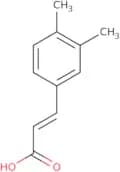
CAS:<p>4-(N-Formylmethylamino)benzoic acid is a white crystalline solid that has been used as a reagent, complex compound, and useful intermediate. It is also an important building block for the synthesis of many other compounds. 4-(N-Formylmethylamino)benzoic acid is soluble in water, ethanol, ether, benzene, chloroform and acetone. The product can be used in the preparation of various drugs and pesticides.</p>Formula:C9H9NO3Purity:Min. 95%Color and Shape:PowderMolecular weight:179.17 g/mol3,4-Dimethylcinnamic acid
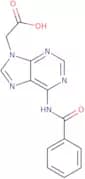
CAS:<p>3,4-Dimethylcinnamic acid is a plant-derived compound that has been shown to have anti-inflammatory properties. It inhibits the production of prostaglandins by inhibiting cyclooxygenase activity and reducing the production of pro-inflammatory eicosanoids. 3,4-Dimethylcinnamic acid also blocks the synthesis of leukotrienes and thromboxanes, which are involved in inflammation as well as allergic reactions and asthma. 3,4-Dimethylcinnamic acid is used to treat skin conditions such as psoriasis, eczema, or dermatitis. This compound can be obtained from plants like Dracaena fragrans (also known as Madagascar dragon tree) or ethnomedicine sources such as the African shrub Anthranilic acid. 3,4-Dimethylcinnamic acid can be synthesized by cross coupling with alkyl halides, ultraviolet irradiation of anthranils with uv</p>Formula:C11H12O2Purity:Min. 95%Color and Shape:White Off-White PowderMolecular weight:176.21 g/mol6-Benzoylamino-9H-purine-9-acetic acid
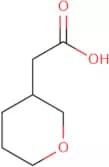
CAS:<p>6-Benzoylamino-9H-purine-9-acetic acid (BAPAA) is a high quality reagent that is used in the synthesis of complex compounds. It is also a useful intermediate in the preparation of fine chemicals, speciality chemicals, and research chemicals. 6-Benzoylamino-9H-purine-9-acetic acid is a versatile building block for the synthesis of novel compounds with desired biological activity. This compound is an excellent reaction component because it can be used to synthesize various chemical structures.</p>Formula:C14H11N5O3Purity:Min. 95%Color and Shape:PowderMolecular weight:297.27 g/molTetrahydro-2H-pyran-3-ylacetic acid
CAS:<p>Tetrahydro-2H-pyran-3-ylacetic acid (THPA) is a chemical that is used as a reagent, speciality chemical and building block in the synthesis of more complex compounds. It is also used as a reaction component and intermediate in the synthesis of various pharmaceuticals. THPA has been shown to be an effective scaffold for creating new drugs that are useful in the treatment of diabetes, cancer and other diseases. This compound can be synthesized from cyclopentanone through a two step process involving oxidation and esterification.</p>Formula:C7H12O3Purity:Min. 95%Color and Shape:Clear LiquidMolecular weight:144.17 g/mol2-[(4-Isopropylphenyl)amino]nicotinic acid
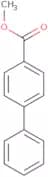
CAS:<p>2-[(4-Isopropylphenyl)amino]nicotinic acid is a fine chemical, useful building block, research chemicals, reagent, speciality chemical and a versatile building block. It is an intermediate in organic synthesis and can be used to form many types of compounds. This compound also has many applications in the field of chemistry including use as a reaction component or as a scaffold. 2-[(4-Isopropylphenyl)amino]nicotinic acid is used in the production of pharmaceuticals, pesticides and other industrial chemicals.</p>Formula:C15H16N2O2Purity:Min. 95%Color and Shape:Yellow PowderMolecular weight:256.3 g/mol4-Phenylbenzoic acid methyl ester
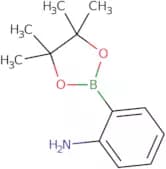
CAS:<p>4-Phenylbenzoic acid methyl ester is a bifunctional molecule that has been shown to be an effective antibacterial agent. It contains two oxadiazole moieties, which are structurally similar to sulfonamides and can form a stable amide bond with an amino group. The pharmacophore of 4-phenylbenzoic acid methyl ester is a four-member ring with two nitrogens and two carbons. This compound has been shown to have antibacterial properties by cleaving the magnesium bond in the enzyme methionine synthase, which catalyzes the formation of methionine from homocysteine and ATP. 4-Phenylbenzoic acid methyl ester is also able to cleave bonds in nonpolar solvents such as benzene, chloroform, and dichloromethane.</p>Formula:C14H12O2Purity:Min. 95%Color and Shape:PowderMolecular weight:212.24 g/mol2-Aminophenylboronic acid pinacol cyclic ester
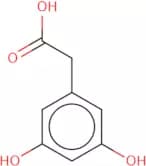
CAS:<p>This compound is a drug target that is an organic molecule found in many pharmaceuticals. It is an acidic, ammonium persulfate-sensitive biomolecule, which can be introduced into cells and tissues to study their function. This compound has been shown to have cancer-fighting abilities, and has potent inhibitory activity against microbial infections. The compound also has suzuki coupling properties, which are used to introduce hemicyanine groups onto other molecules.</p>Formula:C12H18BNO2Purity:Min. 95%Color and Shape:White PowderMolecular weight:219.09 g/mol3,5-Dihydroxyphenylacetic acid
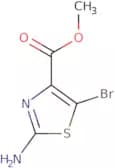
CAS:<p>3,5-Dihydroxyphenylacetic acid is a versatile building block that can be used to synthesize complex molecules. 3,5-Dihydroxyphenylacetic acid is a reagent in organic chemistry and has been used in the synthesis of novel drugs, among other applications. This chemical has been shown to be useful as a building block for the synthesis of high-quality compounds. 3,5-Dihydroxyphenylacetic acid can be used as an intermediate for the synthesis of pharmaceuticals or other chemicals. It is also a useful scaffold for the production of new molecules with desired properties.</p>Formula:C8H8O4Purity:Min. 95%Color and Shape:PowderMolecular weight:168.15 g/mol2-Amino-5-bromothiazole-4-carboxylic acid methyl ester
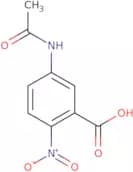
CAS:<p>2-Amino-5-bromothiazole-4-carboxylic acid methyl ester is a reagent that can be used as a building block for the synthesis of complex compounds. It is also an intermediate in the synthesis of other chemical compounds with therapeutic potential. 2-Amino-5-bromothiazole-4-carboxylic acid methyl ester is a fine chemical, which is useful for research purposes. The CAS number for this product is 850429-60-6.</p>Formula:C5H5BrN2O2SPurity:Min. 95%Color and Shape:PowderMolecular weight:237.08 g/mol5-Acetamido-2-nitrobenzoic acid
CAS:<p>5-Acetamido-2-nitrobenzoic acid is a metabolic precursor of homarine, which is an important intermediate in the synthesis of pharmaceuticals. 5-Acetamido-2-nitrobenzoic acid is a white crystalline powder that is soluble in water and sparingly soluble in ethanol. It has a molecular weight of 176.1 g/mol and an empirical formula of C7H6NO4P. The compound exists as a zwitterion at neutral pH. The solubility can be increased by adding phosphoric acid or orthophosphoric acid to increase the pH to 3-5, although this may result in the formation of impurities such as orthophosphate or multicolour compounds. 5-Acetamido-2-nitrobenzoic acid is used for the quantitative determination of phosphate in pharmaceutical dosage formulations by regression analysis with multicolour photometry and chromatographic methods.</p>Formula:C9H8N2O5Purity:Min. 95%Color and Shape:SolidMolecular weight:224.17 g/mol2-Chloro-5-hydroxybenzoic acid ethyl ester
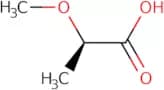
CAS:<p>2-Chloro-5-hydroxybenzoic acid ethyl ester is synthesized by the substitution of anthranilic acid with an aryl ring. The substituents on the aryl ring are chloro and hydroxy, which are attached to carbon atoms. 2-Chloro-5-hydroxybenzoic acid ethyl ester can be metabolized into a number of different metabolites. For example, it can be converted into acid metabolites that have substituents on the benzene ring such as nitro or nitroso groups. These metabolites are then excreted in urine or bile.</p>Formula:C9H9ClO3Purity:Min. 95%Color and Shape:Off-White To Yellow To Brown SolidMolecular weight:200.62 g/mol(R)-(+)-2-Methoxypropionic acid
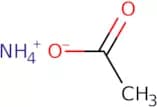
CAS:<p>(R)-(+)-2-Methoxypropionic acid is a derivatization agent that is used to label branched-chain amino acids. It has been shown to react with l-rhamnose, which is found in glycoproteins and polysaccharides.</p>Formula:C4H8O3Purity:Min. 95%Color and Shape:Clear Colourless To Pale Yellow LiquidMolecular weight:104.1 g/molAmmonium acetate
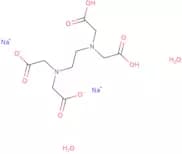
CAS:<p>Ammonium acetate is a salt that is used in the laboratory to synthesize ubiquitin ligases. It has been shown to have receptor activity and can be used to study the interaction between ammonium ions and sodium citrate. Ammonium acetate is a chemical reagent that is used to synthesize ubiquitin ligases, which are proteins that are involved in the degradation of other proteins. Ammonium acetate can also be used as an experimental model for myocardial infarct. The reaction between ammonium and water vapor yields ammonia gas, which can be analyzed with electrochemical impedance spectroscopy (EIS). A solution of ammonium acetate and palladium on zirconium oxide is suitable for coupling reactions, such as amination reactions. This compound has been used as an analytical method for the structural analysis of organic compounds.</p>Formula:C2H7NO2Color and Shape:White Clear LiquidMolecular weight:77.08 g/molEthylenediaminetetraacetic acid disodium dihydrate
CAS:<p>Hexadentate chelator</p>Formula:C10H14N2Na2O8·2H2OColor and Shape:White PowderMolecular weight:372.24 g/molDihydro ferulic acid 4-O-sulfate sodium salt
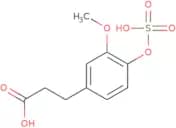
CAS:<p>Dihydroferulic acid is a chlorogenic acid that has been shown to have anti-inflammatory properties in vitro and in vivo. Dihydroferulic acid has been shown to inhibit the production of pro-inflammatory cytokines, such as tumor necrosis factor alpha (TNF-α) and interleukin 10 (IL-10), in monocytic cells. This compound also inhibits the activation of toll-like receptor 4 (TLR4) and TLR2, which are receptors on immune cells that bind to bacterial lipopolysaccharides. Dihydroferulic acid has been found to be present in human urine samples, suggesting it is absorbed from dietary sources. It can also be found in wine and tea, where it may contribute to the positive health effects seen with these beverages. Protocatechuic acid is a phenolic compound with similar activity as dihydroferulic acid.</p>Formula:C10H10Na2O7SPurity:Min. 95%Color and Shape:PowderMolecular weight:320.23 g/molBis-Boc-amino-oxyacetic acid
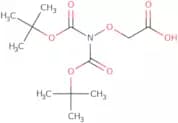
CAS:<p>Bis-Boc-amino-oxyacetic acid is an analog of goserelin acetate. It binds to the androgen receptor in prostate cancer cells, which leads to cytostatic effects. This drug has shown a low potency in human serum and does not bind to human serum proteins.<br>The uptake of Bis-Boc-amino-oxyacetic acid by prostate cancer cells was found to be significantly greater than that of goserelin acetate. The binding affinity of this drug for the androgen receptor is also lower than that of goserelin acetate, making it more selective for prostate cancer cells over other tissues.</p>Formula:C12H21NO7Purity:Min. 95%Color and Shape:White PowderMolecular weight:291.3 g/molMesitylenesulphonic acid hydrate
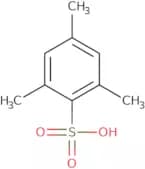
CAS:<p>Mesitylenesulphonic acid hydrate is a high quality chemical that is used as a reagent, complex compound and useful intermediate. It can be used in the production of fine chemicals, research chemicals, speciality chemicals and versatile building blocks. Mesitylenesulphonic acid hydrate has CAS No. 79326-99-1 and is a speciality chemical that can be used as a reaction component for the production of important compounds such as pharmaceuticals, pesticides and herbicides.</p>Formula:C9H12O3S·xH2OPurity:Min. 95%Color and Shape:PowderMolecular weight:200.26 g/mol3-Phenyl-4-phthalazinone-1-acetic acid
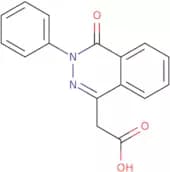
CAS:<p>3-Phenyl-4-phthalazinone-1-acetic acid (3PPAA) is an organic compound that can be used to synthesize gold nanoparticles. Gold nanoparticles are ferroelectric and have a dipole moment. 3PPAA can be modeled using simulations with the panthera program, which is able to predict the effect of various parameters on the morphology of the particles. The shape of the gold nanoparticles can be controlled by changing the concentration of 3PPAA in water and by adding or removing a stabilizing agent such as sodium bicarbonate. 3PPAA has been shown to have a strong interaction with mitochondrial DNA, which could lead to death of cells by interfering with mitochondrial function.</p>Formula:C16H12N2O3Purity:Min. 95%Color and Shape:SolidMolecular weight:280.28 g/molZoledronic acid monohydrate
CAS:<p>Farnesyl pyrophosphate synthase inhibitor; hepatic de novo lipogenesis inhibitor</p>Formula:C5H10N2O7P2•H2OPurity:Min. 98.5 Area-%Color and Shape:PowderMolecular weight:290.1 g/molEicosapentaenoic acid ethyl ester
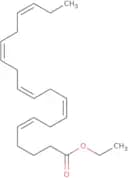
CAS:<p>Eicosapentaenoic acid ethyl ester (EPA-E) is a natural compound that belongs to the group of polyunsaturated fatty acids. EPA-E has been shown to be an antioxidant, which prevents oxidative damage and reduces inflammation. It has been found to lower LDL cholesterol and triglycerides in clinical trials. EPA-E also decreases body mass index, hepatic steatosis, and symptoms of metabolic syndrome. The mechanism of action for these effects is not fully understood but may be due to increased activity of the enzyme spal2. EPA-E has been shown to have favorable biochemical properties in animal models of atherosclerosis.</p>Formula:C22H34O2Purity:Min. 96 Area-%Color and Shape:Clear LiquidMolecular weight:330.5 g/mol3-(N-Morpholino)-2-hydroxypropanesulfonic acid sodium salt
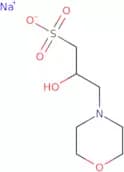
CAS:<p>3-(N-Morpholino)-2-hydroxypropanesulfonic acid sodium salt is a buffer that is used to maintain the pH of a solution. It has been found to be a potential biomarker for bladder cancer, with an increased concentration seen in urine samples and chloride ions as well as inorganic acids. The reaction vessel must be filled with 3N sodium hydroxide solution and heated to dissolve the 3-(N-morpholino) 2-hydroxypropanesulfonic acid sodium salt.</p>Formula:C7H14NO5SNaPurity:Min. 95%Color and Shape:PowderMolecular weight:247.25 g/mol2-Hydroxyphenylacetic acid
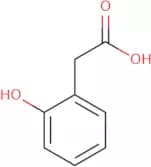
CAS:<p>2-Hydroxyphenylacetic acid is a hydroxylated phenolic acid that is structurally similar to other phenolic acids. It is present in many plants, including tea leaves and coffee beans, where it acts as an antioxidant. 2-Hydroxyphenylacetic acid has been found in the urine of humans and animals following ingestion of excessive amounts of these plants. It is also found in urine samples from patients with certain types of kidney disease. The synthesis of 2-hydroxyphenylacetic acid can be achieved by reacting ethylene diamine with sodium hydroxide solution or hydrochloric acid.</p>Formula:C8H8O3Purity:Min. 95%Color and Shape:Off-White Slightly Brown PowderMolecular weight:152.15 g/mol6-Chloro-2-fluoropyridine-3-boronic acid
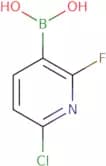
CAS:<p>6-Chloro-2-fluoropyridine-3-boronic acid is a versatile building block for the synthesis of complex compounds, which can be used as a reagent in research or as a speciality chemical. This compound can be used as an intermediate, reaction component, or scaffold to synthesize other more complex structures. 6-Chloro-2-fluoropyridine-3-boronic acid is available in high quality and has CAS No. 1256345-66-0.</p>Formula:C5H4BClFNO2Purity:Min. 95%Color and Shape:Light (Or Pale) Orange SolidMolecular weight:175.35 g/mol2-Bromo-5-fluorocinnamic acid
CAS:<p>2-Bromo-5-fluorocinnamic acid is a high quality, reagent, complex compound of the chemical family of phenols. It has CAS No. 939410-87-4 and is a useful intermediate in the synthesis of fine chemicals. The compound has been used as a speciality chemical for research purposes and has been found to be a versatile building block for the synthesis of new compounds. 2-Bromo-5-fluorocinnamic acid can be used as a reaction component in organic synthesis reactions, such as esterification, nucleophilic substitution, and condensation reactions.</p>Formula:C9H6BrFO2Purity:Min. 95%Color and Shape:PowderMolecular weight:245.05 g/molPentadecanedioic acid
CAS:<p>Pentadecanedioic acid is a fatty acid that is often used as a pharmaceutical preparation. It has been shown to have inhibitory effects for the removal of malonic acid and other organic acids from wastewater treatment by biological treatment. Pentadecanedioic acid can be synthesized from trifluoroacetic acid and cyclohexane ring, which are precursors to this compound. The hydroxyl group on pentadecanedioic acid makes it susceptible to fluorescence spectrometry, making it an appropriate sample preparation method for this compound.</p>Formula:C15H28O4Purity:Min. 95%Color and Shape:PowderMolecular weight:272.38 g/mol2-(4-(2,5-Dichlorophenylamino)-3,5-thiazolyl)acetic acid
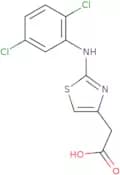
CAS:<p>Please enquire for more information about 2-(4-(2,5-Dichlorophenylamino)-3,5-thiazolyl)acetic acid including the price, delivery time and more detailed product information at the technical inquiry form on this page</p>Purity:Min. 80%1,1',1''-Tris(1H-1,2,3-triazol-4-yl-1-acetic acid ethyl ester) trimethylamine
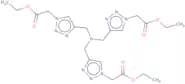
CAS:<p>1,1',1''-Tris(1H-1,2,3-triazol-4-yl-1-acetic acid ethyl ester) trimethylamine is an organic solvent that has been used in the synthesis of azide–alkyne cycloaddition products. The solvent has shown to be soluble in water and is stable at high temperatures. It can also be used as a reagent or ligand for cycloaddition reactions with alkynes.</p>Formula:C21H30N10O6Purity:Min. 95%Color and Shape:White PowderMolecular weight:518.53 g/mol3-Amino-4-chlorophenylacetic acid methyl ester
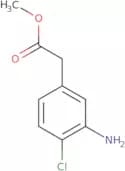
CAS:<p>3-Amino-4-chlorophenylacetic acid methyl ester is a fine chemical that is useful as a building block in the synthesis of complex compounds. It has been used as a reagent and speciality chemical, which can be used for research purposes. CAS No. 59833-69-1</p>Formula:C9H10ClNO2Purity:Min. 95%Molecular weight:199.63 g/molGhrelin trifluoroacetate
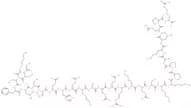
CAS:<p>Ghrelin is a peptide hormone that regulates appetite and has been shown to have potent anti-cachectic effects in animal models. It is thought to be an important regulator of body weight, insulin resistance, and metabolism. Ghrelin is synthesized in the stomach and released into the bloodstream when the stomach is empty. Ghrelin binds to ghrelin receptors in the hypothalamus, which stimulate growth hormone release from the pituitary gland. This hormone also binds to other cells in the hypothalamus, such as neurons that produce orexin, which may account for its effects on sleep patterns. Ghrelin has been shown to inhibit tumor growth by suppressing angiogenesis and inducing apoptosis. The molecular weight of ghrelin is 3497 Da. The sequence of ghrelin consists of 28 amino acids: Gly-Ser-Ser(octanoyl)-Phe-Leu-Ser-Pro-Glu-His-Gln-Lys-Ala</p>Formula:C147H245N45O42•(C2HO2F3)xPurity:Min. 95 Area-%Color and Shape:PowderMolecular weight:3,314.8 g/molGanoderic acid A
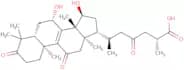
CAS:Controlled Product<p>Ganoderic acid A is a natural compound that is found in the mushroom Ganoderma lucidum. It has been shown to inhibit the proliferation of HL-60 cells, which are commonly used as a model system for human leukemia. The mechanism of action of Ganoderic acid A is not yet fully understood, but it may be due to its ability to inhibit the activation of signal pathways and Ca2+ release from the endoplasmic reticulum. This activity is synergistic with other compounds such as ganoderic acid B and ganoderol B. Ganoderic acid A has been shown to have cytotoxicity against HL-60 cells through a novel analytical method. It is also able to inhibit the growth of various cancers including lung, breast, prostate, and pancreatic cancer cells.</p>Formula:C30H44O7Purity:Min. 95%Color and Shape:White PowderMolecular weight:516.67 g/mol5(6)-Carboxyfluorescein diacetate N-succinimidyl ester
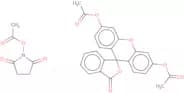
CAS:<p>5(6)-Carboxyfluorescein diacetate N-succinimidyl ester is a high quality chemical that is used as an intermediate in the synthesis of fluorescein, a complex compound. It is also useful as a reagent and building block in the synthesis of other compounds. 5(6)-Carboxyfluorescein diacetate N-succinimidyl ester is soluble in water and can be used to make fine chemicals, such as speciality chemicals and research chemicals. The chemical is also versatile and can be used as a reaction component for synthesizing other compounds.</p>Formula:C29H19NO11Purity:Min. 95%Color and Shape:White PowderMolecular weight:557.46 g/mol4-Morpholinylacetic acid hydrochloride
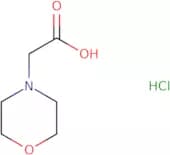
CAS:<p>4-Morpholinylacetic acid hydrochloride is a fluorescent probe that is used to study the interaction between extracellular proteins and cells. It can be detected in tissues by fluorescence microscopy and has been tested on animal tissues. The linker group allows for the encapsulation of the probe into mesoporous silica particles that can be recovered from biological fluids and analyzed using analytical methods. 4-Morpholinylacetic acid hydrochloride is not acidic, which means it does not interact with DNA or RNA. The fluorescent properties of this compound allow for easy detection in tissues and microenvironments where other probes may not be detectable.</p>Formula:C6H11NO3•HClPurity:Min. 95%Molecular weight:181.62 g/molN-Benzyloxycarbonyl-6-aminocaproic acid
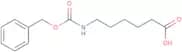
CAS:<p>N-Benzyloxycarbonyl-6-aminocaproic acid is a synthetic molecule that has been shown to inhibit ubiquitin ligases. It may be used as an antigen for the detection of cancer cells, and it can also serve as a potential drug for inhibiting the growth of cancer cells. This molecule is a peptidomimetic that mimics the structure of ubiquitin. N-Benzyloxycarbonyl-6-aminocaproic acid binds to ubiquitin through hydrogen bonding interactions and can interfere with the protein's function by forming crosslinks with other proteins. N-Benzyloxycarbonyl-6-aminocaproic acid has been found to have a high molecular weight (MW) and viscosity, which makes it difficult to use in biological systems. However, this molecule can be used as an e3 ubiquitin ligase inhibitor in supramolecular systems because it does not interfere with other</p>Formula:C14H19NO4Purity:Min. 95%Color and Shape:White PowderMolecular weight:265.31 g/molPotassium oxirane-2-carboxylate
CAS:<p>Potassium oxirane-2-carboxylate is a chiral, silicon containing compound that inhibits the enzyme glucose 6-phosphate dehydrogenase. It has been shown to inhibit the formation of 6-phosphate in tubule cells. This inhibition leads to renal toxicity and may be due to its ability to catalyze primary alcohols into chloroacetone and malate. Potassium oxirane-2-carboxylate is an organosilicon compound that can be used as a catalyst for enzymatic reactions, such as dehydrogenation.</p>Formula:C3H3KO3Purity:Min. 95 Area-%Color and Shape:PowderMolecular weight:126.15 g/molH-Pro-Arg-OH acetate salt
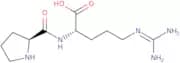
CAS:<p>H-Pro-Arg-OH acetate salt is a synthetic, antioxidative molecule that has been shown to lower blood pressure in animals. It is also an effective inhibitor of the oxidation of diploid cells and has been shown to be safe for long-term use. H-Pro-Arg-OH acetate salt is used as a structural probe for studies on the binding of fibrinogen to plasminogen. This compound has also been shown to reduce protamine's ability to inhibit fibrinolysis, which may lead to improved blood clotting times.</p>Formula:C11H21N5O3Purity:Min. 95%Color and Shape:PowderMolecular weight:271.32 g/mol4-(2-Bromoethyl)-benzoic acid
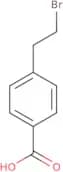
CAS:<p>4-(2-Bromoethyl)-benzoic acid is a carboxylic acid that has been shown to be optimal for the treatment of Staphylococcus aureus. The experimental studies have been performed in vitro and in vivo, on both bacteria and animal models. 4-(2-Bromoethyl)-benzoic acid is active against staphylococcal infections, including those caused by methicillin resistant strains. 4-(2-Bromoethyl)-benzoic acid has also been shown to be effective against other bacterial species, such as Escherichia coli, Pseudomonas aeruginosa and Klebsiella pneumoniae. This compound inhibits the growth of bacteria by blocking the synthesis of proteins needed for cell division.</p>Formula:C9H9BrO2Purity:Min. 95%Color and Shape:PowderMolecular weight:229.07 g/mol7,7-Azo-3-α,12-α-dihydroxycholanic acid
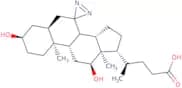
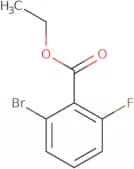
CAS:<p>Please enquire for more information about 7,7-Azo-3-α,12-α-dihydroxycholanic acid including the price, delivery time and more detailed product information at the technical inquiry form on this page</p>Formula:C24H38N2O4Purity:Min. 95%Color and Shape:PowderMolecular weight:418.57 g/mol2-Bromo-6-fluorobenzoic acid ethyl ester
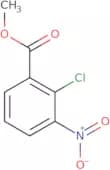
CAS:<p>2-Bromo-6-fluorobenzoic acid ethyl ester is a chemical that reacts with other chemicals to form new substances. It is a useful scaffold for complex compounds and can be used as a building block for fine chemicals, pharmaceuticals, agrochemicals, and other organic compounds. 2-Bromo-6-fluorobenzoic acid ethyl ester is also a versatile building block or intermediate in the synthesis of many different substances.</p>Formula:C9H8BrFO2Purity:Min. 90%Color and Shape:PowderMolecular weight:247.06 g/mol2-Chloro-3-nitrobenzoic acid methyl ester
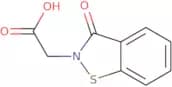
CAS:<p>2-Chloro-3-nitrobenzoic acid methyl ester is a chemical compound that has been shown to inhibit the activity of serotonin. The compound binds to the 5-HT3 receptor on the enteric neurons and inhibits the release of serotonin in the bowel, which is one of the two major sites of action for this drug. This inhibition leads to reduced motility and decreased secretion in the bowel, which helps relieve symptoms in patients with irritable bowel syndrome (IBS). It has also been shown that 2-chloro-3-nitrobenzoic acid methyl ester is able to inhibit the production of serotonin from tryptophan by inhibiting an enzyme called aromatic amino acid decarboxylase.<br>2-Chloro-3-nitrobenzoic acid methyl ester has a high affinity for both rat and human 5ht3 receptors. The kinetics and thermodynamics of this reaction have been studied using methanol as a</p>Formula:C8H6ClNO4Purity:Min. 95%Color and Shape:PowderMolecular weight:215.59 g/mol(3-Oxo-1,2-benzisothiazol-2(3H)-yl)acetic acid
CAS:<p>(3-Oxo-1,2-benzisothiazol-2(3H)-yl)acetic acid is a speciality chemical that can be used as an intermediate in the synthesis of other chemicals. It is also a useful component in research and development of new drugs. The compound has been shown to react with various molecules to form adducts with different functional groups. (3-Oxo-1,2-benzisothiazol-2(3H)-yl)acetic acid is soluble in most organic solvents and can be stored at room temperature for up to one year. The compound has been found to have a high purity level and is sold in a variety of grades for different purposes.</p>Formula:C9H7NO3SPurity:Min. 95%Color and Shape:White PowderMolecular weight:209.22 g/mol3-Methoxy-2-methylbenzoic acid
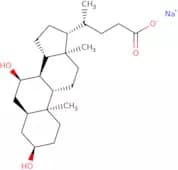
CAS:<p>3-Methoxy-2-methylbenzoic acid is a diazotization agent that is used to produce bromoethane. It is also used as an initiator in the synthesis of dimethylformamide and tetrahydrofuran. 3-Methoxy-2-methylbenzoic acid can be recycled and is used to synthesize methylbenzene, chloroanisole, and grignard reaction products such as chlorobenzene and low yield. 3-Methoxy-2-methylbenzoic acid has been shown to have a high yield for these reactions in comparison to other diazotization agents.</p>Formula:C9H10O3Purity:Min. 95%Color and Shape:White PowderMolecular weight:166.17 g/molChenodeoxycholic acid, sodium salt
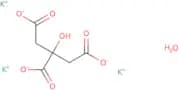
CAS:Controlled Product<p>Chenodeoxycholic acid, sodium salt is a bile acid that is derived from ursodeoxycholic acid. It has been used in the treatment of gallstones and primary biliary cirrhosis. Chenodeoxycholic acid, sodium salt inhibits the production of cholesterol by blocking the action of 3-hydroxy-3-methylglutaryl coenzyme A reductase (HMGCR) enzyme, which is responsible for catalyzing the conversion of HMG-CoA to mevalonate. Chenodeoxycholic acid also inhibits the growth of tumor cells and has antiinflammatory properties due to its ability to inhibit prostaglandin synthesis. This drug may interact with drugs that are substrates for either chenodeoxycholic acid or cytochrome P450 enzymes.</p>Formula:C24H39NaO4Color and Shape:White Off-White PowderMolecular weight:414.57 g/molCitric acid tripotassium monohydrate
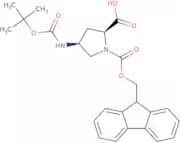
CAS:<p>Citric acid tripotassium salt monohydrate is a membrane-stabilizing agent that has been shown to improve the function of the circuitry in animals. It has been used for the treatment of motoneurons and muscle pain. Citric acid tripotassium salt monohydrate has also been found to be an effective treatment for chronic pain, which may be due to its ability to block pain signals from reaching the brain. This drug has also shown efficacy in treating neurological disorders such as Parkinson's disease, Alzheimer's disease, and multiple sclerosis. Citric acid tripotassium salt monohydrate is effective at improving the physiological mechanisms that are responsible for translating nervous system activity into movement.</p>Formula:C6H8O7•H2O•K3Purity:Min. 95%Color and Shape:White To Off-White SolidMolecular weight:237.43 g/molBoc-(2S,4S)-4-amino-1-Fmoc-pyrrolidine-2-carboxylic acid
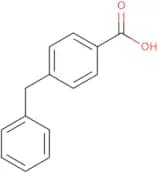
CAS:<p>Useful chiral building block</p>Formula:C25H28N2O6Purity:Min. 95%Molecular weight:452.5 g/molDiphenylmethane-4-carboxylic acid
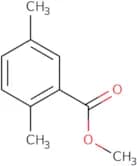
CAS:<p>Diphenylmethane-4-carboxylic acid is a synthetic compound that has been used as a contraceptive. It works by forming a hydrophobic complex with fatty acids in the cell membrane, which prevents the uptake of glyoxal and thiosemicarbazide. Diphenylmethane-4-carboxylic acid has also been shown to be effective in treating cancerous tumors in rats. The formation rate of diphenylmethane-4-carboxylic acid can be increased when it is reacted with citric acid or phosphoric acid in the presence of phosphorus pentoxide. The reaction is catalyzed by sodium hydroxide solution or hydroxide solution.</p>Formula:C14H12O2Purity:Min. 98 Area-%Color and Shape:PowderMolecular weight:212.24 g/mol2,5-Dimethylbenzoic acid methyl ester
CAS:<p>2,5-Dimethylbenzoic acid methyl ester is an organic compound that belongs to the class of diketones. It is a crystalline solid with a melting point of about 120 °C. The compound is used for the synthesis of other chemicals and as a precursor to pharmaceuticals. 2,5-Dimethylbenzoic acid methyl ester can be produced by photocycloaddition, which involves uv irradiation and heat. This reaction produces two isomers: trans-2,5-dimethylbenzoic acid methyl ester and cis-2,5-dimethylbenzoic acid methyl ester. Trans-2,5-dimethylbenzoic acid methyl ester has been shown to undergo conformational change when heated to 120 °C, while cis-2,5-dimethylbenzoic acid methyl ester does not show this effect.</p>Formula:C10H12O2Purity:Min. 95 Area-%Color and Shape:PowderMolecular weight:164.2 g/mol2,4,5-Trimethoxybenzoic acid
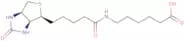
CAS:<p>2,4,5-Trimethoxybenzoic acid is a polarizer that belongs to the group of phenols. It is used in the production of photographic film and as an intermediate in organic synthesis. The 2,4,5-trimethoxybenzoic acid has been shown to have a protective effect on Toll-like receptor 4 (TLR4) and TLR2 signaling pathways after thermal expansion. This compound may be helpful in reducing risk due to its involvement in the M2 phenotype and its lack of cytotoxic effects on macrophages. 2,4,5-Trimethoxybenzoic acid also has a hydroxyl group that can form hydrogen bonds with other compounds or water molecules. It also has fatty acids that can permeate through cell membranes and increase water permeability.</p>Formula:C10H12O5Purity:Min. 95%Color and Shape:PowderMolecular weight:212.2 g/molBiotin caproic acid
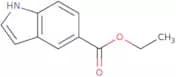
CAS:<p>Podophyllotoxin is a natural product that has been used in the treatment of cancer. Biotin caproic acid is a synthetic analogue of podophyllotoxin and has been shown to have potent antimicrobial activity. Podophyllotoxin is an inhibitor of microtubule polymerization, which leads to cell death. It also induces apoptosis by interacting with dopamine receptors on the cell surface and inhibiting their binding to dopamine. This inhibits dopamine-induced proliferation of cells, leading to cell death. Biotin caproic acid has been shown to have anticancer properties against human cancer cells in vitro. The mechanism of action may be due to binding to the cytochrome P450 enzyme and inhibiting its activity, which affects the metabolism of various drugs and hormones such as dopamine.</p>Formula:C16H27N3O4SPurity:Min. 95%Color and Shape:PowderMolecular weight:357.47 g/molIndole-5-carboxylic acid ethyl ester
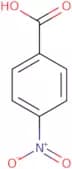
CAS:<p>Indole-5-carboxylic acid ethyl ester is a formamide activated analog of piperidine. It is an effective antibacterial agent against Staphylococcus aureus. Indole-5-carboxylic acid ethyl ester inhibits the growth of bacteria by binding to the extracellular surface and interfering with cell membrane permeability. The compound also has anti-cancer properties, and may be used in pharmaceuticals as a pyrazole derivative.</p>Formula:C11H11NO2Purity:Min. 95%Color and Shape:PowderMolecular weight:189.21 g/molP-Nitrobenzoic acid
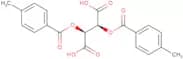
CAS:<p>P-Nitrobenzoic acid is a nitro compound that is used as an intermediate in the synthesis of various pharmaceuticals. It is also used in wastewater treatment to remove protocatechuic acid, which is produced during the oxidation of phenols by peroxidase. P-Nitrobenzoic acid can be synthesized by reacting sodium nitrite with p-hydroxybenzoic acid. The structure of this compound was determined through a series of experiments, and it was found that it has two nitrogen atoms that are incorporated into the benzene ring. This compound reacts with aziridine in an exothermic reaction mechanism to form an unstable five membered ring. This reaction proceeds through a series of steps and eventually forms p-nitrobenzoic acid.</p>Formula:C7H5NO4Purity:Min. 95%Color and Shape:PowderMolecular weight:167.12 g/mol(+)-O,O'-Di-p-toluoyl-D-tartaric acid
CAS:<p>(+)-O,O'-Di-p-toluoyl-D-tartaric acid is a potent and selective ligand for the dopamine D2 receptor. It was first synthesized in 1968 and has been extensively studied for its interactions with dopamine receptors. (+)-O,O'-Di-p-toluoyl-D-tartaric acid has been shown to be an orthosteric agonist at the D2 receptor, meaning it binds directly to the receptor in the absence of any other compounds. It binds to the extracellular site of the receptor, with a binding affinity that is 10 times more potent than that of apomorphine. The compound has been shown to have antidepressant effects when administered systemically, as well as in animal models of depression. This activity may be due to its ability to selectively activate dopamine D2 receptors in regions such as the prefrontal cortex.</p>Formula:C20H18O8Purity:Min. 95%Color and Shape:PowderMolecular weight:386.35 g/molEicosapentaenoic acid
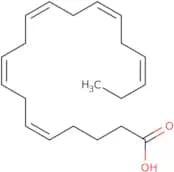
CAS:<p>Inhibitor of 5-lipoxygenase; reduces thromboxane A2 production</p>Formula:C20H30O2Purity:Min. 96 Area-%Color and Shape:Colorless Clear LiquidMolecular weight:302.45 g/molMethyl 3-(((phenylcarbonylamino)thioxomethyl)amino)thiophene-2-carboxylate
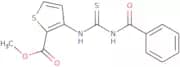
CAS:<p>Please enquire for more information about Methyl 3-(((phenylcarbonylamino)thioxomethyl)amino)thiophene-2-carboxylate including the price, delivery time and more detailed product information at the technical inquiry form on this page</p>Formula:C14H12N2O3S2Purity:Min. 95%Color and Shape:PowderMolecular weight:320.39 g/molGlycolic acid - 70% aqueous solution
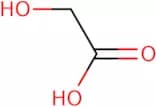
CAS:<p>Glycolic acid is a dicarboxylic acid that is used as a chemical peeling agent for the treatment of hyperkeratotic skin disorders. This product has been shown to inhibit the transcription-polymerase chain reaction (PCR) in maternal blood, which may be due to its ability to form glycolate from glucose and glyceraldehyde-3-phosphate. Glycolic acid inhibits the production of malonic acid by inhibiting the enzyme malonate decarboxylase, which converts malonic acid into succinic acid. The inhibition of this enzyme leads to an accumulation of intracellular glycolate and increased levels of succinic acid in cells. Glycolic acid also inhibits dapagliflozin, an inhibitor of sodium-dependent glucose transport proteins, suggesting that it may have pharmacological effects on diabetes mellitus. Glycolic acid binds with fatty acids by forming ester bonds, thereby preventing them from being incorporated into</p>Formula:C2H4O3Purity:Min. 95%Molecular weight:76.05 g/mol(2-Pyrimidylthio)acetic acid
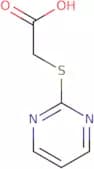
CAS:<p>2-Pyrimidylthio)acetic acid is an amide that has been shown to form a crystalline solid with diffraction properties. The molecular structure of this compound was determined by X-ray crystallography and showed that it has a reactive nature. 2-Pyrimidylthio)acetic acid is able to form an adsorption isotherm for the desorption of anions by magnetic nanoparticles, which may be due to its supramolecular interactions. It has also been shown to have kinetic and adsorption properties.</p>Formula:C6H6N2O2SPurity:Min. 95%Color and Shape:PowderMolecular weight:170.19 g/molGallic acid sodium
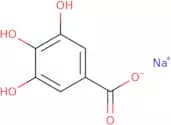
CAS:<p>Gallic acid sodium salt is a fatty acid that can be extracted from plant sources. It is a hydroxyl group with a cationic surfactant and it has high values in the hydroxide solution. Gallic acid sodium salt can be used as a hydroxyl group extractant, which is an important property for use in clinical settings. It also has high values as a radiation-resistant, hydroxide solution, and hydroxyapatite extractant. The compound can be prepared by treating gallic acid with sodium carbonate or sodium hydroxide to form gallium(III) ion and sodium chloride. This compound can then react with copper chloride to form gallium(III) copper chloride coordination complex.</p>Formula:C7H5O5NaPurity:Min. 95%Color and Shape:PowderMolecular weight:192.1 g/molEthylenediaminetetraacetic acid tetrasodium salt tetrahydrate
CAS:<p>Ethylenediaminetetraacetic acid tetrasodium salt tetrahydrate is a chemical compound that is used in cell culture to protect cells from oxidative injury. It has been shown to be effective against a variety of antimicrobial agents, such as aromatic hydrocarbons and reactive oxygen species. Ethylenediaminetetraacetic acid tetrasodium salt tetrahydrate has been shown to have antioxidant properties by scavenging reactive oxygen species, which are produced during the process of oxidation. This chemical compound also prevents the breakdown of disulfide bonds and may have a protective effect on DNA by preventing strand breakage. Ethylenediaminetetraacetic acid tetrasodium salt tetrahydrate can be used for sample preparation and inhibits the polymerase chain reaction (PCR) in vitro at low concentrations.</p>Formula:C10H12N2Na4O8·4H2OPurity:Min. 95%Color and Shape:PowderMolecular weight:452.23 g/molN-Fmoc-S-2-amino-heptanoic acid
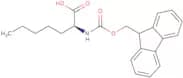
CAS:<p>N-Fmoc-S-2-amino-heptanoic acid is a metabolite of the pentose phosphate pathway that is also found in the glycolytic pathway. It is a cell activator and, as such, can be used to stimulate the production of insulin, dopamine, and other metabolic products. N-Fmoc-S-2-amino-heptanoic acid has been shown to reduce levels of glucose in rat brains with administration through the injection route. This compound has also been shown to inhibit glycolytic enzymes and increase cell toxicity.</p>Formula:C22H25NO4Purity:Min. 95%Color and Shape:White Off-White PowderMolecular weight:367.44 g/mol(R)-(+)-a-Lipoic acid
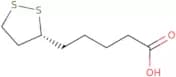
CAS:<p>(R)-(+)-a-Lipoic acid is a naturally occurring compound with antioxidant properties in the body. It is found in high concentrations in the kidney, liver, and pancreas, and is an important cofactor for mitochondrial enzymes that catalyze the oxidation of pyruvate to acetyl CoA. (R)-(+)-a-Lipoic acid has been shown to be effective against cisplatin-induced nephrotoxicity, oxidative injury caused by ischemia–reperfusion injury, diabetic neuropathy and other conditions. The exact mechanism of action of (R)-(+)-a-Lipoic acid is not known but it may be due to its ability to restore mitochondrial membrane potential or inhibit reactive oxygen species production. (R)-(+)-a-Lipoic acid has also been shown to reduce body mass index and glomerular filtration rate in mice.</p>Formula:C8H14O2S2Purity:Min. 95%Color and Shape:PowderMolecular weight:206.33 g/mol3,5-di-tert-Butyl-4-hydroxyphenylpropionic acid
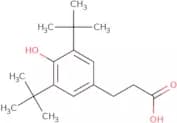
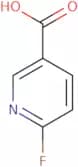
CAS:<p>3,5-Di-tert-butyl-4-hydroxyphenylpropionic acid (BHT) is a phenolic compound that is used as an antioxidant in food and cosmetic products. It has been shown to inhibit the growth of Streptococcus faecalis and Pseudomonas aeruginosa in cell culture. BHT has also been shown to have antioxidative properties in vitro. BHT has been found to react with other molecules (e.g., oxygen, carbon dioxide, or nitric oxide) to produce stable chemical species that are not harmful to cells. These reactions lead to the formation of chemical structures that are less reactive than BHT itself. This property may be due to its ability to scavenge free radicals, thereby preventing lipid peroxidation and oxidative damage.</p>Formula:C17H26O3Purity:Min. 95%Color and Shape:PowderMolecular weight:278.39 g/mol6-Fluoronicotinic acid
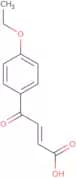
CAS:<p>6-Fluoronicotinic acid is a compound class that is biosynthesized from picolinic acid. It has been found to have biological properties such as the ability to form positrons and spiroindolines. 6-Fluoronicotinic acid can be synthesized by solid-phase synthesis and analyzed using vibrational spectroscopy. This compound class is also a radionuclide, which means it can be used in positron emission tomography (PET) scans of the human body. 6-Fluoronicotinic acid has been shown to bind to cardiac tissue and cancer cells, making it an effective drug for treating these diseases.</p>Formula:C6H4FNO2Purity:Min. 95%Color and Shape:PowderMolecular weight:141.1 g/mol3-(4-Ethoxybenzoyl)acrylic acid
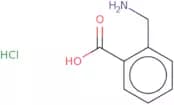
CAS:<p>3-(4-Ethoxybenzoyl)acrylic acid is a chemical that belongs to the group of reagents. It can be used in research involving organic synthesis as a building block and as an intermediate. 3-(4-Ethoxybenzoyl)acrylic acid can also be used to synthesize complex compounds or fine chemicals. The product is high quality, easy to use, and has many uses. This compound is a versatile building block that can be used to make many different compounds.</p>Formula:C12H12O4Purity:Min. 95%Color and Shape:PowderMolecular weight:220.22 g/mol(3-Aminomethyl)benzoic acid hydrochloride
CAS:<p>(3-Aminomethyl)benzoic acid hydrochloride is a high-quality, versatile compound that can be used as a reagent or scaffold for the synthesis of complex compounds. It is a fine chemical that can be used as an intermediate in organic chemistry and has been shown to be useful in the synthesis of speciality chemicals. The CAS number for this chemical is 876-03-9. This chemical is also a versatile building block for reactions, and has been shown to be an excellent reaction component for research purposes.</p>Formula:C8H9NO2•HClPurity:Min. 95%Color and Shape:PowderMolecular weight:187.62 g/mol3-Bromo-4-methoxyphenylacetic acid ethyl ester
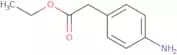
CAS:<p>3-Bromo-4-methoxyphenylacetic acid ethyl ester is a versatile building block that can be used to synthesize a variety of compounds. It is also a useful intermediate for research chemicals and pharmaceuticals. 3-Bromo-4-methoxyphenylacetic acid ethyl ester is a fine chemical with high quality and can be used as a reagent or speciality chemical. As a reaction component, this product makes an excellent scaffold for complex compounds.</p>Formula:C11H13BrO3Purity:Min. 95%Color and Shape:Clear LiquidMolecular weight:273.12 g/molEthyl 4-aminophenylacetate
CAS:<p>Ethyl 4-aminophenylacetate is a synthetic compound that has been shown to have anticancer activity in vitro. It has been shown to inhibit the activation of mouse splenocytes by carbonyl group-containing compounds, which are induced by lipopolysaccharide (LPS). Ethyl 4-aminophenylacetate also inhibits the binding of primary amines to opioid receptors in vitro. This compound has not been tested in vivo for its anticancer activity.</p>Formula:C10H13NO2Purity:Min. 95%Color and Shape:PowderMolecular weight:179.22 g/molL-Aspartic acid sodium salt monohydrate
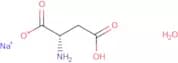
CAS:<p>L-Aspartic acid sodium salt monohydrate is a sodium carbonate salt of L-aspartic acid that has been shown to inhibit the growth of leishmania in vitro. It may also be effective against other protozoa and amoeba, including Entamoeba histolytica and Naegleria fowleri. L-Aspartic acid sodium salt monohydrate inhibits acid formation by inhibiting the enzyme carbonate synthetase. This compound also has potential as a drug target for infantile lysosomal storage disease due to its ability to activate glutamate, which is an amino acid that is deficient in this condition. The surface methodology used for this study was titration calorimetry, which can be used to measure the thermodynamic properties of activated carboxylates.</p>Formula:C4H6NO4Na·H2OColor and Shape:White Off-White Clear LiquidMolecular weight:173.1 g/mol3,5-Dibromo-2-hydroxybenzoic acid
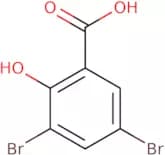
CAS:<p>3,5-Dibromo-2-hydroxybenzoic acid is a reactive, polarizable molecule that has been shown to be a useful starting material for the synthesis of 5-nitrosalicylic acid. It also is a precursor to 3,5-dinitrosalicylic acid and can react with hydrochloric acid in the presence of x-rays to form protonated molecules. The molecular structure of 3,5-dibromo-2-hydroxybenzoic acid has been determined using x-ray diffraction. This compound is not absorbed by the human body and does not have any known biological activity.</p>Formula:C7H4Br2O3Purity:Min. 95%Color and Shape:PowderMolecular weight:295.91 g/molNipecotic acid
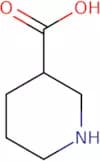
CAS:<p>Nipecotic acid is a competitive inhibitor of glutamate. It binds to the extracellular site of the glutamate-gated chloride channel and blocks the influx of chloride ions into the cell, resulting in an increase in intracellular chloride ion concentrations. Nipecotic acid has been shown to have a variety of effects on behaviour, including increased rotarod performance and improved motor learning in rats. This drug also inhibits uptake of hydrogen tartrate into cells, which is essential for catabolism of glucose by glycolysis. The effect on locomotor activity was not observed when nipecotic acid was administered orally or intraperitoneally. Nipecotic acid has a high resistance to hydrolysis by p-hydroxybenzoic acid and is used as an analytical standard for this compound.</p>Formula:C6H11NO2Color and Shape:PowderMolecular weight:129.15 g/molNb-N-(benzhydryloxycarbonyl)cytosine)-1-acetic acid
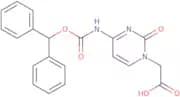
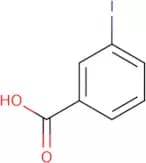
CAS:<p>Nb-N-(benzhydryloxycarbonyl)cytosine)-1-acetic acid is a speciality chemical that is used as a reagent, building block, and scaffold for organic synthesis. This compound can be used in various reactions to produce complex compounds with high purity. Nb-N-(benzhydryloxycarbonyl)cytosine)-1-acetic acid is an excellent starting material for the production of fine chemicals, research chemicals, and versatile building blocks. It is also a useful intermediate for the production of pharmaceuticals and other useful compounds.</p>Formula:C20H17N3O5Purity:Min. 98 Area-%Color and Shape:White PowderMolecular weight:379.37 g/mol3-Iodobenzoic acid
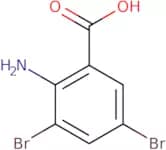
CAS:<p>3-Iodobenzoic acid is a crystalline solid that has been shown to inhibit the growth of epidermal cells by binding to the epidermal growth factor receptor. 3-Iodobenzoic acid is an x-ray crystal structure that is hydrated and forms hydrogen bonds with DNA. It can be used as a model system for studying the effects of drugs on DNA synthesis. 3-Iodobenzoic acid has shown to bind to the plasma membrane in cardiac cells, which may be due to its hydroxyl group. The compound also has been shown to form benzoate from benzoic acid in wastewater treatment plants, which can have adverse effects on aquatic life.</p>Formula:C7H5IO2Purity:Min. 95%Color and Shape:PowderMolecular weight:248.02 g/mol3,5-Dibromoanthranilic acid
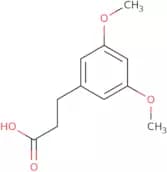
CAS:<p>3,5-Dibromoanthranilic acid is an anthranilic acid derivative that has been the subject of a number of chemical studies. The compound possesses the functional groups found in many other aromatic compounds and isomers. It can be used as a precursor to make other chemicals, such as dyes. 3,5-Dibromoanthranilic acid has been shown to have antitumour activity and cytotoxic potency. It also binds to DNA and inhibits RNA synthesis, which leads to cell death by inhibiting protein synthesis. This compound has been found in urine samples with concentrations of up to 0.2 mg/L, suggesting that it may be metabolized in the body.</p>Formula:C7H5Br2NO2Purity:Min. 95%Color and Shape:PowderMolecular weight:294.93 g/mol3-(3,5-Dimethoxyphenyl)propionic acid
CAS:<p>3-(3,5-Dimethoxyphenyl)propionic acid is a metabolite of the drug aminorex that has been found to be a potent cannabinoid receptor agonist. It is an oxygenated analogue of 3,5-dimethoxyamphetamine and is synthesised by demethylation of aminorex followed by alkylation of the resulting 3-(3,5-dimethoxyphenyl)propionyl chloride with methanol. The compound has been found in rat microflora and human intestinal contents.</p>Formula:C11H14O4Purity:Min. 95%Color and Shape:PowderMolecular weight:210.23 g/molCyclosporin A acetate
CAS:<p>Cyclosporin A is a cyclic non-hydrolyzable glycol ester that inhibits the production of cytokines and inflammatory mediators by binding to specific intracellular receptors. Cyclosporin A acetate is an inactive prodrug that is converted to active cyclosporine in the liver. Cyclosporin A acetate has been shown to be effective in treating autoimmune diseases such as rheumatoid arthritis and psoriasis, as well as atopic dermatitis. Cyclosporin A acetate is used orally and usually taken with food or milk to reduce gastrointestinal irritation. The oral dosage form of this drug contains saccharose as a diluent and surfactant, which reduces the risk of gastrointestinal irritation.</p>Formula:C64H113N11O13Purity:(%) Min. 95%Color and Shape:PowderMolecular weight:1,244.65 g/mol7-Methylindole-3-acetic acid
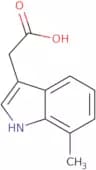
CAS:<p>7-Methylindole-3-acetic acid is a metabolite of indomethacin. It is excreted in the urine and has been found to be present in the tissues of monkeys. 7-Methylindole-3-acetic acid is excreted by the kidneys and it is not known how much of this compound is reabsorbed into the body. 7-Methylindole-3-acetic acid can be metabolized to form other metabolites, including 2,4,5,6 tetrahydropyridine (2,4,5,6 THP), which has been shown to produce DNA damage in rats. The metabolites are then excreted from the body through urination and feces.</p>Formula:C11H11NO2Purity:Min. 95%Molecular weight:189.21 g/molRacemic Fmoc-cis-3-phenyl-pyrrolidine-2-carboxylic acid
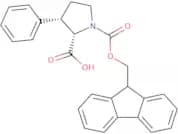
CAS:<p>Please enquire for more information about Racemic Fmoc-cis-3-phenyl-pyrrolidine-2-carboxylic acid including the price, delivery time and more detailed product information at the technical inquiry form on this page</p>Formula:C26H23NO4Purity:Min. 95%Color and Shape:PowderMolecular weight:413.47 g/molBenzo[b]thiophene-2-carboxylic acid
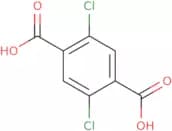
CAS:<p>A raw material for use in pharma, dye and organic synthesis industries.</p>Formula:C9H6O2SPurity:Min. 95%Color and Shape:PowderMolecular weight:178.21 g/mol2,5-Dichloroterephthalic acid
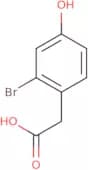
CAS:<p>2,5-Dichloroterephthalic acid is a luminescent chemical that has been shown to be able to act as a probe for transcription-polymerase chain reactions. It can be used as a luminescent probe to detect hydrogen bond interactions by measuring the amount of light emitted by the compound. 2,5-Dichloroterephthalic acid has an ether linkages and is stable in many solvents, including organic solvents and water. The reaction time for this compound is fast and it emits a green light when it reacts with oxygen.</p>Formula:C8H4Cl2O4Purity:Min. 95%Color and Shape:PowderMolecular weight:235.02 g/mol2-Bromo-4-hydroxyphenylacetic acid
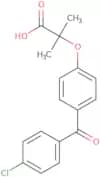
CAS:<p>2-Bromo-4-hydroxyphenylacetic acid (2-BHPAA) is a phenolic hydroxyl compound that is synthesized from acrylic acid. It has been used in the synthesis of other compounds, such as 4-hydroxybenzoic acid, 2-[2-(2,6-dichlorophenoxy)ethoxy]phenol, and 3,4-dihydroxyphenylacetic acid. 2-BHPAA can be synthesized by dehydrogenative bromination of phenol with bromine and acetic acid in an organic solvent. The yield of this reaction is typically high because the product does not contain any functional groups that can act as a catalyst for competing reactions.</p>Formula:C8H7BrO3Purity:Min. 95%Color and Shape:PowderMolecular weight:231.04 g/molFenofibric acid
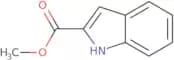
CAS:<p>Fenofibric acid is a fibrate drug. It is used in the treatment of hypercholesterolemia, including combined with statins and other lipid-lowering drugs. Fenofibric acid has been shown to reduce plasma triglycerides and LDL cholesterol levels. It also reduces atherosclerotic plaque formation by suppressing macrophage accumulation in lesions. Fenofibric acid has been shown to inhibit ATP binding cassette transporter A1 (ABCA1) activity, which may contribute to its ability to increase HDL cholesterol levels.</p>Formula:C17H15ClO4Purity:Min. 95%Color and Shape:PowderMolecular weight:318.75 g/molIndole-2-carboxylic acid methyl ester
CAS:<p>Indole-2-carboxylic acid methyl ester is a carbazole that can be synthesized from indole and hydrogen chloride. It has been shown to inhibit the production of β-amyloid, an important factor in the pathogenesis of Alzheimer’s disease. Indole-2-carboxylic acid methyl ester has also been shown to have inhibitory effects on ion-exchange, melatonin synthesis, and yields of aziridines. The affinity of indole-2-carboxylic acid methyl ester for aldehydes was found to be very high. It is also able to cross the blood brain barrier into the brain and has been shown to be effective against pancreatic cancer cells in vitro.</p>Formula:C10H9NO2Purity:Min. 95%Color and Shape:Slightly Brown PowderMolecular weight:175.18 g/molNeuropeptide W-23 (human)
CAS:<p>Neuropeptide W-23 (human) is an antibody that recognizes the neuropeptide receptor, specifically the Neuropeptide Y receptor 1. The antibody binds to the Npy1 receptor and inhibits its activity. Neuropeptide W-23 (human) can be used as a research tool in cell biology and pharmacology studies.</p>Formula:C119H183N35O28SPurity:Min. 95%Molecular weight:2,584.01 g/mol

![Methyl (2Z)-[5-(3-chlorophenyl)-1,3-dihydro-2H-1,4-benzodiazepin-2-ylidene]acetate](/_next/image/?url=https%3A%2Fstatic.cymitquimica.com%2Fproducts%2F3D%2Fthumb-webp%2FFM128487.webp&w=3840&q=75)

![Ethyl [2-methyl-3-(chlorosulfonyl)phenoxy]acetate](/_next/image/?url=https%3A%2Fstatic.cymitquimica.com%2Fproducts%2F3D%2Fthumb-webp%2FFE22936.webp&w=3840&q=75)
![2-[(4-Isopropylphenyl)amino]nicotinic acid](/_next/image/?url=https%3A%2Fstatic.cymitquimica.com%2Fproducts%2F3D%2Fthumb-webp%2FFI136104.webp&w=3840&q=75)









![Benzo[b]thiophene-2-carboxylic acid](/_next/image/?url=https%3A%2Fstatic.cymitquimica.com%2Fproducts%2F3D%2Fthumb-webp%2FFB01173.webp&w=3840&q=75)