Carboxylic Acids
Carboxylic acids are organic molecules characterized by having a carboxyl-type functional group (-COOH). These acids are fundamental in various chemical reactions, including esterification, amidation, and decarboxylation. Carboxylic acids are widely used in the production of pharmaceuticals, polymers, and agrochemicals. In this section, you can find a large number of carboxylic acids ready to be used. At CymitQuimica, we provide a broad range of high-quality carboxylic acids to support your research and industrial applications.
Found 12454 products of "Carboxylic Acids"
Sort by
Purity (%)
0
100
|
0
|
50
|
90
|
95
|
100
(Asp28)-Exenatide trifluoroacetate salt
CAS:<p>Please enquire for more information about (Asp28)-Exenatide trifluoroacetate salt including the price, delivery time and more detailed product information at the technical inquiry form on this page</p>Formula:C184H281N49O61SPurity:Min. 95%Molecular weight:4,187.56 g/mol2-Hydroxyethanesulfonic acid sodium salt
CAS:2-Hydroxyethanesulfonic acid sodium salt is a drug that is used to treat metabolic disorders such as cystinuria and hyperchloremic metabolic acidosis. It is also used for the treatment of water-vapor related respiratory problems and cataracts, as well as for the prevention of renal stone formation. This drug is made through electrochemical impedance spectroscopy of taurine in reaction solution with phosphorus pentoxide. 2-Hydroxyethanesulfonic acid sodium salt has been shown to increase locomotor activity in rats by improving their biochemical properties. This compound binds to the chloride ion receptor site on the Na+/K+ ATPase, causing an inhibition of the enzyme's function.Formula:C2H5O4S·NaPurity:Min. 95%Color and Shape:White PowderMolecular weight:148.11 g/molTIP-39 trifluoroacetate salt
CAS:Please enquire for more information about TIP-39 trifluoroacetate salt including the price, delivery time and more detailed product information at the technical inquiry form on this pageFormula:C202H325N61O54SPurity:Min. 95%Molecular weight:4,504.19 g/molCell-permeable Caspase-3 Inhibitor I trifluoroacetate salt
CAS:Please enquire for more information about Cell-permeable Caspase-3 Inhibitor I trifluoroacetate salt including the price, delivery time and more detailed product information at the technical inquiry form on this pageFormula:C94H158N20O27Purity:Min. 95%Molecular weight:2,000.38 g/molTRAP-6 ammonium acetate salt
CAS:TRAP-6 is a biocompatible polymer that is used to prevent adhesion of platelets to the endothelium and activation of coagulation. TRAP-6 has been shown to be effective in preventing inflammatory bowel disease, as well as other bowel diseases, by inhibiting the release of inflammatory cytokines such as fibrinogen and erythropoietin. This drug has been shown to have clinical relevance in treating inflammatory bowel disease in animal models. TRAP-6 can also be used to inhibit the growth of bacteria by binding to bacterial cells or by inducing their death. In addition, TRAP-6 can bind with monoclonal antibodies and target specific cells for destruction.Formula:C34H56N10O9Purity:Min. 95%Molecular weight:748.87 g/molNeuronostatin-19 (human, canine, porcine) trifluoroacetate salt
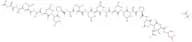
<p>Please enquire for more information about Neuronostatin-19 (human, canine, porcine) trifluoroacetate salt including the price, delivery time and more detailed product information at the technical inquiry form on this page</p>Formula:C90H151N29O25Purity:Min. 95%Molecular weight:2,039.34 g/molPhenyl pyruvic acid
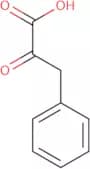
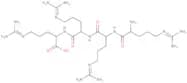
CAS:<p>Phenyl pyruvic acid is a sodium salt of phenylpyruvic acid that can be synthesized from phenylalanine, an amino acid. It has been shown to have antioxidant and anti-inflammatory properties. Phenyl pyruvic acid was found to inhibit oxidative injury caused by sodium nitroprusside in the rat brain, liver, and heart. Phenyl pyruvic acid also increased the activity of 3t3-l1 preadipocytes and improved energy metabolism in these cells. The synthesis of phenylpyruvate is catalyzed by a decarboxylase enzyme and it can be converted into insulin or phenylalanine.</p>Formula:C9H8O3Purity:Min. 95%Color and Shape:PowderMolecular weight:164.16 g/molH-Arg-Arg-Arg-Arg-OH trifluoroacetate salt
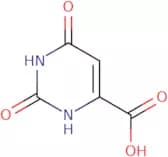
CAS:<p>Trifluoroacetate salt</p>Formula:C24H50N16O5Purity:Min. 95%Molecular weight:642.76 g/molOrotic acid anhydrous
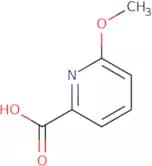
CAS:<p>Orotic acid anhydrous is a hydrogen bonding interaction that can be found in biological systems. It plays a role in the physiological effects of orotic acid, which is a metabolite of uridine and an intermediate in the synthesis of pyrimidine nucleotides. Orotic acid has antimicrobial properties and has been shown to inhibit enzyme activities involved in energy metabolism, such as polymerase chain reaction (PCR) and adenosine triphosphate (ATP) synthase. Orotic acid also inhibits the growth of bacteria, fungi, and parasites. Orotic acid anhydrous is used for treating myocardial infarcts or brain functions. The untreated group was given no treatment at all.</p>Formula:C5H4N2O4Purity:Min. 98 Area-%Color and Shape:White PowderMolecular weight:156.1 g/mol2-Methoxy-6-picolinic acid
CAS:2-Methoxy-6-picolinic acid (2MPA) is a picolinate that has been shown to be an effective catalyst for the conversion of alcohols into allylic alcohols. 2MPA is able to catalyze the reaction by abstracting hydrogen from the carbonyl group, and then adding it to the adjacent carbon. This reaction can produce peroxide as a byproduct, which is subsequently hydrolyzed to form water and alcohol. The β-unsaturated carbonyl group of 2MPA provides additional stability for this catalytic process. 2MPA can also be used as a catalyst in other reactions, such as the oxidation of benzylic alcohols with hydrogen peroxide to form benzylic carbonyl compounds.Formula:C7H7NO3Purity:Min. 95%Color and Shape:PowderMolecular weight:153.14 g/molPACAP-38 (human, mouse, ovine, porcine, rat) trifluoroacetate salt
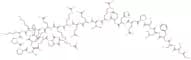
CAS:<p>PACAP-38 is a peptide that has been shown to have a variety of physiological effects, including the regulation of brain functions and immunological responses. PACAP-38 has been found to bind to toll-like receptor 4 (TLR4) in macrophages and neutrophils, which stimulates the production of proinflammatory cytokines. It also interacts with adenylate cyclase, which leads to an increase in cAMP levels. This may be the mechanism by which PACAP-38 regulates brain functions. The biological function of PACAP-38 is not yet clear but it may act as a signal peptide, regulating protein synthesis and gene expression.</p>Formula:C203H331N63O53SPurity:Min. 95%Molecular weight:4,534.26 g/mol5-Ethylpyridine-2-carboxylic acid
CAS:5-Ethylpyridine-2-carboxylic acid is a biologically active compound that is biosynthesized from the amino acid tryptophan. This compound is also known as 5-ethylpicolinic acid or 5-ethylpyridin-2-yl carboxylic acid. It is a phytoalexin, which is an antimicrobial agent produced by plants to inhibit pathogen growth. 5-Ethylpyridine-2-carboxylic acid has been shown to be effective against picolinic acid phosphoribosyltransferase and flavopereirine reductase in vitro, and has also been shown to have antimicrobial properties against Escherichia coli, Staphylococcus aureus, and Bacillus cereus. 5-Ethylpyridine-2-carboxylic acid can be prepared by reacting ethyl acetoacetate with pyridineFormula:C8H9NO2Purity:Min. 95%Color and Shape:Off-White PowderMolecular weight:151.16 g/molPACAP-38 (31-38) (human, chicken, mouse, ovine, porcine, rat) trifluoroacetate salt
CAS:Please enquire for more information about PACAP-38 (31-38) (human, chicken, mouse, ovine, porcine, rat) trifluoroacetate salt including the price, delivery time and more detailed product information at the technical inquiry form on this pageFormula:C47H83N17O11Purity:Min. 95%Molecular weight:1,062.27 g/molPAR-4 (1-6) (human) trifluoroacetate salt
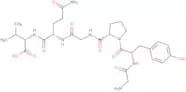
CAS:<p>Please enquire for more information about PAR-4 (1-6) (human) trifluoroacetate salt including the price, delivery time and more detailed product information at the technical inquiry form on this page</p>Formula:C28H41N7O9Purity:Min. 95%Molecular weight:619.67 g/mol(Des-octanoyl)-Ghrelin (human) trifluoroacetate salt
CAS:Trifluoroacetate saltFormula:C141H235N47O41Purity:Min. 95%Molecular weight:3,244.67 g/molAmyloid P Component (33-38) amide trifluoroacetate salt
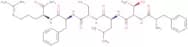
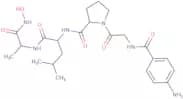
CAS:<p>Please enquire for more information about Amyloid P Component (33-38) amide trifluoroacetate salt including the price, delivery time and more detailed product information at the technical inquiry form on this page</p>Formula:C37H56N10O7SPurity:Min. 95%Molecular weight:784.97 g/mol4-Abz-Gly-Pro-D-Leu-D-Ala-NHOH trifluoroacetate salt
CAS:<p>4-Abz-Gly-Pro-D-Leu-D-Ala-NHOH trifluoroacetate salt is a synthetic, hydroxamic acid that inhibits the activity of collagenase, gelatinase and stromelysin. It also has inhibitory activities against metalloproteinases, such as matrix metalloproteinases and serine proteinases. 4-Abz-Gly-Pro-D-Leu-D-Ala-NHOH trifluoroacetate salt has been shown to inhibit the production of proinflammatory cytokines in human skin fibroblasts. This agent also induces the production of granulocytes in vitro.</p>Formula:C23H34N6O6Purity:Min. 95%Molecular weight:490.55 g/mol(Deamino-Cys3, Nle 4,Arg5,D-2-Nal 7,Cys11)-a-MSH (3-11) amide trifluoroacetate salt
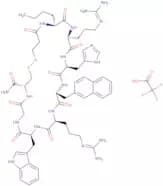
CAS:Please enquire for more information about (Deamino-Cys3, Nle 4,Arg5,D-2-Nal 7,Cys11)-a-MSH (3-11) amide trifluoroacetate salt including the price, delivery time and more detailed product information at the technical inquiry form on this pageFormula:C56H76N18O9S2Purity:Min. 95%Molecular weight:1,209.45 g/molOxyntomodulin (bovine, dog, porcine) trifluoroacetate salt
CAS:Please enquire for more information about Oxyntomodulin (bovine, dog, porcine) trifluoroacetate salt including the price, delivery time and more detailed product information at the technical inquiry form on this pageFormula:C192H295N59O60SPurity:Min. 95%Molecular weight:4,421.82 g/molWRW4
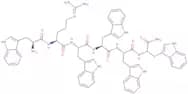
CAS:<p>Please enquire for more information about WRW4 including the price, delivery time and more detailed product information at the technical inquiry form on this page</p>Formula:C61H65N15O6Purity:Min. 95%Molecular weight:1,104.27 g/mol(R)-2-Hydroxy-4-phenylbutanoic acid
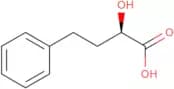
CAS:(R)-2-Hydroxy-4-phenylbutanoic acid is an ester compound that is produced by the conversion of (S)-malic acid to its enantiomer. This reaction is catalyzed by a phosphoric acid esterase. The kinetic, immobilization, and transfer mechanisms have been characterized. The solubilized form of the enzyme was found to be more active than the crystalline form. Enzyme inhibitors such as hydrogen chloride and hydrochloric acid were also investigated in order to determine their effect on the reaction rate and product distribution. A structural formula for (R)-2-Hydroxy-4-phenylbutanoic acid was determined using nuclear magnetic resonance spectroscopy and mass spectrometry, revealing a dinucleotide phosphate as a possible intermediate in the synthesis pathway.Formula:C10H12O3Purity:Min. 95%Molecular weight:180.2 g/mol(D-Trp11)-Neurotensin acetate salt
CAS:<p>Acetate salt</p>Formula:C80H122N22O19Purity:Min. 95%Molecular weight:1,695.96 g/mol2-[3-(S)-[3-(2-(7-Chloro-2-quinolinyl)ethenyl)phenyl]-3-hydroxypropyl]benzoic acid methyl ester
CAS:2-[3-(S)-[3-(2-(7-Chloro-2-quinolinyl)ethenyl)phenyl]-3-hydroxypropyl]benzoic acid methyl ester is a synthetic compound that can be used as a reagent in the synthesis of polynucleotides and polypeptides. It can also be used as an inhibitor of ketoreductase, which is an enzyme involved in the synthesis of fatty acids and ketones. 2-[3-(S)-[3-(2-(7-Chloro-2-quinolinyl)ethenyl)phenyl]-3-hydroxypropyl]benzoic acid methyl ester has been shown to inhibit the growth of wild type and mutant strains of E. coli. The molecular weight of this compound is 439.Formula:C28H24ClNO3Purity:Min. 95%Molecular weight:457.95 g/mol(Des-Glu5)-ACTH (1-24) (human, bovine, rat) trifluoroacetate salt
CAS:<p>Please enquire for more information about (Des-Glu5)-ACTH (1-24) (human, bovine, rat) trifluoroacetate salt including the price, delivery time and more detailed product information at the technical inquiry form on this page</p>Formula:C131H203N39O28SPurity:Min. 95%Molecular weight:2,804.33 g/molpp60 c-src (521-533) (phosphorylated) trifluoroacetate salt
CAS:<p>Please enquire for more information about pp60 c-src (521-533) (phosphorylated) trifluoroacetate salt including the price, delivery time and more detailed product information at the technical inquiry form on this page</p>Formula:C62H95N16O28PPurity:Min. 95%Molecular weight:1,543.48 g/mol(Tyr34)-pTH (7-34) amide (bovine) trifluoroacetate salt
CAS:<p>Please enquire for more information about (Tyr34)-pTH (7-34) amide (bovine) trifluoroacetate salt including the price, delivery time and more detailed product information at the technical inquiry form on this page</p>Formula:C156H244N48O40S2Purity:Min. 95%Molecular weight:3,496.04 g/molGalanin-Like Peptide (human) trifluoroacetate salt
CAS:<p>Please enquire for more information about Galanin-Like Peptide (human) trifluoroacetate salt including the price, delivery time and more detailed product information at the technical inquiry form on this page</p>Formula:C292H451N83O84SPurity:Min. 95%Molecular weight:6,500.28 g/molDodecylbenzenesulfonic acid, 70% in isopropanol
CAS:Dodecylbenzenesulfonic acid is a sulfonic acid that is used in the production of polyaniline. It is also used as an organic reagent that can be applied in organic synthesis, including polymerization and electrochemical studies. Dodecylbenzenesulfonic acid has been shown to react with sodium salts to form dodecyl benzene, which can be observed by synchronous fluorescence spectroscopy. This chemical has a phase transition temperature of -9°C and a boiling point of 176°C. Dodecylbenzenesulfonic acid is soluble in water vapor, but insoluble in ethanol or acetone.Formula:C18H30O3SPurity:Min. 95%Color and Shape:Clear LiquidMolecular weight:326.5 g/molAmylin (8-37) (human) trifluoroacetate salt
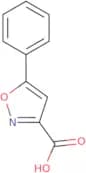
CAS:Please enquire for more information about Amylin (8-37) (human) trifluoroacetate salt including the price, delivery time and more detailed product information at the technical inquiry form on this pageFormula:C138H216N42O45Purity:Min. 95%Molecular weight:3,183.45 g/mol5-Phenylisoxazole-3-carboxylic acid
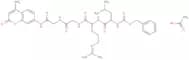
CAS:5-Phenylisoxazole-3-carboxylic acid is a phenoxy compound that has been shown to inhibit the growth of tuberculosis bacteria. This drug binds to the postsynaptic potential in the cell membrane and inhibits the effector proteins from interacting with the receptor, preventing neurotransmitter release. The molecular modeling study showed that 5-Phenylisoxazole-3-carboxylic acid interacts with ethyl esters and rifampin, which inhibits xanthine oxidase. Xanthine oxidase inhibitors are used as a treatment for gout and hyperuricemia. 5-Phenylisoxazole-3-carboxylic acid also has fluorimetric properties, which can be used to measure its concentration in biological samples such as urine or plasma. Nitro groups in this drug make it susceptible to oxidation by nitric oxide, which can be monitored using nmr spectra.Formula:C10H7NO3Purity:Min. 95%Molecular weight:189.17 g/molZ-Leu-Arg-Gly-Gly-AMC acetate salt
CAS:Controlled ProductPlease enquire for more information about Z-Leu-Arg-Gly-Gly-AMC acetate salt including the price, delivery time and more detailed product information at the technical inquiry form on this pageFormula:C34H44N8O8Purity:Min. 95%Molecular weight:692.76 g/molAmylin (mouse, rat) trifluoroacetate
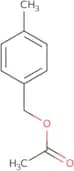
CAS:Amylin (mouse, rat) trifluoroacetate is a synthetic peptide, which is a derivative of the islet amyloid polypeptide (IAPP) found in rodent species. It is sourced from the pancreatic beta cells of mice and rats, where it is co-secreted with insulin. The mode of action involves regulation of glucose metabolism through its effects on gastric emptying, glucagon secretion, and satiety. These actions are crucial in managing postprandial blood glucose levels and provide insights into the pathophysiology of diabetes.Amylin (mouse, rat) trifluoroacetate is primarily used in research applications to study the mechanisms of amylin aggregation and its implications in type 2 diabetes. It also serves as a model for understanding the differences in amyloid fibril formation between human and rodent amylin, making it invaluable for the development of therapeutic strategies aimed at mitigating amyloid-related cellular toxicity. Researchers utilize this peptide to explore the potential compensatory roles of amylin analogs in diabetic models, advancing our understanding of diabetes progression and treatment options.Formula:C167H272N52O53S2•(C2HF3O2)xPurity:Min. 95%Molecular weight:3,920.4 g/mol4-Methylbenzyl acetate
CAS:4-Methylbenzyl acetate is a monocarboxylic acid that is an oxidation product of benzyl esters. It has been found to be a suitable catalyst for the oxidation of wastewater containing monocarboxylic acids, including acetic acid, propionic acid and butyric acid. The catalytic mechanism of 4-methylbenzyl acetate was found to be an acylation reaction in which the carboxyl group of 4-methylbenzyl acetate acts as an acylating agent with the hydrogen atom of the substrate. The reaction mechanism for this process is similar to that for other types of carboxylic acids, such as propionate and butyrate. 4-Methylbenzyl acetate also has functional groups that allow it to act as both a base and a nucleophile in addition to its ability to act as an acylating agent.Formula:C10H12O2Purity:Min. 95%Molecular weight:164.2 g/molPAR-4 (1-6) amide (mouse) trifluoroacetate salt
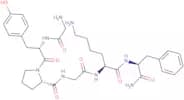
CAS:<p>PAR-4 (1-6) amide (mouse) trifluoroacetate salt H-Gly-Tyr-Pro-Gly-Lys-Phe-NH2 trifluoroacetate salt is a guanine nucleotide binding protein that belongs to the PAR family of proteins. It is expressed in wild type mice and binds to the cytosolic calcium, which regulates polymerase chain reaction. PAR-4 (1-6) amide (mouse) trifluoroacetate salt H-Gly-Tyr-Pro-Gly-Lys-Phe NH2 trifluoroacetate salt can be used as a potential drug target for epidermal growth factor. It has been shown to activate transcription polymerase chain and transcriptase polymerase chain during transcriptional regulation of messenger RNA.</p>Formula:C33H46N8O7Purity:Min. 95%Molecular weight:666.77 g/moltrans-4-[(2,5-Dihydro-2,5-dioxo-1H-pyrrol-1-yl)methyl]cyclohexanecarboxylic acid
CAS:4-Maleimidomethylcyclohexanecaroboxylic acid (4MAMC) is a bifunctional molecule that is conjugated to a polymer, which has the ability to bind with cellular antigens and target tissue. It is used in clinical chemistry because it can be detected at low concentrations. 4MAMC has been shown to reduce cirrhosis caused by chronic liver injury. 4MAMC also increases the uptake of coagulation factors and decreases the expression of prothrombin, which leads to an increase in clotting time. The localization of 4MAMC is determined by the type of polymer conjugate it is bound with; for example, when it binds with human serum albumin, it localizes on the surface of cells.Formula:C12H15NO4Purity:Min. 95%Color and Shape:White PowderMolecular weight:237.25 g/molMethylboronic acid pinacol ester
CAS:Methylboronic acid pinacol ester is an orally administered compound that inhibits the activity of peptidases and imidazole derivatives. It is used as a medicinal preparation for the treatment of cancer and other diseases. Methylboronic acid pinacol ester has been shown to inhibit the growth of bacteria, including Gram-positive bacteria such as methicillin-resistant Staphylococcus aureus (MRSA) and Clostridium perfringens. This compound also has an inhibitory effect on hydroxyl group metabolism, which may be related to its anti-inflammatory properties.Formula:C7H15BO2Purity:Min. 95%Color and Shape:Colourless liquid.Molecular weight:142 g/mol2-Iodo-5-methoxybenzoic acid
CAS:<p>2-Iodo-5-methoxybenzoic acid is a macrocyclic compound that has been synthesized in the Wittig reaction. It was first prepared by catalyzed intramolecular aryl demethylation of 2-iodo-5-nitrobenzoic acid, followed by coupling with methyl vinyl ketone. The cytotoxic activity of this compound is due to its ability to inhibit the synthesis of protein and DNA and induce apoptosis. This molecule has been shown to be effective against liverworts and ethers.</p>Formula:C8H7IO3Purity:Min. 95%Color and Shape:PowderMolecular weight:278.04 g/molH-p-Chloro-Phe-D-Cys-b-(3-pyridyl)-Ala-D-Trp-Lys-Val-Cys-p-chloro-Phe-NH2 trifluoroacetate salt (Disulfide bond)
CAS:Please enquire for more information about H-p-Chloro-Phe-D-Cys-b-(3-pyridyl)-Ala-D-Trp-Lys-Val-Cys-p-chloro-Phe-NH2 trifluoroacetate salt (Disulfide bond) including the price, delivery time and more detailed product information at the technical inquiry form on this pageFormula:C54H66Cl2N12O8S2Purity:Min. 95%Molecular weight:1,146.22 g/molPACAP-38 (28-38) (human, chicken, mouse, ovine, porcine, rat) trifluoroacetate salt
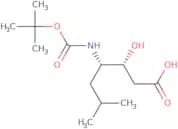
CAS:<p>PACAP-38 (28-38) is a peptide hormone that is produced in the brain and regulates various physiological processes. It has been shown to have effects on intestinal, pancreatic, and lung cells. PACAP-38 (28-38) is a potent antagonist of vasoactive intestinal polypeptide (VIP), which has been implicated in the regulation of gastrointestinal motility and fluid secretion. The peptide also inhibits cancer cell proliferation by activating cell death pathways.</p>Formula:C61H110N24O14Purity:Min. 95%Molecular weight:1,403.68 g/molBoc-epi-statine (3R,4S)-4-(Boc-amino)-3-hydroxy-6-methyl-heptanoic acid
CAS:<p>Please enquire for more information about Boc-epi-statine (3R,4S)-4-(Boc-amino)-3-hydroxy-6-methyl-heptanoic acid including the price, delivery time and more detailed product information at the technical inquiry form on this page</p>Formula:C13H25NO5Purity:Min. 95%Molecular weight:275.34 g/molPeptide YY (13-36) (canine, mouse, porcine, rat) trifluoroacetate salt
CAS:<p>Please enquire for more information about Peptide YY (13-36) (canine, mouse, porcine, rat) trifluoroacetate salt including the price, delivery time and more detailed product information at the technical inquiry form on this page</p>Formula:C135H209N41O38Purity:Min. 95%Molecular weight:3,014.36 g/molMCH (salmon) trifluoroacetate salt
CAS:<p>Trifluoroacetate salt</p>Formula:C89H139N27O24S4Purity:Min. 95%Molecular weight:2,099.49 g/molAcetyl-(D-Phe2,Lys15,Arg16,Leu27)-VIP (1-7)-GRF (8-27) trifluoroacetate salt
CAS:Please enquire for more information about Acetyl-(D-Phe2,Lys15,Arg16,Leu27)-VIP (1-7)-GRF (8-27) trifluoroacetate salt including the price, delivery time and more detailed product information at the technical inquiry form on this pageFormula:C150H246N44O38Purity:Min. 95%Molecular weight:3,273.83 g/molH-Glu-Gly-Arg-pNA acetate salt
CAS:Controlled Product<p>Please enquire for more information about H-Glu-Gly-Arg-pNA acetate salt including the price, delivery time and more detailed product information at the technical inquiry form on this page</p>Formula:C19H28N8O7Purity:Min. 95%Molecular weight:480.48 g/mol2-Pyrimidine-carboxylic acid
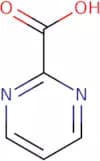
CAS:<p>2-Pyrimidine-carboxylic acid is a biologically active molecule that can be found in the human body. It is a derivative of pyrimidine, which belongs to the group of purines. 2-Pyrimidine-carboxylic acid has been shown to inhibit the nicotinic acetylcholine receptor and α7 nicotinic acetylcholine receptor, which are receptors for acetylcholine. This molecule also has antihypertensive activity and has been shown to have therapeutic effects in psychotic disorders. 2-Pyrimidine-carboxylic acid binds to picolinic acid, which is an important intermediate in the metabolism of tryptophan, and hydroxyl group, which is essential for many biological functions. It also reacts with copper ions and forms a complex that is x-ray crystal structure confirmed. This complex may be used as a herbicide resistance inducer or as a chemical species for receptor binding studies or chemical reactions.</p>Formula:C5H4N2O2Purity:Min. 95%Color and Shape:PowderMolecular weight:124.1 g/molH-Ala-His-Ala-OH acetate salt
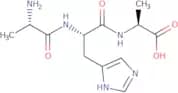
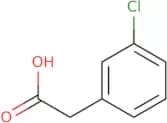
CAS:Please enquire for more information about H-Ala-His-Ala-OH acetate salt including the price, delivery time and more detailed product information at the technical inquiry form on this pageFormula:C12H19N5O4Purity:Min. 95%Molecular weight:297.31 g/mol3-Chlorophenyl acetic acid
CAS:3-Chlorophenyl acetic acid is a compound that has resonance mass of 269. The compound reacts with HBr and water to produce 3-chlorobenzene, carbon dioxide and hydrogen chloride. A reaction product of this chemical is covid-19 pandemic (a type of drug). 3-Chlorophenyl acetic acid is an organic acid that can be found in tobacco plants. It has a molecular weight of 111.07 g/mol, and its molecular formula is C6H3ClO2. The compound can exist in two forms: cis-3-chloroacrylic acid and trans-3-chloroacrylic acid. One of the two forms isomers may be more efficient than the other form for a given reaction or application.Formula:C8H7ClO2Purity:Min. 95%Color and Shape:PowderMolecular weight:170.59 g/molBNP-45 (mouse) trifluoroacetate salt
CAS:<p>Please enquire for more information about BNP-45 (mouse) trifluoroacetate salt including the price, delivery time and more detailed product information at the technical inquiry form on this page</p>Formula:C209H354N70O63S2Purity:Min. 95%Molecular weight:4,919.61 g/mol4-Chlorophenylboronic acid
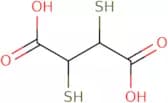
CAS:<p>4-Chlorophenylboronic acid is a chemical compound that is used in the industrial preparation of biphenyl. It is produced by the Friedel-Crafts reaction between chlorine and 4-methoxyphenylboronic acid. This reaction can be carried out using a variety of solvents, such as chloroform or carbon tetrachloride. The optimal reaction conditions are acidic pH values, which are achieved by adding sodium carbonate to the solution. The product can be purified by distillation or crystallization. 4-Chlorophenylboronic acid can also be used for the synthesis of organic compounds through cross-coupling reactions with organometallic reagents, such as palladium chloride and triphenylphosphine, or through asymmetric synthesis with chiral ligands like (S)-proline and 2-(diphenylphosphino)ferrocene.</p>Formula:C6H6BClO2Purity:Min. 95%Color and Shape:PowderMolecular weight:156.37 g/molDimercaptosuccinic acid
CAS:Dimercaptosuccinic acid is a chemical that belongs to the class of dithiols. It has been used for the treatment of squamous cell carcinoma and urinary tract infections. Dimercaptosuccinic acid has shown long-term toxicity in rats and mice, with increased urinary bladder damage and decreased renal function. Dimercaptosuccinic acid is a fluorescent probe that can be used to diagnose oxidative injury in rats. It also binds to disulfide bonds in proteins, which can be quantified using plasma mass spectrometry.Formula:C4H6O4S2Color and Shape:White PowderMolecular weight:182.22 g/mol




![2-[3-(S)-[3-(2-(7-Chloro-2-quinolinyl)ethenyl)phenyl]-3-hydroxypropyl]benzoic acid methyl ester](/_next/image/?url=https%3A%2Fstatic.cymitquimica.com%2Fproducts%2F3D%2Fthumb-webp%2FFC20038.webp&w=3840&q=75)



![trans-4-[(2,5-Dihydro-2,5-dioxo-1H-pyrrol-1-yl)methyl]cyclohexanecarboxylic acid](/_next/image/?url=https%3A%2Fstatic.cymitquimica.com%2Fproducts%2F3D%2Fthumb-webp%2FFM54570.webp&w=3840&q=75)