Carboxylic Acids
Carboxylic acids are organic molecules characterized by having a carboxyl-type functional group (-COOH). These acids are fundamental in various chemical reactions, including esterification, amidation, and decarboxylation. Carboxylic acids are widely used in the production of pharmaceuticals, polymers, and agrochemicals. In this section, you can find a large number of carboxylic acids ready to be used. At CymitQuimica, we provide a broad range of high-quality carboxylic acids to support your research and industrial applications.
Found 12453 products of "Carboxylic Acids"
Sort by
Purity (%)
0
100
|
0
|
50
|
90
|
95
|
100
Kisspeptin-13 (human) trifluoroacetate salt
CAS:<p>Please enquire for more information about Kisspeptin-13 (human) trifluoroacetate salt including the price, delivery time and more detailed product information at the technical inquiry form on this page</p>Formula:C78H107N21O18Purity:Min. 95%Molecular weight:1,626.81 g/molPep-1-cysteamide trifluoroacetate salt
CAS:<p>Please enquire for more information about Pep-1-cysteamide trifluoroacetate salt including the price, delivery time and more detailed product information at the technical inquiry form on this page</p>Formula:C140H202N36O33SPurity:Min. 95%Molecular weight:2,949.39 g/molIL-1β (163-171) (human) trifluoroacetate salt
CAS:<p>Interleukin-1 beta (IL-1β) is a cytokine that is produced by activated macrophages and T cells. It is an important regulator of immune function, inducing fever, activating the inflammatory response, and increasing vascular permeability. IL-1β is a 163-amino acid polypeptide with a molecular weight of 18.7 kDa. The trifluoroacetate salt of IL-1β has been shown to be active in vitro against human leukemic cells and to have an interferon-gamma activity in vitro.</p>Formula:C39H64N12O19Purity:Min. 95%Molecular weight:1,004.99 g/mol(D-Trp11)-Neurotensin acetate salt
CAS:<p>Acetate salt</p>Formula:C80H122N22O19Purity:Min. 95%Molecular weight:1,695.96 g/mol(Gly1,Ser3·22,Gln4·34,Thr6,Arg19,Tyr21,Ala23·31, Aib 32)-Pancreatic Polypeptide (human) trifluoroacetate salt
CAS:<p>Please enquire for more information about (Gly1,Ser3·22,Gln4·34,Thr6,Arg19,Tyr21,Ala23·31, Aib 32)-Pancreatic Polypeptide (human) trifluoroacetate salt including the price, delivery time and more detailed product information at the technical inquiry form on this page</p>Formula:C183H281N57O54S2Purity:Min. 95%Molecular weight:4,207.67 g/molCell-permeable Caspase-1 Inhibitor I trifluoroacetate salt
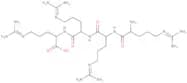
CAS:<p>Please enquire for more information about Cell-permeable Caspase-1 Inhibitor I trifluoroacetate salt including the price, delivery time and more detailed product information at the technical inquiry form on this page</p>Formula:C97H160N20O24Purity:Min. 95%Molecular weight:1,990.43 g/molH-Arg-Arg-Arg-Arg-OH acetate salt
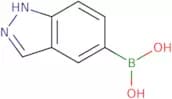
CAS:<p>Acetate salt</p>Formula:C24H50N16O5Purity:Min. 95%Molecular weight:642.76 g/mol1H-Indazole-5-boronic acid
CAS:<p>1H-Indazole-5-boronic acid is a potent compound that belongs to the class of indazole compounds. It has been shown to inhibit protein phosphorylation and induce morphological changes in cells. This compound also inhibits the activity of a number of different cellular enzymes, including protein phosphatases, protein kinases, and protein tyrosine phosphatases. 1H-Indazole-5-boronic acid has been shown to be a promising lead compound for the discovery of novel inhibitors of these enzymes.</p>Formula:C7H7BN2O2Purity:Min. 95%Molecular weight:161.95 g/mol4-Hydroxyphenylboronic acid
CAS:<p>4-Hydroxyphenylboronic acid is a potential anticancer agent that has been studied in vitro and in vivo. It has been shown to inhibit the activity of p-glycoprotein, which is a protein that pumps drugs out of cells, and it is also an inhibitor of lipid kinase. 4-Hydroxyphenylboronic acid binds to the ATP binding site of the enzyme and forms covalent bonds with Lys residues on the enzyme, inhibiting its function. The compound can be detected at low concentrations using fluorescence or chemiluminescence techniques. This compound may have therapeutic benefits for antimicrobial agents as well as for cancer treatment.</p>Formula:C6H7BO3Purity:Min. 95%Color and Shape:White PowderMolecular weight:137.93 g/molC-Peptide (human) trifluoroacetate salt
CAS:<p>C-Peptide is a monoclonal antibody that binds to the β-cell and inhibits insulin release. It has been used in diagnosis of type 1 diabetes mellitus. C-Peptide is a hormone that regulates blood glucose levels by controlling the rate of glucose production in the liver, as well as by inhibiting the breakdown of glycogen in the liver. The C-terminal amino acid sequence Glu-Ala-Glu-Asp-Leu-Gln-Val-Gly-Gln-Val-Glu -Leu-Gly can be cleaved from the peptide by trifluoroacetic acid to yield free Gln, which can then be detected using mass spectrometry. Growth factors such as IGF1, FGF21, and HGF have been shown to increase C peptide levels in diabetic patients.</p>Formula:C129H211N35O48Purity:Min. 95%Molecular weight:3,020.26 g/molAnxiety Peptide acetate salt
CAS:<p>Anxiety Peptide acetate salt H-Gln-Ala-Thr-Val-Gly-Asp-Val-Asn-Thr-Asp-Arg-Pro-Gly-Leu-Leu-Asp-Leu Lys is a peptide that has been shown to have neurotrophic activity and the ability to modulate locomotor activity in mice. This compound has also been shown to inhibit dpp iv, a protein that is involved in the regulation of neuronal death. Anxiety Peptide acetate salt H Gln Ala Thr Val Gly Asp Val Asn Thr Arg Pro Gly Leu Leu Asp Leu Lys OH acetate salt also inhibits the polymerase chain reaction, which is an enzyme that synthesizes DNA from RNA templates. Anxiety Peptide acetate salt H Gln Ala Thr Val Gly Asp Val Asn Thr Arg Pro Gly Leu Leu Asp Leu Lys OH acetate salt has been shown</p>Formula:C81H138N24O29Purity:Min. 95%Molecular weight:1,912.11 g/mol2,4,5-Trifluorobenzoic acid
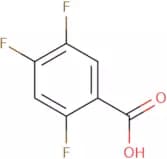
CAS:<p>2,4,5-Trifluorobenzoic acid is a synthetic compound that is used as an organic solvent. It has been detected in the environment at low concentrations, but can be detected by gas chromatography. 2,4,5-Trifluorobenzoic acid is also used in the synthesis of fluoroquinolones and other pharmaceuticals. The detection time for 2,4,5-trifluorobenzoic acid is about one day. This compound can be decarboxylated to produce benzoic acid and hydrogen fluoride (HF). 2,4,5-Trifluorobenzoic acid decomposes to form chlorine gas when heated with hydrochloric acid or sodium hypochlorite. This substance reacts with copper oxide and forms copper trifluoride. Analytical methods for this compound include ionisation mass spectrometry and expressed gas analysis.</p>Formula:C7H3F3O2Purity:Min. 95%Color and Shape:PowderMolecular weight:176.09 g/molEglin c (60-63)-methyl ester acetate salt
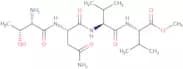
CAS:<p>Eglin C (60-63)-methyl ester acetate salt H-Thr-Asn-Val-Val-OMe acetate salt is a novel, potent cathepsin inhibitor that has inhibitory effects on leukocyte elastase. It is a hydrophobic and highly lipophilic molecule with a high degree of solubility in organic solvents. The amino acid residues are the key functional group responsible for the inhibitory effects of Eglin C.</p>Formula:C19H35N5O7Purity:Min. 95%Molecular weight:445.51 g/molNociceptin (1-13) amide trifluoroacetate salt
CAS:<p>Please enquire for more information about Nociceptin (1-13) amide trifluoroacetate salt including the price, delivery time and more detailed product information at the technical inquiry form on this page</p>Formula:C61H100N22O15Purity:Min. 95%Molecular weight:1,381.59 g/molAmylin (human) trifluoroacetate salt
CAS:<p>Amylin is a hormone that regulates the release of insulin from the pancreas. Amylin is a protein that consists of 39 amino acids, and in its natural form it is not soluble in water. The amyloid fibrils are insoluble aggregates of proteins that can be found in the brain tissue of patients with Alzheimer's disease. Amylin has been shown to have an entrapment efficiency greater than 96% by using polymeric particles with a diameter less than 50 microns. These particles are able to increase water solubility and nutrient metabolism, as well as improve evaporation rates. They also provide an increased surface area for absorption and pharmacological properties. Amylin has been shown to lower postprandial glycemia when used with insulin in type II diabetes mellitus patients, and may also be an anorectic agent.</p>Formula:C165H261N51O55S2Purity:Min. 95%Molecular weight:3,903.28 g/molUrocortin III (mouse) trifluoroacetate salt
CAS:<p>Trifluoroacetate salt</p>Formula:C186H312N52O52S2Purity:Min. 95%Molecular weight:4,172.92 g/molAmyloid β-Protein (1-24) trifluoroacetate salt
CAS:<p>Please enquire for more information about Amyloid beta-Protein (1-24) trifluoroacetate salt including the price, delivery time and more detailed product information at the technical inquiry form on this page</p>Formula:C130H183N35O40Purity:Min. 95%Molecular weight:2,876.06 g/molD-Aspartic acid
CAS:<p>D-Aspartic acid is a basic protein that binds to glutamate. It has been shown to be effective in the prevention and treatment of bone cancer in mice. D-Aspartic acid also has an inhibitory effect on the production of estradiol benzoate, which is an enzyme responsible for bone resorption. D-Aspartic acid may also be used as a dietary supplement for bowel disease and bowel motility.<br>D-Aspartic acid has been shown to have receptor activity in humans and to have physiological effects on the locomotor activity of rats. The complex enzyme d-aspartate oxidase can be inhibited by d-aspartic acid.</p>Formula:C4H7NO4Purity:Min. 95%Color and Shape:White PowderMolecular weight:133.1 g/molAcetyl-ACTH (4-24) (human, bovine, rat) trifluoroacetate salt
CAS:<p>Please enquire for more information about Acetyl-ACTH (4-24) (human, bovine, rat) trifluoroacetate salt including the price, delivery time and more detailed product information at the technical inquiry form on this page</p>Formula:C123H193N37O26SPurity:Min. 95%Molecular weight:2,638.15 g/molRANTES (human) trifluoroacetate salt
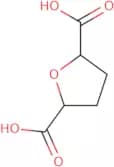
<p>Please enquire for more information about RANTES (human) trifluoroacetate salt including the price, delivery time and more detailed product information at the technical inquiry form on this page</p>Formula:C350H534N96O100S5Purity:Min. 95%Molecular weight:7,846.9 g/mol2,5-Anhydro-3,4-dideoxy-erythro-hexaric acid - 98%
CAS:<p>The synthesis of 2,5-anhydro-3,4-dideoxy-erythro-hexaric acid (2,5AHDHE) is described in detail. The reaction starts with the condensation of 3,4-dideoxy-erythro-hexose with aldehyde and furfural to give the hemiacetal. The ring opening of this hemiacetal leads to the formation of 2,5AHDHE and furfural. The protonation of 2,5AHDHE leads to proton release and bond cleavage. Furfural is reduced to 5-hydroxymethylfurfural (HMF). HMF is then oxidized to hydroxyl group by H2O2. The hydroxyl group reacts with a second molecule of 2,5AHDHE to form a new molecule of 2,5AHDHE and H2O2. This process can be repeated until</p>Formula:C6H8O5Purity:Min. 98 Area-%Color and Shape:White PowderMolecular weight:160.12 g/molBiotinyl-pTH (1-34) (human) trifluoroacetate salt
CAS:<p>Please enquire for more information about Biotinyl-pTH (1-34) (human) trifluoroacetate salt including the price, delivery time and more detailed product information at the technical inquiry form on this page</p>Formula:C191H305N57O53S3Purity:Min. 95%Molecular weight:4,344.02 g/mol(Sar 1,Ile4·8)-Angiotensin II trifluoroacetate salt
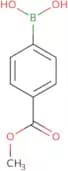
CAS:<p>Please enquire for more information about (Sar 1,Ile4·8)-Angiotensin II trifluoroacetate salt including the price, delivery time and more detailed product information at the technical inquiry form on this page</p>Formula:C43H75N13O9Purity:Min. 95%Molecular weight:918.14 g/mol4-Methoxycarbonylphenylboronic acid
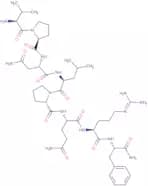
CAS:<p>4-Methoxycarbonylphenylboronic acid is an organic compound that can be synthesized from biphenyl. It is a diazonium salt with a bidentate ligand and a carbonyl group, which allows it to form an intermolecular hydrogen bond. The phenyl group of 4-methoxycarbonylphenylboronic acid can be oxidized to the corresponding carboxylic acid or reduced to the corresponding alcohol.<br>4-Methoxycarbonylphenylboronic acid is also soluble in halides, iodinations, and mercaptoacetic acid. This compound has been used as an acceptor in the oxidation of aluminium with diborane as a catalyst. 4-Methoxycarbonylphenylboronic acid has also been used to synthesize other compounds such as metronidazole (a drug) and erythromycin (an antibiotic).</p>Formula:C8H9BO4Purity:Min. 95%Color and Shape:White PowderMolecular weight:179.97 g/molNeuropeptide VF (124-131) (human) trifluoroacetate salt
CAS:<p>Neuropeptide VF (124-131) (human) trifluoroacetate salt H-Val-Pro-Asn-Leu-Pro-Gln-Arg-Phe-NH2 trifluoroacetate salt is a peptide that is synthesized in the hypothalamus and is involved in the regulation of gonadotropin secretion. It has been shown to inhibit cell growth in vitro and to have an inhibitory effect on cancer cells. This peptide also binds to receptors α, adenohypophyseal, cellular, testicular, vasoactive intestinal peptide, messenger RNA, estradiol benzoate, cancer, and progesterone receptor.</p>Formula:C45H72N14O10Purity:Min. 95%Molecular weight:969.14 g/mol4-Fluoro-2-(trifluoromethyl)phenylboronic acid
CAS:<p>The process development of 4-fluoro-2-(trifluoromethyl)phenylboronic acid (4FTFPBA) is a simplified procedure that can be scaled up and used for medicinal chemistry. This compound was synthesized by a boronic acid process using the Suzuki-Miyaura cross coupling reaction. The major factor to consider in this synthesis is the placement of the fluorine atom, which determines the relative reactivity and stability of the compound. In order to mimic these factors, an environment with low water content and a sequence that minimizes exposure to air are required.</p>Formula:C7H5BF4O2Purity:Min. 95%Color and Shape:PowderMolecular weight:207.92 g/molH-Lys-Gly-Gly-Lys-OH acetate salt
CAS:<p>Please enquire for more information about H-Lys-Gly-Gly-Lys-OH acetate salt including the price, delivery time and more detailed product information at the technical inquiry form on this page</p>Formula:C16H32N6O5Purity:Min. 95%Molecular weight:388.46 g/molNeuronostatin-13 (human, canine, porcine) trifluoroacetate salt
CAS:<p>Please enquire for more information about Neuronostatin-13 (human, canine, porcine) trifluoroacetate salt including the price, delivery time and more detailed product information at the technical inquiry form on this page</p>Formula:C64H110N20O16Purity:Min. 95%Molecular weight:1,415.68 g/molExendin-4 (1-8) trifluoroacetate salt
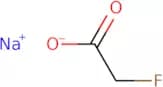
CAS:<p>Please enquire for more information about Exendin-4 (1-8) trifluoroacetate salt including the price, delivery time and more detailed product information at the technical inquiry form on this page</p>Formula:C35H51N11O13Purity:Min. 95%Molecular weight:833.85 g/molSodium fluoroacetate
CAS:<p>Sodium fluoroacetate is a salt that is synthesized by the reaction of methyl ethyl and sodium trifluoroacetate. It has been used as an insecticide, but also has been used to treat metabolic disorders such as bowel disease and eye disorders. Sodium fluoroacetate also has been used in natural products for the treatment of autoimmune diseases. The toxicological studies of sodium fluoroacetate have shown that it can cause eye disorders and x-ray crystal structures have revealed its mechanism of action.</p>Formula:C2H2FNaO2Color and Shape:White PowderMolecular weight:100.02 g/mol(Deamino-Cys1,b-(3-pyridyl)-D-Ala2,Arg8)-Vasopressin trifluoroacetate salt
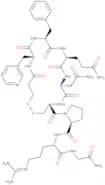
CAS:<p>DDAVP is an analogue of vasopressin, which belongs to the class of inositol phosphates. It is a potent agonist for the V1 receptor and has a higher affinity for this receptor than vasopressin. DDAVP also has antagonist properties at the V2 receptor. The biological activity of DDAVP is mediated by its ability to increase phospholipase A2 activity and cause the release of arachidonic acid from membrane phospholipids. This activation causes an increase in prostaglandin synthesis, leading to increased vascular permeability and hypotension. DDAVP may also have antidiuretic effects due to its antagonism of oxytocin receptors.</p>Formula:C45H63N15O11S2Purity:Min. 95%Molecular weight:1,054.21 g/molMethyl-N,N-diethyldithiocarbamate
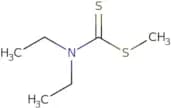
CAS:<p>Methyl-N,N-diethyldithiocarbamate is a copper complex that reacts with nitrogen atoms to form a stable chemical species. It has been shown to have cancer-fighting properties and is used in the treatment of liver cancer. Methyl-N,N-diethyldithiocarbamate also acts as an anti-inflammatory agent. The mechanism of action of methyl-N,N-diethyldithiocarbamate is not fully understood, but it has been suggested that this compound binds to p450 enzymes and inhibits their activity. This drug may also inhibit the production of carbon disulphide (CS2) by the liver microsomes and the elimination rate of methyl-N,N-diethyldithiocarbamate from rat livers.</p>Formula:C6H13NS2Purity:Min. 95%Color and Shape:Colorless PowderMolecular weight:163.31 g/molFmoc-L-aspartic acid β-methylpentyl ester
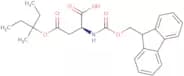
CAS:<p>Fmoc-L-aspartic acid b-methylpentyl ester is a solid phase synthesis of Asp(OtBu)-OH that has been synthesized by reacting aspartic acid with piperidine and methylbenzene. This synthesis has been shown to be effective at temperatures below 25°C, to minimize the formation of water, and to be resistant to treatments with strong acids or bases. The synthesis has also been optimized for the peptidyl bond formation and peptide synthesis, resulting in enhanced yields.</p>Formula:C25H29NO6Purity:Min. 95%Color and Shape:White PowderMolecular weight:439.5 g/molH-Gly-Arg-Ala-Asp-Ser-Pro-OH trifluoroacetate salt
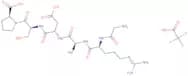
CAS:<p>H-Gly-Arg-Ala-Asp-Ser-Pro-OH trifluoroacetate salt is a peptide that binds to the α5β1 integrin receptor. It has been shown to inhibit the growth of carcinoma cell lines and induce apoptosis in tumor cells by binding to receptors on the surface of cancer cells. H-Gly-Arg-Ala-Asp-Ser-Pro-OH trifluoroacetate salt has also been shown to be effective against damaged tissue, such as adhesions, and promote wound healing by stimulating collagen production. This agent also has genotoxic effects and can cause DNA damage. H-Gly-Arg-Ala-Asp-Ser-Pro -OH trifluoroacetate salt may also have an antiapoptotic effect through its ability to bind with basic proteins, proapoptotic proteins, and epidermal growth factor receptor.</p>Formula:C23H39N9O10Purity:Min. 95%Molecular weight:601.61 g/molLQEQ-19 (human) trifluoroacetate salt
<p>Please enquire for more information about LQEQ-19 (human) trifluoroacetate salt including the price, delivery time and more detailed product information at the technical inquiry form on this page</p>Formula:C106H170N30O34Purity:Min. 95%Molecular weight:2,408.67 g/molH-Gly-Arg-Ala-Asp-Ser-Pro-Lys-OH acetate salt
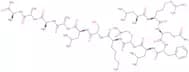
CAS:<p>Glycine-arginine-aspartate (GAA) is a mimic of the endothelium-derived vasoactive peptide, nitric oxide (NO). It has been shown to attenuate the inflammatory response by decreasing leukocyte adhesion and migration. GAA is also a potent inhibitor of vascular permeability and can attenuate edema in animal models. Studies have shown that GAA prevents microvascular damage following brain infarction. The mechanism of action for GAA is not fully understood, but it may be due to its ability to inhibit fibronectin breakdown, which leads to cerebral edema. GAA's activity on the endothelium may be due to its ability to mimic NO or inhibit sulfate synthesis.</p>Formula:C29H51N11O11Purity:Min. 95%Molecular weight:729.78 g/molCART (55-76) (rat) trifluoroacetate salt
CAS:<p>Please enquire for more information about CART (55-76) (rat) trifluoroacetate salt including the price, delivery time and more detailed product information at the technical inquiry form on this page</p>Formula:C107H166N26O33S3Purity:Min. 95%Molecular weight:2,440.82 g/mol(Glu17·21·24)-Osteocalcin (1-49) (human) trifluoroacetate salt
<p>Please enquire for more information about (Glu17·21·24)-Osteocalcin (1-49) (human) trifluoroacetate salt including the price, delivery time and more detailed product information at the technical inquiry form on this page</p>Formula:C266H381N67O76S2Purity:Min. 95%Molecular weight:5,797.41 g/mol3-Bromo-6-methylpicolinic acid
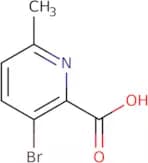
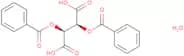
CAS:<p>Please enquire for more information about 3-Bromo-6-methylpicolinic acid including the price, delivery time and more detailed product information at the technical inquiry form on this page</p>Formula:C7H6BrNO2Purity:Min. 95%Molecular weight:252.49 g/molDibenzoyl-D-(+)-tartaric acid monohydrate
CAS:<p>Dibenzoyl-D-(+)-tartaric acid monohydrate is a weak organic acid that can be used as a neutralizing agent. It has been shown to react with hydrochloric acid, calcium carbonate, and other inorganic acids to form water soluble salts. This compound is also useful for the separation of enantiomers in chromatography and for the determination of the rate of reaction between an organic molecule and an inorganic acid. Dibenzoyl-D-(+)-tartaric acid monohydrate has been used as a template molecule for determining thermodynamic data on various molecules.</p>Formula:C18H14O8·H2OPurity:Min. 95%Color and Shape:White To Off-White SolidMolecular weight:376.31 g/molH-Tyr-Tyr-Phe-OH acetate salt
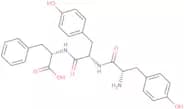
CAS:<p>H-Tyr-Tyr-Phe-OH acetate salt is a reaction product of the matrix-assisted laser desorption ionization (MALDI) technique. It is an analog of tyrosine, with a hydroxyl group substituted for the amino group. The protonation state of this molecule has been determined by the hydration constant and the centroid to be a neutral pH. Using hydrogen bonding, H-Tyr-Tyr-Phe-OH acetate salt binds to the mitochondria in cells, which may lead to a higher rate of reaction.</p>Formula:C27H29N3O6Purity:Min. 95%Molecular weight:491.54 g/molH-D-Val-Leu-Lys-AMC acetate salt
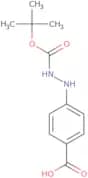
CAS:<p>Please enquire for more information about H-D-Val-Leu-Lys-AMC acetate salt including the price, delivery time and more detailed product information at the technical inquiry form on this page</p>Formula:C27H41N5O5Purity:Min. 95%Molecular weight:515.65 g/mol4-(2'-N-Boc-hydrazino)benzoic acid
CAS:<p>Please enquire for more information about 4-(2'-N-Boc-hydrazino)benzoic acid including the price, delivery time and more detailed product information at the technical inquiry form on this page</p>Formula:C12H16N2O4Purity:Min. 95%Molecular weight:252.27 g/mol4-[4-(N-Boc)piperazin-1-yl]phenylboronic acid pinacol ester
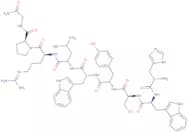
CAS:<p>Please enquire for more information about 4-[4-(N-Boc)piperazin-1-yl]phenylboronic acid pinacol ester including the price, delivery time and more detailed product information at the technical inquiry form on this page</p>Formula:C21H33BN2O4Purity:Min. 95%Color and Shape:PowderMolecular weight:388.31 g/mol(D-Trp6)-LHRH (2-10) trifluoroacetate salt
CAS:<p>Please enquire for more information about (D-Trp6)-LHRH (2-10) trifluoroacetate salt including the price, delivery time and more detailed product information at the technical inquiry form on this page</p>Formula:C59H77N17O11Purity:Min. 95%Molecular weight:1,200.35 g/molN-[3-Fluoro-4-[6-(2-methyl-2H-tetrazol-5-yl)-3-pyridinyl]phenyl]carbamic acid phenylmethyl ester
CAS:<p>Intermediate in the synthesis of tedizolid</p>Formula:C21H17FN6O2Purity:Min. 95%Molecular weight:404.4 g/molH-Val-Ala-pNA acetate salt
CAS:<p>Please enquire for more information about H-Val-Ala-pNA acetate salt including the price, delivery time and more detailed product information at the technical inquiry form on this page</p>Formula:C14H20N4O4Purity:Min. 95%Molecular weight:308.33 g/molDocosahexaenoic acid
CAS:<p>Docosahexaenoic acid (DHA) is a fatty acid that is usually obtained from fish oil. DHA has been shown to decrease the production of prostaglandin E2 (PGE2), which can lead to inflammation in various parts of the body. The synthesis and release of PGE2 is regulated by toll-like receptor 4 (TLR4). DHA has also been shown to reduce tumor size and improve survival rates in mice with breast cancer. DHA is a long-chain polyunsaturated fatty acid that can be found in many types of cells, including neurons. It has been shown to have beneficial effects on neuronal death during experimental models of stroke and traumatic brain injury.</p>Formula:C22H32O2Purity:Min. 95%Color and Shape:PowderMolecular weight:328.49 g/mol3-Amino-4-methyl-thiophen-2-carboxylic acid methyl ester
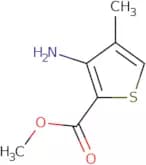
CAS:<p>3-Amino-4-methylthiophen-2-carboxylic acid methyl ester (3AMTC) is a novel compound that has been shown to have antihypertensive activity, as well as other pharmacological actions. 3AMTC is an allosteric modulator of α7 nicotinic acetylcholine receptors, which are found in the central and peripheral nervous system. The efficacy of 3AMTC was evaluated using magnetic resonance spectroscopy to measure the effects on mouse tumor cells. This compound showed no carcinogenic potential, which may be due to its inability to cross the blood brain barrier.</p>Purity:Min. 95%Molecular weight:171.22 g/molN-Boc-L-pyroglutamic acid ethyl ester
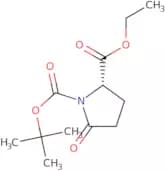
CAS:<p>N-Boc-L-pyroglutamic acid ethyl ester is a chiral building block that can be used for the preparation of amides. It is a good activating agent and is used to synthesize amide bonds from carboxylic acids. N-Boc-L-pyroglutamic acid ethyl ester can be used to synthesize sulfoxides and piperidines, which are ligands. It is also an amido, stereoselective and DPP-4 inhibitor. This chemical simplifies catalysis reactions by replacing the use of toxic solvents.</p>Formula:C12H19NO5Purity:Min. 95%Molecular weight:257.28 g/mol












![4-[4-(N-Boc)piperazin-1-yl]phenylboronic acid pinacol ester](/_next/image/?url=https%3A%2Fstatic.cymitquimica.com%2Fproducts%2F3D%2Fthumb-webp%2FFN162753.webp&w=3840&q=75)
![N-[3-Fluoro-4-[6-(2-methyl-2H-tetrazol-5-yl)-3-pyridinyl]phenyl]carbamic acid phenylmethyl ester](/_next/image/?url=https%3A%2Fstatic.cymitquimica.com%2Fproducts%2F3D%2Fthumb-webp%2FFF102200.webp&w=3840&q=75)