Carboxylic Acids
Carboxylic acids are organic molecules characterized by having a carboxyl-type functional group (-COOH). These acids are fundamental in various chemical reactions, including esterification, amidation, and decarboxylation. Carboxylic acids are widely used in the production of pharmaceuticals, polymers, and agrochemicals. In this section, you can find a large number of carboxylic acids ready to be used. At CymitQuimica, we provide a broad range of high-quality carboxylic acids to support your research and industrial applications.
Found 12453 products of "Carboxylic Acids"
Sort by
Purity (%)
0
100
|
0
|
50
|
90
|
95
|
100
5-Formyltetrahydropteroic acid
CAS:<p>5-Formyltetrahydropteroic acid is a labile, water soluble compound that can be used as a chromatographic standard. It has been used to determine the purity of water by measuring the concentration of this impurity in the sample. 5-Formyl tetrahydropterin has been shown to inhibit tumor growth and induce apoptosis in cancer cells. This compound also inhibits protein synthesis in cells by inhibiting ribosomal RNA processing and decreasing the rate of protein synthesis. 5-Formyltetrahydropteroic acid is also used to prevent bone marrow from producing red blood cells when given with leucovorin, which prevents the breakdown of bone marrow cells caused by radiation therapy or chemotherapy.</p>Formula:C15H16N6O4Purity:Min. 95%Molecular weight:344.33 g/mol3-Keto-4-etiocholenic acid
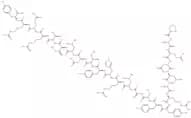
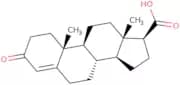
CAS:Controlled Product<p>3-Keto-4-etiocholenic acid is a type of fatty acid that is naturally found in the human body. It is produced by the oxidation of other types of fatty acids and is an intermediate in the synthesis of sex hormones. 3-Keto-4-etiocholenic acid can be synthesized by recombinant methods, which are used to produce proteins for research purposes. It has been shown to have cytostatic effects, which may be due to its irreversible inhibition of enzymes involved in biological function.</p>Formula:C20H28O3Purity:Min. 95%Color and Shape:White To Light (Or Pale) Yellow SolidMolecular weight:316.43 g/mol(Gly1,Ser3·22,Gln4·34,Thr6,Arg19,Tyr21,Ala23·31, Aib 32)-Pancreatic Polypeptide (human) trifluoroacetate salt
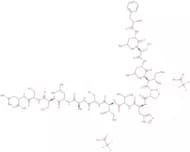
CAS:<p>Please enquire for more information about (Gly1,Ser3·22,Gln4·34,Thr6,Arg19,Tyr21,Ala23·31, Aib 32)-Pancreatic Polypeptide (human) trifluoroacetate salt including the price, delivery time and more detailed product information at the technical inquiry form on this page</p>Formula:C183H281N57O54S2Purity:Min. 95%Molecular weight:4,207.67 g/molCell-permeable Caspase-1 Inhibitor I trifluoroacetate salt
CAS:<p>Please enquire for more information about Cell-permeable Caspase-1 Inhibitor I trifluoroacetate salt including the price, delivery time and more detailed product information at the technical inquiry form on this page</p>Formula:C97H160N20O24Purity:Min. 95%Molecular weight:1,990.43 g/mol[p-Terphenyl]-4,4''-dicarboxylic acid
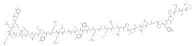
CAS:<p>4,4’-Dicarboxy-p-terphenyl is a disulfide amide with the molecular formula C14H10N2O2S. It is a chemical compound that has been shown to have antimicrobial activity. The antibacterial activity of 4,4’-Dicarboxy-p-terphenyl was evaluated by preparing a series of in vitro assays. The results showed that 4,4’-Dicarboxy-p-terphenyl inhibited the growth of bacteria and fungi at concentrations above 10 μg/mL. This drug also has been demonstrated to be effective against trifluoroacetic acid (TFA) induced congestive heart failure in experimental models. 4,4’-Dicarboxy-p-terphenyl has been found to have therapeutic potential for the treatment of metabolic disorders such as diabetes and hypertension. Structural analysis revealed that this drug contains a redox</p>Formula:C20H14O4Purity:Min. 95%Molecular weight:318.32 g/molPamoic acid disodium salt monohydrate
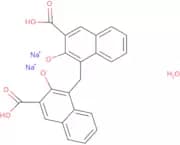
CAS:<p>Pamoic acid is a disodium salt of p-aminobenzoic acid. It is an excipient that is considered safe for use in food and pharmaceuticals. Pamoic acid has been used as a preservative and an antioxidant. It prevents the oxidation of fats, oils, and other lipids by reacting with them to form stable compounds. The most common use of pamoic acid is as an anti-spasmodic drug to manage colitis, although it also has been used to treat seizures and spasticity in people with nervous system diseases. Pamoic acid can be used in combination with benzalkonium chloride as a preservative for injectable drugs such as antibiotics or chemotherapy agents. When combined with benzalkonium chloride, pamoic acid acts as a sweetener and particle size modifier.</p>Formula:C23H14O6·2Na·H2OPurity:Min. 95%Color and Shape:SolidMolecular weight:450.35 g/mol6-Maleimidocaproic acid N-hydroxysuccinimide ester
CAS:<p>6-Maleimidocaproic acid N-hydroxysuccinimide ester (6MCA-NHS) is a fluorescent probe that reacts with the hydroxyl group of fatty acids in human serum and other biological samples. 6MCA-NHS binds to the carboxylic acid group at the end of a fatty acid molecule, forming a covalent bond. This process generates light emission that can be detected by a fluorescence probe to measure changes in pH or other chemical properties within the solution. 6MCA-NHS has been used as a tumor treatment, where laser ablation is used to break up tumor cells and release 6MCA-NHS into the cytoplasm. The drug can then bind to DNA molecules and inhibit protein synthesis, which results in cell death.</p>Formula:C14H16N2O6Purity:Min. 95%Color and Shape:White Off-White PowderMolecular weight:308.29 g/molAstressin trifluoroacetate salt
CAS:<p>Astressin trifluoroacetate salt H-D-Phe-His-Leu-Leu-Arg-Glu-Val-Leu-Glu-Nle-Ala-Arg-Ala-Glu-Gln is a cyclic peptide that has been shown to have biological properties as an inhibitor of cyclases. Astressin has shown efficacy in treating some types of autoimmune diseases and bowel diseases, although it is not effective against all types of these disorders. Astressin also has receptor activity and can induce locomotor activity. This compound has been shown to be an inhibitor of the Toll like receptor 4 (TLR4). In this role, astressin blocks the inflammatory response by preventing the binding of endotoxin to TLR4 receptors on cells.</p>Formula:C161H269N49O42Purity:Min. 95%Molecular weight:3,563.16 g/molSuc-Arg-Pro-Phe-His-Leu-Leu-Val-Tyr-AMC trifluoroacetate salt
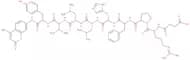
CAS:<p>Please enquire for more information about Suc-Arg-Pro-Phe-His-Leu-Leu-Val-Tyr-AMC trifluoroacetate salt including the price, delivery time and more detailed product information at the technical inquiry form on this page</p>Formula:C66H88N14O14Purity:Min. 95%Molecular weight:1,301.49 g/molHexanoyl-(Ala19,Lys27·28)-VIP (free acid) trifluoroacetate salt
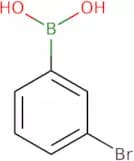
<p>Please enquire for more information about Hexanoyl-(Ala19,Lys27·28)-VIP (free acid) trifluoroacetate salt including the price, delivery time and more detailed product information at the technical inquiry form on this page</p>Formula:C153H250N44O43SPurity:Min. 95%Molecular weight:3,425.96 g/mol3-Bromophenyl boronic acid
CAS:<p>3-Bromophenyl boronic acid is a group P2 molecule with functional groups of vibrational and cross-coupling. It has been shown to inhibit the activity of aryl boronic acids, which are commonly used in analytical methods. 3-Bromophenyl boronic acid is also capable of inhibiting the production of alizarin, which is a dye that is used for staining biological tissue. The molecular modeling study revealed that this molecule has an atomic orbital with electron density distribution around the central carbon atom. This distribution indicates that it is more stable than other molecules with similar structures.</p>Formula:C6H6BBrO2Purity:Min. 95%Color and Shape:PowderMolecular weight:200.83 g/molAngiotensin (1-12) (human) trifluoroacetate salt
CAS:<p>Please enquire for more information about Angiotensin (1-12) (human) trifluoroacetate salt including the price, delivery time and more detailed product information at the technical inquiry form on this page</p>Formula:C73H109N19O16Purity:Min. 95%Molecular weight:1,508.77 g/molAmyloid β-Protein (11-42) trifluoroacetate salt
CAS:<p>Please enquire for more information about Amyloid beta-Protein (11-42) trifluoroacetate salt including the price, delivery time and more detailed product information at the technical inquiry form on this page</p>Formula:C152H244N40O42SPurity:Min. 95%Molecular weight:3,335.87 g/molPhylloseptin-L2 trifluoroacetate salt
CAS:<p>Please enquire for more information about Phylloseptin-L2 trifluoroacetate salt including the price, delivery time and more detailed product information at the technical inquiry form on this page</p>Formula:C76H126N18O19Purity:Min. 95%Molecular weight:1,595.92 g/mol(Leu13)-Motilin (human, porcine) trifluoroacetate salt
CAS:<p>Motilin is a gastrointestinal hormone that stimulates gastric motility and the release of pancreatic enzymes. It is also used to treat postoperative ileus, abdominal pain, and gastroduodenal ulcers. Motilin is administered nasogastrically to stimulate the movement of food through the stomach and intestines. The trifluoroacetate salt form is used in this application because it has a longer duration of action than other salts.</p>Formula:C121H190N34O35Purity:Min. 95%Molecular weight:2,681.01 g/molGLP-1 (7-37) (human, bovine, guinea pig, mouse, rat) acetate salt
CAS:<p>Please enquire for more information about GLP-1 (7-37) (human, bovine, guinea pig, mouse, rat) acetate salt including the price, delivery time and more detailed product information at the technical inquiry form on this page</p>Formula:C151H228N40O47·xC2H4O2Purity:Min. 95%Molecular weight:3,355.67 g/molNeuropeptide FF (5-8) acetate salt
CAS:<p>Please enquire for more information about Neuropeptide FF (5-8) acetate salt including the price, delivery time and more detailed product information at the technical inquiry form on this page</p>Formula:C25H39N9O5Purity:Min. 95%Molecular weight:545.63 g/mol7-Hydroxynaphthalene-1-sulfonic acid
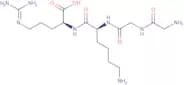
CAS:<p>7-Hydroxynaphthalene-1-sulfonic acid is a chemical compound with the formula HNSO. It is an organic compound and a proton acceptor. The conjugate base of 7-hydroxynaphthalene-1-sulfonic acid has a strong absorption band in the ultraviolet region. In DMF solution, the reaction of 7-hydroxynaphthalene-1-sulfonic acid with formamide, hydroxy, and nitrogen atoms produces a product that has been characterized by photoexcitation and kinetic studies. The proton transfer process from formamide to 7-hydroxynaphthalene-1-sulfonic acid was found to be exponential and followed first order kinetics. The protonation constant for this process was determined to be 8.4 x 10 M/equivalent. 7HNSO can also act as an electron acceptor in dimethylsulphoxide (DMSO) solution</p>Purity:Min. 95%H-Gly-Gly-Lys-Arg-OH acetate salt
CAS:<p>The H-Gly-Gly-Lys-Arg-OH acetate salt is a diagnostic agent that belongs to the group of active analogues. It is an analogue of sialin, a compound that has been shown to be involved in the molecular pathogenesis of cancer tissues. Sialic acid is an important component of many glycoproteins and glycolipids found in the human body. This compound is metabolized by sialidase enzymes, which are present in various tissues and organs such as the brain, kidney, liver, and plasma. The H-Gly-Gly-Lys-Arg-OH acetate salt inhibits these enzymes by binding to them and preventing their action. This drug also inhibits ATP dependent transport systems for neuronal cells.</p>Formula:C16H32N8O5Purity:Min. 95%Molecular weight:416.48 g/mol([13C6]Leu6)-Endothelin-1 (human, bovine, dog, mouse, porcine, rat) acetate salt
<p>Please enquire for more information about ([13C6]Leu6)-Endothelin-1 (human, bovine, dog, mouse, porcine, rat) acetate salt including the price, delivery time and more detailed product information at the technical inquiry form on this page</p>Purity:Min. 95%(D-Tyr6,betaPhe11,Phe13, Nle 14)-Bombesin (6-14) (free acid) trifluoroacetate salt
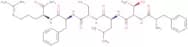
CAS:<p>Please enquire for more information about (D-Tyr6,betaPhe11,Phe13, Nle 14)-Bombesin (6-14) (free acid) trifluoroacetate salt including the price, delivery time and more detailed product information at the technical inquiry form on this page</p>Formula:C63H79N13O12Purity:Min. 95%Molecular weight:1,210.38 g/molACTH (4-10) trifluoroacetate salt
CAS:<p>ACTH (4-10) trifluoroacetate salt is a cholinergic agent that belongs to the class of neurotransmitters. It is synthesized from the naturally occurring hormone ACTH, which is released by the anterior pituitary gland in response to a variety of stimuli. This compound has been shown to have physiological effects on various organs, including adipose tissue and locomotor activity. It also shows neuroprotective effects in animal models and has neurotrophic properties. The therapeutic potential of this compound for brain functions is currently being explored.</p>Formula:C44H59N13O10SPurity:Min. 95%Molecular weight:962.09 g/mol(D-Lys6)-LHRH trifluoroacetate salt
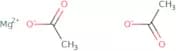
CAS:<p>Please enquire for more information about (D-Lys6)-LHRH trifluoroacetate salt including the price, delivery time and more detailed product information at the technical inquiry form on this page</p>Formula:C59H84N18O13·xC2HF3O2Purity:Min. 95%Color and Shape:White To Off-White SolidMolecular weight:1,253.41 g/molMagnesium acetate anhydrous
CAS:<p>Magnesium acetate anhydrous is the magnesium salt of acetic acid and has been used as a polymerase chain reaction (PCR) buffer for DNA amplification. This product is also used in wastewater treatment to remove organic acids and carbonates from water. Magnesium acetate anhydrous has been shown to have a Langmuir adsorption isotherm that can be described by a single-site binding model with a Kd value of 2.8x10⁻² M. The compound was found to bind to liver cells, which may be due to its hydroxyl group on the central atom of the molecule. Magnesium acetate anhydrous has been shown to have electrochemical impedance spectroscopy properties at Ω=1 MΩ-1, which are indicative of ionic conductivity and good chemical stability.</p>Formula:C4H6MgO4Purity:Min. 95%Color and Shape:White PowderMolecular weight:142.39 g/molAmyloid P Component (33-38) amide trifluoroacetate salt
CAS:<p>Please enquire for more information about Amyloid P Component (33-38) amide trifluoroacetate salt including the price, delivery time and more detailed product information at the technical inquiry form on this page</p>Formula:C37H56N10O7SPurity:Min. 95%Molecular weight:784.97 g/molC-Peptide 1 (rat) trifluoroacetate salt
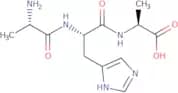
CAS:<p>Please enquire for more information about C-Peptide 1 (rat) trifluoroacetate salt including the price, delivery time and more detailed product information at the technical inquiry form on this page</p>Formula:C140H228N38O51Purity:Min. 95%Molecular weight:3,259.53 g/molH-Ala-His-Ala-OH acetate salt
CAS:<p>Please enquire for more information about H-Ala-His-Ala-OH acetate salt including the price, delivery time and more detailed product information at the technical inquiry form on this page</p>Formula:C12H19N5O4Purity:Min. 95%Molecular weight:297.31 g/molMca-Gly-Ala-Lys(Ac)-Arg-His-Arg-Lys-Val-NH2 trifluoroacetate salt
CAS:<p>Please enquire for more information about Mca-Gly-Ala-Lys(Ac)-Arg-His-Arg-Lys-Val-NH2 trifluoroacetate salt including the price, delivery time and more detailed product information at the technical inquiry form on this page</p>Formula:C54H85N19O13Purity:Min. 95%Molecular weight:1,208.37 g/molAmyloid β/A4 Protein Precursor770 (586-595) (human, mouse, rat) trifluoroacetate salt
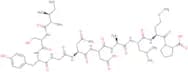
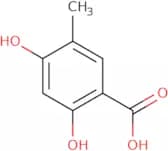
CAS:<p>Please enquire for more information about Amyloid beta/A4 Protein Precursor770 (586-595) (human, mouse, rat) trifluoroacetate salt including the price, delivery time and more detailed product information at the technical inquiry form on this page</p>Formula:C47H73N11O16SPurity:Min. 95%Molecular weight:1,080.21 g/mol2,4-Dihydroxy-5-methylbenzoic acid
CAS:<p>2,4-Dihydroxy-5-methylbenzoic acid is a high quality chemical that can be used as a reagent, intermediate, or building block. It has many uses in the production of fine chemicals and research chemicals. 2,4-Dihydroxy-5-methylbenzoic acid is also a versatile building block for organic synthesis reactions. This compound has shown to have anti-inflammatory properties and may be useful as a treatment for arthritis.</p>Formula:C8H8O4Purity:Min. 95%Color and Shape:PowderMolecular weight:168.15 g/molEthyl-2-ethoxy-1-[[(2'-cyanobiphenyl-4-yl) methyl] benzimidazole-7-carboxylate
CAS:<p>Candesartan is a selective angiotensin II receptor antagonist that inhibits the binding of angiotensin II to its receptors, which in turn decreases the activity of angiotensin-converting enzyme. Candesartan cilexetil is an ester prodrug that has been shown to be effective in the treatment of high blood pressure. In the crystalline form, candesartan cilexetil is a white powder with a melting point of 130–135 °C and a solubility in water of >1 g/L. The molecular weight of candesartan cilexetil is 393.8 g/mol and it has a molecular formula C17H21NO2S. The chemical structure consists of two benzimidazole rings coupled together through an ethyl-2-ethoxy linker and attached to a carboxylate group on one end and an amide group on the other</p>Formula:C26H23N3O3Purity:Min. 95%Molecular weight:425.48 g/molAmyloid β-Protein (35-25) trifluoroacetate salt
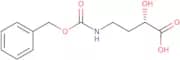
CAS:<p>Please enquire for more information about Amyloid beta-Protein (35-25) trifluoroacetate salt including the price, delivery time and more detailed product information at the technical inquiry form on this page</p>Formula:C45H81N13O14SPurity:Min. 95%Color and Shape:PowderMolecular weight:1,060.27 g/mol(S)-N-Carbobenzyloxy-4-amino-2-hydroxybutyric acid
CAS:<p>(S)-N-Carbobenzyloxy-4-amino-2-hydroxybutyric acid is a benzene ring with a carboxylic acid group. It has the ability to modify polylactic acid, polycarbonate, and other polymers. The chain can be modified to include amino groups or antibacterial groups. (S)-N-Carbobenzyloxy-4-amino-2-hydroxybutyric acid also has antibacterial properties and is compatible with polylactic acid, which makes it ideal for use in polymer modifications.</p>Formula:C12H15NO5Purity:Min. 95%Molecular weight:253.25 g/mol3-Methoxyphenylboronic acid
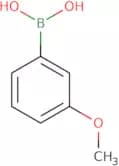
CAS:<p>3-Methoxyphenylboronic acid is a photophysical molecule that can be used as an analytical reagent in plant physiology and analytical chemistry. 3-Methoxyphenylboronic acid reacts reversibly with copper ions to form a complex. The binding constants of the copper complex depend on the pH of the solution, which can be altered by adding a phosphate derivative to the solution. This reaction was investigated using cross-coupling techniques and showed that the binding constants for this complex are dependent on the type of solvent used. 3-Methoxyphenylboronic acid has also been used to measure glucose levels in blood samples.</p>Formula:C7H9BO3Purity:Min. 95%Color and Shape:White PowderMolecular weight:151.96 g/molH-Gly-p-iodo-Phe-Trp-OH trifluoroacetate salt
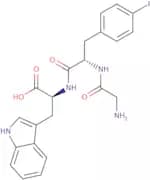
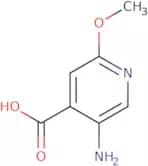
CAS:<p>Please enquire for more information about H-Gly-p-iodo-Phe-Trp-OH trifluoroacetate salt including the price, delivery time and more detailed product information at the technical inquiry form on this page</p>Formula:C22H23IN4O4Purity:Min. 95%Molecular weight:534.35 g/mol5-Amino-2-methoxyisonicotinic acid
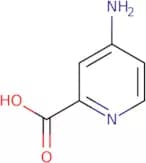
CAS:<p>5-Amino-2-methoxyisonicotinic acid is a carboxylic acid that is used in the synthesis of aminopyridines. The compound can be synthesized from formamidine acetate and diethyl dicarbonate. This process involves lithiation, followed by addition of an amine and finally conversion to the desired product with formamidine acetate. 5-Amino-2-methoxyisonicotinic acid can also be synthesized from formamide and diethyl ether. 5-Amino-2-methoxyisonicotinic acid is an analog of 2,4,6-trimethylaniline and has been shown to have similar properties to this compound, including strong basicity.</p>Formula:C7H8N2O3Purity:Min. 95%Molecular weight:168.15 g/mol4-Aminopicolinic acid
CAS:<p>4-Aminopicolinic acid is a synthetic amine that has been shown to activate plant science. 4-Aminopicolinic acid is a cyclic peptide with two subunits, one of which is 4-amino-3-pyridinecarboxylic acid. This compound has been synthesized from picolinic acid, an agriculturally important compound that is found in plant and animal tissues. The synthesis of 4-aminopicolinic acid involves the reaction of picolinic acid with nitrous oxide, followed by hydrolysis and oxidation to form the desired product. Hplc analyses have confirmed the presence of picolinic acid in extracts from various plants containing this compound.</p>Formula:C6H6N2O2Purity:Min. 95%Color and Shape:White To Beige Or Pink To Light Brown SolidMolecular weight:138.12 g/molNeuropeptide Y (13-36) (porcine) trifluoroacetate salt
CAS:<p>Please enquire for more information about Neuropeptide Y (13-36) (porcine) trifluoroacetate salt including the price, delivery time and more detailed product information at the technical inquiry form on this page</p>Formula:C135H209N41O36Purity:Min. 95%Molecular weight:2,982.36 g/mol(Des-Gly10,D-Pyr 1,D-Leu6,Pro-NHEt 9)-LHRH trifluoroacetate salt
<p>Please enquire for more information about (Des-Gly10,D-Pyr 1,D-Leu6,Pro-NHEt 9)-LHRH trifluoroacetate salt including the price, delivery time and more detailed product information at the technical inquiry form on this page</p>Formula:C59H84N16O12Purity:Min. 95%Molecular weight:1,209.4 g/molH-Val-Lys-OH monoacetate salt
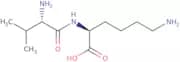
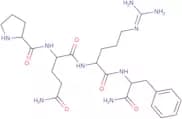
CAS:<p>Please enquire for more information about H-Val-Lys-OH monoacetate salt including the price, delivery time and more detailed product information at the technical inquiry form on this page</p>Formula:C11H23N3O3•C2H4O2Purity:Min. 95%Molecular weight:305.37 g/molβ-Casomorphin (1-3) amide acetate salt
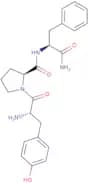
CAS:<p>Beta-casomorphin (1-3) amide acetate salt (BCMA) is a peptide that belongs to the class of opioid compounds. It is an amino acid and has been shown to be a potent agonist at opioid receptors. BCMA is used in vivo as a tritiated ligand for mapping the distribution of opioid receptors in rat brain. The affinity of BCMA for opioid receptors increases with dose, and its antinociceptive effects are dose-dependent. Beta-casomorphin (1-3) amide acetate salt has also been shown to have affinity for enkephalins, which are naturally occurring peptides that bind to opioid receptors.</p>Formula:C23H28N4O4Purity:Min. 95%Molecular weight:424.49 g/molCART (61-102) (human, rat) trifluoroacetate salt
CAS:<p>Please enquire for more information about CART (61-102) (human, rat) trifluoroacetate salt including the price, delivery time and more detailed product information at the technical inquiry form on this page</p>Formula:C189H310N58O56S7Purity:Min. 95%Molecular weight:4,515.3 g/molMethylboronic acid pinacol ester
CAS:<p>Methylboronic acid pinacol ester is an orally administered compound that inhibits the activity of peptidases and imidazole derivatives. It is used as a medicinal preparation for the treatment of cancer and other diseases. Methylboronic acid pinacol ester has been shown to inhibit the growth of bacteria, including Gram-positive bacteria such as methicillin-resistant Staphylococcus aureus (MRSA) and Clostridium perfringens. This compound also has an inhibitory effect on hydroxyl group metabolism, which may be related to its anti-inflammatory properties.</p>Formula:C7H15BO2Purity:Min. 95%Color and Shape:Colourless liquid.Molecular weight:142 g/molKR-12 (human) trifluoroacetate salt
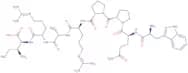
CAS:<p>Please enquire for more information about KR-12 (human) trifluoroacetate salt including the price, delivery time and more detailed product information at the technical inquiry form on this page</p>Formula:C71H127N25O15Purity:Min. 95%Molecular weight:1,570.93 g/molFibronectin Adhesion-Promoting Peptide trifluoroacetate salt
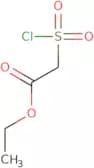
CAS:<p>Fibronectin Adhesion-Promoting Peptide trifluoroacetate salt H-Trp-Gln-Pro-Pro-Arg-Ala-Arg-Ile-OH trifluoroacetate salt (FAP) is a synthetic peptide that promotes fibronectin adhesion. It binds to the amino acid sequence in the C terminal end of fibronectin, which is known to be responsible for binding to actin filaments and growth factors. FAP has been shown to promote wound healing by stimulating the proliferation of corneal epithelial cells in vitro. The mechanism of action of FAP may be due to its ability to bind to chloride ions, which are involved in the regulation of cell proliferation and migration.</p>Formula:C47H74N16O10Purity:Min. 95%Molecular weight:1,023.19 g/molEthyl 2-(chlorosulfonyl)acetate
CAS:<p>Ethyl 2-(chlorosulfonyl)acetate is a drug candidate that inhibits the enzyme cholesterol acyltransferase (ACAT), which is responsible for the formation of cholesterol esters. It has been shown to be effective in animal models for the treatment of metabolic disorders, such as hypercholesterolemia and hypertriglyceridemia. In addition, it has been shown to inhibit the activity of serine proteases, which are involved in coagulation, amido hydrolase, and nucleophilic attack reactions. Ethyl 2-(chlorosulfonyl)acetate has also been shown to activate gene product in cellular studies with mouse fibroblasts.</p>Purity:Min. 95%Color and Shape:PowderMolecular weight:186.61 g/molVasonatrin Peptide (VNP) trifluoroacetate salt
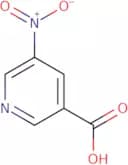
CAS:<p>Please enquire for more information about Vasonatrin Peptide (VNP) trifluoroacetate salt including the price, delivery time and more detailed product information at the technical inquiry form on this page</p>Formula:C123H198N36O36S3Purity:Min. 95%Molecular weight:2,853.31 g/mol5-Nitro nicotinic acid
CAS:<p>5-Nitro nicotinic acid is a drug that has been synthesized in the laboratory. It is a white crystalline solid with a molecular weight of 201.18, and it has the chemical formula of C6H5NO2. 5-Nitro nicotinic acid is an antitubercular drug that inhibits Mycobacterium tuberculosis and Mycobacterium avium complex without inhibiting other human cells. It also inhibits the growth of bacteria that are resistant to aminoglycosides (e.g., Pbtz169). This drug binds to the enzyme NADH dehydrogenase, which leads to inhibition of bacterial respiration and ATP synthesis. 5-Nitro nicotinic acid also has antimycobacterial activity against mycobacteria by forming nitric oxide radicals (NO) through hydrogen peroxide oxidation, which react with cellular components such as DNA and proteins.</p>Formula:C6H4N2O4Purity:Min. 95%Molecular weight:168.11 g/mol4-Chlorophenylboronic acid
CAS:<p>4-Chlorophenylboronic acid is a chemical compound that is used in the industrial preparation of biphenyl. It is produced by the Friedel-Crafts reaction between chlorine and 4-methoxyphenylboronic acid. This reaction can be carried out using a variety of solvents, such as chloroform or carbon tetrachloride. The optimal reaction conditions are acidic pH values, which are achieved by adding sodium carbonate to the solution. The product can be purified by distillation or crystallization. 4-Chlorophenylboronic acid can also be used for the synthesis of organic compounds through cross-coupling reactions with organometallic reagents, such as palladium chloride and triphenylphosphine, or through asymmetric synthesis with chiral ligands like (S)-proline and 2-(diphenylphosphino)ferrocene.</p>Formula:C6H6BClO2Purity:Min. 95%Color and Shape:PowderMolecular weight:156.37 g/molAmyloid b-Protein (1-40) amide trifluoroacetate salt
CAS:<p>Please enquire for more information about Amyloid b-Protein (1-40) amide trifluoroacetate salt including the price, delivery time and more detailed product information at the technical inquiry form on this page</p>Formula:C194H296N54O57SPurity:Min. 95%Molecular weight:4,328.82 g/mol



![[p-Terphenyl]-4,4''-dicarboxylic acid](/_next/image/?url=https%3A%2Fstatic.cymitquimica.com%2Fproducts%2F3D%2Fthumb-webp%2FFT28045.webp&w=3840&q=75)







![([13C6]Leu6)-Endothelin-1 (human, bovine, dog, mouse, porcine, rat) acetate salt](/_next/image/?url=https%3A%2Fstatic.cymitquimica.com%2Fproducts%2F3D%2Fthumb-webp%2FFL110023.webp&w=3840&q=75)

![Ethyl-2-ethoxy-1-[[(2'-cyanobiphenyl-4-yl) methyl] benzimidazole-7-carboxylate](/_next/image/?url=https%3A%2Fstatic.cymitquimica.com%2Fproducts%2F3D%2Fthumb-webp%2FFE31863.webp&w=3840&q=75)