Aldehydes
Aldehydes are organic compounds containing a carbonyl group (C=O) bonded to at least one hydrogen atom. These versatile compounds are fundamental in various chemical reactions, including oxidation, reduction, and nucleophilic addition. Aldehydes are essential building blocks in the synthesis of pharmaceuticals, fragrances, and polymers. At CymitQuimica, we provide a diverse selection of high-quality aldehydes to support your research and industrial applications.
Found 8540 products of "Aldehydes"
Sort by
Purity (%)
0
100
|
0
|
50
|
90
|
95
|
100
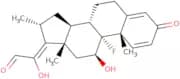
Dexamethasone-δ17,20 21-aldehyde
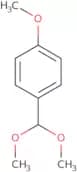
CAS:Controlled Product<p>Please enquire for more information about Dexamethasone-δ17,20 21-aldehyde including the price, delivery time and more detailed product information at the technical inquiry form on this page</p>Formula:C22H27FO4Purity:Min. 95%Color and Shape:PowderMolecular weight:374.45 g/molp-Anisaldehyde dimethyl acetal
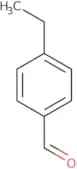
CAS:<p>p-Anisaldehyde dimethyl acetal is a broad-spectrum antimicrobial that can be synthesized from anisaldehyde and dimethoxyacetal. It has been shown to have anticancer properties in vitro. p-Anisaldehyde dimethyl acetal has also been shown to inhibit the growth of HL60 cells, which are specialized white blood cells. This compound was found to increase neuronal death and induce cachexia in mice. The molecular weight of p-Anisaldehyde dimethyl acetal is 244.24 g/mol, with a melting point of -14 °C and a boiling point of 156 °C. The molecule contains one asymmetric center, one hydrogen bond, one non-bonding electron pair, and no double bonds. This compound has acidic properties and it reacts with vitamin D3 in a cationic polymerization process at alkaline pH levels.</p>Formula:C10H14O3Purity:Min. 95%Color and Shape:Colourless To Pale Yellow Clear LiquidMolecular weight:182.22 g/mol4-Ethylbenzaldehyde
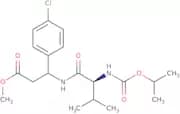
CAS:<p>4-Ethylbenzaldehyde is a chemical compound that belongs to the group of fatty acids. It has been shown to have biological properties, such as antiviral potency and genotoxic effects. This chemical compound also has a gas sensor property and is used as an exothermic reactant in organic synthesis reactions. 4-Ethylbenzaldehyde has been shown to inhibit the growth of bacteria, fungi, and viruses by blocking the synthesis of viral nucleic acid or inhibiting viral protein synthesis. The magnetic resonance spectroscopy (NMR) spectral data for 4-ethylbenzaldehyde show that this chemical compound contains two methyl groups, one on each side of the benzene ring, with a hydroxyl group on one end. The carbon atoms are bonded together in an alternating pattern of single and double bonds. The molecular formula for 4-ethylbenzaldehyde is C9H10O2.</p>Formula:C9H10OPurity:Min. 96.0%Color and Shape:PowderMolecular weight:134.18 g/molValiphenal
CAS:<p>Valiphenal is a chemical compound that belongs to the amide class. It has been shown to control the growth of various bacterial strains, such as Escherichia coli and Salmonella enterica serovar Typhimurium. Valiphenal inhibits lipid biosynthesis in bacteria by binding to bacterial matrix effect enzymes, which are involved in fatty acid synthesis. This inhibition leads to a decrease in the production of lipids, which are an important component of bacterial cell membranes. Valiphenal also inhibits mitochondrial cytochrome c oxidase and can be used as an analytical tool for determining the presence of this enzyme in cells. Valiphenal is also used as an agrochemical to control pests on vegetables such as aubergines. Valiphenal is extensively metabolized by esterases or glucuronidases, oxidation by cytochrome P450 enzymes, reduction by glutathione reductase, or conjugation with glucuronic acid.</p>Formula:C19H27ClN2O5Purity:Min. 98 Area-%Color and Shape:White Clear LiquidMolecular weight:398.88 g/molTacrolimus methyl acryl aldehyde
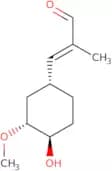
CAS:<p>Please enquire for more information about Tacrolimus methyl acryl aldehyde including the price, delivery time and more detailed product information at the technical inquiry form on this page</p>Formula:C11H18O3Purity:Min. 95%Molecular weight:198.26 g/mol3-(Chloromethyl)-4-methoxybenzaldehyde
CAS:<p>3-(Chloromethyl)-4-methoxybenzaldehyde is a natural product that can be extracted from the rhizomes of the plant. It has been shown to have antibacterial activity in laboratory experiments and has been used in traditional medicine for the treatment of fungus infections. 3-(Chloromethyl)-4-methoxybenzaldehyde is an imidazolylmethyl derivative with a hexane structure. It reacts with hydrochloric acid to form a molecule called chloromethylation, which is also known as an esterification reaction. Piperazine acts as a catalyst in this reaction, increasing its scalability and making it suitable for large-scale production. The compound exhibits radical scavenging activity, which may be due to its ability to donate electrons or hydrogen atoms to free radicals.</p>Formula:C9H9CIO2Purity:Min. 95%Molecular weight:288.08 g/mol2-Hydroxy-4-(trifluoromethyl)benzaldehyde
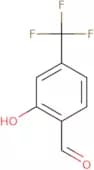
CAS:<p>2-Hydroxy-4-(trifluoromethyl)benzaldehyde is an analgesic and anti-inflammatory agent that belongs to the pyrazole family. It has shown analgesic and anti-inflammatory effects in animal studies. 2-Hydroxy-4-(trifluoromethyl)benzaldehyde has been shown to be a potent inhibitor of cyclooxygenase (COX), which is responsible for prostaglandin synthesis, and as such, may have potential as a treatment for inflammatory conditions such as rheumatoid arthritis. This drug also inhibits the production of nitric oxide, which is involved in vasodilation and increased blood flow. 2-Hydroxy-4-(trifluoromethyl)benzaldehyde has been demonstrated to inhibit COX enzymes by forming a covalent bond with active site serine residues on the enzyme. The docked complex shows hydrogen bonding interactions between the hydroxyl group of 2</p>Formula:C8H5F3O2Purity:Min. 95%Molecular weight:190.12 g/mol2-Hydroxy-1-naphthaldehyde
CAS:<p>2-Hydroxy-1-naphthaldehyde is a redox potential chemical that has been shown to have anticancer activity in vitro and in vivo. It inhibits the growth of cells by binding to iron, which is important for many biological processes including DNA synthesis. 2-Hydroxy-1-naphthaldehyde has also been shown to have metal carbonyl reactivity and fluorescence properties that may be useful as a fluorescent probe. 2-Hydroxy-1-naphthaldehyde binds to iron ions through hydrogen bonding interactions, forming an octahedral complex with six ligands. The compound also has coordination geometry that can be described as either trigonal bipyramidal or square planar, depending on the solvent used. This data was obtained by x-ray diffraction studies of crystalline solids. The compound's Langmuir adsorption isotherm was found to be linear at low concentrations and shifted to nonlinear behavior at higher concentrations. The</p>Formula:C11H8O2Purity:Min. 95%Color and Shape:SolidMolecular weight:172.18 g/molTrifluoroacetaldehyde methyl hemiacetal
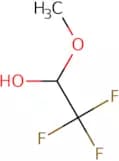
CAS:<p>Trifluoroacetaldehyde methyl hemiacetal is a chemical compound that inhibits protein synthesis by binding to the ribosomal RNA in microsomes isolated from rat liver. Trifluoroacetaldehyde methyl hemiacetal has been shown to be a bifunctional inhibitor of progesterone receptor, which is an important component of the cell membrane and has been implicated in cancer and bone resorption. Trifluoroacetaldehyde methyl hemiacetal is also effective at inhibiting desflurane-induced anesthesia in rats.</p>Formula:C3H5F3O2Purity:Min. 95%Color and Shape:Clear LiquidMolecular weight:130.07 g/mol2-O-Tolyl-thiazole-4-carbaldehyde
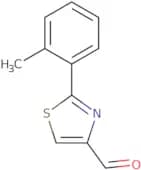
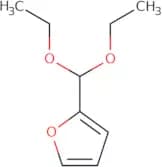
CAS:<p>Please enquire for more information about 2-O-Tolyl-thiazole-4-carbaldehyde including the price, delivery time and more detailed product information at the technical inquiry form on this page</p>Formula:C11H9NOSPurity:Min. 95%Molecular weight:203.26 g/mol2-Furaldehyde diethylacetal
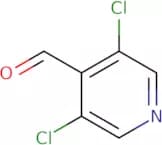
CAS:<p>2-Furaldehyde diethylacetal is a synthetic compound that has been used in the synthesis of calcium carbonate. It is also a potent inhibitor of p. aeruginosa and other bacteria, as well as organic acids and halogen compounds. It reacts with hydroxy groups to form aldehydes, which are then oxidized to form carboxylic acid derivatives. The reaction mechanism for this compound is not well understood, but it is thought that the activation energy for the reaction may be low due to the presence of a furfural functional group.</p>Formula:C9H14O3Purity:Min. 95%Molecular weight:170.21 g/mol3,5-Dichloro-4-pyridinecarboxaldehyde
CAS:<p>3,5-Dichloro-4-pyridinecarboxaldehyde is a synthetic heterocycle that has been studied for its pharmacokinetic properties. The compound has the ability to bind to the active site of metalloporphyrin and inhibit the enzyme's activity. This inhibition leads to an increase in the levels of homologous aldehydes, which are oxidized by hydrogen peroxide to produce electrosprays. 3,5-Dichloro-4-pyridinecarboxaldehyde also has a number of oxidation products that have been found in experiments using purines as substrates.</p>Formula:C6H3Cl2NOPurity:Min. 95%Molecular weight:176 g/molSuccinicsemialdehyde
CAS:<p>Succinicsemialdehyde is a semialdehyde that is formed by the oxidative degradation of succinic acid. Succinicsemialdehyde has been shown to have high affinity for 5-HT3 receptors, which are found in the gastrointestinal tract and are involved in intestinal motility and bowel disease. The 5-HT3 receptor has been shown to be an important target for the treatment of irritable bowel syndrome. This semialdehyde also inhibits polymerase chain reaction (PCR) activity, which may be due to its ability to inhibit DNA synthesis. Succinicsemialdehyde has been shown to inhibit enzymes involved in energy metabolism, such as glutamate dehydrogenase and pyruvate formate lyase. The structural analysis of this molecule shows a keto group at C2, which indicates that it is a keto acid.</p>Formula:C4H6O3Purity:Min. 95%Color and Shape:PowderMolecular weight:102.09 g/moltrans-2-Hexenal
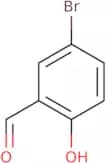
CAS:<p>Trans-2-hexenal is a natural compound that has been used as a model system for studying the toxicity of sodium salts. It is also used in studies on the enzyme activities of leaves and its carcinogenic potential. Trans-2-hexenal exhibits genotoxic effects, which may be due to its reaction with DNA or by inhibiting the polymerase chain reaction. In addition, this compound can inhibit enzymes involved in the synthesis of fatty acids, leading to cell death. Trans-2-hexenal is also found in plants and fruits such as apples, bananas, and pineapples.</p>Formula:C6H10OPurity:Min. 97 Area-%Color and Shape:Clear LiquidMolecular weight:98.14 g/mol5-Bromo-2-hydroxybenzaldehyde
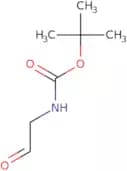
CAS:<p>5-Bromo-2-hydroxybenzaldehyde (5BHB) is an organic compound that has been shown to have a coordination geometry of group p2. This compound binds to DNA and RNA, inhibiting the transcription process. 5BHB also has the ability to form a copper complex with malonic acid. This redox potential is reduced by one electron when copper is added in order to form the copper complex, which allows for the reactivity of 5BHB to be increased. 5BHB binds to nucleic acids through hydrogen bonding interactions with nitrogen atoms and lone pairs on oxygen atoms. The reaction mechanism for 5BHB involves intramolecular hydrogen transfer from one molecule of 5BHB to another, forming an intermediate that then reacts with nucleic acid.</p>Formula:C7H5BrO2Purity:Min. 95%Color and Shape:White PowderMolecular weight:201.02 g/molN-Boc-2-aminoacetaldehyde
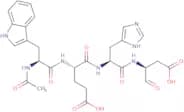
CAS:<p>N-Boc-2-aminoacetaldehyde is an aliphatic aldehyde that has been used in the synthesis of a number of bioactive molecules. It is synthesized by reacting an N-Boc amino acid with chloroform and hydrochloric acid. The reaction time is typically 2 hours at room temperature, although it can be decreased to 20 minutes if the temperature is increased to 60°C. The product can be purified using extraction or recrystallization methods. N-Boc-2-aminoacetaldehyde reacts with chloride ions to form phosphoranes, which are useful in clinical development as antimicrobial peptides. This compound also reacts with fluorine to form hydrogenated derivatives that have been shown to have neurokinin activity in animal models.</p>Formula:C7H13NO3Purity:Min. 95%Color and Shape:Colorless PowderMolecular weight:159.18 g/molAc-Trp-Glu-His-Asp-aldehyde (pseudo acid)
CAS:<p>Ac-Trp-Glu-His-Asp-aldehyde is a tetrapeptide that has been shown to inhibit the activity of caspases. Caspases are proteases that play an important role in cell death by inducing apoptosis and necrosis. The structure of the Ac-Trp-Glu-His-Asp-aldehyde was determined by X-ray crystallography, revealing a hydrophobic molecule with a pseudo acid residue. This compound binds to peptides and blocks the binding site for caspase substrates, which prevents their activation. Acetylation of this compound also increases its hydrophobicity, making it more likely to bind to other molecules such as proteins or lipids.</p>Formula:C28H33N7O9Purity:Min. 95%Molecular weight:611.6 g/mol1-Trityl-1H-imidazole-4-carbaldehyde
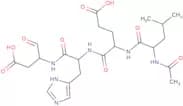
CAS:<p>1-Trityl-1H-imidazole-4-carbaldehyde is a phosphorane that has been synthesized in the laboratory. It is an organometallic compound with a chloroformate ligand and a mononuclear, dimethylformamide complex. 1-Trityl-1H-imidazole-4-carbaldehyde has shown to be an electrophile and binds to receptor sites with high affinity. This may be due to its ability to form hydrogen bonds with the receptor site, which often occurs for pharmacokinetic profiles.</p>Formula:C23H18N2OPurity:Min. 95%Molecular weight:338.4 g/molAc-Leu-Glu-His-Asp-aldehyde (pseudo acid) trifluoroacetate salt
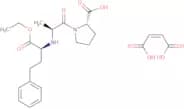
CAS:<p>Ac-Leu-Glu-His-Asp-aldehyde (pseudo acid) trifluoroacetate salt is a chemical compound that belongs to the group of apoptosis proteins. It has been shown to have anti-inflammatory and neuroprotective effects in primary cells, as well as to induce apoptosis in HL60 cells. Ac-Leu-Glu-His-Asp-aldehyde (pseudo acid) trifluoroacetate salt is also able to inhibit the activation of the caspase pathway by preventing the release of cytochrome c from mitochondria and decreasing the mitochondrial membrane potential. The protein may be used as an agent for skin cancer treatment.</p>Formula:C23H34N6O9Purity:Min. 95%Molecular weight:538.55 g/molEnalapril maleate
CAS:<p>Angiotensin-converting enzyme inhibitor; anti-hypertensive</p>Formula:C20H28N2O5•C4H4O4Purity:Min. 95%Color and Shape:PowderMolecular weight:492.52 g/mol