Benzenes
Subcategories of "Benzenes"
- Benzamides(62 products)
- Benzoic Acids(5,474 products)
- Benzyl alcohols(1,458 products)
- Halogenated Benzenes(33,965 products)
- Phenols(2,664 products)
Found 11888 products of "Benzenes"
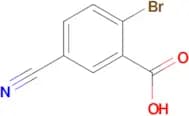
2-Bromo-5-cyanobenzoic acid
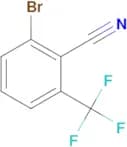
CAS:Formula:C8H4BrNO2Purity:98%Color and Shape:SolidMolecular weight:226.0292-Bromo-6-(trifluoromethyl)benzonitrile
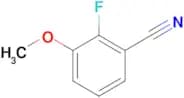
CAS:Formula:C8H3BrF3NPurity:95%Color and Shape:Liquid, No data available.Molecular weight:248.942-Fluoro-3-methoxybenzonitrile
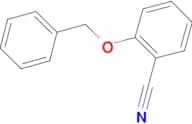
CAS:Formula:C8H6FNOPurity:98%Color and Shape:SolidMolecular weight:151.142-Benzyloxybenzonitrile
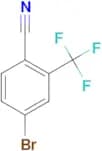
CAS:Formula:C14H11NOPurity:97.0%Color and Shape:SolidMolecular weight:209.2484-Bromo-2-(trifluoromethyl)benzonitrile
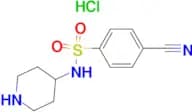
CAS:Formula:C8H3BrF3NPurity:97%Color and Shape:SolidMolecular weight:250.0184-Cyano-N-piperidin-4-yl-benzenesulfonamide hydrochloride
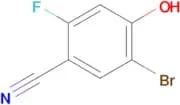
CAS:Formula:C12H16ClN3O2SPurity:95.0%Molecular weight:301.795-Bromo-2-fluoro-4-hydroxybenzonitrile
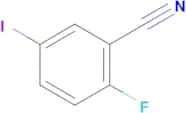
CAS:Formula:C7H3BrFNOPurity:97%Color and Shape:SolidMolecular weight:216.0092-Fluoro-5-iodobenzonitrile
CAS:Formula:C7H3FINPurity:98%Color and Shape:SolidMolecular weight:247.011(R)-3-(1-Amino-2-hydroxyethyl)benzonitrile hydrochloride
CAS:Formula:C9H11ClN2OPurity:95%Molecular weight:198.652-AMINO-5-CHLORO-4-FLUOROBENZONITRILE
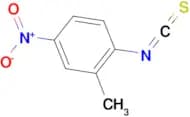
CAS:Formula:C7H4ClFN2Purity:95.0%Color and Shape:SolidMolecular weight:170.572-Methyl-4-nitrophenyl isothiocyanate
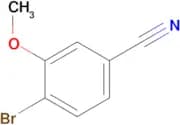
CAS:Formula:C8H6N2O2SPurity:98.0%Color and Shape:SolidMolecular weight:194.214-Bromo-3-methoxybenzonitrile
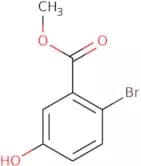
CAS:Formula:C8H6BrNOPurity:98%Color and Shape:White powderMolecular weight:212.0462-Bromo-5-hydroxybenzoic acid methyl ester
CAS:2-Bromo-5-hydroxybenzoic acid methyl ester (2BB) is a phenoxy activator that activates the glucokinase activator. It has been shown to have a glucose lowering effect in both animal and human studies. 2BB is orally bioavailable and has an allosteric mode of action, which means it works by binding to the allosteric site on the enzyme's active site, thereby increasing its activity. It binds to the benzamide of glucokinase, which causes an increase in glucose uptake and utilization by cells. 2BB is being studied for use as an oral treatment for type II diabetes mellitus.Formula:C8H7BrO3Purity:Min. 95%Color and Shape:PowderMolecular weight:231.04 g/mol3-(Chlorosulfonyl)benzoic acid
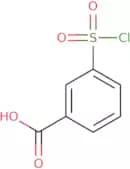
CAS:3-(Chlorosulfonyl)benzoic acid is a synthetic compound that inhibits histone lysine methylation. It has been shown to protect against neuronal injury and cognitive impairment. 3-(Chlorosulfonyl)benzoic acid also has an inhibitory effect on the activation of Sirt2, which is an enzyme involved in cellular processes such as cancer, diabetes, inflammation, and aging. 3-(Chlorosulfonyl)benzoic acid has low potency and is not very soluble in water. It can be used to treat metabolic disorders by increasing the amount of insulin released from the pancreas and lowering blood glucose levels.Formula:C7H5ClO4SPurity:Min. 95%Molecular weight:220.63 g/mol2,3-Diaminobenzoic acid
CAS:2,3-Diaminobenzoic acid is a benzimidazole derivative that is used in the treatment of microbial infections. It has been shown to inhibit the growth of bacteria by binding to their ribosomes and inhibiting protein synthesis. The reaction solution of 2,3-diaminobenzoic acid has fluorescence properties that can be used to detect contaminating substances. The conjugates formed with p-hydroxyphenylacetic acid are more soluble than those formed with hydroxybenzoic acid. 2,3-Diaminobenzoic acid is not very toxic and does not cause any detectable changes in enzyme activities or other biochemical parameters in short term exposure. It can be easily decomposed by sodium chloride into chlorine gas and hydrochloric acid, which are both highly reactive with water.
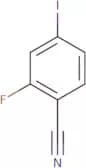
Formula:C7H8N2O2Purity:Min. 95%Color and Shape:PowderMolecular weight:152.15 g/mol2-Fluoro-4-iodobenzonitrile
CAS:2-fluoro-4-iodobenzonitrile is a potent inhibitor of the functions of VEGFR receptors. It inhibits the proliferation and migration of cancer cells by binding to VEGFR receptors, which are tyrosine kinases that regulate cell growth and differentiation. 2-Fluoro-4-iodobenzonitrile has been shown to inhibit angiogenesis, or the formation of new blood vessels, in vitro. This drug also has potent inhibitory activity against tumor growth in vivo. Clinical trials have shown that 2-fluoro-4-iodobenzonitrile can be used to treat various types of cancers, including breast cancer and colon cancer.
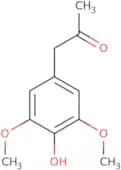
Formula:C7H3FINPurity:Min. 95%Color and Shape:PowderMolecular weight:247.01 g/mol(3,5-Dimethoxy-4-hydroxyphenyl)acetone
CAS:(3,5-Dimethoxy-4-hydroxyphenyl)acetone is a phenolic compound that is used as a calibration standard in the analysis of tannins. It has been shown to have a catalytic effect on the oxidation of oleic acid and linoleic acid in the presence of peroxides. The addition of (3,5-dimethoxy-4-hydroxyphenyl)acetone to an oil or fat emulsion at room temperature leads to an increase in the viscosity of the emulsion. This compound can be found in many plants, such as tea and coffee beans, cocoa beans, and red wine grapes.Formula:C11H14O4Purity:Min. 95%Color and Shape:Orange PowderMolecular weight:210.23 g/mol4-Sulfophthalic acid (contains 3-sulfophthalic acid), 50% aqueous solution
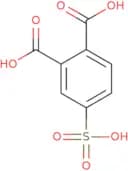
CAS:Please enquire for more information about 4-Sulfophthalic acid (contains 3-sulfophthalic acid), 50% aqueous solution including the price, delivery time and more detailed product information at the technical inquiry form on this page
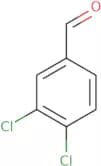
Formula:C8H6O7SPurity:80%Molecular weight:246.2 g/mol3,4-Dichlorobenzaldehyde
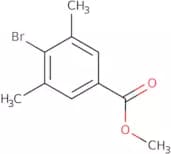
CAS:3,4-Dichlorobenzaldehyde is a monosubstituted aromatic organic compound with inhibitory effects. 3,4-Dichlorobenzaldehyde has shown significant antifungal activity against Candida albicans and Saccharomyces cerevisiae. It also inhibits the growth of certain cancer cells in cell culture studies. 3,4-Dichlorobenzaldehyde has been found to have anti-inflammatory properties and would be effective in treating inflammatory diseases such as asthma or arthritis. This compound has been shown to have significant effects on energy metabolism and fatty acid synthesis by inhibiting enzymes that are involved in these processes. 3,4-Dichlorobenzaldehyde can also be used to treat metabolic disorders such as diabetes mellitus type II and hyperlipidemia by inhibiting enzymes that are involved in these processes.Formula:C7H4Cl2OPurity:Min. 95%Color and Shape:White To Off-White SolidMolecular weight:175.01 g/mol4-Bromo-3,5-dimethylbenzoic acid methyl ester
CAS:4-Bromo-3,5-dimethylbenzoic acid methyl ester is a versatile building block that is used in the synthesis of complex compounds. 4-Bromo-3,5-dimethylbenzoic acid methyl ester is an intermediate in the synthesis of speciality chemicals and research chemicals. It is also a useful scaffold for the synthesis of high quality and useful reagents as well as reaction components.Formula:C10H11BrO2Purity:Min. 95%Color and Shape:White PowderMolecular weight:243.1 g/mol4-(Bromomethyl) benzoic acid
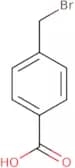
CAS:4-(Bromomethyl) benzoic acid (4-BA) is a chemical compound that is used as an antimicrobial agent and a reagent in organic synthesis. It has been shown to have a broad spectrum of activity against Gram-positive and Gram-negative bacteria, fungi, and protozoa. 4-BA is stable at neutral pH and can be prepared by the reaction of 2-bromobenzeneacetic acid with sodium borohydride in the presence of acetic acid. This compound reacts with nucleophiles such as imatinib, forming an iminium intermediate. The resulting product can then react with chloride or hydrogen bond to form 4-BA chloride or 4-BA hydrogen bond respectively. Magnetic resonance spectroscopy has also been used to study the magnetic properties of this compound.
Formula:C8H7BrO2Purity:Min. 95%Color and Shape:White PowderMolecular weight:215.04 g/mol4-(Azidomethyl)benzoic acid
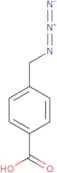
CAS:4-(Azidomethyl)benzoic acid is a chemical compound that has been used in studies on mammalian cells, as well as in vitro assays. This molecule belongs to the class of organic compounds called heterocyclic compounds and contains a reactive functional group. 4-(Azidomethyl)benzoic acid can be synthetically made by combining the appropriate reactants, including lysine residues, in a solid-phase synthesis. The postsynthetic modification of this molecule includes its conversion to other molecules with different functional groups. 4-(Azidomethyl)benzoic acid has been shown to have anti-cancer properties against leukemia cells in vivo.
Formula:C8H7N3O2Purity:Min. 95%Molecular weight:177.16 g/mol4-(Pyridin-2-yloxy)benzonitrile
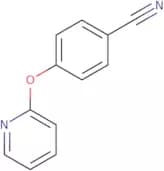
CAS:4-(Pyridin-2-yloxy)benzonitrile is a reagent that is used in the synthesis of heterocycles. It is also a useful intermediate for the preparation of highly substituted pyridine derivatives. 4-(Pyridin-2-yloxy)benzonitrile can be used to synthesize complex compounds, such as pharmaceuticals and agricultural chemicals.
Formula:C12H8N2OPurity:Min. 95%Molecular weight:196.2 g/mol2,4-Dihydroxybenzoic acid
CAS:2,4-Dihydroxybenzoic acid is a building block for the production of pharmaceuticals and other chemicals. It is a versatile chemical that can be used in the synthesis of complex compounds. 2,4-Dihydroxybenzoic acid is also a reaction component, reagent, and useful scaffold. This compound has been shown to have high quality and is a research chemical with speciality use.Formula:C7H6O4Molecular weight:154.12 g/mol4-Ethylbenzaldehyde
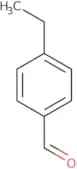
CAS:4-Ethylbenzaldehyde is a chemical compound that belongs to the group of fatty acids. It has been shown to have biological properties, such as antiviral potency and genotoxic effects. This chemical compound also has a gas sensor property and is used as an exothermic reactant in organic synthesis reactions. 4-Ethylbenzaldehyde has been shown to inhibit the growth of bacteria, fungi, and viruses by blocking the synthesis of viral nucleic acid or inhibiting viral protein synthesis. The magnetic resonance spectroscopy (NMR) spectral data for 4-ethylbenzaldehyde show that this chemical compound contains two methyl groups, one on each side of the benzene ring, with a hydroxyl group on one end. The carbon atoms are bonded together in an alternating pattern of single and double bonds. The molecular formula for 4-ethylbenzaldehyde is C9H10O2.Formula:C9H10OPurity:Min. 96.0%Color and Shape:PowderMolecular weight:134.18 g/mol4-tert-Butylbenzaldehyde
CAS:4-tert-Butylbenzaldehyde is an organic compound with the molecular formula CH3COCH2C6H5. It is a viscous liquid that is insoluble in water and has a boiling point of 146 °C. 4-tert-Butylbenzaldehyde reacts with cationic surfactants to form polymeric micelles, which are spherical structures composed of many small spherical subunits. These polymeric micelles are used as model systems for studying the properties of surfactant aggregates in solution. The reaction mechanism for this polymerization process involves the oxidation of 4-tert-butylbenzaldehyde by hydrogen peroxide and the subsequent condensation of 4-tert-butylbenzoic acid with malonic acid or other cinnamic acid derivatives to form the corresponding esters. The oxidized product, 4-tert-butylbenzoic acid, can be regenerated by boiling a mixture containing itFormula:C11H14OPurity:Min. 96.5%Color and Shape:Colorless Clear LiquidMolecular weight:162.23 g/mol4-Cyanobenzoic acid
CAS:4-Cyanobenzoic acid (4CB) is a benzene derivative that inhibits the activity of tyrosinase, an enzyme involved in the production of melanin. It is synthesized by reacting 2,4-dichlorobenzoic acid with sodium hydroxide and acetone. 4CB has been shown to have a potent inhibitory effect on the enzyme, with an isolated yield of up to 83%. The compound also shows strong hydrogen bonding interactions with water molecules and coordinates in a geometry where one of its oxygen atoms is double bonded to two nitrogen atoms. This structural analysis suggests that 4 CB may bind to tyrosinase through adsorption mechanism.
Formula:C8H5NO2Purity:Min. 95%Color and Shape:White PowderMolecular weight:147.13 g/mol4-Bromo-2-hydroxybenzaldehyde
CAS:4-Bromo-2-hydroxybenzaldehyde is a versatile building block that can be used as a reaction component to synthesize other compounds. 4-Bromo-2-hydroxybenzaldehyde is a useful intermediate in the manufacture of pharmaceuticals, pesticides, and herbicides. This chemical also has various applications in research and industry. It is an important reagent for the production of polymers and resins, as well as being an essential raw material for the synthesis of pharmaceuticals and agrochemicals.
Formula:C7H5BrO2Molecular weight:201.02 g/molRef: 3D-W-201939
25gTo inquire50gTo inquire100gTo inquire250gTo inquire500gTo inquire-Unit-ggTo inquire1,4-Dicaffeoylquinic acid
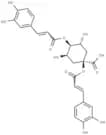
CAS:1,4-Dicaffeoylquinic acid: an antioxidant and selective HIV-1 integrase inhibitor, non-toxic at effective doses.Formula:C25H24O12Purity:97.32% - 99.85%Color and Shape:SolidMolecular weight:516.453,3'-Dithiobis[6-nitrobenzoic acid] bis(succinimide) ester
CAS:3,3'-Dithiobis[6-nitrobenzoic acid] bis(succinimide) ester is a reagent and reaction component. It is used as a building block to create other compounds that are useful in research and development of pharmaceuticals, agrochemicals, cosmetics, and other applications. 3,3'-Dithiobis[6-nitrobenzoic acid] bis(succinimide) ester can be used as a versatile building block to produce complex structures with high purity. It is also used as an intermediate for the synthesis of fine chemicals such as pharmaceuticals and agrochemicals. This product has CAS No. 60129-38-6.Formula:C22H14N4O12S2Purity:Min. 95%Color and Shape:PowderMolecular weight:590.5 g/mol2-Acetylbenzoic acid
CAS:2-Acetylbenzoic acid is a functional molecule that contains an acetyl group. It can form hydrogen bonds with other molecules and has been shown to induce apoptosis in cells. The reaction products of 2-acetylbenzoic acid are malonic acid, acetylsalicylic acid, and 2-benzoylbenzoic acid. These three compounds are made by the addition of hydrogen or hydroxide to the molecule 2-acetylbenzoic acid. The molecule has two functional groups: a carbonyl group and an acetyl group. The chemical structure of this molecule can be seen in the figure below.
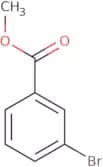
2-Acetylbenzoic AcidFormula:C9H8O3Purity:Min. 95%Color and Shape:PowderMolecular weight:164.16 g/molMethyl 3-bromobenzoate
CAS:Methyl 3-bromobenzoate is a cross-coupled compound with three functional groups: a methyl group, an acid bromo group, and a carboxylic acid benzoic ester. It is used in the synthesis of antigens that are chemically reactive to trifluoroacetic acid gas. The clinical studies have shown that the efficiency of this study is low because it has been found to be difficult to synthesize methyl 3-bromobenzoate in large quantities. This molecule can be prepared by the reaction of vinylene with an electrophile in non-polar solvents or by catalytic mechanisms.Formula:C8H7BrO2Purity:Min. 95%Color and Shape:White PowderMolecular weight:215.04 g/mol



![5′-Bromo-2′,6-difluoro-[1,1′-biphenyl]-2-carbonitrile](/_next/image/?url=https%3A%2Fstatic.cymitquimica.com%2Fproducts%2F10%2Fthumb-webp%2FF773770.webp&w=3840&q=75)







![3,3'-Dithiobis[6-nitrobenzoic acid] bis(succinimide) ester](/_next/image/?url=https%3A%2Fstatic.cymitquimica.com%2Fproducts%2F3D%2Fthumb-webp%2FFD15467.webp&w=3840&q=75)