Benzyl alcohols
Found 1457 products of "Benzyl alcohols"
(4-Methyl-3-(4,4,5,5-tetramethyl-1,3,2-dioxaborolan-2-yl)phenyl)methanol
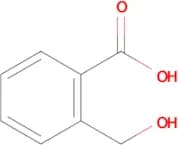
CAS:Formula:C14H21BO3Purity:95%Molecular weight:248.132-(Hydroxymethyl)benzoic acid
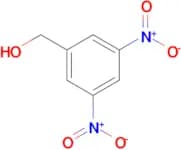
CAS:Formula:C8H8O3Purity:95%Color and Shape:Solid, PowderMolecular weight:152.1493,5-Dinitrobenzyl alcohol
CAS:Formula:C7H6N2O5Purity:98%Color and Shape:SolidMolecular weight:198.134Benzyl alcohol
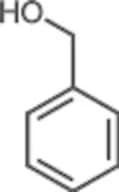
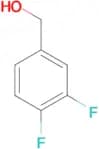
CAS:Benzyl alcohol (Benzenemethanol), a colorless liquid, is an aromatic alcohol with a mild pleasant aromatic odor.Formula:C7H8OPurity:97.61% - 99.82%Color and Shape:Liquid LiquidMolecular weight:108.143,4-Difluorobenzyl alcohol
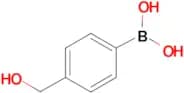
CAS:Formula:C7H6F2OPurity:99.0%Color and Shape:ClearMolecular weight:144.1214-(Hydroxymethyl)phenylboronic acid
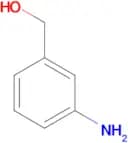
CAS:Formula:C7H9BO3Purity:96.0%Color and Shape:SolidMolecular weight:151.963-Aminobenzyl alcohol
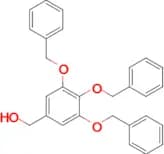
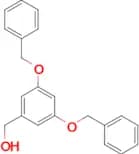
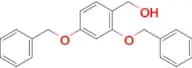
CAS:Formula:C7H9NOPurity:98.0%Color and Shape:Chunks,Crystalline PowderMolecular weight:123.1553,5-Dibenzyloxybenzyl alcohol
CAS:Purity:95.0%Color and Shape:Liquid, No data available.Molecular weight:320.388000488281252,3,4-Trifluorobenzyl alcohol
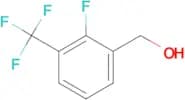
CAS:Formula:C7H5F3OPurity:97%Color and Shape:LiquidMolecular weight:162.1112-Fluoro-3-(trifluoromethyl)benzyl alcohol
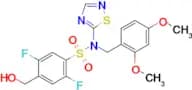
CAS:Formula:C8H6F4OPurity:97.0%Color and Shape:LiquidMolecular weight:194.129N-(2,4-Dimethoxybenzyl)-2,5-difluoro-4-(hydroxymethyl)-N-(1,2,4-thiadiazol-5-yl)benzenesulfonamide
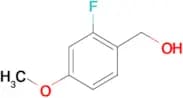
Purity:97%Molecular weight:457.47000122070312-Fluoro-4-methoxybenzyl alcohol
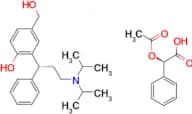
CAS:Formula:C8H9FO2Purity:97.0%Color and Shape:LiquidMolecular weight:156.156(R)-2-(3-(Diisopropylamino)-1-phenylpropyl)-4-(hydroxymethyl)phenol (R)-2-acetoxy-2-phenylacetate
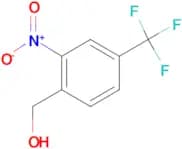
CAS:Purity:98%Molecular weight:535.6812-Nitro-4-(trifluoromethyl)benzyl alcohol
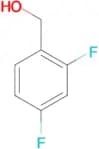
CAS:Formula:C8H6F3NO3Purity:98.0%Color and Shape:SolidMolecular weight:221.1352,4-Difluorobenzyl alcohol
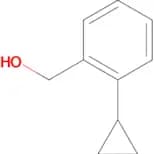
CAS:Formula:C7H6F2OPurity:99.0%Color and Shape:ClearMolecular weight:144.1212-Cyclopropylbenzyl alcohol
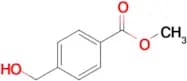
CAS:Formula:C10H12OPurity:≥95%Color and Shape:Liquid, OilMolecular weight:148.205Methyl 4-(hydroxymethyl)benzoate
CAS:Formula:C9H10O3Purity:99.00%Color and Shape:SolidMolecular weight:166.1763,5-Bis(trifluoromethyl)benzyl alcohol
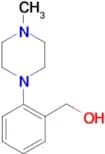
CAS:Formula:C9H6F6OPurity:98.0%Color and Shape:SolidMolecular weight:244.1362-(4-Methylpiperazin-1-yl)benzyl alcohol
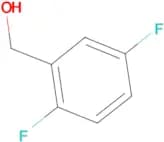
CAS:Formula:C12H18N2OPurity:95.0%Color and Shape:SolidMolecular weight:206.2892,5-Difluorobenzyl alcohol
CAS:Formula:C7H6F2OPurity:99.0%Color and Shape:Liquid, ClearMolecular weight:144.121[3,5-Bis(methylsulfonyl)phenyl]methanol
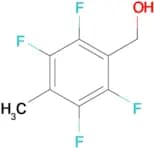
CAS:Formula:C9H12O5S2Purity:95.0%Color and Shape:SolidMolecular weight:264.312,3,5,6-Tetrafluoro-4-methylbenzyl alcohol
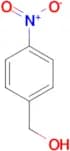
CAS:Formula:C8H6F4OPurity:95.0%Color and Shape:SolidMolecular weight:194.1294-Nitrobenzyl alcohol
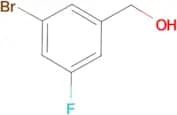
CAS:Formula:C7H7NO3Purity:99.0%Color and Shape:Solid, Crystalline Powder or Lumps or PowderMolecular weight:153.1373-Bromo-5-fluorobenzyl alcohol
CAS:Formula:C7H6BrFOPurity:99.0%Color and Shape:Liquid, Clear colourless liquidMolecular weight:205.026[4-(Methylsulfonyl)-2-nitrophenyl]methanol
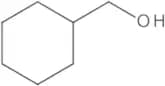
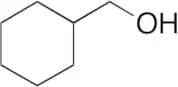
CAS:Formula:C8H9NO5SPurity:90.0%Color and Shape:SolidMolecular weight:231.22Cyclohexanemethanol
CAS:Applications Cyclohexanemethanol is a chemicl reagent used in the synthesis of potent inhibitors of cyclin-dependent kinases 1 & 2.
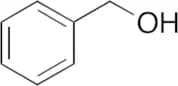
References Hardcastle, I. et al.: J. med. Chem., 47, 15, 3710 (2004); Sayle, K. et al.: Bioorg. Med. Chrm. Lett., 13, 3079 (2003);Formula:C7H14OColor and Shape:ColourlessMolecular weight:114.19Benzyl Alcohol
CAS:Applications α-Toluenol is used in the synthesis of Cephalosporolide B as a versatile biomimetic synthetic precursor for chemical synthesis of other cephalosporides.
Not a dangerous good if item is equal to or less than 1g/ml and there is less than 100g/ml in the package
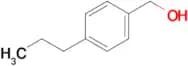
References Song, L. et al.: Org. Lett., 15, 5850 (2013);Formula:C7H8OColor and Shape:ColourlessMolecular weight:108.144-n-Propylbenzyl alcohol
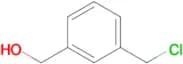
CAS:Formula:C10H14OPurity:96.0%Color and Shape:LiquidMolecular weight:150.221(3-CHLOROMETHYL-PHENYL)METHANOL
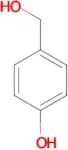
CAS:Formula:C8H9ClOPurity:95%Color and Shape:LiquidMolecular weight:156.614-Hydroxybenzyl alcohol
CAS:Formula:C7H8O2Purity:98.0%Color and Shape:Solid, Crystalline Powder or PowderMolecular weight:124.1395'-[4-(Hydroxymethyl)phenyl][1,1':3',1''-terphenyl]-4,4''-dimethanol
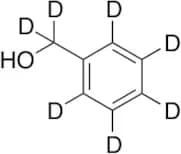
CAS:Purity:97%Molecular weight:396.4859924316406Benzyl-d7 Alcohol
CAS:Controlled ProductStability Hygroscopic
Applications Benzyl Alcohol (D7, 98%) (cas# 71258-23-6) is a useful research chemical.
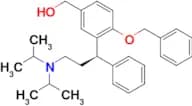
Not a dangerous good if item is equal to or less than 1g/ml and there is less than 100g/ml in the packageFormula:C7D7HOColor and Shape:NeatMolecular weight:115.18(R)-(4-(benzyloxy)-3-(3-(diisopropylamino)-1-phenylpropyl)phenyl)methanol
CAS:Purity:98%Molecular weight:431.6199951171875(2-{4-[Bis(4-fluorophenyl)methyl]piperazin-1-yl}phenyl)methanol
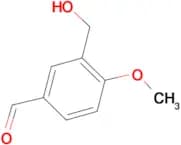
CAS:Purity:95.0%Color and Shape:SolidMolecular weight:394.466003417968753-Hydroxymethyl-4-methoxy-benzaldehyde
CAS:Formula:C9H10O3Purity:95.0%Color and Shape:SolidMolecular weight:166.176[4-(pyrrolidin-1-ylmethyl)phenyl]methanol
CAS:Color and Shape:LiquidMolecular weight:191.2740020751953(3-(2,3-Dihydrobenzo[b][1,4]dioxin-6-yl)-2-methylphenyl)methanol
CAS:Purity:97%Molecular weight:256.30099487304692,5-Dimethylbenzyl alcohol
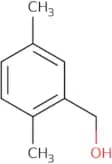
CAS:2,5-Dimethylbenzyl alcohol is a colorless to pale yellow liquid used primarily in the manufacture of perfumes. It is also used as a solvent and an intermediate in organic synthesis. This chemical has been shown to be taken up by adipose tissue and excreted in urine as glucuronide conjugates. 2,5-Dimethylbenzyl alcohol is metabolized into 5-methylbenzaldehyde and then further into 2-methoxy-5-methylbenzaldehyde (2MMB). The final metabolic product of 2,5-dimethylbenzyl alcohol is benzoic acid.
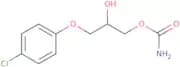
Formula:C9H12OPurity:Min. 97%Color and Shape:PowderMolecular weight:136.19 g/molChlorphenesin carbamate
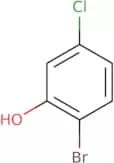
CAS:Chlorphenesin carbamate is a centrally acting muscle relaxant, which is a synthetic compound derived from chlorphenesin.Formula:C10H12ClNO4Purity:Min. 95%Color and Shape:PowderMolecular weight:245.66 g/mol2-Bromo-5-chlorophenol
CAS:2-Bromo-5-chlorophenol is an organic compound that belongs to the class of halophenols. It is a nitroso compound with a chlorine atom in the 2 position, and it is also a chloroaniline. The chemical formula for 2-bromo-5-chlorophenol is C6H4BrClO2. The chemical reactions of this product include reactions with aminopyridine, isopropyl alcohol, chloroaniline, halophenols, dimethylamine, ethanolamine and toluidine. 2-Bromo-5-chlorophenol has been used as a reagent for the preparation of diethyl ethers and nitrates. This product has been used as a reagent for the synthesis of methyl groups and emulsifying agents for oil and water mixtures.Formula:C6H4BrClOPurity:Min. 95%Color and Shape:PowderMolecular weight:207.45 g/mol3-Methoxyphenol - 98%
CAS:3-Methoxyphenol is a chemical that is used in the treatment of wastewater. It has been shown to have antibacterial and antiviral properties, as well as the ability to prevent bowel disease. 3-Methoxyphenol can be used to treat metal hydroxides by reacting with them and converting them into metal oxides. The reaction mechanism of 3-methoxyphenol has been best studied using coumarin derivatives, which are structurally similar to 3-methoxyphenol. The ester hydrochloride salt form of 3-methoxyphenol is a prodrug that is metabolized by cytochrome P450 enzymes in the liver via an esterase pathway. This prodrug may be especially useful for patients with bowel disease or low levels of cytochrome P450 enzymes, such as those with chronic kidney failure or AIDS. 3-Methoxyphenol has been shown to inhibit JakFormula:C7H8O2Purity:Min. 98 Area-%Color and Shape:Clear LiquidMolecular weight:124.14 g/mol2-Bromophenol
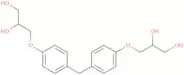
CAS:2-Bromophenol is a sodium salt that can be prepared by the reaction of sodium hydroxide with 2-bromoaniline. It is an inhibitor of acetylcholinesterase, which has been shown to be effective in treating Alzheimer's disease and other neurodegenerative disorders. 2-Bromophenol has been shown to inhibit the polymerase chain reaction (PCR) in human serum and mitochondrial membrane potential, as well as electrochemical impedance spectroscopy. It also inhibits the formation of intramolecular hydrogen bonds during the catalytic cycle of acetylcholinesterase.Formula:C6H5BrOPurity:Min. 95%Color and Shape:Colorless Clear LiquidMolecular weight:173.01 g/molBisphenol F bis(2,3-dihydroxypropyl) ether
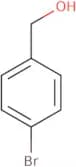
CAS:Standard for determination of toxic monomers from polymer coatingsFormula:C19H24O6Purity:Min. 95%Color and Shape:White PowderMolecular weight:348.39 g/mol4-Bromobenzyl alcohol
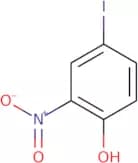
CAS:4-Bromobenzyl alcohol is a reactive chemical that reacts with water to form the hydroxyl group and hydrogen bond. It has been shown to inhibit the reaction of ethyl formate with biphenyl by cleaving the molecule and forming a new site specific. Magnetic resonance spectroscopy has been used to study the reactivity of 4-bromobenzyl alcohol in model systems. The reaction mechanism is thought to be similar to that of 2-bromoethanol, which is an inhibitor molecule for this process. 4-Bromobenzyl alcohol's magnetic resonance spectrum shows proton peaks at 3.02 ppm, 2.19 ppm, and 1.77 ppm, as well as a signal at 8.03 ppm corresponding to the hydroxyl group.Formula:C7H7BrOPurity:Min. 95%Color and Shape:PowderMolecular weight:187.03 g/mol4-Iodo-2-nitrophenol
CAS:4-Iodo-2-nitrophenol is a halophenol that is used in the production of drugs such as anti-inflammatory agents, antiviral agents, and immunosuppressants. 4-Iodo-2-nitrophenol has been shown to bind to an antigen and stimulate the production of growth factors. 4-Iodo-2-nitrophenol also binds to hif1α, which is a transcription factor that regulates the expression of genes involved in cellular response to low oxygen conditions. Covid -19 pandemic influenza virus uses 4-iodo-2 nitrophenol as a substrate for its replication. This means that this drug can be used as an inhibitor for covid -19 pandemic influenza virus.
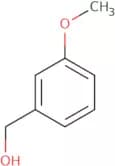
Formula:C6H4INO3Purity:Min. 95%Color and Shape:PowderMolecular weight:265.01 g/mol3-Methoxybenzyl alcohol
CAS:3-Methoxybenzyl alcohol is a natural product from the root of the orchid Dendrobium officinale. It has been shown to inhibit the growth of bacteria by binding to the enzyme Aldehyde Dehydrogenase, which is required for cellular energy production. The product also inhibits bacterial Vanillyl Alcohol Dehydrogenase, which prevents the formation of vanillin. 3-Methoxybenzyl alcohol has a neutral pH and can be used as an antimicrobial agent in acidic foods and beverages. 3-Methoxybenzyl alcohol also has antioxidant properties, and has been shown to prevent damage from oxidative stress.Formula:C8H10O2Purity:Min. 95%Color and Shape:Colorless Clear LiquidMolecular weight:138.16 g/mol4-Bromo-2,6-di-tert-butylphenol
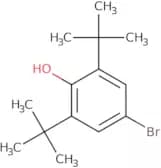
CAS:4-Bromo-2,6-di-tert-butylphenol is a chemical compound. It is a yellow solid with an optical rotation of +42.8° (c=0.5, methanol). The molecular weight is 270.4 g/mol and the density is 1.06 g/cm3. The chemical formula is C11H14Br2O4. This compound can be prepared from 2,6-di-tert-butylbenzaldehyde by reaction with bromine in the presence of alkali or from 4,4′-biphenol by reaction with bromine in the presence of sodium hydroxide in ethanol. The compound exists as two enantiomers: R-(+)-4-Bromo-2,6-di-tert-butylphenol and S-(-)4-Bromo-2,6,-di tert butylphenol. Optical activityFormula:C14H21BrOPurity:Min. 95%Color and Shape:PowderMolecular weight:285.22 g/mol2,3-Dimethoxybenzyl alcohol
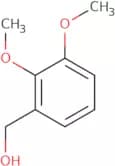
CAS:2,3-Dimethoxybenzyl alcohol is a fine chemical that is used as an intermediate in the synthesis of other chemicals. It has been shown to be a useful scaffold for the development of new compounds and is also a versatile building block for the synthesis of complex molecules. This compound exhibits many special properties that make it useful in research and industrial processes. It is a high quality reagent that can be used in organic syntheses and as a reaction component. 2,3-Dimethoxybenzyl alcohol has been shown to have antiviral activity against HIV-1, HIV-2, SIV mac1, and VSV.Formula:C9H12O3Purity:Min. 95%Color and Shape:PowderMolecular weight:168.19 g/mol3-Ethoxyphenol
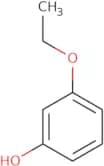
CAS:3-Ethoxyphenol is an organic compound that has a phenolic hydroxyl group attached to the 3-position of an ethyl alcohol. The ethoxy groups on the molecule allow it to bind to receptors in the central nervous system, including the dopamine receptor and the d4 receptor. This binding process is thermodynamically and kinetically favorable, which leads to a high metabolic rate. 3-Ethoxyphenol has been shown to have strong antiviral properties, particularly against chromobacterium violaceum, and can be used as a specific ligand for metal surfaces. The coumarin derivatives of 3-ethoxyphenol have also been shown to inhibit the growth of propionate and covid-19 pandemic.Formula:C8H10O2Purity:Min. 95%Color and Shape:PowderMolecular weight:138.16 g/mol3-Hydroxy-4-methoxybenzyl alcohol
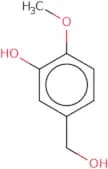
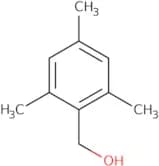
CAS:3-Hydroxy-4-methoxybenzyl alcohol is a metabolite of vanillic acid, an aldehyde that is produced by the oxidation of catecholamines. This compound has been shown to inhibit the activity of aldehyde oxidase, which converts aldehydes into acids. 3-Hydroxy-4-methoxybenzyl alcohol has also been shown to inhibit cellular dehydrogenase and protocatechuic aldehyde dehydrogenase activities, as well as inhibiting cellular metabolism.Formula:C8H10O3Purity:Min. 95%Color and Shape:PowderMolecular weight:154.16 g/mol2,4,6-Trimethylbenzyl alcohol
CAS:2,4,6-Trimethylbenzyl alcohol is an efficient method for the production of 2,4-dimethoxybenzaldehyde and 2,6-dimethoxybenzaldehyde. It can be used with ferrite as a dehydrogenative catalyst to produce hydroxymethyl groups in the presence of acid catalysts. The oxidation products of 2,4,6-trimethylbenzyl alcohol are polymers that have been shown to stabilize aldehydes and primary alcohols. This compound also has been shown to desymmetrize aromatic hydrocarbons and is capable of catalysis.Formula:C10H14OPurity:Min. 95%Color and Shape:PowderMolecular weight:150.22 g/mol2,4-Dimethoxybenzyl alcohol
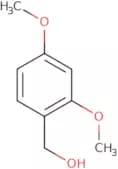
CAS:2,4-Dimethoxybenzyl alcohol is a functional group that is used in organic synthesis. It can be synthesized from the reduction of 2,4-dichlorobenzaldehyde with sodium borohydride or lithium aluminum hydride. The compound is used to synthesize hydroxamic acids and it has shown photocatalytic activity. 2,4-Dimethoxybenzyl alcohol is also used as an intermediate for the synthesis of octamers and trifluoroacetate esters. Other uses include its ability to induce chloride secretion by inhibiting the chloride ion channel in the cell membrane and its ability to inhibit quinoline derivatives such as indolocarbazoles. 2,4-Dimethoxybenzyl alcohol has been shown to have inhibitory activities against a number of biological targets including growth regulators and enzymes (i.e., stereoselective). 2,4-Dimethoxybenzyl alcohol has
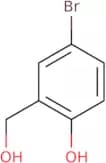
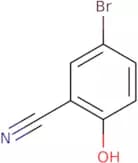
Formula:C9H12O3Purity:Min. 95%Color and Shape:PowderMolecular weight:168.19 g/mol5-Bromo-2-hydroxybenzyl alcohol
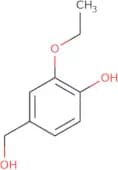
CAS:5-Bromo-2-hydroxybenzyl alcohol (5-BrABA) is a diagnostic agent that is used to detect microbial infections. It has been shown to be useful as an anti-infective agent in the treatment of cancer and inflammatory diseases, such as choroidal neovascularization. 5-BrABA is a cell permeable compound that binds to target tissue and accumulates at the site of infection. It has been shown to inhibit the growth of ophthalmic bacteria, including Acinetobacter baumannii, Pseudomonas aeruginosa, and Staphylococcus epidermidis. 5-BrABA has also been shown to be biocompatible with human retinal pigment epithelial cells and does not induce any detectable toxicity or cytotoxicity in these cells after 24 hours exposure.Formula:C7H7BrO2Purity:Min. 98 Area-%Color and Shape:PowderMolecular weight:203.03 g/mol3-Ethoxy-4-hydroxybenzyl alcohol
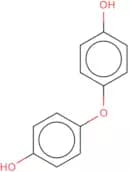
CAS:3-Ethoxy-4-hydroxybenzyl alcohol (EHBA) is a functional gene that has been shown to have anti-oxidant properties. EHBA is capable of scavenging free radicals and reactive oxygen species, and is therefore thought to be a potential treatment for diseases caused by peroxide and aldehydes. It has also been shown to reduce the production of vanillyl alcohol, which is associated with pain in tissues such as the trigeminal nerve. The anti-oxidant properties of EHBA are thought to be due to its ability to inhibit lipid peroxidation, protein oxidation, and DNA damage. EHBA can be administered orally or topically.Formula:C9H12O3Purity:Min. 95%Color and Shape:PowderMolecular weight:168.19 g/mol4,4'-Oxydiphenol
CAS:4,4'-Oxydiphenol is an organic compound that contains a phenolic hydroxyl group. The molecule is activated by the presence of an electron withdrawing group such as a carbonyl or sulfonate. This activation allows for nucleophilic attack on the carbon-carbon double bond to form a new bond. 4,4'-Oxydiphenol can also be synthesized from ethane and epichlorohydrin in the presence of a base such as sodium methoxide. The resulting product is a polyester with resistive properties due to its high molecular weight and low solubility.
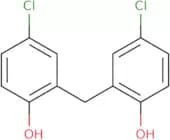
Formula:C12H10O3Purity:Min. 95%Color and Shape:PowderMolecular weight:202.21 g/molDichlorophen BP
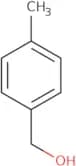
CAS:Anti-cestodal agent; tapeworm infection treatmentFormula:C13H10Cl2O2Purity:(Titration) 97 - 101%Color and Shape:PowderMolecular weight:269.12 g/mol4-Methylbenzyl alcohol
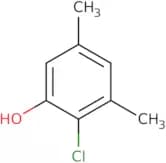
CAS:4-Methylbenzyl alcohol is a reactive molecule that has been shown to form an acid in water. The formation of this acid can be attributed to the loss of a proton from the methyl group. This acid is generated by a reaction mechanism that involves the nucleophilic attack of hydrogen fluoride on the methyl group, leading to its conversion into a carbocation. 4-Methylbenzyl alcohol can also react with β-amino acids and hydrogen fluoride in organic solvents at high pH values, through similar mechanisms.Formula:C8H10OPurity:Min. 95%Color and Shape:PowderMolecular weight:122.16 g/mol2-Chloro-3,5-dimethylphenol
CAS:2-Chloro-3,5-dimethylphenol is an organic solvent with a high reactivity that has been used as a chlorinating agent in the production of amines and toluene. It has been shown to be reactive with many substances such as amines, chlorination, toluene, anthracene, anthraquinone and hydrochloric acid. 2-Chloro-3,5-dimethylphenol is also reactive with aluminium and chlorides. It can introduce chlorine into organic molecules like vanadyl or hydrogen chloride.Formula:C8H9ClOPurity:Min. 98%Color and Shape:White PowderMolecular weight:156.61 g/mol2-Bromo-4,5-dimethoxybenzyl alcohol
CAS:2-Bromo-4,5-dimethoxybenzyl alcohol is an electrophilic brominating agent. It has been used in the synthesis of aryllithiums, organoiron compounds and chromenes. It is also used in the synthesis of nucleophiles, synthons and amaryllidaceae alkaloids. 2-Bromo-4,5-dimethoxybenzyl alcohol reacts with lithium diisopropylamide (LDA) to produce an aryllithium compound that is used as a nucleophile in organic synthesis reactions. This alcohol can be converted to an arene by reaction with carbon monoxide gas.Formula:C9H11BrO3Purity:Min. 95%Color and Shape:PowderMolecular weight:247.09 g/mol2,6-Dimethoxyphenol
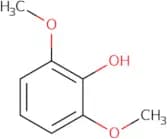
CAS:2,6-Dimethoxyphenol is a chemical compound that is used in the manufacture of industrial chemicals. It is also used as an intermediate in organic synthesis and has been shown to have antibacterial activity against some strains of bacteria. 2,6-Dimethoxyphenol binds to bacterial ribosomes by interfering with the protein synthesis machinery. The reaction mechanism occurs via a nucleophilic attack by the hydroxyl group on the carbonyl carbon atom, leading to a tetrahedral intermediate with the coordination geometry of square planar. This compound has been shown to scavenge anion radicals and has high resistance to oxidation from redox potential.
Formula:C8H10O3Purity:Min. 99 Area-%Color and Shape:PowderMolecular weight:154.16 g/mol1,2,4-Benzenetriol technical grade
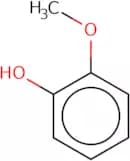
CAS:1,2,4-Benzenetriol (BNT) is a reactive molecule that has been shown to have hydrogen bonding interactions with copper chloride. It has been proposed as an inhibitor of methyltransferase, which is involved in the synthesis of methionine. Studies have shown that BNT can also inhibit iron homeostasis and transfer reactions. The x-ray diffraction data for this compound shows that it forms a complex with the hydroxyl group. This complex is stabilized by hydrogen bonding interactions with the hydroxylic proton of the 1,2,4-benzenetriol molecule. BNT has been shown to be toxic to HL-60 cells and K562 cells at concentrations greater than 5 mM. It has also been found to be effective against chlorogenic acids and other compounds in energy metabolism studies at concentrations between 0.5 and 2 mM.Formula:C6H6O3Purity:Min. 95%Color and Shape:PowderMolecular weight:126.11 g/mol2-Methoxyphenol
CAS:Please enquire for more information about 2-Methoxyphenol including the price, delivery time and more detailed product information at the technical inquiry form on this pageFormula:C7H8O2Purity:Min. 95%Color and Shape:Clear Liquid Solidified MassMolecular weight:124.14 g/mol2-Amino-4-methylphenol
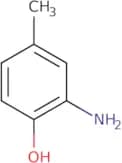
CAS:2-Amino-4-methylphenol is an organic compound that belongs to the group of p2 molecules. It has been shown to react with hydroxyl radicals in the human liver, and this reaction may be a significant mechanism for its toxicity. 2-Amino-4-methylphenol also reacts with low concentrations of hydrochloric acid (0.1 M) to form a stable intermediate with an intramolecular hydrogen bond between the amine nitrogen and the carbonyl carbon. This intermediate then reacts with more hydrochloric acid to form 4-(hydroxymethyl)benzoic acid and 2-aminoethanol. The NMR spectra of 2-amino-4-methylphenol show only one resonance due to the absence of electronegative groups on the molecule, which makes it resistant to oxidation by air or light. The high resistance of 2-amino-4-methylphenol makes it an ideal chemical
Formula:C7H9NOPurity:Min. 95%Color and Shape:Beige PowderMolecular weight:123.15 g/mol2-Fluoro-4-nitrophenol
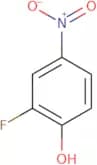
CAS:2-Fluoro-4-nitrophenol is an amide that has potent antitumor activity. It is a selective inhibitor of the protein kinase Raf (Akt), leading to inhibition of the growth of cancer cells in vitro. 2-Fluoro-4-nitrophenol also inhibits the proliferation of prostate cancer cells, which may be due to its ability to inhibit the production of growth factors and cytokines such as mcf-7 and nitrous oxide. The 2-fluoro-4-nitrophenol is cytotoxic because it inhibits DNA synthesis and prevents mitosis. The chemical structure consists of a nitro group (-NO2) on C6, a phenolic hydroxyl group (-OH) on C2, and a methylene group (-CH2-) on C3. This molecule binds covalently to proteins through its amino acid side chain at C6 and forms stable complexes with x-ray crystallography structures. ItFormula:C6H4FNO3Purity:Min. 95%Color and Shape:PowderMolecular weight:157.1 g/mol2,4-Dimethylbenzyl alcohol
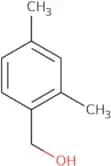
CAS:2,4-Dimethylbenzyl alcohol is a primary alcohol that is found in many natural products. It is a functional group that can be used as a chemical intermediate or an intermediate for the production of other compounds. 2,4-Dimethylbenzyl alcohol has been shown to have genotoxic activity and can cause DNA damage. This compound has been found in adipose tissue and functions by inhibiting the uptake of pyrethroid insecticides by adipose cells. This compound has also been shown to be oxidized into several different oxidation products that are all isomeric with each other, including 2,6-, 3,5-, and 4,6-dimethylbenzaldehyde. These oxidation products may be esterified with conjugates such as glucuronic acid or sulfate which may aid in its absorption through the gut wall into the bloodstream.Formula:C9H12OPurity:Min. 95%Color and Shape:Colorless PowderMolecular weight:136.19 g/mol2-Aminobenzyl alcohol
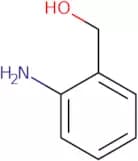
CAS:2-Aminobenzyl alcohol is a chaperone that binds to the polypeptide chain of proteins and prevents them from denaturation. It also has been shown to form hydrogen bonds with other molecules, such as chaperones, and to bind to copper ions. 2-Aminobenzyl alcohol can react with sodium carbonate in an alkaline solution to form 2-aminobenzaldehyde and sodium bicarbonate. The reaction mechanism is thought to involve the formation of a copper complex with x-ray diffraction data showing a new set of peaks at d = 1.81 Å corresponding to the Cu(II) ion coordinated by two amine groups on the benzyl alcohol ring. This compound also reacts with quinoline derivatives in the presence of hydrochloric acid or hydroxyl group in an aprotic solvent such as dimethylformamide (DMF) or acetonitrile (ACN) to produce mianserin hydroFormula:C7H9NOPurity:Min. 97.5%Color and Shape:Off-White PowderMolecular weight:123.15 g/mol2-Cyanophenol
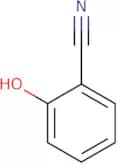
CAS:2-Cyanophenol is a phenolic compound that is used as an intermediate in the synthesis of pharmaceuticals and agrochemicals. It is also a disinfectant used for wastewater treatment and to remove salicylaldoxime from contaminated water. 2-Cyanophenol can be synthesized by reacting phenol with hydrogen peroxide in the presence of sephadex g-100, which provides a high yield of product. It has been shown to have antimicrobial properties against Gram-positive bacteria, such as Staphylococcus aureus, and Gram-negative bacteria, such as Escherichia coli and Pseudomonas aeruginosa. 2-Cyanophenol has been shown to react with metal hydroxides such as ferric chloride or zinc chloride to form precipitates. This reaction can be detected using a UV/VIS spectrophotometer at wavelengths between 200–350 nm.Formula:C7H5NOPurity:Min. 95%Color and Shape:Off-White PowderMolecular weight:119.12 g/mol4-Iodo-2-methylphenol
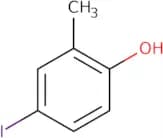
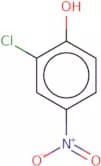
CAS:4-Iodo-2-methylphenol is an antiobesity drug that is a synthetic derivative of 4-iodoaniline. It has been shown to bind to the receptor y181c, which is found on the surface of fat cells. The ligand, which is a specific chemical structure that binds to this receptor, may be able to block the uptake of lipids by fat cells, thereby reducing body weight and cholesterol levels. 4-Iodo-2-methylphenol also has sulfide groups that make it more soluble in water than other similar drugs. This makes it more easily absorbed into the bloodstream and may allow for lower doses. 4-Iodo-2-methylphenol also has an affinity for naphthalene, which may be useful in removing toxic chemicals from the environment.Formula:C7H7IOPurity:Min. 95%Color and Shape:PowderMolecular weight:234.03 g/mol2-Chloro-4-nitrophenol
CAS:2-Chloro-4-nitrophenol (2CP) is a chemical that has been found to be an optical sensor for nitrite ion. It reacts with nitrite ion at a pH of 5 and changes its color from yellow or orange to red. 2CP is also an antimicrobial agent and has shown biological properties against bacteria, including the ability to inhibit bacterial growth and reduce the number of bacteria in human serum. The optimum concentration for the inhibition of bacterial growth was found to be 0.5 mg/mL, which is much lower than the concentration used in other studies. The genus, bacterial strain, and pH were all found to influence the activity of 2CP against bacteria. Process optimization trials have shown that 4-hydroxycinnamic acid can be used as an alternative substrate for 2CP's reaction with nitrite ion. Monoclonal antibodies were also developed that are specific for transfer reactions with nitrate ion and can be used as a detection system for nit
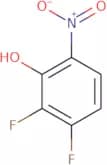
Formula:C6H4ClNO3Purity:Min. 95%Color and Shape:PowderMolecular weight:173.55 g/mol2,3-Difluoro-6-nitrophenol
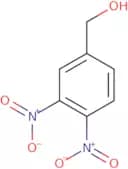
CAS:2,3-Difluoro-6-nitrophenol is a fluorinated phenolic compound that is used in biochemical research as a competitive inhibitor of bacterial growth. It is synthesized by the reaction of 2,3-difluorophenol with nitric acid. The chemical structure can be determined through infrared, NMR, and mass spectrometry techniques. 2,3-Difluoro-6-nitrophenol has been shown to inhibit bacterial growth by binding to the enzyme cytochrome c oxidase. This inhibition prevents electron transport from occurring, resulting in an accumulation of reactive oxygen species and cell death.Formula:C6H3F2NO3Purity:Min. 95%Color and Shape:PowderMolecular weight:175.09 g/mol3,4-Dinitrobenzyl alcohol
CAS:3,4-Dinitrobenzyl alcohol is a synthetic chemical that is used as an intermediate for the synthesis of other chemicals. It is a dipole with a molecular weight of 188.2 g/mol and has two substituents. 3,4-Dinitrobenzyl alcohol is produced by the oxidation of 3,4-dichlorobenzyl alcohol with nitric acid and sulfuric acid. This process occurs in industrial settings to produce dyes, perfumes, and medicines. 3,4-Dinitrobenzyl alcohol is used as a starting material for the production of other compounds that are used in the textile industry or as insecticides.Formula:C7H6N2O5Purity:Min. 95%Color and Shape:Yellow PowderMolecular weight:198.13 g/mol4-Allyl-2-methoxyphenol acetate
CAS:4-Allyl-2-methoxyphenol acetate is a natural compound that has been shown to have inhibitory properties against Candida glabrata. It also has a synergistic effect with benzoate and eugenol, which are compounds that are found in the essential oils of plants. 4-Allyl-2-methoxyphenol acetate is toxic to aquatic organisms at high concentrations. The water solubility of this compound is low and it has a vapor pressure of 0.0045 mm Hg at 25°C, indicating that it will not evaporate into the atmosphere very quickly.Formula:C12H14O3Purity:Min. 95%Color and Shape:Colorless Clear LiquidMolecular weight:206.24 g/mol4-Acetamidophenol
CAS:4-Acetamidophenol (4AP) is a natural compound that has been shown to inhibit nuclear DNA damage in vitro. It also has anti-inflammatory activity, which may be due to its ability to inhibit cyclooxygenase-1 and cyclooxygenase-2 enzymes. 4AP is synthesized by the condensation of acetaminophen with formaldehyde and sodium hydroxide. This drug binds to the signal peptide in the Toll-like receptor 2 (TLR2) protein, preventing TLR2 from activating inflammatory pathways. The matrix effect of 4AP is thought to play a role in its mechanism of action, as well as its biocompatibility with tissues. The analytical method used for this product is high performance liquid chromatography with ultraviolet detection at 280 nm.Formula:C8H9NO2Purity:Min. 95%Color and Shape:PowderMolecular weight:151.16 g/mol4-Bromo-2-cyanophenol
CAS:4-Bromo-2-cyanophenol is a metabotropic glutamate receptor ligand that has been shown to be an agonist of the group II metabotropic glutamate receptors. It binds to this type of glutamate receptor and stimulates the release of the neurotransmitter, glutamate. 4-Bromo-2-cyanophenol is used as a reagent in microscopy experiments to analyze lamellar structures. It has also been used in the synthesis of benzofuran derivatives and formamide. 4-Bromo-2-cyanophenol can be prepared by reacting hydrochloric acid with mesomorphic formamide, followed by desorption with monomers such as hexamethylene diamine or ethylene glycol.
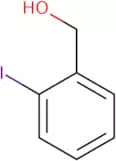
Formula:C7H4BrNOPurity:Min. 95%Color and Shape:PowderMolecular weight:198.02 g/molo-Iodobenzyl alcohol
CAS:O-iodobenzyl alcohol (OIB) is a nucleophile that reacts with an electron-deficient, electrophilic carbon atom to form a covalent bond. It has been shown to have the ability to reduce carbonyl groups and can be used as a bioconjugate for binding with biomolecules. OIB has also been shown to be effective in the reduction of functional groups such as hydroxyl, nitro, and amino groups. This chemical is also used in nucleophilic substitution reactions and may be used in asymmetric synthesis. The NMR spectra of OIB are characterized by the presence of two doublets at 6.6 ppm and 7.2 ppm, which correspond to the two different stereoisomers of this compound. These two isomers are distinguished by their optical rotation constants: alpha = -0.1468 (c = 1, H2O) and beta = +0.1140 (c = 1, H2Formula:C7H7IOPurity:Min. 98%Color and Shape:PowderMolecular weight:234.03 g/molBisphenol F diglycidyl ether - mixture of isomers
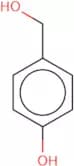
CAS:Component of polymer coatings in food cans; toxic contaminantFormula:C19H20O4Purity:Min. 88.0 Area-%Color and Shape:Colorless Clear LiquidMolecular weight:312.36 g/mol4-Hydroxybenzyl alcohol
CAS:4-Hydroxybenzyl alcohol is a chemical compound that is found in the rhizoma gastrodiae. It has been shown to have angiogenic properties and may be used as an anti-angiogenic agent. 4-Hydroxybenzyl alcohol is also an inhibitor of matrix metalloproteinases, which are enzymes that degrade the extracellular matrix. This inhibition leads to apoptosis and neuronal death.Formula:C7H8O2Purity:Min. 80%Color and Shape:PowderMolecular weight:124.14 g/mol4-Iodophenol
CAS:An enhancer used in chemiluminescent reactions
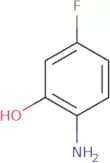
Formula:C6H5IOPurity:Min. 98.5 Area-%Color and Shape:PowderMolecular weight:220.01 g/mol2-Amino-5-fluorophenol
CAS:2-Amino-5-fluorophenol (2AP) is a natural product that has been found to be an effective inhibitor of the enzyme fatty acid synthase. 2AP has been shown to inhibit the growth of Candida albicans, Trichophyton mentagrophytes, and Toxoplasma gondii in a model system. This compound is used as a starting material for the synthesis of other pharmaceutical compounds, such as fluoroquinolones and aminoglycosides. 2AP inhibits the activity of the enzyme fatty acid synthase by binding to the thiolate moiety on cysteine residues near the active site and thus preventing substrate binding. This inhibition results in a decrease in fatty acid synthesis, which leads to cell death.Formula:C6H6FNOPurity:Min. 95%Color and Shape:PowderMolecular weight:127.12 g/mol









![[3,5-Bis(methylsulfonyl)phenyl]methanol](/_next/image/?url=https%3A%2Fstatic.cymitquimica.com%2Fproducts%2F10%2Fthumb-webp%2FF023684.webp&w=3840&q=75)


![[4-(Methylsulfonyl)-2-nitrophenyl]methanol](/_next/image/?url=https%3A%2Fstatic.cymitquimica.com%2Fproducts%2F10%2Fthumb-webp%2FF047986.webp&w=3840&q=75)

![(4-(Benzo[d]thiazol-2-yl)phenyl)methanol](/_next/image/?url=https%3A%2Fstatic.cymitquimica.com%2Fproducts%2F10%2Fthumb-webp%2FF773795.webp&w=3840&q=75)
![5'-[4-(Hydroxymethyl)phenyl][1,1':3',1''-terphenyl]-4,4''-dimethanol](/_next/image/?url=https%3A%2Fstatic.cymitquimica.com%2Fproducts%2F10%2Fthumb-webp%2FF617541.webp&w=3840&q=75)
![(4-(bicyclo[1.1.1]pentan-1-yl)phenyl)methanol](/_next/image/?url=https%3A%2Fstatic.cymitquimica.com%2Fproducts%2F10%2Fthumb-webp%2FF516250.webp&w=3840&q=75)
![(2-{4-[Bis(4-fluorophenyl)methyl]piperazin-1-yl}phenyl)methanol](/_next/image/?url=https%3A%2Fstatic.cymitquimica.com%2Fproducts%2F10%2Fthumb-webp%2FF077759.webp&w=3840&q=75)
![[4-(pyrrolidin-1-ylmethyl)phenyl]methanol](/_next/image/?url=https%3A%2Fstatic.cymitquimica.com%2Fproducts%2F10%2Fthumb-webp%2FF518957.webp&w=3840&q=75)

![(3-(2,3-Dihydrobenzo[b][1,4]dioxin-6-yl)-2-methylphenyl)methanol](/_next/image/?url=https%3A%2Fstatic.cymitquimica.com%2Fproducts%2F10%2Fthumb-webp%2FF615354.webp&w=3840&q=75)