Pharmaceutical Standards
Pharmaceutical standards are a comprehensive set of reference materials essential for ensuring the safety, efficacy, and quality of pharmaceutical products. This category includes standards for active pharmaceutical ingredients (APIs), which are the core components responsible for therapeutic effects. Additionally, it covers compounds and metabolites relevant to both the pharmaceutical and veterinary industries, providing benchmarks for the accurate measurement and analysis of these substances. Nitrosamine control standards are crucial for detecting and mitigating potentially harmful nitrosamines in drug formulations. Toxicology standards help assess the safety and potential adverse effects of pharmaceutical compounds. Furthermore, enzyme activators and inhibitors standards are vital for research and development, enabling precise studies of biochemical pathways and drug mechanisms. These pharmaceutical standards are indispensable tools for regulatory compliance, quality control, and research, ensuring that pharmaceutical products meet stringent safety and effectiveness criteria.
Subcategories of "Pharmaceutical Standards"
- APIs for research and impurities(273,766 products)
- Enzyme Activators and Inhibitors(2,827 products)
- Nitrosamines(2,605 products)
- Pharmaceutical and Veterinary Compounds and Metabolites(2,608 products)
- Toxicology(13,652 products)
Found 7836 products of "Pharmaceutical Standards"
Sort by
Purity (%)
0
100
|
0
|
50
|
90
|
95
|
100
3,3'-Dihydroxybenzidine
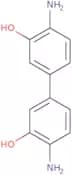
CAS:<p>3,3'-Dihydroxybenzidine (DHB) is a proton-containing heterocyclic compound that is structurally related to benzidine. It is an aromatic compound with two methoxy groups and one hydroxy group. DHB is used as a reagent in the determination of phenols by measuring the formation of a yellow-colored product. The thermal stability of DHB has been shown to be greater than 80°C, which makes it useful for high temperature applications such as thermally induced DNA cleavage. When exposed to chlorine gas, DHB reacts to form chloride and hydroxy groups, which are also present in other aromatic compounds. The chemical structures of DHB can be determined using magnetic resonance spectroscopy.</p>Formula:C12H12N2O2Purity:Min. 98 Area-%Color and Shape:Off-White To Brown SolidMolecular weight:216.24 g/mol3-Methylcinnamic acid
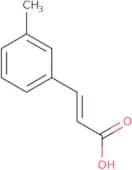
CAS:<p>3-Methylcinnamic acid is an organic acid that is a phenylpropanoid metabolite. It is synthesized from malonic acid by hydroxylation and sulfonation, and then converted to cinnamic acid derivatives. 3-Methylcinnamic acid has been shown to inhibit the activity of heterocyclic amine-producing enzymes and has a strong inhibitory effect on the formation of triticum aestivum. 3-Methylcinnamic acid has been found to have diverse chemical properties that are useful for industrial purposes.</p>Formula:C10H10O2Purity:Min. 95%Color and Shape:PowderMolecular weight:162.19 g/mol2,3-Dichloro-5,8-dihydroxy-1,4-naphthalenedione
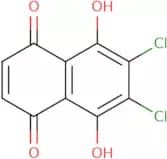
CAS:<p>2,3-Dichloro-5,8-dihydroxy-1,4-naphthalenedione (DDD) is a chemical inhibitor of the proton response pathway. It is an analog of 2,3,7,8-tetrachlorodibenzo-p-dioxin (TCDD). DDD has been shown to enhance the induction of apoptosis in human macrophages and leishmania parasites. This agent also inhibits the growth of some tumor cell lines and enhances the cytotoxicity of other chemotherapeutic drugs. DDD has low bioavailability due to its high lipophilicity and rapid metabolism by esterases and glucuronidases.</p>Formula:C10H4Cl2O4Purity:Min. 95%Color and Shape:Red PowderMolecular weight:259.04 g/mol4-Acetamido-2'-nitro-4'-(trifluoromethyl)diphenyl sulphone
CAS:<p>4-Acetamido-2'-nitro-4'-(trifluoromethyl)phenyl sulphone is a fine chemical that has versatile building block properties. It is a complex compound that has been used in research chemicals and as a reagent. 4-Acetamido-2'-nitro-4'-(trifluoromethyl)phenyl sulphone is also useful for the production of speciality chemicals and as an intermediate for the synthesis of high quality compounds, such as pharmaceuticals, agrochemicals and other industrial products. This product can be used as a reaction component or scaffold for the synthesis of new compounds.</p>Formula:C15H11F3N2O5SPurity:Min. 95%Color and Shape:PowderMolecular weight:388.32 g/mol4-Chlorosalicylic acid
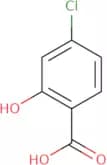
CAS:<p>4-Chlorosalicylic acid is an inhibitor of bacterial growth that belongs to the group of phenolic compounds. It has been shown to inhibit the growth of bacteria in cell culture and be effective against a wide range of species, including Escherichia coli and Staphylococcus aureus. 4-Chlorosalicylic acid inhibits bacterial enzyme activities, such as 5-nitrosalicylic acid hydroxylase and diphenolase activities. This compound has also been shown to have anti-inflammatory properties, which may be due to its ability to inhibit prostaglandin synthesis. 4-Chlorosalicylic acid is an active intermediate in the production of other drugs such as 2,4-dichloroacetophenone and 2,5-dichlorobenzonitrile.</p>Formula:C7H5ClO3Purity:Min. 95%Color and Shape:PowderMolecular weight:172.57 g/mol3',5'-Difluoroacetophenone
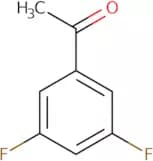
CAS:<p>3',5'-Difluoroacetophenone is a synthetic compound that belongs to the tetradentate class of ligands. It is used as a fluorescent probe for metal ions and has been shown to have thermodynamic, systematic, and biomolecular enhancement properties. 3',5'-Difluoroacetophenone has also been used as a fluorescent probe in fluorescence resonance energy transfer (FRET) experiments. 3',5'-Difluoroacetophenone binds to metal cations, such as copper(II) ions. When this compound is protonated, it emits a strong fluorescence signal that can be detected by fluorophore-acceptor probes. This chemical can be orally taken and excreted in urine after metabolism by the liver and kidneys.</p>Formula:C8H6F2OPurity:Min. 95%Color and Shape:PowderMolecular weight:156.13 g/mol2,2'-Dichloro diphenyl disulfide
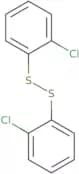
CAS:<p>2,2'-Dichloro diphenyl disulfide is a high quality chemical that is widely used as a reagent. It belongs to the category of complex compounds and has been extensively studied as an intermediate for the synthesis of pharmaceuticals. 2,2'-Dichloro diphenyl disulfide is also useful as a building block or scaffold for the preparation of a wide range of useful chemicals. This product can be used in research laboratories and by industry as a versatile building block in organic synthesis, with applications including use as a reaction component in the production of pharmaceuticals and agrochemicals.</p>Formula:C12H8Cl2S2Purity:Min. 95%Color and Shape:PowderMolecular weight:287.23 g/mol(S)-3-Amino-4-(1-naphthyl)butanoic acid hydrochloride
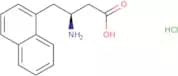
CAS:<p>(S)-3-Amino-4-(1-naphthyl)butanoic acid hydrochloride is a high quality chemical that is used as a reaction component for the synthesis of complex organic compounds. It may also be used to produce fine chemicals, pharmaceuticals, and other useful compounds. This product has a wide variety of uses including as an intermediate in the production of speciality chemicals, as a building block for synthesizing more complex compounds, or as a precursor to producing other useful chemicals.</p>Formula:C14H16ClNO2Purity:Min. 95%Color and Shape:White PowderMolecular weight:265.74 g/mol1,5-Naphthalenediol
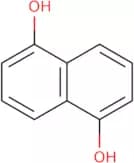
CAS:<p>1,5-Naphthalenediol is a metabolite of naphthalene and has been found to be an electrochemical marker for the detection of naphthalene. It is considered a chemical indicator for naphthalene exposure, as it can be detected in urine and blood samples. 1,5-Naphthalenediol is a heterocyclic organic compound that has been shown to have potential medical uses. It has been shown to function as an anti-inflammatory agent by inhibiting prostaglandin synthesis and can also inhibit the growth of keratinocytes. The detection time for 1,5-naphthalenediol is about 2 hours after exposure.</p>Formula:C10H8O2Purity:Min. 95%Molecular weight:160.17 g/mol2-Methyl-1-nitroprop-1-ene
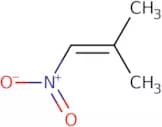
CAS:<p>2-Methyl-1-nitroprop-1-ene is a labile molecule that can be readily synthesized from 2-methyl propanal and nitrous acid. The postulated reaction mechanism for the formation of 2-methyl-1-nitroprop-1-ene begins with the nucleophilic attack of the azide anion on the carbonyl group of 2 methyl propanal, forming a tetrahedral intermediate. This intermediate undergoes a stepwise reaction to form 2 methyl 1 nitropropane. Nitro groups have been observed in both the product and starting material, which could indicate a transfer mechanism.</p>Formula:C4H7NO2Purity:Min. 95%Color and Shape:Clear LiquidMolecular weight:101.1 g/molIndole-3-acetyl-L-alanine acid methyl ester
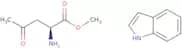
CAS:<p>Please enquire for more information about Indole-3-acetyl-L-alanine acid methyl ester including the price, delivery time and more detailed product information at the technical inquiry form on this page</p>Formula:C14H16N2O3Purity:Min. 95%Molecular weight:260.29 g/mol1,4-Naphthoquinone
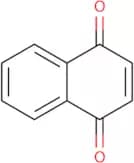
CAS:<p>1,4-Naphthoquinone is a phenolic compound that has been shown to have antimicrobial activity. It has been used in vitro as an antifungal agent for the treatment of dermatophyte infections and has also shown significant cytotoxicity against certain cancer cell lines. 1,4-Naphthoquinone is a redox active compound with a redox potential of -0.6 V vs NHE. This redox potential may be responsible for its potent antimicrobial activity. 1,4-Naphthoquinone also exhibits significant transfer reactions that may contribute to its biological properties. It is classified as group P2 and reacts with sodium salts to form naphthoquinones and sodium salts. This reaction may be responsible for its antimicrobial properties, as these compounds are known to inhibit microbial growth by binding to bacterial DNA gyrase or topoisomerases I and II.</p>Formula:C10H6O2Purity:Min. 95%Color and Shape:Yellow PowderMolecular weight:158.15 g/mol1,3-Dicyclohexylthiourea
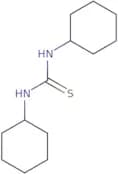
CAS:<p>Dicyclohexylthiourea is a corrosion inhibitor that inhibits the corrosion of metals in acidic media. It is an amphoteric compound and can act as both a base or an acid depending on the pH of the solution. It has been used as a corrosion inhibitor in hydrochloric acid and sodium sulfide solutions. Dicyclohexylthiourea reacts with chloride ion to form hydrochloric acid, which reduces corrosion by preventing the formation of chlorides at metal surfaces. This agent also has anti-inflammatory properties that are due to its ability to inhibit prostaglandin synthesis. Dicyclohexylthiourea is readily soluble in water and can be synthesized by reacting dicyclohexylurea with hydrogen chloride gas at room temperature.</p>Formula:C13H24N2SPurity:Min. 95%Molecular weight:240.41 g/mol2'-Chloropropiophenone
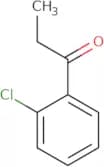
CAS:<p>2'-Chloropropiophenone is a synthetic compound with analgesic and anticonvulsant properties. It inhibits the production of enzymes that form fatty acids, which are the building blocks of muscle cells. This drug also has a muscle relaxant effect due to its ability to deactivate the lumbar muscles. 2'-Chloropropiophenone has been shown to be effective in treating herniated disks and spinal spondylitis, although it can only provide short-term relief. The drug is also used as a remedy for lumbago and sciatica.</p>Formula:C9H9ClOPurity:Min. 95%Color and Shape:Clear LiquidMolecular weight:168.62 g/mol5-Chloro-2-nitrocinnamic acid
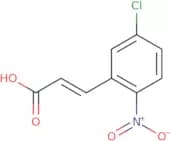
CAS:<p>5-Chloro-2-nitrocinnamic acid is a fine chemical with a CAS number of 20357-28-2. It is a versatile building block that can be used as a reaction component or intermediate in the synthesis of more complex compounds. The high purity and quality of 5-Chloro-2-nitrocinnamic acid makes it an ideal reagent for research purposes, and it can be used as a building block for the synthesis of useful scaffolds.</p>Formula:C9H6ClNO4Purity:Min. 95%Molecular weight:227.6 g/mol2,2'-Bipyridine-3,3'-dicarboxylic acid
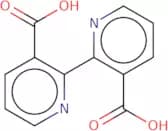
CAS:<p>2,2'-Bipyridine-3,3'-dicarboxylic acid is a coordination compound that contains two carboxylic acid groups. It forms a dihydrate in water and is orthorhombic in crystal form. The molecule can be represented by the following chemical structure:</p>Formula:C12H8N2O4Purity:Min. 95%Color and Shape:SolidMolecular weight:244.2 g/molPhenylazosalicylic acid
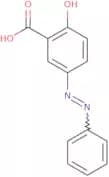
CAS:<p>Phenylazosalicylic acid is a crystalline solid that belongs to the group of phenylacetic acids. It is synthesized by the reaction of nitric acid with salicylic acid, which is produced from the distillation of wood. Phenylazosalicylic acid has a molecular weight of 150.09 g/mol and a melting point of 123°C. The molecule is unionized in water and can be found in wastewater effluent at concentrations as high as 3 ppm. This compound has acidic properties and reacts with picric acid to form phenylazosalicylic picrate, which is used for the treatment of anthrax. Phenylazosalicylic acid also shows proton-pumping activity, which may be due to its ability to bind to anionic sites on proteins such as carbonic anhydrase II and H+/K+ ATPase.</p>Formula:C13H10N2O3Purity:Min. 95%Color and Shape:Orange PowderMolecular weight:242.23 g/mol2-(tert-Butylamino)-2'-chloropropiophenone hydrochloride
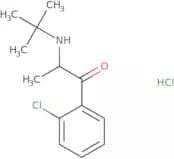
CAS:Controlled Product<p>2-(tert-Butylamino)-2'-chloropropiophenone hydrochloride (BAPCH) is a fine chemical that is used as a building block in the synthesis of other compounds. It can be used as a reagent or speciality chemical in research, and is also an intermediate for the synthesis of other chemicals. BAPCH has a CAS number of 1049718-57-1, and is a versatile building block with many reactions. BAPCH has been shown to be useful in complex syntheses that require reactive groups and scaffolds.</p>Formula:C13H19Cl2NOPurity:Min. 95%Color and Shape:White To Off-White SolidMolecular weight:276.2 g/mol3,4-Dinitrophenol
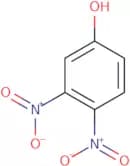
CAS:Controlled Product<p>3,4-Dinitrophenol is a yellow solid that is chemically synthesized from 2,4-dinitrobenzene and morpholine. 3,4-Dinitrophenol is a high energy compound with an activation energy of about 28 kcal/mol. The endpoints for the reaction are oligosaccharides and the acceptor is an ionisation mass. This molecule has a pyrazole ring and can be classified as belonging to group P2 on the periodic table of elements. 3,4-Dinitrophenol has been found to have biological functions in organic solvents such as acetone or benzene.</p>Formula:C6H4N2O5Purity:Min. 95%Color and Shape:PowderMolecular weight:184.11 g/molN-Ethyl-3,3'-diphenyldipropylamine citrate
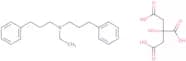
CAS:<p>N-Ethyl-3,3'-diphenyldipropylamine citrate is a nonsteroidal anti-inflammatory drug (NSAID) that inhibits the activity of cyclooxygenase and lipoxygenase. It reduces pain, fever, and inflammation. The drug has been shown to be effective in the treatment of inflammatory bowel disease and colitis. N-Ethyl-3,3'-diphenyldipropylamine citrate is used for the relief of chronic and acute pain associated with osteoarthritis, rheumatoid arthritis, ankylosing spondylitis, or other forms of joint inflammation; as well as for temporary relief from the symptoms of minor aches or pains due to headache, toothache, muscular aches, backache, or menstrual cramps. N-Ethyl-3,3'-diphenyldipropylamine citrate also has been found to be effective in reducing symptoms associated with leukemia</p>Formula:C26H35NO7Purity:Min. 95%Color and Shape:White Off-White PowderMolecular weight:473.56 g/mol3,5-Diiodosalicylic acid
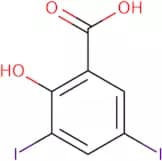
CAS:<p>3,5-Diiodosalicylic acid is a chemical compound that has been used in biological studies to study the kinetic energy of nuclear DNA and to examine the surface glycoprotein receptors. It binds tightly to copper chloride and lithium and can be used as an inhibitor for receptor activity. 3,5-Diiodosalicylic acid has also been shown to have anti-inflammatory effects in hl-60 cells by inhibiting the production of cytokines such as IL-1β, TNFα, IL-6, IL-10, and GM-CSF.</p>Formula:C7H4I2O3Purity:Min. 95%Color and Shape:PowderMolecular weight:389.91 g/mol1-(3-Fluorophenyl)-2-nitropropene
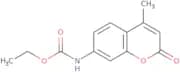
CAS:<p>1-(3-Fluorophenyl)-2-nitropropene is a versatile building block that can be used as a reagent, speciality chemical, or a reaction component. This compound is also useful for the synthesis of complex compounds. 1-(3-Fluorophenyl)-2-nitropropene has been shown to react with various electrophiles, including carbonyl compounds and nitro compounds, to give substituted products. This chemical is classified as a high quality compound and can be used in the synthesis of pharmaceuticals and other fine chemicals.</p>Formula:C9H8FNO2Purity:Min. 95%Molecular weight:181.16 g/mol7-Carbethoxyamino-4-methylcoumarin
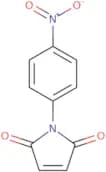
CAS:<p>7-Carbethoxyamido-4-methylcoumarin is a aminocoumarin that exhibits anticancer activity. It is able to inhibit the activity of DPP-IV, an enzyme that degrades insulin in the body.<br>7-Carbethoxyamido-4-methylcoumarin has been shown to inhibit cancer cells and lung cancer cell lines, as well as breast cancer cells and cells with diabetes. This compound has also been shown to have anticancer activity in vivo in rats.</p>Formula:C13H13NO4Purity:Min. 90%Color and Shape:PowderMolecular weight:247.25 g/molN-(4-Nitrophenyl)maleimide
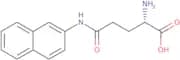
CAS:<p>N-(4-Nitrophenyl)maleimide is a nitro compound that has been shown to be an inhibitor of the enzyme phthalimidase, which catalyzes the hydrolysis of phthalimides. It inhibits the growth of marine sponges and other microorganisms by reacting with primary amino groups in proteins. N-(4-Nitrophenyl)maleimide has also been shown to inhibit the biosynthesis of DNA and RNA.</p>Formula:C10H6N2O4Purity:Min. 95%Color and Shape:White PowderMolecular weight:218.17 g/molγ-L-glutamyl-b-naphthylamide
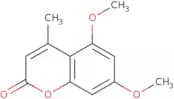
CAS:<p>Gamma-L-glutamyl-b-naphthylamide is a high quality, reagent, complex compound that is used as an intermediate in the production of fine chemicals such as speciality chemicals and research chemicals. Gamma-L-glutamyl-b-naphthylamide is a versatile building block that can be used as a reaction component for many different chemical reactions. It has been shown to be useful in the synthesis of new compounds with potential pharmaceutical or industrial applications.</p>Formula:C15H16N2O3Purity:Min. 95%Molecular weight:272.3 g/mol4-Methyl-5,7-dimethoxycoumarin
CAS:<p>4-Methyl-5,7-dimethoxycoumarin is a coumarin derivative that has been synthesized from acetonitrile and aluminium. It is used as an antiplatelet drug in the treatment of cardiovascular diseases such as unstable angina, myocardial infarction, and transient ischemic attack. 4-Methyl-5,7-dimethoxycoumarin reversibly inhibits platelet aggregation by blocking the platelet receptor P2Y12 on the surface of platelets. This drug also has antioxidant effects and can be used to identify markers associated with cardiovascular disease.</p>Formula:C12H12O4Purity:Min. 95%Molecular weight:220.22 g/molThiourea
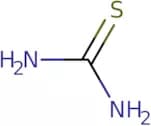
CAS:<p>Thiourea is a chemical compound that is used as a fungicide, herbicide, and anti-fouling agent in water treatment plants. It has been shown to have an inhibitory effect on the growth of some cancer cells. Thiourea also has a negative charge and can be used to adsorb proteins and other organic compounds onto its surface. This property can be exploited for analytical purposes, such as determining the concentration of protein in human serum or wastewater treatment. In addition, thiourea has been shown to have a strong affinity for divalent cations such as Ca2+, Mg2+, Mn2+, Fe2+, Cu2+, Zn2+, Cd2+, Pb2+ etc. These ions are necessary for the activity of enzymes involved in energy metabolism and redox potentials. Thiourea is also known to bind with nucleic acids by electrostatic interactions with phosphate groups on the ribose sugar backbone of DNA or RNA molecules,</p>Formula:CH4N2SPurity:(Titration) Min. 98%Color and Shape:PowderMolecular weight:76.12 g/molDL-Erythro-dihydrosphingosine synthetic
CAS:<p>DL-Erythro-dihydrosphingosine synthetic is a nonsteroidal anti-inflammatory drug that blocks the activity of Bcl-2, a protein involved in apoptosis. This compound has been shown to have anti-cancer effects in hl-60 cells and squamous cell carcinomas. DL-Erythro-dihydrosphingosine synthetic also inhibits the matrix metalloproteinase activity of MMPs, which are enzymes that degrade the extracellular matrix and can cause cancer cell invasion and metastasis. The optimum concentration for this compound is 1 µM.</p>Formula:C18H39NO2Purity:Min. 95%Color and Shape:White PowderMolecular weight:301.51 g/mol3,3'-Iminodipropionitrile
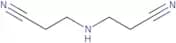
CAS:<p>3,3'-Iminodipropionitrile (IDPN) is a chiral molecule that has been studied as an experimental model for copper chloride toxicity. IDPN has been shown to inhibit the production of stem cell factor and atp levels in a mouse model. IDPN also reduces locomotor activity and alters histological analysis of the mouse hippocampus. 3,3'-Iminodipropionitrile is a toxic compound that can be used in tissue culture studies to study the effects of amines on cells.</p>Formula:C6H9N3Purity:Min. 95%Molecular weight:123.16 g/mol1-{{[5-(4-Nitrophenyl)-2-furanyl]methylene}amino}-2,4-imidazolidinedione
CAS:<p>Dantrolene is an experimental model for malignant hyperthermia, a rare genetic condition that can cause muscle rigidity and death. Dantrolene has been shown to inhibit the activity of the dinucleotide phosphate (NADH) dehydrogenase enzyme in muscle cells. In addition, it inhibits calcium release from the sarcoplasmic reticulum and activates ryanodine receptors. Dantrolene also inhibits muscle contractions and prevents neuronal death by inhibiting the release of glutamate.</p>Formula:C14H10N4O5Purity:Min. 95%Color and Shape:SolidMolecular weight:314.25 g/mol3,5-Dimethoxy-4-methylbenzoic acid methyl ester
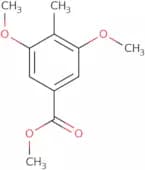
CAS:<p>3,5-Dimethoxy-4-methylbenzoic acid methyl ester (DMMBME) is a synthetic compound that is used as an immunogen to generate antibodies against fungal proteins. DMMBME is specifically used to identify the presence of bryoria and australian fungi in plants. The chemical structure of DMMBME can be oxidized by depsidones, which leads to the production of reactive oxygen species that are believed to be responsible for the oxidative coupling of target proteins. This reaction can be catalyzed by a number of enzymes such as nidulin, which is found in plant roots.</p>Formula:C11H14O4Purity:Min. 95%Color and Shape:PowderMolecular weight:210.23 g/mol2,2'-Bipyridine-6-carboxylic acid
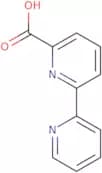
CAS:<p>2,2'-Bipyridine-6-carboxylic acid is a reagent that is used in organic synthesis as a reaction component and building block for the synthesis of heterocyclic compounds. 2,2'-Bipyridine-6-carboxylic acid is also used as a precursor to produce other compounds. 2,2'-Bipyridine-6-carboxylic acid has been shown to be useful in the synthesis of complex compounds with diverse structures, making it a versatile building block. It can also be used as an intermediate in the synthesis of various drugs and speciality chemicals.</p>Formula:C11H8N2O2Purity:Min. 95%Color and Shape:Off-White PowderMolecular weight:200.19 g/mol2-(1',2',3',4'-Tetrahydroxybutyl)quinoxaline
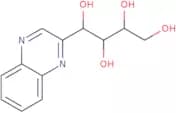
CAS:<p>2-(1',2',3',4'-Tetrahydroxybutyl)quinoxaline is a chemical compound that is used as a versatile building block in the synthesis of complex compounds. It has been shown to be useful in reactions involving nucleophilic substitution, electrophilic addition, and oxidation. This compound has been used as a reagent for the synthesis of other fine chemicals and as an intermediate for research chemicals and speciality chemicals. 2-(1',2',3',4'-Tetrahydroxybutyl)quinoxaline has CAS No. 80840-09-1 and is soluble in organic solvents. The purity of this product is high, with less than 1% impurities.</p>Formula:C12H14N2O4Purity:Min. 95%Color and Shape:Off-White To Light Brown SolidMolecular weight:250.25 g/mol2-(4-Nitrophenoxy)acetic acid
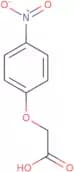
CAS:<p>2-(4-Nitrophenoxy)acetic acid is a chemical compound with the molecular formula CHNO. It has been shown to inhibit the polymerase chain reaction, which is an important technique in molecular biology. The intramolecular hydrogen bond between HN and OO stabilizes the molecule and inhibits its rotation. This allows 2-(4-Nitrophenoxy)acetic acid to function as a competitive inhibitor of DNA polymerase. 2-(4-Nitrophenoxy)acetic acid inhibits bacterial growth by binding to the beta subunit of DNA gyrase, an enzyme that maintains the integrity of bacterial DNA. This inhibition prevents topoisomerase IV from relaxing supercoiled DNA, leading to cell death by inhibiting protein synthesis and cell division.</p>Formula:C8H7NO5Purity:Min. 95%Color and Shape:PowderMolecular weight:197.14 g/mol9,10-Anthracenedicarboxaldehyde
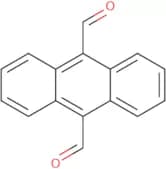
CAS:<p>9,10-Anthracenedicarboxaldehyde is a chemical compound that is used to measure the terminal half-life of drugs in humans. It is an inhibitor of collagen synthesis and has anticancer properties. 9,10-Anthracenedicarboxaldehyde has been shown to inhibit cancer cells by interfering with DNA replication and cell division. The chemical stability of 9,10-anthracenedicarboxaldehyde has been demonstrated in the reaction solution by the formation of chloromethyl ketone. This product also inhibits activity at the camp level and shows antineoplastic properties. The terminal half-life of 9,10-anthracenedicarboxaldehyde was determined to be 48 hours in a study involving human volunteers. The terminal half-life of this product can be shortened by hydrochloric acid or nitro (a reagent).</p>Formula:C16H10O2Purity:Min. 95%Color and Shape:PowderMolecular weight:234.25 g/mol1,6-Dinitropyrene
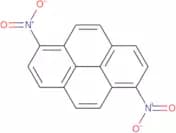
CAS:<p>1,6-Dinitropyrene (1,6-DPP) is a potent inducer of the cytochrome P450 enzyme system. It has been shown to have genotoxic effects in CD-1 mice and humans, and has been shown to be carcinogenic in rats. 1,6-DPP also induces detoxification enzymes that may protect against its genotoxic effects. 1,6-DPP is found to bind with high affinity to DNA and can be used as a probe for measuring oxidative stress. This chemical has a redox potential of -0.53 volts and can cause potassium dichromate to oxidize from +2 to +3 in solution.</p>Formula:C16H8N2O4Purity:Min. 95%Color and Shape:PowderMolecular weight:292.25 g/mol1,7-Naphthyridin-8(7H)-one
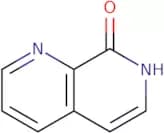
CAS:<p>1,7-Naphthyridin-8(7H)-one is a polycyclic compound that has been used as an intermediate in the synthesis of a variety of other compounds. It is also used as an iterative reagent for the annulation reactions of cyclic olefins. It can be prepared by oxidative annulation between picolinamide and 1,2,3,4-tetrahydroquinoline. The regioselectivity of this reaction can be controlled by using rhodium or copper catalysts.</p>Formula:C8H6N2OPurity:Min. 95%Color and Shape:PowderMolecular weight:146.15 g/molCholesterol Myristate
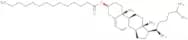
CAS:Controlled Product<p>Cholesterol Myristate is a fatty acid that is found in the outer membrane of cells. It has been shown to be an effective cationic surfactant and to form films at low concentrations. Cholesterol Myristate is used in the manufacture of anti-infective ointments, lotions, creams, and other skin care products. It has also been used as a film-forming polymer for cosmetic applications such as mascara and lipsticks. The phase transition temperature for cholesterol myristate is about -10°C. This means that it will not crystallize until the temperature drops below 10°C. The human serum stability of cholesterol myristate is low because the hydroxyl group interacts with water molecules, causing hydrolysis and oxidation reactions.</p>Formula:C41H72O2Purity:Min. 95%Color and Shape:PowderMolecular weight:597.01 g/mol6-Methyl-4-hydroxycoumarin
CAS:<p>6-Methyl-4-hydroxycoumarin is a coumarin derivative that has been shown to have potent inhibitory activity against both Gram-positive and Gram-negative bacteria. It also inhibits the growth of leukemia cells and shows anti-inflammatory properties. The photophysical studies of this molecule show that it has absorption bands in the visible region, which may be attributed to its hydroxyl group. 6-Methyl-4-hydroxycoumarin has also been shown to be an effective inhibitor of LPS (lipopolysaccharide)-stimulated RAW 264.7 cells, as well as benzofuran derivatives that have been shown to have inflammatory propertys.</p>Formula:C10H8O3Purity:Min. 95%Color and Shape:PowderMolecular weight:176.17 g/mola-Cyanocinnamic acid
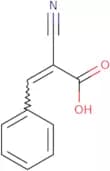
CAS:<p>a-Cyanocinnamic acid is a 3-hydroxycinnamic acid that can be found in coffee. It has been shown to inhibit the growth of colorectal adenocarcinoma cells and other cancer cells by binding to an inhibitor site on fatty acid synthesis enzymes, such as pyruvate carboxylase, hydroxylase, and acetyl-CoA carboxylase. This inhibition leads to decreased levels of fatty acids and increased levels of pyruvate and hydrogen peroxide, which inhibits cell proliferation. In addition, a-cyanocinnamic acid has been shown to have a hypoxic tumor selectivity index of 10.7%, which means it selectively targets tumors with low oxygen levels.</p>Formula:C10H7NO2Purity:Min. 95%Color and Shape:White PowderMolecular weight:173.17 g/molL-Aspartic acid dibenzyl ester p-toluenesulfonate salt
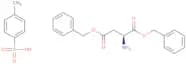
CAS:<p>Aspartic acid derivative</p>Formula:C18H19NO4·C7H8O3SPurity:Min. 95%Color and Shape:White PowderMolecular weight:485.55 g/molIsodesmosine chloride
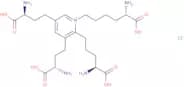
CAS:<p>Isodesmosine chloride is an amino acid derivative, which is a naturally occurring component found in the elastin protein. This organic compound is originally sourced from the structural protein elastin, prevalent in connective tissues such as skin, lungs, and blood vessels. It plays a critical role in the cross-linking and stabilization of elastin fibers, contributing to the elastic properties of these tissues.</p>Formula:C24H40ClN5O8Purity:Min. 95%Molecular weight:562.06 g/mol3,3'-Diheptyloxacarbocyanine iodide
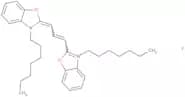
CAS:<p>3,3'-Diheptyloxacarbocyanineiodide (DHCI) is a fluorescent probe that is used in the treatment of solid tumours. It is taken up by tumor cells and causes them to fluoresce, which can be seen under a microscope. DHCI has been shown to be effective against hypoxic tumours and tumors with low oxygen levels due to its ability to penetrate tumor cells and deliver oxygen. The uptake of DHCI by cancer cells is also dependent on the permeability of the blood vessels present in the tumor. This drug has been shown to have a large therapeutic window for treatment of solid tumours.</p>Formula:C31H41N2O2•IPurity:Min. 95%Color and Shape:PowderMolecular weight:600.57 g/molEthyl 3-aminocinnamate
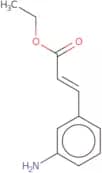
CAS:<p>Ethyl 3-aminocinnamate is a versatile building block for the synthesis of complex compounds. It is also a useful intermediate for the synthesis of reaction components, such as antihistamines and antigens. Ethyl 3-aminocinnamate can be used to synthesize speciality chemicals, such as research chemicals and reagents. This compound has high purity and is a useful scaffold for the preparation of related compounds.</p>Formula:C11H13NO2Purity:Min. 95%Molecular weight:191.23 g/mol4',6'-Dimethoxy-2'-hydroxy-3-methylacetophenone
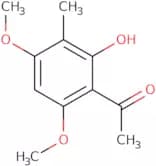
CAS:<p>4,6-Dimethoxy-2-hydroxy-3-methylacetophenone belongs to the group of natural products. It is a phenolic compound that has been isolated from the leaves of plants in the genus Eucalyptus. 4,6-Dimethoxy-2-hydroxy-3-methylacetophenone has shown cytotoxic activity against cancer cells in an animal bioassay and inhibits tumor growth by inhibiting protein synthesis. This compound also exhibits chemosystematic properties and may be useful for research on natural products.</p>Formula:C11H14O4Purity:Min. 95%Color and Shape:White PowderMolecular weight:210.23 g/molFmoc-O-tert-butyl-L-threoninol
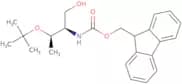
CAS:<p>Fmoc-O-tert-butyl-L-threoninol is an aminoacyl chloroformate ester that is used in the synthesis of peptides. It has a conjugate acid chloride and a disulfide bond. The chloroformate group reacts with the carboxylic acid moiety of L-threonine to form an ester, which can then be cleaved by hydrolysis to yield L-threonine. This product is also used for the synthesis of peptides in which the threonine residue is conjugated to another amino acid such as cysteine or glutamic acid.<br>Fmoc-O-tert-butyl-L-threoninol is synthesized from l-threonine and isobutene via a phase chromatography process. The synthetic intermediate Fmoc-(S)-OH is reacted with trifluoroacetic acid (TFA)</p>Formula:C23H29NO4Purity:Min. 98 Area-%Color and Shape:White PowderMolecular weight:383.48 g/mol2,2',6,6'-Tetramethylbenzophenone
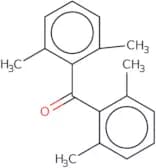
CAS:<p>2,2',6,6'-Tetramethylbenzophenone (TMBP) is a chemical compound that can be used as a low-temperature magnetic resonance probe. It has been shown to have a strong magnetic moment of 12.4 Bohr magnetons at room temperature and is highly soluble in organic solvents. The spectrum of TMBP consists of four isomers with the major one being the trans-isomer. TMBP has been shown to have a low-temperature magnetic resonance spectrum, which can be used in studies of chemical reactions under low temperatures.</p>Formula:C17H18OPurity:Min. 95%Molecular weight:238.32 g/molBestatin hydrochloride
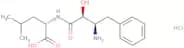
CAS:<p>Aminopeptidase inhibitor; analgesic</p>Formula:C16H24N2O4•HClPurity:Min. 95%Color and Shape:PowderMolecular weight:344.83 g/molN-Methyl-N-(2-naphthyl)-2-bromobenzamide
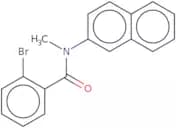
CAS:<p>Methyl 2-naphthylbenzoate is a high quality reagent that is used as a complex compound, useful intermediate and speciality chemical. It is also a useful building block for the synthesis of other compounds. The CAS number 74881-61-1 identifies Methyl 2-naphthylbenzoate as a fine chemical with an interesting scaffold. This chemical is suitable for research purposes and versatile in its use as a reaction component.</p>Formula:C18H14BrNOPurity:Min. 95%Molecular weight:340.21 g/molBenzoyl-L-tyrosine ethyl ester
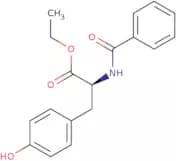
CAS:<p>Benzoyl-L-tyrosine ethyl ester is a copolymer of benzoyl-L-tyrosine and polyethylene glycol. It is a mesoporous material that has an ability to bind with DNA and inhibit the activity of enzymes such as proteases, trypsin, and chymotrypsin. Benzoyl-L-tyrosine ethyl ester inhibits the enzymatic activity of these enzymes by binding to the active site on their surface; it also inhibits the production of inflammatory mediators. This product has been shown to have potent inhibitor properties in vitro, but its efficacy in vivo has not been evaluated.</p>Formula:C18H19NO4Purity:Min. 95%Color and Shape:PowderMolecular weight:313.35 g/molN,N'-Di-(tert-Butoxycarbonyl)thiourea
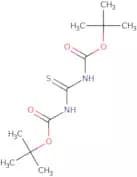
CAS:<p>N,N'-Di-(tert-Butoxycarbonyl)thiourea is a sterically bulky anion that has been synthesized to interact with amines and amido groups. It has been shown to be a good substrate for p-nitrophenyl phosphate, which is an important molecule in the metabolism of melanoma tumor cells. N,N'-Di-(tert-Butoxycarbonyl)thiourea has also been used as a synthetic building block for conjugates with other molecules. This molecule is able to form supramolecular complexes and may be useful in kinetic studies. The most interesting application of this molecule is its use in the efficient method of removing mercury from water, which is accomplished by oxidation of mercuric chloride by N,N'-Di-(tert-Butoxycarbonyl)thiourea.</p>Formula:C11H20N2O4SPurity:Min. 95%Color and Shape:PowderMolecular weight:276.35 g/molBoc-O-benzyl-L-tyrosine
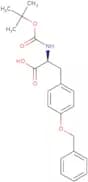
CAS:<p>Boc-O-benzyl-L-tyrosine is a sweetener that is synthesized in a liquid phase. It has been shown to prevent muscle loss and increase the uptake of glutamate. Boc-O-benzyl-L-tyrosine may also act as an δ opioid receptor agonist, which prevents the release of peptides from cells. This substance is synthesised by benzylation of L-tyrosine with dicarbonate and irradiation with UV light. The Boc group protects the molecule from being broken down by enzymatic activity, allowing it to be used in lab experiments. Boc-O-benzyl-L-tyrosine has potent antagonist effects on opioid receptors, which may be related to its analgesic properties.</p>Formula:C21H25NO5Purity:Min. 95%Color and Shape:White PowderMolecular weight:371.43 g/mol1-(3-Bromophenyl)-2-nitropropane
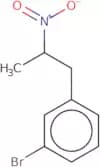
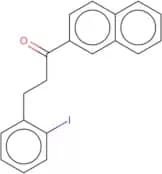
CAS:<p>1-(3-Bromophenyl)-2-nitropropane is a fine chemical that is used as a building block in the synthesis of complex organic compounds. It can be used as a reagent and speciality chemical with high quality. 1-(3-Bromophenyl)-2-nitropropane is versatile for use in reactions, such as coupling reactions, because it can be used as an intermediate or scaffold to create many different compounds. CAS No.: 155988-18-4</p>Formula:C9H10BrNO2Purity:Min. 95%Molecular weight:244.09 g/mol2-Naphthyl-3-(2-iodophenyl)propanone
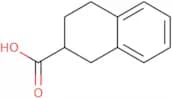
CAS:<p>2-Naphthyl-3-(2-iodophenyl)propanone (IPA) is a chemical intermediate that can be used in the synthesis of pharmaceuticals, agrochemicals, and other organic chemicals. IPA is soluble in common solvents such as water, ethanol, ether, and acetone. It is also stable to air and light. IPA has been shown to react with aniline under basic conditions to form 2-naphthylacetanilide. This reaction component can be used in the synthesis of complex compounds such as carboxylic acid derivatives and amides.</p>Formula:C19H15IOPurity:Min. 95%Molecular weight:386.23 g/mol1,2,3,4-Tetrahydro-2-naphthalenecarboxylic acid
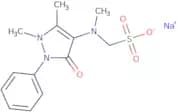
CAS:<p>1,2,3,4-Tetrahydro-2-naphthalenecarboxylic acid (1,2,3,4-THN) is an organic acid that can be metabolized by debromination or trifluoroacetic acid. It is a precursor for the synthesis of 5-caffeoylquinic acid and other biologically active compounds. 1,2,3,4-THN has been shown to have inhibitory effects on cancer cells. It also has chemical compositions including hydroxy groups and borohydride reduction sites that are important in its efficient method of synthesis.</p>Formula:C11H12O2Purity:Min. 95%Color and Shape:White PowderMolecular weight:176.21 g/molDipyrone
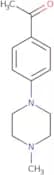
CAS:<p>Dipyrone is an anti-inflammatory and analgesic drug that belongs to the group of non-steroidal anti-inflammatory drugs. It has been shown to inhibit the production of prostaglandins, which are involved in inflammation, by inhibiting cyclooxygenase. The polymerase chain reaction (PCR) method is a biochemical technique used to amplify a segment of DNA, typically for use as a genetic marker or for cloning a particular gene. A PCR assay can be used to detect the presence of bacterial DNA in a sample. Dipyrone has been shown to possess chemiluminescence activity, which is indicative of its ability to bind with DNA. This binding inhibits transcription and replication and may be responsible for the toxic effects on epidermal cells observed in animal studies. Dipyrone also has been shown to have anti-inflammatory activities through its inhibition of cyclooxygenase and its ability to inhibit neutrophil migration and function.</p>Formula:C13H16N3NaO4SPurity:Min. 95%Color and Shape:White SolidMolecular weight:333.34 g/mol4-(4-Methylpiperazino)acetophenone
CAS:<p>4-(4-Methylpiperazino)acetophenone is a chemical compound that can be used as a building block in the synthesis of more complex compounds. It is a versatile intermediate and can be used to synthesize other compounds. 4-(4-Methylpiperazino)acetophenone has been shown to act as a reaction component in the synthesis of pharmaceuticals, pesticides, and agrochemicals. This compound has high purity and quality.</p>Formula:C13H18N2OPurity:Min. 95%Color and Shape:PowderMolecular weight:218.30 g/mol7-Nitrocoumarin
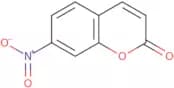
CAS:<p>7-Nitrocoumarin is an agent that inhibits the growth of protozoa by inhibiting enzyme activities, specifically those involved in glycolysis. It has been shown to be a potent inhibitor of surface proteins and functional assays. 7-Nitrocoumarin is also active against trophozoites in vitro. The compound has been shown to be nontoxic to mammalian cells, with a constant of 0.3 μM for inhibition of resazurin reduction. The mechanism of action for 7-nitrocoumarin is not well understood, but it may involve oxidation products such as nitro groups, which are indicated by the prefix '7-'.</p>Formula:C9H5NO4Purity:Min. 95%Color and Shape:PowderMolecular weight:191.14 g/molδ-Valerolactone
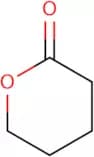
CAS:<p>Delta-Valerolactone is a sodium salt that has a water-soluble, low melting point and a high vapor pressure. It has been used as a sample preparation agent in NMR spectroscopy and is also used in the manufacture of cosmetics. The compound has been shown to be active against Escherichia coli K-12 and rat liver microsomes. Delta-Valerolactone does not have any significant effect on the activity of enzymes such as acetylcholinesterase, butylcholinesterase or aminopyrine N-demethylase. This compound can also be found in human urine samples at concentrations of up to 2 mg/L.</p>Formula:C5H8O2Purity:Min. 98 Area-%Color and Shape:Colorless Slightly Yellow Clear LiquidMolecular weight:100.12 g/mol4-Fluorocinnamic acid
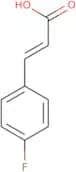
CAS:<p>4-Fluorocinnamic acid is a potent inhibitor of bacterial growth. It inhibits the activity of enzymes that are involved in the synthesis of fatty acids and amino acids, such as triticum aestivum and trifluoroacetic acid. 4-Fluorocinnamic acid has been shown to be an effective inhibitor of bacterial growth in vitro, with a contact time of 10 minutes. The effective dose for this compound was determined to be 1 mg/L. 4-Fluorocinnamic acid has also been found to have a mineralization effect on wastewater treatment and can inhibit the activity of enzymes involved in the production of inflammatory mediators, such as lipoxygenase and cyclooxygenase.</p>Formula:C9H7FO2Purity:Min. 95%Color and Shape:PowderMolecular weight:166.15 g/mol2-Ethoxy-4-methoxycinnamic acid
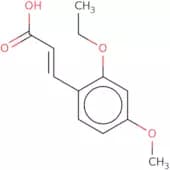
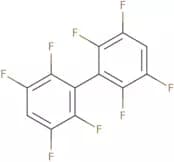
CAS:<p>2-Ethoxy-4-methoxycinnamic acid is a synthetic chemical with the CAS number 1372859-34-1. It is a versatile building block that can be used for the synthesis of many complex compounds. 2-Ethoxy-4-methoxycinnamic acid is one of a number of scaffolds that are useful for creating fine chemicals and research chemicals. This compound is also an intermediate in many reactions and can be used as a reagent to produce other substances.</p>Formula:C12H14O4Purity:Min. 95%Molecular weight:222.24 g/mol2,2',3,3',5,5',6,6'-Octafluorobiphenyl
CAS:<p>2,2',3,3',5,5',6,6'-Octafluorobiphenyl is a monomer that can be used for cross-coupling reactions. It can be synthesized by reacting a terminal alkyne with an organolithium compound such as cocl2. This monomer has been shown to undergo elimination reactions at lower temperatures than most other monomers and is commercially available in large quantities. 2,2',3,3',5,5',6,6'-Octafluorobiphenyl is also used as a dopant in semiconductors. The use of this compound in solar cells has been demonstrated with the addition of metal halides such as copper chloride or silver chloride. This compound has been shown to be able to efficiently absorb the light and convert it into electricity.</p>Formula:C12H2F8Purity:Min. 95%Color and Shape:PowderMolecular weight:298.13 g/mol3-Nitrophenylacetic acid
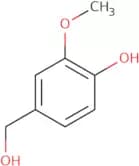
CAS:<p>3-Nitrophenylaceticacid (3NPAA) is a nitro compound that is used as an intermediate in the synthesis of other organic compounds. It can be synthesized by reacting phenylacetic acid with nitric acid, which is then oxidized to 3-nitrophenol with potassium permanganate. The product is then reacted with acetic anhydride to produce 3-nitrophenylacetic acid. This chemical has been shown to inhibit plant physiology and chlorophyll production by binding reversibly to the protein photosystem II in plants. 3-Nitrophenylaceticacid reacts with chloride ions to form a reversible covalent bond, which may be hydrolyzed by water or alkali.</p>Formula:C8H7NO4Purity:Min. 95%Color and Shape:PowderMolecular weight:181.15 g/molVanillyl alcohol
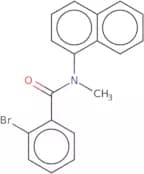
CAS:<p>Vanillyl alcohol is a vanillin derivative that exhibits strong antibacterial activity. It can be used in the food industry as a natural preservative, and it has synergic effects with eugenol. Vanillyl alcohol shows antimicrobial properties against Gram-positive and Gram-negative bacteria, including Staphylococcus aureus, Pseudomonas aeruginosa, Escherichia coli, and Enterococcus faecalis. Vanillyl alcohol exhibits synergic effects with eugenol. In vivo models show that vanillyl alcohol is not toxic to humans, but it may be toxic to wild-type strains of bacteria.</p>Formula:C8H10O3Purity:Min. 98 Area-%Color and Shape:White PowderMolecular weight:154.16 g/molN-Methyl-N-(1-naphthyl)-2-bromobenzamide
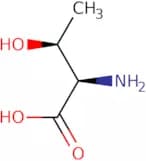
CAS:<p>N-Methyl-N-(1-naphthyl)-2-bromobenzamide is a high quality reagent that is used as a complex compound. It has CAS No. 74881-58-6 and it can be used as a useful intermediate, fine chemical or speciality chemical. N-Methyl-N-(1-naphthyl)-2-bromobenzamide is also a versatile building block that is used in reactions to synthesize other compounds.</p>Formula:C18H14BrNOPurity:Min. 95%Molecular weight:340.21 g/molD-Threonine
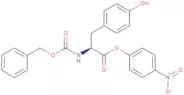
CAS:<p>D-Threonine is a non-essential amino acid that is used in the synthesis of proteins. It is an essential amino acid for humans, and its production can be catalyzed by aldolase enzymes. D-Threonine has been shown to have anti-inflammatory properties, which may be due to its ability to inhibit the reaction mechanism of hydroxyl group enzymes. D-Threonine also inhibits cell lysis through the inhibition of certain bacterial enzymes, such as genus or kinetic. D-Threonine can also be synthetized from L-threonine by enzyme inhibitors or asymmetric synthesis.</p>Formula:C4H9NO3Purity:Min. 95%Color and Shape:PowderMolecular weight:119.12 g/molZ-L-tyrosine 4-nitrophenyl ester
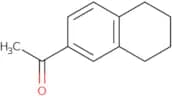
CAS:<p>Z-L-tyrosine 4-nitrophenyl ester is a synthetic, inactivated amide that binds to the active site of enzyme, preventing its enzymatic activity. It prevents the formation of clots by cleaving the clotting factors and is used in blood transfusions. Z-L-tyrosine 4-nitrophenyl ester has been shown to inhibit the synthesis of surfactant and is used as an antiseptic. This drug can be prepared by reacting L-tyrosine with nitrophenol (NO2) in the presence of a base such as sodium hydroxide or potassium carbonate, followed by purification on sephadex g-100 columns. The product is then treated with hydrostatic pressure to remove any unreacted starting materials. This drug also has a sedimentation rate of about 1.5 x 10^6 cm/s.</p>Formula:C23H20N2O7Purity:Min. 95%Color and Shape:White/Off-White SolidMolecular weight:436.41 g/mol6-Acetyl-1,2,3,4-tetrahydronaphthalene
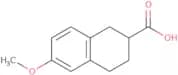
CAS:<p>6-Acetyl-1,2,3,4-tetrahydronaphthalene is a β-unsaturated ketone that has been shown to have anticancer activity in vitro. It can be used as an analgesic and has a low safety profile. This compound interacts with thiourea and sodium hypochlorite, which are compounds commonly used in the laboratory to induce DNA damage. 6-Acetyl-1,2,3,4-tetrahydronaphthalene also inhibits viral replication through interaction with iminium groups of nucleotide bases.</p>Formula:C12H14OPurity:Min. 95%Color and Shape:Clear LiquidMolecular weight:174.24 g/mol6-Methoxy-1,2,3,4-tetrahydronaphthalene-2-carboxylic acid
CAS:<p>6-Methoxy-1,2,3,4-tetrahydronaphthalene-2-carboxylic acid (MTN) is a polyphenol that has been shown to be effective against Alzheimer's disease in vitro and in vivo. MTN is able to bind to the polymerase chain reaction (PCR) product of APP and inhibit it from binding to heme oxygenase. MTN also prevents the accumulation of amyloid plaques by inhibiting the formation of beta-amyloid protein. MTN binds to thioflavin T and can be used as a fluorescent probe for immunofluorescence staining. MTN also inhibits the expression levels of APP and PS1 proteins in APP/PS1 transgenic mice by modulating the activity of transcriptional factors such as CREB.</p>Formula:C12H14O3Purity:Min. 95%Color and Shape:PowderMolecular weight:206.24 g/molSodium sarcosinate - ca. 40% in water
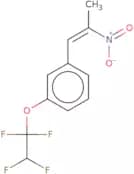
CAS:<p>Sodium sarcosine is a salt of sarcosine with sodium. It has an average molecular weight of 255 and is soluble in water. Sodium sarcosine is used as a biological sample for non-steroidal anti-inflammatory drugs (NSAIDs) in the study of their inhibitory properties against mammalian DNA polymerase. NSAIDs are also used to treat inflammation, pain, and fever by inhibiting prostaglandin synthesis. The rate constant for the reaction between NSAIDs and DNA polymerase was found to be 1.6x10^-4 M^-1s^-1 at 25°C, which is close to the Km value for the reaction. This finding indicates that NSAIDs may be competitive inhibitors of the enzyme, although further experiments are needed to confirm this hypothesis. Using electrochemical impedance spectroscopy, it was found that NSAIDs have a higher affinity for divalent cations than monovalent cations, suggesting that they bind to a site on the</p>Formula:C3H6NNaO2Purity:Min. 95%Color and Shape:Colorless Clear LiquidMolecular weight:111.08 g/mol3'-(Tetrafluoroethoxy)-β-methyl-β-nitrostyrene
CAS:<p>3'-(Tetrafluoroethoxy)-beta-methyl-beta-nitrostyrene is a versatile building block that can be used as a reaction component for the synthesis of more complex compounds. This compound is also known to have speciality chemical and research chemical properties. 3'-(Tetrafluoroethoxy)-beta-methyl-beta-nitrostyrene has been shown to be an effective reagent for the synthesis of high quality complex compounds.</p>Formula:C11H9F4NO3Purity:Min. 95%Molecular weight:279.19 g/molVanillin azine
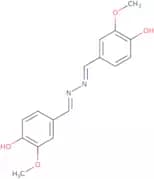
CAS:<p>Vanillin azine is a disinfectant that is effective against viruses, bacteria, and fungi. It is used in the treatment of drinking water, wastewater, and food. Vanillin azine has been shown to be effective against methoxy groups, oxidn, sulphite, solute and cellulose acetate. It also has antiviral properties and can be immobilized on an inert solid carrier such as Mn2+ ions or immobilized on a filter paper with chlorine.</p>Formula:C16H16N2O4Purity:Min. 95%Color and Shape:PowderMolecular weight:300.31 g/mol4'-Chloro-3'-methylacetophenone, 95%
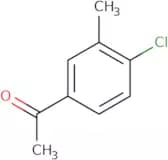
CAS:<p>4'-Chloro-3'-methylacetophenone, 95% is a white crystalline solid that is soluble in alcohols and ethers. It has been used as a reagent for the synthesis of acetophenones. The compound exhibits moderate solubility in water and reacts with aqueous alkalis to form salts. 4'-Chloro-3'-methylacetophenone, 95% also reacts with strong oxidizing agents to form peroxides and with acid chlorides to form esters.</p>Formula:C9H9ClOPurity:Min. 95%Molecular weight:168.62 g/mol3-Cyanomethylbenzoic acid methyl ester
CAS:<p>3-Cyanomethylbenzoic acid methyl ester is a synthetic chemical compound that is used as an intermediate in the production of other chemicals. It is a chlorination agent that reacts with toluene and methanol in the presence of chlorine to produce 3-chloromethylbenzoic acid methyl ester. This reaction also produces a byproduct called sulphone, which can be converted into acylation reagents for use in organic synthesis. The chloride ion can be used for cyanation reactions, which are useful for producing dyes or pharmaceuticals.</p>Formula:C10H9NO2Purity:Min. 95%Color and Shape:SolidMolecular weight:175.18 g/molNaphthalene-1-carbonitrile
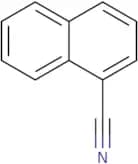
CAS:<p>Naphthalene-1-carbonitrile is a synthetic compound that can bind to the glucocorticoid receptor and activate it. It has been shown to inhibit the growth of human breast cancer cells in cell culture by inhibiting the production of estrogen, which is known to promote the proliferation of these cells. Naphthalene-1-carbonitrile also binds to a number of other sites on the glucocorticoid receptor, such as hydroxyl groups and carbonyl groups. The structural analysis of naphthalene-1-carbonitrile reveals that this chemical is capable of forming hydrogen bonds between molecules. This property may be responsible for its ability to inhibit the growth of bacteria by binding to their DNA and preventing transcription and replication.</p>Formula:C11H7NPurity:Min. 95%Molecular weight:153.18 g/mol2,2'-Dichloro-1,1'-biphenyl-4,4'-diamine
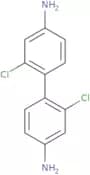
CAS:<p>2,2'-Dichloro-1,1'-biphenyl-4,4'-diamine is a chemical that belongs to the class of organic compounds known as amines. It is insoluble in water and has a molecular weight of 190.8 g/mol. 2,2'-Dichloro-1,1'-biphenyl-4,4'-diamine has been shown to be carcinogenic in animals and can cause coagulation problems in humans. The compound also shows anti-inflammatory properties by inhibiting the production of prostaglandins.</p>Formula:C12H10Cl2N2Purity:Min. 95%Color and Shape:White/Off-White SolidMolecular weight:253.13 g/mol2,2'-Diamino-4,4'-bithiazole
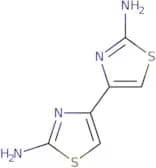
CAS:<p>2,2'-Diamino-4,4'-bithiazole (DABT) is a ligand that forms supramolecular aggregates with a variety of metal ions. It has been shown to bind to serum albumin and form an interaction that depends on the coordination geometry of the metal ion. DABT has been shown to be a fluorescent molecule with tryptophan fluorescence. The fluorescence emission spectrum of DABT is sensitive to chloride concentrations in the environment. The chemical structure and solubility properties of DABT are similar to those of chlorides; thus, it can be used as an oxidant at low pH levels.</p>Formula:C6H6N4S2Purity:Min. 95%Color and Shape:PowderMolecular weight:198.27 g/molβ-Naphthamide
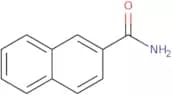
CAS:<p>Beta-naphthamide is an inhibitor binding to the dinucleotide phosphate (DNP) in bacterial cells. This binding prevents the enzyme from carrying out its normal function, which is the production of ATP, and it also inhibits various other enzymes. Beta-naphthamide inhibits the growth of Gram-positive bacteria by inhibiting their cell wall assembly and also has a bactericidal effect on Gram-negative bacteria. Beta-naphthamide has been shown to be active against multidrug efflux pump proteins that are present in Gram-negative bacteria, such as Escherichia coli. DNP is a receptor for dopamine and beta-naphthamide inhibits dopamine receptors in mammalian cells, which may lead to Parkinson's disease. Beta-naphthamide has been shown to inhibit the polymerase chain reaction (PCR) mechanism by binding to DNA polymerase. Beta-naphthamide binds to receptors on trigeminal nerve endings, which leads to paralysis of</p>Formula:C11H9NOPurity:Min. 95%Molecular weight:171.2 g/molNepetin-7-glucoside
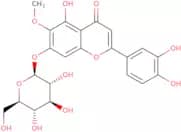
CAS:<p>Nepetin-7-glucoside is a compound found in plants that has been shown to have anti-inflammatory and antiviral properties. Nepetin-7-glucoside inhibits the activity of enzymes such as phospholipase A2, cyclooxygenase, and lipoxygenase. It also reduces the production of inflammatory mediators such as prostaglandins and leukotrienes. Nepetin-7-glucoside may be helpful in the treatment of autoimmune diseases and other inflammatory disorders. This compound also has antiviral effects by inhibiting the replication of herpes simplex virus type 1 (HSV1) in a cell culture system. Nepetin-7-glucoside also has been shown to inhibit the expression of genes related to inflammation and other inflammatory diseases, such as rheumatoid arthritis, colitis ulcerosa, psoriasis, and Crohn's disease.</p>Formula:C22H22O12Purity:Min. 95%Color and Shape:PowderMolecular weight:478.4 g/mol2-(2',3',4'-Trihydroxybutyl)quinoxaline
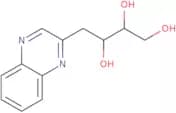
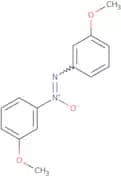
CAS:<p>2-(2',3',4'-Trihydroxybutyl)quinoxaline is a model system for the glyoxal-glycolaldehyde reaction. This reaction is important in the formation of organic acids and hydroxycarbonyl compounds. The kinetic of this reaction has been studied using glyoxal, glycolaldehyde, and hydroxycarboxylic acid as substrates. Reaction intermediates were identified by multiresponse techniques. Kinetic parameters were determined by modelling and kinetic experiments at different temperatures and concentrations.</p>Formula:C12H14N2O3Purity:Min. 95%Color and Shape:Off-White PowderMolecular weight:234.25 g/mol3,3'-Dimethoxyazoxybenzene
CAS:<p>3,3'-Dimethoxyazoxybenzene is a nitroarene that has electron-donating properties. It reacts with primary amines to form azoxy groups in the presence of alkoxide. 3,3'-Dimethoxyazoxybenzene can be used for the synthesis of nitrophenyl and aniline derivatives by reaction with nitroarenes, alcohols, or amines. It can also serve as a photoreduced molecule in mechanistic studies.</p>Formula:C14H14N2O3Purity:Min. 95%Molecular weight:258.27 g/molDL-Isocitric acid lactone
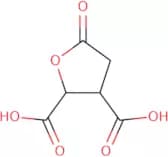
CAS:<p>DL-Isocitric acid lactone is a skin condition agent that belongs to the group of amides. It has hypoglycemic effects and, when applied topically, can improve skin conditions such as xerosis. DL-Isocitric acid lactone also inhibits the growth of bacteria by binding to dinucleotide phosphate in the bacterial cell wall and inhibiting protein synthesis. This compound also has an inhibitory effect on hydroxyl groups in polycarboxylic acids in plants. The structure of this compound was determined by x-ray crystallography.</p>Formula:C6H6O6Purity:Min. 95%Color and Shape:PowderMolecular weight:174.11 g/mol4'-Hydroxy-3',5-β-trimethyl-β-nitrostyrene
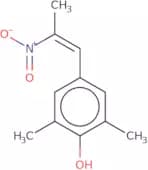
CAS:<p>4'-Hydroxy-3',5-beta-trimethyl-beta-nitrostyrene is a high quality reagent that can be used in the synthesis of complex compounds. It has been shown to be an intermediate for the synthesis of fine chemicals, as well as useful scaffold and building block in research chemicals. 4'-Hydroxy-3',5-beta-trimethyl-beta-nitrostyrene is a versatile building block that has been used in many reactions as a reaction component. CAS No. 53205-17-7</p>Formula:C11H13NO3Purity:Min. 95%Molecular weight:207.23 g/mol5-(5'-Chloro-2'-hydroxy-4'-methylphenyl)-isoxazole
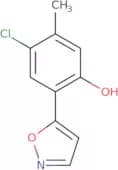
CAS:<p>5-(5'-Chloro-2'-hydroxy-4'-methylphenyl)-isoxazole is a fine chemical that is an intermediate in the synthesis of other chemicals. It has been used as a reaction component, complex compound and research chemical. 5-(5'-Chloro-2'-hydroxy-4'-methylphenyl)-isoxazole is a versatile building block that can be used to synthesize many different chemicals, including pharmaceuticals, dyes, agrochemicals and pesticides. This compound has been shown to be useful as a reagent in the synthesis of high quality products.</p>Formula:C10H8ClNO2Purity:Min. 95%Color and Shape:PowderMolecular weight:209.63 g/molBenztropine mesylate
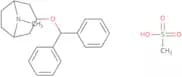
CAS:<p>Benztropine is a drug that binds to the 5-HT2 receptors in the brain, which are involved in the regulation of many physiological functions, including motor control and memory. Benztropine is used primarily as an antiparkinsonian drug. It also has been shown to inhibit uptake of dopamine by blocking the dopamine transporter. This inhibition prevents reuptake of dopamine into presynaptic neurons, leading to increases in extracellular levels of dopamine and increased activity at dopaminergic synapses. Benztropine has been found to be a low-potency inhibitor of binding to certain other drugs, such as tricyclic antidepressant drugs and pharmacological agents.</p>Formula:C21H25NO·CH4O3SPurity:Min. 95%Color and Shape:PowderMolecular weight:403.54 g/molMethacetin
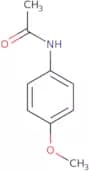
CAS:<p>Methacetin is a chemical compound that is used in the diagnosis of liver impairment. It is a fatty acid and an inhibitor of certain enzymes. Methacetin inhibits the activity of the enzyme acetyl-CoA carboxylase, which catalyzes the conversion of acetyl-CoA to malonyl-CoA, thereby reducing fatty acid synthesis. Methacetin has been shown to be effective in inhibiting the activity of rat liver microsomes at concentrations of 0.01 mM and above. In addition, methacetin has been found to increase the body mass index (BMI) in rats with hepatic impairment and can be used as a biomarker for this condition. Methacetin has been shown to have a molecular docking score of -4.2 kcal/mol when it was docked against human hepatitis B virus (HBV). This indicates that there are strong hydrogen bonding interactions between methacetin and HBV proteins.</p>Formula:C9H11NO2Purity:Min. 95%Color and Shape:PowderMolecular weight:165.19 g/mol3,5-Difluoro-4-hydroxybenzoic acid methyl ester
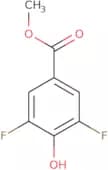
CAS:<p>3,5-Difluoro-4-hydroxybenzoic acid methyl ester (DFHBME) is a chemical compound that belongs to the class of useful building blocks. It is used in research as a reagent and in the synthesis of various complex compounds. DFHBME reacts with nucleophiles such as amines or alcohols to produce useful intermediates or scaffolds for organic synthesis. This compound is also useful as a speciality chemical due to its high quality and versatility.</p>Formula:C8H6F2O3Purity:Min. 95%Color and Shape:PowderMolecular weight:188.13 g/mol[2,3'-Bipyridin]-6'-amine
CAS:<p>2,3'-Bipyridin-6'-amine is a chemical compound that is used as a building block for more complex molecules. It has high quality and can be used to make many different compounds. 2,3'-Bipyridin-6'-amine is versatile and can be used in the synthesis of a variety of compounds. It is also an intermediate in a number of reactions, including the formation of pyrimidine analogs. This chemical has been shown to be useful in the creation of new drugs for cancer treatment and other diseases.</p>Formula:C10H9N3Purity:Min. 95%Color and Shape:Off-White PowderMolecular weight:171.2 g/molCoumarin 152
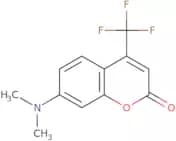
CAS:<p>Coumarin 152 is a coumarin derivative that was developed as a fluorescent probe for phospholipid membranes. Coumarin 152 binds to the acyl chains of the lipid bilayer and has been shown to be useful in assessing the integrity of the membrane. Coumarin 152 is also used as a substrate for cytochrome P450 activity and human serum, which can be used as an indicator for liver function. Coumarin 152 also has clinical use in detecting dinucleotide phosphate (DNP) levels in urine, which are elevated with diabetes mellitus or renal failure.</p>Formula:C12H10F3NO2Purity:Min. 95%Color and Shape:Slightly Yellow PowderMolecular weight:257.21 g/molDL-Methionine
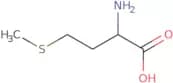
CAS:<p>DL-Methionine is a naturally occurring amino acid that is essential for healthy protein synthesis. Methionine can be synthesized by the human body, but it must be consumed through diet. DL-Methionine has been shown to have anti-obesity properties in vitro and in vivo models. It also helps maintain normal levels of calcium and pantothenate in the blood and supports the function of the immune system. DL-Methionine may also have effects on locomotor activity, body mass index, and peptide hormones.</p>Formula:C5H11NO2SPurity:Min. 95%Color and Shape:White PowderMolecular weight:149.21 g/mol4-Fluoro-3-nitrophenylacetic acid
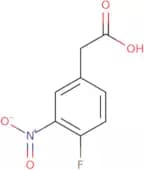
CAS:<p>4-Fluoro-3-nitrophenylacetic acid is a chiral monomer that can be used to synthesize diphenyl ethers. The reaction requires a carbamic acid as the acid catalyst and a nucleophilic reagent, such as an amine. 4-Fluoro-3-nitrophenylacetic acid has been shown to have anti-cancer properties in vitro and in vivo. 4-Fluoro-3-nitrophenylacetic acid may also inhibit the synthesis of dihydroisoquinolines, which are important for the function of DNA polymerase. There are two strategies for synthesizing this compound: one is based on the condensation of two molecules of phenylacetaldehyde in the presence of an acid catalyst; the other employs a Lewis acid catalyst with a pyridine nucleophile.</p>Formula:C8H6FNO4Purity:Min. 95%Color and Shape:SolidMolecular weight:199.14 g/mol2-Fluoro-4-methylbenzoic acid methyl ester
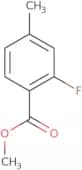
CAS:<p>2-Fluoro-4-methylbenzoic acid methyl ester is a versatile building block useful for the synthesis of a variety of compounds. It is an important intermediate and research chemical that can be used as a reaction component or speciality chemical. 2-Fluoro-4-methylbenzoic acid methyl ester is also a useful building block with high quality and reagent.</p>Formula:C9H9FO2Purity:Min. 95%Color and Shape:Clear LiquidMolecular weight:168.16 g/mol2-Chloroacetophenone
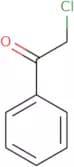
CAS:Controlled Product<p>2-Chloroacetophenone is a chemical that has been shown to be an effective inhibitor of the enzyme form of the human acetylcholinesterase. It is used in experimental studies for its ability to inhibit the activity of other enzymes such as polymerase chain, which is involved in DNA replication. 2-Chloroacetophenone has also been shown to have anti-cancer properties, inhibiting skin cancer cells and cancer cells derived from cardiac tissue. The drug also has anti-inflammatory properties and can be used for the treatment of arthritis. 2-Chloroacetophenone's toxicity has been studied extensively and it does not appear to affect glomerular filtration rate or body mass index significantly, although it may affect receptor activity.</p>Formula:C8H7ClOPurity:Min. 95%Color and Shape:PowderMolecular weight:154.59 g/mol3-(Trimethylsilyl)-2-naphthyl trifluoromethanesulfonate
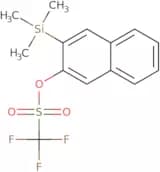
CAS:<p>3-(Trimethylsilyl)-2-naphthyl trifluoromethanesulfonate is a synthetic molecule that is used to synthesize benzofurans. 3-(Trimethylsilyl)-2-naphthyl trifluoromethanesulfonate is activated by reaction with N-bromosuccinimide, which creates an electrophilic carbon center. This electrophilic center reacts with nucleophiles such as alcohols, amines, and thiols to form a new bond. The product of this reaction is benzoylated, which can then undergo further reactions to form other compounds. X-ray crystallography has been used to characterize the structure of 3-(trimethylsilyl)-2-naphthyl trifluoromethanesulfonate.</p>Formula:C14H15F3O3SSiPurity:Min. 95%Color and Shape:Colorless Clear LiquidMolecular weight:348.41 g/molFmoc-3-iodo-L-tyrosine
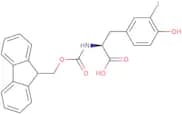
CAS:<p>Fmoc-3-iodo-L-tyrosine is a fine chemical that belongs to the category of versatile building blocks. It can be used as a reagent, speciality chemical, and useful scaffold in the synthesis of complex compounds. Fmoc-3-iodo-L-tyrosine is a high quality material with a purity of 98%. It has been used as an intermediate for research chemicals and useful building blocks.</p>Formula:C24H20NO5IPurity:Min. 97.5 Area-%Color and Shape:PowderMolecular weight:529.32 g/mol3-(5-Iodo-4-hydroxy-3-methoxy)cinnamic acid
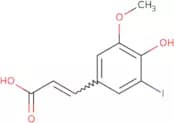
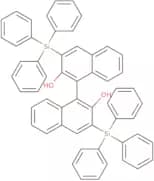
CAS:<p>3-(5-Iodo-4-hydroxy-3-methoxy)cinnamic acid is a chemical compound that can be used as a starting material for synthesis of complex compounds. It is a white solid with a melting point of about 100°C, and it is soluble in water. This product is an excellent reagent for the synthesis of new chemicals, and it has been widely used as a reaction component in organic syntheses. 3-(5-Iodo-4-hydroxy-3-methoxy)cinnamic acid also has antibacterial properties.</p>Formula:C10H9IO4Purity:Min. 95%Molecular weight:320.08 g/mol(R)-3,3'-Bis(triphenylsilyl)-1,1'-binaphthalene-2,2'-diol
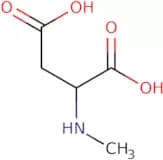
CAS:<p>(R)-3,3'-Bis(triphenylsilyl)-1,1'-binaphthalene-2,2'-diol is a high quality chemical and useful scaffold that can be used as a reagent for the synthesis of complex compounds. This compound has CAS No. 111822-69-6 and is an intermediate for the preparation of fine chemicals and speciality chemicals. It is also a versatile building block that can be used in research or as a reaction component to produce useful scaffolds.</p>Formula:C56H42O2Si2Purity:Min. 95%Color and Shape:White PowderMolecular weight:803.1 g/molN-Methyl-DL-aspartic acid
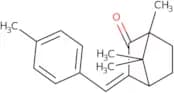
CAS:<p>N-Methyl-DL-aspartic acid (NMDA) is a pharmacological agent that binds to the glutamate receptor and increases the intracellular calcium concentration in cells. NMDA has been shown to cause neuronal death in mouse hippocampal cells, as well as rat striatal cells. It can also act as a messenger molecule and enhance growth factor production. NMDA binds to the N-methyl-D-aspartate receptor, which is located on the surface of neurons in the brain. This binding causes an influx of sodium ions into the cell, resulting in an increase in the intracellular calcium concentration. This increase leads to changes in cellular function, including increased growth factor production and neuronal death.</p>Formula:C5H9NO4Purity:Min. 95%Color and Shape:PowderMolecular weight:147.13 g/mol3-(4-Methylbenzylidene)camphor
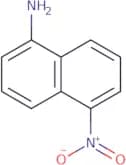
CAS:<p>3-(4-Methylbenzylidene)camphor is a chemical compound that has two isomers, alpha and beta. It can be found in biological samples, such as human urine or wastewater, and can be used for the treatment of skin cancer. 3-(4-Methylbenzylidene)camphor is prepared by extraction from a dry sample with an organic solvent. The extraction process requires a hydroxyl group to react with the dry sample and create a liquid. The resulting liquid is then evaporated to leave behind the extract. The kinetic data of 3-(4-Methylbenzylidene)camphor was determined by measuring its rate of reaction with an analytical method. The rate of reaction increased as the concentration increased to a constant value at high concentrations, which suggests that it may have some occlusive properties in humans due to its tendency to bind to plasma proteins.</p>Formula:C18H22OPurity:Min. 95%Color and Shape:White PowderMolecular weight:254.37 g/mol(5-Nitro-1-naphthyl)amine
CAS:<p>(5-Nitro-1-naphthyl)amine is an aromatic amine that has been used as a dye and as a reagent in organic synthesis. (5-Nitro-1-naphthyl)amine has an electron withdrawing effect on the aromatic ring, which creates an electron rich environment. This allows it to undergo reductive elimination reactions with hydrochloric acid or hydrazine. It can also be converted into nitro groups by reduction with hydrogen and hydrochloric acid, or by oxidation with potassium permanganate. The intramolecular hydrogen bond of (5-nitro-1-naphthyl)amine is stronger than the intermolecular hydrogen bonding of the molecule with water molecules. This means that the solubility of (5-nitro-1-naphthyl)amine in water is low because it cannot easily form hydrogen bonds with other water molecules. The chromatographic separation of (5-nit</p>Formula:C10H8N2O2Purity:Min. 95%Color and Shape:Red PowderMolecular weight:188.18 g/mol




![1-{{[5-(4-Nitrophenyl)-2-furanyl]methylene}amino}-2,4-imidazolidinedione](/_next/image/?url=https%3A%2Fstatic.cymitquimica.com%2Fproducts%2F3D%2Fthumb-webp%2FFN138588.webp&w=3840&q=75)




![[2,3'-Bipyridin]-6'-amine](/_next/image/?url=https%3A%2Fstatic.cymitquimica.com%2Fproducts%2F3D%2Fthumb-webp%2FFB141123.webp&w=3840&q=75)