Pharmaceutical Standards
Pharmaceutical standards are a comprehensive set of reference materials essential for ensuring the safety, efficacy, and quality of pharmaceutical products. This category includes standards for active pharmaceutical ingredients (APIs), which are the core components responsible for therapeutic effects. Additionally, it covers compounds and metabolites relevant to both the pharmaceutical and veterinary industries, providing benchmarks for the accurate measurement and analysis of these substances. Nitrosamine control standards are crucial for detecting and mitigating potentially harmful nitrosamines in drug formulations. Toxicology standards help assess the safety and potential adverse effects of pharmaceutical compounds. Furthermore, enzyme activators and inhibitors standards are vital for research and development, enabling precise studies of biochemical pathways and drug mechanisms. These pharmaceutical standards are indispensable tools for regulatory compliance, quality control, and research, ensuring that pharmaceutical products meet stringent safety and effectiveness criteria.
Subcategories of "Pharmaceutical Standards"
- APIs for research and impurities(273,766 products)
- Enzyme Activators and Inhibitors(2,827 products)
- Nitrosamines(2,605 products)
- Pharmaceutical and Veterinary Compounds and Metabolites(2,608 products)
- Toxicology(13,652 products)
Found 7836 products of "Pharmaceutical Standards"
Sort by
Purity (%)
0
100
|
0
|
50
|
90
|
95
|
100
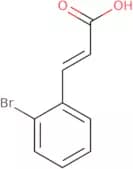
cis-4-Chloro-3-nitrocinnamic acid
<p>Cis-4-Chloro-3-nitrocinnamic acid is an aromatic organic compound with potential utility in biochemical research and synthesis. This compound is typically derived from synthetic chemical processes involving chlorination and nitration reactions on cinnamic acid derivatives. Its molecular structure, characterized by both chloro and nitro functional groups, allows it to interact in unique ways with various biochemical pathways and molecular frameworks.</p>Formula:C9H6ClNO4Purity:Min. 95%Color and Shape:White PowderMolecular weight:227.6 g/molFmoc-(S)-3-amino-3-(2-nitrophenyl)propionic acid
CAS:<p>Please enquire for more information about Fmoc-(S)-3-amino-3-(2-nitrophenyl)propionic acid including the price, delivery time and more detailed product information at the technical inquiry form on this page</p>Formula:C24H20N2O6Purity:Min. 95%Color and Shape:White PowderMolecular weight:432.43 g/molN-[3,5-Bis(trifluoroMethyl)phenyl]-N'-[(9R)-6'-Methoxy-9-cinchonanyl]thiourea
CAS:<p>Please enquire for more information about N-[3,5-Bis(trifluoroMethyl)phenyl]-N'-[(9R)-6'-Methoxy-9-cinchonanyl]thiourea including the price, delivery time and more detailed product information at the technical inquiry form on this page</p>Formula:C29H28F6N4OSPurity:Min. 95%Color and Shape:PowderMolecular weight:594.62 g/mol2',7'-Bis(2-carboxyethyl)-5(6)-carboxyfluorescein
CAS:<p>2',7'-Bis(2-carboxyethyl)-5(6)-carboxyfluorescein (BCECF) is a fluorescent probe that is used to measure the intracellular concentration of Ca2+. BCECF binds to Ca2+ and transfers its energy to a fluorophore. This process results in an increase in fluorescence intensity proportional to the amount of Ca2+ present. The BCECF dye can be used for detecting mitochondrial membrane potential, as well as monitoring changes in cellular metabolism. It has been shown to be effective in mesenchymal cells, blood sampling, and internalization assays.</p>Formula:C27H20O11Purity:Min. 90 Area-%Color and Shape:PowderMolecular weight:520.44 g/molN-tert-Boc-L-aspartic acid tert-butyl ester
CAS:<p>N-tert-Boc-L-aspartic acid tert-butyl ester is a chemical compound that is synthesized in the laboratory. It has been shown to have an insulinotropic effect on plasma samples and may be used in the treatment of cancer. The ring opening of N-tert-Boc-L-aspartic acid tert-butyl ester yields L-aspartic acid, which can be used for the synthesis of collagen or glycopeptide. This chemical is also found to stimulate T cells and has been shown to inhibit proliferation of cancer cells in vitro.</p>Formula:C13H23NO6Purity:Min. 95%Color and Shape:White PowderMolecular weight:289.32 g/mol(2-[Biotinamido]ethylamido)-3,3'-dithiodipropionic acid N-hydroxysuccinimide ester
CAS:<p>Biotinamido-3,3'-dithiodipropionic acid N-hydroxysuccinimide ester is a biotinylated derivative of the lectin from Streptomyces griseus. It has been shown to bind to the mycolic acid on the surface of mycobacteria and activate inflammatory cells. The lectin has also been used as a vaccine adjuvant for tuberculosis and other bacterial infections. Biotinamido-3,3'-dithiodipropionic acid N-hydroxysuccinimide ester activates Toll-like receptor 4 (TLR4) and induces secretion of tumor necrosis factor alpha (TNF-α). TLR4 is a cell surface receptor that recognizes various microbial products, such as lipopolysaccharides (LPS), peptidoglycan, and unmethylated CpG DNA.</p>Formula:C22H33N5S3O7Purity:Min. 95%Color and Shape:PowderMolecular weight:575.72 g/mol5-Methylcytosine
CAS:<p>5-Methylcytosine is a nucleic acid that is found in the DNA and RNA of the cell. It is an important component of methylation, which is the process by which a methyl group is added to a molecule. This process can lead to cellular transformation, a process that can cause cancer. 5-Methylcytosine has also been shown as a molecular pathogenesis factor in infectious diseases such as HIV and herpes simplex virus type 1. The presence of 5-methylcytosine in nuclear DNA has been detected by analytical techniques such as gas chromatography/mass spectrometry (GC/MS). There are many analytical methods, including GC/MS, that can be used to detect 5-methylcytosine in cellular nuclei.</p>Formula:C5H7N3OPurity:Min. 95%Color and Shape:PowderMolecular weight:125.13 g/mol3-Bromocinnamic acid methyl ester
CAS:<p>3-Bromocinnamic acid methyl ester is a chemical compound that belongs to the group of useful scaffolds. It is a versatile building block and can be used as an intermediate in the synthesis of complex compounds. 3-Bromocinnamic acid methyl ester has been found to be a useful research chemical, reaction component, and speciality chemical. This chemical can be used in the production of fine chemicals and other products. 3-Bromocinnamic acid methyl ester is also useful as a reagent for organic reactions.</p>Formula:C10H9BrO2Purity:Min. 95%Color and Shape:PowderMolecular weight:241.08 g/mol3-Trifluoroacetyl-D-Camphor
CAS:<p>3-Trifluoroacetyl-D-camphor is a ligand that binds to the quinine site on the mitochondrial membrane potential. It has been shown to have synergistic effects with metal chelates in cancer treatments. 3-Trifluoroacetyl-D-camphor is also a phosphorescent compound that emits photons when excited by light. The emission of light can be used as a probe for determining mitochondrial membrane potential and as a luminophore in devices such as gas sensors. 3-Trifluoroacetyl-D-camphor is found in the mitochondrial membranes of HL60 cells, and its concentration increases when mitochondria are exposed to hydrogen phosphine.</p>Formula:C12H15F3O2Purity:Min. 95%Color and Shape:Clear LiquidMolecular weight:248.24 g/mol2-Amino-5-bromothiazole-4-carboxylic acid methyl ester
CAS:<p>2-Amino-5-bromothiazole-4-carboxylic acid methyl ester is a reagent that can be used as a building block for the synthesis of complex compounds. It is also an intermediate in the synthesis of other chemical compounds with therapeutic potential. 2-Amino-5-bromothiazole-4-carboxylic acid methyl ester is a fine chemical, which is useful for research purposes. The CAS number for this product is 850429-60-6.</p>Formula:C5H5BrN2O2SPurity:Min. 95%Color and Shape:PowderMolecular weight:237.08 g/mol3,5-Dimethoxycinnamic acid
CAS:<p>3,5-Dimethoxycinnamic acid is a compound that belongs to the class of cinnamic acid derivatives. It is a synthetic substance obtained by demethylation of 3,5-dimethoxybenzoic acid. This substance has been shown to have an antifungal activity in vitro against filamentous fungi and many other microorganisms. The antimicrobial effect can be explained by the presence of functional groups such as hydroxyl and methoxyl on the aromatic ring. Hydroxide solution can be used as an analytical reagent for determining the formation rate of this compound.</p>Formula:C11H12O4Purity:Min. 95%Color and Shape:PowderMolecular weight:208.21 g/mol6-Fluorovitamin D3
CAS:<p>6-Fluorovitamin D3 is a synthetic analog of vitamin D3, which is a modified form of the naturally occurring hormone known as cholecalciferol. This molecule is typically derived through chemical synthesis, incorporating a fluorine atom at a specific position on the vitamin D3 structure. The introduction of the fluorine atom is designed to enhance the stability of the compound and potentially alter its biological activity.</p>Formula:C27H43FOPurity:Min. 95%Molecular weight:402.63 g/molCholesterol linoleate
CAS:Controlled Product<p>Cholesterol linoleate is a model system that is used to study the role of cholesterol in atherosclerosis. It consists of a cholesterol-based polymer and linoleic acid, which are chemically similar to the natural lipids found in human cells. In vitro studies have shown that this model system has an inhibitory effect on ATP binding cassette transporter A1 (ABCA1) and ABCG1. These proteins transport cholesterol from cellular membranes to other parts of the cell, where they are degraded by enzymes called lysosomes. Cholesterol linoleate also inhibits basic protein, an enzyme that breaks down cholesteryl, leading to reduced levels of cholesteryl esters in the atheromatous lesions. This model system has been shown to reduce disease activity in animals with atherosclerotic lesions.</p>Formula:C45H76O2Color and Shape:White PowderMolecular weight:649.08 g/mol4-Cyanocinnamic acid
CAS:<p>4-Cyanocinnamic acid is a fatty acid that has been shown to be a substrate for the bacterial enzyme cinnamate 4-hydroxylase. The molecular weight of this compound is 136.16 g/mol, and it has a constant boiling point of 206°C. It can be synthesized from phenylacetic acid and p-coumaric acid using a transesterification reaction. This compound is reactive with carbonyl groups, which makes it useful in the detection of gram-positive bacteria by fluorescent probes or fluorescent dyes. 4-Cyanocinnamic acid is unreactive with esters of carboxylic acids, such as methyl esters, making it useful for the determination of fatty acids in isolates.</p>Formula:C10H7NO2Purity:Min. 95%Color and Shape:PowderMolecular weight:173.17 g/mol4-Bromo-3,5-dimethoxybenzoic acid methyl ester
CAS:<p>4-Bromo-3,5-dimethoxybenzoic acid methyl ester is a crystalline solid that can be obtained from the reaction of 4-bromo-3,5-dimethoxybenzoic acid and methyl iodide. It has been shown to undergo an intramolecular cyclization when irradiated with ultraviolet light. This transformation is characterized by an increase in the length of the C=C bond and the appearance of a new C=O bond. The skeleton of 4-bromo-3,5-dimethoxybenzoic acid methyl ester consists of four five membered rings and two six membered rings. The molecule interacts with ligands such as styrene, mesitylene, vinylated benzyl halides, or halides.</p>Formula:C10H11BrO4Purity:Min. 95%Color and Shape:PowderMolecular weight:275.1 g/molSiastatin B
CAS:<p>Inhibitor of viral, bacterial and animal sialidase</p>Formula:C8H14N2O5Purity:Min. 98 Area-%Color and Shape:White PowderMolecular weight:218.19 g/mol4'-tert-Butyl-2',6'-dimethyl-3',5'-dinitroacetophenone
CAS:<p>4'-tert-Butyl-2',6'-dimethyl-3',5'-dinitroacetophenone is a ketone that is used in the synthesis of new chemical substances. It has been shown to have toxicological properties and can be used for the treatment of bacterial infections. 4'-tert-Butyl-2',6'-dimethyl-3',5'-dinitroacetophenone has been shown to produce a high degree of solubility in water, which is an advantageous property for wastewater treatment because it allows for easy removal of this compound from contaminated water.</p>Formula:C14H18N2O5Purity:Min. 95%Color and Shape:PowderMolecular weight:294.3 g/molEosin Y disodium salt
CAS:<p>Eosin Y, a red xanthene dye, has been noted to reduce the affinity of Mg2+-ATPase for ATP and increase the enzyme affinity for Mg2+ at concentrations of 10-50 μM. At higher concentrations near 100 μM the affinity for Mg2+-ATPase for the ion-activator has been shown to be reduced. This compound has also been reported to be a photosensitizer that works as a molecular photoelectrode via catalyzation of the visible-light-driven electron-transfer reaction. Eosin Y has been used to stain structures such as muscle, cytoplasm, and collagen. This agent also enhances fluorescent quenching abilities by forming a complex with polyvinulpyrrolidone.</p>Formula:C20H6Br4Na2O5Purity:Min. 95%Color and Shape:Brown PowderMolecular weight:691.85 g/mol(2',4',6'-Trimethyl)acetophenone
CAS:<p>(2',4',6'-Trimethyl)acetophenone is a precursor to 2,4,6-trimethylphenol. It is used in the synthesis of trifluoroacetic acid and trifluoromethanesulfonic acid as well as in the production of perfumes. Trifluoroacetic acid and trifluoromethanesulfonic acid are used for the manufacture of pharmaceuticals, plastics, pesticides, and solvents. This compound is also important for the manufacture of certain dyes, such as those used in textile dyeing.<br>The iodination reaction with 2',4',6'-trimethylacetophenone is catalyzed by potassium iodide and acetic acid. The reaction products include ethyl formate, acetaldehyde, water (H2O), hydrogen peroxide (H2O2), and iodine (I). The structural analysis showed that the carbonyl group was not involved in any</p>Formula:C11H14OPurity:Min. 95%Color and Shape:Clear LiquidMolecular weight:162.23 g/mol2-Naphthoxyacetic acid
CAS:<p>2-Naphthoxyacetic acid is a chemical compound that has been shown to be a matrix effect agent in the kidney bean extract. It is also used as a nutrient solution in synchronous fluorescence and hydroxyl group. 2-Naphthoxyacetic acid can be used as an analytical method for sodium citrate, dispersive solid-phase extraction, nitrogen atoms, and acid complex. The optical sensor can be used for low light surface methodology. Fluoroacetic acid is a chemical compound that has been shown to have analytical properties similar to 2-Naphthoxyacetic acid.</p>Formula:C12H10O3Purity:Min 98%Color and Shape:PowderMolecular weight:202.21 g/molDextromethorphan
CAS:Controlled Product<p>9-alpha,-14-alpha-3-Methoxy-17-methylmorphinan (914) is a drug that is used in the treatment of bowel disease. It has been shown to inhibit the activity of enzymes such as polymerase chain, which is responsible for DNA replication and repair. 914 also inhibits dextromethorphan, an opioid that is used in cough suppressant medications. The effects of 914 on dextromethorphan are seen in human subjects who have been given the drug intravenously or orally. 914 binds to receptors that are found on cells in the brain and spinal cord, which explains its analgesic properties. This drug can be dangerous when taken with nonsteroidal anti-inflammatory drugs because it can cause kidney damage or failure.</p>Formula:C18H25NOPurity:Min. 95%Color and Shape:PowderMolecular weight:271.4 g/mol6-amino-3-methyl-4-(3-nitrophenyl)-4H-pyrano[3,2-d]pyrazole-5-carbonitrile
CAS:<p>Please enquire for more information about 6-amino-3-methyl-4-(3-nitrophenyl)-4H-pyrano[3,2-d]pyrazole-5-carbonitrile including the price, delivery time and more detailed product information at the technical inquiry form on this page</p>Formula:C14H11N5O3Purity:Min. 95%Color and Shape:PowderMolecular weight:297.27 g/mol9-Fluoro-11β,17-Dihydroxy-16α-Methyl-3,20-Dioxopregna-1,4-Dien-21-Yl 2-[2-(2-Ethoxyethoxy)Ethoxy]Acetate
CAS:Controlled Product<p>Methylprednisolone is a corticosteroid that has been used for the treatment of many conditions, including asthma and arthritis. It is used to reduce inflammation and suppress the immune system. Methylprednisolone can be administered orally or as an injection. It is also used in the diagnosis of tumours, especially those that are difficult to diagnose by other means. Methylprednisolone may be given together with another drug called dexamethasone, which has synergistic effects. These drugs have been shown to cause death in animals with certain types of tumours. In humans, they can cause cutaneous lesions, such as follicle cysts and tnf-α expression in skin cells. This drug also causes a microsporum infection (a type of fungus) on the skin to grow more rapidly when it is applied topically, resulting in a larger diameter section than untreated areas.</p>Formula:C30H43FO9Purity:Min. 95%Molecular weight:566.66 g/molDihydro caffeic acid 3-O-sulfate sodium salt
CAS:<p>Dihydro caffeic acid 3-O-sulfate sodium salt is a flavonol that is found in plants. It has been shown to have antioxidant properties and may be effective in the treatment of diseases associated with oxidative stress, such as diabetes mellitus and cancer. Dihydrocaffeic acid 3-O-sulfate sodium salt has also been shown to inhibit the growth of bacteria by modulating the production of nitric oxide. This agent has been quantified in human urine, which provides evidence for its potential use as a biomarker for disease risk due to its association with phenolic metabolites.</p>Formula:C9H8Na2O7SPurity:Min. 95%Color and Shape:White Off-White PowderMolecular weight:306.2 g/mol5-Chlorosalicylic acid
CAS:<p>5-Chlorosalicylic acid is an inhibitor of the enzyme carbonic anhydrase. It is used for the treatment of gout, rheumatoid arthritis, and osteoarthritis. This compound has been shown to be a genotoxic agent, which may result in mutagenic or carcinogenic effects. 5-Chlorosalicylic acid inhibits the growth of probiotic bacteria. It also has anti-inflammatory properties and can be used as a proton donor in organic synthesis reactions.<br>5-Chlorosalicylic acid is a metabolite of acetylsalicylic acid (ASA) that forms when ASA undergoes oxidative deamination in the liver. 5-Chlorosalicylic acid is also formed during metabolism of nonsteroidal anti-inflammatory drugs (NSAIDs).</p>Formula:C7H5ClO3Purity:Min. 95%Color and Shape:White Off-White PowderMolecular weight:172.57 g/mol(R)-(-)-3,3′-Bis(triphenylsilyl)-1,1′-binaphthyl-2,2′-diyl hydrogenphosphate
CAS:<p>(R)-(-)-3,3′-Bis(triphenylsilyl)-1,1′-binaphthyl-2,2′-diyl hydrogenphosphate is a fine chemical that is a useful reagent and building block. It can be used as an intermediate in the synthesis of complex compounds. This chemical has a CAS number of 791616-55-2 and is classified as a speciality chemical. (R)-(-)-3,3′-Bis(triphenylsilyl)-1,1′-binaphthyl-2,2′-diyl hydrogenphosphate is also a versatile building block for the synthesis of reaction components with high quality.</p>Formula:C56H41O4PSi2Purity:Min. 94.5 Area-%Color and Shape:PowderMolecular weight:865.07 g/mol5-Methoxysalicylic acid sodium
CAS:<p>5-Methoxysalicylic acid sodium (MSAS) is a drug that is used to treat intestinal ulcers. It is also used to reduce the viscosity of blood and as an adjuvant in the treatment of rheumatoid arthritis. The bioavailability of MSAS is increased when it is administered with cefmetazole, which enhances the absorption of this drug in the small intestine. MSAS has a hypoglycemic effect and can be used to treat high blood sugar levels. This drug binds to muscle cells and prevents their contraction, which can lead to relief from muscle pain or spasms. MSAS may also have a pharmacological effect on ligation, which occurs when tissue is cut off from its blood supply.</p>Formula:C8H7O4·NaPurity:Min. 95%Color and Shape:PowderMolecular weight:190.13 g/molL-Methionine [R]-sulfoximine
CAS:<p>L-Methionine [R]-sulfoximine is a molecule that has been isolated from the environment. It is an electron-deconvolution and paramagnetic resonance study of the molecule. The spectrum was obtained in the frequency range from 10 to 500 MHz, with a resolution of 0.03 ppm, and a sensitivity of 20 μT. L-Methionine [R]-sulfoximine is an imine nitrogen that can be coordinated by metal ions to form an iminium ion. This compound has two enantiomers, which are both shown in this study. L-Methionine [R]-sulfoximine is a synthetase that catalyzes the formation of the methylamino group and its amino nitrogen.</p>Formula:C5H12N2O3SPurity:Min. 95%Color and Shape:White to pale yellow solid.Molecular weight:180.23 g/mol4-Chloro-3-nitroacetophenone
CAS:<p>4-Chloro-3-nitroacetophenone is a phenothiazine drug that is used in the treatment of lung conditions. It binds to the active site of human cytochrome P450, which is an enzyme that metabolizes many drugs and other foreign substances. 4-Chloro-3-nitroacetophenone inhibits the reaction by binding to the chloride ion and preventing it from leaving the enzyme's active site, which is necessary for its function. The drug has been shown to have a high affinity for protozoan tetrahymena, an organism that has been widely used as a model system in biochemistry research. 4-Chloro-3-nitroacetophenone also inhibits biochemical reactions involving nucleophilic substrates such as quinoline derivatives. The reaction rate of these substrates is decreased by this drug due to its ability to compete with water molecules for the nucleophilic reaction intermediate.</p>Formula:C8H6ClNO3Purity:Min. 95%Color and Shape:PowderMolecular weight:199.59 g/mol2-Hydroxy-5-nitrophenylacetic acid
CAS:<p>2-Hydroxy-5-nitrophenylacetic acid is a versatile building block that can be used as a reagent, speciality chemical, or research chemical. It has been synthesized and characterized from the nitrobenzene derivative 2-hydroxyacetophenone. The compound has been shown to inhibit the growth of bacteria by binding to bacterial DNA gyrase and topoisomerase IV. This inhibits bacterial growth by preventing DNA replication and transcription. As an intermediate, 2-hydroxy-5-nitrophenylacetic acid is useful in organic synthesis as a reaction component or scaffold.</p>Formula:C8H7NO5Purity:Min. 95%Color and Shape:PowderMolecular weight:197.14 g/molO-Benzyl-L-threonine
CAS:<p>O-Benzyl-L-threonine is a polymer that can be used to treat inflammatory diseases. It is an ionic polymer that reacts with calcium carbonate and forms nanosized architectures. O-Benzyl-L-threonine has been shown to cause the disassembly of inflammatory cells and induce cell death through necrosis factor. This polymer has been shown to have an optimal reaction when combined with a target cell in the presence of calcium carbonate. The phenolic group on the threonine molecule is responsible for this reaction's success.</p>Formula:C11H15NO3Purity:Min. 95%Color and Shape:White To Off-White SolidMolecular weight:209.24 g/molL-Asparagine monohydrate
CAS:<p>L-Asparagine monohydrate (LAM) is a water-soluble amino acid that is used in the treatment of metabolic disorders such as diabetes. LAM has been shown to be effective in cell culture and tissue culture experiments, where it was found to increase the production of growth factors, such as insulin and keratinocyte growth factor. This amino acid also has a high degree of kinetic stability and can be used for magnetic resonance spectroscopy studies. LAM is soluble in water, but not in organic solvents. It forms hydrogen bonds with other molecules and is able to form dehydrated crystals. The experimental solubility data for LAM can be found in table 1 below.</p>Formula:C4H10N2O4Purity:(Titration) Min. 99%Color and Shape:White Clear LiquidMolecular weight:150.13 g/mol(6S)-5,6,7,8-Tetrahydro-6-[propyl[2-(2-thienyl)ethyl]amino]-1-naphthalenol
CAS:Controlled Product<p>(6S)-5,6,7,8-Tetrahydro-6-[propyl[2-(2-thienyl)ethyl]amino]-1-naphthalenol is a potent and selective dopamine receptor agonist. It acts by binding to the dopamine receptors in the brain. This binding stimulates the release of dopamine and prevents it from being reabsorbed into the neurons, which in turn increases levels of extracellular dopamine in the synapse. (6S)-5,6,7,8-Tetrahydro-6-[propyl[2-(2-thienyl)ethyl]amino]-1-naphthalenol has been shown to have antidepressant effects in animal models of depression. It also has a long half life and can be administered as a transdermal patch for prolonged relief from depression symptoms.</p>Formula:C19H25NOSPurity:Min. 95%Color and Shape:White Off-White PowderMolecular weight:315.47 g/mol2-Amino-4-bromocinnamic acid
CAS:<p>2-Amino-4-bromocinnamic acid is a fine chemical with a CAS number of 914636-63-8. It is used in the synthesis of complex compounds and useful building blocks, as well as in research. This compound has been shown to be an intermediate for the preparation of derivatives with potential pharmaceutical applications, such as antihistamines, antipsychotics, and antibiotics. 2-Amino-4-bromocinnamic acid is also an important reagent for organic syntheses.</p>Formula:C9H8BrNO2Purity:Min. 98 Area-%Color and Shape:PowderMolecular weight:242.07 g/mol(4R,8RS)-Limonene-8,9-epoxide
CAS:<p>The compound (4R, 8RS)-limonene-8,9-epoxide is an epoxide of the monoterpene limonene. It has been shown to be an effective insecticide that attacks the cycle at the abietane stage. It can also be used as a precursor for other chemicals such as neoabietic acid. The biosynthesis of this compound is unknown, but it is thought to be generated by a cytochrome P450 monooxygenase and may involve the epoxidation of dendroctonus or cytochromes. This compound is not found in plants and is only found in insects, where it functions as an insecticide.</p>Formula:C10H16OPurity:Min. 95%Color and Shape:Colorless Clear LiquidMolecular weight:152.23 g/mol4,4'-Dinitro-2,2'-bipyridine-N,N'-dioxide - crude
CAS:<p>4,4'-Dinitro-2,2'-bipyridine-N,N'-dioxide is a fine chemical with a high quality. It is a versatile building block with a wide range of applications in research and as a reagent. The compound is used in the synthesis of organic compounds and many other products. This product can be used as an intermediate for the production of more complex compounds or scaffolds. 4,4'-Dinitro-2,2'-bipyridine-N,N'-dioxide has been shown to be useful in the synthesis of pharmaceuticals and agrochemicals.</p>Formula:C10H6N4O6Purity:Min. 95%Color and Shape:Yellow PowderMolecular weight:278.18 g/mol(-)-EGCG-3''-O-ME
CAS:<p>(-)-EGCG-3''-O-ME is a methylated derivative of epigallocatechin (EGCg) that has been shown to have hepatoprotective properties. (-)-EGCG-3''-O-ME inhibits the growth of bacterial cells by binding to the proton pump in the bacterial cell membrane and preventing the transport of protons across the membrane, which leads to an accumulation of hydrogen ions inside the bacterial cell. (-)-EGGCg also inhibits alcohol-induced liver injury and is an antioxidant. (-)-EGGCg has been shown to have anti-obesity effects on mice fed a high fat diet, as well as lowering blood pressure in rats. (-)-EGCg can be detected by analytical methods such as gas chromatography or high performance liquid chromatography (HPLC).</p>Formula:C23H20O11Purity:Min. 90 Area-%Color and Shape:Brown PowderMolecular weight:472.4 g/molEthyl 2,4,6-trimethoxycinnamate
CAS:<p>Ethyl 2,4,6-trimethoxycinnamate is a fine chemical that is a useful scaffold for the synthesis of other compounds. It is used as a versatile building block in the synthesis of research chemicals and as an intermediate in the production of speciality chemicals. This compound has been shown to be highly reactive. Ethyl 2,4,6-trimethoxycinnamate can be used as an effective reagent or reaction component in organic chemistry.</p>Formula:C14H18O5Purity:90%Color and Shape:PowderMolecular weight:266.29 g/molFmoc-3-(1-naphthyl)-L-alanine
CAS:<p>Fmoc-3-(1-naphthyl)-L-alanine is a versatile building block that can be used in the synthesis of complex compounds. It has been shown to be a useful intermediate in the synthesis of a range of biologically active compounds, including research chemicals and reagents. It is also a useful scaffold for the preparation of complex chemical structures. Fmoc-3-(1-naphthyl)-L-alanine is available as an off-white solid with a purity of 99%.</p>Formula:C28H23NO4Purity:Min. 98.0 Area-%Color and Shape:White PowderMolecular weight:437.49 g/mol2,3-Dichlorocinnamic acid
CAS:<p>2,3-Dichlorocinnamic acid is an organic compound that can be synthesized in a multistep process involving the reaction of pyridine with sulfuryl chloride. This reaction forms 2,3-dichloropropiophenone and 2,3-dichloroacetophenone. The latter compound is converted to the desired product by reacting it with thionyl chloride. The final step involves hydrolysis of the ester group to form 2,3-dichlorocinnamic acid.<br>2,3-Dichlorocinnamic acid can also be synthesized from phenylpropiolic acid and chlorosulfuric acid or from methyl propiolate and chlorosulfuric acid. <br>2,3-Dichlorocinnamic acid is a white crystalline solid that melts at 155°C and boils at 287°C. It is soluble in water and has a low yield due to</p>Formula:C9H6Cl2O2Purity:Min. 95%Molecular weight:217.05 g/mol(R)-Apomorphine hydrochloride hemihydrate
CAS:<p>Apomorphine hydrochloride is the salt form of apomorphine, a morphine derivative D2 dopamine agonist. The high selectivity for D2, D3, D4 and D5 receptors makes apomorphine hydrochloride a possible drug candidate and it is in clinical trials for diagnosis and treatment of Parkinsons disease. Moreover, apomorphine and apomorphine hydrochloride have been investigated in diverse studies for treating movement disorders.</p>Formula:C17H17NO2•HCl•(H2O)0Purity:Min. 95%Color and Shape:White PowderMolecular weight:312.79 g/molrac 4-Hydroxy-9-cis-retinoic acid
CAS:<p>9-cis-Retinoic acid is a retinoid that is found in the human body. It can be extracted from the cells of animals or plants and purified by using an organic solvent, such as hexane. 9-cis-Retinoic acid can also be synthesized by using a validated hplc method. Analysts use this compound to measure conjugate acids, hydroxy acids, and other compounds related to endogenous metabolism. It is often used as a buffering agent for specific applications.</p>Formula:C20H28O3Purity:Min. 95%Molecular weight:316.43 g/molN-Methyl-L-tyrosine - Combretum collinum
CAS:<p>N-Methyl-L-tyrosine is a molecule that has been studied as a potential treatment for Parkinson's disease. It is chemically related to the amino acid tyrosine and also shares some of its biological properties. N-Methyl-L-tyrosine inhibits the uptake of dopamine by dopamine transporters in cells, which reduces the symptoms of Parkinson's disease. The alkynyl group present in this molecule helps to improve the drug's binding affinity with proctolin, which is a substrate for proton pump inhibitors, and can be used to treat gastrointestinal problems. The clinical use of N-Methyl-L-tyrosine is limited due to its low oral bioavailability; however, it may be effective when administered intravenously or intramuscularly.</p>Formula:C10H13NO3Purity:Min. 95%Color and Shape:White PowderMolecular weight:195.22 g/molDisodium methylenebisnaphthalenesulfonate
CAS:<p>Disodium methylenebisnaphthalenesulfonate is an organic compound that belongs to the group of bisnaphthyl-sulfones. It is a white solid with a melting point of 236°C. Disodium methylenebisnaphthalenesulfonate is used as a reagent in organic synthesis and as a building block for other compounds. The compound has been shown to be useful in the synthesis of 2-amino-5-methyl-1,3,4-thiadiazole derivatives, which are important building blocks for pharmaceuticals. Disodium methylenebisnaphthalenesulfonate can also be used as a scaffold for complex compounds with new or unknown structures.</p>Formula:C21H16O6S2·2NaPurity:Min. 95%Color and Shape:Beige To Brown SolidMolecular weight:474.46 g/molGeranyl linalool
CAS:<p>Geranyl linalool is a monoterpene that is found in plants. It has been shown to have significant cytotoxicity against some cancer cell lines and may be useful in the treatment of cancer. Geranyl linalool also displays antibacterial, antifungal, and antiviral properties. Geranyl linalool is soluble in organic solvents such as methanol and ethanol, but insoluble in water. The chemical ionization mass spectrum of geranyl linalool has been observed to produce water-vapor ions at m/z 94 and 95 with a retention time of 12.5 minutes. The molecular weight of geranyl linalool is 152 g/mol and it has a ph optimum between 5-8.</p>Formula:C20H34OPurity:Min. 95%Color and Shape:Clear LiquidMolecular weight:290.48 g/mol2,4-Dinitrophenyl butyrate
CAS:<p>2,4-Dinitrophenyl butyrate is a plant-derived compound that belongs to the group of fatty acids. It has shown radical scavenging activity in a homogeneous assay and has been found to be a strong inhibitor of pancreatic lipase. 2,4-Dinitrophenyl butyrate has also been used as a marker for proteolytic enzymes and has been shown to have inhibitory effects on pancreatic lipase. This compound is not only useful for studying enzyme inhibition, but it can also be used as an ingredient in food products.</p>Formula:C10H10N2O6Purity:Min. 98 Area-%Color and Shape:PowderMolecular weight:254.2 g/mol3,6-Dihydroxy-2,4-dimethoxyacetophenone
CAS:<p>3,6-Dihydroxy-2,4-dimethoxyacetophenone is an aromatic compound that has a molecular structure with hydrogen-bonded groups. It also contains both acetoxy and intramolecular substituents. 3,6-Dihydroxy-2,4-dimethoxyacetophenone is used in research as a starting material for the synthesis of other compounds. It is also used to study the dihedral angles in molecules due to the presence of two asymmetric carbon atoms.</p>Formula:C10H12O5Purity:Min. 95%Color and Shape:PowderMolecular weight:212.2 g/mol(+)-Biotin-sarcosine
CAS:<p>Please enquire for more information about (+)-Biotin-sarcosine including the price, delivery time and more detailed product information at the technical inquiry form on this page</p>Formula:C13H21N3SO4Purity:Min. 95%Molecular weight:315.39 g/mol4-Amino-2-chlorobenzoic acid methyl ester
CAS:<p>4-Amino-2-chlorobenzoic acid methyl ester (4ACBME) is a chemical compound that has been used in the treatment of autoimmune diseases. It acts as an immunoreceptor and regulatory molecule by binding to specific receptors on the surface of lymphocytes, which are cells that play a central role in the immune system. 4ACBME also inhibits the production of inflammatory molecules, such as TNF-α, IL-1β, IL-6 and IL-8. The regression of tissue inflammation was observed in animal models after 4ACBME treatment. This compound has been shown to have no genotoxic impurities in vitro studies and its molecular descriptors are consistent with those found for other immunoreceptors.</p>Formula:C8H8ClNO2Purity:Min. 95%Color and Shape:White PowderMolecular weight:185.61 g/mol6-Amino-3-methyl-4-(4-nitrophenyl)-4H-pyrano[3,2-d]pyrazole-5-carbonitrile
CAS:<p>6-amino-3-methyl-4-(4-nitrophenyl)-4H-pyrano[3,2-d]pyrazole-5-carbonitrile is a compound that has been shown to have correlations with energies and regression. It also has a linear regression, polarities, photophysical properties, and dipole. The fluorescence and excited state of this compound are singlet and hydrogen bonding interactions with solvents.</p>Formula:C14H11N5O3Purity:Min. 95%Color and Shape:PowderMolecular weight:297.27 g/molα-Cyclocitral
CAS:<p>α-Cyclocitral is an organic compound that is used in the industrial production of lutein. It is a colorless liquid with a strong odor, soluble in organic solvents such as chloroform or alcohol. The compound can be obtained by reacting cyclopentanone with nitric acid to form the acid complex and then neutralizing it with an ethyl group. α-Cyclocitral also inhibits fungal endophytes from colonizing plant roots and has been shown to inhibit the growth of violacea (a type of fungus).</p>Formula:C10H16OPurity:Min. 95%Color and Shape:Clear LiquidMolecular weight:152.23 g/mol21-(Fluoro-18F)-17-Hydroxypregna-1,4-Diene-3,11,20-Trione
Controlled Product<p>F-18-fluorohydroxypregna-1,4-diene-3,11,20-trione (FHP) is a positron emission tomography (PET) radiopharmaceutical that binds to estrogen receptors. It is used in the diagnosis of cancer and other diseases. FHP is synthesized by reduction of its carbonyl group with sodium borohydride and then converted to the desired radiolabeled form. The synthesis of FHP can be accomplished in a variety of ways, depending on the desired radionuclide and labeling technique. One such method uses an unlabeled precursor estrone or 17β-estradiol as the starting material. This precursor undergoes enzymatic conversion by testosterone 17β hydroxylase to yield FHP.</p>Formula:C21H25FO4Purity:Min. 95%Molecular weight:360.42 g/molTestosterone enanthate
CAS:Controlled Product<p>Testosterone enanthate is a long-acting ester of the natural hormone testosterone. It is used to treat male hypogonadism, as well as for female infertility. Testosterone enanthate has been found to be effective in maintaining physiological levels of testosterone in the blood and in increasing follicular growth, body mass index, and bone density. The pharmacokinetic properties of testosterone enanthate are similar to other long-acting esters of testosterone, such as testosterone cypionate and testosterone propionate. These agents are absorbed slowly from the injection site into the bloodstream, with a prolonged duration of action that can last for weeks or months. Sodium citrate is commonly used with these agents to help prevent blood clots from forming at the injection site.</p>Formula:C26H40O3Purity:Min. 95%Color and Shape:PowderMolecular weight:400.59 g/molHomatropine methyl bromide
CAS:<p>Homatropine methyl bromide is a drug that belongs to the class of anticholinergic drugs. It is used as a pharmaceutical preparation and is used in the treatment of glaucoma, diagnosis of myasthenia gravis, and as an antidote for organophosphate poisoning. Homatropine methyl bromide can be used to control diastolic pressure. This drug binds to acetylcholine receptors and increases the time needed for hydrochloric acid to break down propranolol hydrochloride. The binding constants for this drug are high, which means it has a strong affinity for acetylcholine receptors. Homatropine methyl bromide is chemically stable and does not react with fatty acids or other chemicals.</p>Formula:C17H24NO3·BrPurity:Min. 95%Molecular weight:370.28 g/mol3-Chloro-L-tyrosine
CAS:<p>3-Chloro-L-tyrosine (3CT) is a reactive, nitrogen containing molecule that has been used as a model system to study oxidative injury in the heart. The molecule reacts with the air and oxygen in the environment, producing reactive oxygen species (ROS) that can cause oxidative injury. 3CT has been shown to inhibit ATP binding cassette transporter A1 (ABCA1), which is involved in cholesterol efflux from macrophages. 3CT also promotes the release of eosinophil peroxidase from eosinophils and induces tumor necrosis factor alpha (TNF-α). The analytical method for 3CT includes liquid chromatography-mass spectrometry/mass spectrometry (LC-MS/MS).</p>Formula:C9H10NO3ClPurity:Min. 95%Color and Shape:PowderMolecular weight:215.63 g/mol4-(N,N-Diethylamino)cinnamic acid
CAS:<p>4-(N,N-Diethylamino)cinnamic acid is a dye-sensitized solar cell sensitizer that has been synthesized from thiophene and acrylic acid. This compound is efficient in dye-sensitized solar cells and can be used to produce solar cells with an efficiency of over 10%.</p>Formula:C13H17NO2Purity:Min. 95%Color and Shape:PowderMolecular weight:219.28 g/molAdouetine Y
CAS:<p>Adouetine Y is a synthetic biochemical compound, designed as a highly specific inhibitor for targeted cellular processes. It is derived through advanced chemical synthesis techniques aimed at achieving optimal molecular precision. The mode of action of Adouetine Y involves binding to specific protein targets within the cell, modulating their activity and thereby influencing biochemical pathways critical to cellular function.</p>Formula:C34H40N4O4Purity:Min. 95%Molecular weight:568.71 g/mol4-Hydroxy atorvastatin lactone
CAS:<p>4-Hydroxy atorvastatin lactone is a prodrug that can be hydrolyzed to the active form, atorvastatin. It is an inhibitor of HMG-CoA reductase and has been shown to significantly lower cholesterol levels in humans. 4-Hydroxy atorvastatin lactone has been shown to have no significant drug interactions with other drugs metabolized by cytochrome P450 3A5 (CYP3A5). A pharmacokinetic study of healthy Chinese subjects showed that plasma concentrations of 4-hydroxy atorvastatin lactone increased with increasing doses. Linear ranges were observed for human liver validation studies. Pharmacokinetic parameters were determined using chromatographic science, including linearity, limit of detection, limit of quantification, and specificity. The validation study was completed using electrospray ionization mass spectrometry.</p>Formula:C33H33FN2O5Purity:Min. 95%Color and Shape:PowderMolecular weight:556.62 g/mol2-(2-Nitrophenoxy)acetic acid
CAS:<p>2-(2-Nitrophenoxy)acetic acid (NPAA) is a molecule that has been found in plants of the genus Balanites. It has been shown to be an intramolecular hydrogen bond acceptor, which may contribute to its chemical structure and stability. NPAA has also been shown to have a constant pKa value of 4.7, which means it is slightly acidic. NPAA is used as an industrial process sample preparation agent and can be synthesized by reacting phenol with nitric acid.</p>Formula:C8H7NO5Molecular weight:197.14 g/mol4-(Dimethylamino)chalcone
CAS:<p>4-(Dimethylamino)chalcone is a fluorescent molecule that has been used as a fluorescence probe to study the structures of fatty acids and other molecules. It is also used to detect neutral pH in biological studies. 4-(Dimethylamino)chalcone reacts with carbonyl groups to form stable complexes, which are useful for structural analysis. The fluorescence intensity is proportional to the concentration of the carbonyl group. This molecule has been shown to be potently active against human serum, which may be due to its ability to bind with protein and form stable complexes.</p>Formula:C17H17NOPurity:Min. 95%Color and Shape:PowderMolecular weight:251.32 g/molErgosterol acetate
CAS:Controlled Product<p>Ergosterol acetate is a fatty acid that is derived from the fungus, Ganoderma lucidum. It has anti-oxidant properties and can inhibit cholesterol synthesis. Ergosterol acetate has been shown to inhibit the growth of prostate cancer cells in k562 cells and DU-145 cells, but not in Caco-2 cells. The mechanism of action for this effect may be due to its ability to inhibit epoxidase activity and transfer reactions with epoxides. Ergosterol acetate also has been shown to have physiological activities, such as increasing the viability of ganoderma lucidum spores and inhibiting cell proliferation in caco-2 cells.</p>Formula:C30H46O2Purity:Min. 97 Area-%Color and Shape:Slightly Yellow PowderMolecular weight:438.69 g/mol3,5-Diaminosalicylic acid
CAS:<p>3,5-Diaminosalicylic acid is a potent antibacterial agent that inhibits the synthesis of bacterial cell walls by inhibiting the enzyme transpeptidase. It is also used as a preservative and stabilizer in pharmaceutical formulations. 3,5-Diaminosalicylic acid has been shown to be active against cochliobolus at an optimum concentration of 2%. The solute is stable in water or dilute acids and alkalis. However, it can be hydrolyzed by strong bases such as sodium hydroxide and potassium hydroxide. Impurities such as nitro groups can be removed by washing with water or ethanol. The drug substance should be analyzed using high performance liquid chromatography (HPLC) methods to ensure stability and purity. 3,5-Diaminosalicylic acid forms crystalline needles that are colorless to white in solution. They will dissolve when heated but form precipitates when cooled. The crystals are</p>Formula:C7H8N2O3Purity:Min. 95%Color and Shape:Brown PowderMolecular weight:168.15 g/mol17α-Estradiol 17-valerate
CAS:<p>Please enquire for more information about 17α-Estradiol 17-valerate including the price, delivery time and more detailed product information at the technical inquiry form on this page</p>Formula:C23H32O3Purity:Min. 95%Color and Shape:PowderMolecular weight:356.5 g/molN-Hydroxy-2-(1-naphthalenyloxy)ethanimidamide
CAS:<p>Please enquire for more information about N-Hydroxy-2-(1-naphthalenyloxy)ethanimidamide including the price, delivery time and more detailed product information at the technical inquiry form on this page</p>Formula:C12H12N2O2Purity:Min. 95%Color and Shape:PowderMolecular weight:216.24 g/molEstradiol 17-valerate
CAS:<p>Estradiol is a form of the hormone estrogen that has been modified to be more lipophilic. It is used in combination with other drugs to treat menopausal symptoms and as an adjuvant for the treatment of breast cancer in women. Estradiol 17-valerate is also used in the treatment of schizophrenia, although not as often as estradiol valerate, because it has a shorter duration of action. The mechanism of action is thought to be due to its ability to increase the concentration of dopamine at nerve terminals by blocking reuptake or inhibiting its metabolism. This may result in relief from distal tubule dysfunction and an improvement in urinary tract symptoms associated with benign prostatic hypertrophy. There are many other possible mechanisms of action including the prevention of bone loss, increased bone age, and increased NMDA receptor binding potentials.</p>Formula:C23H32O3Purity:Min. 95%Color and Shape:PowderMolecular weight:356.5 g/mol2,4-Dinitrophenetole
CAS:<p>2,4-Dinitrophenetole is a nucleophilic compound that reacts with the hydrogen bond of an acid. It is a thermodynamic and kinetic acid which reacts with bile acids in the second order. The rate enhancement of 2,4-dinitrophenetole is due to its uncoupling effect on hepg2 cells. This chemical has been shown to react faster with picric acid than with nitric acid solutions.</p>Formula:C8H8N2O5Purity:Min. 95%Color and Shape:PowderMolecular weight:212.16 g/mol2-(2,2-dimethylpropanoyl)-3-(3-nitrophenyl)prop-2-enenitrile
CAS:<p>Please enquire for more information about 2-(2,2-dimethylpropanoyl)-3-(3-nitrophenyl)prop-2-enenitrile including the price, delivery time and more detailed product information at the technical inquiry form on this page</p>Purity:Min. 95%2-Ethoxycinnamic acid
CAS:<p>2-Ethoxycinnamic acid is a metastable molecule that has been obtained by an asymmetric synthesis. It is unreactive, and its reaction products are polyvalent. 2-Ethoxycinnamic acid can be analyzed using analytical methods such as flow system, functional theory, and gas chromatography. 2-Ethoxycinnamic acid has been used in the preparation of cinnamates, which are used in perfumes and flavors. Polymorphs of this molecule have also been observed in crystalline form. There are two different forms of the molecule: α-form and β-form. The α-form is more stable than the β-form because it has a hydrogen bond with the methyl group on the left side of the molecule.</p>Formula:C11H12O3Purity:Min. 95%Color and Shape:PowderMolecular weight:192.21 g/molent-(14S)-3-Methoxy-17-methylmorphinan
CAS:Controlled Product<p>Please enquire for more information about ent-(14S)-3-Methoxy-17-methylmorphinan including the price, delivery time and more detailed product information at the technical inquiry form on this page</p>Formula:C18H25NOPurity:Min. 95%Color and Shape:Colorless Clear LiquidMolecular weight:271.4 g/mol(5-Chloro-2-methoxyphenyl)(4-(3-nitrophenyl)(2,5-thiazolyl))amine
CAS:<p>Please enquire for more information about (5-Chloro-2-methoxyphenyl)(4-(3-nitrophenyl)(2,5-thiazolyl))amine including the price, delivery time and more detailed product information at the technical inquiry form on this page</p>Purity:Min. 95%Cholesterol hydrogen succinate
CAS:Controlled Product<p>Cholesterol hydrogen succinate is a cholesterol derivative that inhibits the activity of various receptors, including the LDL-receptor which is involved in the uptake of cholesterol from the blood. It also has inhibitory properties against infectious diseases and can be used as an experimental model for coronary heart disease. Cholesterol hydrogen succinate has been shown to inhibit the phase transition temperature (Tc) of human serum. This drug also possesses anti-oxidative properties and has been shown to have protective effects on mitochondrial membrane potential. The biological properties of this compound include its ability to induce hemisuccinate formation by hydrolyzing cholesteryl esters and inhibit endoxifen activity.</p>Formula:C31H50O4Purity:Min. 95%Color and Shape:PowderMolecular weight:486.73 g/mol2-Naphthyl Benzoate
CAS:<p>2-Naphthyl benzoate is a compound that has been used as a fluorescence probe for the chromatographic determination of cardiac glycosides. It is also an acid conjugate of 2-naphthyl benzoate. The method includes the use of potassium dichromate and other reagents in vitro to determine the presence of cardiac glycosides by measuring fluorescence intensity. The reagents are mixed together, then incubated at 37°C for 5 minutes, followed by addition of the sample. Fluorescence is measured using a spectrophotometer at an excitation wavelength of 340 nm and emission wavelength of 460 nm. A constant that is specific to each cardiac glycoside is used to calculate the amount present in mg/L or µg/mL after 20 minutes. The nucleophilic nature of 2-naphthyl benzoate allows it to react with dipole-dipole interactions with electron deficient heterocyclic rings,</p>Formula:C17H12O2Purity:Min. 95%Color and Shape:PowderMolecular weight:248.28 g/mol4-Acetoxycinnamic acid
CAS:<p>4-Acetoxycinnamic acid is a staphylococcal bactericide that inhibits bacterial growth and is active against many gram-positive bacteria, including Staphylococcus aureus. It is also active against many gram-negative bacteria, such as Escherichia coli and Pseudomonas aeruginosa. 4-Acetoxycinnamic acid has been shown to inhibit the growth of Staphylococcus aureus in an in vitro experiment by interfering with membrane permeability and inhibiting lipid synthesis. 4-Acetoxycinnamic acid has been shown to have antimicrobial activity against gram-positive and gram-negative bacteria, including methicillin resistant S. aureus (MRSA).</p>Formula:C11H10O4Purity:Min. 97 Area-%Color and Shape:PowderMolecular weight:206.19 g/mol4'-Chloro-2'-hydroxyacetophenone
CAS:<p>4'-Chloro-2'-hydroxyacetophenone is a hydrazone compound that has been shown to have an inhibitory effect on the growth of cancer cells. The crystal structure was determined using X-ray diffraction data and the parameters were refined using a program called WITWIG. Hydrazones are classified as orthorhombic with space group Pbcn. The compound has been shown to be magnetic and it is soluble in organic solvents. 4'-Chloro-2'-hydroxyacetophenone has a molecular weight of 206.079 g/mol, which indicates that it is an organic molecule. It also contains a hydroxyl group and two chlorine atoms, one of which is attached to the acetophenone nucleus. This molecule can coordinate with metal ions to form complexes, such as mononuclear complexes, or polynuclear complexes with more than one metal ion.</p>Formula:C8H7ClO2Purity:Min. 95%Color and Shape:Clear LiquidMolecular weight:170.59 g/mol4-Hydroxy-3-(trifluoromethyl)acetophenone
CAS:<p>4-Hydroxy-3-(trifluoromethyl)acetophenone is a chemical that has been shown to be useful in the synthesis of biologically active compounds. It is a versatile building block for organic synthesis and can be used as a research chemical, reaction component, or speciality chemical. 4-Hydroxy-3-(trifluoromethyl)acetophenone is also a high quality reagent with CAS No. 149105-11-3.</p>Formula:C9H7F3O2Purity:Min. 95%Molecular weight:204.15 g/mol2'-Hydroxy-2,4,4',6'-tetramethoxychalcone
CAS:<p>2'-Hydroxy-2,4,4',6'-tetramethoxychalcone (HTMC) is a bioactive substance that has been shown to have anticancer properties. HTMC has been shown to have allopathic effects in a statistically significant manner and has been used in traditional herbal medicine for centuries. The mechanisms of action are not well understood but may be due to its ability to inhibit the activity of arjunic acid and flavonoids. HTMC is found in plants such as tropical trees and herbs from India, including Acacia catechu and Tinospora cordifolia. It also has pharmacological properties, which may be due to its derivates that are isolated from these plants. HTMC shows no adverse effects on humans when taken orally at doses up to 1 g/day for 28 days.</p>Formula:C19H20O6Purity:Min. 95%Color and Shape:PowderMolecular weight:344.36 g/mol1-(2-Thiazolylazo)-2-naphthol
CAS:<p>1-(2-Thiazolylazo)-2-naphthol is a fluorescent dye that is used in analytical chemistry, cell culture, and flow cytometry. It has been shown to be useful for the detection of cancer cells. The fluorescence of 1-(2-Thiazolylazo)-2-naphthol can also be used to measure the levels of high-sensitivity c-reactive protein (hsCRP) in serum or plasma. This dye has a strong absorption band at 460 nm, which is attributed to its aromatic heterocyclic ring. Hydrogen bonding interactions are the driving force behind this dye's fluorescence.</p>Formula:C13H9N3OSPurity:Min. 98%Color and Shape:PowderMolecular weight:255.3 g/mol4-Nitrocinnamyl alcohol
CAS:<p>4-Nitrocinnamyl alcohol is an antiarrhythmic agent that is structurally related to the nitro group. It is produced by a synthetic process, and it has been shown to be mediated by piperidine. This compound is prepared by catalytic chlorinating of primary alcohols in the presence of hydrotalcite or catalysis with tosylates.</p>Formula:C9H9NO3Purity:Min. 95%Color and Shape:PowderMolecular weight:179.17 g/molFast red TR salt 1,5-naphthalenedisulfonate
CAS:<p>Fast red TR salt 1,5-naphthalenedisulfonate salt is a reactive, multidrug molecule that binds to DNA and inhibits the synthesis of viral RNA. It also has an antiviral effect on hepatitis and some types of cancer. Fast red TR salt 1,5-naphthalenedisulfonate salt is used in conjunction with other compounds to treat cancerous tumors. The drug is activated by light when it's injected intravenously into the bloodstream, where it can be taken up by cells in the kidney or liver. Fast red TR salt 1,5-naphthalenedisulfonate salt prevents the production of acetylcholine at nerve endings and blocks the transmission of nerve impulses. This drug also prevents the binding of doxorubicin to DNA in tumor cells and blocks tumor cell growth through a process called hybridization. Fast red TR salt 1,5-naphthalenedisulfonate salt is used to create tissue</p>Formula:C10H7O6S2•C7H6ClN2Purity:Min. 95%Color and Shape:PowderMolecular weight:440.88 g/molOctakis(trimethylsiloxy)silsesquioxane
CAS:<p>Octakis(trimethylsiloxy)silsesquioxane is a cross-linking agent that forms covalent bonds with ethylene diamine and aluminium ions. It has been shown to be active against bacterial species such as Staphylococcus aureus, Pseudomonas aeruginosa, and Escherichia coli. Octakis(trimethylsiloxy)silsesquioxane binds to the calcium carbonate of the cell wall, forming a complex that prevents the bacteria from adhering to surfaces. The fluidity of octakis(trimethylsiloxy)silsesquioxane particles allows them to penetrate the cell membrane and inhibit protein synthesis by binding to ribosomes. Octakis(trimethylsiloxy)silsesquioxane can also be used as an encapsulation agent for drugs in order to prevent their degradation by enzymes in the gastrointestinal tract.</p>Formula:C24H72O20Si16Purity:Min. 95%Color and Shape:Clear LiquidMolecular weight:1,130.18 g/molRivastigmine tartrate
CAS:Controlled Product<p>Acetylcholinesterase and butyrylcholinesterase inhibitor</p>Formula:C18H28N2O8Purity:Min. 95%Color and Shape:White PowderMolecular weight:400.42 g/mol2-Fluoro-1-naphthalenecarboxaldehyde
CAS:<p>2-Fluoro-1-naphthalenecarboxaldehyde is a high quality, complex compound that can be used as a versatile building block in the synthesis of many different compounds. As a reagent, it is used for the conversion of alcohols to ketones, esters to acid chlorides and amides to nitriles. It is also an intermediate in the synthesis of other chemicals such as 2-fluoronaphthalene, 2-(2-fluoroethyl)naphthalene, 1H-indole-2-carboxylic acid, and 3-(2-fluoropropyl)benzothiazole.</p>Formula:C11H7FOPurity:Min. 95%Color and Shape:PowderMolecular weight:174.17 g/mol(S)-2-Amino-3-(3,4-dihydroxyphenyl)-2-methylpropionic acid sesquihydrate
CAS:<p>(S)-2-Amino-3-(3,4-dihydroxyphenyl)-2-methylpropionic acid sesquihydrate is a synthetic drug that is used for the treatment of metabolic disorders such as diabetes mellitus. It has been shown in animal studies to increase locomotor activity and decrease bowel disease. It also has an effect on α7 nicotinic acetylcholine receptors and 2 adrenergic receptors.</p>Formula:C10H13NO4•(H2O)1Purity:Min 98%Color and Shape:PowderMolecular weight:238.24 g/mol2,6-Dimethoxynaphthalene
CAS:<p>2,6-Dimethoxynaphthalene is a skeleton that belongs to the naphthalene class of compounds. It is a white crystalline solid that is soluble in organic solvents. This compound has been used as an intermediate for the synthesis of dyes and pharmaceuticals, but it is most commonly used as a precursor to reactive carboxylic acid derivatives. The sulfonation of 2,6-dimethoxynaphthalene with SO3 leads to the formation of ethyl diazoacetate and subsequent acylation reactions can be used to produce esters. The reaction mechanism for these reactions involves proton transport from the sulfur atom to the oxygen atom on ethyl diazoacetate. Supramolecular chemistry studies have shown that this reaction also takes place at low temperatures without the need for an acid catalyst.</p>Formula:C12H12O2Purity:Min. 98 Area-%Molecular weight:188.22 g/molOxaliplatin related compound B
CAS:<p>Oxaliplatin related compound B is a fine chemical. It is an intermediate in the preparation of oxaliplatin related compounds, which are useful as research chemicals, reagents and speciality chemicals. Oxaliplatin related compound B has been used in the synthesis of other compounds with different functional groups. It has also been shown to be a versatile building block for the synthesis of complex compounds. Oxaliplatin related compound B can be used as a reaction component for the synthesis of other compounds. Oxaliplatin related compound B is a high quality, complex compound that can be used as a scaffold for the synthesis of other compounds.</p>Formula:C6H14N4O6PtPurity:Min. 97 Area-%Color and Shape:Slightly Yellow PowderMolecular weight:433.28 g/mol3-Methoxy-4-nitrobenzoic acid methyl ester
CAS:<p>3-Methoxy-4-nitrobenzoic acid methyl ester is a dianellidin, a type of natural product. It is an ionizing acid that catalyzes the reaction between carboxylic acids and hydroxyl compounds. This compound is used to produce some drugs, such as methyldopate, which is an antiarrhythmic drug that slows heart rate. The catalytic rate of 3-methoxy-4-nitrobenzoic acid methyl ester can be increased by buffers and solvents (e.g., methanol). These compounds increase the concentration of the reactants in solution and reduce the activation energy required for the reaction to take place. Uncatalyzed reactions are slow because there are no molecules to act as intermediates in the process.</p>Formula:C9H9NO5Purity:95%NmrColor and Shape:PowderMolecular weight:211.17 g/mol4'-Methoxy-3',β-dimethyl-β-nitrostyrene
<p>4'-Methoxy-3',beta-dimethyl-beta-nitrostyrene is a fine chemical that belongs to the group of versatile building blocks. It is an intermediate for the synthesis of complex compounds, research chemicals, and speciality chemicals. 4'-Methoxy-3',beta-dimethyl-beta-nitrostyrene is a useful reagent in organic synthesis and can be used as a reaction component or scaffold. It has been shown to have high quality and it can be used as a useful building block.</p>Formula:C11H13NO3Purity:Min. 95%Color and Shape:PowderMolecular weight:207.23 g/mol4,4'-Diamino-3,3'-dimethyldiphenylmethane
CAS:<p>4,4'-Diamino-3,3'-dimethyldiphenylmethane is a reactive dye that is used in the diagnosis of cervical cancer. It has been shown to suppress the expression of tumor suppressor genes by binding to DNA and interfering with transcription. This dye is also a polyvinyl compound that binds to proteins through an amine group. The bound form of 4,4'-Diamino-3,3'-dimethyldiphenylmethane can be detected using an electrode and hydroxyl group as a diode. Multivariate logistic regression was used to determine the relationship between the bound form of 4,4'-Diamino-3,3'-dimethyldiphenylmethane and women who have not had any symptoms of cervical cancer. A section was taken from each subject's cervix and stained with 4,4'-Diamino-3,3'-dimethyldiphenylmethane</p>Formula:C15H18N2Purity:Min. 95%Color and Shape:PowderMolecular weight:226.32 g/mol1,8-Dihydroxynaphthylene-3,6-disulfonic acid
CAS:<p>1,8-Dihydroxynaphthylene-3,6-disulfonic acid is a sulfonic acid that has been shown to be an effective biocide for wastewater treatment. It has the ability to form stable complexes with organic matter and is not readily degraded by chemical reactions. 1,8-Dihydroxynaphthylene-3,6-disulfonic acid has been shown to have a strong affinity for certain metals and can be used to remove them from wastewater. This compound is also able to form stable complexes with metal ions in solution, which leads to the removal of these metals from the water column. The optimum concentration of 1,8-dihydroxynaphthylene-3,6-disulfonic acid varies depending on the specific metal being targeted and ranges from 0.01% to 0.1%.</p>Formula:C10H8O8S2Purity:Min. 95%Color and Shape:White PowderMolecular weight:320.3 g/mol2-Naphthyl myristate
CAS:<p>2-Naphthyl myristate is a proteolytic enzyme that hydrolyzes proteins. It has been shown to have lipolytic and phosphatase activities. The enzyme is active at a wide range of pH values, from 4.0 to 8.0, and can be inhibited by sodium taurocholate, which inhibits pancreatic lipase activity. 2-Naphthyl myristate has been used for the diagnosis of pancreatitis in humans, as it increases serum amino acid levels in patients with this condition. 2-Naphthyl myristate is an amidase that cleaves amide bonds and degrades proteins into amino acids. It also has an esterase activity that converts long chain fatty acids to their corresponding acid or alcohol form. The enzyme was first isolated from the genus Mycobacterium but has since been found in other genera such as Clostridium perfringens and Bacillus cereus.</p>Formula:C24H34O2Purity:Min. 95%Color and Shape:PowderMolecular weight:354.53 g/mol21-Dehydro budesonide
CAS:Controlled Product<p>21-Dehydro budesonide is a drug that is used to treat intraocular pressure in patients with glaucoma. It is a biodegradable implant that can be inserted into the eye to lower intraocular pressure. Research has shown that 21-Dehydro budesonide reduces intraocular pressure. The drug has been found to be effective in patients who have not responded well to other treatments, such as surgery or topical medicines.</p>Formula:C25H32O6Purity:Min. 94 Area-%Color and Shape:White PowderMolecular weight:428.52 g/mol2-Hydroxy-6-methoxybenzoic acid methyl ester
CAS:<p>2-Hydroxy-6-methoxybenzoic acid methyl ester is a biologically active molecule that has been shown to have antibacterial activity. It is structurally similar to the natural compound 2,6-dimethoxyphenol and can be used as a substitute for this compound in bioassays. The antibacterial activity of 2-hydroxy-6-methoxybenzoic acid methyl ester is due to its ability to inhibit enzymes involved in DNA repair and cell division. This compound also inhibits the growth of cancer cells and weevils by interfering with their metabolism.</p>Formula:C9H10O4Purity:Min. 95%Color and Shape:PowderMolecular weight:182.17 g/mol3-Nitrosalicylic acid
CAS:<p>3-Nitrosalicylic acid is a chemical that is used as an inhibitor for corrosion. It can be used to prevent corrosion in wastewater systems, and it is also used as a protective coating for metals. 3-Nitrosalicylic acid has been shown to be effective against a variety of particle sizes, including fine particles at low concentrations. 3-Nitrosalicylic acid can be synthesized by reacting 5-nitrosalicylic acid with ammonia, hydrogen chloride, and zinc oxide in water. The reaction solution should be neutralized with sodium hydroxide and then hydrogenated using sodium dithionite or sodium sulfite. 3-Nitrosalicylic acid has been shown to inhibit the corrosion of metal surfaces and to function as an effective dose in the synthetic pathway for polymers.<br>3-Nitrosalicylic acid has high concentrations around pH 9.5, which can be reduced by electrochemical impedance spectroscopy (EIS).</p>Formula:C7H5NO5Purity:Min. 95%Color and Shape:PowderMolecular weight:183.12 g/molWilforlide A
CAS:<p>Wilforlide A is a novel anticancer drug that inhibits the growth of cancer cells by inhibiting amino transferase and blocking the synthesis of DNA. Wilforlide A has synergistic effects when used in combination with tripterygium wilfordii, a Chinese herb, and moronic acid, an extract from Tripterygium wilfordii. Wilforlide A also has anti-inflammatory properties and can be used to treat autoimmune diseases. The efficacy of Wilforlide A was evaluated using surface methodology on human skin squamous carcinoma samples. It was found that Wilforlide A had no cytotoxicity when applied to these cells. In addition, it inhibited tumor growth in mice inoculated with human squamous carcinoma cells. These findings show that Wilforlide A is a potential candidate for treating squamous carcinoma patients.</p>Formula:C30H46O3Purity:Min. 95%Color and Shape:PowderMolecular weight:454.68 g/mol2-Methoxycinnamic acid
CAS:<p>2-Methoxycinnamic acid is a fine chemical that is used as a building block for research chemicals, pharmaceuticals, and other products. It is a versatile building block that can be used in the synthesis of complex compounds with diverse structures. 2-Methoxycinnamic acid is also an intermediate for the production of cinnamates, which are useful in the production of synthetic dyes.</p>Formula:C10H10O3Purity:Min. 95%Color and Shape:White PowderMolecular weight:178.18 g/molL-Allothreonine
CAS:<p>L-Allothreonine is a diagnostic agent that can be used to measure the glomerular filtration rate. It is a substrate molecule for the enzymes alloproteinase and threoninase, which hydrolyze it into L-serine and dicarboxylic acid. The reaction mechanism of L-allothreonine with malonic acid has been studied at different pH values by measuring the thermal expansion coefficient. L-Allothreonine is an intramolecular hydrogen donor in polymerase chain reactions, which leads to cyclic peptide formation. The enzyme activities of alloproteinase, threoninase, and cyclooxygenase have been studied in vitro using kinetic methods. L-Allothreonine is a natural amino acid that can be found in animal sources such as fish, meat, eggs, milk, yogurt, cheese and whey protein supplements. It is also available as a dietary supplement for people who cannot get enough</p>Formula:C4H9NO3Purity:Min. 95%Color and Shape:White PowderMolecular weight:119.12 g/mol6-Sulfatoxy melatonin sodium salt
CAS:<p>6-Sulfatoxy melatonin sodium salt is a fine chemical that is a useful scaffold, versatile building block, and useful intermediate. It is used in research chemicals as well as in the manufacture of pharmaceuticals, agrochemicals, and other specialty chemicals. 6-Sulfatoxy melatonin sodium salt is a complex compound with a high quality and has CAS No. 76290-78-3.</p>Formula:C13H15N2NaO6SPurity:Min. 95 Area-%Color and Shape:PowderMolecular weight:350.32 g/molLopinavir
CAS:<p>Anti-viral; HIV protease inhibitor</p>Formula:C37H48N4O5Purity:Min. 97.5 Area-%Color and Shape:White Off-White PowderMolecular weight:628.8 g/molDL-2-Hydroxyvaleric acid sodium salt
CAS:<p>2-Hydroxyvaleric acid sodium salt is a fine chemical that can be used as a building block for the synthesis of more complex compounds. It is also used as a reagent in research and as a speciality chemical. The CAS number for this compound is 84176-70-5. 2-Hydoxyvaleric acid sodium salt is most commonly used in the synthesis of pharmaceuticals, pesticides, and other chemicals. It has also been shown to be useful in the synthesis of biodegradable polymers and as an intermediate in organic reactions.</p>Formula:C5H9NaO3Purity:Min. 95%Color and Shape:PowderMolecular weight:140.11 g/mol4'-Iodo-2,2':6',2''-terpyridine
CAS:<p>4'-Iodo-2,2':6',2''-terpyridine is a transoid that has two conformations: one with the pyridine ring in the cisoid position and one with the pyridine ring in the transoid position. It can form intermolecular interactions with other molecules of 4'-iodo-2,2':6',2''-terpyridine. These interactions may be due to stacking or planar interactions.</p>Formula:C15H10IN3Purity:Min. 95%Color and Shape:PowderMolecular weight:359.16 g/mol6-Nitrophthalide
CAS:<p>6-Nitrophthalide is a fluorescent heterocycle that can be used as a probe for specific inhibition. It has been shown to have inhibitory properties against triazole and dipole, which are catalytic asymmetric. 6-Nitrophthalide has also been shown to have the ability to inhibit the oxidation of aldehydes. This compound is synthesized from 2-nitrobenzaldehyde via a two-step process, and then reacted with methyl iodide. 6-Nitrophthalide is homologous to other fluorescent probes such as fluorescein, nitrobenzene, and nitrophenol.</p>Formula:C8H5NO4Purity:Min. 95%Color and Shape:PowderMolecular weight:179.13 g/molN-Methylcytisine
CAS:<p>N-Methylcytisine is a drug that is used to treat bowel disease, locomotor activity, and hypoglycemia. This drug has been shown to have significant cytotoxicity in vitro against squamous carcinoma cells. N-Methylcytisine also inhibits the production of gamma-aminobutyric acid (GABA) and reduces the activity index in anagyroides. This drug has been shown to have a significant effect on colitis and other inflammatory bowel diseases in vivo by reducing inflammation and increasing mucin production.</p>Formula:C12H16N2OPurity:Min. 98 Area-%Color and Shape:White PowderMolecular weight:204.27 g/mol3-Nitrophthalic anhydride
CAS:<p>3-Nitrophthalic anhydride is a nucleophilic compound that is activated by the addition of hydrochloric acid and chloride. It reacts with dimethyl formamide to produce nitrobenzene, which can be oxidized to nitrobenzoic acid. 3-Nitrophthalic anhydride has been used as a precursor for pomalidomide, a drug used in the treatment of multiple myeloma and other cancers. In this reaction, n-dimethyl formamide reacts with 3-nitrophthalic anhydride to produce nitromethane, which can then be oxidized to nitrobenzoic acid. Molecular modeling studies have shown that 3-nitrophthalic anhydride binds to DNA through hydrogen bonding interactions and the formation of covalent bonds. The solubility data for 3-nitrophthalic anhydride show that it is soluble in water and organic solvents such as acetone or met</p>Formula:C8H3NO5Purity:Min. 85%Color and Shape:PowderMolecular weight:193.11 g/mol4-Methylsalicylic acid
CAS:<p>4-Methylsalicylic acid is a chemical compound that belongs to the group of salicylates. It is an organic compound with a molecular weight of 96.12 g/mol and the chemical formula C8H8O3. The epoxidation of 4-methylsalicylic acid occurs through the use of catalysts, such as zinc oxide and manganese dioxide, which are not functionalized. The addition of these catalysts causes a reaction between the methyl group and the hydroxyl group in 4-methylsalicylic acid, forming methyl salicylate. This product is also used as a chiral building block for other compounds, such as axial chirality and olefins.</p>Formula:C8H8O3Purity:Min. 98 Area-%Color and Shape:PowderMolecular weight:152.15 g/molTaraxasterol acetate
CAS:Controlled Product<p>Taraxasterol acetate is a sesquiterpene lactone that has shown anti-inflammatory activity and inhibits the production of inflammatory cytokines. It also possesses antifungal activity against various fungi, such as Candida albicans and Aspergillus niger. Taraxasterol acetate can be used for the treatment of infectious diseases, as well as for the prevention of inflammation. This compound has been found to work by binding to specific enzymes that are involved in the inflammatory response. These enzyme interactions prevent the production of pro-inflammatory molecules and cytokines, which are substances that trigger an immune response. The structure of taraxasterol acetate is similar to 3-o-caffeoylquinic acid, a natural compound found in plants such as Angelica Dahurica. Taraxasterol acetate is a component of several species of plants, including some medicinal herbs such as Angelicae Dahuricae. This compound can be purified</p>Formula:C32H52O2Purity:Min. 95%Color and Shape:PowderMolecular weight:468.75 g/mol1-Acenaphthenone
CAS:<p>1-Acenaphthenone is a heterocyclic compound that contains a hydroxyl group, chlorine atom, and two rings. It is used as a catalyst in organic synthesis. 1-Acenaphthenone has been shown to be an efficient dioxygenation catalyst for the production of 1-hydroxy-2-naphthoic acid from malonic acid. It also has been used as a solid catalyst in the oxidation of fatty acids with hydrogen peroxide and as an enzyme activator for rat liver microsomes. This compound also shows synchronous fluorescence with other compounds such as 1-hydroxy-2-naphthoic acid and 2-(2'-oxobiphenyl)acetic acid.</p>Formula:C12H8OPurity:Min. 95%Color and Shape:PowderMolecular weight:168.19 g/molCitral
CAS:<p>Citral is a natural compound that is found in the essential oils of a variety of plants. It has been shown to have antimicrobial activity, and has been investigated for its use as an insect repellent. Citral is also known to bind DNA and inhibit the enzyme activities of c. glabrata. The biological properties of citral are still unclear, but it has been shown to cause a mild increase in water vapor and induce mitochondrial membrane potential in vivo human cells. Citral is also able to inhibit the growth of wild-type strains of C. glabrata and other bacteria through inhibition of their enzyme activities and interaction with cellular membranes.</p>Formula:C10H16OPurity:Min. 95%Color and Shape:Clear LiquidMolecular weight:152.23 g/molIbuprofen
CAS:<p>Ibuprofen is a nonsteroidal anti-inflammatory drug (NSAID) used for the treatment of pain, fever and inflammation. Ibuprofen is an inhibitor of cyclooxygenase 1 (COX-1), which blocks the production of prostaglandins that cause pain and inflammation. Ibuprofen has been shown to inhibit the growth of bacteria in cell culture by inhibiting protein synthesis. This drug also has a toxic effect on respiratory system cells, which may be due to its ability to induce apoptosis. Ibuprofen has been shown to inhibit the production of tumour necrosis factor-α (TNF-α) and serum enzymes, such as dismutase activity, in mice with lung cancer.</p>Formula:C13H18O2Purity:Min. 98 Area-%Color and Shape:White PowderMolecular weight:206.28 g/mol22-Hydroxy-25-Fluorocholesterol
CAS:Controlled Product<p>22-Hydroxy-25-fluorocholesterol is a cholesterol acyltransferase inhibitor, which prevents the synthesis of cholesterol in the body. It is also used as a sequestering agent, preventing cholesterol from being absorbed into the body. This drug has been shown to decrease high cholesterol levels and oxysterols in patients with coronary artery disease. 22-Hydoxy-25-fluorocholesterol binds to cellular membranes and blocks the transport of bile acids and acid, thereby inhibiting cholesterol synthesis. It also inhibits inflammation by blocking inflammatory cytokines such as TNF-α and IL-1β. This drug may also be useful for treating inflammatory diseases such as asthma and rheumatoid arthritis due to its inhibition of leukotriene synthesis.</p>Formula:C27H45FO2Purity:Min. 95%Molecular weight:420.64 g/mol4,4' -Bis(N,N-dimethylamino)-2,2' -bipyridine
CAS:<p>4,4' -Bis(N,N-dimethylamino)-2,2' -bipyridine (DMAB) is a ligand that is used in electrochemical studies. It has been shown to have ancillary properties, which means that it does not interact directly with the substrate but modifies its environment. DMAB can form a complex with the proton at the electrode surface and x-ray crystal structures have been obtained for this interaction. These structures demonstrate that DMAB binds to the tetrazole ring of pyridine and stabilizes the molecule by increasing its redox potentials.</p>Formula:C14H18N4Purity:Min. 95%Color and Shape:PowderMolecular weight:242.32 g/mol3-Hydroxy-7,2',4',5'-tetramethoxychalcone
<p>3-Hydroxy-7,2',4',5'-tetramethoxychalcone is a versatile building block that can be used as a reagent or in the synthesis of fine chemicals. It is an intermediate or reaction component that has been found to be useful in the synthesis of complex compounds. This compound is also of high quality and can be used as a scaffold in the synthesis of new molecules. 3-Hydroxy-7,2',4',5'-tetramethoxychalcone is a speciality chemical, with CAS No. 55006-57-3 and molecular weight of 245.</p>Purity:Min. 95%5-Fluorosalicylic acid
CAS:<p>5-Fluorosalicylic acid is a nonsteroidal anti-inflammatory drug that belongs to the group of 5-substituted salicylates. It has a strong affinity for human serum and can be used as an indicator in the determination of blood glucose. 5-Fluorosalicylic acid also binds to p-nitrophenyl phosphate with high affinity, which is involved in the regulation of cellular energy metabolism and plays a role in the production of ATP. The drug has been shown to form stable complexes with coumarin derivatives, which may have an effect on enzyme activities by modifying their conformational properties. 5-Fluorosalicylic acid has been shown to interact with other drugs, such as acetaminophen or ibuprofen, which may increase the risk of adverse effects.</p>Formula:C7H5FO3Purity:Min. 95%Color and Shape:SolidMolecular weight:156.11 g/mol2'-Hydroxy-2,4,4'-trimethoxychalcone
CAS:<p>2'-Hydroxy-2,4,4'-trimethoxychalcone is a fine chemical that is used as a building block in research and development of pharmaceuticals. It is an intermediate for the production of drugs such as antibiotics, antiviral agents, and antifungals. 2'-Hydroxy-2,4,4'-trimethoxychalcone has also been shown to be useful for the synthesis of complex compounds with versatile applications.</p>Formula:C18H18O5Purity:Min. 95%Color and Shape:PowderMolecular weight:314.33 g/molDL-Methionine-DL-sulfoximine
CAS:<p>DL-Methionine sulfoximine is a drug that blocks the synthesis of glutathione, an important antioxidant and detoxifying agent. DL-Methionine sulfoximine may be useful in preventing or treating eye disorders, such as age-related macular degeneration and retinitis pigmentosa. It also has been shown to have beneficial effects in animal models of epilepsy, Alzheimer’s disease, Parkinson's disease, and stroke. DL-Methionine sulfoximine has been shown to have beneficial effects in animal models of epilepsy, Alzheimer’s disease, Parkinson's disease, and stroke. This drug is being studied for its potential use in metabolic disorders such as diabetes and obesity.</p>Formula:C5H12N2O3SPurity:Min. 95%Color and Shape:White PowderMolecular weight:180.23 g/mol2-Hydroxy-5-nitropyridine
CAS:<p>2-Hydroxy-5-nitropyridine is a chemical compound that is used in the synthesis of other compounds. It can be used to synthesize nicotinic acetylcholine, which is an amine that binds to nicotinic acetylcholine receptors. 2-Hydroxy-5-nitropyridine has been shown to react with halides and hydroxy groups to form new compounds. 2-Hydroxypyridine can also be used to synthesize trifluoroacetic acid from chloroacetic acid and nitrous acid. This chemical has been used in the study of replicon cells, which are cells that contain a circular piece of DNA called a plasmid. Replicon cells are often found in bacteria, such as Trichomonas vaginalis, and viruses such as HPV.<br>2-Hydroxypyridine has been shown to cause high blood levels in humans when ingested orally or injected intravenously.</p>Formula:C5H4N2O3Purity:Min. 98 Area-%Color and Shape:Brown PowderMolecular weight:140.1 g/molMagnesium aspartate dihydrate
CAS:<p>Magnesium aspartate dihydrate is a chemical compound that is used to treat high blood pressure and heart disease. It is a salt of magnesium and L-aspartic acid, which are both active substances in the drug. Magnesium aspartate dihydrate has been shown to have a treatment effect on elevated levels of c-reactive protein (CRP) in men with normal kidney function. The drug has also been shown to be effective for the treatment of cavity, although it does not work for everyone. Magnesium aspartate dihydrate is chemically stable and can be used for diagnosis of magnesium deficiency, but it should not be given to women who are pregnant or breast-feeding. This drug may also inhibit the action of proton pumps, which are found in the body's cells that produce stomach acid.</p>Formula:C8H12N2O8Mg·2H2OColor and Shape:White PowderMolecular weight:324.53 g/mol4--Methylacetophenone azine
CAS:<p>4-Methylacetophenone azine is a useful chemical with a variety of applications. It is a versatile building block, which can be used as an intermediate for the synthesis of complex compounds and as a reaction component in organic synthesis. 4-Methylacetophenone azine has been shown to be effective in the production of research chemicals and speciality chemicals. This product is high quality and can be used as a reagent in organic synthesis.</p>Formula:C18H20N2Purity:Min. 95%Color and Shape:PowderMolecular weight:264.36 g/molN-Methyl mesoporphyrin IX
CAS:<p>N-Methyl mesoporphyrin IX is a molecule that inhibits the activity of enzymes such as carboxylesterases, proteases, and aminopeptidases. It binds to the active site of these enzymes and blocks the enzyme's activity. N-Methyl mesoporphyrin IX has been shown to inhibit cancer cells in humans and can be used as an adjunct treatment for cancer. This drug also has anti-inflammatory properties due to its ability to inhibit prostaglandins synthesis. N-Methyl mesoporphyrin IX has been shown to have an effect on plant physiology by inhibiting plant growth and photosynthesis. N-Methyl mesoporphyrin IX is also able to enhance hybridization reactions between dsDNA duplexes, which may be useful in research involving DNA sequencing or gene mapping.</p>Formula:C35H40N4O4Purity:Min. 95%Color and Shape:PowderMolecular weight:580.72 g/molBetaine monohydrate
CAS:<p>Betaine is a group P2 compound that is an organic acid. It has been shown to improve the performance of polymerases, which are enzymes in cells that are responsible for synthesizing DNA. Betaine also helps with energy metabolism and in the synthesis of fatty acids. This compound can be found in plants and animals, as well as being manufactured synthetically. The melting point of betaine is between -6°C (21.2°F) and -13°C (8.6°F). When this compound is dissolved in water, it undergoes a phase transition from a solid state to a liquid state at its melting point. The boiling point of betaine is between 148°C (300.4°F) and 149°C (301.2°F). Betaine interacts with other molecules through hydrogen bonding interactions or by forming an acid-complex with sodium carbonate or malonic acid.</p>Formula:C5H11NO2·H2OColor and Shape:White PowderMolecular weight:135.16 g/molO-(4-Nitrophenyl)hydroxylamine
CAS:<p>O-(4-Nitrophenyl)hydroxylamine (OPH) is an enantioselective, catalytic, and thermal stable reagent for the synthesis of chiral methyl groups. OPH can be used as a nucleophile to convert electron-deficient alkenes into α-chloroalkenes. It also reacts with nitroarenes to give nitroalkenes in high yields. OPH has been shown to be effective in the asymmetric hydrolysis of esters and amides through its ability to oxidize the methyl group on the substrate. This reaction does not occur with other groups such as hydroxyl or hydrogen atoms.<br>Methyl groups are important for many biological molecules, including proteins and nucleic acids, which form the backbone of cells that make up living organisms. The OPH reaction is catalyzed by enzymes called methyltransferases, which transfer one atom of methyl from S-adenosylmethionine (SAM)</p>Formula:C6H6N2O3Purity:Min. 95%Color and Shape:PowderMolecular weight:154.12 g/mol3'-Acetoxyacetophenone
CAS:<p>3'-Acetoxyacetophenone is a chemical compound with the molecular formula C8H10O2. It has a melting point of 129-130°C, and a boiling point of 206°F. The compound is soluble in alcohols and ethers, but insoluble in water. 3'-Acetoxyacetophenone is an organic compound that can be synthesized by reaction of acetone with acetic acid followed by hydrolysis of the ester group.<br>3'-Acetoxyacetophenone can be used as an intermediate for synthesis, for example to produce amines via nucleophilic attack or ketones via elimination reactions with alcohols. This reactivity is due to the presence of a good leaving group on the oxygen atom (the hydroxyl group). This reactivity allows 3'-acetoxyacetophenone to function as both a catalyst and kinetic reagent.</p>Formula:C10H10O3Purity:Min. 95%Color and Shape:PowderMolecular weight:178.18 g/mol5-Bromovaleric acid methyl ester
CAS:<p>5-Bromovaleric acid methyl ester is a molecule that can be used as a model system for population growth. It has been shown to activate the CB2 receptor in mice and stimulate the production of polyclonal antibodies. 5-Bromovaleric acid methyl ester may be a potential drug target for treating inflammatory conditions such as psoriasis, Crohn's disease, and ulcerative colitis. The compound has also been shown to inhibit cyclooxygenase enzymes in human platelets. 5-Bromovaleric acid methyl ester can also be used as an analytical tool for determining the concentration of conjugates in urine samples by gas chromatography.</p>Formula:C6H11BrO2Purity:Min. 95%Color and Shape:Clear LiquidMolecular weight:195.05 g/mol4-Nitrophthalic acid
CAS:<p>4-Nitrophthalic acid is a white crystalline solid that has an acid and basic character. It has been shown to be antigenic, with a specific antibody able to bind to the 4-nitro group. The structure of 4-Nitrophthalic acid was determined using X-ray crystallography and NMR spectroscopy. The molecular weight of 4-Nitrophthalic acid is 177.2 g/mol, with a melting point of 174 °C and a boiling point of 341 °C. It is soluble in water and organic solvents such as ethanol, acetone, chloroform, ethyl ether, benzene, hexane, dichloromethane and ethyl acetate.</p>Formula:C8H5NO6Purity:Min. 97 Area-%Color and Shape:White PowderMolecular weight:211.13 g/mol1-(2',3'-Difluorophenyl)-2-nitroethene
CAS:<p>1-(2',3'-Difluorophenyl)-2-nitroethene (1,2-DFNE) is a speciality chemical that is used as an intermediate for the synthesis of a wide variety of organic compounds. It has been found to be a useful scaffold for the synthesis of complex compounds and can also be used as a building block for the synthesis of fine chemicals, research chemicals, and versatile building blocks. 1,2-DFNE is soluble in many organic solvents and can be handled without special precautions. This reagent is a high quality compound with purity greater than 99%.</p>Formula:C8H5F2NO2Purity:Min. 95%Color and Shape:PowderMolecular weight:185.13 g/molBoc-S-acetamidomethyl-L-cysteine 4-nitrophenyl ester
CAS:<p>Please enquire for more information about Boc-S-acetamidomethyl-L-cysteine 4-nitrophenyl ester including the price, delivery time and more detailed product information at the technical inquiry form on this page</p>Formula:C17H23N3O7SPurity:Min. 95%Color and Shape:PowderMolecular weight:413.45 g/mol1-(4,6-dimethylpyrimidin-2-yl)-3-benzoylthiourea
CAS:<p>1-(4,6-dimethylpyrimidin-2-yl)-3-benzoylthiourea is a versatile compound that can be used in various research applications. It is commonly used as a condensation reagent in the synthesis of sulfonamide derivatives. This compound is also utilized in the development of research chemicals and reagents for various purposes.</p>Purity:Min. 95%Fmoc-3-(2-naphthyl)-D-alanine
CAS:<p>Fmoc-3-(2-naphthyl)-D-alanine is a fluorescent pressor agent that can be used in supramolecular chemistry. It has an anion form and a cation form, which are both present in the filtrate. The chemical will also form micelles when mixed with water. Fmoc-3-(2-naphthyl)-D-alanine is acetylated and can be used to study the nature of agarose. Fmoc-3-(2-naphthyl)-D-alanine can be used to measure the concentration of sorbitol in chromatography. This chemical has been shown to bind to DNA under microscopy, making it useful for fluorescence microscopy studies.</p>Formula:C28H23NO4Purity:Min. 95%Color and Shape:PowderMolecular weight:437.49 g/molFmoc-O-allyl-L-tyrosine
CAS:<p>Please enquire for more information about Fmoc-O-allyl-L-tyrosine including the price, delivery time and more detailed product information at the technical inquiry form on this page</p>Formula:C27H25NO5Purity:Min. 95%Color and Shape:PowderMolecular weight:443.49 g/mol3,3'-Dimethoxybenzidine dihydrochloride
CAS:Controlled Product<p>3,3'-Dimethoxybenzidine dihydrochloride is a fluorogenic probe that has been shown to have activity index in the range of 0.1-0.5, which makes it suitable for use as a fluorescent dye in biological samples such as human serum or cerebrospinal fluid. 3,3'-Dimethoxybenzidine dihydrochloride can be used in histological studies for the detection of cell lysis and cardiac disease activity. It has also been shown to cause liver lesions when administered orally to rats.</p>Formula:C14H16N2O2•(HCl)2Purity:Min. 98 Area-%Color and Shape:PowderMolecular weight:317.21 g/mol5,5-dimethyl-2-(((3-nitrophenyl)amino)methylene)cyclohexane-1,3-dione
CAS:<p>Please enquire for more information about 5,5-dimethyl-2-(((3-nitrophenyl)amino)methylene)cyclohexane-1,3-dione including the price, delivery time and more detailed product information at the technical inquiry form on this page</p>Purity:Min. 95%2-Bromo-5-fluorocinnamic acid
CAS:<p>2-Bromo-5-fluorocinnamic acid is a high quality, reagent, complex compound of the chemical family of phenols. It has CAS No. 939410-87-4 and is a useful intermediate in the synthesis of fine chemicals. The compound has been used as a speciality chemical for research purposes and has been found to be a versatile building block for the synthesis of new compounds. 2-Bromo-5-fluorocinnamic acid can be used as a reaction component in organic synthesis reactions, such as esterification, nucleophilic substitution, and condensation reactions.</p>Formula:C9H6BrFO2Purity:Min. 95%Color and Shape:PowderMolecular weight:245.05 g/molMyrcene - 75%
CAS:<p>Myrcene is a terpene that has been shown to have antibacterial efficacy against a number of bacteria. Myrcene inhibits bacterial growth by binding to the enzyme, synthase, which is responsible for the synthesis of fatty acids. This bound form of myrcene has been shown to be more effective than free myrcene in inhibiting bacterial growth. Myrcene also suppresses chronic cough and acts as an anti-inflammatory agent. Myrcene has not been shown to exhibit genotoxic activity or signal peptide inhibitory properties, but does show inhibitory properties against natural compounds and water vapor.</p>Formula:C10H16Purity:Min. 75 Area-%Color and Shape:Clear LiquidMolecular weight:136.23 g/mol2,2'-Dihydroxy-6,6'-dinaphthyldisulphide
CAS:<p>2,2'-Dihydroxy-6,6'-dinaphthyldisulphide (DIDS) is a potent surfactant that can be used to induce inflammation and tissue damage in an animal model. This compound is also reactive in the presence of histochemical stains. DIDS reacts with disulfides found in the cytoplasm of cells to produce sulfenic acid intermediates. These intermediates are then converted into sulphonic acid by oxidation, which results in histochemical staining of tissues. Abdominal tissue samples stained with DIDS show a decrease in the number of neutrophils and macrophages as well as an increase in mast cells. Histochemical staining has been shown to be useful for diagnosing autoimmune diseases such as Crohn's disease or ulcerative colitis.</p>Formula:C20H14O2S2Purity:Min. 95%Color and Shape:PowderMolecular weight:350.46 g/molIpratropium bromide monohydrate
CAS:<p>Muscarinic antagonist</p>Formula:C20H32BrNO4Purity:Min. 95%Color and Shape:White/Off-White SolidMolecular weight:430.38 g/mol3,3'-Diindolyl
CAS:<p>3,3'-Diindolyl is a molecule that belongs to the class of oxindoles. Oxindoles are bioactive molecules that are formed by the reduction of 3,3'-dihydroxyindole (oxindole). The borohydride reduction of 3,3'-dihydroxyindole yields 3,3'-diindolyl. It has been shown to have anti-inflammatory properties and can be used for the treatment of inflammatory diseases such as congestive heart failure. 3,3'-Diindolyl is also an acidic compound and therefore can be used as an acidic buffer in pharmacopeia. It reacts with peroxide to form an aldehyde after oxidation. This reaction is catalyzed by sodium borohydride reduction or hydrogen peroxide. The borohydride reduction of 3,3'-diindolyl yields 2-hydroxy-1-(2-hydroxyethyl) indole (oxindole).</p>Formula:C16H12N2Purity:Min. 95%Color and Shape:PowderMolecular weight:232.28 g/mol3-Fluoro-DL-tyrosine
CAS:<p>3-Fluoro-DL-tyrosine is a model system for the study of tyrosine transfer reactions. It is used to study the reaction mechanism and kinetics of tyrosine transfer from a donor molecule to an acceptor molecule. 3-Fluoro-DL-tyrosine reacts with trifluoroacetic acid to form 3,4-dihydroxybenzoic acid, which is a chemical analog of tyrosine. The hydroxyl group on this molecule can react with the proton on the amino acid side chain, forming a covalent bond that does not break down under normal conditions. This reaction is reversible and has been shown to be catalyzed by polymerase chain reactions (PCR).</p>Formula:C9H10FNO3Purity:Min. 95%Color and Shape:PowderMolecular weight:199.18 g/molGlucostrophanthidin
CAS:<p>Glucostrophanthidin is a cardiac glycoside, which is derived from natural plant sources, specifically from species in the Apocynaceae family. This compound exerts its effects primarily through inhibition of the sodium-potassium ATPase enzyme, leading to an increase in intracellular sodium concentration. The downstream effect of this process involves an increase in intracellular calcium via the sodium-calcium exchange mechanism, ultimately enhancing the contractility of cardiac muscle fibers.</p>Formula:C29H42O11Purity:Min. 95%Molecular weight:566.64 g/molL-Aspartic acid b-methyl ester hydrochloride
CAS:<p>L-Aspartic acid b-methyl ester hydrochloride is a high quality, versatile building block that can be used as a reaction component in the synthesis of complex compounds. L-Aspartic acid b-methyl ester hydrochloride is a useful scaffold for the preparation of novel fine chemicals and research chemicals with potential uses as pharmaceuticals, pesticides, and agricultural chemicals. It can also be used as an intermediate in the preparation of some natural products or industrial chemicals. L-Aspartic acid b-methyl ester hydrochloride has a CAS number of 16856-13-6.</p>Formula:C5H9NO4·HClColor and Shape:White PowderMolecular weight:183.59 g/mol6-Amino-3,4-methylenedioxyacetophenone HCl
CAS:<p>Please enquire for more information about 6-Amino-3,4-methylenedioxyacetophenone HCl including the price, delivery time and more detailed product information at the technical inquiry form on this page</p>Formula:C9H10ClNO3Purity:Min. 95%Color and Shape:PowderMolecular weight:215.63 g/mol2,6-Dimethylnaphthalene
CAS:<p>2,6-Dimethylnaphthalene is a methylating agent that reacts with carbonyl groups to form methyl esters. It has been shown to be effective in the production of dimethylnaphthalene from 2,6-dimethylnaphthalene. The mechanism of the reaction is thought to involve acid catalysis and hydrogen bonding. The activation energies for this process are estimated at -3.4 kcal/mol and -0.8 kcal/mol, respectively for the forward and reverse reactions. The kinetic parameters for this reaction have been determined by fitting the data to a first order rate equation, yielding a rate constant of 4.5x10^-3 s^(-1) and an equilibrium constant of 1.27x10^-7 M^(-2). A flow system has been used in an attempt to optimise the reaction conditions: hydrochloric acid was added as a catalyst and increased the yield of dimethylnaphthalene by 10</p>Formula:C12H12Color and Shape:PowderMolecular weight:156.22 g/mol2-[(Ethylamino)methyl]-4-nitrophenol
CAS:<p>Please enquire for more information about 2-[(Ethylamino)methyl]-4-nitrophenol including the price, delivery time and more detailed product information at the technical inquiry form on this page</p>Formula:C9H12N2O3Purity:Min. 95%Color and Shape:PowderMolecular weight:196.2 g/molN-Acetyl-L-aspartyl-L-glutamic acid
CAS:<p>N-Acetyl-L-aspartyl-L-glutamic acid is an amino acid that is used as a substrate in the biochemical assay for glutamate. It is also used to measure brain functions. NAAG is a low potency agonist of the NMDA receptor, which may contribute to neuronal death. NAAG is used as a model system to study bowel disease and eosinophil cationic protein. It has been shown to be effective in vitro against cancer cells and fungi. The structural analysis of NAAG has revealed that it contains an acidic group on its side chain, which can be detected with a pH indicator such as phenol red or bromocresol purple.</p>Formula:C11H16N2O8Purity:Min. 95 Area-%Color and Shape:White Off-White PowderMolecular weight:304.25 g/molRetinamide
CAS:<p>Retinamide is a synthetic retinoid that is used for the treatment of skin cancer. It has been shown to induce apoptosis by activation of the c-jun N-terminal kinase (JNK) and p38 pathways, as well as by suppression of signaling through the phosphatidylinositol 3-kinase (PI3K)/Akt pathway. Retinamide also inhibits proliferation of HL60 cells and induces mitochondrial membrane depolarization in colon carcinoma cells. This drug has been shown to be a potent inhibitor of squamous cell carcinoma growth in vitro and in vivo, especially when combined with other chemotherapeutic agents. Retinamide has also been found to be effective against group P2 carcinomas, which are characterized by mutations in the BRAF gene.<br>Retinamide is metabolized by cytochrome P450 enzymes, leading to reactive metabolites that may cause toxic effects on cells. These metabolites can bind to DNA and cause strand breaks</p>Formula:C20H29NOPurity:Min. 95%Color and Shape:PowderMolecular weight:299.45 g/mol2-Chloro-2',5'-difluoroacetophenone - 90%
CAS:<p>2-Chloro-2',5'-difluoroacetophenone is a fine chemical, useful building block, and research chemical with CAS No. 60468-36-2. It is a versatile building block that can be used in reactions as a reagent or intermediate. 2-Chloro-2',5'-difluoroacetophenone has been used as a reactant in the synthesis of complex compounds and is also an excellent scaffold for organic synthesis. This compound is soluble in most common organic solvents and has high quality.</p>Formula:C8H5ClF2OPurity:Min. 95%Color and Shape:SolidMolecular weight:190.57 g/mol2-Chloro-N-(2-chloro-5-nitrophenyl)propanamide
CAS:<p>Please enquire for more information about 2-Chloro-N-(2-chloro-5-nitrophenyl)propanamide including the price, delivery time and more detailed product information at the technical inquiry form on this page</p>Formula:C9H8Cl2N2O3Purity:Min. 95%Molecular weight:263.08 g/molL-Noradrenaline bitartrate monohydrate
CAS:<p>L-Noradrenaline is the major precursor of norepinephrine, a neurotransmitter that regulates blood pressure and heart rate. L-Noradrenaline bitartrate monohydrate is a potent vasopressor drug that has been shown to increase blood pressure. The effects in animals are biphasic, with an initial pressor phase followed by a second phase with vasodilator effects. L-Noradrenaline bitartrate monohydrate has been shown to stimulate transcription of proteins, such as model protein and dopamine receptor D1 (D1R). This stimulation has been shown to be mediated through the activation of protein kinase C (PKC) and Ca2+/calmodulin-dependent protein kinase II (CaMKII). It has also been shown to have antioxidant effects in the presence of hydroxyl radicals. L-Noradrenaline bitartrate monohydrate can cause symptoms such as nausea, vomiting, and diarrhea in humans at high doses.</p>Formula:C12H19NO10Purity:Min. 98 Area-%Color and Shape:PowderMolecular weight:337.28 g/molMethyltestosterone
CAS:Controlled Product<p>Methyltestosterone is an androgenic steroid that is used for the treatment of male hypogonadism, delayed puberty, breast cancer, and as a component of hormone therapy for transgender women. It has been shown to increase the concentration of testosterone in the blood by binding to the androgen receptor. Methyltestosterone has been found to be effective in controlling symptoms of low testosterone in men with prostate cancer or undergoing chemotherapy. The optimum concentration of methyltestosterone varies from individual to individual, but it has been found that doses greater than 0.5 mg/day are not more effective at treating symptoms than lower doses. Methyltestosterone does not bind to human serum albumin, which makes it more bioavailable than other forms of testosterone. Methyltestosterone also binds to rat liver microsomes with significant interactions with other drugs metabolized by these enzymes (e.g., warfarin). The matrix effect has also been observed when methylt</p>Formula:C20H30O2Purity:Min. 98 Area-%Color and Shape:PowderMolecular weight:302.45 g/molRivastigmine N-Oxide
CAS:<p>Please enquire for more information about Rivastigmine N-Oxide including the price, delivery time and more detailed product information at the technical inquiry form on this page</p>Formula:C14H22N2O3Color and Shape:PowderMolecular weight:266.34 g/mol22,23-Dihydrobrassicasterol
CAS:Controlled Product<p>22,23-Dihydrobrassicasterol is a sterol present in rhizoma gastrodiae that has been shown to inhibit the growth of oral pathogens. It also has been found to have cholesterol-lowering effects and can be used as an antimicrobial agent to treat gastrointestinal diseases. 22,23-Dihydrobrassicasterol has been found to have inhibitory effects on human serum processes such as the process of producing fibroblasts and on physiological functions such as the inhibition of hepatic steatosis. The pharmacokinetic properties of this drug are not well understood, but it appears to be absorbed from the gut and excreted in urine.</p>Formula:C28H48OPurity:Min. 95%Molecular weight:400.68 g/molAcetyl-L-tyrosine amide
CAS:<p>Acetyl-L-tyrosine amide is an analog of L-tyrosine that is used as an active substance in the field of uv absorption. Acetyl-L-tyrosine amide reacts with sodium hydroxide to form a soluble salt, which has been shown to have binding constants that are comparable to those of human serum. This compound also has fluorescence properties and can be used for the determination of neutral pH. The reaction products formed between acetyl-L-tyrosine amide and sodium hydroxide are hydrolyzed by acids and yield a molecule with rotameric properties. These rotameric properties can be modeled using a protein model without affecting the stability or function of the protein.</p>Formula:C11H14N2O3Purity:Min. 95%Color and Shape:PowderMolecular weight:222.24 g/mol5β-Pregnane-3α,20α-diol
CAS:Controlled Product<p>5β-Pregnane-3α,20α-diol is a human metabolite of estradiol that has been found to be an active inhibitor of the enzyme activity of GABA transaminase. It has been shown to have therapeutic potential in the prevention and treatment of cervical cancer, as well as other cancers. 5β-Pregnane-3α,20α-diol has also been found to inhibit ovarian activity. The diagnostic method for this metabolite is based on monoclonal antibody (MAb) reactivity with immunosorbent assay (ELISA) and gas chromatography/mass spectrometry (GC/MS). Women who have high values for this metabolite may be at risk for uterine cancer or breast cancer.</p>Formula:C21H36O2Purity:Min. 98 Area-%Color and Shape:White PowderMolecular weight:320.51 g/mol(+/-)-Epicatechin
CAS:<p>(+/-)-Epicatechin is a phenolic compound found in many plants. It has been shown to have antioxidant properties and to protect cells from oxidative damage. Epicatechin has also been shown to have anti-inflammatory effects, which may be due to its ability to inhibit the production of inflammatory cytokines such as IL-1β and TNF-α. (+/-)-Epicatechin has also been shown to increase insulin sensitivity and enhance glucose uptake. The physiological effects of (+/-)-epicatechin are mediated through its binding with receptors on the surface of cells, including PPARs and GPR40, which stimulate the activity of enzymes involved in fat metabolism.</p>Formula:C15H14O6Purity:Min. 95%Color and Shape:PowderMolecular weight:290.27 g/mol6-Fluoro-2-(2'-fluorobiphenyl-4-yl)-3-methylquinoline-4-carboxylic acid
CAS:<p>Brequinar sodium is a drug that belongs to the class of quinoline carboxylic acid derivatives. It has been shown to be effective in the treatment of infectious diseases and bowel disease. Brequinar sodium inhibits bacterial growth by binding to DNA-dependent RNA polymerase, thereby preventing transcription and replication. The high frequency of human activity has been shown using a patch-clamp technique on human erythrocytes. This active form is metabolized through a number of metabolic transformations, including hydrolysis by esterases or glucuronidases, oxidation by cytochrome P450 enzymes, reduction by glutathione reductase, or conjugation with glucuronic acid. Brequinar also specifically binds to markers expressed at high levels in Mycobacterium tuberculosis strains (e.g., ESX-1 secretion system protein) and inhibits cell growth in culture.</p>Formula:C23H15F2NO2Purity:Min. 97 Area-%Color and Shape:White/Off-White SolidMolecular weight:375.37 g/molTestosterone benzoate
CAS:Controlled Product<p>Testosterone benzoate is a steroid that is used to produce testosterone. It is prepared by treating the sodium salt of testosterone with trifluoroacetic acid and then reacting it with benzoic acid. Testosterone benzoate has been used as an analytical marker for the presence of testosterone in biological samples. The use of this substance as an analytical reagent was first reported in 1955, when it was found to be more sensitive than the traditional means of detection (i.e., thin-layer chromatography). The matrix effect can significantly affect the results obtained using this test, so care must be taken to ensure that it is not present when testing for testosterone.<br>Testosterone benzoate reacts with oestradiol or estradiol benzoate under acidic conditions to form anhydrous sodium carbonate and water. This reaction may be used to assay for oestradiol or estradiol benzoate in biological samples containing testosterone benzoate.</p>Formula:C26H32O3Purity:Min. 95%Color and Shape:PowderMolecular weight:392.53 g/molFmoc-O-tert-butyl-D-threonine
CAS:<p>Fmoc-O-tert-butyl-D-threonine is an ion pair that is synthesized using an asymmetric synthesis process. The molecule has been shown to have antiproliferative effects in animals and humans and can inhibit neutrophil function. This synthetic compound has a glycan (a carbohydrate) attached to the side chain, which may be important for its biological activity. Fmoc-O-tert-butyl-D-threonine was synthesized on a solid phase and functional groups were introduced as part of the synthesis process. This molecule also has an inhibitory effect on ulceration in animals.</p>Formula:C23H27NO5Purity:Min. 95%Color and Shape:PowderMolecular weight:397.46 g/mol2,2'-(Methylimino)diquinolin-8-ol
CAS:<p>Please enquire for more information about 2,2'-(Methylimino)diquinolin-8-ol including the price, delivery time and more detailed product information at the technical inquiry form on this page</p>Formula:C19H15N3O2Purity:Min. 95%Molecular weight:317.34 g/mol5β-Pregnan-3α,6α-diol-20-one
CAS:Controlled Product<p>5β-Pregnan-3α,6α-diol-20-one is an anticoagulant that inhibits the action of thrombin. It has been shown to inhibit the inflammatory response in a number of autoimmune diseases and inflammatory disorders. This drug also has a nitro group, which can be reduced to an hydroxyl group by reaction with sodium nitrite or other reducing agents. The antimicrobial properties of 5β-pregnan-3α,6α-diol-20-one are thought to be due to its ability to form particle aggregates with magnetic particles. These aggregates have an inhibitory effect on bacterial growth.</p>Formula:C21H34O3Purity:Min. 95%Color and Shape:PowderMolecular weight:334.49 g/molMertansine
CAS:<p>N2'-Deacetyl-N2'-(3-mercapto-1-oxopropyl)-maytansine is a thiol-containing derivative of maytansine. Maytansine and its derivatives kill cells by interfering with the formation of microtubules, and causing the depolymerisation of already formed microtubules. Antibody conjugates of N2'-Deacetyl-N2'-(3-mercapto-1-oxopropyl)-maytansine and the murine monoclonal antibody TA. 1, using linkers containing either a disulfide bond or a thioether bond, have been synthesised. These antibody conjugates bind to the HER-2/new oncogene protein that is expressed on human breast tumor cells.</p>Formula:C35H48ClN3O10SPurity:Min. 95%Color and Shape:White Off-White Yellow PowderMolecular weight:738.29 g/mol7-Amino-4-methylcoumarin
CAS:<p>Fluorescent probe for AMC-based labelling of oligosaccharides or peptides</p>Formula:C10H9NO2Purity:Min. 98 Area-%Color and Shape:Yellow PowderMolecular weight:175.18 g/molα-Methylhydrocinnamic acid
CAS:<p>Alpha-methylhydrocinnamic acid (AMHA) is a synthetic enantiomer of 2-phenylbutyric acid, which has been shown to inhibit the growth of k562 cells. It is also a substrate for fatty acid synthase and may play an important role in fatty acid metabolism. AMHA has been shown to inhibit the production of reactive oxygen species by phagocytic cells exposed to ionizing radiation, which may be due to its ability to scavenge hydroxyl radicals. The effect of AMHA on hematopoietic cells, including neutrophils and bone marrow cells, has not yet been determined.</p>Formula:C10H12O2Purity:Min. 95%Color and Shape:White Clear LiquidMolecular weight:164.2 g/mol4-Iodo-2-methoxybenzoic acid methyl ester
CAS:<p>4-Iodo-2-methoxybenzoic acid methyl ester is a high quality chemical that can be used as a versatile building block in chemical synthesis. It is a complex compound that has been shown to be an effective reagent for research, which can be used in the synthesis of new complex compounds. 4-Iodo-2-methoxybenzoic acid methyl ester is also useful as an intermediate or reaction component in organic syntheses. This chemical is available for purchase at a CAS number of 148490-97-5.</p>Formula:C9H9IO3Purity:Min. 95%Color and Shape:PowderMolecular weight:292.07 g/molO-Cresolphthalein
CAS:<p>O-Cresolphthalein is a gadolinium chelate that is used as a contrast agent for magnetic resonance imaging (MRI) of the brain, spine, and joints. The gadolinium ion is bound to the cresol molecule, which has an attached hydroxyl group. This complex attaches to the phosphorous pentoxide and creates a precipitate of metal hydroxides in the presence of water and sodium carbonate. O-Cresolphthalein is also used in clinical pathology to measure glomerular filtration rate (GFR), which is important for diagnosing renal disease. MRI scans are used to diagnose osteogenic genes that are associated with bone diseases such as osteoporosis.</p>Formula:C22H18O4Purity:Min. 95 Area-%Color and Shape:PowderMolecular weight:346.38 g/molAtorvastatin ethyl ester
CAS:<p>Atorvastatin ethyl ester is a prodrug of atorvastatin that is used for the treatment of hypercholesterolemia. It inhibits HMG-CoA reductase, which reduces cholesterol production in the liver. The permeation rate of atorvastatin ethyl ester is increased by coadministration with c1-c10 fatty acids, which can be achieved by taking it with food. Atorvastatin ethyl ester has been shown to have antithrombotic and anti-inflammatory effects, which are due to its inhibition of the synthesis of thromboxane A2 and prostaglandin E2. Atorvastatin also inhibits protein synthesis in some cells, such as hepatocytes and neutrophils, but not in others such as fibroblasts or platelets. This may be related to the expression of an enzyme called cytosolic phospholipase A2 (cPLA2).</p>Formula:C35H39FN2O5Purity:Min. 95%Color and Shape:PowderMolecular weight:586.69 g/molAlbopilosin A
CAS:<p>Albopilosin A is a chemical compound that is a reaction component, reagent, and useful scaffold. It is an intermediate in the synthesis of other compounds. Albopilosin A has been shown to be a useful building block for complex compounds. It has a CAS number of 151041-65-5 and is classified as a speciality chemical or research chemical.</p>Formula:C22H32O6Purity:Min. 95%Molecular weight:392.49 g/mol22-Fluorovitamin D3
CAS:<p>22-Fluorovitamin D3 is a synthetic analog of vitamin D3, which is derived from chemical synthesis involving fluorination at the C-22 position. This modification results in a compound that mimics the structure and activity of naturally occurring vitamin D3 but with altered pharmacokinetics and metabolic stability. The fluorine atom, due to its size and electronegativity, influences the binding affinity and activity of the compound at vitamin D receptors.</p>Formula:C27H43FOPurity:Min. 95%Molecular weight:402.63 g/mol5-Methyl-2-nitrophenol
CAS:<p>5-Methyl-2-nitrophenol is a phytotoxic chemical that is used as a synthetic intermediate in organic chemistry. It has been shown to have a high bioconcentration factor and can be found in wastewater. The major use of 5-methyl-2-nitrophenol is the synthesis of 2,4,6-trinitrophenylhydrazine (TNP) which is used as an analytical reagent for the determination of nitrates. The reaction mechanism of 5-methyl-2-nitrophenol involves intramolecular hydrogen transfer from the methylene group to the nitro group and subsequent elimination of HCl. This reaction product can be found by using analytical methods such as gas chromatography, mass spectrometry, or nuclear magnetic resonance spectroscopy. Functional groups on the reactant include phenols and nitro groups with the following endpoints: hydrochloric acid (HCl), kinetic method, and vapor pressure</p>Formula:C7H7NO3Purity:Min. 95%Color and Shape:PowderMolecular weight:153.14 g/mol4,5,7-Trimethylcoumarin
CAS:<p>4,5,7-Trimethylcoumarin is a fine chemical that can be used as a versatile building block in organic synthesis. The compound is a useful intermediate and research chemical with CAS No. 14002-91-6. It is also used as a reaction component in the production of other chemicals. 4,5,7-Trimethylcoumarin has been shown to have high quality and is an important reagent for the production of pharmaceuticals and agrochemicals.</p>Formula:C12H12O2Purity:Min. 98 Area-%Color and Shape:PowderMolecular weight:188.22 g/molEosin B Spirit Soluble
CAS:<p>Eosin B is a chemical compound that is used as a dye in histology. It has been used in the past as an anti-fungal agent and can be activated by light, which makes it useful for photodynamic therapy treatments. Eosin B is also used in devices such as lasers and phototherapy lamps to activate tissue repair or destroy tissue.</p>Formula:C20H8Br2N2O9Purity:Min. 95%Color and Shape:PowderMolecular weight:580.09 g/mol3-Isopropylamino-1,2-propanediol
CAS:<p>Metoprolol tartrate impurity N is an impurity of metoprolol succinate and has been shown to have photocatalytic activity. Metoprolol tartrate impurity N has been found in commercially available pharmaceutical products. It has been validated by both phase chromatography and hydrophilic interaction chromatography, with the latter providing a more detailed separation of the compound's various reaction intermediates. Impurities such as metoprolol tartrate impurity N may be present in commercial products due to the use of pyridinium salt as a solvent in the manufacturing process. The enantiomeric purity of metoprolol tartrate impurity N was determined to be 99%.</p>Formula:C6H15NO2Purity:Min. 95%Color and Shape:PowderMolecular weight:133.19 g/molUreaformaldehyde
CAS:<p>Ureaformaldehyde is a synthetic slow-release fertilizer that contains urea and formaldehyde. It has been shown to be highly active as a slow-release fertilizer in Langmuir adsorption isotherm studies. Ureaformaldehyde also has the ability to mineralize chloride and hydrogen bond to soil particles, increasing the availability of these ions for plant uptake. Ureaformaldehyde is also used in analytical methods such as chromatographic determination of fatty acids, which are an important component of animal and vegetable oils. !--</p>Formula:(CH4N2O•CH2O)xPurity:Min. 95%Color and Shape:Clear LiquidMolecular weight:90.08 g/mol2-Hydroxy-4-methoxyacetophenone
CAS:<p>2-Hydroxy-4-methoxyacetophenone is a compound that has been shown to have a minimal toxicity profile and a wide range of pharmacological activities. It inhibits the activity of NF-κB, which is an inflammatory signaling protein, and also has antioxidant properties. 2-Hydroxy-4-methoxyacetophenone has been shown to reduce the severity of cardiovascular disease by inhibiting oxidative injury in the mitochondria and reducing oxidative stress. This drug also reduces atherosclerotic lesions and prevents hypoglycemia by increasing glucose uptake in tissues. Moreover, it can be used to treat leukemia inhibitory factor in patients with chronic myeloid leukemia (CML).</p>Formula:C9H10O3Purity:Min. 95%Color and Shape:PowderMolecular weight:166.17 g/mol3'-Hydroxyquinophthalone
CAS:<p>3'-Hydroxyquinophthalone is a fatty acid that is found in the seed oil of the African tree Acokanthera schimperi. It has shown to be reactive with alcohols and other organic chemicals and has been found to be an antimicrobial agent. 3'-Hydroxyquinophthalone is also a photosynthetic pigment, which means it will absorb light and use it to produce energy. This compound was observed to have a constant pressure of 0.5 atm (5 psi) when exposed to sunlight. The chemical structure of 3'-hydroxyquinophthalone consists of two long chains of alkanoic acid molecules that are linked together by polymeric matrixes. When this compound reacts with water, it forms hydrogen ions and hydroxide ions, which are absorbed by the alkanoic acid chains in the chemical structure, resulting in adsorption onto the surface of water droplets or onto other surfaces such as soil particles or clothing fibers.</p>Formula:C18H11NO3Purity:90%Color and Shape:Brown SolidMolecular weight:289.29 g/molSaquinavir mesylate
CAS:<p>Anti-viral; HIV protease inhibitor</p>Formula:C38H50N6O5•CH4O3SPurity:Min. 95%Color and Shape:PowderMolecular weight:766.95 g/mol2-Amino-5-bromo-2'-chlorobenzophenone
CAS:<p>2-Amino-5-bromo-2'-chlorobenzophenone (2ABPC) is an aniline derivative that induces a reversible inhibition of the NMDA receptor. This agent has been shown to inhibit glutamate binding and to have a high affinity for the NMDA receptor. 2ABPC is also able to inhibit cancer growth by binding and neutralizing the receptors that allow for ligand-mediated activation of the NMDA receptor. 2ABPC has been shown to be effective in preventing dorsal root ganglia from developing into cancerous cells, which may be due to its ability to bind receptors that are involved in cell proliferation.</p>Formula:C13H9BrClNOPurity:Min. 95%Color and Shape:SolidMolecular weight:310.57 g/mol2'-Fluoro acetophenone
CAS:<p>2'-Fluoro acetophenone is a chiral compound that can be used as an organic overlayer to control the enantiomeric purity of organic reactions. The cavity in the molecule provides an electronic interaction that stabilizes the radical form of 2'-fluoroacetophenone. This cavity also allows for hydrogenation reactions to occur more quickly and with less byproduct formation than other types of reactions. Additionally, this reaction occurs at a lower temperature than most other reactions, making it optimal for industrial production.</p>Formula:C8H7FOPurity:Min. 95%Color and Shape:Clear LiquidMolecular weight:138.14 g/molValeric acid sodium
CAS:<p>Valeric acid sodium salt is a fatty acid that has been shown to inhibit bacterial growth in the presence of epidermal growth factor and sodium salts. Valeric acid sodium salt is used as an antiseptic in topical formulations and as a preservative for pharmaceuticals. Valeric acid sodium salt also inhibits HIV infection by inhibiting the binding of HIV to its receptor, which prevents the virus from entering cells.</p>Formula:C5H10O2•NaPurity:Min. 95%Color and Shape:PowderMolecular weight:125.12 g/mol6-Amino-7-hydroxy-4-methylcoumarin
CAS:<p>6-Amino-7-hydroxy-4-methylcoumarin is an antibacterial agent that has been shown to be effective against a range of Gram-positive and Gram-negative bacteria. It is synthesized from coumarins in nature, but also can be synthesized in the laboratory. This compound has been shown to inhibit bacterial growth by forming a covalent bond with the bacterial enzyme DNA gyrase, preventing the synthesis of DNA. 6-Amino-7-hydroxy-4-methylcoumarin has also been shown to have anti cancer properties.</p>Formula:C10H9NO3Purity:Min. 95%Color and Shape:Yellow solid.Molecular weight:191.18 g/mol2-Methoxycinnamic acid methyl ester
CAS:<p>2-Methoxycinnamic acid methyl ester is a monomer that can be used in the synthesis of magnetic nanoparticles. It has been shown to have high activity and can be used at temperatures between 20°C and 40°C. This reagent is also soluble in organic solvents, making it easy to purify. The size of the particles can be controlled by changing the diameter of the monomer, which can be determined using various techniques such as magnetic separation, filtration, or centrifugation. 2-Methoxycinnamic acid methyl ester was found to have a mesoporous structure when synthesized using an organometallic technique. This reagent is suitable for use in analytical methods such as gas chromatography-mass spectrometry (GC-MS) or liquid chromatography-mass spectrometry (LC-MS).</p>Formula:C11H12O3Purity:Min. 95%Color and Shape:PowderMolecular weight:192.21 g/mol(-)-Corey lactone benzoate
CAS:<p>(-)-Corey lactone benzoate is a compound that was synthesized from a reaction between a primary alcohol and an acylating agent. It has been shown that (-)-Corey lactone benzoate can be used to synthesize the drug clofazimine, which is an anti-tuberculosis drug. The reaction system contains a constant pressure, organic solvent, and anhydrous conditions. (-)-Corey lactone benzoate is produced as a white solid with a melting point of 167 °C. It has been found to be impure and contain chloride and other impurities that are difficult to remove.</p>Formula:C15H16O5Purity:Min. 95 Area-%Color and Shape:White Off-White PowderMolecular weight:276.28 g/molGeraniol
CAS:<p>Geraniol is a naturally occurring compound found in many plants. It has been shown to possess anti-cancer properties against the fungus Candida glabrata, and has been used as a chemical pesticide. It is also believed to have antioxidant, antiviral, and antimicrobial properties. The biological activities of geraniol have been confirmed by enzyme assays and solid phase microextraction experiments. Geraniol can scavenge anion radicals, which are reactive oxygen species that play a role in cancer development, and has been shown to inhibit skin tumor formation in mice. This compound is not toxic to humans at doses up to 2000 mg/kg body weight per day for 30 days. Chemical analysis of geraniol revealed it contains two functional groups: an alcohol group and a phenol group. An analytical method using gas chromatography-mass spectrometry (GC-MS) with electron capture detection (ECD) was developed for the quantitative determination of this compound in plant oils. GC-MS</p>Formula:C10H18OPurity:Min. 95%Molecular weight:154.25 g/molDL-Aspartic acid
CAS:<p>Aspartic acid is an amino acid that belongs to the group of aspartates. It is synthesized in the human body and used in biochemical reactions. Aspartic acid has been shown to play a role in cancer, bowel disease, and fibrosis. The chemical properties of aspartic acid have been studied using various model systems such as polymerase chain reaction (PCR) and p-nitrophenyl phosphate assay. Aspartic acid is a substrate for the enzyme asparaginase, which converts it into asparagine, another amino acid that can be used by the body.</p>Formula:C4H7NO4Color and Shape:White Off-White PowderMolecular weight:133.1 g/mol3-Nitrophthalic acid
CAS:<p>3-Nitrophthalic acid is an organic compound that has been used in biological studies. It has been shown to bind to DNA and RNA, which may be due to hydrogen bonding interactions with the nitrogen atoms. 3-Nitrophthalic acid is synthesized by reacting sodium carbonate with trifluoroacetic acid, resulting in a carboxylate group. This compound has photochemical properties and can be used as a photosensitizer for the treatment of certain forms of cancer. 3-Nitrophthalic acid reacts with oxygen and generates singlet oxygen, which results in cellular damage.</p>Formula:C8H5NO6Purity:Min. 95%Color and Shape:PowderMolecular weight:211.13 g/mol(4α,6β(E))-DL-6-(2-(4'-Fluoro-3,3',5-trimethyl(1,1'-biphenyl)-2-Yl)ethenyl)tetrahydro-4-hydroxy-2H-pyran-2-one
CAS:Controlled Product<p>(4alpha,6beta(E))-DL-6-(2-(4'-Fluoro-3,3',5-trimethyl(1,1'-biphenyl)-2-Yl)ethenyl)tetrahydro-4-hydroxy-2H-pyran-2-one is a pharmacological agent that binds to and inhibits the HMG CoA reductase enzyme. This enzyme plays a role in the production of cholesterol, which is used to form bile acids and steroid hormones. The ring structure of (4alpha,6beta(E))-DL-6-(2-(4'-Fluoro-3,3',5-trimethyl(1,1'-biphenyl)-2--Yl)ethenyl)tetrahydro -4hydroxy -2H pyran 2 one allows for it to bind to the active site of the reductase enzyme</p>Formula:C22H23FO3Purity:Min. 95%Molecular weight:354.41 g/molFluvastatin
CAS:<p>Fluvastatin is a statin that lowers blood cholesterol and triglycerides by inhibiting HMG-CoA reductase, an enzyme that plays a critical role in the synthesis of cholesterol. Fluvastatin has also been shown to reduce the incidence of myocardial infarction, and to reduce atherosclerotic lesions in animal models, reducing the incidence of cardiovascular disease. Fluvastatin also has been shown to inhibit the activation of toll-like receptor 4 (TLR4) by lipopolysaccharide (LPS), which may be related to its anti-inflammatory effects. Furthermore, through lowering blood cholesterol, Fluvastatin also inhibits tubulointerstitial injury and prevents renal damage caused by high concentrations of the lipid.</p>Formula:C24H26FNO4Purity:Min. 95%Color and Shape:PowderMolecular weight:411.47 g/mol(E)-3-[3'-(4''-fluorophenyl)-1'-(1''-methylethyl)-1H-indol-2''-yl]-2-propnal
CAS:<p>(E)-3-[3'-(4''-Fluorophenyl)-1'-(1''-methylethyl)-1H-indol-2''-yl]-2-propnal is an amoebicidal agent that belongs to the class of indole derivatives. It has been shown to inhibit tumor growth in animal models, and thus may be a potential anti-cancer drug. The activity index of (E)-3-[3'-(4''-fluorophenyl)-1'-(1''-methylethyl)-1H-indol-2''-yl]-2-propnal was significantly lower than those of fenoldopam, a well known antihypertensive agent, for the treatment of liver cancer. The compound also inhibits the growth of bacteria by inhibiting protein synthesis in organisms such as amoeba.</p>Formula:C20H18FNOPurity:Min. 95%Color and Shape:Yellow PowderMolecular weight:307.36 g/mol2,2'-Dithio-bis(5-nitropyridine)
CAS:<p>2,2'-Dithio-bis(5-nitrophenyl) is a redox probe that can be used to study ATP-sensitive K+ channels. This probe has been shown to bind to the carboxy terminal of the channel and disulfide bond through its thiol group. The binding of 2,2'-dithio-bis(5-nitropyridine) to the activated liver cells causes an increase in the redox potential, which leads to an accumulation of electrons in these cells. These electrons are then transferred to pyridine nucleotides and phosphate ions, leading to an increase in ATP levels and activation of ATP-sensitive K+ channels.</p>Formula:C10H6N4O4S2Purity:Min. 95%Molecular weight:310.31 g/molL-Aspartic acid sodium salt monohydrate
CAS:<p>L-Aspartic acid sodium salt monohydrate is a sodium carbonate salt of L-aspartic acid that has been shown to inhibit the growth of leishmania in vitro. It may also be effective against other protozoa and amoeba, including Entamoeba histolytica and Naegleria fowleri. L-Aspartic acid sodium salt monohydrate inhibits acid formation by inhibiting the enzyme carbonate synthetase. This compound also has potential as a drug target for infantile lysosomal storage disease due to its ability to activate glutamate, which is an amino acid that is deficient in this condition. The surface methodology used for this study was titration calorimetry, which can be used to measure the thermodynamic properties of activated carboxylates.</p>Formula:C4H6NO4Na·H2OColor and Shape:White Off-White Clear LiquidMolecular weight:173.1 g/molFenofibric acid methyl ester
CAS:<p>Fenofibric acid methyl ester is a chemical that has been used as a reference standard for the calibration of HPLC. It is an acidic compound that can be used to measure the flow rate of liquids. Fenofibric acid methyl ester has a particle size between 2 and 4 micrometers in diameter, which has been shown to be consistent with the use of dihedrals and diameters. This product has been found to be suitable for chromatographic methods such as calibration and validation. The purity of this chemical has been validated by regression analysis using chromatograms.</p>Formula:C18H17ClO4Purity:Min. 95%Color and Shape:PowderMolecular weight:332.78 g/molN-Acetyl-phytosphingosine
CAS:<p>N-Acetyl-phytosphingosine is a sphingoid base that functions as a phospholipid constituent of the cell membrane. It participates in the regulation of calcium and lipid metabolism, as well as cell proliferation and differentiation. N-Acetyl-phytosphingosine has been shown to suppress the production of prostaglandin E2, which may be due to its ability to inhibit cyclooxygenases and their downstream products, prostaglandin synthesis. This compound also represses activity of human cancer cells by intercepting the process that leads to prostaglandin synthesis. The anti-inflammatory effect of this molecule is demonstrated by its ability to reduce inflammation in keratinocytes (skin cells) and human keratinocytes.</p>Formula:C20H41NO4Purity:Min. 98 Area-%Color and Shape:PowderMolecular weight:359.54 g/mol3-Nitrophenylguanidine nitrate
CAS:<p>3-Nitrophenylguanidine nitrate is a drug that targets the enzyme kinases, which are involved in the regulation of cell growth and division. It has been shown to inhibit the activity of stromal tumor cells, as well as chronic myeloid leukemia cells. 3-Nitrophenylguanidine nitrate inhibits protein synthesis by inhibiting demethylation and efflux, which enables imatinib to bind to the target site. This drug also has a rapid onset of action and can be used for monitoring chronic myeloid leukemia patients without the need for positron emission tomography (PET) scanning.</p>Formula:C7H8N4O2•HNO3Purity:Min. 95%Color and Shape:PowderMolecular weight:243.18 g/mol6'-Hydroxy buspirone
CAS:<p>6'-Hydroxy buspirone is a prodrug of buspirone, which is an antidepressant drug. It has been shown to have a matrix effect and profile similar to that of buspirone in humans. The compound has been found to be effective in the treatment of depression. 6'-Hydroxy buspirone has been shown to inhibit the dopamine D3 receptor with a potency similar to that of buspirone and other dopamine antagonists. This inhibition may be responsible for the antidepressant effects observed in clinical trials. The compound also inhibits serotonin reuptake, which may account for its antidepressant activity. 6'-Hydroxy buspirone is not metabolized by cytochrome P450 enzymes, making it more selective than some other drugs that are metabolized by this enzyme system.</p>Formula:C21H31N5O3Purity:Min. 95%Color and Shape:PowderMolecular weight:401.5 g/molGly-pro-4-methoxy-β-naphthylamide hydrochloride
CAS:<p>Gly-pro-4-methoxy-β-naphthylamide hydrochloride is a fine chemical that is useful as a versatile building block and intermediate. It is a research chemical that has been used in the production of other compounds, such as drugs, pesticides, and dyes. This compound is also used to synthesize certain polymers and plastics. Gly-pro-4-methoxy-β-naphthylamide hydrochloride has CAS number 100929-90-6, but it can be found under many other names including 4-(2′,5′dimethylphenyl)-1-(2′hydroxyethyl)piperazine (CAS 105999).</p>Formula:C18H22ClN3O3Purity:Min. 95 Area-%Color and Shape:PowderMolecular weight:363.84 g/mol4,5-Dihydronaphtho[1,2-d][1,3]thiazol-2-amine
CAS:<p>Please enquire for more information about 4,5-Dihydronaphtho[1,2-d][1,3]thiazol-2-amine including the price, delivery time and more detailed product information at the technical inquiry form on this page</p>Formula:C11H10N2SPurity:Min. 95%Molecular weight:202.28 g/mol3’-Deoxy-3’-fluoro-6-thioinosine
CAS:<p>Please enquire for more information about 3’-Deoxy-3’-fluoro-6-thioinosine including the price, delivery time and more detailed product information at the technical inquiry form on this page</p>Purity:Min. 95%Hydrocinnamic acid N-hydroxysuccinimide ester
CAS:<p>Please enquire for more information about Hydrocinnamic acid N-hydroxysuccinimide ester including the price, delivery time and more detailed product information at the technical inquiry form on this page</p>Formula:C13H13NO4Purity:Min. 95%Color and Shape:PowderMolecular weight:247.25 g/molTropicamide
CAS:<p>Tropicamide is a cholinergic agent that is used as a short-term mydriatic, or eye dilator, for diagnostic purposes. It belongs to the group of nonsteroidal anti-inflammatory drugs and has been shown to have a stable complex with benzalkonium chloride. Tropicamide has been shown to affect the signal pathways in cells, leading to an increase in IL-2 receptor expression. This drug also affects locomotor activity and has been studied as a potential treatment for murine sarcoma virus. Tropicamide is administered intravenously and can cause side effects such as blurred vision, nausea, vomiting and convulsions. Tropicamide may be given together with phenylephrine in order to reduce these side effects.</p>Formula:C17H20N2O2Purity:Min. 95%Color and Shape:PowderMolecular weight:284.35 g/mol3-(4-methoxy-1-naphthyl)acrylic acid
CAS:<p>Please enquire for more information about 3-(4-methoxy-1-naphthyl)acrylic acid including the price, delivery time and more detailed product information at the technical inquiry form on this page</p>Purity:Min. 95%2,2'-Dimethylbenzophenone
CAS:<p>2,2'-Dimethylbenzophenone (DMBP) is an organic compound that is used as a photoresist for semiconductor manufacturing. DMBP is soluble in many organic solvents and reacts with sodium hydroxide to form the sodium salt of 2,2'-dimethylbenzophenone. It has been shown that DMBP readily undergoes metathesis reactions with a variety of olefins. The metathesis reaction is an acid-catalyzed reaction that involves the transfer of two hydrogen atoms from the olefin to the double bond carbon atom of DMBP. The mechanism by which this occurs is not fully understood, but it may involve a one-step mechanism where the olefin binds to the carbonyl group and then reacts with one of the other groups on DMBP.</p>Formula:C15H14OPurity:Min. 95%Molecular weight:210.27 g/molPigment Yellow 127
CAS:<p>Please enquire for more information about Pigment Yellow 127 including the price, delivery time and more detailed product information at the technical inquiry form on this page</p>Purity:Min. 95%2-Bromocinnamic acid
CAS:<p>2-Bromocinnamic acid is a synthetic compound that inhibits the reactions of arylating agents with tissues. It has cytotoxic activity and can be used in the treatment of alzheimer's disease. The synthesis of 2-bromocinnamic acid begins with anhydrous acetonitrile, which is heated to form an anhydrous salt. This salt is then dissolved in water and treated with potassium iodide and sodium nitrite. The resultant mixture undergoes a series of reactions to produce 2-bromocinnamic acid, including the addition of molybdenum as a catalyst. The reaction also produces byproducts that are removed by extraction or distillation. Finally, it undergoes a chromophore change from yellow to red in the presence of air due to oxidation by atmospheric oxygen.</p>Formula:C9H7BrO2Purity:Min. 95%Molecular weight:227.05 g/mol

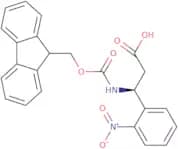
![N-[3,5-Bis(trifluoroMethyl)phenyl]-N'-[(9R)-6'-Methoxy-9-cinchonanyl]thiourea](/_next/image/?url=https%3A%2Fstatic.cymitquimica.com%2Fproducts%2F3D%2Fthumb-webp%2FFB100790.webp&w=3840&q=75)
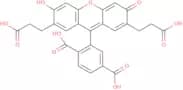
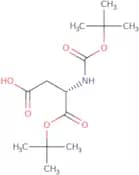
![(2-[Biotinamido]ethylamido)-3,3'-dithiodipropionic acid N-hydroxysuccinimide ester](/_next/image/?url=https%3A%2Fstatic.cymitquimica.com%2Fproducts%2F3D%2Fthumb-webp%2FFB52737.webp&w=3840&q=75)
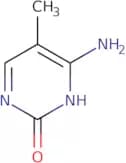
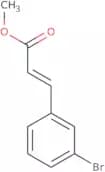
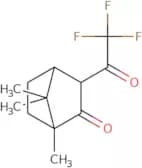
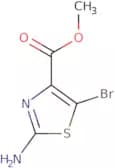
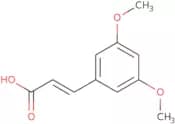

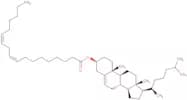
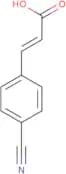
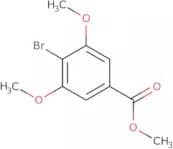
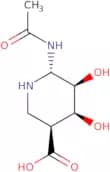
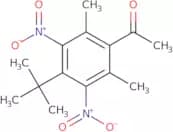
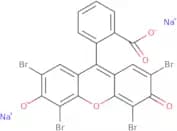

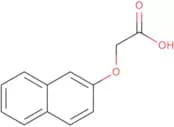
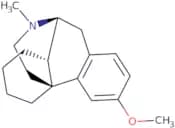
![6-amino-3-methyl-4-(3-nitrophenyl)-4H-pyrano[3,2-d]pyrazole-5-carbonitrile](/_next/image/?url=https%3A%2Fstatic.cymitquimica.com%2Fproducts%2F3D%2Fthumb-webp%2FFA169032.webp&w=3840&q=75)
![9-Fluoro-11β,17-Dihydroxy-16α-Methyl-3,20-Dioxopregna-1,4-Dien-21-Yl 2-[2-(2-Ethoxyethoxy)Ethoxy]A…](/_next/image/?url=https%3A%2Fstatic.cymitquimica.com%2Fproducts%2F3D%2Fthumb-webp%2FFF103016.webp&w=3840&q=75)
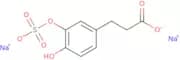
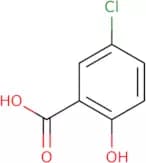
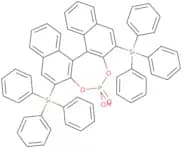
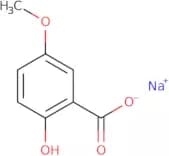
![L-Methionine [R]-sulfoximine](/_next/image/?url=https%3A%2Fstatic.cymitquimica.com%2Fproducts%2F3D%2Fthumb-webp%2FFM25157.webp&w=3840&q=75)
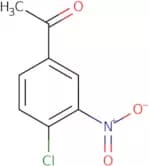
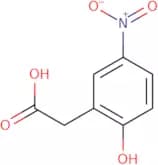
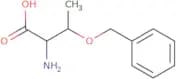
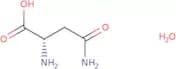
![(6S)-5,6,7,8-Tetrahydro-6-[propyl[2-(2-thienyl)ethyl]amino]-1-naphthalenol](/_next/image/?url=https%3A%2Fstatic.cymitquimica.com%2Fproducts%2F3D%2Fthumb-webp%2FFT76640.webp&w=3840&q=75)
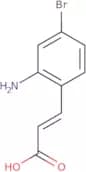
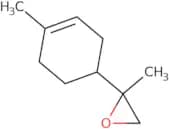
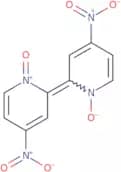
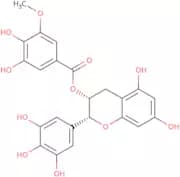
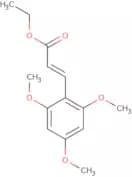

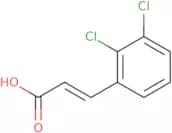
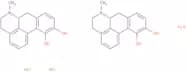
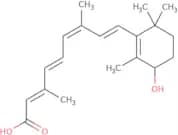
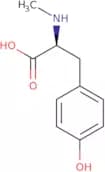
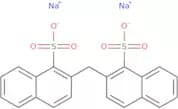
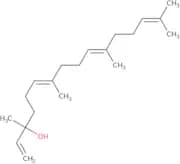
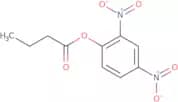
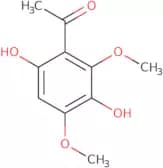
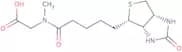
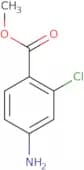
![6-Amino-3-methyl-4-(4-nitrophenyl)-4H-pyrano[3,2-d]pyrazole-5-carbonitrile](/_next/image/?url=https%3A%2Fstatic.cymitquimica.com%2Fproducts%2F3D%2Fthumb-webp%2FFA169805.webp&w=3840&q=75)
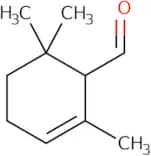
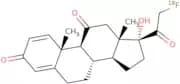
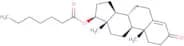
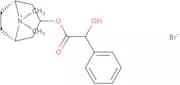
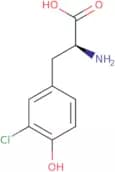
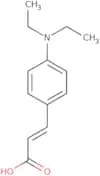
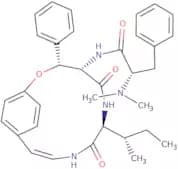
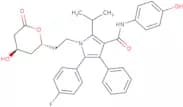

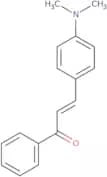
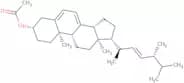
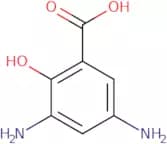

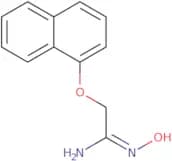
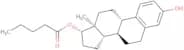


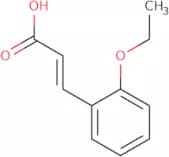
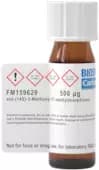
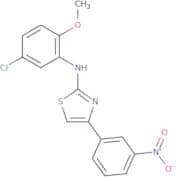
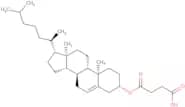
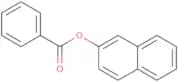
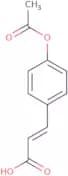
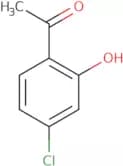
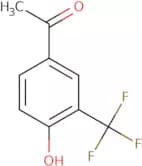
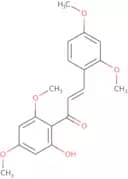
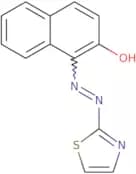

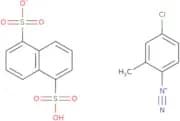
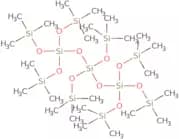
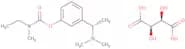
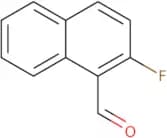
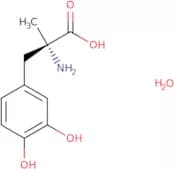
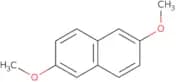
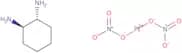
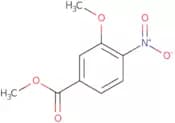
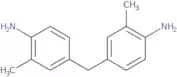
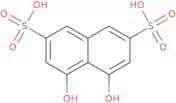

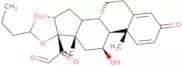
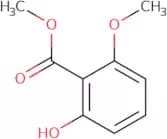
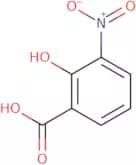
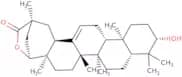
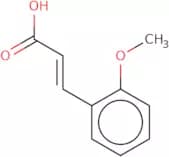
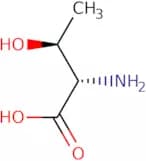
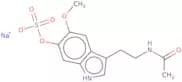
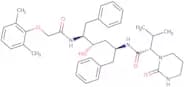

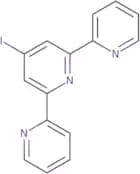
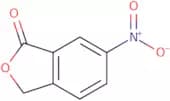
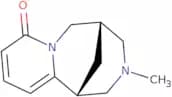
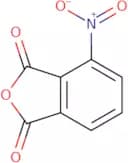
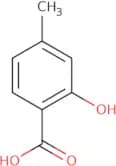

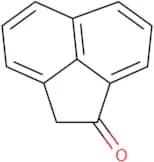
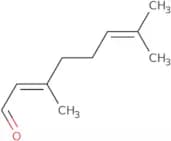

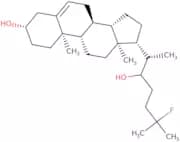
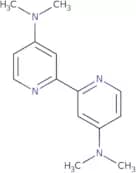

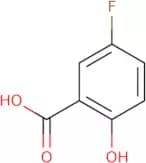

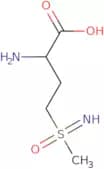
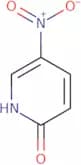
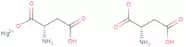
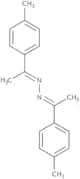
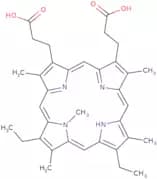
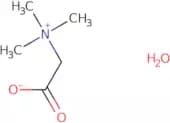
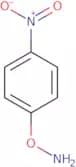
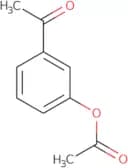
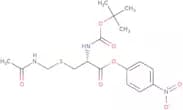
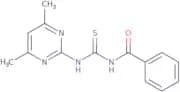
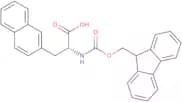
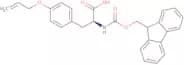
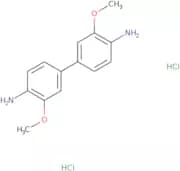


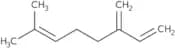
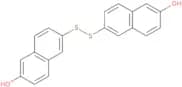
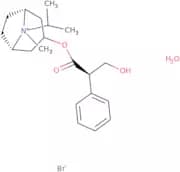

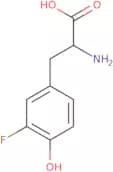
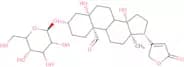
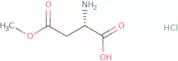

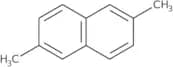
![2-[(Ethylamino)methyl]-4-nitrophenol](/_next/image/?url=https%3A%2Fstatic.cymitquimica.com%2Fproducts%2F3D%2Fthumb-webp%2FFE23132.webp&w=3840&q=75)
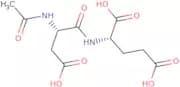
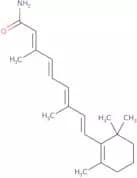
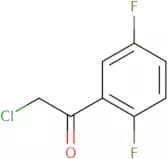
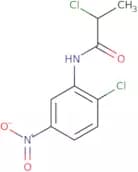
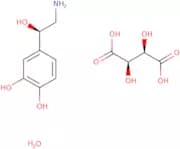
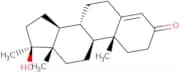
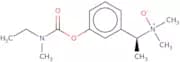
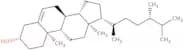
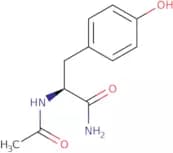
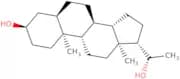
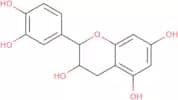
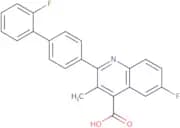
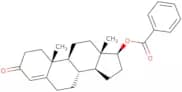

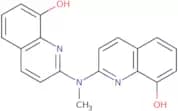
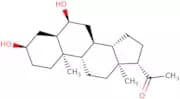
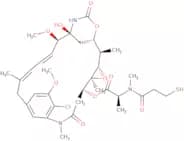
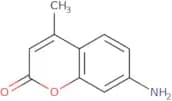
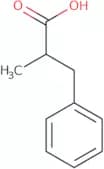
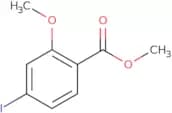
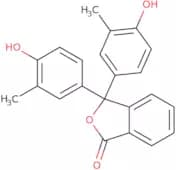
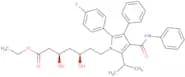
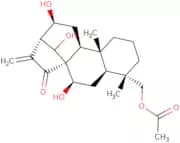
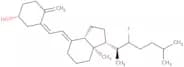
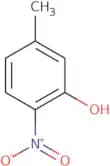
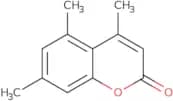
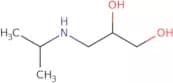
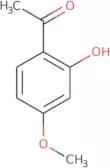
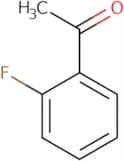

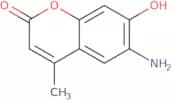
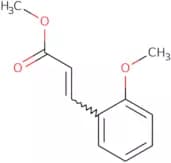
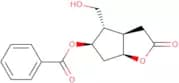
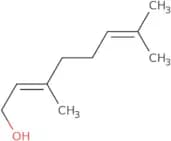
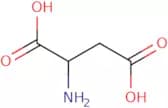
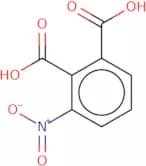
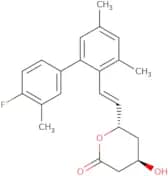
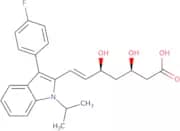
![(E)-3-[3'-(4''-fluorophenyl)-1'-(1''-methylethyl)-1H-indol-2''-yl]-2-propnal](/_next/image/?url=https%3A%2Fstatic.cymitquimica.com%2Fproducts%2F3D%2Fthumb-webp%2FFF37514.webp&w=3840&q=75)

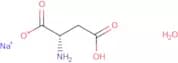
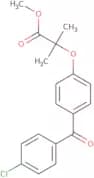
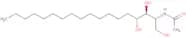
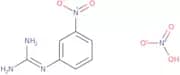
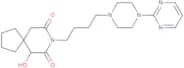
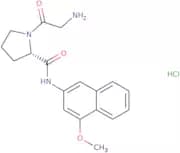
![4,5-Dihydronaphtho[1,2-d][1,3]thiazol-2-amine](/_next/image/?url=https%3A%2Fstatic.cymitquimica.com%2Fproducts%2F3D%2Fthumb-webp%2FFD127118.webp&w=3840&q=75)