Pharmaceutical Standards
Pharmaceutical standards are a comprehensive set of reference materials essential for ensuring the safety, efficacy, and quality of pharmaceutical products. This category includes standards for active pharmaceutical ingredients (APIs), which are the core components responsible for therapeutic effects. Additionally, it covers compounds and metabolites relevant to both the pharmaceutical and veterinary industries, providing benchmarks for the accurate measurement and analysis of these substances. Nitrosamine control standards are crucial for detecting and mitigating potentially harmful nitrosamines in drug formulations. Toxicology standards help assess the safety and potential adverse effects of pharmaceutical compounds. Furthermore, enzyme activators and inhibitors standards are vital for research and development, enabling precise studies of biochemical pathways and drug mechanisms. These pharmaceutical standards are indispensable tools for regulatory compliance, quality control, and research, ensuring that pharmaceutical products meet stringent safety and effectiveness criteria.
Subcategories of "Pharmaceutical Standards"
- APIs for research and impurities(273,300 products)
- Enzyme Activators and Inhibitors(2,827 products)
- Nitrosamines(2,606 products)
- Pharmaceutical and Veterinary Compounds and Metabolites(2,577 products)
- Toxicology(13,652 products)
Found 7836 products of "Pharmaceutical Standards"
Sort by
Purity (%)
0
100
|
0
|
50
|
90
|
95
|
100
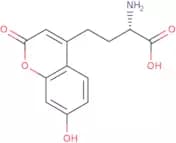
L-(7-Hydroxycoumarin-4-yl) ethylglycine
CAS:<p>L-(7-Hydroxycoumarin-4-yl) ethylglycine is a molecule that has been used as a model system to study the binding of inhibitors to enzymes. L-(7-Hydroxycoumarin-4-yl) ethylglycine binds to the enzyme synthetase and inhibits its activity. The inhibition of this enzyme prevents the formation of ATP, which is necessary for the synthesis of proteins. L-(7-Hydroxycoumarin-4-yl) ethylglycine also blocks transcription and translation by binding to DNA binding proteins and inhibiting ribosome function respectively. This agent is an antimicrobial agent that has shown activity against gram positive bacteria such as Staphylococcus aureus, Enterococcus faecalis, and Bacillus cereus, as well as gram negative bacteria such as Escherichia coli, Salmonella typhimurium, Pseudomonas aerugin</p>Formula:C13H13NO5Purity:Min. 98 Area-%Color and Shape:Red PowderMolecular weight:263.25 g/mol3’-Deoxy-N6,N6-dimethyladenosine
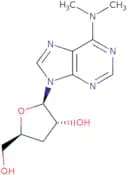
CAS:<p>Please enquire for more information about 3’-Deoxy-N6,N6-dimethyladenosine including the price, delivery time and more detailed product information at the technical inquiry form on this page</p>Purity:Min. 95%DL-Pantolactone
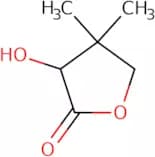
CAS:<p>DL-Pantolactone is a chiral lactone compound. In cosmetics, it is often used in formulations aimed at improving skin hydration and elasticity as it is an emulsion stabiliser. In pharmaceuticals it can be used as an intermediate in organic synthesis. The D-enantiomer is often used as a chiral auxiliary.</p>Formula:C6H10O3Purity:Min. 95%Color and Shape:White PowderMolecular weight:130.14 g/mol3-Hydroxy-7,2',4',5'-tetramethoxychalcone
<p>3-Hydroxy-7,2',4',5'-tetramethoxychalcone is a versatile building block that can be used as a reagent or in the synthesis of fine chemicals. It is an intermediate or reaction component that has been found to be useful in the synthesis of complex compounds. This compound is also of high quality and can be used as a scaffold in the synthesis of new molecules. 3-Hydroxy-7,2',4',5'-tetramethoxychalcone is a speciality chemical, with CAS No. 55006-57-3 and molecular weight of 245.</p>Purity:Min. 95%D-Aspartic acid sodium salt
CAS:<p>D-Aspartic acid sodium salt is a fine chemical that is useful as a scaffold for the preparation of other compounds. It can be used as a building block in the synthesis of complex compounds, and has been shown to be an intermediate in the production of research chemicals. Aspartic acid sodium salt can also serve as a reaction component for the production of other chemical substances, and is often used as a reagent in laboratory work. D-Aspartic acid sodium salt is available at high purity and quality.</p>Formula:C4H6NO4·NaPurity:Min. 95%Color and Shape:PowderMolecular weight:155.08 g/molIndole-2-carboxylic acid methyl ester
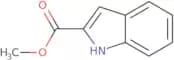
CAS:<p>Indole-2-carboxylic acid methyl ester is a carbazole that can be synthesized from indole and hydrogen chloride. It has been shown to inhibit the production of β-amyloid, an important factor in the pathogenesis of Alzheimer’s disease. Indole-2-carboxylic acid methyl ester has also been shown to have inhibitory effects on ion-exchange, melatonin synthesis, and yields of aziridines. The affinity of indole-2-carboxylic acid methyl ester for aldehydes was found to be very high. It is also able to cross the blood brain barrier into the brain and has been shown to be effective against pancreatic cancer cells in vitro.</p>Formula:C10H9NO2Purity:Min. 95%Color and Shape:Slightly Brown PowderMolecular weight:175.18 g/mol4-Nitrophthalimide
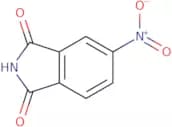
CAS:<p>4-Nitrophthalimide is a nitroimidazole compound that has been shown to be active against bacterial strains belonging to the group P2. It is also soluble in organic solvents such as chloroform, ethanol, and acetone. 4-Nitrophthalimide has been used for experimental solubility data and as a pharmaceutical preparation. The reaction of 4-nitrophthalimide with diazonium salt produces 3-nitrophthalic anhydride, which is then hydrolyzed by hydrochloric acid to form nitrobenzene. This reaction can be monitored using fluorescence resonance spectroscopy.</p>Formula:C8H4N2O4Purity:Min. 95%Color and Shape:PowderMolecular weight:192.13 g/molDL/meso-Lanthionine
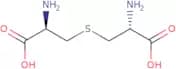
CAS:<p>DL/meso-Lanthionine is a mixture of two amino acids, L-Lysine and L-Methionine. It has been shown to be effective in the treatment of bowel disease caused by Clostridium difficile and other bacteria that produce toxins. This drug also has a protective effect on neuronal cells by inhibiting their death. DL/meso-Lanthionine binds to penicillin-binding proteins in the bacterial cell wall, preventing them from binding with the enzyme cell wall synthesis that is required for cell wall biosynthesis, inhibiting protein synthesis and cell division. DL/meso-Lanthionine also inhibits ATPase activity and the expression of atp-binding cassette transporters. These effects are similar to those observed with penicillin, methicillin, erythromycin, vancomycin, clindamycin, and bacitracin.</p>Formula:C6H12N2O4SPurity:Min. 95%Color and Shape:White PowderMolecular weight:208.24 g/molDL-Ethyl 2-bromovalerate
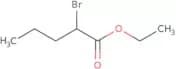
CAS:<p>DL-Ethyl 2-bromovalerate is a fatty acid that inhibits the activity of enzymes involved in fatty acid synthesis. DL-Ethyl 2-bromovalerate has been shown to have anti-inflammatory properties, which may be due to its ability to inhibit prostaglandin synthesis. It also has been found to inhibit the growth of microorganisms such as HIV and Mycobacterium tuberculosis. DL-Ethyl 2-bromovalerate has been used in the treatment of inflammatory bowel disease, as well as congestive heart failure and cardiovascular diseases. This drug also has a pharmacokinetic effect on human population growth, because it can inhibit cell proliferation.</p>Formula:C7H13BrO2Purity:Min. 95%Color and Shape:Clear LiquidMolecular weight:209.08 g/mol2,4-Dinitrophenyl butyrate
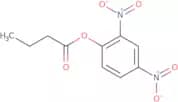
CAS:<p>2,4-Dinitrophenyl butyrate is a plant-derived compound that belongs to the group of fatty acids. It has shown radical scavenging activity in a homogeneous assay and has been found to be a strong inhibitor of pancreatic lipase. 2,4-Dinitrophenyl butyrate has also been used as a marker for proteolytic enzymes and has been shown to have inhibitory effects on pancreatic lipase. This compound is not only useful for studying enzyme inhibition, but it can also be used as an ingredient in food products.</p>Formula:C10H10N2O6Purity:Min. 98 Area-%Color and Shape:PowderMolecular weight:254.2 g/mol3-Bodipy-propanoic acid methyl ester
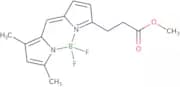
CAS:<p>3-Bodipy-propanoic acid methyl ester is a fluorescent probe that binds to the endoplasmic reticulum. It has been used in cancer diagnosis, as well as for the detection of chloride and ligand binding. 3-BPA has been shown to be a useful tool in the study of protein synthesis and cell binding. This compound is unmodified and has a broad spectrum of applications.</p>Formula:C15H17BF2N2O2Purity:Min. 95%Molecular weight:306.12 g/mol3'-Methoxypropiophenone
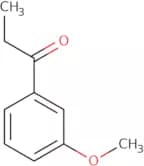
CAS:<p>3'-Methoxypropiophenone is an acylating agent that is used in the synthesis of racemic and optically active phenylacetic acids. It can be prepared by the reaction of ketones with methoxypropiolic acid, which is catalyzed by a base such as sodium ethoxide. 3'-Methoxypropiophenone also has been shown to undergo transformation reactions with hydrogenolysis and salt formation. The deprotection step involves removal of a protective group such as dimethylamine or diastereomer.</p>Formula:C10H12O2Purity:Min. 95%Color and Shape:PowderMolecular weight:164.2 g/molReboxetine mesylate
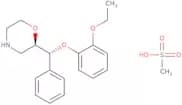
CAS:Controlled Product<p>Reboxetine mesylate is a drug that belongs to the class of tricyclic antidepressants. It is a selective and potent inhibitor of neuronal reuptake of norepinephrine (noradrenaline). Reboxetine also interacts with neurokinin-1 receptor, which may affect locomotor activity and hippocampal formation, resulting in effects to memory and learning. It has been shown to be effective in the treatment of symptoms related to depression and Parkinson's disease.</p>Formula:C20H27NO6SPurity:Min. 98 Area-%Color and Shape:PowderMolecular weight:409.5 g/mol4-Bromo-3-fluorocinnamic acid
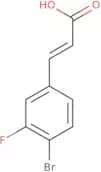
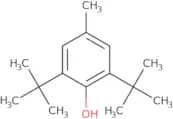
CAS:<p>4-Bromo-3-fluorocinnamic acid is a brominated derivative of cinnamic acid. It is used as an alloying agent in steel production, and can be used to control the content of manganese, nickel, phosphorous, and sulfur in steels. The equation for the preparation of 4-bromo-3-fluorocinnamic acid from cinnamic acid is: <br>4C6H5CO2H + 3HBr → 4C6H5BrFO2 + 2H2O</p>Formula:C9H6BrFO2Purity:Min. 95%Color and Shape:PowderMolecular weight:245.05 g/mol2,6-Di-tert-butyl-p-cresol
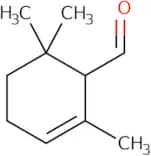
CAS:<p>2,6-Di-tert-butyl-p-cresol (BPC) is a phenolic compound that has been shown to scavenge anion radicals. It has also been shown to be nontoxic in acute toxicity studies using rats and mice. BPC is used as a model system for the study of polymerase chain reactions, as well as for the study of other biological processes. The rate constant for the reaction between BPC and squamous cell carcinoma cells is 0.0029 min−1, which is much higher than the rate constant for hydrogen peroxide (0.0004 min−1).</p>Formula:C15H24OPurity:Min. 95%Color and Shape:White PowderMolecular weight:220.35 g/molα-Cyclocitral
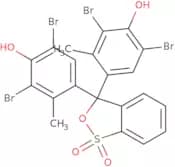
CAS:<p>α-Cyclocitral is an organic compound that is used in the industrial production of lutein. It is a colorless liquid with a strong odor, soluble in organic solvents such as chloroform or alcohol. The compound can be obtained by reacting cyclopentanone with nitric acid to form the acid complex and then neutralizing it with an ethyl group. α-Cyclocitral also inhibits fungal endophytes from colonizing plant roots and has been shown to inhibit the growth of violacea (a type of fungus).</p>Formula:C10H16OPurity:Min. 95%Color and Shape:Clear LiquidMolecular weight:152.23 g/molBromocresol green
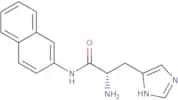
CAS:<p>Bromocresol green is a cationic surfactant that is used as a fluorescent indicator dye. It binds to proteins and can be detected with an optical sensor. Bromocresol green has been shown to react with hydrochloric acid, which may be due to the protonation of the cationic group. This reaction is reversible and depends on pH. The binding of bromocresol green to serum proteins results in a decrease in fluorescence intensity due to quenching by adsorption at the protein-protein interface. The kinetic data for this dye have been found to depend on α1-acid glycoprotein concentration.</p>Formula:C21H14Br4O5SColor and Shape:PowderMolecular weight:698.01 g/molL-Histidine β-naphthylamide
CAS:<p>L-Histidine beta-naphthylamide is an allosteric activator of the imidazole group of histidine. It has been shown to regulate sequences and functional groups in subtilisin. L-Histidine beta-naphthylamide binds to the benzyl ester and regulatory allosteric site on the enzyme, which is located between the active site and the substrate binding site. The binding of this molecule stabilizes a transition state intermediate that would otherwise be too reactive to form products.</p>Formula:C16H16N4OPurity:Min. 95%Color and Shape:PowderMolecular weight:280.32 g/molN-Acetyl-L-methionine
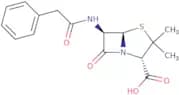
CAS:<p>N-Acetyl-L-methionine is a form of the amino acid methionine. It is an intermediate in the conversion of L-methionine to S-adenosylmethionine, which is involved in methylation reactions in cells. N-Acetyl-L-methionine has been shown to be effective against nitrite ion, a reactive nitrogen species that causes oxidative stress and damage to DNA, RNA, and proteins. It also has been shown to have biological properties for the prevention of ischemia reperfusion injury following cardiac arrest and liver transplantation. N-acetyl-L-methionine may also have benefits for individuals with high body mass index or rats with liver microsomes.</p>Formula:C7H13NO3SPurity:Min. 95%Color and Shape:White PowderMolecular weight:191.25 g/molPenicilling
CAS:<p>Penicillin is an antibiotic that inhibits bacterial growth by binding to penicillin-binding proteins, which in turn prevents the bacteria from producing peptidoglycan. Penicillin binds to the enzyme cell wall synthesis and inhibits protein synthesis and cell division. Penicilling can be administered as an intramuscular injection or intravenous injection. The most common adverse reaction is pain at the site of injection, which may be due to toxic epidermal necrolysis. Other adverse reactions include fever, rash, and seizures.</p>Formula:C16H18N2O4SPurity:Min. 95%Color and Shape:PowderMolecular weight:334.39 g/mol1-Naphthol-4-sulfonic acid
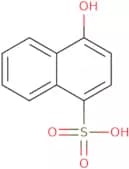
CAS:<p>1-Naphthol-4-sulfonic acid is a compound that is used as an analytical reagent. It can be synthesized by heating 1-naphthol with concentrated sulfuric acid in the presence of a polymerization initiator. The reaction produces 1,4-dioxane, which is then converted to 1-naphthol-4-sulfonic acid by hydrolysis with deionized water and hydrochloric acid. The analytical reagent has been used for the analysis of impurities in polymers, such as trifluoroacetic acid, and for wastewater treatment. Radiation causes the release of light emission from 1-naphthol-4-sulfonic acid, making it useful for determining the level of nitrite ion in wastewater. This chemical has also been found to react with sulfamate ions to produce structural formula (SO2)2NH3.</p>Formula:C10H8O4SPurity:Min. 95%Color and Shape:PowderMolecular weight:224.23 g/mol4-Benzyloxybenzoic acid methyl ester
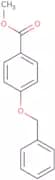
CAS:<p>4-Benzyloxybenzoic acid methyl ester is a chemical compound that is used as a ligand in analytical chemistry. It can be used to extract metals from samples by forming coordination complexes with them. 4-Benzyloxybenzoic acid methyl ester can also be used to synthesize arenes and other organic molecules. This compound has been shown to have anti-cancer effects, which may be due to its ability to inhibit the function of histone deacetylases and thereby suppress the expression of genes involved in cell proliferation.</p>Formula:C15H14O3Purity:Min. 95%Color and Shape:PowderMolecular weight:242.27 g/mol(S)-BoroLeu-(+)-pinanediol-trifluoroacetate
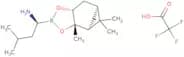
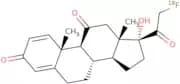
CAS:<p>(S)-BoroLeu-(+)-pinanediol-trifluoroacetate is a useful scaffold, building block, and intermediate for the synthesis of complex compounds. It is a high quality reagent that can be used in research chemicals and speciality chemicals. (S)-BoroLeu-(+)-pinanediol-trifluoroacetate is a versatile building block because it can be used as a reaction component in the synthesis of fine chemicals and as an intermediate in the synthesis of other reagents. CAS No. 477254-69-6</p>Formula:C15H28BNO2·C2HF3O2Purity:Min. 95%Color and Shape:PowderMolecular weight:379.22 g/mol21-(Fluoro-18F)-17-Hydroxypregna-1,4-Diene-3,11,20-Trione
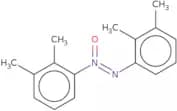
Controlled Product<p>F-18-fluorohydroxypregna-1,4-diene-3,11,20-trione (FHP) is a positron emission tomography (PET) radiopharmaceutical that binds to estrogen receptors. It is used in the diagnosis of cancer and other diseases. FHP is synthesized by reduction of its carbonyl group with sodium borohydride and then converted to the desired radiolabeled form. The synthesis of FHP can be accomplished in a variety of ways, depending on the desired radionuclide and labeling technique. One such method uses an unlabeled precursor estrone or 17β-estradiol as the starting material. This precursor undergoes enzymatic conversion by testosterone 17β hydroxylase to yield FHP.</p>Formula:C21H25FO4Purity:Min. 95%Molecular weight:360.42 g/mol2,2',3,3'-Tetramethylazoxybenzene
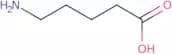
CAS:<p>2,2',3,3'-Tetramethylazoxybenzene is a chemical compound that is used as a reaction component in organic synthesis. It is also known as TMAB and has CAS number 19618-11-2. This chemical is useful for the production of pharmaceuticals and other chemicals because it can be used as a versatile building block to create complex compounds with interesting properties. It is also an intermediate or reagent for other chemicals. TMAB has been shown to have high purity and quality and can be used in research experiments.</p>Formula:C16H18N2OPurity:Min. 95%Molecular weight:254.33 g/mol5-Aminovaleric acid
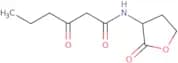
CAS:<p>5-Aminovaleric acid is a cyclic peptide that is an antagonist of the enzyme 5-aminovaleric acid hydrolase that catalyzes the conversion of 5-aminovaleric acid to succinic semialdehyde. The physiological function of 5-aminovaleric acid hydrolase is not known, but it has been implicated in a number of neurological disorders, such as Alzheimer's disease, Parkinson's disease, and amyotrophic lateral sclerosis. The reaction solution contains 5-aminovaleric acid (5AVA), hydrogen fluoride (HF), and l-lysine (Lys). Upon addition of HF to the solution, it reacts with Lys to form a dinucleotide phosphate intermediate. This intermediate then reacts with 5AVA to form an intramolecular hydrogen bond with the amino group of Lys and release hydrogen gas. The detection sensitivity for this reaction can be increased by using a cyclic peptide inhibitor.</p>Formula:C5H11NO2Purity:Min. 95%Color and Shape:Off-White PowderMolecular weight:117.15 g/molN-(Ketocaproyl)-D,L-homoserine lactone
CAS:<p>Ketoacyl-homoserine lactone is a naturally occurring fatty acid derivative that is produced by many bacteria. It has been shown to be involved in biological processes, including the regulation of transcription and protein synthesis. Ketoacyl-homoserine lactone has been shown to be an important component of bacterial quorum sensing, which is used for communication between cells. This compound also regulates energy metabolism and light emission in some model systems. Ketoacyl-homoserine lactone has also been shown to be involved in immune responses and autoimmune diseases, as well as human pathogens such as Campylobacter jejuni and Mycoplasma pneumoniae.</p>Formula:C10H15NO4Purity:Min. 98 Area-%Color and Shape:PowderMolecular weight:213.23 g/mol2-Hydroxy-5-nitropyridine
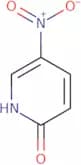
CAS:<p>2-Hydroxy-5-nitropyridine is a chemical compound that is used in the synthesis of other compounds. It can be used to synthesize nicotinic acetylcholine, which is an amine that binds to nicotinic acetylcholine receptors. 2-Hydroxy-5-nitropyridine has been shown to react with halides and hydroxy groups to form new compounds. 2-Hydroxypyridine can also be used to synthesize trifluoroacetic acid from chloroacetic acid and nitrous acid. This chemical has been used in the study of replicon cells, which are cells that contain a circular piece of DNA called a plasmid. Replicon cells are often found in bacteria, such as Trichomonas vaginalis, and viruses such as HPV.<br>2-Hydroxypyridine has been shown to cause high blood levels in humans when ingested orally or injected intravenously.</p>Formula:C5H4N2O3Purity:Min. 98 Area-%Color and Shape:Brown PowderMolecular weight:140.1 g/mol4-Bromo-2-nitrocinnamic acid
CAS:<p>4-Bromo-2-nitrocinnamic acid is a naturally occurring amino acid that is a component of wheat, carrots, and cereals. It is an enzyme inhibitor and has been found to be stable under heat treatment. 4-Bromo-2-nitrocinnamic acid has been shown to inhibit the activity of 3 lysine hydrolase enzymes (LysE1, LysE2, LysE3) in vitro. This inhibition decreases lysine levels and may have health implications for infants fed with 4-bromo-2-nitrocinnamic acid treated wheat flour. The efficiency of 4-bromo-2 nitrocinnamic acid as an enzymatic inhibitor for these enzymes was determined by measuring the release of free lysine from various substrates at different concentrations of the inhibitor. These parameters were then used to calculate the theoretical inhibition percentage for each substrate at a given concentration.</p>Formula:C9H6BrNO4Purity:Min. 95%Molecular weight:272.05 g/mol1,2-Benzanthracene
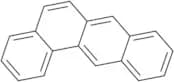
CAS:<p>1,2-Benzanthracene is a model system for the study of the biological properties of benzenes. It has been shown to have mitochondrial membrane potential and inhibitory effects on the activities of enzymes such as sodium carbonate transferase and phosphofructokinase. 1,2-Benzanthracene also inhibits the growth of mouse tumor cells in culture through interference with protein synthesis. 1,2-Benzanthracene has been shown to be a skin carcinogen in animals. It can be used as a fluorescent probe for detection of benzenes in environmental samples, including wastewater treatment plants.</p>Formula:C18H12Purity:Min. 95%Color and Shape:PowderMolecular weight:228.29 g/mol1-(4-Acetoxyphenyl)-2-nitropropene
<p>Please enquire for more information about 1-(4-Acetoxyphenyl)-2-nitropropene including the price, delivery time and more detailed product information at the technical inquiry form on this page</p>Formula:C11H11NO4Purity:Min. 95%Molecular weight:221.21 g/molIlexsaponin B3
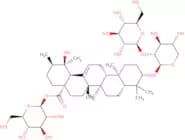
CAS:<p>Ilexsaponin B3 is a triterpenoid saponin, which is a bioactive compound derived from plants of the Ilex genus, particularly Ilex aquifolium and related species. These plants are known for their rich content of saponins, which are glycosides comprising a sugar moiety bonded to a triterpene or steroid aglycone. The mode of action of Ilexsaponin B3 involves modulating various biological pathways, including anti-inflammatory, antioxidant, and potential anticancer activities. This is attributed to its ability to interact with cell membranes, affecting permeability and signaling pathways.</p>Purity:Min. 95%1,8-Naphthalic anhydride
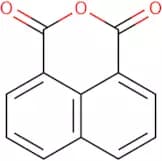
CAS:<p>1,8-Naphthalic anhydride is a potent inducer of dinucleotide phosphate (NADPH), which is important for the biosynthesis of fatty acids, proteins and carbohydrates. It also inhibits the enzyme activities of both antimicrobial agents and infectious diseases. 1,8-Naphthalic anhydride has been shown to be effective against solid tumours in treatment trials. This drug may lead to neuronal death by inhibiting ATP production in the mitochondria. The x-ray crystal structure shows that this drug binds to NADPH and water molecules in the active site of the enzyme, forming a covalent bond with NADPH. 1,8-Naphthalic anhydride has also been shown to have anti-inflammatory properties due to its ability to inhibit toll-like receptor 4 signaling pathways.</p>Formula:C12H6O3Purity:Min. 98 Area-%Color and Shape:Off-White PowderMolecular weight:198.17 g/molDihydro ferulic acid 4-O-sulfate sodium salt
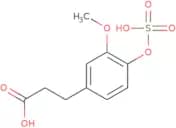
CAS:<p>Dihydroferulic acid is a chlorogenic acid that has been shown to have anti-inflammatory properties in vitro and in vivo. Dihydroferulic acid has been shown to inhibit the production of pro-inflammatory cytokines, such as tumor necrosis factor alpha (TNF-α) and interleukin 10 (IL-10), in monocytic cells. This compound also inhibits the activation of toll-like receptor 4 (TLR4) and TLR2, which are receptors on immune cells that bind to bacterial lipopolysaccharides. Dihydroferulic acid has been found to be present in human urine samples, suggesting it is absorbed from dietary sources. It can also be found in wine and tea, where it may contribute to the positive health effects seen with these beverages. Protocatechuic acid is a phenolic compound with similar activity as dihydroferulic acid.</p>Formula:C10H10Na2O7SPurity:Min. 95%Color and Shape:PowderMolecular weight:320.23 g/molOnjisaponin B
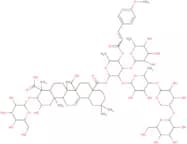
CAS:<p>Onjisaponin B is a triterpenoid saponin that has been shown to have anti-angiogenic effects, neuroprotective properties, and autophagy inducing activity. Onjisaponin B has also been shown to inhibit the production of tumor necrosis factor-α (TNF-α) in cultured PC12 cells. The anti-inflammatory effects of this compound may be due to its ability to induce autophagy. This compound induces autophagy by activating the mechanistic target of rapamycin (mTOR) pathway, which leads to the induction of autophagy through the activation of AMP kinase. Onjisaponin B has been found in plants used in traditional Chinese medicine and other Asian countries.</p>Formula:C75H112O35Purity:Min. 95%Color and Shape:White PowderMolecular weight:1,573.67 g/mol1-(4-Aminophenyl)ethanone oxime
CAS:<p>4-Aminoacetophenone oxime is an organic compound that is soluble in water and methanol. It has a molecular weight of 169.17 g/mol, a melting point of 190 °C, and a boiling point of 260 °C. 4-Aminoacetophenone oxime has been shown to have antimicrobial activity against Gram-positive bacteria, such as Staphylococcus aureus, but not against Gram-negative bacteria. This compound can be used as a ligand for metal ions such as copper and zinc, which are important in biological processes. The magnetic properties of 4-aminoacetophenone oxime make it possible to detect the molecule using nuclear magnetic resonance spectroscopy.<br>4-Aminoacetophenone oxime can be synthesized by reacting 5-nitrosalicylaldehyde with ammonium acetate in the presence of hydrochloric acid:</p>Formula:C8H10N2OPurity:Min. 95%Color and Shape:PowderMolecular weight:150.18 g/molBiotinyl-(Cys1,Lys(biotinyl)18)-Calcitonin (human) trifluoroacetate salt
CAS:<p>Please enquire for more information about Biotinyl-(Cys1,Lys(biotinyl)18)-Calcitonin (human) trifluoroacetate salt including the price, delivery time and more detailed product information at the technical inquiry form on this page</p>Formula:C171H254N44O49S5Purity:Min. 95%Molecular weight:3,870.44 g/mol4-Nitrophthalic acid
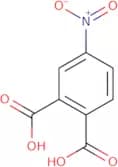
CAS:<p>4-Nitrophthalic acid is a white crystalline solid that has an acid and basic character. It has been shown to be antigenic, with a specific antibody able to bind to the 4-nitro group. The structure of 4-Nitrophthalic acid was determined using X-ray crystallography and NMR spectroscopy. The molecular weight of 4-Nitrophthalic acid is 177.2 g/mol, with a melting point of 174 °C and a boiling point of 341 °C. It is soluble in water and organic solvents such as ethanol, acetone, chloroform, ethyl ether, benzene, hexane, dichloromethane and ethyl acetate.</p>Formula:C8H5NO6Purity:Min. 97 Area-%Color and Shape:White PowderMolecular weight:211.13 g/mol2',4',4-Trimethoxychalcone
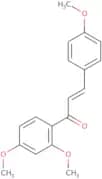
CAS:<p>2',4',4-Trimethoxychalcone is a natural product that inhibits the enzyme activity of phospholipase A2, lipoxygenase, and cyclo-oxygenase. It also has high resistance to hydrochloric acid, chloride, and blood pressure. 2',4',4-Trimethoxychalcone has shown protein inhibition effects in vitro, as well as potent transport inhibitor activity against particles. This compound is synthesized using solid-phase chemistry on an immobilized resin.</p>Formula:C18H18O4Purity:Min. 95%Color and Shape:PowderMolecular weight:298.33 g/mol2-Amino-4,8-naphthalenedisulfonic acid
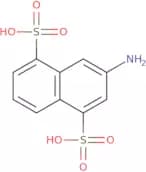
CAS:<p>2-Amino-4,8-naphthalenedisulfonic acid is a structural analog of the natural amino acid phenylalanine. It is an inhibitor of the enzyme tyrosinase, which participates in the oxidation of dopamine to DOPA and subsequent conversion to melanin. 2-Amino-4,8-naphthalenedisulfonic acid has been shown to inhibit the growth of probiotic bacteria and can be used as a food additive. The compound also inhibits the oxidation catalyst that is required for some analytical chemistry tests. 2-Amino-4,8-naphthalenedisulfonic acid has been shown to have toxicological properties in animal studies and this toxicity is exacerbated by its ability to bind with pyridine nucleotides found in cells. The toxicological effects are thought to be related to the inhibition of protein synthesis that leads to cell death.</p>Formula:C10H9NO6S2Purity:Min. 95%Color and Shape:PowderMolecular weight:303.31 g/molDapoxetine HCl
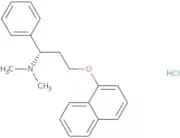
CAS:Controlled Product<p>Serotonin uptake inhibitor; used to treat premature ejaculation</p>Formula:C21H24ClNOPurity:Min. 95%Color and Shape:White PowderMolecular weight:341.87 g/mol1-(1-(5-(2'-Fluoroethyl)-2-Thienyl)-Cyclohexyl)Piperidine
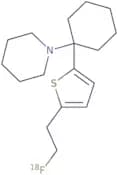
CAS:Controlled Product<p>1-(1-(5-((2'-fluoroethyl)cyclohexyl)-piperidin-1-yl)cyclohexane-1,2,3,4-tetraol is a magnetic nanoparticle that has high specificity and can be used to detect hydroxyapatite. It is synthesized by the reaction of 2-fluoroethanol with 1,3-bis(diphenylphosphino)-propane (dppp) in the presence of potassium carbonate. The reaction solution spontaneously forms a monolayer on a surface such as ceramics or glass. This monolayer shows potential use in detecting hydroxyapatite and other calcium compounds in bone lesions, as well as for desorption and optical properties.</p>Formula:C17H26FNSPurity:Min. 95%Molecular weight:295.46 g/mol4'-Hydroxy-2'-methylacetophenone
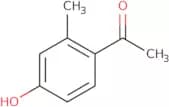
CAS:<p>4'-Hydroxy-2'-methylacetophenone is a synthetic sesquiterpene lactone that is used in cosmetics and as an active ingredient in skin care products. This compound has been shown to have medicinal values, with the ability to inhibit the growth of bacteria, fungi, and viruses. It also has carbon tetrachloride (CCl) solubilizing properties and can be used for fatty acid analysis. 4'-Hydroxy-2'-methylacetophenone is available as a sample preparation reagent for gas chromatography. The chemical composition of this compound includes a hydroxy group, which may be important for its biological activity. A linear regression analysis on the inhibitory concentration values showed that this compound has an IC50 value of 2.6 µg/mL.</p>Formula:C9H10O2Purity:Min. 95%Color and Shape:Off-White Clear LiquidMolecular weight:150.17 g/molO-(2,4-Dinitrophenyl)hydroxylamine
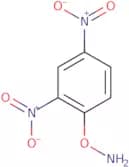
CAS:<p>O-(2,4-dinitrophenyl)hydroxylamine is a synthetic compound that binds to the enzyme bound site of the cap-dependent endonuclease. It is an inhibitor of influenza virus replication in vitro and has shown inhibitory activity against murine leukemia virus. O-(2,4-dinitrophenyl)hydroxylamine is also a model for the study of aminoglycoside antibiotics. The compound inhibits aminoglycoside-induced protein synthesis in eukaryotic cells and may be useful in understanding the mechanism of action and resistance to these antibiotics.</p>Formula:C6H5N3O5Purity:Min. 98 Area-%Color and Shape:Yellow PowderMolecular weight:199.12 g/mol4'-Bromoflavone
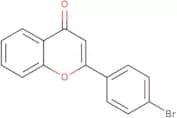
CAS:<p>4'-Bromoflavone is a flavonoid with potent enzyme-inducing properties. It has been shown to affect transcriptional regulation in murine hepatoma cells. 4'-Bromoflavone was also found to be an effective inducer of phase II detoxification enzymes, such as glutathione S-transferase and quinone reductase in the liver of humans. This drug also affects protein synthesis and enzyme activities in mice, rats, and human cells.</p>Formula:C15H9BrO2Purity:Min. 95%Color and Shape:PowderMolecular weight:301.13 g/molCitronellyl nitrile
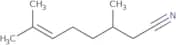
CAS:<p>Synthetic aroma providing fresh citrus fragrance</p>Formula:C10H17NPurity:Min. 95%Color and Shape:Colorless Clear LiquidMolecular weight:151.25 g/molL-Asparagine methyl ester hydrochloride
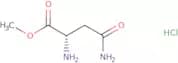
CAS:<p>L-Asparagine methyl ester hydrochloride is a pediatric drug that is used in the treatment of oral mucositis, which is a side effect of chemotherapy. L-Asparagine methyl ester hydrochloride can be administered by mouth, and provides relief for patients with mucosal ulceration, pain or discomfort. It has also been shown to have anti-inflammatory properties, which help to relieve symptoms of oral mucositis caused by steroids. In addition it has been shown to prevent the development of lymphoblastic leukemia in mice. L-Asparagine methyl ester hydrochloride inhibits the growth of cancer cells through its effects on lymphocytes and lymphoblasts.</p>Formula:C5H10N2O3·HClPurity:Min. 95%Color and Shape:PowderMolecular weight:182.61 g/mol3-Chloro-L-tyrosine
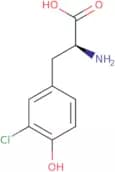
CAS:<p>3-Chloro-L-tyrosine (3CT) is a reactive, nitrogen containing molecule that has been used as a model system to study oxidative injury in the heart. The molecule reacts with the air and oxygen in the environment, producing reactive oxygen species (ROS) that can cause oxidative injury. 3CT has been shown to inhibit ATP binding cassette transporter A1 (ABCA1), which is involved in cholesterol efflux from macrophages. 3CT also promotes the release of eosinophil peroxidase from eosinophils and induces tumor necrosis factor alpha (TNF-α). The analytical method for 3CT includes liquid chromatography-mass spectrometry/mass spectrometry (LC-MS/MS).</p>Formula:C9H10NO3ClPurity:Min. 95%Color and Shape:PowderMolecular weight:215.63 g/mol2-(2,3-Naphthalimino)ethyl trifluoromethanesulfonate
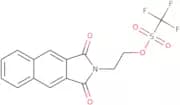
CAS:<p>2-(2,3-Naphthalimino)ethyl trifluoromethanesulfonate (2NTF) is a nonsteroidal anti-inflammatory drug that acts by inhibiting the enzyme cyclooxygenase. It is used as a sample preparation agent for epoxyeicosatrienoic acids (EETs). 2NTF is applied to a hydrophilic interaction chromatography column and then eluted with caproic acid, which selectively binds to the fatty acid component of EETs. The eluate can then be analyzed using a fluorescence detector and chromatographic methods. 2NTF has been shown to have no effect on carnitine levels in human serum.</p>Formula:C15H10F3NO5SPurity:Min. 97%Color and Shape:White PowderMolecular weight:373.3 g/mol6-Fluorovitamin D3
CAS:<p>6-Fluorovitamin D3 is a synthetic analog of vitamin D3, which is a modified form of the naturally occurring hormone known as cholecalciferol. This molecule is typically derived through chemical synthesis, incorporating a fluorine atom at a specific position on the vitamin D3 structure. The introduction of the fluorine atom is designed to enhance the stability of the compound and potentially alter its biological activity.</p>Formula:C27H43FOPurity:Min. 95%Molecular weight:402.63 g/mol