Pharmaceutical Standards
Pharmaceutical standards are a comprehensive set of reference materials essential for ensuring the safety, efficacy, and quality of pharmaceutical products. This category includes standards for active pharmaceutical ingredients (APIs), which are the core components responsible for therapeutic effects. Additionally, it covers compounds and metabolites relevant to both the pharmaceutical and veterinary industries, providing benchmarks for the accurate measurement and analysis of these substances. Nitrosamine control standards are crucial for detecting and mitigating potentially harmful nitrosamines in drug formulations. Toxicology standards help assess the safety and potential adverse effects of pharmaceutical compounds. Furthermore, enzyme activators and inhibitors standards are vital for research and development, enabling precise studies of biochemical pathways and drug mechanisms. These pharmaceutical standards are indispensable tools for regulatory compliance, quality control, and research, ensuring that pharmaceutical products meet stringent safety and effectiveness criteria.
Subcategories of "Pharmaceutical Standards"
- APIs for research and impurities(274,749 products)
- Enzyme Activators and Inhibitors(2,827 products)
- Nitrosamines(2,605 products)
- Pharmaceutical and Veterinary Compounds and Metabolites(2,808 products)
- Toxicology(13,652 products)
Found 7836 products of "Pharmaceutical Standards"
Sort by
Purity (%)
0
100
|
0
|
50
|
90
|
95
|
100
2'-Hydroxy-2,4,4'-trimethoxychalcone
CAS:2'-Hydroxy-2,4,4'-trimethoxychalcone is a fine chemical that is used as a building block in research and development of pharmaceuticals. It is an intermediate for the production of drugs such as antibiotics, antiviral agents, and antifungals. 2'-Hydroxy-2,4,4'-trimethoxychalcone has also been shown to be useful for the synthesis of complex compounds with versatile applications.Formula:C18H18O5Purity:Min. 95%Color and Shape:PowderMolecular weight:314.33 g/molNaloxone hydrochloride
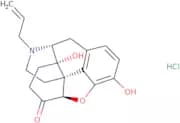
CAS:Controlled Product<p>Naloxone hydrochloride is a competitive antagonist at mu-, delta- and kappa-opioid receptors. Naloxone binding to receptors blocks the effects of opioids such as morphine, heroin, or oxycodone. Naloxone has been shown to be effective in treating acute overdoses of these drugs and reversing the depression of respiratory function that accompanies opioid overdose. It is also used to alleviate withdrawal symptoms and in the treatment of neonatal abstinence syndrome (NAS). NAS is a condition that occurs when infants are exposed to addictive levels of opioids in utero and go through withdrawal after birth.</p>Formula:C19H21NO4•HClPurity:(%) Min. 95%Color and Shape:PowderMolecular weight:363.84 g/mol5-Fluorosalicylic acid
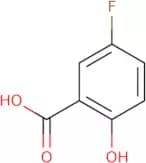
CAS:<p>5-Fluorosalicylic acid is a nonsteroidal anti-inflammatory drug that belongs to the group of 5-substituted salicylates. It has a strong affinity for human serum and can be used as an indicator in the determination of blood glucose. 5-Fluorosalicylic acid also binds to p-nitrophenyl phosphate with high affinity, which is involved in the regulation of cellular energy metabolism and plays a role in the production of ATP. The drug has been shown to form stable complexes with coumarin derivatives, which may have an effect on enzyme activities by modifying their conformational properties. 5-Fluorosalicylic acid has been shown to interact with other drugs, such as acetaminophen or ibuprofen, which may increase the risk of adverse effects.</p>Formula:C7H5FO3Purity:Min. 95%Color and Shape:SolidMolecular weight:156.11 g/mol3-Hydroxy-7,2',4',5'-tetramethoxychalcone
<p>3-Hydroxy-7,2',4',5'-tetramethoxychalcone is a versatile building block that can be used as a reagent or in the synthesis of fine chemicals. It is an intermediate or reaction component that has been found to be useful in the synthesis of complex compounds. This compound is also of high quality and can be used as a scaffold in the synthesis of new molecules. 3-Hydroxy-7,2',4',5'-tetramethoxychalcone is a speciality chemical, with CAS No. 55006-57-3 and molecular weight of 245.</p>Purity:Min. 95%3-Hydroxy-4-methoxybenzoic acid methyl ester
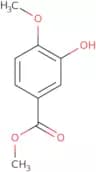
CAS:<p>3-Hydroxy-4-methoxybenzoic acid methyl ester is a phenolic acid that is a potent inhibitor of tyrosinase activity. It has been shown to inhibit the growth of cancer cells by binding to 5-HT2A receptors and inhibiting the production of epidermal growth factor, which leads to a decrease in the expression of tyrosinase. 3-Hydroxy-4-methoxybenzoic acid methyl ester has also been shown to have an inhibitory effect on the synthesis of protocatechuic acid and acetate extract from soybean. This compound was found to be more effective than kojic acid, arbutin, and ascorbic acid.</p>Formula:C9H10O4Purity:Min. 95%Color and Shape:PowderMolecular weight:182.17 g/moltrans-4-(Diethylamino)cinnamaldehyde
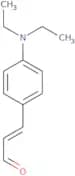
CAS:<p>Trans-4-(Diethylamino)cinnamaldehyde is a molecule that has been systematically studied with several techniques, such as x-ray crystallography. It has been shown to be a fluorophore and can be used as a fluorescent probe. Trans-4-(Diethylamino)cinnamaldehyde can be used in the fluorescence method in which it reacts with other molecules and emits light. This reaction scheme is based on the principle of irradiation by UV light or visible light to produce an excited state. Fluorescence is detected at various wavelengths depending on the dye used. Trans-4-(Diethylamino)cinnamaldehyde also emits fluorescence when irradiated with ultraviolet light, which is often referred to as "violet" fluorescence. The wavelength of this emission is 365 nm and it can be detected using high yield techniques, such as fluorometers.</p>Formula:C13H17NOPurity:Min. 95%Color and Shape:PowderMolecular weight:203.28 g/mol4'-Bromoflavone
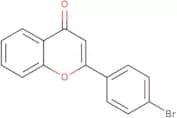
CAS:<p>4'-Bromoflavone is a flavonoid with potent enzyme-inducing properties. It has been shown to affect transcriptional regulation in murine hepatoma cells. 4'-Bromoflavone was also found to be an effective inducer of phase II detoxification enzymes, such as glutathione S-transferase and quinone reductase in the liver of humans. This drug also affects protein synthesis and enzyme activities in mice, rats, and human cells.</p>Formula:C15H9BrO2Purity:Min. 95%Color and Shape:PowderMolecular weight:301.13 g/mol4,4' -Bis(N,N-dimethylamino)-2,2' -bipyridine
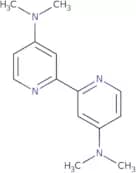
CAS:<p>4,4' -Bis(N,N-dimethylamino)-2,2' -bipyridine (DMAB) is a ligand that is used in electrochemical studies. It has been shown to have ancillary properties, which means that it does not interact directly with the substrate but modifies its environment. DMAB can form a complex with the proton at the electrode surface and x-ray crystal structures have been obtained for this interaction. These structures demonstrate that DMAB binds to the tetrazole ring of pyridine and stabilizes the molecule by increasing its redox potentials.</p>Formula:C14H18N4Purity:Min. 95%Color and Shape:PowderMolecular weight:242.32 g/mol22-Hydroxy-25-Fluorocholesterol
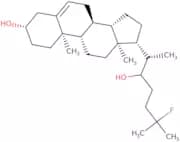
CAS:Controlled Product<p>22-Hydroxy-25-fluorocholesterol is a cholesterol acyltransferase inhibitor, which prevents the synthesis of cholesterol in the body. It is also used as a sequestering agent, preventing cholesterol from being absorbed into the body. This drug has been shown to decrease high cholesterol levels and oxysterols in patients with coronary artery disease. 22-Hydoxy-25-fluorocholesterol binds to cellular membranes and blocks the transport of bile acids and acid, thereby inhibiting cholesterol synthesis. It also inhibits inflammation by blocking inflammatory cytokines such as TNF-α and IL-1β. This drug may also be useful for treating inflammatory diseases such as asthma and rheumatoid arthritis due to its inhibition of leukotriene synthesis.</p>Formula:C27H45FO2Purity:Min. 95%Molecular weight:420.64 g/molL-Tyrosine tert-butyl ester
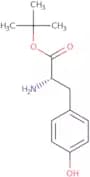
CAS:<p>L-Tyrosine tert-butyl ester is a hydrophobic analog of L-tyrosine. It is a competitive inhibitor of ATP, which slows down the second order rate constant. It also has the ability to reduce lipid hydroperoxides and maintain atp levels in cells that have been irradiated with ultraviolet light. The crystal x-ray diffraction pattern of this molecule suggests that it might be an octameric molecule, which would explain its hydrophobic properties. Its structure may be rationalized by intramolecular hydrogen bonds between the tyrosine and tert-butyl esters.</p>Formula:C13H19NO3Purity:Min. 95%Color and Shape:White PowderMolecular weight:237.29 g/molIbuprofen
CAS:<p>Ibuprofen is a nonsteroidal anti-inflammatory drug (NSAID) used for the treatment of pain, fever and inflammation. Ibuprofen is an inhibitor of cyclooxygenase 1 (COX-1), which blocks the production of prostaglandins that cause pain and inflammation. Ibuprofen has been shown to inhibit the growth of bacteria in cell culture by inhibiting protein synthesis. This drug also has a toxic effect on respiratory system cells, which may be due to its ability to induce apoptosis. Ibuprofen has been shown to inhibit the production of tumour necrosis factor-α (TNF-α) and serum enzymes, such as dismutase activity, in mice with lung cancer.</p>Formula:C13H18O2Purity:Min. 98 Area-%Color and Shape:White PowderMolecular weight:206.28 g/molCitral
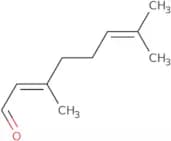
CAS:<p>Citral is a natural compound that is found in the essential oils of a variety of plants. It has been shown to have antimicrobial activity, and has been investigated for its use as an insect repellent. Citral is also known to bind DNA and inhibit the enzyme activities of c. glabrata. The biological properties of citral are still unclear, but it has been shown to cause a mild increase in water vapor and induce mitochondrial membrane potential in vivo human cells. Citral is also able to inhibit the growth of wild-type strains of C. glabrata and other bacteria through inhibition of their enzyme activities and interaction with cellular membranes.</p>Formula:C10H16OPurity:Min. 95%Color and Shape:Clear LiquidMolecular weight:152.23 g/molN-[(3R)-1-(3,3-Dimethyl-2-oxobutyl)-2,3-dihydro-2-oxo-5-(2-pyridinyl)-1H-1,4-benzodiazepin-3-yl]-N'-[3-(methylamino)phenyl]urea
CAS:Controlled Product<p>N-[(3R)-1-(3,3-Dimethyl-2-oxobutyl)-2,3-dihydro-2-oxo-5-(2-pyridinyl)-1H-1,4-benzodiazepin-3-yl]-N'-[3-(methylamino)phenyl]urea (GZ4081) is a drug that inhibits gastrin secretion by blocking the G protein coupled receptor. It has been shown to be effective in treating cancer and also has an inhibitory effect on tissue samples. GZ4081 has been shown to have long term treatment effects as well as being effective for prognosis. The effective dose of GZ4081 is not yet known but it is believed to be at least 10 times lower than the doses used for other drugs in its class.</p>Formula:C28H30N6O3Purity:Min. 95%Molecular weight:498.58 g/mol1-Acenaphthenone
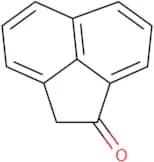
CAS:<p>1-Acenaphthenone is a heterocyclic compound that contains a hydroxyl group, chlorine atom, and two rings. It is used as a catalyst in organic synthesis. 1-Acenaphthenone has been shown to be an efficient dioxygenation catalyst for the production of 1-hydroxy-2-naphthoic acid from malonic acid. It also has been used as a solid catalyst in the oxidation of fatty acids with hydrogen peroxide and as an enzyme activator for rat liver microsomes. This compound also shows synchronous fluorescence with other compounds such as 1-hydroxy-2-naphthoic acid and 2-(2'-oxobiphenyl)acetic acid.</p>Formula:C12H8OPurity:Min. 95%Color and Shape:PowderMolecular weight:168.19 g/molTaraxasterol acetate
CAS:Controlled Product<p>Taraxasterol acetate is a sesquiterpene lactone that has shown anti-inflammatory activity and inhibits the production of inflammatory cytokines. It also possesses antifungal activity against various fungi, such as Candida albicans and Aspergillus niger. Taraxasterol acetate can be used for the treatment of infectious diseases, as well as for the prevention of inflammation. This compound has been found to work by binding to specific enzymes that are involved in the inflammatory response. These enzyme interactions prevent the production of pro-inflammatory molecules and cytokines, which are substances that trigger an immune response. The structure of taraxasterol acetate is similar to 3-o-caffeoylquinic acid, a natural compound found in plants such as Angelica Dahurica. Taraxasterol acetate is a component of several species of plants, including some medicinal herbs such as Angelicae Dahuricae. This compound can be purified</p>Formula:C32H52O2Purity:Min. 95%Color and Shape:PowderMolecular weight:468.75 g/mol4-Methylsalicylic acid
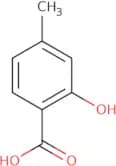
CAS:<p>4-Methylsalicylic acid is a chemical compound that belongs to the group of salicylates. It is an organic compound with a molecular weight of 96.12 g/mol and the chemical formula C8H8O3. The epoxidation of 4-methylsalicylic acid occurs through the use of catalysts, such as zinc oxide and manganese dioxide, which are not functionalized. The addition of these catalysts causes a reaction between the methyl group and the hydroxyl group in 4-methylsalicylic acid, forming methyl salicylate. This product is also used as a chiral building block for other compounds, such as axial chirality and olefins.</p>Formula:C8H8O3Purity:Min. 98 Area-%Color and Shape:PowderMolecular weight:152.15 g/mol3-Nitrophthalic anhydride
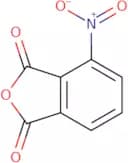
CAS:<p>3-Nitrophthalic anhydride is a nucleophilic compound that is activated by the addition of hydrochloric acid and chloride. It reacts with dimethyl formamide to produce nitrobenzene, which can be oxidized to nitrobenzoic acid. 3-Nitrophthalic anhydride has been used as a precursor for pomalidomide, a drug used in the treatment of multiple myeloma and other cancers. In this reaction, n-dimethyl formamide reacts with 3-nitrophthalic anhydride to produce nitromethane, which can then be oxidized to nitrobenzoic acid. Molecular modeling studies have shown that 3-nitrophthalic anhydride binds to DNA through hydrogen bonding interactions and the formation of covalent bonds. The solubility data for 3-nitrophthalic anhydride show that it is soluble in water and organic solvents such as acetone or met</p>Formula:C8H3NO5Purity:Min. 85%Color and Shape:PowderMolecular weight:193.11 g/molN-Methylcytisine
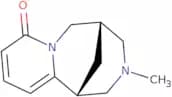
CAS:N-Methylcytisine is a drug that is used to treat bowel disease, locomotor activity, and hypoglycemia. This drug has been shown to have significant cytotoxicity in vitro against squamous carcinoma cells. N-Methylcytisine also inhibits the production of gamma-aminobutyric acid (GABA) and reduces the activity index in anagyroides. This drug has been shown to have a significant effect on colitis and other inflammatory bowel diseases in vivo by reducing inflammation and increasing mucin production.Formula:C12H16N2OPurity:Min. 98 Area-%Color and Shape:White PowderMolecular weight:204.27 g/mol6-Nitrophthalide
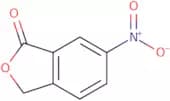
CAS:<p>6-Nitrophthalide is a fluorescent heterocycle that can be used as a probe for specific inhibition. It has been shown to have inhibitory properties against triazole and dipole, which are catalytic asymmetric. 6-Nitrophthalide has also been shown to have the ability to inhibit the oxidation of aldehydes. This compound is synthesized from 2-nitrobenzaldehyde via a two-step process, and then reacted with methyl iodide. 6-Nitrophthalide is homologous to other fluorescent probes such as fluorescein, nitrobenzene, and nitrophenol.</p>Formula:C8H5NO4Purity:Min. 95%Color and Shape:PowderMolecular weight:179.13 g/mol4'-Iodo-2,2':6',2''-terpyridine
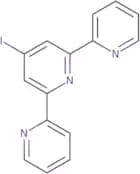
CAS:<p>4'-Iodo-2,2':6',2''-terpyridine is a transoid that has two conformations: one with the pyridine ring in the cisoid position and one with the pyridine ring in the transoid position. It can form intermolecular interactions with other molecules of 4'-iodo-2,2':6',2''-terpyridine. These interactions may be due to stacking or planar interactions.</p>Formula:C15H10IN3Purity:Min. 95%Color and Shape:PowderMolecular weight:359.16 g/molDL-2-Hydroxyvaleric acid sodium salt
CAS:2-Hydroxyvaleric acid sodium salt is a fine chemical that can be used as a building block for the synthesis of more complex compounds. It is also used as a reagent in research and as a speciality chemical. The CAS number for this compound is 84176-70-5. 2-Hydoxyvaleric acid sodium salt is most commonly used in the synthesis of pharmaceuticals, pesticides, and other chemicals. It has also been shown to be useful in the synthesis of biodegradable polymers and as an intermediate in organic reactions.Formula:C5H9NaO3Purity:Min. 95%Color and Shape:PowderMolecular weight:140.11 g/molLopinavir
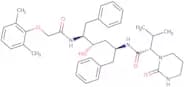
CAS:<p>Anti-viral; HIV protease inhibitor</p>Formula:C37H48N4O5Purity:Min. 97.5 Area-%Color and Shape:White Off-White PowderMolecular weight:628.8 g/mol4,5-Dihydro-2-(1-naphthylmethyl)-1H-imidazole hydrochloride
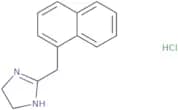
CAS:<p>4,5-Dihydro-2-(1-naphthylmethyl)-1H-imidazole hydrochloride is a fatty acid that functions as an adrenergic receptor agonist. It has been shown to be effective in the diagnosis of cutaneous squamous cell carcinoma. 4,5-Dihydro-2-(1-naphthylmethyl)-1H-imidazole hydrochloride has also shown to have anti-cancer effects in animal models of cancer. This drug binds to fatty acid esters and can be used as a crosslinking agent for polymers. 4,5-Dihydro-2-(1-naphthylmethyl)-1H-imidazole hydrochloride is available as a sodium citrate solution for injection.</p>Formula:C14H14N2·HClPurity:Min. 98 Area-%Color and Shape:White PowderMolecular weight:246.74 g/mol3-Chloro-7-hydroxy-4-methylcoumarin
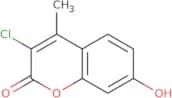
CAS:<p>3-Chloro-7-hydroxy-4-methylcoumarin is a Michaelis–Menten kinetics inhibitor that binds to the bacterial 16S ribosomal RNA and inhibits transcription and protein synthesis. This compound has been studied for wastewater treatment, where it was shown to be effective in treating sodium citrate. 3-Chloro-7-hydroxy-4-methylcoumarin is also used as an inhibitor of coumarin derivatives, which are compounds that have been shown to have antiinflammatory properties. 3CMC inhibits transcription by binding to the polymerase chain reaction (PCR) product. It has also been shown to bind to the nonpolar solvent, which prevents the formation of a complex with the enzyme DNA gyrase, leading to cell death by inhibiting protein synthesis. Fluorescence techniques have been used to study this type of inhibition in a model system.</p>Formula:C10H7ClO3Purity:Min. 95%Color and Shape:PowderMolecular weight:210.61 g/mol5-Bromothiophene-2-carboxylic acid methyl ester
CAS:5-Bromothiophene-2-carboxylic acid methyl ester is an alkene that is used in the synthesis of molybdenum trioxide and other polyhalogenated compounds. It can be prepared by alkylation of 5-bromothiophene with ethyl bromoacetate in the presence of carbon tetrachloride and a halide, such as bromine. The use of photophysical optimization has been shown to significantly improve the yield of this reaction. The reactive nature of 5-bromothiophene-2-carboxylic acid methyl ester makes it suitable for use in organic synthesis. This compound has been shown to have a positive effect on bone mass, which may be due to its ability to inhibit osteoclasts, reducing the activity of these cells that break down bone tissue.Formula:C6H5BrO2SPurity:Min. 95%Color and Shape:PowderMolecular weight:221.07 g/mol6-Sulfatoxy melatonin sodium salt
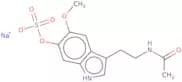
CAS:<p>6-Sulfatoxy melatonin sodium salt is a fine chemical that is a useful scaffold, versatile building block, and useful intermediate. It is used in research chemicals as well as in the manufacture of pharmaceuticals, agrochemicals, and other specialty chemicals. 6-Sulfatoxy melatonin sodium salt is a complex compound with a high quality and has CAS No. 76290-78-3.</p>Formula:C13H15N2NaO6SPurity:Min. 95 Area-%Color and Shape:PowderMolecular weight:350.32 g/molL-Allothreonine
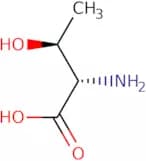
CAS:<p>L-Allothreonine is a diagnostic agent that can be used to measure the glomerular filtration rate. It is a substrate molecule for the enzymes alloproteinase and threoninase, which hydrolyze it into L-serine and dicarboxylic acid. The reaction mechanism of L-allothreonine with malonic acid has been studied at different pH values by measuring the thermal expansion coefficient. L-Allothreonine is an intramolecular hydrogen donor in polymerase chain reactions, which leads to cyclic peptide formation. The enzyme activities of alloproteinase, threoninase, and cyclooxygenase have been studied in vitro using kinetic methods. L-Allothreonine is a natural amino acid that can be found in animal sources such as fish, meat, eggs, milk, yogurt, cheese and whey protein supplements. It is also available as a dietary supplement for people who cannot get enough</p>Formula:C4H9NO3Purity:Min. 95%Color and Shape:White PowderMolecular weight:119.12 g/mol2-Methoxycinnamic acid
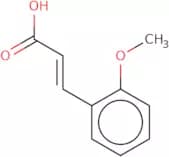
CAS:<p>2-Methoxycinnamic acid is a fine chemical that is used as a building block for research chemicals, pharmaceuticals, and other products. It is a versatile building block that can be used in the synthesis of complex compounds with diverse structures. 2-Methoxycinnamic acid is also an intermediate for the production of cinnamates, which are useful in the production of synthetic dyes.</p>Formula:C10H10O3Purity:Min. 95%Color and Shape:White PowderMolecular weight:178.18 g/molWilforlide A
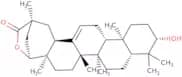
CAS:<p>Wilforlide A is a novel anticancer drug that inhibits the growth of cancer cells by inhibiting amino transferase and blocking the synthesis of DNA. Wilforlide A has synergistic effects when used in combination with tripterygium wilfordii, a Chinese herb, and moronic acid, an extract from Tripterygium wilfordii. Wilforlide A also has anti-inflammatory properties and can be used to treat autoimmune diseases. The efficacy of Wilforlide A was evaluated using surface methodology on human skin squamous carcinoma samples. It was found that Wilforlide A had no cytotoxicity when applied to these cells. In addition, it inhibited tumor growth in mice inoculated with human squamous carcinoma cells. These findings show that Wilforlide A is a potential candidate for treating squamous carcinoma patients.</p>Formula:C30H46O3Purity:Min. 95%Color and Shape:PowderMolecular weight:454.68 g/mol3-Nitrosalicylic acid
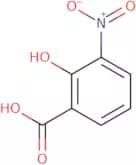
CAS:<p>3-Nitrosalicylic acid is a chemical that is used as an inhibitor for corrosion. It can be used to prevent corrosion in wastewater systems, and it is also used as a protective coating for metals. 3-Nitrosalicylic acid has been shown to be effective against a variety of particle sizes, including fine particles at low concentrations. 3-Nitrosalicylic acid can be synthesized by reacting 5-nitrosalicylic acid with ammonia, hydrogen chloride, and zinc oxide in water. The reaction solution should be neutralized with sodium hydroxide and then hydrogenated using sodium dithionite or sodium sulfite. 3-Nitrosalicylic acid has been shown to inhibit the corrosion of metal surfaces and to function as an effective dose in the synthetic pathway for polymers.<br>3-Nitrosalicylic acid has high concentrations around pH 9.5, which can be reduced by electrochemical impedance spectroscopy (EIS).</p>Formula:C7H5NO5Purity:Min. 95%Color and Shape:PowderMolecular weight:183.12 g/mol2-Hydroxy-6-methoxybenzoic acid methyl ester
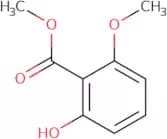
CAS:<p>2-Hydroxy-6-methoxybenzoic acid methyl ester is a biologically active molecule that has been shown to have antibacterial activity. It is structurally similar to the natural compound 2,6-dimethoxyphenol and can be used as a substitute for this compound in bioassays. The antibacterial activity of 2-hydroxy-6-methoxybenzoic acid methyl ester is due to its ability to inhibit enzymes involved in DNA repair and cell division. This compound also inhibits the growth of cancer cells and weevils by interfering with their metabolism.</p>Formula:C9H10O4Purity:Min. 95%Color and Shape:PowderMolecular weight:182.17 g/mol21-Dehydro budesonide
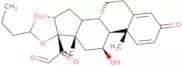
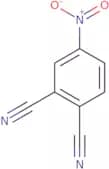
CAS:Controlled Product<p>21-Dehydro budesonide is a drug that is used to treat intraocular pressure in patients with glaucoma. It is a biodegradable implant that can be inserted into the eye to lower intraocular pressure. Research has shown that 21-Dehydro budesonide reduces intraocular pressure. The drug has been found to be effective in patients who have not responded well to other treatments, such as surgery or topical medicines.</p>Formula:C25H32O6Purity:Min. 94 Area-%Color and Shape:White PowderMolecular weight:428.52 g/mol4-Nitrophthalonitrile
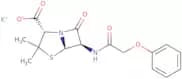
CAS:<p>4-Nitrophthalonitrile is a chemical substance that can be synthesized by the reaction of sodium carbonate with 3,4,5-trimethoxybenzyl alcohol. It can also be prepared using nitro phenol and sodium hydroxide. 4-Nitrophthalonitrile has been shown to have high photochemical activity in the presence of light. The frequency shift of its infrared spectrum is indicative of a nucleophilic addition reaction mechanism. 4-Nitrophthalonitrile has been used as an intermediate for producing other chemicals, such as herbicides and pharmaceuticals.</p>Formula:C8H3N3O2Purity:Min. 95%Color and Shape:White PowderMolecular weight:173.13 g/molPenicillin V potassium salt
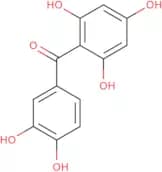
CAS:<p>Penicillin V potassium salt is a penicillin antibiotic that has been used to treat infections caused by bacteria, such as streptococcal throat infections. It is a prodrug of penicillin G and has the same mechanism of action. Penicillin V potassium salt binds to penicillin-binding proteins in the bacterial cell wall by competitive inhibition. This binding prevents the formation of an antibiotic-inhibitor complex with the enzyme cell wall synthesis that is required for cell wall biosynthesis, inhibiting protein synthesis and cell division. Penicillin V potassium salt is often used as an alternative to oral cephalosporins due to its lower incidence of gastrointestinal side effects.</p>Formula:C16H17KN2O5SPurity:(Hplc) 95.0 To 102.0%Color and Shape:White PowderMolecular weight:388.48 g/mol2,3',4,4',6-Pentahydroxybenzophenone - 85%
CAS:<p>2,3',4,4',6-Pentahydroxybenzophenone - 85% is a chemical compound that functions as a hydroxybenzophenone derivative. It is synthesized through organic chemical processes involving aromatic hydroxylation. The compound exhibits specific light-absorbing characteristics, particularly in the ultraviolet (UV) range, making it a valuable tool in scientific studies focusing on photostability and the photophysical properties of materials.</p>Formula:C13H10O6Purity:Min. 95%Color and Shape:PowderMolecular weight:262.21 g/mol2-Naphthyl myristate
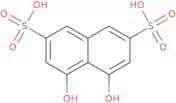
CAS:<p>2-Naphthyl myristate is a proteolytic enzyme that hydrolyzes proteins. It has been shown to have lipolytic and phosphatase activities. The enzyme is active at a wide range of pH values, from 4.0 to 8.0, and can be inhibited by sodium taurocholate, which inhibits pancreatic lipase activity. 2-Naphthyl myristate has been used for the diagnosis of pancreatitis in humans, as it increases serum amino acid levels in patients with this condition. 2-Naphthyl myristate is an amidase that cleaves amide bonds and degrades proteins into amino acids. It also has an esterase activity that converts long chain fatty acids to their corresponding acid or alcohol form. The enzyme was first isolated from the genus Mycobacterium but has since been found in other genera such as Clostridium perfringens and Bacillus cereus.</p>Formula:C24H34O2Purity:Min. 95%Color and Shape:PowderMolecular weight:354.53 g/mol1,8-Dihydroxynaphthylene-3,6-disulfonic acid
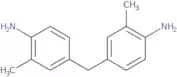
CAS:<p>1,8-Dihydroxynaphthylene-3,6-disulfonic acid is a sulfonic acid that has been shown to be an effective biocide for wastewater treatment. It has the ability to form stable complexes with organic matter and is not readily degraded by chemical reactions. 1,8-Dihydroxynaphthylene-3,6-disulfonic acid has been shown to have a strong affinity for certain metals and can be used to remove them from wastewater. This compound is also able to form stable complexes with metal ions in solution, which leads to the removal of these metals from the water column. The optimum concentration of 1,8-dihydroxynaphthylene-3,6-disulfonic acid varies depending on the specific metal being targeted and ranges from 0.01% to 0.1%.</p>Formula:C10H8O8S2Purity:Min. 95%Color and Shape:White PowderMolecular weight:320.3 g/mol4,4'-Diamino-3,3'-dimethyldiphenylmethane
CAS:<p>4,4'-Diamino-3,3'-dimethyldiphenylmethane is a reactive dye that is used in the diagnosis of cervical cancer. It has been shown to suppress the expression of tumor suppressor genes by binding to DNA and interfering with transcription. This dye is also a polyvinyl compound that binds to proteins through an amine group. The bound form of 4,4'-Diamino-3,3'-dimethyldiphenylmethane can be detected using an electrode and hydroxyl group as a diode. Multivariate logistic regression was used to determine the relationship between the bound form of 4,4'-Diamino-3,3'-dimethyldiphenylmethane and women who have not had any symptoms of cervical cancer. A section was taken from each subject's cervix and stained with 4,4'-Diamino-3,3'-dimethyldiphenylmethane</p>Formula:C15H18N2Purity:Min. 95%Color and Shape:PowderMolecular weight:226.32 g/mol4'-Methoxy-3',beta-dimethyl-beta-nitrostyrene
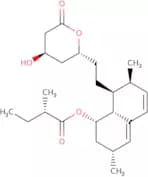
<p>4'-Methoxy-3',beta-dimethyl-beta-nitrostyrene is a fine chemical that belongs to the group of versatile building blocks. It is an intermediate for the synthesis of complex compounds, research chemicals, and speciality chemicals. 4'-Methoxy-3',beta-dimethyl-beta-nitrostyrene is a useful reagent in organic synthesis and can be used as a reaction component or scaffold. It has been shown to have high quality and it can be used as a useful building block.</p>Formula:C11H13NO3Purity:Min. 95%Color and Shape:PowderMolecular weight:207.23 g/molLovastatin
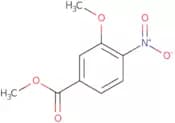
CAS:<p>HMG-CoA reductase inhibitor; mevalonic acid synthesis inhibitor</p>Formula:C24H36O5Purity:Min. 98 Area-%Color and Shape:White PowderMolecular weight:404.54 g/mol3-Methoxy-4-nitrobenzoic acid methyl ester
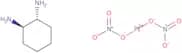
CAS:<p>3-Methoxy-4-nitrobenzoic acid methyl ester is a dianellidin, a type of natural product. It is an ionizing acid that catalyzes the reaction between carboxylic acids and hydroxyl compounds. This compound is used to produce some drugs, such as methyldopate, which is an antiarrhythmic drug that slows heart rate. The catalytic rate of 3-methoxy-4-nitrobenzoic acid methyl ester can be increased by buffers and solvents (e.g., methanol). These compounds increase the concentration of the reactants in solution and reduce the activation energy required for the reaction to take place. Uncatalyzed reactions are slow because there are no molecules to act as intermediates in the process.</p>Formula:C9H9NO5Purity:95%NmrColor and Shape:PowderMolecular weight:211.17 g/molOxaliplatin related compound B
CAS:<p>Oxaliplatin related compound B is a fine chemical. It is an intermediate in the preparation of oxaliplatin related compounds, which are useful as research chemicals, reagents and speciality chemicals. Oxaliplatin related compound B has been used in the synthesis of other compounds with different functional groups. It has also been shown to be a versatile building block for the synthesis of complex compounds. Oxaliplatin related compound B can be used as a reaction component for the synthesis of other compounds. Oxaliplatin related compound B is a high quality, complex compound that can be used as a scaffold for the synthesis of other compounds.</p>Formula:C6H14N4O6PtPurity:Min. 97 Area-%Color and Shape:Slightly Yellow PowderMolecular weight:433.28 g/molL-Leucine b-naphthylamide hydrochloride
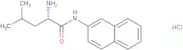
CAS:<p>Please enquire for more information about L-Leucine b-naphthylamide hydrochloride including the price, delivery time and more detailed product information at the technical inquiry form on this page</p>Formula:C16H20N2O·HClPurity:Min. 95%Color and Shape:PowderMolecular weight:292.8 g/mol2-Amino-3-methoxybenzoic acid methyl ester
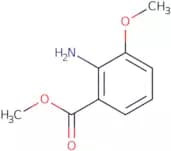
CAS:<p>2-Amino-3-methoxybenzoic acid methyl ester can be used as a chiral auxiliary in enantioselective synthesis. It is synthesised by reaction of l-valine with methyl iodide, followed by hydrolysis of the resulting ester under basic conditions. 2-Amino-3-methoxybenzoic acid methyl ester is used as a chiral auxiliary for the asymmetric synthesis of d-mannitol and related compounds.</p>Formula:C9H11NO3Purity:Min. 95%Color and Shape:PowderMolecular weight:181.19 g/mol2,6-Dimethoxynaphthalene
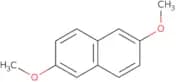
CAS:<p>2,6-Dimethoxynaphthalene is a skeleton that belongs to the naphthalene class of compounds. It is a white crystalline solid that is soluble in organic solvents. This compound has been used as an intermediate for the synthesis of dyes and pharmaceuticals, but it is most commonly used as a precursor to reactive carboxylic acid derivatives. The sulfonation of 2,6-dimethoxynaphthalene with SO3 leads to the formation of ethyl diazoacetate and subsequent acylation reactions can be used to produce esters. The reaction mechanism for these reactions involves proton transport from the sulfur atom to the oxygen atom on ethyl diazoacetate. Supramolecular chemistry studies have shown that this reaction also takes place at low temperatures without the need for an acid catalyst.</p>Formula:C12H12O2Purity:Min. 98 Area-%Molecular weight:188.22 g/molEthyl hydrocaffeate
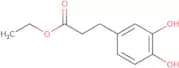
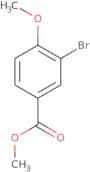
CAS:<p>Ethyl hydrocaffeate is a phenolic compound and an ester of hydroxycinnamic acid. Ethyl hydrocaffeate is naturally found in many plants, such as, Bidens pilosa. In in vitro cell studies, ethyl hydrocaffeate inhibited the production of nitric oxide (NO) with an IC50 of 5.5âÎŒgâmlâ1in LPS-treated RAW 264.7 macrophages (Chiang, 2005). In food, ethyl hydrocaffeate has been tested as an antioxidant at a 0.004% concentration to prevent the generation of off-flavor in ice cream (Gelpi, 1955).</p>Formula:C11H14O4Purity:Min. 95%Color and Shape:Brown PowderMolecular weight:210.23 g/mol3-Bromo-4-methoxybenzoic acid methyl ester
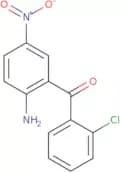
CAS:<p>3-Bromo-4-methoxybenzoic acid methyl ester is an isomer of 4-methoxybenzoic acid. It is a natural product that can be found in dihydroisoquinoline and in the ethyl formate oxidation products. There are two ways to synthesize this compound: by oxidation of diphenyl ethers or by hydrolysis of chloride acetaldehyde. 3-Bromo-4-methoxybenzoic acid methyl ester has been shown to have cellular toxicity against human cells and biphenyl.</p>Formula:C9H9BrO3Purity:Min. 95%Color and Shape:PowderMolecular weight:245.07 g/mol2-Amino-5-nitro-2'-chlorobenzophenone
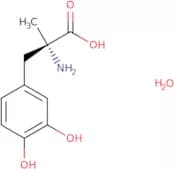
CAS:<p>2-Amino-5-nitro-2'-chlorobenzophenone (2ACCB) is a precursor for the synthesis of 2,4,6-trichlorophenol. 2ACCB reacts with hydrochloric acid in the presence of a scrubber to produce diphenyl ether and activated 2ACCB. The reaction rate can be increased by adding sodium hydroxide solution to the reaction solution. The hydroxy group on the 2ACCB molecule can be converted to a terpene by transfer reactions with glycol esters. This compound has been used as a sterilant and disinfectant in reaction solutions containing chlorine atoms or carbonyl groups.</p>Formula:C13H9ClN2O3Purity:Min. 95%Color and Shape:PowderMolecular weight:276.67 g/mol(S)-2-Amino-3-(3,4-dihydroxyphenyl)-2-methylpropionic acid sesquihydrate
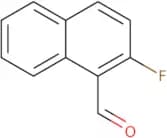
CAS:<p>(S)-2-Amino-3-(3,4-dihydroxyphenyl)-2-methylpropionic acid sesquihydrate is a synthetic drug that is used for the treatment of metabolic disorders such as diabetes mellitus. It has been shown in animal studies to increase locomotor activity and decrease bowel disease. It also has an effect on α7 nicotinic acetylcholine receptors and 2 adrenergic receptors.</p>Formula:C10H13NO4•(H2O)1Purity:Min 98%Color and Shape:PowderMolecular weight:238.24 g/mol2-Fluoro-1-naphthalenecarboxaldehyde
CAS:<p>2-Fluoro-1-naphthalenecarboxaldehyde is a high quality, complex compound that can be used as a versatile building block in the synthesis of many different compounds. As a reagent, it is used for the conversion of alcohols to ketones, esters to acid chlorides and amides to nitriles. It is also an intermediate in the synthesis of other chemicals such as 2-fluoronaphthalene, 2-(2-fluoroethyl)naphthalene, 1H-indole-2-carboxylic acid, and 3-(2-fluoropropyl)benzothiazole.</p>Formula:C11H7FOPurity:Min. 95%Color and Shape:PowderMolecular weight:174.17 g/mol




![N-[(3R)-1-(3,3-Dimethyl-2-oxobutyl)-2,3-dihydro-2-oxo-5-(2-pyridinyl)-1H-1,4-benzodiazepin-3-yl]-N…](/_next/image/?url=https%3A%2Fstatic.cymitquimica.com%2Fproducts%2F3D%2Fthumb-webp%2FFD153499.webp&w=3840&q=75)