Pharmaceutical Standards
Pharmaceutical standards are a comprehensive set of reference materials essential for ensuring the safety, efficacy, and quality of pharmaceutical products. This category includes standards for active pharmaceutical ingredients (APIs), which are the core components responsible for therapeutic effects. Additionally, it covers compounds and metabolites relevant to both the pharmaceutical and veterinary industries, providing benchmarks for the accurate measurement and analysis of these substances. Nitrosamine control standards are crucial for detecting and mitigating potentially harmful nitrosamines in drug formulations. Toxicology standards help assess the safety and potential adverse effects of pharmaceutical compounds. Furthermore, enzyme activators and inhibitors standards are vital for research and development, enabling precise studies of biochemical pathways and drug mechanisms. These pharmaceutical standards are indispensable tools for regulatory compliance, quality control, and research, ensuring that pharmaceutical products meet stringent safety and effectiveness criteria.
Subcategories of "Pharmaceutical Standards"
- APIs for research and impurities(274,782 products)
- Enzyme Activators and Inhibitors(2,827 products)
- Nitrosamines(2,606 products)
- Pharmaceutical and Veterinary Compounds and Metabolites(2,849 products)
- Toxicology(13,652 products)
Found 7836 products of "Pharmaceutical Standards"
Sort by
Purity (%)
0
100
|
0
|
50
|
90
|
95
|
100
1,2,5,6-Tetramethylnaphthalene
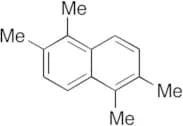
CAS:Controlled Product<p>Applications 1,2,5,6-Tetramethylnaphthalene is a polycyclic aromatic hydrocarbon that has been found in petroleum.<br> Not a dangerous good if item is equal to or less than 1g/ml and there is less than 100g/ml in the package<br>References Forster, P.G., et. al.: J. Chromatogr., 483, 384 (1989)<br></p>Formula:C14H16Color and Shape:NeatMolecular weight:184.277γ-Butyrobetaine-d9
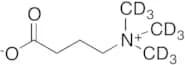
CAS:Controlled Product<p>Applications γ-Butyrobetaine-d9 is the labelled analogue of γ-Butyrobetaine, a synthetic carnitine related compound used as a transporter substrate in the cloning and sequencing of human carnitine transporter 2 (CT2).<br>References Enomoto, A. et al.: J. Biol. Chem., 277, 36262 (2002)<br></p>Formula:C72H9H7NO2Color and Shape:NeatMolecular weight:155.26N-(n-Butanesulfonyl)-O-[4-(4-pyridinyl)-butyl]-(S)-tyrosine
CAS:<p>Applications Tirofiban intermediate.<br></p>Formula:C22H30N2O5SColor and Shape:NeatMolecular weight:434.55Muraglitazar
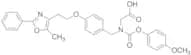
CAS:Controlled Product<p>Applications It is a peroxisome proliferator-activated receptor (PPAR) α/γ dual agonist.<br>References Barlocco, D., et al.: Curr. Opin. Invest. Drugs, 6, 427 (2005), Devasthale, P.V., et al.: J. Med. Chem., 48, 2248 (2005), Kendall, D.M., et al.: Diabetes care, 29, 1016 (2006),<br></p>Formula:C29H28N2O7Color and Shape:NeatMolecular weight:516.541α-(Chloromethyl) Chlormadinone Acetate
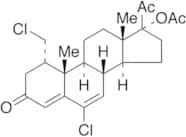
CAS:Controlled Product<p>(1α)-17-(Acetyloxy)-6-chloro-1-(chloromethyl)-pregna-4,6-<br>diene-3,20-dione; 6-Chloro-1α-(chloromethyl)-17-<br>hydroxypregna-4,6-diene-3,20-dione Acetate; Cyproterone<br>Acetate EP Impurity C</p>Formula:C24H30Cl2O4Color and Shape:NeatMolecular weight:453.401,2-Dihydro Beclomethasone Dipropionate
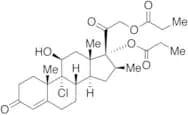
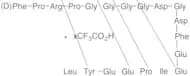
CAS:Controlled Product<p>Impurity Beclomethasone Dipropionate EP Impurity L<br>Applications 1,2-Dihydro Beclomethasone Dipropionate (Beclomethasone Dipropionate EP Impurity L) is an impurity of Beclomethasone Dipropionate (B131030).<br></p>Formula:C28H39ClO7Color and Shape:NeatMolecular weight:523.06Bivalirudin α-ASPA 9 Analog Trifluoroacetic Acid Salt (Impurity)
<p>Applications Impurity of Bivalirudin, a direct thrombin inhibitor acting as an anticoagulant through inhibition of the enzyme thrombin.<br>References Bertrand, O. et al.: Am. J. Cardio., 110, 599 (2012); Patti, G. et al.: Am. J. Cardio., 110, 478 (2012);<br></p>Formula:C98H137N23O34•xC2HF3O2Color and Shape:NeatMolecular weight:2181.274-Aminoacetophenone
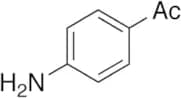
CAS:Controlled Product<p>Applications A novel utilization of aminophenone derivative in toxicology, for treating intoxications with cyanogenic toxic substances.<br>References Donoghue, N., et al.: Eur. J. Biochem., 60, 1 (1975), Chen, Y., et al.: J. Bacteriol., 170, 781 (1988),<br></p>Formula:C8H9NOColor and Shape:Yellow SolidMolecular weight:135.16Ethyl Cinnamate
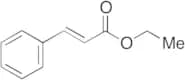
CAS:<p>Applications Ethyl Cinnamate, is used in the preparation of polymer-encapsulated osmonium used as a catalyst for the dihydroxylation of alkenes and preparation of a camptothecin intermediate, anticancer drug. Also used in the synthesis of substrate specific ERK1/2 inhibitors used to induce apoptosis and inhibit cell proliferation.<br>References Akiyama, R. et al.: RSC Adv., 2, 7456 (2012); Li, Q. et al.: Bioorg. Med. Chem. Lett., 19, 6042 (2009);<br></p>Formula:C11H12O2Color and Shape:Colourless To YellowMolecular weight:176.21β-Lapachone (>90%)
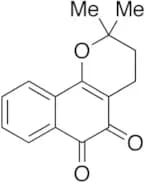
CAS:Controlled Product<p>Applications β-Lapachone is a naturally occurring quinone obtained from the bark of the lapacho tree (Tabebuia avellanedae) with cancer chemopreventive properties. Induces apoptosis in HL-60 and human prostate cancer cells.<br>References Renslo, A., et al.: Nat. Chem. Biol., 2, 701 (2006), Hopkins, A., et al.: Nat. Chem. Biol., 4, 682 (2008), Stuart, K., et al.: J. Clin. Invest., 118, 1301 (2008), Martin, R., et al.: Science, 25, 1680 (2009),<br></p>Formula:C15H14O3Purity:>90%Color and Shape:Orange SolidMolecular weight:242.27Triacetin-d5
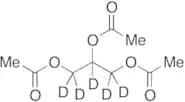
CAS:Controlled Product<p>Applications Triacetin-d5 is the isotope labelled analog of Triacetin (T720850); a compound used as a food additive and flavoring. Triacetin can be used as an excipient in pharmaceutical products where it is used as a humectant, a plasticizer, and as a solvent. Triacetin can also be used as a fuel additive as an antiknock agent.<br>References Mouret, A., et al.: Green Chem., 16 (1), 269 (2014); Snejdrova, E., et al.: Inter. J. Pharma., 458, 282 (2013)<br></p>Formula:C9D5H9O6Color and Shape:NeatMolecular weight:218.252Campesteryl Ferulate
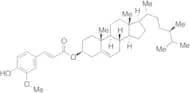
CAS:Controlled Product<p>Applications Campesteryl Ferulate is a component of γ-oryzanol with antioxidant activities.<br>References Xu, Z., et al.: J. Agric. Food Chem., 49, 2077 (2001);<br></p>Formula:C38H56O4Color and Shape:NeatMolecular weight:576.85Melphalan
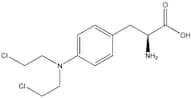
CAS:Controlled Product<p>Applications Melphalan is an antineoplastic.<br> Not a dangerous good if item is equal to or less than 1g/ml and there is less than 100g/ml in the package<br>References Ross, W.C.J., et al.: Biochem. Pharmacol., 13, 969 (1964); Donelli, M.G., et al.: J. Pharm. Pharmacol., 18, 760 (1966), Furner, R.L., et al.: Cancer Treat. Rep., 64, 559 (1980),<br></p>Formula:C13H18Cl2N2O2Color and Shape:NeatMolecular weight:305.20N-Acetylthiourea
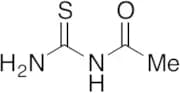
CAS:Controlled Product<p>Applications N-Acetylthiourea is a derivative of Thiourea (T375450); a compound used in biochemistry to increase the solubility (and resolution) of membrane proteins in two-dimensional electrophoresis. N-Acetylthiourea can be used as a reducing agent in a two-part self curing endodontic sealing system.<br> Not a dangerous good if item is equal to or less than 1g/ml and there is less than 100g/ml in the package<br>References Jabbour, S.: Am. J. Clin. Dermatol., 4, 315 (2003); Himsworth, H.: Lancet, 242, 465 (1943); Rabilloud, T., et al.: Electrophoresis, 19, 758 (1998); Jin, S. et al. Self-curing system for endodontic sealant applications. PCT Int. Appl. WO 2009018464 A2 20090205. Feb 5, 2009<br></p>Formula:C3H6N2OSColor and Shape:NeatMolecular weight:118.16Rosuvastatin Ethyl Ester
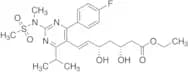
CAS:<p>Applications Rosuvastatin ethyl ester (CAS# 851443-04-4) is an intermediate formed during the synthetic preparation of rosuvastatin, a pharmaceutical used to manage LDL cholesterol.<br>References Sterk, D.; et al.: Tetrahedron Lett., 57, 1338 (2016); Olsson, A. G.; et al.: Am. Heart J., 144, 1044 (2002).<br></p>Formula:C24H32FN3O6SColor and Shape:Off-White To Light BeigeMolecular weight:509.59Flurandrenolone Acetate
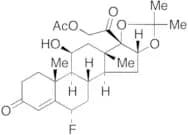
CAS:<p>Impurity Fluocinolone Acetonide EP Impurity G<br>Applications Flurandrenolone Acetate, is the derivative of Flurandrenolide (F598650), which is a Glucocorticoid, used as an antipsoriatic.<br>References Pearlman, R., et al.: Int. J. Pharm., 18, 53 (1984), Neufeld, E., et al.: J. Chromatogr., 718, 273 (1998),<br></p>Formula:C26H35FO7Color and Shape:NeatMolecular weight:478.555α-Pregnane-3β,20(S)-diol
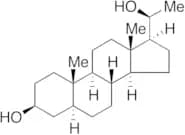
CAS:Controlled Product<p>Applications 5α-Pregnane-3β,20(S)-diol, is a metabolite of Progesterone (P755900).<br>References Beall, et al.: Biochem. J., 31, 35 (1937), Okuda, A., et al.: J. Biol. Chem., 259, 7519 (1984), Russell, D., et al.: Biochemistry, 31, 4737 (1992), Kondo, K., et al.: Eur. J. Biochem., 219, 357 (1994), Westerbacka, J., et al.: J. Clin. Endocrinol. Metab., 88, 4924 (2003),<br></p>Formula:C21H36O2Color and Shape:NeatMolecular weight:320.51Ibutilide Fumarate
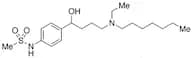
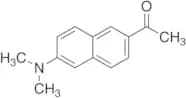
CAS:Controlled ProductFormula:C20H36N2O3S·C4H4O4Color and Shape:NeatMolecular weight:885.222-Acetyl-6-(dimethylamino)naphthalene
CAS:Controlled Product<p>Applications Naphthalene derivative.<br></p>Formula:C14H15NOColor and Shape:NeatMolecular weight:213.28Ambrisentan
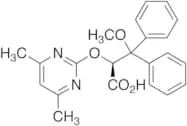
CAS:Controlled Product<p>Applications Nonpeptide endothelin ETA receptor antagonist. Antihypertensive.<br>References Riechers, H., et al.: J. Med. Chem., 39, 2123 (1996), Billman, G.E., et al.: Curr. Opin. Invest. Drugs, 3, 1483 (2002), Vatter, H., et al.: Clin. Neuropharmacol., 26, 73 (2003),<br></p>Formula:C22H22N2O4Color and Shape:Off-WhiteMolecular weight:378.42Anastrozole Acid Amide
<p>Applications Anastrozole Acid Amide is a derivative of Anastrozole (A637425), an aromatase inhibitor. Used as an antineoplastic.<br>References Plourde, P.V., et al.: Breast Cancer Res. Treat., 30, 103 (1994), Buzdar, A.U., et al.: Cancer, 79, 730 (1997)<br></p>Formula:C17H22N4O3Color and Shape:NeatMolecular weight:330.38Stigmasta-3,5-diene
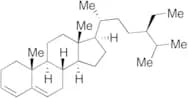
CAS:<p>Applications Stigmasta-3,5-diene is one of the components found in vegetable oil after refining.<br>References Lanzon, A., et al.: J. Am. Oil Chemist Soc., 71, 285 (1994); Cert, A., et al.: Food Chem., 49, 287 (1994)<br></p>Formula:C29H48·C28H46Color and Shape:NeatMolecular weight:779.36Homogentisic Acid-13C6
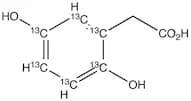
CAS:<p>Applications Labelled Homogentisic acid. An intermediate in the metabolism of tyrosine and phenylalanine. Occurs in plants and in the urine of alkaptonurics.<br>References Knox, W.E., et al.: Biochem. J., 49, 686 (1951), LaDu, B.N., et al.: J. Biol. Chem., 217, 777 (1955)<br></p>Formula:C213C6H8O4Color and Shape:NeatMolecular weight:174.1Ganirelix Trifluoroacetic Acid Salt (>90%)
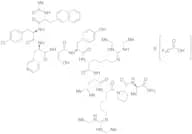
CAS:Controlled Product<p>Applications Decapeptide LH-RH antagonist. Used in treatment of infertility.<br>References Strickley, R.G., et al.: Pharm. Res., 7, 530 (1990), Jung, G., et al.: J. Med. Chem., 35, 3942 (1992), Rabinovici, J., et al.: J. Clin. Endocrinol. Metab., 75, 1220 (1992), Devroey, P., et al.: Hum. Reprod., 13, 3023 (1998),<br></p>Formula:C80H113ClN18O13•x(C2HF3O2)Purity:>90%Color and Shape:NeatMolecular weight:1570.3211402Ethyl Deoxycholate
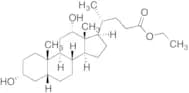
CAS:<p>Applications Ethyl Deoxycholate is the ethyl ester of the common bile salt Deoxycholic Acid (D232645), a Cholic Acid (C432600) derivative used as a component in cell lysis buffers.<br>References Tuangtong, R. et al.: Dermatol. Surg., 36, 899 (2010); Araki, Y. et al.: Scand. J. Gast., 36, 533 (2001);<br></p>Formula:C26H44O4Color and Shape:White To Off-WhiteMolecular weight:420.6321-Carboxylic Acid Triamcinolone Acetonide
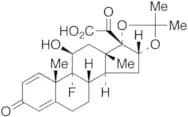
CAS:<p>Applications A metabolite of Triamcinolone acetonide.<br>References Edsbacker, S., et al.: Drug Metab. Dispos., 11, 590 (1983), Szefler, S., et al.: Eur. J. Clin. Pharmacol., 30, 323 (1986), Hansel, T., et al.: J. Immunol. Methods, 145, 105 (1991), Argenti, D., et al.: J. Clin. Pharmacol., 39, 695 (1999),<br></p>Formula:C24H29FO7Color and Shape:NeatMolecular weight:448.484-Hydroxy Propofol Sulfate Sodium Salt
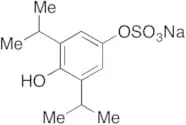
CAS:<p>Applications 4-Hydroxy Propofol sulfate sodium salt is a derivative of Propofol, a hypnotic intravenous agent that is commonly used as an anasthetic for conscious sedation.<br>References GüLCIN, I., et al.: Chem. Pharm. Bull., 53, 281 (2005); Koshy, G., et al.: Am. J. Gastroenterol., 95, 1476 (2000)<br></p>Formula:C12H17NaO5SColor and Shape:NeatMolecular weight:296.323-[2-N-(Biotinyl)aminoethyldithio]propanoic Acid
CAS:Controlled Product<p>Applications 3-[2-N-(Biotinyl)aminoethyldithio]propanoic Acid (cas# 104582-29-8) is a compound useful in organic synthesis.<br>References Kobayashi, N., et al.: Anal. Biochem., 357, 311 (2006),<br></p>Formula:C15H25N3O4S3Color and Shape:NeatMolecular weight:407.57(+)-Citronellal
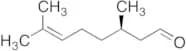
CAS:Controlled Product<p>Applications (+)-Citronellal is a monoterpene compound that is formed by the metabolism of plants. (+)-Citronellal is a natural insect repellant, and is the main component of citronellal oil. (+)-Citronellal is also used as a starting material in the one pot synthesis of (-)-Menthol (M218875).<br>References Kwon, Y., et al.: Curr. Biol., 20, 1672 (2010); Lenardão, E., et al.: Tetrahedron, 63, 6671 (2007); Milone, C., et al.: Appl. Catal. A-Gen., 199, 239 (2000)<br></p>Formula:C10H18OPurity:>90%Color and Shape:NeatMolecular weight:154.25Des-4-fluorobenzyl Mosapride
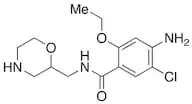
CAS:Controlled Product<p>Applications The major metabolite of Mosapride (M731000).<br>References Somogyi, A., et al.: Clin. Pharmacokinet., 8, 463 (1983), Cashman, J., et al.: Drug Metab. Dispos., 21, 587 (1993), Berkman, C., et al.: Biochem. Pharmacol., 50, 565(1995), Blake, B., et al.: Xenobiotica, 25, 377 (1995),<br></p>Formula:C14H20ClN3O3Color and Shape:NeatMolecular weight:313.78Amlodipine Dimethyl Ester
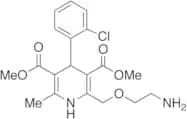
CAS:<p>Impurity Amlodipine EP Impurity F / Amlodipine USP Related Compound F<br>Applications Amlodipine Besilate (A633500) impurity. Amlodipine EP Impurity F<br>References Coburn, R., et al.: J. Med. Chem., 31, 2103 (1988), Gupta, S., et al.: Eur. J. Med. Chem., 38, 867 (2003), Vazzana, I., et al.: J. Med. Chem., 50, 334 (2007),<br></p>Formula:C19H23ClN2O5Color and Shape:Light Yellow To YellowMolecular weight:394.85Dipropofol
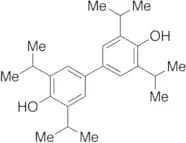
CAS:<p>Impurity Propofol EP Impurity E; Propofol USP Related Compound A<br>Applications Dipropofol (Propofol EP Impurity E) is a dimeric derivative of Propofol (P829750). Dipropofol is an antibacterial agent with strong activity againts Gram-positive bacteria. Dipropofol also displays antioxidant and radical scavenging activity. Propofol USP Related Compound A.<br>References Ogata, M. et al.: Chem. Pharm. Bull., 53, 344 (2005); Ogata, M. et al.: Biol. Pharmac. Bull., 30, 1565 (2007);<br></p>Formula:C24H34O2Color and Shape:NeatMolecular weight:354.53N,N-bis(1-naphthylmethyl)aminomethane
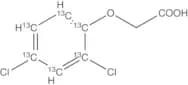
CAS:Controlled Product<p>Applications N-Methyl-N-(1-naphthalenylmethyl)-1-naphthalenemethanamine is a reagent used in the synthesis of Butenafine Hydrochloride (B690195) an anti-fungal.<br>References Maeda, T., et al.: Yakugaku Zasshi, 111, 126 (1991).<br></p>Formula:C23H21NColor and Shape:NeatMolecular weight:311.422,4-Dichlorophenoxyacetic Acid-13C6
CAS:Controlled Product<p>Applications Herbicide. Used to increase latex output of old rubber trees.<br> Not a dangerous good if item is equal to or less than 1g/ml and there is less than 100g/ml in the package<br>References Rowe, V.K., et al.: Am. J. Vet. Res., 15, 622 (1954), Way, J.M., et al.: Residue Rev., 26, 37 (1969),<br></p>Formula:C6C2H6Cl2O3Color and Shape:Off White SolidMolecular weight:226.99Glycochenodeoxycholic Acid 3-Sulfate Disodium Salt
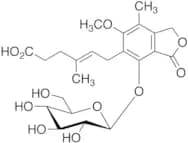
CAS:<p>Stability Hygroscopic<br>Applications A bile salt formed in the liver from chenodeoxycholate and glycine, usually as the sodium salt. It acts as a detergent to solubilize fats for absorption and is itself absorbed. It is a cholagogue and choleretic.<br>References Parmentier, G. , et al.: Steroids, 30, 583 (1977), Tserng, K.Y., et al.: Lipids, 13, 479 (1978),<br></p>Formula:C26H41NNa2O8SColor and Shape:White To Off-WhiteMolecular weight:573.65Mycophenolic Acid Phenolic β-D-Glucoside
CAS:Controlled ProductFormula:C23H30O11Color and Shape:White To Off-WhiteMolecular weight:482.482'-(2H-Tetrazol-5-yl)-[1,1'-biphenyl]-4-carboxylic Acid
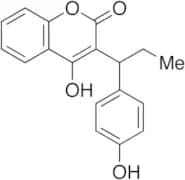
CAS:Controlled Product<p>Stability Hygroscopic<br>Applications 2'-(2H-Tetrazol-5-yl)-[1,1'-biphenyl]-4-carboxylic Acid is a transformation product of Valsartan (V095750); a nonpeptide angiotensin II AT1-receptor antagonist and antihypertensive. 2'-(2H-Tetrazol-5-yl)-[1,1'-biphenyl]-4-carboxylic Acid is also referred to as Valsartan acid.<br>References Noedler, K., et al.: Water Res., 47, 6650 (2013); Criscione, L., et al.: Brit. J. Pharmacol., 110, 761 (1993); Muller, P., et al.: Eur. J. Clin. Pharmacol., 47, 231 (1994)<br></p>Formula:C14H10N4O2Color and Shape:White To Off-WhiteMolecular weight:266.254’-Hydroxyphenprocoumon
CAS:Controlled Product<p>Applications 4’-Hydroxyphenprocoumon is a metabolite of the oral anticoagulant Phenprocoumon (P318820).<br>References De Vries, J. et al.: J. Chrom. Biomed. Appl., 529, 479 (1990);<br></p>Formula:C18H16O4Color and Shape:NeatMolecular weight:296.32Demethyl Benzydamine Hydrochloride
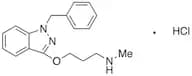
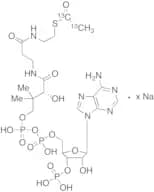
CAS:Controlled Product<p>Applications A metabolite of Benzydamine (B209950).<br>References Kataoka, S., et al.: Chem. Pharma. Bull., 21, 358 (1973),<br></p>Formula:C18H22ClN3OColor and Shape:Off White SolidMolecular weight:331.84Acetyl-1,2-13C2 Coenzyme A Sodium Salt (~2% Unlabelled)
CAS:Controlled Product<p>Applications Acetyl-1,2-13C2 Coenzyme A Sodium Salt is a useful synthetic intermediate.<br></p>Formula:C2113C2H38N7O17P3S•x(Na)Color and Shape:NeatMolecular weight:811.5622991-Naphthol
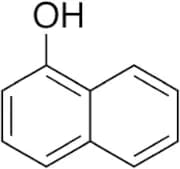
CAS:<p>Impurity Duloxetine EP Impurity D<br>Applications 1-Naphthol (Duloxetine EP Impurity D) is used in the manufacturing of dyes, intermediates, synthetic perfumes.<br> Not a dangerous good if item is equal to or less than 1g/ml and there is less than 100g/ml in the package<br></p>Formula:C10H8OColor and Shape:Light Red To Light BrownMolecular weight:144.17Potassium p-Nitrophenyl Sulphate
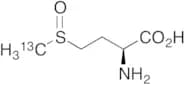
CAS:<p>Applications Potassium p-Nitrophenyl Sulphate (cas# 6217-68-1) is a compound useful in organic synthesis.<br></p>Formula:C6H4NO6S·KColor and Shape:NeatMolecular weight:257.26L-Methionine Sulfoxide,13C
CAS:Controlled Product<p>Applications L-Methionine Sulfoxide 13C1 is a labelled analogue of L-Methionine Sulfoxide ( M260450). L-Methionine Sulfoxide ( M260450) an intermediate in the synthesis of the acyclic amino carboxylic acid L-Methionine sulfoximine.<br>References Lee, B., et al.: J. Biol. Chem., 283, 28361 (2008), Nordqvist, A., et al.: Bioorg. Med. Chem., 16, 5501 (2008);Balog, E., et al.: Biochem., 48, 3005 (2009);<br></p>Formula:CC4H11NO3SColor and Shape:White To Off-WhiteMolecular weight:166.203Ruthenium On Carbon
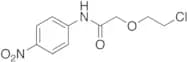
CAS:Controlled Product<p>Applications Ruthenium, is a rare transition metal belonging to the platinum group of the periodic table with various applications. It can be used in platinum and palladium alloys to make wear-resistant electrical contacts.<br> Not a dangerous good if item is equal to or less than 1g/ml and there is less than 100g/ml in the package<br>References Hunt, L. B., et al.: Platinum Metals Rev., 49 (2), 74 (2003);<br></p>Formula:RuColor and Shape:NeatMolecular weight:101.072-(2-Chloroethoxy)-N-(4-nitrophenyl)acetamide
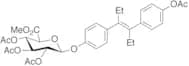
CAS:Controlled Product<p>Applications Reagent used in the preparation of N-Arylmorpholinones.<br>References Mederski, W., et al.: Bioorg. Med. Chem. Lett., 14, 5817 (2004),<br></p>Formula:C10H11ClN2O4Color and Shape:NeatMolecular weight:258.66Acetyldiethylstilbestrol 2,3,4-Tri-O-acetyl-β-D-glucuronide Methyl Ester
CAS:Controlled Product<p>Applications Intermediate for the preparation of Diethylstilbestrol β-D-Glucuronide.<br></p>Formula:C33H38O12Color and Shape:Light YellowMolecular weight:626.65Methyl Isofenphos (Technical Grade)
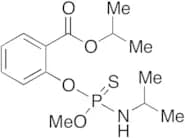
CAS:Controlled Product<p>Stability Hygroscopic<br>Applications Methyl Isofenphos is an organophosphorus compound, that according to biological studies, can cause acute toxicity to animals.<br> Not a dangerous good if item is equal to or less than 1g/ml and there is less than 100g/ml in the package<br>References Li, S.: Huanjing Wuran Yu Fangzhi, 20, 13 (1998); Yin, Y., et al.: Huanjing Yu Jiankang Zazhi, 28, 583 (2011)<br></p>Formula:C14H22NO4PSColor and Shape:ColourlessMolecular weight:331.373-(4-Hydroxyphenyl)propionic Acid Methyl Ester
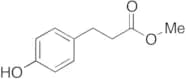
CAS:Controlled Product<p>Applications 3-(4-Hydroxyphenyl)propionic Acid Methyl Ester is a useful synthetic intermediate. It can be used to prepare potent and orally available G protein-coupled receptor 40 agonists as potential antidiabetic agents.<br>References Sasaki, S., et al.: J. Med. Chem., 54, 1365 (2011); Christiansen, E., et al.: ACS Med. Chem. Lett., 1, 345 (2010)<br></p>Formula:C10H12O3Color and Shape:NeatMolecular weight:180.2Indole-2,4,5,6,7-d5-3-acetic Acid
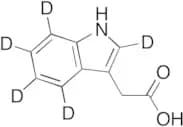
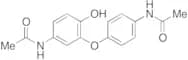
CAS:Controlled Product<p>Applications Indole-2,4,5,6,7-d5-3-acetic Acid is an isotopic analog of Indoleacetic Acid (I577340) which is the most common and naturally occuring plant hormone in the auxin class of hormones. It effects cell elongation, cell division as well as plant growth and development.<br></p>Formula:C102H5H4NO2Color and Shape:NeatMolecular weight:180.212-Hydroxy-4’,5-diacetamido-diphenyl Ether
CAS:Controlled Product<p>Stability Hygroscopic<br>Applications 2-Hydroxy-4’,5-diacetamido-diphenyl Ether is used in the synthesis of novel benzimidazoles as potent inhibitors of TIE-2 anf VEGFR-2 tyrosine kinase receptors. Angiogenesis therapeutic agent.<br>References Hasegawa, M. et al.: J. Med. Chem., 50, 4453 (2007);<br></p>Formula:C16H16N2O4Color and Shape:NeatMolecular weight:300.318-Thioguanosine
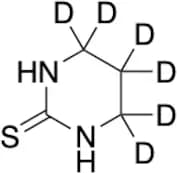
CAS:Controlled Product<p>Stability Hygroscopic<br>Applications 8-Thioguanosine (cas# 26001-38-7) is a useful research chemical.<br></p>Formula:C10H13N5O5SColor and Shape:NeatMolecular weight:315.31,3-Propylene-d6 Thiourea
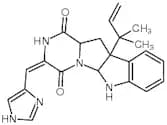
CAS:Controlled Product<p>Applications 1,3-Propylene-d6 Thiourea (CAS# 1219802-05-7) is a useful isotopically labeled research compound.<br></p>Formula:C4H2D6N2SColor and Shape:NeatMolecular weight:122.222Roquefortine C
CAS:<p>Applications Roquefortine C is a potent neurotoxin produced most notably by Penicillium species.<br> Not a dangerous good if item is equal to or less than 1g/ml and there is less than 100g/ml in the package<br></p>Formula:C22H23N5O2Color and Shape:Off-WhiteMolecular weight:389.45Formic Acid, 97+%
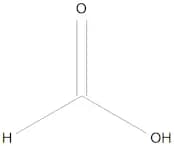
CAS:Controlled Product<p>Stability Volatile<br>Applications Formic Acid is used as a potential energy source in the preparation of fuel cells. Also used in chemical synthesis of various anti-inflammatory and anti-microbial agents.<br> Not a dangerous good if item is equal to or less than 1g/ml and there is less than 100g/ml in the package<br>References Yu, X. et al.: J. Power Source., 182, 124 (2008); Bekhit, A. et al.: Bioorg. Med. Chem., 12, 1935 (2004);<br></p>Formula:CH2O2Purity:97%Color and Shape:ColourlessMolecular weight:46.03Calcitonin, Salmon
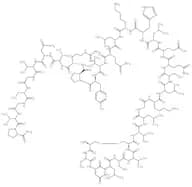
CAS:<p>Applications Calcitonin, Salmon is a calcium regulating hormone which exhibits hypocalcaemic and hypophosphatemic properties.<br></p>Formula:C145H240N44O48S2Color and Shape:NeatMolecular weight:3431.852-Naphthylamine
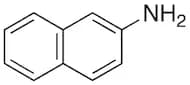
CAS:<p>Applications It is listed as a known human carcinogen. Used in manufacturing of dyes, as antioxidant in rubber.<br> Not a dangerous good if item is equal to or less than 1g/ml and there is less than 100g/ml in the package<br>References IARC Monographs, 4, 97 (1974),<br></p>Formula:C10H9NColor and Shape:RedMolecular weight:143.19Urea-13C
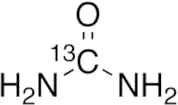
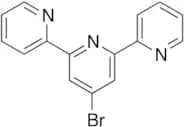
CAS:<p>Applications Labelled Urea. Physiological regulator of nitrogen excretion in mammals; synthesized in the liver as an end-product of protein catabolism and excreted in urine. Also occurs normally in skin. Emollient; diuretic.<br>References Demetriou, A., et al.: Science, 233, 1190 (1986); Aebischer, P., et al.: Nat. Med., 2, 696(1996); Prakash, S., et al.: Biotechnol. Bioeng., 46, 621(1995);<br></p>Formula:CH4N2OColor and Shape:NeatMolecular weight:61.054'-Bromo-2,2':6',2''-terpyridine
CAS:Controlled Product<p>Applications 4'-Bromo-2,2':6',2''-terpyridine (cas# 149817-62-9) is a useful research chemical.<br></p>Formula:C15H10BrN3Color and Shape:NeatMolecular weight:312.1611b,21-dihydroxypregna-1,4,16-triene-3,20-dione
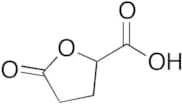
CAS:<p>Applications 11β,21-dihydroxypregna-1,4,16-triene-3,20-dione is a derivative of Prednisolone (P703740) and an intermediate in the synthesis of isoxazolinopregnadienes which exhibit anti-inflammatory activity.<br>References Khalil, M.A., et al.: Med. Chem. Res., 6, 52 (1996); Kwon, T., et al.: J. Med. Chem., 38, 1048 (1995)<br></p>Formula:C21H26O4Color and Shape:NeatMolecular weight:342.43Carboxybutyrolactone
CAS:Controlled Product<p>Applications Carboxybutyrolactone is a structural analog of (±)-Paraconic Acid (P191200) and is used as a reagent in the synthesis of methylenecarboxybutyrolactones which have antibacterial activity.<br>References Tonari, K., et al.: J. Oleo Sci., 51, 259 (2002)<br></p>Formula:C5H6O4Color and Shape:Off-WhiteMolecular weight:130.1(3R)-3-[4-Amino-3-(4-phenoxyphenyl)-1H-pyrazolo[3,4-d]pyrimidin-1-yl]-1-piperidinecarboxylic Acid Phenylmethyl Ester
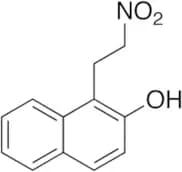
CAS:Controlled ProductFormula:C30H28N6O3Color and Shape:NeatMolecular weight:520.5821-(2-Nitroethyl)-2-naphthol
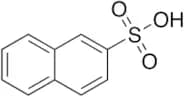
CAS:Controlled Product<p>Applications 1-(2-Nitroethyl)-2-naphthol is an aromatic alcohol that is used in photoacid for extremely long lived and reversible pH jumps.<br>References Nunes, R.M.D., et al.: J. Am. Chem. Soc., 131, 26 (2009);<br></p>Formula:C12H11NO3Color and Shape:NeatMolecular weight:217.22Naphthalene-2-sulfonic Acid Hydrate
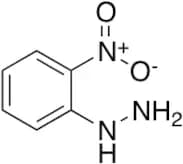
CAS:<p>Applications Naphthalene-2-sulfonic acid (cas# 120-18-3) is a useful research chemical.<br> Not a dangerous good if item is equal to or less than 1g/ml and there is less than 100g/ml in the package<br></p>Formula:C10H8O3SColor and Shape:NeatMolecular weight:208.234(2-Nitrophenyl)hydrazine (Contains ~30-40% water as stabilizer)
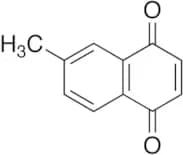
CAS:<p>Applications (2-Nitrophenyl)hydrazine (cas# 3034-19-3) is a useful research chemical.<br></p>Formula:C6H7N3O2Color and Shape:NeatMolecular weight:153.146-Methyl-1,4-naphthoquinone
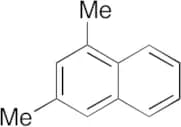
CAS:Controlled Product<p>Applications 6-Methyl-1,4-naphthoquinone (cas# 605-93-6) is a compound useful in organic synthesis.<br></p>Formula:C11H8O2Color and Shape:NeatMolecular weight:172.181,3-Dimethylnaphthalene
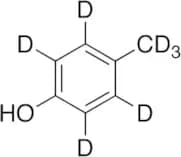
CAS:Controlled ProductFormula:C12H12Color and Shape:ColourlessMolecular weight:156.22p-Cresol-d7
CAS:Controlled Product<p>Applications This compound is the labelled analog of a cresol metabolite.<br> Not a dangerous good if item is equal to or less than 1g/ml and there is less than 100g/ml in the package<br>References Dills, R.L. et al: J. Chrom. B. Biomed. Sci. App., 703, 105 (1997);<br></p>Formula:C72H7HOColor and Shape:NeatMolecular weight:115.18Phenylglyoxylic Acid-13C8
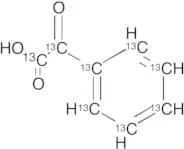
CAS:<p>Applications Phenylglyoxylic Acid-13C8 is an intermediate used in the synthesis of Mandelic Acid-13C8 (M162523), which is the C13 labelled Mandelic Acid which is used as an antiseptic (urinary). It is also used as a short-term exposure biomarker in urine from styrene exposed workers.<br>References Pessela, B., et al.: Enzyme Microb. Technol., 40, 310 (2007); Carrasco-Lopez, C., et al.: J. Biol. Chem., 284, 4365 (2009); Fustinoni, S., et al.: Toxicol. Lett., 192, 40 (2010)<br></p>Formula:C8H6O3Color and Shape:NeatMolecular weight:158.07Indole-3-pyruvic Acid-d5
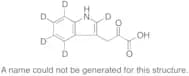
CAS:Controlled Product<p>Applications Indole-3-pyruvic Acid-d5 is an isotope labelled compound of Indole-3-pyruvic Acid (I627189). Indole-3-pyruvic Acid is a compound involved in the biosynthesis of Indole-3-acetic acid, a plant hormone which plays important roles in regulating growth and responses to environmental changes.<br>References Kong, W., et al.: Plant Cell Physiol, 56, 715-726 (2015)<br></p>Formula:C11H4D5NO3Color and Shape:Light Brown To BrownMolecular weight:208.22Methyl 1-Naphthaleneacetate
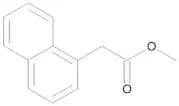
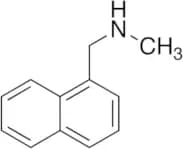
CAS:<p>Applications Methyl 1-naphthaleneacetate (cas# 2876-78-0) is a useful research chemical.<br></p>Formula:C13H12O2Color and Shape:NeatMolecular weight:200.23N-(1-Naphthylmethyl)methylamine Hydrochloride
CAS:Controlled Product<p>Impurity Terbinafine BP Impurity A; Terbinafine USP Related Compound A<br>Applications N-Methyl-1-naphthalenemethanamine hydrochloride (Terbinafine BP Impurity A; Terbinafine USP Related Compound A) is an intermediate used in the synthesis of various pharmaceuticals such as Terbinafine hydrochloride (T107500) and Butenafine hydrochloride (B690195).<br>References Petranyi, G., et al.: Science, 224, 1239 (1984); Ryder, N.S., et al.: Antimicrob. Agents Chemother., 27, 252 (1985); Evans, E.G.V., et al.: Br. Med. J., 318, 1031 (1999); Kokjohn, K., et al.: Int. J. Dermatol., 42, 11 (2003); Sumikawa, M., et al.: J. Dermatol., 34, 456 (2007)<br></p>Formula:C12H13N·ClHColor and Shape:WhiteMolecular weight:207.70Dihydro Caffeic Acid 3-O-Sulfate Sodium Salt
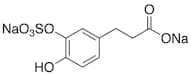
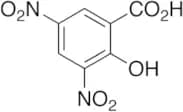
CAS:<p>Stability Hygroscopic<br>Applications A metabolite of Caffeic Acid. Metabolite profiling of hydroxycinnamate derivatives in plasma and urine after the ingestion of coffee by humans: identification of biomarkers of coffee consumption.<br>References Buchanan, C., et al.: J. Sci. Food Agric., 71, 459 (1996), Andreasen, M., et al.: J. Agric. Food Chem., 49, 5679 (2001), Poquet, L., et al.: Drug Metab. Dispos., 36, 190 (2008),<br></p>Formula:C9H8Na2O7SColor and Shape:NeatMolecular weight:306.203,5-Dinitrosalicylic Acid
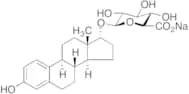
CAS:Controlled Product<p>Applications 3,5-Dinitrosalicylic Acid (cas# 609-99-4) is a compound useful in organic synthesis.Dyes and metabolites.<br></p>Formula:C7H4N2O7Color and Shape:NeatMolecular weight:228.12Beta-Estradiol 17-(Beta-D-Glucuronide) Sodium Salt
CAS:<p>Stability Hygroscopic<br>Applications beta-Estradiol 17-(beta-D-glucuronide) sodium salt is a glucocorticosteroid analog.<br></p>Formula:C24H31NaO8Color and Shape:NeatMolecular weight:470.493-Hydroxy Loratadine
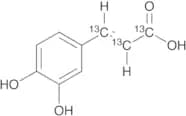
CAS:Controlled Product<p>Applications An intermediate for the preparation of 3-Hydroxy Desloratadine.<br></p>Formula:C22H23ClN2O3Color and Shape:NeatMolecular weight:398.88Caffeic Acid-13C3
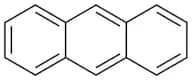
CAS:<p>Applications Constituent of plants, probably occurs in plants only in conjugated forms.<br>References Neish, et al.: Can. J. Biochem Physiol., 37, 1431 (1959), Krasemann, et al.: Arch. Pharm., et al.: 293, 721 (1960), Wolfrom, et al.: J. Agric. Food Chem., 8, 58 (1960),<br></p>Formula:C613C3H8O4Color and Shape:NeatMolecular weight:183.14Anthracene
CAS:<p>Applications Anthracene is obtained from coal tar. It is an important source of many dyes.This compound is a contaminant of emerging concern (CECs)<br> Not a dangerous good if item is equal to or less than 1g/ml and there is less than 100g/ml in the package<br></p>Formula:C14H10Color and Shape:Light Yellow To Light BrownMolecular weight:178.237-Hydroxy-1,3,6-naphthalenetrisulfonic Acid Trisodium
CAS:<p>Applications 7-Hydroxy-1,3,6-naphthalenetrisulfonic Acid is a pollutant that is found in waste water.<br>References Cristiano, N., et al.: Ind, Eng. Chem. Res., 46, 6674 (2007)<br></p>Formula:C10H5O10S3·3NaColor and Shape:NeatMolecular weight:450.303-Hydroxy-2,7-naphthalenedisulfonic Acid Sodium Salt > 90%
CAS:<p>Applications 3-Hydroxy-2,7-naphthalenedisulfonic Acid is a coupling component used in preparation of disazo urea dyes and dyes derived from 4-4'-diaminodiphenylurea.<br>References Szadowski, J., et al.: Dyes and Pgiments, 50, 87 (2001); Amjad, R., et al.: J. Chem. Soc. Pakistan, 33, 107 (2011)<br></p>Formula:C10H8O7S2Purity:>90%Color and Shape:NeatMolecular weight:304.30DL-Indole-3-lactic Acid Methyl Ester-D5
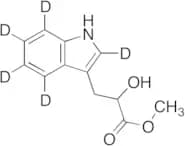
CAS:Controlled Product<p>Applications DL-Indole-3-lactic Acid Methyl Ester-D5 is an intermediate used in the synthesis of DL-Indole-3-lactic Acid-d5 (I627102), which is the isotope labelled analog of DL-Indole-3-lactic Acid (I627100); a reagent in the synthesis of 2-hydroxy-1-(1H-indol-3-yl)-4-methylpentan-3-one which has weak antibacterial activity against 16 bacterial strains, including Escherichia coli, Bacillus subtilis and Staphylococcus aureus. DL-Indole-3-lactic Acid is also used in the preparation of Monatin, a natural sweet peptidomimetic.<br>References Nguyen, S.T., et al.: Bioorg. Med. Chem. Lett., 20, 5739 (2010); Nakamura, K., et al.: Peptide Sci., 40, 61 (2003)<br></p>Formula:C12D5H8NO3Color and Shape:NeatMolecular weight:224.2672-Amino-1-naphthalenesulfonic Acid
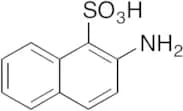
CAS:Controlled Product<p>Applications 2-Amino-1-naphthalenesulfonic Acid has been used in the preparation of oligomeric acid azo dyes and yields a reddish orange color in the dye.<br>References Shah, T.B., et. al.: Int. J. Polyemric Mater., 58, 681 (2009); Smith, K., et. al.: J. Environ., Res. Development, 2, 20 (2007)<br></p>Formula:C10H9NO3SColor and Shape:NeatMolecular weight:223.254-Amino-1-naphthalenesulfonic Acid
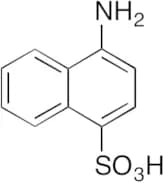
CAS:<p>Applications 4-Amino-1-naphthalenesulfonic acid has potent therapeutic applications. Its sodium salt has been used as non-toxic hemostatic. It is also a metabolite of azo dyes.<br> Not a dangerous good if item is equal to or less than 1g/ml and there is less than 100g/ml in the package<br>References Alonso, M., et al.: Anal. Chim. Acta, 400, 211 (1999); Chung, K., et al.: Appl. Environ. Microb., 42, 641 (1981)<br></p>Formula:C10H9NO3SColor and Shape:NeatMolecular weight:223.251,4-Dibromonaphthalene
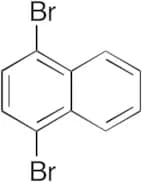
CAS:Controlled Product<p>Applications 1,4-Dibromonaphthalene is used in the annelation of PAHs. Also used in the synthesis of novel, orally active dual NK1/NK2 antagonists.<br>References Bernstein, P. et al.: Bioorg. Med. Chem. Lett., 11, 2769 (2001); Wegner, H. et al.: J. Org. Chem., 68, 883 (2003);<br></p>Formula:C10H6Br2Color and Shape:NeatMolecular weight:285.96apo-Ipratropium Bromide (mixture of stereoisomers)
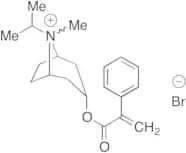
CAS:Controlled Product<p>Stability Light Sensitive<br>Applications 8-Isopropyl-8-methyl-3-endo((2-phenylacryloyl)oxy)-8-azabicyclo[3.2.1]octan-8-ium Bromide is an intermediate used in the preparation of quaternary salts of alkaloids.<br>References Ivanov, V., et al.: Farmatsiya17, 18 (1967)<br></p>Formula:C20H28NO2·BrColor and Shape:NeatMolecular weight:394.344-Hydroxychlorpropham Sulfate Sodium Salt
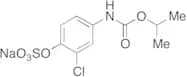
CAS:Controlled Product<p>Stability Hygroscopic<br>Applications 4-Hydroxychlorpropham Sulfate Sodium Salt, is a chemical herbicide used in the protection of crops. It also maintains the ability to induce mitochondrial dysfunction in rat hepatocytes.<br>References EPA.: Fed. Reg., 72, 37646 (2007); Nakagawa, Y. et al.: Toxicol., 200, 123 (2004);<br></p>Formula:C10H11ClNNaO6SColor and Shape:NeatMolecular weight:331.7051-Butylurea
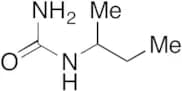
CAS:<p>Applications 1-Butylurea is a compound used for developing cosmetic compositions for straightening hair fibers. It is also used as a reagent for the synthesis of chiral mono-, di-, tri-, and tetraalkylglycolurils by cyclocondensation of ureas with dihydroxyimidazolidinones or glyoxal.<br>References Plos, G., et al.: Fr. Demande, FR 3004926 A1 20141031 (2014); Kravchenko, A. N.,et al.: Russ Chem. Bull., 54, 691 (2005).<br></p>Formula:C5H12N2OColor and Shape:NeatMolecular weight:116.16(2-Naphthyloxy)acetyl Chloride
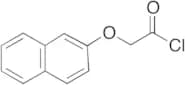
CAS:Controlled Product<p>Applications (2-Naphthyloxy)acetyl Chloride serves as one of the reagents for the discovery of indoline-2-carboxamide derivatives as new classs of brain-penetrant inhibitors of trypanosoma brucei. Also in preparation and antibacterial activity of N-(phenylquinazolinonyl) aryl-amides by amidation of amino(phenyl)quinazolone with aroyl chlorides<br>References Cleghorn, L. A., et al.: J. Med. Chem., 58, 7695 (2015); Prajapati, A. K., et al.: Indian J. Heterocycl. Chem., 19, 269 (2010)<br></p>Formula:C12H9ClO2Color and Shape:NeatMolecular weight:220.652N-(2-Hydroxyethyl)adenosine
CAS:Controlled Product<p>Applications N-(2-Hydroxyethyl)adenosine has been studied as an anticonvulsant through the activation of adenosine A1 receptor (AA1R).<br>References Zhu, B-C., et al.: Junwu Xuebao, 35, 619-627 (2016);<br></p>Formula:C12H17N5O5Color and Shape:NeatMolecular weight:311.29Methyl-1-naphthalenemethylamine
CAS:<p>Impurity Terbinafine EP Impurity A; Terbinafine BP Impurity A; Terbinafine USP Related Compound A<br>Applications Terbinafine EP Impurity A. Terbinafine BP Impurity A. Terbinafine USP Related Compound A<br></p>Formula:C12H13NColor and Shape:OrangeMolecular weight:171.241-Naphthol-4-sulfonic Acid Sodium Salt
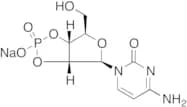
CAS:Controlled Product<p>Applications 1-NAPHTHOL-4-SULFONIC ACID SODIUM SALT (cas# 6099-57-6) is a useful research chemical.<br></p>Formula:C10H7NaO4SColor and Shape:NeatMolecular weight:246.21Cytidine 2':3'-cyclic Monophosphate Monosodium Salt (>85%)
CAS:Controlled Product<p>Stability Hygroscopic<br>Applications Cytidine 2':3'-cyclic Monophosphate Monosodium Salt is a key compound in the enzymic synthesis of short oligoribonucleotides. Reagent in the amine catalyzed solid-phase synthesis of oligonucleotides.<br>References Gusenkova, N. M., et al.: Zhurnal Obshchei Khimii, 46, 939 (1976); Tomasz, J., et al.: Nucleic Acid Chem., 2, 875 (1978)<br></p>Formula:C9H11N3NaO7PPurity:>85%Color and Shape:NeatMolecular weight:327.16Dimethachlor Ethane Sulfonic Acid Sodium Salt-d6
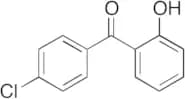
CAS:Controlled Product<p>Applications Dimethachlor Ethane Sulfonic Acid Sodium Salt-d6 is the deuterium labelled form of Dimethachlor Ethane Sulfonic Acid Sodium Salt (D460283), which is a pesticide metabolite and pollutant found in groundwater, surface water, and wastewater.<br>References Huntscha, S., et al.: J. Chromatogr. A, 1268, 74 (2012); Reemtsma, T., et al.: J. Chromatogr. A, 1271, 95 (2013);<br></p>Formula:C13D6H12NNaO5SColor and Shape:Off White SolidMolecular weight:329.384’-Chloro-2-hydroxy-benzophenone
CAS:Controlled Product<p>Applications 4’-Chloro-2-hydroxy-benzophenone is a useful compound to investigate the effects of substituents on photo-antioxidant abilities of 2-hydroxybenzoyl compounds that can prevent autooxidation of plastics under UV light.4’-Chloro-2-hydroxy-benzophenone can also utilized to develop novel Azomethine Prodrugs of (R)-α-Methylhistamine.<br>References Dobashi, Y., et al.: Polym. Degrad. Stabil. 89, 140 (2005); Krause, M., et al.: J. Med. Chem. 38, 4070 (1995)<br></p>Formula:C13H9ClO2Color and Shape:NeatMolecular weight:232.66Propionic Acid
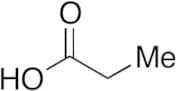
CAS:Controlled Product<p>Applications Propionic Acid, used in the synthesis of novel inhibitors of signal transducer and activator of transcription 3 signaling pathway in the potential treatment of human cancers. In addition it is used in the synthesis of morphans.<br> Not a dangerous good if item is equal to or less than 1g/ml and there is less than 100g/ml in the package<br>References Zhang, M. et al.: Eur. J. Med. Chem., 62, 301 (2013); Bradshaw, B. et al.: Org. Lett., 15, 2458 (2013);<br></p>Formula:C3H6O2Color and Shape:ColourlessMolecular weight:74.08Acetyltropic Acid
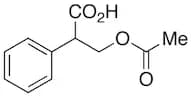
CAS:Controlled Product<p>Applications Intermediate in the synthesis of Tropine and respective derivatives<br>References Schmidt, G., et al.: J. Pharm. Sci., 56, 215 (1967),<br></p>Formula:C11H12O4Color and Shape:NeatMolecular weight:208.21N,N'-Bis[3-(trifluoromethyl-4-cyanophenyl]urea
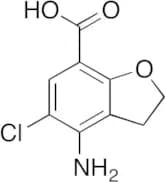
CAS:Controlled Product<p>Applications N,N'-Bis[3-(trifluoromethyl-4-cyanophenyl]urea can be obtained from 5-Amino-2-cyanobenzotrifluoride (A603630) which can be used for the preparation of benzene derivatives as non-steroidal androgen receptor modulators.<br>References Xiao, H.-Y., et al.: Bioorg. Med. Chem. Lett., 20, 4491 (2010)<br></p>Formula:C17H8F6N4OColor and Shape:NeatMolecular weight:398.2624-Amino-5-chloro-2,3-dihydro-7-benzofurancarboxylic Acid
CAS:Controlled Product<p>Applications 4-Amino-5-chloro-2,3-dihydro-7-benzofurancarboxylic Acid, can be used as an intermediate for the synthesis of Prucalopride (P838950), a selective 5-HT4 receptor agonist used effective for chronic constipation.<br>References Hirokawa, Y., et al.: J. Med. Chem., 46, 702 (2003);<br></p>Formula:C9H8ClNO3Color and Shape:NeatMolecular weight:213.62Tetramethylurea
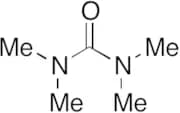
CAS:<p>Applications Tetramethylurea is an excellent solvent for organic substances, in particular aromatic compounds.<br>References Lüttringhaus, A., et al.: Angew. Chem. Int. Ed. Engl., 3, 260 (1964)<br></p>Formula:C5H12N2OColor and Shape:NeatMolecular weight:116.16Isoguanosine Hydrate
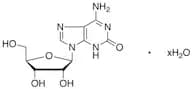
CAS:Controlled Product<p>Applications A useful synthetic intermedate. A naturally occuring, biologically active isomer of guanosine. Reported to stimulate the accumulation of cyclic-AMP in the brain. It is an inhibitor of IMP pyrophosphorylase, and its 5’-di and -tri-phosphates inhibit glutamic acid dehydrogenase. May contain approximately 0.6 moles of water.<br>References Divakar, K.J., et al.: J. Chem. Soc. Perkin Trans., 1, 771 (1991), Montsch, H.H., et al: Biochemistry, 14, 5593 (1975), Hagen, C.: Biochim. Biophys. Acta., 293, 105 (1973), Huang, M., et al.: J. Med. Chem., 15, 462 (1972)<br></p>Formula:C10H13N5O5·H2OColor and Shape:NeatMolecular weight:301.26

![N-(n-Butanesulfonyl)-O-[4-(4-pyridinyl)-butyl]-(S)-tyrosine](/_next/image/?url=https%3A%2Fstatic.cymitquimica.com%2Fproducts%2FTR%2Fthumb-webp%2FB690160.webp&w=3840&q=75)

![3-[2-N-(Biotinyl)aminoethyldithio]propanoic Acid](/_next/image/?url=https%3A%2Fstatic.cymitquimica.com%2Fproducts%2FTR%2Fthumb-webp%2FB394325.webp&w=3840&q=75)


![2'-(2H-Tetrazol-5-yl)-[1,1'-biphenyl]-4-carboxylic Acid](/_next/image/?url=https%3A%2Fstatic.cymitquimica.com%2Fproducts%2FTR%2Fthumb-webp%2FT308515.webp&w=3840&q=75)












![N,N'-Bis[3-(trifluoromethyl-4-cyanophenyl]urea](/_next/image/?url=https%3A%2Fstatic.cymitquimica.com%2Fproducts%2FTR%2Fthumb-webp%2FB585473.webp&w=3840&q=75)