Pharmaceutical Standards
Pharmaceutical standards are a comprehensive set of reference materials essential for ensuring the safety, efficacy, and quality of pharmaceutical products. This category includes standards for active pharmaceutical ingredients (APIs), which are the core components responsible for therapeutic effects. Additionally, it covers compounds and metabolites relevant to both the pharmaceutical and veterinary industries, providing benchmarks for the accurate measurement and analysis of these substances. Nitrosamine control standards are crucial for detecting and mitigating potentially harmful nitrosamines in drug formulations. Toxicology standards help assess the safety and potential adverse effects of pharmaceutical compounds. Furthermore, enzyme activators and inhibitors standards are vital for research and development, enabling precise studies of biochemical pathways and drug mechanisms. These pharmaceutical standards are indispensable tools for regulatory compliance, quality control, and research, ensuring that pharmaceutical products meet stringent safety and effectiveness criteria.
Subcategories of "Pharmaceutical Standards"
- APIs for research and impurities(274,923 products)
- Enzyme Activators and Inhibitors(2,827 products)
- Nitrosamines(2,606 products)
- Pharmaceutical and Veterinary Compounds and Metabolites(2,873 products)
- Toxicology(13,652 products)
Found 7836 products of "Pharmaceutical Standards"
Sort by
Purity (%)
0
100
|
0
|
50
|
90
|
95
|
100
N-Cbz-L-tyrosine
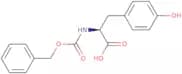
CAS:N-Cbz-L-tyrosine is a covalently modified amino acid that has been shown to be an effective protease inhibitor. The compound binds to the active site of enzymes, blocking their ability to hydrolyze proteins. In addition, N-Cbz-L-tyrosine has been shown to inhibit aminopeptidases and carboxypeptidases with IC50 values of 0.5 mM and 1 mM, respectively. This protein stabilizer has been shown to have a solubility data of 0.4 g/100 mL in water and 0.3 g/100 mL in methanol. It also has a molecular weight of 184.2 g/mol and a pH optimum of 7.0 (±0.2).Formula:C17H17NO5Purity:Min. 95%Color and Shape:White PowderMolecular weight:315.32 g/molNepetin-7-glucoside
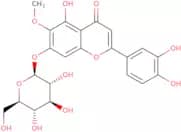
CAS:Nepetin-7-glucoside is a compound found in plants that has been shown to have anti-inflammatory and antiviral properties. Nepetin-7-glucoside inhibits the activity of enzymes such as phospholipase A2, cyclooxygenase, and lipoxygenase. It also reduces the production of inflammatory mediators such as prostaglandins and leukotrienes. Nepetin-7-glucoside may be helpful in the treatment of autoimmune diseases and other inflammatory disorders. This compound also has antiviral effects by inhibiting the replication of herpes simplex virus type 1 (HSV1) in a cell culture system. Nepetin-7-glucoside also has been shown to inhibit the expression of genes related to inflammation and other inflammatory diseases, such as rheumatoid arthritis, colitis ulcerosa, psoriasis, and Crohn's disease.Formula:C22H22O12Purity:Min. 95%Color and Shape:PowderMolecular weight:478.4 g/mol5-Amino-o-cresol
CAS:<p>5-Amino-o-cresol is a chemical compound that is used in analytical chemistry as an aminophenol. It reacts with ethylene diamine to form a red dye called 5-aminonaphthalene-2,7-disulphonic acid (5ANDS). The reaction solution can be used to identify the presence of bacterial DNA. 5-Amino-o-cresol has been shown to have genotoxic effects, which may lead to skin cancer or skin damage. This chemical also has toxicological properties and can cause skin irritation at high concentrations.</p>Formula:C7H9NOPurity:Min. 95%Color and Shape:PowderMolecular weight:123.15 g/mol(S)-3-Amino-4-(1-naphthyl)butanoic acid hydrochloride
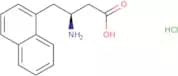
CAS:(S)-3-Amino-4-(1-naphthyl)butanoic acid hydrochloride is a high quality chemical that is used as a reaction component for the synthesis of complex organic compounds. It may also be used to produce fine chemicals, pharmaceuticals, and other useful compounds. This product has a wide variety of uses including as an intermediate in the production of speciality chemicals, as a building block for synthesizing more complex compounds, or as a precursor to producing other useful chemicals.Formula:C14H16ClNO2Purity:Min. 95%Color and Shape:White PowderMolecular weight:265.74 g/mol4,4'-Bis(methoxycarbonyl)-2,2'-bipyridine
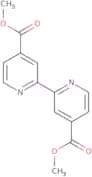
CAS:<p>4,4'-Bis(methoxycarbonyl)-2,2'-bipyridine is a ligand that can be used in cross-coupling reactions. It has been shown to bind to metal ions and form complexes with the ligands. 4,4'-Bis(methoxycarbonyl)-2,2'-bipyridine has a constant value for maximizing the yield of the reaction and is luminescent. This product also has photophysical properties that allow it to be utilized in voltammetry studies. The transfer of this product can be optimized by using chromophores or catalysis. 4,4'-Bis(methoxycarbonyl)-2,2'-bipyridine provides a means for cross-coupling reactions using electrochemical studies and dichroism.</p>Formula:C14H12N2O4Purity:Min. 95%Color and Shape:PowderMolecular weight:272.26 g/molN-Methyl-DL-aspartic acid
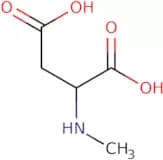
CAS:N-Methyl-DL-aspartic acid (NMDA) is a pharmacological agent that binds to the glutamate receptor and increases the intracellular calcium concentration in cells. NMDA has been shown to cause neuronal death in mouse hippocampal cells, as well as rat striatal cells. It can also act as a messenger molecule and enhance growth factor production. NMDA binds to the N-methyl-D-aspartate receptor, which is located on the surface of neurons in the brain. This binding causes an influx of sodium ions into the cell, resulting in an increase in the intracellular calcium concentration. This increase leads to changes in cellular function, including increased growth factor production and neuronal death.Formula:C5H9NO4Purity:Min. 95%Color and Shape:PowderMolecular weight:147.13 g/mol2,2'-Bipyridine-6-carboxylic acid
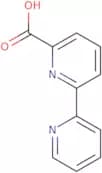
CAS:<p>2,2'-Bipyridine-6-carboxylic acid is a reagent that is used in organic synthesis as a reaction component and building block for the synthesis of heterocyclic compounds. 2,2'-Bipyridine-6-carboxylic acid is also used as a precursor to produce other compounds. 2,2'-Bipyridine-6-carboxylic acid has been shown to be useful in the synthesis of complex compounds with diverse structures, making it a versatile building block. It can also be used as an intermediate in the synthesis of various drugs and speciality chemicals.</p>Formula:C11H8N2O2Purity:Min. 95%Color and Shape:Off-White PowderMolecular weight:200.19 g/mol3,6-Dinitro-1,8-naphthalenedicarboxylicanhydride
CAS:3,6-Dinitro-1,8-naphthalenedicarboxylic anhydride is a fine chemical that is used as a building block in the synthesis of other compounds. It is also used as a reagent and can be found in research chemicals with CAS No. 3807-80-5. 3,6-Dinitro-1,8-naphthalenedicarboxylic anhydride is versatile and has many uses as a reaction component. The compound can be used to produce complex compounds or scaffolds that are useful in research.Formula:C12H4N2O7Purity:Min. 95%Color and Shape:Beige PowderMolecular weight:288.17 g/mol1,3-Dicyclohexylthiourea
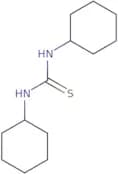
CAS:Dicyclohexylthiourea is a corrosion inhibitor that inhibits the corrosion of metals in acidic media. It is an amphoteric compound and can act as both a base or an acid depending on the pH of the solution. It has been used as a corrosion inhibitor in hydrochloric acid and sodium sulfide solutions. Dicyclohexylthiourea reacts with chloride ion to form hydrochloric acid, which reduces corrosion by preventing the formation of chlorides at metal surfaces. This agent also has anti-inflammatory properties that are due to its ability to inhibit prostaglandin synthesis. Dicyclohexylthiourea is readily soluble in water and can be synthesized by reacting dicyclohexylurea with hydrogen chloride gas at room temperature.Formula:C13H24N2SPurity:Min. 95%Molecular weight:240.41 g/mol1-Phenyl-1H-5-(2'-hydroxy-5'-methylphenyl)pyrazole
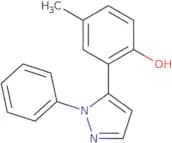
CAS:1-Phenyl-1H-5-(2'-hydroxy-5'-methylphenyl)pyrazole is a chemical compound with the molecular formula C14H10N2O. It is a white crystalline solid that can be used as a building block, intermediate, or reagent in organic synthesis. It is soluble in most solvents, but insoluble in water. 1-Phenyl-1H-5-(2'-hydroxy-5'-methylphenyl)pyrazole has been used as a useful scaffold for high quality compounds and research chemicals. The CAS number for this chemical compound is 90617-39-3.Formula:C16H14N2OPurity:Min. 95%Molecular weight:250.3 g/mol(1S)-(+)-10-Camphorsulfonic acid
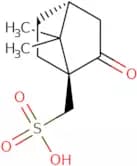
CAS:(1S)-(+)-10-Camphorsulfonic acid is an organolithium compound that is used as a reagent in organic synthesis. It has been shown to have antimicrobial activity against Gram-positive and Gram-negative bacteria, including methicillin-resistant Staphylococcus aureus (MRSA). The bathochromic shift observed in the infrared spectrum of camphorsulfonic acid at 860 nm is due to the hydrogen bonding between sulfonic acid groups. Camphorsulfonic acid has also been shown to inhibit dipeptidyl peptidase-IV, which results in increased levels of butyric acid, a short chain fatty acid. This inhibition may be responsible for its use as an adjuvant for vaccines.Formula:C10H16O4SPurity:Min. 95%Color and Shape:PowderMolecular weight:232.3 g/mol2-(4-Nitrophenoxy)acetic acid
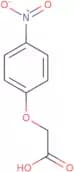
CAS:2-(4-Nitrophenoxy)acetic acid is a chemical compound with the molecular formula CHNO. It has been shown to inhibit the polymerase chain reaction, which is an important technique in molecular biology. The intramolecular hydrogen bond between HN and OO stabilizes the molecule and inhibits its rotation. This allows 2-(4-Nitrophenoxy)acetic acid to function as a competitive inhibitor of DNA polymerase. 2-(4-Nitrophenoxy)acetic acid inhibits bacterial growth by binding to the beta subunit of DNA gyrase, an enzyme that maintains the integrity of bacterial DNA. This inhibition prevents topoisomerase IV from relaxing supercoiled DNA, leading to cell death by inhibiting protein synthesis and cell division.Formula:C8H7NO5Purity:Min. 95%Color and Shape:PowderMolecular weight:197.14 g/molCoumarin 152
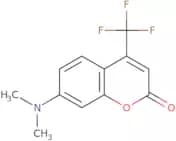
CAS:Coumarin 152 is a coumarin derivative that was developed as a fluorescent probe for phospholipid membranes. Coumarin 152 binds to the acyl chains of the lipid bilayer and has been shown to be useful in assessing the integrity of the membrane. Coumarin 152 is also used as a substrate for cytochrome P450 activity and human serum, which can be used as an indicator for liver function. Coumarin 152 also has clinical use in detecting dinucleotide phosphate (DNP) levels in urine, which are elevated with diabetes mellitus or renal failure.Formula:C12H10F3NO2Purity:Min. 95%Color and Shape:Slightly Yellow PowderMolecular weight:257.21 g/molVanillyl alcohol
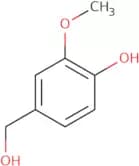
CAS:<p>Vanillyl alcohol is a vanillin derivative that exhibits strong antibacterial activity. It can be used in the food industry as a natural preservative, and it has synergic effects with eugenol. Vanillyl alcohol shows antimicrobial properties against Gram-positive and Gram-negative bacteria, including Staphylococcus aureus, Pseudomonas aeruginosa, Escherichia coli, and Enterococcus faecalis. Vanillyl alcohol exhibits synergic effects with eugenol. In vivo models show that vanillyl alcohol is not toxic to humans, but it may be toxic to wild-type strains of bacteria.</p>Formula:C8H10O3Purity:Min. 98 Area-%Color and Shape:White PowderMolecular weight:154.16 g/mol6-Acetyl-1,2,3,4-tetrahydronaphthalene
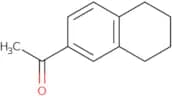
CAS:<p>6-Acetyl-1,2,3,4-tetrahydronaphthalene is a β-unsaturated ketone that has been shown to have anticancer activity in vitro. It can be used as an analgesic and has a low safety profile. This compound interacts with thiourea and sodium hypochlorite, which are compounds commonly used in the laboratory to induce DNA damage. 6-Acetyl-1,2,3,4-tetrahydronaphthalene also inhibits viral replication through interaction with iminium groups of nucleotide bases.</p>Formula:C12H14OPurity:Min. 95%Color and Shape:Clear LiquidMolecular weight:174.24 g/mol[2,3'-Bipyridin]-6'-amine
CAS:2,3'-Bipyridin-6'-amine is a chemical compound that is used as a building block for more complex molecules. It has high quality and can be used to make many different compounds. 2,3'-Bipyridin-6'-amine is versatile and can be used in the synthesis of a variety of compounds. It is also an intermediate in a number of reactions, including the formation of pyrimidine analogs. This chemical has been shown to be useful in the creation of new drugs for cancer treatment and other diseases.Formula:C10H9N3Purity:Min. 95%Color and Shape:Off-White PowderMolecular weight:171.2 g/mol4'-Hydroxy-3',5-beta-trimethyl-beta-nitrostyrene
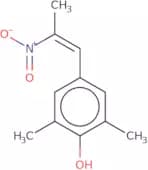
CAS:<p>4'-Hydroxy-3',5-beta-trimethyl-beta-nitrostyrene is a high quality reagent that can be used in the synthesis of complex compounds. It has been shown to be an intermediate for the synthesis of fine chemicals, as well as useful scaffold and building block in research chemicals. 4'-Hydroxy-3',5-beta-trimethyl-beta-nitrostyrene is a versatile building block that has been used in many reactions as a reaction component. CAS No. 53205-17-7</p>Formula:C11H13NO3Purity:Min. 95%Molecular weight:207.23 g/molCholesterol Myristate
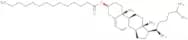
CAS:Controlled Product<p>Cholesterol Myristate is a fatty acid that is found in the outer membrane of cells. It has been shown to be an effective cationic surfactant and to form films at low concentrations. Cholesterol Myristate is used in the manufacture of anti-infective ointments, lotions, creams, and other skin care products. It has also been used as a film-forming polymer for cosmetic applications such as mascara and lipsticks. The phase transition temperature for cholesterol myristate is about -10°C. This means that it will not crystallize until the temperature drops below 10°C. The human serum stability of cholesterol myristate is low because the hydroxyl group interacts with water molecules, causing hydrolysis and oxidation reactions.</p>Formula:C41H72O2Purity:Min. 95%Color and Shape:PowderMolecular weight:597.01 g/molNortropine
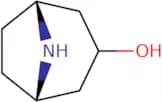
CAS:Nortropine is an alkanoic acid with the molecular formula CHNO. It has been synthesized from 3-aminophenylacetic acid and can be used in pharmaceutical preparations as an aminopyrine derivative. Nortropine is a respiratory stimulant that is used for the treatment of chronic obstructive pulmonary disease (COPD) and asthma. It has also been shown to have anti-inflammatory properties, which may be due to its ability to inhibit prostaglandin synthesis.Formula:C7H13NOPurity:Min. 95 Area-%Color and Shape:PowderMolecular weight:127.18 g/mola-Cyanocinnamic acid
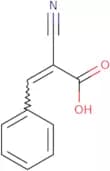
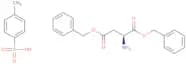
CAS:a-Cyanocinnamic acid is a 3-hydroxycinnamic acid that can be found in coffee. It has been shown to inhibit the growth of colorectal adenocarcinoma cells and other cancer cells by binding to an inhibitor site on fatty acid synthesis enzymes, such as pyruvate carboxylase, hydroxylase, and acetyl-CoA carboxylase. This inhibition leads to decreased levels of fatty acids and increased levels of pyruvate and hydrogen peroxide, which inhibits cell proliferation. In addition, a-cyanocinnamic acid has been shown to have a hypoxic tumor selectivity index of 10.7%, which means it selectively targets tumors with low oxygen levels.Formula:C10H7NO2Purity:Min. 95%Color and Shape:White PowderMolecular weight:173.17 g/molL-Aspartic acid dibenzyl ester p-toluenesulfonate salt
CAS:Aspartic acid derivativeFormula:C18H19NO4·C7H8O3SPurity:Min. 95%Color and Shape:White PowderMolecular weight:485.55 g/mol2-Nitro-1,8-naphthalic anhydride
CAS:2-Nitro-1,8-naphthalic anhydride is a chemical compound that is used as a photochemical reagent. It reacts with amines to produce nitrosoamines, which are useful in the detection of dna duplexes and nucleophiles. 2-Nitro-1,8-naphthalic anhydride has fluorescence properties and is used as a photoacceptor in photophysical studies. This molecule has been shown to be stable when exposed to light and can be used for optical measurements. 2-Nitro-1,8-naphthalic anhydride is soluble in organic solvents such as chloroform or ether and insoluble in water.Formula:C12H5NO5Purity:90%Color and Shape:PowderMolecular weight:243.17 g/mol3'-Chlorophenylacetylene
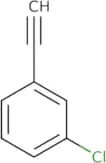
CAS:<p>3'-Chlorophenylacetylene is an organic compound that is used in the production of styrene via a macroinitiator. 3'-Chlorophenylacetylene reacts with azides to form diazo compounds, which are then hydrolyzed to produce terminal alkynes. These terminal alkynes can be dehydrogenated to produce acrylonitrile and vinyl acetate. The compound can also react with silicon to produce organometallic complexes. 3'-Chlorophenylacetylene is commonly analyzed using nuclear magnetic resonance spectroscopy (NMR). This molecule has been used as a conjugate for drug delivery systems and as a supramolecular catalyst for organic reactions.</p>Formula:C8H5ClPurity:Min. 95%Molecular weight:136.58 g/mol1-(Trimethylsilyl)-2-naphthyl Trifluoromethanesulfonate
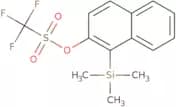
CAS:<p>1-(Trimethylsilyl)-2-naphthyl Trifluoromethanesulfonate is a solvent that has been used for the synthesis of oxygen heterocycles. It is also used as a reagent to cleave bonds in organic molecules, such as alkene, solvents, aldehydes and activated esters. This compound is an unsymmetrical nucleophile that reacts with electron-poor alkenes to generate an unsaturated bond between two carbons. Mechanistic studies have shown that the reaction proceeds through a concerted mechanism involving the formation of a covalent phosphine intermediate.</p>Formula:C14H15F3O3SSiPurity:Min. 95%Color and Shape:PowderMolecular weight:348.41 g/molZ-L-pyroglutamic acid 4-nitrophenyl ester
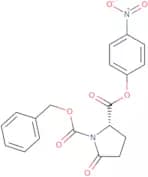
CAS:Please enquire for more information about Z-L-pyroglutamic acid 4-nitrophenyl ester including the price, delivery time and more detailed product information at the technical inquiry form on this pageFormula:C19H16N2O7Purity:Min. 95%Molecular weight:384.34 g/molN-(Ketocaproyl)-L-homoserine lactone
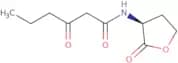
CAS:<p>N-(Ketocaproyl)-L-homoserine lactone is a fatty acid analog of the bacterial signaling molecule homoserine lactone and a potent inducer of cell lysis. The synthesis of this analog has been demonstrated in vitro with Escherichia coli, Bacillus subtilis, and Streptococcus pneumoniae. It is active against human pathogens including Helicobacter pylori and Staphylococcus aureus as well as mammalian tissue. N-(Ketocaproyl)-L-homoserine lactone induces cell lysis by binding to the DNA polymerase to inhibit its activity and terminate DNA synthesis. This inhibition leads to an accumulation of unprocessed RNA, which induces apoptosis in bacterial cells.</p>Formula:C10H15NO4Purity:Min. 98 Area-%Color and Shape:White PowderMolecular weight:213.23 g/mol4',2-Dihydroxy-3-methoxychalcone
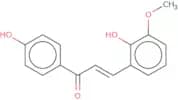
CAS:<p>4,2-Dihydroxy-3-methoxychalcone is a fine chemical that is useful in the synthesis of various pharmaceuticals and other chemicals. It is a versatile building block that can be used as a reaction component or intermediate in the synthesis of complex compounds. 4,2-Dihydroxy-3-methoxychalcone has been shown to be a high quality reagent for use in the synthesis of speciality chemicals and research chemicals. This compound is also useful as a scaffold for the development of new drugs.</p>Formula:C16H14O4Purity:Min. 95%Molecular weight:270.28 g/molFmoc-O-tert-butyl-L-threoninol
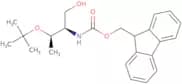
CAS:<p>Fmoc-O-tert-butyl-L-threoninol is an aminoacyl chloroformate ester that is used in the synthesis of peptides. It has a conjugate acid chloride and a disulfide bond. The chloroformate group reacts with the carboxylic acid moiety of L-threonine to form an ester, which can then be cleaved by hydrolysis to yield L-threonine. This product is also used for the synthesis of peptides in which the threonine residue is conjugated to another amino acid such as cysteine or glutamic acid.<br>Fmoc-O-tert-butyl-L-threoninol is synthesized from l-threonine and isobutene via a phase chromatography process. The synthetic intermediate Fmoc-(S)-OH is reacted with trifluoroacetic acid (TFA)</p>Formula:C23H29NO4Purity:Min. 98 Area-%Color and Shape:White PowderMolecular weight:383.48 g/mol4-Chlorosalicylic acid
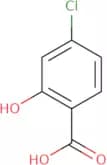
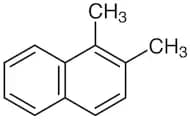
CAS:4-Chlorosalicylic acid is an inhibitor of bacterial growth that belongs to the group of phenolic compounds. It has been shown to inhibit the growth of bacteria in cell culture and be effective against a wide range of species, including Escherichia coli and Staphylococcus aureus. 4-Chlorosalicylic acid inhibits bacterial enzyme activities, such as 5-nitrosalicylic acid hydroxylase and diphenolase activities. This compound has also been shown to have anti-inflammatory properties, which may be due to its ability to inhibit prostaglandin synthesis. 4-Chlorosalicylic acid is an active intermediate in the production of other drugs such as 2,4-dichloroacetophenone and 2,5-dichlorobenzonitrile.Formula:C7H5ClO3Purity:Min. 95%Color and Shape:PowderMolecular weight:172.57 g/mol1,2-Dimethylnaphthalene
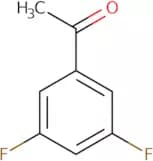
CAS:Formula:C12H12Purity:>95.0%(GC)Color and Shape:Colorless to Light orange to Yellow clear liquidMolecular weight:156.233',5'-Difluoroacetophenone
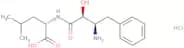
CAS:<p>3',5'-Difluoroacetophenone is a synthetic compound that belongs to the tetradentate class of ligands. It is used as a fluorescent probe for metal ions and has been shown to have thermodynamic, systematic, and biomolecular enhancement properties. 3',5'-Difluoroacetophenone has also been used as a fluorescent probe in fluorescence resonance energy transfer (FRET) experiments. 3',5'-Difluoroacetophenone binds to metal cations, such as copper(II) ions. When this compound is protonated, it emits a strong fluorescence signal that can be detected by fluorophore-acceptor probes. This chemical can be orally taken and excreted in urine after metabolism by the liver and kidneys.</p>Formula:C8H6F2OPurity:Min. 95%Color and Shape:PowderMolecular weight:156.13 g/molBestatin hydrochloride
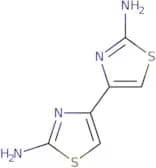
CAS:Aminopeptidase inhibitor; analgesicFormula:C16H24N2O4•HClPurity:Min. 95%Color and Shape:PowderMolecular weight:344.83 g/mol2,2'-Diamino-4,4'-bithiazole
CAS:2,2'-Diamino-4,4'-bithiazole (DABT) is a ligand that forms supramolecular aggregates with a variety of metal ions. It has been shown to bind to serum albumin and form an interaction that depends on the coordination geometry of the metal ion. DABT has been shown to be a fluorescent molecule with tryptophan fluorescence. The fluorescence emission spectrum of DABT is sensitive to chloride concentrations in the environment. The chemical structure and solubility properties of DABT are similar to those of chlorides; thus, it can be used as an oxidant at low pH levels.Formula:C6H6N4S2Purity:Min. 95%Color and Shape:PowderMolecular weight:198.27 g/mol6-Hydroxy-2-naphthaldehyde
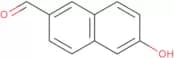
CAS:<p>6-Hydroxy-2-naphthaldehyde is a reactive compound that is used to measure the fluorescence resonance of mitochondria. It is a fluorophore that has been used as a probe for the measurement of membrane permeability, and as a hydroxyl group it can be converted into 6-hydroxy-2-naphthalenecarboxylic acid which is used in the production of dyes. 6-Hydroxy-2-naphthaldehyde has been shown to have congestive heart effects in mice, but this effect may be due to its ability to induce naphthalene and formamide.</p>Formula:C11H8O2Purity:Min. 95%Molecular weight:172.18 g/mol2'-Hydroxy-5'-methoxyacetophenone
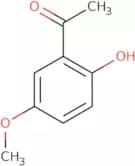
CAS:<p>2'-Hydroxy-5'-methoxyacetophenone is a molecule that has been shown to have anticancer activity. It inhibits the production of molecules in cancer cells, such as carbonic anhydrase and nitric oxide synthase. This molecule also binds to DNA and prevents the transcription of genes involved in cell proliferation, including NF-κB DNA. 2'-Hydroxy-5'-methoxyacetophenone also has inhibitory properties on the growth of cancer cells, including MCF-7 cells.</p>Formula:C9H10O3Purity:Min. 95%Color and Shape:Off-White PowderMolecular weight:166.17 g/molDipyrone
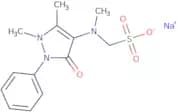
CAS:<p>Dipyrone is an anti-inflammatory and analgesic drug that belongs to the group of non-steroidal anti-inflammatory drugs. It has been shown to inhibit the production of prostaglandins, which are involved in inflammation, by inhibiting cyclooxygenase. The polymerase chain reaction (PCR) method is a biochemical technique used to amplify a segment of DNA, typically for use as a genetic marker or for cloning a particular gene. A PCR assay can be used to detect the presence of bacterial DNA in a sample. Dipyrone has been shown to possess chemiluminescence activity, which is indicative of its ability to bind with DNA. This binding inhibits transcription and replication and may be responsible for the toxic effects on epidermal cells observed in animal studies. Dipyrone also has been shown to have anti-inflammatory activities through its inhibition of cyclooxygenase and its ability to inhibit neutrophil migration and function.</p>Formula:C13H16N3NaO4SPurity:Min. 95%Color and Shape:White SolidMolecular weight:333.34 g/molHoechst 33342
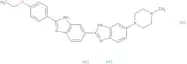
CAS:<p>2'-(4-Ethoxyphenyl)-5-(4-methyl-1-piperazinyl)-2,5'-bi-1H-benzimidazole trihydrochloride (EPMB) is a DNA binding agent that is used in tumor detection and research into apoptosis. It has been shown to inhibit the activity of p-glycoprotein, which is an efflux pump protein, and Bcl-2 protein. EPMB has also been shown to cause apoptosis in human squamous cell carcinoma cells in a concentration dependent manner. This compound has shown potential as a treatment for cancer because it inhibits the ability of cancer cells to proliferate by binding to the NMDA receptor.</p>Formula:C27H28N6O·3HCl·xH2OPurity:Min. 95%Color and Shape:Yellow PowderMolecular weight:561.93 g/mol3,3'-Dimethyl-2,2'-bithiophenyl
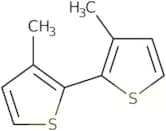
CAS:<p>3,3'-Dimethyl-2,2'-bithiophenyl is a thermochromic polymeric compound that has been used as a colorant in polymers. The compound has a linear structure consisting of two thiophene rings with methyl groups at the 3 and 2 positions. The 3,3'-dimethyl group is attached to the second carbon atom of the thiophene ring and the 2,2'-bithiophenyl group is attached to the first carbon atom of the thiophene ring. The color changes from yellow to orange when heated to above 200 °C. This color change is due to conformational changes in the molecule that occur with thermal energy input.</p>Formula:C10H10S2Purity:Min. 95%Color and Shape:Yellow PowderMolecular weight:194.32 g/mol(S)-(-)-1-(1-Naphthyl)ethyl amine
CAS:<p>(S)-(-)-1-(1-Naphthyl)ethyl amine is a chromatographic stationary phase that is used in the separation of fatty acids. It consists of an amine group bound to a naphthalene ring, which is tethered to a long alkyl chain. The stationary phase can be immobilized on silica gel or other solid support matrixes and is useful for analyzing fatty acids. This stationary phase can also be used as a model system to study the interactions between fatty acid molecules and other compounds. The enantiomers (R)-(+)-1-(1-naphthyl)ethyl amine and (S)-(-)-1-(1-naphthyl)ethyl amine are available. Although these two compounds are homologues, they have different physical properties, such as boiling points and melting points. Using an analytical method called high performance liquid chromatography (HPLC), it is possible to separate these two enantiomer</p>Formula:C12H13NPurity:Min. 95%Color and Shape:Slightly Yellow Clear LiquidMolecular weight:171.24 g/mol7-Nitrocoumarin
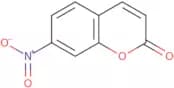
CAS:<p>7-Nitrocoumarin is an agent that inhibits the growth of protozoa by inhibiting enzyme activities, specifically those involved in glycolysis. It has been shown to be a potent inhibitor of surface proteins and functional assays. 7-Nitrocoumarin is also active against trophozoites in vitro. The compound has been shown to be nontoxic to mammalian cells, with a constant of 0.3 μM for inhibition of resazurin reduction. The mechanism of action for 7-nitrocoumarin is not well understood, but it may involve oxidation products such as nitro groups, which are indicated by the prefix '7-'.</p>Formula:C9H5NO4Purity:Min. 95%Color and Shape:PowderMolecular weight:191.14 g/molβ-Naphthamide
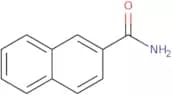
CAS:Beta-naphthamide is an inhibitor binding to the dinucleotide phosphate (DNP) in bacterial cells. This binding prevents the enzyme from carrying out its normal function, which is the production of ATP, and it also inhibits various other enzymes. Beta-naphthamide inhibits the growth of Gram-positive bacteria by inhibiting their cell wall assembly and also has a bactericidal effect on Gram-negative bacteria. Beta-naphthamide has been shown to be active against multidrug efflux pump proteins that are present in Gram-negative bacteria, such as Escherichia coli. DNP is a receptor for dopamine and beta-naphthamide inhibits dopamine receptors in mammalian cells, which may lead to Parkinson's disease. Beta-naphthamide has been shown to inhibit the polymerase chain reaction (PCR) mechanism by binding to DNA polymerase. Beta-naphthamide binds to receptors on trigeminal nerve endings, which leads to paralysis ofFormula:C11H9NOPurity:Min. 95%Molecular weight:171.2 g/molDelta-Valerolactone
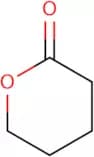
CAS:<p>Delta-Valerolactone is a sodium salt that has a water-soluble, low melting point and a high vapor pressure. It has been used as a sample preparation agent in NMR spectroscopy and is also used in the manufacture of cosmetics. The compound has been shown to be active against Escherichia coli K-12 and rat liver microsomes. Delta-Valerolactone does not have any significant effect on the activity of enzymes such as acetylcholinesterase, butylcholinesterase or aminopyrine N-demethylase. This compound can also be found in human urine samples at concentrations of up to 2 mg/L.</p>Formula:C5H8O2Purity:Min. 98 Area-%Color and Shape:Colorless Slightly Yellow Clear LiquidMolecular weight:100.12 g/mol3-(4-Methylbenzylidene)camphor
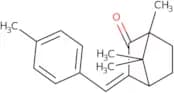
CAS:<p>3-(4-Methylbenzylidene)camphor is a chemical compound that has two isomers, alpha and beta. It can be found in biological samples, such as human urine or wastewater, and can be used for the treatment of skin cancer. 3-(4-Methylbenzylidene)camphor is prepared by extraction from a dry sample with an organic solvent. The extraction process requires a hydroxyl group to react with the dry sample and create a liquid. The resulting liquid is then evaporated to leave behind the extract. The kinetic data of 3-(4-Methylbenzylidene)camphor was determined by measuring its rate of reaction with an analytical method. The rate of reaction increased as the concentration increased to a constant value at high concentrations, which suggests that it may have some occlusive properties in humans due to its tendency to bind to plasma proteins.</p>Formula:C18H22OPurity:Min. 95%Color and Shape:White PowderMolecular weight:254.37 g/mol2,3,3',4'-Tetramethoxybenzophenone
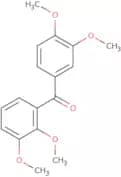
CAS:2,3,3',4'-Tetramethoxybenzophenone is a fine chemical that is used as a versatile building block in the synthesis of various organic compounds. It is used as an intermediate to synthesize other chemicals and research chemicals. 2,3,3',4'-Tetramethoxybenzophenone has a CAS number of 50625-53-1 and can be found in the following chemical names: 2,2-Dimethoxy-2-phenylacetophenone; 2-(2'-Methoxyphenyl)-2-(methoxymethyl) acetophenone; 2,2'-(Phenylenediisopropylidene)bis(p-methoxyphenol); 1-[(2'-Methoxyphenyl)methyl]-1,2-diphenylethane. The compound is soluble in organic solvents but insoluble in water. This fine chemicalFormula:C17H18O5Purity:Min. 95%Color and Shape:PowderMolecular weight:302.32 g/mol1-(2-Methylphenyl)-2-nitropropene
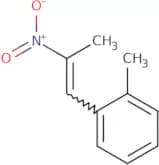
CAS:1-(2-Methylphenyl)-2-nitropropene is a high quality reagent that is used as a complex compound, useful intermediate, and fine chemical. It has been shown to be a versatile building block for the synthesis of various organic compounds. 1-(2-Methylphenyl)-2-nitropropene is a speciality chemical with CAS No. 103205-27-2. This compound can be used in research chemicals or as a reaction component for the synthesis of other substances.Formula:C10H11NO2Purity:Min. 95%Molecular weight:177.2 g/mol3,5-Diamino-6-chloropyrazine-2-carboxylic acid methyl ester
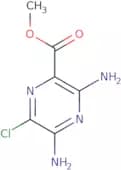
CAS:<p>3,5-Diamino-6-chloropyrazine-2-carboxylic acid methyl ester is a low binding, mitochondrial labeling agent. It is photolabile and can be used in the study of respiratory complex activity. 3,5-Diamino-6-chloropyrazine-2-carboxylic acid methyl ester has been shown to inhibit the enzyme mitochondrial complex I and II. The azido group on the molecule is homologous to a phosphate group in ATP and can be used as a substrate analogue for ATP synthase. This allows 3,5-Diamino-6-chloropyrazine-2-carboxylic acid methyl ester to be used as an experimental tool for studying ATP synthesis.</p>Formula:C6H7ClN4O2Purity:Min. 95%Color and Shape:PowderMolecular weight:202.6 g/mol3,5-Difluoro-4-hydroxybenzoic acid methyl ester
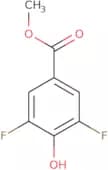
CAS:<p>3,5-Difluoro-4-hydroxybenzoic acid methyl ester (DFHBME) is a chemical compound that belongs to the class of useful building blocks. It is used in research as a reagent and in the synthesis of various complex compounds. DFHBME reacts with nucleophiles such as amines or alcohols to produce useful intermediates or scaffolds for organic synthesis. This compound is also useful as a speciality chemical due to its high quality and versatility.</p>Formula:C8H6F2O3Purity:Min. 95%Color and Shape:PowderMolecular weight:188.13 g/molD-Threonine
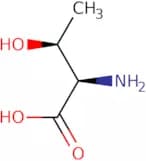
CAS:D-Threonine is a non-essential amino acid that is used in the synthesis of proteins. It is an essential amino acid for humans, and its production can be catalyzed by aldolase enzymes. D-Threonine has been shown to have anti-inflammatory properties, which may be due to its ability to inhibit the reaction mechanism of hydroxyl group enzymes. D-Threonine also inhibits cell lysis through the inhibition of certain bacterial enzymes, such as genus or kinetic. D-Threonine can also be synthetized from L-threonine by enzyme inhibitors or asymmetric synthesis.Formula:C4H9NO3Purity:Min. 95%Color and Shape:PowderMolecular weight:119.12 g/molZ-L-tyrosine 4-nitrophenyl ester
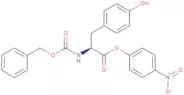
CAS:<p>Z-L-tyrosine 4-nitrophenyl ester is a synthetic, inactivated amide that binds to the active site of enzyme, preventing its enzymatic activity. It prevents the formation of clots by cleaving the clotting factors and is used in blood transfusions. Z-L-tyrosine 4-nitrophenyl ester has been shown to inhibit the synthesis of surfactant and is used as an antiseptic. This drug can be prepared by reacting L-tyrosine with nitrophenol (NO2) in the presence of a base such as sodium hydroxide or potassium carbonate, followed by purification on sephadex g-100 columns. The product is then treated with hydrostatic pressure to remove any unreacted starting materials. This drug also has a sedimentation rate of about 1.5 x 10^6 cm/s.</p>Formula:C23H20N2O7Purity:Min. 95%Color and Shape:White/Off-White SolidMolecular weight:436.41 g/molCaffeidine
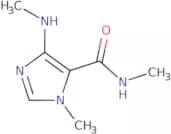
CAS:Caffeine is a stimulant that is found in coffee, tea, and some soft drinks. It can also be used to treat certain medical conditions. Caffeine is a reactive molecule that binds to human serum proteins and has been shown to have chronic oral toxicity in rats. The methylation of caffeine leads to the formation of 1-methylxanthine, which has been shown to cause cancer in animal models when given chronically. Caffeine's carcinogenic effects are due to its ability to induce DNA mutations by reacting with oxygen radicals and oxidizing DNA bases as well as inhibiting DNA repair enzymes. Caffeine's chemical diversity makes it difficult for researchers to study its carcinogenicity.Formula:C7H12N4OPurity:Min. 95%Color and Shape:White PowderMolecular weight:168.2 g/mol


![[2,3'-Bipyridin]-6'-amine](/_next/image/?url=https%3A%2Fstatic.cymitquimica.com%2Fproducts%2F3D%2Fthumb-webp%2FFB141123.webp&w=3840&q=75)