Pharmaceutical Standards
Pharmaceutical standards are a comprehensive set of reference materials essential for ensuring the safety, efficacy, and quality of pharmaceutical products. This category includes standards for active pharmaceutical ingredients (APIs), which are the core components responsible for therapeutic effects. Additionally, it covers compounds and metabolites relevant to both the pharmaceutical and veterinary industries, providing benchmarks for the accurate measurement and analysis of these substances. Nitrosamine control standards are crucial for detecting and mitigating potentially harmful nitrosamines in drug formulations. Toxicology standards help assess the safety and potential adverse effects of pharmaceutical compounds. Furthermore, enzyme activators and inhibitors standards are vital for research and development, enabling precise studies of biochemical pathways and drug mechanisms. These pharmaceutical standards are indispensable tools for regulatory compliance, quality control, and research, ensuring that pharmaceutical products meet stringent safety and effectiveness criteria.
Subcategories of "Pharmaceutical Standards"
- APIs for research and impurities(274,782 products)
- Enzyme Activators and Inhibitors(2,827 products)
- Nitrosamines(2,606 products)
- Pharmaceutical and Veterinary Compounds and Metabolites(2,849 products)
- Toxicology(13,652 products)
Found 7836 products of "Pharmaceutical Standards"
Sort by
Purity (%)
0
100
|
0
|
50
|
90
|
95
|
100
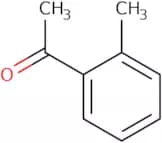
2-Methylacetophenone
CAS:<p>2-Methylacetophenone is an organic compound that has a molecular weight of 100.12 g/mol, and a chemical formula of C10H14O2. The compound is a colorless liquid at room temperature and pressure, with a sweet odor. It is soluble in nonpolar solvents such as hexane, ether, benzene, and toluene. 2-Methylacetophenone has been used as a solvent for the chemical study of benzyl groups, hydroxyl group activation energies, hydrogen bond, carbonyl group proton and intramolecular hydrogen bonding. It has also been used to study the reaction mechanism of fatty acid with benzyl groups in cryogenic conditions.</p>Formula:C9H10OPurity:Min. 95%Color and Shape:Colorless Clear LiquidMolecular weight:134.18 g/molBiotinyl-Amyloid b-Protein (1-42) ammonium salt
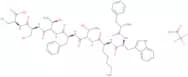
CAS:<p>Please enquire for more information about Biotinyl-Amyloid b-Protein (1-42) ammonium salt including the price, delivery time and more detailed product information at the technical inquiry form on this page</p>Formula:C213H325N57O62S2Purity:Min. 95%Molecular weight:4,740.34 g/molOsteostatin (1-5) (human, bovine, dog, horse, mouse, rabbit, rat) trifluoroacetate salt
CAS:<p>Please enquire for more information about Osteostatin (1-5) (human, bovine, dog, horse, mouse, rabbit, rat) trifluoroacetate salt including the price, delivery time and more detailed product information at the technical inquiry form on this page</p>Formula:C27H41N9O8Purity:Min. 95%Molecular weight:619.67 g/mol3,4-Dichloroisocoumarin
CAS:3,4-Dichloroisocoumarin is an organic compound that has been shown to be a potent inhibitor of nuclear DNA polymerase. It has been shown to be a potential drug target for cancer treatment due to its ability to inhibit the polymerase chain reaction (PCR) and interfere with DNA replication. 3,4-Dichloroisocoumarin has also been shown to have reactive properties, which may lead to cell death by damaging cellular components such as proteins and lipids. The enzyme activity of 3,4-Dichloroisocoumarin is unknown. However, it is thought that the inhibition of DNA synthesis by this compound may be due to its ability to bind DNA in a manner that prevents transcription or replication.Formula:C9H4Cl2O2Purity:Min. 95%Color and Shape:PowderMolecular weight:215.03 g/molSomatostatin-14 (7-14) trifluoroacetate salt
CAS:<p>Please enquire for more information about Somatostatin-14 (7-14) trifluoroacetate salt including the price, delivery time and more detailed product information at the technical inquiry form on this page</p>Formula:C49H66N10O12SPurity:Min. 95%Molecular weight:1,019.17 g/mol5-Acenaphthenecarboxylic acid
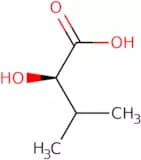
CAS:<p>5-Acenaphthenecarboxylic acid is a xylene derivative that has been characterized as an organometallic compound. The cyclopentane ring is the central feature of this molecule and it can be used in the synthesis of other organic compounds. 5-Acenaphthenecarboxylic acid is toxic to humans and animals and has been shown to induce liver tumors in rats. It also has been shown to inhibit the growth of some bacteria, including Mycobacterium tuberculosis, which causes tuberculosis. 5-Acenaphthenecarboxylic acid inhibits protein synthesis by binding to ribosomes and interfering with the biosynthesis of proteins. This binding prevents formation of a complex with the enzyme cell wall synthesis that is required for cell wall biosynthesis, inhibiting protein synthesis and cell division.</p>Formula:C13H10O2Purity:Min. 95%Color and Shape:PowderMolecular weight:198.22 g/molD-alpha-Hydroxyisovaleric acid
CAS:<p>D-alpha-Hydroxyisovaleric acid is a compound that is used to synthesize stereoisomers. It is also a component of supramolecular chemistry and has been used in the construction of supramolecular polymers. D-alpha-Hydroxyisovaleric acid can be found in some plants, such as valinomycin, isovaleric acid, and metarhizium. This stereoisomer can be synthetized from the hydroxy group and an amino acid or peptide. D-alpha-Hydroxyisovaleric acid has the ability to degrade nonribosomal peptides into smaller molecules through its hydrolytic properties. It also inhibits Verticillium dahliae, which causes wilt disease in plants, by inhibiting the synthesis of hydroxycarboxylates. D-alpha-Hydroxyisovaleric acid is biodegradable and can be used for industrial purposes as well as pharmaceuticals.</p>Formula:C5H10O3Purity:Min. 95%Color and Shape:White PowderMolecular weight:118.13 g/mol2,6-Bis(hydroxymethyl)naphthalene
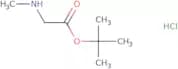
CAS:2,6-Bis(hydroxymethyl)naphthalene is a chromophore that can be used in the production of biodiesel. It is an organic compound with two hydroxyl groups and two methyl substituents. The molecule has a planar structure, which results in optical properties that make it suitable for use as a fluorescent dye. 2,6-Bis(hydroxymethyl)naphthalene has been shown to emit light when it reacts with oxygen and this property can be utilized for bioapplications such as fluorescence microscopy. 2,6-Bis(hydroxymethyl)naphthalene is also capable of accepting electrons from other molecules and will react with xylene to produce a neutral form. This property makes it useful for oxidation reactions and the functional group can be used in the production of dyes or other compounds.Formula:C12H12O2Purity:Min. 95%Molecular weight:188.22 g/moltert-Butyl sarcosinate
CAS:Tert-butyl sarcosinate hydrochloride is a synthetic alkene that has been shown to have potential as a treatment for Parkinson's disease. It binds to the phosphate group of ATP and inhibits creatine kinase, which is an enzyme involved in the production of energy in cells. Tert-butyl sarcosinate hydrochloride can also be used for the pharmacological treatment of other diseases such as diabetes, Alzheimer's disease, and cancer. This molecule has been shown to be effective when combined with recombinant proteins and enzymatic methods for guanylating DNA.Formula:C7H15NO2Purity:Min. 95%Molecular weight:145.20 g/molLuteinizing Hormone-Releasing Hormone Antagonist trifluoroacetate salt
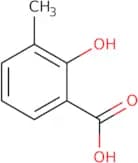
CAS:<p>Luteinizing Hormone-Releasing Hormone Antagonist trifluoroacetate salt is a potent antagonist of the luteinizing hormone-releasing hormone (LHRH) receptor. It is used specifically to treat platinum-resistant ovarian cancer, where it has been shown to be effective in reducing tumor size and volume. This drug has minimal toxicity and can be administered by injection or as a microcapsule. LHRH Antagonist trifluoroacetate salt is an analog of LHRH that has been modified so that it cannot cross the blood-brain barrier. It also binds to epidermal growth factor receptors, which are involved in cell proliferation, differentiation, and survival. Symptoms of overdose may include nausea, vomiting, headache, dizziness, seizures, and coma.</p>Formula:C48H59ClN12O8Purity:Min. 95%Molecular weight:967.51 g/mol3-Methylsalicylic acid
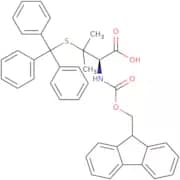
CAS:<p>3-Methylsalicylic acid is a naturally occurring carboxylate that has been shown to be an inhibitor of the hydrogenation of polyunsaturated fatty acids. 3-Methylsalicylic acid inhibits the binding of benzyl groups to intramolecular hydrogen and hydroxyl groups, which are required for the formation of a covalent bond. The antiproliferative effect of 3-methylsalicylic acid on cancer cells is due to its ability to inhibit protein synthesis by blocking the enzyme carboxylase. 3-Methylsalicylic acid also has anti-inflammatory properties and can be used as an antiseptic and analgesic.</p>Formula:C8H8O3Purity:Min. 95%Color and Shape:White PowderMolecular weight:152.15 g/molFmoc-S-trityl-L-penicillamine
CAS:<p>Fmoc-S-trityl-L-penicillamine is a coordination compound that contains a thiolate and amide group. It has been used as a model system for studying the interaction between proteins and metal ions, with the cyclic structure mimicking the active site of enzymes. The coordination of Fmoc-S-trityl-L-penicillamine to proteins is affected by trypsin, an enzyme that cleaves peptides at carboxyl side chains. Trypsin can also lead to dehydration of Fmoc-S-trityl-L-penicillamine, forming an eliminations product. This compound also reacts with lysine residues in proteins, resulting in an alkene byproduct that can be removed by hydrogenation.</p>Formula:C39H35NO4SPurity:Min. 95%Color and Shape:PowderMolecular weight:613.77 g/molSodium dibutylnaphthalenesulphonate
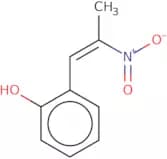
CAS:<p>Sodium dibutylnaphthalenesulphonate is a stabilizer that reacts with fatty acids, dialkyl phosphates, and growth regulators to form insoluble particles. It has been found to be particularly effective in the treatment of plant diseases caused by fungi. Sodium dibutylnaphthalenesulphonate has been shown to stabilize active substances and bioactive substances, such as organic acids and oxime derivatives. These compounds are used in a variety of applications, such as pharmaceuticals, pesticides, herbicides, food additives, and cosmetics.</p>Formula:C18H24O3S•NaPurity:60 To 65%Color and Shape:PowderMolecular weight:343.43 g/mol1-(2-Hydroxyphenyl)-2-nitropropene
CAS:Please enquire for more information about 1-(2-Hydroxyphenyl)-2-nitropropene including the price, delivery time and more detailed product information at the technical inquiry form on this pageFormula:C9H9NO3Purity:Min. 95%Color and Shape:PowderMolecular weight:179.17 g/molAtorvastatin lactone diepoxide - Mixture of diastereomers
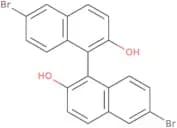
CAS:<p>Please enquire for more information about Atorvastatin lactone diepoxide - Mixture of diastereomers including the price, delivery time and more detailed product information at the technical inquiry form on this page</p>Formula:C33H33FN2O6Purity:Min. 95%Molecular weight:572.62 g/mol(S)-(+)-6,6'-Dibromo-1,1'-bi-2-naphthol
CAS:<p>Used in the synthesis of 6,6'-substituted BINOL chiral ligands</p>Formula:C20H12Br2O2Purity:Min. 95%Color and Shape:PowderMolecular weight:444.12 g/molNeuronostatin-19 (mouse, rat) trifluoroacetate salt
<p>Please enquire for more information about Neuronostatin-19 (mouse, rat) trifluoroacetate salt including the price, delivery time and more detailed product information at the technical inquiry form on this page</p>Formula:C91H153N29O26Purity:Min. 95%Molecular weight:2,069.37 g/moltrans-2,5-Difluorocinnamic acid
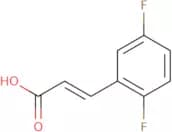
CAS:<p>Trans-2,5-difluorocinnamic acid is a monomer that belongs to the group of organic acids. It is used as a solvent and in analytical methods. Trans-2,5-difluorocinnamic acid is also used to transport other substances and can be used in reactions with other molecules. Trans-2,5-difluorocinnamic acid has been shown to be neuropathic and has been tested for its ability to cause cataracts, but has not shown any evidence of mutagenicity.</p>Formula:C9H6F2O2Purity:Min. 95%Color and Shape:PowderMolecular weight:184.14 g/molGhrelin-Cys(BMCC-biotinyl) (human) trifluoroacetate salt
<p>Please enquire for more information about Ghrelin-Cys(BMCC-biotinyl) (human) trifluoroacetate salt including the price, delivery time and more detailed product information at the technical inquiry form on this page</p>Formula:C178H293N53O48S2Purity:Min. 95%Molecular weight:4,007.69 g/molType A Allatostatin II
CAS:<p>Allatostatin II is a fatty acid that has been shown to have receptor activity. It is an analog of the glycopeptide antibiotic gramicidin S and has been shown to inhibit the growth of bacteria and fungi. Allatostatin II also has diagnostic properties, which are used in biochemical tests for inflammatory diseases. The molecule is conjugated with various agents to form diagnostic agents or antibiotics, such as stenotrophomonas maltophilia and erythromycin. Allatostatin II is found in the human plasma, but its function is unknown.</p>Formula:C49H74N14O13Purity:Min. 95%Molecular weight:1,067.2 g/molFosfomycin Impurity B
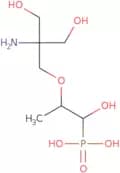
CAS:<p>Fosfomycin impurity B is an impurity of fosfomycin. It has a molecular weight of 204.9 and a molar mass of 245.4 grams per mole. Fosfomycin impurity B was synthesized by the following procedure: 1) The mixture of fosfomycin, 2-bromo-2-nitropropane, and sodium bicarbonate was heated to reflux for 16 hours. 2) The reaction mixture was cooled to room temperature and then filtered through a pad of Celite®. 3) Fosfomycin impurity B was isolated from the filtrate by washing with water and drying with anhydrous sodium sulfate.</p>Formula:C7H18NO7PPurity:Min. 95%Color and Shape:Off-White PowderMolecular weight:259.19 g/mol2',6'-Dimethylacetanilide
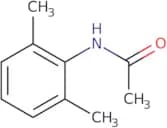
CAS:<p>2',6'-Dimethylacetanilide is an organic solvent that is used in the production of dyes. The methyl groups on this molecule are responsible for its solubility in water and other polar solvents. This compound has been shown to interact with carboxylate ions, forming hydrogen bonds. 2',6'-Dimethylacetanilide has been shown to inhibit the growth of Echinochloa crus-galli by inhibiting the production of amides through interactions with carboxylates and chloride ions. 2',6'-Dimethylacetanilide also interacts with 2,6-dihydroxybenzoic acid, which is a precursor to active methylene compounds that are used to make polymers, pharmaceuticals, and pesticides.</p>Formula:C10H13NOPurity:Min. 95%Color and Shape:PowderMolecular weight:163.22 g/mol4'-Cyclohexylacetophenone
CAS:<p>4'-Cyclohexylacetophenone is a chalcone that is prepared from hexamethylenetetramine and cyclohexanone. The reaction of 4'-cyclohexylacetophenone with methylthio-1,3-dithiane in the presence of proton irradiation yields a mixture of products. 4'-Cyclohexylacetophenone has been used as a precursor for preparing other chalcones. This compound can be readily prepared by chlorinating 1,3-diphenylpropane to give 3-chlorocyclohexylacetic acid followed by hydrolysis to the ketone. It is also used as a starting material for synthesis of heterocycles such as benzofuran and indole.</p>Formula:C14H18OPurity:Min. 95%Color and Shape:Slightly Yellow PowderMolecular weight:202.29 g/molMyosin Light Chain Kinase (480-501)
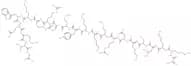
CAS:H-AKKLSKDRMKKYMARRKWQKTG-NH2 peptide, corresponding to 480-501 amnino acids of Myosin Light Chain Kinase. Myosin Light Chain Kinase is a serine/threonine specific protein kinase that phosphorylates the myosin light chain.Formula:C120H209N41O28S2Purity:Min. 95%Molecular weight:2,738.34 g/molAcetyl-Pepstatin Ac-Val-Val-Sta-Ala-Sta-OH
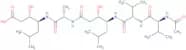
CAS:<p>Acetyl-Pepstatin is a protein data inhibitor that binds to the active site of enzymes, inhibiting their function. Acetyl-pepstatin has been shown to inhibit cathepsin D, chymotrypsin, and trypsin. It also inhibits the activity of proteases in the stomach and intestinal tract. Acetyl-Pepstatin is used as an anti-inflammatory drug for the treatment of chronic obstructive pulmonary disease (COPD) and congestive heart failure (CHF). The inhibition of these enzymes reduces inflammation by preventing the activation of inflammatory cytokines. It also prevents collagen from being degraded by proteases, which leads to decreased degradation of cartilage by chondrocytes. This drug's mechanism is similar to that of acetylsalicylic acid (aspirin), in that it inhibits prostaglandin synthesis.br></p>Formula:C31H57N5O9Purity:Min. 95%Molecular weight:643.81 g/molOsteostatin amide trifluoroacetate
CAS:<p>Please enquire for more information about Osteostatin amide trifluoroacetate including the price, delivery time and more detailed product information at the technical inquiry form on this page</p>Formula:C142H229N43O57•(C2HF3O2)xPurity:Min. 95%Molecular weight:3,450.59 g/molObestatin (human) trifluoroacetate salt
CAS:<p>Please enquire for more information about Obestatin (human) trifluoroacetate salt including the price, delivery time and more detailed product information at the technical inquiry form on this page</p>Formula:C116H176N32O33Purity:Min. 95%Molecular weight:2,546.83 g/molAc-Ala-alpha-naphthyl ester
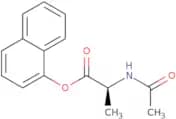
CAS:<p>Ac-Ala-alpha-naphthyl ester is a chemical compound that belongs to the class of aromatic esters. It is used as a research and benchmarking agent in the measurement of skin penetration potential. Ac-Ala-alpha-naphthyl ester has been shown to have good skin penetration properties, with no adverse effects on the skin.</p>Formula:C15H15NO3Purity:Min. 95%Molecular weight:257.28 g/molNaphthalene-1,8-diol
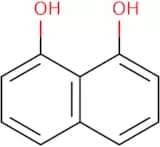
CAS:<p>Naphthalene-1,8-diol is a compound that belongs to the class of polycyclic aromatic hydrocarbons. It has been shown to inhibit polymerase chain reactions (PCR) in a nuclear DNA template. Naphthalene-1,8-diol also inhibits the production of melanin and reduces the number of skin lesions in the wild-type strain of Galleria mellonella. Naphthalene-1,8-diol is an antioxidant compound that has been shown to protect against radiation and dermatitis. This molecule contains a hydroxyl group that can form hydrogen bonds with other molecules. This property may account for its anti-inflammatory effects.</p>Formula:C10H8O2Purity:Min. 95%Color and Shape:Slightly Brown PowderMolecular weight:160.17 g/mol4,4'-Diphenyl-2,2'-bipyridine
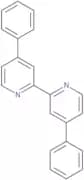
CAS:<p>4,4'-Diphenyl-2,2'-bipyridine is a ligand that can be used to produce more efficient magnesium peroxide catalysts. The efficiency of the catalyst was found to increase with increasing concentrations of the ligand. 4,4'-Diphenyl-2,2'-bipyridine has been shown to bind strongly to chloride ions and may have potential applications in animal health as a supplement. This compound is also useful in electrochemical data studies because it has a relatively high oxidation potential and electrochemical stability. It can also be used for photophysical studies due to its strong fluorescence. 4,4'-Diphenyl-2,2'-bipyridine can be synthesized by reacting carbon tetrachloride with an animal or vegetable oil or fat.</p>Formula:C22H16N2Purity:Min. 95 Area-%Color and Shape:PowderMolecular weight:308.38 g/molHomo-L-tyrosine hydrobromide
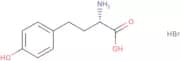
CAS:<p>Homo-L-tyrosine hydrobromide (HLTB) is a prodrug that is converted to L-3,4-dihydroxyphenylalanine (L-dopa) in vivo. It is used as an immunomodulator by stimulating the immune system and reducing inflammation. HLTB has been shown to have anti-inflammatory effects on the production of cytokines and chemokines, which are important for tumor growth and metastasis. HLTB is also known to inhibit tyrosine kinase, which plays a role in the development of some cancers.</p>Formula:C10H14BrNO3Purity:Min. 95%Molecular weight:276.13 g/molDL-Methionine methylsulfonium chloride
CAS:<p>DL-Methionine methylsulfonium chloride is a fine chemical that has many uses. It can be used as a versatile building block for research and synthesis of complex compounds, or as an intermediate for the production of speciality chemicals. DL-Methionine methylsulfonium chloride is also useful as a reaction component in organic synthesis and as a reagent in analytical chemistry. It is often used to introduce methionine residues into proteins, which are then used for structural studies and protein engineering. The quality of this compound is high and it has CAS number 3493-12-7.</p>Formula:C6H14ClNO2SColor and Shape:White PowderMolecular weight:199.7 g/molSomatostatin-25
CAS:<p>Somatostatin-25 H-Ser-Asn-Pro-Ala-Met-Ala-Pro-Arg-Glu-Arg-Lys-Ala-Gly-Cys-Lys-(disulfide bond) is a synthetic somatostatin analog that is conjugated to a linker that allows it to be administered intravenously. Somatostatin inhibits the release of growth hormone and insulin from the anterior pituitary gland, and also inhibits the release of other hormones such as glucagon and thyrotropin. Somatostatin has been shown to be effective in treating kidney disease, a condition characterized by increased levels of creatinine and blood urea nitrogen. This drug has been shown to be reversible with the removal of its linker. Somatostatin binds to receptors on pancreatic cells, inhibiting the secretion of digestive enzymes into the gastrointestinal tract. It also blocks insulin release from pancreatic beta cells, which may</p>Formula:C127H191N37O34S3Purity:Min. 95%Molecular weight:2,876.3 g/mol5-(5'-Chloro-2'-hydroxyphenyl)-isoxazole
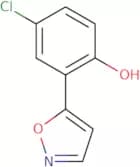
CAS:<p>5-(5'-Chloro-2'-hydroxyphenyl)-isoxazole is a fine chemical that can be used as a versatile building block in organic synthesis. It is also a useful intermediate and research chemical. 5-(5'-Chloro-2'-hydroxyphenyl)-isoxazole has been shown to react with various reagents and has been used as an intermediate for the synthesis of other compounds. This compound can be used as a speciality chemical or as a reagent in laboratory reactions.</p>Formula:C9H6ClNO2Purity:Min. 95%Color and Shape:SolidMolecular weight:195.6 g/molBiotinyl-Obestatin (human) trifluoroacetate salt
CAS:<p>Please enquire for more information about Biotinyl-Obestatin (human) trifluoroacetate salt including the price, delivery time and more detailed product information at the technical inquiry form on this page</p>Formula:C126H190N34O35SPurity:Min. 95%Molecular weight:2,773.13 g/molFmoc-4-(7-hydroxy-4-coumarinyl)-Abu-OH
CAS:<p>Please enquire for more information about Fmoc-4-(7-hydroxy-4-coumarinyl)-Abu-OH including the price, delivery time and more detailed product information at the technical inquiry form on this page</p>Formula:C28H23NO7Purity:Min. 95%Molecular weight:485.48 g/molTriglycerol monolaurate
CAS:<p>Triglycerol monolaurate (GLA) is a fatty acid that can be synthesized by reacting glycerol with lauric acid. It has been shown to have antimicrobial properties, inhibiting the growth of fungi such as flavus and staphylococcus. GLA also inhibits the production of lipase and protease, enzymes that are required for the digestion of dietary fats. GLA has been used in infant formulas to inhibit the growth of bacteria, such as p. aeruginosa, which may cause infantile diarrhea. Triglycerol monolaurate is also used as dietary supplement to treat eczema due to its inhibitory effect on inflammatory cytokines such as tumor necrosis factor-α (TNF-α).</p>Formula:C21H42O8Purity:Min. 95%Molecular weight:422.55 g/mol3'-[2- Cyanoethyl N, N- bis(1- methylethyl) phosphoramidite]-5'- O- [bis(4- methoxyphenyl) phenylmethyl] - 2'- O- methyl- N- [2- [4- (1- methylethyl) phenoxy] acetyl] -guanosine
CAS:<p>Please enquire for more information about 3'-[2- Cyanoethyl N, N- bis(1- methylethyl) phosphoramidite]-5'- O- [bis(4- methoxyphenyl) phenylmethyl] - 2'- O- methyl- N- [2- [4- (1- methylethyl) phenoxy] acetyl] -guanosine including the price, delivery time and more detailed product information at the technical inquiry form on this page</p>Formula:C52H62N7O10PPurity:Min. 95%Molecular weight:976.06 g/mol3'-O-Benzyl-2'-Deoxy-5-Trifluoromethyluridine
CAS:3'-O-Benzyl-2'-Deoxy-5-Trifluoromethyluridine (BDBMU) is a pyrimidine derivative that can be used as an antiviral drug. It inhibits the synthesis of DNA and RNA by inhibiting viral polymerase. BDBMU is a prodrug of uracil, which is converted to the active compound in tissues. The benzoylation reaction produces a fluorine atom at C5, which increases its potency. This drug has been shown to have minimal toxicity in tumor cells and has been used for the treatment of leukemia and other cancers.Formula:C17H17F3N2O5Purity:Min. 95%Molecular weight:386.32 g/molPrevitamin D2
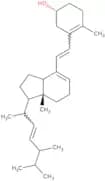
CAS:<p>Previtamin D2 is a chemical compound that is the natural form of vitamin D. It is found in human skin and can be converted to vitamin D3 by exposure to sunlight or artificial ultraviolet light. Previtamin D2 has been shown to have anti-cancer properties and may have potential as a dietary supplement. Previtamin D2 has been used for the treatment of dry skin, although it has not been approved for this use. The most common use of previtamin D2 is in wastewater treatment, where it is added to water as an anticancer agent. This process involves exposing the water to ultraviolet radiation and then adding previtamin D2. The previtamin D2 reacts with chlorine bleach, which releases hydrogen peroxide and creates disinfectant byproducts that are less toxic than those created by chlorine alone. Previtamin D2 can also be used in analytical chemistry as an intermediate in the production of vitamin D3 from cholesterol. It can be used as a sample preparation reagent when chromatographic science</p>Formula:C28H44OPurity:90%MinColor and Shape:White PowderMolecular weight:396.65 g/molDesmethylene paroxetine hydrochloride salt
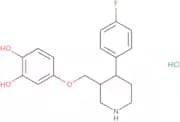
CAS:<p>Please enquire for more information about Desmethylene paroxetine hydrochloride salt including the price, delivery time and more detailed product information at the technical inquiry form on this page</p>Formula:C18H21ClFNO3Purity:Min. 95%Molecular weight:353.82 g/molcis-Vitamin K1
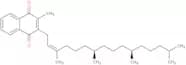
CAS:<p>Vitamin K is a fat-soluble vitamin that is required for blood coagulation. The major form of vitamin K in the body is the chemically similar menaquinone. Vitamin K1, also known as phylloquinone, is synthesized by plants and bacteria and can be found in green leafy vegetables, broccoli, cabbage, Brussels sprouts, kale, spinach, soybean oil and margarine. It has been shown to be an effective supplement for treating hypoprothrombinemia (low levels of prothrombin) in infants and tissues. The terminal half-life of vitamin K1 is about 20 days.</p>Formula:C31H46O2Purity:Min. 95%Molecular weight:450.7 g/mol2-(2-Naphthyloxy)propanoic acid
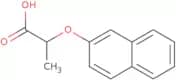
CAS:<p>2-(2-Naphthyloxy)propanoic acid is a naphthalene derivative that is found in the plant species Carthamus tinctorius. It has been shown to have potent antagonist activity against the NMDA receptor, as well as antinociceptive and analgesic properties in vivo. 2-(2-Naphthyloxy)propanoic acid also shows potent anti-inflammatory and cardioprotective effects in vitro and in vivo. 2-(2-Naphthyloxy)propanoic acid can be used for the treatment of bone cancer, congestive heart failure, diabetic neuropathy, or other disorders of the peripheral nervous system.</p>Formula:C13H12O3Purity:Min. 95%Molecular weight:216.23 g/molCamphorquinone
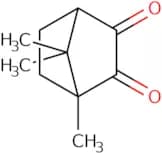
CAS:<p>Camphorquinone is an inorganic acid that is a component of the topical anaesthetic hydrochloride, which is used for the treatment of pain. Camphorquinone has a hydroxyl group, which can be replaced with other groups to produce different compounds. It has been shown to have a kinetic data for the polymerase chain reaction and to inhibit the activity of 4-dimethylaminobenzoic acid. Camphorquinone has also been shown to be effective against dental plaque and rat liver microsomes. The clinical relevance of camphorquinone has not yet been determined, but it may have an effect on hydrochloric acid production by zirconium oxide light emission.</p>Formula:C10H14O2Purity:Min. 95%Color and Shape:PowderMolecular weight:166.22 g/mol4'-Demethyl homoharringtonine
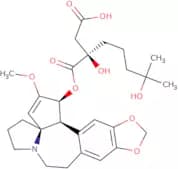
CAS:<p>Homoharringtonine is a natural drug that has been used for the treatment of cancer and other diseases. It is an antitumor agent that inhibits cell growth by affecting DNA synthesis, RNA synthesis, protein synthesis, and the activity of enzymes. Homoharringtonine also has antineoplastic effects and can be used to treat leukemia. Homoharringtonine binds to DNA in a ring-opening reaction with yields of up to 20%. This compound can be synthesized from phenylalanine and substituted with a trisubstituted benzene ring. It also catalyzes the conversion of an enamine into an iminium ion, which reacts with a second molecule of enamine to form a keto-enamine.</p>Formula:C28H37NO9Purity:Min. 95%Molecular weight:531.59 g/mol(+/-)-Perillaldehyde
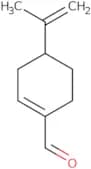
CAS:<p>Perillaldehyde is a natural compound that has been used in food and medicine for centuries. It is an antimicrobial agent with dextran sulfate, which is a sugar polymer that inhibits the growth of fungi and bacteria. Perillaldehyde also has been shown to inhibit the energy metabolism of microorganisms by decreasing ATP production. Perillaldehyde has also been shown to have genotoxic activity, as it can cause DNA strand breaks. This compound also causes oxidative stress in cells by reducing mitochondrial membrane potential and inducing reactive oxygen species (ROS). Perillaldehyde has acute toxicities, as it causes electrochemical impedance spectroscopy changes that indicate cell death.</p>Formula:C10H14OPurity:Min. 95%Color and Shape:PowderMolecular weight:150.22 g/molL-Isoleucine β-naphthylamide
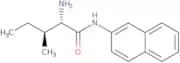
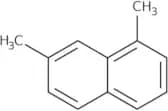
CAS:<p>L-Isoleucine beta-naphthylamide is an amide derivative of L-isoleucine and 2-naphthylamine, which are carboxylic acid derivatives. The condensation of these two substances leads to the formation of a new compound with a carboxy group and an amino group.</p>Formula:C16H20N2OPurity:Min. 95%Molecular weight:256.34 g/mol1,7-Dimethylnaphthalene
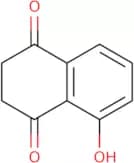
CAS:<p>1,7-Dimethylnaphthalene is a molecule that can be found in various aromatic hydrocarbons. It has been shown to have an inhibitory effect on the growth of cancer cells. 1,7-Dimethylnaphthalene is also used as a biological treatment in industrial chemicals. It is known to increase the rate of fatty acid biosynthesis and inhibits the production of certain enzymes that are involved in cancer development.</p>Formula:C12H12Purity:Min. 95%Molecular weight:156.22 g/mol5-Hydroxy-2,3-dihydronaphthalene-1,4-dione
CAS:<p>Please enquire for more information about 5-Hydroxy-2,3-dihydronaphthalene-1,4-dione including the price, delivery time and more detailed product information at the technical inquiry form on this page</p>Formula:C10H8O3Purity:Min. 95%Molecular weight:176.17 g/molTerflavin B
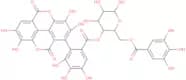
CAS:Controlled Product<p>Terflavin B is a natural product that has been shown to have autophagy-inducing properties. Terflavin B induces autophagy by increasing the metabolic rate and inhibiting the synthesis of proteins. This product has been shown to increase the cancer cell's sensitivity to chemotherapy, which may be due to its ability to induce reactive oxygen species. In addition, terflavin B can protect against drug interactions by inhibiting the activity of cytochrome P450 enzymes. It also inhibits the growth of resistant microorganisms such as chronic kidney and bladder infections. Terflavin B contains tannins and ellagitannins, which have antimicrobial activities that are effective against bacteria, yeast, and fungi.</p>Formula:C34H24O22Purity:Min 90%Color and Shape:PowderMolecular weight:784.54 g/mol











![3'-[2- Cyanoethyl N, N- bis(1- methylethyl) phosphoramidite]-5'- O- [bis(4- methoxyphenyl) phenylm…](/_next/image/?url=https%3A%2Fstatic.cymitquimica.com%2Fproducts%2F3D%2Fthumb-webp%2FFC165570.webp&w=3840&q=75)