Pharmaceutical Standards
Pharmaceutical standards are a comprehensive set of reference materials essential for ensuring the safety, efficacy, and quality of pharmaceutical products. This category includes standards for active pharmaceutical ingredients (APIs), which are the core components responsible for therapeutic effects. Additionally, it covers compounds and metabolites relevant to both the pharmaceutical and veterinary industries, providing benchmarks for the accurate measurement and analysis of these substances. Nitrosamine control standards are crucial for detecting and mitigating potentially harmful nitrosamines in drug formulations. Toxicology standards help assess the safety and potential adverse effects of pharmaceutical compounds. Furthermore, enzyme activators and inhibitors standards are vital for research and development, enabling precise studies of biochemical pathways and drug mechanisms. These pharmaceutical standards are indispensable tools for regulatory compliance, quality control, and research, ensuring that pharmaceutical products meet stringent safety and effectiveness criteria.
Subcategories of "Pharmaceutical Standards"
- APIs for research and impurities(274,782 products)
- Enzyme Activators and Inhibitors(2,827 products)
- Nitrosamines(2,606 products)
- Pharmaceutical and Veterinary Compounds and Metabolites(2,849 products)
- Toxicology(13,652 products)
Found 7836 products of "Pharmaceutical Standards"
Sort by
Purity (%)
0
100
|
0
|
50
|
90
|
95
|
100
ent-Fisetinidol-(4α->8)-catechin-(6->4α)-ent-fisetinidol
CAS:Ent-Fisetinidol-(4alpha->8)-catechin-(6->4alpha)-ent-fisetinidol is a complex flavan-3-ol oligomer, which is a type of polyphenolic compound commonly found in various plant species. This compound is derived primarily from plants such as those in the genus *Acacia* and other similar species rich in condensed tannins. The mode of action of this oligomer involves its ability to engage in antioxidant activities, which include scavenging free radicals and chelating metal ions that facilitate oxidative stress in biological systems.Formula:C45H38O16Purity:Min. 95%Color and Shape:PowderMolecular weight:834.77 g/mol4-Keto retinol
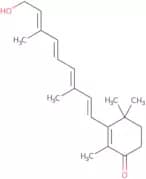
CAS:<p>4-Keto retinol is an analog of vitamin A, which is used in the treatment of various diseases. It has been shown to reduce the levels of PGE2 and increase the redox potential in cells. 4-Keto retinol has also been shown to increase locomotor activity and improve energy metabolism. The structural analysis of 4-keto retinol has revealed that it binds to DNA polymerase, inhibiting transcriptional activity. The pharmacokinetic properties of this drug have been studied in rats and mice, but not yet humans. This compound will most likely be administered orally or intravenously with a dosage range from 0.01 mg/kg to 10 mg/kg per day.</p>Formula:C20H28O2Purity:Min. 95%Color and Shape:PowderMolecular weight:300.44 g/mol3'-Fluoro-4'-methoxyacetophenone
CAS:<p>3'-Fluoro-4'-methoxyacetophenone is a chalcone that has been shown to have vibrational frequencies of 3.1, 3.2, and 3.3 cm-1. The conformation of this molecule is in the cis form with a 2,6-diisopropylphenyl group on the cyclohexane ring. This molecule has two functional groups: a hydroxyl and a methoxy group. These molecules are soluble in organic solvents such as benzene and chloroform, but not in water or ethanol due to their high polarity. The crystal structure of this molecule was determined by x-ray diffraction experiments at room temperature and found to be monoclinic with space group C2/c with lattice constants a = 5.853 Å, b = 12.638 Å, c = 6.225 Å and β = 120° ± 10° at 25 °C</p>Formula:C9H9FO2Purity:Min. 95%Color and Shape:PowderMolecular weight:168.16 g/mol1-Naphthylacetic acid
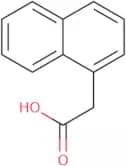
CAS:<p>1-Naphthylacetic acid is a fluorescent compound that can be used as a chemical marker for the identification of sodium salts. It has an optimum concentration of 0.1 mg/L and a maximum concentration of 1 mg/L in water. The fluorescence detector is set to measure the synchronous fluorescence at a wavelength of 515 nm. 1-Naphthylacetic acid is soluble in water and organic solvents, but insoluble in nonpolar solvents such as ether, chloroform, or benzene. This compound can be used for the detection of pesticides with a chemical structure similar to that of 1-naphthylacetic acid, such as 2-chloro-4-(trifluoromethoxy)phenol and 2-chloro-5-(trifluoromethoxy)phenol, using dispersive solid phase extraction (DSPE). The product description should include:</p>Formula:C12H10O2Purity:Min. 98 Area-%Color and Shape:White PowderMolecular weight:186.21 g/molDL-Pantolactone
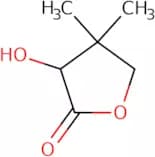
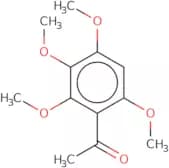
CAS:<p>DL-Pantolactone is a chiral lactone compound. In cosmetics, it is often used in formulations aimed at improving skin hydration and elasticity as it is an emulsion stabiliser. In pharmaceuticals it can be used as an intermediate in organic synthesis. The D-enantiomer is often used as a chiral auxiliary.</p>Formula:C6H10O3Purity:Min. 95%Color and Shape:White PowderMolecular weight:130.14 g/mol2,4,5,6-Tetramethoxyacetophenone
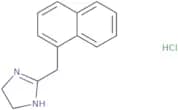
CAS:<p>2,4,5,6-Tetramethoxyacetophenone is a versatile building block that can be used as an intermediate in the production of complex compounds and speciality chemicals. This compound is a useful scaffold for research chemicals and reaction components. It has CAS No. 7508-05-6 and a high quality.</p>Formula:C12H16O5Purity:Min. 95%Molecular weight:240.25 g/mol4,5-Dihydro-2-(1-naphthylmethyl)-1H-imidazole hydrochloride
CAS:4,5-Dihydro-2-(1-naphthylmethyl)-1H-imidazole hydrochloride is a fatty acid that functions as an adrenergic receptor agonist. It has been shown to be effective in the diagnosis of cutaneous squamous cell carcinoma. 4,5-Dihydro-2-(1-naphthylmethyl)-1H-imidazole hydrochloride has also shown to have anti-cancer effects in animal models of cancer. This drug binds to fatty acid esters and can be used as a crosslinking agent for polymers. 4,5-Dihydro-2-(1-naphthylmethyl)-1H-imidazole hydrochloride is available as a sodium citrate solution for injection.Formula:C14H14N2·HClPurity:Min. 98 Area-%Color and Shape:White PowderMolecular weight:246.74 g/mol5-Hydroxymethylcytosine
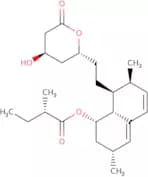
CAS:5-Hydroxymethylcytosine is a metabolite of the nucleic acid cytosine. It is an epigenetic modification that alters gene expression without changing the DNA sequence. 5-Hydroxymethylcytosine has been shown to be a potential biomarker of cellular transformation and is involved in axonal growth, transcriptional regulation, and leukemia inhibitory factor. 5-Hydroxymethylcytosine binds to nuclear dna, which inhibits replication by binding to the duplexes of dna (the double helix) and halting transcriptional elongation. 5-Hydroxymethylcytosine also binds cell factor, which is necessary for cell proliferation and differentiation.Formula:C5H7N3O2Purity:Min. 95 Area-%Color and Shape:Off-White PowderMolecular weight:141.13 g/molLovastatin
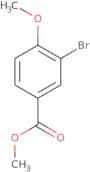
CAS:<p>HMG-CoA reductase inhibitor; mevalonic acid synthesis inhibitor</p>Formula:C24H36O5Purity:Min. 98 Area-%Color and Shape:White PowderMolecular weight:404.54 g/mol3-Bromo-4-methoxybenzoic acid methyl ester
CAS:<p>3-Bromo-4-methoxybenzoic acid methyl ester is an isomer of 4-methoxybenzoic acid. It is a natural product that can be found in dihydroisoquinoline and in the ethyl formate oxidation products. There are two ways to synthesize this compound: by oxidation of diphenyl ethers or by hydrolysis of chloride acetaldehyde. 3-Bromo-4-methoxybenzoic acid methyl ester has been shown to have cellular toxicity against human cells and biphenyl.</p>Formula:C9H9BrO3Purity:Min. 95%Color and Shape:PowderMolecular weight:245.07 g/molGlutaric anhydride
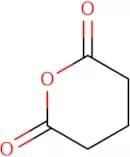
CAS:<p>Glutaric anhydride is a reactive anhydride that can be used to synthesize esters. It is chemically stable and has good thermal stability, so it can be used at elevated temperatures. Glutaric anhydride reacts with the carboxylic acid group of organic compounds to form an ester linkage. This reaction has been shown to take place in biological systems, such as glutaric acid in the human body. Glutaric anhydride is also used for the synthesis of pharmaceuticals and other organic compounds, as well as eye drops for treating eye disorders. The reaction mechanism of glutaric anhydride is not fully understood, but it is believed that it takes place through a radical-based mechanism.</p>Formula:C5H6O3Purity:Min. 98 Area-%Color and Shape:White PowderMolecular weight:114.1 g/molApomorphine
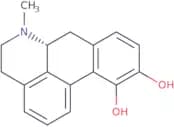
CAS:Controlled Product<p>Apomorphine is a chemical compound that can be used as an analytical tool to study the effects of dopamine on physiological processes, and pharmacological agents on pharmacokinetics. It is also used in the treatment of Parkinson's disease. Apomorphine is a potent agonist at dopaminergic receptors in the central nervous system, and has been shown to increase locomotor activity and improve the rotarod test performance in rats. Apomorphine binds to dopamine receptors in the brain, replacing dopamine as it becomes depleted. The drug also blocks reuptake of dopamine by neurons and increases release of dopamine from nerve terminals. Apomorphine has a short half-life of about 2 hours, but may have potential for long-term treatment because its effects can last up to 24 hours.</p>Formula:C17H17NO2Purity:Min. 95%Color and Shape:PowderMolecular weight:267.32 g/mol4-Bromo-2-nitrocinnamic acid
CAS:<p>4-Bromo-2-nitrocinnamic acid is a naturally occurring amino acid that is a component of wheat, carrots, and cereals. It is an enzyme inhibitor and has been found to be stable under heat treatment. 4-Bromo-2-nitrocinnamic acid has been shown to inhibit the activity of 3 lysine hydrolase enzymes (LysE1, LysE2, LysE3) in vitro. This inhibition decreases lysine levels and may have health implications for infants fed with 4-bromo-2-nitrocinnamic acid treated wheat flour. The efficiency of 4-bromo-2 nitrocinnamic acid as an enzymatic inhibitor for these enzymes was determined by measuring the release of free lysine from various substrates at different concentrations of the inhibitor. These parameters were then used to calculate the theoretical inhibition percentage for each substrate at a given concentration.</p>Formula:C9H6BrNO4Purity:Min. 95%Molecular weight:272.05 g/molNelotanserin
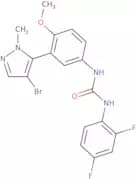
CAS:<p>1-[3-(4-Bromo-1-methyl-1H-pyrazol-5-yl)-4-methoxyphenyl]-3-(2,4-difluorophenyl)urea is the active ingredient in a drug that is used to treat chronic schizophrenia. It has been shown to have both antipsychotic and antidepressant properties. The drug works by blocking the 5HT2A receptor, which inhibits the effects of serotonin on heterocyclic amines at the postsynaptic membrane. This causes hyperpolarization of the membrane, which blocks neurotransmitter release and prevents further transmission of signals. It also blocks the H1 receptor, which decreases histamine release and reduces inflammation in the brain.</p>Formula:C18H15BrF2N4O2Purity:Min. 95%Color and Shape:PowderMolecular weight:437.24 g/mol2,4-Dichlorocinnamic acid
CAS:<p>2,4-Dichlorocinnamic acid is a diphenolase inhibitor that is used in the treatment of lactic acidosis. It inhibits the glyoxylate cycle enzyme, muscle monophenolase activity, and tyrosinase activity. 2,4-Dichlorocinnamic acid also binds to tyrosinase and inhibits the reaction scheme. The binding of this drug to tyrosinase causes irreversible inhibition of the enzyme's catalytic site. 2,4-Dichlorocinnamic acid has been shown to have a low degree of cell toxicity and has a kinetic effect on adsorption kinetics.</p>Formula:C9H6Cl2O2Purity:Min. 95%Color and Shape:White PowderMolecular weight:217.05 g/molEthyl 2-bromoisovalerate
CAS:<p>Ethyl 2-bromoisovalerate is a chemical compound that is used as a vector for DNA. It has been proposed to be used as a means of introducing genes into bacteria, since it can be easily hydrolyzed by lipases. Ethyl 2-bromoisovalerate has been shown to provide efficient transformation rates in E. coli and other Gram-negative bacteria. This chemical compound also has the ability to form racemic mixtures with acrylic acid and thus can be used for the synthesis of optically pure products. The recombinant DNA sequences are synthesized from the desired amino acid sequence using this vector, which is then transformed into cells capable of expressing the protein product.</p>Formula:C7H13BrO2Purity:Min. 95%Color and Shape:Clear LiquidMolecular weight:209.08 g/mol4-Nitrophenyl propionate
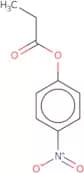
CAS:<p>4-Nitrophenyl propionate is a synthetic surfactant that is used in many products, including detergents, fabric softeners, and dishwashing liquids. It has been shown to have a positioning effect on the enzyme lipase and to shift its enzymatic activity. 4-Nitrophenyl propionate can be used as a catalyst for sodium fusidate in the synthesis of microemulsions. The catalytic activity of 4-nitrophenyl propionate is constant and it has high catalytic efficiency.</p>Formula:CH3CH2COOC6H4NO2Purity:Min. 95%Color and Shape:White PowderMolecular weight:195.17 g/mol5-Aminovaleric acid
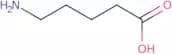
CAS:<p>5-Aminovaleric acid is a cyclic peptide that is an antagonist of the enzyme 5-aminovaleric acid hydrolase that catalyzes the conversion of 5-aminovaleric acid to succinic semialdehyde. The physiological function of 5-aminovaleric acid hydrolase is not known, but it has been implicated in a number of neurological disorders, such as Alzheimer's disease, Parkinson's disease, and amyotrophic lateral sclerosis. The reaction solution contains 5-aminovaleric acid (5AVA), hydrogen fluoride (HF), and l-lysine (Lys). Upon addition of HF to the solution, it reacts with Lys to form a dinucleotide phosphate intermediate. This intermediate then reacts with 5AVA to form an intramolecular hydrogen bond with the amino group of Lys and release hydrogen gas. The detection sensitivity for this reaction can be increased by using a cyclic peptide inhibitor.</p>Formula:C5H11NO2Purity:Min. 95%Color and Shape:Off-White PowderMolecular weight:117.15 g/molAzithromycin impurity B
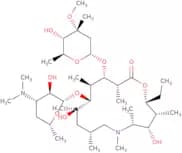
CAS:<p>Azithromycin impurity B is a synthetic heterocycle that can be detected with chromatographic, spectroscopic, and other analytical methods. It is an impurity in the drug azithromycin, which is used to treat bacterial infections. Azithromycin impurity B has been shown to have a detection sensitivity of 1 part per million (ppm) and can be found in the following acetonitrile solvents: benzalkonium chloride, erythrocin, and viscosity-adjusting agents. This compound also has functional groups such as methyl alcohol and chloride.</p>Formula:C38H72N2O11Purity:Min. 95%Color and Shape:PowderMolecular weight:732.99 g/mol(+)-(1R,2R,5R)-2-Hydroxy-3-pinanone
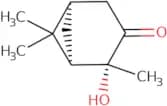
CAS:(+)-(1R,2R,5R)-2-Hydroxy-3-pinanone is an organic compound that can be prepared by a kinetic resolution of the racemic mixture of (+)-(1S,2S,5S)-2-hydroxy-3-pinanone. This reaction is performed in two steps: first the racemic mixture is converted to the corresponding chiral acetylacetonate by reaction with acetic anhydride followed by hydrolysis with sodium hydroxide. The pentane reacts with the ring opening of the acetylacetonate to give (+)-(1R,2R,5R)-2-hydroxypinanone and its enantiomer. The nature of this preparative method means that it is not possible to recover (+)-(1R,2R,5R)-2-hydroxypinanone from the reaction products.Formula:C10H16O2Purity:Min. 95%Color and Shape:PowderMolecular weight:168.23 g/mol3’,5’-Bis-O-benzoyl-2’-deoxy-2’-fluoro-β-D-arabino-6-azidouridine
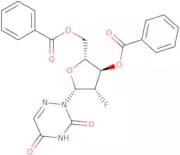
CAS:Please enquire for more information about 3’,5’-Bis-O-benzoyl-2’-deoxy-2’-fluoro-beta-D-arabino-6-azidouridine including the price, delivery time and more detailed product information at the technical inquiry form on this pagePurity:Min. 95%L-Aspartic acid b-benzyl ester
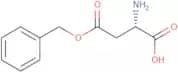
CAS:<p>L-Aspartic acid b-benzyl ester (L-ABE) is a cytostatic drug that is biodegradable and can be used in a variety of animal species. It has been shown to inhibit the growth of cancer cells in vitro and in vivo, as well as micelles. L-ABE inhibits the action of dehydroascorbic acid reductase, an enzyme that reduces dehydroascorbic acid to ascorbic acid. This inhibition leads to an increase in the concentration of dehydroascorbic acid, which may cause cell death by damaging DNA. L-ABE also has been shown to inhibit P-glycoprotein (Pgp), leading to increased accumulation of anticancer drugs such as doxorubicin, which can lead to cell death.</p>Formula:C11H13NO4Purity:Min. 95%Color and Shape:White PowderMolecular weight:223.23 g/mol5-Chloro-2-methoxyacetophenone
CAS:<p>5-Chloro-2-methoxyacetophenone is a byproduct of the synthesis of 2-hydroxybenzofuran. It is also used in the synthesis of tetracyclic benzopyrans, which are known to be potent analgesics and have been found to have anti-inflammatory properties. 5-Chloro-2-methoxyacetophenone can be obtained by decarbonylation (loss of carbon) or elimination reactions.</p>Formula:C9H9ClO2Purity:Min. 95%Color and Shape:Clear LiquidMolecular weight:184.62 g/molN4-Hydroxycytosine
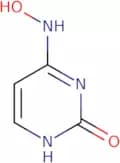
CAS:<p>N4-Hydroxycytosine is an intramolecular hydrogen that inhibits the replication of viruses by inhibiting their DNA polymerase. It is a structural analogue of cytosine and can be found in both left- and right-handed forms, which are termed isomers. The chemical study of N4-hydroxycytosine has shown it to have inhibitory effects on human immunodeficiency virus and hepatitis C virus. 13C-NMR spectroscopy has been used to identify the chemical structure of N4-hydroxycytosine and its reactivity with other molecules. N4-Hydroxycytosine can be synthesized by the reaction between formaldehyde and 2,3,5,6-tetrafluorocytosine.</p>Formula:C4H5N3O2Purity:Min. 95%Color and Shape:PowderMolecular weight:127.1 g/mol(R)-Carprofen
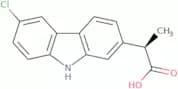
CAS:(R)-Carprofen is a nonsteroidal anti-inflammatory drug that is used to treat pain and inflammation associated with arthritis, as well as other conditions. It is one of the most potent inhibitors of prostaglandin synthesis in human serum, but it has only moderate potency in bile and little or no affinity for fatty acids. The inhibition potential of carprofen has been shown to be stereoselective, with the (S)-enantiomer being up to 10 times more potent than the (R)-enantiomer. Carprofen is metabolized by conjugation with glucuronic acid and excreted in urine. Carprofen also has an inhibitory effect on endogenous substances such as diazepam, which may be due to its ability to inhibit CYP3A4.Formula:C15H12ClNO2Purity:Min. 95%Color and Shape:White to off-white solid.Molecular weight:273.71 g/molPenicillin G benzathine anhydrous
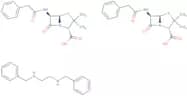
CAS:<p>Penicillin G benzathine anhydrous is a penicillin antibiotic. It is used to treat bacterial infections, including syphilis, streptococcal pharyngitis, and other infectious diseases. Penicillin G benzathine anhydrous is administered intramuscularly or intravenously. The drug can be detected in the blood after administration, which makes it useful for diagnosis of infectious diseases. Penicillin G benzathine anhydrous has shown statistically significant efficacy in treatment trials that were conducted on patients with infectious diseases. However, there have been increasing reports of high resistance to this drug in recent years. Interferon alfa-2b may be used as adjunctive therapy for resistant cases.</p>Formula:C16H20N2•(C16H18N2O4S)2Purity:Min. 95%Color and Shape:White PowderMolecular weight:909.13 g/molN-Acetyl-DL-methionine
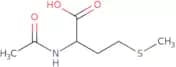
CAS:<p>N-Acetyl-DL-methionine is an amide of the amino acid methionine and acetyl coenzyme A. It has a number of biological properties including being a precursor to protein synthesis, a regulator of fatty acid metabolism, and an inhibitor of glutamate pyruvate transaminase. It can be found in bacterial strains as well as in human serum. N-Acetyl-DL-methionine is synthesized by the reaction of methylamine with acetyl coenzyme A in the presence of ammonia or other nitrogenous bases. The chemical structure of this compound consists of two nitrogen atoms and an acetyl group bonded to a carbon atom that is attached to a methyl group and another carbon atom that forms part of an amide bond with the amino acid methionine. This molecule has been observed using nmr spectroscopic data to form hydrogen bonds with proteins.</p>Formula:C7H13NO3SPurity:Min. 95%Color and Shape:PowderMolecular weight:191.25 g/moldecahydro(trifluoromethyl)naphthalene
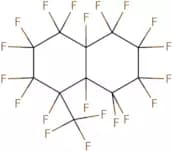
CAS:Controlled Product<p>Decahydro-trifluoromethyl-naphthalene is a fluid that can be used to create polymeric matrices. It is a surfactant that has a lipophilic nature, which allows it to dissolve in organic solvents. Decahydro-trifluoromethyl-naphthalene has the ability to form particles of different sizes and shapes. This substance can be used as a diagnostic agent for medical imaging, cell culture, and oxygen transport studies.</p>Formula:C11H17F3Purity:Min. 95%Molecular weight:206.25 g/mol4'-Hydroxyacetophenone
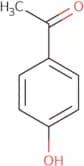
CAS:4'-Hydroxyacetophenone is a natural compound that belongs to the group of p-hydroxybenzaldehyde esters. The biological properties of 4'-hydroxyacetophenone are not well understood. It has been shown to have insecticidal properties in vivo, and it is also known to function as an inhibitor of hydrogen fluoride. 4'-Hydroxyacetophenone has been shown to have anti-obesity effects in animal studies, which may be due to its ability to inhibit fatty acid synthase activity. This compound also has a number of glycoside derivatives that exhibit antibiotic or anticancer activities.Formula:C8H8O2Purity:Min. 95%Color and Shape:PowderMolecular weight:136.15 g/mol6,7-Dihydroxycoumarin-7-benzyl ether
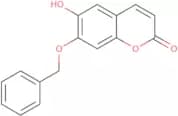
CAS:<p>6,7-Dihydroxycoumarin-7-benzyl ether is an antioxidant compound with a variety of uses. It has been shown to have clastogenic effects in in vitro tests. 6,7-Dihydroxycoumarin-7-benzyl ether has also been used as a screening tool for antioxidants and has found use in the fields of medicine and natural sources. The chemical structure of 6,7-dihydroxycoumarin-7-benzyl ether is heterocyclic aromatic rings with two hydroxyl groups at positions 6 and 7 on the coumarin nucleus. This molecule has prooxidant activity and can be described using chemical descriptors such as molecular weight and logP values.</p>Formula:C16H12O4Purity:Min. 95%Molecular weight:268.26 g/mol3,5-Dinitrosalicylic acid
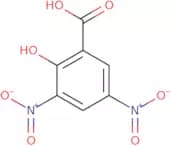
CAS:<p>3,5-Dinitrosalicylic acid is a strong organic acid that is used as a reagent for the detection of starch. It reacts with the amylose and amylopectin in starch to form a blue or violet color. This reaction can be measured using titration calorimetry or complex enzyme solutions. The 3,5-dinitrosalicylic acid is also used in analytical methods to determine the purity of nitro compounds by measuring their proton content. 3,5-Dinitrosalicylic acid can also be used to detect carboxylic acids by forming an intermolecular hydrogen bond with them.</p>Formula:C7H4N2O7Purity:Min. 98 Area-%Color and Shape:White Yellow PowderMolecular weight:228.12 g/mol3-(4-Nitrophenyl)-1-adamantanecarboxylic acid
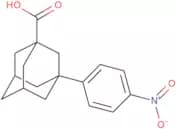
CAS:3-(4-Nitrophenyl)-1-adamantanecarboxylic acid is a high quality, versatile building block compound that has been used as a reagent and as a useful intermediate. This product is commercially available and can be used in the synthesis of complex compounds with many different applications, such as pharmaceuticals, pesticides, dyes, and photographic chemicals. It is also a useful scaffold for the production of speciality chemicals and research chemicals. 3-(4-Nitrophenyl)-1-adamantanecarboxylic acid has been used in reactions involving electron transfer, nucleophilic substitution, and condensation reactions.Formula:C17H19NO4Purity:Min. 95%Molecular weight:301.34 g/mol17alpha-Methyl-19-nortestosterone
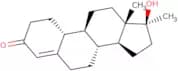
CAS:Controlled Product<p>17alpha-Methyl-19-nortestosterone (17MT) is an anti-cancer agent that has been used as a contraceptive. It inhibits the conversion of testosterone to dihydrotestosterone by competitive inhibition of the enzyme 3beta-hydroxysteroid dehydrogenase, which is responsible for the first step in the biosynthesis of androgens. 17MT has also been shown to inhibit angiotensin II formation, thereby reducing blood pressure. This drug acts as a structural analogue of progesterone and binds to progesterone receptors, as well as other steroid receptors, with high affinity. 17MT also inhibits fatty acid synthesis in cancer cells, leading to decreased tumor growth.</p>Formula:C19H28O2Purity:Min. 95%Color and Shape:PowderMolecular weight:288.42 g/mol6-Nitrocoumarin
CAS:<p>Substrate to study the nitroreductase activity in the pathogenic fungus Sporothrix schenckii, a thermal dimorphic pathogenic fungus causing a subcutaneous mycosis.</p>Formula:C9H5NO4Purity:Min. 95%Color and Shape:PowderMolecular weight:191.14 g/molRetinyl propionate
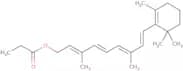
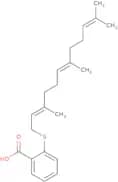
CAS:<p>Retinyl propionate is a fatty acid that is used as a sample preparation for copper-complexed collagen. The matrix effect of retinyl propionate can be seen in the skin cells, bone cells, and cartilage tissue. Retinyl propionate has been shown to increase calcium pantothenate transport rates in human serum and also has a film-forming polymer effect.</p>Formula:C23H34O2Purity:Min. 95.0 Area-%Color and Shape:Yellow Clear LiquidMolecular weight:342.51 g/moltrans,trans-Farnesyl thiosalicylic acid
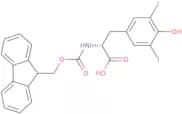
CAS:<p>Farnesyl thiosalicylic acid (FTSA) is a synthetic compound that exhibits potent anticancer activity. FTSA binds to the active site of the enzyme protein kinase C-alpha (PKC-α), which prevents its phosphorylation and activation. This prevents the activation of the mitogen-activated protein kinases, which are involved in cell proliferation and differentiation. FTSA also inhibits cancer cell migration by blocking MMP-9 activity, leading to tumor regression. FTSA has been shown to be effective against chemotherapy resistant breast cancer cells, as well as cancer cells from other tissues such as colon, prostate, and ovary.</p>Formula:C22H30O2SPurity:Min. 95%Color and Shape:White to off-white solid.Molecular weight:358.54 g/molFmoc-3,5-diiodo-D-tyrosine
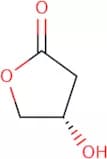
CAS:<p>Please enquire for more information about Fmoc-3,5-diiodo-D-tyrosine including the price, delivery time and more detailed product information at the technical inquiry form on this page</p>Formula:C24H19I2NO5Purity:Min. 95%Color and Shape:PowderMolecular weight:655.22 g/mol(S)-3-Hydroxy-gamma-butyrolactone
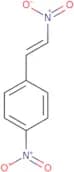
CAS:<p>3-Hydroxy-gamma-butyrolactone is an organic solvent that is used to make malic acid. It is produced by the hydrolysis of butyrolactone with aqueous hydrochloric acid and sodium chloride as an acidic catalyst. 3-Hydroxy-gamma-butyrolactone can be used in organic synthesis reactions, such as the synthesis of oligosaccharides. The reaction time for this organic compound depends on the amount of water present in the reaction mixture. This product is mainly used in chemical laboratories and industrial applications due to its high reactivity.</p>Formula:C4H6O3Purity:Min. 95%Color and Shape:Clear LiquidMolecular weight:102.09 g/mol4-Nitrophenylnitroethene
CAS:4-Nitrophenylnitroethene is an organic compound that is synthesized through a nitroaldol reaction. This process involves the condensation of nitric acid and phenylethyl alcohol. The product is then catalyzed with potassium carbonate to produce 4-nitrophenylnitroethene. Nitroaldol reactions are used to produce many different types of compounds, including pharmaceuticals, dyes, and fragrances. The synthesis of this compound was analyzed by high-resolution mass spectrometry and gas chromatography–mass spectrometry techniques. It was found that the mesoporous structure of the 4-nitrophenylnitroethene particles play a role in its chemical properties.Formula:C8H6N2O4Purity:Min. 95%Color and Shape:PowderMolecular weight:194.14 g/mol3'-Acetoxyacetophenone
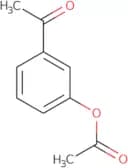
CAS:<p>3'-Acetoxyacetophenone is a chemical compound with the molecular formula C8H10O2. It has a melting point of 129-130°C, and a boiling point of 206°F. The compound is soluble in alcohols and ethers, but insoluble in water. 3'-Acetoxyacetophenone is an organic compound that can be synthesized by reaction of acetone with acetic acid followed by hydrolysis of the ester group.<br>3'-Acetoxyacetophenone can be used as an intermediate for synthesis, for example to produce amines via nucleophilic attack or ketones via elimination reactions with alcohols. This reactivity is due to the presence of a good leaving group on the oxygen atom (the hydroxyl group). This reactivity allows 3'-acetoxyacetophenone to function as both a catalyst and kinetic reagent.</p>Formula:C10H10O3Purity:Min. 95%Color and Shape:PowderMolecular weight:178.18 g/molO-(4-Nitrophenyl)hydroxylamine
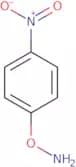
CAS:<p>O-(4-Nitrophenyl)hydroxylamine (OPH) is an enantioselective, catalytic, and thermal stable reagent for the synthesis of chiral methyl groups. OPH can be used as a nucleophile to convert electron-deficient alkenes into α-chloroalkenes. It also reacts with nitroarenes to give nitroalkenes in high yields. OPH has been shown to be effective in the asymmetric hydrolysis of esters and amides through its ability to oxidize the methyl group on the substrate. This reaction does not occur with other groups such as hydroxyl or hydrogen atoms.<br>Methyl groups are important for many biological molecules, including proteins and nucleic acids, which form the backbone of cells that make up living organisms. The OPH reaction is catalyzed by enzymes called methyltransferases, which transfer one atom of methyl from S-adenosylmethionine (SAM)</p>Formula:C6H6N2O3Purity:Min. 95%Color and Shape:PowderMolecular weight:154.12 g/molN-Biotinyl-L-cysteine
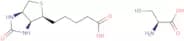
CAS:<p>N-Biotinyl-L-cysteine is a biotinylated derivative of the amino acid L-cysteine. It is used in chemical ligation reactions to enhance the reactivity of the glyceraldehyde-3-phosphate dehydrogenase (GAPDH) enzyme, which is important for glycolysis. N-Biotinyl-L-cysteine is also used to target GAPDH to cardiac cells and other cells that express this enzyme. This targeting allows for selective delivery of drugs to cardiac cells and other heart tissues. N-Biotinyl-L-cysteine has been shown to be reactive with cellular components such as DNA, RNA, and proteins. This reactive nature can be beneficial in biomolecular studies such as those involving disulfide bonds.</p>Formula:C13H21N3O4S2Purity:Min. 95%Color and Shape:White PowderMolecular weight:347.46 g/mol3'-Fluoro-4'-methoxy-beta-methyl-beta-nitrostyrene
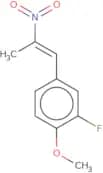
CAS:<p>3'-Fluoro-4'-methoxy-beta-methyl-beta-nitrostyrene is a reactive building block that can be used in the synthesis of many different compounds. It is a fine chemical and a reagent which is useful in organic chemistry. 3'-Fluoro-4'-methoxy-beta-methyl-beta-nitrostyrene is used as a reaction component for the synthesis of many different compounds, including pharmaceuticals, agrochemicals, and other specialty chemicals. It has CAS number 1023717-11-4 and can be used as an intermediate compound or building block for the production of complex compounds.</p>Formula:C10H10FNO3Purity:Min. 95%Color and Shape:PowderMolecular weight:211.19 g/mol5-Bromovaleric acid methyl ester
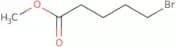
CAS:<p>5-Bromovaleric acid methyl ester is a molecule that can be used as a model system for population growth. It has been shown to activate the CB2 receptor in mice and stimulate the production of polyclonal antibodies. 5-Bromovaleric acid methyl ester may be a potential drug target for treating inflammatory conditions such as psoriasis, Crohn's disease, and ulcerative colitis. The compound has also been shown to inhibit cyclooxygenase enzymes in human platelets. 5-Bromovaleric acid methyl ester can also be used as an analytical tool for determining the concentration of conjugates in urine samples by gas chromatography.</p>Formula:C6H11BrO2Purity:Min. 95%Color and Shape:Clear LiquidMolecular weight:195.05 g/molBetaine monohydrate
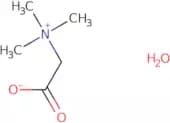
CAS:<p>Betaine is a group P2 compound that is an organic acid. It has been shown to improve the performance of polymerases, which are enzymes in cells that are responsible for synthesizing DNA. Betaine also helps with energy metabolism and in the synthesis of fatty acids. This compound can be found in plants and animals, as well as being manufactured synthetically. The melting point of betaine is between -6°C (21.2°F) and -13°C (8.6°F). When this compound is dissolved in water, it undergoes a phase transition from a solid state to a liquid state at its melting point. The boiling point of betaine is between 148°C (300.4°F) and 149°C (301.2°F). Betaine interacts with other molecules through hydrogen bonding interactions or by forming an acid-complex with sodium carbonate or malonic acid.</p>Formula:C5H11NO2·H2OColor and Shape:White PowderMolecular weight:135.16 g/mol4-Nitrophthalic acid
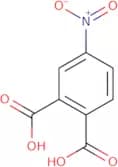
CAS:<p>4-Nitrophthalic acid is a white crystalline solid that has an acid and basic character. It has been shown to be antigenic, with a specific antibody able to bind to the 4-nitro group. The structure of 4-Nitrophthalic acid was determined using X-ray crystallography and NMR spectroscopy. The molecular weight of 4-Nitrophthalic acid is 177.2 g/mol, with a melting point of 174 °C and a boiling point of 341 °C. It is soluble in water and organic solvents such as ethanol, acetone, chloroform, ethyl ether, benzene, hexane, dichloromethane and ethyl acetate.</p>Formula:C8H5NO6Purity:Min. 97 Area-%Color and Shape:White PowderMolecular weight:211.13 g/molN-Methyl mesoporphyrin IX
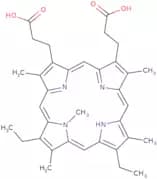
CAS:N-Methyl mesoporphyrin IX is a molecule that inhibits the activity of enzymes such as carboxylesterases, proteases, and aminopeptidases. It binds to the active site of these enzymes and blocks the enzyme's activity. N-Methyl mesoporphyrin IX has been shown to inhibit cancer cells in humans and can be used as an adjunct treatment for cancer. This drug also has anti-inflammatory properties due to its ability to inhibit prostaglandins synthesis. N-Methyl mesoporphyrin IX has been shown to have an effect on plant physiology by inhibiting plant growth and photosynthesis. N-Methyl mesoporphyrin IX is also able to enhance hybridization reactions between dsDNA duplexes, which may be useful in research involving DNA sequencing or gene mapping.Formula:C35H40N4O4Purity:Min. 95%Color and Shape:PowderMolecular weight:580.72 g/mol4--Methylacetophenone azine
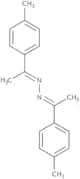
CAS:4-Methylacetophenone azine is a useful chemical with a variety of applications. It is a versatile building block, which can be used as an intermediate for the synthesis of complex compounds and as a reaction component in organic synthesis. 4-Methylacetophenone azine has been shown to be effective in the production of research chemicals and speciality chemicals. This product is high quality and can be used as a reagent in organic synthesis.Formula:C18H20N2Purity:Min. 95%Color and Shape:PowderMolecular weight:264.36 g/molMagnesium aspartate dihydrate
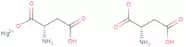
CAS:<p>Magnesium aspartate dihydrate is a chemical compound that is used to treat high blood pressure and heart disease. It is a salt of magnesium and L-aspartic acid, which are both active substances in the drug. Magnesium aspartate dihydrate has been shown to have a treatment effect on elevated levels of c-reactive protein (CRP) in men with normal kidney function. The drug has also been shown to be effective for the treatment of cavity, although it does not work for everyone. Magnesium aspartate dihydrate is chemically stable and can be used for diagnosis of magnesium deficiency, but it should not be given to women who are pregnant or breast-feeding. This drug may also inhibit the action of proton pumps, which are found in the body's cells that produce stomach acid.</p>Formula:C8H12N2O8Mg·2H2OColor and Shape:White PowderMolecular weight:324.53 g/mol1-(2',3'-Difluorophenyl)-2-nitroethene
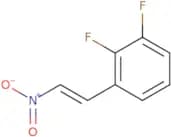
CAS:<p>1-(2',3'-Difluorophenyl)-2-nitroethene (1,2-DFNE) is a speciality chemical that is used as an intermediate for the synthesis of a wide variety of organic compounds. It has been found to be a useful scaffold for the synthesis of complex compounds and can also be used as a building block for the synthesis of fine chemicals, research chemicals, and versatile building blocks. 1,2-DFNE is soluble in many organic solvents and can be handled without special precautions. This reagent is a high quality compound with purity greater than 99%.</p>Formula:C8H5F2NO2Purity:Min. 95%Color and Shape:PowderMolecular weight:185.13 g/mol