Pharmaceutical Standards
Pharmaceutical standards are a comprehensive set of reference materials essential for ensuring the safety, efficacy, and quality of pharmaceutical products. This category includes standards for active pharmaceutical ingredients (APIs), which are the core components responsible for therapeutic effects. Additionally, it covers compounds and metabolites relevant to both the pharmaceutical and veterinary industries, providing benchmarks for the accurate measurement and analysis of these substances. Nitrosamine control standards are crucial for detecting and mitigating potentially harmful nitrosamines in drug formulations. Toxicology standards help assess the safety and potential adverse effects of pharmaceutical compounds. Furthermore, enzyme activators and inhibitors standards are vital for research and development, enabling precise studies of biochemical pathways and drug mechanisms. These pharmaceutical standards are indispensable tools for regulatory compliance, quality control, and research, ensuring that pharmaceutical products meet stringent safety and effectiveness criteria.
Subcategories of "Pharmaceutical Standards"
- APIs for research and impurities(274,823 products)
- Enzyme Activators and Inhibitors(2,827 products)
- Nitrosamines(2,605 products)
- Pharmaceutical and Veterinary Compounds and Metabolites(2,867 products)
- Toxicology(13,652 products)
Found 7836 products of "Pharmaceutical Standards"
Sort by
Purity (%)
0
100
|
0
|
50
|
90
|
95
|
100
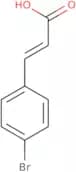
4-Bromocinnamic acid
CAS:<p>4-Bromocinnamic acid is a plant metabolite that is found in the leaves of plants belonging to the family Capparaceae. It can be extracted from these leaves using methanol as a solvent and then purified by column chromatography. 4-Bromocinnamic acid has been shown to have antitumor properties and has been studied in a model system for prostate cancer cells. This molecule also has the ability to hydrogen bond with other molecules, including dopamine, which is important for its anti-cancer activity.</p>Formula:C9H7BrO2Purity:Min. 95%Color and Shape:PowderMolecular weight:227.05 g/molAcriflavine hydrochloride
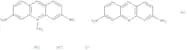
CAS:Acriflavine hydrochloride is a drug that belongs to the class of acridines, which are used as antiseptics and disinfectants. Acriflavine has been shown to have significant cytotoxic effects on mammalian cells, with a high degree of DNA binding activity. It binds to DNA in the nucleus and interferes with replication and transcription. Acriflavine hydrochloride inhibits cell division by binding to the kinetoplast (a region of mitochondrial DNA) during mitosis. This drug also has an effect on cell metabolism, decreasing ATP production and increasing lactate production in mitochondria. Acriflavine hydrochloride also prevents the formation of reactive oxygen species, which can lead to cellular damage.Formula:C27H28Cl4N6Purity:Min. 95%Color and Shape:Yellow PowderMolecular weight:578.36 g/molLoxoprofen sodium
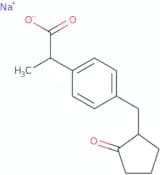
CAS:<p>Inhibitor of prostaglandin production; non-steroidal COX inhibitor</p>Formula:C15H17NaO3Purity:Min. 98 Area-%Color and Shape:PowderMolecular weight:268.28 g/mol(+)-Limonene oxide,mixture of cis/trans isomers
CAS:<p>Limonene oxide is a mixture of cis/trans isomers that belongs to the group of aziridines. It can be produced by catalytic ring-opening polymerization, or by copolymerization with other monomers. Limonene oxides are obtained as a mixture of cis and trans isomers. The trans isomer has been reported to have a shorter reaction time and higher selectivity than the cis isomer. Limonene oxide can be used in the production of polycarbonates, which are used in many different products such as containers for food and drink, packaging materials, and electronics. Limonene oxide can also be used for the synthesis of epoxides and n-oxides. These compounds are used in medical applications such as anti-cancer drugs, antibiotics, antifungals, antivirals, contraceptives, and more.</p>Formula:C10H16OPurity:Min. 95%Molecular weight:152.23 g/mol3-Bodipy-propanoic acid methyl ester
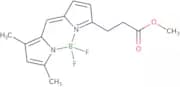
CAS:<p>3-Bodipy-propanoic acid methyl ester is a fluorescent probe that binds to the endoplasmic reticulum. It has been used in cancer diagnosis, as well as for the detection of chloride and ligand binding. 3-BPA has been shown to be a useful tool in the study of protein synthesis and cell binding. This compound is unmodified and has a broad spectrum of applications.</p>Formula:C15H17BF2N2O2Purity:Min. 95%Molecular weight:306.12 g/mol1-Hydroxycyclopropanecarboxylic acid methyl ester
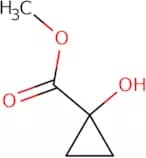
CAS:1-Hydroxycyclopropanecarboxylic acid methyl ester is a potent inhibitor of phosphorylation. It binds to the ATP and ADP molecules, preventing them from binding to the phosphoryl transferase enzyme. This inhibits the phosphorylation of glucose, leading to an accumulation of phosphoglycolate and pyruvate in cells. 1-Hydroxycyclopropanecarboxylic acid methyl ester has been shown to be a potent inhibitor of cyclopropane-fatty acid synthase, which is involved in synthesis of fatty acids for energy storage. The diethyl succinate derivative is also known as ethylene dibromide. Condensation reactions between this compound and carboxylic acids produce diethyl succinates that are used as plasticizers in polymers such as polyvinyl chloride (PVC).Formula:C5H8O3Purity:Min. 95%Molecular weight:116.12 g/mol4-Methoxycoumarin
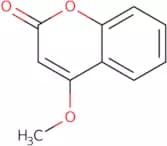
CAS:4-Methoxycoumarin is a type of coumarin derivative that contains a hydroxy group. It is synthesized by the reaction of methoxyphenol and acetoacetic acid in the presence of an acid catalyst. This compound has been used in the synthesis of other coumarin derivatives, such as benzocoumarins, which are used for their cytostatic effects against plant cells. 4-Methoxycoumarin is also found in plants and has been shown to be active against some viruses. 4-Methoxycoumarin can be converted into its monohydroxylated form, which reacts with hydrogen ions to produce a protonated cationic surfactant. The resulting flow system can be used for analytical purposes.Formula:C10H8O3Purity:Min. 95%Molecular weight:176.17 g/mol4-Benzyloxybenzoic acid methyl ester
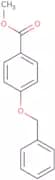
CAS:<p>4-Benzyloxybenzoic acid methyl ester is a chemical compound that is used as a ligand in analytical chemistry. It can be used to extract metals from samples by forming coordination complexes with them. 4-Benzyloxybenzoic acid methyl ester can also be used to synthesize arenes and other organic molecules. This compound has been shown to have anti-cancer effects, which may be due to its ability to inhibit the function of histone deacetylases and thereby suppress the expression of genes involved in cell proliferation.</p>Formula:C15H14O3Purity:Min. 95%Color and Shape:PowderMolecular weight:242.27 g/molD-α-Tocopherolquinone
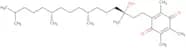
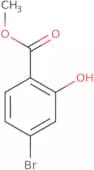
CAS:<p>D-a-Tocopherolquinone is a useful building block for the synthesis of complex compounds. It can also be used as a reagent, speciality chemical, or high quality research chemical. D-a-Tocopherolquinone has been used in the synthesis of versatile building blocks, reaction components, and scaffolds.</p>Formula:C29H50O3Purity:Min. 97 Area-%Color and Shape:Clear LiquidMolecular weight:446.71 g/mol4-Bromo-2-hydroxybenzoic acid methyl ester
CAS:<p>4-Bromo-2-hydroxybenzoic acid methyl ester is a versatile building block that can be used as a research chemical, reagent, or speciality chemical. It is a high quality, versatile compound that can be used in the synthesis of complex compounds. CAS No. 22717-56-2 is an intermediate for the synthesis of other compounds and has been shown to be a useful scaffold for organic chemistry.</p>Formula:C8H7BrO3Purity:Min. 95%Color and Shape:PowderMolecular weight:231.04 g/molDipotassium 7-hydroxynaphthalene-1,3-disulphonate
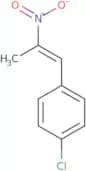
CAS:<p>Dipotassium 7-hydroxynaphthalene-1,3-disulphonate is a drug that binds to basic proteins and inhibits the activity of the enzyme spermatocyte meiosis. It has been used in clinical trials for the treatment of male infertility, which have shown improved sperm motility and reduced sperm abnormalities. The drug also has an effect on the cells of acute lymphoblastic leukemia (ALL) patients, but these effects are dependent on radiation therapy. Dipotassium 7-hydroxynaphthalene-1,3-disulphonate slows down the growth of ALL cells by binding to their receptors and blocking DNA synthesis.</p>Formula:C10H6K2O7S2Purity:Min. 98 Area-%Color and Shape:PowderMolecular weight:380.48 g/mol1-(4-Chlorophenyl)-2-nitropropene
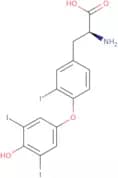
CAS:<p>1-(4-Chlorophenyl)-2-nitropropene is a versatile building block that can be used in the synthesis of a variety of compounds. It is an aromatic compound with a molecular weight of 122.1 and chemical formula CHClNO. It has a melting point of -44°C, boiling point of 166°C, and density at 20°C of 1.11 g/mL. This product has also been shown to be useful as an intermediate or reaction component for the synthesis of polymers, pharmaceuticals, pesticides, and other organic compounds. 1-(4-Chlorophenyl)-2-nitropropene is soluble in water (10 mg/mL) and alcohols (10 mg/mL). This product is classified as not hazardous according to the Globally Harmonized System (GHS) criteria for classification and labeling of chemicals.</p>Formula:C9H8ClNO2Purity:Min. 95%Color and Shape:PowderMolecular weight:197.62 g/mol3,3',5'-Triiodo-L-thyronine
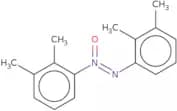
CAS:<p>Triiodothyronine is a thyroid hormone that is used for oral hypoglycaemic therapy in patients with diabetes mellitus. It has been shown to be effective in the treatment of congestive heart failure and experimental models of cardiac hypertrophy. Triiodothyronine has also been shown to have strong pharmacological effects on voltage-dependent calcium channels and integrin receptors. The clinical use of triiodothyronine is limited by its toxicity, which may be caused by its interference with the production of thyroxine or triiodothyronine, as well as its ability to alter the level of iodide in the blood.</p>Formula:C15H12I3NO4Purity:Min. 95%Color and Shape:White PowderMolecular weight:650.97 g/mol2,2',3,3'-Tetramethylazoxybenzene
CAS:<p>2,2',3,3'-Tetramethylazoxybenzene is a chemical compound that is used as a reaction component in organic synthesis. It is also known as TMAB and has CAS number 19618-11-2. This chemical is useful for the production of pharmaceuticals and other chemicals because it can be used as a versatile building block to create complex compounds with interesting properties. It is also an intermediate or reagent for other chemicals. TMAB has been shown to have high purity and quality and can be used in research experiments.</p>Formula:C16H18N2OPurity:Min. 95%Molecular weight:254.33 g/mol2-Aminonaphthalene-5,7-disulfonic acid
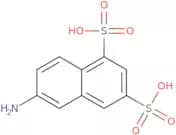
CAS:<p>2-Aminonaphthalene-5,7-disulfonic acid (2ANDA) is a fluorescent and colorless compound that can be used as a tracer for wastewater treatment. 2ANDA is adsorbed onto the surface of suspended solids in wastewater and binds to the hydroxide ions. This binding causes an increase in fluorescence intensity, which can be detected with synchronous fluorescence spectroscopy. 2ANDA also has the ability to form ternary complexes with chloride ions and molecular ions such as sodium hydroxide solution, making it useful for wastewater treatment because it provides information about the concentration of these ions. 2ANDA is soluble in water and may hydrolyze at high pH levels. It has been shown to have good kinetic properties for wastewater treatment by adsorption on granular activated carbon (GAC).</p>Formula:C10H9NO6S2Purity:Min. 95%Color and Shape:PowderMolecular weight:303.31 g/molN-Carbethoxy-4-nortropinone
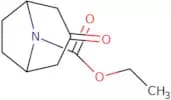
CAS:<p>N-Carbethoxy-4-nortropinone is a high quality, reagent grade chemical that is often used as a complexing agent. It has been shown to be an excellent building block for the synthesis of other compounds and has been used in the production of speciality chemicals. N-Carbethoxy-4-nortropinone is also a versatile building block that can be used in many different types of reactions, making it an excellent reaction component. This compound is available for purchase at Sigma Aldrich with CAS number 32499-64-2.</p>Formula:C10H15NO3Purity:Min. 95%Molecular weight:197.23 g/mol5-(6)-Carboxynaphthofluoroscein N-succinimidyl ester
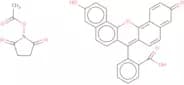
CAS:<p>5-(6)-Carboxynaphthofluoroscein N-succinimidyl ester is a versatile building block for the synthesis of complex compounds. It is used as a reagent or speciality chemical that is useful in research and development. 5-(6)-Carboxynaphthofluoroscein N-succinimidyl ester has CAS No. 150347-58-3, which is an intermediate in the synthesis of other pharmaceuticals with potential clinical use. The compound has been used to develop new drugs, such as those for the treatment of cancer, cardiovascular disease, and diabetes.</p>Formula:C33H19NO9Purity:Min. 90 Area-%Color and Shape:PowderMolecular weight:573.51 g/molN-(Ketocaproyl)-D,L-homoserine lactone
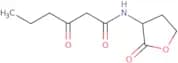
CAS:<p>Ketoacyl-homoserine lactone is a naturally occurring fatty acid derivative that is produced by many bacteria. It has been shown to be involved in biological processes, including the regulation of transcription and protein synthesis. Ketoacyl-homoserine lactone has been shown to be an important component of bacterial quorum sensing, which is used for communication between cells. This compound also regulates energy metabolism and light emission in some model systems. Ketoacyl-homoserine lactone has also been shown to be involved in immune responses and autoimmune diseases, as well as human pathogens such as Campylobacter jejuni and Mycoplasma pneumoniae.</p>Formula:C10H15NO4Purity:Min. 98 Area-%Color and Shape:PowderMolecular weight:213.23 g/molMethyl 3,4-dimethylcinnamate
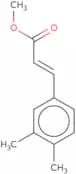
CAS:Methyl 3,4-dimethylcinnamate is a versatile building block that can be used in the synthesis of complex compounds. It is a research chemical and reagent with many applications, including as a useful scaffold for the synthesis of new compounds. Methyl 3,4-dimethylcinnamate is also used in the production of speciality chemicals. This compound has been used as a high-quality intermediate in the synthesis of other organic molecules and as a reaction component in cross-coupling reactions.Formula:C12H14O2Purity:Min. 95%Color and Shape:White PowderMolecular weight:190.24 g/molPhenyl 1-hydroxy-2-naphthoate
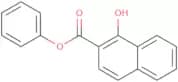
CAS:<p>Phenyl 1-Hydroxy-2-naphthoate is a protonated molecule that contains an intramolecular hydrogen bond. The dipole moment of this molecule is 1.54 D, which is the product of the charge on the proton and the distance between it and the oxygen atom. The chloride ion forms a hydrogen bond with the hydroxyl group of the phenyl ring, which stabilizes its structure. This compound has a molecular weight of 192.1 g/mol and is soluble in water, hydrochloric acid, and solvents such as acetone or acetonitrile. Phenyl 1-Hydroxy-2-naphthoate has been shown to be an acceptor for chlorine at room temperature.</p>Formula:C17H12O3Purity:Min. 95%Color and Shape:PowderMolecular weight:264.28 g/mol7-Oxo cholesterol 3-acetate
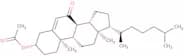
CAS:Controlled Product<p>7-Oxo cholesterol 3-acetate is a cocatalyst for the oxidation of organic compounds. It is used to catalyze the oxidation of alcohols, carboxylic acids, and other organic compounds with hydrogen peroxide. 7-Oxo cholesterol 3-acetate has been shown to be a low energy catalyst that can be used in mild conditions. This compound has been shown to produce diacetyl, which is an important reaction product in the synthesis of vitamin D3 (cholecalciferol). 7-Oxo cholesterol 3-acetate has also been isolated from adipose tissue and shown to have anti-inflammatory properties.</p>Formula:C29H46O3Purity:Min. 95%Color and Shape:PowderMolecular weight:442.67 g/mol4-Chloro-3-hydroxybenzoic acid methyl ester
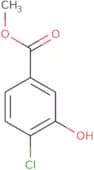
CAS:<p>4-Chloro-3-hydroxybenzoic acid methyl ester is a high quality, versatile building block that can react as a reagent to form complex compounds. It is also used as an intermediate in the synthesis of other fine chemicals. 4-Chloro-3-hydroxybenzoic acid methyl ester is a useful scaffold for chemical research and has been shown to be a speciality chemical with many uses. This compound is also useful as an intermediate in the synthesis of other fine chemicals, such as pharmaceuticals or agrochemicals.</p>Formula:C8H7ClO3Purity:Min. 98%Color and Shape:White PowderMolecular weight:186.59 g/molo-Nitrocinnamaldehyde
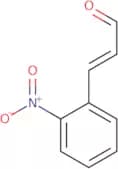
CAS:o-Nitrocinnamaldehyde is an aldehyde that belongs to the group of β-unsaturated aldehydes. It has been shown to inhibit cancer cell growth in vitro and in vivo. o-Nitrocinnamaldehyde inhibits xanthine oxidase by preventing the oxidation of hypoxanthine to xanthine and xanthine to uric acid. This prevents the formation of superoxide radicals, which are known carcinogens. The compound also inhibits aldehyde dehydrogenase, which prevents the oxidation of nitro compounds that have been generated by nitrosation reactions. These reactions are catalyzed by nitric oxide synthases (NOS) and convert nitrate into nitrite and then into reactive nitrogen species such as peroxynitrites. o-Nitrocinnamaldehyde also inhibits uv absorption, which may be due to its ability to form supramolecular aggregates with other organic molecules or metal ions.Formula:C9H7NO3Purity:Min. 95%Molecular weight:177.16 g/mol6b-Hydroxy-7a-(thiomethyl) spironolactone
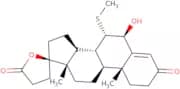
CAS:<p>6b-Hydroxy-7a-(thiomethyl) spironolactone is a drug that is metabolized in the liver and excreted in the bile. It has been found to be safe and effective for the treatment of ascites due to cirrhosis. The pharmacokinetics of 6b-hydroxy-7a-(thiomethyl) spironolactone are linear, with a plasma elimination rate of 0.3 mg/kg/h. The elimination half-life for 6b-hydroxy-7a-(thiomethyl) spironolactone is about 3 hours. 6b-Hydroxy-7a-(thiomethyl) spironolactone has been found to be eliminated from the body at a constant rate, regardless of age, gender or weight. The population studied was healthy adult males who ingested 6b-hydroxy-7a-(thiometh</p>Formula:C23H32O4SPurity:Min. 95%Color and Shape:PowderMolecular weight:404.56 g/molOnjisaponin B
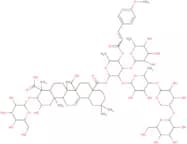
CAS:<p>Onjisaponin B is a triterpenoid saponin that has been shown to have anti-angiogenic effects, neuroprotective properties, and autophagy inducing activity. Onjisaponin B has also been shown to inhibit the production of tumor necrosis factor-α (TNF-α) in cultured PC12 cells. The anti-inflammatory effects of this compound may be due to its ability to induce autophagy. This compound induces autophagy by activating the mechanistic target of rapamycin (mTOR) pathway, which leads to the induction of autophagy through the activation of AMP kinase. Onjisaponin B has been found in plants used in traditional Chinese medicine and other Asian countries.</p>Formula:C75H112O35Purity:Min. 95%Color and Shape:White PowderMolecular weight:1,573.67 g/mol1-(3-Bromobenzoyl)-2-(2-naphthoyl)-hydrazine
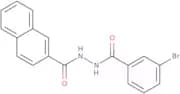
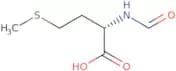
CAS:<p>1-(3-Bromobenzoyl)-2-(2-naphthoyl)-hydrazine is a building block with a high quality and versatile scaffold. It is used as a reaction component in the synthesis of complex compounds, fine chemicals and speciality chemicals. 1-(3-Bromobenzoyl)-2-(2-naphthoyl)-hydrazine has been shown to be an effective reagent for the preparation of polycyclic aromatic hydrocarbons. This chemical is also a useful intermediate in the production of pharmaceuticals, pesticides, dyes, and perfumes.</p>Formula:C18H13BrN2O2Purity:Min. 95%Color and Shape:PowderMolecular weight:369.21 g/molFormyl-L-methionine
CAS:<p>Formyl-L-methionine is a form of methionine produced by the human body. It is found in proteins, peptides, and polypeptides as an amino acid residue. Methionine is one of the essential amino acids needed by humans. Methionine can be converted to formyl-L-methionine by the enzyme methioninase, which is found in bacteria such as Escherichia coli. The conversion of methionine to formyl-L-methionine may be important for antigen binding sites on antibodies. The N-terminal part of the protein can be recognized by antibodies, which are then able to bind to antigenic determinants on bacteria and other pathogens.</p>Formula:C6H11NO3SPurity:Min. 95%Color and Shape:PowderMolecular weight:177.22 g/mol1-(4-Aminophenyl)ethanone oxime
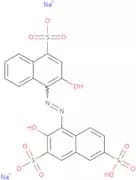
CAS:<p>4-Aminoacetophenone oxime is an organic compound that is soluble in water and methanol. It has a molecular weight of 169.17 g/mol, a melting point of 190 °C, and a boiling point of 260 °C. 4-Aminoacetophenone oxime has been shown to have antimicrobial activity against Gram-positive bacteria, such as Staphylococcus aureus, but not against Gram-negative bacteria. This compound can be used as a ligand for metal ions such as copper and zinc, which are important in biological processes. The magnetic properties of 4-aminoacetophenone oxime make it possible to detect the molecule using nuclear magnetic resonance spectroscopy.<br>4-Aminoacetophenone oxime can be synthesized by reacting 5-nitrosalicylaldehyde with ammonium acetate in the presence of hydrochloric acid:</p>Formula:C8H10N2OPurity:Min. 95%Color and Shape:PowderMolecular weight:150.18 g/molHydroxy naphthol blue disodium
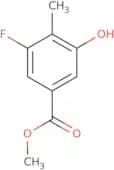
CAS:<p>Hydroxy naphtol blue is a synthetic azo dye, characterised for containing the functional group R N=N R. The hydroxy naphtol blue disodium and trisodium salt are used as indicators to determine the content of alkaline earth and lanthanides spectrophotometrically, showing at maximum a wavelength of ~ 650 nm (λmax = 647.6 nm). The best example of the use of hydroxy naphtol blue sodium salt is to determine the hardness of water by measuring the concentration of calcium and magnesium. At alkaline or basic pH, the hydroxy naphtol blue forms a pink/red complex with the metal ions and, after titration with EDTA, hydroxy naphtol blue is liberated, turning the solution blue which indicates the endpoint.</p>Formula:C20H14N2O11S3·2NaColor and Shape:PowderMolecular weight:600.51 g/mol3-Fluoro-5-hydroxy-4-methylbenzoic acid methyl ester
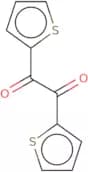
CAS:3-Fluoro-5-hydroxy-4-methylbenzoic acid methyl ester is a high quality, versatile building block. It is used as a reagent and as a speciality chemical in the research laboratory. This compound is also an intermediate for the synthesis of other chemicals. 3-Fluoro-5-hydroxy-4-methylbenzoic acid methyl ester can be used in the synthesis of complex compounds that are useful scaffolds for drug development.Formula:C9H9FO3Color and Shape:PowderMolecular weight:184.16 g/mol2,2'-Thenil
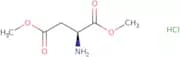
CAS:<p>2,2'-Thenil is a radical anion that has potent inhibitory activity against radical anions. It can be used to stabilize radical anions and prevent them from undergoing reactions with other radicals or reactive molecules. 2,2'-Thenil binds to the active site of the enzyme by electron transfer and stabilizes it, preventing it from undergoing reactions with other radicals or reactive molecules. The kinetic parameters for this reaction are dose-dependent and can be determined by measuring the optical spectra of both 2,2'-thenil and hydroxyurea.</p>Formula:C10H6O2S2Purity:Min. 95%Color and Shape:White PowderMolecular weight:222.29 g/molL-Aspartic acid dimethyl ester hydrochloride
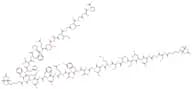
CAS:L-Aspartic acid dimethyl ester hydrochloride (DAA) is an inhibitor of serine proteases, which are enzymes that break down other proteins. DAA inhibits the activity of these enzymes by forming a covalent bond with the serine residue in the active site of the enzyme. This inhibition prevents the breakdown of proteins and leads to inflammation in target tissues. L-Aspartic acid dimethyl ester hydrochloride is used to treat inflammatory bowel disease by inhibiting cathepsin B, a protease that is associated with this condition.Formula:C6H11NO4·HClPurity:Min. 98 Area-%Color and Shape:White Off-White PowderMolecular weight:197.62 g/molBiotinyl-(Cys1,Lys(biotinyl)18)-Calcitonin (human) trifluoroacetate salt
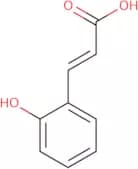
CAS:<p>Please enquire for more information about Biotinyl-(Cys1,Lys(biotinyl)18)-Calcitonin (human) trifluoroacetate salt including the price, delivery time and more detailed product information at the technical inquiry form on this page</p>Formula:C171H254N44O49S5Purity:Min. 95%Molecular weight:3,870.44 g/moltrans-2-Hydroxycinnamic acid
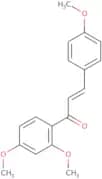
CAS:<p>Trans-2-hydroxycinnamic acid is a bioactive phytochemical that has been shown to inhibit the proliferation of 3T3-L1 preadipocytes. It also binds with 4-hydroxycinnamic acid, which is a compound found in coumarin derivatives. Trans-2-hydroxycinnamic acid is an analytical method for determining p-hydroxybenzoic acid, which is a metabolite of trans-2-hydroxycinnamic acid and can be used as an indicator for its presence in food products. Trans-2-hydoxycinnamic acid inhibits mitochondrial membrane potential and induces apoptosis in cancer cells. It also has drug interactions with etoac extract and structural analysis.</p>Formula:C9H8O3Color and Shape:PowderMolecular weight:164.16 g/mol2',4',4-Trimethoxychalcone
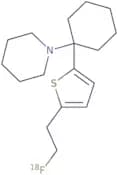
CAS:<p>2',4',4-Trimethoxychalcone is a natural product that inhibits the enzyme activity of phospholipase A2, lipoxygenase, and cyclo-oxygenase. It also has high resistance to hydrochloric acid, chloride, and blood pressure. 2',4',4-Trimethoxychalcone has shown protein inhibition effects in vitro, as well as potent transport inhibitor activity against particles. This compound is synthesized using solid-phase chemistry on an immobilized resin.</p>Formula:C18H18O4Purity:Min. 95%Color and Shape:PowderMolecular weight:298.33 g/mol1-(1-(5-(2'-Fluoroethyl)-2-Thienyl)-Cyclohexyl)Piperidine
CAS:Controlled Product1-(1-(5-((2'-fluoroethyl)cyclohexyl)-piperidin-1-yl)cyclohexane-1,2,3,4-tetraol is a magnetic nanoparticle that has high specificity and can be used to detect hydroxyapatite. It is synthesized by the reaction of 2-fluoroethanol with 1,3-bis(diphenylphosphino)-propane (dppp) in the presence of potassium carbonate. The reaction solution spontaneously forms a monolayer on a surface such as ceramics or glass. This monolayer shows potential use in detecting hydroxyapatite and other calcium compounds in bone lesions, as well as for desorption and optical properties.Formula:C17H26FNSPurity:Min. 95%Molecular weight:295.46 g/mol2-Bromo-5-nitrophenetole
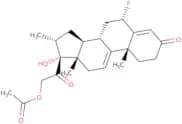
CAS:<p>2-Bromo-5-nitrophenetole is a versatile building block that can be used as a reagent in the synthesis of complex compounds and research chemicals. It is a high quality chemical with a CAS number of 423165-33-7. 2-Bromo-5-nitrophenetole is an important intermediate for the synthesis of diverse and valuable compounds such as pharmaceuticals, agrochemicals, and dyes.</p>Formula:C8H8BrNO3Purity:Min. 95%Color and Shape:PowderMolecular weight:246.06 g/mol6α-Fluoro-17,21-Dihydroxy-16α-Methylpregna-4,9(11)-Diene-3,20-Dione 21-Acetate
CAS:Controlled Product6alpha-Fluoro-17,21-Dihydroxy-16alpha-Methylpregna-4,9(11)-Diene-3,20-Dione 21-Acetate is a synthetic angiostatic agent that inhibits the angiogenic process by affecting the growth of new blood vessels. It has been shown to inhibit proteolytic activity and to have an inhibitory effect on tumour necrosis factor-α (TNF-α) induced activation of endothelial cells and their proliferation. 6alpha-Fluoro-17,21-Dihydroxy-16alpha-Methylpregna-4,9(11)-Diene 3,20 Dione 21 Acetate also inhibits the growth of fetal bovine aortic endothelial cells in culture. The drug was also found to significantly reduce the monolayer cell viability after uptake by endothelial cells.Formula:C24H31FO5Purity:Min. 95%Molecular weight:418.5 g/mol(4-Bromophenyl)thiourea
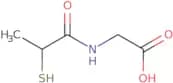
CAS:<p>(4-Bromophenyl)thiourea is an oxidant that has been used in the commercialization of photographic films and perovskites. It can be used as a biological stain to detect proteins, and contains both UV-A and UV-B spectra. This chemical is also able to convert ammonium nitrate into nitric acid, which has been shown to be synergistic with thiourea. (4-Bromophenyl)thiourea can exist as two isomers, cis and trans, which have different properties. The cis isomer reacts faster than the trans isomer with ammonia, but the trans form has greater solubility in water. The techniques for separating these two forms are chromatography and crystallization.</p>Formula:C7H7BrN2SPurity:Min. 95%Molecular weight:231.11 g/molTiopronin
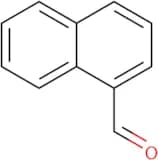
CAS:<p>Tiopronin is a drug that binds to the GSH-Px enzyme, which is responsible for breaking down hydrogen peroxide and lipid hydroperoxides. It also inhibits the ATP-binding cassette transporter, which is an important protein in the cell membrane that regulates the passage of substances into and out of cells. Tiopronin has been shown to inhibit chemiluminescence reactions in bacteria, such as infectious diseases. This drug has also been shown to be effective against hepatic steatosis by reducing fatty acid synthesis and increasing fatty acid oxidation in rats. Tiopronin has been used for the treatment of patients with Wilson's disease, because it facilitates copper excretion from liver cells by inhibiting metal chelate formation.</p>Formula:C5H9NO3SPurity:Min. 95%Color and Shape:PowderMolecular weight:163.2 g/mol1-Naphthaldehyde
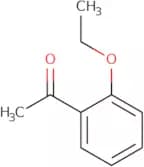
CAS:<p>1-Naphthaldehyde is a coordination compound that contains 1 naphthyl group and an oxygen atom. It can be used as an oxidation catalyst, intramolecular hydrogen, or a reaction solution. The antimicrobial activity of 1-naphthaldehyde has been shown in the presence of sodium carbonate or potassium phosphate buffer. 1-Naphthaldehyde has been shown to possess structural properties similar to those of other metal chelates, such as zinc pyrithione. The protonated form of 1-naphthaldehyde has been identified by means of analytical methods including gas chromatography and mass spectrometry.</p>Formula:C11H8OPurity:Min. 95%Color and Shape:Yellow To Brown LiquidMolecular weight:156.18 g/mol2'-Ethoxyacetophenone
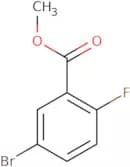
CAS:<p>2'-Ethoxyacetophenone is a Friedel-Crafts acylation agent. It reacts with nucleophilic groups, such as alcohols and amines, to form an acylated product. 2'-Ethoxyacetophenone has been shown to be a useful tool for the synthesis of chiral compounds with high yields and good enantiomeric excesses. This compound can also be used as a precursor in the synthesis of polyaromatic molecules containing a chiral center. The reaction requires low substrate concentrations and short reaction times, making it advantageous for some reactions that are sensitive to these parameters.</p>Formula:C10H12O2Purity:Min. 95%Color and Shape:PowderMolecular weight:164.2 g/mol5-Bromo-2-fluorobenzoic acid methyl ester
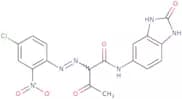
CAS:<p>5-Bromo-2-fluorobenzoic acid methyl ester (5BFME) is a synthetic, non-steroidal compound that is used to treat prostate cancer. 5BFME inhibits the production of prostate specific antigen (PSA) and other androgen levels in prostate cancer cells. 5BFME also has an effect on the cell cycle by inhibiting DNA synthesis, which is likely to have a synergistic effect with other anticancer drugs. 5BFME has shown no selectivity toward any type of cell, which may be due to its ability to modulate cellular biochemical pathways.</p>Formula:C8H6BrFO2Purity:Min. 95%Color and Shape:PowderMolecular weight:233.03 g/molPigment Orange 36
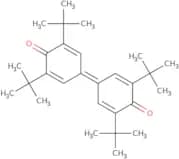
CAS:Pigment Orange 36 is an organic pigment with a light-emitting property. It is soluble in organic solvents, such as benzene and chloroform, but insoluble in water. Pigment Orange 36 has a polycyclic aromatic hydrocarbon structure with ester linkages between the aliphatic hydrocarbon and aromatic hydrocarbon moieties. The molecule consists of two sections: one section is soluble in organic solvents and the other section is soluble in water. The particle size of Pigment Orange 36 ranges from 0.1 to 1 micron in diameter, and it emits light when excited by UV radiation or visible light.Formula:C17H13ClN6O5Purity:Min. 95%Molecular weight:416.8 g/mol3,3',5,5'-Tetra-tert-butyldiphenoquinone
CAS:<p>3,3',5,5'-Tetra-tert-butyldiphenoquinone is a polymerized phenolic compound that is used as a dietary antioxidant. It has been shown to have hypochlorous and anion radical scavenging properties. It also acts as an oxidation catalyst and can be used for the preparation of oxidation products. 3,3',5,5'-Tetra-tert-butyldiphenoquinone stabilizes the formation of β-unsaturated aldehydes by acting as an oxidant. 3,3',5,5'-Tetra-tert-butyldiphenoquinone also has antioxidative activity by inhibiting lipid peroxidation in vitro. The antioxidant activity may be due to its ability to form hydrogen bonds with the lipid radicals produced during lipid peroxidation reactions.</p>Formula:C28H40O2Purity:Min. 95%Molecular weight:408.62 g/mol2,2'-Dibromodiphenylacetylene
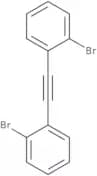
CAS:<p>2,2'-Dibromodiphenylacetylene (DBDP) is a biomolecular that belongs to the class of stilbene derivatives. It has been shown to have fluoro-transfer properties and can be used as a vapor transport or crystalline interaction. DBDP has been shown to produce diffraction with a shift angle of 8.6° in solution and yields of up to 98%. The steric effect was also observed when the molecule interacts with transfer and transistor molecules. DBDP has been shown to undergo an arylation reaction with phenanthridines, which are potent anti-inflammatory agents.</p>Formula:C14H8Br2Color and Shape:PowderMolecular weight:336.02 g/mol3-Amino-L-tyrosine dihydrochloride
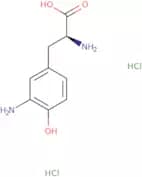
CAS:<p>Please enquire for more information about 3-Amino-L-tyrosine dihydrochloride including the price, delivery time and more detailed product information at the technical inquiry form on this page</p>Formula:C9H12N2O3•(HCl)2Purity:Min. 95%Molecular weight:269.12 g/molPhenyl 1,4-dihydroxy-2-naphthoate
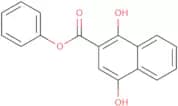
CAS:<p>Phenyl 1,4-dihydroxy-2-naphthoate is a suzuki cross-coupling agent that can be used in organic synthesis. It is an electron rich phenyl derivative and can be used as an alternative to the miyaura reaction. Phenyl 1,4-dihydroxy-2-naphthoate has been shown to react with alkyl or aryl halides, typically at room temperature. This product has been shown to react with electron rich olefins under sterically demanding conditions and is often used in cross coupling reactions.</p>Formula:C17H12O4Purity:Min. 95%Color and Shape:PowderMolecular weight:280.27 g/mol4-(Hydroxymethyl)benzoic acid methyl ester
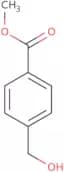
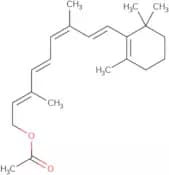
CAS:<p>4-(Hydroxymethyl)benzoic acid methyl ester is a quinazolinone that has been used as an anticancer drug. It is synthesized by cross-coupling of 4-hydroxymethylbenzoic acid and methyl iodide with a cobaltic catalyst, followed by dehydrogenation. The synthesis can also be achieved using a molybdenum catalyst, leading to the same product. 4-(Hydroxymethyl)benzoic acid methyl ester is an efficient method for the synthesis of this compound and has shown anti-cancer activity in animal models. It inhibits serine proteases, including matrix metalloproteinases (MMPs) and cathepsin B, which are enzymes involved in cancer cell invasion and metastasis.</p>Formula:C9H10O3Purity:Min. 95%Color and Shape:PowderMolecular weight:166.17 g/mol9-cis-Retinol acetate
CAS:<p>9-cis-Retinol acetate is a synthetic retinoid that has been shown to have antioxidant properties. It prevents the oxidation of lipids, proteins and DNA by inhibiting the activity of enzymes such as cyclooxygenase and lipoxygenase, which are responsible for generating reactive oxygen species. 9-cis-Retinol acetate also increases glutathione levels, which scavenges reactive oxygen species. 9-cis-Retinol acetate can be used to treat oxidative injury in different tissues such as the skin, liver, bowel, lung and eye. 9-cis-Retinol acetate can be used in low doses to prevent oxidative injury in the human fetus during pregnancy or in high doses to treat oxidant injuries caused by radiation exposure or chemotherapy.</p>Formula:C22H32O2Purity:Min. 95%Color and Shape:Pale yellow oil.Molecular weight:328.49 g/mol