Pharmaceutical Standards
Pharmaceutical standards are a comprehensive set of reference materials essential for ensuring the safety, efficacy, and quality of pharmaceutical products. This category includes standards for active pharmaceutical ingredients (APIs), which are the core components responsible for therapeutic effects. Additionally, it covers compounds and metabolites relevant to both the pharmaceutical and veterinary industries, providing benchmarks for the accurate measurement and analysis of these substances. Nitrosamine control standards are crucial for detecting and mitigating potentially harmful nitrosamines in drug formulations. Toxicology standards help assess the safety and potential adverse effects of pharmaceutical compounds. Furthermore, enzyme activators and inhibitors standards are vital for research and development, enabling precise studies of biochemical pathways and drug mechanisms. These pharmaceutical standards are indispensable tools for regulatory compliance, quality control, and research, ensuring that pharmaceutical products meet stringent safety and effectiveness criteria.
Subcategories of "Pharmaceutical Standards"
- APIs for research and impurities(274,914 products)
- Enzyme Activators and Inhibitors(2,827 products)
- Nitrosamines(2,605 products)
- Pharmaceutical and Veterinary Compounds and Metabolites(2,871 products)
- Toxicology(13,652 products)
Found 7836 products of "Pharmaceutical Standards"
Sort by
Purity (%)
0
100
|
0
|
50
|
90
|
95
|
100
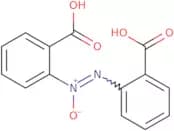
2,2'-Azoxydibenzoic acid
CAS:<p>2,2'-azoxydibenzoic acid is a high quality chemical that is used as a reagent, complex compound, and research chemical. It has CAS No. 573-79-5 and has the molecular formula of C8H4N2O4. This compound is useful as an intermediate, fine chemical, or speciality chemical in synthesis. 2,2'-Azoxydibenzoic acid can be used as a building block for scaffolds or as a versatile building block in reaction components.</p>Formula:C14H10N2O5Purity:Min. 95%Molecular weight:286.24 g/mol2',4'-Dihydroxypropiophenone
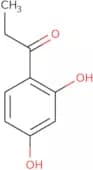
CAS:2',4'-Dihydroxypropiophenone is a bioactive molecule that has been shown to have fungicidal concentrations against the fungus Monilia polystroma. It is also considered to be a useful chemical in postharvest treatments of fruit. 2',4'-Dihydroxypropiophenone is used in gravimetric analysis of uptake and viscosity, and can be analyzed by NMR spectroscopy. The compound has been found to react with Cl- ions in an ion-exchange procedure in the presence of acid catalyst, such as hydrochloric acid or n-dimethyl formamide. Kinetic studies show that 2',4'-dihydroxypropiophenone is a monomer. 2',4'-Dihydroxypropiophenone is a white crystalline solid with a melting point around 125°C and molecular weight of 223.25 g/mol.Formula:C9H10O3Purity:Min. 95%Color and Shape:PowderMolecular weight:166.17 g/molIsopomiferin-3',4'-dimethyl ether
Isopomiferin-3',4'-dimethyl ether is a bioactive compound, which is a naturally-occurring flavonoid derivative. It is sourced from various plant species, often found in traditional medicinal plants, exhibiting diverse biological activities due to its complex chemical structure. The mode of action involves interaction with cellular pathways, potentially influencing enzymes and receptor signaling, offering valuable insight into its biochemical and pharmacological properties.Formula:C27H28O6Purity:Min. 95%Color and Shape:PowderMolecular weight:448.51 g/molS-Methylisovalerate
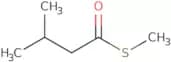
CAS:<p>S-Methylisovalerate is a branched fatty acid that is an intermediate in the biosynthesis of valine. It has been isolated from Corynebacterium glutamicum and Brevibacterium sp. S-Methylisovalerate has been identified by gas chromatography/mass spectrometry (GC/MS) as a major component of the volatile organic compounds produced by strains of Corynebacterium glutamicum and Brevibacterium sp. The GC/MS profile of these strains consists mainly of ester compounds, such as methyl ethyl acetate and butyric acid.</p>Formula:C6H12OSPurity:Min. 95%Color and Shape:Colorless Clear LiquidMolecular weight:132.22 g/mol(R)-(+)-Limonene
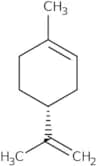
CAS:Limonene is a natural compound that has shown to have anti-inflammatory properties in mice. The optimum concentration of limonene was found to be 0.5% in the diet of CD-1 mice, which showed reduced locomotor activity and pain model scores. Limonene has also been shown to inhibit the enzyme arachidonic acid 15-lipoxygenase, thereby reducing production of leukotrienes and prostaglandins, which are inflammatory mediators. Limonene has been shown to have clinical relevance for the treatment of inflammation in humans and rats. This compound is metabolized by cytochrome P450 enzymes, but not by human liver microsomes or rat liver microsomes. It is oxidized by trifluoroacetic acid (TFA) into carboxylic acids such as limonene oxide, perillic acid, and decanoic acid, which are less reactive than limonene.Formula:C10H16Purity:Min. 95%Color and Shape:Clear LiquidMolecular weight:136.23 g/molD-(+)-Camphoric acid
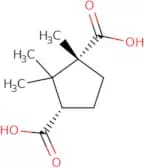
CAS:<p>D-(+)-Camphoric acid is a chiral compound that has been synthesized and studied for its anticancer activity. It was found to be effective against cancer cells in the presence of metal cations, such as copper, nickel, and zinc. D-(+)-Camphoric acid can be used as a test compound to investigate the mechanism of action of drugs that target the lysosomal membrane. It is also useful in determining homochirality by x-ray diffraction studies. This compound has been shown to have an adsorption kinetic behaviour that is dependent on pH and ionic strength, which can be determined by luminescence experiments. D-(+)-Camphoric acid is an enantiopure chemical with a reaction time of 5 minutes at room temperature and is available in crystalline form. The crystal x-ray diffraction data for this compound has been published and it exhibits anticancer activity.</p>Formula:C10H16O4Color and Shape:White PowderMolecular weight:200.23 g/mol4'-(Trifluoromethyl)acetophenone
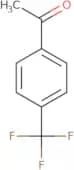
CAS:<p>4'-(Trifluoromethyl)acetophenone is a phosphatase inhibitor that has been shown to have inhibitory activity against chemokines. Chemokines are a type of cytokine that are secreted by immune cells and play an important role in inflammation. 4'-(Trifluoromethyl)acetophenone has also been shown to have an effect on the cell membrane permeability of amines and 2-aminobenzyl alcohol, which are substrates for the enzyme. 4'-(Trifluoromethyl)acetophenone reacts with imidazole derivatives, such as trifluoride, forming hydrogen bonds between the two molecules. Kinetic studies have demonstrated that this reaction is reversible in solution at room temperature.</p>Formula:C9H7F3OPurity:Min. 95%Color and Shape:PowderMolecular weight:188.15 g/molRiboflavin 5'-phosphate sodium
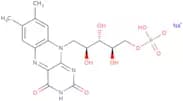
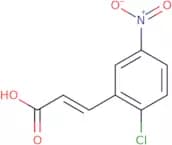
CAS:<p>Riboflavin 5'-phosphate sodium (RB5P) is a form of riboflavin that is used as a co-substrate for the synthesis of other riboflavin-containing compounds. RB5P is an important component in biochemical research, wastewater treatment, and neurodegenerative diseases. The monosodium salt has been shown to be a useful model system for studying the biochemical properties of riboflavin. In vitro studies have shown that RB5P can be used to measure the transfer reactions between nucleotide diphosphates, such as ATP and GTP. RB5P has been used to study the structural analysis and thermodynamic data of dinucleotide phosphate.</p>Formula:C17H20N4NaO9PPurity:73.00 To 79.00%Color and Shape:Yellow Orange PowderMolecular weight:478.33 g/mol2-Chloro-5-nitrocinnamic acid
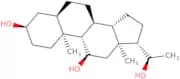
CAS:<p>2-Chloro-5-nitrocinnamic acid is a plant growth regulator that inhibits the root development of plants by interfering with the synthesis of 3-chlorocinnamic acid, which is a precursor in the biosynthesis of lignin. 2-Chloro-5-nitrocinnamic acid inhibits the enzyme cinnamoyl CoA reductase, which catalyzes the first step in this biosynthetic pathway. This compound also has shown to be a strong inhibitor of ester derivatives and pesticides, such as carbaryl and dichlorvos.</p>Formula:C9H6ClNO4Purity:Min. 95%Color and Shape:PowderMolecular weight:227.6 g/mol5β-Pregnane-3α,11α,20β-triol
CAS:Controlled Product<p>5-b-Pregnan-3-a,11-a-,20-b-triol is a high quality research chemical with CAS No. 55647-22-8. It is a complex compound that can be used as an intermediate in the synthesis of other compounds. 5-b-Pregnan-3-a,11-a-,20-b-triol is a speciality chemical that has many uses and is also a versatile building block for synthesis. This reagent can be used to create new compounds or to react in different ways with other chemicals to produce useful scaffolds or building blocks for reactions. 5 b pregna 3 a, 11 a, 20 b triol has been shown to have the ability to react with other chemicals in order to form useful reaction components.</p>Formula:C21H36O3Purity:Min. 95%Color and Shape:PowderMolecular weight:336.51 g/molc2'-Chloro-2-(4-nitrophenyl)cinnamonitrile
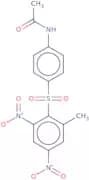
CAS:C2'-Chloro-2-(4-nitrophenyl)cinnamonitrile is a fine chemical that is used as a reagent and building block in the synthesis of other compounds. C2'-Chloro-2-(4-nitrophenyl)cinnamonitrile has been shown to react with various reagents to form useful intermediates and speciality chemicals. It can be used as a versatile building block in the synthesis of complex compounds.Formula:C27H46O2Purity:Min. 95%Color and Shape:PowderMolecular weight:402.65 g/mol4-Acetamido-2',4'-dinitro-5'-methyldiphenyl sulphone
CAS:4-Acetamido-2',4'-dinitro-5'-methyldiphenyl sulphone is a high quality, versatile building block that is used as a reagent and complex intermediate. It can be used in the production of speciality chemicals, research chemicals and fine chemicals. 4-Acetamido-2',4'-dinitro-5'-methyldiphenyl sulphone is also a useful scaffold for the construction of new chemical compounds. This compound has been shown to be a reaction component in organic synthesis reactions.Formula:C15H13N3O7SPurity:Min. 95%Color and Shape:Solid.Molecular weight:379.35 g/mol2',5'-Dichloroacetophenone
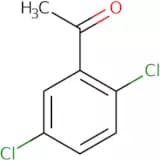
CAS:<p>2',5'-Dichloroacetophenone is a synthetic chemical that is used as an intermediate in the production of other chemicals. It reacts with hydrochloric acid to form 2',5'-dichloroacetophenone hydrochloride, which can be reacted with chloride to form 2-(2-chloroethyl)adiponitrile. This compound is then acylated with an organic solvent and phosphorus pentoxide to produce phosphoramidochloridite esters. These compounds are used in the synthesis of chiral compounds, such as antibiotics and anti-cancer agents. The reaction process uses hydrogen chloride gas as a reagent and produces environmental pollution, such as chlorinated hydrocarbons and dioxins.</p>Formula:C8H6Cl2OPurity:Min. 95%Color and Shape:Clear LiquidMolecular weight:189.04 g/mol2-Nitrophenethylamine hydrochloride
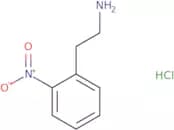
CAS:Controlled Product2-Nitrophenethylamine hydrochloride is a fine chemical that is useful as a versatile building block. It can be used as a reaction component, or in the synthesis of other chemicals. 2-Nitrophenethylamine hydrochloride has CAS No. 861337-74-8 and is a complex compound with many possible uses, including as a research chemical or speciality chemical. As an intermediate for other compounds, it can be used to produce high quality reagents and products.Formula:C8H11ClN2O2Purity:Min. 95 Area-%Color and Shape:PowderMolecular weight:202.64 g/mol6-Chloro-7-hydroxycoumarin
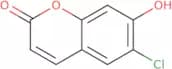
CAS:6-Chloro-7-hydroxycoumarin is a fluorescent molecule that can be used for the diagnosis of bacterial infections. It has been shown to bind to the β-lactamase enzyme and show a fluorescence resonance with the acceptor molecule in biological studies. 6-Chloro-7-hydroxycoumarin has also been shown to have an inhibitory effect on the growth of organisms such as fungi, bacteria, and viruses, which may be due to its ability to inhibit protein synthesis and cell division through chemoenzymatic reactions. 6-Chloro-7-hydroxycoumarin also has antifungal activity against polygonum persulfate.Formula:C9H5ClO3Purity:Min. 95%Color and Shape:White To Off-White SolidMolecular weight:196.59 g/mol3-Amino-4-methoxybenzoic acid methyl ester
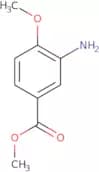
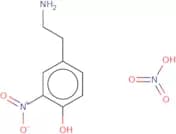
CAS:<p>3-Amino-4-methoxybenzoic acid methyl ester is a modified quinoline derivative that exhibits potent antioxidant activity. It has been shown to inhibit the activation of p38 kinase, which is a proinflammatory enzyme. This leads to decreased levels of inflammatory cytokines and chemokines. 3-Amino-4-methoxybenzoic acid methyl ester also has anti-cancer effects and can be used as an anti-cancer agent in the treatment of cancer, such as lung cancer. It induces apoptosis by inhibiting the synthesis of DNA and proteins. The synthesized drug has been shown to have a chiral center, making it a potential candidate for use in pharmaceuticals.</p>Formula:C9H11NO3Purity:Min. 95%Color and Shape:PowderMolecular weight:181.19 g/mol4-Hydroxy-3-nitrophenylethylamine nitrate
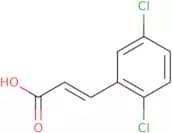
CAS:Controlled Product<p>4-Hydroxy-3-nitrophenylethylamine nitrate is a chemical that has been used as a reagent and reaction component. It can be used in the synthesis of complex compounds such as pharmaceuticals, agrochemicals, and high quality specialty chemicals. 4-Hydroxy-3-nitrophenylethylamine nitrate is an intermediate or building block for many organic syntheses due to its versatility. This compound has been shown to have a variety of useful applications including the production of antihistamines, anticonvulsants, antidepressants, antipsychotics, appetite suppressants, and decongestants.</p>Formula:C8H10N2O3•HNO3Purity:Min. 95%Color and Shape:PowderMolecular weight:245.19 g/mol2,5-Dichlorocinnamic acid
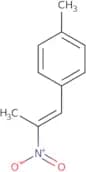
CAS:<p>2,5-Dichlorocinnamic acid is a chemical compound with the formula CHClCOCHCl. It is typically used as a reagent or building block in organic synthesis. 2,5-Dichlorocinnamic acid is an alpha-hydroxycarboxylic acid that exists in two tautomeric forms: the enol form (2,5-dichloro-3-oxopentanoic acid) and the keto form (2,5-dichlorohexanedioic acid). The enol form predominates at pH 7 and above. The keto form predominates at pH 1 and below.</p>Formula:C9H6Cl2O2Purity:Min. 95%Color and Shape:PowderMolecular weight:217.05 g/mol4-Methylphenylnitropropene
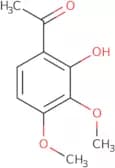
CAS:<p>4-Methylphenylnitropropene is a psychostimulant drug that has been shown to have a high binding affinity for dopamine transporters. It is also known to increase the level of dopamine in the synaptic cleft and can be used as a research tool for understanding the function of dopamine in neuronal synapses. 4-Methylphenylnitropropene has been shown to cause an increase in locomotor activity and is able to induce euphoria when administered to rats. This drug is not thought to cause any physical dependence, although it may lead to psychological dependence.</p>Formula:C10H11NO2Purity:Min. 95%Color and Shape:PowderMolecular weight:177.2 g/mol3,4-Dimethoxy-2-hydroxyacetophenone
CAS:3,4-Dimethoxy-2-hydroxyacetophenone is a natural product that has been shown to have significant activity against epidermoid carcinoma. The mechanism of action of 3,4-dimethoxy-2-hydroxyacetophenone is not fully understood but it has been shown to inhibit the growth of cancer cells through an unknown mechanism. This compound can be synthesized from coumarin derivatives and its fluorescence and cellular uptake are due to its flavonoid structure. 3,4-Dimethoxy-2-hydroxyacetophenone has also been shown to increase cisplatin sensitivity in nerve cells and has been used as a fluorescent probe for microscopy and magnetic resonance imaging (MRI).Formula:C10H12O4Purity:Min. 98 Area-%Color and Shape:PowderMolecular weight:196.2 g/mol4-Fluorocinnamaldehyde
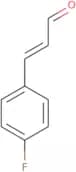
CAS:<p>4-Fluorocinnamaldehyde is a reactive molecule that can be used in the catalytic asymmetric synthesis of 4-fluoroalkylbenzenes, which are used as intermediates in the production of pharmaceuticals. It reacts with hydroxymethyl groups to form 4-fluoroalkylbenzene derivatives, which are substrates for asymmetric reactions. This compound has been shown to react with amines and thiols to form Michael acceptors and Michael donors respectively. The crystallographic data obtained from this molecule shows that it belongs to space group P2 and its crystal system is orthorhombic. It also has optical properties that make it suitable for use as an optical material or nanowires.</p>Formula:C9H7FOPurity:Min. 80%Color and Shape:Clear LiquidMolecular weight:150.15 g/mol1,3-Bis(4-fluorophenyl)urea
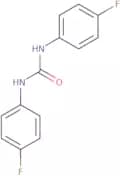
CAS:<p>1,3-Bis(4-fluorophenyl)urea is a crystalline solid that is soluble in organic solvents. It has been used as an intermediate in the synthesis of other compounds. 1,3-Bis(4-fluorophenyl)urea is an electron acceptor and can be used to produce diphenyl ethers. This compound has been synthesized using ethyl acetoacetate and anilines. It can be used to treat infectious diseases such as tuberculosis, where it inhibits protein synthesis and cell growth by disrupting the formation of bacterial DNA.</p>Formula:C13H10F2N2OPurity:Min. 98 Area-%Color and Shape:White Off-White PowderMolecular weight:248.23 g/molDihydro ferulic acid 4-O-sulfate sodium salt
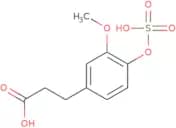
CAS:Dihydroferulic acid is a chlorogenic acid that has been shown to have anti-inflammatory properties in vitro and in vivo. Dihydroferulic acid has been shown to inhibit the production of pro-inflammatory cytokines, such as tumor necrosis factor alpha (TNF-α) and interleukin 10 (IL-10), in monocytic cells. This compound also inhibits the activation of toll-like receptor 4 (TLR4) and TLR2, which are receptors on immune cells that bind to bacterial lipopolysaccharides. Dihydroferulic acid has been found to be present in human urine samples, suggesting it is absorbed from dietary sources. It can also be found in wine and tea, where it may contribute to the positive health effects seen with these beverages. Protocatechuic acid is a phenolic compound with similar activity as dihydroferulic acid.Formula:C10H10Na2O7SPurity:Min. 95%Color and Shape:PowderMolecular weight:320.23 g/mol2N-Boc-2',2''-triaminotriethylamine-bis(chloroacetamide)
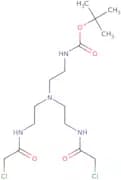
CAS:<p>2N-Boc-2',2''-triaminotriethylamine-bis(chloroacetamide) is a fine chemical and reagent for the synthesis of pharmaceuticals. It is also a useful building block for the synthesis of complex compounds. This product can be used as a reaction component in organic chemistry, or it can be used as a reagent in research or development laboratories.</p>Formula:C15H28Cl2N4O4Purity:Min. 95%Molecular weight:399.31 g/molAlbopilosin A
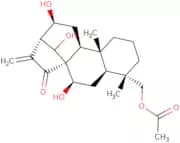
CAS:Albopilosin A is a chemical compound that is a reaction component, reagent, and useful scaffold. It is an intermediate in the synthesis of other compounds. Albopilosin A has been shown to be a useful building block for complex compounds. It has a CAS number of 151041-65-5 and is classified as a speciality chemical or research chemical.Formula:C22H32O6Purity:Min. 95%Molecular weight:392.49 g/molEosin B Spirit Soluble
CAS:<p>Eosin B is a chemical compound that is used as a dye in histology. It has been used in the past as an anti-fungal agent and can be activated by light, which makes it useful for photodynamic therapy treatments. Eosin B is also used in devices such as lasers and phototherapy lamps to activate tissue repair or destroy tissue.</p>Formula:C20H8Br2N2O9Purity:Min. 95%Color and Shape:PowderMolecular weight:580.09 g/mol6-(3-(Adamantan-1-yl)-4-methoxyphenyl)-2-naphthoic acid
CAS:Controlled ProductAgonist of retinoic acid receptors (RAR-? and RAR-?); pro-apoptoticFormula:C28H28O3Purity:Min. 95%Color and Shape:PowderMolecular weight:412.52 g/mol2-Fluoro-3-methylbenzoic acid methyl ester
CAS:<p>2-Fluoro-3-methylbenzoic acid methyl ester is a small molecule that has been shown to possess 5-HT3 receptor antagonist activity in the range of nanomolar potencies. This drug has also been shown to be orally active in mice. The physicochemical properties of 2-fluoro-3-methylbenzoic acid methyl ester include a melting point of 155.5° C, solubility in methanol and acetone, and a molecular weight of 168.2 g/mol.<br>2-Fluoro-3-methylbenzoic acid methyl ester is being developed as a targeted agent for the treatment of bowel syndrome, which is characterized by abdominal pain, nausea and diarrhea.</p>Formula:C9H9FO2Purity:Min. 95%Color and Shape:Clear LiquidMolecular weight:168.16 g/mol3-Methyl-2-nitrophenol
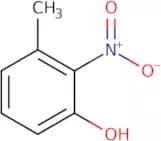
CAS:<p>3-Methyl-2-nitrophenol is a hydroxy group that contains a reactive methylene group. It has been shown to be formed by the reaction of nitric acid with alcohols or amines. The rate of formation is influenced by the steric interactions and intramolecular hydrogen bonds present in the reactants. 3-Methyl-2-nitrophenol can react with other molecules to form various reaction products, such as 2-methylphenol, nitrobenzene, and picric acid. 3-Methyl-2-nitrophenol also has phytotoxic properties, which may be due to its ability to inhibit root growth and chlorophyll production in plants.</p>Formula:C7H7NO3Purity:Min. 95%Molecular weight:153.14 g/mol(-)-Borneol
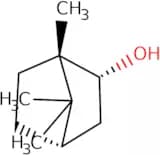
CAS:Controlled Product<p>(-)-Borneol is a monoterpenoid that is found in plants such as Angelica Dahurica, Salvia Miltiorrhiza, and Rhizoma Gastrodiae. (-)-Borneol has been shown to inhibit the activity of complex enzymes such as fructosyltransferase, which is involved in the synthesis of fructose-1,6-bisphosphate. This compound also displays significant cytotoxicity against cancer cells and induces apoptosis by inhibiting DNA binding activity. (-)-Borneol also has anti-inflammatory properties and can be used for the treatment of inflammatory diseases such as asthma. It inhibits prostaglandin synthesis by blocking cyclooxygenases (COX). Experimental studies have shown that borneol can inhibit the growth of Mycobacterium tuberculosis and Mycobacterium avium complex.</p>Formula:C10H18OPurity:Min. 95%Color and Shape:PowderMolecular weight:154.25 g/mol2'-Fluoro acetophenone
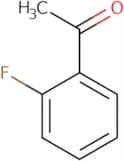
CAS:2'-Fluoro acetophenone is a chiral compound that can be used as an organic overlayer to control the enantiomeric purity of organic reactions. The cavity in the molecule provides an electronic interaction that stabilizes the radical form of 2'-fluoroacetophenone. This cavity also allows for hydrogenation reactions to occur more quickly and with less byproduct formation than other types of reactions. Additionally, this reaction occurs at a lower temperature than most other reactions, making it optimal for industrial production.Formula:C8H7FOPurity:Min. 95%Color and Shape:Clear LiquidMolecular weight:138.14 g/molN-Acetyl-L-methionine
CAS:N-Acetyl-L-methionine is a form of the amino acid methionine. It is an intermediate in the conversion of L-methionine to S-adenosylmethionine, which is involved in methylation reactions in cells. N-Acetyl-L-methionine has been shown to be effective against nitrite ion, a reactive nitrogen species that causes oxidative stress and damage to DNA, RNA, and proteins. It also has been shown to have biological properties for the prevention of ischemia reperfusion injury following cardiac arrest and liver transplantation. N-acetyl-L-methionine may also have benefits for individuals with high body mass index or rats with liver microsomes.Formula:C7H13NO3SPurity:Min. 95%Color and Shape:White PowderMolecular weight:191.25 g/molValeric acid sodium
CAS:<p>Valeric acid sodium salt is a fatty acid that has been shown to inhibit bacterial growth in the presence of epidermal growth factor and sodium salts. Valeric acid sodium salt is used as an antiseptic in topical formulations and as a preservative for pharmaceuticals. Valeric acid sodium salt also inhibits HIV infection by inhibiting the binding of HIV to its receptor, which prevents the virus from entering cells.</p>Formula:C5H10O2•NaPurity:Min. 95%Color and Shape:PowderMolecular weight:125.12 g/mol2-Naphthaldehyde oxime
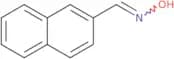
CAS:<p>2-Naphthaldehyde oxime is a reactive aldoxime that can be used as an oxidant in organic chemistry. It is able to increase the rate of hydrolysis by acid catalysts, and has been shown to cause biomolecular damage due to its ability to react with functional groups such as amines and alcohols. 2-Naphthaldehyde oxime reacts with silicon, styrene, and polystyrene. The reaction produces carbon dioxide, hydrogen, and water. This product also has the capability of solvating organic compounds through the use of water molecules. Hypervalent oxidation reactions may occur with 2-naphthaldehyde oxime due to its ability to form multiple bonds with oxygen atoms.</p>Formula:C11H9NOPurity:Min. 95%Color and Shape:PowderMolecular weight:171.2 g/mol(-)-Corey lactone benzoate
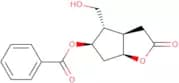
CAS:(-)-Corey lactone benzoate is a compound that was synthesized from a reaction between a primary alcohol and an acylating agent. It has been shown that (-)-Corey lactone benzoate can be used to synthesize the drug clofazimine, which is an anti-tuberculosis drug. The reaction system contains a constant pressure, organic solvent, and anhydrous conditions. (-)-Corey lactone benzoate is produced as a white solid with a melting point of 167 °C. It has been found to be impure and contain chloride and other impurities that are difficult to remove.Formula:C15H16O5Purity:Min. 95 Area-%Color and Shape:White Off-White PowderMolecular weight:276.28 g/molMevastatin
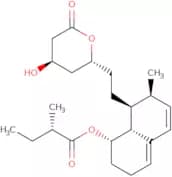
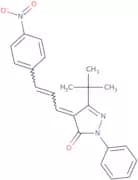
CAS:<p>Mevastatin is a drug that inhibits the synthesis of cholesterol and has been used to treat hypercholesterolemia. It binds to the hydroxyl group at position 3 on the mevalonate molecule, which prevents the formation of 3-hydroxy-3-methylglutaryl coenzyme A (HMG CoA) and consequently reduces the production of cholesterol. Mevastatin has been shown to inhibit mitochondrial functions in wild-type strain yeast cells and myeloma cell lines, which may be due to receptor activity. In addition, it has been shown to induce neuronal death in a polymerase chain reaction assay by inhibiting DNA synthesis.</p>Formula:C23H34O5Purity:Min. 95%Color and Shape:PowderMolecular weight:390.51 g/mol3-(tert-butyl)-4-(3-(4-nitrophenyl)prop-2-enylidene)-1-phenyl-2-pyrazolin-5-one
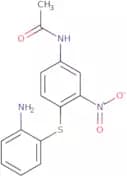
CAS:<p>Please enquire for more information about 3-(tert-butyl)-4-(3-(4-nitrophenyl)prop-2-enylidene)-1-phenyl-2-pyrazolin-5-one including the price, delivery time and more detailed product information at the technical inquiry form on this page</p>Purity:Min. 95%4-Acetamido-2'-amino-2-nitrophenyl sulphide
CAS:4-Acetamido-2'-amino-2-nitrophenyl sulphide is a versatile building block that is used as a reagent, speciality chemical, and useful scaffold. It is a complex compound with CAS No. 1017060-37-5. This compound has been shown to be useful in the synthesis of fine chemicals and other research chemicals. 4-Acetamido-2'-amino-2-nitrophenyl sulphide can also be used as an intermediate in reactions or as a reaction component, making it an important building block for high quality compounds.Formula:C14H13N3O3SPurity:Min. 95%Color and Shape:PowderMolecular weight:303.34 g/mol2'-Hydroxy-3-nitrochalcone
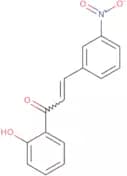
CAS:<p>2'-Hydroxy-3-nitrochalcone is a yellow crystalline solid that has been shown to have an antiviral effect against HIV and herpes simplex virus. The crystal structure of 2'-hydroxy-3-nitrochalcone has been determined using x-ray crystallography. The compound is structurally similar to other antiviral agents, such as acyclovir, valacyclovir, and penciclovir.<br>2'-Hydroxy-3-nitrochalcone inhibits the viral DNA polymerase by competing with the nucleotide cofactor at the enzyme active site. This leads to a reduction in viral DNA synthesis and an inhibition of cell proliferation.</p>Formula:C15H11NO4Purity:Min. 95%Color and Shape:PowderMolecular weight:269.25 g/mol6-Bromo-naphthalen-2-ylamine
CAS:<p>6-Bromo-naphthalen-2-ylamine is a chromophore that has been used for the development of novel imaging techniques. This compound has been shown to have synaptic properties and can be used in the study of neurodegenerative diseases. It has also been shown to be an anticancer drug, with staining properties that are useful for the identification of motoneurons. 6-Bromo-naphthalen-2-ylamine is also useful as a fluorescent probe for studies of mechanisms of reaction yield and optical properties.</p>Formula:C10H8BrNPurity:Min. 98%Color and Shape:PowderMolecular weight:222.08 g/molNaphthol AS-BI-phosphate
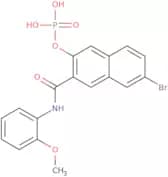
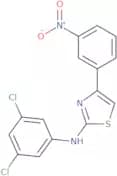
CAS:<p>Fluorogenic substrate for phosphatase, e.g type 5 TRAP 12</p>Formula:C18H15BrNO6PColor and Shape:PowderMolecular weight:452.19 g/mol(3,5-dichlorophenyl)(4-(3-nitrophenyl)(2,5-thiazolyl))amine
CAS:Please enquire for more information about (3,5-dichlorophenyl)(4-(3-nitrophenyl)(2,5-thiazolyl))amine including the price, delivery time and more detailed product information at the technical inquiry form on this pagePurity:Min. 95%Cinnamaldehyde
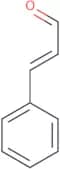
CAS:<p>Cinnamaldehyde is an aldehyde that occurs naturally in plants such as cinnamon, apples, and cumin. It is used as a flavoring agent for foods and beverages, as well as in perfumes. Cinnamaldehyde has been shown to have minimal toxicity and minimal mutagenic or carcinogenic potential. This compound has been shown to exhibit antimicrobial activity against bacteria by inhibition of bacterial cell growth through inhibition of the synthesis of proteins essential for cell division. Cinnamaldehyde also exhibits anti-inflammatory properties by inhibiting prostaglandin synthesis. The antimicrobial effects of cinnamaldehyde are due to its ability to bind to the enzyme alcohol dehydrogenase, which prevents the conversion of alcohols into aldehydes. Cinnamaldehyde can be found in many natural compounds such as cinnamic acid and eugenol.</p>Formula:C6H5CHCHCHOPurity:Min. 95%Color and Shape:Colorless Clear LiquidMolecular weight:132.16 g/molAspidosine hydrobromide
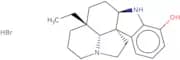
CAS:Controlled Product<p>Aspidosine hydrobromide is a fine chemical that is used as an intermediate for synthesis of other compounds. The CAS number for this compound is 206196-96-5. This compound can be used as a building block to synthesize more complex compounds, and it has been shown to be useful in the preparation of research chemicals and reaction components. Aspidosine hydrobromide has been shown to have high quality, making it a sought after reagent and speciality chemical. This compound has a versatile scaffold, which makes it useful as a building block in the synthesis of other compounds.</p>Formula:C19H26N2O•BrHPurity:Min. 95%Molecular weight:379.33 g/mol(E)-3-[3'-(4''-fluorophenyl)-1'-(1''-methylethyl)-1H-indol-2''-yl]-2-propnal
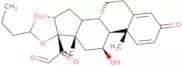
CAS:<p>(E)-3-[3'-(4''-Fluorophenyl)-1'-(1''-methylethyl)-1H-indol-2''-yl]-2-propnal is an amoebicidal agent that belongs to the class of indole derivatives. It has been shown to inhibit tumor growth in animal models, and thus may be a potential anti-cancer drug. The activity index of (E)-3-[3'-(4''-fluorophenyl)-1'-(1''-methylethyl)-1H-indol-2''-yl]-2-propnal was significantly lower than those of fenoldopam, a well known antihypertensive agent, for the treatment of liver cancer. The compound also inhibits the growth of bacteria by inhibiting protein synthesis in organisms such as amoeba.</p>Formula:C20H18FNOPurity:Min. 95%Color and Shape:Yellow PowderMolecular weight:307.36 g/mol21-Dehydro budesonide
CAS:Controlled Product<p>21-Dehydro budesonide is a drug that is used to treat intraocular pressure in patients with glaucoma. It is a biodegradable implant that can be inserted into the eye to lower intraocular pressure. Research has shown that 21-Dehydro budesonide reduces intraocular pressure. The drug has been found to be effective in patients who have not responded well to other treatments, such as surgery or topical medicines.</p>Formula:C25H32O6Purity:Min. 94 Area-%Color and Shape:White PowderMolecular weight:428.52 g/mol2-Propylglutaric acid
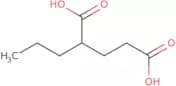
CAS:<p>2-Propylglutaric acid (2PGA) is a metabolic byproduct of the metabolism of branched chain amino acids. It is found in urine samples and has been shown to cause liver lesions in rats. 2PGA is metabolized to propionic acid, which can be detected in urine as a marker for renal dysfunction. 2PGA also increases gamma-aminobutyric acid levels in the brain and may have an effect on GABAergic neurotransmission. The elimination rate of 2PGA is slower than that of propionic acid, which means that it persists longer in the body than other metabolites. This chemical ionization technique can be used to measure the concentration of 2PGA and other fatty acids in biological fluids.</p>Formula:C8H14O4Purity:Min. 95%Color and Shape:PowderMolecular weight:174.19 g/mol2-Bromo-6-nicotinic acid methyl ester
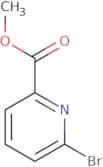
CAS:<p>2-Bromo-6-nicotinic acid methyl ester is a monomer that is used in vivo as a reactive probe. It undergoes a thermally induced reaction with sodium carbonate to form picolinic acid and 2,6-dibromonicotinic acid. The picolinic acid can be converted to its fluorescent analog, which has been shown to be useful for the detection of tumors in mice. This compound also reacts with metal ions such as copper and zinc, which allows it to act as a ligand for metal complexes.</p>Formula:C7H6BrNO2Purity:Min. 95%Color and Shape:PowderMolecular weight:216.03 g/mol3,3',5-Triiodo thyroacetic acid
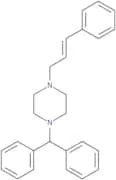
CAS:<p>3,3',5-Triiodo thyroacetic acid is a synthetic thyroid hormone that acts as a thyroid hormone receptor agonist. It binds to the thyroid hormone receptor, leading to the activation of other transcription factors and increased synthesis of proteins. 3,3',5-Triiodo thyroacetic acid has been shown to increase the metabolic rate in rats by increasing the expression of epidermal growth factor in skin cells and signal transduction in nerve cells. This drug also causes an increase in transcriptional regulation and protein synthesis. 3,3',5-Triiodo thyroacetic acid does not have any known side effects or toxicity.</p>Formula:C14H9I3O4Purity:Min. 95%Color and Shape:White Off-White PowderMolecular weight:621.93 g/mol1-trans-Cinnamyl-4-diphenylmethylpiperazine
CAS:Calcium channel blocker; piperazine derivativeFormula:C26H28N2Purity:Min. 95%Color and Shape:White PowderMolecular weight:368.51 g/mol






![(E)-3-[3'-(4''-fluorophenyl)-1'-(1''-methylethyl)-1H-indol-2''-yl]-2-propnal](/_next/image/?url=https%3A%2Fstatic.cymitquimica.com%2Fproducts%2F3D%2Fthumb-webp%2FFF37514.webp&w=3840&q=75)