Pharmaceutical Standards
Pharmaceutical standards are a comprehensive set of reference materials essential for ensuring the safety, efficacy, and quality of pharmaceutical products. This category includes standards for active pharmaceutical ingredients (APIs), which are the core components responsible for therapeutic effects. Additionally, it covers compounds and metabolites relevant to both the pharmaceutical and veterinary industries, providing benchmarks for the accurate measurement and analysis of these substances. Nitrosamine control standards are crucial for detecting and mitigating potentially harmful nitrosamines in drug formulations. Toxicology standards help assess the safety and potential adverse effects of pharmaceutical compounds. Furthermore, enzyme activators and inhibitors standards are vital for research and development, enabling precise studies of biochemical pathways and drug mechanisms. These pharmaceutical standards are indispensable tools for regulatory compliance, quality control, and research, ensuring that pharmaceutical products meet stringent safety and effectiveness criteria.
Subcategories of "Pharmaceutical Standards"
- APIs for research and impurities(274,905 products)
- Enzyme Activators and Inhibitors(2,827 products)
- Nitrosamines(2,605 products)
- Pharmaceutical and Veterinary Compounds and Metabolites(2,871 products)
- Toxicology(13,652 products)
Found 7836 products of "Pharmaceutical Standards"
Sort by
Purity (%)
0
100
|
0
|
50
|
90
|
95
|
100
2-bromo-6-fluoronaphthalene
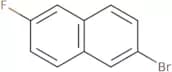
CAS:<p>2-bromo-6-fluoronaphthalene is a molecule that has been shown to be a good electron donor in organic solar cells. It is also an analgesic and antinociceptive agent. 2-Bromo-6-fluoronaphthalene has shown to have antiinflammatory effects and inhibit the production of prostaglandins, which are chemical messengers that induce inflammation. The molecular structure of 2-bromo-6-fluoronaphthalene consists of two bromine atoms attached to two naphthalene rings. The bromine atoms provide strong electron donating properties and the naphthalene rings provide stability for the molecule.</p>Formula:C10H6BrFPurity:Min. 95%Molecular weight:225.06 g/molε-Carotene
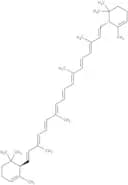
CAS:Epsilon-Carotene is a carotenoid that is found in plants. It is synthesized from beta-carotene through the action of enzymes called beta-carotene ketolases. Epsilon-Carotene can be cleaved by enzymes to produce lycopene and beta-cryptoxanthin. The biosynthesis of Epsilon-Carotene has been studied in a number of clinical studies, including the effect on human tissues and the prevention of cancer. Epsilon-Carotene has also been shown to have anti-inflammatory properties, which may be due to its ability to inhibit prostaglandin synthesis.Formula:C40H56Purity:Min. 95%Molecular weight:536.87 g/molMethyl-1-naphthalenemethylamine
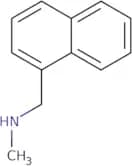
CAS:Methyl-1-naphthalenemethylamine is a synthetic drug that is used as an anti-fungal agent. It is used to treat dermatophytosis and onychomycosis caused by Trichophyton mentagrophytes. Methyl-1-naphthalenemethylamine has been shown to have a clinical response in patients with the skin condition tinea pedis. This drug inhibits the growth of fungi by inhibiting cell membrane synthesis, which leads to cell death. Methyl-1-naphthalenemethylamine has been shown to be effective against Trichophyton mentagrophytes in plasma samples from patients with tinea pedis who were treated with this drug. The effectiveness of this drug may be due to its ability to inhibit the synthesis of polysaccharides, proteins, and lipids in the fungal cell membrane, or its ability to inhibit protein synthesis by binding with ribosFormula:C12H13NPurity:Min. 95%Color and Shape:Clear LiquidMolecular weight:171.24 g/mol5-Bromo-1H-indole-2-carboxylic acid methyl ester
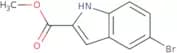
CAS:<p>5-Bromo-1H-indole-2-carboxylic acid methyl ester is a drug that belongs to the class of carboxylates. It has been shown to inhibit the growth of tumor cells in vitro and in vivo. The antitumor activity of this compound may be due to its ability to stabilize planar indole moieties, which are cytotoxic. 5-Bromo-1H-indole-2-carboxylic acid methyl ester interacts with other molecules through intermolecular interactions and can form an indole ring system that has a trifluoromethyl group and a carboxylate group in its structure.</p>Formula:C10H8BrNO2Purity:Min. 95%Molecular weight:254.08 g/molNardosinone
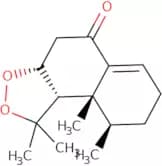
CAS:Controlled ProductNardosinone is a secoiridoid compound, which is a natural product derived from the roots of the plant Nardostachys jatamansi, commonly known as spikenard. The source of Nardosinone is a flowering plant that is native to the Himalayan region and has been traditionally used in Ayurvedic medicine for its therapeutic properties. The mode of action of Nardosinone involves modulation of neurotransmitter systems, inhibition of neuroinflammation, and protection against oxidative damage, contributing to its neuroprotective effects. Nardosinone exhibits potential applications in the treatment of neurodegenerative disorders, such as Alzheimer's disease and Parkinson's disease, due to its ability to improve cognitive function and mitigate neuronal damage. Additionally, it is being investigated for its potential role in mood regulation and anti-anxiety effects. Given its intriguing pharmacological profile, Nardosinone is the subject of ongoing research aimed at understanding its comprehensive mechanisms and potential therapeutic benefits in neuroscience.Formula:C15H22O3Purity:Min. 95%Color and Shape:SolidMolecular weight:250.33 g/molCodeine-D3 solution
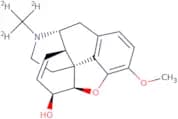
CAS:Controlled Product<p>Please enquire for more information about Codeine-D3 solution including the price, delivery time and more detailed product information at the technical inquiry form on this page</p>Purity:Min. 95%Amoxicillin trihydrate impurity B
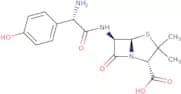
CAS:<p>Amoxicillin trihydrate impurity B is an impurity of amoxicillin trihydrate, a penicillin antibiotic. Impurities are substances that are not intentionally added to the drug and may be formed during the manufacturing process. Impurities can affect the quality and safety of drugs, although their presence does not necessarily indicate a problem with the drug. Impurities in amoxicillin trihydrate include clavulanate potassium (impurity A) and heptane-2-carboxylic acid (impurity C). Impurity A is present in small quantities, typically less than 1% of the total amount of amoxicillin trihydrate. Impurity C is present in larger quantities and can make up to 10% of the total amount of amoxicillin trihydrate.</p>Formula:C16H19N3O5SPurity:Min. 95%Molecular weight:365.41 g/molDibutyltin dilaurate
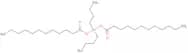
CAS:<p>Dibutyltin dilaurate is a chemical substance that is used as a stabilizer in polyvinyl chloride (PVC) and polyurethane. It has been shown to react with potassium dichromate, methyl ethyl ketone, and plasma mass spectrometry. Dibutyltin dilaurate is not acutely toxic, but can be hazardous when exposed to high levels of it over a long period of time. The main route of exposure is through inhalation of the vapor or skin contact with the liquid form. In animal studies, dibutyltin dilaurate has been shown to cause liver damage and kidney toxicity.</p>Formula:C32H64O4SnPurity:Min. 95 Vol-%Molecular weight:631.56 g/mol9-Chloro-11beta,17,21-trihydroxy-16beta-methylpregna-1,4-diene-3,20-dione 17-valerate
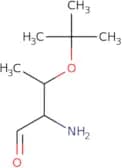
CAS:Controlled Product<p>Prednisolone is a synthetic corticosteroid that is used in the treatment of a number of lung diseases, including asthma. Prednisolone is used to decrease the inflammation and swelling around the airways and lungs. Prednisolone is used to treat certain skin conditions, such as eczema and dermatitis. This drug also decreases the activity of the immune system by inhibiting production of substances that cause inflammation. The onset of action for prednisolone is typically one day with a duration of up to two weeks. It has been shown to be more effective when taken orally than when applied topically. It may be taken with or without food and can be given as an oral or an intravenous dose. Prednisolone tablets must be dissolved in water before they are placed under the tongue (sublingual). The tablets will dissolve quickly under the tongue, releasing prednisolone into your bloodstream. Enteric-coated tablets should not be crushed or chewed</p>Formula:C27H37ClO6Purity:Min. 95%Molecular weight:493.03 g/molO-tert-Butyl-L-threonine 2-chlorotrityl resin
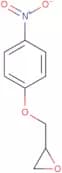
<p>Please enquire for more information about O-tert-Butyl-L-threonine 2-chlorotrityl resin including the price, delivery time and more detailed product information at the technical inquiry form on this page</p>Purity:Min. 95%1,2-Epoxy-3-(4-nitrophenoxy)propane
CAS:<p>1,2-Epoxy-3-(4-nitrophenoxy)propane is an epoxide that is a reactive intermediate that participates in a number of reactions, including the formation of disulfide bonds. It has been shown to have genotoxic effects and to be toxic to polymorphonuclear leucocytes. The compound can also inhibit detoxification enzymes, which may make it useful as a biomarker for environmental exposure to xenobiotics. 1,2-Epoxy-3-(4-nitrophenoxy)propane has also been shown to be a potential anti-cancer agent in gene therapy studies. This compound inhibits energy metabolism by inhibiting the enzyme glyceraldehyde 3 phosphate dehydrogenase (GAPDH).</p>Formula:C9H9NO4Purity:Min. 95%Molecular weight:195.17 g/molIlexsaponin A1
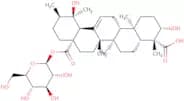
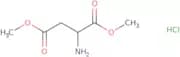
CAS:Ilexsaponin A1 is a natural saponin compound, which is derived from the plant Ilex pubescens. As a bioactive compound, it possesses a characteristic glycoside structure that facilitates its interaction with biological membranes. The mode of action of Ilexsaponin A1 involves modulating inflammatory pathways, likely through the inhibition of pro-inflammatory cytokine production and the suppression of related signaling cascades.Purity:Min. 95%DL-Aspartic acid dimethyl ester hydrochloride
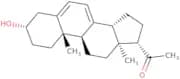
CAS:Please enquire for more information about DL-Aspartic acid dimethyl ester hydrochloride including the price, delivery time and more detailed product information at the technical inquiry form on this pageFormula:C6H11NO4·HClPurity:Min. 95%Color and Shape:White PowderMolecular weight:197.62 g/mol(3b,9b,10a)-3-Hydroxy-pregna-5,7-dien-20-one
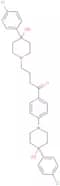
CAS:Controlled Product<p>Please enquire for more information about (3b,9b,10a)-3-Hydroxy-pregna-5,7-dien-20-one including the price, delivery time and more detailed product information at the technical inquiry form on this page</p>Formula:C21H30O2Purity:Min. 95%Molecular weight:314.46 g/molHaloperidol Impurity D
CAS:<p>Please enquire for more information about Haloperidol Impurity D including the price, delivery time and more detailed product information at the technical inquiry form on this page</p>Formula:C32H36Cl2N2O3Purity:Min. 95%Molecular weight:567.55 g/molFmoc-(S)-3-amino-3-(2-naphthyl)propionic acid
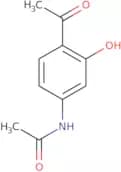
CAS:<p>Please enquire for more information about Fmoc-(S)-3-amino-3-(2-naphthyl)propionic acid including the price, delivery time and more detailed product information at the technical inquiry form on this page</p>Formula:C28H23NO4Purity:Min. 95%Molecular weight:437.49 g/mol4'-Acetamido-2'-hydroxyacetophenone
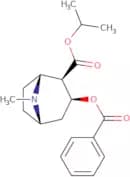
CAS:An acetophenone analogueFormula:C10H11NO3Purity:Min. 95%Molecular weight:193.2 g/molBenzoyl ecgonine isopropyl ester
CAS:Controlled ProductBenzoyl ecgonine isopropyl ester is an analytical toxicology procedure that is used to identify the presence of cocaine in biological samples. The sample preparation involves homogenizing the sample, extracting it with solvents, and evaporating the solvent. Benzoyl ecgonine isopropyl ester is then incubated at room temperature for 15 minutes before adding a solution of hydrochloric acid and potassium dichromate. A color change from yellow to orange indicates the presence of cocaine. This test can be performed on either whole blood or plasma samples and can also be used to detect other drugs such as amphetamines, barbiturates, benzodiazepines, and opiates.Formula:C19H25NO4Purity:Min. 95%Molecular weight:331.41 g/molErythropoietin - lyophilized powder
CAS:Erythropoietin is a hormone that stimulates the production of red blood cells, and is used for patients with anemia. It is a recombinant human erythropoietin (rhEPO) that has been produced by genetic engineering. Erythropoietin binds to receptors on the surface of many types of cells, including those in the bone marrow. This binding stimulates the production of red blood cells from precursor cells in the bone marrow, and increases oxygen-carrying capacity in blood. The half-life of erythropoietin is approximately 36 hours. This drug also can be used to reduce high blood pressure and improve responsiveness to other drugs that are given intravenously. Erythropoietin can cause an increase in asialoglycoprotein levels in serum, which may be due to its effects on hepatocytes or erythrocytes.Purity:(Capillary Zone Electrophoresis) Min. 98.0%9-Fluoro-11b,21-dihydroxy-16a-methylpregna-1,4-diene-3,20-dione
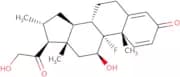
CAS:Controlled Product9-Fluoro-11b,21-dihydroxy-16a-methylpregna-1,4-diene-3,20-dione is a potent antiandrogen that is used to treat alopecia areata and other skin disorders. 9-Fluoro-11b,21-dihydroxy-16a-methylpregna-1,4-diene-3,20-dione has been shown to have an inhibitory effect on the growth of skin tumors in mice. This drug also has a protective effect against chemical stability. It binds to fatty acids and epidermal growth factor (EGF), which may be related to its ability to regulate transcriptional processes and inflammatory skin diseases.Formula:C22H29FO4Purity:Min. 95%Molecular weight:376.46 g/mol