Pharmaceutical Standards
Subcategories of "Pharmaceutical Standards"
- APIs for research and impurities(277,446 products)
- Enzyme Activators and Inhibitors(2,829 products)
- Nitrosamines(2,668 products)
- Pharmaceutical and Veterinary Compounds and Metabolites(2,891 products)
- Toxicology(13,339 products)
Found 8162 products of "Pharmaceutical Standards"
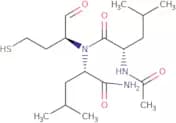
N-Acetyl-L-leucyl-L-leucyl-L-methioninal
CAS:Inhibitor of cathepsinFormula:C19H35N3O4SPurity:Min. 95%Molecular weight:401.57 g/molRef: 3D-FA137466
Discontinued productR-(-)-Apocodeine hydrochloride
CAS:Controlled ProductApocodeine hydrochloride is a natural product that is used in the treatment of cancer. It has been shown to have antiproliferative effects on cho-k1 cells, which are human colon carcinoma cells. Apocodeine hydrochloride also inhibits the production of dopamine in rat brain and has been shown to inhibit bromocriptine-induced prolactin release from rat pituitary cells in vitro. Apocodeine hydrochloride has been extensively studied in epidemiological studies and has been found to be effective against cancer, with no adverse side effects.
Formula:C18H20ClNO2Purity:Min. 95%Color and Shape:PowderMolecular weight:317.81 g/molRef: 3D-FA17953
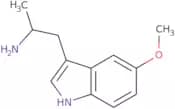
Discontinued producta,O-Dimethyl serotonin
CAS:Controlled Producta,O-Dimethyl serotonin is a monoamine compound that is synthesized by the enzymatic decarboxylation of 5-hydroxytryptophan. It has been shown to increase dopamine levels and inhibit the enzyme activity of serotonin in mice. This drug also binds to 5-ht2 receptors and induces the release of serotonin from nerve cells. A linear calibration curve was obtained using bufotenin as a standard. This drug has been used in analytical toxicology for determining the uptake of serotonin into human lung tissue and its effect on 5-ht1a receptors. In addition, a study was conducted with perennial ryegrass to determine whether this drug inhibits plant toxin synthesis. The results showed that it did not have an inhibitory effect on plant toxins and may even promote their synthesis.
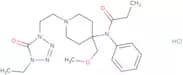
Formula:C12H16N2OPurity:Min. 95%Molecular weight:204.27 g/molAlfentanil hydrochloride
CAS:Controlled ProductAlfentanil is an opioid analgesic that is used for the treatment of severe or acute pain. It is a potent synthetic analog of fentanyl, which is an opioid analgesic that is used for the treatment of short-term (acute) and long-term (chronic) pain. Alfentanil has been shown to have a high affinity for α1-acid glycoprotein, which has been associated with drug interactions and blood sampling. Alfentanil also has chemical stability in experimental models and does not interact with nonsteroidal anti-inflammatory drugs. This drug may have a matrix effect on the concentration of cortisol in the blood.
Formula:C21H33ClN6O3Purity:Min. 95%Molecular weight:452.98 g/molRef: 3D-FA17276
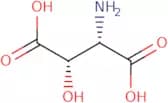
Discontinued productD,L-Threo-b-hydroxy aspartic acid
CAS:D,L-Threo-b-hydroxy aspartic acid is a stereoselective synthetic amino acid that has been used to study the uptake and hydrolysis of D,L-threo-b-hydroxy aspartic acid by rat brain synaptosomes. It has also been used in the synthesis of an L-alanine analogue with the same stereochemistry at the chiral center. The stereoselective synthesis of this compound is achieved by epimerization reaction using d-alanine as a starting material. Threo bhda has been shown to inhibit glutamate release from neurons and stimulate GABA release in synaptosomes, which may be due to its ability to bind to ion channels. Threo bhda has also been found to inhibit the binding of radioactive thymidine to calf thymus DNA with a high degree of stereoselectivity.
Formula:C4H7NO5Purity:Min. 95%Molecular weight:149.1 g/molRef: 3D-FT28259
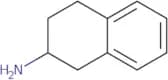
Discontinued product1,2,3,4-Tetrahydronaphthalen-2-amine hydrobromide
CAS:Controlled Product1,2,3,4-Tetrahydronaphthalen-2-amine hydrobromide (THNA) is an amine that inhibits the enzyme tyrosine hydroxylase. This inhibition leads to a decrease in the synthesis of dopamine and norepinephrine. THNA has been shown to have inhibitory properties on locomotor activity, acid complex formation, and aminotransferases. It also exhibits receptor binding and agonist binding site activity. One study found that THNA had no effect on rat striatal tissue. The drug has been shown to be effective in metabolic disorders such as obesity.
Formula:C10H13NPurity:Min. 95%Molecular weight:147.22 g/molRef: 3D-FT133201
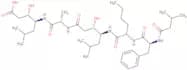
Discontinued productIsovaleryl-Phe-Nle-Sta-Ala-Sta-OH
CAS:Isovaleryl-Phe-Nle-Sta-Ala-Sta-OH (IVAS) is a small molecule that has been shown to be an angiotensin system inhibitor. IVAS blocks the binding site of the angiotensin receptor and prevents the activation of this system. This effect is dose dependent and can be used to treat high blood pressure in humans. IVAS is a long-acting drug and has been shown to be effective in primates as well as humans. The drug is rapidly absorbed from the gastrointestinal tract and eliminated by metabolism, mainly through hydrolysis by esterases or glucuronidases, oxidation by cytochrome P450 enzymes, reduction by glutathione reductase, or conjugation with glucuronic acid. IVAS also specifically binds to markers expressed at high levels in Mycobacterium tuberculosis strains (e.g., ESX-1 secretion system protein) and inhibits cell growth in culture.
Formula:C39H65N5O9Purity:Min. 95%Molecular weight:747.96 g/molRef: 3D-FI49358
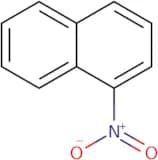
Discontinued product1-Nitronaphthalene
CAS:1-Nitronaphthalene is a nitrobenzene derivative that has been used as an intermediate in the synthesis of pharmaceuticals, dyes, and other organic compounds. 1-Nitronaphthalene is classified as a hazardous substance due to its carcinogenicity and toxicity. In particular, it can cause irritation and burns on skin contact and may be fatal if swallowed. The toxicity profile of 1-nitronaphthalene has been studied in rats, mice, guinea pigs, rabbits, hamsters, and dogs. It was found to have moderate acute oral toxicity in rats but no significant acute toxicity in mice or dogs. 1-Nitronaphthalene also had little effect on p450 activity or enzyme activities in rats.
Formula:C10H7NO2Purity:Min. 95%Color and Shape:Yellow Clear LiquidMolecular weight:173.17 g/molRef: 3D-FN45627
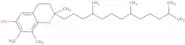
Discontinued productTocopherols
CAS:Tocopherols are fat-soluble vitamins that belong to the family of tocopherols and tocotrienols. Tocopherols have a number of biochemical properties and antioxidant properties. These properties make them important for maintaining energy metabolism in cells, preventing oxidation of other molecules, and protecting the body from damage by reactive oxygen species. Tocopherols are found in a variety of biological sources such as plants, vegetable oils, nuts, grains, fruits and vegetables. The most common form is alpha-tocopherol (a-T). Other forms include gamma-tocopherol (g-T), delta-tocopherol (d-T), beta-tocopherol (b-T), and alpha-tocotrienol (a-TT). Biochemical assays for tocopherols and tocotrienols use p-hydroxybenzoic acid as an analytical reagent. This vitamin can be found in human serum or in
Purity:Min. 95%Ref: 3D-FT168528
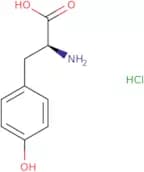
Discontinued productL-Tyrosine hydrochloride
CAS:L-Tyrosine hydrochloride is a pharmaceutical preparation that has been used clinically in the treatment of infectious diseases, cancer, and autoimmune diseases. Tyrosine is an amino acid with a hydroxyl group on its side chain. Tyrosine can be synthesized from phenylalanine by hydroxylation of the phenolic group and decarboxylation of the carboxylic acid group. It is also a precursor to catecholamines and other important biological molecules. L-Tyrosine hydrochloride is used as an intermediate in the production of monoclonal antibodies for use in cancer research. In addition, it has been shown to be an effective inhibitor of virus replication when combined with ester hydrochloride, which prevents the release of progeny virus particles from infected cells.
Formula:C9H11NO3·HClPurity:Min. 95%Molecular weight:217.65 g/molRef: 3D-FT46951
Discontinued product4-(2-Chlorophenyl)-9-methyl-6H-thieno[3,2-f][1,2,4]triazolo[4,3-a][1,4]diazepine-2-propanoic acid methyl ester
CAS:Controlled ProductPlease enquire for more information about 4-(2-Chlorophenyl)-9-methyl-6H-thieno[3,2-f][1,2,4]triazolo[4,3-a][1,4]diazepine-2-propanoic acid methyl ester including the price, delivery time and more detailed product information at the technical inquiry form on this pageFormula:C19H17ClN4O2SPurity:Min. 95%Molecular weight:400.88 g/molRef: 3D-FC20337
Discontinued product7-Amino-4-(trifluoromethyl)coumarin
CAS:7-Amino-4-(trifluoromethyl)coumarin is a coumarin derivative that has been used as a fluorescence probe for the study of enzyme activities. It can be used as a potential biomarker for autoimmune diseases, and has also been shown to have tyrosine kinase domain binding activity. 7-Amino-4-(trifluoromethyl)coumarin can bind to the hydroxyl group in tyrosine residues with high affinity, and binds to the nitrogen atoms in protein kinases with low affinity. This compound is able to form intermolecular hydrogen bonds and steric interactions with peptide hormones.
Formula:C10H6F3NO2Purity:Min. 95%Molecular weight:229.16 g/molRef: 3D-FA74300
Discontinued productNaphthalene
CAS:Naphthalene is a chemical that is used for wastewater treatment and as a pesticide. It is also used in the manufacturing of polymers, resins, and plastics. Naphthalene has antimicrobial properties due to its hydrophobic effect. Naphthalene's antimicrobial activity is based on its ability to react with the skeleton of bacterial cells and disrupt the integrity of their outer membrane. Naphthalene also interacts with proteins and DNA, causing cell death. The molecular mechanisms of naphthalene's antibacterial activity are not well understood but have been studied using Hl-60 cells, which are immortalized human monocytic leukemia cells. This study showed that naphthalene affects the cell cycle by inhibiting protein synthesis in bacteria through binding to ribosomes or by disrupting the dna replication process.
Formula:C10H8Purity:Min. 95%Molecular weight:128.17 g/molRef: 3D-FN10260
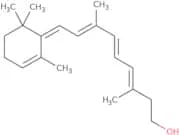
Discontinued productall-trans-Retro retinol
CAS:All-trans-retinol is a form of vitamin A that is found in many animal tissues and some plant oils. It acts as a hormone, binding to the retinoic acid receptors (RARs) in the nucleus and activating gene transcription. All-trans-retinol has been shown to be effective against hyperproliferative diseases such as cancer, both by inducing apoptosis and by inhibiting cell growth. All-trans-retinol may also have therapeutic potential for other diseases, such as intestinal cancers and prostatic hypertrophy. This compound has been shown to induce messenger RNA (mRNA) production in cells that express RARs.
Formula:C20H30OPurity:Min. 95%Molecular weight:286.45 g/molRef: 3D-FR59825
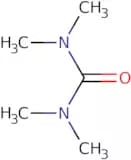
Discontinued productTetramethylurea
CAS:Tetramethylurea is a versatile compound that has various applications in different fields. It is commonly used as a monophosphate donor in biochemical reactions and as a reagent for the synthesis of L-sorbose and histidine. In addition, tetramethylurea is employed in the production of herbicides, as well as in the synthesis of zirconium oxide nanoparticles.
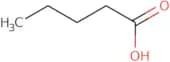
Formula:C5H12N2OPurity:Min. 95%Molecular weight:116.16 g/molValeric acid
CAS:Valeric acid is a fatty acid that is used in the manufacture of polymers. Valeric acid can be synthesized from caproic acid, which is found in palm oil and coconut oil. Valeric acid has been shown to inhibit the activity of nicotinic acetylcholine receptors at low concentrations and to have an inhibitory effect on the ryanodine receptor at high concentrations. Valeric acid also has a matrix effect on analytical methods such as gas-liquid chromatography, which has been modeled using polymer compositions.
Formula:C5H10O2Purity:Min. 95%Molecular weight:102.13 g/molRef: 3D-FV34914
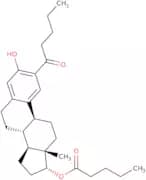
Discontinued product2-Valeryl-17'-estradiol 17-valerate
CAS:Controlled ProductPlease enquire for more information about 2-Valeryl-17'-estradiol 17-valerate including the price, delivery time and more detailed product information at the technical inquiry form on this page
Formula:CHOPurity:Min. 95%Ref: 3D-FV165157
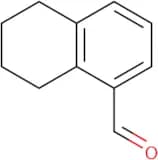
Discontinued product5,6,7,8-Tetrahydronaphthalene-1-carbaldehyde
CAS:Please enquire for more information about 5,6,7,8-Tetrahydronaphthalene-1-carbaldehyde including the price, delivery time and more detailed product information at the technical inquiry form on this page
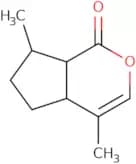
Formula:C11H12OPurity:Min. 95%Color and Shape:Clear LiquidMolecular weight:160.21 g/molcis-trans Nepetalactone
CAS:荆芥内酯是一种驱虫的化合物,使猫薄荷开花植物能够吸引猫。据信,荆芥内酯可以通过模仿猫的信息素来改变猫的行为。
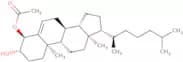
Formula:C10H14O2Purity:Min. 97 Area-%Color and Shape:Colorless Clear LiquidMolecular weight:166.22 g/mol4β-Hydroxy cholesterol 4-acetate
CAS:Controlled Product4b-Hydoxy cholesterol 4-acetate is a pleiotropic drug with a wide range of pharmacological activities. It is an inhibitor of the sirtuin family of proteins and may have anti-cancer effects. It has also been shown to be effective in the treatment of depression and myelodysplastic syndrome. The mechanism of action for this agent is not well understood, but it may be due to its ability to inhibit DNA methyltransferases, which would lead to a change in DNA methylation patterns. 4b-Hydroxy cholesterol 4-acetate has also been shown to decrease lipid levels in the blood and increase the activity of liver enzymes that metabolize fatty acids. This drug can also modify lamellar bodies and short-chain fatty acids by inhibiting the enzyme ATP citrate lyase, which catalyzes citrate cleavage into acetyl CoA and oxaloacetate.
Formula:C29H48O3Purity:Min. 95%Molecular weight:444.69 g/molRef: 3D-FH23949
Discontinued product


![4-(2-Chlorophenyl)-9-methyl-6H-thieno[3,2-f][1,2,4]triazolo[4,3-a][1,4]diazepine-2-propanoic acid …](/_next/image/?url=https%3A%2Fstatic.cymitquimica.com%2Fproducts%2F3D%2Fthumb-webp%2FFC20337.webp&w=3840&q=75)