Pharmaceutical Standards
Subcategories of "Pharmaceutical Standards"
- APIs for research and impurities(277,446 products)
- Enzyme Activators and Inhibitors(2,829 products)
- Nitrosamines(2,668 products)
- Pharmaceutical and Veterinary Compounds and Metabolites(2,891 products)
- Toxicology(13,339 products)
Found 8162 products of "Pharmaceutical Standards"
p-Cresol-(methyl-13C)
CAS:Controlled ProductApplications The formation of p-Cresol-(methyl-13C) via phenol methylation at higher temperature from the deactivation of basic catalyst.
Not a dangerous good if item is equal to or less than 1g/ml and there is less than 100g/ml in the package
References Borodina, I. B., et al.: Russ. J. Phys. Chem., 80, 892-898 (2006)Formula:CC6H8OColor and Shape:NeatMolecular weight:109.13N-Methylperfluorooctanesulfonamide-d3 (50μg/mL in Methanol)
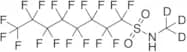
CAS:Controlled ProductFormula:C9HD3F17NO2SColor and Shape:Single SolutionMolecular weight:516.19Etioporphyrin I Nickel
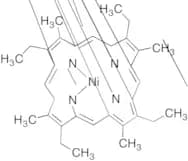
CAS:Controlled ProductFormula:C32H36N4NiColor and Shape:NeatMolecular weight:535.348α-Ketobutyric Acid-d2 Sodium
CAS:Controlled ProductFormula:C4D2H3O3·NaColor and Shape:NeatMolecular weight:126.0837-Amino-4-(trifluoromethyl)coumarin
CAS:7-Amino-4-(trifluoromethyl)coumarin is a coumarin derivative that has been used as a fluorescence probe for the study of enzyme activities. It can be used as a potential biomarker for autoimmune diseases, and has also been shown to have tyrosine kinase domain binding activity. 7-Amino-4-(trifluoromethyl)coumarin can bind to the hydroxyl group in tyrosine residues with high affinity, and binds to the nitrogen atoms in protein kinases with low affinity. This compound is able to form intermolecular hydrogen bonds and steric interactions with peptide hormones.
Formula:C10H6F3NO2Purity:Min. 95%Molecular weight:229.16 g/molRef: 3D-FA74300
Discontinued product1-(Aminomethyl)naphthalene
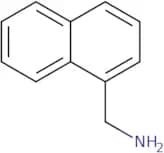
CAS:1-(Aminomethyl)naphthalene is a hydrogen bond-forming molecule that has high values of hydrochloric acid. This compound reacts with sodium carbonate to form glycoside derivatives, which have been shown to display light emission. 1-(Aminomethyl)naphthalene can be used in the synthesis of oxytocin and toll-like receptor ligands, as well as other chemical reactions. The carbonyl group found in this molecule is responsible for the reactivity and stability of this compound.
Formula:C10H7CH2NH2Purity:Min. 95%Color and Shape:Clear Colourless To Yellow LiquidMolecular weight:157.21 g/molRef: 3D-FA12539
Discontinued product(3β,5β,17α)-19-Norpregnane-3,17-diol
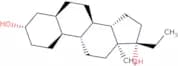
CAS:Controlled ProductPlease enquire for more information about (3β,5β,17α)-19-Norpregnane-3,17-diol including the price, delivery time and more detailed product information at the technical inquiry form on this page
Formula:C20H34O2Purity:Min. 95%Color and Shape:PowderMolecular weight:306.48 g/molRef: 3D-FN26473
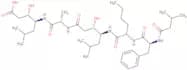
Discontinued productIsovaleryl-Phe-Nle-Sta-Ala-Sta-OH
CAS:Isovaleryl-Phe-Nle-Sta-Ala-Sta-OH (IVAS) is a small molecule that has been shown to be an angiotensin system inhibitor. IVAS blocks the binding site of the angiotensin receptor and prevents the activation of this system. This effect is dose dependent and can be used to treat high blood pressure in humans. IVAS is a long-acting drug and has been shown to be effective in primates as well as humans. The drug is rapidly absorbed from the gastrointestinal tract and eliminated by metabolism, mainly through hydrolysis by esterases or glucuronidases, oxidation by cytochrome P450 enzymes, reduction by glutathione reductase, or conjugation with glucuronic acid. IVAS also specifically binds to markers expressed at high levels in Mycobacterium tuberculosis strains (e.g., ESX-1 secretion system protein) and inhibits cell growth in culture.
Formula:C39H65N5O9Purity:Min. 95%Molecular weight:747.96 g/molRef: 3D-FI49358
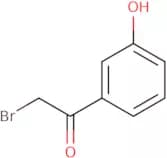
Discontinued product2-Bromo-3'-hydroxyacetophenone
CAS:2-Bromo-3'-hydroxyacetophenone is a molecule that has been shown to be cytotoxic and effective in inhibiting the growth of cancer cells. 2-Bromo-3'-hydroxyacetophenone inhibits the production of kynurenine, an amino acid that is used in the production of proteins, by competitively binding to the enzyme IDO1. This binding prevents the conversion of tryptophan into kynurenine, leading to cell death. The cytotoxicity of 2-bromo-3'-hydroxyacetophenone was also confirmed by testing its ability to inhibit cellular interaction with human erythrocytes (blood cells) and by measuring its effects on crystallography efficiency.
Formula:C8H7BrO2Purity:Min. 95%Color and Shape:Slightly Yellow PowderMolecular weight:215.04 g/molL-Aspartic acid alpha-tert-butyl ester
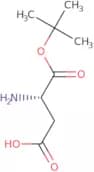
CAS:L-Aspartic acid alpha-tert-butyl ester is a synthetic amino acid that can be used as a substrate for the synthesis of L-cysteine in the presence of selenomethionine. This compound is an auxotroph and cannot be synthesized by the body, so it must be obtained through diet or supplementation. It has been shown to have anti-cancer properties, which may be due to its role in regulating cell proliferation, apoptosis, and angiogenesis. L-Aspartic acid alpha-tert-butyl ester may also inhibit colon cancer cells by preventing them from recycling proteins. This compound was shown to inhibit HCT116 human colon cancer cells in both experimentally and computationally studies. Additionally, this molecule was seen to induce tumor regression in mice with colitis by inhibiting eukaryotic protein synthesis. This inhibition was found to be mediated through a trifluoromethyl group on the molecule's
Formula:C8H15NO4Purity:Min. 95%Color and Shape:PowderMolecular weight:189.21 g/molRef: 3D-FA47669
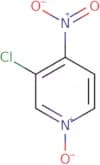
Discontinued product3-Chloro-4-nitropyridine 1-oxide
CAS:3-Chloro-4-nitropyridine 1-oxide is the condensation product of 2-chloro-3-nitropyridine and nitric acid. 3-Chloro-4-nitropyridine 1-oxide has an isomeric nature and can be purified by recrystallization from water. The compound has a molecular weight of 286.1 g/mol and a monoclinic crystal structure. It has two n-oxides, which are isomers of each other, with nmr spectra that differ by the shift in the chemical shifts of the protons on the aromatic ring. 3-Chloro-4-nitropyridine 1-oxide condenses with lanthanides to form lanthanide complexes, such as Eu(III)(3,5'-ClO 4 ) 2 . This compound is also used in the synthesis of phenoxathiine derivatives that have antihypertensive activity.
Formula:C5H3ClN2O3Purity:Min. 95%Molecular weight:174.54 g/mol3,4'-Dihexyl-2,2'-bithiophene
CAS:Please enquire for more information about 3,4'-Dihexyl-2,2'-bithiophene including the price, delivery time and more detailed product information at the technical inquiry form on this page
Purity:Min. 95%Ref: 3D-FD44193
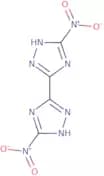
Discontinued product5,5'-Dinitro-2H,2'H-3,3'-bi-1,2,4-triazole
CAS:Controlled ProductPlease enquire for more information about 5,5'-Dinitro-2H,2'H-3,3'-bi-1,2,4-triazole including the price, delivery time and more detailed product information at the technical inquiry form on this page
Formula:C4H2N8O4Purity:Min. 95%Molecular weight:226.11 g/molRef: 3D-FD118856
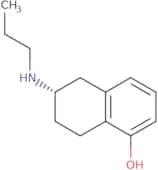
Discontinued product(6S)-5,6,7,8-Tetrahydro-6-(propylamino)-1-naphthalenol
CAS:Controlled ProductRotigotine is a drug that is used to treat Parkinson's disease. It is a dopamine agonist that stimulates the release of dopamine in the brain. Rotigotine has been shown to be effective in controlling symptoms of Parkinson's disease, such as tremors and stiffness, and improving motor skills. This drug has also been shown to have a good tolerability profile, with few side effects reported. Rotigotine is rapidly absorbed from the gastrointestinal tract and metabolized by CYP2D6 into desalkyl rotigotine, which are pharmacologically inactive compounds. The mean terminal half-life for rotigotine is about 2 hours.
Formula:C13H19NOPurity:Min. 95%Molecular weight:205.3 g/molNaphthalene
CAS:Naphthalene is a chemical that is used for wastewater treatment and as a pesticide. It is also used in the manufacturing of polymers, resins, and plastics. Naphthalene has antimicrobial properties due to its hydrophobic effect. Naphthalene's antimicrobial activity is based on its ability to react with the skeleton of bacterial cells and disrupt the integrity of their outer membrane. Naphthalene also interacts with proteins and DNA, causing cell death. The molecular mechanisms of naphthalene's antibacterial activity are not well understood but have been studied using Hl-60 cells, which are immortalized human monocytic leukemia cells. This study showed that naphthalene affects the cell cycle by inhibiting protein synthesis in bacteria through binding to ribosomes or by disrupting the dna replication process.
Formula:C10H8Purity:Min. 95%Molecular weight:128.17 g/molRef: 3D-FN10260
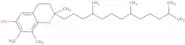
Discontinued productTocopherols
CAS:Tocopherols are fat-soluble vitamins that belong to the family of tocopherols and tocotrienols. Tocopherols have a number of biochemical properties and antioxidant properties. These properties make them important for maintaining energy metabolism in cells, preventing oxidation of other molecules, and protecting the body from damage by reactive oxygen species. Tocopherols are found in a variety of biological sources such as plants, vegetable oils, nuts, grains, fruits and vegetables. The most common form is alpha-tocopherol (a-T). Other forms include gamma-tocopherol (g-T), delta-tocopherol (d-T), beta-tocopherol (b-T), and alpha-tocotrienol (a-TT). Biochemical assays for tocopherols and tocotrienols use p-hydroxybenzoic acid as an analytical reagent. This vitamin can be found in human serum or in
Purity:Min. 95%Ref: 3D-FT168528
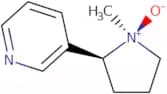
Discontinued product(1'S,2'S)-Nicotine 1'-oxide
CAS:Nicotine 1'-oxide is a metabolite of nicotine which is a naturally occurring alkaloid. Nicotine 1'-oxide is produced by the oxidation of nicotine and can be found in tobacco smoke, as well as in the urine of humans. Nicotine 1'-oxide has been shown to have enzyme inhibiting properties, and has been shown to decrease insulin-stimulated glucose transport rate in human liver cells. This product also has potential use as a stabilizer for pharmaceuticals or other organic substances, and can inhibit demethylation reactions that may lead to carcinogenesis. Nicotine 1'-oxide may also play a role in the transport of chemicals across membranes.
Formula:C10H14N2OPurity:Min. 95%Color and Shape:PowderMolecular weight:178.23 g/molRef: 3D-FN26201
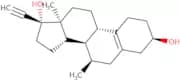
Discontinued product3a-Hydroxy tibolone
CAS:Controlled ProductTibolone is a synthetic hormone that is used in the treatment of menopausal symptoms and breast cancer. Tibolone has been shown to be an effective treatment for menopausal symptoms, such as hot flashes and vaginal dryness, by providing relief from these symptoms. Tibolone has also been shown to have anti-cancer effects. This drug may be useful for treating breast cancer because it can inhibit the growth of cancer cells by binding to estrogen receptors and blocking estrogen-induced cell proliferation. Tibolone also stimulates angiogenesis, which is the formation of new blood vessels in order to provide nutrients and oxygen to growing tissue. It has been shown that this drug inhibits the synthesis of hepg2 cells in vitro, which are involved in the production of angiogenic factors. Tibolone may also have clinical relevance as a chemopreventive agent against prostate cancer.BR> Tibolone has also been shown to stimulate sulphatase activity in vitro, which may contribute to
Formula:C21H30O2Purity:Min. 95%Molecular weight:314.46 g/molRef: 3D-FH24140
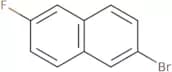
Discontinued product2-bromo-6-fluoronaphthalene
CAS:2-bromo-6-fluoronaphthalene is a molecule that has been shown to be a good electron donor in organic solar cells. It is also an analgesic and antinociceptive agent. 2-Bromo-6-fluoronaphthalene has shown to have antiinflammatory effects and inhibit the production of prostaglandins, which are chemical messengers that induce inflammation. The molecular structure of 2-bromo-6-fluoronaphthalene consists of two bromine atoms attached to two naphthalene rings. The bromine atoms provide strong electron donating properties and the naphthalene rings provide stability for the molecule.
Formula:C10H6BrFPurity:Min. 95%Molecular weight:225.06 g/molRef: 3D-FB105673
Discontinued product1-(2-Aminoethyl)-3-Phenylurea Hydrochloride
CAS:Please enquire for more information about 1-(2-Aminoethyl)-3-Phenylurea Hydrochloride including the price, delivery time and more detailed product information at the technical inquiry form on this page
Formula:C9H13N3O·HClPurity:Min. 95%Molecular weight:215.68 g/molRef: 3D-FA53557
Discontinued product